Category: Politics

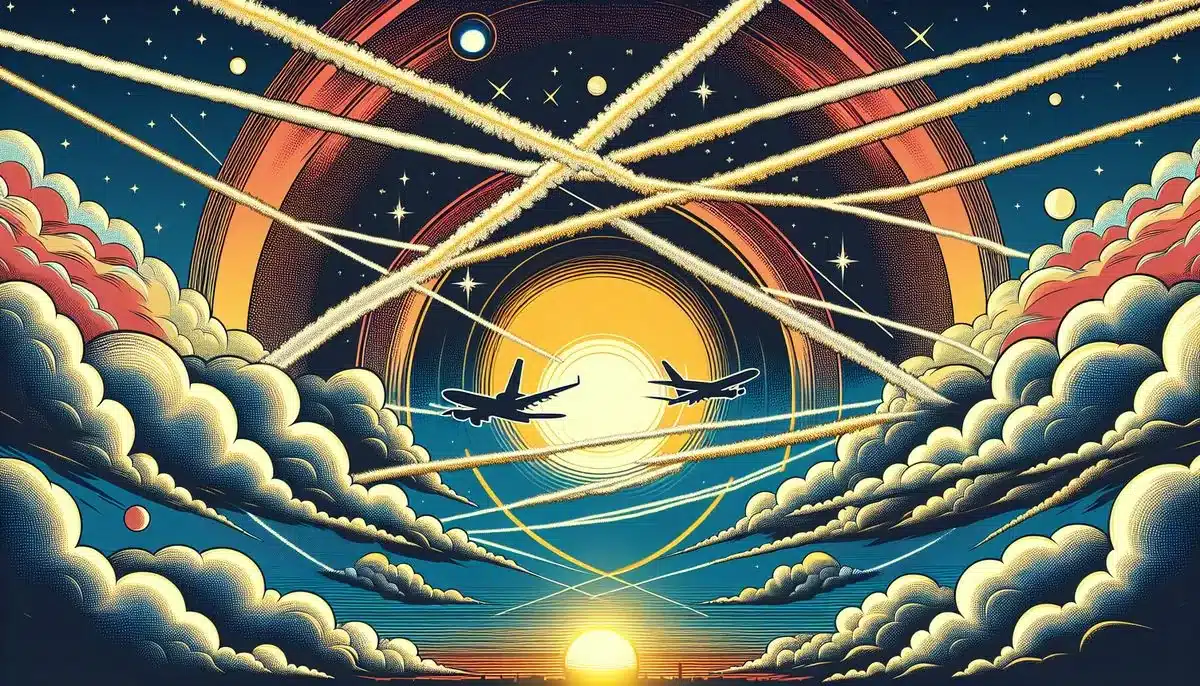
  • The Truth About Chemtrails: What They Don’t Want You to Know

    The Truth About Chemtrails: What They Don’t Want You to Know

    The prospect of a climate apocalypse has become a pressing concern in recent years, as scientific evidence increasingly points to the severe consequences of unchecked global warming. The potential for irreversible damage to our planet’s ecosystems and the well-being of future generations has sparked a sense of urgency among climate scientists, policymakers, and activists alike. This article delves into the critical thresholds of climate change, explores strategies for mitigation and adaptation, and discusses whether there is still room for optimism in the face of potential disaster.

    Key Takeaways

    • By 2035, we may reach a critical point of no return in climate action, after which limiting global warming to 1.5°C may no longer be possible.
    • Irreversible changes to the Earth’s climate system are being driven by human activities such as deforestation and fossil fuel consumption.
    • A paradigm shift towards ‘apocalyptic optimism’ may be necessary to foster progress and inspire collective action against climate change.

    The Tipping Point: Understanding the Critical Thresholds of Climate Change

    The 2035 Deadline: A Point of No Return?

    We’re on the brink, folks. Scientists have circled 2035 on the calendar as the year we might cross a critical threshold. After that, stopping a 2-degree Celsius rise in Earth’s temperature becomes a pipe dream. This isn’t science fiction; it’s a countdown to potential disaster.

    We’re not just up against the clock; we’re up against our own legacy of deforestation and fossil fuel addiction. It’s a legacy that’s pushing us closer to the edge.

    Here’s the kicker: it’s not just about the temperature. It’s the domino effect – one disaster triggering another. We can’t afford to ignore the warnings any longer.

    • Key Takeaways:
      • 2035: The potential point of no return.
      • 2-degree Celsius rise: The line we must not cross.
      • Action required: Urgent and decisive.

    We’ve got to flip the script. It’s time for bold moves and a new narrative. ‘Apocalyptic optimism’ might sound like an oxymoron, but it’s the mindset we need to adopt. We can change the ending of this story, but only if we start rewriting it now.

    Irreversible Changes and the 2-Degree Celsius Benchmark

    We’re standing on a precipice, folks. The 2-degree Celsius mark isn’t just a number; it’s a line in the sand that Mother Nature drew with a shaky hand. Cross it, and we’re not just talking about longer summers or milder winters. We’re talking about a domino effect of catastrophic events that could reshape our world as we know it.

    The principles of climate science have been clear: once we hit that 2-degree increase, we’re looking at irreversible changes. Coastal cities could become modern Atlantises, and extreme weather could go from headline news to just another Tuesday. The data doesn’t lie, and it’s begging us to pay attention.

    The Paradigm Shift we need is monumental. It’s not just about switching off lights or cycling to work. It’s about transforming how we live, how we consume, how we think about our place on this planet. Here’s a snapshot of what we’re up against:

    • Heatwaves: Multiplication factor of 5x or more
    • Floods: Coastal areas at severe risk
    • Storms: Increased intensity and frequency

    We can’t afford to be passive spectators in this unfolding drama. It’s time to take the stage and act.

    The study led by UK and Netherlands scientists rings an alarm for 2035, a year that could mark a point of no return. If we don’t pivot now, we might just find ourselves in a future where the term ‘natural disaster’ loses all meaning because there’s nothing ‘natural’ about the chaos we’ve unleashed.

    The Role of Deforestation and Fossil Fuels in Climate Dynamics

    We’ve got ourselves into a real pickle with deforestation and burning fossil fuels. It’s like we’re on a runaway train heading for a cliff, and the brakes are busted. Scientists are clear: we need to stop burning fossil fuels. The thickening blanket of greenhouse gases is our own doing, and it’s heating up our planet at an alarming rate.

    But here’s the kicker: even if we cut out the pollution, we’re still in for a rough ride. Gaseous sulfur dioxide, a major pollutant from fossil fuels, hangs around for just days. So, when we cut the pollution, the impact is almost immediate. Unlike carbon dioxide, which can last for centuries in our atmosphere, we can see quick changes if we act fast.

    Let’s talk numbers. Deforestation and fossil fuel emissions are the main culprits behind the rapid increase in greenhouse gases. And it’s not just about the air we breathe; it’s about the entire climate system. Here’s a snapshot of the problem:

    • Greenhouse Gas Emissions: Skyrocketing due to human activities.
    • Deforestation: Stripping away our planet’s lungs, contributing to CO2 levels.
    • Fossil Fuels: The addiction we need to kick, for our climate’s sake.

    We’re at a crossroads. Every moment we delay, the closer we get to a climate point of no return. It’s time to take decisive action.

    We can’t afford to ignore the signs. The urgent discussions around apocalyptic disasters illustrate just how fragile our world is. It’s a wake-up call we all need to hear. We’re in this together, and it’s time to rally and turn the tide on climate change.

    Navigating the Climate Crisis: Strategies for Mitigation and Adaptation

    Economic Impacts: Weighing Costs Against Climate Action

    We’re at a crossroads, folks. The climate crisis isn’t just about polar bears and melting ice caps; it’s hitting our wallets hard. Economic impacts are real and escalating. But what’s the price tag on the end of the world? We can’t afford to ignore the costs of inaction.

    Let’s break it down. We’ve got floods wiping out crops, hurricanes demolishing homes, and wildfires torching timber. These aren’t just headlines; they’re invoices being billed to our future. And the longer we wait, the steeper the cost. Yet, some argue that the price of mitigation might be too high. Can we really put a price on a livable planet?

    Here’s the kicker: investing in climate action can actually save us money in the long run. Think about it. Renewable energy prices are dropping like leaves in autumn. Energy efficiency is the gift that keeps on giving, slashing bills left and right. And let’s not forget the green jobs bonanza. We’re talking about a whole new economy here, folks!

    • Renewable Energy: Cheaper than ever, and getting more affordable by the day.
    • Energy Efficiency: Cut costs and carbon footprints at the same time.
    • Green Jobs: A surge in employment opportunities in sustainable industries.

    We’re not just saving the planet; we’re investing in our own prosperity. It’s a win-win if we play our cards right.

    So, let’s roll up our sleeves and get to work. We can’t let the financial titans and media manipulation shape our future. It’s time to take control of our destiny and make smart, sustainable choices that will pay off for generations to come.

    Global Disasters and the Urgency of Decisive Measures

    We’re at a crossroads, folks. The planet’s sending SOS signals, and we’re the only ones who can answer the call. Climate change isn’t waiting around for us to get our act together. It’s happening, it’s real, and it’s wreaking havoc. From wildfires to hurricanes, the evidence is undeniable. We’ve seen the studies, like the one from Earth System Dynamics on August 30, 2018, screaming for immediate action.

    Our response? It’s got to be swift, it’s got to be strong. We’re talking about a full-scale mobilization, tackling emissions, switching to renewables, and adapting our infrastructure. The cost of inaction is catastrophic, while the price of prevention is a bargain.

    • Cut emissions: Transition to clean energy.
    • Adapt infrastructure: Make cities resilient.
    • Economic overhaul: Invest in green tech.

    We’re in this together, and the time to act is slipping through our fingers like sand in an hourglass.

    Let’s not find ourselves looking back, wishing we’d done more. The future’s not set in stone, and we’ve got the chisel. Let’s carve out a path that leads to survival, not regret.

    ‘Apocalyptic Optimism’: A New Narrative for Climate Progress

    We’re at a crossroads, folks. The climate crisis looms like a storm on the horizon, but we’re not just sitting ducks. Enter Apocalyptic Optimism, a mindset shift that’s all about harnessing hope to spur action. It’s not about denying the gravity of our situation—it’s about believing in our collective power to steer the ship away from disaster.

    We can’t afford to wait for a perfect solution. Every small step counts. Here’s a snapshot of what we’re up against and what we’re doing about it:

    • The 2035 Deadline: Scientists warn that we must drastically cut emissions by 2035 to avoid catastrophic climate change.
    • Economic Impacts: The cost of inaction far outweighs the price of prevention.
    • Global Disasters: We’re already seeing the effects of climate change in increased natural disasters.

    But here’s the kicker: we’re not just passive observers. We’re active participants in this unfolding story. Shows like Strange Tales of the Unexplained and Unexplained History discuss the potential for global conflicts and apocalyptic scenarios, and they also remind us that we have agency. We’re writing our future, one renewable energy project, one conservation effort, one sustainable practice at a time.

    We’re the authors of our own destiny, and the pen is in our hands.

    So let’s get to work. Let’s innovate, let’s inspire, and let’s ignite a movement that’s fueled by optimism and action. The world’s end isn’t written in stone—it’s an ongoing draft, and we’re the editors.

    As we face the daunting challenges of the climate crisis, it’s crucial that we come together to explore effective strategies for mitigation and adaptation. Our platform offers a wealth of resources, including podcasts, documentaries, and expert discussions that can empower you to take informed action. Join our community of proactive individuals by signing up for a free trial at Aftermath Media, and start making a difference today. Together, we can navigate this crisis and build a sustainable future for all.

    Conclusion: A Call to Action Amidst the Climate Crisis

    As we stand at the precipice of potentially irreversible climate change, the concept of a ‘Climate Apocalypse’ is not just a dystopian narrative but a stark reality we must confront. The evidence is overwhelming: if we continue on our current trajectory, the world as we know it could face catastrophic transformations. By 2035, we may reach a point of no return, where the chance to limit global warming to 1.5°C will slip from our grasp, leading to devastating consequences such as widespread flooding, extreme weather events, and ecological collapse. However, this is not a foregone conclusion. We have the power to change course through decisive action, eradicating deforestation, transitioning to renewable energy, and curbing greenhouse gas emissions. It is not merely a matter of policy but a collective moral imperative. Our choices today will define the legacy we leave for future generations. Let us choose a path of ‘Apocalyptic Optimism,’ where we rally together to forge a sustainable future, embracing the challenge with the urgency it demands.

    Frequently Asked Questions

    What is the 2035 deadline in the context of climate change?

    The 2035 deadline refers to a critical point identified by scientists, beyond which it may become extremely unlikely to prevent the Earth’s temperature from rising by 2 degrees Celsius. This threshold is significant because surpassing it could trigger catastrophic climate-related disasters globally.

    How can deforestation and fossil fuels affect climate change?

    Deforestation and the burning of fossil fuels are major contributors to climate change. They release large amounts of greenhouse gases, such as carbon dioxide, into the atmosphere, leading to a greenhouse effect that causes global temperatures to rise. This can result in severe environmental impacts, including extreme weather events and loss of biodiversity.

    What is ‘Apocalyptic Optimism’ in the context of climate change?

    ‘Apocalyptic Optimism’ is a narrative that acknowledges the grave potential outcomes of climate change but focuses on a positive and proactive approach. It emphasizes the possibility of avoiding disaster by taking decisive and effective actions to mitigate climate change and adapt to its impacts.

  • Big Pharma Conspiracy: Suppressing Natural Cures for Profit

    Big Pharma Conspiracy: Suppressing Natural Cures for Profit

    The article titled ‘Big Pharma Conspiracy: Suppressing Natural Cures for Profit’ dives into the controversial belief that pharmaceutical companies, alongside other entities, may be deliberately concealing natural cures for cancer to maintain their profitability. This theory suggests a sinister motive behind the industry’s focus on expensive treatments over potential inexpensive or natural alternatives. The article examines the origins of this conspiracy, the role of Big Pharma in cancer research, the impact of misinformation, and the ethical implications of profit-driven research. It aims to shed light on the reality of cancer research and treatment, debunk myths, and explore the complex relationship between progress and profit in the fight against cancer.

    Key Takeaways

    • There is no evidence to support the claim that a cure for cancer is being deliberately suppressed by pharmaceutical companies or any other entities.
    • The search for cancer cures is a complex and ongoing process, with numerous advancements achieved through transparent, peer-reviewed scientific research.
    • Misinformation about so-called hidden cures can be harmful, leading to false hopes and potentially dangerous health decisions, underscoring the need for evidence-based medicine and reliable information sources.

    The Hidden Cure Myth: Dissecting the Conspiracy

    The Origin of Suppression Claims

    We’ve all heard whispers of hidden cures, suppressed by the big bad wolves of Big Pharma. But where did these claims start? Let’s dive in. The seed of this conspiracy was planted long ago, watered by fear and a distrust of the establishment. It’s a tale as old as time, or at least as old as modern medicine.

    Ground Zero Radio and The Secret Teachings have fanned the flames, suggesting that profit, not progress, is the true aim of pharmaceutical giants. Shows like Ground Zero with Clyde Lewis and Into the Parabnormal have become platforms for questioning the status quo, pushing us to think twice about the narratives we’re fed.

    We’re not just passive consumers of information; we’re critical thinkers, demanding transparency and truth.

    Support more articles like this by staying informed and engaged. Here’s a quick list of programs that keep the conversation going:

    • Ground Zero Radio
    • The Secret Teachings
    • Ground Zero with Clyde Lewis
    • Into the Parabnormal

    These programs aren’t just entertainment; they’re a call to action, a reminder to question everything. The truth is out there, and it’s our job to seek it.

    The Role of Big Pharma in Cancer Research

    We’ve all heard the whispers, the rumors that Big Pharma is the big bad wolf of the healthcare world. But let’s dive into the facts. These companies pour billions into cancer research. In 2017 alone, the U.S. National Institutes of Health allocated nearly $6 billion for cancer research, yet this is dwarfed by the private sector’s contribution of an estimated $50 billion annually. Big Pharma’s role is colossal, but is it benevolent or self-serving?

    Into the Parabnormal with Jeremy Scott often explores the darker side of the industry, suggesting that profit, not progress, drives research. But could it be that simple? Critics argue that the focus on patentable drugs overshadows cheaper, potentially effective treatments. The table below shows a stark contrast in funding:

    Source Annual Investment in Cancer Research
    U.S. National Institutes of Health $6 billion
    Private Pharmaceutical Companies $50 billion

    Misinformation can twist public perception, painting a picture of a sector more interested in lining pockets than saving lives. Yet, the reality is nuanced. Big Pharma does invest in drug repurposing and combination therapies, albeit not as much as some would like. The argument that they’re suppressing natural cures for profit is a compelling narrative, but it’s not the whole story.

    The truth is, cancer is complex, and research is expensive. The path to a cure is not a straight line, and it’s paved with both breakthroughs and setbacks. Collaboration, not conspiracy, might just be the key to unlocking the cures we so desperately seek.

    The Impact of Misinformation on Public Perception

    We’ve seen it time and again, folks. Misinformation spreads like wildfire, and when it comes to health, the stakes are sky-high. Big Pharma’s role in cancer research is often twisted into a villainous narrative. But let’s take a step back and look at the facts. Misinformation doesn’t just muddy the waters; it can lead to dangerous decisions and misplaced distrust in proven treatments.

    The Paradigm Shift in public perception is real, and it’s fueled by sensational stories and cherry-picked data. We’re not just talking about a few fringe blogs; this is a widespread issue that’s affecting how people view medicine and science. Here’s a quick rundown of the consequences:

    • Delayed or avoided medical treatment
    • Increased reliance on unproven remedies
    • Erosion of trust in medical professionals

    Misinformation has the power to shape beliefs and actions, often to the detriment of public health.

    It’s crucial we combat this by promoting critical thinking and supporting transparent research. After all, we’re all in this together, and it’s our collective responsibility to ensure that truth prevails over fiction.

    The Economics of Cancer Treatment: Profit vs. Progress

    The Funding Imbalance in Cancer Research

    We’ve all heard the whispers of Big Pharma’s tight grip on cancer research funding. But let’s dive into the numbers, shall we? The U.S. National Institutes of Health (NIH) earmarked nearly $6 billion for cancer research in 2017. Sounds impressive, right? Hold on to your hats, because private pharmaceutical companies are pouring a staggering $50 billion into the same pot annually. That’s no small potatoes, folks.

    But here’s the kicker: despite this influx of cash, the National Cancer Institute’s (NCI) budget has been on a real-value decline since 2003. Inflation’s the silent thief here, folks. And while the NCI partners with universities and Big Pharma for clinical trials, the question remains: are we putting our eggs in the right baskets?

    Let’s not forget about the disparities in cancer outcomes. The NCI is hustling to improve the lot for groups disproportionately affected by cancer. Yet, the focus seems to be on patentable, single-drug treatments. What about combination therapies or repurposing oldies but goodies like aspirin? Are we missing out on affordable cures because they can’t be patented?

    We’re in a race against cancer, and it’s not just about crossing the finish line first. It’s about making sure everyone can afford the ticket to the race.

    The Case for Drug Repurposing and Combination Therapies

    We’ve got to talk about the untapped potential in our medicine cabinets. Existing drugs have a second life waiting to be discovered—one that could outsmart cancer without breaking the bank. It’s like finding a hidden gem in a pile of rocks. Drug repurposing and combination therapies aren’t just smart; they’re necessary. Big Pharma might not be jumping for joy, but the rest of us should be.

    The Secret Teachings with Ryan Gable often touches on the overlooked, and that’s exactly what we’re doing here. We’re not reinventing the wheel; we’re adding some much-needed air to tires that have been deflated by profit-driven research.

    We’re talking about a shift in focus. From the ‘next big thing’ to the ‘smart combination’ that could save lives.

    Here’s why this matters:

    • Cost-effective: Repurposed drugs are cheaper to develop.
    • Time-saving: They’ve already passed safety tests.
    • Innovative: Combining drugs can outmaneuver cancer’s tricks.

    The road to a cure isn’t paved with gold—it’s lined with the wisdom of using what we already have. Let’s not wait for a miracle drug when we could be working miracles with the drugs we already have.

    The Argument Against Big Pharma’s Alleged Obstruction

    We’ve all heard the whispers, the rumors that Big Pharma is the big bad wolf of healthcare, huffing and puffing to blow down any natural cure that dares to threaten their profits. But let’s take a step back and look at the facts. The truth is, developing new drugs is a risky and costly business. It’s not just about the money; it’s about patient safety, efficacy, and science-based results.

    Innovation isn’t something you can just sweep under the rug. Pharmaceutical companies invest billions into research and development. It’s a high-stakes game where failure is more common than success. And when a breakthrough does happen, it’s not just a win for the company, but for patients worldwide.

    Consider this: if there really was a conspiracy to suppress cures, why would there be continuous advancements in cancer treatments? Survival rates are climbing, and that’s not by accident. It’s the result of relentless research and rigorous testing. Here’s a snapshot of the reality:

    • Billions invested in R&D
    • Countless hours of clinical trials
    • Regulatory hurdles cleared
    • Lives improved and extended

    The idea that Big Pharma is deliberately blocking natural cures doesn’t hold up against the sheer volume of progress we’ve witnessed.

    So, before we jump on the conspiracy bandwagon, let’s give credit where credit is due. The path to new treatments is paved with challenges, but it’s a path that continues to deliver hope and healing to millions.

    The Reality of Cancer Research and Treatment

    Advancements in Cancer Treatments and Survival Rates

    We’ve come a long way in the fight against cancer, folks. It’s not all doom and gloom. Some cancers, when caught early, boast survival rates that’ll knock your socks off—think 70 percent or higher. We’re talking about the big ones like breast cancer, prostate cancer, and even melanoma. But let’s not sugarcoat it—some cancers are tough nuts to crack, resistant to everything thrown their way so far.

    It’s a mixed bag, but the progress is undeniable. We’re seeing breakthroughs that are changing lives, extending years, and giving hope where there was little.

    Now, let’s break it down with some cold, hard numbers. Here’s a quick snapshot of how survival rates have improved over the years:

    Cancer Type 5-Year Survival Rate (1970s) 5-Year Survival Rate (Today)
    Breast Cancer 75% 90%
    Prostate Cancer 68% 98%
    Melanoma 82% 92%

    These numbers aren’t just stats—they’re people. They’re families staying together longer. And while we’re at it, let’s not forget the role of peer-reviewed research in this. It’s the gold standard that keeps the science honest and the advancements coming. No hidden cures, just hard work and transparency.

    Get a Hoodie or T-Shirt and support us! Every bit helps us keep digging into these stories, busting myths, and bringing the truth to light. Together, we’re part of the solution, not the problem.

    The Transparency and Peer Review Process in Research

    We’re diving deep into the heart of scientific integrity, folks. Peer review is the unsung hero of research, the gatekeeper of quality. It’s where fellow scientists put studies through the wringer before they see the light of day. Think of it as the ultimate ‘prove it’ moment for researchers.

    Ground Zero with Clyde Lewis and Everything Out There might spin wild tales, but in the world of science, transparency is king. Here’s the deal:

    • Researchers submit their work to journals.
    • Experts in the field scrutinize every detail.
    • Feedback is given, revisions are made.
    • Only then does a study get published.

    It’s a rigorous process, designed to weed out the fluff and keep the facts straight.

    This isn’t just about ticking boxes. It’s about building a foundation of trust with the public. When we hear about a breakthrough, we want to know it’s legit, not just some flash in the pan. And that’s why this process matters. It’s what separates the scientific wheat from the conspiratorial chaff.

    Why a Universal Cure Remains Elusive

    We’ve all heard the whispers, the rumors that echo through the halls of the internet. Shows like Ground Zero with Clyde Lewis stir the pot, but let’s cut through the noise. Cancer is not a monolith. It’s a complex beast, a hydra with countless heads, each requiring a different sword to slay. The idea of a single, universal cure is as elusive as a mirage in the desert.

    • Cancer types: Hundreds
    • Treatment methods: Countless
    • Universal cure: None

    The truth is, cancer varies wildly from person to person, even when it’s the same type. What works for one might not work for another. It’s a puzzle with billions of pieces, and we’re still finding the corners. The journey is long, and the path is riddled with challenges.

    We’re in this together, searching for answers, pushing the boundaries of science. Every breakthrough, every setback, it’s all part of the quest.

    So, why no universal cure? It’s not for lack of trying or because of some shadowy conspiracy. It’s because cancer is as individual as the people it affects. And that’s the heart of the matter.

    The Ethical Implications of Cancer Research Funding

    The Moral Dilemma of Profit-Driven Research

    We’ve all heard the whispers of Big Pharma putting profits over patients, but let’s dive deeper. The critical role of morality in pharmaceutical development can’t be overstated. Companies face a tough choice: recoup research costs or price life-saving drugs within reach of those in need. It’s a balancing act between innovation and access.

    • Drug pricing affects us all, especially when it comes to cancer treatments.
    • The tug-of-war between ethical responsibility and financial sustainability is real.
    • Patients’ lives often hang in the balance, waiting for affordable solutions.

    The pursuit of profit shouldn’t overshadow the essence of healthcare: to heal.

    Transparency is key. We demand it in courtrooms and expect it in our healthcare. Yet, when it comes to funding, the waters get murky. Collaboration between government, nonprofits, and the private sector might just be the beacon of hope we need. After all, we’re in this together, fighting for a future where cures aren’t just for the wealthy.

    The Role of Government and Nonprofits in Cancer Research

    We’ve got to talk about the unsung heroes in the fight against cancer: government agencies and nonprofits. These guys are the backbone, funding groundbreaking research without the same profit motives driving Big Pharma. Think about the National Cancer Institute (NCI) – they’re all about the greater good, offering ways for us to chip in, from volunteering to donating tissue for research.

    But it’s not just about throwing money at the problem. These organizations foster collaboration, bringing together the brightest minds to share knowledge and resources. It’s a team effort, and every player counts. Here’s the kicker: without their support, many life-saving advancements would never see the light of day.

    We’re in this together, and it’s the collective action that’s pushing the boundaries of what’s possible in cancer treatment.

    So, let’s give a shout-out to these champions. They’re not just funding; they’re fueling hope. And hope, my friends, is a powerful medicine.

    Collaboration as a Pathway to Cures

    We’ve seen it time and again, folks. When we join forces, magic happens. Take the CURE Drug Repurposing Collaboratory for example. They’re doing wonders by evaluating drug leads with advanced analytics. This isn’t just about finding new treatments; it’s about giving existing drugs a second shot at glory. And guess what? It’s working.

    Collaboration is the key that unlocks potential we never knew existed. It’s not just about sharing resources; it’s about sharing visions, dreams, and the relentless pursuit of healing. We’re talking government, nonprofits, and yes, even Big Pharma, all playing in the same sandbox for the greater good.

    We’re not naive. We know the road is long and the challenges are many. But we also know that when we come together, the impossible becomes possible.

    Here’s the kicker: collaboration doesn’t just benefit the patients. It’s a win-win for everyone involved. Researchers get to push boundaries, companies can diversify their portfolios, and society gets a shot at better health outcomes. It’s a no-brainer, right?

    • Evaluate drug leads
    • Inform clinical trial design
    • Identify repurposing candidates

    These aren’t just bullet points; they’re beacons of hope. And it’s all thanks to the power of working together. So let’s keep pushing, keep innovating, and keep collaborating. Because together, we’re unstoppable.

    The pursuit of cancer research is not just a scientific endeavor but a moral one, where the allocation of funds can have profound implications on the lives of millions. As we navigate the complex ethical landscape of prioritizing research initiatives, it’s crucial that we engage in informed discussions and support platforms that facilitate these conversations. We invite you to join our community at Ground Zero: Aftermath, where you can access a wealth of resources including podcasts, documentaries, and expert insights. Together, we can contribute to a future where ethical considerations are at the forefront of cancer research funding. Visit our website and start your free trial today to be part of this important dialogue.

    Unveiling the Truth: Big Pharma and Natural Cures

    In the quest to understand the complex relationship between the pharmaceutical industry and the development of natural cures, it’s essential to sift through the layers of speculation and uncover the facts. While conspiracy theories about Big Pharma suppressing natural remedies for profit make for sensational headlines, the reality is grounded in the rigorous process of scientific validation and the economics of drug development. It’s true that the industry’s focus on patentable drugs can influence research directions, but this doesn’t equate to a deliberate suppression of natural cures. Moreover, the notion of a hidden cancer cure ignores the diverse and multifaceted nature of the disease, as well as the high survival rates already achieved for many cancers. As we navigate the intricate web of health, profit, and progress, it’s crucial to rely on evidence-based medicine and transparent, peer-reviewed studies to guide our understanding and choices. The real conspiracy may not be in the suppression of cures, but in the spread of misinformation that distracts from genuine scientific advancements and the ongoing efforts to improve global health.

    Frequently Asked Questions

    Is there a hidden cure for cancer that is being suppressed by pharmaceutical companies?

    No, there is no hidden or suppressed cure for cancer. The search for effective cancer treatments involves rigorous scientific research and testing, with advancements made through transparent and peer-reviewed studies.

    Why do some people believe that Big Pharma is slowing the search for a cancer cure?

    Critics argue that pharmaceutical companies may focus more on developing patentable, single-drug treatments rather than testing combination therapies or exploring the repurposing of existing cheaper generic drugs, potentially due to financial incentives.

    Are pharmaceutical companies the biggest obstacle in finding cancer cures?

    While pharmaceutical companies play a significant role in drug development, it is not accurate to say they are the biggest obstacle. Collaboration between government, public institutions, charities, and pharmaceutical companies is essential for progress in cancer research.

  • Behind Corona: Exploring Theories That Link Pandemics to World Order Schemes

    Behind Corona: Exploring Theories That Link Pandemics to World Order Schemes

    The article ‘Behind Corona: Exploring Theories That Link Pandemics to World Order Schemes’ delves into the intricate network of conspiracy theories that intertwine pandemics with the concept of a New World Order. It seeks to unravel the complexities of these theories and examine the impact of globalization, media narratives, and societal changes induced by health crises. The article also attempts to discern the line between reality and fiction in the context of pandemics and their alleged connection to world governance and control mechanisms.

    Key Takeaways

    • The Ground Zero Radio phenomenon highlights a public fascination with conspiracy theories and unexplained events, emphasizing a deep-seated curiosity about global mysteries and their potential links to pandemics.
    • The Epstein Island controversies and media narratives around pandemics underscore the role of celebrity culture and media influence in shaping public perception and discourse on global health crises.
    • Research on globalization and pandemics reveals that interconnectedness does not necessarily exacerbate outbreak severity, challenging assumptions about the impact of a globalized world on the spread of diseases.

    Unraveling the Web of Pandemic Conspiracies

    Unraveling the Web of Pandemic Conspiracies

    The Ground Zero Radio Phenomenon

    We’ve all tuned into Ground Zero Radio at some point, haven’t we? It’s that corner of the airwaves where the strange and unusual find a voice. Clyde Lewis and his show, Ground Zero with Clyde Lewis, take us on a nightly journey into the Parabnormal. It’s not just about the eerie and the unexplained; it’s a deep dive into the theories that stitch our world’s mysteries together.

    • Into the Parabnormal is more than a show; it’s a community.
    • Everything Out There isn’t just a catchphrase; it’s a commitment to exploring the edges of reality.

    We’re not just passive listeners. We’re active participants in unraveling the tales that tie pandemics to grand schemes.

    Exploring the New World Order and shadow government conspiracy theories through Ground Zero Radio, we’re separating fact from fiction and emphasizing critical evaluation of evidence in the realm of conspiracy entertainment.

    Epstein Island Mysteries and Celebrity Connections

    We’ve all heard the whispers about Epstein Island. A place shrouded in secrecy, where the rich and powerful allegedly engaged in unspeakable acts. It’s the kind of story that sticks in your mind, like a splinter you can’t remove. The Secret Teachings of this island are rumored to be dark and disturbing. But what’s the truth?

    • Epstein Island was a real place, with real connections to high-profile individuals.
    • Not everyone who visited the island was involved in criminal activities.
    • The media frenzy around the island has fueled countless conspiracy theories.

    The island has become a symbol of the potential for power and wealth to corrupt absolutely.

    The role of alternative social and news media in spreading these stories can’t be understated. Consuming conspiracy theories erodes trust in democratic institutions, while conspiracy beliefs demotivate democratic participation, posing a potential threat to the fabric of society. It’s a tangled web, and we’re all caught in it, trying to separate fact from salacious fiction.

    The Role of Media in Shaping Pandemic Narratives

    We’ve all felt it, the tug of headlines and sound bites shaping our views on the pandemic. The media’s role isn’t just to inform but to frame the conversation, often leaving us to wonder about the underlying motives. The digital information ecosystem plays a role in how pandemic fatigue narratives are amplified, shared, and received individually and through online communities. It’s a dance of information and influence, where each step is carefully choreographed by media outlets.

    Pandemic fatigue is real, and it’s spreading faster than the virus itself. But here’s the kicker: the stories we consume can either exacerbate this fatigue or help alleviate it. We’re bombarded with a constant stream of updates, each vying for our attention and emotional investment. It’s a battle for the mind, where the most sensational often wins out.

    In this whirlwind of news and narratives, it’s crucial to stay grounded. To sift through the noise and find the signal. To remember that behind every article, every tweet, there’s a human trying to make sense of an unprecedented situation.

    Let’s not forget the power of personal stories in this media landscape. They bring a human touch to the statistics, reminding us that behind every number is a person, a family, a community affected. Here’s a quick rundown of how media narratives can shape our pandemic experience:

    • They can create a sense of urgency or complacency.
    • They influence public perception and behavior.
    • They can highlight or overshadow scientific findings.
    • Personal stories can humanize the data, making it relatable.

    As we navigate these narratives, let’s be mindful of their impact on our thoughts and actions. After all, we’re not just passive consumers; we’re active participants in the story of our time.

    The Pandemic and the New World Order: Separating Fact from Fiction

    The Pandemic and the New World Order: Separating Fact from Fiction

    Globalization and Pandemics: Insights from New Research

    We’ve all heard it before: globalization spreads more than just goods and ideas; it can also spread diseases. But here’s the kicker: new research suggests that a more globalized country might not suffer worse during a pandemic. Surprised? So were we.

    Let’s break it down. International travel is the vehicle that pandemics hitch a ride on. Yet, when social distancing is thrown into the mix, the expected mayhem doesn’t always escalate. In fact, the paradox of pandemic mitigation seems to be at play. The impact of social distancing on mobility, and thus the spread of disease, can vary wildly depending on local pandemic conditions.

    The intricate dance between human movement and health measures is a complex one, and it’s reshaping our understanding of pandemics in a globalized world.

    Here’s a snapshot from a study that caught our eye:

    • Country A: Implements strict lockdown, sees significant reduction in imports from China.
    • Country B: Experiences high COVID-19 death rates, also reduces imports significantly.

    What does this tell us? That the economic heartbeat of globalization—trade—pulses differently under the strain of a health crisis. And it’s not just about the numbers; it’s about the human stories behind them. The lasting impact of epidemics goes beyond the immediate crisis, influencing everything from innovation to how we view science and our own resilience.

    The Sanctification of Science During COVID-19

    We’ve all seen it, the way science became our new altar during the pandemic. Trust in the experts soared as we clung to every update, every new study. It was a time when Ground Zero with Clyde Lewis wasn’t just a show, it was a lifeline for those questioning the mainstream narrative.

    But let’s break it down:

    • Science was hailed as the ultimate savior.
    • Skepticism was often seen as heresy.
    • The media played high priest, delivering daily sermons of data and directives.

    We embraced science not just as a tool, but as a beacon of hope in a sea of uncertainty.

    Yet, amidst this sanctification, we must ask: Did we lose sight of the human element? The stories behind the statistics? The sanctification was real, but so were the voices that got drowned out. As we move forward, let’s balance our reverence for science with a commitment to hearing every voice in the conversation.

    Migration Patterns in the Wake of Health Crises

    We’ve all seen it unfold: the pandemic hits, and the world scrambles. But what about the silent shuffles behind the scenes? The Paradigm Shift in migration is real, and it’s reshaping our globe. Healthcare workers are on the move, seeking greener pastures where their skills are in demand and their efforts appreciated.

    • The pandemic exposed weak healthcare systems, acting as a push factor for migration.
    • State policies to attract medical staff significantly impacted migration levels.
    • The main drivers of emigration during the pandemic were the belief in better career opportunities elsewhere.

    The tug-of-war between staying put for safety and moving for opportunity has never been more pronounced.

    We’re not just talking numbers; we’re talking about lives, dreams, and the pursuit of something better. The research is clear: mobility in the Middle East and North Africa saw immediate and wide-reaching changes. This isn’t just about movement; it’s about transformation.

    In a world brimming with uncertainty, the global pandemic has given rise to numerous theories and speculations about the emergence of a New World Order. It’s crucial to discern the truths from the myths. Dive deep into the heart of these discussions and explore a treasure trove of insights with our extensive podcast archives, thought-provoking documentaries, and expert analyses. Don’t let hearsay shape your understanding; arm yourself with knowledge. Visit our website and start your FREE trial of Ground Zero: Aftermath to unravel the mysteries of the current global landscape. Your journey into the unknown awaits.

    Conclusion: Unraveling the Tapestry of Pandemic Conspiracies

    As we reach the end of our exploration into the labyrinth of theories connecting pandemics to grand schemes of world order, it’s clear that the subject is as complex as it is controversial. From the musings of Ground Zero Radio to the scholarly insights from the LSE COVID-19 Blog, we’ve traversed a landscape riddled with conjecture, partial truths, and the occasional scientific insight. While the origin of COVID-19 remains shrouded in mystery, as noted by experts like Yanzhong Huang and the CFR, the pandemic has undeniably influenced global migration patterns, public health policies, and societal behaviors, as discussed by O’Brien and Eger, and Roch Listz Maurice. The intertwining of fact and fiction, science and speculation, serves as a potent reminder of our collective quest for understanding in an ever-changing world. As entertaining as some of these theories may be, it’s crucial to approach them with a discerning eye, seeking evidence and remaining open to the evolving narrative of our times.

    Frequently Asked Questions

    What is Ground Zero Radio and its connection to pandemic conspiracies?

    Ground Zero Radio is an online radio station that delves into conspiracy theories, paranormal events, and apocalyptic scenarios. It has been known to discuss theories linking pandemics to larger world order schemes, captivating those interested in alternative explanations for global events.

    How have media narratives influenced public perception of the COVID-19 pandemic?

    The media has played a significant role in shaping narratives around the COVID-19 pandemic. From the coverage of scientific research to the reporting on government responses, media outlets have influenced public opinion and understanding of the pandemic, sometimes contributing to the spread of misinformation or conspiracy theories.

    What impact have pandemics had on global migration patterns?

    Pandemics, like COVID-19, have significantly affected global migration patterns. Issues such as border closures, travel restrictions, and economic downturns have led to changes in migration flows, with some individuals seeking to return to their home countries, while others are displaced or unable to move as planned.

  • Current Affairs Through a Conspiratorial Lens: How World Events Connect to Occult Theories

    Current Affairs Through a Conspiratorial Lens: How World Events Connect to Occult Theories

    In the article ‘Current Affairs Through a Conspiratorial Lens: How World Events Connect to Occult Theories,’ we delve into the intricate world where global politics, high-profile scandals, and technological advancements intertwine with occult symbolism and conspiracy theories. We explore the hidden meanings behind political imagery, the speculated influence of secret societies, and the controversial connections of alleged elites. This article examines how events and concepts such as the Epstein scandal, the Garden of Eden narrative, and the fears surrounding 5G technology are perceived through a conspiratorial lens, offering a unique perspective on the forces that may be shaping our world.

    Key Takeaways

    • Occult symbols and rituals are believed by some to play a significant role in global politics and state ceremonies, suggesting a hidden layer of meaning and influence.
    • Conspiracy theories about a ‘Shadow Network’ of elites encompass a wide range of topics, from the Epstein scandal to the idea that technological advancements like 5G are tools for human suppression.
    • The allure of conspiracy theories often lies in their ability to provide a sense of order and hidden truth to complex world events, despite their lack of empirical evidence.

    Decoding the Symbols: Occult Imagery in Global Politics

    Decoding the Symbols: Occult Imagery in Global Politics

    The All-Seeing Eye: From Dollar Bills to Political Arenas

    We’ve all seen it, right? That pyramid with the hovering eye on the back of a dollar bill. But it’s not just about cash; the All-Seeing Eye pops up in political spheres too. It’s a symbol that whispers of power and secrets. From the Freemasons to the Illuminati, these symbols fuel theories that connect dots across history and modern events.

    Conspiracy buffs point to the eye as evidence of a hidden world order. They argue that symbols are a language, a way to communicate agendas without words. And it’s not just symbols; it’s the people behind them. High-profile figures, from politicians to celebrities, are often speculated to be part of this enigmatic network.

    We’re not just talking about a few random occurrences. This is about a pattern, a recurring theme that some believe is steering the course of human history.

    Take the Bilderberg Group or the Council on Foreign Relations. Mention these names, and you’ll get nods from those who believe they’re part of the grand scheme. And let’s not forget the whispers of secret society rituals, shaping the very fabric of our society through carefully orchestrated ceremonies.

    • The Bilderberg Group: A yearly private conference of elites.
    • The Council on Foreign Relations: Influential think tank with global ties.
    • Skull and Bones: Yale’s secretive society with presidential alumni.

    These are not just organizations; they’re pieces of a larger puzzle that some are desperate to solve. The line between reality and conspiracy blurs as we delve deeper into the symbols and their supposed significance.

    Hidden Hands and Secret Societies: The Influence of Freemasonry

    We’ve all heard the whispers of Freemasonry’s influence, stretching its hidden hands through the corridors of power. But what’s the real story? Let’s dive in, shall we?

    Freemasonry’s roots are ancient and deep. They trace back to stonemason guilds, evolving into the speculative Freemasonry we recognize today. It’s not just about odd rituals and secret handshakes; it’s about a legacy that has shaped our world in ways we’re only beginning to understand.

    The Secret Teachings of Freemasonry have long been a subject of fascination and conspiracy. Critics are skeptical, but the connections are too consistent to ignore. From the Knights Templar to the Bavarian Illuminati, the thread of secrecy weaves a complex tapestry.

    Here’s a quick rundown of some societies you might not know:

    • The Brotherhood of the Serpent
    • The Lodges of German Freemasons
    • The Sottish Rite of Freemasonry

    These groups aren’t just a footnote in history; they’re alleged architects of our reality.

    And let’s not forget the high-profile connections. When news broke of a Supreme Court Justice’s final hours with a secret society, it wasn’t just a quirky anecdote—it was a glimpse into the enigmatic world of elite networks.

    So, what do you think? Are we living in a world meticulously crafted by the unseen hands of these societies, or is it all just a coincidence? One thing’s for sure: the conversation isn’t ending anytime soon.

    Rituals of Power: Analyzing Inaugurations and State Ceremonies

    We’ve all seen the grandeur of inaugurations and state ceremonies, but have we ever paused to consider the deeper meanings? These events are steeped in tradition, yes, but also in symbols that some argue are not just for show. They whisper of ancient rites and hidden knowledge.

    Take the inauguration, for instance. Every gesture, every carefully placed artifact, might be a nod to esoteric practices. Critics argue that these are not mere coincidences. On The Secret Teachings with Ryan Gable, discussions delve into how these symbols connect to a broader occult narrative.

    • The centerpiece that resembles Baphomet’s horns.
    • The absence of records for ceremonies that should be public.
    • The uncanny resemblance to Masonic rituals.

    These patterns are too consistent to ignore. They suggest a choreography that aligns with the arcane.

    And it’s not just about what we see. It’s about what we don’t. The silence, the stillness that’s as telling as the spectacle itself. It’s a dance of visibility and invisibility, where the unseen is as significant as the ostentatious display.

    The Shadow Network: Alleged Elites and Their Conspiratorial Agendas

    The Shadow Network: Alleged Elites and Their Conspiratorial Agendas

    Mapping the Epstein Web: High-Profile Connections and Speculations

    We’ve all heard the whispers, seen the headlines, and felt the chill of the Epstein saga. It’s a web of power, privilege, and dark dealings that seems to stretch across the globe. We’re peeling back the layers, one connection at a time.

    Ground Zero with Clyde Lewis has been a beacon for those seeking the unvarnished truth. The show dives deep, unafraid to link the dots between high-profile individuals and the shadowy corners they inhabit. But it’s not just about the names; it’s about the patterns that emerge, the networks that form, and the implications they carry.

    • Astonishing links to political and economic scandals
    • Alleged affiliations with secret societies
    • Unexplained appearances on private islands

    We’re not just chasing shadows; we’re shining a light on the mechanisms of power.

    The Epstein narrative isn’t just a tale of individual misdeeds; it’s a reflection of a system that seems to operate above the law. As we map this web, we’re confronted with a troubling question: How deep does this rabbit hole go?

    Garden of Eden to Global Elitism: The Forbidden Fruit of Knowledge

    We’ve all heard the tale of the Garden of Eden, where the pursuit of forbidden knowledge led to humanity’s fall. Fast forward to today, and we’re still grappling with the allure of the forbidden. It’s like we’re chasing after our own modern-day forbidden fruits, served up by global elites who guard the orchard gates. We’re not just talking about apples anymore.

    In our quest for truth, we’ve stumbled upon theories that link ancient wisdom to the power plays of today’s shadowy figures. It’s a narrative that spans from the mystical to the mundane, suggesting that the quest for knowledge has always been a double-edged sword.

    • The biblical fruit: a metaphor for today’s hidden knowledge?
    • Secret societies: are they the new serpents?
    • Knowledge as power: who really controls it?

    We’re peeling back layers of history, unearthing connections that make you question everything. It’s a journey that takes us from the depths of ancient texts to the heart of modern conspiracy.

    Dive into the Parabnormal with us, where we explore the influence of global elites, secret societies, and hidden forces in shaping politics, finance, and public opinion. It’s a trip through the rabbit hole, and Everything Out There is fair game. We’re not just spectators; we’re participants in this quest, armed with critical thinking and discernment. The truth is out there, and it’s our mission to find it.

    Technological Enslavement: 5G, Fluoride, and the Suppression of Human Potential

    We’re living in an era where our very essence is under siege by technology. 5G networks are rolling out, and whispers of their dangers echo through the halls of Ground Zero Radio. We ask, are we trading convenience for our well-being?

    Fluoride in our water is another specter that haunts our collective health. Some say it dulls our senses, a tool for mass control. Could this be the reality we’re blindly sipping?

    The Paradigm Shift is upon us, and it’s not just about new gadgets. It’s a battle for the human spirit. We’re not just consumers; we’re creators, thinkers, dreamers. But are these technologies clipping our wings?

    Our potential is limitless, yet we find ourselves confined by invisible chains. Are we the architects of our own prison?

    Let’s not forget the psychological warfare waged through media. It’s an exploration of media’s psychological warfare through historical and modern lenses, emphasizing the power to shape perceptions and the need for critical awareness in today’s media landscape.

    • The allure of convenience
    • The silent whispers of harm
    • The clash between innovation and integrity

    We must question, analyze, and dare to know. For in knowledge, there is power, and in awareness, there is freedom.

    Dive into the enigmatic world of ‘The Shadow Network: Alleged Elites and Their Conspiratorial Agendas’ and uncover the secrets that lie beneath the surface of global events. Our extensive archives offer over a decade of riveting discussions, in-depth analysis, and exclusive content that will challenge your perceptions. Don’t miss out on the opportunity to join a community of truth-seekers. Visit our website now to start your FREE trial of Ground Zero: Aftermath and gain unlimited access to podcasts, radio, movies, and more. Your journey into the unknown awaits!

    Conclusion: The Tapestry of Conspiracy and Occultism in Current Affairs

    As we’ve traversed the labyrinthine connections between current events and occult theories, it’s evident that the allure of the conspiratorial lens is not merely a modern fascination but a historical continuum. Ground Zero Radio, with its focus on the esoteric and the enigmatic, exemplifies the human quest to find patterns and hidden meanings in the chaos of world affairs. From the cryptic musings on conscience and stillness to the sensational claims of celebrity involvement in clandestine activities, the narrative weaves through the fabric of our collective psyche. The discussions on the impact of fluoride on psychic abilities, the taboo of tarot, and the explosive anecdotes from Duncan Donuts lawsuits, all serve as vignettes in a grander mosaic of mystery and speculation. Whether it’s the fear of forbidden knowledge or the embrace of paranormal experiences, the conversation around conspiracy and occultism reflects a deeper struggle with truth, reality, and the unknown. As we ponder the intricate dance of fact and fiction, it’s crucial to approach these narratives with a discerning eye, recognizing that while they may entertain and provoke thought, the line between skepticism and credulity must be navigated with care.

    Frequently Asked Questions

    What is the connection between occult theories and current world events?

    Occult theories often interpret world events as being influenced by hidden or mystical forces. Proponents of these theories believe that symbols, rituals, and secret societies play a role in shaping global politics and societal changes, suggesting that there is a hidden agenda behind the actions of powerful individuals and organizations.

    How do conspiracy theories about elite networks affect public perception?

    Conspiracy theories about elite networks, such as those involving high-profile individuals or alleged secret societies, can affect public perception by fostering distrust in established institutions and authorities. They often claim that these elites are manipulating events for their own gain, which can lead to skepticism and a sense of disenfranchisement among the public.

    Are there any dangers associated with believing in conspiracy theories?

    Yes, believing in conspiracy theories can be dangerous as it may lead to the spread of misinformation, social division, and in some cases, incite violence. It can also cause individuals to reject evidence-based information and expert advice, which can have serious consequences for public health and safety.

  • The Matrix of Truth: Decoding Complex Current Affairs

    The Matrix of Truth: Decoding Complex Current Affairs

    The article ‘The Matrix of Truth: Decoding Complex Current Affairs’ delves into the intricate web of global events, conspiracy theories, critical incidents, and hidden truths. It explores how media, political agendas, and societal reactions intertwine to shape public perception and influence behaviors. The article aims to provide readers with a deeper understanding of the underlying forces at play in the world today.

    Key Takeaways

    • Understanding the role of media in shaping public perception is crucial for decoding the truth behind global events.
    • Analyzing conspiracy theories provides insights into their psychological appeal and impact on public beliefs.
    • Exploring critical incidents, like the Duncan Donuts incident, reveals the complex interplay between legal, social, and media-driven narratives.

    Unraveling the Threads of Global Events

    We’re diving deep into the complex web of global events, where every thread is intertwined with another, shaping the world as we know it. Let’s peel back the layers and see what’s really going on.

    The Role of Media in Shaping Public Perception

    The media isn’t just reporting events; they’re framing them. Every headline, every story is crafted to influence what we think and how we see the world. It’s not just news; it’s a narrative, carefully constructed to shape public perception.

    Deciphering Political Agendas

    Behind every political move, there’s an agenda. Some are clear, others hidden, but all are pivotal in understanding the motivations behind the decisions that impact us all. We’re not just spectators; we’re participants in a political chess game, where every move counts.

    Understanding Economic Impacts

    The economy isn’t just numbers and charts; it’s about people. From job creation to market crashes, economic events ripple through our lives in profound ways. Here’s a quick look at how major economic indicators have shifted over the past year:

    Indicator Previous Year Current Year
    GDP Growth 2.5% 3.1%
    Unemployment Rate 4.7% 4.3%
    Inflation Rate 1.8% 2.2%

    These figures aren’t just statistics; they’re a snapshot of our economic health, influencing everything from our job prospects to our buying power.

    The Power of Conspiracy Theories

    Influence on Public Beliefs and Behaviors

    Conspiracy theories aren’t just fringe beliefs; they shape how we see the world. They tap into our deepest fears and uncertainties, offering seemingly comprehensive explanations for complex events. This allure of a hidden truth can sway public opinion and even influence behaviors on a large scale.

    Ground Zero Radio’s Role in Paranormal and Conspiracy Discourse

    Ground Zero Radio has carved a niche in amplifying the paranormal and conspiracy narratives. It’s a platform where the unexplained and the controversial find a voice, feeding the curiosity of those who seek to look beyond the mainstream narrative.

    The Psychological Appeal of Conspiracies

    Why do we get hooked on conspiracy theories? It’s the power of a story that seems to explain the unexplained. The psychological comfort in having answers, even if they are fabricated, can be immense. This comfort in ‘knowing’ fuels the continued popularity of conspiracy theories.

    Support more articles like this to delve deeper into the matrix of truth and uncover the layers of reality that shape our perception.

    Critical Incidents and Their Aftermath

    Case Study: The Duncan Donuts Incident

    We’ve all heard about bizarre incidents, but the Duncan Donuts case takes the cake—or should we say, the donut? A toilet explosion at a Florida branch led to a lawsuit seeking $50,000 in damages. The plaintiff was covered in debris, feces, and urine due to the malfunction. Employees admitted knowing about the issue, making it a clear case of negligence. This incident highlights how everyday places can become scenes of unexpected chaos.

    Exploring Legal and Social Repercussions

    When things go south, the legal and social fallout can be immense. In the case of the Duncan Donuts incident, the legal repercussions revolve around negligence and safety standards. Socially, it sparks discussions on corporate responsibility and public safety. Such incidents prompt us to question the safety of seemingly mundane environments and the responsibilities of businesses to ensure customer safety.

    Media Coverage and Public Reaction

    The media plays a crucial role in shaping public reaction. Coverage of the Duncan Donuts incident ranged from sympathetic to outrage, influencing public perception significantly. It’s a perfect example of how media can amplify personal misfortunes into widespread calls for action, turning individual incidents into catalysts for change.

    Forbidden Knowledge and Hidden Truths

    The Allure of the Unknown

    We’re all drawn to the mysteries that lie just beyond our grasp. The allure of the unknown beckons us, promising answers to the deepest questions. It’s the thrill of the chase, the excitement of uncovering secrets that have been hidden away. This quest for knowledge isn’t just about curiosity; it’s about understanding the very fabric of reality.

    Accessing Restricted Information

    Ever wondered what’s behind those ‘No Entry’ signs? We’ve all been there, trying to peek behind closed doors. Accessing restricted information is a tantalizing prospect. It’s not just about breaking rules; it’s about breaking barriers to truth. Whether it’s secret government files or exclusive archives, the forbidden always seems more fascinating.

    The Impact of Censorship on Society

    Censorship shapes our world more than we realize. It filters our knowledge and molds our perceptions. But what happens when we start questioning the narratives we’ve been fed? Exploring the impact of censorship is crucial. It’s about understanding how controlled information affects societal views and individual freedoms. The Secret Teachings with Ryan Gable often delve into how truths are kept from us, echoing the sentiment that ‘Everything Out There’ isn’t always what it seems.

    Dive into the depths of ‘Forbidden Knowledge and Hidden Truths’ on our website, where we uncover the layers of untold stories and obscured facts. Explore our extensive archives from the Ground Zero podcast and The Secret Teachings, or delve into our rich collection of documentaries and films. Don’t miss out on the opportunity to expand your understanding of the world. Visit us now and start your journey into the unknown.

    Conclusion

    In the intricate web of current affairs, the ‘Matrix of Truth’ serves as a crucial guide to discerning the layers of reality that often blur in our hyper-connected world. As we’ve explored through various lenses—from the sensational to the supernatural—it becomes evident that the truth is not always straightforward. Ground Zero Radio’s deep dives and the bizarre tales of exploding toilets at Dunkin Donuts remind us of the unexpected twists in everyday narratives. Meanwhile, discussions on forbidden thoughts and electromagnetic hypersensitivity highlight the unseen forces shaping our perceptions. Ultimately, this matrix demands a vigilant, questioning mind, urging us to look beyond the surface and challenge the narratives presented to us. By doing so, we not only become more informed citizens but also active participants in the unfolding story of our time.

    Frequently Asked Questions

    What is Ground Zero Radio?

    Ground Zero Radio is an online radio station that delves into conspiracy theories, paranormal events, and current affairs, captivating those interested in the mysteries of the world.

    What happened in the Duncan Donuts incident?

    A toilet at a Duncan Donuts location in Florida exploded, covering a customer in debris, feces, and urine. The customer, Paul Carawak, is seeking $50,000 in damages, citing negligence as prior incidents had occurred.

    What is the significance of forbidden knowledge in society?

    Forbidden knowledge often carries an allure of the unknown and can lead to restricted access to information. It raises questions about the impact of censorship and how it shapes societal understanding and behavior.

  • The Dark Side of Technology: Surveillance, Privacy, and Conspiracy

    The Dark Side of Technology: Surveillance, Privacy, and Conspiracy

    In an era where technology permeates every facet of our lives, its darker aspects often go unnoticed or are deliberately ignored. From the omnipresent surveillance systems that track our every move to the rampant spread of conspiracy theories online, the impact on our privacy and perception of reality is profound. This article delves into the unsettling realities of surveillance, privacy invasion, and the rise of conspiracy theories, while also exploring the economic model that profits from our data. By understanding these issues, we can better navigate the complex digital landscape we find ourselves in.

    Key Takeaways

    • Surveillance technology has evolved significantly, leading to increased monitoring of individuals and raising serious privacy concerns.
    • The digital age has amplified the spread of misinformation and conspiracy theories, often fueled by algorithms designed to maximize engagement.
    • Surveillance capitalism exploits personal data for profit, prompting ethical concerns and calls for stricter regulations to protect data privacy.

    Surveillance and Privacy: The Unseen Eyes Watching Us

    The Evolution of Surveillance Technology

    We’ve come a long way from the days of simple wiretaps. Today, surveillance technology is everywhere. From CCTV cameras on every corner to sophisticated software that can track our online activities, the tools of surveillance have evolved rapidly. Governments and private companies alike have invested heavily in these technologies, creating a world where everything out there can be monitored. This isn’t just about catching criminals; it’s about control and power.

    How Our Data is Collected and Used

    Ever wondered how much data we generate daily? Every click, every purchase, every social media post—it’s all being collected. Companies like Facebook and Google have built empires on this data. They know more about us than we might be comfortable with. This data is used to target ads, influence our decisions, and even predict our behavior. It’s like we’re living in a real-life version of “The Conversation,” where a skilled private surveillance expert is always watching.

    The Impact on Personal Privacy

    The impact on our personal privacy is profound. We often don’t realize how much we’re being watched. This constant surveillance creates a sense of unease and vulnerability. It’s not just about what we do online; it’s about our entire lives being under scrutiny. The surveillance gap means that while some people are constantly monitored, others remain invisible. This imbalance raises ethical questions about who gets to watch and who gets watched.

    In a world where surveillance is omnipresent, our sense of privacy is continually eroded. We must ask ourselves: Is this the kind of world we want to live in?

    Ground Zero Radio and The Secret Teachings

    Shows like “Ground Zero with Clyde Lewis” and “The Secret Teachings” often delve into these topics, exploring the darker aspects of surveillance and privacy. They remind us that while technology can be a force for good, it can also be used to control and manipulate. It’s crucial to stay informed and question the systems that monitor us.

    Conclusion

    Surveillance technology is here to stay, but we must remain vigilant. Understanding how our data is collected and used is the first step in protecting our privacy. Let’s not become passive participants in our own surveillance. Instead, let’s demand transparency and accountability from those who hold the power to watch us.

    The Rise of Conspiracy Theories in the Digital Age

    How Algorithms Amplify Misinformation

    In the age of social media, algorithms play a significant role in what we see online. These algorithms are designed to keep us engaged, often by showing us content that aligns with our existing beliefs. This creates echo chambers, where misinformation can spread rapidly. The more sensational the content, the more likely it is to be shared, leading to a vicious cycle of misinformation. This is a key factor in what some call

    Surveillance Capitalism: Profiting from Our Data

    A person in a hoodie typing on a laptop, surrounded by binary code and surveillance cameras.

    The Business Model of Big Data

    Surveillance capitalism is a concept in political economics which denotes the widespread collection and commodification of personal data by corporations. Companies have come to appreciate the value of consumer data. They collect, aggregate, buy, and sell data on virtually every aspect of our lives. This includes buying preferences, health status, criminal and voting histories, and physical whereabouts. Firms continue to rely on surveillance capitalism, collecting ever more of the public’s personal data, including eye blinks, sweat, and heart rates. This data is then used to create detailed profiles and predict future behaviors, which can be sold to advertisers and other interested parties.

    Ethical Concerns and Public Backlash

    The surveillance-based business model poses a systemic threat to human rights, including children’s rights. We have little control over what information corporations and governments gather about us, how they use that information, and with whom they share it. This lack of control has led to growing public backlash. People are increasingly concerned about their privacy and the potential for big-data discrimination. What happens when the forces of big data, meant to address societal problems, have negative impacts on certain groups? The benefits often flow principally to the affluent and Internet-connected, leaving others behind.

    Regulations and the Future of Data Privacy

    As public awareness grows, so does the call for stricter regulations. Governments around the world are beginning to take action, implementing laws to protect personal data and limit its misuse. However, the future of data privacy remains uncertain. Will these regulations be enough to curb the excesses of surveillance capitalism? Or will companies find new ways to circumvent the rules and continue profiting from our data?

    The modern citizen faces a new form of control through surveillance capitalism. It’s a system where our personal information is constantly monitored, collected, and sold, often without our explicit consent. This raises serious questions about privacy, autonomy, and the balance of power in our digital age.

    In the age of Surveillance Capitalism, our personal data has become a goldmine for corporations. Discover how your information is being used and what you can do to protect yourself. For an in-depth exploration of this critical issue, visit our website and unlock a world of intriguing insights. Start your free trial today and gain unlimited access to exclusive content, educational resources, and VIP events.

    Conclusion

    In conclusion, the dark side of technology is a multifaceted issue that touches on surveillance, privacy, and the proliferation of conspiracy theories. As we’ve explored, the digital age has brought about unprecedented levels of connectivity and convenience, but it has also paved the way for invasive surveillance practices and significant privacy concerns. From the eerie tales of cyber psychosis to the unsettling realities of big data analytics and surveillance capitalism, it’s clear that our digital lives are under constant scrutiny. Moreover, the spread of misinformation and conspiracy theories has further complicated our relationship with technology, often blurring the lines between fact and fiction. Ground Zero Radio, with its focus on conspiracy theories and the unexplained, exemplifies the public’s fascination with these darker aspects of our digital world. As users of technology, it is our responsibility to stay informed and vigilant, ensuring that we navigate this complex landscape with a critical eye and a commitment to safeguarding our privacy and freedoms. By understanding the potential pitfalls and actively seeking solutions, we can hope to mitigate the negative impacts of technology and harness its benefits for a more secure and informed society.

    Frequently Asked Questions

    What is surveillance capitalism?

    Surveillance capitalism is an economic system centered around the commodification of personal data with the core purpose of profit-making. Companies collect, analyze, and sell data generated by users’ online activities to advertisers and other entities.

    How do algorithms amplify misinformation?

    Algorithms, especially those used by social media platforms, prioritize content that generates high engagement. Unfortunately, misleading or sensational information often attracts more attention, leading algorithms to amplify such content, which can contribute to the spread of misinformation and conspiracy theories.

    What can individuals do to protect their privacy online?

    Individuals can take several steps to protect their privacy online, including using strong, unique passwords for different accounts, enabling two-factor authentication, being cautious about the information they share on social media, using encrypted messaging apps, and employing virtual private networks (VPNs) to secure their internet connections.

  • Current Affairs & Conspiracy: How Today’s News Links to Bigger Plots

    Current Affairs & Conspiracy: How Today’s News Links to Bigger Plots

    In an era where information flows ceaselessly and at unprecedented speeds, the intersection of current affairs and conspiracy theories has become a focal point of public discourse. The media, historical context, and psychological factors all play crucial roles in shaping and sustaining conspiracy beliefs. This article delves into these elements, exploring how today’s news often ties into larger, more intricate plots, and why people are drawn to such narratives.

    Key Takeaways

    • Media outlets and social media platforms significantly influence the proliferation and acceptance of conspiracy theories.
    • Historical events and political maneuvers have long been fertile ground for the growth of conspiracy theories, which evolve with technological advancements.
    • Psychological factors, including cognitive biases and social dynamics, are key to understanding why individuals are drawn to and persist in believing conspiracy theories.

    The Role of Media in Shaping Conspiracy Theories

    Ground Zero Radio: A Case Study

    Let’s dive into Ground Zero Radio. This show, hosted by Clyde Lewis, is a prime example of how media can influence conspiracy theories. Clyde Lewis often explores theories linking pandemics to world order schemes through Ground Zero Radio. It’s fascinating to see how these narratives gain traction. Ground Zero with Clyde Lewis has a knack for making the unbelievable seem plausible.

    The Power of Viral Stories

    Viral stories are like wildfire. They spread quickly and can be hard to contain. The media plays a crucial role in this. When a story goes viral, it can shape public opinion and even influence behavior. Think about the Epstein Island controversies. These stories didn’t just stay on the fringes; they became mainstream discussions. The media’s role in amplifying these stories can’t be overstated.

    The Influence of Social Media Algorithms

    Social media algorithms are designed to keep us engaged. But there’s a downside. These algorithms can create echo chambers, where we only see information that reinforces our existing beliefs. This can make conspiracy theories more believable. The societal impact of pandemic narratives is a perfect example. Algorithms pushed certain stories to the forefront, making them seem more credible than they might actually be.

    The media isn’t just a passive player; it’s an active participant in shaping the narratives we believe. From traditional radio shows to viral stories and social media algorithms, the media’s influence is undeniable.

    Historical Context: Conspiracy Theories Through the Ages

    Ancient Conspiracies and Their Modern Echoes

    Conspiracy theories are not a modern phenomenon. They’ve been around for centuries, thriving during times of crisis and social upheaval. From the burning of Rome while Nero was away to the whispers of secret societies in ancient civilizations, these theories have always found fertile ground. People have always believed in conspiracy theories. It’s just the way we’re wired. The conspiracies may change over time, but the belief is always out there.

    Political Manipulation and Conspiracy

    Throughout history, political leaders have often been at the center of conspiracy theories. Whether it’s the assassination of JFK or the enigmatic theories on Ground Zero Radio, these stories reflect societal concerns and human fascination. Political manipulation has always been a breeding ground for conspiracy theories. The idea that powerful individuals or groups are pulling the strings behind the scenes is a recurring theme.

    The Evolution of Conspiracy Theories in the Digital Age

    The digital age has transformed how conspiracy theories spread. Social media algorithms and viral stories have made it easier for these theories to reach a wider audience. Shows like The Secret Teachings and Everything Out There delve into these topics, exploring how modern technology amplifies age-old suspicions. The internet has become a double-edged sword, providing both a platform for information and a breeding ground for misinformation.

    Conspiracy theories have always been part of our history, evolving with the times but never disappearing. They reflect our deepest fears and curiosities, offering explanations when reality seems too complex or unsettling.

    Psychological Underpinnings of Conspiracy Beliefs

    Collage of newspaper, magnifying glass, and web of strings and pins representing conspiracy theories.

    Cognitive Biases and Conspiracy Thinking

    We all have cognitive biases. These are mental shortcuts our brains take to make sense of the world. Sometimes, they lead us astray. Confirmation bias is a big one. We tend to seek out information that confirms what we already believe. This can make conspiracy theories seem more credible than they are. Shows like Into the Parabnormal with Jeremy Scott often discuss these biases, making us more aware of how they shape our thinking.

    The Appeal of the Unexplained

    Humans are naturally curious. We crave explanations for the unexplained. When something big happens, like a natural disaster or a political scandal, simple answers often don’t satisfy us. We look for deeper, hidden meanings. This is where conspiracy theories come in. They offer a sense of understanding and control in a chaotic world.

    The Social Dynamics of Belief

    Believing in conspiracy theories can also be a social activity. It creates a sense of community among like-minded individuals. We feel connected to others who share our views. This social bond can be powerful, making it hard to let go of these beliefs even when faced with contradictory evidence.

    It’s fascinating how our need for certainty and social connection can drive us towards believing in conspiracy theories. Understanding these psychological underpinnings can help us navigate the complex world of information and misinformation.

    The psychological underpinnings of conspiracy beliefs are complex and multifaceted, often rooted in cognitive biases and social influences. To delve deeper into these intriguing insights, visit our website and unlock a world of exclusive content, educational resources, and VIP access to live events. Start your journey of discovery today!

    Conclusion

    In an era where information is abundant and easily accessible, the lines between fact and fiction often blur, giving rise to a fertile ground for conspiracy theories. As we’ve explored, today’s news stories frequently intersect with larger, more intricate plots that captivate the public’s imagination. Ground Zero Radio exemplifies this phenomenon, delving into the unexplained and offering a platform for alternative narratives. While some theories may seem far-fetched, they often reflect deeper societal anxieties and mistrust in traditional institutions. It’s crucial to approach these narratives with a critical mind, balancing skepticism with an open curiosity. By understanding the origins and appeal of conspiracy theories, we can better navigate the complex media landscape and foster a more informed and discerning public.

    Frequently Asked Questions

    What is Ground Zero Radio?

    Ground Zero Radio is an online radio station that focuses on conspiracy theories, paranormal events, and current affairs. It is known for its deep dives into unexplained phenomena, captivating listeners who are intrigued by the world’s mysteries.

    How do social media algorithms influence conspiracy theories?

    Social media algorithms are designed to maximize user engagement, often by showing content that aligns with users’ existing beliefs and interests. This can create echo chambers where conspiracy theories are amplified and spread more easily.

    Why do people believe in conspiracy theories?

    People believe in conspiracy theories for various psychological reasons, including cognitive biases, the appeal of the unexplained, and social dynamics. These factors can make individuals more susceptible to believing in hidden plots and secret agendas.

  • European Populist Parties Surge in Popularity, Especially on the Right

    European Populist Parties Surge in Popularity, Especially on the Right

    European populist parties are experiencing a significant rise in vote share, particularly those on the right. Recent elections in Italy and Sweden highlight this trend, with right-wing populist parties achieving notable successes and increasing their influence across the continent.

    Key Takeaways

    • Right-wing populist parties have seen significant electoral gains in Italy and Sweden.
    • Populist parties, especially on the right, are increasing their vote share across Europe.
    • Despite their electoral success, many populist parties remain broadly unpopular.

    Italy and Sweden: Case Studies of Populist Success

    In Italy, the right-wing populist Brothers of Italy party secured the highest vote share in the recent election, positioning its leader, Giorgia Meloni, as the likely prime minister. This marks a significant shift in Italian politics, with around four-in-ten voters casting their ballots for one of the three major right-wing populist parties: Brothers of Italy, Forza Italia, and Lega.

    Similarly, in Sweden, the Sweden Democrats emerged as the second-most popular party in the recent election. Their strong performance is the culmination of steady growth over the last six parliamentary elections, nearly doubling their vote share since 2014.

    Broader Trends Across Europe

    Across Europe, populist parties, particularly those on the right, have been winning larger shares of the vote in recent legislative elections. This trend is evident in several countries:

    • Spain: The vote share for populist parties doubled between 2015 and 2019, with the right-wing Vox party increasing its share from around 10% to 15%.
    • Netherlands: Right-leaning populist parties garnered around 16% of the vote in 2021, a high not seen in nearly a decade.
    • Hungary and Poland: Right-wing populist parties have surged to power, with Hungary’s Fidesz party securing a supermajority and Poland’s Law and Justice Party (PiS) quadrupling their vote share since 2001.
    • Belgium and France: Both right- and left-leaning populist parties have seen substantial gains. In Belgium, the right-leaning Flemish Interest party and the left-leaning Worker’s Party of Belgium have both increased their vote shares. In France, the National Rally party on the right and La France Insoumise on the left have both seen significant increases in their vote shares.

    Exceptions to the Trend

    Not all countries follow this trend. In Germany, support for the right-leaning Alternative for Germany (AfD) fell in the most recent election, though it remains influential in eastern Germany. In Greece, while populist parties still garner a large share of the vote, their popularity has been declining slightly in recent years.

    Popularity vs. Electoral Success

    Despite their electoral gains, most populist parties in Europe remain broadly unpopular. For instance, in Italy, only around a third of Italians view the Brothers of Italy, Forza Italia, or Five Star favorably. However, low voter turnout and the limited popularity of other parties have allowed populist coalitions to achieve electoral success.

    Conclusion

    The rise of populist parties, especially on the right, is reshaping the political landscape in Europe. While their popularity among the general public may be limited, their electoral success cannot be ignored. As these parties continue to gain influence, their impact on European politics will likely grow.

    Sources

  • The Hidden Agendas: Exploring Secret Societies and Their Influence

    The Hidden Agendas: Exploring Secret Societies and Their Influence

    Secret societies have long fascinated the public imagination with their clandestine operations, mysterious rituals, and purported influence on global events. From ancient civilizations to modern times, these covert organizations have been the subject of countless theories and speculations. This article delves into the enigmatic world of secret societies, exploring their origins, evolution, and the impact they have had on politics, culture, and psychology.

    Key Takeaways

    • Secret societies have evolved from ancient times to the present, adapting to cultural and political changes while maintaining their core principles and rituals.
    • These organizations have had significant, albeit often hidden, influence on political events and decisions throughout history, shaping the course of nations.
    • The public’s fascination with secret societies is fueled by their portrayal in literature, film, and media, as well as the psychological allure of exclusivity and power.

    The Origins and Evolution of Secret Societies

    mysterious meeting in a dimly lit room with ancient symbols

    Ancient Beginnings and Early Influences

    Secret societies can be traced back to the dawn of civilization. These organizations often emerge during times of societal change or stress, fulfilling various needs – from spiritual to social to political. Some societies, such as the mystery schools of ancient Greece, Egypt, and Rome, were formed around religious or spiritual rites and teachings. Others, like the infamous Illuminati or the Freemasons, were born out of political, intellectual, or even revolutionary movements.

    The Rise of Medieval and Renaissance Societies

    During the medieval and Renaissance periods, secret societies flourished. The Knights Templar, for instance, started as a group of warrior monks but evolved into a powerful and wealthy organization. Freemasonry also gained prominence during this time, evolving from stonemason guilds into a global network of fraternal organizations. These societies often had rigorous initiation processes and hierarchical structures, making them both exclusive and influential.

    Modern-Day Secret Societies and Their Adaptations

    In today’s world, secret societies have adapted to modern times. Groups like the Skull and Bones Society at Yale University or the Bilderberg Group continue to spark intrigue and conspiracy theories. While their activities are often shrouded in mystery, their influence on politics, business, and culture remains a topic of fascination. The allure of the unknown and the enduring fascination with the unseen mysteries of the world keep these societies in the public eye.

    The hidden world of secret societies remains a fascinating aspect of human social structures. Despite the mystery and speculation surrounding them, these societies provide unique insights into human history, sociopolitical changes, and cultural development.

    Influence on Politics and Global Events

    Historical Political Intrigues

    Secret societies have always had a knack for weaving themselves into the fabric of political history. From the Freemasons to the Illuminati, these groups have been linked to numerous political plots and power plays. Their influence on American politics is especially notable, with many U.S. Presidents being members. The creation of the Central Intelligence Agency and the planning of the Vietnam War are just a couple of examples where secret societies have left their mark.

    Modern Political Connections

    In today’s world, secret societies might not be as overt, but their presence is still felt. They continue to serve as networks for the powerful and elite, acting as conduits for ideas and agendas outside the mainstream. Media manipulation and infiltration of government and intelligence agencies are just some of the ways they exert their influence. The agenda for global domination and the potential implementation of a one-world government are topics often discussed in relation to these groups.

    Case Studies: Key Events Shaped by Secret Societies

    1. The American Revolution: Freemasons played a significant role in the American Revolution, with many founding fathers being members.
    2. The French Revolution: The Illuminati and other secret societies were rumored to have influenced the events leading up to and during the French Revolution.
    3. The Vietnam War: The involvement of secret societies in the planning and execution of the Vietnam War has been a topic of much debate.

    Despite this enduring fascination, the role of secret societies must be understood within a broader sociopolitical context. While they can influence individual events or individuals, societal change is complex and multifaceted, often shaped by broader social movements and cultural shifts.

    Cultural Impact and Public Perception

    mysterious meeting in a dimly lit room

    Portrayal in Literature and Film

    Secret societies have long been a staple in literature and film. From the shadowy Illuminati in Dan Brown’s novels to the mysterious organizations in movies like “Eyes Wide Shut,” these groups captivate our imagination. They add an element of intrigue and suspense, making stories more compelling. Their portrayal often blurs the line between fact and fiction, leaving us questioning what is real.

    Media and Pop Culture Representations

    In today’s media landscape, secret societies are often depicted through a conspiratorial lens. Shows like “Ground Zero with Clyde Lewis” delve into how these groups might influence current affairs. Podcasts such as “Ground Zero Radio” and “The Paradigm Shift” explore hidden meanings in global politics and state ceremonies. These representations fuel public curiosity and keep the topic alive in popular discourse.

    Public Fascination and Conspiracy Theories

    The public’s fascination with secret societies is undeniable. Whether it’s the Freemasons or the Skull and Bones, these groups are often at the center of elaborate conspiracy theories. People love to speculate about their influence on world events and elite connections. This fascination is not just a modern phenomenon; it has historical roots that continue to evolve. The allure of the unknown keeps us hooked, always searching for the next big revelation.

    The role of secret societies must be understood within a broader sociopolitical context. While they can influence individual events or people, societal change is complex and multifaceted, often shaped by broader social movements and cultural shifts.

    Psychology Behind Secret Societies

    mysterious meeting in a dimly lit room

    The Appeal of Exclusivity and Power

    We all crave a sense of belonging, but secret societies take it a step further. They offer exclusivity and the allure of hidden knowledge. Being part of an elite group makes members feel special and powerful. It’s like having a VIP pass to the mysteries of the universe. Who wouldn’t want that? Shows like “The Secret Teachings with Ryan Gable” delve into these aspects, making us even more curious.

    Psychological Profiles of Members

    Members of secret societies often share certain traits. They’re usually intelligent, ambitious, and sometimes a bit paranoid. They seek control and influence, often feeling misunderstood by mainstream society. This need for secrecy and control can be both a strength and a weakness. Podcasts like “Into the Parabnormal” explore these psychological nuances, giving us a peek into the minds of these enigmatic individuals.

    The Role of Rituals and Symbols

    Rituals and symbols are the lifeblood of secret societies. They create a sense of unity and purpose among members. These elements are not just for show; they have deep psychological impacts. They reinforce the group’s values and beliefs, making members feel connected to something greater than themselves.

    Understanding the psychology behind secret societies helps us see why they endure. It’s not just about the secrets; it’s about the human need for connection, power, and meaning.

    The allure of secret societies has fascinated people for centuries, delving into the psychology behind these enigmatic groups reveals a complex web of motivations and influences. At Aftermath Media, we bring hidden truths to the forefront, offering exclusive content and in-depth research that you won’t find elsewhere. Join us on a journey of discovery that will change your life forever.

    Conclusion

    In unraveling the enigmatic world of secret societies, we uncover a tapestry woven with intrigue, power, and mystery. From the Freemasons to the Illuminati, these clandestine groups have left an indelible mark on history and continue to captivate our collective imagination. While some secret societies have undeniably influenced significant events and individuals, their true impact is often shrouded in myth and speculation. As we delve deeper into their hidden agendas and covert operations, it becomes clear that these societies offer unique insights into human behavior, sociopolitical dynamics, and cultural evolution. Whether through their direct actions or the legends they inspire, secret societies will forever remain a fascinating aspect of our world, whispering of power, knowledge, and the tantalizing unknown.

    Frequently Asked Questions

    What are some of the most well-known secret societies?

    Some of the most well-known secret societies include the Freemasons, the Illuminati, the Knights Templar, and Skull and Bones. These organizations have been the subject of numerous conspiracy theories and are often depicted in popular culture.

    How have secret societies influenced global politics?

    Secret societies have been linked to various political intrigues and events throughout history. For example, the Freemasons are believed to have played a role in the American Revolution, and the Illuminati are often associated with the French Revolution. In modern times, groups like the Bilderberg Group are thought to influence global economic and political policies.

    Why are people fascinated by secret societies?

    The allure of secret societies lies in their mystery and exclusivity. They often promise access to hidden knowledge, power, and influence, which captivates the imagination. Additionally, their portrayal in literature, film, and media fuels public fascination and conspiracy theories.

  • Current Affairs or Cover-Ups? The Stories the Mainstream Media Won’t Touch

    Current Affairs or Cover-Ups? The Stories the Mainstream Media Won’t Touch

    In an era where information is more accessible than ever, the mainstream media still often chooses to overlook or underreport significant stories. Whether due to corporate influence, political pressure, or simply the pursuit of more sensational headlines, many critical issues are left in the dark. This article delves into some of these overlooked stories, questioning whether the public is being kept in the know or deliberately kept in the dark.

    Key Takeaways

    • The mainstream media often overlooks significant stories due to corporate influence, political pressure, or the pursuit of sensational headlines.
    • Critical issues such as environmental catastrophes, corporate influence, and health risks are frequently underreported.
    • Understanding these overlooked stories is crucial for a well-informed public and a functioning democracy.

    The Hidden World of Corporate Influence

    Lobbying Behind Closed Doors

    We all know that lobbying happens, but do we really understand the extent of it? Lobbying is a multi-billion dollar industry where corporations spend vast sums to influence legislation. The real kicker? Much of this happens behind closed doors, away from public scrutiny. It’s not just about money; it’s about power and control. When McKinsey comes to town, the hidden influence of these consulting firms can shape policies that affect us all.

    The Revolving Door Between Government and Industry

    Ever noticed how some politicians seem to glide effortlessly into high-paying corporate jobs after their terms end? This is the revolving door between government and industry. It’s a cycle where former officials use their insider knowledge to benefit private companies. This isn’t just a coincidence; it’s a well-oiled machine designed to keep the powerful in power. The paradigm shift in how we view public service is crucial here. Are these officials serving us, or are they setting themselves up for lucrative careers?

    Dark Money in Politics

    Dark money refers to political spending by nonprofit organizations that are not required to disclose their donors. This lack of transparency allows for enormous sums of money to flow into political campaigns without any accountability. It’s like a shadowy game where the rules are bent to favor the wealthy elite. Everything out there points to a system rigged in favor of those who can afford to play. The problem deepens every year, making it harder for ordinary citizens to have their voices heard.

    The myopic view censors the full story as surely as outright silence would. The problem deepens every year.

    Environmental Catastrophes Ignored by the Media

    The Silent Crisis of Ocean Acidification

    Our oceans are in peril, but you wouldn’t know it from the news. Ocean acidification is a silent crisis that’s wreaking havoc on marine life. The media rarely covers this, even though it’s a critical issue for our planet’s health. We need to pay attention before it’s too late.

    Deforestation and Its Global Impact

    Deforestation is another major issue that’s often overlooked. Forests are being destroyed at an alarming rate, contributing to climate change and loss of biodiversity. This isn’t just about trees; it’s about the future of our planet. We need to act now to prevent a catastrophic loss of biodiversity.

    The Unseen Consequences of Plastic Pollution

    Plastic pollution is everywhere, yet it doesn’t get the coverage it deserves. From the deepest oceans to the highest mountains, plastic is choking our planet. The media might show a few images, but they don’t dive into the long-term consequences. It’s time we faced the reality of our plastic addiction.

    We can’t afford to ignore these environmental catastrophes any longer. It’s up to us to demand better coverage and take action to protect our planet.

    The Unspoken Truths About Modern Warfare

    Civilian Casualties and Collateral Damage

    We often hear about the precision of modern weaponry, but the reality on the ground is far different. Civilian casualties are an unfortunate and tragic reality of modern warfare. Despite advanced technology, mistakes happen, and innocent lives are lost. The media tends to gloss over these incidents, focusing instead on the strategic victories. But we need to ask ourselves, at what cost?

    The Rise of Private Military Contractors

    Private military contractors (PMCs) have become a staple in modern conflicts. These mercenaries operate in the shadows, often without the same oversight as traditional military forces. This lack of accountability can lead to serious ethical and legal issues. Why isn’t the media debating the influence of these secretive groups more openly?

    Cyber Warfare: The New Battleground

    Gone are the days when wars were fought solely on the battlefield. Today, cyber warfare is the new frontier. Nations are constantly attacking each other’s digital infrastructure, causing chaos without a single shot being fired. This invisible war is rarely covered in mainstream media, yet it has the potential to disrupt our daily lives in unimaginable ways.

    We need to be aware of these hidden aspects of modern warfare. The media blackout raises transparency concerns and fuels speculation. Are we getting the full story, or just the sanitized version?

    For those interested in diving deeper into these topics, shows like The Secret Teachings and Into the Parabnormal offer alternative perspectives that you won’t find in mainstream outlets.

    Health Risks Swept Under the Rug

    Magnifying glass over newspaper with bold headlines, shadows, and question marks, highlighting hidden stories and health risks.

    The Dangers of Pesticides in Our Food

    We all love fresh fruits and veggies, right? But what if I told you that many of these healthy foods are laced with dangerous pesticides? Pesticides are chemicals used to kill pests, but they can also harm us. Studies have shown that long-term exposure to these chemicals can lead to serious health issues like cancer and hormonal imbalances. Yet, the media rarely covers this. Why? Because big corporations have a lot of influence and money to keep these stories under wraps.

    The Hidden Epidemic of Mental Health Issues

    Mental health is a huge issue that affects millions of people worldwide. But you wouldn’t know it from watching the news. Depression, anxiety, and other mental health disorders are often swept under the rug. This is partly due to the stigma surrounding mental health, but also because it’s not as sensational as other news. We need to talk about this more openly and support each other.

    The Impact of Big Pharma on Public Health

    Big Pharma is a term we hear a lot, but do we really understand its impact? Pharmaceutical companies have a massive influence on our healthcare system. They fund research, lobby politicians, and even influence what gets reported in the media. This can lead to a focus on profit over patient care. For example, the opioid crisis was exacerbated by aggressive marketing and lobbying by pharmaceutical companies. It’s time we start questioning the role of Big Pharma in our lives.

    It’s alarming how much power corporations have over our health and well-being. We need to stay informed and demand transparency.

    In our latest section, ‘Health Risks Swept Under the Rug,’ we delve into the often-overlooked dangers that could be affecting your well-being. Don’t let these hidden threats go unnoticed. Visit our website to uncover the full story and gain access to exclusive content that will keep you informed and safe.

    Conclusion

    In a world where information is power, the stories that go untold by mainstream media can shape our understanding of reality in profound ways. From the eerie realms of paranormal encounters to the unsettling truths behind corporate negligence, the narratives explored by alternative platforms like Ground Zero Radio offer a stark contrast to the sanitized versions often presented by major news outlets. Whether it’s the hidden dangers of transhumanism, the bizarre incidents that defy conventional explanation, or the systemic issues that remain buried under layers of bureaucracy, these stories challenge us to look beyond the surface. As consumers of information, it is crucial to seek out diverse perspectives and question the narratives that dominate our newsfeeds. Only then can we hope to uncover the full spectrum of truths that shape our world.

    Frequently Asked Questions

    What is Ground Zero Radio?

    Ground Zero Radio is an online radio station that focuses on conspiracy theories, paranormal events, and current affairs. It is known for its deep dives into the unexplained, captivating those intrigued by the world’s mysteries.

    Why does the mainstream media ignore certain environmental catastrophes?

    Mainstream media often prioritizes stories that generate immediate public interest and engagement. Complex and ongoing issues like ocean acidification, deforestation, and plastic pollution may not receive as much coverage because they lack the dramatic impact that drives viewer ratings.

    What is the impact of corporate influence on politics?

    Corporate influence on politics can be significant, often manifesting through lobbying, the revolving door between government and industry, and dark money in politics. These practices can shape legislation and policy in ways that benefit corporations at the expense of public interest.