Category: UFO & Aliens

  • Fallen Angels, Hollow Earth, and Antarctica: Inside the Icebound Conspiracy

    Fallen Angels, Hollow Earth, and Antarctica: Inside the Icebound Conspiracy

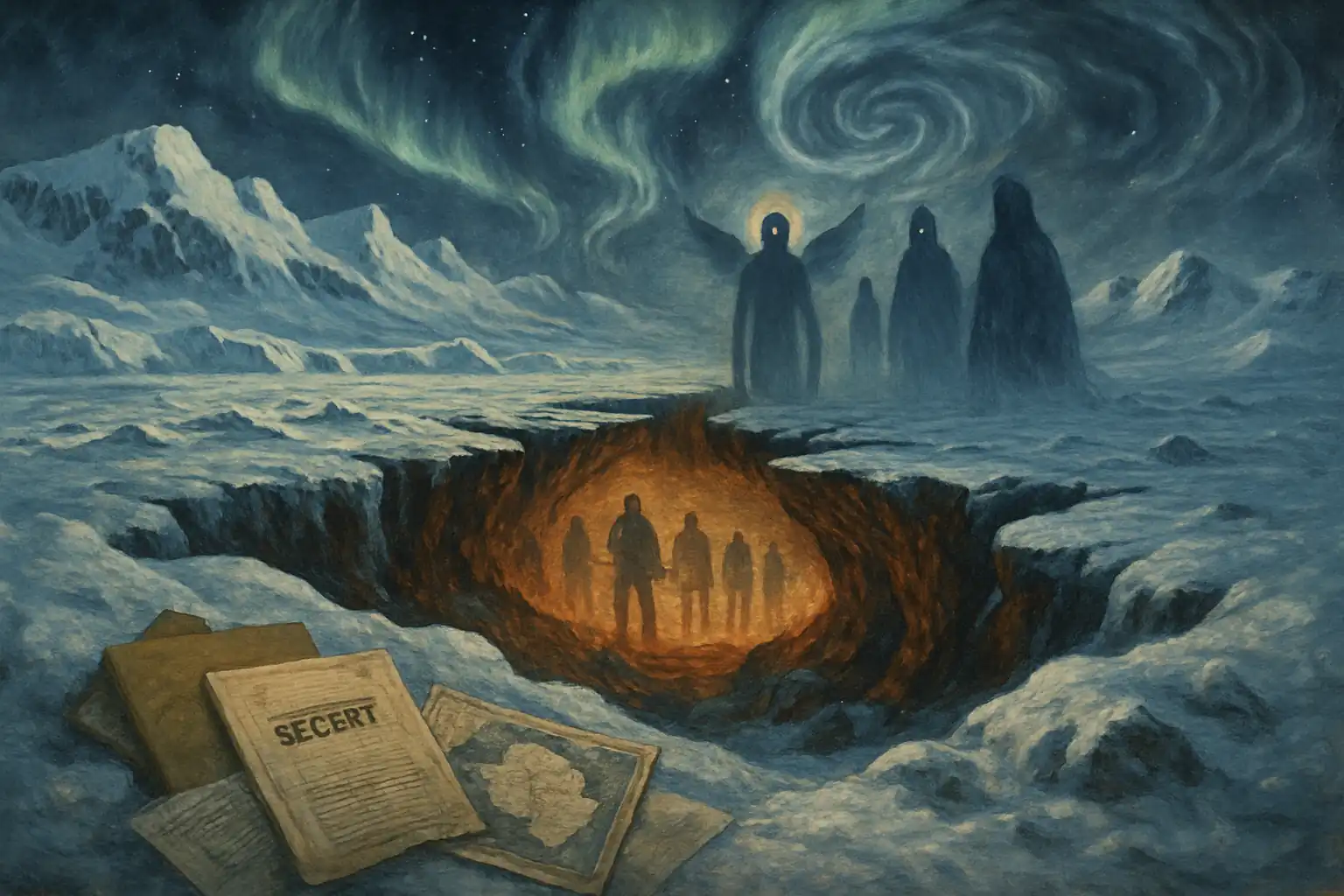
    Once you journey past the blizzards and broken compasses, Antarctica’s secrets loom larger than its endless ice sheets. For decades, rumors have hinted that the continent hides ancient beings, strange technology, and lost civilizations—perhaps even biblical fallen angels. According to internet lore, secret government documents and testimonies from explorers, including Admiral Byrd from Operation Highjump, support the most outlandish theories swirling in conspiracy circles.

    How did a region with more penguins than people become the epicenter of claims about hollow Earth portals, forbidden knowledge, and timeless beings beneath the ice? From possible Nazi bases to satellite mysteries beyond climate science, here’s why the world’s southernmost frontier fuels both scientific curiosity and digital mythmaking.

    Operation Highjump: The Antarctic Expedition That Ignited Legends

    Admiral Richard E. Byrd’s Operation Highjump, officially known as the United States Navy Antarctic Developments Program of 1946-47, was no small venture. As outlined in the Wikipedia entry on Operation Highjump, Byrd led over 4,700 men, 13 ships, and 33 aircraft on a mission that blended scientific research with Cold War geopolitics. The expedition sought to expand American influence while studying Antarctica’s geography and resources.

    Initial accounts described Byrd’s team surveying and mapping large areas of this uncharted continent. However, the vastness of the ice and the harsh conditions tested even the most seasoned explorers. Byrd’s team encountered unexpected challenges, including severe weather that grounded flights and limited access to key areas. Despite these difficulties, Byrd reported significant findings, which only intensified intrigue surrounding the region.

    After Operation Highjump, tales began to emerge from the shadows. Some claimed that Byrd discovered entrances to hollow Earth and ancient civilizations. Others insisted that the expedition encountered alien technology hidden beneath the ice. These stories fanned the flames of conspiracy, creating a narrative that mixed fact and fiction into an intoxicating brew. Social media and online forums further accelerated this phenomenon, allowing enthusiasts to exchange wild theories.

    The Allure of the Unknown

    Antarctica’s harsh landscape and isolation inspire fascination and fear. The continent’s extreme weather and unique wildlife contribute to an aura of mystery. Additionally, the historical context plays a crucial role. The combination of the Cold War era and rumors of hidden technologies signifies that what lies beneath the ice may be more than mere speculation.

    From clandestine military operations to whisperings of lost civilizations, Antarctica serves as the perfect backdrop for a treasure trove of believers and skeptics alike. Some enthusiasts delve into research, while others share incredible theories that border on the absurd. Nevertheless, the possibility of discovery attracts adventurers and researchers alike.

    Modern Conspiracy Theories

    In recent years, the internet has become a breeding ground for conspiracy theories surrounding Antarctica. Social media platforms amplify the reach of these narratives. Videos, articles, and posts circulate rapidly, disseminating sensational claims often without substantial evidence. One notable claim is the existence of a Nazi base hidden under the ice, which some theorists argue is a remnant of World War II experiments. Publications reinforcing these ideas add to the controversy.

    While some scientists study the region’s climate and geological aspects, others confront the bizarre stories head-on. Researchers often find themselves debunking myths, like allegations of ancient technology or portals to other dimensions. They emphasize that these claims lack credible evidence and can divert attention from important scientific work that could benefit humanity.

    The Role of Satellite Imagery

    Advancements in satellite technology have revolutionized our understanding of Antarctica. High-resolution images reveal previously hidden structures and formations. Some believe these images confirm the existence of large, mysterious objects beneath the ice. Investigations reveal that many of these features have natural geological explanations, but that does little to quell the public’s imagination.

    Scientists employ satellite data for both environmental monitoring and research. They assess climate change effects, glacial movements, and wildlife patterns. Each discovery, while grounded in research, can spark wild conjecture about lost worlds and hidden secrets. The line between science and myth blurs, leading to a vibrant narrative around our planet’s least explored regions.

    Scientific Exploration vs. Mythology

    Despite the allure of conspiracy theories, scientific exploration remains paramount in Antarctica. Researchers continue to uncover climate data crucial to understanding global changes. They provide insights into past climates, revealing how ancient ecosystems adapted to shifts over millennia. Such research is invaluable for predicting future environmental trends.

    Efforts to debunk myths highlight the importance of credible, peer-reviewed science. Scientifically validated information exists alongside tantalizing tales, requiring a discerning public to separate fact from fiction. The stories surrounding Antarctica compel people to explore, whether through rigorous research or through tales of wonder.

    Conclusion: Antarctica’s Mystique

    Antarctica is a realm of contradictions. It stands as a stark, inhospitable land yet remains ripe with the promise of discovery. The interplay between scientific inquiry and myth not only captures the imagination but also underscores the importance of rigorous scientific analysis. As researchers continue to probe its icy depths, the secrets of Antarctica may start to unfold, revealing truths far more extraordinary than initial speculation. The blend of fact and fiction ensures that Antarctica remains an enigmatic treasure, drawing explorers into both its frozen beauty and its unfathomable mysteries.
  • Behind the Barricades: The Real Secrets and Legends of Area 51

    Behind the Barricades: The Real Secrets and Legends of Area 51

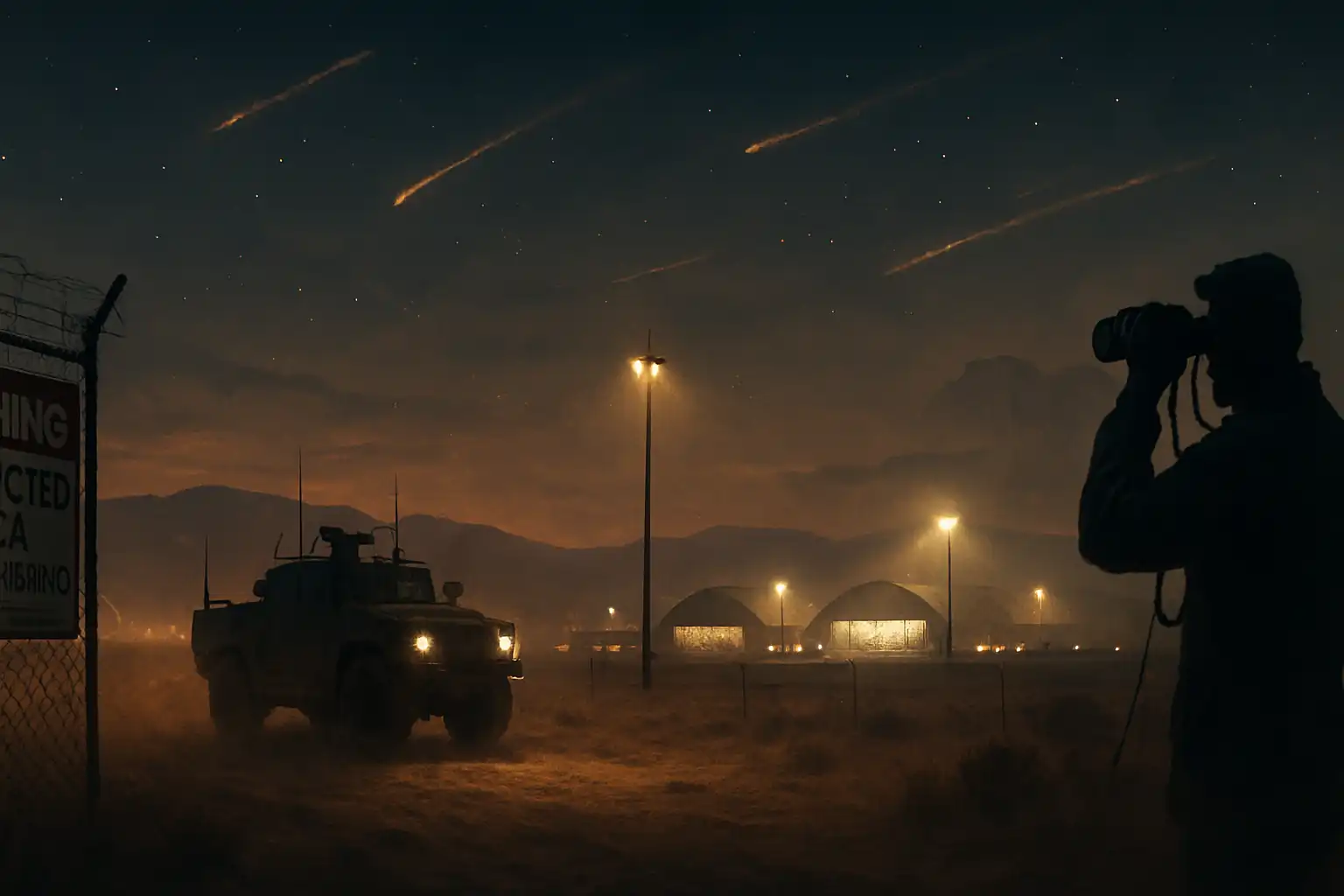
    Few places in America provoke more curiosity—and speculation—than Area 51. This military base, hidden in the Nevada desert and secured by camo-clad guards and motion detectors, stands as history’s most obsessively guarded “known unknown.” Travelers along the Extraterrestrial Highway snap selfies with alien statues while watching for black helicopters. Tourists and truth-seekers alike wonder: What happens behind those guard posts? After getting as close as civilians can, the answer reveals a mix of bureaucracy, bravado, and shadowy Cold War secrets.

    Area 51—officially Groom Lake, or as the U.S. Air Force calls it, Homey Airport (Wikipedia)—is more than just a facility. It has become a cultural meme. Decades of tight secrecy, combined with a government hesitant to provide clear answers, have made the site a hotspot for everyone from aviation enthusiasts to conspiracy theorists. Reports of strange lights, ongoing tests of exotic aircraft, and tales of recovered UFOs swirl in the rumor mill, fueled by the internet’s insatiable hunger for the unexplained.

    Area 51’s Real Mission: Black Projects and Aviation Breakthroughs

    Forget the bug-eyed alien corpses. The true history of Area 51 is one of relentless aeronautical innovation, as detailed in this CIA analysis and declassified documents. Established in 1955 as a test site for the Lockheed U-2 spy plane, the base became the go-to location for every top-secret project too wild for daylight and too sensitive for Congress. It hosted the stealthy A-12 Oxcart, prototypes of the F-117 Nighthawk, and whatever hypersonic dreams are in Skunk Works notebooks today. Many UFO sightings can be traced directly to classified flight tests, echoing Cold War fears that fueled stories of flying saucers over Soviet test sites, as outlined in this declassified report.

    As reported by recent travel investigations, Area 51 covers miles of restricted airspace—designated R-4808N—and its airstrip sits next to Groom Lake’s salt flats. The barriers extend beyond fences and warning signs; the region brims with electronic surveillance, patrols, and a constant reminder that “deadly force is authorized.” This secrecy is essential for keeping America’s most advanced projects hidden from adversaries and prying eyes.

    The UFO Connection: Conspiracy Theories, Crash Myths, and Government Silence

    No location is more synonymous with UFOs than Area 51. For decades, claims of flying discs, glowing lights, and alien crafts have emerged from the Nevada flats. The lore surged after the Roswell incident and intensified with the Air Force’s silence. As highlighted in the New York Times, many UFO sightings, particularly in the 1950s and 1960s, coincided with military test flights—often originating from Area 51. Silence breeds suspicion, and each government denial fuels the myth. Interested in rabbit holes? Explore digital cult classics like this compilation of unsolved internet conspiracies, and you’ll find Area 51 at their core.

    The Pentagon, after a series of leaked military videos, has acknowledged that most UAPs (unidentified aerial phenomena) are likely airborne clutter, misidentified military projects, or foreign surveillance. Yet this ambiguity perpetuates the alien rumors and positions Area 51 as the focal point for discussions about classified aviation, government cover-ups, and extraterrestrial visitors. Just ask those who compare it to secret bases under Chinese or Russian control (here’s another exposé)—we share the same paranoia.

    Inside the Fence: Secrecy, Surveillance, and Everyday Life at Area 51

    The base operates like a more paranoid version of any large defense installation—if other bases required $2,000 fines, armored patrols, and sensors on every hillside. The military has never “officially” acknowledged much beyond routine testing and training. However, declassified documents, such as the CIA’s 2013 admission, reveal a facility designed for compartmentalized secrecy. Engineers and support staff commute from hidden airfields. R&D units rotate in and out, with most personnel knowing only what is absolutely necessary—this bureaucratic ballet is worthy of the most paranoid science fiction. For the conspiracy-minded, this daily routine resembles other black sites: from details in shadow war intel reports to the existence of concealed “dreamland” areas in American military doctrine.

    But let’s face it: the most alien thing at Area 51 is the drive of human ingenuity—or perhaps a classified coffee budget that rivals your local Starbucks. Still, the walls are high because military and psychological secrets are valuable. Here, truth and rumor dance together in a perpetual tango.

    The Enduring Mystique: Area 51’s Place in Culture and the Age of Algorithmic Paranoia

    Whether you believe Area 51 hides crashed saucers, next-gen spy planes, or something stranger, the reality is this: secrecy fuels myth. The base persists because, even in an age of leaks and satellite imagery, nothing ignites the imagination like the forbidden. Just as digital speculation thrives in reports on Mandela Effects and the roots of future tech crises (see this forward-looking discussion), Area 51 serves as a template for every conspiracy, every secret, and every dream of a classified tomorrow. If you’re still hungry for revelations—whether plausible or cinematic—keep an eye on Unexplained.co. In America, the most important secrets are the ones we prefer to keep believing in.

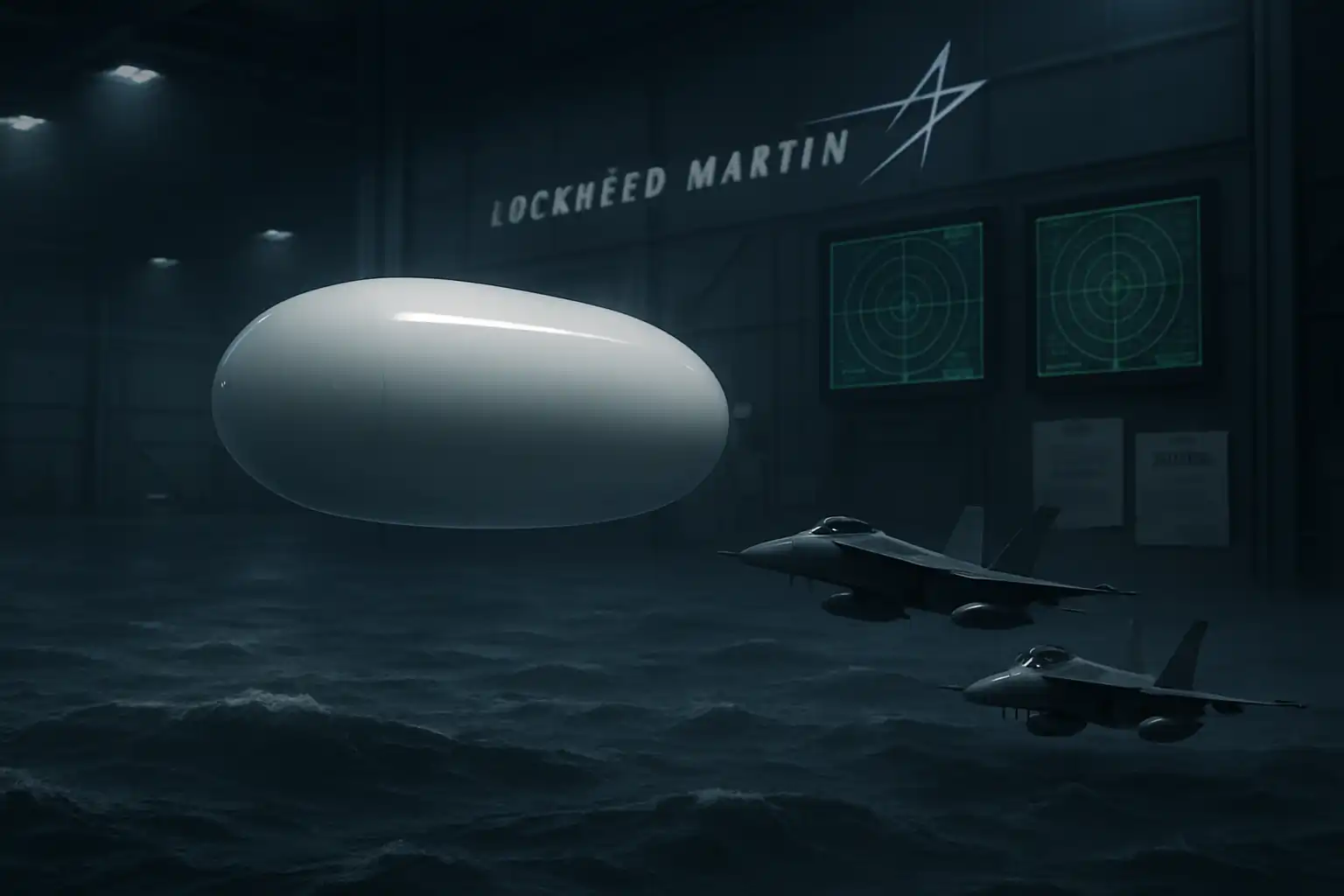
  • Lockheed Martin’s Tic Tac Program: The UAP Secret Hiding in Plain Sight?

    Lockheed Martin’s Tic Tac Program: The UAP Secret Hiding in Plain Sight?

    Secrecy fuels the defense industry, but few programs have sparked more speculation—and inter-agency blame—than the Tic Tac UAP incident. The 2004 encounter by the USS Nimitz Carrier Strike Group included reports of a craft that defied known physics, zooming from 80,000 feet to sea level in seconds. It even baffled advanced radar systems. Whistleblower fighter pilots claim Lockheed Martin holds keys to this mystery, suggesting what they conceal isn’t as expected.

    Since the Nimitz UFO incident became known, theories about advanced U.S. technology have intertwined with wild extraterrestrial ideas. A rising number of defense journalists and insiders, highlighted by Micah Hanks’ analysis and MysteryLores, reveals a network of black projects, internal conflicts, and overlooked testimonies. These findings don’t dismiss the incident; instead, they suggest some oddities may stem from Lockheed Martin’s Skunk Works rather than extraterrestrial sources.

    Inside the Tic Tac UAP Mystery and the Nimitz Encounter’s Legacy

    The timeline resembles a Cold War thriller. On November 14, 2004, Cmdr. David Fravor and other pilots scrambled to intercept an aerial anomaly, tracked for weeks by the USS Princeton. The Tic Tac—named after its white capsule-like appearance—evaded all interception attempts, showcasing capabilities that even seasoned pilots deemed “impossible.” Coverage like the 8NewsNow deep dive presented radar and infrared data from what many call the most credible UAP encounter to date.

    This incident became central to the Pentagon’s released UFO videos and linked to claims of a secret U.S. retrieval and reverse engineering program. Reports such as this estimate state that the craft lacks visible propulsion or control surfaces yet outmaneuvers everything in the U.S. arsenal. This scenario raises eyebrows across political and defense sectors. Are these advanced drone projects, or do they represent a deeper, long-term coverup that spans multiple administrations?

    The Lockheed Connection: Advanced Aerospace Projects and Clandestine Secrets

    Is Lockheed Martin behind the Tic Tac? A bombshell 2025 interview with Ross Coulthart, referenced by Micah Hanks and MysteryLores, claims the Tic Tac’s secrets reside within Lockheed’s skunk works division. Lockheed has a long history of radical propulsion development, from the SR-71 Blackbird to the U-2, amid rumors of gravity-manipulating technology. The layers of classified security and plausible deniability mean revealing these crafts’ true nature—if they’re earthly—would be a major national security decision.

    Some in defense speculate this reflects broader tech rivalries. The Cold War contained similar shadow games, evident in the research on Russia’s ‘Area 51’ and massive secret Chinese bases aimed at safeguarding native innovations. The stakes are clear: whoever controls this technology—real or imagined—gains a psychological and strategic advantage over rivals, influencing conventional warfare.

    Pilots, Leaks, and the Explosive Debate Over Who—or What—Is in Control

    The pilots, including Cmdr. Fravor and Lt. Cmdr. Underwood, insist they saw objects with performance exceeding our known technology. However, some speculate compartmentalized U.S. programs are so closely guarded that even top Navy officials or fleet pilots remain uninformed. Recent reports from sources like Micah Hanks and MysteryLores fuel this debate, with whistleblowers hinting at both experimental piloted and UAV platforms—potentially powered by technologies from foreign assets or even non-terrestrial sources.

    This fog of war exacerbates the situation with plausible deniability, which marks any effective black program. Lockheed’s history of deliberate leaks—paralleled by tactics used in conflicts like U.S. black operations against China—causes analysts to question the line between intentional distraction and accidental revelation. The Pentagon’s notorious culture of secrecy, echoed in reality-bending cover-ups, further complicates the UFO narrative.

    The Cold Realities: Tech Race, Public Secrecy, and the Future of UAP Disclosure

    The most surprising shift lies in the evolving narrative. The discussion is no longer just about ‘alien or not.’ Rather, official leaks, scientific debates, and intelligence agency deflections lead the public to consider that groundbreaking technology may exist just out of public reach, concealed in corporate hands and hidden Pentagon offices. The Tic Tac could be a genuine U.S. advancement—a source of strategic advantage—or an encounter with the truly unknown. The stakes are high and existential.

    For those chasing the next leak or revelation, check Unexplained.co for updates on aerospace secrecy, intelligence intrigue, and the power struggles among superpowers. In a world where human ingenuity merges with unexplained phenomena, only the best investigators, pilots, and skeptics can maintain perspective—while others chase Tic Tacs across the skies and through the years.

  • Kapustin Yar: Russia’s Area 51 Remains a Living Legend

    Kapustin Yar: Russia’s Area 51 Remains a Living Legend

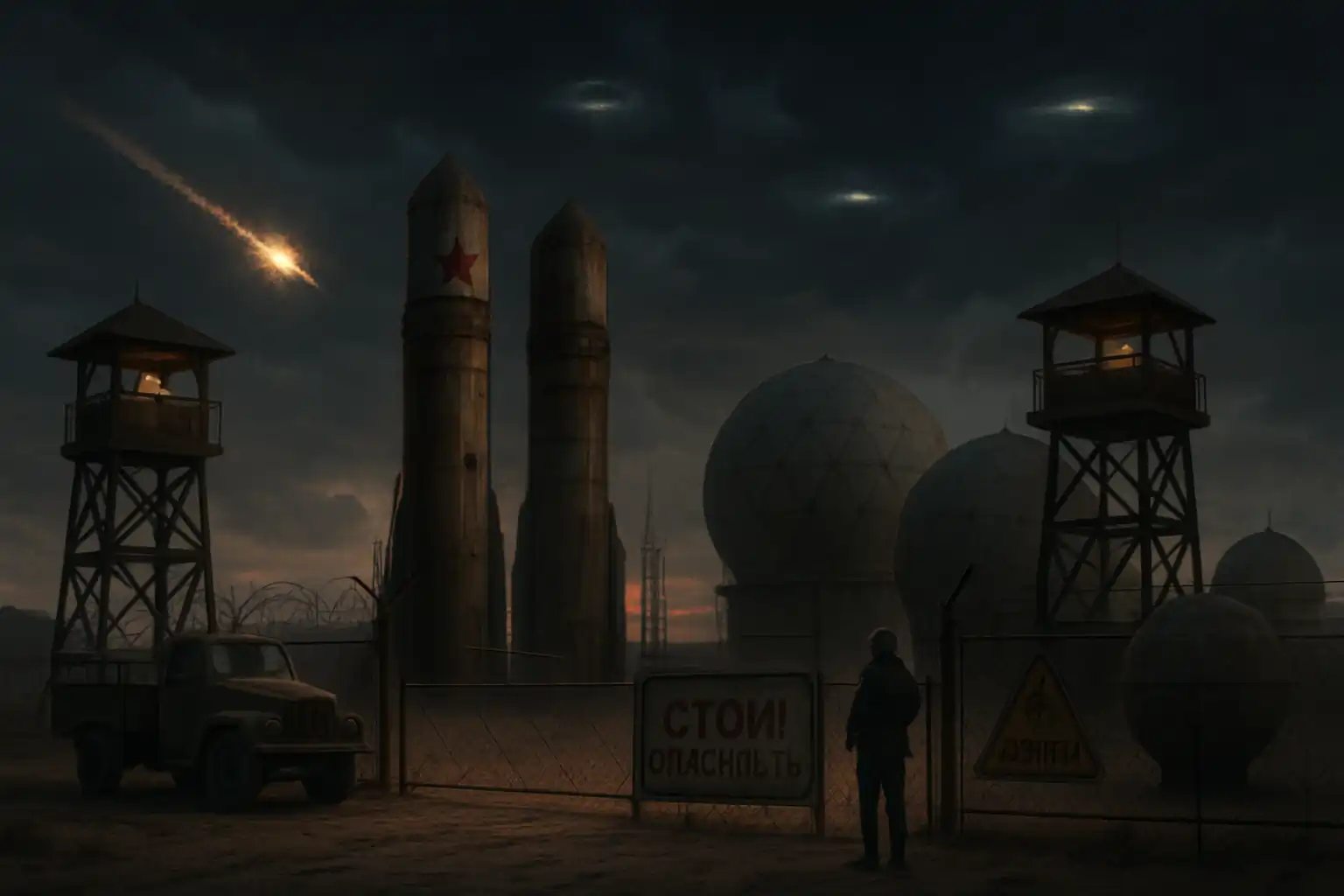
    If America has Area 51, Russia has Kapustin Yar—a vast military complex in Astrakhan Oblast. Its name evokes Cold War nostalgia and critical relevance in 2024. Born from World War II’s aftermath, Kapustin Yar blended hubris and necessity. Soviet leaders, eager to close the gap with the West, gathered Nazi rocket technology and expertise at this dusty “cabbage ravine,” launching rockets, dreams, and conspiracy theories into the stratosphere.

    What began in 1946 as Stalin’s secret launchpad evolved into a testing ground for nuclear-tipped missiles and the world’s first canine cosmonauts. Constantly toggling between strategic shadow and public myth, Kapustin Yar became the Soviet response to Nevada’s notorious test sites. By the 1950s, foreign intelligence agencies and armchair ufologists labeled it the “Russian Roswell.” Its Wikipedia page reads like a fever dream filled with classified launches, secret rail connections, and encounters with everything from EMP weapons to extraterrestrial beings.

    Cold War Showdown: Missiles, Space Pioneers, and UFO Myths

    Kapustin Yar’s legacy consists of notable achievements and rampant speculation. Its launches included the first Soviet ballistic missile test in October 1947 and early steps toward the Soviet space program, paving the way for Sputnik and Laika. As noted in the Forbes breakdown, the site transformed from a hub of military innovation to a symbol of scientific ambition, marred by accidents and unyielding Soviet secrecy.

    Likewise, akin to the Nevada deserts, myth grew alongside facts. During its Cold War zenith, Kapustin Yar attracted tales of crashed UFOs, reverse-engineered alien technology, and buried megastructures. Reported UFO sightings from the Soviet era fueled speculation. Every mysterious radar blip and blackout in the area became intertwined with swirling stories. This is comparable to urban mythologies forming around modern high-tech events, like the urban war prepping in pieces such as this deep dive into U.S. defense prep and the conspiracy-laden reflections on CERN’s reality glitches.

    Modern Relevance: Drone Strikes and Active Battlefield

    Many view Kapustin Yar through a Cold War lens, yet its modern chapter is vibrant. In 2024, it grabbed global headlines after Ukrainian drones targeted the site—symbolically loaded given its importance in Russian strategy. As the Kyiv Post reports, a drone explosion near its entrance shocked a facility long deemed untouchable. International sources, including coverage, indicated the damage was modest but politically significant. Strikes on operational missile ranges signify a new era of drone-powered, asymmetric warfare.

    Liveuamap and other trackers document increased attacks on Russian military infrastructure, linked to Ukrainian efforts to cripple strategic assets deep behind the lines. Kapustin Yar’s mythology grows with each security breach during the information age, pulling current events into the Cold War narrative. Effectively, it serves as a living node in the ongoing conflict map, similar to the themes explored in this analysis of Sino-American tensions and coverage of U.S.-Russia brinkmanship.

    EMPs, Missile Tests, and Technological Warnings

    Kapustin Yar’s technological legacy rivals its mythic reputation for secrecy. Historically, missile tests included nuclear payload experiments and electromagnetic pulse (EMP) research. Declassified sources and urban legends hint these tests could black out entire cities. Modern reports still highlight Kapustin Yar’s significance for missile development, strategic deterrents, and possibly ongoing advanced EMP trials. Its shadow looms over newer threats, echoing broader technological warnings featured in deep-dive reports regarding cyber and quantum hacking.

    More than mere myth, the missile range remains vital for Russia’s strategic arsenal, evidenced by missile launches and anti-missile tests monitored by international military observers. These test firings leave ripples across military intelligence briefings—and no, the only confirmed visitors from another dimension are still dogs and scientists.

    A Living Monument to Secrecy, Science, and Paranoia

    Today, Kapustin Yar embodies a unique duality—it balances historical weight with modern urgency. Its existence blurs the lines between fact and myth, acting as a character within a larger narrative of secrecy, ambition, and power. In an age when information—along with disinformation—serves as statecraft, Kapustin Yar’s legend stands as both a cautionary tale and a living drama, preserved among rumors and myths. Its story continues to echo through every global war alert and frantic headline.

    The bottom line is clear: whether you’re a conspiracy enthusiast, an amateur historian, or someone anxiously awaiting the next missile test, Kapustin Yar remains vital today. It is a haunting echo of every arms race, a monument to Soviet ambition, and a frontline in the evolving shadow war of our time. If any place can be labeled “Russia’s Area 51,” this is it. For more inquiries into the murky overlap of secrecy, science, and modern geopolitics, monitor Unexplained.co—your prime source for the truth, or at least a truce with your deepest questions.

  • Cosmic Flash Mystery: Astronomers Confront the Explosion Near Earth

    Cosmic Flash Mystery: Astronomers Confront the Explosion Near Earth

    Astronomers monitored the universe when a strange cosmic explosion flared much closer to Earth than usual. This sparked panicked headlines, doomsday murmurs, and frantic telescope adjustments. But what’s really happening? Is humanity in danger, or is this just another strobing footnote in the endless saga of cosmic surprises?

    According to this deep-dive feature, astronomers have identified dozens of bizarre outbursts—known as “cow flares”—that challenge our understanding of stellar explosions. These strange, bright flashes deviate from the usual categories of supernova or gamma-ray burst. Alarmingly, the latest explosion occurred not in a distant galaxy cluster, but much closer from an astronomical perspective. Scientists, as stated in Nature’s investigation, admit these events are largely unexplained and may indicate new physics or unknown black hole behaviors. If this doesn’t energize you like a cosmic jolt, consider that, as reported in scientific reports, these explosive events generate power billions of times greater than our Sun—making human technology appear insignificant.

    What Makes This Explosion Different—And More Alarming?

    We’ve cataloged many cosmic eruptions, but the proximity and unfamiliar signature of this event unsettle the astronomical community. Unlike regular supernovae or even solar activity, this blast did not fit any known pattern. Some theorize it could signify a new way stars die, or an interaction with a hidden compact object—perhaps a mini black hole or a rogue neutron star. This explosion concerned astronomers because, unlike distant gamma-ray bursts, it broke the rules. Cue the existential nail-biting about the consequences of another event—closer or stronger—that could threaten our planet.

    From Cosmic Dread to Scientific Opportunity

    When you hear “massive explosion” and “near Earth,” it’s natural to panic. Yet scientists advocate for a response of curiosity over dread. Recent discoveries outlined in this analysis of existential risk and alarming stories of solar flare blackouts reveal that the biggest dangers aren’t what we tend to fear. This mystery blast likely presents an opportunity for new astrophysics, not an immediate extinction threat. However, one shouldn’t dismiss the shadow cast by historic cosmic events—the ancient blasts may have triggered past mass extinctions, and cosmic rays from supernovae continue to bombard our atmosphere today.

    Human Survival, Cosmic Surprises, and the Search for Patterns

    The power and oddity of the explosion have fueled global speculation, with theories ranging from natural causes to extravagant conspiracy theories. Could it involve advanced technologies? Ancient cosmic visitors? Such leaps belong to doomsday forums, filled with rumors about monolith sightings and lost civilizations linked to time travel. The humbling truth is space is both dangerous and unpredictable, but Earth’s thick atmosphere and magnetic field usually deflect harmful rays and particles—most of the time, at least.

    But don’t get too complacent; regardless of whether discussing deep time or sudden anomalies, Earth has seen its share of cosmic surprises. Thanks to satellites, ground-based arrays, and global networks, our ability to detect and analyze these explosions has never been stronger. As experts dive deeper into this anomaly, each piece of the puzzle brings us closer to understanding the cosmos better.

    What’s Next? Eyes on the Sky and Fears for the Future

    This latest explosion will not be the last to rattle astrophysicists and conspiracy theorists alike. Some researchers view it as a warning that our cosmic neighborhood can deliver an extinction-level event without notice—a chilling notion found in investigations of dark-age extinctions and in debates on heliospheric protection. For now, the underlying message serves as a mix of caution and celebration for scientific vigilance. Regardless of lurking dangers, astronomers will keep their eyes on the skies, always ready for the next cosmic cliffhanger.

    Want to learn about the next space scare before it hits the mainstream news? You know where to find the truth—Unexplained.co stands ready for the universe’s next cosmic surprise.

  • Mystery Monoliths Invade Earth: Art, Prank, or Something Else?

    Mystery Monoliths Invade Earth: Art, Prank, or Something Else?

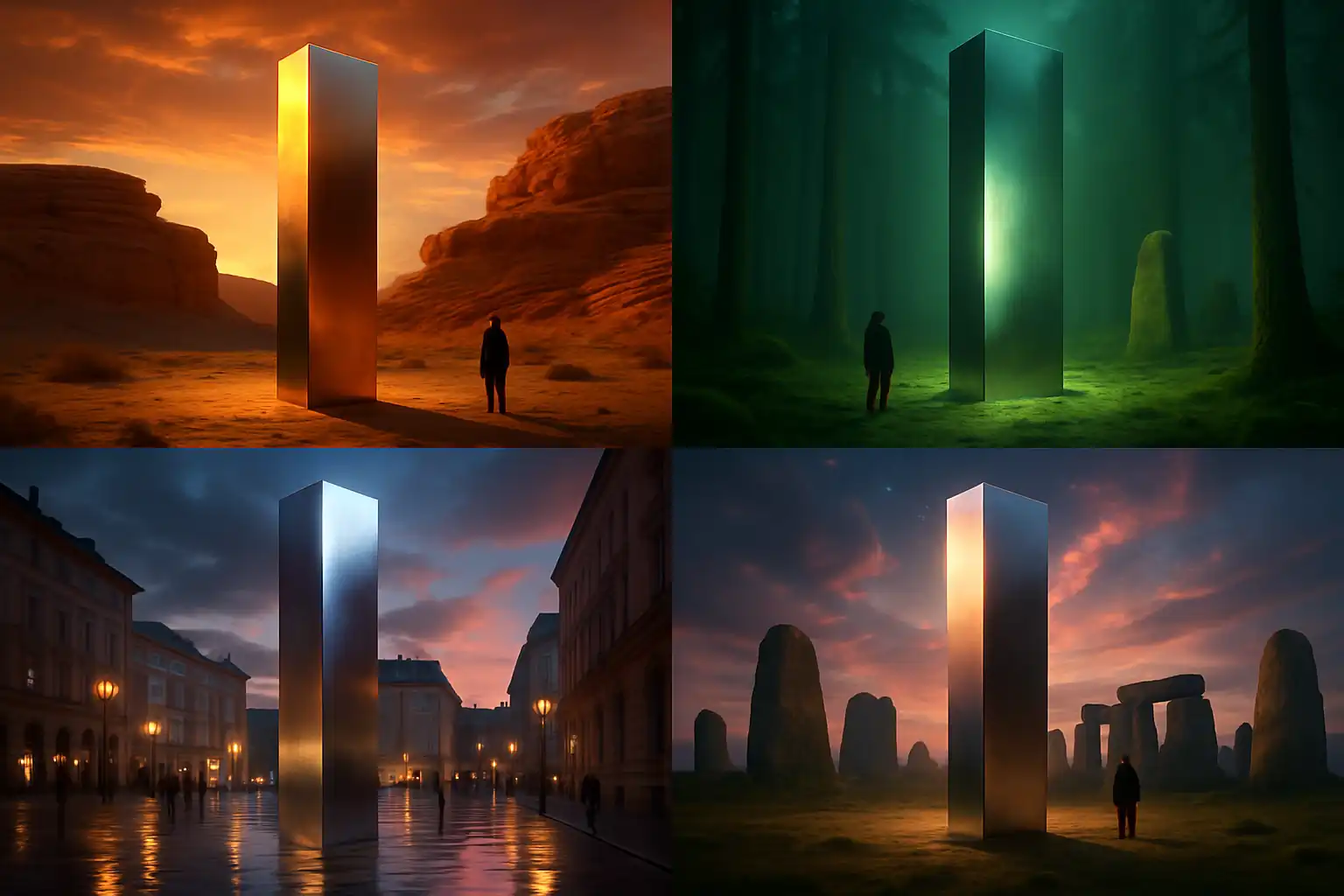
    They slice out of nowhere, shiny and geometric against wilderness, cityscape, or windswept plain: the era of the modern monolith captivates and confounds. Since a fateful day in 2020, when workers in Utah stumbled upon a metallic slab—evoking cinematic prophecies and ancient obsessions—the world has seen a surge of monolith sightings. Each appearance reveals a side of our collective psychology, from plausible explanation to wild speculation.

    This isn’t an ordinary art trend or open-source prank. The monolith phenomenon—documented from the deserts of Las Vegas (Washington Post) to Eastern Europe—walks an uncanny line between public spectacle, media event, and cosmic intervention. The tales and theories swirling around these pillars owe as much to science fiction as ancient history—a cultural intersection where 2001: A Space Odyssey collides with Instagram and plausible deniability.

    Global Sightings: Timeline of the Mysterious Monolith Appearances

    The timeline is a wild ride. Utah’s original slab, discovered by wildlife officials in late 2020, became a viral mystery, as documented in this IFLScience feature. Days later, metallic structures appeared in Romania, California, and Idaho—sometimes vanishing just hours after they emerged. The global monolith map soon stretched from Nevada’s casinos (NPR’s on-the-ground report) to England, Spain, and even Australia.

    Theories range from clandestine cult activity to strategic art installations. Investigations point to viral copycats and guerilla artists, inspired by ancient monolithic structures and pop culture. Still, their coordinated emergence and craftsmanship leave many, including seasoned doomsday preppers, wondering if something deeper stirs beneath that aluminum skin. For those embracing a conspiratorial worldview, the global pattern echoes classic mysteries about hidden underground sites or the enigmatic tunnels of Vancouver Island.

    Origin Theories: Art, Meme, or Monument to Modern Paranoia?

    Speculation abounds. According to Vox’s cultural explainer, the main theory suggests a blend of art prank and meme, fueled by 2020’s collective reset. Local artists or playful activist groups have claimed some monoliths, while others hide in total anonymity. Their vanishing acts are as coordinated as their appearances—sometimes due to authorities, sometimes due to “rival” monolith-makers, echoing the themes in the modern myth playbook.

    The cultural echoes are deafening. The resemblance to the monolith from 2001: A Space Odyssey—and its legacy as both harbinger and riddle—makes these slabs irresistible to social media, urban explorers, and the occasional apocalypse prophet. Comparisons arise with other sudden, unexplained global events, such as solar superstorms and geopolitical flashpoints.

    Ancient Stones and Modern Myths: Why Monoliths Mesmerize Humanity

    The term “monolith” may evoke visions of meteorites or alien markers, but its roots are closer to home—both literally and metaphorically. Traditional monoliths are singular, massive stones, whether standing mysteriously in fields from Stonehenge to Easter Island, or looming over lost civilizations. Humanity’s obsession with these geological giants weaves into our oldest myths and fears—whether that’s the enduring allure of ancient megastructures and legends, or the haunting possibility of what lies beneath our feet.

    This compelling mix of history, science, science fiction, and art makes each monolith as much a psychological mirror as a riddle. What do we expect to find when we peel back the aluminum? For some, it’s merely a prank; for others, it signals that unleashed secrets cannot be easily buried or stuffed back into the box.

    Copycats, Spoofs, and the Lasting Impact of Viral Artefacts

    The monolith phenomenon has ignited investigations into memes, modern folklore, and the limits of belief. Copycats across continents have erected and removed their own slabs in a strange cycle reminiscent of social media fads and ancient rituals. In an era where mystery serves as a commodity, every new monolith invites us—to believe, to debunk, or simply to marvel. Some researchers note parallels to the timeless drama of iconic cryptid hunts or underground discoveries that never fully pan out, yet always leave tantalizing evidence—or at least a new twist in the internet age.

    In the end, whether monoliths serve as metaphors, memes, or mere marketing, their sudden global rise highlights one truth: the appetite for mystery remains alive and well. Stay tuned to Unexplained.co for updates on this saga and all things lurking at the intersection of art, history, and “maybe it’s aliens.”

  • Forbidden Flight Over Antarctica: Navy Testimony, Vanishing Scientists, and the Icebound Unknown

    Forbidden Flight Over Antarctica: Navy Testimony, Vanishing Scientists, and the Icebound Unknown

    Antarctica is the planet’s last blank canvas, a frozen continent shielded by treaties and shrouded in myth. This enigmatic land attracts ominous rumors, most recently from a U.S. Navy engineer who recounts a forbidden flight that unveiled secrets best left unseen. Was it a mere medevac gone awry, or a brush with the unknown?

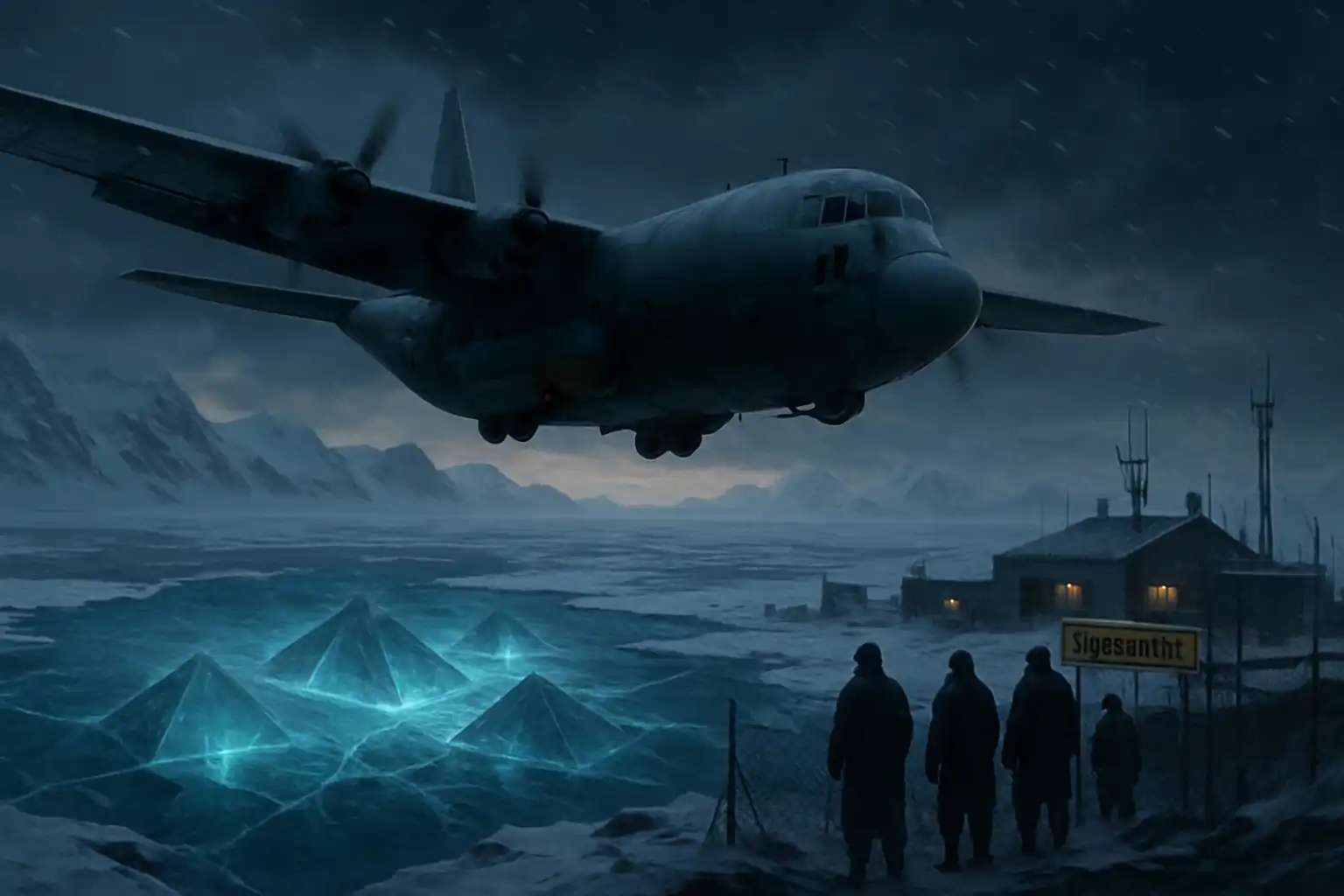
    The engineer’s account chills: circumstances diverted the crew over a no-fly zone near the South Pole. Below, an odd sight: a vast geometric structure sparkles beneath the ice, out of place and time. The flight falls into radio silence. They land, but the scientists disappear. Their equipment gets quarantined—no explanations, just well-dressed men delivering silent warnings. Is this yet another Antarctic urban legend…or something more?

    Antarctica’s No-Fly Zones: Myth, Policy, and the Military

    The concept of forbidden flight paths in Antarctica thrives in conspiracy circles. However, as official analyses and debunking efforts show, the reality revolves around logistics: no emergency airfields, severe weather, and treaty restrictions. Unlike the militarized zones imagined online, research and military flights are regulated, not prohibited. The Antarctic Treaty—a significant Cold War arms control achievement—explicitly bans military activities south of 60°, while permitting scientific and emergency flights. Still, rumors of forbidden zones reveal a deeper urge: to believe that the world hides its most sinister secrets beneath the ice. Such notions are fueled by echoes of real military history, Cold War intrigue, and deep-state suspicions reminiscent of operational exposures elsewhere.

    Structures Beneath the Ice: Theories, Science, and Alien Dreams

    No sooner does someone claim to have spotted an Antarctic anomaly than theories flourish: pyramids from lost civilizations, alien bases, or secret government bunkers. Some speculation stems from satellite images of unusual shapes under the ice. Modern science confirms the existence of structures—though not the types that conspiracy theorists desire. Recently mapped subglacial mountains, hidden lakes (such as Vostok), and ancient canyons weave dramatic tales. Yet, the mystery endures. Reports of forbidden discoveries align with imaginations that have sparked other legendary accounts, like alien machine revelations and lost world myths. Are these simply misinterpreted geological formations and distorted satellite images, or is there more to uncover?

    The Vanishing Scientists: Accidents, Isolation, and Psychological Strain

    What of the stories of scientists who vanish, erased from records, leaving only quarantined equipment and whispers? Though accounts of missing personnel in Antarctica thrill the internet, reality tells a different tale: harsh conditions, mental health decline, and rare emergencies sometimes trigger evacuations or even tragic outcomes. Prominent rescue missions garner headlines (see this Guardian account), while many fade into fiction and myth. Each disappearance or strange safety protocol invoked feeds narratives of cover-ups—a sentiment mirrored wherever uncertainty meets official silence. Antarctica’s extreme isolation can strain even the strongest minds: well-trained crews, like those caught in historic cataclysms, sometimes vanish into shadows that spark speculation.

    Warnings Without Paperwork: Quarantine Protocols and Real-World Secrecy

    This final element—the warning “without paperwork”—is particularly contentious. Was it merely a standard biosecurity measure to avert possible contamination, or a dark gag order? Antarctica’s harsh environment necessitates caution. Equipment, samples, and returning teams routinely undergo isolation to prevent microbial transmission—rules enforced with bureaucratic rigor that can also signify sinister censorship. When officials declare “do not discuss this,” the line between science and espionage, reality and myth, blurs. In today’s era of deepfakes and mass manipulation, as explored in analyses on narrative shaping and alarming warnings about AI-driven misinformation, the Antarctic legend fits neatly into a culture ready to perceive cover-ups in every storm.

    The Antarctic Enigma: Fact, Fiction, and the Human Need to Wonder

    Why do these stories persist? Perhaps, as with other polar legends, it’s Antarctica’s size and inaccessibility—Earth’s last wild canvas. Or perhaps it stems from modern anxiety, projecting secret dramas onto the world’s most remote locations. Regardless of whether you accept the Navy engineer’s claims or dismiss them as stress and sensationalism, the South Pole remains a testament to the allure of the unknown and the creativity of the human spirit. For those who seek the edge between discovery and myth, Unexplained.co remains that horizon—always shifting, always wild, always just out of reach.

  • Moon Machines, Alien Monitors, and Cosmic Whistleblowers: Unveiling the Lunar Control Conspiracy

    Moon Machines, Alien Monitors, and Cosmic Whistleblowers: Unveiling the Lunar Control Conspiracy

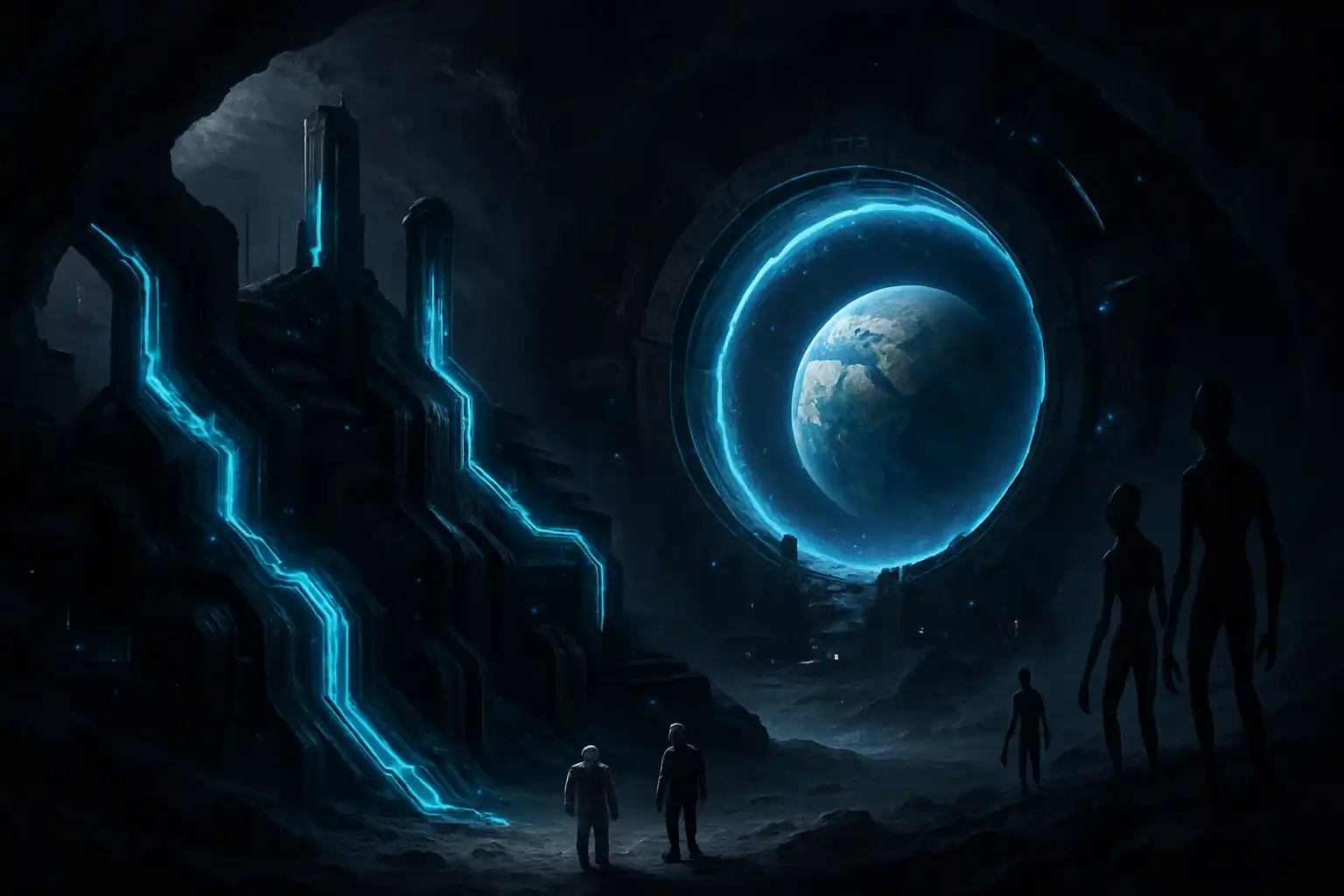
    Buckle up, star-gazers and skeptics: the greatest story never told may orbit silently above you. The moon isn’t merely a white disc or a romantic muse; it’s an ancient alien machine, designed to monitor and manipulate Earth, argue Linda Moulton Howe and David Adair. Their polarizing narrative includes insider whistleblowers, elusive government sources, and anomalous astronaut tales, leading to one thesis: we were thrown off the Moon, and we won’t return until our cosmic permission slip changes.

    The “hollow moon” theory frequently surfaces in these discussions, linking Apollo-era moonquakes that “rang like a bell” to Soviet-era speculation of alien engineering (Hollow Moon hypothesis). Mainstream science scoffs, citing density measurements indicating a solid core. However, these controversies amplify the mysteries that whistleblowers—including some from NASA—attempted to expose to the public (read this whistleblower exposé).

    Alien Artifacts, Whistleblower Testimonies, and the Moon as a Machine

    This lunar legend claims massive, intelligent structures—and possibly machinery—lie hidden beneath the moon’s battered surface. Howe and Adair cite abduction stories, classified testimony, and the unusual behavior of Apollo astronauts, such as Neil Armstrong’s guardedness after returning from the lunar surface. It’s a tapestry of suspicion, populated by shadowy figures: whistleblowers allege that US government and military sources discuss not only abandoned alien tech but also running systems surveying Earth across geological eras.

    Howe links alleged Moon activity to a broader manipulation network, suggesting that Earth’s ancient catastrophes—such as global volcanic winters or the civilization resets outlined in apocalyptic prophecies—could stem from engineered interventions rather than random natural disasters. Did superior beings revoke humanity’s access to the Moon as punishment, or to keep their lunar tech secret? The questions may be out of this world, but so is the evidence—at least, according to those who claim to have seen classified files.

    Secret Lunar Structures, Abandoned Bases, and Helium-3 Mining Wars

    From crash-landed saucers to geometric domes, tales of hidden lunar structures face ridicule from authorities yet persist among the space-obsessed public. China’s drive for Helium-3—an isotope deemed abundant on the Moon and a potential clean energy holy grail—has ignited international suspicion and ignited a new space race. Reports from the European Space Agency and speculation on Quora linger around secret mining machines and superpower ambitions. Are we entering a new era of lunar resource warfare?

    NASA, meanwhile, maintains its silence. Is this due to bureaucratic bottlenecks or the shadow of non-disclosure agreements with an interstellar twist? If you believe only governments play this high-stakes chess game, consider how new entrants in the gigafusion gold rush—like private companies and billionaires—might soon join the Moon’s secret society. If a true galactic landlord exists, would they ever permit our return?

    Lunar Anomalies, Tidal Locks, and Engineer Aliens: Coincidence or Control?

    Ask a planetary scientist about the Moon’s “perfect” solar eclipses or its orbital peculiarities, and you’ll hear about cosmic mishaps. Yet, the Spaceship Moon theory argues that features like tidal lock—where the same lunar face always faces Earth—alongside unusual density, crater distribution, and magnetic anomalies, signal alien engineering. Officials assert “no way,” but these facts only fuel the lunar fire for the curious.

    The consequences resonate: How might our understanding of ancient cycles, lost civilizations, and manipulation from above reflect the subterranean intrigue and historic resets noted in legends of Tartarian tunnels or the enigmatic shadows of our past? The Moon as an artificial artifact could reshape centuries of folklore about watchers, fallen angels, and deities—much like the latest revelations from AI alignment whistleblowers, which are reshaping our perceptions of existential threats (read the chilling warnings).

    The Return to the Moon: Race, Secrecy, and a Battle for Truth

    As lunar missions intensify, the issues extend beyond science and resources—they involve cosmic permission, disclosure, and rising anxieties during our 21st-century quest for meaning. Will another Apollo moment break the silence? Are astronauts returning to reclaim lost access, or to adhere to ancient rules penned far from Houston?

    With governmental secrets, astronaut testimonies, and private enterprises swirling in the mix, the truth remains elusive and compelling. For those tracking the breadcrumbs, platforms like Unexplained.co provide a front-row seat to lunar intrigue. In this story, the next contact, mission, or whistleblower could flip reality upside down and finally reveal who owns the Moon and why we remain at arm’s reach.

  • Antarctica’s Hidden Structures: Alien Technology, Black Sun Symbols, and the Great Cover-Up

    Antarctica’s Hidden Structures: Alien Technology, Black Sun Symbols, and the Great Cover-Up

    Antarctica has long fascinated the curious—a blank spot on the map, a puzzle enshrined in sub-zero secrecy that fuels conspiracies, from lost Nazi bases to hidden pyramids. Researcher Linda Moulton Howe unveils new insights based on Navy SEAL testimony and independent investigations. These revelations introduce structures carved from black basalt, featuring gravity-neutralizing technology and markings unclaimed by any civilization.

    Amid deepfake news and eerily accurate technological predictions, the possibilities of genuine truths hidden beneath Antarctica’s ice seem more plausible and urgent than ever. The unsettling thought is that humanity might be a mere footnote in a grand cosmic experiment orchestrated by intelligences whose imprints linger on the coldest continent. While governments distract the masses, a few whistleblowers reveal our planet’s astonishingly alien past.

    Gravity-Defying Structures and the Basalt Mystery

    Howe’s informants describe sealed rooms and corridors that defy established laws of physics. These gravity-neutralizing spaces are widespread; satellite scans and seismic anomalies (a clue highlighted in analyses of planetary cataclysms) suggest extensive artificial structures beneath the ice—akin to the megaliths and giant ruins found in Peru and Egypt. In Antarctica, however, the predominant material is black basalt, sculpted with an almost liquid precision. In some reports, magnetic fields and shielded compartments appear to negate not just weight but fundamental inertia.

    Rumors suggest these relics are over a million years old, existing long before recorded history or mammalian life. The bland “scientific expeditions” and international research initiatives hide a deeper agenda, corroborated by military insiders who claim, under extreme secrecy, that the hieroglyphics found correspond to no known human or hominid languages.

    The Black Sun Symbol: Occult Knowledge and Alien Physics

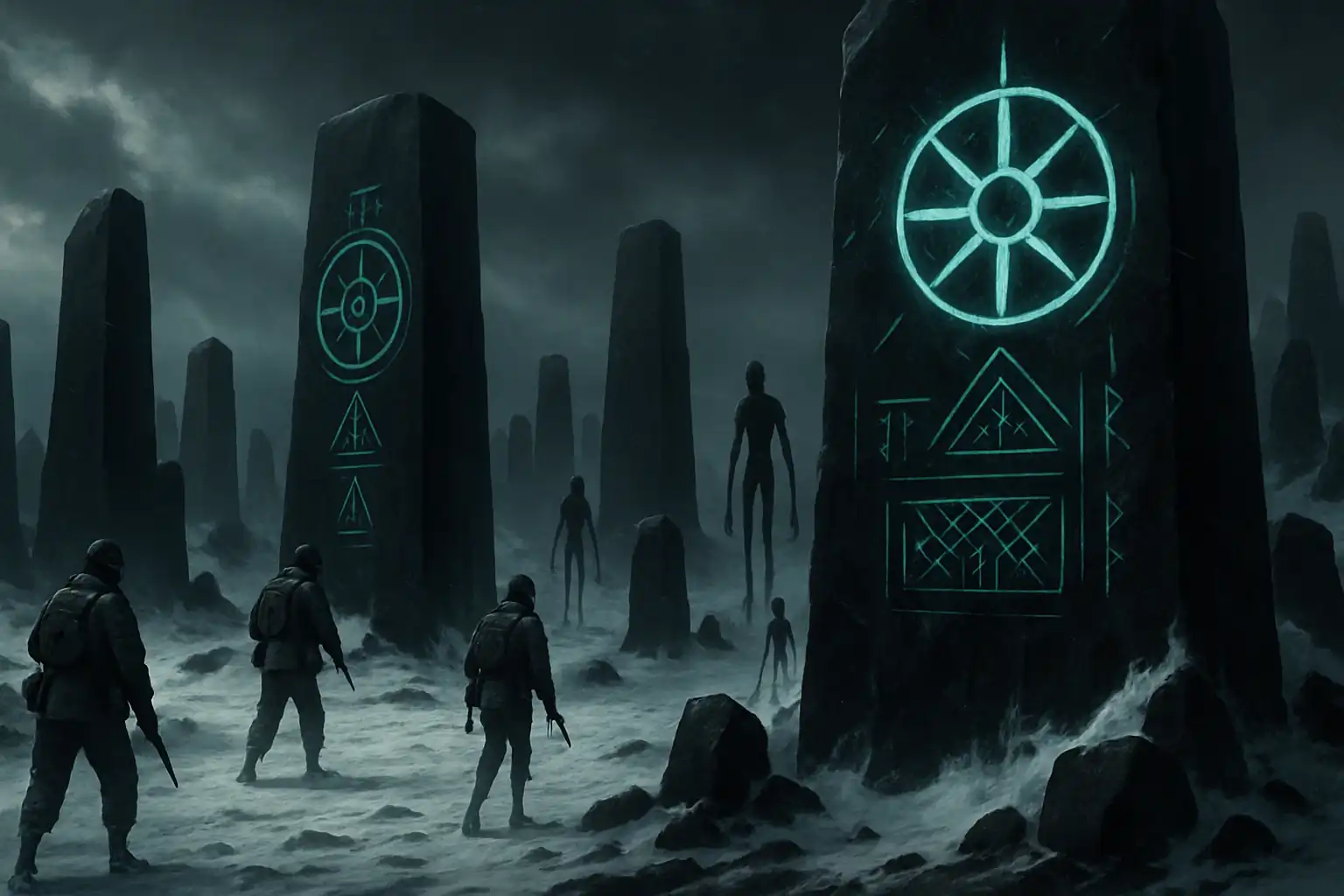
    A recurring symbol on these Antarctic structures is the Black Sun—a motif linked to esoteric power from Nazi Germany’s Wewelsburg castle to the field of neo-occult symbolism. Though fringe groups in the modern West have co-opted it, its ancient origins and frequent appearances in visionary accounts imply a deep knowledge, possibly mathematical or cosmological, embedded in sacred geometry. Military personnel have documented black basalt panels adorned with Sun wheels and enigmatic inscriptions, quietly removed or ‘researched’ by classified teams, echoing lost languages and forbidden rites buried in the world’s most secret archives.

    Many stories suggest the symbol can manipulate energy fields, distort local gravity, or activate what some call “alien resurrection technology.” Regardless of how fantastical these claims sound, the pattern syndrome cannot be overlooked—especially as the Black Sun appears in various ancient and esoteric traditions across different cultures and eras.

    Genetic Engineering and the Antarctic Experiment

    At the heart of Howe’s Antarctica claims lies a shocking assertion: humanity may result from a prolonged experiment by extraterrestrials known as the Ebans. Documented accounts suggest the Ebans advanced genetic manipulation, creating, altering, and even erasing entire species cycles, including that of the dinosaurs. Some reports hint at ongoing genetic alterations and even covert human cloning, mirroring science fiction but with testimonies linking alien science to actual powers (e.g., persistence of alien genomes and human cloning in theory). This secrecy mirrors the fascination with mind control and inherited secrecy among elite groups.

    If taken seriously, this revelation implies a timeline spanning billions of years, starkly differing from superficial Darwinian theories. The grim conclusion is that our existence, decline, and potential future hinge on the whims of cosmic experimenters. In this light, Antarctica transforms from an isolated anomaly into the Rosetta Stone for deciphering our origins and the intentions of our hidden overlords.

    Symbolism, Suppression, and the Cosmic Cover-Up

    What occurs when military, state, and shadowy entities unite to conceal the most significant discovery in human (or non-human) history? Howe’s investigation links emerging archeotechnical finds in Antarctica to global symbol patterns, secret societies, and the systematic erasure of controversial knowledge. This suppression, chillingly reminiscent of historical rewritings following the discovery of Old World underground cities or the erasure of entire epochs, presents us with a puzzle that is only partially exposed to the public.

    The emotional strain on whistleblowers and witnesses is profound. They grapple with both the shock of discovery and the disorienting reality of humanity’s precariousness—echoing themes present in hidden world survival reports. The Antarctic secret, entwined with technological predictions and civilizational resets, compels us to examine our accepted narratives more closely. For relentless investigation, connect with the team at Unexplained.co—where the lines between the known and the unknown are perpetually blurred.

  • Vatican’s Deepest Mysteries: Forbidden Grimoires, UFO Whispers, and the Secrets Behind Locked Doors

    Vatican’s Deepest Mysteries: Forbidden Grimoires, UFO Whispers, and the Secrets Behind Locked Doors

    Some say the Vatican’s job is to shepherd souls. Others argue it buries secrets beneath marble and dogma, hidden for centuries. In the digital age, every “unsolved mystery” becomes clickbait. Few institutions inspire as much nervous fascination—and conspiracy theories—as the Holy See.

    Within stone walls and vaulted offices, the Vatican’s secrets are the stuff of legend. They are obsessed over and fiercely protected. As the world pores over black-magic texts, time machines, and UFOs, the line between revelation and invention grows perilously thin.

    Black Magic Grimoires: Vatican’s Forbidden Books and Occult Dread

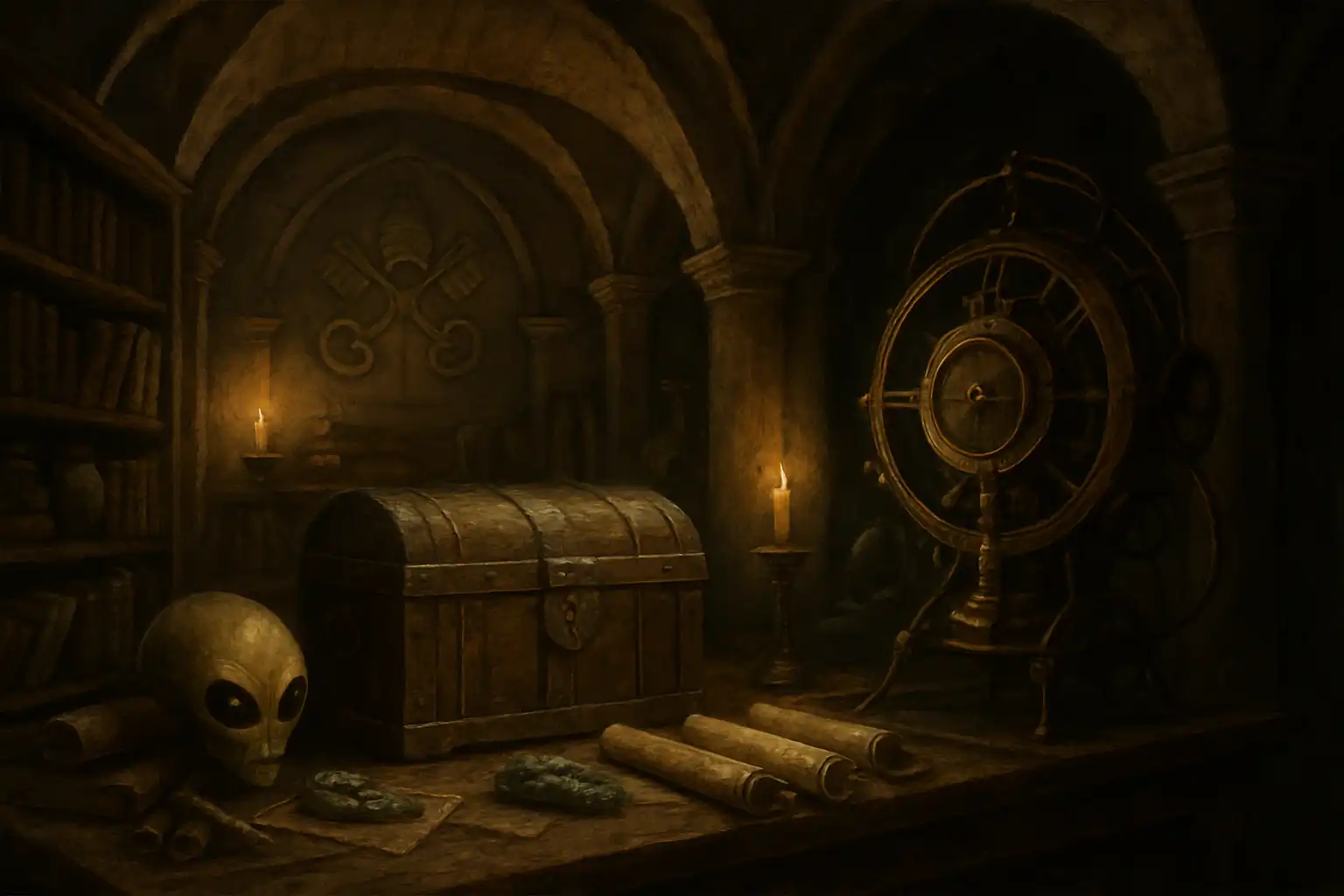
    Of all the whispered treasures in the Vatican’s vaults, none stirs more awe than the infamous Grand Grimoire. This medieval manuscript, labeled the “Gospel of Satan,” is so feared for its power that glancing at it can supposedly taint the soul. Mainstream sources, summarized on Quora, stress that the Vatican’s Secret Archive is more “private” than ‘top secret.’ However, fringe historians claim works like the Red Dragon were sealed away to protect the world from their black magic. Magical Recipes Online details the grimoire’s path—from Solomon’s tomb, through centuries of dark rumor, to its supposed resting place under Vatican lock and key.

    The Vatican states that its Apostolic Archive—formerly the “Secret Archive” (Wikipedia’s history)—exists for papal privacy, not occult cover-up. With over a millennium of records, archaeological discoveries involving ancient ruins, and the world’s most documented library, it’s no wonder tales of hidden books and forbidden knowledge persist. Dark legends grow around other underground cities, too (read the underground city theories).

    UFOs, Secret Archives, and Vatican X-Files

    The idea that the Vatican has hidden evidence of extraterrestrial life is no longer just sci-fi. High-profile whistleblowers like David Grusch claim a crashed UFO was once in Vatican possession. While investigations swirl and the Vatican stays silent, researchers highlight gaps in the historical archive. They reference when papal diplomats collected “strange metals” or star maps. This obsession fits into a global surge of interest in unexplained phenomena—whether chilling claims documented in military analyses of cyberwarfare or sightings tied to enigmatic satellites.

    Despite the buzz, concrete evidence remains elusive. However, the Catholic Church’s historical interest in astrology, astronomy, and unexplained lights keeps speculation alive. For an institution that has witnessed the rise and fall of empires and endured the Cold War, a little UFO lore is par for the course.

    The Chronovisor: The Vatican’s Time Machine and the Allure of Temporal Power

    No catalog of Vatican legends would be complete without the Chronovisor—the mythical “time machine” said to let users glimpse scenes from the past or future. No verifiable documents or hardware have emerged, yet scattered priestly testimonies, pulp literature, and the dream of total historical power fuel the legend. The Vatican denies having such a device, but this fails to deter theorists who see hidden agendas behind every veil—especially those chronicling technological leaps and crisis cycles (read about cataclysmic reset cycles as well as AI-driven existential risks).

    When you combine these tales with holy relics and secret necropolises, you create a mythos as sprawling as the Vatican’s archives. Archaeological finds and off-the-record confessions occasionally reignite debate over what lies beyond the ropes at the Archive—the world’s longest-running controlled-access mystery.

    Modern Power, Myths, and the Legacy of Secrecy

    What truly lies hidden beneath layers of rumor and ritual? Access to the Vatican Apostolic Archive is, ironically, more open than its infamous reputation suggests. Some records, especially those created after the mid-20th century, remain strictly off-limits, as Wikipedia notes. Still, the mix of forbidden knowledge and official silence breeds endless speculation.

    From black magic to UFOs and the allure of time travel, the “terrifying secrets” of the Vatican blend history, myth, and our psychological need for mystery. These stories mirror the same cosmic anxieties seen in apocalyptic predictions and world-altering conspiracies. For those interested in distinguishing myth from reality, Unexplained.co tracks each rumor, searching for the truth one forbidden revelation at a time.