Blog

  • North Korea’s 2026 Missile Test: What The Data Hides

    North Korea’s 2026 Missile Test: What The Data Hides

    Key Takeaways

    • Date: launches reported on or around 3–4 January 2026 (Reuters / AP).
    • Time: first detections reported at approximately 7:50 a.m. local time (South Korea JCS / media).
    • Launch origin: reported as the vicinity of Pyongyang (JCS / Reuters / AP).
    • Flight metrics: Japan reported at least two missiles reached altitudes of roughly 50 km and flew distances of about 900 km and 950 km (Kyodo / NHK).
    • Number: described as ‘several’ / ‘multiple’ projectiles; Japan detected at least two (AP / Reuters / Japan Times).
    • Official posture: INDOPACOM aware and consulting with allies; assessed no immediate threat to U.S. personnel/territory/allies (Reuters citing INDOPACOM).
    • Community note: commentators (e.g., David Hookstead) flagged an ‘unusual’ or ‘irregular’ trajectory; independent analysts point out North Korea’s history of lofted/variable test profiles and MaRV/hypersonic claims (YouTube / 38 North / Arms Control).
    • Unresolved core questions: precise trajectory profile (maneuvering vs lofted), weapon-system ID, payload type, and whether detailed telemetry/radar tracks will be released.

    A Cold Morning Over the East Sea

    It was an early winter dawn in the region, around 7:50 a.m. on 3–4 January 2026, when the first alerts went out. Missiles lifted off from near Pyongyang, streaking toward the Sea of Japan, also known as the East Sea. The cold air hung heavy, mirroring the tension among those monitoring the skies—regional watchers braced for what might come next.

    This timing overlapped with diplomatic stirrings in the area, adding layers to the event. Commentators jumped on reports of an ‘unusual’ trajectory, painting a stark picture: official statements stayed composed, but online discussions buzzed with alarm, as seen in David Hookstead’s video breakdown.

    What Witnesses and Analysts Report

    South Korea’s Joint Chiefs of Staff detected several ballistic missiles launching from near Pyongyang at about 7:50 a.m., estimating flights around 900 km. Japan’s Defense Ministry confirmed at least two missiles, hitting altitudes of roughly 50 km and covering 900 km and 950 km, prompting a formal protest.

    INDOPACOM acknowledged the activity, consulting allies while stating no immediate threat to U.S. personnel, territory, or partners. Independent analysts recall North Korea’s pattern of lofted or variable trajectories for testing reentry or hypersonic claims, drawing from sources like 38 North and the Arms Control Association.

    Online communities and commentators, including David Hookstead on YouTube, highlighted the ‘unusual’ flight paths, sparking debates on whether this was technical innovation or political messaging. Keep in mind, initial reports lacked open-source telemetry; data came mainly from national defense systems.

    Timelines, Tracks, and Hard Data

    Here’s a summary of the key metrics from reliable sources:

    Date Reported Launch Time Launch Origin Number of Projectiles Reported Distances Reported Apogee Source
    3–4 January 2026 ~7:50 a.m. local Vicinity of Pyongyang Several/multiple; at least two detected ~900 km (South Korea); ~900 km and ~950 km (Japan) ~50 km Reuters / AP / Kyodo / NHK / South Korea JCS

    INDOPACOM noted awareness and ally consultations, with no immediate threat assessed. Major outlets like The Guardian, Japan Times, CNN, PBS, Al Jazeera, and Bloomberg carried consistent early coverage. Still, no public radar telemetry or space-track data emerged initially, leaving gaps in technical certainty.

    Official Story vs. What the Data Suggests

    Official accounts from South Korea’s JCS, Japan’s Ministry of Defense, and INDOPACOM focus on confirmed launches under analysis, stressing no immediate threats: ‘We are aware and consulting with allies,’ as INDOPACOM put it.

    Analysts offer varied reads—similar ranges and altitudes could indicate lofted tests for reentry simulation, maneuvering reentry vehicles (MaRVs), or hypersonic elements, but full telemetry is needed for confirmation. Community voices emphasize ‘unusual’ trajectories, echoing North Korea’s history of irregular profiles to test evasion or signal strength, per 38 North and Arms Control Association insights.

    The public data—distances, altitudes, times—supports multiple views but doesn’t prove advanced tech without tracks. Motives could range from technical validation to political timing, all fitting the evidence without overstepping it.

    What It All Might Mean

    We know multiple ballistic missiles launched toward eastern waters on 3–4 January 2026, tracked at 900–950 km with 50 km altitudes by allied monitors. Yet details on trajectories—maneuvering or just lofted—missile types, and telemetry remain unreleased publicly.

    If these point to maneuvering or boost-glide tech, they challenge missile defenses; if standard lofted tests, they show ongoing development. Either way, regional security hangs in the balance. Stay tuned for briefings, data releases, or expert analyses that could clarify more.

    Frequently Asked Questions

    The launches were reported on or around 3–4 January 2026, with first detections at approximately 7:50 a.m. local time.

    Commentators like David Hookstead flagged the flight paths as ‘unusual’ or ‘irregular,’ and analysts note North Korea’s history of lofted or variable profiles, potentially for testing reentry or hypersonic capabilities. However, public data doesn’t confirm specifics without telemetry.

    INDOPACOM stated they were aware, consulting allies, and assessed no immediate threat to U.S. personnel, territory, or allies. Japan lodged a diplomatic protest, and South Korea’s JCS reported the detections.

    If the launches involve advanced maneuvering or hypersonic tech, they could complicate interception efforts. Even if they’re standard tests, they signal continued weapons development with strategic implications.

    No widely published open-source telemetry or civilian radar feeds were available in initial reporting. Primary data comes from national defense systems, and releases could provide more clarity.

  • Don’t Whistle at Night: Folklore, Predators, Physics

    Don’t Whistle at Night: Folklore, Predators, Physics

    Key Takeaways

    • Many people across cultures report a consistent taboo and set of experiences around whistling at night: hearing a distant whistle, replying, then experiencing a whistle that seems to come closer or answer (documented in USC Digital Folklore Archive, Peabody Museum notes, and contemporary social platforms).
    • Practical, measurable phenomena can explain a large fraction of reports: nighttime sound propagation (temperature inversions) makes low-frequency sounds travel farther, the NPS warns not to whistle because it can mimic an injured animal and attract predators, and a peer-reviewed PLOS ONE herpetology study (304 trials, 19 snakes) shows snakes can behaviorally respond to airborne sound (responses noted up to ~450 Hz).
    • Open questions remain: there is no single verified, global ‘supernatural’ mechanism connecting the folklore; cultural expectation and perceptual priming likely shape many reports, and some local traditions (El Silbón, Night Marchers, shape-shifters) preserve genuine mystery that empirical data does not fully resolve.

    A Whistle in the Dark

    It’s past midnight. The streetlights hum faintly, casting long shadows over empty sidewalks. You’re alone, maybe stepping out for some air, when a sharp whistle cuts through the silence—from somewhere far off, direction unclear. Your pulse quickens. You remember the old stories from your grandmother: “Never whistle back at night. You don’t know what might answer.” Heart pounding, you freeze, straining to listen. According to those who’ve shared similar moments on Reddit and TikTok, that’s when the real fear sets in—the urge to respond, the dread of what comes next. One composite account puts it like this: “I whistled once, just to test it. The reply came closer, like footsteps in the dark. I bolted inside and didn’t sleep till dawn.”

    What Witnesses and Analysts Report

    Accounts pour in from every corner. People in North and South America, East and Southeast Asia, the Pacific Islands, and parts of Europe all describe the same core warning: don’t whistle at night. The pattern holds steady—a distant whistle with no obvious source, a reply that draws nearer if you answer, and the urgent advice to get inside, stay silent, or build a fire.

    These stories often tie to specific figures. In Venezuela and Colombia, it’s El Silbón, a vengeful spirit said to stalk whistlers. Indigenous North American traditions link it to skinwalkers or shape-shifters. Hawaiian accounts mention Night Marchers or Menehune, while spirits in Japan, the Philippines, Africa, and Appalachia carry similar taboos.

    Folklore collectors and online communities treat these as shared data. The USC Digital Folklore Archive and Peabody Museum preserve oral histories. On Reddit’s r/Paranormal and BackwoodsCreepy, or in YouTube and TikTok videos, the themes align: fear, retreat, and a sense that something unseen responds. Witnesses speak of emotional weight—paralysis, dread—that lingers long after.

    Timelines, Tracks, and Hard Data

    Folklore archives like the USC Digital Folklore Archive and Peabody Museum have tracked ‘don’t whistle at night’ traditions for years, spanning communities worldwide. Contemporary reports flood social platforms, echoing these patterns but rarely with outside confirmation.

    Science offers anchors. A PLOS ONE study ran 304 trials on 19 snakes from various genera, finding they react to airborne sounds up to about 450 Hz, depending on the species. The National Park Service advises against whistling in bear country—it mimics distress calls and can draw predators; keep 100 yards away. Acoustics explain the reach: temperature inversions at night bend sounds back to earth, letting low frequencies travel farther.

    Source Key Data
    PLOS ONE Study 304 trials, 19 snakes; responses to sounds up to ~450 Hz
    NPS Bear Guidance Do not whistle; maintain 100 yd (91 m) safe distance
    Atmospheric Acoustics Temperature inversions enable farther sound travel at night

    Official Story vs. What the Data Suggests

    Agencies like the NPS keep it practical: make noise to alert wildlife, but skip whistles or screams—they sound like prey in trouble and might pull in bears or other animals. Peer-reviewed work backs this, showing snakes pick up on those frequencies. Physics confirms why sounds carry farther after dark, thanks to stable air layers refracting waves.

    Yet communities see more. They frame night whistles as calls to spirits or entities, passed down with rules like ‘don’t answer’ to stay safe. These views endure alongside the science, sometimes blending in.

    Animal responses and sound tricks could cover many cases—a far-off whistle bouncing back, or a creature replying. But no field studies fully test this against real anecdotes. Expectation plays a role too, heightening what we hear in the dark. The folklore holds its ground where data falls short.

    What It All Might Mean

    The taboo shows up solid in archives from USC and Peabody. Experiments on snake hearing and NPS safety tips give real-world reasons to heed it—sounds travel far at night, and animals listen. These pieces fit many reports without invoking the unknown.

    Still, questions linger. How many experiences boil down to physics or wildlife versus our own minds? No verified cases prove supernatural harm from a whistle. We need experiments in the field, tracking frequencies and animal reactions under night conditions.

    This matters because it shapes actions—people hide, warn kids—and might save lives by steering clear of real dangers. It also keeps cultural stories alive, tying us to fears of the dark. Track these patterns responsibly. Talk to folklorists, biologists, and those who’ve lived it. The mystery doesn’t vanish just because we explain parts of it.

    Frequently Asked Questions

    Witnesses often report hearing a distant whistle first, then an answering one that seems closer if they reply. This pattern appears in folklore archives and online accounts, tied to fear and advice to retreat indoors.

    Yes, nighttime sound propagation via temperature inversions allows whistles to travel farther. Studies show snakes respond to low-frequency sounds, and NPS guidelines warn against whistling to avoid attracting predators like bears.

    It ties to practical safety, like avoiding wildlife, but also preserves cultural stories of spirits or entities. Empirical explanations cover many cases, yet perceptual effects and unresolved mysteries keep the traditions alive.

    Yes, regional figures include El Silbón in Venezuela and Colombia, skinwalkers in Indigenous North American lore, Night Marchers in Hawaii, and various spirits in Asia, Africa, and Appalachia.

    Controlled field studies combining whistle frequencies, night acoustics, and animal behaviors could clarify natural causes. Interviews with folklorists, biologists, and witnesses would help bridge official views and community experiences.

  • Ribbonfish Omen: What Monterey’s Sighting Really Means

    Ribbonfish Omen: What Monterey’s Sighting Really Means

    Key Takeaways

    • A rare juvenile deep-sea ribbonfish (Trachipterus altivelis) surfaced in Monterey Bay on December 30, 2025, spotted by diver Ted Judah and confirmed by a local aquarium biologist, drawing attention from outlets like SFGATE, SFist, and Divernet.
    • Mainstream sources, including the USGS and marine institutions, assert no proven link between such strandings or planetary alignments and short-term earthquake prediction; precise forecasting remains impossible.
    • Independent voices, such as Stefan Burns, point to the sighting alongside global seismicity and planetary configurations as signs of heightened M6+ risk in California—a perspective that’s gaining traction but lacks reproducible evidence for validation.

    A Silent Convoy Beneath the Dark Sea

    Picture this: December 30, 2025, in the chill depths of Monterey Bay. Diver Ted Judah glides through the murk, his GoPro capturing the endless blue. Then, something long and serpentine cuts through the water—a juvenile deep-sea ribbonfish, Trachipterus altivelis, its body shimmering like a lost relic from the abyss. Judah’s photos and video spread fast in local dive circles, then hit regional news: SFGATE, SFist, Divernet. The sighting stirred echoes of old ocean tales, like the Japanese ‘ryūgū no tsukai,’ the messenger from the dragon palace. Social media lit up with wonder and whispers of omens, pulling in those who’ve long watched the seas for signs of deeper unrest.

    What Witnesses and Analysts Report

    Ted Judah’s encounter hit hard in the community. His GoPro footage showed the ribbonfish twisting through the bay, a sight that quickly went viral in dive groups and beyond. Regional outlets amplified it, framing the event as a rare glimpse into the deep. For many, it recalled folklore tying these creatures to earthquakes—the ‘doomsday fish’ of Japanese legend, surfacing before disaster. Independent analysts aren’t stopping there. Figures like Stefan Burns weave the sighting into a bigger picture: recent quakes off East Africa, seen as antipodal echoes, plus active planetary alignments. They warn of rising odds for a M6+ event in California. Reactions vary—some stock up on supplies, others demand solid stats to back the claims.

    Timelines, Tracks, and Hard Data

    Let’s break it down by the numbers. The Monterey Bay event fits into a longer pattern of strandings, with California logging around 20 or more ribbonfish or oarfish sightings since the early 1900s, per media and natural history records. Seismically, the USGS stands firm: no precise predictions possible, only probabilistic maps. Planetary notes include the Saturn-Neptune conjunction building toward February 20, 2026, amid other alignments of Jupiter, Earth, Sun, Mercury, Venus, and Mars—but their tidal pull pales next to the Moon and Sun. Antipodal focusing? It’s a real wave effect in peer-reviewed studies, yet it doesn’t prove quake triggering. Recall the 1989 Loma Prieta M6.9, during a similar Saturn-Neptune phase, which some cite as precedent.

    Date Event Location Magnitude/Description Primary Source
    December 30, 2025 Ribbonfish sighting Monterey Bay, CA Juvenile Trachipterus altivelis SFGATE, SFist, Divernet; Monterey Bay Aquarium
    Early 1900s–present Historical strandings California coast ~20+ recorded cases Media summaries, natural history
    October 17, 1989 Loma Prieta earthquake San Francisco Bay Area M6.9 USGS
    2025–2026 Saturn-Neptune conjunction Astronomical Peak ~Feb 20, 2026 Astronomical references
    Recent Antipodal seismicity Off East Africa Claimed patterns Independent commentators

    Official Story vs. What the Data Suggests

    The USGS and seismologists hold the line: earthquakes defy short-term prediction, with efforts centered on hazard maps and alerts. Planetary scientists add that alignments like the current ones carry no meaningful gravitational weight against everyday tides. Marine experts at places like the Monterey Bay Aquarium stick to facts—identifying species, not chasing omens. Still, antipodal wave focusing is documented science, hinting at global connections in seismic energy. Where independent claims falter is the synthesis: blending strandings, quakes, and stars into forecasts without shared methods or stats. To bridge that, we’d need open data pulls, like from USGS ComCat, and tests against historical baselines.

    What It All Might Mean

    The sighting is solid, captured and confirmed. So are the planetary shifts and recent global shakes, plus antipodal effects in the seismic record. But tying them to an imminent California quake? No mechanism holds up yet, and predictions stay anecdotal without rigorous checks. For readers tracking these patterns, it’s worth watching—pull USGS ComCat data for December 2025 to January 2026 to gauge if activity spikes. Evaluate claims with a checklist: Demand reproducible methods, transparent sources, and stats beating random chance. Stay prepared with earthquake kits and plans, probe analysts for their data, and keep that curiosity alive amid the unknowns.

    Frequently Asked Questions

    Yes, diver Ted Judah encountered a juvenile deep-sea ribbonfish in Monterey Bay on December 30, 2025, with photos and video shared in dive groups. A Monterey Bay Aquarium biologist confirmed the species as Trachipterus altivelis, and it was covered by outlets like SFGATE, SFist, and Divernet.

    Mainstream science, including the USGS, finds no proven causal link between ribbonfish strandings or planetary alignments and earthquake prediction. Independent analysts like Stefan Burns suggest patterns with global seismicity and alignments indicate risk, but these claims lack reproducible data and statistical validation.

    The USGS maintains that precise short-term earthquake prediction is not possible, focusing instead on probabilistic hazard maps and preparedness. They dismiss links to oarfish sightings or planetary positions, noting negligible gravitational effects from distant planets compared to the Moon and Sun.

    Review USGS ComCat data for recent seismicity to see if it’s above baseline. For evaluating predictions, look for reproducible methods, transparent sources, and statistical tests against historical norms—key steps to separate patterns from coincidence.

  • NOAA Weather Satellites: Why $30 Radios Can See Space

    NOAA Weather Satellites: Why $30 Radios Can See Space

    Key Takeaways

    • Hobbyists routinely receive NOAA APT weather images from polar-orbiting satellites using low-cost RTL-SDR dongles, simple antennas, and free decoding software.
    • NOAA APT downlinks are in the ~137 MHz band (examples: NOAA-15 ~137.62 MHz, NOAA-18 ~137.9125 MHz, NOAA-19 ~137.1 MHz); always verify current frequencies and status on NOAA/NESDIS/OSPO pages.
    • Optical “lamp-to-lamp” communication (Li-Fi/VLC) appears in experiments but consumer “friendship lamps” generally rely on Wi‑Fi and cloud services rather than direct visible-light links.

    Backyard Receivers and What They Capture

    With an RTL-SDR dongle (about $20–40), a simple V-dipole or rabbit-ear antenna, and free tools (noaa-apt, MeteorGIS, SDR#), many enthusiasts decode APT audio recordings into visible satellite imagery. Community guides on rtl-sdr.com, Instructables, and YouTube provide step-by-step instructions and shared captures that confirm reproducibility.

    Why Quality Varies

    Image quality depends on antenna polarization and orientation, pass elevation, local RF noise, and satellite health. Makers often improve reception with modest hardware tweaks (better antennas, low-noise amplifiers) and software settings (bandwidth ~40 kHz, appropriate FM/NFM demodulation).

    Optical Communication Experiments

    Lab and hobby Li-Fi/VLC projects demonstrate LED-to-photodiode links for short-range data, but reliable long-distance, consumer-grade optical comms remain uncommon. Most off-the-shelf friendship lamps use cloud-based services; converting or building a true line-of-sight optical system requires specialized optics, synchronization, and often significant engineering.

    Verification and Tools

    To reproduce APT captures: consult current NOAA status pages, obtain TLEs and a pass predictor (n2yo.com, Celestrak), set your SDR to the target frequency with ~40 kHz bandwidth, record the audio, and decode with noaa-apt or equivalent. Cross-referencing timestamps with predicted passes helps attribute images to specific satellites.

    Legal and Privacy Notes

    Receiving publicly broadcast NOAA signals is permitted; transmitting on regulated RF bands or using powerful optical transmitters can be restricted by local rules—check regulations before transmitting. Privacy trade-offs differ: cloud-dependent devices expose metadata to service providers, while DIY optical or RF systems shift control to users but increase technical and regulatory responsibilities.

    Next Steps for Curious Makers

    Try a basic APT capture (RTL-SDR dongle, simple antenna, and noaa-apt) timed to a predicted pass. If exploring optical links, start with short-range LED/photodiode experiments and document results. Share timestamps, configurations, and raw captures so others can reproduce and help validate findings.

    Frequently Asked Questions

    Can I decode NOAA images with cheap gear?
    Yes. Many hobbyists do so with inexpensive RTL-SDR dongles, simple antennas, and free software; follow community tutorials to get started.

    Do friendship lamps work without the internet?
    Most commercial devices use Wi‑Fi/cloud. True direct optical communication is possible in experiments but not typical of consumer friendship lamps.

    How do I verify active NOAA satellites?
    Check NOAA/NESDIS/OSPO status pages for current operational satellites and frequencies, and use TLE-based predictors to correlate decoded images with satellite passes.

  • Maduro Captured, Moscow Attacked?: What Really Happened

    Maduro Captured, Moscow Attacked?: What Really Happened

    Key Takeaways

    • U.S. forces carried out strikes in Venezuela on or around 3 January 2026, with the U.S. announcing President Nicolás Maduro’s capture and transport to the United States, as reported by multiple mainstream outlets.
    • Preliminary Venezuelan tallies reported at least 40 dead in the strikes; eyewitness and local reports describe explosions in Caracas, smoke at La Carlota airfield, and activity at military bases.
    • Viral social-media claims and a widely circulated YouTube alert alleging a Moscow blackout, bombardment, and nuclear emergency remain uncorroborated by institutional sources; the IAEA is monitoring developments near Russian nuclear sites but has not confirmed any nuclear release or attack.

    The Night the Alerts Exploded

    Picture Caracas in the dead of night on 3 January 2026. Explosions rip through the air, lighting up the skyline. Eyewitnesses report blasts shaking buildings, smoke rising from La Carlota airfield and nearby military sites like Fuerte Tiuna. Phones buzz nonstop—people huddle over screens, refreshing feeds as news of U.S. strikes and Maduro’s capture spreads like wildfire.

    Then the alerts escalate. Telegram threads light up with frantic shares. A viral YouTube video screams ‘⚡ALERT: Maduro and RUSSIA/ CHINA Nuclear EMERGENCY! WW3 RISK ELEVATED, Moscow UNDER ATTACK!’ Claims pour in: blackouts in Moscow, sounds of bombardment, whispers of a nuclear edge. Confusion reigns. Fear grips the diaspora, anger boils among analysts seeing this as a bold signal to Russia and China. Shares multiply, each one amplifying the dread.

    What Witnesses and Analysts Report

    Eyewitnesses in Venezuela paint a vivid picture. Local outlets and on-the-ground accounts detail explosions rocking Caracas, with thick smoke billowing from La Carlota and other military spots. Vice-President Delcy Rodríguez steps forward, demanding ‘proof of life’ for Maduro amid the chaos.

    Diaspora voices and geopolitical analysts weigh in, framing the U.S. move as a calculated jab that might draw fire from Russia or China. They point to patterns in global tensions, suggesting this could provoke a fierce reply.

    Meanwhile, independent channels and Telegram threads buzz with reports of Moscow under siege—blackouts, alleged bombardments, even escalations to a full nuclear emergency. Footage circulates, claims stack up, tying into WW3 fears. These are reports from witnesses, analysts, and social feeds—their credibility spans a wide range, and many await independent checks.

    Timelines, Tracks, and Hard Data

    Let’s break down what we can pin down from institutional sources. The strikes hit on 3 January 2026, with reports spilling into the next day. Venezuelan officials tallied at least 40 dead, a mix of civilians and soldiers, as shared with outlets like The New York Times.

    U.S. statements confirmed the operation and Maduro’s capture, transporting him stateside. Mainstream coverage from Reuters, NYT, CBS, and The Guardian echoed this, alongside diplomatic ripples. The IAEA stepped in, monitoring military moves near Russian nuclear sites like Kursk, warning of risks but confirming no nuclear incidents.

    That viral YouTube video and social posts pushed Moscow blackout and attack claims, but nothing from IAEA, Rosatom, or independent networks backs them up yet.

    Date/Time Reported Event Source
    3 January 2026 U.S. strikes in Venezuela; claim of Maduro’s capture Multiple outlets (e.g., The New York Times)
    3-4 January 2026 Preliminary report of at least 40 dead Venezuelan tallies via The New York Times
    3-4 January 2026 U.S. announcement of Maduro in custody U.S. government statements
    Ongoing as of 4 January 2026 IAEA monitoring near Russian nuclear sites (e.g., Kursk NPP) IAEA Director General statement
    3-4 January 2026 Viral claims of Moscow attack/nuclear emergency Social media (YouTube, Telegram); uncorroborated

    Official Story vs. What the Data Suggests

    The U.S. lays it out plain: an operation in Venezuela snagged Maduro, now in their custody, as broadcast through mainstream channels. Russia and China fire back hard—condemnations, calls for UN Security Council huddles, even nuclear-tinged rhetoric from Russian corners, all logged by Reuters and others.

    The IAEA holds steady, tracking sites and flagging dangers from nearby military action, but they stop short of confirming any detonation or release in Moscow.

    Community takes run a different track. YouTube and Telegram amplify attack narratives on Moscow, blending real elements like Russian statements with unverified clips. Data points to gaps here—no official nods to a nuclear event, shaky authentication on videos, chains of custody in question. These holes let alternative views thrive, where official lines leave room for doubt.

    What It All Might Mean

    Sticking to what’s solid: U.S. strikes hit Venezuela around 3 January 2026, capturing Maduro per their claim, with at least 40 reported dead on the ground. Russia and China condemned it sharply, pushing for UN talks, while the IAEA monitors nuclear sites like Kursk without confirming crises.

    Yet the unconfirmed pieces loom large—no verification on Moscow blackouts, bombardments, or any nuclear release from bodies like IAEA or Rosatom.

    Questions linger: Can we verify Moscow claims through on-site reports, satellites, or grid data? What do IAEA radiation checks show? How solid are the capture images? Escalation risks are real—misinfo can fan flames fast. Readers, cross-check with IAEA updates, Rosatom feeds, and trusted monitors. We’ll chase ground sources, satellite traces, and diplomatic wires for clarity. Hold steady; patterns emerge with patience.

    Frequently Asked Questions

    U.S. forces conducted strikes in Venezuela, resulting in explosions in Caracas and smoke at sites like La Carlota airfield. The U.S. announced the capture of President Nicolás Maduro, who was transported to the United States, with preliminary reports indicating at least 40 deaths.

    Viral social media posts and a YouTube video alleged blackouts, bombardment, and a nuclear emergency in Moscow, but these remain uncorroborated. The IAEA is monitoring Russian nuclear sites like Kursk and has not confirmed any nuclear release or attack.

    Russia and China strongly condemned the strikes and capture, demanding UN Security Council meetings. Some Russian figures used nuclear-threatening language in their rhetoric, as reported by outlets like Reuters.

    Key uncertainties include independent verification of any Moscow blackout or attack, IAEA radiation readings from nuclear sites, authentication of images related to Maduro’s capture, and potential escalation thresholds in diplomatic or military responses.

  • Nuclear Tests & Geomagnetic Storms: The Unproven Link

    Nuclear Tests & Geomagnetic Storms: The Unproven Link

    Key Takeaways

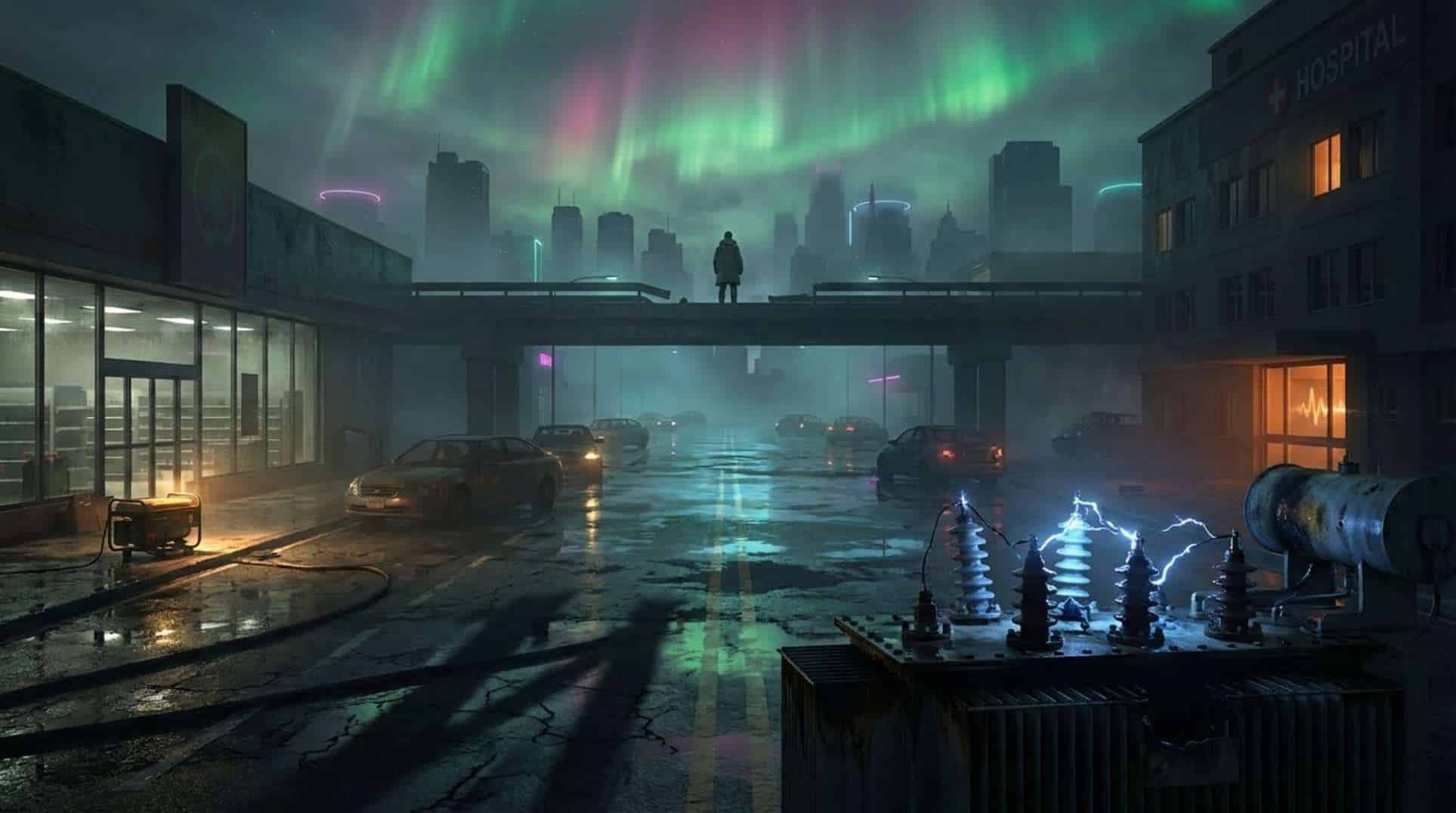
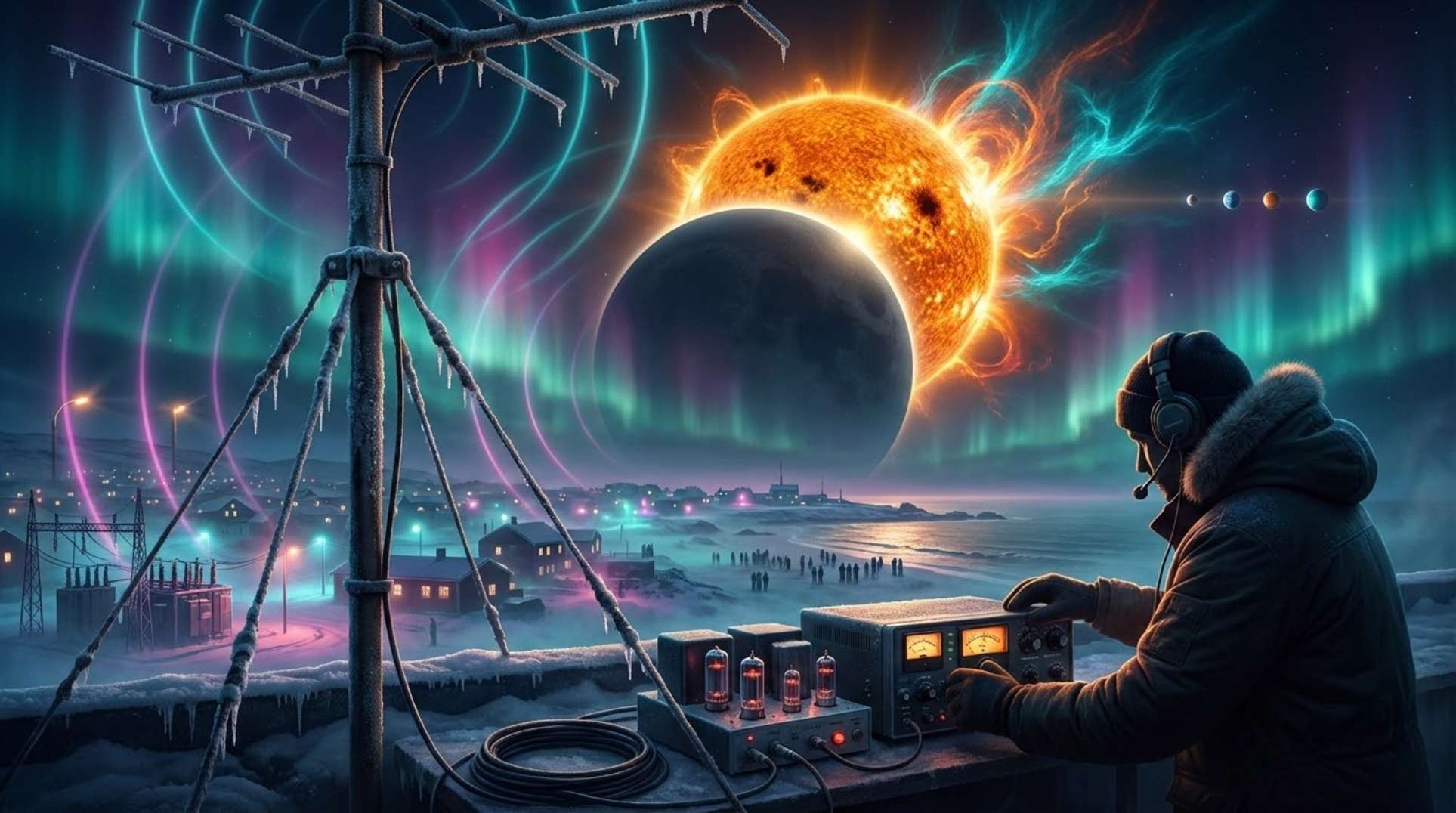
    • The strongest evidence points to geomagnetic storms being driven mainly by solar wind variations, coronal mass ejections, and high-speed solar wind streams, tracked through indices like Kp and Dst by agencies such as NOAA’s Space Weather Prediction Center.
    • Plausible alternative readings highlight discrete events like the Starfish Prime nuclear test on July 9, 1962, which injected artificial radiation belts, damaged satellites, and triggered visible auroras, yet these were human-made and not shown to alter Earth’s core geodynamo.
    • Crucial unresolved questions include whether multi-decadal rises in storm counts stem from actual solar activity or from biases in observation networks, and if 20th-century nuclear testing truly caused permanent changes to the planet’s deep magnetic field—links that remain unproven and require further scrutiny.

    A Silent Convoy Beneath the Dark Sky

    Imagine the night sky igniting without warning. Auroras dance where they shouldn’t, radios hiss with static, and instruments spike in ways that make the ground feel alive. Witnesses describe power glitches and an eerie hum, as if the planet itself is protesting. These moments pull communities together, sharing footage and plots online, linking them to space-weather alerts that feel too timely to ignore.

    Community voices like Stefan Burns highlight these spikes in Kp and Dst indices, tying them to local oddities—flickering lights, unexpected northern lights. History echoes this: during Starfish Prime, observers saw artificial auroras and blackouts, with satellite failures lingering for months, as noted in Spaceweather and National Geographic accounts.

    Agencies like NOAA’s SWPC offer near-real-time nowcasts and historical data, letting anyone cross-check those vivid auroras against official timelines. It’s this blend of personal experience and verifiable traces that makes the topic burn with urgency for those who’ve felt the disruptions firsthand.

    What Witnesses and Analysts Report

    Across social platforms and YouTube channels, independent researchers share magnetometer graphs blended with personal stories—unusual auroras, strange electromagnetic sensations that hit during storm peaks. Figures like Stefan Burns distribute these reports, building a picture of patterns that demand attention.

    Community claims often point to a rise in geomagnetic storm frequency through the 20th century, with intriguing overlaps between intense solar or geomagnetic events and major earthquakes. Many argue that nuclear testing reshaped Earth’s near-space environment, creating a legacy of instability.

    Yet within these circles, skeptical analysts push back, warning against mistaking correlation for cause. They call for rigorous statistical checks to separate genuine shifts from coincidental alignments, ensuring claims hold up under scrutiny.

    Timelines, Tracks, and Hard Data

    The Planetary Kp index, measuring global geomagnetic activity every three hours, stretches back to 1932, with archives maintained by NOAA’s SWPC and NCEI for easy downloads of Kp and Dst data. Peer-reviewed work ties storm patterns tightly to the 11-year solar cycle, though models of extremes draw from relatively short multi-decadal records, as seen in studies from Space Weather (Reyes et al., 2021) and Earth, Planets and Space (2020).

    Starfish Prime stands out: on July 9, 1962, this 1.4-megaton blast at about 400 km altitude injected roughly 10^29 energetic electrons, spawning artificial radiation belts that harmed satellites and sparked auroras, per NASA, OSTI, CTBTO, and National Geographic sources.

    For context, extreme Dst events include the -640 nT drop on March 13, 1989, a intense space-age storm, while the 1859 Carrington event is estimated at -1760 nT, hinting at broader historical scales. Nuclear testing tallied around 1,900 global detonations in the 20th century, with high-altitude blasts causing transient disturbances via EMP and ionospheric heating, as detailed in Glasstone & Dolan and GlobalSecurity reports.

    Metric/Event Details Date/Availability
    Kp/Dst Indices Global geomagnetic activity tracking Available from 1932 (Kp)
    Starfish Prime 1.4 megatons at ~400 km July 9, 1962
    Major Solar Storm Dst = -640 nT March 13, 1989
    Carrington Event Estimate Dst ≈ -1760 nT 1859

    Readers can extract Kp/Dst time-series from 1932 onward and plot storm counts against sunspot numbers to assess how 20th-century trends align with solar activity or observational shifts. This hands-on approach reveals overlaps and gaps that new analysis could fill.

    Official Story vs. What the Data Suggests

    According to NOAA’s SWPC, geomagnetic storms arise from solar wind, CMEs, and high-speed streams, quantified through Kp and Dst for infrastructure alerts—their standard position on the drivers behind these events.

    NASA and peer-reviewed papers confirm high-altitude tests like Starfish Prime temporarily reshaped near-Earth space, creating artificial belts and satellite issues, but they find no proof of impacts on the deep geodynamo in Earth’s core, as per NEPP and OSTI documents.

    Geomagnetism experts stress the patchy nature of pre-mid-20th-century data, suggesting apparent long-term increases might stem from better monitoring, index tweaks, or natural geomagnetic drifts rather than human interference.

    Community analysts, however, see mid-20th-century storm rises syncing with nuclear testing eras as potential evidence of lasting disruption—a view that hinges on teasing apart effects through quantitative methods. The gap lies in replicable stats that isolate anthropogenic marks from solar noise, leaving room for deeper probes.

    What It All Might Mean

    Solar activity clearly dominates geomagnetic storm patterns, with events like Starfish Prime delivering sharp, documented jolts to near-Earth space without enduring core changes.

    Still, uncertainties linger: how much do observational improvements skew 20th-century trends? Is there a solid tie between space weather and earthquakes? And have human actions touched the geodynamo? Current studies and defense reports see no such evidence.

    To advance, consider plotting Kp/Dst trends against sunspots, compiling bibliographies on man-made injections, or speaking with geomagnetism specialists about biases and nuclear fingerprints. This matters because it weaves personal stories with nuclear history, risks to grids and satellites, and scientific unknowns—demanding precise reporting to cut through the fog.

    Frequently Asked Questions

    Geomagnetic storms are mainly driven by solar wind variations, coronal mass ejections, and high-speed solar wind streams, as monitored by indices like Kp and Dst from NOAA’s SWPC.

    High-altitude tests such as Starfish Prime created temporary artificial radiation belts, damaged satellites, and caused auroras, but no established evidence shows they changed the deep geodynamo in Earth’s core, according to NASA and peer-reviewed literature.

    Community reports suggest rises linked to nuclear testing and patterns with earthquakes, but skeptics point to potential biases from improved observations and index changes, calling for statistical analysis to confirm any real trends beyond solar cycles.

    Access archives from NOAA’s SWPC and NCEI for Kp and Dst indices dating back to 1932, then plot storm counts against sunspot numbers to check alignments with solar activity or observational shifts.

    Storms can lead to power glitches, satellite failures, and infrastructure disruptions, as seen in historical events like Starfish Prime and major solar storms, highlighting vulnerabilities in grids and transportation.

  • Venezuela 2026 Airstrikes: What Really Happened That Night

    Venezuela 2026 Airstrikes: What Really Happened That Night

    Key Takeaways

    • The disputed July 2024 presidential election in Venezuela sparked widespread protests, followed by a crackdown with thousands of arrests, as documented by NGOs like Foro Penal (1,848 verified from July to September 2024) and cumulative tallies nearing 2,062 by year’s end; UN reports highlight a systemic breakdown in rule of law, with patterns suggesting political persecution.
    • Based on consistent reporting from the UN Fact-Finding Mission and groups like Human Rights Watch, mass detentions, enforced disappearances, and due-process violations appear widespread and ongoing, compounded by government prisoner releases in late 2025 that NGOs say fall short, leaving hundreds still held.
    • Open questions linger around the January 3, 2026, events—reports of U.S. strikes on Caracas and Maduro’s possible capture lack independent verification, including chain of custody and legal basis, while gaps persist in full detainee counts and judicial transparency.

    Midnight in Caracas: The Night Explosions Shook the City

    It’s just after midnight on January 3, 2026, and the air in Caracas thickens with tension. Residents jolt awake to the rumble of low-flying aircraft slicing through the night sky, followed by sharp explosions that echo off concrete towers. Families huddle in dim living rooms, phones buzzing with frantic messages—checking on loved ones already caught in the post-election dragnet, scrolling live feeds for scraps of news. This isn’t some isolated incident; it’s the culmination of months of unrest since the disputed July 2024 vote, where protests met swift security sweeps, detentions, and whispers of vanishings. Social media erupts in real time, Venezuelans abroad torn between outrage over sovereignty and quiet hope for change. We’ve all tracked aerial anomalies before—those unexplained lights or crafts that defy easy answers. Here, the reports from Reuters, CBC, and Radio-Canada point to U.S. strikes, but the full picture? That’s what we’re digging into next.

    What Witnesses and Analysts Are Saying

    From the ground up, the stories align in haunting ways. Victims and families describe sudden arrests sweeping through neighborhoods after the July 28, 2024, election—doors kicked in, people bundled into vans, then silence. NGOs like Foro Penal have been logging these cases daily, verifying 1,848 arrests between late July and September 2024 alone. Human Rights Watch echoes this with dozens of testimonies: killings, enforced disappearances, arbitrary holds in counter-terrorism courts where access to lawyers is a rarity. Families struggle to locate detainees, echoing UN reports of incommunicado periods that fit patterns of disappearance.

    Local researchers and opposition groups add layers, sharing alleged vote discrepancies from election tallies that fuel the distrust. Communities aren’t buying the official line; they’re piecing together their own narratives, much like how our readers analyze sighting data. Diaspora networks in Canada, the U.S., and Latin America amplify these voices online—emotional, polarized, but grounded in shared experiences. We cross-check where we can: HRW’s cumulative arrest count hits around 2,062 by December 2024, drawing from Foro Penal’s meticulous records. These aren’t isolated claims; they form a pattern we’ve seen in other shadowy operations.

    Timelines, Tracks, and the Hard Data

    To cut through the fog, let’s map this out forensically. Key events overlap in ways that demand scrutiny, from election day chaos to that explosive night in 2026. Sources range from UN missions to NGO tallies, with verification statuses noted—some rock-solid, others hanging on threads. Here’s a compact timeline to help you track it:

    Date Event Source Verification Status
    28 July 2024 Disputed presidential election; onset of protests and mass arrests. Foro Penal, HRW Verified
    28 July–30 Sept 2024 1,848 verified arrests. Foro Penal Verified
    Sept 2023–Aug 2024 UN FFM report documents rule-of-law degradation. OHCHR/FFM Verified
    Through 31 Dec 2024 Cumulative arrests ~2,062. HRW citing Foro Penal Verified
    March 2025 FFM updates on political persecution patterns. FFMV Verified
    30 Apr 2025 HRW report on post-election killings, disappearances, detentions. Human Rights Watch Verified
    16 Aug 2024 & 9 Sept 2024 Canada statements urging result verification and detainee release. Global Affairs Canada Verified
    Late Dec 2025 / Jan 2026 Government announces 88–99 prisoner releases; NGOs dispute totals. Venezuelan govt, NGOs Partially verified (releases confirmed, totals contested)
    3 January 2026 Reports of U.S. strikes on Caracas and Maduro capture. Reuters, CBC, CTV, Radio-Canada Unverified

    Official Narratives vs. What the Data Points To

    The Venezuelan government paints detainees as terrorists, justifying sweeps as necessary security measures and dismissing outside critiques as interference—any strikes? Pure imperialism. Yet UN Fact-Finding Mission reports clash hard, outlining arbitrary arrests, torture allegations, and disappearances that scream political targeting, even rising to crimes against humanity levels.

    Canada’s statements—from August 2024 calls for transparent results to September demands for releases—highlight the international pushback, urging adherence to law post-2026 reports. Take the prisoner releases: officials claim 88–99 freed in late 2025, but NGOs insist hundreds remain, a stark mismatch. On the January 3 operation, media outlets reported strikes and a possible Maduro takedown, but without confirmed custody chains or legal backing, it smells like classic black ops ambiguity. The government’s counter-terror frame might cloak political motives, while sanctions and fact-finding efforts sketch paths to accountability. Data suggests the official story bends under scrutiny.

    What This Could All Add Up To

    We’ve got solid ground here: UN and NGO docs confirm repression scaling up post-July 2024, with arrests, vanishings, and justice gaps stretching back to 2023. Likely elements include the true scope of detentions—some potentially permanent—and the murky legality of that 2026 strike, where releases don’t match NGO counts.

    Big questions hang: Who can independently verify high-profile custodies or judicial charges? What’s the legal footing for foreign actions, and how does it ripple regionally? Next moves: Pull case files from Foro Penal families, chase FFM updates, ping Global Affairs Canada, HRW, and even Venezuelan officials. Seek satellite shots, radar logs, consular notes—tools we’ve used on aerial mysteries before. This matters for Venezuelans facing erased voices, for a region eyeing intervention precedents, and for anyone championing rule of law against shadowy power plays. Victims’ accounts drive this; uncertainties flag where we keep probing, respecting the narratives that push us forward.

    Frequently Asked Questions

    The disputed presidential election on July 28, 2024, led to widespread protests, which the government met with security operations resulting in mass arrests and detentions, as documented by NGOs and UN reports.

    Foro Penal verified 1,848 arrests from July 28 to September 30, 2024, with cumulative figures reaching around 2,062 by December 2024 according to Human Rights Watch citing Foro Penal. These tallies come from daily family reports and cross-checks, making them credible but subject to ongoing verification.

    Multiple outlets like Reuters and CBC reported explosions, low-flying aircraft, and claims of U.S. strikes leading to Maduro’s possible capture on January 3, 2026. However, independent verification of the operation, chain of custody, and legal basis remains unresolved.

    The Venezuelan government frames detentions as anti-terror measures and dismisses foreign involvement as interference, while UN and NGO findings document arbitrary arrests, disappearances, and political persecution, highlighting major discrepancies in narratives and numbers.

    It raises questions about accountability in contested elections, humanitarian access amid repression, and the implications of potential foreign military actions, setting precedents for regional politics and rule-of-law advocacy.

  • Times Square’s Second Midnight: Ritual or PR Stunt?

    Times Square’s Second Midnight: Ritual or PR Stunt?

    Key Takeaways

    • A planned ‘second post-midnight moment’ unfolded in Times Square on New Year’s Eve 2026, where America250 and the Times Square Alliance relit the Ball in red, white, and blue at around 12:04 a.m. EST to kick off the Semiquincentennial, backed by official press releases from Times Square and America250.
    • The event was broadcast live by major networks and the official Times Square webcast, drawing an on-site crowd of about 1 million and a global TV/streaming audience estimated from hundreds of millions to roughly 1 billion, according to sources like People, CBS, NYT, and Times Square listings.
    • Key gaps persist: the specific viral video claiming ‘disturbing ancient propaganda’ remains unlocated in mainstream searches, and production credits for the segment’s imagery lack public documentation—calling for frame-by-frame analysis and vendor identification to resolve these questions.

    Midnight, Confetti, and a Second Light

    The clock struck midnight on December 31, 2025, ushering in 2026 amid the electric hum of Times Square. Confetti rained down, cheers erupted from the massive crowd, and the iconic Ball completed its descent. But the night held more. At approximately 12:04 a.m. EST, the Ball relit in a burst of red, white, and blue—a scheduled nod to America’s 250th anniversary, per America250 and Times Square press releases.

    Picture it: the 2026 ‘Constellation Ball,’ a massive 12.5-foot sphere weighing between 12,000 and 12,350 pounds, adorned with 5,280 Waterford crystal discs and pulsing LED lights, as detailed in Time Out and NBC affiliate reports. The air thick with anticipation, the crowd’s energy still high from the main drop. Then, this second illumination, captured live by broadcasters and the official webcast, reaching millions in person and via streams, according to People and Hollywood Reporter. Something about that relighting lingered, stirring curiosity in the shadows of celebration.

    What Witnesses and Analysts Report

    From the ground in Times Square to screens worldwide, reactions poured in across social media. Some cheered the patriotic flair, others called it overly commercial, but a notable thread emerged: descriptions of the post-midnight moment as ritualistic or laced with propagandistic undertones. User posts and comments on various platforms document this range, showing how the event hit different notes for different viewers.

    That night, viral trends like eating 12 grapes or manifestation rituals at 1:11 a.m. were already buzzing— context from Economic Times, Times of India, Financial Express, and NewsX that explains why symbolic elements in a public spectacle might strike some as more than mere show. Eyewitness clips, network replays, and user uploads capture the relighting, the accompanying video, confetti, and music, serving as raw footage for deeper looks.

    Independent researchers have flagged specific imagery and sounds in the segment, linking them to older motifs. These claims deserve careful sourcing through frame-by-frame breakdowns and provenance checks. We’re all piecing this together, respecting the perspectives that see patterns where others see pageantry.

    Timelines, Tracks, and Hard Data

    Let’s anchor this in the facts. The main event kicked off on December 31, 2025, with the midnight transition, followed by the scheduled America250 relighting at about 12:04 a.m. EST, as outlined in TimesSquareNYC and America250 press releases. The Ball itself: 12.5 feet in diameter, weighing 12,000 to 12,350 pounds, featuring 5,280 Waterford crystal discs, per Time Out and MYNBC5 coverage.

    Major broadcasters like ABC’s Dick Clark’s New Year’s Rockin’ Eve, CNN, and CBS aired it live, alongside the Times Square official webcast, according to People and Hollywood Reporter. Crowd on-site: around 1 million for the NYE festivities. Global audience: estimates hit hundreds of millions to 1 billion, cited in CBS News, People, and NYT.

    Metric Value Source
    Event Date/Time Dec 31, 2025 – midnight; relighting ~12:04 a.m. EST TimesSquareNYC press release; America250 release
    Ball Specifications ~12.5 ft diameter; ~12,000–12,350 lbs; 5,280 Waterford crystal discs Time Out; MYNBC5
    Coverage ABC, CNN, CBS, Times Square webcast People; Hollywood Reporter; TimesSquare webcast
    Audience Estimates On-site ~1 million; global hundreds of millions to ~1 billion CBS News; People; NYT

    For verification, check the embedded links to TimesSquareNYC press release, America250 press release, Time Out, MYNBC5, People, CBS, and NYT.

    Official Story vs. What the Data Suggests

    Organizers from Times Square Alliance and America250 frame the relighting as a straightforward ceremonial start to the U.S. Semiquincentennial—complete with the Ball’s glow, a video segment, confetti, and music, as stated in their press releases. Broadcasting partners and entertainment outlets promoted it as part of the night’s lineup, not some hidden insert, per People and Hollywood Reporter.

    Yet viewer interpretations diverge, with some spotting ritual-like qualities in the visuals and audio. No official docs hint at covert or ancient-propaganda motives, but the absence of named production contractors or creative vendors in public materials leaves room for questions. Tracing those could reveal if the imagery pulled from historical sources.

    Public events like this often carry symbolic weight, especially for those tuned to such layers. The line between civic theater and deliberate ritual blurs without full provenance on the elements used. Facts back the planned nature, but the ambiguity invites scrutiny.

    What It All Might Mean

    We can stand firm on this: America250 and Times Square executed a scheduled post-midnight relighting at 12:04 a.m. EST for the Semiquincentennial, broadcast live by major outlets, as confirmed in press releases and network coverage.

    Still, questions linger: Where’s the exact viral clip dubbing it ‘ancient propaganda,’ with its link, timestamp, and producer? What about production credits and creative briefs for the video? Frame-by-frame origins of the imagery and music? And viewership stats specifically for that segment versus the midnight drop?

    Next steps: Hunt down that clip for analysis, request vendor details from America250, Times Square, and broadcasters; gather timestamped eyewitness videos by location; get precise audience numbers from networks. This matters because it touches how mass events blend pageantry with influence—shaping trust in what we see on the grand stage, especially for those tracking hidden patterns in culture.

    Frequently Asked Questions

    Yes, it was a planned event at approximately 12:04 a.m. EST, organized by America250 and the Times Square Alliance to mark the Semiquincentennial. Official press releases confirm this, and it was broadcast live by major networks and the Times Square webcast.

    Social media reactions and independent analyses point to specific imagery and music in the segment that some view as reminiscent of older motifs. However, these claims need frame-by-frame sourcing and provenance checks, as public press materials don’t document production credits or intent.

    On-site crowd estimates for the NYE celebration are around 1 million, with global TV and streaming audiences ranging from hundreds of millions to about 1 billion. Major broadcasters like ABC, CNN, and CBS carried the live coverage, though granular viewership for the post-midnight segment specifically requires further network data.

    Times Square Alliance and America250 describe it as a ceremonial kickoff to America’s 250th anniversary, with no mention of covert or ritualistic elements. Press releases and broadcasting promotions frame it as part of the evening’s public programming.

    The specific viral clip claiming ‘disturbing ancient propaganda’ hasn’t been located, and production credits for the imagery aren’t publicly documented. This leaves gaps that frame-by-frame analysis and vendor identification could fill, highlighting the need for deeper investigation into the event’s creative sources.

  • Zodiac Z13 Cipher: Did AI Really Name Marvin Merrill?

    Zodiac Z13 Cipher: Did AI Really Name Marvin Merrill?

    Key Takeaways

    • Alex Baber, a self-taught codebreaker, says he solved the Zodiac Z13 cipher and that the plaintext reads a 13-letter name: \”Marvin Merrill\” (an alias tied to Marvin Margolis) — reported by the Los Angeles Times (Dec 23, 2025).
    • Baber reports using AI to generate and filter roughly 71 million 13-letter name candidates; some retired detectives have publicly said the circumstantial links merit investigation, but no major law-enforcement agency has validated the claim.
    • Open and critical questions remain: short ciphers like Z13 are prone to ambiguous solutions; independent cryptographers have not produced a public, reproducible verification; and non-cipher corroboration tying Marvin Margolis to Zodiac or the Black Dahlia has not been publicly confirmed.

    A Cold Case, an Online Video, and a Long Silence

    Shadows stretch across decades of unanswered questions. The Zodiac Killer struck in the late 1960s, claiming lives and mailing cryptic messages that haunted Northern California. Confirmed murders from 1968 to 1969 left five victims, with more suspected. Then there’s the Black Dahlia—Elizabeth Short, found mutilated in 1947, her case a magnet for endless theories.

    Enter the digital age. Armchair investigators pore over scans of old letters, trading leads in forums. That’s the world where Alex Baber’s claim surfaced. A YouTube video on Grant Warrington’s channel, titled \”Florida Man Solves Zodiac Killer Cold Case After 56 Years!\”, thrust it into view. Victims’ families wait, theories clash, and the silence from official channels grows heavier.

    What Witnesses and Analysts Report

    Alex Baber steps forward with a bold assertion. He claims the Z13 cipher reveals \”Marvin Merrill,\” an alias he connects to Marvin Margolis, as detailed in the LA Times. His method? AI crunching through about 71 million 13-letter name possibilities, narrowed by cryptanalytic steps, covered in the SF Chronicle.

    Baber shared his work with retired detectives and experts, including an NSA mathematician. Some former LAPD officers say the ties look worth probing. This fits a pattern—groups like The Case Breakers pushed Gary Francis Poste as Zodiac in 2021, stirring debate without closure.

    Online, reactions vary. Reddit threads and forums buzz with curiosity, but skepticism runs deep. Short ciphers invite multiple readings, and past claims have fizzled. Investigators in these communities weigh in thoughtfully, respecting the effort while questioning the fit.

    Timelines, Tracks, and Hard Data

    Let’s map the facts. Dates and sources anchor this story, cutting through the noise. Here’s a breakdown:

    Event or Claim Date Source
    Black Dahlia murder: Elizabeth Short found murdered January 1947 Well-documented historical fact
    Zodiac confirmed murders Primarily 1968–1969 (five confirmed victims; other suspected) Zodiac case summaries
    Z13 cipher mailed to San Francisco Chronicle April 1970 Zodiac case summaries
    Z340 cipher solved by David Oranchak, Sam Blake, and Jarl Van Eycke December 2020 Public reports
    The Case Breakers name Gary Francis Poste as Zodiac suspect October 2021 Public statements; law enforcement did not close the case
    Alex Baber’s claim: Z13 decrypts to ‘Marvin Merrill,’ linked to Marvin Margolis and Black Dahlia Reported December 23, 2025 LA Times
    Baber’s AI method (≈71 million names filtered); retired detectives support investigation 2025 coverage SF Chronicle and other outlets
    YouTube video amplification by Grant Warrington Recent (post-claim) Publicly available video
    FBI stance: Zodiac case remains open and unsolved Ongoing Public FBI statements

    These points stand firm. Amateur breakthroughs, like the Z340 solve, show what’s possible. But agencies hold the line—no validation for civilian IDs yet.

    Official Story vs. What the Data Suggests

    The FBI sticks to its script: Zodiac remains unsolved, open case. No nod to private claims. Local departments echo this, wary of loose connections—like Riverside’s stance on Cheri Jo Bates. They demand formal evidence, not forum buzz.

    Baber and backers push back. \”Marvin Merrill\” from Z13, AI-sifted, plus alleged Margolis links—they argue it’s enough for a fresh look. Cryptographers warn: short codes like this bend to many interpretations. Without stats or repeats, it’s shaky.

    Media splits the difference. LA Times and SF Chronicle report with caveats, while sensational pieces hype the drama. Real validation? That needs reproducible decryptions, expert checks, and hard ties—DNA, handwriting, alibis. Gaps yawn wide here.

    What It All Might Mean

    Boil it down: Baber’s claim hit major outlets, AI method drew eyes, and past amateur wins like Z340 lend weight. YouTube spread it far. Retired voices call for checks.

    Yet questions linger. Has any agency verified the decryption or Margolis links? Independent cryptos replicated it? Solid evidence beyond the cipher?

    Watch for submissions—DNA tests, case files. This probes how citizen sleuths, AI, and media reshape old cases. It matters because justice hangs in the balance, and we’re all piecing together the patterns.

    Frequently Asked Questions

    Alex Baber claims he decrypted the Zodiac Killer’s Z13 cipher, revealing the 13-letter name \”Marvin Merrill,\” which he links to an alias of Marvin Margolis. He ties this to both the Zodiac murders and the Black Dahlia case, as reported in the LA Times on December 23, 2025.

    Baber used AI to generate and filter approximately 71 million 13-letter name candidates, then applied cryptanalytic methods to narrow it down. He consulted retired detectives and experts, including an NSA mathematician, for review.

    The FBI maintains that the Zodiac case remains open and unsolved, with no validation of private-citizen identifications. Some retired LAPD detectives have publicly supported further investigation, but no major agency has confirmed the findings.

    Short ciphers like Z13 are prone to multiple plausible interpretations, making them ambiguous without strong corroborating evidence. Independent cryptographers have not yet provided public, reproducible verifications, and non-cipher links to Marvin Margolis remain unconfirmed.

    Yes, the Z340 cipher was solved in December 2020 by amateurs David Oranchak, Sam Blake, and Jarl Van Eycke. Groups like The Case Breakers also named suspects, such as Gary Francis Poste in 2021, but law enforcement did not close the case.

  • MIT Fusion Scientist Killed: What We Actually Know

    MIT Fusion Scientist Killed: What We Actually Know

    Summary of reported events:

    – Nuno F.G. Loureiro, a 47-year-old professor and director at MIT’s Plasma Science and Fusion Center, was shot at his Brookline, Massachusetts, home on the night of December 15, 2025, and was pronounced dead the following day, according to MIT News and major outlets.

    – Authorities identified Claudio Manuel Neves Valente as a suspect linked to a December 13, 2025, shooting at Brown University and to Loureiro’s killing. Investigators reported connections based on surveillance footage, rental-car tracking, travel patterns, and background checks; Valente was later found dead in a storage unit in Salem, New Hampshire, an apparent self-inflicted gunshot wound per media reports (The New York Times, Providence Journal, CBS).

    Confirmed facts and sources:
    – The shooting of Loureiro at his Brookline residence and his death were reported by MIT News and covered by national media.
    – Law enforcement agencies—including the FBI and U.S. Attorney’s Office—have tied Valente to both incidents using forensic and electronic evidence cited in public reporting.
    – Valente’s subsequent death and the medical examiner’s preliminary conclusion of a self-inflicted gunshot have been reported by multiple outlets.

    Unresolved points:
    – No publicly released motive has been confirmed. Officials have not announced evidence linking the incident to suppression of fusion or plasma research.
    – Investigative details such as digital forensics, communications, or financial links have not been fully disclosed to the public.

    Context and interpretation:
    – The combination of a researcher’s violent death and a linked suspect sparked speculation in online communities about possible connections to high-stakes research (fusion, energy technologies). Such speculation is distinct from the verified investigative facts and remains unproven.
    – Historical practices like invention secrecy and restrictions on certain technologies can fuel concern, but those practices do not constitute evidence tying this incident to research suppression.

    What to watch for next:
    – Official updates from the U.S. Attorney’s Office, FBI, state police, MIT, and medical examiners for further forensic findings or statements about motive.
    – Release of court filings, search warrants, or forensic reports that could clarify communications, intent, or outside involvement.

    Conclusion:
    – The core reported timeline—Brown University shooting on December 13; Loureiro shot on December 15 and pronounced dead December 16; suspect linked by investigators and later found dead—has been widely reported. Key questions about motive and possible links to research remain open pending further official disclosures.