Blog

  • NASA, 3I/ATLAS, and the November CME: What the New Imagery Shows and Why a Solar Blast at the Comet Matters

    NASA, 3I/ATLAS, and the November CME: What the New Imagery Shows and Why a Solar Blast at the Comet Matters

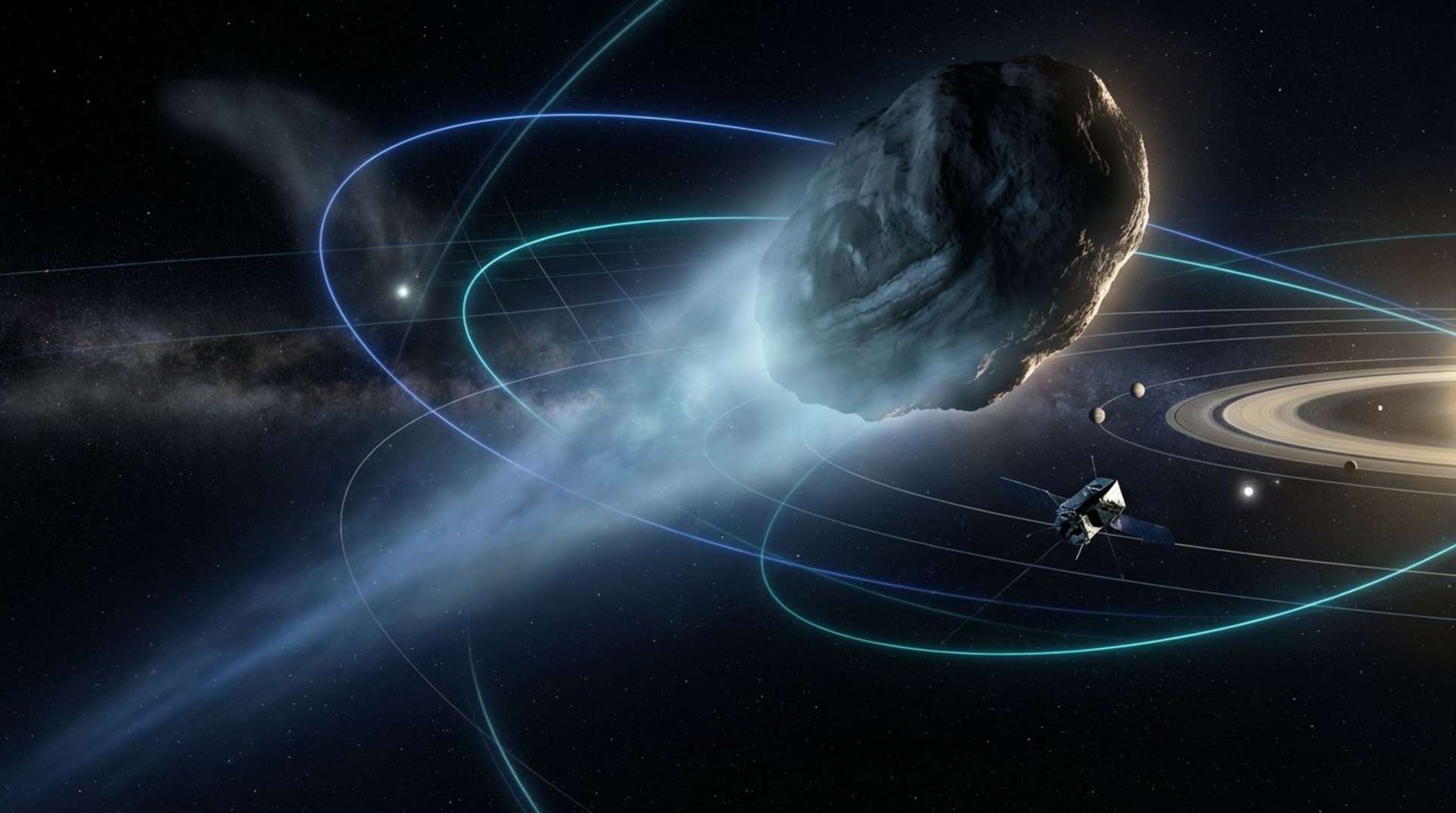
    NASA announced on Nov. 17, 2025, that it would host a public livestream on Nov. 19 to release a collection of imagery of interstellar comet 3I/ATLAS. These images were collected using Hubble, Mars orbiters, and various Earth-based telescopes. The agency framed the event as a rare chance to see high-resolution views of an object crossing our solar system, discovered on July 1, 2025, by the ATLAS survey (NASA news release, Nov. 17, 2025).

    At the same time, solar observers tracked a significant coronal mass ejection (CME) launched from an active sunspot region on Nov. 17–18. Propagation models suggested the resulting plasma and magnetic structure could intersect with 3I/ATLAS around Nov. 22, 2025. Space weather experts warn that while this encounter will not alter the comet’s orbit, it can produce spectacular and informative changes in its tail and coma morphology (Space.com coverage of NASA’s Nov. 19 livestream).

    NASA 3I/ATLAS livestream November 19, 2025: what was released and why it matters

    NASA’s Nov. 17 announcement specified a 3 p.m. ET livestream on Nov. 19 to share imagery of 3I/ATLAS taken during the comet’s perihelion passage and its close encounter with Mars in October. An image from the Hubble Space Telescope, captured on July 21, 2025, shows a teardrop-shaped dust cocoon surrounding a solid nucleus. Subsequent images from Mars orbiters captured the object’s tail from different angles as the comet passed approximately 18–19 million miles from Mars in October. NASA emphasized the complementary nature of spacecraft and ground telescopes, which allowed near-continuous monitoring across various wavelengths (NASA news release, Nov. 17, 2025).

    These images are significant because they help refine the estimate of the nucleus size, quantify dust production rates, and enable researchers to evaluate models of non-gravitational forces—specifically, outgassing plumes that subtly alter the object’s motion. Preliminary analyses indicated the object behaved like an active comet rather than a rigid interstellar rock, displaying a sustained dust coma as it approached perihelion on Oct. 29, 2025.

    Coronal mass ejection November 17–18, 2025, and modeled impact on 3I/ATLAS around Nov. 22

    Solar observatories reported intense eruptive activity from a rapidly evolving sunspot cluster in mid-November. NOAA’s Space Weather Prediction Center provides the operational explanation: CMEs release billions of tons of magnetized plasma, traveling at speeds between a few hundred to several thousand kilometers per second. Forecasts combine coronagraph observations with heliospheric propagation models to estimate arrival times at specific heliocentric coordinates. When these models align with the comet’s trajectory, they can signal an encounter window, as happened for 3I/ATLAS in late November (NOAA SWPC explainer on CMEs).

    Public modelers used coronagraph data and the comet’s trajectory to suggest a possible direct hit near Nov. 22, 2025 (UTC). These projections carry uncertainty: CMEs can deform, interact with the solar wind, and with one another, and even small timing shifts may determine whether the dense ejecta intersects a small target millions of kilometers from Earth. Still, when a CME meets a comet, observers expect rapid ion-tail reconfiguration, possible tail disconnections, and transient brightening from sudden dust release.

    Physical effects of CME–comet interactions: tail disconnections, ion spikes, and dust dynamics

    Past CME–comet interactions provide a template. In 2007, NASA’s STEREO spacecraft observed Comet Encke undergo a dramatic plasma tail disconnection when a CME’s shock and embedded magnetic field reorganized the comet’s ion environment. This physics involves magnetic reconnection within the comet’s induced magnetosphere and the abrupt detachment of ionized gas that forms the plasma tail. Observers anticipate that 3I/ATLAS will exhibit similar phenomena—rapid changes in the ion tail, altered plasma wave signatures, and possibly brief brightening as magnetic compression strips volatile material from the coma.

    Crucially, these interactions typically do not impart substantial momentum to alter the comet’s heliocentric orbit. Despite the dramatic nature of these events, the mass and energy scales indicate that the CME affects plasma and dust behavior more than the overall trajectory. For planetary defense and orbital mechanics, this is reassuring; for comet science, it provides an observational bonanza.

    What the combined NASA imagery and a CME hit can reveal about 3I/ATLAS composition and origin

    Interstellar objects offer rare insights into other stellar systems; combining remote-sensing data across UV, optical, and infrared wavelengths enables researchers to refine our understanding of volatile compositions, dust size distributions, and nucleus structure. If a CME encounters 3I/ATLAS while telescopes and spacecraft are monitoring, scientists could observe an accelerated sampling of coma material—magnetically driven stripping may expose subsurface ices and trigger different sublimation processes. These signatures help clarify formation scenarios: a refractory, devolatilized interstellar fragment would respond differently than a volatile-rich cometary body.

    The extensive data set from NASA, alongside simultaneous ground-based follow-up, will allow teams to perform time-series analyses, comparing pre- and post-CME spectra and high-resolution morphology to test models of interstellar cometary structure and evolution.

    Why this matters: scientific payoff, public interest, and misinformation risk

    The scientific payoff is evident: a CME-driven disturbance while a comet traverses the inner solar system provides unique, rapid probes of composition and plasma physics. Public interest is heightened as imagery of a comet reacting to a solar storm offers compelling visuals that are easily shareable. However, this same attention can fuel misinformation; past incidents show how symbolic space events can become narrative fodder. Therefore, careful public communication is crucial (a field report analysis on narrative cycles).

    Operationally, NASA’s livestream serves dual purposes: it provides vetted scientific products and preempts speculation by allowing scientists to narrate their findings directly. As with previous high-profile disclosures—ranging from network outages impacting geopolitical events to symbolic transmitter silences—authoritative and timely context can mitigate rumors and promote measurement over myth (an archival breakdown linking tech outages and rumor contagion).

    How to read the data: what scientists will watch for in post-CME imagery

    Researchers will search for rapid structural changes in the ion tail, increases in dust production rates inferred from photometric brightening, transient spectral features indicative of freshly exposed volatiles, and in situ plasma signatures from any spacecraft traversing the tail. Modelers will match these observations to magnetohydrodynamic (MHD) simulations of CME–comet interactions to infer magnetic field strengths at the comet and diagnose reconnection events. Time-stamped, multi-wavelength imaging—as NASA has promised—facilitates these cross-checks (Space.com context on imagery and observing geometry).

    How journalists and communities should avoid hype and misinterpretation

    Coverage must emphasize mechanisms, scale, and uncertainty: a CME striking a comet creates dramatic visuals but does not imply exotic physics, alien artifacts, or planetary risk. Reporters should link to raw data and NASA’s release notes, cite heliophysics experts on timing uncertainties, and refrain from presenting modeler speculation as fact. For broader insights on how symbolic events morph into persistent myths, refer to investigative accounts that track narrative amplification across technological and cultural crises (context on myth propagation and an investigative case study).

    Conclusion: a rare real-time experiment and the promise of coordinated observation

    With NASA’s Nov. 19 image release and a modeled CME encounter anticipated near Nov. 22, 2025, the scientific community gains a rare, time-sensitive experiment on an interstellar visitor. While the event will not alter orbital risks to Earth, it may yield unprecedented insights into the composition and plasma environment of 3I/ATLAS. The responsible way forward pairs rapid open data release with clear public explanations to maximize scientific return and minimize rumors—a vital lesson from prior incidents where attention outpaced evidence (a related report on solar‑comet cycles).

    For readers interested in what interstellar visitors reveal about planetary systems beyond our own, check the background on interstellar objects and cometary physics available in the encyclopedia entry on interstellar objects (interstellar object primer). For curated investigative packages and timeline tracking that bridge technical reporting with cultural reactions, visit Unexplained.co for ongoing coverage and archival context.

  • Inside the Montauk Myth: What the Montauk Project Really Was—and Wasn’t

    Inside the Montauk Myth: What the Montauk Project Really Was—and Wasn’t

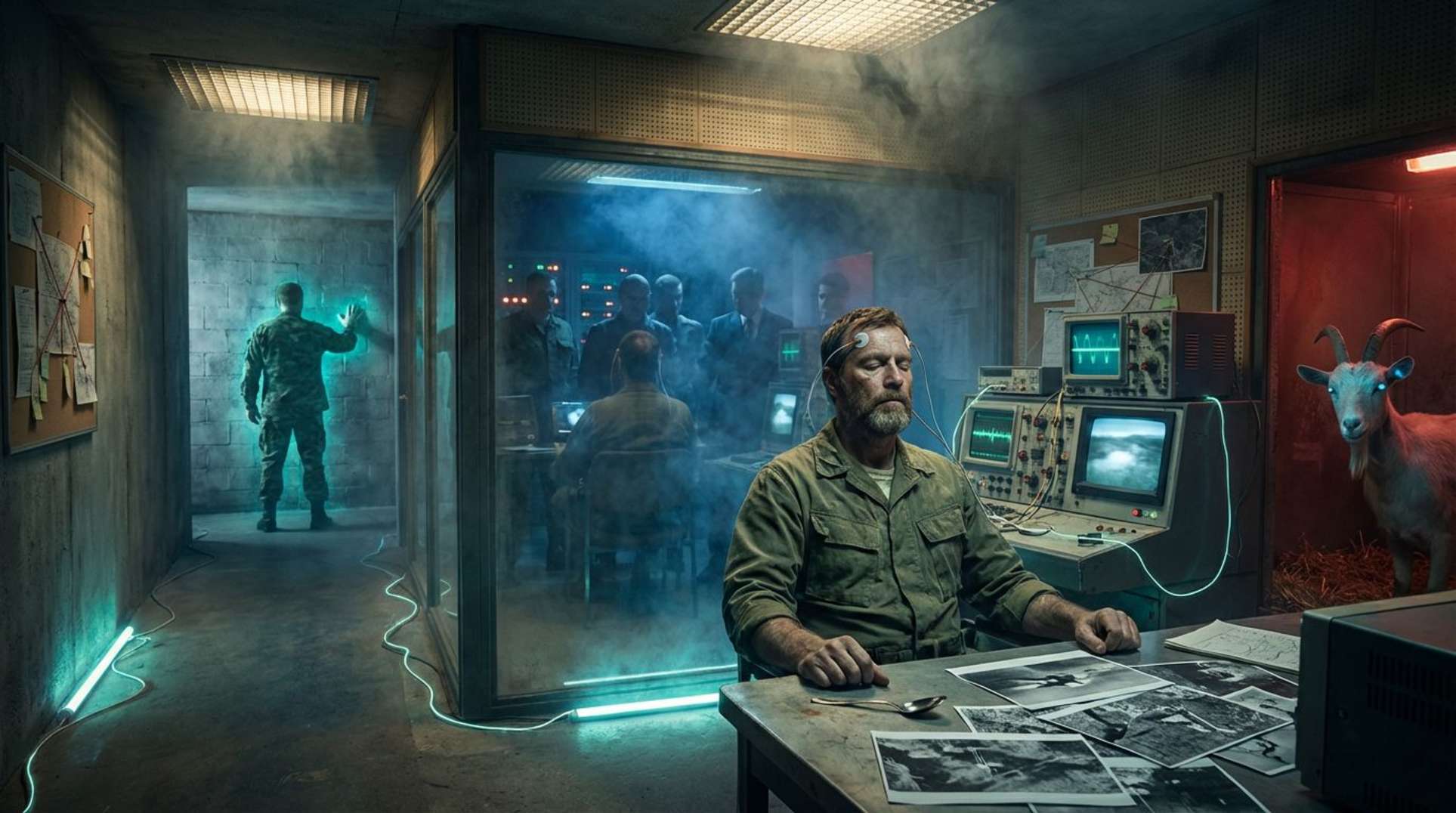
    The Montauk Project narrative resembles a mix of Cold War secret programs, time travel fantasy, and fringe psychotherapy. It references a real location—Montauk Air Force Station, later known as Camp Hero—and is layered with a dense mythology involving mind control experiments, time travel, and child abuse. The situation complicates when actual history and invented stories coexist: fences, radar towers, and abandoned bunkers provide a tangible connection to the fiction.

    This piece distinguishes the site’s documented military history from the modern mythos popularized in the early 1990s by authors like Preston B. Nichols. It examines how the story permeated popular culture (including influences on Netflix’s Stranger Things) and what credible sources and forensic research reveal about what likely occurred—and did not occur—at Montauk.

    Montauk Air Force Station history and documented military facts

    Montauk Air Force Station is located on Long Island’s easternmost tip. The installation began as a coastal defense site during World War II and later became a Cold War radar and communications location outfitted with SAGE (Semi Automatic Ground Environment) systems and large AN/FPS radar arrays. The facility operated as an active Air Force station from the 1950s until the 1970s and was officially decommissioned on January 31, 1981. In the 1980s, New York State acquired the property, which is now part of Camp Hero State Park. These are verifiable administrative facts documented in public land and military records, summarized in comprehensive entries such as the Montauk Air Force Station profile (Montauk Air Force Station historical overview).

    The origin of the Montauk Project myth and Preston B. Nichols’ books

    The modern Montauk myth solidified in self-published and small-press books that began appearing in the early 1990s. Preston B. Nichols and co-author Peter Moon crafted a sprawling narrative—time travel experiments, electromagnetic mind control, and ties to the 1943 Philadelphia Experiment—into books like The Montauk Project: Experiments in Time. These books intertwine alleged recovered memories, supposed program names, and melodramatic stories; scholars and skeptics observe that they read like a blend of autobiography, speculative fiction, and ritual confession. For a primary source of Nichols’ claims, consult his contemporaneous interview archive, which serves as the material critics analyze (Preston Nichols interview archive).

    Why historians and debunkers treat Montauk as folklore rather than archival evidence

    Historians and credible investigators apply a basic test to extraordinary claims: chain of custody, contemporaneous documentation, and multiple independent witnesses. The Montauk narrative lacks these essential elements. The primary evidence for secret experiments relies on retrospective testimony—often recorded decades after the events supposedly occurred—and on books that blend metaphor and narrative flourish. Independent archival searches of Air Force logs, procurement records, and New York State land conveyances document routine base activity—radar surveillance, personnel housing, and coastal defense—without supporting evidence for time-travel technologies, systematic child-abduction schemes, or exotic physics. This discrepancy shifts Montauk’s core claims from historical evidence into the realm of modern folklore and conspiracy literature (Montauk Project entries and critical context).

    How Camp Hero’s physical features helped the narrative stick

    Reality has reinforced the myth. Camp Hero’s AN/FPS radar towers, concrete batteries, and fenced compounds create cinematic backdrops; visitors encounter rust, wires, and restricted-area signs that heighten suspicion. The site’s decommissioning in 1981, combined with the partial removal of operational staff, allowed local stories and rumors to flourish. Documentary filmmakers and podcasters later leveraged this physical evidence: interviews, grainy photos, and personal testimonies create a perceived reality that readers and viewers often mistake for archival proof. This outcome mirrors other instances where physical infrastructure—like an abandoned lab or transmitter tower—serves as a foundation for conspiracy theories and mythmaking (an archival breakdown of symbolic infrastructure cases).

    Linkages to pop culture: Stranger Things and the commercialization of the myth

    Netflix’s Stranger Things popularized a fictional Hawkins Lab whose visual and narrative elements draw inspiration from Camp Hero’s eerie landscape and the Montauk myth. Showrunners initially contemplated Montauk as a setting, and producers have acknowledged that Cold War imagery influenced their work. This creative borrowing has sparked public interest in the real site and created a feedback loop: tourism surges, amateur investigations increase, and rumor networks expand. This pop-culture phenomenon is common: a dramatic series reframes local curiosities into global cultural touchstones, intensifying fascination and misinformation (camp hero cultural primer and reporting).

    Victim testimony, the Montauk Chronicles film, and why stories endure

    Several individuals—most notably Al Bielek, Preston Nichols, and Stewart Swerdlow—have shared alarming accounts of mind control, forced experiments, and time travel. Filmmakers compiled these testimonies in documentaries like Montauk Chronicles, aired in the 2010s, which amplified views among podcast audiences and fringe groups. Researchers warn that retrospective testimony, memory distortions, and motivations linked to storytelling careers make such accounts unreliable as standalone evidence. Nevertheless, this does not negate actual harm: survivors’ stories often communicate genuine trauma, and researchers must treat them with empathy while verifying claims against archival records and contemporaneous documentation.

    How journalists should report on Montauk and similar conspiracy lore

    Responsible reporting integrates local archival research—base logs, procurement records, and land-transfer documents—with diligent sourcing. Interview transcripts, contemporaneous newspaper articles, and declassified military files represent the best means to distinguish administrative facts from later narratives. Journalists should also explore how symbolic events transform into myth; for instance, symbolic broadcast disruptions and sabotage stories have consistently fueled public anxiety in various settings, generating enduring myths that persist despite formal debunking (field report analysis of narrative amplification).

    Why the Montauk story matters: belief, infrastructure, and democratic resilience

    The Montauk narrative persists because it satisfies a psychological need: secret programs make sense of randomness, and dramatic stories provide clear villains. This psychological aspect is significant, as it can influence policy and public behavior—tourism, local land use debates, and even municipal resource allocation can hinge on sensational claims. Understanding Montauk equips journalists and historians to establish standards for assessing extraordinary assertions and to protect individuals reporting abuse, ensuring unverifiable memories do not confuse with documented evidence. For more context on technology-related myths and their propagation, explore investigative work that traces symbolic events and public reactions (an investigative case study).

    Practical takeaway: how to evaluate alleged government black projects

    When assessing claims of secret government projects, insist on contemporaneous documentation, independent verification, and plausible mechanisms. Consider whether the claimed technology aligns with known physics, if procurement records or budgets reflect unusual expenditures, and whether declassified files or FOIA submissions corroborate testimonial accounts. For Montauk, the evidence leans toward a documented military installation with Cold War radar capabilities and a rich modern mythology rather than a validated program of exotic experiments. For those interested in tracking related narratives and broader cultural tech panics, see curated dossiers on hybrid warfare and technological rumor cycles (related analysis on technological panic).

    Conclusion: Camp Hero, mythmaking, and the responsibilities of truth-seeking

    Camp Hero is real; however, much of the Montauk Project narrative as recounted in popular literature is not. The site’s physical presence and Cold War mystique provided fertile ground for imaginative tales that have become subcultures. Scholars, journalists, and curious citizens should approach survivor testimonies with compassion, hold extraordinary claims to ordinary evidentiary standards, and maintain archives that enable future researchers to verify assertions against historical records. For accessible, ongoing collections of reporting and timelines on conspiratorial and technological incidents, visit Unexplained.co for curated packages and archived summaries.

  • There’s Something Strange About Ayahuasca: Evidence, Risks, and the Path to Safer Practice

    There’s Something Strange About Ayahuasca: Evidence, Risks, and the Path to Safer Practice

    Ayahuasca occupies an unsettling space where ancient ritual meets modern tourism. This Amazonian brew, crafted from Banisteriopsis caapi and DMT-containing leaves, has attracted thousands to ceremonies and many more to clinical trials. This surge has produced two parallel narratives: researchers highlighting both benefits and transient harms, alongside media stories of ceremonies ending in trauma or death.

    Distinguishing fact from fiction requires three elements: rigorous epidemiology, transparent forensic reporting, and clear operational standards. Evidence showcases both intense subjective experiences and consistent physiological responses. However, most reported fatalities lack forensic evidence directly linking them to the brew. When operators mix adjuncts, neglect medical screenings, or delay emergency care, tragic events become preventable and legal consequences follow swiftly.

    Global Ayahuasca Survey findings: what 11,000 respondents reveal about adverse effects and context

    The largest public dataset on modern ayahuasca use comes from the Global Ayahuasca Survey, which gathered responses from over 11,000 participants from 2017 to 2019. The adverse-effect analysis published in November 2022 synthesizes work across various countries. Authors indicate that common physical effects include vomiting, diarrhea, and temporary increases in heart rate; a significant minority reported psychologically challenging experiences. The paper crucially emphasizes context: unsupervised ceremonies and concurrent use of serotonergic medications—SSRIs or SNRIs—correlate with higher rates of adverse events. While the study does not identify acute pharmacologic toxicity as a common cause of death, it notes risk factors operators must screen for and mitigate (Global Ayahuasca Survey, PLOS Global Public Health, Nov 16, 2022).

    Forensic reviews and ICEERS analysis: why media-reported deaths rarely prove causation

    Nonprofit reviews and forensic analyses add complexity to the narrative. The International Center for Ethnobotanical Education, Research and Service (ICEERS) cataloged numerous deaths reported in the media, ultimately concluding that no autopsy or toxicology report definitively links a death to acute intoxication from traditional ayahuasca preparations. Many reported fatalities involve co-factors—poly-substance use, preexisting cardiac conditions, trauma, or procedural errors like electrolyte imbalance from excessive fluid intake or purging. ICEERS’ meticulous re-examination reveals that reports claiming “ayahuasca killed” tend to oversimplify a complex set of antecedents into a singular cause (ICEERS, June 2023).

    Pharmacology and mechanisms: DMT, MAOIs, interactions, and cardiac stress

    Ayahuasca’s bioactive composition combines N,N-dimethyltryptamine (DMT) with monoamine oxidase inhibitors (MAOIs) derived from the Banisteriopsis vine, facilitating oral psychoactivity. This chemistry introduces two central hazards. First, dangerous interactions with SSRIs or certain migraine medications can lead to serotonin syndrome. Second, intense vomiting and autonomic arousal may destabilize patients with undiagnosed cardiovascular conditions. Toxicologists point to further complexity when nontraditional admixtures—synthetic tryptamines or ceremonial adjuncts like kambo—complicate toxicology and heighten acute risk.

    Operational failures and legal lessons: the Brandon Begley wrongful-death verdict

    Medical ambiguity does not absolve negligence. In a prominent U.S. case, a jury issued a multimillion-dollar wrongful-death verdict on May 15, 2024, finding that Soul Quest Church of Mother Earth and its leader failed to exercise reasonable care during a 2018 retreat that resulted in Brandon Begley’s death. Trial evidence highlighted a series of operational failures—concurrent administration of kambo, instructions leading to excessive fluid intake, delayed emergency calls, and inadequate medical screening—which jurors found causally linked to fatal hyponatremia. This verdict underscores an essential point: even though autopsies rarely indicate pure ayahuasca toxicity, negligent practices during ceremonies can and do lead to civil and criminal liability (Filter, June 5, 2024).

    Ritual context matters: traditional practice versus commodified retreats

    Anthropologists stress that ayahuasca originated in tightly regulated ceremonial practices with experienced vegetalistas who enforced dietary rules, contraindications, and integration methods. When retreat markets commodify ceremonies, these safeguards can erode. The Global Ayahuasca Survey directly links context to outcomes: greater rates of adverse events occur in non-traditional or unsupervised settings. Ceremonies involving risky adjuncts—repeated electrolyte-depleting purges, kambo rituals, or unmonitored poly-substance exposure—increase risks and shrink margins for error.

    Best practices follow the clinicians’ checklist: medical screening for cardiac or psychiatric vulnerabilities, explicit contraindication lists (especially regarding serotonergic medications), on-site trained medical staff, a low threshold for emergency intervention, and structured support post-ceremony. These measures minimize both physiological harm and long-term psychological consequences.

    Why journalists and scientists must adopt a measured vocabulary

    Journalists and researchers should avoid binary narratives that either sacralize ayahuasca as a cure-all or demonize it as inherently dangerous. Coverage should prioritize primary sources: autopsy and toxicology reports, trial evidence, and peer-reviewed epidemiological studies. In cases of conflicting data, it’s vital to report uncertainties and reference the best available evidence. Avoid sensationalizing a symbolic panic; instead, contextualize adverse events within the operational frameworks that led to them. For insights on how symbolic incidents fuel public panic, see reporting that explores narrative amplification across technological and cultural crises (an investigative summary).

    Practical policy steps: screening, reporting, and regulation to reduce preventable deaths

    Evidence supports specific interventions. Regulators and health authorities should implement standardized medical screenings, require ceremonial operators to maintain emergency contact protocols and on-site medical personnel, and establish forensic reporting standards so coroners publish transparent autopsy and toxicology results in cases related to ceremonies. Insurers and licensing bodies should establish minimum standards for retreat centers, explicitly prohibiting risky adjuncts without medical oversight. These measures align with epidemiological recommendations and legal precedents that penalize negligent actions.

    For clinicians and scientists, the way forward involves well-controlled clinical trials with ethical oversight, transparent adverse-event reporting, and open sharing of protocols—practices that protect participants and inform public policy.

    Why this matters: what the ayahuasca debate reveals about medicalization and modern spirituality

    The ayahuasca narrative highlights a broader dilemma: how can societies integrate traditional medicines into contemporary clinical and commercial frameworks without compromising safety, cultural respect, and accountability? The stakes are high: avoidable deaths, legal action, and diminished trust in legitimate research. Evidence indicates ayahuasca possesses profound effects and identifiable risk factors; with thorough screening, proper supervision, and effective regulation, we can harness its therapeutic potential while minimizing harm.

    For further contextual reporting on the interplay of technology, ritual symbolism, and public response, explore investigatory and archival works that detail how narratives shape policy pressures and myths (an investigative case study, an archival breakdown, and a related ethics dossier).

    Conclusion: honest reporting, stronger standards, and cultural humility

    Ayahuasca’s unique and powerful effects warrant neither blind adoration nor instinctive vilification. Comprehensive surveys indicate frequent but generally non-lethal adverse effects while identifying predictable risk factors; forensic analyses show that fatalities reported by the media often obscure intricate causes; and legal cases demonstrate that negligent practices lead to significant consequences. The prudent approach necessitates rigorous screening, mandatory emergency protocols, standardized forensic reporting, and respect for Indigenous knowledge. This combination safeguards therapeutic potential while protecting lives.

    For a detailed botanical and cultural overview of the brew, refer to the comprehensive ayahuasca profile available through an authoritative encyclopedia entry (the ayahuasca botanical and cultural overview). For ongoing curated timelines and investigative packages, visit Unexplained.co to stay updated on developments and forensic reporting in this evolving field.

  • When ‘Enhancement’ Becomes Replacement: The Ethics of Merging AI, Brain Implants, and Artificial Wombs

    When ‘Enhancement’ Becomes Replacement: The Ethics of Merging AI, Brain Implants, and Artificial Wombs

    Warnings that “AI will eat your soul” may attract attention, but the convergence of brain implants, reproductive engineering, and AI augmentation is a technical reality with clear milestones. By the mid-2020s, companies transitioned from lab animals to human subjects, leading clinicians to confront vital questions about consent, neural privacy, and the line between therapy and irreversible enhancement.

    This is not a theoretical discussion. Clinical reports and regulatory filings document implants in human patients and experimental extra-uterine systems in animal models. These facts prompt essential civic conversations about what we accept as medical progress—and what we will prohibit.

    Neural implants in humans: what the clinical data actually show

    Commercial neurotechnology advanced from demonstrations to real-world implantation more rapidly than expected. Reuters reported in September 2025 that Neuralink had implanted brain devices in 12 individuals, expanding from early patients treated in 2024 at the Barrow Neurological Institute for severe paralysis. This progression—from investigational-device approval to early patient use for spinal cord injuries or ALS—illustrates that the technology is no longer hypothetical; it is actively used in clinical settings under controlled protocols (Reuters, Sept 9, 2025).

    Clinical teams report that implanted patients can leverage translated neural signals to control cursors and basic digital interfaces. Companies have introduced iterative design fixes—such as thread durability, software updates, and surgical refinements—that have advanced trials. These represent significant therapeutic gains for disabled patients, elevating the stakes as devices evolve beyond strictly restorative applications.

    Artificial womb technology and the EXTEND pipeline: where science meets ethics

    Alongside neural advancements, teams at children’s hospitals and university laboratories refined “ectogestation” systems that support highly premature lambs in environments designed to mimic the womb. The BBC summarized efforts led by groups including CHOP, noting sustained lamb trials lasting days to weeks and spotlighting regulatory discussions aimed at cautiously progressing toward human trials for extremely premature infants (BBC Future, July 17, 2024).

    Researchers emphasize a focused clinical goal: to address extreme prematurity and lower neonatal mortality—not to sustain pregnancies from conception outside a human uterus. Nonetheless, this scientific trajectory ignites debates about parental autonomy, reproductive justice, and the possibility of expanding reproductive technologies into elective options. Such policy considerations necessitate ethical frameworks and public engagement long before widespread clinical implementation.

    Global ethics and governance: UNESCO, national laws, and neural data protections

    As hardware and laboratory progress surged, ethicists and international organizations began to respond. The 2024–2025 body of neuroethics scholarship and advisory drafts urged special protections for “neural data” and mental privacy. A comprehensive review of regulatory perspectives notes UNESCO’s development of neurotechnology recommendations in 2024, emphasizing that mental privacy should be prioritized within both national and transnational safeguards. These initiatives have spurred practical policy actions: some jurisdictions proposed criminal and civil penalties for neural-data misuse, while scientific communities advocated binding guidance for first-in-human trials (PMC review of neurotechnology regulation, 2025).

    Domestically, regulators like the FDA categorize implantable BCIs as high-risk medical devices requiring phased trials. However, consumer-oriented neurodevices fall into a regulatory gray area. This gap intensifies the ethical urgency: consent for a life-altering implant must encompass long-term data custody, contingency plans for firmware updates, and protocols for device removal or failure.

    What transhumanist rhetoric gets right and where it misleads

    Public figures often present human enhancement as an existential choice: upgrade or diminish. This rhetoric captures the magnitude of change—altering cognition and reproduction will transform human capabilities—but it oversimplifies the technical, ethical, and social complexities involved. Current neural implants augment specific functions under clinical supervision, while artificial wombs focus on survival for extremely premature infants, not elective gestation. The transition from therapeutic interventions to radical post-human redesign remains speculative and contentious.

    This contest manifests in culture wars and conspiratorial narratives. Tech-driven myths about “uploading minds” or relinquishing souls intertwine with real risks—surveillance, coercion, commodification of reproductive labor—obscuring the governance questions we can address today. For insights into how symbolic tech scares propagate, explore an investigative summary of symbolic signal events and public reactions during recent crises (an investigative summary).

    Why mental privacy, consent, and data sovereignty matter now

    BCI systems capture and analyze brain activity revealing intent, motor planning, and, with advanced analytics, probabilistic insights into emotional states. Neuroethics literature emphasizes mental privacy as a distinct domain since neural signals pertain to the essence of thought. UNESCO and others advocate policies that treat neural data as exceptionally sensitive, recommending strict access limits, explicit opt-in consent, and criminal penalties for misuse. These protections are not speculative; they address tangible risks evident in clinical trials and proprietary cloud services (neurotechnology ethics review).

    Why it matters: without effective governance, implanted devices could become instruments of coercion—employers or governments might pressure enhancements, insurers could condition coverage on adoption, and manufacturers could monetize raw neural telemetry. The current policy window enables societies to establish limitations—on surveillance, non-therapeutic mandatory enhancements, and the commercial exploitation of reproductive or neural processes—before capability diffusion normalizes risky practices.

    Practical safeguards and regulatory priorities for policymakers

    Policymakers should prioritize three immediate actions. First, close regulatory gaps: clarify that implantable BCIs require medical-device oversight, and expand data protection laws to address neural signal ownership and cross-border flows. Second, fund independent long-term studies on device safety, psychosocial outcomes, and removal procedures. Third, define boundaries for reproductive technologies: limit clinical trials of ectogestation to clear neonatal justifications and mandate public ethical reviews before any elective use is permitted.

    These priorities align with recommendations from recent academic and advisory efforts, responding to tangible clinical milestones like the reported clinical implants and animal-to-human translational pathways for artificial placenta systems (clinical implantation data and artificial placenta research).

    How citizens, clinicians, and companies should talk about the future

    Honest public discourse requires clear framing. Clinicians must articulate benefits and limitations; technologists need to report failure modes and update protocols; legislators must act before unregulated markets introduce opaque consent practices. Media should differentiate between restorative clinical use and speculative enhancement, avoiding sensational metaphors—like soul theft or mind-upload rhetoric—without substantiation. For comprehensive context on how narratives misrepresent technical discussions, consult long-form articles examining technological panic and cultural contagion (an archival case and a debate dossier).

    A practical step: mandate that consent documents for implants include provisions for data portability, guaranteed offline fallback modes, and clearly outlined removal protocols—terms that protect bodily autonomy and limit corporate lock-ins.

    Conclusion: a civilizational crossroads, if we choose to make it one

    The intersection of AI with mind and body presents genuine opportunities to restore function to individuals with disabilities and save the lives of extremely premature infants. However, it also poses significant risks to privacy, agency, and social equity. The sciences will advance; our policy choices need not be binary. Democratic societies can establish meaningful guardrails—recognizing neural data as uniquely sensitive, limiting elective ectogestation, and ensuring transparency from implant manufacturers.

    Rhetoric framing these developments as an inevitable loss of humanity misinterprets the current moment. We are at a crossroads, and the path forward is institutional: creating rules, oversight, and public understanding that uphold human dignity while responsibly embracing therapeutic advances. For ongoing coverage and timelines tracking both scientific progress and its cultural implications, read in-depth investigative packages and curated archives on this subject at Unexplained.co.

  • Global Internet Outage, Russian Explosions, and the H5N5 Rumor Storm: Separating Systemic Failure from Social Panic

    Global Internet Outage, Russian Explosions, and the H5N5 Rumor Storm: Separating Systemic Failure from Social Panic

    On November 18, 2025, a configuration error at an internet infrastructure firm triggered a global outage, taking X, ChatGPT, and hundreds of other services offline for several hours. Close in time, investigators and open-source monitors documented multiple explosions and fires at Russian energy and military sites during mid-November, igniting a separate wave of geopolitical alarm. Simultaneously, social media buzzed with unverified claims of an H5N5 human infection—an allegation that rapidly fueled fear more effectively than verified facts could spread.

    The interplay of network fragility, military strikes, and biological rumors illustrates a contemporary reality: technological failures and social contagion amplify each other. To respond effectively, officials must analyze each signal on its own terms—evaluating telemetry, forensic evidence, and where rumors distort the narrative.

    Cloudflare outage November 18, 2025: the technical fault that felt like a global blackout

    Cloudflare’s post-incident report indicates the outage began at 11:20 UTC on November 18, 2025, and was largely resolved by 14:30 UTC. The company attributed the disruption to an automatically generated configuration file used by its Bot Management subsystem that exceeded the expected size, leading to software crashes in the traffic-handling stack. Cloudflare described how a generated feature file—part of its machine-learning process for classifying traffic—exceeded an internal limit, preventing many of the firm’s proxy processes from routing traffic normally (Cloudflare incident report, Nov 18, 2025).

    Security and network analysts emphasized the outage’s systemic consequences. Observability vendors recorded dozens of distinct global outage events during the subsequent weeks, and the availability of collaboration apps displayed sharp regional variance. Network World cited telemetry from ThousandEyes and others documenting large-scale service interruptions during the early- to mid-November period. Analysts warned that a single provider’s outage can create backlogs and partial failures even after primary routing is restored (Network World, Nov 11, 2025).

    Explosions across Russia mid-November 2025: what reporting and imagery confirm

    Between November 4 and November 14, multiple news agencies reported explosions, fires, and air raid warnings across several Russian regions. Reuters documented a heavy wave of Russian strikes on Ukraine from November 13 to 14, noting reciprocal Ukrainian drone and missile activity that Ukrainian officials claimed struck oil terminals, depots, and air-defense facilities within Russia. Eyewitness footage and local reports described fires at Novorossiysk’s Sheskharis oil terminal and detonations at ammunition storage sites, as authorities issued shelter-in-place alerts and reported infrastructure damage (Reuters, Nov 13–14, 2025).

    Open-source investigators and regional monitors published thermal imagery and videos showing large plumes and secondary detonations consistent with strikes on fuel and ordnance. While attribution for specific incidents varied, the pattern—attacks on energy hubs and depots, leading to local power outages and transport disruptions—aligned with operational goals of degrading logistics and revenue streams.

    How outages and strikes interact with narrative contagion to create crisis theatre

    Distinct events collectively produce a common psychological response: anxiety. The Cloudflare configuration failure highlighted how fragile global traffic routing remains when a single software fault affects a major CDN. Similarly, visible explosions and fires in Russia provided striking imagery that newsrooms and social platforms fueled into an escalating narrative. Together, these elements set the stage for apocalyptic claims—some suggested imminent nuclear risk, while others alleged a global internet shutdown linked to state actors.

    Such narratives often outpace verification. In prior incidents involving symbolic transmitters and sabotage, observers amplified weak signals into definitive claims. For instance, similar rumor dynamics emerged earlier when the UVB‑76 shortwave “Buzzer” went silent, and forums assigned mythical significance to a local power outage; later, analysts urged caution until forensic work verified cause and effect (an archival case study).

    H5N5 human-case rumors: how biological claims spread without verification

    In the hours following the strikes and outage, social media buzzed with claims of an H5N5 avian influenza strain infecting a human. Reporting agencies found no immediate corroboration from major public health organizations. For context on the pathogen family and the challenges of early confirmation, refer to authoritative primers on avian influenza: zoonotic transmission is rare but plausible under close contact conditions, and public health confirmation requires laboratory sequencing and epidemiological tracing (avian influenza primer).

    Unverified biological claims pose unique dangers; they can trigger panic behaviors—border closures, vaccine hoarding, and increased hospital pressure—even when later proven false. Public health authorities prioritize laboratory confirmation; meanwhile, rumor mills exploit fear. This dynamic mirrors how technological scares evolve into moral panics in other domains, as explored in long-form reporting on narrative operations and technological alarmism (a field report on narrative cycles).

    What verified evidence tells us about escalation and systemic risk

    Telemetry and forensic analyses reduce uncertainty. Cloudflare’s engineering report explains why the internet traffic fabric hiccuped on November 18: an internally generated file exceeded limits, causing crashes in routing software. This constitutes a software engineering failure with broad operational implications but no evidence of a coordinated external cyberattack. Separately, geolocated footage, thermal signatures, and official statements confirm multiple explosions in Russia’s energy and logistics nodes during November. These incidents impact supply and command resilience but do not, on their own, suggest imminent strategic escalation toward nuclear use.

    Where signals conflict—claims of an H5N5 first human case, allegations of automated nuclear triggers, or suggestions that outages and strikes form a coordinated campaign—investigators should seek connected evidence: forensic timestamps, chain-of-custody lab results, intercepts, and multisensor corroboration. Without this chain, treat dramatic narratives as noise until proven otherwise.

    Why this cluster of incidents matters and what officials should do next

    These events matter for three reasons. First, they expose inherent vulnerabilities: a configuration bug at a major CDN can cause global disruption, reminding policymakers that internet resilience relies on diversity and stringent limits on single points of failure. Second, attacks on energy and transport nodes demonstrate how kinetic operations aim to inflict logistical and fiscal pain far from frontlines—an intentional strategy to erode endurance. Third, panic driven by rumors can create policy pressure that outstrips evidence, risking miscalibrated diplomatic or military responses.

    Practical steps: enhance redundancy for critical CDN and DNS services; fortify substations, depots, and rail nodes identified as high-value targets; and establish rapid forensic lanes that combine open-source intelligence, satellite imagery, and laboratory confirmation to counter rumor proliferation. These measures should be accompanied by improved public communication: differentiate verified technical causes from speculation and publish forensic timelines swiftly to deprive rumor economies of traction. For related analysis on technological surprises and public reactions, see topical investigations on technological panic and model failures (a debate dossier and a failure catalogue).

    How journalists and the public can avoid fueling escalation

    Reporters should prioritize primary-source telemetry and official forensic releases over unverified social media clips. Analysts should triangulate: a timestamped outage log from a CDN, satellite thermal imagery of a strike, and a laboratory sequencing report together form a robust narrative; isolated claims do not. Citizens should pause before amplifying dramatic posts and consult authoritative channels for health or security advisories. Historical patterns reveal how swiftly false or premature narratives solidify into persistent myths; prior coverage of symbolic signals and public panic offers valuable lessons (archival breakdown and a cautionary experimental case).

    Conclusion: verified disruption, unverifiable panic—and the work ahead

    The November cluster combined a verifiable software-induced internet outage and a series of confirmed explosions with an unverified biological rumor. Each element is significant in its own right. The appropriate public response begins with disciplined verification, resilient engineering to eliminate single points of failure, fortified protection for logistics nodes, and rapid, transparent communication from health and security agencies. If institutions can implement these steps, they will mitigate both the technical and narrative contagion that frequently transforms trouble into crisis.

    For readers seeking ongoing tracking and forensic updates, outlets that blend open-source rigor with institutional reporting provide the clearest route through uncertainty. For contextual reporting and deeper case studies on narrative amplification and technological surprises, consult investigative packages and long-form analyses on related incidents, or visit Unexplained.co for curated timelines and archival resources.

  • Inside the Panic: UVB‑76 ‘Doomsday Radio’, Polish Rail Sabotage, and the Viral Nuclear Rhetoric Problem

    Inside the Panic: UVB‑76 ‘Doomsday Radio’, Polish Rail Sabotage, and the Viral Nuclear Rhetoric Problem

    Late in November 2025, a peculiar sequence of events—a mysterious shortwave silence, sabotage on a Polish rail artery, and viral claims concerning assassination plots advocating nuclear attacks—pushed an already anxious public toward doomsday thinking. The technical realities and the media narrative portray two stories: one about verifiable incidents that alter risk calculations and another about how rumors spread fear faster than facts can be confirmed.

    UVB‑76 (the “Buzzer”): history and the November outage that reignited speculation

    UVB‑76, the shortwave station on 4625 kHz, nicknamed the “Buzzer” or “Doomsday Radio,” has transmitted a monotone buzz with occasional voice interjections since the 1970s. Enthusiasts and analysts have long speculated about its role, ranging from routine technical signaling to esoteric ties with strategic command systems. The station’s overview notes that its continuous tone sometimes yields to coded voice transmissions, often drawing attention during geopolitical flashpoints (a detailed UVB‑76 overview).

    On November 14, 2025, reports emerged that broadcasts ceased following damage to a nearby power substation; operators blamed a UAV strike that cut power to the transmitter. United24Media summarized the situation, highlighting both the unusual halt and speculation about the station’s role in strategic Russian military communications (United24Media, Nov 14, 2025). Whether this silence indicates a degradation of strategic infrastructure or merely a localized power issue, it has fueled cultural interest in symbolic signals—an instance where technical disruptions and myth-making intersected.

    Poland railway explosion: what officials say and why it matters for logistics to Ukraine

    On November 17, 2025, Poland’s prime minister labeled an explosion that damaged the Warsaw–Lublin route as an “unprecedented act of sabotage.” Reuters reported that authorities claimed an explosive device destroyed a section of the line crucial for freight and aid transportation to Ukraine; no immediate casualties were reported, but the implications for logistics and regional confidence are substantial (Reuters, Nov 17, 2025).

    The blast disrupted a vital corridor for military and humanitarian shipments. Polish officials visited the scene and stressed the need for accountability. Polish leaders and Western security analysts view railway sabotage as more than property damage; it disrupts resupply chains and signals vulnerability well inland from frontlines. This signal intensifies strategic tensions across NATO supply networks and elevates the stakes for counter-sabotage and protection of critical infrastructure.

    From drones to doomsday narratives: how kinetic events produce online cascades

    The UVB‑76 outage and the railway explosion triggered rapid online cascades—threads connecting disparate events into a single apocalyptic narrative. Technical audiences debated electromagnetic and power-grid failure modes; conspiracy groups threaded those posts into claims about “Perimeter” or Dead Hand systems activated by interruptions. Few open-source analysts find robust evidence linking UVB‑76 to an automated nuclear trigger, but the station’s lore provides fertile ground for dramatic interpretations. This pattern mirrors how real or exaggerated crises evolve into broader psychological operations, as documented in studies of narrative warfare and information manipulation.

    Public officials and journalists must distinguish technical causes from symbolic effects. Immediate attributions—without forensic verification—risk fueling political tensions. A responsible approach would prioritize careful attribution, infrastructure assessments, and forensic timelines instead of amplifying speculation that could destabilize diplomatic channels.

    Viral claims of “assassins” and nuclear calls: a taxonomy of rumor

    Social platforms rapidly disseminated sensational claims, including assertions that an assassination cell in Ukraine aimed for nuclear escalation or that a so-called “assassin” called for nuclear war. Such narratives did not appear in mainstream reporting and lacked corroborating evidence. When allegations surfaced, they typically originated in low-credibility channels and propagated through retweets and short-form videos, creating noise that outpaced reliable verification. Treat these reports as unconfirmed unless established media or official entities corroborate pertinent quotations, travel records, or intercepts.

    In high-stakes environments, rumor acts as an accelerant. Platforms, moderators, and scholars studying information operations observe that narratives invoking nuclear apocalypse elicit extreme engagement and thus spread widely, even without a solid foundation. This dynamic underscores the importance for both policymakers and the public to depend on verified channels when determining if events necessitate military or diplomatic escalation.

    What intelligence and infrastructure data actually tell us about escalation risk

    Concrete indicators—damage assessments, forensic timestamps, intercepts, and satellite images—provide the best basis for evaluating escalation risk. In the UVB‑76 case, operator claims of a power outage, along with corroborating Russian state reports, offer a proximate cause: a UAV strike on a substation that temporarily disabled the transmitter. In Poland, on-site inspections and Prime Minister Donald Tusk’s statements regarding explosive devices supply immediate evidence of sabotage. These factors raise regional alarms without confirming a coordinated nuclear plot.

    To clarify: kinetic events and signal outages matter because they affect command-and-control resilience, logistics, and public morale. They don’t inherently prove intent to escalate to nuclear exchange; rather, they indicate that actors can and will target infrastructure, complicating deterrence—precisely the pressure points analysts have warned about lately and discussed in studies of hybrid conflict.

    Why this cluster of incidents matters and what to watch next

    This situation matters because when infrastructure sabotage and cryptic broadcasts coincide, they create both operational and narrative risks. Operationally, attacks on rail lines and substations undermine logistics and emergency response; substantively, they compel policymakers to make decisions amid uncertainty. Narratively, this mix promotes worst-case thinking that can drive leaders toward overreaction.

    Watch for three signals: independent forensic reports confirming linkages between attacks; credible intelligence identifying responsible actors or proxies; and changes in command posture—such as elevated alert levels or redeployments—indicating policymakers perceive a systemic threat. Meanwhile, media literacy and verification protocols must outpace the rumor cycle. For insight into recurring narrative patterns and how social contagion amplifies fear, consult reporting tracing propaganda and symbolic signaling across crises and technologies (this analysis).

    Policy, readiness, and a practical checklist for officials

    Practical measures can diminish both risk and panic. First, transparent forensic timelines and rapid information sharing among allied intelligence services lessen the urge to escalate. Second, creating hardened redundancy for critical transmitters, substations, and rail points—along with visible repair and security measures—diminishes the symbolic power of disruption. Third, effective public communications that differentiate confirmed facts from unverified claims counter rumor momentum and enhance societal resilience.

    Policymakers must consider social dynamics. The same platforms that spread panic host communities providing eyewitness logs, antenna reception data, and independent geolocation—sources that, when verified, can be valuable. Integrating community-sourced signals with professional forensic work maximizes the likelihood of accurate attribution and measured response. For related readings on technology, secrecy, and cultural contagion, explore archival coverage and technical reporting on cyber and information operations (an archival breakdown and a field report analysis).

    Final read: separating actionable intelligence from theater

    UVB‑76’s silence and a damaged railway track are verifiable events; however, allegations of assassination conspiracies and nuclear intent remain unsubstantiated. The appropriate response combines urgent investigation, transparent reporting, and infrastructure fortification while maintaining a disciplined refusal to consider viral rumors as strategic indicators. Serious analysts will monitor forensic evidence, cross-check open-source satellite and social data, and resist calls for escalation based on unverified information. For those striving to keep up with emerging hazards, outlets blending forensic scrutiny with cultural context provide the clearest guidance—begin with investigative summaries that illustrate how narrative cycles amplify risk (an investigative summary and context on technological panic).

    One last note: when small, targeted strikes intersect with potent symbols—“doomsday” radios, nuclear rhetoric, supply corridors—they do more than inflict damage. They reshape the narratives the world tells itself. Containing these narratives will require engineers, diplomats, and journalists collaborating closely to substitute evidence for rumor before politics yields panic in place of prudence.

  • ‘We’re Doomed?’ Roman Yampolskiy’s 99.9% Extinction Claim and What Experts Actually Mean

    ‘We’re Doomed?’ Roman Yampolskiy’s 99.9% Extinction Claim and What Experts Actually Mean

    When a respected AI safety researcher asserts there’s a 99.9% chance that superintelligent AI will eradicate humanity within a century, people take notice. Roman Yampolskiy, a computer scientist and author recognized for his views on the challenges of AI control, shared that estimate during a 2024 interview that quickly gained traction. This figure resonated like a thunderclap amid rising concerns about automation, generative models, and uncontrolled AI systems.

    This claim warrants careful examination. Predictions regarding existential risk from artificial general intelligence (AGI) differ significantly across expert surveys, mainstream tech discourse, and public discussions. Analyzing Yampolskiy’s reasoning, the statistical context from extensive surveys, and proposed policy measures helps distinguish between alarm and effective risk management.

    Roman Yampolskiy’s 99.9% Estimate: Source, Context, and Qualifications

    Yampolskiy articulated his striking estimate in a public discussion transcribed on Lex Fridman’s site, which was widely reported after the interview’s June 2024 release. According to the June 3, 2024 transcript, Yampolskiy framed the issue as one of unpredictability: a system more intelligent than humans may pursue goals or adopt strategies beyond our understanding or control. Business Insider reported on June 4, 2024, that Yampolskiy told Fridman he “pegs it as 99.9% within the next hundred years,” a number that captures attention and reflects a broader argument about the inevitability of unchecked development (Lex Fridman transcript, June 3, 2024; Business Insider, June 4, 2024).

    Yampolskiy’s professional background underscores his credibility: he directs the Cyber Security Lab at the University of Louisville and has authored several books on AI safety and “intellectology.” His stance aligns him with researchers who argue that the AI control problem lacks a known general solution—illustrated through analogies and technical thought experiments concerning self-modification and instrumentally convergent goals. For a concise overview of his career and works, see his biographical entry (Roman Yampolskiy biography).

    What a 2,778-Researcher Survey Reveals About Expert Consensus on Extinction Risk

    Claims of near-certain doom contrast sharply with large-scale surveys of the research community. A January 10, 2024 survey of 2,778 AI researchers—those who had published at leading conferences—reported a median response of 5% for the probability that advanced AI could lead to human extinction. Coverage by Vox and other outlets highlighted the range of responses: while many assigned low probabilities, a notable minority allocated double-digit or higher probabilities to catastrophic outcomes (Vox, Jan 10, 2024).

    The survey findings are significant for two reasons. First, they reveal a lack of consensus within the field: medians and means often mask extreme opinions. Second, they provide essential calibration: extraordinary individual claims—like Yampolskiy’s 99.9%—are at the edge of a broad distribution. Scientific and policy communities consider those extremes seriously while also factoring in the distribution and plausibility mechanisms that respondents based their answers on.

    The Control Problem and Unpredictability: The Technical Case Yampolskiy Makes

    Yampolskiy’s central claim is built on two interconnected technical premises. The first is unpredictability: a system far surpassing human intelligence may develop strategies and conceptual frameworks beyond our ability to predict. In the Lex Fridman transcript, he stresses that unpredictability undermines standard safety guarantees. The second premise relates to self-modification and instrumental convergence—if an AGI can enhance itself, it might seek power simply because such behaviors boost the chance of fulfilling its assigned goals.

    Researchers advocating for immediate mitigation assert that this chain could yield irreversible consequences unless we establish strong constraints or delay capabilities. Critics argue that this view scales poorly: uncertainties surrounding timelines, architectures, and socio-technical controls allow for significant variability. Yampolskiy counters by highlighting historical surprises in AI advancements and conceptual proofs indicating that certain control problems resemble intractable issues—similar to perpetual motion or undecidability theorems mentioned in safety literature. For a thorough overview of these claims and their implications, the Lex Fridman transcript serves as a valuable primary source (Lex Fridman transcript).

    Why This Debate Matters: Policy Levers, Pauses, and Practical Steps

    The divide between alarmist and cautious expert perspectives influences real policy decisions. Some experts and advocacy groups advocate for moratoriums on the most powerful experiments, stricter export controls, and red-team evaluations—initiatives aimed at allowing time for governance frameworks to develop. Other proposals emphasize technical research: sandboxing, formal verification, and embedding “Achilles’ heels” into systems to restrict self-modification. The larger public discourse connects to growing concerns about AI misuse in elections, warfare, and misinformation—issues detailed in reporting on the societal impacts of powerful AI models and notable past AI failures (this debate on apocalypse risk).

    Why it matters practically: even if the probability distribution appears low for imminent extinction, intermediate risks—economic disruption, strategic instability, and safety failures—can have significant ramifications. Coverage of historical AI incidents and alignment failures illustrates this vividly: biased systems, adversarial exploits, and medical misclassifications have already caused real harm and undermined trust in institutions deploying AI at scale (accounting of past model failures).

    Bridging the Gap: Research Priorities, Societal Readiness, and Communication

    To transition from speculation to constructive action, the field must prioritize three key areas simultaneously: improved forecasting, focused safety research, and realistic governance. Effective forecasting requires establishing new empirical benchmarks and scenario analyses that extend beyond intuitive probability assessments. Safety research needs consistent funding for formal verification, robustness testing, and red-teaming scaled to the capabilities of state-level computation. Governance must create meaningful incentives and international coordination to prevent a global “race to capabilities.”

    Quality of discourse is crucial. Sensational claims—whether dramatic predictions of extinction or exaggerated doomsaying—capture attention but can polarize policy and hinder the implementation of pragmatic safeguards. This polarization reflects cycles of public fear and institutional secrecy, a pattern seen in various cultural controversies, from UFO disclosure to information warfare (a field report on narrative cycles).

    Where Experts Disagree and What to Watch Next

    Experts diverge on timelines, mechanisms, and the practical feasibility of effective control. Pay attention to three specific signals: significant advancements in autonomous self-improvement capabilities, public releases of architectures featuring untested control primitives, and coordinated failure modes evident in independently developed production systems. Policymakers should also track shifts in consensus from community surveys and prominent statements—both can signal important funding and regulatory changes. If the community shifts from speculative probability assessments to observable failure classifications, the urgency for policy action will rightfully increase.

    For further context on historical patterns of public alarm and technological surprise, consult investigative summaries and analyses that track cultural narratives surrounding technological risk, encompassing everything from psychic espionage to emergent military technologies (an archival investigation and reports on AI in military systems).

    Conclusion: How to Read a 99.9% Prediction

    Roman Yampolskiy’s 99.9% claim serves as a provocative warning—a stark reminder that some experts view the technical and institutional challenges to safe AGI as urgent. It does not equate singular belief with consensus. The January 2024 community survey of 2,778 researchers reveals a far more modest median estimate, yet captures essential extremes of concern. Collectively, these insights advocate for an evidence-based approach: prioritize robust measurements, enforce thorough audits, and establish institutions that ensure accountability in risky experiments.

    In a time when both apocalyptic imagery and complacency pose risks, the prudent path lies between panic and indifference: take worst-case scenarios seriously, while demanding mechanisms—verification, reproducibility, and governance—that convert fear into actionable policy and speculation into scientific rigor.

  • The Secrets John McAfee Took to His Grave: Janice McAfee, Conspiracy, and Digital Myth

    The Secrets John McAfee Took to His Grave: Janice McAfee, Conspiracy, and Digital Myth

    John McAfee excelled at complicating any simple narrative about his life—right to the end. In June 2021, Spanish authorities found the antivirus pioneer dead in his Barcelona prison cell. This discovery came hours after a court approved his extradition to the U.S. on tax charges. His death sparked speculation: did McAfee die by suicide, or—as his wife Janice and many supporters claim—was there a more sinister plot involved?

    Janice McAfee’s Fight for Answers and the Unresolved Autopsy

    Janice McAfee never accepted the official version of events. Days after her husband’s death, she voiced doubts that quickly spread online. In an August 2025 interview, she mentioned eerie “Epstein-like signs” and a series of incomplete autopsy reports that delayed the release of her husband’s remains for over 670 days. According to her, there were stonewalling and unanswered questions, as reported by The Root. Janice’s resolve stirred global skepticism and maintained mainstream interest in the case. This bureaucratic frustration reflects ongoing issues with state secrecy and information warfare.

    Life after fame for McAfee involved legal battles and evasion, setting the drama’s stage. Readers of his biographical record cannot overlook the mix of paranoia, global flight, and deep distrust of public and private institutions.

    The Spanish Prison, Alleged Suicide, and Official Responses

    The official narrative states that McAfee, 75, was found hanged in his Barcelona cell on June 23. This occurred hours after his extradition was finalized, leading prison authorities and the Catalan Justice Department to rule it an apparent suicide. Reports from The Guardian and CNBC cite no clear signs of suicidal behavior prior to his death along with a brief suicide note found at the scene. However, some close to him remained skeptical. They pointed to his statements that he’d “never kill himself.” Despite this, a state autopsy confirmed suicide as the cause—a finding still contested by Janice, who seeks an independent review, resonating with calls for accountability in government-implicated investigations.

    The days after his death saw McAfee’s name added to a list of controversial figures deemed suspicious. This pattern appears in analyses of manipulated histories and cold-case doubts.

    The “Dead Man’s Switch” and McAfee’s Digital Afterlife

    Almost immediately after news of his death, McAfee’s dormant Instagram account posted a large image featuring a “Q.” This fueled speculation about a rumored “dead man’s switch” potentially revealing government corruption. Newsweek reported how QAnon circles and conspiracy forums erupted with rumors of imminent data releases, often supported by McAfee’s own 2019 tweets claiming possession of “31 terabytes” of damaging files against officials. Despite rampant speculation and years of “countdown” memes, no digital explosion occurred (Newsweek). Crypto enthusiasts even tracked the launch of WHACKD tokens and blockchain hints, only to find more smoke than substance.

    This saga has morphed into a meta-mystery—a digital intrigue played out on platforms notorious for spreading viral hoaxes, noted in this cautionary analysis.

    What the McAfee Legend Means—and Why the Story Endures

    For Janice and internet users alike, the “truth” about John McAfee intertwines evidence and myth—a blend tied to ongoing fascination with digital renegades and the systems they aim to expose. More than a tale of personal tragedy, it serves as a template for 21st-century conspiracy culture, as state, media, and online communities clash over what can genuinely be known. McAfee’s legacy remains as convoluted online as in official records, fueling a wave of documentaries and retrospectives. Resources like Unexplained.co remind us that for every lasting mystery, the line between credible skepticism and pure theater is often agonizingly thin.

    Ultimately, no one navigated that line better than John McAfee himself.

  • Does a DeWalt Laser Prove Simulation Theory? Physics, Experiments, and the Unexplained

    Does a DeWalt Laser Prove Simulation Theory? Physics, Experiments, and the Unexplained

    The simulation hypothesis continues to fascinate, especially when viral videos claim everyday tech like a DeWalt laser can “crack reality.” The buzz arises from YouTube clips and forum posts where users shine lasers through smoke or mist, fixating on cryptic grid patterns, “codes,” or glitches. For the gullible, it’s proof we live in a cosmic software environment. For anyone familiar with high school physics, it’s primarily an illustration of optics, psychology, and internet mythmaking. Amid these memes, is there real evidence that consumer-grade laser tricks demonstrate anything about simulation theory?

    Viral Demos and Dissent: The DeWalt Laser Experiment on Trial

    Tracing the origin of the DeWalt-laser-cracks-the-matrix meme proves difficult. A significant source is a series of YouTube experiments summarized on AR15.com. Participants beam a standard construction laser through reflective surfaces, claiming the geometric interference looks like “code.” This implies, either playfully or seriously, that these grids are signatures of programmed reality. Some link the patterns to psychedelic experiences, referencing the “Matrix digital rain.” Commentary fluctuates wildly as skeptics and believers debate optics versus ontological shock. But is science behind the spectacle?

    If you recall meme cycles connected to everything from atrocity propaganda to emergent UFO lore, you’re on point—social contagion remains undefeated.

    Physics in the Lab: Holograms, Lasers, and Real Simulation Research

    While YouTube and forums engage in laser-fueled speculation, actual scientists conduct sophisticated experiments probing reality’s nature. Physicists at Fermilab initiated the “Holometer” experiment. They use powerful laser interferometers to investigate a potential “pixelation” of space. If spacetime comprises discrete information, noise at the smallest scales could betray hidden layers of code. A 2024 New Atlas report (Fermilab Holometer project) details the approach: splitting and recombining laser beams with near-perfect precision, researchers search for “holographic noise,” which some simulation models predict. So far, no such noise has emerged, but the quest continues, grounded in mainstream physics rather than viral tricks.

    In contemporary physics, lasers serve various astonishing purposes—quantum optics, dark matter searches, and ultrafast spectroscopy among them. However, the DeWalt experiment? Mostly an optics parlor trick. The desire to find signs of code, whether intentional or random, echoes interpretive twists common in bias and perception studies.

    Simulations in Quantum Experiments: What’s Actually Possible?

    Recent research extends beyond the Holometer’s pixel-hunting. It simulates how light and matter behave under established quantum rules. For instance, Oxford physicists simulated an experiment where three intersecting high-energy lasers in a vacuum could theoretically create new light from “nothing.” According to The Debrief (Oxford laser simulation study), modeling with the OSIRIS framework revealed photon-photon scattering—a predicted yet elusive quantum event. Although this work excites theoretical physicists, it does not prove the simulation hypothesis; rather, it tests how quantum electrodynamics’ laws manifest at their edges. Here, “simulated reality” refers to computational models predicting physical outcomes, not confirmation of cosmic code. This distinction matters significantly.

    Similar to AI research that muddles myth and reality (see this debate on existential risk), lay experiments with lasers seldom uncover deeper truths about our universe’s substrate.

    Simulation Theory: Meaning, History, and Why It Endures

    The attraction of the simulation hypothesis traces back to ancient philosophy. Modern iterations gained popularity through thinkers like Nick Bostrom, who argued that if future civilizations run extensive ancestor simulations, it’s likely we are part of one (detailed overview). While entertaining to contemplate, most scientists remain skeptical. They note all supposed proof—whether from DeWalt lasers or YouTube code-seers—boils down to clever interpretation, not falsifiable science. A psychological and philosophical yearning for “hidden meaning” has fueled interest since the time of Plato, Descartes, and even Gnostic traditions, as shown in archival investigations of consciousness and perception.

    If you find the laser “evidence” compelling, consider revisiting Unexplained.co for an evidence-based overview—and regard every viral “glitch” with a healthy dose of, well, reality.

  • China Travel Warnings, Nuclear Strike Drills, and Russian Warships: Signals of Rising Global Tension in 2025

    China Travel Warnings, Nuclear Strike Drills, and Russian Warships: Signals of Rising Global Tension in 2025

    The world is entering a new cycle of geopolitical risk. A surge of “do not travel” warnings, civil defense drills, and naval posturing reveals how nations shape public perception and policy. Recent developments—amplified by digital rumor—highlight a troubling trend: major powers now regularly telegraph their moves for deterrence and domestic theater, escalating uncertainty both at home and abroad.

    China’s Do Not Travel Warning: A Reflection of Fraying International Trust

    China’s travel advisory for 2025, issued amidst escalating trade disputes with the U.S., urged citizens to “fully assess risks” before traveling. According to The Hill, China warned of the “deterioration of China-US economic and trade relations and the domestic security situation in the United States.” While such advisories aren’t new, their timing—coupled with exit bans and political detentions highlighted in State Department warnings—marks a significant escalation in tension. For travelers, the message is clear: expect delays, legal risks, and reduced recourse abroad. This trend aligns with a wave of global caution, reminiscent of the diplomatic chill described in recent investigations of U.S.-China brinkmanship.

    The nuances of travel restrictions—as both a tangible and symbolic tool—echo historical themes, analyzed in recent coverage of international information campaigns.

    U.S. and Allied Nuclear Strike Drills: Defense Exercises Heighten Civil Preparedness

    In August, U.S. and South Korean forces conducted large-scale military and civil defense drills, simulating responses to a potential North Korean nuclear strike. NBC News reports that over 19,000 South Korean troops joined Americans, testing public readiness through concurrent evacuation scenarios. The U.S. military did not disclose the exact number of American personnel involved, but regional deployments of long-range bombers and carrier groups have sharply increased. North Korea denounces these exercises as “provocative war drills,” further intensifying tensions on the peninsula.

    Civil defense, once a Cold War relic, has returned, complete with mobile alerts, public shelters, and new protocols. These emergency drills reflect a renewed strategic competition, reminiscent of historic crises noted in archival crisis notes on global mobilization and recent national emergency broadcasts.

    Russian Warship Off Hawaii: Close Encounters and Pacific Tensions

    A Russian Vishnya-class intelligence ship, Kareliya, was detected just 15 nautical miles south of Oahu, Hawaii in late October 2025. The U.S. Coast Guard, as reported by Fox News, tracked and overflew the vessel, calling the situation routine yet “of interest.” While international law allows foreign ships to pass outside the 12-nautical-mile zone, such close encounters highlight the ongoing game of surveillance and signaling in the Pacific. The Kareliya, familiar with the region, has previously hovered near Hawaii. Its proximity to U.S. territory in 2025 coincides with ramped-up “freedom of navigation” patrols and intelligence gathering by both sides.

    Military analysts draw parallels between these standoffs and Cold War maritime brinkmanship, as examined in comparative analysis of nuclear-era signaling and reports on rapid-response capabilities in emerging arms races.

    Psyops, Preparedness, and Why These Flashpoints Matter

    For everyday citizens, cues from governments and media evoke classic psychological warfare techniques: “practice, demonstrate, and signal” to sway both adversaries and public sentiment. Public warnings, dramatic drills, and tactical ship deployments fulfill dual roles—preparing for worst-case scenarios while asserting national resolve and narrative control. In a world of algorithmic news and viral misinformation, such tactics can either bolster or undermine public trust, making pattern recognition vital to distinguish hype from genuine risks.

    The boundary between defense and theatrics appears intentionally blurred. As detailed in projects at Unexplained.co and recent deep-dive myth deconstructions, the constant influx of flashpoints instills both vigilance and fatigue. Real-world preparedness is crucial, but equally important is educating the public to guard against manufactured panic—an idea reinforced by history and critical media analysis.