Blog

  • China’s Shock Move: The Global Stakes of Its Next-Gen Tech and Power Plays

    China’s Shock Move: The Global Stakes of Its Next-Gen Tech and Power Plays

    When the screens go dark and your local prepper vanishes into his bunker, something significant likely occurred in China. The drums of anxiety have grown louder in 2024 as Beijing showcases breakthroughs in AI, robotics, military tech, and supply-chain dominance. This shift forces the West to confront potential nightmares. If you haven’t paid attention, you’re not alone; the rapidity and secrecy of China’s latest actions leave even seasoned analysts breathless.

    Global experts now cite a new kind of threat—one driven by China’s dual capacity to innovate and disrupt. This evolution moves beyond simple manufacturing into patenting future technologies. Recently, China sent a lunar probe to the moon and back, built the world’s largest automated seaport, and made significant strides in quantum physics and artificial intelligence (a detailed rundown of China’s innovation leaps). Concurrently, Western think tanks caution about the escalating risks of China’s dominance in data, software, and infrastructure, which could, if unchecked, shift global power overnight.

    Chinese Tech Breakthroughs: From the Moonshot to the Motherboard

    This isn’t merely a sci-fi narrative. China’s relentless emphasis on “self-reliance and self-improvement”—propagated by Xi Jinping—means that once-ambitious projects are now milestones in the modernization race, confirmed by recent science reporting from Beijing. Fractional quantum anomalous Hall state of photons? Check. AI that plays piano and defeats top-tier opponents in strategy games? Check again. While America’s tech giants spar in Congress, China’s homegrown alternatives are spreading outwards, wiring the Gulf with surveillance and network contracts (see Defense One’s deep dive).

    Much of the West’s unease originates from the U.S. government’s reporting on tech reliance: American officials fear that Chinese advancements could undermine future economic independence, critical infrastructure, and military command. Consider the previous reports on China’s strategic employment of AI swarms for drone warfare and surveillance—capabilities that unsettled US and European planners, as detailed in in-depth reporting.

    Military Escalation: Power Projection Beyond the South China Sea

    While the phrase “cold war” gets tossed around frequently, 2024 has provided abundant reasons to embrace this term. China has significantly enlarged its navy, advanced its missile and drone capabilities, and bolstered military alliances with peer autocracies—a trend that NATO has flagged (read the NATO PA technology threat assessment). This is not mere saber-rattling. Recent months have witnessed a steady progression of military maneuvers, frequent risk warnings from Western defense agencies, and a constant stream of satellite images revealing new airfields and encryption hubs.

    The military threat extends beyond hardware. Both sides acknowledge that future conflicts may be fought in cyberspace or through economic coercion. Past assessments of the secretive US-China rivalry outline a “cold war in everything but name,” from rare-earth embargoes to critical chip restrictions. For a dramatized strategic perspective, explore the hidden war analysis and delve deeper into the global implications of these shadow wars. Meanwhile, the doomsday theorists whisper about WW3 scenarios when US, NATO, Iran, Russia, and China’s ambitions intersect—analyzed in this escalation explainer.

    Data, Software, and the New Global Influence Game

    If you worry about armies, worry even more about algorithms. China’s encroachment into software, cloud infrastructure, and telecoms is often dubbed a “soft invasion.” Analysts at Carnegie Endowment emphasize that data is now a battleground, with Chinese tech embedded in crucial Western infrastructure (see their risk framework). If the next showdown occurs not with missiles but with malware or data chokeholds, the victor will own the internet—and the future.

    Sanctions, blacklists, and export controls are being slapped down rapidly, yet some argue it’s too little, too late. To grasp how vulnerable modern society is to blackouts and supply chain collapses, examine the analyses on AI-driven energy warfare and potential outage scenarios. Additionally, if you cling to a notion of “the old world order,” prepare for a reality check—the boundary between civilian and military technology has never been blurrier.

    US-China Rivalry: Trade, Taiwan, and Unpredictable Fallout

    These tech and military upheavals unfold against a tumultuous backdrop: over a century of US-China relations, filled with trade booms, betrayals, and duplicity. The complexity grows, straining with each step—from the Taiwan dispute to new U.S. tech sanctions aimed at stifling Chinese AI (“good luck,” say the experts). Occasionally, this competitive tension escalates abruptly, affecting more than headlines: military analysts caution that the world teeters on the brink of catastrophe due to a single miscalculation, as highlighted in this escalation report.

    For both preppers and professionals, tracking ongoing events means monitoring both dramatic and incremental shifts—be it a software ban, a covert missile launch, or another “surprise” chip breakthrough from Beijing. If you seek curated, reliable intelligence, your best choice remains Unexplained.co. Keep that go-bag handy; if China can disrupt the world with a few lines of code or a shipment of quantum chips, your disaster kit might become your closest ally.

  • World in Flux: Russia’s Summer Offensive, Pakistan’s New Strongman, and the End of British Rule in Chagos

    World in Flux: Russia’s Summer Offensive, Pakistan’s New Strongman, and the End of British Rule in Chagos

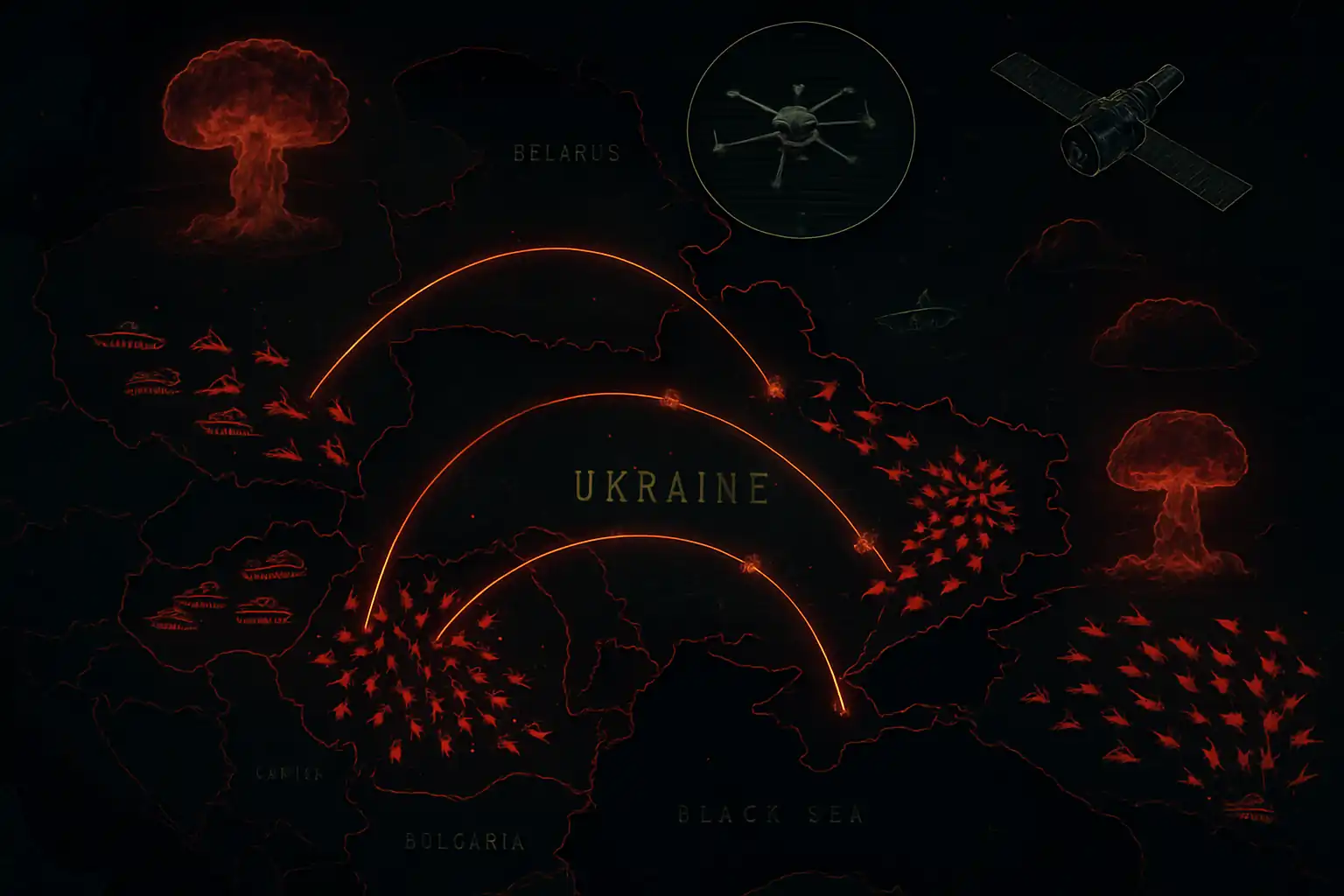
    It’s summertime on planet Earth. The geopolitical mercury is rising. Russia’s summer offensive in Ukraine marks the next phase of a grinding war. This conflict continues to redraw European security lines, fragment alliances, and test the world’s capacity to hear “unprecedented” repeatedly. Against this backdrop, Pakistan has elevated a new military leader. This change bears significant implications for South Asian peace. Meanwhile, far from artillery sounds, major post-colonial shifts in the Indian Ocean are climaxing. The Chagos Archipelago, long a subject of international litigation and exile, is finally changing hands in a fiercely negotiated sovereignty deal.

  • Seeing Putin Through a Russian Lens: Why Americans Get Him Wrong

    Seeing Putin Through a Russian Lens: Why Americans Get Him Wrong

    Vladimir Putin, despite his shirtless memes, remains a puzzle for many Americans. U.S. presidents and late-night comedians struggle to decode the man behind the Kremlin. This confusion could be humorous if it weren’t so potentially catastrophic. Why do Americans misunderstand Putin? The reasons lie in cultural blind spots, geopolitical tunnel vision, and media echo chambers that bewilder even seasoned propagandists.

    First, Putin is not simply a ‘Bond villain’ seeking world domination. His narrative is richer and more complex than today’s meme-driven news implies. His KGB history and the chaotic post-Soviet era influence his decisions. A sense of trauma pervades, stemming from Russia’s losses in the 1990s and fear of encirclement that dates back centuries, as outlined in the historical overview on Wikipedia. Putin’s agenda blends nationalist revival, personal power, and a strong desire to prevent Western pressures, particularly following the humiliation after the Soviet collapse.

    Vladimir Putin’s Worldview: Security, Stability, and Power

    Putin’s worldview starkly contrasts with the American narrative. The West frames global affairs as a clash of values—democracy versus autocracy, freedom versus tyranny. Putin sees international relations as an ongoing struggle for power and survival. He regards NATO and the EU not as benign entities but as historic threats at Russia’s doorstep. Thus, Western expansion and influence in former Soviet states appear not only offensive but also existentially dangerous. A detailed analysis of Putin’s worldview in The Hill reveals these zero-sum calculations, exposing how American optimism seldom resonates in Moscow.

    This persistent misreading fosters constant tension. American policymakers expect rationality based on democratic principles—often tragically so, as illustrated by missteps since 2014 and Russia’s actions in Crimea and Ukraine. Analysts have likened these rising tensions to ancient fallouts, like those explored in this in-depth exploration of Rome’s fall. Russia perceives its resistance as a desperate attempt to avert a similar fate.

    The Media Bubble: Echo Chambers and Political Spin

    The media contributes to American misunderstandings of Putin. U.S. coverage often simplifies him to a cartoonish strongman, overlooking the complexities of Russian society. Findings from the Pew Research Center show that most Americans view both Putin and Russia negatively. However, beneath this negativity lies confusion, fueled by a “hot take” culture that lacks appreciation for nuance.

    Divergent narratives thrive in this environment. Social media amplifies echo chambers and misinformation. If you don’t actively seek differing views—like those found in platforms that aggregate diverse sources—you risk remaining stuck in a loop. These misunderstandings can complicate critical moments, as seen in the nuclear brinkmanship detailed in this report on WW3 fears, or intertwine with conspiratorial narratives explored in prophetic ideologies.

    Echoes from Ukraine, the Pacific, and Cultural Crossroads

    This misunderstanding extends beyond Washington. It arises in various hotspots, from Ukrainian conflicts to economic sanctions and Pacific strategies—including covert operations dissected in this special operations analysis. Historically, Americans have underestimated Russian resilience and misjudged cultures that operate by different rules, as highlighted by historians in escalation scenarios. Framing Russia’s actions as irrational or evil ignores a complex historical narrative steeped in paranoia.

    This leads to policy whiplash, miscalculations, and a dangerous cycle of provocation and retaliation. Global crises arise—from earthquakes in Idaho, covered in detail in this seismic deep dive, to nuclear tensions—exacerbated by competing misunderstandings.

    Bridging the Gap: The Price of Misunderstanding

    Americans need not remain trapped in perpetual misunderstanding of Putin. The solution lies in confronting history and genuinely engaging with different worldviews. The world is too unstable for diplomatic blind spots, and the cost of repeated errors is exorbitant.

    To navigate the noise and echo chambers, readers should turn to independent platforms—like Unexplained.co—that provide curated, diverse perspectives. Misunderstanding adversaries isn’t just risky; it’s dangerous. As we prepare for new tensions, ensure your information resources are as robust as your emergency supplies.

  • Mt Etna Unleashed: Geomagnetic Storms, Surging Quakes, and Global Volcanic Unrest

    Mt Etna Unleashed: Geomagnetic Storms, Surging Quakes, and Global Volcanic Unrest

    If you thought 2025 would be uneventful, the universe has other plans. Mt. Etna spews ash and pyroclastic fury into the Mediterranean sky. The planet itself seems to tremble in sympathy. The culprit? Not just plate tectonics but a rampaging geomagnetic storm—one so fierce it’s lighting up skies and fueling supercharged earthquakes worldwide, according to recent seismic risk reports and the latest USGS updates. Panic rises, matched only by debates about the trouble a cosmic tantrum can cause down here on Earth.

    Geomagnetic storms aren’t new, but severe ones are rare. This latest event has already caused blackouts, GPS failures, and bright auroras as far south as Rome. Adding multiple magnitude 6-and-higher earthquakes plus Etna’s eruption, the planet looks ready for either apocalypse or a new scientific breakthrough. But do geomagnetic storms really trigger volcanoes or quakes, or are we simply seeing patterns in the static?

    Magma, Magnetism, and Mt. Etna’s Explosive Fury

    It’s not every week you see Europe’s tallest active volcano hurling pyroclastic flows while solar storms rage overhead. Scientists debate if solar storms—unleashing plasma clouds and intense magnetic fields—might energize volcanic systems. While definitive proof eludes us, growing evidence shows subtle links. For instance, volcanic activity sometimes clusters with peaks in solar and geomagnetic activity, as indicated in solar-terrestrial studies. Don’t buy tickets to the next eruption just because the aurora forecast is G5.

    The scientific consensus, per the Wikipedia entry on geomagnetic storms, argues that main effects impact power grids, satellites, and radio frequencies—a far cry from triggering volcanoes outright. However, some researchers, highlighted in Terrestrial, Atmospheric and Oceanic Sciences, don’t rule out indirect effects, especially on fault systems near their breaking point. The official USGS stance states there’s still “no convincing evidence of electromagnetic precursors to earthquakes” after decades of research.

    Earthquakes Surge as Magnetic Mayhem Unfolds

    Earthquakes—particularly those above magnitude 6—have spiked during the geomagnetic event, activating everything from continental rift zones to deep ocean faults. Previous disasters made seismic swarms (like Idaho’s recent shakes linked in regional quake reports) look minor. It’s the simultaneity of volcanic and tectonic unrest across continents pushing the doomsday crowd to refill their bug-out bags.

    What remains unclear is causation. Both the USGS and a deeper USGS magnetic hazards study note that solar activity’s impact on fault lines is largely theoretical, though not impossible. A “storm-driven” jolt might help trigger a quake where stress is already high. But for now, it’s more likely you’ll lose Wi-Fi or power during a geomagnetic storm than witness a city disappear into a lava lake.

    Space Weather, Blackouts, and Energy Volatility

    Geomagnetic storms do disrupt anything run by wires, satellites, or magnetic navigation. Historic reviews, covered in historic reviews, recount the infamous Carrington Event of 1859 frying early telegraph networks, while the 1989 storm wiped out Quebec’s electrical grid, plunging millions into darkness. The current solar maximum drives increased storm activity, including G3+ events noted in space weather analyses. This naturally leads to fresh panic about grid overload, GPS outages, and satellite risks—issues tied to everything from defense readiness to potential new avenues for global sabotage, as highlighted in this breakdown of blackout risks.

    Amid cascading risks—volcanoes, quakes, blackouts, or even military tension as seen in geopolitical analysis—survivalists keep their bunkers stocked while bakers sell out of sourdough starter every time Etna coughs.

    Our Volatile Earth: Navigating the New Space-Weather Wild West

    Is this all doom? Hardly. The world’s magnetic drama reminds us of nature’s raw power, urging better monitoring and resilience planning. While the link between solar, tectonic, and volcanic unrest remains murky, the need for modern infrastructure to endure these shocks is clear. For those reading between the seismic lines, further insight awaits in deep dives on prophetic upheaval and emerging technology risks. They make a subtle argument: sometimes a “coincidence of calamities” is enough to push a system from stability to chaos.

    For more signals among the noise, and for real-time disaster forecasting without the hype, stick with Unexplained.co. If the world’s going to end in a fireball—or a sunspot, or a blackout—you might as well see it coming before the rest of your neighborhood does.

  • Idaho Shaken: Earthquake Swarm Fuels Supervolcano Fears Near Yellowstone

    Idaho Shaken: Earthquake Swarm Fuels Supervolcano Fears Near Yellowstone

    If you live near Idaho or Yellowstone and felt the ground rumble, you’re not alone. An earthquake swarm has escalated from a shiver to a series of jolts, capturing the attention of experts and emergency planners alike. This situation has also excited the legion of armchair apocalypse preppers who can now say, “I told you so.” But what’s happening beneath the surface? Should residents prepare their go-bags, or is media hype outpacing geological reality?

    Geophysicists, like Stefan Burns, emphasize that swarms can be unsettling, but context matters. Idaho and the Yellowstone region have always experienced seismic activity. However, the sudden acceleration and proximity to past large earthquakes increase caution. The biggest risk is not a supervolcano eruption but a significant earthquake. This reality, compounded by our cascading disasters—energy shocks, AI doomsday scenarios, rogue nation cyber tactics—makes this tremor especially nerve-wracking for a jittery public eager for the next headline.

    Idaho’s Accelerating Earthquake Swarm: What’s New?

    What does it mean when Idaho shakes faster? Official reports and recent USGS updates confirm multiple minor quakes are rattling a historically seismic area. The USGS stresses that most are aftershocks of earlier moderate quakes, not signs of moving magma beneath Yellowstone. While these swarms intensify, major structural collapses or escalations to supervolcano events remain rare. If you’re imagining a Hollywood disaster film’s opening scene, take a breath—or five. Surprisingly, volcanic eruptions in this zone are rare compared to earthquakes, as noted by the WyoFile analysis. Locals should expect infrastructure shakeups rather than skies filled with ash.

    Yellowstone Supervolcano: Fears vs. Geological Facts

    The “Yellowstone Supervolcano” scenario attracts attention. Its last major eruption’s power and the region’s ancient volcanic scars fuel speculation and memes. According to scientific overviews, most swarms arise from old faults adjusting to tectonic stress—not because magma is preparing for an eruption. The USGS and National Park Service emphasize that monitoring systems would detect serious shifts in volcanic behavior well before social media reacts. However, those who believe the Big One lurks nearby will still sift through evacuation plans. Geophysical data reveals no current increase in “eruptible” magma beneath Yellowstone, offering some comfort (unless you thrive on panic).

    Historic Shakes and Modern Worry: When Should You Really Panic?

    History serves as both a cautionary tale and a warning label. The Pacific Northwest has endured catastrophic quakes, events that leave new lakes and rewrite maps. Some link increased seismicity to the legendary Yellowstone blast, but geological consensus debunks hype swiftly. The Cascade region’s real threats arise from potent earthquakes; the supervolcano is a distant, albeit spectacular, concern. History buffs should remember that civilizations collapse not from single disasters but from a buildup of smaller risks—just ask the experts outlining why empires like Rome fell. The true panic comes from unreinforced infrastructure and dense populations intersecting with Mother Nature’s unpredictability.

    Preparedness and the Power of Real-Time Data

    If you seek a silver lining, consider real-time seismic monitoring and transparency. Agencies like the USGS and Idaho’s geological services provide a stream of data, curbing the fear-mongering from algorithms and YouTube prophets. For those interested in deeper dives, earthquake explorations and cosmic disaster reports unpack “black swan” risk factors. If societal decline fascinates you, check out societal collapse scenarios and recent forecasts for our next sunny season.
    You don’t need to dig a bunker just yet—unless you enjoy having one.

    Stay vigilant by checking live updates and insights at Unexplained.co, where you’ll find more signal than noise. Keep your emergency kit ready; experience tells us the next shake is often closer than you think.

  • Russia, NATO, and the Trump-Iran Calamity: A World on the Edge of All-Out War

    Russia, NATO, and the Trump-Iran Calamity: A World on the Edge of All-Out War

    Welcome to the new normal—where apocalyptic headlines meet geopolitics, and “world war” resonates beyond old radio cranks. As warnings rise about Russia “having no choice” but to strike NATO, and with reports surfacing about Trump’s team preparing for conflicts with Iran, global security appears more fragile than it has since a certain mustachioed Austrian became aggressive in 1939.

    This isn’t journalistic hyperbole: senior European, German, and Baltic defense analysts provide direct assessments foreseeing concrete Russian military buildups. According to Newsweek, high-level intelligence and military officials warn Russia might be ready to strike a NATO country within a few years if conditions worsen. Some German defense chiefs anticipate this could happen within the next four years, with large munitions silently stockpiled along the alliance’s eastern flank. The alarms triggered in The BBC highlight the seriousness of the situation. This chilling scenario encompasses not just war planning, but also the risk of total breakdown of the alliance.

  • SEAL Team 6 vs. China: Inside America’s Special Operations Battle Plan for the Next War

    SEAL Team 6 vs. China: Inside America’s Special Operations Battle Plan for the Next War

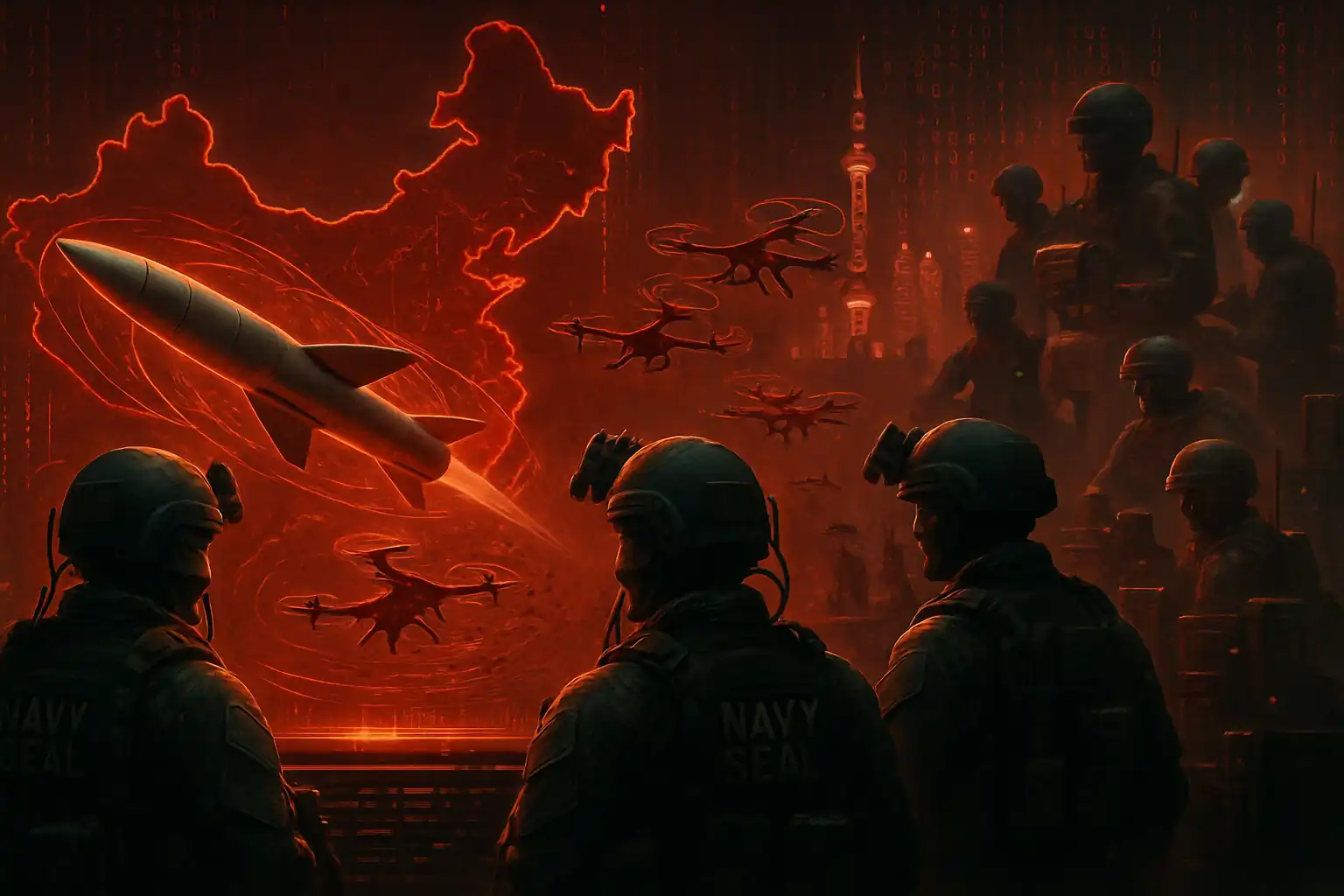
    A cold wind blows over the Pacific, stoking fears of a new world war. The military-industrial rumor mill churns: America’s most secretive warriors, like those in SEAL Team 6, focus intently on China. The Indo-Pacific is more than a chessboard for carrier fleets and spy satellites. Recent conversations with US special operators and analyses from Army Recognition and Business Insider reveal that tomorrow’s frontline resembles a digital Cold War. This war could feature nuclear drones, cyber saboteurs, and $500 million AI-powered submarines.

    Why the renewed focus on special ops? The US fears losing a conventional war with China. Analysts from Small Wars Journal indicate that China’s rise involves “gray zone” conflicts—military threats, cyber hacks, and information operations too deniable for NATO yet too dangerous to ignore. In this shadow war, SEALs are crucial. The US Navy’s elite SEAL Teams have mastered information warfare, sabotage, and countering covert Chinese moves across Asia. The pivot from fighting extremists to preparing for peer-to-peer conflict is evident in unofficial briefings and recent military reforms.

    Special Operations at the Center of US-China Rivalry

    Gone are the days when SEAL Team 6 hunted warlords at night in Middle Eastern deserts. Today’s strategists understand the weaponized geography of the South China Sea, where a few underwater explosions could disrupt trade and trigger an economic meltdown. A senior Pentagon official emphasized in a December 2024 DOD report that US Special Operations Forces are returning to their roots. They adapt to the rivalry with China and Russia rather than focus solely on counterterrorism (Army Recognition).

    This pivot includes new amphibious tactics, information warfare, and support for allies near China. Expect more “deniable” operations—hacks, psychological campaigns, and underwater sabotage—like past great power competitions, but with highly advanced technology. You’ll need a decoder ring and strong Wi-Fi just to keep up. Internal investigations and scenario planning, like those in emerging war forecasts, reveal how much is at stake in these shadow battles.

    Modern Warfare: From AI Drones to Gray Zone Tactics

    Modern special operations leverage cutting-edge technology: autonomous drones, cyber intrusions, and “digital camouflage.” It’s no longer enough to rely on strength. The arms race now centers on who can remain invisible in digital spaces, jam signals, or disrupt logistics chains at critical moments. As gray zone strategies multiply, SEALs must keep pace with attacks that skirt outright war. The US, aware of China’s ambitions and rapid advancements noted in recent tech breakthroughs, acknowledges the need for elite units to strike back decisively and unexpectedly. Analysts warn that tomorrow’s warriors may wield laptops and electromagnetic pulses as readily as rifles and rafts.

    This evolution ties directly to new intelligence on China’s global takeover plans and the urgent need for US forces to maintain an asymmetric advantage. If those cyber weapons, surveillance systems, or experimental drones fail, future conflicts might erupt without any soldier crossing a border.

    Lessons from Past Conflicts and Warnings for the Future

    History rarely repeats but often rhymes. The echoes of past great power declines are significant. A SEAL Team 6 veteran cautioned off-the-record that tech-heavy empires often collapse when multiple disasters converge: solar flares, cyber blackouts, or mass unrest as detailed in collapse scenarios. Imagine a “Black Hawk Down” replay driven by quantum code; a few disastrous nights could unleash chaos on both physical and digital fronts.

    For those who remember—and stock their bunkers—the warning signs are clear. Military planners analyze ancient lessons about overreach, distraction, and ignoring domestic vulnerabilities. They understand that when the veil tears, as hypothesized in investigations of transformative events, it creates not just new threats but new opportunities.

    Elite Operators, Unpredictable Wars, and the Road Ahead

    The key question isn’t how SEAL Team 6 would engage in a war with China but whether any party could claim victory. Their experience—shaped by rigorous training, technological prowess, and adaptability—epitomizes the future of warfare, and perhaps society itself. The tempo quickens, risks escalate, and the boundary between war and peace blurs—like a mythical veil.

    For those stockpiling freeze-dried rations and rotating backup generators, here’s the bottom line: what lies ahead will challenge systems, alliances, and nerves in unprecedented ways. To track this shadow war, don’t just follow the headlines—delve into resources like Unexplained.co, and consider how to disable GPS and go dark. Prepare for potential upheavals; in the 21st-century shadow war, “interesting” may be the biggest understatement since someone labeled World War II “that little skirmish.”

  • Tearing Apart the Veil: When Revelation—and Chaos—Break the World As We Know It

    Tearing Apart the Veil: When Revelation—and Chaos—Break the World As We Know It

    History and myth warn us: when the veil tears, nothing remains the same. Spiritual traditions depict a barrier between the mundane and the mystical. Some refer to it as the separation of dimensions, others as the divide between life and death, illusion and truth. In the age of AI and geopolitical disruption, discussions of the veil ‘tearing’ now extend beyond scripture and fiction—they reflect an anxiety woven into the fabric of modern life.

    The “veil” has deep roots in imagination and philosophy, symbolizing the line between the everyday and the profound. This barrier sometimes rips away in moments of revelation or crisis. Observers of modern apocalypse science sense we are inching toward a reckoning: a global event that will unveil hidden truths, unleash chaos, and rewrite civilization’s operating system.

    The Cultural and Religious Meaning of Tearing the Veil

    “Tearing the veil” resonates throughout religious history. The temple veil, ripped during the crucifixion according to Christian tradition, symbolizes access to the divine and a radical openness (see BibleHub’s exploration). Other spiritual systems view unveiling as a harbinger of apocalypse, prophecy, and rebirth. Tearing the veil promises transformation, though it may not always bring comfort: what is revealed often requires profound sacrifice, forcing empires and individuals to confront uncomfortable truths.

    Modern interpreters connect these ancient symbols to today’s crises. With technology, climate, and social structures primed for fracture, prophetic voices warn—sometimes in the guise of decoded ancient languages or AI singularity predictions—that the “veil” is thinner than ever. They proclaim that the reckoning is inevitable.

    Prophesied Upheaval: From Ancient Warnings to Modern Anxieties

    Humanity has long awaited a moment of upheaval, where hidden truths erupt into visibility. From the collapse of Rome analyzed by scholars of ancient collapse to whispers of cosmic alignment and digital apocalypse, fear simmers—what if we finally see behind the curtain? Some believe pandemics, solar storms, or mass blackouts signal the birth pangs of revelation. Even mainstream outlets now echo phrases once reserved for prophecy, resonating with reports on society’s vulnerabilities.

    This isn’t mere superstition. When AI models reveal warnings from ancient texts, or scientists announce discoveries about solar storms threatening Earth, it seems reality itself prepares for a curtain call.

    What Lies Beyond the Veil: Apocalypse or Opportunity?

    “Tearing apart the veil” isn’t solely about chaos and disaster; many traditions regard it as a gateway to new beginnings. The old world must break down for a new one to emerge, even if the transition is tumultuous. Philosophers compare veil-lifting to a revolution in understanding, as expressed in theories like John Rawls’ veil of ignorance, which challenges us to envision a society devoid of pretense and inherited power.

    Survivalists and futurists comb through data, seeking to determine whether the coming event marks a last gasp or the first breath of a new civilization. If history serves as a guide—and if the patterns observed by global conflict analysts are cyclical—the old must collapse before the new can birth. Beware, as some revelations may breed panic as readily as hope.

    Preparing for Revelation: Navigating Chaos in the Modern Age

    Is the “veil” about to tear? If so, what should we expect? Uncertainty abounds, yet a world where hidden structures, motives, or dangers routinely reveal themselves is already transforming. From the mythic to the material, the tearing of the veil could usher in social unrest, mass awakening, or catastrophic breakdown—perhaps all at once.

    If you’re pondering, “I need a better bunker,” you’re not alone. Those preparing for what lies ahead should focus on sources that distinguish cyclical hysteria from actionable intelligence. Visit Unexplained.co for sharp insights into the chaos to come. When the veil finally tears, you’ll want to have seen it coming from a secure, well-stocked distance.

  • WW3 UPDATE: Iran on the Brink, Ukraine’s Nuclear Gambit, and the Perils of Escalation

    WW3 UPDATE: Iran on the Brink, Ukraine’s Nuclear Gambit, and the Perils of Escalation

    The U.S. claims to have delivered a “final offer” to Iran amidst rising tensions in the Middle East. Diplomatic tensions are escalating, and reports suggest Ukraine is considering nuclear arms. The world watches nervously, fearing that a small spark could ignite a catastrophe threatening civilization itself.

    When the U.S. issues a last-chance demand, it signifies more than mere rhetoric. The high-stakes negotiations with Iran unfold against regional proxy wars and rising threats, creating a volatile atmosphere. Although real-time news coverage faces challenges, background reporting reveals a precarious world order. Military strategists analyze potential miscalculations that could lead to disaster (top report on Ukraine and nukes). Intelligence agencies scramble to predict where the next escalation might occur.

    Iran Tensions and the Middle East Powder Keg

    In the Middle East, diplomatic history is marked by oil deals and military standoffs. The current situation with Iran departs from past crises, navigating uncharted territory. Iran’s growing power and the U.S. commitment to allies are both on the line. This brinkmanship evokes memories of prior wars and warns of recent escalations among global powers. The ever-present threat of proxy militias and cyber warfare amplifies fears of miscalculation.

    Experts envision many scenarios where missteps in Tehran, Jerusalem, or Washington could destabilize the region—and the world. As noted in analysis covering shadow geopolitics, today’s risk factors are interconnected. Financial shocks, missile launches, and critical infrastructure attacks fuel the escalation cycle. This creates a fragile tightrope, which has snapped before in statecraft.

    Ukraine and the Nuclear Line: Deterrence or Disaster?

    Meanwhile, Ukraine’s nuclear ambitions unsettle European capitals. After surrendering its Soviet-era arsenal, Ukraine stands at the center of nuclear anxiety. Leaders have proposed reacquiring nuclear weapons as a deterrent—a technically and politically charged move. Commentary varies, summarized in the IISS’s deep dive: significant obstacles lie ahead, and any such pursuit could be a major shift since the Cold War.

    However, Ukraine’s nuclear posturing serves more as psychological leverage than a concrete plan. The threat alone ignites fears of an arms race, with Moscow, Washington, and Brussels alert to any missteps. Historians and doomsday preppers alike warn that military build-ups, catastrophic accidents, and rising tensions have previously led empires to collapse, as noted in research on the fall of Rome. Modern power struggles reflect these ancient lessons.

    World War III: Fiction Turning Real?

    The term “World War III” once belonged in novels and conspiracy theories. Now, geopolitical realities make such scenarios plausible. As detailed in Wikipedia’s comprehensive overview, the definition of World War III has shifted, influenced by nuclear doctrines and regional rivalries. Traditional warfare, with armies mobilizing in neat formations, is outdated; today’s threats include cyberattacks, proxy conflicts, and leaders gambling civilization on perceived slights.

    The danger stems not just from military might, but from the fragile systems that support daily life. Analyses of global collapse highlight how blackouts, communication failures, and financial panics could escalate conflicts unpredictably. Present-day warnings about runaway technology echo these fears, as mechanisms for uncontrollable war may already be in place.

    The Perpetual Brink: Navigating the New Age of Crisis

    What lies ahead? Historians, generals, and survivalists agree that resilience is crucial. The greatest risk encompasses miscalculations by leaders, the volatile mix of alliances, old grudges, and fast-paced technological advancements. Lessons from history—be it Rome’s downfall, the collapse of ancient empires, or tensions during the Cold War—teach us that hubris and naivety poorly equip us for disasters, as seen in this chilling survey of prophetic warnings.

    This world is designed for friction, where “final offers” echo ultimatums, and nuclear threats resonate beyond mere words. To track every tremor and dig deeper than headlines, you should visit Unexplained.co. If World War III looms, keep a close watch, even if it’s from a safe distance underground.

  • Dave Mustaine’s Witchcraft Confession: Hexes, Dark Arts, and a Chilling Buried-Alive Tale

    Dave Mustaine’s Witchcraft Confession: Hexes, Dark Arts, and a Chilling Buried-Alive Tale

    Step aside, lightweight rock ‘n’ roll scandals—Dave Mustaine’s confessions about witchcraft and the occult could spook even the most seasoned doomsday prepper hunkered in a bunker with a week’s worth of holy water. The Megadeth frontman hasn’t merely flirted with the dark arts—he’s dived in headfirst. He lived to regret it and now warns others about what he calls the true cost of meddling in malevolent magic. The stuff of heavy metal legend is more than just fodder for late-1980s album artwork and occult stage shows—it’s grounded in confessions, consequences, and the clash between the fantastic and the real.

    Mustaine opened up about his occult past on The Joe Rogan Experience and various media appearances. In these interviews, he describes learning dark rituals from his older sister as a teenager. He cast hexes and experimented with “black magic” to cope with pain and alienation. In his words, black magic “ruined my life” (Blabbermouth coverage). A particularly chilling memory features a ‘buried alive’ narrative—a story that combines wild rumors circulating in occult circles and rock history (a theme explored in MusicRadar).

    Young & Cursed: The Origin of Mustaine’s Dark Fascination

    Before platinum records and sold-out tours, Dave Mustaine was a troubled teenager searching for solace in the forbidden. His fascination grew under the influence of a family member, which spurred experiments in black magic inspiring songs like Megadeth’s “The Conjuring” (Wikipedia). This wasn’t typical teenage rebellion; Mustaine claims firsthand experience with the dark side. His early rituals—hexes, sex spells, and the infamous “buried alive” tale—became legendary, blending the real with the mythic throughout his lyrics and lore. As Mustaine admits, the price was lasting spiritual torment that haunted his later life and work.

    Society’s fascination with harmful magic dates back to ancient times, as seen in historical accounts of witchcraft. Mustaine’s personal descent mirrors larger stories of hysteria, revealing a thin line between perceived enemies and creative outsiders. This motif resonates with those familiar with tales of vanished languages and decoded messages, as chronicled in this exposé on lost prophecies.

    Rituals, Hexes, and the Rock’n’Roll Occult Legacy

    The mythos of witchcraft has long haunted rock and metal. From Led Zeppelin’s rumored magical pacts to Coven’s ritualistic stage shows (Flood Magazine’s occult retrospective), Mustaine’s experiences reflect a broader cultural obsession with hexes and spells. In his case, the lines blurred between entertainment and genuine experimentation—a slippery slope mirrored in the accounts of infamous narco-satanic priests and modern occult practitioners.

    Unlike some musical dabblers, Mustaine’s regrets were public and palpable. He renounced his occult past, even avoiding playing “The Conjuring” live for decades. His warnings align with contemporary tales of technological excess, existential threats, and humanity’s quest for forbidden knowledge—see this analysis of AI’s dangers and modern fears about society’s collapse.

    Confessions and Consequences: The Shadow of Regret

    Mustaine insists: dabbling in black magic isn’t just a phase—it bears both psychological and spiritual costs. His sense of unleashing uncontrollable forces resonates with personal trauma and a recurring narrative suggesting that those who meddle in the forbidden ultimately pay a price. The motif of “burying alive”—literal or metaphorical—intertwines his experiences with centuries of cautionary tales, as noted by scholars and popularized in both rock music history and anthropology.

    According to Mustaine, only a dramatic spiritual conversion broke the spell—transforming a life overshadowed by supernatural consequences. His journey from “The Conjuring” to belief intertwines with themes of power, secrecy, and revelation found within tales of cosmic disasters and apocalyptic science reporting.

    Hexes, History, and the Enduring Temptation of the Occult

    Dave Mustaine’s story matters as it offers a cautionary tale and a personal narrative, enmeshed in the mythic cycles that shape rock lore and human history. His transformation from adolescent occultist to born-again skeptic mirrors a broader pattern: individuals grapple with the seduction of forbidden power and confront its costs. Whether conveyed in Megadeth lyrics, medieval peasant testimonies, or digital prophecies from modern AI, the urge to reach beyond the known often carries shadows of risk and regret.

    As the next wave of confessional headlines and ritual rumors floods social media (or your local doomsday bunker), keep this in mind: distinguishing legend from lived experience remains challenging, even for those who’ve peeked over the edge and returned. For those craving untold stories from where history, myth, and danger converge, bookmark Unexplained.co. The real secrets can be even chillier than legends—especially when wrapped in vinyl and played very, very loud.