Author: Art Grindstone

  • Strange & Extraordinary Fest Shows How the Paranormal Is Becoming Event Culture

    Strange & Extraordinary Fest Shows How the Paranormal Is Becoming Event Culture

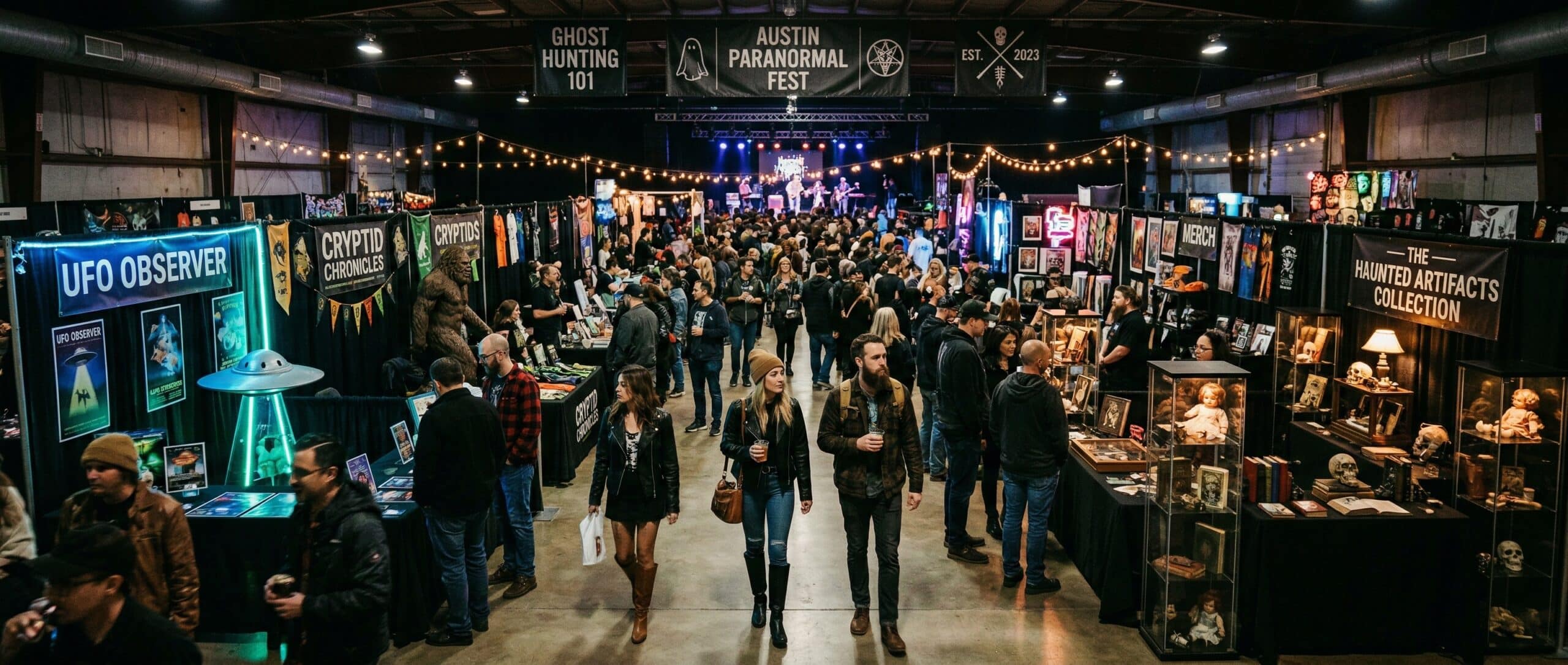
    Austin is getting a new paranormal-adjacent event, and the real story may be bigger than the festival itself. Strange & Extraordinary Fest, set for March 28, 2026 at KMFA Studios, is trending because it packages UFOs, ghosts, cryptids, folklore, haunted artifacts, and high-strangeness culture in a format that feels less like old-school niche fandom and more like a modern lifestyle event.

    That shift matters. The unexplained space is no longer living only in late-night radio, cable-TV ghost hunts, and internet message boards. It is becoming social, curated, marketable, and physically experiential — something audiences do not just watch, but attend, photograph, shop, and share.

    What Is Strange & Extraordinary Fest?

    According to CultureMap’s event listing, Strange & Extraordinary Fest is a single-day event at KMFA Studios in Austin on March 28, 2026. The program blends lectures, panels, podcasts, vendors, haunted-object displays, and VIP experiences under one umbrella of high-strangeness culture.

    The event promises:

    • lectures and discussions with paranormal and unexplained experts
    • panels and podcasts focused on UAPs/UFOs, ghosts, cryptids, and folklore
    • a Parapeculiar Haunted Mini-Museum featuring unusual artifacts
    • a Bizarre Bazaar marketplace
    • a VIP Séance Encounter closing experience

    As CultureMap’s feature coverage notes, the event reflects how paranormal media is being packaged for broader audiences in Austin’s culture scene.

    Why This Festival Matters Beyond Austin

    On the surface, this looks like a local event listing. But the deeper significance is cultural. Strange & Extraordinary Fest is a signal that the unexplained niche is changing form.

    Instead of isolated subcultures — UFO researchers in one lane, ghost-hunter fans in another, folklore obsessives somewhere else — these audiences are increasingly being brought together as one high-strangeness market.

    That matters because it shows three things happening at once:

    • The paranormal is being repackaged for wider audiences. Presentation matters more now: cleaner branding, stronger aesthetics, more social-media readiness.
    • High-strangeness is becoming event culture. It is no longer just something to read about or binge online. It is something you attend and experience in person.
    • The niche is broadening into lifestyle media. Haunted objects, folklore, oddities, vendors, podcasts, VIP rituals, and community identity now live in the same ecosystem.

    From Fringe Hobby to Marketable Experience

    For years, unexplained culture often lived in a fragmented media world: late-night AM radio, documentary specials, conspiracy forums, ghost tours, and scattered conventions. What events like this suggest is that the space is becoming more polished and commercially legible.

    That does not necessarily mean it is becoming less weird. If anything, it may mean weirdness is being curated more effectively.

    The official festival site at StrangeAndExtraordinaryFest.com leans directly into this blend of mystery, spectacle, and niche identity. Haunted artifacts, immersive oddity experiences, and personality-driven paranormal programming are now being framed in the same language used by boutique festivals and creator-led live events.

    Why The Unexplained World Is Moving This Way

    The timing makes sense. In 2026, unexplained media is thriving across multiple formats: YouTube documentaries, TikTok folklore channels, UAP hearings, horror podcasts, paranormal influencers, and event-based communities. Audiences no longer arrive through one doorway. They come through many.

    That creates fertile ground for crossover events like Strange & Extraordinary Fest, where someone interested in UFO disclosure can end up browsing haunted objects, and a ghost-story fan might sit in on a cryptid panel or folklore talk.

    In other words, the unexplained is becoming less siloed and more ecosystem-driven.

    The Bigger Trend: Paranormal as Live Brand Culture

    This may be the real takeaway. Strange & Extraordinary Fest is not just a quirky Austin weekend event. It is an example of how paranormal culture is evolving into a live-events brand category.

    That means:

    • more festivals
    • more curated marketplaces
    • more influencer-hosted discussions
    • more immersive museum-style experiences
    • more crossover between folklore, commerce, media, and performance

    For The Unexplained Company, that makes this story useful as more than a calendar note. It is a trend marker. The paranormal is no longer just content. It is becoming a scene.

    For more trend stories in the unexplained space, see our coverage of Obscura Paracon 2026, Mothman 2026, and the latest Loch Ness Monster sightings.

    This article was created using Media Blaster – Your content production specialist. Visit www.mediablaster.io for more information.
  • Israel’s ‘Stonehenge of the East’ Is Not Unique: AI Finds 28 Similar Sites

    Israel’s ‘Stonehenge of the East’ Is Not Unique: AI Finds 28 Similar Sites

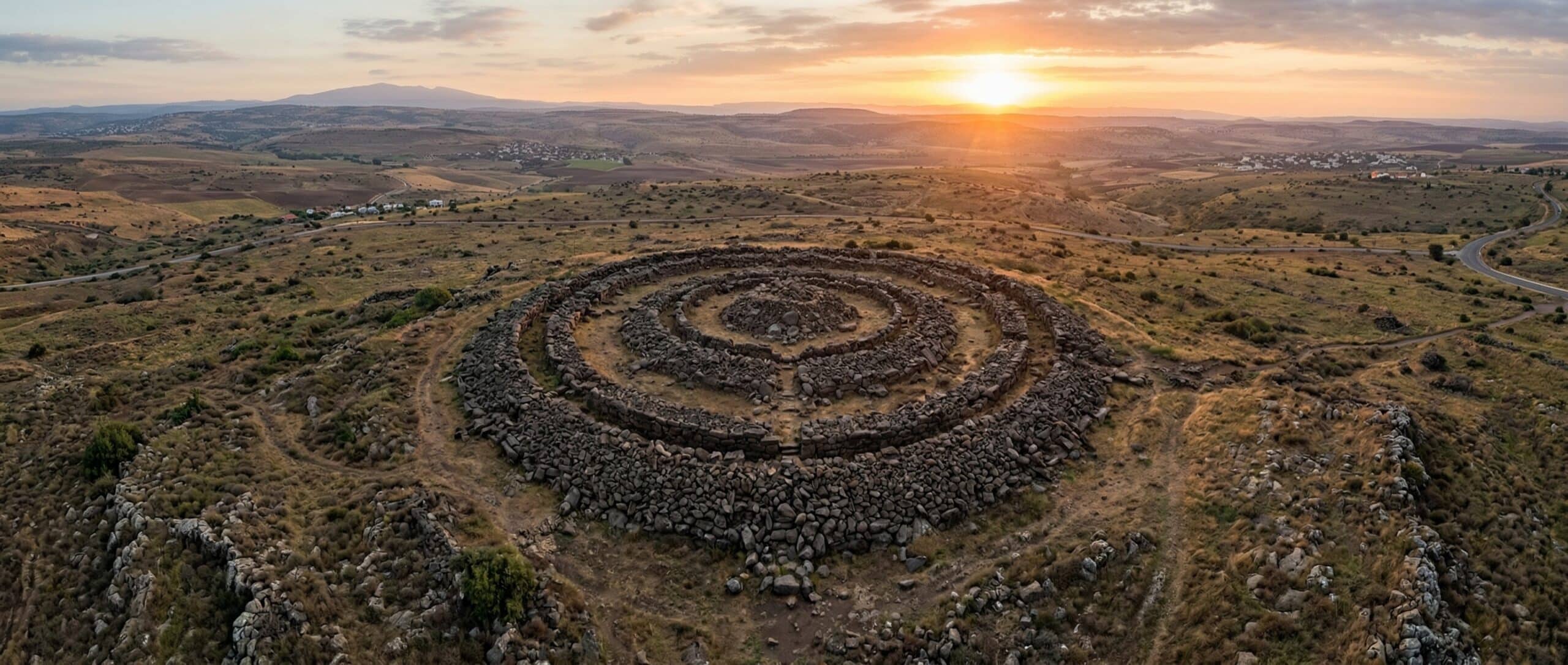
    A mysterious ancient stone structure in the Golan Heights that has intrigued researchers for decades — often called the ‘Stonehenge of the East’ or the ‘Wheel of Ghosts’ — may not be unique after all. New research has identified 28 similar sites within a 25-kilometer radius, dramatically reshaping how archaeologists understand one of the Levant’s strangest prehistoric monuments.

    For years, Rujm el-Hiri was treated as a singular enigma: an isolated ringed stone complex in the Golan Heights made of tens of thousands of tons of basalt. But artificial intelligence and high-resolution remote sensing have now revealed a broader pattern hidden across the landscape. Instead of one impossible mystery, researchers may be looking at an entire regional tradition.

    What Is Rujm el-Hiri?

    Rujm el-Hiri, also known as Gilgal Refaim, was first identified in 1968 through aerial military photography. The site consists of multiple concentric rings of basalt stones surrounding a central mound and is estimated to contain roughly 40,000 tons of rock. Depending on which interpretation archaeologists favor, it may date anywhere from about 6,500 to 3,500 years ago.

    Its strange circular design has inspired comparisons to Stonehenge, though the monument is structurally distinct. Over the years, researchers have suggested it may have served as a burial site, astronomical marker, ceremonial gathering place, territorial monument, or some combination of all four.

    According to The Times of Israel, the new findings challenge the long-standing assumption that Rujm el-Hiri was a one-off structure with a special, isolated purpose.

    How AI Found 28 More Sites

    The breakthrough came from a multidisciplinary team of archaeologists and physicists who used high-resolution satellite imagery from 2004 to 2024, including data analyzed through tools such as Google Earth Pro and CNES/Airbus platforms. Artificial intelligence was then used to process the imagery and enhance subtle traces of ancient human intervention.

    This mattered because seasonal vegetation, shadows, erosion, and terrain variation can obscure archaeological forms that are difficult to spot with the human eye alone. AI helped researchers isolate repeated circular patterns that resemble the layout of Rujm el-Hiri.

    As reported in the peer-reviewed PLOS ONE study, researchers documented 28 large circular structures in the immediate region, with additional comparable sites identified in Galilee and Lebanon.

    Why the Discovery Changes Everything

    This is the kind of finding that forces archaeologists to start over.

    • Rujm el-Hiri is not unique: It appears to be the most elaborate example of a much wider monument tradition.
    • Its purpose must be rethought: If dozens of similar sites exist, then explanations built around uniqueness become less persuasive.
    • Regional culture comes into focus: These structures may reflect a broader social, ritual, or funerary system across the southern Levant.
    • AI is rewriting field archaeology: Remote sensing is now surfacing patterns humans overlooked for decades.

    As The Jerusalem Post reported, researchers emphasized that Gilgal Refaim remains the most famous example, but it can no longer be treated as an anomaly.

    The Mystery of the ‘Wheel of Ghosts’ Deepens

    The nickname ‘Wheel of Ghosts’ has long added an aura of mystique to the site, especially among mystery writers and alternative-history enthusiasts. The name itself evokes ancient ritual, lost peoples, and forgotten cosmologies. But the real surprise may be even stranger than the myth: the site may have been part of an entire network of monumental circles spread across the region.

    That possibility raises new questions. Were these sites linked by shared religious beliefs? Did they mark seasonal gatherings, territorial boundaries, burial zones, or elite power centers? Were they built across centuries by related cultures, or do they represent repeated imitation of a sacred design?

    If one site was mysterious, 28 similar sites make the puzzle far larger.

    Ancient Mystery, Modern Detection

    This discovery also fits a growing pattern in archaeology: AI is not replacing archaeologists, but it is changing what they can see. The Nazca discoveries in Peru, hidden structures in desert landscapes, and now circular megalithic sites in the Levant all point to the same conclusion — large-scale pattern recognition is becoming one of the most powerful tools in ancient research.

    That matters because many ‘unique’ ancient sites may not be unique at all. They may only seem singular because the rest of their archaeological landscape remains partially invisible.

    In that sense, the new Rujm el-Hiri findings don’t solve the mystery. They make it bigger, older, and more culturally important than anyone expected.

    For more unexplained archaeology, read our coverage of AI discovering 303 new Nazca geoglyphs in Peru, Bronze Age artifacts made from meteoritic iron, and Piltdown Man and the greatest archaeological hoax in history.

    This article was created using Media Blaster – Your content production specialist. Visit www.mediablaster.io for more information.
  • AI Takes Flight Over Peru: 303 New Nazca Geoglyphs Discovered

    AI Takes Flight Over Peru: 303 New Nazca Geoglyphs Discovered

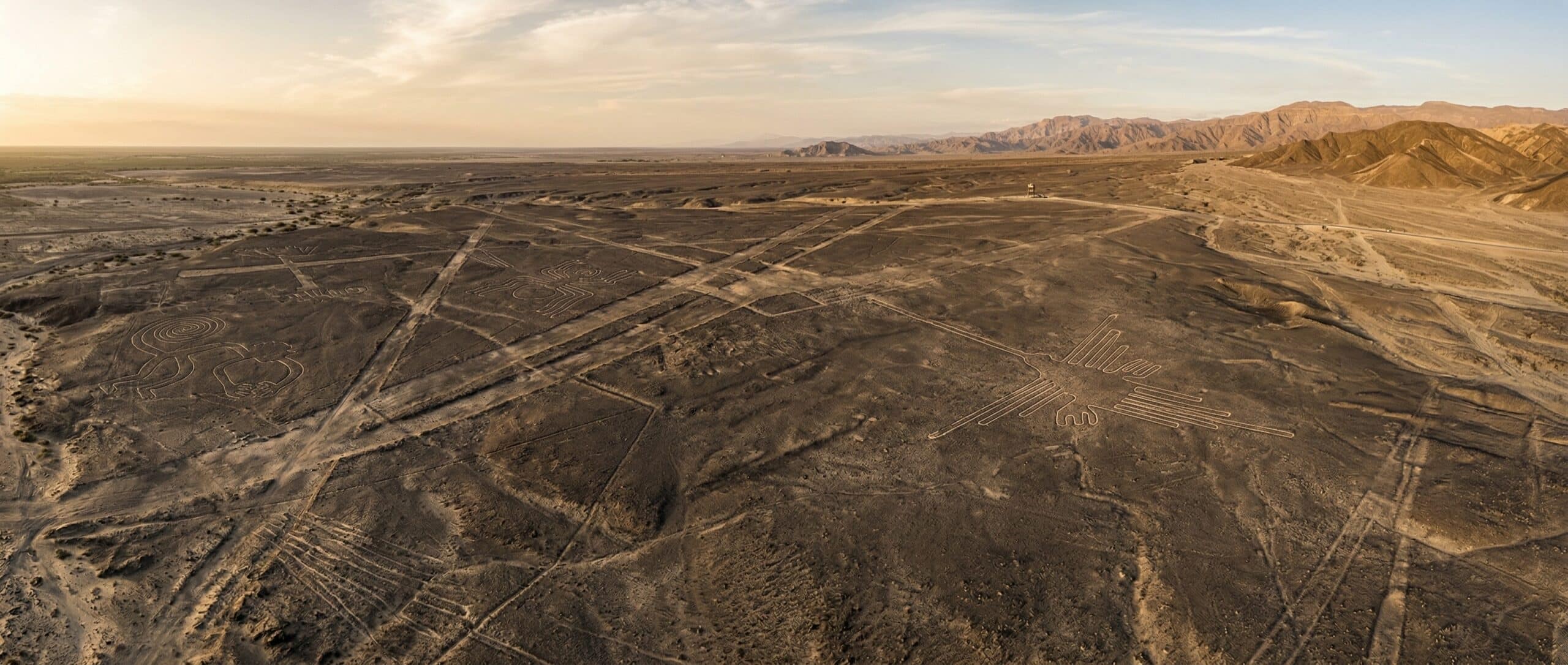
    A groundbreaking collaboration between archaeologists and artificial intelligence has led to the discovery of 303 new geoglyphs in Peru’s Nazca Desert — effectively doubling the previously known total in just six months. For a mystery that has fascinated researchers, tourists, and ancient-alien enthusiasts for generations, the find is one of the most important Nazca breakthroughs in decades.

    The Nazca Lines have puzzled researchers for over a century. These enormous geoglyphs, created by the Nazca civilization between roughly 200 BC and 650 AD, depict animals, plants, humanoid figures, and tools scratched into the desert surface. Visible best from the air, they have inspired theories ranging from ritual pathways to astronomical calendars to alien landing markers. Now, AI has revealed hundreds more — and forced archaeologists to rethink the scale of what the Nazca people were building.

    How 303 New Nazca Geoglyphs Were Found

    The discovery came through a collaboration led by Prof. Masato Sakai of Yamagata University’s Institute of Nazca in Peru, working with researchers and AI-assisted image analysis tools. Instead of relying only on slow, manual review of aerial images, the team trained artificial intelligence to scan vast amounts of visual data and flag likely geoglyph candidates for human verification.

    According to Yamagata University, the AI-assisted survey identified 1,309 likely candidates, and field investigation of roughly a quarter of them led to the confirmation of 303 previously unknown figurative geoglyphs in only six months.

    As The Guardian reported, the new figures include parrots, cats, monkeys, killer whales, and even decapitated heads — images that deepen the symbolic complexity of the Nazca landscape.

    Why This Discovery Matters

    This isn’t just a numbers story. The 303 new Nazca geoglyphs change how archaeologists think about the purpose, density, and social function of the lines.

    • Scale reconsidered: The Nazca people created far more geoglyphs than previously documented.
    • Purpose redefined: The sheer volume suggests these were not isolated ceremonial artworks, but part of a much broader cultural system.
    • Technology transformation: AI is now proving it can accelerate archaeological fieldwork in ways humans alone cannot.
    • Global implications: Similar machine-learning methods could soon be used to uncover hidden sites across deserts, forests, and buried ancient cities worldwide.

    As The Asahi Shimbun explained, the speed of the survey was possible because AI dramatically reduced the time needed to review aerial imagery and identify likely targets for on-site confirmation.

    Ancient Mystery, Modern Tools

    The Nazca Lines occupy a unique space in the unexplained world because they sit at the intersection of established archaeology and popular speculation. Mainstream researchers tend to interpret them as part of ritual, social, or territorial practices. But in pop culture, the lines became globally famous through fringe theories — especially the claim that they were designed for beings viewing Earth from the sky.

    This new discovery does not support ancient-alien claims. But it does make the mystery richer. If the Nazca civilization created this many geoglyphs across the desert, then the site may have functioned less like a singular masterpiece and more like a sprawling symbolic network encoded into the landscape.

    That matters because every new figure adds context. Some geoglyphs are large and geometric. Others are smaller and figurative. Together, they may reflect shifting social practices, pilgrimage routes, ceremonial zones, or messages intended for deities rather than human viewers.

    What AI Is Changing in Archaeology

    The Nazca breakthrough is also part of a larger story: artificial intelligence is rapidly becoming one of archaeology’s most powerful tools.

    AI can:

    • Analyze huge image archives faster than human teams
    • Spot faint patterns invisible to the naked eye
    • Prioritize likely discovery zones for field researchers
    • Help preserve fragile sites by reducing unnecessary disturbance

    As methods improve, archaeologists may use the same approach to detect buried cities, forgotten roads, ceremonial complexes, and damaged heritage sites across the world. In that sense, the new Nazca discoveries are not just about Peru — they may represent the early stages of a global shift in how we find the ancient past.

    The Nazca Mystery Deepens

    For decades, the Nazca Lines have been treated as one of the world’s most tantalizing ancient mysteries. This discovery doesn’t solve the riddle. It expands it.

    The more geoglyphs researchers find, the harder it becomes to reduce the site to a single explanation. Were these sacred pathways? Ceremonial signals? Community markers? Cosmic symbols? A mix of all of the above? The answer may be more complicated than anyone hoped.

    What is clear is this: the Nazca people were working on a scale and with an intention that modern researchers are only now beginning to grasp. And ironically, it took artificial intelligence — a technology of the future — to expose how much of the ancient world was still hidden in plain sight.

    For more on ancient mysteries and unexplained archaeology, see our coverage of Bronze Age treasure made from metal that fell from space, Piltdown Man and history’s greatest scientific hoax, and the latest government UFO disclosure claims.

    This article was created using Media Blaster – Your content production specialist. Visit www.mediablaster.io for more information.

  • The Mellon Leak: High-Def Satellite UFO Images That Could Change Everything

    The Mellon Leak: High-Def Satellite UFO Images That Could Change Everything

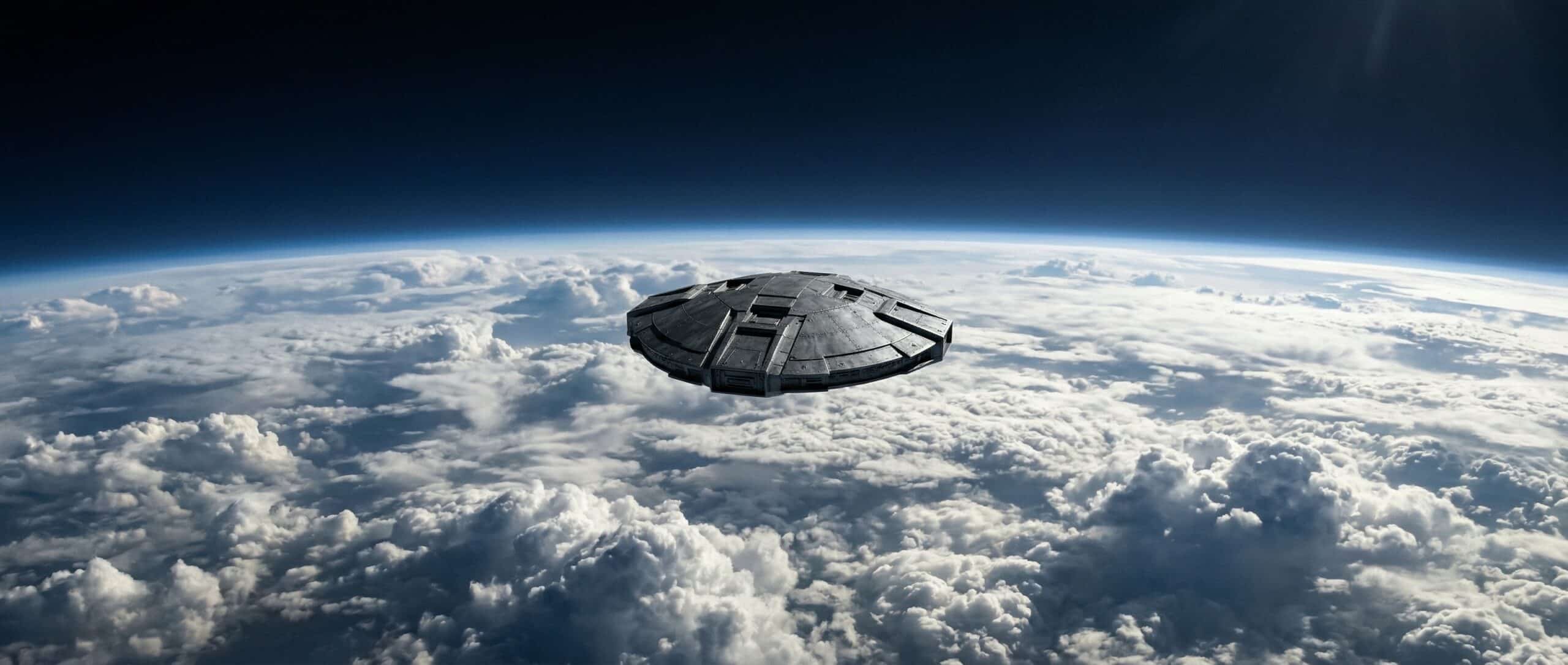
    On March 14, 2026, Christopher Mellona former Deputy Assistant Secretary of Defense for Intelligencemade a statement that could redefine one of the most debated questions of our time. According to Mellon, the U.S. government possesses massive collections of high-definition satellite imagery showing craft that are not made by humans.

    This is not blurry footage or distant lights. This is clear, detailed visual evidence captured from spaceobjects tracked across time, performing movements that no known aircraft can replicate.

    The Revelation

    Christopher Mellon, who served as Deputy Assistant Secretary of Defense for Intelligence during the Clinton and Bush administrations, told The New York Post that the government trove of UFO documents was massive and included photos and videos.

    As The Times of India reports, the United States federal government held evidence of UFOs, including satellite imagery of craft that appeared not to be manmade.

    As The US News Desk explains, this is not vague shapes or grainy dots. This is high-definition imagery captured from space.

    What the Satellite Systems Can Do

    The satellite systems in question can:

    • Track objects with extraordinary precision
    • Detect heat signatures from great distances
    • Monitor movement patterns across extended timeframes
    • Capture images at resolutions that can identify fine structural details

    Reported Craft Behaviors

    The objects captured in the imagery exhibit behaviors that defy known physics:

    • Instant acceleration without visible propulsion systems
    • Sharp turns at extreme speeds without losing momentum
    • Stationary hovering followed by sudden disappearance
    • Transition between air and space without structural change

    Mellon has stated that the government has satellite images of mysterious aerial crafts that dont look like anything weve built.

    Why This Changes Everything

    For decades, skepticism around UFOs has been fueled by poor-quality evidence. Mellon’s claim cuts through that narrativehes describing sharp, detailed, undeniable imagery.

    The key shift: The conversation is no longer about whether UAP are real. Its about why the evidence remains locked away.

    This changes the burden of explanation. Instead of skeptics demanding proof, its now the institutions holding that proof who must justify their silence.

    Why Are the Images Still Classified?

    Several possible explanations exist for keeping these images classified:

    1. National Security Risks: Releasing images could reveal satellite technical capabilities that cost billions to develop.

    2. Strategic Uncertainty: If objects are non-human, governments may not fully understand them and fear the implications of disclosure.

    3. Public Reaction: Confirmation could challenge religious beliefs, scientific frameworks, and geopolitical narratives worldwide.

    4. Internal Disagreement: Competing viewpoints within government about disclosurecreate confusion about what can and cannot be released.

    The Bigger Context

    Mellon’s statement comes amid heightened UFO disclosure activity:

    • The White House recently registered aliens.gov and alien.gov domains
    • President Trump has pledged to release Pentagon UFO files
    • AARO (All-domain Anomaly Resolution Office) has a caseload exceeding 2,000 documented incidents
    • Christopher Mellon has been one of the most consistent voices pushing for transparency in UAP investigations

    The question is no longer whether the government has evidence. The question is what that evidence showsand when the public will finally be allowed to see it.

    This story is developing. Check for updates on Trump promised UFO file release.

    Related Articles:

    This article was created using Media Blaster – Your content production specialist. Visit www.mediablaster.io for more information.
  • Dead Horse Point: America Most Haunted Remote Location

    Dead Horse Point: America Most Haunted Remote Location

    Deep in the American West, where red rock canyons meet endless sky, lies Dead Horse Pointa remote mesa in Utah that has become one of the country most talked-about haunted locations. The name itself hints at tragedy: according to legend, this isolated plateau was once used as a natural trap for mustangs, which were corralled here and left to die.

    Today, the point offers stunning views of the Colorado River 2,000 feet below, attracting photographers and tourists by day. But when darkness falls, some visitors report something far more disturbing: sounds, shadows, and sensations that suggest the location is far from empty.

    The Tragic Legend

    The legend of Dead Horse Point centers on a dark past. According to local folklore, 19th-century cowboys used this high mesa as a natural corral, driving wild mustangs onto the narrow neck of the land and fencing them off with makeshift barriers.

    As Moab Adventure Center reports, one tragic day, a group of horses was left behind and perished in the heat. The animals, able to see the Colorado River far below them but unable to reach it, died of thirst.

    As KSL.com reports, their spirits are said to roam the rim in search of escape.

    Modern Paranormal Reports

    Visitors and paranormal investigators have reported a range of unexplained phenomena:

    • Sounds of horses galloping when no animals are present
    • The sensation of being watched from the canyon edges
    • Cold spots in otherwise warm conditions
    • Shadows moving at the edge of vision
    • Unexplained photographs with orbs or mists
    • Emotional feelings of sadness or dread

    As Only In Your State reports, Dead Horse Point State Park has become known as Utah most haunted campground, with many visitors claiming to experience the lingering presence of the horses that died there.

    The Tourism Factor

    Despiteor perhaps because ofits haunted reputation, Dead Horse Point has become a destination for paranormal enthusiasts. Night tours, ghost hunts, and paranormal investigations are regularly conducted at the location.

    The park receives hundreds of thousands of visitors annually, many specifically seeking the thrill of experiencing one of America most remote and mysterious locations after dark.

    Why It Matters

    Western Gothic: Dead Horse Point represents a unique blend of Western history and Gothic horrorthe rugged American landscape as a site of tragedy and lingering spirits.

    Folklore Preservation: The legend maintains a connection to the harsh realities of frontier life, where horses were often treated as disposable resources.

    Paranormal Tourism: The site haunted reputation drives a specific type of adventure tourism, with visitors seeking thrills beyond natural beauty.

    Urban Legend Evolution: The story has grown and adapted over time, incorporating elements from other haunted locations while maintaining its unique Western character.

    Whether you believe the spirits of dead horses truly haunt this remote mesa or prefer a more skeptical explanation, Dead Horse Point remains one of America most atmospheric and haunting locationsa place where natural beauty and dark legend intertwine.

    Plan your visit to Dead Horse Point State Park and experience the stunning views for yourself.

    Related Articles:

    This article was created using Media Blaster – Your content production specialist. Visit www.mediablaster.io for more information.
  • Mothman 2026: The Winged Wonder Refuses to Fade

    Mothman 2026: The Winged Wonder Refuses to Fade

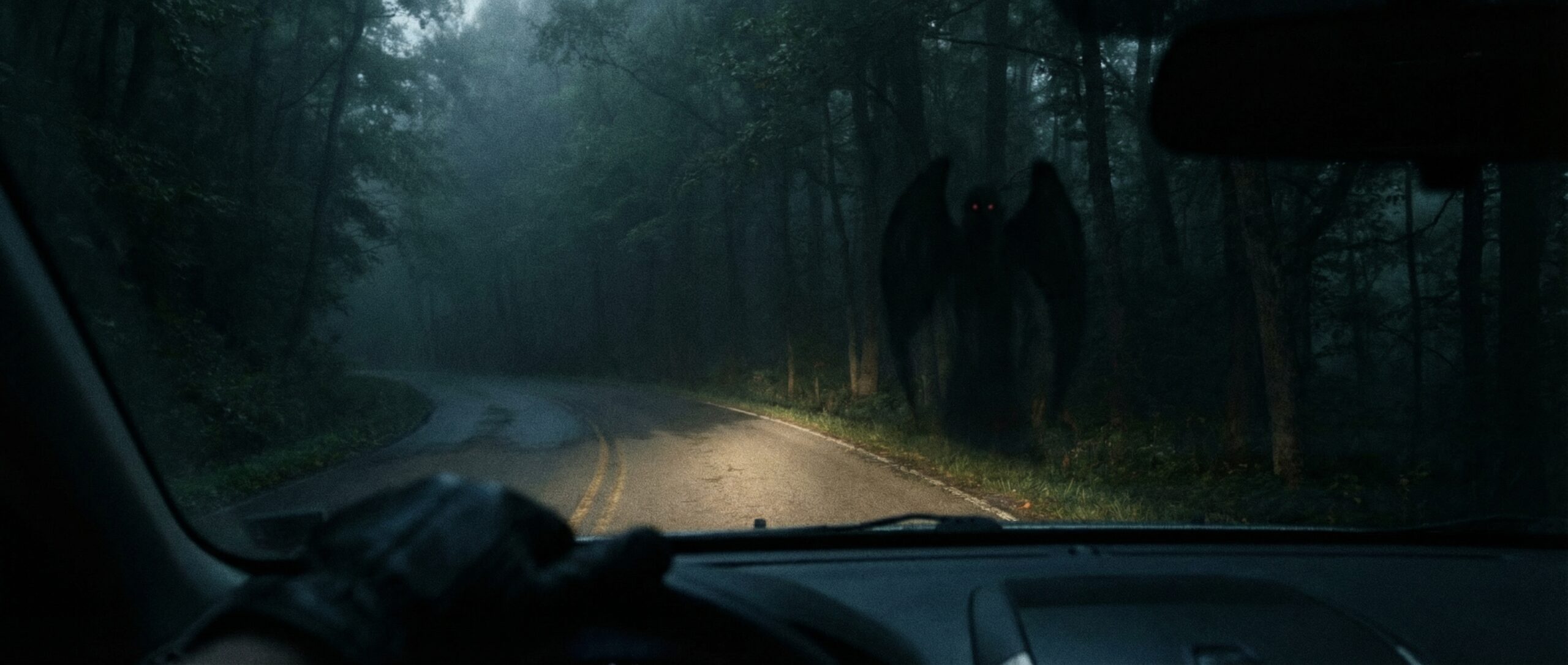
    From the shadowed woods of West Virginia emerges one of America most chilling cryptids: the Mothman. First spotted in the small town of Point Pleasant in the 1960s, this creaturewith its glowing red eyes and enormous wingshas become a cultural phenomenon that refuses to fade into folklore.

    Reports persist to this day, with the creature making regular appearances in art, cosplay, fiction, and yestill occasionallyin the skies over West Virginia.

    The Point Pleasant Legend

    The original Mothman sightings began in Point Pleasant, West Virginia, starting in November 1966. Witnesses described a humanoid figure with large wings and glowing red eyes. The creature stood roughly 7 feet tall and could fly at incredible speeds without making sound.

    As Wikipedia reports, the first widely publicized sighting occurred on November 16, 1966, when two young couples driving near an abandoned munitions factory reported seeing a large, gray creature with wings and glowing red eyes.

    The Silver Bridge Connection

    Perhaps most famously, Mothman sightings preceded the collapse of the Silver Bridge on December 15, 1967a tragedy that killed 46 people. Many believe the creature was a warning, a manifestation of impending disaster, or somehow connected to the tragedy.

    As History Channel reports, the connection between Mothman and the Silver Bridge disaster has become one of the most enduring elements of the legend.

    Mothman in Modern Culture

    The modern resurgence of Mothman interest comes from multiple directions:

    New Artistic Interpretations: A pterosaur-like version of Mothman has gained traction in cryptid communities online, tying the creature to the Van Meter Visitor and the Ropen.

    Cultural Impact: The town of Point Pleasant now hosts an annual Mothman Festival, drawing thousands of visitors. Several books and documentaries have explored the phenomenon, and the creature has appeared in video games, comics, and television shows.

    As Smithsonian Magazine notes, Mothman has become a cultural icon that transcends the original sightings.

    What Is Mothman?

    Skeptics offer several explanations:

    • Misidentified birds: Large owls or herons could explain some sightings, especially in poor lighting
    • Psychological phenomena: Mass hysteria and pareidolia may have created the legend
    • Prank or hoax: Some suggest the creature was intentionally exaggerated

    Believers point to the consistency of descriptions across decades and the creatures connection to major events.

    As LiveScience explains, the Mothman legend continues to evolve, with new theories and interpretations constantly emerging.

    Why It Matters

    Predictive Warning: The connection to the Silver Bridge disaster gave Mothman a unique role as a harbinger of dooma “canary in the coal mine” for tragedy.

    Cryptid Evolution: The Mothman legend continues to evolve, with new theories and interpretations constantly emerging.

    Local Economy: The Mothman Festival brings thousands of visitors annually to Point Pleasant, proving that cryptids can drive real economic value.

    Folklore in the Digital Age: Reddit communities like r/Mothman and r/cryptids feature regular discussions and artistic interpretations, showing how urban legends adapt and survive in the internet era.

    Whether you believe Mothman is a supernatural warning, a misidentified animal, or pure folklore, one thing is certain: the winged wonder of Point Pleasant shows no signs of disappearing.

    Learn more about Mothman from The Official Mothman Festival website.

    Related Articles:

  • Nessie Returns: Fresh Sightings Revive the Loch Ness Monster Mystery

    Nessie Returns: Fresh Sightings Revive the Loch Ness Monster Mystery

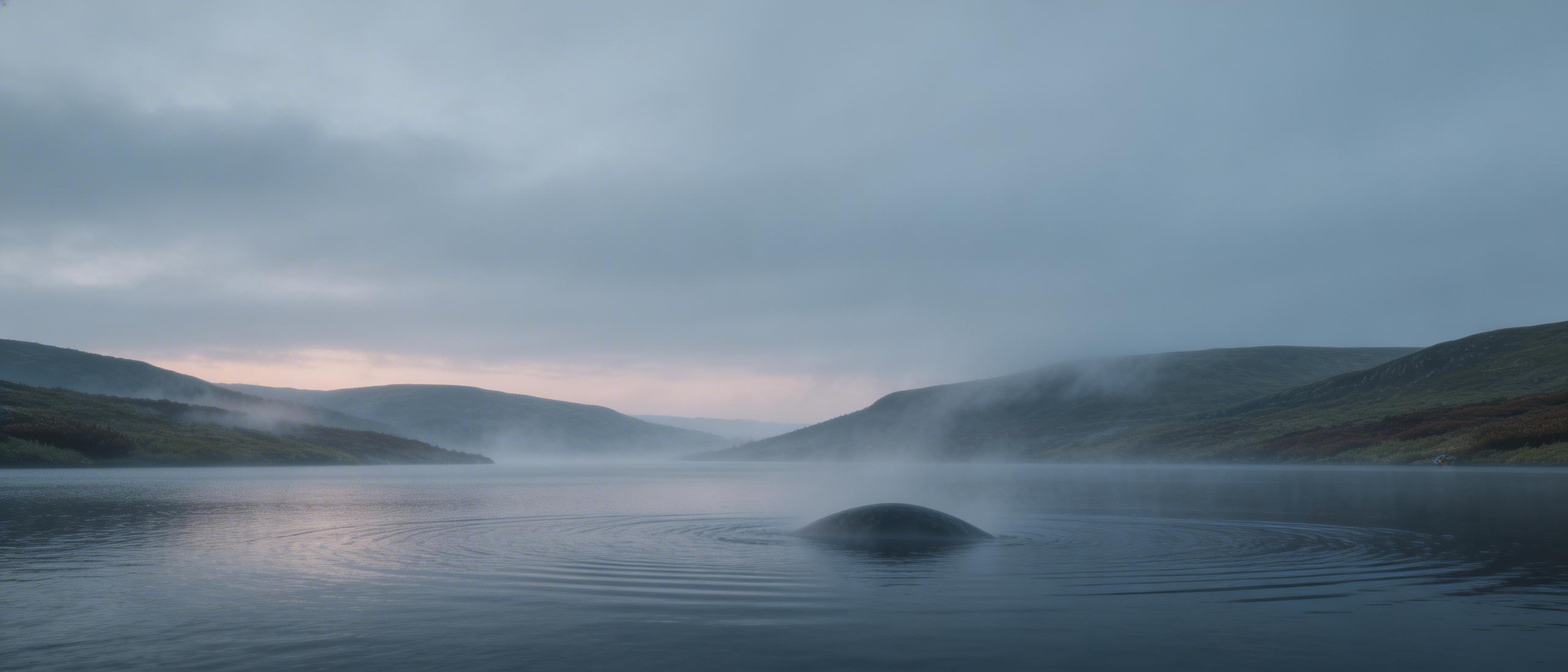
    Scotland most beloved aquatic enigma is back in the headlines. After decades of dismissed sightings, blurry photos, and sonar anomalies, Loch Ness has reported two intriguing new sightings in 2025, reigniting debate about what might lurk in the depths of the UK deepest freshwater loch.

    The legend of Nessie has captivated the world since the infamous 1934 photograph (later revealed as a hoax using a toy submarine). But the recent sightings suggest the mystery is far from settledeither the creature exists, or something unusual is happening in those murky waters.

    New Sightings in 2025-2026

    Recent reports from 2025 describe two separate sightings by different witnesses, each providing details that align with the traditional Nessie description: a long neck, humped back, and powerful swimming motion.

    Beyond eyewitness accounts, researchers continue to use modern technology to probe the loch:

    • Environmental DNA (eDNA) sampling has been conducted to identify any unknown species in the water
    • Sonar surveys have detected large, moving objects that do not match known fish behavior
    • Underwater cameras deployed by various expeditions have captured mysterious shapes

    As BBC News reports, Loch Ness has long been the subject of serious scientific investigation, with researchers using cutting-edge technology to search for answers.

    The Science of Cryptozoology

    The search for Nessie represents legitimate cryptozoological researchthe study of animals whose existence has not been proven by science. Even if Nessie is never found, the search may discover other species.

    As Nature reports, cryptozoology has evolved from fringe pursuit to legitimate biological inquiry, with scientists using eDNA and other methods to discover previously unknown species in remote locations.

    What Could Nessie Actually Be?

    Skeptics offer several explanations for Nessie sightings:

    • Misidentified animals: Wels catfish, sturgeon, or seals could account for some sightings
    • Optical illusions: Wave patterns and floating debris can create pareidolia
    • Survival of prehistoric species: Some suggest a plesiosaur somehow survived extinction
    • Hoaxes: The 1934 Surgeons Photograph was famously debunked

    As BBC Science Focus explains, most researchers believe there is a mundane explanation for the sightings, though the exact cause remains debated.

    The Business of Monsters

    The Loch Ness Monster generates an estimated 30 million annually for the Scottish economy. Every new sighting brings renewed interest and visitors to the region.

    The town of Drumnadrochit, home to the famous Nessie exhibition centre, sees visitors from around the world hoping to catch a glimpse of the legendary creature. The monster has become a cultural touchstonenot just for Scotland, but for the entire global community of cryptid enthusiasts.

    Why It Matters

    The enduring appeal of Nessie speaks to something deeper in human nature:

    Cultural Significance: The Loch Ness Monster is one of the world most recognizable cryptids, appearing in countless books, films, and documentaries.

    Skepticism vs. Belief: Each new sighting reignites the age-old debate between skeptics and believers.

    Scientific Discovery: Even if Nessie is never found, the search continues to drive research into the loch unique ecosystem.

    Whether you believe or skeptic, one thing is certain: the mystery of Loch Ness will continue to captivate generations to come.

    Learn more about the Loch Ness Monster from Love Exploring and explore the history of the legend at the Official Loch Ness Monster Exhibition.

    Related Articles:

  • The CIA’s Psychic Spy Program: Inside Project Stargate

    The CIA’s Psychic Spy Program: Inside Project Stargate

    In the realm of government secrets, few programs are as bizarre as the U.S. military investigation into psychic spying. For over two decades, American intelligence agencies funded research into remote viewingthe alleged ability to perceive distant, hidden, or inaccessible locations using only the mind.

    Known as Project Stargate (or simply Star Gate), this classified program operated from the 1970s through the 1990s, employing psychics to attempt to describe enemy installations, locate missing persons, and gather intelligence on foreign operations.

    How It Started

    The story begins in the early 1970s at Stanford Research Institute (SRI), where researchers were exploring claims of extrasensory perception (ESP). The U.S. government, always looking for intelligence advantages during the Cold War, took notice.

    As Wikipedia reports, the term “remote viewing” was first suggested by Ingo Swann in December 1971 during an experiment at the American Society for Psychical Research in New York City.

    The Program in Action

    Key elements of the program included:

    • Remote viewers (often individuals claiming psychic abilities) were tasked with describing targets they had no physical access to
    • A “sender” would sometimes be positioned at the target location, allegedly to “beam” information to the viewer
    • Sessions were strictly controlled, with viewers working blind (not knowing the target location)
    • Results were recorded and evaluated by judges who compared descriptions to actual targets

    The Defense Intelligence Agency (DIA) ultimately took over the program, which continued until the mid-1990s.

    As Federation of American Scientists reports, the initial research program called SCANATE was funded by the CIA beginning in 1970.

    The Famous Remote Viewers

    Famous viewers included:

    Ingo Swann: One of the first remote viewers, credited with developing protocols. A New York artist and Scientologist who possessed claimed psychic abilities.

    Pat Price: A former police officer who claimed to view Soviet facilities. His sessions were some of the most detailed in the program.

    Joe McMoneagle: Claimed to have provided useful intelligence to the CIA, including information about a Soviet facility that was later confirmed by satellite imagery.

    As Wikipedia notes, these individuals became central to one of the most unusual programs in American intelligence history.

    Did It Work?

    The question of whether remote viewing actually worked remains controversial. In 1995, the American Institutes for Research conducted an evaluation of the program and concluded it found no evidence that remote viewing had any actual intelligence value.

    Skeptics argue that:

    • Results were no better than chance when properly controlled
    • Confirmation bias affected how results were interpreted
    • Many of the most impressive results came from poorly designed experiments
    • The entire program may have been a cover for other intelligence activities

    Believers counter that:

    • Some viewers achieved statistically significant results
    • The government continued funding for over 20 years, suggesting some success
    • Classified information about the programs successes may never be released
    • The nature of consciousness is not fully understood by science

    Why It Matters

    Government Takes Paranormal Seriously: The existence of Stargate proves that at various points, U.S. intelligence agencies took psychic phenomena seriously enough to spend taxpayer money researching it.

    Declassification and Documentation: Thousands of pages of documents have been released, creating a paper trail that allows researchers to examine the programs claims and conclusions.

    Scientific Controversy: The programs existence raises questions about the nature of consciousness and whether human perception can extend beyond normal sensory boundaries.

    Pop Culture Impact: The program inspired countless movies, TV shows, and books, including The Men Who Stare at Goats and various X-Files episodes.

    The Legacy

    While officially deemed “non-productive” by government reviewers, Project Stargate left behind a legacy that continues to fascinate. The declassified documents provide a unique window into a Cold War program that venture into the fringes of human consciousness.

    Whether remote viewing was genuine psychic ability, elaborate self-deception, or something else entirely, the story of Project Stargate reminds us that governments have always been willing to explore unconventional methods in pursuit of intelligence.

    Explore more about remote viewing from Wikipedia and the Federation of American Scientists.

    Related Articles:

  • Bronze Age Treasure Contains Metal From Space: The Villena Mystery

    Bronze Age Treasure Contains Metal From Space: The Villena Mystery

    Hidden in a small city museum in southeastern Spain lies a Bronze Age hoard that has puzzled archaeologists for decades. The Treasure of Villena contains 66 objectsmostly gold and silverbut two small iron pieces have recently been revealed to be made from meteoritic iron, material that originated from beyond Earth.

    In 1963, a civil engineer digging foundations near the town of Villena, in the province of Alicante, Spain, made a discovery that would captivate archaeologists for generations. Buried beneath the earth were 66 objects dating to roughly 14001200 BC, a period when bronze dominated weapons and tools and iron was still extremely rare on Earth.

    Most of the treasure-gold and silver jewelry, vessels, and decorative pieces were stunning enough. But recent analysis has revealed something extraordinary: two small iron objects are made from meteoritic iron, material that literally fell from space.

    The Discovery

    The Treasure of Villena was discovered in 1963 and is now housed at the Archaeological Museum Jose Maria Soler in Villena, Spain. The collection includes gold and silver artifacts that showcase exceptional Bronze Age metallurgy.

    But it is two iron pieces, a small bracelet and a hollow hemisphere that have revolutionized our understanding of ancient metalworking. Using mass spectrometry, researchers confirmed these objects contain the chemical signature characteristic of meteoritic iron.

    As Smithsonian Magazine reports, the iron originated from a meteor that hit Earth approximately one million years ago.

    The Science

    The team, led by researcher Salvador Rovira-Llorens at the Instituto de Historia in Madrid, compared the chemical composition of these objects with known meteoritic samples and terrestrial iron ores. The results were clear: high nickel content and specific trace elements matched meteoritic sources rather than typical Earth iron ores.

    The findings, published in Trabajos de Prehistoria, make the Villena treasure the first confirmed meteoritic iron artifacts in Iberian archaeology.

    As NDTV reports, this discovery reveals that Bronze Age metallurgists were working with material that literally fell from the skyunknown to them, but prized for its unusual appearance and properties.

    Why Meteoritic Iron Matters

    This discovery connects ancient cultures to cosmic events in ways were only beginning to understand:

    Ancient Space Technology: The Bronze Age metallurgists who created these objects were working with material from beyond Earth. They had no idea what they were working with, but they recognized it was special.

    Status Symbols: Meteoritic iron was likely considered more valuable than gold in Late Bronze Age society. The metals mysterious origin and unusual properties would have made it fit for royalty and ritual objects.

    Global Pattern: This connects to other famous meteoritic iron artifacts, including the dagger in Tutankhamuns tomb and various Iron Age objects across Eurasia and North Africa.

    Rewrites History: It demonstrates that ancient peoples had access to and valued materials from beyond Earth, thousands of years before the Iron Age began.

    The Bigger Picture

    The Villena treasure is not alone. Across the ancient world, meteoritic iron was used for prestigious objects:

    • The famous dagger in King Tuts tomb was made from meteoritic iron
    • Hittite texts reference iron as “metal from heaven”
    • Ancient Mesopotamian cultures prized meteoritic iron for royal objects

    These findings suggest that before humans learned to smelt iron from ore, the only source of this metal was fallen meteorites. The scarcity of these space rocks made them extraordinarily valuable.

    The Treasure of Villena now stands as evidence that ancient peoples were, in a sense, collecting pieces of the cosmos long before we understood where they came from.

    Learn more about this discovery at the History Blog or visit the Archaeological Museum Jose Maria Soler in Villena, Spain.

    Related Articles:

  • Bob Lazar and S4: The Area 51 Whistleblower Back in the Spotlight

    Bob Lazar and S4: The Area 51 Whistleblower Back in the Spotlight

    In November 1989, a man going by the name Robert Scott Lazar appeared on Las Vegas TV station KLAS and made claims that would define the UFO whistleblower genre for 35+ years. Now, in 2026, Bob Lazar is back in the cultural conversation.

    He claimed to have worked at S-4, a secret facility near Area 51 in the Nevada desert, where he was assigned to reverse-engineer extraterrestrial technology. He described the facility as containing nine alien spacecraft, each with a different origin. He identified a material called Element 115 (now known as Moscovium) as a fuel source.

    The New Documentary

    In March 2026, a new documentary titled Escape from Area 51 appeared on IMDb, promising insider testimony and new revelations about what was allegedly happening at S-4.

    What Lazar Claims

    According to Lazar:

    • Nine different extraterrestrial spacecraft were stored at S-4, each from a different origin
    • He was assigned to the propulsion lab working on the vehicles physics
    • He described Element 115 as a superheavy stable element that produces antimatter
    • The craft operated using gravitational propulsion

    As International Business Times reports, Lazar made explosive claims about working at a secret facility near Area 51.

    The Case Against Lazar

    Skeptics note several problems:

    • No verifiable employment records at any relevant government contractor
    • Education credentials could not be confirmed at MIT or Caltech
    • His story has inconsistencies across multiple retellings
    • Element 115 (Moscovium) is highly unstable with a half-life of around 0.65 seconds

    As Wikipedia documents, Robert Sheaffer has documented multiple contradictions in Lazar account.

    What 2026 Changes

    The current political climate around UFO disclosure changes the Lazar question. With Congress holding hearings, whistleblowers like David Grusch testifying, and the Department of Defense acknowledging UAP programs, the question shifts from is Lazar credible? to what might the government be hiding that could corroborate parts of his story?

    Former defense official Christopher Mellon has claimed the U.S. has satellite images of mysterious aerial crafts that do not look like anything we have built language that sounds remarkably consistent with what Lazar described in 1989.

    Why It Matters

    1. Proto-whistleblower: Before David Grusch, before Robert Salas, there was Bob Lazar.

    2. Element 115 prediction: Whether by luck or knowledge, he predicted a superheavy element (115) before it was officially discovered.

    3. Area 51 is real: Whatever goes on there is unknown to the public, making his claims impossible to definitively disprove.

    Read more about Bob Lazar from Wikipedia and International Business Times.