Author: Art Grindstone

  • The UFO Metal That Finally Got a Real Lab Test

    The UFO Metal That Finally Got a Real Lab Test

    A long-debated metallic specimen linked in UFO lore to Roswell-era crash debris is back in the headlines after analysis involving the U.S. government’s All-domain Anomaly Resolution Office (AARO) and Oak Ridge National Laboratory (ORNL) resurfaced in mainstream coverage. For years, enthusiasts argued the object might be an exotic metamaterial — something engineered beyond known terrestrial technology. The official lab result is much less dramatic, but the story remains important for one reason: this is what happens when UFO mythology collides with actual materials science.

    The specimen’s renewed visibility matters because “lab-tested UFO metal” is one of those phrases that instantly bridges disclosure culture, celebrity ufology, Roswell lore, and the politics of evidence.

    What the Lab Found

    According to Popular Mechanics, AARO had Oak Ridge National Laboratory examine the metallic sample in 2022. Researchers analyzed composition, structure, isotope ratios, and whether the material displayed any unusual electromagnetic behavior that might support the more exotic claims surrounding it.

    The result was grounded and unglamorous: the object appears to be a terrestrial magnesium-zinc alloy with bismuth, lead, and trace elements. No definitive public evidence emerged showing alien origin, impossible structure, or extraordinary performance.

    AARO’s own supplement to ORNL’s analysis reinforces that conclusion. In other words, the chemistry is interesting but mundane.

    Why the Story Still Matters

    The object itself may not be revolutionary, but the fact that it moved through recognizable institutions absolutely matters. For years, “mystery materials” in UFO culture lived mostly in rumor-space. Here, a UFO-adjacent sample was at least serious enough to be examined under the oversight of AARO and tested by ORNL.

    That gives this case unusual value. It is a rare concrete example of what the modern disclosure ecosystem looks like when physical evidence, however underwhelming, enters the pipeline.

    The Gap Between Investigation and Imagination

    This is where the story gets more interesting. Believers often focus on the fact of the testing itself — the idea that government offices and a national lab considered the sample worthy of analysis. Skeptics focus on the result, which appears to collapse the alien-material narrative into ordinary metallurgy.

    But the gap between those two reactions is exactly where much of modern UFO media lives. The sample can be scientifically ordinary and still culturally potent.

    That is because “UFO metal” is no longer just a phrase describing an object. It is a symbol of the hope that physical evidence might one day bridge the divide between anecdote and proof.

    Why Metamaterials Became the Holy Grail

    One reason this topic performs so well is that “metamaterials” has become almost a magical word in UFO discourse. For enthusiasts, it suggests engineered matter with unusual structural or electromagnetic properties — something so advanced it might point beyond conventional aerospace manufacturing.

    That is why isotopic ratios, layering, and unusual interactions get so much attention. If a sample ever did show impossible manufacture or non-terrestrial isotopic signatures, it would instantly become one of the strongest pieces of public UFO evidence ever discussed.

    In this case, that threshold was not crossed. But the desire for such evidence remains, and stories like this keep the idea alive.

    A Better Question Than “Was It Alien?”

    The most useful takeaway may not be whether this sample came from Roswell or from some exotic source. It may be this: how should physical claims in UFO culture actually be tested?

    This case offers a template. Analyze composition. Check isotopes. Look for extraordinary electromagnetic behavior. Compare hype to lab reality. That process is far more valuable than letting every mystery material circulate forever as whispered proof.

    For more disclosure-era coverage, read our stories on the Mellon leak and satellite UFO imagery claims, the Black Knight satellite myth, and the latest Wow! Signal breakthrough claim.

    This article was created using Media Blaster – Your content production specialist. Visit www.mediablaster.io for more information.

  • Three Lights Over Queens: The NYC UFO Clip Everyone’s Arguing About

    Three Lights Over Queens: The NYC UFO Clip Everyone’s Arguing About

    A short viral video showing three luminous objects apparently moving over New York City has triggered the latest social-media UFO frenzy. The clip, reportedly filmed from Corona, Queens, shows a witness looking up at what first seemed like a shooting star before two more lights appear, creating the impression that the objects are following — or even “chasing” — one another across the night sky.

    This kind of story is catnip for UFO audiences because it lives in the perfect credibility gap: grainy enough to be mysterious, urban enough to feel immediate, and weird enough to invite argument without producing a clean answer.

    What the Queens UFO Video Shows

    According to an AOL pickup of the New York Post coverage, the 18-second clip was shared by a Reddit user from Corona, Queens. The witness said they first noticed what looked like a shooting star before two additional lights appeared, making the motion look coordinated or pursuit-like.

    The video quickly triggered speculation ranging from drones and aircraft to genuinely unidentified aerial phenomena. At this stage, there does not appear to be strong public evidence pointing to anything extraterrestrial or deeply anomalous — but that almost does not matter during the first wave of a story like this.

    Why Urban UFO Videos Spread So Fast

    City-sky footage has become one of the defining forms of modern UFO virality. Unlike remote desert sightings or military leaks, an urban clip feels immediate and relatable. Millions of people can imagine themselves seeing the same thing from a rooftop, apartment window, or street corner.

    That is especially true in New York. Anything unexplained over NYC automatically feels larger because the city itself carries symbolic weight. A weird light over a rural area might remain local. A weird light over Queens becomes a cultural argument.

    The New UFO Pipeline: Reddit First, Then Everywhere

    This story also shows how the UFO media pipeline works in 2026.

    • Step one: a short eyewitness video lands on Reddit or another social platform
    • Step two: tabloids and aggregators pick it up
    • Step three: reaction accounts, YouTube explainers, and comment threads turn it into a larger debate
    • Step four: the social reaction becomes the real story

    The old model was local papers or military testimony. The new model is platform-native mystery: a few seconds of ambiguous footage, amplified at internet speed.

    Drones, Planes, or Something Stranger?

    The likely explanations are familiar. These lights could be drones, aircraft, atmospheric effects, or perspective distortions that look more dramatic on video than they do in person. That is often the case with fast-moving lights against dark urban skies.

    But UFO clips do not need to prove much to succeed. Their social function is different. They create a shared interpretive puzzle where believers and skeptics immediately build competing narratives from the same thin evidence.

    That is the strength and weakness of contemporary evidence culture. A short video is rarely enough to establish what happened. But it is more than enough to trigger mass interpretation.

    Why This Matters

    This Queens clip matters less as proof and more as a case study in how UFO culture sustains itself between bigger institutional stories. Not every UAP headline needs Pentagon stakes. Sometimes the story is the reaction itself — how a few lights over a city skyline become another entry in the endless archive of modern sky-mystery.

    That also makes it perfect audience-engagement material. Urban UFO clips are ideal for polls, breakdowns, reaction videos, and media-literacy explainers asking not just “what is this?” but “what makes footage like this feel convincing even when it proves almost nothing?”

    For more UFO culture coverage, read our stories on the Black Knight satellite myth, the Mellon leak and satellite imagery claims, and the 7910 kHz spy radio mystery.

    This article was created using Media Blaster – Your content production specialist. Visit www.mediablaster.io for more information.

  • Did Conspiracy Theories Help Destroy America’s Strangest Monument?

    Did Conspiracy Theories Help Destroy America’s Strangest Monument?

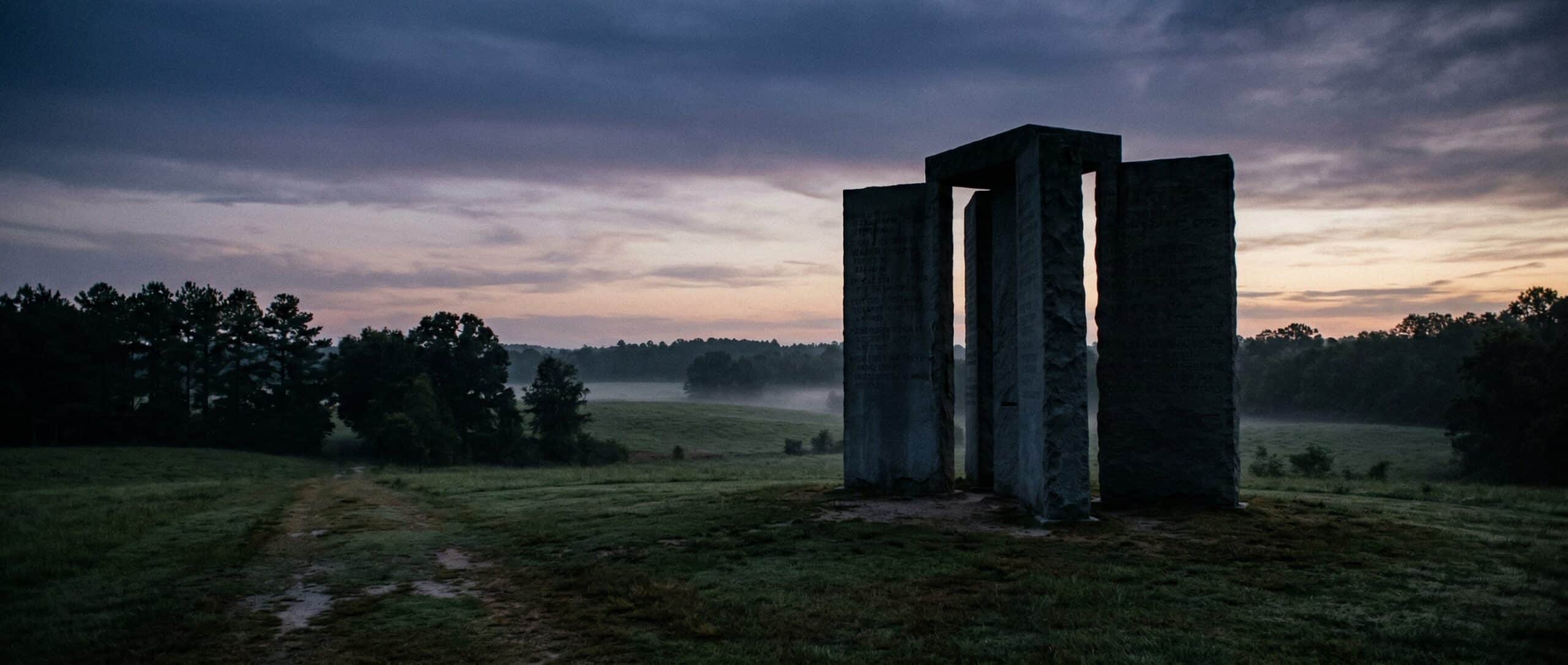
    The Georgia Guidestones — often called “America’s Stonehenge” — are back in the conversation after renewed reporting and a podcast investigation revisited the still-unsolved 2022 bombing that destroyed the controversial monument. The fresh angle is not that the culprit has been publicly identified, but that new scrutiny is focusing on the decades-long conspiracy ecosystem that turned the stones from a weird roadside monument into a symbolic target.

    That ecosystem loaded the Guidestones with every anxiety the conspiracy world could imagine: global elites, depopulation agendas, occultism, satanic ritual, New World Order symbolism, and hidden underground structures. In the process, the monument became less a place than a projection screen.

    What Happened to the Georgia Guidestones?

    The known facts are stark. The Guidestones were damaged on July 6, 2022, after an explosive device detonated at around 4:30 a.m. Surveillance reportedly captured a vehicle leaving the scene. The remaining damaged slabs were later demolished for safety reasons. No arrests have been made.

    As summarized in recent coverage from the Daily Mail and tied to renewed attention around the Atlanta Journal-Constitution podcast Who Blew Up the Guidestones?, the mystery remains open — and because it is unsolved, the cultural story around it remains alive.

    Why the Guidestones Became a Target

    The monument was unusual from the beginning. Commissioned anonymously under the pseudonym R.C. Christian, the Georgia Guidestones featured inscriptions about population, governance, reason, nature, and world balance. To some viewers, they looked like philosophical instructions. To others, they looked like elite messaging carved into granite.

    That ambiguity made the stones vulnerable to endless reinterpretation. Over time, they absorbed layer after layer of fringe meaning:

    • New World Order symbolism
    • occult or satanic associations
    • global depopulation fears
    • anti-globalist panic
    • UFO and mystery-cult speculation

    The result was a monument that no longer existed primarily as stone. It existed as myth, outrage, and symbol.

    When Conspiracy Culture Escapes the Screen

    This is why the Georgia Guidestones story matters more than many conspiracy recirculation cycles. It may be one of those cases where conspiracy culture did not just reinterpret an object — it may have helped turn it into a real-world target.

    That makes the story valuable beyond the unsolved bombing itself. The real question is not only who planted the explosive device. It is how a granite monument became one of the most overinterpreted structures in America.

    This is also why the Guidestones remain so potent after destruction. Ruined monuments often become more mythic, not less. Once the physical structure is gone, the symbolic afterlife grows even larger.

    A Fossil Record of American Conspiracy Belief

    The Guidestones also bridge generations of fringe thought. They attracted pre-internet occult rumors, evangelical apocalypse rhetoric, anti-globalist panic, UFO speculation, and later digital-era conspiracy acceleration. In that sense, they function almost like a fossil record of American paranoia.

    Few monuments managed to collect so many contradictory stories while remaining so physically simple. That is part of what made them such effective conspiracy material: they were mysterious enough to invite projection, but concrete enough to anchor it.

    Why the Story Still Works Now

    The renewed interest in the Guidestones works because it combines three durable ingredients:

    • unsolved crime
    • conspiracy symbolism
    • retroactive myth-building

    Even if the bombing is eventually solved, the deeper mystery may remain: why did this particular monument become such a magnet for fear and obsession?

    For more conspiracy-culture analysis, read our coverage of the Black Knight satellite myth, the 7910 kHz spy radio mystery, and the Mellon leak and UFO evidence debate.

    This article was created using Media Blaster – Your content production specialist. Visit www.mediablaster.io for more information.
  • Why Colorado Keeps Ending Up in America’s Alien Lore

    Why Colorado Keeps Ending Up in America’s Alien Lore

    A new study-driven local news story claiming Colorado ranks among the top U.S. states for alien abduction reports is spreading as a lightweight but highly clickable UFO curiosity piece. On the surface, it feels silly — exactly the kind of pseudo-data story the internet loves. But underneath the map graphics and abduction odds, the trend reveals something bigger: UFO belief keeps slipping into mainstream lifestyle coverage whenever it is packaged to look quantitative.

    That is the real story here. This is not hard-news extraterrestrial evidence. It is paranormal culture wearing the costume of data journalism — and that makes it surprisingly effective.

    What the Colorado Alien Abduction Ranking Claims

    According to a Coloradoan pickup, Colorado is being framed as one of the leading U.S. states for alien abduction-related reports, based on a sponsor-backed ranking that packages UFO/UAP sightings and abduction-style claims into state-by-state “odds” of extraterrestrial encounters.

    A similar framing also appeared in Florida Today, suggesting the story is spreading precisely because it translates alien folklore into a form local news outlets can easily regionalize.

    That is what makes the story work. It takes a deeply speculative subject and gives it listicle-ready geographic shape.

    Why This Type of UFO Story Performs So Well

    The method behind these rankings is unlikely to satisfy scientists, but scientific rigor is not what gives them power. Their strength comes from presentation.

    They feel authoritative because they include:

    • rankings
    • percentages
    • maps
    • state pride or embarrassment
    • the language of probability and odds

    Once a paranormal topic gets wrapped in numbers, it becomes easier for mainstream outlets to circulate without having to endorse the underlying claims. The article can simply say, “here is what the study found,” and let the audience fill in the rest.

    Why Colorado Fits the Alien Mythology So Easily

    Colorado is already primed for this kind of myth-making. It checks a lot of the symbolic boxes that audiences associate with UFO culture:

    • wide-open skies
    • mountain isolation
    • military and aerospace associations
    • Western-state mystery culture
    • a subtle overlap with New Age and high-strangeness subcultures

    That means even a weakly sourced ranking lands in terrain that already feels narratively prepared. Colorado is easy to imagine as an alien-abduction hotspot because the cultural script is already there.

    The Real Story: From Data to Myth

    This is what makes the topic useful for The Unexplained Company. The article is not really about whether Colorado residents are being abducted by extraterrestrials. It is about how paranormal belief is normalized and distributed through the aesthetics of data journalism.

    A ranking like this does not prove anything about alien encounters. What it does prove is that paranormal topics become more socially portable when they are visualized, quantified, and framed as lifestyle geography.

    Put differently: people may ignore a dense Pentagon UAP memo, but they will absolutely click a headline about which state is most likely to get abducted by aliens.

    A Gateway Story With Bigger Potential

    That is why this kind of topic matters. It is a gateway story. It reaches audiences who might never seek out deeper UFO reporting, then quietly invites them into a broader ecosystem of speculation, folklore, and belief.

    It is also highly adaptable for maps, polls, short-form videos, and bigger features about how regions get mythologized as paranormal hotspots.

    So even if the evidence here is soft, the cultural signal is strong: America still loves ranking the weird.

    For more UFO culture coverage, read our stories on the Black Knight satellite myth, the 7910 kHz spy radio mystery, and the Mellon leak and high-def satellite imagery claims.

    This article was created using Media Blaster – Your content production specialist. Visit www.mediablaster.io for more information.

  • Did Scientists Finally Solve the Wow! Signal?

    Did Scientists Finally Solve the Wow! Signal?

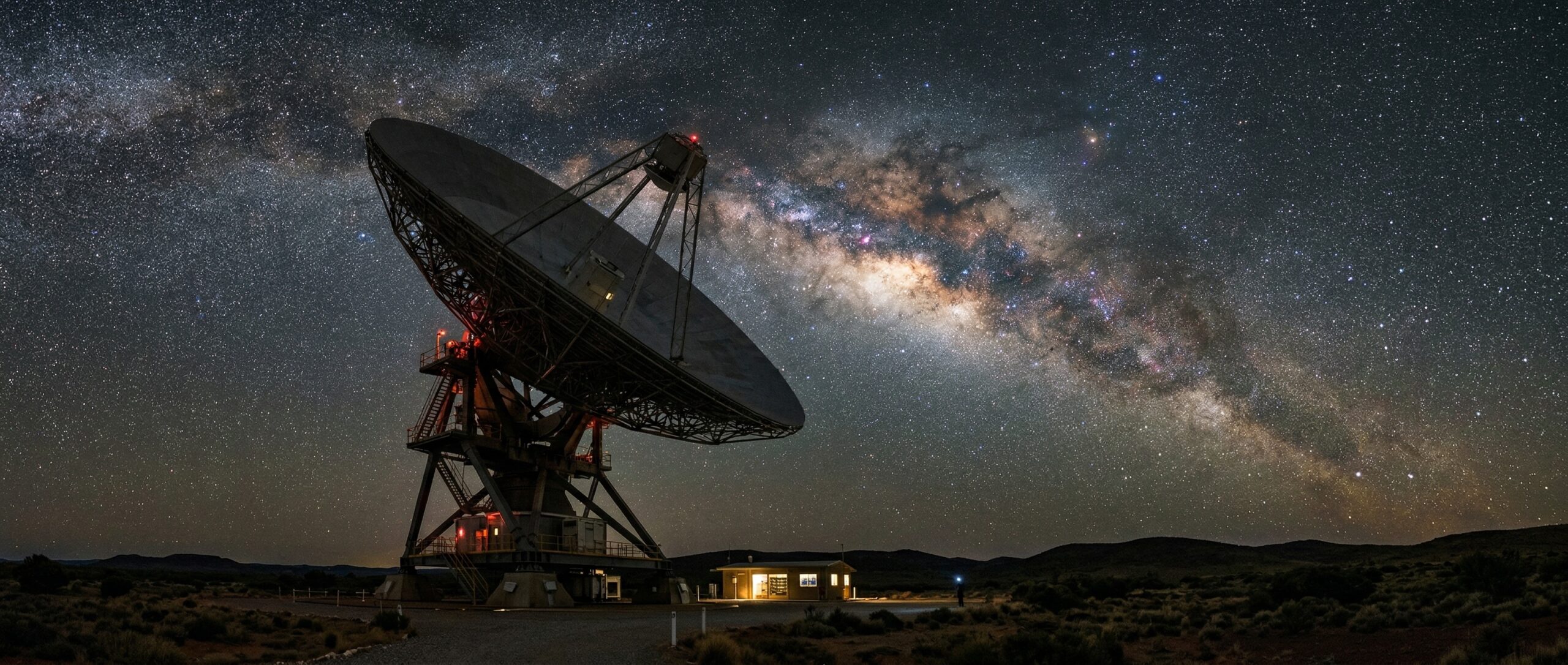
    One of the most iconic mysteries in extraterrestrial lore is back in the headlines. The 1977 Wow! signal — a 72-second radio burst that briefly looked like humanity’s best shot at hearing an alien transmission — is getting a fresh wave of attention after researchers proposed a new natural explanation based on similar signals found in archived Arecibo data.

    The new claim does not definitively close the case. But it does push the story into that perfect uncanny zone where scientific explanation and cosmic mystery overlap: maybe not aliens, but still strange enough to preserve the signal’s legendary status.

    What the New Wow! Signal Explanation Says

    The new attention comes from reporting on a study linked to the Arecibo Wow! project. According to Popular Mechanics, researchers revisiting signals near the 1420 MHz hydrogen line — the same general frequency region as the original Wow! signal — identified narrower, similar signals in archived observations from 2020.

    The authors propose that the original 1977 event may have been caused by a rare natural process: hydrogen clouds becoming suddenly brightened by an intense transient radiation source, possibly something like a magnetar flare or soft gamma repeater. If true, that would mean the famous signal was natural — but extraordinarily unusual.

    The underlying study, available as an arXiv preprint, does not read like a simple debunk. It is more of a plausible explanatory model for an event that has resisted easy categorization for decades.

    Why the Wow! Signal Still Has So Much Power

    The reason this story keeps resurfacing is simple: the Wow! signal is one of the few mysteries in radio astronomy that escaped the scientific archive and entered popular mythology.

    The basic narrative is irresistible:

    • a strange signal appears in 1977
    • it is strong, narrowband, and unusual enough to stand out dramatically
    • astronomer Jerry Ehman famously writes “Wow!” next to the printout
    • the signal is never repeated in exactly the same way
    • for decades, it becomes shorthand for “maybe we heard them”

    That emotional power is hard to erase, even when new science offers a non-alien explanation. The signal’s cultural legacy is not just about whether it came from intelligence. It is about what it felt like in the moment: a brief, electrifying crack in the ordinary noise of the universe.

    Natural Does Not Mean Uninteresting

    One reason the new explanation works so well as a story is that it preserves much of the awe. If a rare cosmic process involving hydrogen clouds and powerful transient radiation can mimic what once looked like a possible alien transmission, then the universe is still capable of producing events so uncanny they briefly feel intentional.

    That is part of why the Wow! signal remains such a powerful symbol. Even if it turns out not to be extraterrestrial communication, it still represents the moment when science touched something it did not yet understand — and the whole culture leaned forward.

    The Planetary Habitability Laboratory summary reinforces this tension: the proposed mechanism is plausible, but it does not strip the event of its mystery so much as relocate the mystery into astrophysics itself.

    How Mysteries Evolve

    The Wow! signal is also a textbook example of how unexplained phenomena mature over time. First there is the anomaly. Then the mythologizing. Then competing explanations. Then decades later, new data arrives and reframes the story — but rarely in a way that satisfies everyone emotionally.

    That is what is happening here. The signal may be moving from “possible extraterrestrial message” toward “rare and misunderstood natural event.” But those are not emotionally equivalent categories, which is why the debate remains alive.

    Why This Matters for The Unexplained World

    This story is ideal for The Unexplained Company because it sits right where wonder and evidence meet. It is science-forward, culturally familiar, and still sticky enough to spark debate.

    The better question is not just whether scientists solved the Wow! signal. It is why some mysteries remain powerful even after plausible explanations emerge.

    The answer may be that certain anomalies become symbols. The Wow! signal is one of them. It represents the possibility that the universe might speak once, briefly, and in a voice we almost recognize.

    For more evidence-based mystery coverage, read our stories on the Black Knight satellite myth, the 7910 kHz spy radio mystery, and the Mellon leak and high-def satellite UFO claims.

    This article was created using Media Blaster – Your content production specialist. Visit www.mediablaster.io for more information.

  • Why the Black Knight Satellite Myth Never Dies

    Why the Black Knight Satellite Myth Never Dies

    The Black Knight satellite conspiracy is trending again after fresh explainer coverage revived one of the most durable myths in UFO culture: the claim that an artificial object of extraterrestrial origin has been orbiting Earth for thousands of years. The theory ties together Nikola Tesla, mysterious radio signals, pre-space-age satellite rumors, delayed echoes, and NASA imagery into one long-running cosmic mystery.

    That is exactly why it keeps coming back. The Black Knight story is not a single event. It is a collage — a conspiracy built by stitching unrelated anomalies across more than a century into one seductive narrative about alien surveillance hiding in plain sight.

    What the Black Knight Satellite Theory Claims

    The basic claim is simple and irresistible: a dark, silent object of nonhuman origin has been circling Earth for thousands of years, quietly watching us from orbit. Depending on the version, it is described as an alien probe, an ancient monitoring device, or proof that humanity has been under observation long before the modern space age.

    As The Economic Times recently summarized, believers often tie the story to a 13,000-year-old orbital object, while mainstream explanations point instead to a chain of misunderstood events — especially debris and thermal insulation associated with NASA’s STS-88 mission.

    How the Myth Was Built

    The Black Knight legend survives because it pulls from multiple real incidents, each weird enough to sound meaningful when pulled out of context.

    • Nikola Tesla’s 1899 radio experiments: Tesla reported strange repeating signals, which later storytellers folded into alien-contact speculation.
    • Long-delayed radio echoes: unusual signal behavior in the early 20th century became fuel for theories about artificial objects in orbit.
    • Donald Keyhoe’s 1954 satellite claims: before the space age fully matured, public confusion about unidentified orbital objects fed the myth.
    • NASA’s 1998 STS-88 images: photographs showing a dark object above Earth became the most iconic “evidence” for the Black Knight theory.

    As Space.com explains, the object in the STS-88 imagery is widely understood to have been a thermal insulation blanket lost during a spacewalk, not extraterrestrial hardware.

    And yet the image still looks uncanny enough to keep the theory alive.

    Why Debunking Never Kills It

    This is what makes the Black Knight story such a perfect case study in conspiracy culture. It does not depend on one piece of evidence. It thrives by bundling ambiguity.

    That gives it three major advantages:

    • It stitches unrelated anomalies into a single grand narrative.
    • It weaponizes uncertainty. Old signals, poor-quality images, and misunderstood equipment all become proof-like fragments.
    • It survives debunking. In many cases, debunking gives it a fresh media cycle and introduces it to a new audience.

    That is why myths like this do not disappear. They mutate. Every new explainer, TikTok recap, Reddit thread, or UFO documentary gives the legend another generation of believers and skeptics to feed on.

    Tesla, NASA, and the Power of Pattern-Seeking

    The deeper appeal of the Black Knight myth is psychological as much as extraterrestrial. It gives people a way to connect scattered weirdness across time into one coherent, thrilling possibility.

    Tesla’s signal reports become prophetic. Delayed echoes become evidence of surveillance. A floating blanket becomes a silent alien machine. The result is less an argument than a mood: the sense that the truth has been visible for decades, if only you know how to connect the dots.

    As background summaries of the theory note, the Black Knight narrative is not based on one continuous line of evidence. It is a patchwork assembled after the fact. But for many people, that patchwork quality is part of the charm.

    Mystery, Mythmaking, and Media Literacy

    For The Unexplained Company, this story is valuable not just as a UFO article but as a media-literacy article. It lets us ask a better question than “is the Black Knight real?”

    The more interesting question is: why do some myths become effectively immortal?

    The answer may be that they balance wonder and plausibility in just the right way. The Black Knight is spooky but not absurd, debunked but not dead, familiar but still open enough to invite fresh speculation.

    That makes it the perfect evergreen conspiracy — one that keeps re-entering culture every time a new audience discovers the image, the Tesla story, or the idea that the most famous alien satellite in history may have been just a drifting space blanket.

    For a deeper dive, listen to our podcast episode: The Black Knight Satellite: Alien Probe or Space Myth?. You can also read related coverage on spy radio mysteries, aliens.gov and disclosure culture, and Bob Lazar and the return of classic UFO mythology.

    This article was created using Media Blaster – Your content production specialist. Visit www.mediablaster.io for more information.
  • Near-Death Experience Leads to Claimed Paranormal Powers

    Near-Death Experience Leads to Claimed Paranormal Powers

    A human-interest story with strong viral pull is circulating again through paranormal media: Louisa Peck, now 65, says a near-death experience in her 20s left her with lasting paranormal abilities, including the claimed ability to predict deaths and see ghosts. Mainstream outlets tend to frame it as a lifestyle oddity, but unexplained audiences hear something else entirely — a possible case of consciousness returning altered from the edge of death.

    The story works because it hits multiple fascination triggers at once: afterlife testimony, atheism-to-belief conversion, psychic awakening, and eerie anecdotal verification. Whether readers believe every detail or not, near-death experience accounts remain some of the most emotionally potent stories in the unexplained world.

    What Louisa Peck Says Happened

    According to a Yahoo recap and the original Need To Know report, Peck says she overdosed while clubbing in New York in her youth and went into cardiac arrest. During the event, she describes what sounds like a classic near-death narrative: leaving her body, feeling overwhelming peace, encountering ancestors, and being told, “You can’t stay, you’re not done yet,” before returning to consciousness while receiving CPR.

    That alone would be enough to make the story resonate with the large online audience drawn to NDE testimony. But Peck goes further. She says the years after the experience brought lasting changes: seeing ghosts, knowing intimate details about strangers, and in some cases predicting deaths before they happened.

    One of the most striking examples she gives is the claim that she foresaw an unborn nephew would not survive to full term. Stories like that are impossible to independently verify from media coverage alone, but they are exactly the kind of deeply personal, emotionally charged anecdote that makes NDE accounts spread so quickly.

    Why Near-Death Stories Never Fade

    Near-death experiences sit at a crossroads where skepticism and wonder meet. They are intimate enough to feel personal, dramatic enough to go viral, and emotionally serious enough that even skeptics often hesitate to dismiss them casually.

    They also bridge multiple audiences at once:

    • paranormal readers see evidence of ghosts, psi, and altered perception
    • spiritual audiences hear confirmation that consciousness survives bodily crisis
    • skeptical readers see a neurological mystery involving trauma, oxygen deprivation, or memory interpretation
    • general audiences are drawn in by the sheer emotional intensity of someone claiming to have died and come back changed

    Do Near-Death Experiences Change Perception?

    This is the larger question underneath the headlines. Even setting aside the strongest paranormal claims, many NDE experiencers report permanent aftereffects: reduced fear of death, heightened intuition, radical personality changes, spiritual awakening, or a sense that reality now contains layers other people cannot perceive.

    Peck’s story fits that pattern. Her account is not simply that she briefly visited another realm. It is that the experience reconfigured how she relates to the world afterward.

    That matters because one of the recurring ideas in NDE research is that these events are not always remembered as isolated incidents. They are often described as turning points that permanently alter belief, identity, and perception.

    As material collected by NDE Stories suggests, Peck has framed her experience as eliminating any doubt that a spiritual world coexists with ordinary life.

    Skepticism, Trauma, or Genuine Awakening?

    There are at least three broad ways stories like this get interpreted.

    The believer view: Peck really encountered a spiritual dimension, and the brush with death opened psychic perception that remains active decades later.

    The skeptical view: trauma, cardiac arrest, neurochemical changes, memory reconstruction, and later interpretation created a framework that feels paranormal but may have natural explanations.

    The middle view: near-death experiences may reveal something real about consciousness that science still struggles to explain, even if specific claims such as predicting deaths remain anecdotal and unproven.

    That third category is where many of these stories live. They resist easy proof, but they also resist easy dismissal.

    Why The Story Has Viral Potential

    The reason Louisa Peck’s account keeps recirculating is not simply that it is strange. It is that it invites readers to imagine themselves in the same position. What if death is not the end? What if consciousness returns changed? What if the real mystery is not the near-death episode itself, but what follows afterward?

    That makes the story powerful content even without hard evidence. It is less about proving every paranormal detail than about asking a deeper question: do near-death experiences permanently alter human perception?

    For more stories at the edge of consciousness and the unexplained, read our coverage of the 7910 kHz spy radio mystery, Bob Lazar and modern disclosure culture, and mythical Norse artifacts and the blur between legend and belief.

    This article was created using Media Blaster – Your content production specialist. Visit www.mediablaster.io for more information.
  • The Haunted House That Built Oregon’s Largest Ghost Conference

    The Haunted House That Built Oregon’s Largest Ghost Conference

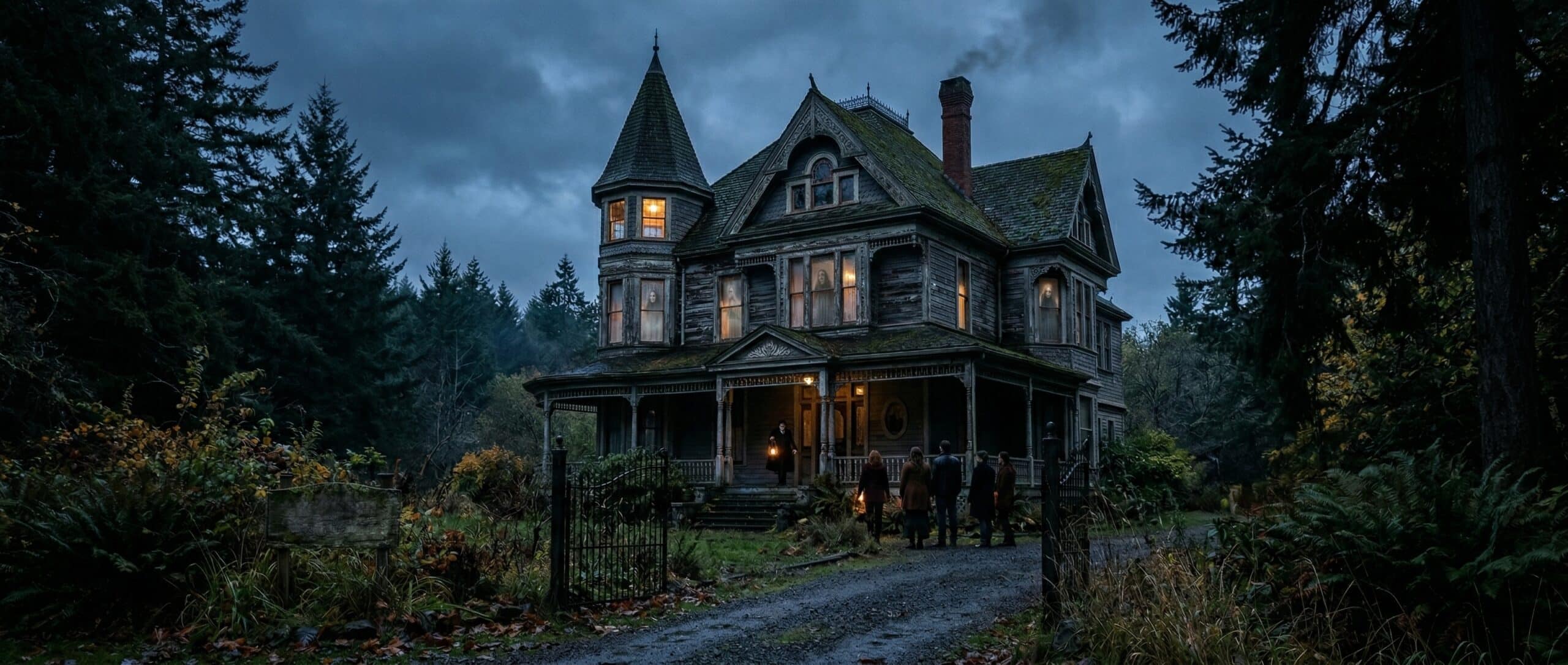
    A local-feature story out of Oregon has turned into something bigger than a simple event preview. The Oregon Ghost Conference, often described as the state’s largest ghost-focused gathering, is now being framed through the haunted reputation of the Ermatinger House in Oregon City — giving the story an unusually rich blend of real history, place-based ghost lore, and a modern paranormal events ecosystem.

    At the center is Rocky Smith Jr., an Oregon City commissioner, teacher, ghost-tour operator, and founder of the conference, whose reported paranormal experiences at the historic house helped shape what would become one of the Northwest’s most recognizable ghost conventions.

    The Haunted Origin Story

    According to OregonLive, the Ermatinger House in Oregon City played a major role in inspiring the Oregon Ghost Conference. Built in 1845, the house is one of Oregon’s oldest surviving homes and has long accumulated stories of unusual activity.

    Smith has said his interest in the paranormal deepened while working there in the 1990s. Reports tied to the house include oddly behaving doors, stories of spirits associated with the property, and recurring lore about a child spirit nicknamed “April”. Another long-circulating tale involves the spirit of a steamboat captain affecting dining room chairs inside the house.

    Whether one reads those accounts as paranormal evidence, folklore, or community storytelling, they helped transform the house from a neglected historic structure into a place people felt invested in preserving.

    From Haunted House to Conference Ecosystem

    That is what makes this story more than another ghost-tour feature. Smith’s involvement reportedly expanded from the house itself into ghost tours and eventually into the Oregon Ghost Conference, now a multi-day event featuring workshops, readings, demonstrations, paranormal investigations, walking tours, and theatrical séance experiences.

    According to the official Oregon Ghost Conference site, the 14th annual event is scheduled for March 27–29, 2026 in Seaside, Oregon, and is marketed as the Northwest’s largest paranormal convention.

    The event is also listed by the Seaside Civic & Convention Center, underscoring that this is no fringe back-room gathering. It has become part of Oregon’s wider tourism and event culture.

    Why This Matters

    The Oregon Ghost Conference story works because it hits several powerful themes at once:

    • The paranormal as community infrastructure: not just stories, but tours, conferences, preservation, and tourism.
    • Haunting as preservation pressure: ghost lore helped keep attention on a historic home that might otherwise have faded from public consciousness.
    • Broad audience appeal: this kind of event draws believers, skeptics, history buffs, curiosity-seekers, and cultural tourists.

    That combination makes it an especially strong trend story. A haunted building did not just inspire a few campfire tales. It helped seed an entire event ecosystem.

    Paranormal Culture as Place-Based Identity

    One reason this story resonates is that it turns the paranormal into something rooted in a real landscape. The Ermatinger House is not an abstract legend. It is a specific structure, in a specific city, with real preservation history and local civic significance.

    That place-based element makes the paranormal easier for wider audiences to engage with. Even people who do not believe in ghosts can understand why local legend, historical memory, tourism, and cultural identity feed one another.

    In that sense, the haunted reputation of the Ermatinger House does more than generate spooky stories. It helps create a narrative around Oregon City and the conference itself — one that connects local history with broader paranormal culture.

    The Bigger Shift in Paranormal Media

    Like other recent event stories in the unexplained world, this one suggests that paranormal culture is increasingly becoming organized, experiential, and communal. It is no longer just late-night radio and blurry footage. It is tours, preservation campaigns, conference tickets, séance performances, merch tables, and destination travel.

    That is part of why the Oregon Ghost Conference matters beyond Oregon. It shows how ghost lore can become social infrastructure — something that shapes local economy, cultural identity, and live-event programming all at once.

    For more stories about paranormal event culture and place-based high-strangeness, see our coverage of Strange & Extraordinary Fest in Austin, Obscura Paracon 2026, and Dead Horse Point and America’s most haunted remote locations.

    This article was created using Media Blaster – Your content production specialist. Visit www.mediablaster.io for more information.

  • Spy Radio Signal on 7910 kHz Revives the Numbers Station Mystery

    Spy Radio Signal on 7910 kHz Revives the Numbers Station Mystery

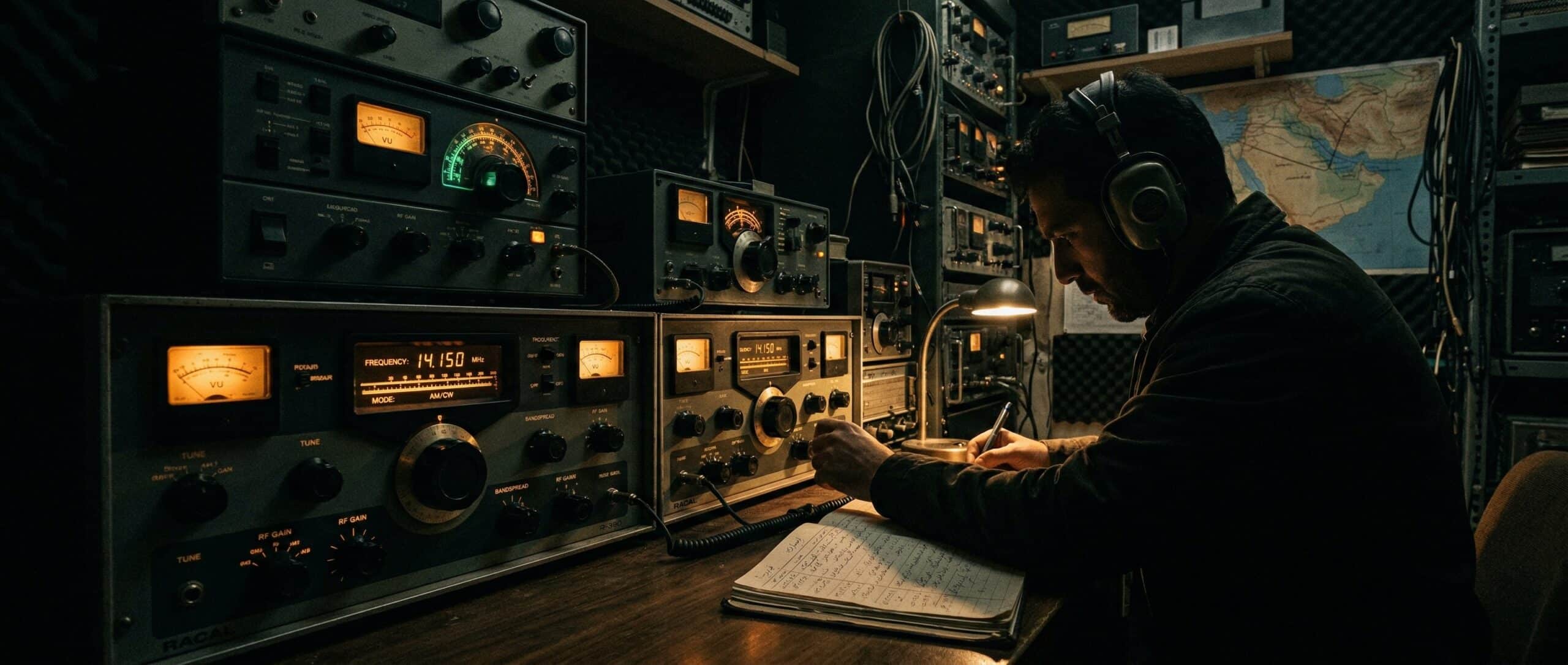
    A fresh Cold War-style mystery is crackling across the unexplained internet: a Persian-language numbers station reportedly appeared on shortwave frequency 7910 kHz shortly after the first U.S. and Israeli strikes on Iran on February 28, 2026. The signal features a male voice reading grouped numbers in Persian, with the word tavajjoh — meaning “attention” — repeated before message blocks.

    For conspiracy audiences, it feels like real-time spy fiction. For radio hobbyists and intelligence watchers, it feels even stranger: because numbers stations are one of those rare pieces of real-world weirdness that are simultaneously documented, historically linked to espionage, and almost never publicly explained.

    What Is Happening on 7910 kHz?

    According to Priyom’s tracking page for V32, the Persian-language numbers station was first logged on February 28, 2026, roughly 12 hours after the opening strikes in the Iran conflict. Hobbyists say the station uses the classic five-digit group format strongly associated with espionage numbers stations.

    As Weird Darkness summarized, the signal consists of a male Persian-speaking voice reading coded number groups, creating an unnerving effect that sounds like something preserved from the Cold War rather than a live broadcast tied to a modern conflict.

    Other reported details circulating through monitoring communities include:

    • the signal appears to air twice daily
    • later transmissions reportedly repeated earlier message sets
    • listeners noted format changes during the first week, including shifts in voice and message structure
    • at one point, hobbyists claimed to hear stray Windows computer sounds leaking into the broadcast

    That last detail only deepened the fascination: a shadowy wartime signal carrying five-digit codes is creepy enough, but hearing accidental computer noises behind the transmission makes it feel less like folklore and more like someone, somewhere, is running a very real clandestine system.

    Why Numbers Stations Still Fascinate People

    Numbers stations occupy a rare liminal category. They are not urban legends. They are real broadcasts, documented by shortwave listeners for decades. Yet their function remains mostly opaque to the public.

    Historically, numbers stations have been linked to intelligence services using one-way encrypted messages for field operatives. The logic is brutally simple: if an agent has the right key, a seemingly meaningless broadcast can carry specific instructions. If they do not, the message is practically useless.

    As Radio Free Europe/Radio Liberty reported, this Persian signal may be the first genuinely new numbers station in years, according to tracking communities. That alone would make it notable. The timing with the Iran conflict pushes it into another category entirely.

    Espionage, Not Paranormal — But Somehow Creepier

    The most grounded explanation is also the most unsettling: the 7910 kHz broadcast is exactly what it sounds like — a clandestine numbers station intended for operatives who already possess the decryption system.

    The more sensational explanation is that the signal reflects an emergency intelligence network activating in wartime, perhaps to avoid digital surveillance, internet disruption, or cyber-monitoring systems. In an era of encrypted apps, satellites, and AI-assisted tracking, the idea that intelligence agencies might still fall back on eerie voice broadcasts over shortwave radio sounds almost absurd — until you remember how hard such transmissions can be to trace and how impossible they are to decode without the proper key.

    That is why this story performs so well online. It is not folklore. It is not rumor built from a blurry light in the sky. It is a real signal, reportedly tied to a real geopolitical crisis, and no outsider can say with confidence who is sending it or who is meant to hear it.

    Why This Matters for The Unexplained World

    This story hits several of the strongest themes in modern unexplained media:

    • real-world weirdness: numbers stations have historical credibility
    • geopolitical urgency: wartime anomalies always carry more emotional weight
    • multiple framing angles: code-breaking, spycraft, psychological warfare, covert ops, and technological anachronism all collide here

    It also taps a wider modern anxiety: if this is how covert communication still works in certain situations, then the digital world may not be as all-seeing as people assume. Sometimes the oldest tools remain useful precisely because they sit below the threshold of modern attention.

    The Ghost Broadcast No One Can Decode

    The enduring power of the 7910 kHz mystery lies in that mix of reality and opacity. Numbers stations are among the few mysteries where the signal is real, the sound is documented, and the logic is plausible — but the meaning remains sealed shut.

    That makes them perfect for the current moment. They feel like artifacts from another age, but they keep resurfacing whenever the world gets tense enough to make old spycraft useful again.

    For more stories at the edge of geopolitics and the unexplained, read our coverage of the Mellon leak and alleged satellite UFO imagery, aliens.gov and the modern disclosure moment, and the illusion of disclosure.

    This article was created using Media Blaster – Your content production specialist. Visit www.mediablaster.io for more information.

  • Mythical Norse Artifacts Discovered in Viking Graves Confirm Icelandic Sagas

    Mythical Norse Artifacts Discovered in Viking Graves Confirm Icelandic Sagas

    Archaeologists excavating Viking graves have made a striking discovery: artifacts that appear to be physical representations of objects described in Norse mythology and Icelandic sagas. What once looked like ordinary grave goods may actually have been objects the Norse considered powerful, symbolic, and perhaps even mythically real.

    The finding adds a new layer to one of the oldest debates in Viking studies: where does legend end and lived belief begin? For centuries, texts like the Poetic Edda, the Prose Edda, and the Icelandic sagas have been treated as mixtures of history, religion, folklore, and literary embellishment. But discoveries like this suggest the Vikings may have carried the world of myth directly into burial ritual.

    What Archaeologists Found in Viking Graves

    According to Ancient Pages, archaeologists studying grave goods from Viking burials identified objects that may correspond to mythic items known from Norse sources. These were not necessarily the literal weapons of gods, but physical items whose design, placement, or symbolic role closely echoes the legendary objects found in saga literature.

    That matters because Viking burials were never random. Grave goods reflected status, identity, social role, and beliefs about the afterlife. If specific objects were intentionally chosen because they resembled items from Norse myth, then the people placing them in graves may have seen saga-world symbolism as materially important.

    Why This Discovery Matters

    The discovery is significant for several reasons:

    • It blurs the line between myth and reality: the Norse may not have treated their myths as distant stories, but as living parts of the world around them.
    • It strengthens saga credibility: Icelandic and Norse texts have repeatedly gained support from archaeology, even when scholars first treated them with skepticism.
    • It changes how we interpret grave goods: seemingly simple artifacts may carry mythological meaning that has been overlooked.
    • It deepens our picture of Viking belief: mythology may have shaped not just storytelling, but burial customs, identity, and ideas of power.

    As reference material on Norse mythology makes clear, objects in these traditions were rarely just objects. Weapons, amulets, rings, and crafted items often carried divine association, symbolic force, or links to fate and heroic memory.

    When Sagas and Archaeology Overlap

    This is far from the first time archaeology has pushed scholars to take saga traditions more seriously. Norse texts once viewed as semi-legendary have gained support through real-world discoveries ranging from settlement patterns to travel routes to the confirmed Viking presence in North America at L’Anse aux Meadows.

    In other words, saga literature is not simply fantasy. It preserves cultural memory, worldview, and in some cases historical realities later confirmed by excavation. That does not mean every supernatural claim in Norse literature is literally true — but it does mean archaeologists must be careful not to dismiss symbolic material too quickly.

    What the Vikings May Have Believed

    The most fascinating part of the new discovery is what it says about the Viking mind. The Norse did not divide religion, myth, and daily life in the same way modern people often do. Gods, omens, fate, magic, heroic ancestors, and sacred objects all existed within one connected worldview.

    If an object from a grave echoes an item described in myth, the point may not have been imitation for its own sake. It may have been an attempt to send the dead into the afterlife with power, protection, prestige, or symbolic continuity with heroic and divine models.

    This possibility aligns with wider research in Viking archaeology and belief, including studies of ritual burial, amuletic objects, and symbolic grave placement. As Oxford University Press commentary on Viking archaeology has noted, new excavations repeatedly force scholars to revise older, simpler models of the Viking Age.

    Buried Myth, Living Tradition

    For modern readers, the most provocative implication is this: the Norse may not have seen mythology as separate from reality. Their stories were not just told around fires. They shaped objects, burials, status, memory, and perhaps even the way people prepared for death.

    The result is a richer and stranger picture of Viking civilization. These were not people merely remembering legends. They may have been living inside them.

    For more unexplained archaeology, read our coverage of Israel’s ‘Stonehenge of the East’ and the newly discovered related sites, AI uncovering 303 new Nazca geoglyphs in Peru, and Bronze Age artifacts made from meteoritic iron.

    This article was created using Media Blaster – Your content production specialist. Visit www.mediablaster.io for more information.