Author: Art Grindstone

  • Delaware’s UFO Hotspot Ranking Is the Kind of Data Story Believers Love

    Delaware’s UFO Hotspot Ranking Is the Kind of Data Story Believers Love

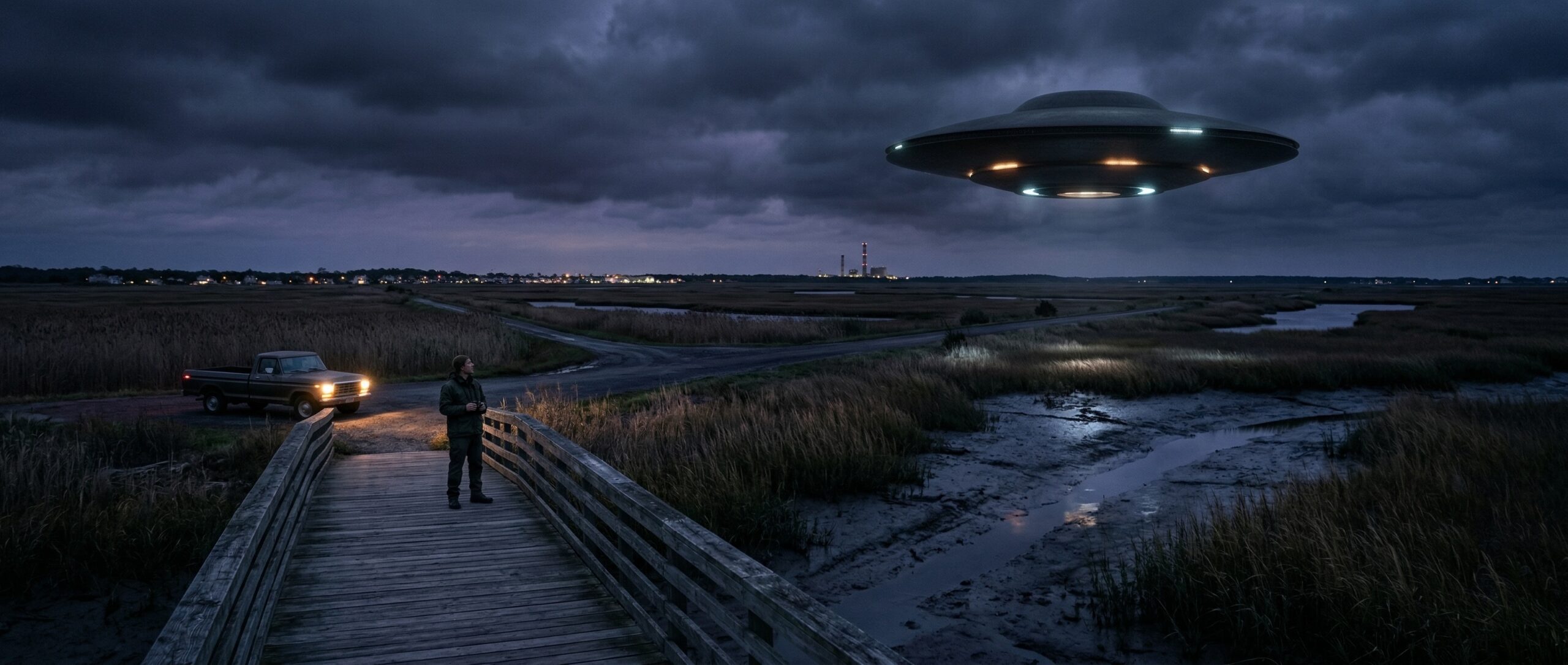
    A new 2026 UFO ranking is getting traction because it flips a familiar script: Delaware, not Nevada or Washington, is now being framed as America’s top UFO hotspot on a per-capita basis. According to paranormal-media reporting, the small East Coast state now leads the country in sightings density, beating out places with far stronger built-in UFO mythology.

    That matters because this is exactly the kind of story the unexplained ecosystem loves: a surprising map, a data-looking methodology, and a headline that feels weird enough to click but grounded enough to repeat. It also raises a deeper question that goes beyond the ranking itself — are UFO hotspots real places, or do they emerge when reporting culture, audience attention, and mythic expectation all collide?

    What the Delaware Ranking Actually Claims

    The current buzz comes from a ranking highlighted by ParaRational, which says Delaware has moved into first place in a fresh per-capita UFO analysis built from National UFO Reporting Center data and additional social-signal context. In the framing pushed by the story, Delaware sits at roughly one sighting per 928 residents, edging out Washington and New York.

    Even if the methodology is not strong enough to satisfy hard skeptics, it is strong enough to travel. That is the real function of a list like this. It turns UFO reporting into something that looks empirical, sortable, and competitive.

    This is why rankings perform so well in paranormal media. A list feels like proof even when it is partly a storytelling device.

    Why Delaware Is Such a Surprising Winner

    Delaware does not dominate the public imagination the way Nevada, Arizona, or Washington do. It does not come preloaded with Area 51 mythology, military-range mystique, or cinematic desert strangeness. That makes its rise more interesting. The lack of built-in lore gives the ranking novelty.

    And novelty is powerful. A UFO list where Nevada wins is expected. A UFO list where Delaware wins feels like hidden information surfacing from an ordinary place. For believers, that is exciting. For skeptics, it is still enough to provoke a closer look.

    The bigger cultural effect is that it subtly reframes what a UFO hotspot can be. It does not have to be a famous desert or a long-haunted military corridor. It can be a small state that suddenly begins accumulating enough reports to demand attention.

    Reporting Culture vs Reality

    This is where the story becomes more valuable than a simple “Top 10 UFO states” post. Rankings like this always raise the same core tension: are more anomalous events actually happening there, or are people simply more willing to report them?

    That distinction matters. A place can climb the UFO charts for several reasons:

    • people may truly be seeing more unexplained lights
    • local audiences may be more primed to interpret ambiguous events as UFOs
    • social media may amplify reporting behavior
    • methodology changes may shift how counts are weighted or compared

    In other words, Delaware’s rise may say as much about how mystery spreads as it does about the sky itself.

    Why This Matters for the Wider UFO Conversation

    The Delaware story fits a bigger 2026 pattern. The UFO beat right now is not powered only by giant hearings or Pentagon-style revelations. It is also being sustained by a thousand smaller signals: hotspot rankings, local viral videos, domain registrations, weird clips, amateur databases, and data wrappers around old mysteries.

    That is why the ranking has value even if its methodology is soft. It feeds the idea that unexplained aerial events are not isolated curiosities happening only in classic “weird” zones. They may be diffuse, normalized, and hiding in ordinary places.

    For a culture increasingly primed by UAP headlines and social-media pattern-seeking, that is a very powerful message.

    As NUFORC’s reporting archive shows, public sighting databases remain one of the major raw materials for these ranking stories. And as broader reporting on modern disclosure politics continues in outlets like The New York Times, even lightweight local UFO stories land in an environment where audiences are far more willing to treat “unidentified” as meaningful rather than dismissible.

    What Delaware’s Rise Really Means

    The strongest interpretation is not that Delaware has suddenly become the alien capital of America. It is that UFO culture now spreads through systems that reward rankings, maps, and pattern-recognition narratives. Once a place gets framed as a hotspot, every new report reinforces the label.

    That feedback loop is how modern mystery geography is built.

    So whether Delaware’s crown holds or not, the story still matters. It shows how the unexplained is increasingly packaged: not just as a sighting, but as a searchable, measurable, algorithm-friendly geography of the weird.

    Related Articles:

    This article was created using Media Blaster – Your content production specialist. Visit www.mediablaster.io for more information.
  • SETI’s New Space Weather Theory Suggests We May Have Missed Alien Signals for Years

    SETI’s New Space Weather Theory Suggests We May Have Missed Alien Signals for Years

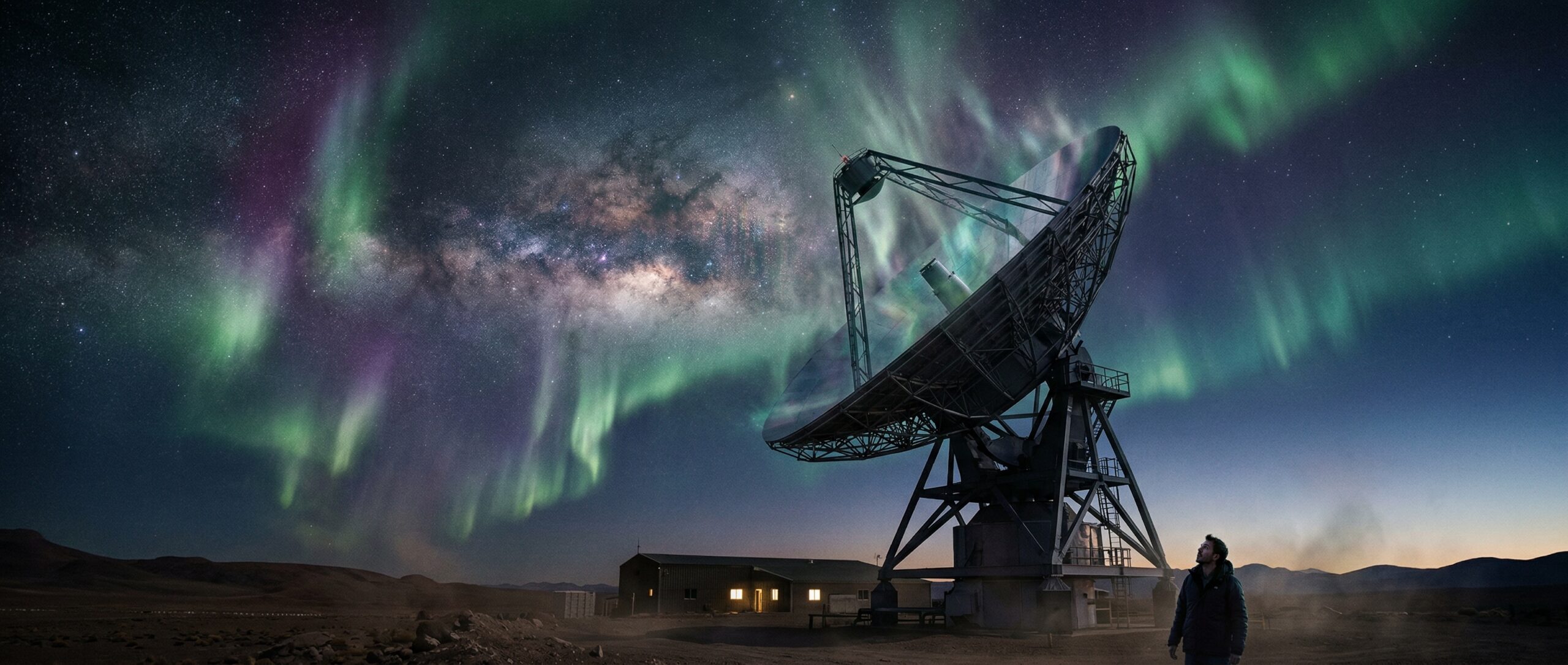
    One of the strongest science-meets-mystery stories circulating right now comes from the SETI world: researchers are arguing that we may have been searching for alien radio signals too narrowly. If they are right, some technosignatures might not be absent at all — they may simply be arriving in a distorted form that current search strategies are too strict to catch.

    That possibility gives the story real emotional power. It does not promise aliens. It does something more unsettling: it suggests that the silence of the cosmos might partly be an artifact of our assumptions. The universe may not be mute. It may be noisy, turbulent, and much harder to interpret than our filters allow.

    What the New SETI Argument Actually Says

    According to the SETI Institute’s explanation of the research, many SETI searches prioritize extremely narrow radio spikes because those are assumed to be strong candidates for artificial transmission. But this new work argues that stellar space weather — plasma turbulence, stellar winds, eruptions, and related activity — could distort a narrow transmission before it even exits its home star system.

    If that happens, the signal spreads over a wider range of frequencies. A signal that began as something “clean” and artificial might therefore arrive in a form that blends into the broader radio environment and falls below the detection criteria used by many search pipelines.

    The idea is not that we found aliens and missed the memo. It is that our search design may be better at finding idealized signals than realistic ones.

    Why This Matters More Than It Sounds

    At first glance, this looks like a narrow technical correction. In reality, it hits one of the deepest emotional nerves in the extraterrestrial question. Modern people have grown used to thinking of the Fermi paradox as a simple contrast between enormous cosmic opportunity and complete silence.

    This study complicates that dramatically.

    If real technosignatures are broadened by local stellar weather, then null results may not mean “nothing is there.” They may mean “we have been listening with the wrong expectations.”

    That is a very different psychological framework, and a much more hopeful one for those who think intelligence should be common in the galaxy.

    Why M-Dwarfs Matter So Much

    The space weather angle becomes even more important when you consider M-dwarf stars. These stars are abundant, long-lived, and central to many habitability discussions — but they are also often active and turbulent. If a civilization were transmitting from a planet around an active star, its signal might be far more scrambled than old-school SETI assumptions allow.

    This is where the story becomes especially useful for The Unexplained Company. It is not just a science note. It is a reframing of one of the biggest questions in the field: what if our models of “how aliens should sound” are too clean for reality?

    The underlying analysis, discussed in a study hosted on arXiv, makes the case that search strategies should adapt to the messier, broadened outcomes that real astrophysical environments may impose.

    A Better Mystery Than Simple Silence

    There is something deeply compelling about the possibility that the universe is not silent, only difficult. That is a much richer mystery than a simple binary of “they exist” versus “they do not.” It turns the search itself into a problem of interpretation, not just detection.

    That also makes the story ideal for readers who are tired of endless disclosure rumor but still want serious, wonder-driven content. This is not a blurry orb clip or recycled military leak. It is a scientifically respectable argument that our listening strategy may be narrowing the cosmos down too aggressively.

    Why This Matters for the Unexplained Niche

    Most unexplained coverage gravitates toward sightings, conspiracies, and state secrecy. This story widens the aperture. It reminds readers that one of the greatest mysteries in the world is not simply whether strange things visit Earth, but whether intelligence elsewhere has already tried to speak across space in a form we do not yet know how to recognize.

    That makes this one of the best kinds of mystery stories: rigorous enough for science readers, speculative enough for wonder-driven audiences, and meaningful enough to reopen one of humanity’s oldest questions.

    As Scientific American’s broader SETI coverage has often emphasized, signal-hunting is always shaped by assumptions about what intelligence would choose to do. If those assumptions are wrong, the silence we think we hear may be partly self-created.

    The Bigger Takeaway

    This research does not prove extraterrestrial contact. But it does challenge a quiet piece of certainty that many people carry without realizing it: the belief that “no signal” always means “no one there.”

    What if it means something else?

    What if the galaxy has been speaking through static, turbulence, and distortion all along — and we were simply too committed to the cleanest possible version of an alien hello?

    Related Articles:

    This article was created using Media Blaster – Your content production specialist. Visit www.mediablaster.io for more information.
  • Blood Moon Prophecy Resurgence Is Really a Story About How Modern Fear Searches the Sky

    Blood Moon Prophecy Resurgence Is Really a Story About How Modern Fear Searches the Sky

    The March 2026 total lunar eclipse triggered a fresh wave of blood-moon prophecy content, mixing astronomy, scripture, doom speculation, and social-media symbolism. The eclipse itself is ordinary in scientific terms. The public reaction is not.

    That is what makes this story worth following. The real mystery is not whether the moon literally signals apocalypse. It is why routine celestial events so often become carriers for end-times interpretation, spiritual panic, and online virality whenever the wider culture is already anxious.

    What the Blood Moon Actually Was

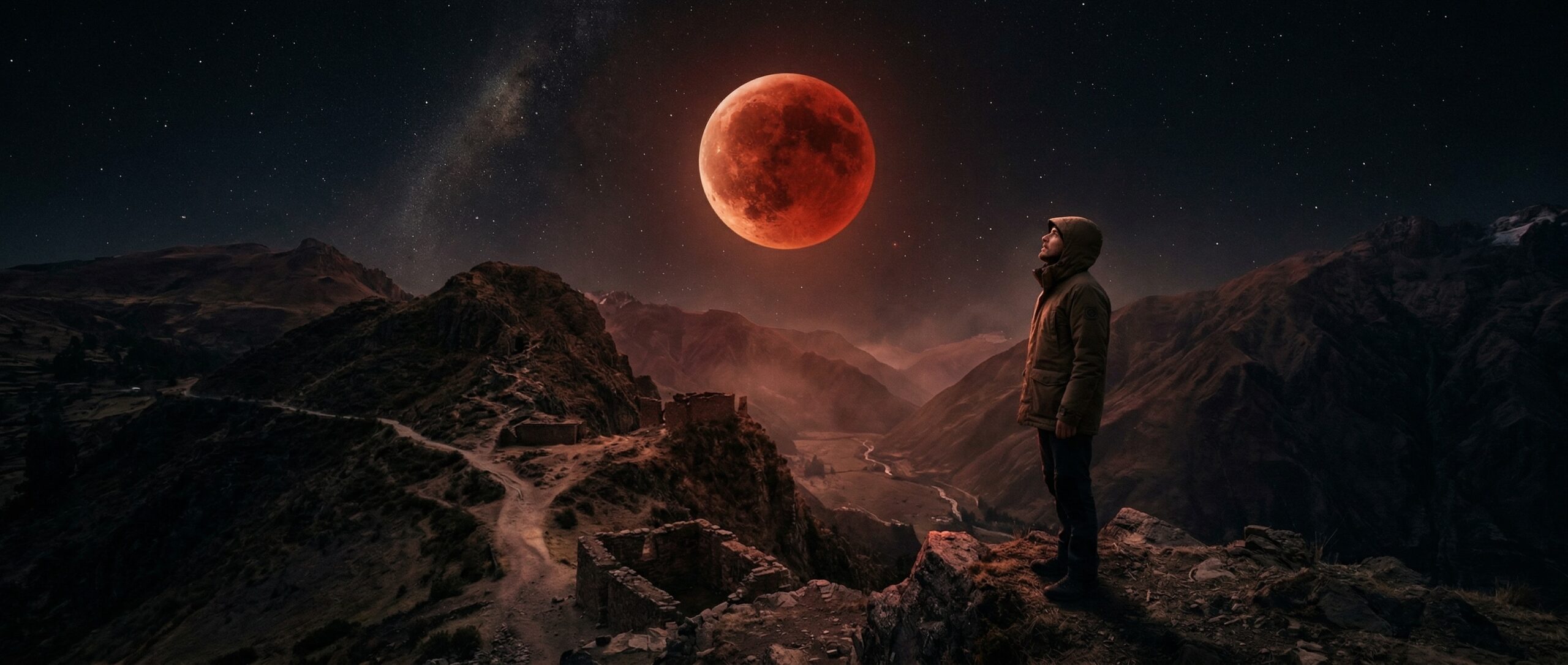
    Scientifically, the event was straightforward. A total lunar eclipse caused the moon to take on a reddish or copper tone as Earth’s atmosphere filtered and refracted sunlight. This is well understood astronomy, explained clearly in coverage from Earth.com and in broader eclipse reporting from The Guardian.

    But science is only half the story. The same event was immediately folded into prophecy commentary, meme culture, doom-posting, and familiar biblical references such as Joel 2:31, Acts 2:20, and Revelation 6:12.

    That split — normal astronomy on one side, apocalyptic symbolism on the other — is exactly what gives blood moon stories their staying power.

    Why These Narratives Keep Returning

    Blood moon prophecy narratives are durable because they are emotionally efficient. They convert large, blurry fears into a visible sign in the sky. In times of war, instability, distrust, and algorithmic overload, that is incredibly powerful.

    A red moon looks like a message, even when it is not.

    This is one of the oldest dynamics in human storytelling. People have always projected political and spiritual anxiety onto celestial events. The internet did not invent that instinct. It simply accelerated it, rewarded it, and turned it into a recurring viral format.

    The Role of Social Media in Modern Prophecy Panics

    What has changed is speed. A century ago, prophetic interpretation spread through churches, pamphlets, and local belief networks. Now it spreads through TikTok clips, viral screenshots, Threads posts, YouTube sermons, and end-times meme cycles that feed on one another.

    That means blood moon content no longer belongs only to deeply religious audiences. It now travels through irony, fear, aesthetics, and algorithmic amplification. Believers post it because they see warning. Mockers post it because they see absurdity. The algorithm sees only engagement.

    That dynamic is one of the biggest reasons these prophecy waves keep exploding.

    Why This Matters Beyond Religion

    For The Unexplained Company, this is not just a faith story. It is a social-anxiety story, a symbolism story, and a media-distribution story. Blood moon prophecy content is a recurring example of how the unexplained niche works at its best and worst: a real event, an emotionally charged interpretation layer, and a public primed to turn uncertainty into meaning.

    That is also why simple debunking never fully kills it. You can explain the eclipse scientifically and still fail to address the emotional demand that made people reach for prophecy in the first place.

    What the Blood Moon Resurgence Really Reveals

    The strongest takeaway is not that people are gullible. It is that modern life keeps producing the kind of ambient pressure that makes omen-thinking attractive. When history feels unstable, the sky becomes a screen people read for confirmation.

    That is why blood moon stories keep returning. They are not really about the moon. They are about the human need to find narrative in moments that feel out of control.

    As Geo.tv’s explainer showed during the latest cycle, even straightforward efforts to cool down apocalyptic claims can end up spreading them further by reinforcing the symbolic frame.

    The Better Question

    The real question is not “Did the blood moon predict anything?” The better question is: why did so many people need it to?

    That question is richer, darker, and more revealing. It turns a simple eclipse story into an investigation of modern fear, religious virality, and the internet’s talent for turning routine cosmic events into countdown rituals.

    Related Articles:

    This article was created using Media Blaster – Your content production specialist. Visit www.mediablaster.io for more information.

  • Chris Bledsoe Prophecy 2026 Investigation: Predictions, April Timeline, and the Conspiracy Theory Case File

    Chris Bledsoe Prophecy 2026 Investigation: Predictions, April Timeline, and the Conspiracy Theory Case File

    If you have spent any time in the UFO, prophecy, or high-strangeness world over the past two years, you have probably seen the same name surface again and again: Chris Bledsoe. For believers, he is one of the most important modern experiencers in America — a man whose encounters with glowing orbs, government attention, religious symbolism, and apocalyptic timing may point toward a major turning point in April 2026. For skeptics, he is the center of a myth-making machine that blends Christian prophecy, UFO culture, and cosmic ambiguity into one perfect internet-age mystery.

    This investigation pulls together the key claims, timelines, predictions, symbolism, and competing interpretations surrounding the Chris Bledsoe prophecy 2026 narrative — including what people mean when they search for Chris Bledsoe predictions, Chris Bledsoe 2026 prophecies, and Chris Bledsoe April 2026.

    Who Is Chris Bledsoe and Why Are People Obsessed With His 2026 Prophecy?

    Chris Bledsoe is not just another name in UFO lore. His story has become unusually influential because it sits at the intersection of several audiences that rarely stay separate for long: UFO believers, experiencer communities, Christian prophecy watchers, esoteric researchers, astrology-minded interpreters, and conspiracy audiences who believe a hidden timetable may be unfolding in public view.

    Bledsoe’s case gained attention through his claims of repeated encounters with luminous orbs and with a radiant feminine being often referred to as “the Lady”. Over time, his story evolved from a close-encounter account into something much larger: a prophetic framework tied to cosmic timing, ancient symbolism, biblical expectation, and a coming event in 2026 that many followers think could alter the spiritual or political landscape.

    For background, we have already covered Chris Bledsoe’s Easter 2026 prophecy and the Regulus/Sphinx timing theory as well as a data-versus-vision breakdown of the 2026 prophecy claims. This new piece goes wider and deeper.

    What Exactly Is the Chris Bledsoe Prophecy for 2026?

    The core claim, in its broadest form, is that something significant is supposed to happen in 2026, with many followers narrowing that expectation toward Easter 2026 and, more broadly, the April 2026 window.

    The prophecy is often described in connection with the star Regulus, the Sphinx, divine feminine symbolism, disclosure language, and a wider shift in human consciousness. That ambiguity is part of what gives the theory such staying power. Bledsoe’s predictions are specific enough to feel important, but open enough that different communities can project their own expectations onto them.

    Some hear a prophecy of disclosure. Some hear the return of Christ. Others hear the unveiling of a feminine spiritual force. And conspiracy audiences hear something even more intoxicating: a hidden timetable that elites, intelligence circles, or occult networks may already know about.

    Why April 2026 Became the Hot Zone

    Search interest around Chris Bledsoe April 2026 is driven by the convergence of symbolism and timing. Among believers, April 2026 is not just another month on the calendar — it is treated as a possible threshold period where celestial alignments, Easter imagery, and Bledsoe’s own statements appear to overlap.

    That has turned April 2026 into a magnet date for people trying to decode whether Bledsoe is pointing to a spiritual unveiling, a public manifestation event, mass disclosure around UFO/UAP reality, or a world-changing sign in the sky.

    For readers following the wider climate of fear, rumor, and apocalyptic symbolism, see also our recent story on Rapture 2026 and the March 22 social-media panic cycle.

    The Conspiracy Theory Framework: Why This Story Feels Bigger Than One Man

    This is where the Bledsoe story turns from a personal experience narrative into something much bigger for conspiracy fans. The full theory often sounds like this: Bledsoe’s encounters are real; intelligence-linked figures took his case seriously; the Lady imagery overlaps with ancient and religious symbols on purpose; 2026 is part of a long-hidden celestial or spiritual schedule; and disclosure, religion, and geopolitical instability may all be converging toward the same moment.

    This is the theory’s real power: it fuses UFO disclosure, religious prophecy, elite secrecy, and cosmic timing into one single narrative engine.

    Evidence, Symbolism, and the Problem of Interpretation

    An honest investigation has to separate three things: what Bledsoe has actually said, what followers have extrapolated from it, and what the wider conspiracy ecosystem has added on top.

    That distinction matters because the internet tends to flatten all three into one stream of certainty. A suggestive comment becomes a prophecy. A prophecy becomes a timetable. A timetable becomes a countdown. And soon a symbolic, half-mystical statement is circulating as if it were a leaked government memo.

    This does not necessarily mean Bledsoe is insincere. It may simply mean his story has become a living myth, and living myths evolve faster online than ever before.

    Why Conspiracy Audiences Keep Coming Back to Chris Bledsoe Predictions

    Conspiracy audiences do not just want facts. They want patterns. Bledsoe’s case offers patterns everywhere: a central witness, a spiritual messenger, a future date, cosmic symbolism, a sense that mainstream institutions know more than they admit, and enough vagueness to let the theory keep adapting.

    That is why searches for Chris Bledsoe predictions and Chris Bledsoe 2026 prophecies keep spiking whenever a new interview or clip circulates.

    How the Story Connects to the Wider Disclosure Era

    The Bledsoe prophecy would not be landing this hard if the wider environment were quieter. But the last few years have produced a constant overlap of UAP testimony, government ambiguity, social-media apocalyptic cycles, and high-strangeness mainstreaming.

    For context, readers following the wider disclosure culture should also revisit the Mellon leak and high-def satellite UFO imagery claims, the Black Knight satellite myth and why it keeps returning, and the UFO metal case that finally got a real lab test.

    A Skeptical Counterpoint: Is This Just Narrative Gravity?

    Skeptics argue that the Chris Bledsoe prophecy 2026 story may be an example of narrative gravity — the human tendency to pull unrelated symbols, dates, fears, and hopes into one emotionally satisfying master theory.

    That does not make the story worthless. It makes it culturally important. It shows how modern myths are assembled in real time.

    Why This Investigation Matters Even If Nothing Happens

    The most important conclusion is this: the Bledsoe prophecy matters even if April 2026 passes without a single undeniable event. The real story is what this case reveals about the machinery of belief — how UFO narratives merge with religion, how prophecy merges with internet virality, and how symbolic ambiguity becomes fuel for conspiracy communities.

    FAQ: Chris Bledsoe Prophecy 2026

    What is the Chris Bledsoe prophecy for 2026?

    In broad terms, it refers to claims that something spiritually, symbolically, or disclosure-related is expected to happen in 2026, especially around Easter and the April 2026 timeframe.

    Why are people searching for Chris Bledsoe April 2026?

    Because many followers believe April 2026 is the most important timing window connected to Bledsoe’s statements, especially when linked to Easter symbolism, Regulus references, and the wider Lady narrative.

    Are Chris Bledsoe predictions about UFO disclosure?

    Some audiences interpret them that way, but others frame them as spiritual prophecy, divine manifestation, or a broader shift in human consciousness rather than straightforward UFO disclosure.

    Has Chris Bledsoe given exact 2026 prophecies?

    Not in the sense of a precise, universally accepted public timetable. Much of what circulates online comes from interpretation, paraphrase, and symbolic decoding layered onto his original statements and interviews.

    Why does the prophecy appeal so strongly to conspiracy theory fans?

    Because it blends hidden knowledge, cosmic timing, elite secrecy, religion, UFOs, and future expectation into one narrative. It feels like a case where multiple mysteries may converge at once.

    Videos and Further Reading

    Final Assessment

    If you are looking for a simple answer, the Chris Bledsoe prophecy 2026 case will frustrate you. There is no clean line separating witness testimony, symbolic interpretation, spiritual expectation, and conspiracy inflation.

    But if you are looking for one of the richest and most combustible investigation topics in the modern high-strangeness world, this is it. Whether April 2026 brings disclosure, disappointment, or another layer of myth, the story has already done something powerful: it has convinced thousands of people that the clock may be ticking toward a moment bigger than politics, bigger than UFOs, and possibly bigger than religion itself.

    This article was created using Media Blaster – Your content production specialist. Visit www.mediablaster.io for more information.

    Related Articles:

    This article was created using Media Blaster – Your content production specialist. Visit www.mediablaster.io for more information.
  • Rapture 2026 / March 22 Social Media Panic

    Rapture 2026 / March 22 Social Media Panic

    A wave of “Rapture 2026” content surged across TikTok, Threads, Instagram, YouTube, and prophecy blogs in the lead-up to March 22-23, 2026. The claim: the biblical Rapture—or at least the beginning of an end-times sequence—would happen that weekend. The rumor fused evangelical prophecy culture, social-media meme dynamics, and real geopolitical anxiety, especially around Iran, Israel, and broader apocalyptic framing online.

    What made this trend notable is that it spread in two directions at once: sincere prophecy communities amplified it as a serious warning, while mainstream users turned it into absurdist meme culture via jokes like “Raptor 2026.” That sincerity/irony split is exactly why the topic traveled so far.

    What’s Happening

    • A NorthJersey/USA Today network explainer documented how the March 22-23 date spread online and linked it to prophecy-themed videos, especially from “Prophecy Watchers,” plus blog posts connecting the date to biblical calendars, the Dead Sea Scrolls, and current Middle East conflict.
    • The story notes that the exact date origin is murky—partly emerging from loosely connected prophecy content, partly from social posts that snowballed into a viral certainty.
    • The meme version took off alongside the serious one, with users mocking panic-buying, “end of world” prep, and the familiar social-media cycle of doomsday countdowns.
    • The broader backdrop matters: war headlines, religious anxiety, algorithmic amplification, and a social environment already primed for eschatological content.

    Why It Matters

    1. It shows how conspiracy and religion blend online

    This is not just a faith story. It is a case study in how prophetic belief, conspiracy framing, and algorithmic virality now overlap.

    2. It is highly reusable content fuel

    Apocalypse rumors are perennial performers because they combine fear, certainty, and countdown urgency. Even when debunked, they leave behind reusable symbolic language and community identity.

    3. It reflects broader cultural stress

    End-times spikes often correlate with periods of war, instability, and distrust. The rumor became a container for larger anxieties that had little to do with theology alone.

    4. The irony layer helps the rumor travel further

    When believers and mockers both post about the same topic, the algorithm sees only engagement. The joke posts help the serious claim trend.

    Related Articles:

    This article was created using Media Blaster – Your content production specialist. Visit www.mediablaster.io for more information.

  • Starseeds and the Rise of Conspiratorial Spirituality

    Starseeds and the Rise of Conspiratorial Spirituality

    A March 2026 Religion News Service feature put a spotlight on the growing starseed subculture: people who believe they are extraterrestrial or cosmic souls inhabiting human bodies, here on a mission to awaken humanity. The belief system is not new, but it has exploded online in the TikTok/Instagram era and now sits at a fascinating crossroads of spirituality, influencer culture, UFO belief, and conspiracy thinking.

    The reason it matters now is scale. According to the RNS reporting, #starseed content has passed the billion-view mark on TikTok, while high-profile influencers are building large audiences around claims involving galactic identities, hidden truths, reptilians, “the Matrix,” and spiritual awakening.

    What’s Happening

    • Religion News Service profiled influencer Elizabeth April, who presents herself as an alien consciousness in human form and has built a large social following around these claims.
    • The story traces modern starseed belief back to Brad Steiger’s 1976 book *Gods of Aquarius*, but stresses that online communities have transformed the idea into a decentralized pseudo-religion.
    • Starseed belief often includes:
    • cosmic soul origins,
    • alien species mythologies (Arcturians, reptilians, etc.),
    • hidden-reality frameworks like “the Matrix” or “the system,”
    • disclosure-style language about waking others up.
    • Experts cited in the report say most participants are harmless, but the ecosystem can overlap with extremist or conspiratorial patterns, especially when spiritual identity fuses with hidden-enemy narratives.

    Why It Matters

    1. It is where New Age spirituality and conspiracy culture merge

    Starseeds are not just a quirky alien belief. They show how spiritual longing can be channeled into alternative cosmologies with conspiratorial edges.

    2. It is a huge online-native paranormal trend

    Unlike legacy UFO mythology, starseed culture is built for short-form video, personal testimony, and influencer-led identity formation.

    3. It offers a softer entry point into fringe belief systems

    People may enter through wellness, self-discovery, or alien aesthetics—and only later encounter more extreme claims.

    4. It is culturally rich content, not just a debunking exercise

    The topic touches belief, belonging, loneliness, online ritual, and the hunger for cosmic meaning.

    Related Articles:

    This article was created using Media Blaster – Your content production specialist. Visit www.mediablaster.io for more information.

  • Palomar 1950 Sky Plate Mystery Revived

    Palomar 1950 Sky Plate Mystery Revived

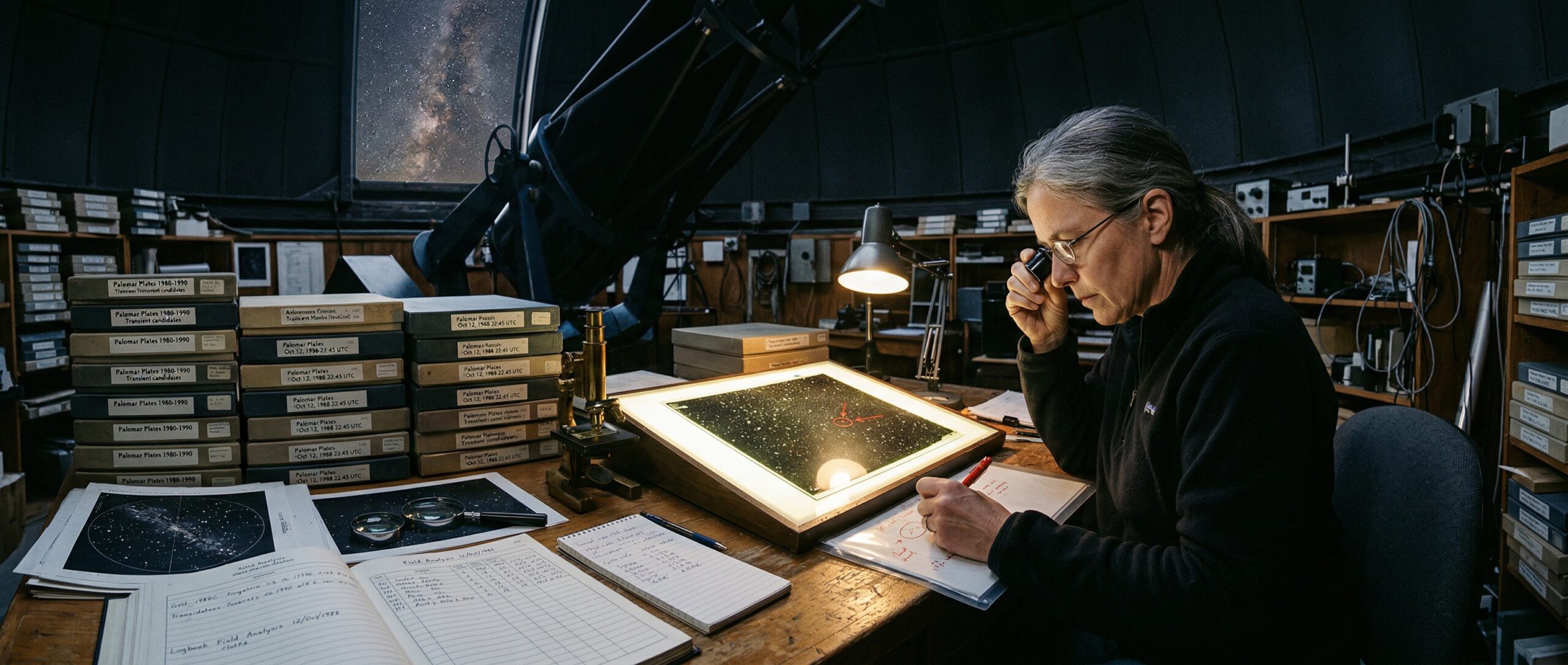
    A March 2026 paper revived one of the stranger anomalies in UFO-adjacent astronomy: bright, short-lived flashes captured on archival sky plates from 1950—years before Sputnik. Former NASA developer Ivo Busko argued that the image characteristics are consistent with sub-second reflections from flat, rotating objects in orbit around Earth.

    That is where the story gets irresistible. Reflective orbital objects make intuitive sense as an explanation for brief optical glints—but in 1950, the historical record says there should not have been any human satellites up there.

    What’s Happening

    • The renewed interest builds on earlier work by astronomer Beatriz Villarroel and the VASCO project, which highlighted multiple simultaneous transient flashes on archival photographic plates.
    • Busko’s 2026 analysis reportedly used independent mid-1950s Hamburg Observatory plates from the APPLAUSE archive and found similar transients with unusually narrow profiles.
    • The argument is not “aliens confirmed.” The stronger claim is narrower: common natural explanations still do not fit especially well.
    • Explanations currently in play include:
    • reflective objects in orbit,
    • plate contamination or defects,
    • unknown instrumental artifacts,
    • poorly modeled natural transients.
    • The core tension remains unresolved: the orbital-reflection explanation is visually persuasive, but historically awkward in a pre-Sputnik timeframe.

    Why It Matters

    1. It is a rare UFO story rooted in archival science instead of shaky phone footage

    That alone gives it more intellectual weight than most viral UAP stories.

    2. It reopens a historical anomaly rather than introducing a brand-new claim

    Old mysteries gaining new technical analysis are strong content because they carry built-in credibility and built-in doubt.

    3. It sits at the edge of several narratives at once

    Astronomy, hidden history, Cold War secrecy, possible data contamination, and UFO discourse all intersect here.

    4. It invites the best kind of unexplained question

    Not “is it aliens?” but “what kind of phenomenon leaves evidence that still doesn’t fit cleanly decades later?”

    Related Articles:

    This article was created using Media Blaster – Your content production specialist. Visit www.mediablaster.io for more information.
  • Louisiana Underwater Lost City / Pyramid Claim

    Louisiana Underwater Lost City / Pyramid Claim

    A resurfaced claim about a possible lost city off the Louisiana coast is getting fresh traction in late March 2026. Retired architect and amateur researcher George Gelé says sonar images collected over decades show submerged structures near the Chandeleur Islands, including a pyramid-like formation roughly 280 feet tall, potentially dating back more than 12,000 years.

    The most sensational details are exactly why the story is spreading: an underwater metropolis, a pyramid allegedly tied geographically to Giza, and local reports that compasses and electronics behave strangely near the site.

    What’s Happening

    • Coverage from AOL/New York Post and The Daily Beast pushed the long-running claim back into the 2026 news cycle.
    • Gelé says the site sits roughly 50 miles east of New Orleans, with structures around 30 feet below the water surface and buried under additional sediment.
    • He has reportedly argued that granite blocks appear present in a region where granite does not naturally occur.
    • A local fisherman cited in coverage claimed instrument problems near the site, including spinning compasses and electronics cutting out.
    • The major caveat: the claims have not been validated in peer-reviewed literature, and no mainstream archaeological confirmation has been published.

    Why It Matters

    1. It is basically an American Atlantis story

    Lost civilization narratives always travel, and this one adds Gulf Coast mystery, pyramid symbolism, and magnetic anomalies.

    2. It blends archaeology with classic paranormal motifs

    Once compasses start spinning, the story stops being just archaeology and becomes an anomaly narrative.

    3. It is highly debatable, which makes it sticky

    Skeptics can point to exaggeration, sonar over-interpretation, and lack of peer review. Believers can point to repeat local lore, site persistence, and the emotional power of a hidden ancient city.

    4. It taps directly into prehistory revisionism

    Any claim of advanced structures dating to 12,000 years ago immediately plugs into bigger debates about lost civilizations, cataclysms, and suppressed history.

    Related Articles:

    This article was created using Media Blaster – Your content production specialist. Visit www.mediablaster.io for more information.

  • Doha Triangle UFO During Thunderstorm

    Doha Triangle UFO During Thunderstorm

    On March 25, 2026, witnesses in Doha, Qatar reportedly filmed three glowing orbs appearing in the sky during an active thunderstorm. The lights were described as bright, spherical, and moving in a loose triangular formation against storm clouds, instantly making the footage catnip for UFO communities.

    The appeal is obvious: storm + glowing lights + formation behavior = a near-perfect modern UAP clip. It carries the visual language of classic orb sightings, while the severe weather adds an atmospheric edge that makes ordinary explanations less emotionally satisfying.

    What’s Happening

    • A UFO-sightings site published a breakdown of the footage, emphasizing the objects’ steady glow, apparent formation behavior, and the fact that they appeared during lightning activity.
    • At the same time, mainstream weather coverage and photo coverage confirmed that Doha really was experiencing heavy thunderstorms and lightning that evening.
    • The most plausible explanations being floated are:
    • ball lightning or another rare atmospheric electrical effect,
    • storm-related plasma/electrical discharge,
    • drones or human-made lights,
    • camera/lens/rain interactions under extreme weather conditions.
    • What keeps the clip alive is not that any explanation is impossible—it’s that none of them neatly resolves the formation behavior and apparent duration from the available descriptions.

    Why It Matters

    1. It is a textbook modern UAP case

    This is exactly the kind of clip that performs in 2026: short, visual, ambiguous, and easy to argue over.

    2. Storm conditions increase both mystery and misidentification

    Thunderstorms produce unusual light behavior, but they also make people more likely to interpret uncommon atmospheric effects as anomalous craft.

    3. It fits the current orb-sighting trend

    Recent UAP chatter has leaned heavily toward glowing orbs rather than classic saucers. That makes Doha feel contemporary rather than retro.

    4. It offers a strong skeptic/believer split

    Believers can argue coordinated movement. Skeptics can argue atmospheric optics or drones. Good unexplained stories need that tension.

    Related Articles:

    This article was created using Media Blaster – Your content production specialist. Visit www.mediablaster.io for more information.

  • Why One Deleted White House Video Sparked a Conspiracy Spiral Overnight

    Why One Deleted White House Video Sparked a Conspiracy Spiral Overnight

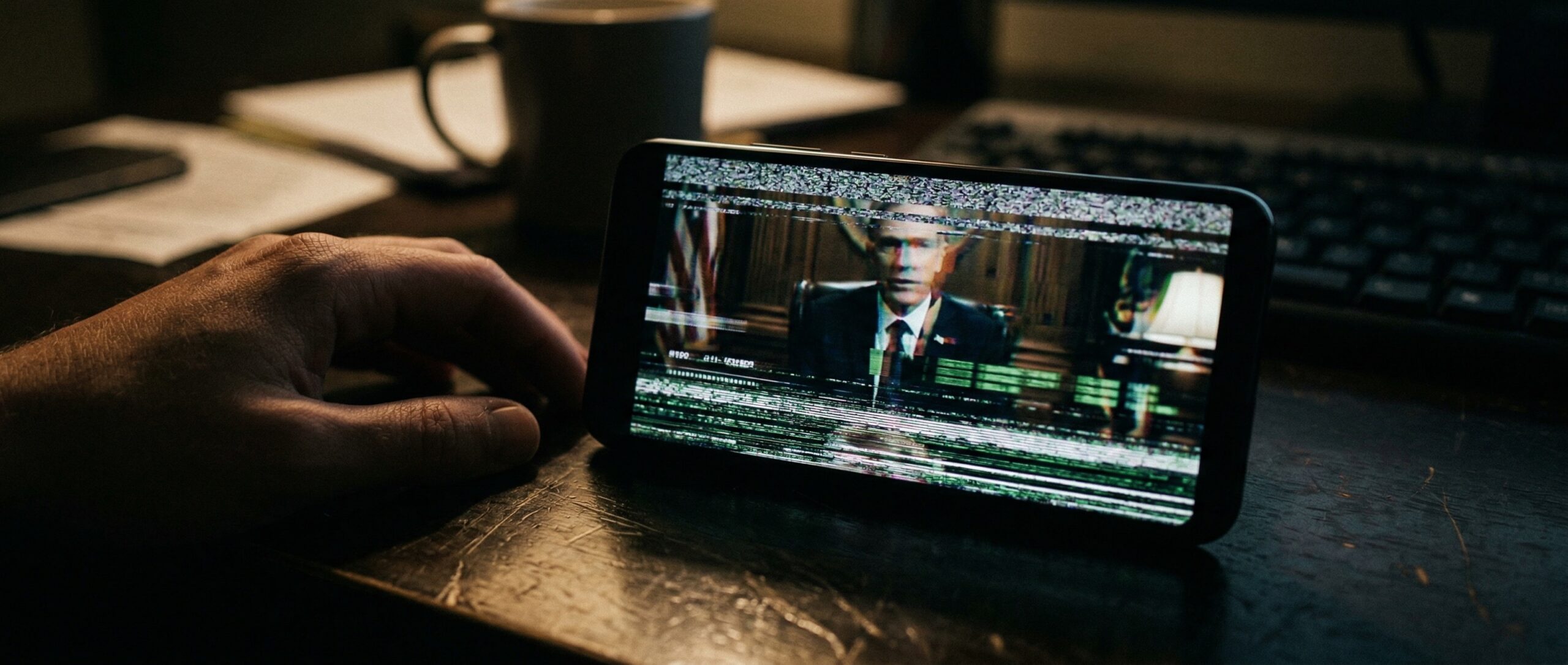
    A pair of mysterious videos briefly posted to the official White House X and Instagram accounts has triggered a full-spectrum online speculation spiral. One clip — a four-second video showing someone’s feet while a female voice asks, “It’s launching soon, right?” — was later deleted. A second clip showed a black, staticky screen, a phone notification sound, and a brief glimpse of an American flag.

    There was no immediate explanation, and that vacuum is exactly what gave the story ignition. In today’s media environment, unexplained official posts can generate conspiracy energy instantly, especially when they carry the aesthetics of accidental disclosure, teaser campaigns, account compromise, or coded messaging.

    What the White House Actually Posted

    According to CNBC’s reporting, two unexplained short videos appeared Wednesday night on White House social channels. The first, posted around 9:15 p.m. EST, was later deleted roughly 90 minutes afterward. It included the line, “It’s launching soon, right?”

    A second clip remained visible longer and featured a dark, static-like screen, a phone notification sound, and a brief glimpse of an American flag. No immediate explanation was offered, and that uncertainty did what uncertainty always does online: it invited mass interpretation.

    As Financial Express noted, the deleted post only intensified the speculation cycle.

    Why This Triggered a Conspiracy Spiral So Fast

    This is one of the most 2026 mystery stories imaginable: not a leaked document, not a secret recording, but a few seconds of unexplained vertical video from an official government account.

    That matters because official channels carry built-in authority. When a private influencer posts something cryptic, people shrug or assume marketing. When the White House does it, the ambiguity feels automatically heavier.

    The internet tends to interpret unexplained official media through a few familiar lenses:

    • hack or account compromise
    • teaser campaign or staged rollout
    • production mistake
    • coded message or accidental disclosure

    The lo-fi, vertical, smartphone-native feel of the clips only made them more combustible. They looked intimate, casual, and half-accidental — exactly the sort of digital artifact people now read as authentic even when context is missing.

    The New Conspiracy Trigger Is Tiny, Not Grand

    This story is useful because it shows how conspiracy culture often forms now. The old stereotype is giant document dumps and elaborate plots. The modern version is much smaller: a weird clip, a deleted post, a fragment without explanation, then thousands of interpretations layered on top within hours.

    That means the “mystery” is often not the original object itself. The mystery is the gap between official authority and missing context. The smaller the unexplained artifact, the easier it is for audiences to project motive, secrecy, and significance into it.

    When Governments Post Like Influencers

    There is another reason this story matters. Governments, brands, and political actors increasingly communicate in the same visual language as influencers: vertical video, teaser-style fragments, lo-fi presentation, irony, and ambiguity. That creates confusion even when there is no conspiracy at all.

    If official institutions speak in formats built for suspense and virality, then accidental mystery becomes almost inevitable.

    That is what makes the White House clip story more interesting than a standard “weird post” roundup. It sits at the intersection of politics, platform culture, and the unexplained. It is not paranormal in the classic sense, but it absolutely belongs to the wider category of unexplained signals from power centers.

    Why This Matters for The Unexplained World

    For The Unexplained Company, this is a useful expansion piece. It shows that unexplained culture is not limited to ghosts, UFOs, and cryptids. Sometimes the most potent mystery object in circulation is a few seconds of unexplained media from an official source.

    Even if the clips later turn out to be a banal production test or social media error, the lifecycle of the mystery is still the content. That is what audiences are really reacting to: the speed with which ambiguity mutates into theory.

    For more modern mystery culture coverage, read our stories on the 7910 kHz spy radio signal, the Black Knight satellite myth, and the viral UFO clip over Queens.

    This article was created using Media Blaster – Your content production specialist. Visit www.mediablaster.io for more information.

    Related Articles:

    This article was created using Media Blaster – Your content production specialist. Visit www.mediablaster.io for more information.