Category: Ancient Civilizations

  • Apophis: The Asteroid That Could Change Earth Forever

    Apophis: The Asteroid That Could Change Earth Forever

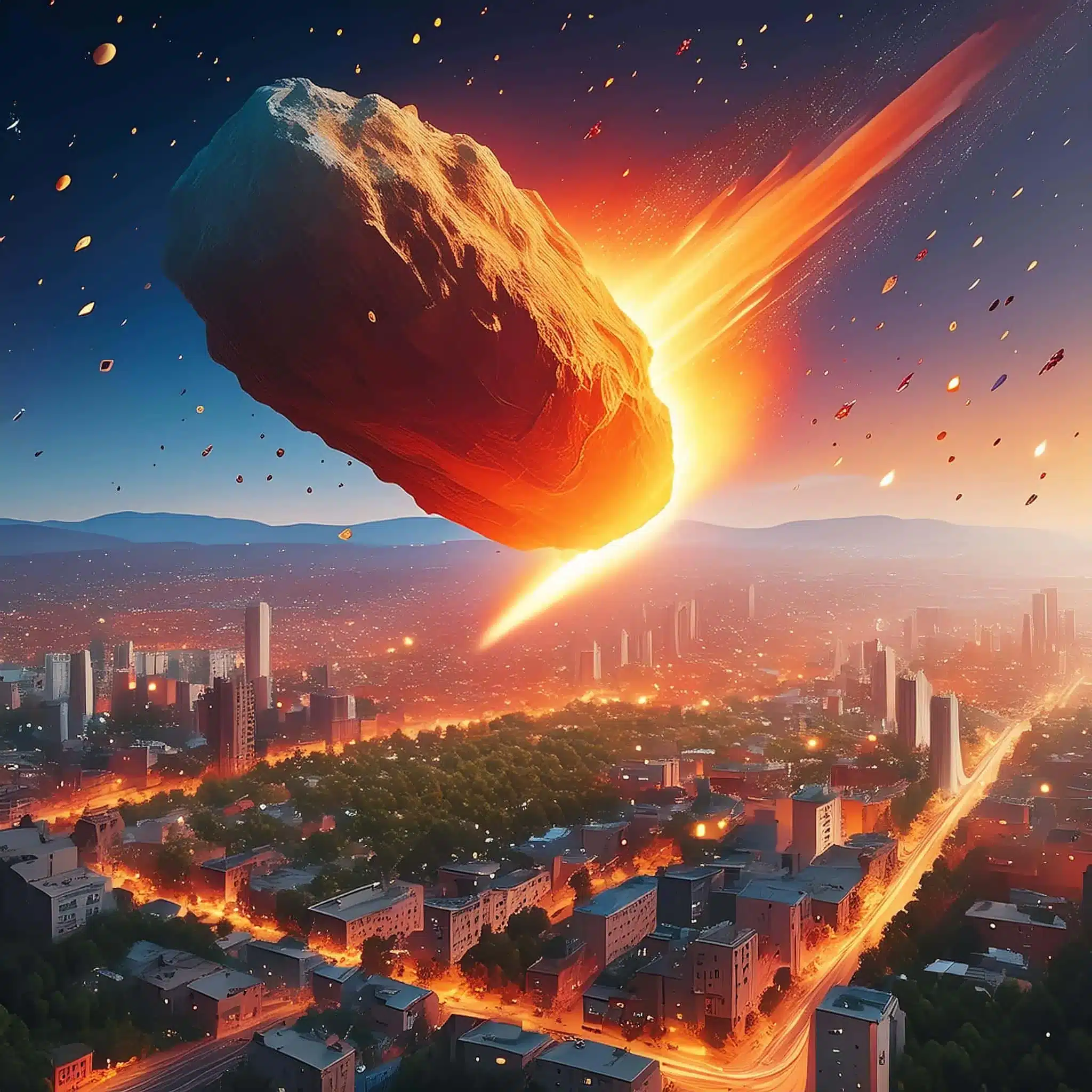
    The asteroid Apophis, named after the Egyptian god of chaos, has captured the attention of scientists and the public alike since its discovery in 2004. With a diameter of approximately 1,100 feet, Apophis is large enough to cause significant damage if it were to collide with Earth. The asteroid’s close approach in 2029 presents both a potential threat and a unique scientific opportunity to study near-Earth objects.

    Key Takeaways

    • Apophis was discovered in 2004 and initially had a relatively high probability of impacting Earth, which has since been ruled out.
    • The asteroid is named after Apophis, the Egyptian god of chaos, reflecting the potential danger it poses.
    • On April 13, 2029, Apophis will pass closer to Earth than any asteroid of its size in recorded history, within 20,000 miles of the surface.
    • NASA’s OSIRIS-APEX mission will study Apophis during its close approach to understand how Earth’s gravity affects its surface and orbit.
    • While Apophis is not expected to hit Earth, ongoing research and monitoring are crucial to prepare for any future asteroid threats.

    The Discovery of Apophis: A Potential Threat Identified

    Initial Observations and Calculations

    Apophis was first discovered in 2004 and immediately caught our attention. It’s about 1,100 feet across—not large enough to be a planet killer, but definitely big enough to cause a very bad day if it hit us. When astronomers first crunched the numbers on its potential orbit, they found a relatively high probability of impact. This was a wake-up call for everyone.

    Early Predictions of Impact

    Initially, Apophis was estimated to have a 2% chance of hitting Earth. This might not sound like much, but in the world of space, it’s a big deal. Early predictions had us all on edge, wondering if we were facing a real-life disaster movie scenario. Thankfully, further calculations have ruled out this possibility for now.

    Ongoing Monitoring and Research

    Since its discovery, Apophis has been under constant watch. Astronomers around the world are keeping tabs on its trajectory, refining their calculations, and ensuring that we stay informed. This ongoing research is crucial for our planetary defense strategies. The Paradigm Shift in how we monitor space threats has been significant, and Apophis has played a big role in that.

    The discovery of Apophis has not only heightened our awareness but also pushed us to improve our asteroid detection and tracking capabilities. This is a prime example of how a potential threat can lead to advancements in science and technology.

    Support more articles like this by staying informed and engaged with the latest in space research. Check out “The Secret Teachings” for more in-depth explorations of cosmic phenomena.

    The Asteroid’s Namesake: Apophis, the Egyptian God of Chaos

    Mythological Background

    Apophis, also known as Apep, was the ancient Egyptian deity who embodied darkness and disorder. He was the eternal enemy of light and Ma’at, the concept of truth and order. This serpent god was believed to reside in the underworld and would battle the sun god Ra every night, trying to plunge the world into chaos.

    Symbolism and Significance

    The name Apophis is fitting for an asteroid that poses a potential threat to Earth. Just as the god Apophis represented chaos and destruction, the asteroid could bring significant disruption if it were to collide with our planet. The symbolism is hard to miss: a celestial body named after a god of chaos, potentially causing chaos on Earth.

    Why the Name Fits the Asteroid

    Naming the asteroid Apophis wasn’t just a random choice. The asteroid’s potential to cause significant damage mirrors the destructive nature of its namesake. In just under half a decade, this 1,000-foot-wide space rock will pass within 30,000 miles of Earth, a close encounter that has scientists both excited and cautious. The name Apophis captures the essence of the threat and the fascination this asteroid holds for us.

    The name Apophis perfectly encapsulates the dual nature of this asteroid: a harbinger of potential chaos and a subject of intense scientific interest.

    The 2029 Flyby: A Historic Close Encounter

    Trajectory and Distance from Earth

    On April 13, 2029, Apophis will make a historic close approach to Earth. This isn’t just any flyby; it’s happening on a Friday the 13th! The asteroid will come within 19,000 miles of our planet, closer than some of our satellites. This is a once-in-a-lifetime event, and scientists are buzzing with excitement.

    Potential Effects on Apophis

    As Apophis zooms past Earth, the gravitational pull could alter its path. This close encounter offers a unique chance to study how such a massive object behaves under Earth’s gravitational influence. We might even see changes in its spin or surface features. It’s like a cosmic dance, and we’re all invited to watch.

    Scientific Opportunities

    This flyby is a goldmine for researchers. We’ll have the chance to study Apophis up close, using ground-based telescopes and radar. The data collected could help us understand more about the asteroid’s composition and structure. It’s an unprecedented opportunity to learn things we’ve never been able to before.

    Ground Zero with Clyde Lewis will likely cover this event extensively, given its significance and the public’s fascination with space phenomena.

    NASA’s OSIRIS-APEX Mission: Studying Apophis Up Close

    Mission Objectives

    We’re gearing up for an exciting mission with OSIRIS-APEX! This spacecraft is set to study Apophis right after its close pass by Earth. Our main goal? To see how Apophis’ surface changes due to Earth’s gravity. This mission will help us understand more about near-Earth objects and their interactions with our planet.

    Expected Discoveries

    What will we find? Well, if the mission to Bennu is any indication, we’re in for some surprising science. OSIRIS-APEX will map Apophis’ surface in great detail and even get up close to kick up some dust. This will reveal what’s beneath the surface and how the asteroid’s orbit and day length change. Everything Out There is on the table!

    Long-term Goals

    Our long-term goals are ambitious. We aim to gather data that will enhance our knowledge of solar system formation and improve our planetary defense strategies. This mission is a step forward in monitoring and assessing potential asteroid threats, emphasizing the importance of global cooperation and defense strategies.

    The close encounter with Apophis in 2029 is a unique opportunity to study how such events can alter an asteroid’s physical characteristics. This mission is crucial for our understanding of near-Earth objects and their potential impact on Earth.

    Potential Hazards: What If Apophis Were to Hit Earth?

    Impact Scenarios

    Imagine Apophis, a 1,100-foot-wide asteroid, slamming into Earth. The energy released would be equivalent to hundreds of megatons of TNT. Entire cities could be wiped out. The impact would create a crater miles wide and send shockwaves across the globe. The initial blast would be catastrophic, but the aftermath could be even worse.

    Global Consequences

    The dust and debris thrown into the atmosphere could block sunlight, leading to a dramatic drop in temperatures. This phenomenon, known as an impact winter, could last for months or even years. Crops would fail, leading to food shortages. The global economy would take a massive hit. In short, life as we know it would change forever.

    Preparedness and Mitigation Strategies

    So, what can we do? NASA and other space agencies are constantly monitoring Apophis and other potentially hazardous asteroids. Early detection is key. If we know an impact is imminent, we could deploy missions to deflect the asteroid. Techniques like kinetic impactors or even nuclear explosions are on the table. Public awareness and preparedness are also crucial. Shows like “The Secret Teachings with Ryan Gable” help keep the public informed and engaged.

    The threat of Apophis reminds us of the importance of planetary defense. We must stay vigilant and prepared to protect our home planet.

    Could Another Asteroid Nudge Apophis on a Collision Course?

    Theoretical Collision Scenarios

    Imagine Apophis, already a potential threat, getting nudged by another asteroid. This scenario, while unlikely, has been studied by astronomers. They wanted to know if such a collision might pose a risk to Earth. The results, published in The Planetary Science Journal, show that Apophis has no risk of collision with any known asteroids within the inner solar system. But what if it did?

    Risk Assessment

    Given how closely Apophis will pass Earth, there’s a possible risk that a deflection from its current trajectory may move Apophis closer to impacting us. Hypothetically, another asteroid colliding with Apophis could cause such a deflection. This motivates us to study this scenario, however unlikely it may be. The key takeaway? We need to keep an eye on it.

    Preventive Measures

    So, what can we do? First, ongoing monitoring is crucial. We need to track Apophis and any other near-Earth objects that could potentially collide with it. Second, we should invest in technologies that could alter the trajectory of asteroids. This includes missions like NASA’s OSIRIS-APEX, which aims to study Apophis up close. Finally, international collaboration is essential. We need a global effort to ensure our planet’s safety.

    The possibility of Apophis being nudged onto a collision course with Earth, while remote, underscores the importance of planetary defense initiatives. We can’t afford to be complacent.

    Planetary Defense: How We Plan to Protect Earth

    Current Technologies

    We’ve got some pretty cool tech up our sleeves. NASA’s DART mission was a game-changer. It showed us that we can actually change the trajectory of an asteroid by crashing a spacecraft into it. No need for Bruce Willis and oil drillers! Just a speedy projectile to nudge it off course. This mission was a huge success and proved that this technique works.

    Future Innovations

    We’re not stopping with DART. Future missions will focus on even more advanced methods. Think of it as leveling up in a video game. We’re exploring options like gravity tractors and even laser ablation. These methods could give us more control over an asteroid’s path. It’s all about staying ahead of the game.

    International Collaboration

    Defending Earth is a team effort. Countries around the world are pooling resources and knowledge. Organizations like the European Space Agency and NASA are working together. It’s like the Avengers, but for planetary defense. This collaboration ensures that we have a global strategy to tackle any potential threats.

    The more we work together, the safer our planet will be. It’s not just about one country; it’s about protecting all of humanity.

    So, next time you hear about an asteroid, remember: we’ve got a plan, and it’s pretty solid. For more fascinating discussions on space and beyond, check out “Into the Parabnormal with Jeremy Scott.”

    The Role of Amateur Astronomers in Monitoring Apophis

    Contributions to Discovery

    Amateur astronomers have played a crucial role in the discovery and ongoing observation of Apophis. Their dedication and passion have provided valuable data that complements professional research. Many of these enthusiasts use their own equipment to track the asteroid’s movements, contributing to a global network of observations.

    Ongoing Observations

    Even after the initial discovery, amateur astronomers continue to monitor Apophis. They keep an eye on its trajectory and any potential changes. This ongoing vigilance is essential, especially as Apophis makes its close approach in 2029. Their observations help fill in the gaps when professional telescopes are unavailable or focused elsewhere.

    Citizen Science Initiatives

    Citizen science initiatives have empowered amateur astronomers to contribute more effectively. Platforms like the Minor Planet Center allow them to submit their findings, which are then used by scientists worldwide. These initiatives not only enhance our understanding of Apophis but also foster a sense of community and shared purpose among astronomy enthusiasts.

    The collective efforts of amateur astronomers and professionals alike ensure that we remain vigilant in monitoring potential threats from space. Their contributions are invaluable in the ongoing study of Apophis and other near-Earth objects.

    Public Fascination with Apophis: Media and Pop Culture

    News Coverage and Documentaries

    We’ve all seen the headlines: Apocalypse Approaching: Understanding End Times Theories on Ground Zero. Apophis has been a hot topic in the news ever since its discovery in 2004. Major networks and science channels have produced countless documentaries exploring its potential impact. Shows like Into the Parabnormal have dedicated episodes to discuss the asteroid’s trajectory and the science behind it. It’s a subject that never fails to capture public interest.

    Apophis in Movies and TV Shows

    Hollywood couldn’t resist the allure of a potential doomsday scenario. Apophis has inspired numerous movies and TV shows, often dramatizing its close encounters with Earth. These productions range from big-budget blockbusters to indie films, all exploring the chaos and destruction that could ensue. The asteroid’s story fits perfectly into the apocalyptic genre, making it a favorite subject for filmmakers.

    Public Perception and Awareness

    The fascination with Apophis isn’t just limited to scientists and filmmakers. Public perception has been significantly shaped by media coverage and pop culture. People are genuinely curious and sometimes anxious about what could happen. This widespread interest has led to a surge in amateur astronomy, with many tuning into platforms like Ground Zero Radio for the latest updates. The asteroid has become a symbol of our vulnerability and the importance of planetary defense.

    The story of Apophis serves as a reminder of the thin line between curiosity and fear. It’s a celestial event that has united us in both wonder and caution.

    Lessons from Apophis: Preparing for Future Asteroid Threats

    What We’ve Learned So Far

    Apophis has been a wake-up call. Discovered in 2004, it quickly became the first credible threat from an asteroid to our planet. Even though we now know it will miss us by a safe margin, it has taught us the importance of vigilance. We can’t stop watching the skies.

    Improving Detection and Tracking

    The 2029 flyby of Apophis will be a historic close encounter. This event will help us improve our 3D models and space simulations. Better models mean better predictions and more accurate tracking of other potentially hazardous asteroids (PHAs). We need to keep refining our technology to stay ahead of any threats.

    Building a Global Response Network

    Preparedness is key. We need a global response network to deal with potential asteroid threats. This includes international collaboration, sharing data, and developing joint strategies. By working together, we can protect our planet from future asteroid impacts.

    The 2029 flyby of Apophis offers one of the best chances science has ever had to learn how the Earth came to be — and how we might one day prevent its destruction.

    The recent close encounter with asteroid Apophis serves as a stark reminder of the potential threats from space. To better understand these cosmic dangers and how we can prepare for them, visit our website. Our exclusive content and educational resources will provide you with in-depth insights and expert analyses that you won’t find elsewhere. Join us in uncovering the mysteries of the universe and stay ahead of future asteroid threats.

    Conclusion

    The story of Apophis, the asteroid named after the Egyptian god of chaos, is a fascinating blend of cosmic intrigue and scientific opportunity. While initial fears of a catastrophic impact have been allayed, the asteroid’s close approach to Earth on April 13, 2029, offers a unique chance for scientists to study its characteristics and behavior. This event underscores the importance of planetary defense and the need for continued vigilance in monitoring near-Earth objects. As we look to the skies, Apophis serves as a reminder of both the potential dangers and the incredible opportunities that lie beyond our planet. Through missions like OSIRIS-APEX, we can gain invaluable insights into the nature of these celestial bodies and better prepare for any future threats they may pose.

    Frequently Asked Questions

    What is Apophis?

    Apophis is a near-Earth asteroid approximately 1,100 feet in diameter. It was discovered in 2004 and has gained attention due to its close approaches to Earth.

    Why is the asteroid named Apophis?

    The asteroid is named after Apophis, the Egyptian god of chaos and destruction, due to its potentially hazardous nature and the chaos it could cause if it were to impact Earth.

    When will Apophis have its closest approach to Earth?

    Apophis will have its closest approach to Earth on April 13, 2029, passing within 20,000 miles of our planet’s surface.

    Is Apophis going to hit Earth in 2029?

    No, current calculations indicate that Apophis will not hit Earth during its 2029 flyby.

    What is NASA’s OSIRIS-APEX mission?

    NASA’s OSIRIS-APEX mission aims to study Apophis up close during its 2029 flyby to understand how its surface changes due to Earth’s gravitational influence.

    What would happen if Apophis were to hit Earth?

    If Apophis were to hit Earth, it could cause significant regional devastation, but it is not large enough to cause a global extinction event.

    Could another asteroid collide with Apophis and change its trajectory?

    While it is theoretically possible for another asteroid to collide with Apophis and alter its trajectory, such a scenario is considered highly unlikely.

    How can amateur astronomers contribute to monitoring Apophis?

    Amateur astronomers can contribute by making observations and tracking the asteroid’s position, helping to refine its orbit and improve predictions of its future path.
  • What Is My Spirit Animal?: A Guide to Finding Your Spiritual Guide

    What Is My Spirit Animal?: A Guide to Finding Your Spiritual Guide

    Embarking on a journey to uncover your spirit animal or totem guide is a fascinating exploration into the realms of self-discovery and spirituality. Rooted in Native American culture and various ancient traditions, the concept of spirit animals holds that each individual has a unique animal guide representing their inner essence and life path. This connection offers profound insights and a deeper understanding of oneself, nature, and the universe.

    Key Takeaways

    • Spirit animals are deeply rooted in various cultural and historical traditions, providing a rich tapestry of meanings and insights.
    • Identifying your spirit animal can offer emotional support, guidance, and wisdom, aiding in personal growth and self-discovery.
    • There are multiple methods to identify your spirit animal, including meditation techniques, dream analysis, and nature observation.
    • Common spirit animals, such as the wolf, eagle, and bear, each carry unique meanings and symbolize different traits and lessons.
    • Connecting with your spirit animal involves rituals, daily affirmations, and visualization exercises to strengthen this spiritual bond.

    Understanding the Concept of Spirit Animals

    Historical Background

    Spirit animals have been part of human culture for centuries. In many Indigenous traditions, they are seen as spiritual guides that help us navigate life’s journey. These animals can present themselves in various forms, often appearing in dreams or visions. They teach us valuable lessons about ourselves and our environment.

    Cultural Significance

    Different cultures have unique interpretations of spirit animals. For example, in Native American traditions, spirit animals are deeply connected to the natural world and are considered sacred. They offer guidance and protection, helping individuals understand their place in the universe. In contrast, modern interpretations often focus on personal growth and self-discovery.

    Modern Interpretations

    Today, many people see spirit animals as symbols of their personality and life path. They might choose an animal that resonates with their energy or characteristics. This modern take blends ancient wisdom with contemporary self-help practices, making the concept accessible to a broader audience. Whether through meditation, nature observation, or dream analysis, finding your spirit animal can be a transformative experience.

    Spirit animals enhance our connection with the world around us, teaching us different lessons about ourselves and our environment.

    The Role of Spirit Animals in Personal Growth

    Emotional Support

    Spirit animals offer us emotional support in times of need. They act as a comforting presence, helping us navigate through life’s ups and downs. Their guidance can be a source of strength, especially when we’re feeling lost or overwhelmed. By connecting with our spirit animal, we can find solace and reassurance, knowing that we’re not alone on our journey.

    Guidance and Wisdom

    Our spirit animals are like wise mentors, providing us with valuable insights and advice. They help us see things from a different perspective, allowing us to make more informed decisions. The Paradigm Shift podcast often discusses how spirit animals can illuminate our path, helping us to understand our true purpose and direction in life. By listening to their wisdom, we can gain clarity and confidence in our choices.

    Self-Discovery

    Discovering our spirit animal is a journey of self-discovery. It encourages us to look within and explore our inner selves. This process can reveal hidden strengths and talents, as well as areas for growth. Shows like “The Secret Teachings with Ryan Gable” emphasize the importance of this self-exploration, highlighting how spirit animals can guide us towards a deeper understanding of who we are. By embracing this journey, we can unlock our full potential and live more authentically.

    Embracing the wisdom of our spirit animals can lead to profound personal growth, helping us to navigate life’s challenges with greater ease and confidence.

    How to Identify Your Spirit Animal

    Finding your spirit animal can be a transformative experience. So, how can we determine our spirit animal? Let’s dive into some techniques that can help us connect with our spiritual guides.

    Meditation Techniques

    Meditation is a powerful tool for spiritual connection. Find a quiet space, close your eyes, and focus on your breath. Visualize yourself in a natural setting and see what animal appears. This animal is likely trying to communicate with you. Keep a journal to track your experiences and any recurring animals.

    Dream Analysis

    Our dreams can be a window into our subconscious. Pay attention to any animals that appear in your dreams. They might be trying to send you a message. Keep a dream journal by your bed and jot down any animal encounters as soon as you wake up. Over time, you might notice patterns that can help you identify your spirit animal.

    Nature Observation

    Get outside and immerse yourself in nature. Observe the animals around you and notice if any particular animal seems to stand out or act strangely. This could be a sign that this animal is your spirit guide. Take note of these encounters and reflect on what they might mean for you.

    Remember, there is no single way to find your spirit animal. It’s a personal journey that requires patience and openness. Trust your intuition and stay receptive to the signs around you.

    Common Spirit Animals and Their Meanings

    The Wolf

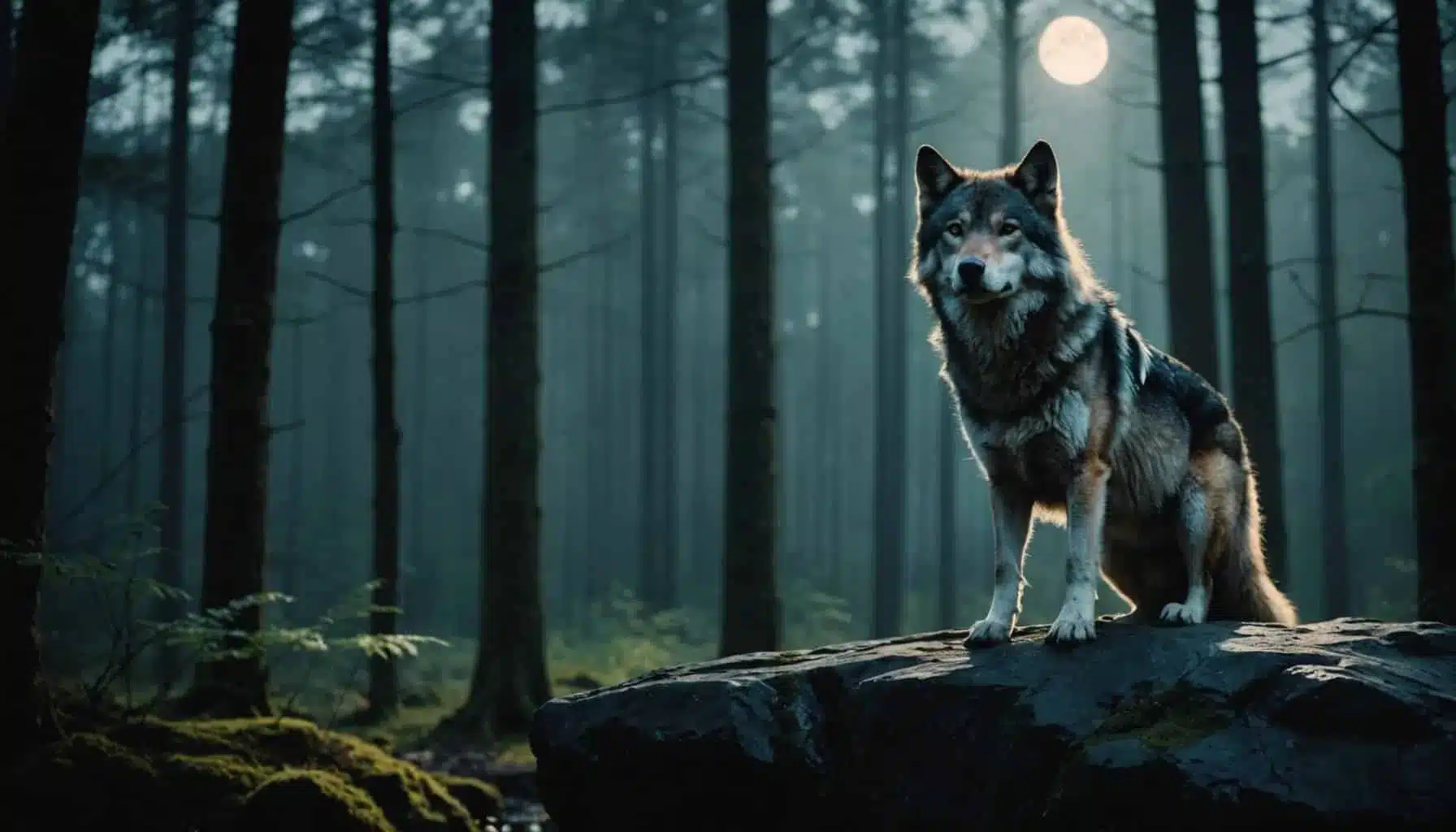
    The wolf is often seen as a symbol of loyalty, courage, and social connections. Wolves are known for their strong family ties and their ability to work as a team. If the wolf is your spirit animal, you might find that you value community and have a natural ability to lead and support others. The wolf teaches us the importance of trusting our instincts and staying true to our path.

    The Eagle

    The eagle represents vision, freedom, and higher perspective. This majestic bird encourages us to look at the bigger picture and to rise above our challenges. If the eagle is your spirit animal, you likely have a strong sense of purpose and a desire to soar to new heights. The eagle’s keen sight reminds us to stay focused on our goals and to see beyond the immediate obstacles.

    The Bear

    The bear is a powerful symbol of strength, introspection, and healing. Bears are known for their ability to hibernate and emerge renewed, which can be a metaphor for personal growth and transformation. If the bear is your spirit animal, you might possess a deep inner strength and a capacity for self-reflection. The bear teaches us to take time for ourselves and to trust in the process of renewal.

    Dive into the mystical world of spirit animals with “one shamanism’s” a-z guide. Explore insightful articles unlocking ancient wisdom and personal growth.

    Connecting with Your Spirit Animal

    Rituals and Practices

    To connect with your spirit animal, we need to be receptive to their presence. Rituals can help us create a sacred space where we can invite our spirit animal to join us. This might include lighting candles, burning incense, or even chanting. The key is to find what resonates with you and makes you feel connected.

    Daily Affirmations

    Daily affirmations are a powerful way to strengthen our bond with our spirit animal. By repeating positive statements, we can align our energy with theirs. For example, saying, “I am open to the guidance of my spirit animal,” can help us stay receptive to their messages. Consistency is crucial, so make it a part of your daily routine.

    Visualization Exercises

    Visualization exercises can be incredibly effective in connecting with our spirit animal. Close your eyes and imagine your spirit animal in vivid detail. Picture their movements, sounds, and even their energy. This practice can make the connection feel more real and tangible. Try to do this regularly to deepen your bond.

    Embracing these practices can help us connect with our spirit animal and embrace their authentic being. Take some time to observe them, either in nature or through meditation, and let their wisdom guide you.

    Spirit Animals in Different Cultures

    Native American Traditions

    In Native American cultures, spirit animals are deeply revered. They are seen as guides and protectors, offering wisdom and insight. Each tribe has its own unique beliefs and practices, but the common thread is the spiritual connection with animals. Totem poles, for example, often depict these sacred animals, symbolizing the tribe’s lineage and spiritual beliefs.

    Celtic Beliefs

    The Celts also held animals in high regard, believing them to be messengers from the otherworld. Animals like the stag, raven, and boar were considered powerful symbols. The familiar in European folklore, for instance, is a supernatural animal guide that assists witches. These animals were thought to possess magical qualities and were often featured in Celtic myths and legends.

    Asian Perspectives

    In many Asian cultures, animals are seen as embodiments of spiritual principles. The Chinese zodiac, for example, assigns an animal to each year, with each animal representing specific traits and fortunes. Similarly, in Japanese Shinto beliefs, animals like the fox (kitsune) are considered messengers of the gods. These beliefs highlight the profound respect and reverence for animals in Asian spiritual practices.

    Understanding the cultural significance of spirit animals can deepen our appreciation for these spiritual guides and their role in our lives.

    The Benefits of Knowing Your Spirit Animal

    Enhanced Intuition

    Listening to your spirit animal’s guidance can bring a wealth of benefits. By tapping into their wisdom, you can unlock hidden reservoirs of personal power, gaining insights into your strengths and potential. This presence feels familiar, safe and a guiding energy. It has come to introduce itself to you, and remind you that you are not lost. Their symbolism can illuminate your path, helping you navigate challenges and make aligned decisions that resonate with your authentic self.

    Improved Decision Making

    Spirit animals often offer guidance on nurturing relationships with loved ones and seizing opportunities for new beginnings. By understanding the messages from your spirit animal, you can make decisions that are more aligned with your true self. This can lead to better outcomes in both your personal and professional life. When faced with tough choices, your spirit animal can provide clarity and direction, ensuring you stay on the right path.

    Emotional Balance

    Connecting with your spirit animal can also bring emotional balance. Their presence offers protection and a sense of security, helping you manage stress and anxiety. By embracing the qualities of your spirit animal, you can cultivate a more balanced and harmonious emotional state. This connection can be a source of comfort and strength during challenging times, reminding you that you are never truly alone.

    Understanding the role of animal spirit guides on your path can be transformative. They offer protection and guidance, helping you navigate life’s ups and downs with greater ease and confidence.

    Challenges in Finding Your Spirit Animal

    Mystical forest with glowing spirit animal silhouette, ethereal light, and nature elements.

    Overcoming Skepticism

    Finding your spirit animal can be a deeply personal journey, but let’s be real—skepticism is a major hurdle. Many of us are conditioned to dismiss the idea as mere fantasy. It’s crucial to keep an open mind and remember that this journey is about self-discovery. If you’re skeptical, try to approach the process with curiosity rather than doubt. After all, there’s a whole world of Everything Out There waiting to be explored.

    Dealing with Doubt

    Doubt can creep in at any stage of your journey. You might question if the signs you’re seeing are real or just coincidences. Keeping a journal can help you track patterns and validate your experiences. Write down every encounter, dream, or meditation insight. Over time, you’ll start to see a clearer picture. Remember, doubt is natural, but it shouldn’t stop you from exploring.

    Staying Open-Minded

    Staying open-minded is easier said than done, especially when you’re diving into the unknown. It’s important to let go of preconceived notions and be receptive to whatever comes your way. This might mean embracing unexpected animals or symbols that appear in your life. The key is to remain flexible and open to the guidance you receive.

    Finding your spirit animal is a journey, not a destination. Embrace the process and stay curious.

    Support more articles like this by sharing your experiences and insights. The more we explore, the more we learn about ourselves and the Everything Out There.

    Spirit Animals and Spirituality

    Spirit animals play a significant role in our spiritual journey, connecting us to the divine and guiding us through personal transformation. They offer valuable spiritual lessons and help us achieve emotional balance. Understanding the concept of spirit animals can lead to enhanced intuition, improved decision-making, and a deeper connection to the spiritual realm. By identifying and connecting with our spirit animal, we embark on a path of self-discovery and profound spiritual growth.

    Using Spirit Animals for Healing

    Emotional Healing

    Spirit animals can be powerful allies in our emotional healing journey. They offer comfort and support during tough times. Connecting with your spirit animal can help you process emotions and find inner peace. Shows like Ground Zero Radio and The Secret Teachings often discuss the emotional benefits of spirit animals. They can help us navigate through grief, anxiety, and other emotional challenges.

    Physical Healing

    Believe it or not, spirit animals can also aid in physical healing. By channeling the energy of your spirit animal, you can boost your body’s natural healing processes. For instance, the strength of a bear or the agility of a deer can inspire you to overcome physical ailments. Podcasts like Ground Zero with Clyde Lewis and Into the Parabnormal have episodes that delve into these fascinating connections.

    Spiritual Healing

    Spirit animals are deeply connected to our spiritual well-being. They guide us through spiritual crises and help us find our true path. Engaging in rituals and practices that honor your spirit animal can lead to profound spiritual healing. This might include meditation, visualization, or even creating an altar. The spiritual insights gained from these practices are often discussed on shows like Into the Parabnormal with Jeremy Scott.

    Embracing the wisdom of our spirit animals can lead to a holistic healing experience, touching our emotional, physical, and spiritual lives.

    Myths and Misconceptions About Spirit Animals

    Common Myths

    One of the most common myths is that spirit animals are just a modern fad. In reality, the concept of spirit animals has deep historical roots in various cultures around the world. Another myth is that you can simply choose your spirit animal based on your favorite animal. Spirit animals are believed to choose you, not the other way around.

    Debunking Misconceptions

    A big misconception is that spirit animals are the same as pets. While we may feel a strong connection to our pets, spirit animals serve a different purpose. They are spiritual guides meant to offer wisdom and support. Another misconception is that spirit animals are only relevant to certain cultures. In fact, many cultures have their own versions of spirit animals, each with unique interpretations and significance.

    Clarifying Facts

    It’s important to clarify that spirit animals are not a form of worship. They are guides and symbols meant to help us navigate life’s challenges. Also, spirit animals are not limited to indigenous cultures; they have been embraced in modern spirituality as well. If you’re curious to learn more, check out our other sections and don’t forget to Get a Hoodie or T-Shirt and support us!

    Many people hold various myths and misconceptions about spirit animals, often misunderstanding their true significance and origins. To uncover the real truths and dive deeper into the fascinating world of spirit animals, visit our website and explore our exclusive content. Join us on a journey of discovery that will change your perspective forever.

    Conclusion

    Embarking on the journey to discover your spirit animal is not just an exploration of the animal kingdom, but a profound dive into your own soul and the universe around you. By understanding and connecting with your spirit animal, you gain valuable insights into your inner self, your strengths, and the guidance you need to navigate life’s challenges. Whether through meditation, dreams, or observing nature, the methods to find your spirit animal are as diverse as the animals themselves. Embrace this journey with an open heart and mind, and let your spirit animal guide you towards a deeper understanding of yourself and the world. Remember, the wisdom of your spirit animal is always there, waiting to be discovered and embraced.

    Frequently Asked Questions

    What is a spirit animal?

    A spirit animal is believed to be a spiritual guide that helps an individual navigate their life’s journey, offering wisdom, protection, and insights. It is often associated with qualities that the person values or needs in their life.

    How can I identify my spirit animal?

    There are several methods to identify your spirit animal, including meditation techniques, dream analysis, and nature observation. These practices can help you connect with and recognize the animal that resonates with your inner self.

    What role do spirit animals play in personal growth?

    Spirit animals can provide emotional support, guidance, and wisdom. They help individuals in their journey of self-discovery and personal transformation by offering insights and teaching valuable life lessons.

    Are spirit animals the same in all cultures?

    No, the concept of spirit animals varies across different cultures. For example, Native American traditions, Celtic beliefs, and Asian perspectives all have unique interpretations and significance attached to spirit animals.

    Can I have more than one spirit animal?

    Yes, it is possible to have more than one spirit animal. Different spirit animals may guide you at various phases of your life, each offering unique qualities and insights relevant to your current path.

    What are some common spirit animals and their meanings?

    Common spirit animals include the wolf, which symbolizes loyalty and intuition; the eagle, representing vision and freedom; and the bear, embodying strength and courage. Each animal has specific characteristics that can guide and inspire you.

    How do I connect with my spirit animal?

    You can connect with your spirit animal through rituals and practices, daily affirmations, and visualization exercises. These methods can help you strengthen your bond and receive guidance from your spirit animal.

    What are the benefits of knowing my spirit animal?

    Knowing your spirit animal can enhance your intuition, improve decision-making, and bring emotional balance. It can also provide a deeper connection to nature and the spiritual world, enriching your overall life experience.

  • The Eye of the Sahara: Unveiling the Secrets of the Richat Structure

    The Eye of the Sahara: Unveiling the Secrets of the Richat Structure

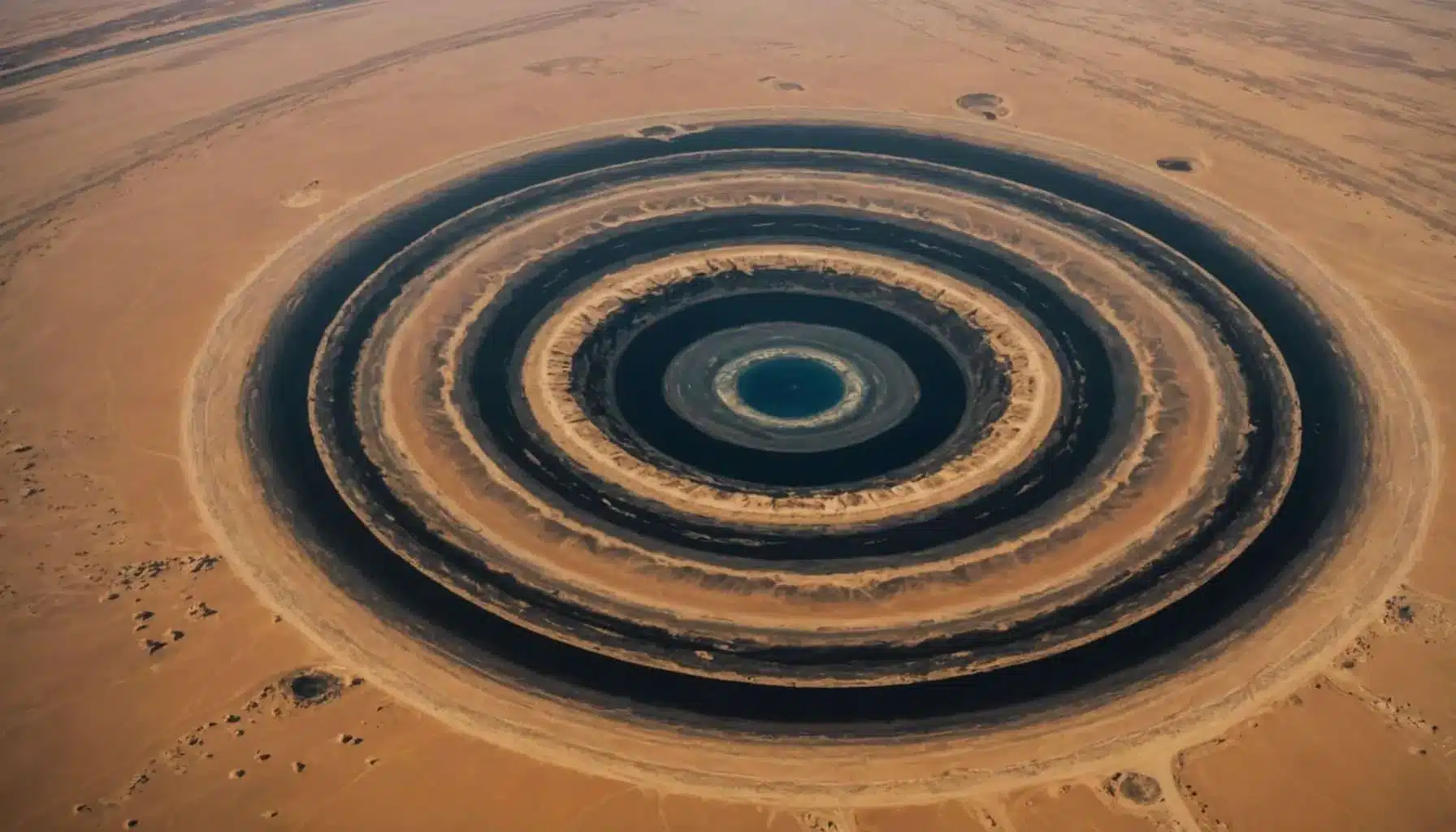
    Nestled in the heart of the Sahara Desert in Mauritania, the Richat Structure, also known as the Eye of the Sahara, is an awe-inspiring geological formation that has captivated scientists and adventurers alike. With its striking concentric circles, this natural wonder is visible even from space, sparking numerous theories and legends about its origin and significance. From its mysterious formation to its cultural impact, the Richat Structure continues to be a source of fascination and study.

    Key Takeaways

    • The Richat Structure, also known as the Eye of the Sahara, is located in Mauritania and is visible from space due to its unique concentric circles.
    • Initially believed to be a meteorite impact site, the Richat Structure is now thought to be a symmetrical uplift exposed by erosion.
    • The formation has sparked various theories and legends, including possible connections to the lost city of Atlantis.
    • NASA’s satellite imagery and astronauts’ observations have provided valuable insights into the structure’s composition and formation.
    • The Richat Structure is not only a geological marvel but also a popular destination for travelers seeking unique and off-the-beaten-path adventures.

    The Geological Marvel: Understanding the Eye of the Sahara

    The Eye of the Sahara, with its intriguing name and captivating features, stands as a testament to the complex geological history of our planet. The circular structure, resembling a colossal eye when viewed from above, has sparked curiosity and speculation for centuries. Believed to have originated over 100 million years ago, the Eye of the Sahara is a result of geological uplift and erosion, processes that gradually unveiled the layers of rock and shaped the concentric rings that define its appearance. This massive structure, spanning over 25 miles in diameter, challenges conventional expectations and offers a glimpse into the dynamic forces at play beneath the Earth’s surface.

    Formation and Composition of the Richat Structure

    The Eye of the Sahara is more than a geological marvel; it is a testament to the dynamic and ever-changing nature of our planet. Its colossal size and intricate features invite us to witness the ongoing story of Earth’s geological evolution, encouraging a deeper appreciation for the forces that shape our world. Initially mistaken for an impact crater, the Eye of the Sahara’s true nature was revealed through satellite imagery and geological surveys. In recent years, the site has become a focal point for scientific research, with studies shedding light on the Earth’s geological processes and the forces that shaped this mesmerizing structure.

    Theories Behind Its Origin

    Theories about the origin of the Eye of the Sahara have evolved over time. Initially, it was thought to be an impact crater, but further research debunked this idea. Instead, scientists now believe it formed through a combination of geological uplift and erosion. This paradigm shift in understanding highlights the importance of continuous exploration and study. The structure’s concentric rings and exposed rock layers provide valuable insights into the planet’s history, offering a tangible record of the forces that have shaped its surface over millions of years.

    Geological Significance

    The Eye of the Sahara is not just a visual spectacle; it holds significant geological importance. The exposed rock layers and concentric rings serve as a natural laboratory for scientists. By studying these features, researchers can delve into the mysteries held by the Eye of the Sahara, using it as a natural laboratory to study geological processes and the Earth’s evolution. The structure’s concentric rings and exposed rock layers provide valuable insights into the planet’s history, offering a tangible record of the forces that have shaped its surface over millions of years. This site continues to be a focal point for scientific research, with ongoing studies aimed at uncovering more about our planet’s dynamic history.

    Aerial Views: The Eye of the Sahara from Space

    NASA’s Discoveries

    Initially mistaken for an impact crater, the Eye of the Sahara’s true nature was revealed through satellite imagery and geological surveys. In recent years, the site has become a focal point for scientific research, with studies shedding light on the Earth’s geological processes and the forces that shaped this mesmerizing structure. NASA’s advanced satellite technology has played a crucial role in uncovering the secrets of the Richat Structure, providing detailed images that have transformed our understanding of this natural wonder.

    Satellite Imagery Insights

    The Eye of the Sahara was first identified during the 1950s from aerial photographs, leading to ongoing studies by geologists until as recently as 2008. These studies explained that the ridges and valleys we see today are formed by the differential erosion of alternating hard and soft rock layers, uplifted as a dome by an underlying alkaline igneous complex of the Cretaceous age. Satellite imagery has been instrumental in mapping these features, offering a bird’s-eye view that reveals the intricate details of the structure’s formation.

    Astronauts’ Perspectives

    Astronauts aboard the International Space Station have often remarked on the striking appearance of the Eye of the Sahara. From space, the Richat Structure stands out as a prominent feature in the vast expanse of the Sahara Desert. Their unique vantage point provides a perspective that is both awe-inspiring and scientifically valuable. Shows like “Into the Parabnormal with Jeremy Scott” and “Ground Zero with Clyde Lewis” have featured interviews with astronauts who share their experiences and insights, adding a personal touch to our understanding of this geological marvel.

    The Eye of the Sahara, visible from space, serves as a reminder of the Earth’s dynamic geological history and the power of natural forces in shaping our planet.

    The Richat Structure and Ancient Civilizations

    The Richat Structure, often called the Eye of the Sahara, has sparked numerous myths and legends. Some believe it to be the remnants of the lost city of Atlantis. Could this be true? While Plato’s Atlantis was described as a submerged city, the Sahara wasn’t always a desert. This opens up the possibility that an ancient civilization within the Richat Structure may have been flooded by a large body of water. However, conclusive evidence remains elusive, hindered by political unrest and the site’s remote location.

    Theories abound about the Richat Structure’s connection to Atlantis. The circular formation and its size have led some to speculate that it could be the fabled city. The Secret Teachings suggest that ancient civilizations might have used the structure for various purposes, from navigation to ceremonial activities. But, the lack of concrete evidence keeps the debate alive. Could the Eye of the Sahara be the key to unlocking the mystery of Atlantis?

    Despite the challenges, some archaeological findings hint at early human activity in the area. Sedimentary layers within the structure have provided valuable insights into past environments. These layers suggest that the region may have supported human life long ago. However, much remains to be discovered. The allure and intrigue surrounding the Richat Structure continue to captivate researchers and adventurers alike.

    The Richat Structure’s geological significance extends beyond its visual appeal. It provides valuable insights into Earth’s geological processes, including the effects of tectonic forces, erosion, and magmatic activity.

    Support more articles like this to delve deeper into the mysteries of our world.

    Exploring the Eye of the Sahara: A Traveler’s Guide

    Aerial view of the Eye of the Sahara, showing its circular rings in the middle of the desert.

    Getting to the Eye of the Sahara, also known as the Richat Structure, is an adventure in itself. The nearest city is Ouadane in Mauritania. From there, you can hire a local guide or join a tour. 4×4 vehicles are a must due to the rough terrain. Flights to Nouakchott, Mauritania’s capital, are available from major international airports. From Nouakchott, it’s a long drive, but the journey is part of the experience!

    The Sahara Desert can be extreme, so timing your visit is crucial. The best time to visit is during the cooler months, from November to February. Temperatures are more bearable, and the risk of sandstorms is lower. Avoid the summer months when temperatures can soar above 50°C (122°F). Always check the weather forecast before planning your trip.

    While the Eye of the Sahara is the main attraction, there are other fascinating sites nearby:

    • Ouadane: A historic town with ancient ruins and a UNESCO World Heritage site.
    • Chinguetti: Known for its ancient libraries and stunning architecture.
    • Adrar Plateau: Offers breathtaking views and unique rock formations.

    Exploring these sites gives you a deeper understanding of the region’s rich history and culture.

    Visiting the Eye of the Sahara is not just about seeing a geological wonder; it’s about immersing yourself in the vast, mysterious landscape of the Sahara Desert. It’s an experience that stays with you long after you’ve left.

    For more insights and stories about the Eye of the Sahara, check out “The Secret Teachings with Ryan Gable” and “Everything Out There”. These resources offer a wealth of information and fascinating perspectives on this natural marvel.

    Scientific Expeditions: Research at the Richat Structure

    Major Studies Conducted

    We’ve seen some incredible studies at the Richat Structure. From geological surveys to detailed mapping, scientists have been busy. One of the most notable studies was conducted by NASA, which used satellite imagery to understand the structure’s formation. Ground Zero with Clyde Lewis even discussed the potential ancient civilization theories linked to the site.

    Key Findings

    The key findings from these studies are fascinating. Researchers discovered that the Richat Structure is primarily composed of sedimentary rock. They also found evidence suggesting it was formed by volcanic activity, not by an asteroid impact as once thought. This has reshaped our understanding of the Sahara’s geological history.

    Ongoing Research

    Ongoing research continues to unveil new secrets. Scientists are now using remote sensing technologies to explore the deeper layers of the structure. This includes 3D modeling and simulations to visualize its formation over millions of years. The quest for knowledge here is far from over.

    The Richat Structure remains a focal point for scientific discovery, blending history, geology, and technology in a unique way.

    The Eye of the Sahara in Popular Culture

    Appearances in Media

    The Eye of the Sahara, with its intriguing name and captivating features, has made its way into various forms of media. From documentaries to TV shows, this geological marvel has captured the imagination of many. Its colossal size and intricate features make it a perfect subject for visual storytelling. We’ve seen it featured in science programs, travel shows, and even in some fictional works. The local Bedouins refer to it as “Bull’s Eye” or “Blue Eye,” adding to the mystique of this colossal geological wonder.

    Influence on Literature

    Writers have long been fascinated by the Eye of the Sahara. Its enigmatic allure prompts reflection on the passage of time and the resilience of geological formations. Some authors have even linked it to the legendary city of Atlantis, weaving it into their narratives as a place of ancient mystery and wonder. The circular structure, resembling a colossal eye when viewed from above, has sparked curiosity and speculation for centuries.

    Documentaries and Films

    Numerous documentaries have delved into the secrets of the Richat Structure. These films often explore the theories behind its origin and its geological significance. Satellite imagery and aerial views provide stunning visuals that leave viewers in awe. The Eye of the Sahara becomes a beacon of exploration and contemplation, inviting us to ponder the mysteries of time and erosion.

    The Eye of the Sahara is more than a geological marvel; it is a testament to the dynamic and ever-changing nature of our planet. Its colossal size and intricate features invite us to witness the ongoing story of Earth’s geological evolution, encouraging a deeper appreciation for the forces that shape our world.

    Environmental Factors: The Sahara Desert’s Impact on the Richat Structure

    Climate and Weather Patterns

    The Sahara Desert is one of the harshest environments on Earth. The extreme temperatures and arid conditions have a significant impact on the Richat Structure. The intense heat causes thermal expansion and contraction of the rocks, leading to cracks and fissures. The lack of moisture means that weathering processes are slow, but when they do occur, they can be quite dramatic.

    Erosion and Preservation

    Erosion, both by wind and water, has sculpted the Richat Structure into its present form. The wind carries sand that blasts against the rock, slowly wearing it down. Water, although rare, can cause sudden and significant changes. Differential erosion rates between softer and more resistant layers have created the striking concentric circles we see today. This natural process exposes different rock types, adding to the structure’s unique appearance.

    Flora and Fauna

    Despite the harsh conditions, some hardy plants and animals have adapted to life around the Richat Structure. Desert shrubs and grasses can be found in the area, providing a bit of greenery in an otherwise barren landscape. Small mammals, reptiles, and insects also make their home here, each playing a role in the local ecosystem.

    The Richat Structure is a testament to the power of natural forces. Its formation and preservation are ongoing processes, influenced by the relentless environment of the Sahara Desert. Get a Hoodie or T-Shirt and support us!

    Technological Advances in Studying the Richat Structure

    Remote Sensing Technologies

    We’ve come a long way in understanding the Richat Structure, thanks to remote sensing technologies. These tools allow us to gather data without being physically present. Satellite imagery and aerial photography have provided us with detailed views of the structure. This helps us map out its intricate details and understand its formation better. The use of LiDAR technology has also been a game-changer, offering high-resolution topographic data that reveals subtle features not visible to the naked eye.

    Geophysical Surveys

    Geophysical surveys have been crucial in uncovering the secrets beneath the surface of the Richat Structure. Techniques like aeromagnetic and gravimetric mapping have helped us understand the deep structure. These methods have shown that the Richat Structure is not an impact crater but rather a result of geological processes involving magma. This insight has shifted our understanding and opened new avenues for research.

    3D Modeling and Simulations

    3D modeling and simulations have revolutionized our study of the Richat Structure. By creating detailed 3D models, we can visualize the structure from different angles and depths. This allows us to simulate various geological processes and test different theories about its formation. These models are not just for scientists; they also help educate the public and spark interest in this natural wonder.

    In the western Sahara desert lies a natural wonder that has intrigued scientists and adventurers for centuries. Known as the Richat Structure — or, as some call it, the Eye of the Sahara — this geological marvel continues to captivate our imagination.

    Into the Parabnormal

    The Richat Structure has even caught the attention of the podcast “Into the Parabnormal,” where experts discuss its mysteries and the latest technological advances in its study. This platform has helped bring the Richat Structure into the public eye, making complex scientific topics accessible and engaging for everyone.

    The Eye of the Sahara: A Natural Wonder Worth Protecting

    The Eye of the Sahara is more than a geological marvel; it is a testament to the dynamic and ever-changing nature of our planet. Its colossal size and intricate features invite us to witness the ongoing story of Earth’s geological evolution, encouraging a deeper appreciation for the forces that shape our world.

    Conservation Efforts

    Protecting the Eye of the Sahara means defending a natural wonder that has intrigued scientists and adventurers for centuries. Various organizations are working tirelessly to ensure that this geological masterpiece remains intact for future generations. It’s worth it to support these efforts, as the Richat Structure holds invaluable scientific and cultural significance.

    Challenges in Preservation

    Preserving the Eye of the Sahara is no easy feat. The harsh desert environment poses significant challenges, from extreme temperatures to sandstorms. Additionally, human activities such as tourism and potential mining operations threaten its integrity. We must balance exploration with conservation to ensure this natural wonder remains unspoiled.

    The Role of Local Communities

    Local communities play a crucial role in the preservation of the Eye of the Sahara. Their intimate knowledge of the land and its history is invaluable. By involving them in conservation efforts, we can create sustainable practices that benefit both the environment and the people who call this region home. It’s worth it to engage with and support these communities in their efforts to protect this unique geological formation.

    As we gaze upon the Eye of the Sahara, we are reminded that even in the seemingly barren landscapes of the desert, nature holds secrets and stories that continue to unfold through the ages.

    Personal Accounts: Stories from Visitors to the Eye of the Sahara

    Traveler Experiences

    As we traverse the vast expanse of the Sahara Desert, the Eye of the Sahara beckons with its enigmatic allure. The geological masterpiece invites us to ponder the mysteries of time and erosion. Standing in its presence, we can’t help but reflect on the passage of time and the resilience of geological formations. It’s a beacon of exploration and contemplation.

    Local Legends and Stories

    The Eye of the Sahara isn’t just a geological marvel; it’s a canvas for local legends and stories. The western Sahara holds the keys to unraveling the stories of our ancestors and the civilizations that once flourished beneath its shifting sands. From myths of ancient gods to tales of lost cities, the Richat Structure is steeped in mystery and intrigue.

    Impact on Tourism

    Visiting the Eye of the Sahara is more than just a trip; it’s an adventure. The colossal size and intricate features of the structure have sparked curiosity and speculation for centuries. Shows like “Ground Zero with Clyde Lewis” have brought even more attention to this natural wonder, boosting its profile among travelers. The impact on tourism is significant, drawing adventurers from around the globe to witness this marvel firsthand.

    The Eye of the Sahara is a testament to the dynamic and ever-changing nature of our planet. Its colossal size and intricate features invite us to witness the ongoing story of Earth’s geological evolution, encouraging a deeper appreciation for the forces that shape our world.

    Dive into the captivating stories of those who have visited the Eye of the Sahara. From awe-inspiring experiences to mysterious encounters, our visitors share their personal accounts that will leave you intrigued and wanting more. Don’t miss out on these exclusive insights—visit our website and start your free trial today!

    Conclusion

    The Richat Structure, or the Eye of the Sahara, remains one of Earth’s most enigmatic and captivating geological formations. Its unique concentric circles, visible even from space, have puzzled scientists and intrigued adventurers for decades. As we continue to study and explore this natural wonder, we are reminded of the Earth’s dynamic and ever-changing nature. The Richat Structure not only adds to our geological knowledge but also inspires a sense of wonder and curiosity about the natural world. Whether you’re a scientist, a traveler, or simply a curious mind, the Eye of the Sahara offers a glimpse into the planet’s fascinating history and the mysteries that still await discovery.

    Frequently Asked Questions

    What is the Eye of the Sahara?

    The Eye of the Sahara, also known as the Richat Structure, is a massive geological formation in the Sahara Desert that resembles a giant eye. It is located near Ouardan, Mauritania.

    How was the Richat Structure formed?

    The Richat Structure is believed to be a symmetrical uplift that has been exposed by erosion. Initially, it was thought to be a meteorite impact crater due to its circular shape.

    Why is the Richat Structure significant?

    The Richat Structure is significant for its unique geological formations and its mysterious origins. It has also been a point of interest for scientists, geologists, and adventurers.

    Can the Eye of the Sahara be seen from space?

    Yes, the Eye of the Sahara is so large that it can be seen from space. Its concentric rings make it a prominent feature in satellite imagery.

    What are some theories about the origin of the Richat Structure?

    There are several theories about the origin of the Richat Structure, including the possibility of it being a meteorite impact crater, a volcanic eruption site, or a result of geological uplift and erosion.

    Is there any connection between the Richat Structure and the legend of Atlantis?

    Some theories suggest a possible connection between the Richat Structure and the legend of Atlantis, although there is no scientific evidence to support this claim.

    How can I visit the Eye of the Sahara?

    To visit the Eye of the Sahara, you would need to travel to Mauritania. It is advisable to hire a local guide and ensure you have the necessary permits and preparations for desert travel.

    What is the best time to visit the Richat Structure?

    The best time to visit the Richat Structure is during the cooler months, from November to February, to avoid the extreme heat of the Sahara Desert.

  • The Geological Insights of Randall Carlson: Unveiling Earth’s Hidden History

    The Geological Insights of Randall Carlson: Unveiling Earth’s Hidden History

    Randall Carlson, a master builder and geological explorer, has spent decades unraveling the mysteries of Earth’s hidden history. His extensive research spans ancient catastrophes, lost civilizations, and the profound role of sacred geometry. Carlson’s work offers a fresh perspective on our planet’s past, blending ancient wisdom with modern scientific inquiry.

    Key Takeaways

    • Randall Carlson’s research supports the Younger Dryas Impact Hypothesis, suggesting a comet or asteroid impact caused significant climatic changes around 12,800 years ago.
    • Evidence points to numerous ancient catastrophes that have shaped Earth’s geological and environmental history, challenging conventional views on species extinction and climate change.
    • Carlson’s studies highlight the advanced knowledge and engineering skills of ancient civilizations, as evidenced by megalithic structures and sacred sites with astronomical precision.
    • Sacred geometry plays a crucial role in understanding the universe’s mathematical patterns, influencing both ancient architectural designs and modern scientific thought.
    • The intersection of mythology and geology provides valuable insights, with ancient myths often reflecting real geological events, thereby preserving historical knowledge through oral traditions.

    Randall Carlson’s Exploration of Earth’s Catastrophic Past

    The Younger Dryas Impact Hypothesis

    We’ve all heard about the Ice Age, but what if we told you that a catastrophic event might have ended it abruptly? Randall Carlson dives deep into the Younger Dryas Impact Hypothesis, suggesting that a comet or asteroid impact could have triggered a sudden climate shift. This theory challenges the conventional understanding of Earth’s climatic history and opens up a world of possibilities for what might have happened during that period of catastrophic change.

    Evidence of Ancient Catastrophes

    Carlson’s research is like a treasure hunt for clues about Earth’s tumultuous past. From massive floods to sudden extinctions, he provides compelling evidence that ancient catastrophes were more frequent than we ever imagined. His work often features on platforms like Ground Zero Radio, where he discusses these earth-shattering events in detail. It’s fascinating to think about how these ancient disasters have shaped the world we live in today.

    Asteroid and Comet Impacts

    Asteroids and comets have always been a part of Earth’s history, but Carlson argues that their impacts were more frequent and devastating than we realize. He often shares his insights on shows like Ground Zero with Clyde Lewis, making complex geological concepts accessible and engaging. Imagine the sheer force of an asteroid impact and its immediate and long-term effects on the planet. It’s a humbling reminder of our place in the universe and the forces that have shaped our world.

    Carlson’s ongoing research and discussions, including those by Alan West, continue to study this important period of catastrophic change. Ancient observatories and sacred sites often provide clues that help us understand these monumental events.

    Carlson’s work is a blend of science, history, and a bit of detective work. It’s a journey through time that makes us rethink everything we thought we knew about Earth’s past. And honestly, isn’t that what makes exploring everything out there so exciting?

    Uncovering a Lost Civilization: Clues from Ancient Structures

    Mysterious Megaliths and Their Builders

    All around the world, we find mysterious ancient monoliths with strange features—perfectly carved terraces, massive steps, and basins. These structures, like Stonehenge and Gobekli Tepe, were built over 11,000 years ago. They were deliberately buried, raising questions about the reasons behind it. Evidence suggests the existence of a prehistoric civilization buried and forgotten. Randall Carlson and Graham Hancock are exploring this concept and finding support for their theories.

    Cataclysmic Events and Their Aftermath

    There is evidence pointing towards an ancient civilization that existed before recorded history. Cataclysmic events may have reshaped our planet, challenging the notion of our true origins. These events could explain why much of their knowledge and achievements were lost over time. Our ancestors’ obsession with the sky is evident in the astronomical alignments and sophisticated observations built into ancient structures.

    The Role of Sacred Geometry

    Sacred geometry played a significant role in the construction of these ancient structures. The sophisticated science behind these stone sites includes modern research on acoustic levitation and ancient use of geopolymers. This knowledge challenges our understanding of human civilization and urges us to remain open-minded about our past.

    The clues left by ancient civilizations in their structures are like a puzzle, waiting to be solved. They urge us to question what we know about our history and to explore the possibility of advanced prehistoric knowledge.

    Sacred Geometry: The Blueprint of the Universe

    The Mathematical Patterns in Nature

    Let’s dive into the fascinating world of sacred geometry. It’s all about the mathematical patterns that we see in nature. Think about the spirals in a sunflower or the symmetry of a snowflake. These patterns aren’t just random; they follow specific geometric rules. Unlocking these patterns can help us understand the universe better.

    Ancient Knowledge and Modern Science

    Sacred geometry isn’t just an ancient concept. Modern science is catching up, and we’re finding that these geometric principles are everywhere. From the structure of DNA to the formation of galaxies, sacred geometry bridges the gap between ancient wisdom and modern discoveries. It’s like we’re rediscovering The Secret Teachings of the past.

    Applications in Architecture and Design

    Ever wondered why some buildings just feel right? Sacred geometry plays a huge role in architecture and design. Ancient builders used these principles to create structures that were not only beautiful but also functional. Today, architects and designers continue to use these timeless techniques to create spaces that resonate with us on a deeper level.

    Sacred geometry is more than just shapes and patterns; it’s a way to connect with the universe and understand our place within it.

    The Geological Mysteries of the Ice Age

    The Missoula Floods

    Let’s dive into one of the most fascinating events of the Ice Age: the Missoula Floods. Imagine a massive ice dam breaking and releasing a torrent of water that reshaped the landscape. This wasn’t just a one-time event; it happened multiple times, creating the unique geological formations we see today in Western Montana. These floods challenge our previous beliefs about glacial activity and show how dynamic Earth’s history truly is.

    Ice Sheets and Their Movements

    During the Ice Age, enormous ice sheets covered much of North America. These ice sheets weren’t static; they moved, grew, and shrank over thousands of years. This movement carved out valleys, created lakes, and even influenced the migration of paleo Indian hunters. Understanding these movements helps us piece together the puzzle of our planet’s past.

    Climate Changes and Their Impact

    The Ice Age was a period of significant climate change. Temperatures fluctuated, causing ice sheets to advance and retreat. These changes had a profound impact on the environment and the species that lived during this time. From the formation of landscapes to the extinction of certain animal species, the Ice Age was a time of dramatic transformation.

    Geologists have uncovered a chilling discovery about Earth’s ancient past, shedding light on a mystery that puzzled scientists for years.

    Cosmic Timetables and Earth’s Geological Record

    The Delivery of Cosmic Material

    We’ve all heard about asteroids and comets, but did you know their delivery to Earth follows a cosmic timetable? It’s not random. These events occur in cycles, impacting our planet in profound ways. Understanding this timetable helps us grasp the magnitude of these events. Ancient traditions knew this, and now, with tools like Google Earth, we can observe these patterns ourselves.

    Measuring Cosmic Time

    Measuring cosmic time is crucial. It allows us to predict future events and understand past ones. The cycles of 6,480, 12,960, and 25,920 years are particularly significant. These correspond to the “great year” divided into four seasons, each marked by a catastrophic event. This knowledge is essential for exploring the complexity of history and challenging mainstream narratives.

    Ancient Traditions and Modern Tools

    Ancient cultures had a deep understanding of cosmic time. They built their world on top of former worlds, aware of the cosmic perspective. Today, we have advanced tools to measure and observe these patterns. This blend of ancient wisdom and modern technology offers alternative perspectives on historical accounts and helps us unveil Earth’s hidden history.

    The intersection of ancient knowledge and modern science reveals a cosmic perspective of Earth, showing how humans have built their world on top of former worlds.

    The Intersection of Mythology and Geology

    Mythological Accounts of Catastrophes

    Mythology is more than just stories; it’s a repository of ancient knowledge. Many myths recount catastrophic events that align with geological evidence. For instance, Greek myths describe the fall of Phaethon, which some interpret as a memory of a meteor impact. These tales are not just fantasies; they are humanity’s way of preserving memories of real events.

    Geological Evidence Supporting Myths

    We find geological evidence that supports these mythological accounts. Layers of sediment, ash, and other materials often correlate with the timelines of these ancient stories. For example, the Younger Dryas Impact Hypothesis suggests a comet impact around 12,800 years ago, which aligns with many flood myths. This intersection of myth and geology offers a new lens to view our past.

    The Importance of Oral Traditions

    Oral traditions have been the backbone of preserving these ancient memories. They serve as a bridge between the past and the present, helping us understand the cataclysmic events that shaped our world. These stories, passed down through generations, are invaluable for both geologists and historians.

    The Paradigm Shift in understanding Earth’s history comes from recognizing the value of these ancient myths. They are not just stories but are crucial pieces of the puzzle in understanding our planet’s geological past.

    Exploring these myths and their geological counterparts is like stepping Into the Parabnormal. It challenges our conventional understanding and opens up new avenues for research and discovery.

    Randall Carlson’s Contributions to Science and Education

    Randall Carlson is a master builder, architectural designer, teacher, geometrician, geomythologist, geological explorer, and renegade scholar. With over forty years of study into the intersection of ancient mythology and modern science, Carlson has made significant contributions to both fields. His life and work center around his aspiration “to affect a revival of lost knowledge.”

    The Influence of Freemasonry on Carlson’s Work

    Randall Carlson with geological formations and Freemasonry symbols in the background.

    Randall Carlson’s work is deeply intertwined with his long-standing involvement in Freemasonry. For over 30 years, Carlson has been an active Freemason, even serving as the Past Master of one of the oldest and largest Masonic lodges in Georgia. This experience has profoundly shaped his approach to exploring the influence and mysteries of Freemasonry and the Illuminati, from historical roots to modern controversies.

    Masonic Principles and Sacred Geometry

    Freemasonry’s core principles are evident in Carlson’s work, especially his focus on sacred geometry. He believes that ancient builders used geometric processes, which they thought were employed by a divine force in the creation of the universe. This idea is central to understanding the messages within cathedrals and other ancient structures. Carlson articulates his vision for aligning buildings with the heavens, a practice he sees as a replication of the universe’s construction by a deity, referred to as the great architect.

    Historical Connections to Ancient Knowledge

    Freemasonry is not just a secret society with symbols and teachings; it has historical continuity that dates back centuries. Carlson’s research delves into how these ancient traditions have been preserved and passed down through generations. He explores how Freemasonry’s teachings align with the knowledge of ancient civilizations, particularly in the realms of architecture and geometry.

    Freemasonry’s Role in Preserving Wisdom

    One of the most intriguing aspects of Freemasonry is its role in preserving ancient wisdom. Carlson’s work often highlights how Masonic teachings have safeguarded knowledge that might have otherwise been lost to time. This preservation of wisdom is crucial for understanding the broader context of human history and the development of scientific thought.

    Freemasonry, far from being a secret society with nefarious intentions, has its roots in survival during a time when it was outlawed and underground. Becoming a Freemason aligns one with the oldest institution on the planet, which has historical continuity that spans centuries.

    Carlson’s contributions to science and education are enriched by his Masonic background, providing a unique lens through which to view the intersection of ancient knowledge and modern science.

    Exploring Ancient Observatories and Sacred Sites

    Astronomical Precision in Ancient Structures

    Shawn Ryan and Randall Carlson explore the precision alignment of ancient observatories and sacred sites with celestial movements, indicating an advanced understanding of astronomy. They theorize that ancient cultures used sky-watching techniques to predict events. Structures like Stonehenge could have served purposes beyond marking time, such as energy generation.

    Energy-Related Functions of Sacred Sites

    Shawn Ryan, along with Randall Carlson, delve into the astronomical precision and possible energy-related functions of ancient observatories and sacred sites, suggesting evidence of an advanced ancient technological system. This theory is intriguing but remains speculative and lacks empirical evidence.

    Evidence of Advanced Ancient Technology

    Examining sacred sites in Peru and their counterparts around the world, researcher and journalist Camille M. Sauvé shows how these sites share specific architectural characteristics and reveal evidence of a very ancient culture that once existed worldwide. She explores the sophisticated science behind the construction of these stone sites, including modern research on acoustic levitation and ancient use of geopolymers.

    Ancient observatories and sacred sites offer a glimpse into the advanced technological and astronomical knowledge of our ancestors.

    For more in-depth discussions, check out “The Secret Teachings with Ryan Gable.”

    The Role of Geomythology in Understanding Earth’s History

    Defining Geomythology

    Geomythology is the study of how ancient myths and legends can provide evidence for geological events. It’s a fascinating field that bridges the gap between folklore and science. By examining stories passed down through generations, we can uncover clues about past natural disasters and environmental changes. This approach helps us understand how ancient civilizations interpreted and responded to the Earth’s dynamic processes.

    Case Studies and Examples

    There are numerous examples where geomythology has shed light on historical geological events. For instance, the legend of Atlantis might be linked to real catastrophic events like volcanic eruptions or tsunamis. Similarly, ancient Greek myths about monsters and giants could be interpreted as symbolic representations of natural disasters. These stories, while fantastical, often contain kernels of truth that can guide modern scientific investigations.

    The Future of Geomythological Research

    The field of geomythology is still evolving, and there’s much more to discover. Future research could focus on integrating advanced technologies like satellite imagery and geological surveys with traditional mythological studies. This interdisciplinary approach could reveal new insights into Earth’s history and help us better understand the magnitude of past events. Revisiting and expanding our understanding of these ancient stories is crucial for a comprehensive view of our planet’s geological past.

    Geomythology is not just about understanding the past; it’s about connecting with the wisdom of ancient civilizations and appreciating their contributions to our knowledge of the Earth.

    The Role of Geomythology in Understanding Earth’s History is a fascinating topic that bridges ancient myths with geological events. To delve deeper into this intriguing subject and uncover hidden truths, visit our website and explore our exclusive content. Unlock a world of intriguing insights and start your journey today!

    Conclusion

    Randall Carlson’s extensive research and insights into Earth’s geological history offer a captivating glimpse into our planet’s hidden past. His work bridges the gap between ancient myths and modern science, revealing a world shaped by cataclysmic events and advanced prehistoric civilizations. By examining ancient structures, cosmic impacts, and geological phenomena, Carlson challenges conventional views and encourages us to rethink our understanding of human history. His dedication to uncovering these mysteries not only enriches our knowledge but also inspires a deeper appreciation for the intricate and dynamic history of Earth.

    Frequently Asked Questions

    Who is Randall Carlson?

    Randall Carlson is a master builder, architectural designer, teacher, geometrician, geomythologist, geological explorer, and renegade scholar. He has over four decades of study and research into the interface between ancient mysteries and modern science.

    What is the Younger Dryas Impact Hypothesis?

    The Younger Dryas Impact Hypothesis suggests that a comet or asteroid impact around 12,800 years ago caused significant climatic changes, leading to a sudden return to glacial conditions during a period of global warming.

    How does Randall Carlson link ancient structures to lost civilizations?

    Randall Carlson explores the idea that ancient megalithic structures and sacred sites provide clues about a prehistoric civilization that was advanced in its understanding of geometry, astronomy, and architecture.

    What is sacred geometry?

    Sacred geometry is the study of geometric patterns and shapes that have symbolic and sacred meanings. It is believed to be the blueprint of the universe, reflecting the fundamental patterns of nature and the cosmos.

    What are the Missoula Floods?

    The Missoula Floods were a series of cataclysmic floods that occurred at the end of the last Ice Age, caused by the periodic rupturing of an ice dam that held back Glacial Lake Missoula. These floods significantly shaped the landscape of the Pacific Northwest.

    What is geomythology?

    Geomythology is the study of myths and legends that are believed to be based on geological events. It combines the fields of geology and mythology to understand how ancient cultures interpreted natural phenomena.

    How has Randall Carlson contributed to science and education?

    Randall Carlson has been recognized by the National Science Teachers Association for his commitment to science education. He has also initiated various educational projects and has been an active Freemason for 30 years, promoting the preservation of ancient knowledge.

    What role does Freemasonry play in Randall Carlson’s work?

    Freemasonry, with its principles of sacred geometry and ancient wisdom, has significantly influenced Randall Carlson’s work. He explores historical connections to ancient knowledge and how Freemasonry has played a role in preserving this wisdom.

  • Unlocking the Mysteries of Sacred Geometry: A Journey Through Time and Space

    Unlocking the Mysteries of Sacred Geometry: A Journey Through Time and Space

    Sacred Geometry is a fascinating field that bridges the gap between art, science, and spirituality. From the earliest human civilizations to modern-day interpretations, geometric patterns and shapes have been used to symbolize and understand the universe’s profound mysteries. This article embarks on a journey through time and space to unlock the secrets of Sacred Geometry and its enduring impact on various aspects of human life.

    Key Takeaways

    • Sacred Geometry has ancient origins, with evidence of its use in prehistoric cultures, Ancient Egypt, and Greece.
    • Religious and spiritual practices across Christianity, Islam, and Hinduism incorporate Sacred Geometry in their symbols and art.
    • Mathematical concepts like the Golden Ratio, Fibonacci Sequence, and Platonic Solids form the foundation of Sacred Geometry.
    • Nature exhibits Sacred Geometry through patterns in plants, crystals, and even the structure of the universe.
    • Modern applications of Sacred Geometry can be seen in contemporary art, architecture, and healing practices.

    The Ancient Origins of Sacred Geometry

    Early Uses in Prehistoric Cultures

    Sacred geometry has been around since the dawn of human civilization. Early humans used geometric patterns in their cave paintings and carvings. These patterns were not just for decoration; they held symbolic meanings and were believed to connect the physical and spiritual worlds. Imagine the awe of our ancestors as they discovered the power of shapes and patterns!

    Sacred Geometry in Ancient Egypt

    The Egyptians took sacred geometry to new heights. The Great Pyramids of Giza are a testament to their advanced understanding of geometric principles. They believed that these shapes had mystical properties that could harness cosmic energy. The use of the golden ratio in their architecture is a prime example of their sophisticated knowledge.

    Greek Contributions to Sacred Geometry

    The Greeks were fascinated by geometry and its connection to the cosmos. Philosophers like Pythagoras and Plato explored the deeper meanings of geometric shapes. They believed that understanding geometry was key to understanding the universe. Their work laid the foundation for modern mathematics and continues to inspire us today.

    By delving into its history and origins, we can gain a deeper appreciation for the interconnectedness of art, science, and spirituality. Support more articles like this to keep the exploration going!

    Sacred Geometry in Religious and Spiritual Practices

    Symbolism in Christianity

    In Christianity, sacred geometry is often seen in the design of churches and cathedrals. The cross, a central symbol, is a geometric shape that represents the intersection of the divine and the earthly. Many believe that these geometric designs help to create a sacred space that connects worshippers with the divine. The Secret Teachings with Ryan Gable often explores how these symbols are more than just art; they are a bridge to the spiritual realm.

    Geometric Patterns in Islamic Art

    Islamic art is renowned for its intricate geometric patterns. These designs are not just decorative; they hold deep spiritual significance. The use of repeating patterns symbolizes the infinite nature of Allah. Mosques are adorned with these patterns to create an atmosphere of contemplation and connection to the divine. The Secret Teachings with Ryan Gable delves into how these patterns are meticulously crafted to reflect the order and harmony of the universe.

    Hindu Mandalas and Yantras

    In Hinduism, mandalas and yantras are geometric designs used in meditation and rituals. Mandalas represent the universe, while yantras are tools for focusing the mind. These designs are believed to hold spiritual power and are used to aid in personal growth and enlightenment. The intricate patterns are not just visually stunning but are also imbued with deep spiritual meaning. The Secret Teachings with Ryan Gable often highlights how these ancient practices are still relevant today.

    Sacred geometry transcends cultural and religious barriers, representing a global interest in the power and significance of these geometric forms.

    The Mathematical Foundations of Sacred Geometry

    The Golden Ratio and Fibonacci Sequence

    Let’s dive into the Golden Ratio and the Fibonacci Sequence. These two mathematical concepts are like the bread and butter of sacred geometry. The Golden Ratio, approximately 1.618, appears in various forms in nature, art, and architecture. It’s a number that seems to pop up everywhere, from the spirals of galaxies to the proportions of the Parthenon. The Fibonacci Sequence, on the other hand, is a series of numbers where each number is the sum of the two preceding ones. This sequence is closely related to the Golden Ratio and can be seen in the arrangement of leaves, flowers, and even in the branching of trees. By investigating these patterns, we start unveiling the secrets and mysteries of the universe.

    Platonic Solids and Their Significance

    Next up, we have Platonic Solids. These are the only five regular polyhedra in existence, and they hold a special place in sacred geometry. Each solid is made up of faces that are all the same shape and size. The five Platonic Solids are the tetrahedron, cube, octahedron, dodecahedron, and icosahedron. These shapes are not just mathematical curiosities; they are believed to represent the fundamental elements of the universe: earth, water, air, fire, and ether. By decoding these symbols and language, we can gain a deeper understanding of the building blocks of reality.

    Fractals and Self-Similarity

    Finally, let’s talk about fractals and self-similarity. Fractals are complex patterns that look the same at every scale. Think of a snowflake or a coastline; no matter how much you zoom in, the pattern remains consistent. This concept of self-similarity is a cornerstone of sacred geometry. Fractals can be found in various natural phenomena, from the branching of trees to the structure of galaxies. They help us question narratives for truth and explore the infinite complexity of the natural world.

    By understanding these mathematical foundations, we can start to see the inherent harmony and balance present in the world around us. Sacred geometry offers us a lens through which we can view the interconnectedness of all things, from the smallest atom to the largest galaxy.

    Sacred Geometry in Nature

    In the natural world, sacred geometry reveals itself through various means. This includes the arrangement of leaves on a plant stem and the spiral pattern of a conch shell, among others. You can find the intricate beauty of sacred geometry in the most unexpected places. Take, for example, the exquisite symmetry found in a sunflower.

    From the delicate intricacies of a snowflake to the grandeur of a mountain range, sacred geometry permeates every corner of the natural world. It’s a silent language that speaks to the beauty, order, and interconnectedness of our universe. By unraveling the secrets of sacred geometry, we gain a deeper understanding of the profound harmony that exists between mathematics and nature.

    Architectural Marvels Inspired by Sacred Geometry

    The Great Pyramids of Giza

    The Great Pyramids of Giza are among the most iconic structures in the world. These ancient architectural wonders showcase a deep understanding of geometric principles. The precise alignment and proportions of the pyramids reflect the Egyptians’ advanced knowledge of sacred geometry. Their construction continues to baffle modern engineers.

    The Parthenon in Athens

    Greek Parthenons exhibit a refined use of sacred geometry, revealing the Greeks’ understanding of harmony and balance. The Parthenon in Athens is a prime example. Its design incorporates the Golden Ratio, creating a sense of aesthetic perfection. The Greeks’ use of geometry in architecture was not just for beauty but also for spiritual significance.

    Gothic Cathedrals of Europe

    Gothic cathedrals are renowned for their intricate designs and towering spires. These structures are a testament to the medieval architects’ mastery of sacred geometry. The use of pointed arches, ribbed vaults, and flying buttresses not only provided structural stability but also symbolized the divine. The geometric patterns in the stained glass windows and floor plans were designed to inspire awe and reverence.

    Sacred geometry has been a guiding principle in the creation of some of the most revered structures in human history. From the ancient pyramids to the majestic cathedrals, these architectural marvels continue to inspire and captivate us.

    Modern Interpretations and Applications

    Sacred Geometry in Contemporary Art

    In today’s art world, sacred geometry is more than just a relic of the past. Artists are increasingly incorporating geometric forms and ratios, like the Golden Ratio, into their work. This not only creates aesthetically pleasing pieces but also imbues them with deeper meaning. The Paradigm Shift in art is evident as we see more and more artists exploring these ancient principles in new and innovative ways.

    Use in Modern Architecture

    Modern architecture has also embraced sacred geometry. Architects use geometric patterns to design buildings that are not only functional but also spiritually uplifting. From the layout of a room to the overall structure of a skyscraper, these patterns help create spaces that resonate with harmony and balance. It’s fascinating to see how Everything Out There in the built environment can be influenced by these ancient principles.

    Healing and Meditation Practices

    Sacred geometry isn’t just for art and architecture; it’s also found its way into healing and meditation practices. Many people use geometric patterns as focal points during meditation to help align their energies and achieve a state of balance. These patterns are believed to have a calming effect on the mind and body, making them a popular tool for those seeking inner peace.

    The intersection of ancient wisdom and modern science could lead to groundbreaking discoveries, offering deeper insights into the interconnectedness of all things.

    Exploring the Symbolism of Sacred Geometry

    Sacred geometry is a fascinating field that explores the mathematical principles and patterns found in nature, art, and architecture. It is believed to hold deep spiritual significance and has been used by ancient civilizations, such as the Egyptians and Greeks, as a means to connect with the divine. In this section, we will delve into the symbolism behind sacred geometry and uncover its hidden meanings.

    Sacred Geometry in Ancient Civilizations

    Mayan and Aztec Civilizations

    The Mayans and Aztecs were masters of sacred geometry. They used it in their pyramids, temples, and even their calendar systems. The Mayan calendar, for instance, is a marvel of geometric precision. Their understanding of geometry was not just for aesthetics but also for spiritual and astronomical purposes. They believed that these shapes could connect them to the divine and the cosmos.

    Chinese and Indian Contributions

    In China, sacred geometry can be seen in the intricate designs of ancient temples and palaces. The Chinese used geometric principles to align their structures with celestial bodies, believing this would bring harmony and balance. In India, sacred geometry is deeply embedded in the design of mandalas and yantras. These geometric patterns are used in meditation and spiritual rituals, aiming to connect the individual with the universe. The precision and complexity of these designs are truly awe-inspiring.

    Mesopotamian and Babylonian Insights

    The Mesopotamians and Babylonians also had a profound understanding of sacred geometry. They used it in their ziggurats and city planning. Their knowledge of geometry was advanced, influencing their architecture and even their understanding of the cosmos. They believed that geometric shapes had mystical properties that could influence their lives and surroundings.

    Sacred geometry is not just an abstract concept but a practical tool for understanding the world around us. Many ancient civilizations, such as the Egyptians and the Mayans, incorporated sacred geometry into their artwork, architecture, and spiritual practices. By infusing their creations with geometric symbolism, they believed they could tap into the inherent power and meaning associated with these shapes.

    For more fascinating insights into the world of sacred geometry, check out the podcast “Into the Parabnormal with Jeremy Scott.”

    Incorporating Sacred Geometry into Daily Life

    Incorporating sacred geometry into our daily lives can bring a sense of harmony, balance, and connection with the underlying principles of the universe. Whether through meditation, physical surroundings, yoga, manifestation practices, or healing techniques, exploring the intricate world of sacred geometry can deepen our understanding of the mysteries of the universe and help us lead a more intentional and purposeful life.

    The Intersection of Science and Sacred Geometry

    Ancient symbols and modern scientific elements illustrating the harmony between sacred geometry and science.

    Quantum Physics and Geometry

    Quantum physics and sacred geometry might seem worlds apart, but they share some fascinating connections. Geometric patterns are increasingly recognized in particle behaviors and cosmic formations. This intersection of ancient wisdom and modern science could lead to groundbreaking discoveries, offering deeper insights into the nature of reality itself. Imagine the possibilities if we could decode the universe’s secrets through geometry! For more mind-bending discussions, check out “Ground Zero Radio” and “Into the Parabnormal”.

    Chaos Theory and Sacred Patterns

    Chaos theory explores the unpredictable and complex systems in nature. Sacred geometry offers a lens to understand these patterns. The fractal nature of sacred geometry mirrors the self-similarity found in chaotic systems. This connection helps us see order in what appears to be randomness. It’s like finding a hidden roadmap in the chaos of life. Want to dive deeper? Get a Hoodie or T-Shirt and support us!

    The Holographic Universe Theory

    The Holographic Universe Theory suggests that the entire universe can be seen as a two-dimensional information structure “painted” on the cosmological horizon. Sacred geometry provides a framework to understand this mind-boggling concept. The intricate patterns and shapes in sacred geometry could be the key to unlocking the mysteries of our holographic reality. It’s a wild ride, but one worth taking. Don’t miss out on more fascinating topics on “Ground Zero Radio” and “Into the Parabnormal”.

    The principles of sacred geometry continue to echo through time, offering wisdom and inspiration. As we envision the future, the integration of sacred geometric principles in scientific exploration and spiritual practice holds the promise of deeper connection and understanding, reflecting a harmonious union of knowledge and experience across the ages.

    Sacred Geometry in Art and Culture

    Renaissance Art and Geometry

    During the Renaissance, artists like Leonardo da Vinci and Michelangelo used sacred geometry to create masterpieces. They believed that geometric principles could bring harmony and balance to their work. The Vitruvian Man by da Vinci is a prime example, showcasing the connection between human proportions and geometric shapes. This period marked a significant revival of ancient geometric knowledge, blending art with science.

    Geometric Patterns in Folk Art

    Folk art across the world often incorporates sacred geometry. From the intricate designs of Ukrainian pysanky eggs to the vibrant patterns in African textiles, these geometric shapes carry deep cultural significance. They are not just decorative but also serve as a means of storytelling and preserving traditions. The use of symmetry and repetition in these patterns creates a sense of unity and continuity.

    Sacred Geometry in Music and Dance

    Music and dance are not typically associated with geometry, but they are deeply intertwined. Rhythms and melodies often follow geometric patterns, creating a sense of order and predictability. In dance, movements can be mapped out using geometric shapes, enhancing the visual and emotional impact. This connection between geometry and the arts highlights the universal nature of these principles.

    Sacred geometry transcends cultural and artistic boundaries, revealing the interconnectedness of all forms of creative expression.

    Sacred Geometry in Art and Culture reveals the profound connections between mathematical principles and artistic expression. Dive deeper into this fascinating subject and uncover hidden truths that have shaped human history. For exclusive content and in-depth research, visit our website and start your free trial today!

    Conclusion

    As we conclude our journey through the intricate and mesmerizing world of sacred geometry, it becomes evident that these ancient patterns and symbols are more than mere artistic expressions. They are profound representations of the universe’s underlying order and harmony. From the grand temples of ancient civilizations to the delicate structures of natural organisms, sacred geometry bridges the gap between science, spirituality, and art. By understanding and incorporating these timeless principles into our daily lives, we not only unlock the mysteries of the cosmos but also gain a deeper appreciation for the interconnectedness of all things. Whether you are a mathematician, an artist, or a spiritual seeker, the study of sacred geometry offers a unique lens through which to view the world, revealing the hidden beauty and unity that pervades our existence.

    Frequently Asked Questions

    What is sacred geometry?

    Sacred geometry is the study of geometric patterns and shapes that have spiritual or religious significance. It is often seen as the blueprint of creation and the genesis of all forms.

    What are some examples of sacred geometry?

    Examples of sacred geometry include the Flower of Life, Metatron’s Cube, the Golden Ratio, and various geometric patterns found in religious art and architecture.

    How is the Golden Ratio related to sacred geometry?

    The Golden Ratio, approximately 1.618, is a mathematical ratio found in nature, art, and architecture. It is considered a key aspect of sacred geometry due to its aesthetically pleasing properties and its occurrence in various natural phenomena.

    What is the significance of the Flower of Life?

    The Flower of Life is a geometric pattern composed of multiple evenly-spaced, overlapping circles. It is considered to be a symbol of creation and the interconnectedness of all life and is found in various ancient cultures.

    How is sacred geometry used in modern architecture?

    Modern architects use sacred geometry to create aesthetically pleasing and harmonious structures. The principles of sacred geometry can be seen in the design of buildings, public spaces, and even furniture.

    Can sacred geometry be found in nature?

    Yes, sacred geometry can be found in various natural forms such as the patterns of flowers, the structure of crystals, and the spiral shapes of shells. These natural occurrences are often cited as evidence of the inherent order and harmony in the universe.

    What are mandalas and yantras in Hinduism?

    Mandalas and yantras are geometric designs used in Hindu spiritual practices. Mandalas are circular designs that represent the universe, while yantras are more complex geometric patterns used for meditation and rituals.

    How can I incorporate sacred geometry into my daily life?

    You can incorporate sacred geometry into your daily life by creating sacred spaces, using geometric patterns in your home decor, practicing meditation with geometric designs, and exploring the symbolism of different geometric shapes.

  • The Pantheon of Hindu Gods: A Comprehensive Guide

    The Pantheon of Hindu Gods: A Comprehensive Guide

    The Hindu pantheon consists of an extensive array of gods and goddesses, each with their unique characteristics, symbolism, and responsibilities. From the supreme deities Brahma, Vishnu, and Shiva to the numerous gods and goddesses representing various aspects of life, nature, and cosmic forces, the Hindu pantheon reflects the diverse facets of Hindu religious and philosophical beliefs. Exploring the pantheon allows for a deeper understanding of the different ways in which Hindus connect with the divine.

    Key Takeaways

    • The Hindu pantheon includes a vast array of deities, each with unique roles and symbolism.
    • The trinity of Brahma, Vishnu, and Shiva represents creation, preservation, and destruction respectively.
    • Goddesses like Shakti, Lakshmi, and Saraswati embody divine feminine power, wealth, and knowledge.
    • Vishnu’s avatars, including Rama and Krishna, play crucial roles in Hindu mythology and teachings.
    • The pantheon also features deities associated with various aspects of life and nature, such as Ganesha, the remover of obstacles, and Hanuman, the devoted hero.

    The Trinity of Hindu Gods: Brahma, Vishnu, and Shiva

    In Hinduism, the concept of God is uniquely captured through the Trinity or Trimurti, consisting of Brahma, Vishnu, and Shiva. This trio symbolizes the cosmic functions of creation, preservation, and transformation, respectively. The Secret Teachings with Ryan Gable often delves into these profound aspects of Hindu mythology.

    Brahma: The Creator

    Brahma, the creator, initiates the universe and all life within it. From his sublime ruminations, the very first man and woman were fashioned, and thus the perpetual cycle of genesis, conservation, and dissolution was inaugurated. Brahma is often depicted with four heads, each reciting one of the Vedas, symbolizing his all-encompassing knowledge.

    Vishnu: The Preserver

    Vishnu, the preserver, embodies compassion and love, maintaining balance and order in the universe. He is often depicted resting on the serpent Ananta, floating in the cosmic ocean. Vishnu’s role is to protect the world from evil and ensure its proper functioning. His ten avatars, including Rama and Krishna, are central to many Hindu epics and stories.

    Shiva: The Destroyer

    Shiva, the destroyer, represents transformation, destroying the old to make way for the new. He is often depicted in deep meditation or performing the cosmic dance of Tandava, symbolizing the cycle of creation and destruction. Shiva’s third eye represents his ability to see beyond the obvious and his power to destroy evil.

    The Trimurti is not just a set of deities but a profound representation of the cyclical nature of the universe. Each god plays a crucial role in the cosmic order, making the Trinity an essential aspect of Hindu belief.

    The Goddesses of Hinduism: Shakti, Lakshmi, and Saraswati

    Shakti: The Divine Feminine Power

    In Hinduism, Shakti represents the divine energy that powers the universe. She is the force behind all creation and life. Shakti manifests in various forms, including Durga and Kali, embodying strength and protection. Without Shakti, the cosmos would be inert.

    Lakshmi: The Goddess of Wealth and Prosperity

    Lakshmi is the goddess who brings wealth, prosperity, and fortune. She is often depicted sitting or standing on a lotus flower, symbolizing purity and spiritual power. During Diwali, Hindus worship Lakshmi to invite prosperity into their homes. Her presence is believed to ensure a life of abundance and well-being.

    Saraswati: The Goddess of Knowledge and Arts

    Saraswati is the goddess of wisdom, learning, and the arts. She is often shown with a veena (a musical instrument) and a book, signifying her mastery over music and knowledge. Saraswati is worshipped by students and artists alike, seeking her blessings for success in their educational and creative endeavors.

    In Hinduism, the reverence for goddesses like Shakti, Lakshmi, and Saraswati highlights the importance of the divine feminine in maintaining balance and harmony in the universe.

    The Avatars of Vishnu: Divine Descents

    In Hinduism, God comes to Earth in different forms called Avatars. These Avatars are like special visitors, who come to help people and fix big problems. Think of them as superheroes from heaven, each with their own story and powers. The Paradigm Shift in understanding these divine descents is fascinating. Let’s dive into some of the most famous Avatars of Vishnu.

    Rama: The Hero of Ramayana

    Rama is one of the most revered Avatars of Vishnu. Known for his bravery and righteousness, he is the hero of the epic Ramayana. Rama’s story is a tale of duty, honor, and the eternal battle between good and evil. His journey to rescue his wife Sita from the demon king Ravana is legendary.

    Krishna: The Divine Statesman

    Krishna, another prominent Avatar, is celebrated for his wisdom and playful nature. He is a central figure in the Mahabharata, where he serves as a charioteer and guide to the Pandava prince Arjuna. Krishna’s teachings in the Bhagavad Gita are a cornerstone of Hindu philosophy. His life is a blend of divine playfulness and profound wisdom.

    Narasimha: The Man-Lion Protector

    Narasimha, the man-lion Avatar, is known for his fierce protection of his devotees. He appeared to save his devotee Prahlada from his tyrannical father, Hiranyakashipu. Narasimha’s story highlights the theme of divine intervention and the protection of the righteous.

    Understanding these Avatars gives us a glimpse into the rich tapestry of Hindu mythology. Each Avatar represents a unique aspect of Vishnu’s role as the preserver of the universe. This Into the Parabnormal journey through the Avatars of Vishnu is both enlightening and inspiring.

    Ganesha: The Remover of Obstacles

    Birth and Symbolism of Ganesha

    Ganesha, also known as Ganapati or Vinayaka, is one of the most revered Hindu gods. He is the son of Lord Shiva and Parvati. Ganesha is easily recognizable by his elephant head, which symbolizes wisdom, understanding, and a discriminating intellect. His four arms represent the elements: earth, water, fire, and air. Ganesha is widely believed to hold the power to surmount obstacles and bring prosperity. His image is often invoked before starting any new endeavor or significant event.

    Ganesha in Festivals and Rituals

    Ganesha is celebrated with great fervor during the festival of Ganesh Chaturthi, which marks his birth. This festival involves elaborate rituals, including the installation of Ganesha idols in homes and public spaces, followed by days of prayers and offerings. The festival culminates in the immersion of the idols in water bodies. Ganesha is also venerated before any other deity in rituals, as he is considered the remover of all obstacles. His presence is a common sight in temples and homes, where he serves as a guardian against adversity.

    Ganesha’s Global Influence

    Ganesha’s influence extends beyond India. His distinctive appearance and symbolism have been embraced by artists, writers, and filmmakers around the world. From movies and television shows to video games, Ganesha’s image has inspired unique and imaginative storytelling. His role as the remover of obstacles resonates with people from various cultures, making him a global icon. Ganesha’s teachings encourage us to explore everything out there and overcome challenges with wisdom and perseverance.

    Ganesha’s image resonates deeply with devotees, serving as a symbol of wisdom, success, and harmony in all endeavors.

    Hanuman: The Devotee and Hero

    Hanuman, the monkey god, depicted with temples in the background, symbolizing strength and devotion.

    Hanuman in Ramayana

    Hanuman, the monkey god, is a central figure in the epic Ramayana. Known for his exceptional strength, agility, and intellect, Hanuman is the epitome of devotion and loyalty. He is a loyal servant of Lord Rama and plays a crucial role in the rescue of Sita. His unwavering dedication to Rama makes him a symbol of selfless service and devotion.

    Symbolism and Worship of Hanuman

    Hanuman is revered as the god of celibacy and strength. Devotees often seek his blessings for fortitude and protection. His image, often depicted with a mace and a mountain, symbolizes his immense power and readiness to help those in need. Hanuman’s worship is widespread, and he is often invoked during times of trouble for his protective and valorous qualities.

    Hanuman in Modern Culture

    Hanuman’s influence extends beyond religious texts and rituals. He is a popular figure in modern culture, appearing in various forms of media, including movies, television shows, and comic books. His stories continue to inspire and entertain, making him a beloved character across generations.

    Hanuman’s tales beautifully depict the triumph of good over evil and offer valuable insights into the Hindu understanding of ethics, devotion, and the nature of divinity.

    The Cosmic Dance of Shiva: Nataraja

    Symbolism of Nataraja

    Shiva, the destroyer and transformer, embodies the cyclical nature of life, death, and rebirth. Known for his powerful yet compassionate nature, Shiva is revered by millions of devotees worldwide. He is often depicted in various forms, ranging from the fearsome Nataraja, the cosmic dancer, to the tranquil meditating yogi. Nataraja symbolizes the cosmic cycles of creation and destruction, as well as the daily rhythm of birth and death.

    The Dance of Creation and Destruction

    At the end of each Kalpa, Shiva performs the Tandava dance, which signals the end of an age. He then proceeds to destroy the entire universe. This dance is not just about destruction; it also signifies the creation that follows. The dance of Nataraja is a powerful reminder of the impermanence of life and the constant change that governs the universe. Shiva’s dance is a beautiful metaphor for the balance between creation and destruction.

    Nataraja in Art and Culture

    The image of Nataraja is one of the most iconic representations of Hindu art. It has inspired countless artists, dancers, and musicians. The symbolism of Nataraja has also found its way into modern culture, appearing in various forms of media and popular culture. Shows like “Into the Parabnormal with Jeremy Scott” and “Ground Zero with Clyde Lewis” have explored the deeper meanings and cultural significance of Nataraja, making it accessible to a broader audience.

    The cosmic dance of Shiva as Nataraja is a profound representation of the eternal cycles of the universe. It reminds us that destruction is not the end but a precursor to new beginnings.

    The Guardians of Directions: Lokapalas

    The Lokapalas are the guardians of the eight cardinal directions in Hinduism. These deities are also known as the Ashta-Dikpalakas. Each one of them is responsible for protecting a specific direction, ensuring balance and harmony in the universe. Let’s dive into the fascinating roles and stories of these divine protectors.

    The Navagrahas: Celestial Influencers

    The Navagrahas are the nine gods of the heavenly bodies in Hinduism. They represent the prominent celestial bodies in our night sky, such as the planets, the sun, the moon, and others. They are very important deities because they are a crucial part of astrology and human life. Each of the Navagrahas also represents a day of the week. Let’s dive into the significance of some of these celestial influencers.

    Surya: The Sun God

    Surya, also known as Vivasvan, is the god of the Sun. He represents light, day, and Sunday (Ravivar). Every day, Lord Surya drives his sun chariot across the sky, pulled by seven white horses. His chariot’s name is Aruna. Surya is a vital deity in Hinduism, symbolizing life and energy.

    Chandra: The Moon God

    Chandra is the god of the Moon and represents Monday (Somvar). He is often depicted holding a lotus and riding a chariot drawn by ten white horses. Chandra is associated with emotions, the mind, and fertility. His cool and calming presence is believed to influence our mental state and well-being.

    Shani: The Saturn God

    Shani, the god of Saturn, represents Saturday (Shanivar). He is often depicted riding a crow and holding a sword. Shani is known for his slow-moving influence, which can bring challenges and obstacles. However, his presence is also a reminder of the importance of patience, discipline, and hard work.

    The Navagrahas play a crucial role in Hindu astrology, influencing various aspects of our lives. Their positions and movements are believed to affect our destinies.

    Support more articles like this by tuning into Ground Zero Radio. Stay informed, entertained, and enlightened!

    The Sapta Rishis: Seven Great Sages

    Role and Significance of Sapta Rishis

    The Sapta Rishis, or the Seven Great Sages, hold a special place in Hindu mythology. They are considered the mind-born sons of Brahma, the Creator. These sages are revered for their wisdom and spiritual knowledge. They play a crucial role in preserving the ancient Vedic traditions and guiding humanity through their teachings. The Secret Teachings of these sages have been passed down through generations, influencing various aspects of Hindu culture and spirituality.

    Stories of the Sapta Rishis

    The tales of the Sapta Rishis are as diverse as they are fascinating. Each sage has a unique story that highlights their virtues and contributions. For instance, Sage Vashistha is known for his unwavering devotion and wisdom, while Sage Vishwamitra is celebrated for his transformation from a king to a sage. These stories not only entertain but also impart valuable life lessons.

    Sapta Rishis in Modern Hinduism

    In modern Hinduism, the Sapta Rishis continue to be venerated. Their teachings are still relevant and are often referenced in spiritual discourses. Temples dedicated to these sages can be found across India, and their influence is evident in various rituals and practices. Interestingly, the concept of the Sapta Rishis has also found a place in contemporary literature and media, showcasing their enduring legacy.

    Get a Hoodie or T-Shirt and support us!

    The Asuras: The Antagonists in Hindu Mythology

    The Asuras are famous for their animosity with the Devas. The Devas and the Asuras constantly struggled for power over the Universe. In the Puranas, it is said that there were twelve major clashes between the Devas and the Asuras, and numerous minor ones. Generally, the stories of Asuras start out with them obtaining insane powers from Brahma, Shiva, or Vishnu. But the Asuras end up using these powers for wrongful deeds and harass everyone. In the end, a battle ensues and the Devas defeat the Asuras in some way or the other.

    Some of the most famous Asuras that you may have heard of include Hiranyaksha, Hiranyakashipu, Mahishasura, Tarakasura, Bali, and Banasura.

    The Asuras are the demons of Hinduism. They are supernatural beings who reside in the lower realms of the Universe, collectively known as Patala. However, contrary to popular belief, the Asuras are not cannibalistic monsters with horns. They are just beings who are adharmic (unrighteous) and often commit sinful deeds. They represent negative qualities such as chaos, immorality, and arrogance.

    Although the Asuras are not a category of gods, they are still important semi-divine figures in Hinduism. They are often central to the stories of gods and avatars. They represent the darker aspects of human nature and serve as a reminder of the consequences of straying from the path of righteousness. The Asuras’ stories are not just tales of good versus evil but are rich with lessons on morality, power, and the eternal struggle between good and evil.

    The Asuras, often depicted as the antagonists in Hindu mythology, represent the forces of chaos and disorder. Their stories are rich with lessons and insights that continue to captivate audiences today. To delve deeper into the fascinating world of the Asuras and other intriguing topics, visit our website and unlock a world of intriguing insights. Start your free trial today and gain unlimited access to exclusive content, educational resources, and VIP access to live events.

    Conclusion

    In conclusion, the Hindu pantheon is a vast and intricate tapestry of deities, each embodying unique aspects of the universe and human experience. From the supreme trinity of Brahma, Vishnu, and Shiva to the myriad of other gods and goddesses, the rich mythology and symbolism offer profound insights into Hindu beliefs and practices. This guide has aimed to provide a comprehensive overview, shedding light on the diverse ways in which Hindus connect with the divine. Whether you are a curious neophyte or a seasoned scholar, exploring the pantheon of Hindu gods is a journey that promises to be both enlightening and endlessly fascinating.

    Frequently Asked Questions

    What is the concept of God in Hinduism?

    In Hinduism, the concept of God is diverse and multi-faceted. It includes monotheistic, polytheistic, and even atheistic traditions. The supreme reality is often referred to as Brahman, which manifests in various forms and deities.

    Who are the major deities in Hinduism?

    The major deities in Hinduism include the trinity of Brahma (the Creator), Vishnu (the Preserver), and Shiva (the Destroyer). Additionally, goddesses like Shakti, Lakshmi, and Saraswati hold significant roles, along with other gods such as Ganesha and Hanuman.

    What is the significance of Avatars in Hinduism?

    Avatars are incarnations of deities, particularly Vishnu, who descend to Earth to restore dharma (cosmic order) and protect it from evil. Famous avatars include Rama and Krishna.

    How is Ganesha worshipped in Hinduism?

    Ganesha, known as the Remover of Obstacles, is worshipped at the beginning of new ventures and during festivals like Ganesh Chaturthi. Offerings of sweets, especially modaks, are made, and devotees chant prayers and mantras dedicated to him.

    What role do goddesses play in Hinduism?

    Goddesses in Hinduism represent various aspects of life and the universe. Shakti embodies divine feminine power, Lakshmi symbolizes wealth and prosperity, and Saraswati represents knowledge and arts. They are worshipped individually and as consorts of major gods.

    What is the cosmic dance of Shiva as Nataraja?

    The cosmic dance of Shiva, known as Nataraja, symbolizes the cycles of creation and destruction in the universe. It represents the dynamic and eternal rhythm of life, where Shiva dances to destroy the old and make way for the new.

    Who are the Navagrahas and their significance?

    The Navagrahas are the nine celestial influencers in Hindu astrology. They include Surya (Sun), Chandra (Moon), and Shani (Saturn), among others. They are believed to affect human destiny and are worshipped to mitigate negative influences.

    What is the eternal battle between Devas and Asuras?

    The eternal battle between Devas (gods) and Asuras (demons) represents the struggle between good and evil, order and chaos. This theme is prevalent in many Hindu myths and symbolizes the ongoing conflict within the universe and within individuals.

  • Phantom Time Theory: A Deep Dive into History’s Greatest Hoax

    Phantom Time Theory: A Deep Dive into History’s Greatest Hoax

    The Phantom Time Theory, proposed by German historian Heribert Illig, claims that approximately 300 years of our documented history, specifically between 614 and 911 AD, were entirely fabricated. This radical hypothesis suggests that key historical events, figures, and artifacts from this period never actually existed. Despite its controversial nature, the theory has sparked significant debate and curiosity, challenging our understanding of the historical timeline.

    Key Takeaways

    • Heribert Illig proposed the Phantom Time Theory, suggesting that 300 years of history were fabricated.
    • The theory claims that the years 614 to 911 AD, including key historical events and figures, never existed.
    • Illig’s hypothesis relies on three main arguments: falsified documents, architectural anomalies, and astronomical evidence.
    • The theory faces significant criticism, particularly from archaeologists and historians who provide counterarguments based on archaeological evidence, historical records, and astronomical data.
    • Despite its controversial nature, the Phantom Time Theory has captured public imagination and prompted discussions about the reliability of historical timelines.

    The Origins of the Phantom Time Theory

    Heribert Illig: The Man Behind the Theory

    Let’s kick things off with Heribert Illig, the mastermind behind the Phantom Time Theory. Illig, a German historian, proposed that a chunk of the early Middle Ages—specifically, the years 614 to 911 AD—never actually happened. According to him, these years were fabricated, and we’ve been living in a historical lie. Bold claim, right? But what drove Illig to this radical idea? He believed that the Gregorian calendar, introduced in 1582, was off by about 297 years. This discrepancy, he argued, was no accident but a deliberate act of historical forgery.

    The Initial Proposal: A Radical Idea

    Illig’s initial proposal was nothing short of revolutionary. He suggested that the Holy Roman Emperor Otto III, Pope Sylvester II, and possibly the Byzantine Emperor Constantine VII, conspired to alter the calendar to place themselves at the special year of AD 1000. This would make their reigns more significant in the eyes of history. The idea was to rewrite history to serve their own ends. Imagine the audacity! This theory shook the foundations of historical scholarship and made us question everything we thought we knew about the early Middle Ages.

    Early Reactions and Controversies

    When Illig first presented his theory, the academic world was, unsurprisingly, skeptical. Many historians and archaeologists dismissed it as a fringe theory with no substantial evidence. However, the theory gained traction among certain circles, particularly those fascinated by historical conspiracies. The controversy even made its way to The Secret Teachings, where it was discussed in depth. Despite the skepticism, the Phantom Time Theory has managed to capture the public’s imagination, making us wonder: what if Illig was onto something?

    The Phantom Time Theory challenges us to rethink our understanding of history. Could it be that we’ve been living in a fabricated timeline? The debate continues, but one thing is clear: this theory has made us question the very fabric of our historical records.

    The Missing Centuries: What’s Allegedly Lost?

    The Phantom Years: 614 to 911 AD

    Imagine waking up one day to find out that nearly 300 years of history never actually happened. That’s the crux of the Phantom Time Theory. According to this theory, the years between 614 and 911 AD are nothing but a fabrication. This period, often referred to as the Dark Ages, is said to be a historical black hole, filled with lost cosmonauts of time.

    Key Historical Events That Never Happened

    If these centuries were indeed fabricated, then several key events we learned about in school are pure fiction. The rise of Charlemagne, the establishment of the Holy Roman Empire, and even the Viking invasions would all be part of this grand illusion. It’s like someone hit the delete button on a significant chunk of our past.

    The Fabricated Figures: Kings and Emperors

    Not only events but also prominent figures from this era would be nothing more than myths. Kings, emperors, and other leaders who supposedly lived during these years would be mere figments of historical imagination. Imagine a world where Charlemagne, one of the most influential figures in European history, never existed. It’s a mind-boggling thought, isn’t it?

    The idea that centuries of history could be fabricated challenges our understanding of the past and makes us question the very fabric of our historical records.

    In summary, the Phantom Time Theory suggests that a significant portion of our history is nothing but a well-crafted illusion. Whether you believe it or not, it’s a fascinating concept that makes us rethink what we know about the past.

    The Three-Pronged Approach: How Was Time Fabricated?

    Now, let’s dive deeper into Illig’s bag of historical tricks. He argued that this grand deception wasn’t limited to just faking years on paper. No, no, that would be too easy. Instead, he proposed a three-pronged approach to create the illusion of time.

    Falsified Documents and Records

    First up, we have the falsification of documents and records. According to Illig, many historical documents from the so-called Phantom Time were either altered or completely fabricated. This includes everything from royal decrees to religious texts. Imagine the sheer audacity of rewriting history on such a grand scale! It’s like editing a Wikipedia page, but for centuries of human history.

    Architectural Anomalies

    Next, let’s talk about architectural anomalies. Illig pointed out that there are surprisingly few architectural remains from the period between 614 and 911 AD. He argued that the buildings we do have from this era don’t match the architectural styles that should have been prevalent at the time. It’s as if someone hit the pause button on construction for 300 years. Weird, right?

    Astronomical Evidence

    Finally, we have the astronomical evidence. Illig claimed that the celestial events recorded during the Phantom Time don’t align with what we know should have happened. For instance, solar eclipses and planetary alignments documented in historical records don’t match up with modern astronomical calculations. This discrepancy is a cornerstone of Illig’s argument, suggesting that these events were either fabricated or misdated.

    The Secret Teachings with Ryan Gable has delved into these aspects, offering a fascinating look at how such a massive historical hoax could have been pulled off.

    So, there you have it—the three-pronged approach that Illig believes was used to fabricate 300 years of history. Whether you buy into the theory or not, you have to admit, it’s a wild ride through the annals of time.

    The Skeptics Strike Back: Counterarguments to the Phantom Time Theory

    Now, before we start donning tinfoil hats and rewriting our history books, it’s important to recognize that the Phantom Time Hypothesis isn’t without its critics. Oh no, there are plenty of skeptics who’ve taken a hard pass on Illig’s theory.

    Silent Witnesses: Buildings and Artifacts

    Architectural Evidence from the Alleged Phantom Period

    Some of the most compelling arguments against the Phantom Time Hypothesis come from the very buildings and artifacts that Illig claims contain anomalies. Archaeologists and historians who have studied these structures often find reasonable explanations for the architectural features in question. It’s like pulling the curtain back on a magician’s trick and revealing the not-so-magical truth.

    Artifacts That Challenge the Theory

    In the world of architectural anomalies, there are no shortage of detectives. Scholars, archaeologists, and historians who’ve scoured medieval buildings for signs of temporal trickery. They’ve scrutinized arches, columns, and ornamentation, all in the name of unmasking the phantom years.

    The Role of Carbon Dating

    Carbon dating has been a game-changer in debunking the Phantom Time Theory. This scientific method allows us to date artifacts with a high degree of accuracy. Carbon dating has consistently shown that artifacts from the so-called phantom period are indeed from the time they are purported to be. This is a significant blow to the theory, as it undermines the very foundation of Illig’s claims.

    The evidence from buildings and artifacts is like a silent witness, standing the test of time and challenging the notion of phantom years.

    Ground Zero Radio has also covered various aspects of this theory, bringing in experts to discuss the reliability of historical records and the role of modern technology in verifying them.

    The Star-Studded Cast: Key Figures in the Phantom Time Debate

    Collage with medieval clock, shadowy figure, and ancient manuscripts representing the Phantom Time Theory debate.

    No Hollywood blockbuster would be complete without an ensemble cast of characters, and the Phantom Time Hypothesis is no different. Let’s meet some of the key players in this historical caper:

    Astronomical Anomalies: The Celestial Argument

    The Julian and Gregorian Calendars

    Let’s start with the calendars. The transition from the Julian to the Gregorian calendar was a big deal. It was meant to correct the drift in the calendar year. But if Phantom Time Theory is true, this shift would have been unnecessary. The calendars would have aligned perfectly without any need for adjustment. This is a major point of contention for skeptics.

    Solar Eclipses and Their Records

    Solar eclipses are like nature’s clockwork. They happen at predictable intervals. If 297 years were fabricated, we’d see discrepancies in historical records of eclipses. But guess what? Everything out there aligns perfectly with our current timeline. No missing eclipses, no extra ones. This is a huge blow to the theory.

    The Role of Astronomy in Debunking the Theory

    Astronomy doesn’t lie. The positions of stars and planets are consistent and predictable. If there were any tampering with historical dates, we’d notice it in the sky. The celestial bodies are silent witnesses to our history. They don’t support the idea of missing centuries. This is why many consider the theory to be one of history’s greatest hoaxes.

    The stars and planets are like nature’s timekeepers. They reveal the truth, no matter what theories we come up with.

    The Cultural Impact: How the Phantom Time Theory Captured Public Imagination

    Media Coverage and Public Reception

    The Phantom Time Theory has made quite a splash in the media. From TV shows to podcasts, everyone seems to have an opinion. The theory’s bold claim that centuries of history were fabricated has captivated audiences. It’s like a real-life mystery novel, and who doesn’t love a good mystery? The media frenzy has only fueled public curiosity, making the theory a hot topic of discussion.

    Books and Documentaries

    Several books and documentaries have delved into the Phantom Time Theory, each offering a unique perspective. Authors and filmmakers have explored the intricacies of the theory, presenting evidence and counterarguments. These works have not only educated the public but also sparked debates among historians and enthusiasts alike. It’s fascinating to see how a single theory can inspire so much content.

    The Theory in Popular Culture

    The Phantom Time Theory has even seeped into popular culture. References to the theory can be found in movies, TV shows, and even video games. It’s become a part of our collective consciousness, a modern myth that challenges our understanding of history. The theory’s presence in popular culture underscores its impact and the public’s fascination with historical mysteries.

    The allure of a grand conspiracy theory, where a shadowy cabal manipulates the past to serve their own ends, is undeniably captivating.

    The Paradigm Shift in how we view history, thanks to the Phantom Time Theory, is nothing short of remarkable. It has made us question the very fabric of our historical timeline, proving that even the most established facts can be subject to scrutiny.

    The Broader Implications: What If the Phantom Time Theory Were True?

    Rewriting History: The Academic Challenge

    If the Phantom Time Theory were true, we’d have to rewrite history. Imagine the chaos in academic circles! Textbooks would need massive revisions. Professors would scramble to update their lectures. It would be a historian’s nightmare and a conspiracy theorist’s dream come true.

    Impacts on Modern Chronology

    Our entire chronological framework would be thrown into disarray. Calendars, historical timelines, and even the way we understand centuries would need a complete overhaul. We’d have to question everything we thought we knew about the past.

    The Philosophical Questions

    This theory raises some deep philosophical questions. What is time? How do we know what we know? If history can be manipulated, what does that say about our present and future? These are questions that would keep philosophers and thinkers busy for years.

    The allure of a grand conspiracy theory, where a shadowy cabal manipulates the past to serve their own ends, is undeniably captivating. But the weight of evidence, the silent witnesses of history, and the astronomical challenges all conspire against the Phantom Time Hypothesis.

    Into the Parabnormal

    The Phantom Time Theory has captured the public imagination, much like other conspiracy theories. Shows like Into the Parabnormal delve into these mysteries, making us question the very fabric of reality. Whether you believe it or not, the theory is a fascinating footnote in the annals of historical speculation.

    The Broader Implications: What If the Phantom Time Theory Were True? Imagine a world where centuries of history were fabricated. The implications would be staggering, affecting everything from our understanding of historical events to the very fabric of our cultural identity. Dive deeper into this fascinating theory and explore other intriguing insights by visiting our website. Unlock a world of intriguing insights and start your free trial today!

    Conclusion: The Phantom Time Paradox

    As we wrap up our journey through the Phantom Time Hypothesis, one thing becomes abundantly clear—history is a complex and enigmatic beast. The allure of a grand conspiracy theory, where a shadowy cabal manipulates the past to serve their own ends, is undeniably captivating. But the weight of evidence, the silent witnesses of history, and the astronomical challenges all conspire against the Phantom Time Hypothesis. So, where does that leave us? In a world where history remains a delightful and frustrating puzzle, a tapestry of human achievement and folly, with a few frayed edges and missing threads. The Phantom Time Hypothesis may be a fascinating footnote in the annals of historical speculation, but it’s unlikely to rewrite the history books anytime soon.

    Frequently Asked Questions

    What is the Phantom Time Theory?

    The Phantom Time Theory is a historical hypothesis proposed by Heribert Illig, suggesting that approximately 300 years of history (AD 614 to 911) were fabricated and never actually occurred.

    Who proposed the Phantom Time Theory?

    The theory was proposed by Heribert Illig, a German historian, in 1991.

    What period does the Phantom Time Theory claim is missing?

    The theory claims that the years between AD 614 and 911 are missing from history and were invented.

    What are the main arguments supporting the Phantom Time Theory?

    The main arguments include alleged inconsistencies in historical documents, architectural anomalies, and discrepancies in astronomical observations.

    What are the counterarguments against the Phantom Time Theory?

    Counterarguments include the weight of archaeological evidence, consistent historical records, and reliable astronomical data that contradict the theory.

    Has the Phantom Time Theory been widely accepted by historians?

    No, the theory has not been widely accepted by historians and is considered a fringe theory with little supporting evidence.

    What impact would the Phantom Time Theory have if it were true?

    If true, it would require a complete rewriting of the historical timeline, impacting modern chronology, historical research, and our understanding of past events.

    Are there any notable figures who support the Phantom Time Theory?

    While the theory has some proponents, it is mostly criticized and rejected by notable historians and scholars.

  • The Science Behind the Paranormal: Can It Be Proven?

    The Science Behind the Paranormal: Can It Be Proven?

    The allure of the paranormal has captivated human imagination for centuries. From ghostly apparitions to psychic phenomena, the quest to understand these mysteries has led to numerous investigations and debates. This article delves into the scientific and psychological aspects of paranormal experiences, examining whether these phenomena can be proven or if they remain beyond the grasp of empirical evidence.

    Key Takeaways

    • Historical investigations into the paranormal, such as those conducted by Harry Price, reveal the longstanding human fascination with the supernatural and the lengths to which researchers have gone to test these claims.
    • Psychological explanations, including the role of anomalistic psychology and environmental factors, suggest that many paranormal experiences can be attributed to the quirks of human perception and cognitive biases.
    • Despite various attempts to prove the existence of paranormal phenomena, scientific evidence remains inconclusive, highlighting the importance of critical thinking and skepticism in evaluating such claims.

    Historical Investigations into the Paranormal

    haunted castle with ghostly figures

    Harry Price and the National Laboratory of Psychical Research

    Harry Price was a pioneer in the field of paranormal research. He founded the National Laboratory of Psychical Research in 1925. This was ground zero for scientific investigations into the paranormal. Price used various scientific instruments to test the claims of spiritualist mediums. His work was both groundbreaking and controversial, often featured on shows like Ground Zero Radio and The Secret Teachings.

    The Cottingley Fairies: A Case of Deception

    The Cottingley Fairies case is one of the most famous instances of paranormal deception. In 1917, two young girls claimed to have photographed fairies in their garden. The photos were later revealed to be a hoax, but not before they had captured the public’s imagination. This case serves as a reminder of the importance of skepticism and critical thinking, topics often discussed on Ground Zero with Clyde Lewis and Into the Parabnormal.

    Scientific Methods Used to Test Spiritualist Mediums

    Testing spiritualist mediums has always been a challenge. Scientists have employed various methods, from controlled lab environments to field studies. These methods aim to eliminate any possibility of trickery or fraud. Despite these efforts, conclusive evidence remains elusive. This ongoing quest for proof is a hot topic on shows like Everything Out There.

    The science behind paranormal investigations is a fascinating blend of skepticism, curiosity, and rigorous testing. It challenges us to question what we believe and why we believe it.

    Psychological Explanations for Paranormal Experiences

    mysterious figure in a dark forest with ghostly apparitions and psychological elements

    The Role of Anomalistic Psychology

    Ever wondered why some people are more likely to believe in ghosts or aliens? Basic personality traits could be the answer. Studies show that people who are generally more fearful are more likely to believe in the paranormal. This is where anomalistic psychology comes in. It explores how our minds can trick us into seeing or believing things that aren’t there. For instance, if someone tells you a room is haunted, you’ll notice every creak and shadow.

    Environmental Factors Influencing Perceptions

    Our environment plays a huge role in how we perceive paranormal events. Dim lighting, unfamiliar sounds, and even the temperature can make us think we’re experiencing something otherworldly. Researchers hypothesize that haunting events happen because people misperceive slightly ambiguous events as paranormal. Once primed, they start looking for more weird stuff.

    Why Our Senses Can Deceive Us

    Our senses are not as reliable as we think. They can be easily fooled, leading us to believe in the paranormal. People with rich imaginations and those prone to false memories are more likely to report paranormal experiences. For example, someone might clearly remember seeing a video of an event that was never actually recorded. This is why critical thinking and skepticism are crucial when evaluating such claims.

    The paradigm shift in understanding paranormal experiences involves delving into psychological, scientific, and cultural perspectives. It’s about exploring cognitive biases, suggestibility, and memory to understand the unexplained.

    Scientific Evidence and Skepticism

    scientist investigating paranormal activity in a laboratory

    Laboratorial Evidence for Psi Phenomena

    The evidence is impressive. I say this with some confidence, even in the face of the claptrap often associated with claims of the paranormal and the dull or cunning shysters who try to sell bogus “psychic readings” or inflated “remote viewing courses.” There’s substantial evidence — both anecdotal and laboratorial — for some paranormal phenomena, but it takes scientific savvy to sort out the trustworthy from the vast piles of dross.

    Challenges in Proving Paranormal Claims

    This kind of debate surrounding proof, trustworthiness and evidence is common in the history of psychical investigation, showing that establishing empirical ‘proof’ or ‘disproof’ of psychical phenomena was never as straightforward as it seemed. Margery was ‘debunked’ by some, but not all, investigators, and continued to perform into the late 1930s.

    The Importance of Critical Thinking and Skepticism

    Along with others who practice scientific skepticism, I keep an open mind while maintaining that extraordinary claims require extraordinary evidence. Tell me you had a burger for lunch, and I’ll take your word for it. Tell me you shared your fries with Abraham Lincoln’s ghost, and I’ll want more evidence.

    In the “spirit” of critical thinking, consider the following three questions:

    1. Are ghosts possible?
    2. Can we trust anecdotal evidence?
    3. How do we differentiate between genuine phenomena and deception?

    Belief in the paranormal: a review of the empirical literature shows that both parapsychologists and skeptics have interests in investigating the nature of belief in the paranormal, albeit with somewhat different approaches.

    In the realm of scientific evidence and skepticism, it’s crucial to stay informed and question everything. At Aftermath Media, we provide exclusive content, educational resources, and VIP access to seminars and webinars that delve into the mysteries of the universe. Join us today and unlock a world of intriguing insights that you won’t find anywhere else.

    Conclusion

    The quest to prove the existence of paranormal phenomena continues to captivate both believers and skeptics alike. While there is a significant amount of anecdotal evidence and some intriguing laboratory findings, the scientific community remains divided. The tools and methods used to investigate these phenomena have evolved, yet the results often leave more questions than answers. Ground Zero Radio and other platforms dedicated to exploring the unexplained provide a space for these discussions, blending entertainment with a genuine curiosity about the unknown. Ultimately, whether one believes in the paranormal or not, the pursuit of understanding these mysteries encourages critical thinking and a deeper appreciation for the complexities of the human experience.

    Frequently Asked Questions

    Is there any scientific evidence that proves the existence of paranormal phenomena?

    While there is substantial anecdotal and some laboratorial evidence for paranormal phenomena, it remains controversial and not uniformly accepted by the scientific community. Skeptics emphasize the importance of critical thinking and rigorous scientific methods to evaluate such claims.

    What are some psychological explanations for paranormal experiences?

    Psychological explanations for paranormal experiences often involve the role of anomalistic psychology, environmental factors, and the limitations of human senses. These factors can lead individuals to misinterpret ordinary events as paranormal.

    Who are some notable historical figures in paranormal investigations?

    Notable historical figures in paranormal investigations include Harry Price, who founded the National Laboratory of Psychical Research, and the photographers of the Cottingley Fairies, a famous case of deception. These investigations often used scientific methods to test and sometimes debunk paranormal claims.

  • Current Affairs or Cover Ups? Decoding the Headlines

    Current Affairs or Cover Ups? Decoding the Headlines

    In an age where information is at our fingertips, deciphering the truth from sensationalism has never been more critical. From bizarre lawsuits to conspiracy theories, the media landscape is filled with stories that can either inform or mislead. This article aims to delve into some of the most intriguing headlines, exploring whether they are genuine current affairs or mere cover-ups designed to distract and entertain.

    Key Takeaways

    • Understanding the context and background of sensational headlines helps in discerning their credibility.
    • Conspiracy theories often thrive in environments where misinformation is rampant, highlighting the importance of critical evaluation.
    • Reliable news sources and fact-checking are essential tools for navigating the complex media landscape.

    The Exploding Toilet Incident: A Deep Dive into Unusual Lawsuits

    newspaper headlines with a gavel and toilet explosion illustration

    The Incident at Dunkin’ Donuts

    We’ve all heard some wild stories, but this one takes the cake—or should we say, the donut? A man in Florida is seeking $50,000 in damages after a toilet at a Dunkin’ Donuts exploded, covering him in debris, feces, and urine. The plaintiff claims that the employees were aware of the issue, as it had happened before. Imagine sitting there, enjoying your coffee, and then—boom! An exploding toilet is the last thing you’d expect. This incident has sparked quite the conversation on shows like Ground Zero with Clyde Lewis.

    Legal Ramifications and Public Reactions

    So, what happens when a toilet explodes in a public place? The legal ramifications can be quite serious. The plaintiff is suing for negligence, claiming that Dunkin’ Donuts failed to maintain safe facilities. Public reactions have been mixed—some find it hilarious, while others are horrified. This case has even made its way into discussions on Everything Out There, highlighting the bizarre nature of some lawsuits.

    Other Bizarre Lawsuits in Recent History

    This isn’t the first time we’ve heard of strange lawsuits. Remember the woman who sued McDonald’s because her coffee was too hot? Or the man who took Red Bull to court because he didn’t actually get wings? These cases make us question the limits of legal responsibility and public safety. Here’s a quick look at some other unusual lawsuits:

    • A man sued Anheuser-Busch for false advertising, claiming their ads implied drinking beer would lead to beautiful women and tropical settings.
    • A woman took Jelly Belly to court over

    Conspiracy Theories in the Media: Separating Fact from Fiction

    newspaper headlines with magnifying glass and conspiracy theory elements

    Popular Conspiracy Theories Today

    We’ve all heard them: the wild stories that make us question everything. From the moon landing being faked to secret government mind control programs, conspiracy theories are everywhere. Some of the most popular ones today include the idea that 5G technology is harmful, or that certain celebrities are part of a secret society. Ground Zero Radio and The Secret Teachings often delve into these topics, making them even more intriguing.

    The Role of Media in Spreading Misinformation

    Media plays a huge role in how these theories spread. Misleading news that’s not based on facts but supports an ongoing narrative can easily go viral. This is where ideologies clash and unconscious biases come into play. Shows like Ground Zero Radio often discuss these narratives, adding layers of complexity. It’s crucial to understand that not all news is created equal.

    How to Critically Evaluate Conspiracy Theories

    So, how do we separate fact from fiction? Here are some tips:

    1. Check the Source: Is it a reputable news outlet or a fringe website?
    2. Look for Evidence: Are there credible sources backing up the claims?
    3. Consider the Motive: Why would someone want to spread this information?
    4. Cross-Reference: Verify the information with multiple sources.

    Remember, it’s easy to get caught up in sensational stories. Always take a step back and think critically.

    By following these steps, we can better navigate the murky waters of conspiracy theories and find the truth amidst the noise.

    The Impact of Sensational Headlines on Public Perception

    newspaper headlines with magnifying glass

    The Psychology Behind Clickbait

    We all know the feeling. You’re scrolling through your feed, and a headline grabs your attention. It’s designed to do just that. Sensationalism is the use of exaggerated, emotional, or sensational language, images, or headlines to attract attention and influence public opinion. But why do we fall for it? Our brains are wired to respond to emotional triggers. Sensational headlines exploit this by creating a sense of urgency or shock. It’s like a shortcut to our attention.

    Case Studies of Misleading Headlines

    Let’s look at some examples. Remember the “Exploding Toilet Incident”? The headline made it sound like a scene from a horror movie, but the reality was far less dramatic. Misleading news often contains grains of truth but is presented in a way that distorts the facts. This is not just sloppy reporting; it’s a deliberate strategy to gain clicks and shares.

    Strategies for Identifying Reliable News Sources

    So, how do we navigate this minefield of misinformation? Here are some tips:

    1. Check the Source: Is it a reputable news outlet?
    2. Look for Multiple Reports: Are other credible sources reporting the same story?
    3. Read Beyond the Headline: Sometimes the article itself contradicts the sensational headline.
    4. Critical Thinking: Always question the motive behind the headline. Is it to inform or to sensationalize?

    In a world where sensationalism is rampant, our best defense is a well-informed mind. Let’s strive to be critical thinkers and not just passive consumers of information.

    The Paradigm Shift in media consumption is upon us. We need to move from passive reading to active questioning. Only then can we separate fact from fiction and avoid being dragged Into the Parabnormal of misinformation.

    Sensational headlines can significantly shape public perception, often leading to misinformation and skewed viewpoints. To delve deeper into how media influences our understanding of the world, visit our website and explore our exclusive content. Join us in uncovering the hidden truths and gain access to a wealth of knowledge that you won’t find elsewhere.

    Conclusion

    In a world where headlines often blur the lines between current affairs and potential cover-ups, it’s crucial to approach news with a discerning eye. Ground Zero Radio exemplifies the curiosity and skepticism needed to navigate today’s complex media landscape. From bizarre lawsuits like the Duncan Donuts toilet explosion to deep dives into conspiracy theories and paranormal events, the station reminds us that not everything is as it seems. As consumers of information, we must remain vigilant, question narratives, and seek out multiple sources to form a well-rounded understanding of the truth. Whether it’s the latest political scandal or an outlandish urban legend, decoding the headlines requires a balance of open-mindedness and critical thinking. Stay informed, stay curious, and most importantly, stay skeptical.

    Frequently Asked Questions

    What is Ground Zero Radio?

    Ground Zero Radio is an online radio station focusing on conspiracy theories, paranormal events, and current affairs. Known for its deep dives into the unexplained, it captivates those intrigued by the world’s mysteries.

    What happened in the Dunkin’ Donuts toilet explosion incident?

    In Florida, a man named Paul Carawak filed a lawsuit seeking $50,000 in damages after a toilet at a Dunkin’ Donuts location exploded, covering him in debris, feces, and urine. The plaintiff claimed that the employees were aware of the issue due to prior incidents.

    How can I critically evaluate conspiracy theories?

    To critically evaluate conspiracy theories, consider the credibility of the sources, check for supporting evidence, and be aware of cognitive biases. It’s also useful to compare the information with established facts and consult experts in the relevant fields.

  • Deep Dive: The Most Mysterious Unsolved Cases in History

    Deep Dive: The Most Mysterious Unsolved Cases in History

    Welcome, mystery enthusiasts and true crime aficionados! Today, we dive deep into some of the most haunting and perplexing unsolved cases in history. From infamous serial killers to baffling disappearances, these mysteries have captivated imaginations and sparked debates among sleuths and scholars alike for decades. Join us as we explore the chilling details and intriguing theories behind these enigmatic cases.

    Key Takeaways

    • The article covers ten of the most mysterious unsolved cases in history, ranging from notorious serial killers to puzzling disappearances.
    • Each case is explored in detail, highlighting the known facts, prevailing theories, and the lingering questions that continue to baffle investigators.
    • These unsolved mysteries not only captivate the imagination but also underscore the complexities and challenges of solving crimes that have puzzled experts for years.

    1. Jack the Ripper

    Let’s start with one of the most publicized unsolved cases, so popular, there’s even a website dedicated to tracking this murderer down. Jack the Ripper, an unidentified serial killer who terrorized London in 1888, remains one of history’s most infamous figures due to his gruesome murders and the mystery surrounding his identity. Operating in the Whitechapel district, he targeted female sex workers, leaving a trail of fear and speculation.

    Identity

    The true identity of Jack the Ripper has never been confirmed. Over the years, numerous suspects have been proposed, ranging from local butchers to members of the royal family. Despite extensive investigations, the killer’s identity remains a mystery, fueling endless theories and debates.

    Facts

    • Timeframe: The murders occurred between August and November 1888.
    • Location: Whitechapel, London.
    • Victims: Five confirmed victims, often referred to as the “canonical five.”
    • Modus Operandi: The killer’s method involved throat slashing and abdominal mutilation.

    Victims

    The canonical five victims are:

    1. Mary Ann Nichols
    2. Annie Chapman
    3. Elizabeth Stride
    4. Catherine Eddowes
    5. Mary Jane Kelly

    Each victim was found with severe injuries, often with organs removed, which suggested a certain level of anatomical knowledge.

    Suspects

    The list of suspects is long and varied. Some of the most notable include:

    • Montague John Druitt: A barrister and teacher who committed suicide shortly after the last murder.
    • Aaron Kosminski: A Polish barber and prime suspect according to some modern investigations.
    • Prince Albert Victor: A member of the royal family, though this theory is widely discredited.

    The mystery of Jack the Ripper continues to captivate and horrify us, a grim reminder of the dark corners of human nature.

    The case of Jack the Ripper remains unsolved, but the fascination with his identity and the gruesome details of his crimes ensure that he will never be forgotten.

    2. The Zodiac Killer

    The Zodiac Killer is one of the most infamous and mysterious unsolved cases in criminal history. Operating in Northern California during the late 1960s and early 1970s, this elusive murderer taunted police and the public with cryptic letters and ciphers. Despite numerous investigations and countless theories, the identity of the Zodiac Killer remains unknown.

    The Murders

    The Zodiac’s reign of terror began in 1968 with the brutal murders of Betty Lou Jensen and David Arthur Faraday. Over the next few years, he claimed at least five more victims, though he boasted of killing 37. His victims were often young couples in secluded areas, making the public increasingly fearful.

    The Letters

    Most killers try to hide their crimes, but not the Zodiac. He sent a series of letters to local newspapers, demanding they be published or he would continue his killing spree. These letters included coded messages and were signed with a distinctive crossed-circle symbol. One of the letters was famously decoded by a high-school teacher and his wife, revealing a chilling message.

    The Investigation

    Despite the Zodiac’s taunts and the extensive efforts of law enforcement, he was never caught. The case remains open, with amateur sleuths and professional investigators alike still trying to crack the code. Shows like “Ground Zero Radio” and “The Secret Teachings” often delve into the mystery, keeping the public’s interest alive.

    Cultural Impact

    The Zodiac Killer has left an indelible mark on popular culture. From books and movies to podcasts and radio shows like “Ground Zero with Clyde Lewis,” the fascination with this case endures. The combination of unsolved murders, cryptic messages, and the killer’s audacity continues to captivate and horrify us.

    The Zodiac Killer would go on killing and leaving frustrating evidence for the police– coded letters, anonymous phone calls, the crossed-circle written on victims’ cars, sending over blood-stained shirts, accounts from survivors– but the police never found him.

    3. The Disappearance of Madeleine McCann

    mysterious disappearance of a child in a European town

    In 2007, the world was shaken by the mysterious disappearance of three-year-old Madeleine McCann from her family’s holiday apartment in Praia da Luz, Portugal. This case remains one of the most perplexing and widely publicized missing person cases in history. Despite extensive investigations and numerous theories, Madeleine’s whereabouts are still unknown.

    The Night She Vanished

    On the evening of May 3, 2007, Madeleine’s parents, Kate and Gerry McCann, left her and her twin siblings asleep in their apartment while they dined at a nearby restaurant. They checked on the children periodically, but around 10 PM, Kate discovered Madeleine was missing. Panic ensued, and the search began immediately.

    The Investigation

    The Portuguese police initially led the investigation, but their efforts were criticized for being slow and disorganized. British authorities later joined, bringing new resources and expertise. Over the years, various suspects have been questioned, but no definitive answers have emerged.

    Theories and Speculations

    Many theories have been proposed, ranging from abduction by a stranger to involvement by someone close to the family. Some believe Madeleine was taken by a child trafficking ring, while others think she might have wandered off and met with an accident. The lack of concrete evidence has fueled endless speculation.

    The Paradigm Shift in Missing Person Cases

    Madeleine’s disappearance led to a paradigm shift in how missing person cases are handled globally. The case highlighted the need for better international cooperation and more sophisticated investigative techniques. It also brought attention to the importance of media in keeping such cases in the public eye.

    The haunting questions linger: Where is Madeleine? What really happened that night? The answers may forever remain a mystery, leaving us with only theories and our imaginations to fill in the dark void left behind.

    4. The Black Dahlia

    mysterious crime scene in 1940s Los Angeles

    The Gruesome Discovery

    In 1947, the body of Elizabeth Short, an aspiring actress, was found in Los Angeles. Her body was severed in half, drained of blood, and posed in a shocking manner. This gruesome discovery quickly became one of the most infamous unsolved murders in American history.

    The Investigation

    The LAPD launched an extensive investigation, interviewing hundreds of suspects. Despite their efforts, the case went cold. Theories abound, but none have led to a definitive answer. The mystery remains, fueling endless speculation and fascination.

    Theories and Suspects

    Over the years, numerous theories have emerged. Some suggest a connection to Hollywood’s dark underbelly, while others point to a lone psychopath. The lack of concrete evidence has kept the case open to interpretation.

    Cultural Impact

    The Black Dahlia case has inspired countless books, movies, and even podcasts. It remains a touchstone in true crime lore, captivating new generations of sleuths and storytellers. The case’s enduring mystery ensures it will never be forgotten.

    The Black Dahlia case is a stark reminder of the dark side of Hollywood’s golden age. It continues to intrigue and horrify, a testament to the enduring power of unsolved mysteries.

    Support more articles like this by diving into the details and keeping the conversation alive. The Black Dahlia’s story is a chilling chapter in the annals of crime history, and we owe it to Elizabeth Short to keep searching for the truth.

    5. The Dyatlov Pass Incident

    The Dyatlov Pass Incident is one of the most baffling mysteries in modern history. In 1959, nine experienced hikers set out on an expedition in the Ural Mountains of Russia. They never returned.

    The Discovery

    When a search party finally found their campsite, it was a scene straight out of a nightmare. The tent was torn open from the inside, and the hikers’ bodies were scattered around the area, some partially dressed despite the freezing temperatures. What could have caused such panic?

    Theories and Speculations

    Theories range from an avalanche to secret military tests, and even extraterrestrial encounters. Yet, none of these theories fully explain the bizarre injuries and circumstances. Some hikers had severe internal injuries but no external wounds, while others showed signs of radiation exposure.

    The Chivruay Pass Incident

    Interestingly, the Dyatlov Pass Incident isn’t the only mysterious case in Russia. The Chivruay Pass Incident in 1973 also involved the deaths of ten hikers from hypothermia. Could there be a connection?

    A Lasting Fascination

    The Dyatlov Pass Incident continues to captivate us. Modern technology and new investigations keep the mystery alive, but the truth remains elusive. What really happened on that fateful night? We may never know.

    The Dyatlov Pass Incident is a chilling reminder of how little we sometimes understand about the world around us.

    6. The Hinterkaifeck Murders

    Nestled in the remote Bavarian countryside of Germany, the small farmstead of Hinterkaifeck became the stage for a horrifying and mysterious event. On the evening of March 31, 1922, six inhabitants of the farm were brutally murdered, leaving a community in shock and a mystery that endures to this day.

    The Scene of the Crime

    The farm was isolated, making the crime even more chilling. The bodies were discovered days later, and the scene was gruesome. Blood was everywhere, and the brutality was unimaginable.

    Eerie Premonitions and Mysterious Occurrences

    What makes the Hinterkaifeck murders even more intriguing are the strange events that preceded the attack. Andreas Gruber, the patriarch of the family, had reportedly told neighbors about discovering mysterious footprints in the snow leading from the forest to his farm, but none leading back. The family also reported hearing footsteps in the attic and finding a newspaper they had not bought, and their house keys went missing several days before the murders.

    A Lasting Fascination

    Why does the Hinterkaifeck murder case continue to fascinate and horrify us? Perhaps it is the mixture of eerie premonitions, the gruesome nature of the crimes, or simply the human need to solve puzzles and seek justice for those lost. Whatever the reason, the story of Hinterkaifeck remains one of the most chilling unsolved mysteries of the 20th century.

    Legacy of the Unsolved

    The Hinterkaifeck murders have since become a fixture in the landscape of unsolved mysteries, inspiring numerous articles, books, and documentaries. The farm was demolished in 1923, but the fascination with the case remains. It serves as a grim reminder of the fragility of rural life and the darkness that can lurk beneath the surface of seemingly tranquil settings.

    7. The Mary Celeste

    The Mary Celeste is one of the most famous ghost ships in maritime history. Found adrift in the Atlantic Ocean in 1872, the ship was in good condition, but the crew was nowhere to be found. What happened to the crew remains a mystery.

    The Discovery

    The Mary Celeste was discovered by the Dei Gratia, a British brigantine. The ship was found in a disheveled but seaworthy condition under partial sail. The lifeboat was missing, and the last log entry was dated ten days earlier.

    Theories and Speculations

    Many theories have been proposed to explain the fate of the crew. Some suggest a mutiny or pirate attack, while others believe it was an accident, such as a sudden storm or an explosion caused by alcohol fumes. Despite numerous investigations, none of these theories have been proven.

    The Legacy

    The story of the Mary Celeste has inspired countless books, documentaries, and movies. It remains a captivating tale of the sea, filled with unanswered questions and endless speculation. The ship’s fate continues to intrigue and baffle us, making it a permanent fixture in the annals of maritime mystery.

    The Mary Celeste is a prime example of how the sea can keep its secrets, leaving us to wonder and explore the hidden history of such enigmatic events.

    8. The Somerton Man

    The Discovery

    The Somerton Man was an unidentified man whose body was found on 1 December 1948 on the beach at Somerton Park, a suburb of Adelaide, South Australia. This case has baffled investigators for decades. No one knows who he was or how he died.

    The Mystery Deepens

    In his pocket, they found a scrap of paper with the words “Tamám Shud,” meaning “ended” or “finished” in Persian. This clue led to more questions than answers. Was he a spy? A victim of foul play? Theories abound, but none have been proven.

    The Code

    A book of Persian poetry, the Rubaiyat of Omar Khayyam, was found in a car near the scene. In it, there was a mysterious code that has never been cracked. Amateur sleuths and experts alike have tried to decode it, but the truth remains elusive.

    The Grave

    His grave reads, “Here lies the unknown man who was found at Somerton Beach 1st Dec. 1948.” Until there are any breaks in the case, his identity will remain a mystery.

    The Somerton Man case is a perfect example of how some mysteries refuse to be solved, no matter how much time passes.

    Into the Parabnormal

    This case has inspired countless theories and even a podcast episode on Into the Parabnormal. The fascination with the unknown keeps this case alive in the public imagination.

    9. The Isdal Woman

    mysterious woman in a dark forest

    The Discovery

    In 1970, a woman’s charred body was found in Norway’s Isdalen Valley. She had no identification, and her labels were cut off. This sparked one of the most baffling mysteries in Norwegian history.

    The Investigation

    Authorities found multiple passports and wigs in her luggage. They traced her movements across Europe but couldn’t identify her. The case grew colder as leads dried up.

    The Theories

    Speculations ranged from espionage to a tragic accident. Some believed she was a spy during the Cold War. Others thought she might have been involved in illegal activities.

    The Legacy

    The Isdal Woman’s case remains unsolved. It continues to intrigue true crime enthusiasts and has been featured on podcasts like Into the Parabnormal with Jeremy Scott.

    The mystery of the Isdal Woman reminds us how some stories remain elusive, no matter how much we dig.

    10. The Boy in the Box

    The Discovery

    In 1957, a hunter stumbled upon the bruised body of a young boy in a JC Penney box in Philadelphia. The boy, estimated to be around four to six years old, was nude and wrapped in flannel. He appeared to have died from blows to the head. Fearing repercussions, the hunter didn’t report the body. It was only two days later, when a college student found the body, that the police got involved. The case quickly garnered media attention, and the boy became known as “America’s Unknown Child.”

    The Investigation

    Despite thousands of leads, the police were unable to uncover the boy’s identity. They traced the JC Penney box and checked the boy’s fingerprints, but every lead turned into a dead end. Two promising leads emerged: one involving a foster home located 1.5 miles away, and another from a woman identified as “M” in 2003. “M” claimed her abusive mother had bought the child in 1954 and killed him in a fit of rage. However, due to “M”’s mental instability, the investigation was closed.

    Theories and Speculations

    A medical examiner, who pursued the case until his death, had a psychic lead him to the foster home. There, he found a bassinet similar to the one sold in the box and blankets like the one wrapped around the boy. He believed the boy belonged to the stepdaughter of the man who ran the home, who didn’t want to be found as an unwed mother. Despite interviewing the couple, the police closed the investigation.

    Media and Public Interest

    The case has been featured in various media outlets, including the podcast “The Secret Teachings with Ryan Gable” and the blog “Everything Out There.” These platforms have kept the story alive, sparking public interest and speculation. The mystery remains unsolved, and the boy’s identity continues to elude us.

    The Boy in the Box case is a haunting reminder of the many unsolved mysteries that still captivate our collective imagination. The quest for answers continues, but for now, the boy remains “America’s Unknown Child.”

    1. The Boy in the Box is one of the most perplexing unsolved mysteries in history. Dive deep into the details of this chilling case and explore the theories that surround it. For more in-depth articles and exclusive content, visit our website and unlock a world of intriguing insights.

    Conclusion

    As we conclude our deep dive into some of the most mysterious unsolved cases in history, it’s clear that the allure of the unknown continues to captivate us. From baffling crimes to eerie disappearances, these enigmas challenge our understanding of the world and push us to question the boundaries of reality. Ground Zero Radio, with its focus on conspiracy theories, paranormal events, and current affairs, serves as a reminder that the quest for answers is a journey that never truly ends. Whether it’s the haunting Hinterkaifeck murders or the perplexing mysteries of the Irish, each case leaves us with more questions than answers, fueling our curiosity and imagination. As we ponder these unresolved mysteries, we are reminded of the thin line between fact and fiction, and the enduring human fascination with the unexplained.

    Frequently Asked Questions

    What is Ground Zero Radio?

    Ground Zero Radio is an online radio station that focuses on conspiracy theories, paranormal events, and current affairs. It is known for its deep dives into unexplained phenomena, captivating those intrigued by the world’s mysteries.

    Who are the hosts of Ground Zero Radio?

    The hosts of Ground Zero Radio are Wes Scott and Ron Patton. They are known for their engaging discussions and deep interest in various mysterious and unexplained topics.

    What unusual incident was discussed on Ground Zero Radio involving a Duncan Donuts location?

    An unusual incident discussed on Ground Zero Radio involved a man named Paul Carawak, who is seeking $50,000 in damages after a toilet at a Duncan Donuts location in Florida exploded, covering him in debris, feces, and urine. The incident was reportedly known to the employees as similar incidents had occurred previously.