Category: Ancient Civilizations

  • The Anunnaki and the Invasion of Monsters

    The Anunnaki and the Invasion of Monsters

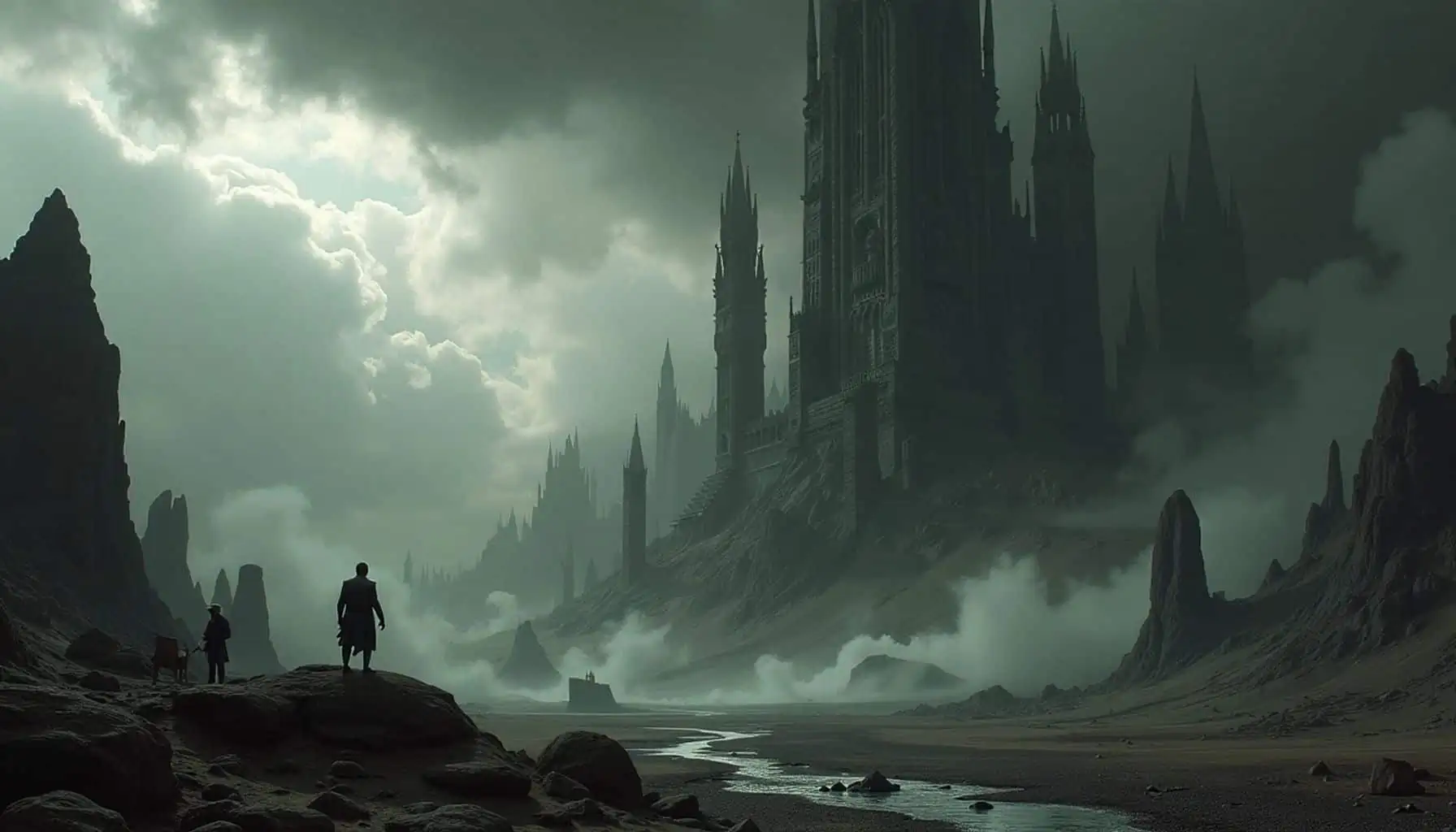
    In an ancient tale from Babylon, a legendary king recounts a harrowing invasion by monstrous beings descended from the gods. This story, derived from the Cuthaean Legend of Creation, reveals a twist: it’s not about creation but a fierce battle against these terrifying entities.

    Key Takeaways

    • The Anunnaki monsters descended from gods.
    • A legendary king battles these creatures for three years.
    • The story intertwines themes of fear, power, and divine intervention.

    The Cuthaean Legend of Creation

    The tablets that hold this legend were initially thought to narrate the creation of the world. However, they actually depict the invasion of Babylonia by a race of monsters. These beings, descended from the gods, waged war against the king for three long years.

    The Monstrous Invaders

    The king describes these creatures as having bodies of birds and faces resembling ravens. They were said to prefer muddy water over clean, showcasing their lack of moral sense. Their sheer numbers were staggering, with reports suggesting they came in like a storm cloud, totaling 360,000.

    The King’s Dilemma

    Faced with this overwhelming force, the king was paralyzed with fear. He worried that engaging them in battle might offend the gods. Through his priests, he sought divine guidance and made sacrifices, hoping for a favorable outcome.

    The Battle Against the Monsters

    Despite his efforts, the king’s armies faced devastating losses:

    1. First Army: 120,000 troops – none returned.
    2. Second Army: 990,000 troops – met the same fate.
    3. Third Army: 70,000 troops – all perished.

    After losing 280,000 men, the king fell into despair but resolved to confront the enemy himself. He vowed to curse the pride of the night with death and destruction.

    The Anunnaki’s Curse

    The king recognized that the Anunnaki gods, once demons, thrived on fear and misery. His battle against them was not just a physical confrontation but a symbolic fight against the very essence of their power.

    The Mysterious Deluge

    The method of overcoming these monstrous invaders remains unclear. However, it is suggested that the king might have annihilated them through a deluge, possibly referencing the great flood that is often associated with divine wrath.

    Advice for Future Generations

    In the latter part of the legend, the king advises his successors not to lose heart in perilous times. He emphasizes the importance of fortifying their defenses:

    • Strengthen the walls of Babylon.
    • Stockpile resources: water, treasures, and food.

    This advice paints a picture of Babylon as a fortress, a dragon’s lair against the monstrous threats.

    The Deceptive Speaker

    Interestingly, while the tablet was meant for the shrine of a god, the speaker is revealed to be an early Babylonian king. He cleverly deceives the people, intertwining worship with the acknowledgment of the demons within.

    Conclusion

    The tale of the Anunnaki and their monstrous invasion serves as a powerful reminder of the struggles between divine beings and humanity. It reflects themes of fear, power, and the eternal battle against overwhelming odds. The king’s story, though steeped in myth, resonates with the human experience of facing insurmountable challenges and the quest for survival against all odds.

  • The Mystery Behind Plum Island

    The Mystery Behind Plum Island

    On July 12, 2008, a group of friends stumbled upon a bizarre discovery on the beach near Montauk, New York. They found a dead creature that looked like a four-legged animal with a beak. Dubbed the Montauk Monster, this strange carcass sparked widespread curiosity and speculation, especially regarding its possible connection to the nearby Plum Island, known for its controversial research.

    Key Takeaways

    • The Montauk Monster raised questions about animal experimentation.
    • Plum Island has a dark history of biological warfare research.
    • The U.S. government’s transparency regarding Plum Island is questionable.
    • Historical incidents suggest a pattern of unethical experiments.

    The Montauk Monster Incident

    The Montauk Monster quickly went viral, captivating the public’s imagination. No one could identify the creature, and before any samples could be taken, its body mysteriously vanished. This incident led many residents to suspect that the creature was a result of experiments conducted at Plum Island, a facility notorious for its research on animal diseases.

    Plum Island’s Dark History

    Plum Island is home to the Animal Disease Research Center, but its past is far more sinister. From 1952 to 1954, the U.S. Army Chemical Corps conducted research aimed at weaponizing diseases that could devastate livestock. The idea was simple: a country’s food supply could be destroyed, leading to chaos and starvation.

    • Key Historical Events:
      • 1952-1954: U.S. Army researched weaponization of animal diseases.
      • 2001: Foot-and-mouth disease (FMD) outbreak in the UK led to the slaughter of millions of animals.

    The Government’s Stance

    The government claims that all bioweapons research has ceased, but the discovery of the Montauk Monster raised eyebrows. How could they assure the public that nothing sinister was happening? The island is now under the control of Homeland Security, making access nearly impossible without top-secret clearance.

    Recent Discoveries

    Following the Montauk Monster, another strange carcass was found under the Brooklyn Bridge, dubbed the Manhattan Monster. This time, officials declared it a pig, but its claws suggested otherwise. The mystery deepened when a human body was discovered on Plum Island’s beach in 2010, leading to more questions than answers.

    Human Experimentation Concerns

    The U.S. government has a troubling history of unethical experiments, such as the Tuskegee Syphilis Study, where African-American men were misled about their treatment. This raises concerns about the potential for human experimentation at Plum Island, especially given its history and the secrecy surrounding it.

    The Role of Zoonotic Diseases

    Plum Island’s research includes zoonotic diseases, which can transfer from animals to humans. This dual focus raises alarms about the potential for unethical practices under the guise of animal research. The government’s own website admits to working with zoonotic diseases, which could serve as a cover for more nefarious activities.

    Media Silence and Public Perception

    Despite the alarming history and ongoing mysteries, media coverage of Plum Island remains sparse. Many explanations for the Montauk Monster and other incidents seem to downplay the potential for government misconduct. Skeptics argue that the government’s narrative is often too convenient.

    Conclusion

    The Montauk Monster incident and the history of Plum Island raise significant questions about transparency and ethics in government research. As the facility prepares to close, moving operations to Kansas, the public is left wondering: what really goes on behind closed doors? The legacy of Plum Island serves as a reminder of the potential dangers lurking in the shadows of scientific research.

  • The Paul Is Dead Conspiracy: Unraveling The Mystery Behind The Legend

    The Paul Is Dead Conspiracy: Unraveling The Mystery Behind The Legend

    In the world of rock music, few stories are as captivating and controversial as the Paul Is Dead conspiracy. This urban legend suggests that Paul McCartney died in a car accident in 1966 and was replaced by a lookalike. Today, we dive deep into this fascinating tale, exploring the clues, the theories, and the cultural impact of this enduring myth.

    Key Takeaways

    • The Paul Is Dead conspiracy began in 1969, claiming McCartney died in a car crash.
    • Clues allegedly hidden in Beatles albums fueled the rumors.
    • Despite numerous theories, McCartney has consistently denied the claims.

    The Origins Of The Legend

    The Paul Is Dead rumor first gained traction in the fall of 1969. Prior to this, whispers about McCartney’s declining health had circulated since 1966. The first known article discussing his supposed death appeared in the Drake University student paper on September 17, 1969. This article referenced clues in Beatles albums like The White Album and Sgt. Pepper’s Lonely Hearts Club Band.

    On October 12, 1969, a Detroit radio station, WKNR-FM, aired a segment where a caller claimed to have evidence of McCartney’s death. This included playing the track Revolution 9 backward, which allegedly revealed the phrase “turn me on, dead man.”

    The Alleged Accident

    According to the conspiracy, McCartney died in a car accident on November 9, 1966, after an argument with his bandmates. The story goes that he was decapitated in the crash, and a lookalike named Billy Shears was chosen to replace him. This theory suggests that the Beatles hid clues about this in their music and album art.

    Clues In The Music

    The supposed clues are numerous and often convoluted. Here are some of the most cited examples:

    1. Sgt. Pepper’s Lonely Hearts Club Band
    2. Magical Mystery Tour
    3. The White Album
    4. Abbey Road

    The Aftermath

    Despite the overwhelming evidence against the conspiracy, it has persisted. McCartney himself addressed the rumors, famously stating, “Rumors of my death have been greatly exaggerated.” He has consistently maintained his presence in the music world, releasing numerous albums and hits.

    John Lennon even referenced the myth in his song How Do You Sleep?, acknowledging the absurdity of the claims. Over the years, pop culture has embraced the conspiracy, with references appearing in shows like The Simpsons and various books.

    Conclusion

    The Paul Is Dead conspiracy remains one of the most entertaining urban legends in rock history. While the evidence is flimsy at best, the story has captivated fans for decades. Whether you believe in the theory or not, it’s a testament to the power of music and the myths that surround it.

    What do you think? Is there any truth to the Paul Is Dead legend, or is it just a fun story that has stood the test of time?

  • Earth Had Rings Like Saturn Causing Dramatic Effects on the Surface

    Earth Had Rings Like Saturn Causing Dramatic Effects on the Surface

    In a fascinating exploration of Earth’s geological history, recent studies suggest that our planet may have had rings similar to those of Saturn around 500 million years ago. This intriguing proposition connects to significant extinction events and climatic changes that shaped the evolution of life on Earth.

    Key Takeaways

    • Earth may have had rings approximately 500 million years ago.
    • The Middle Ordovician period was marked by mass extinction events.
    • Asteroid collisions may have contributed to climatic changes.
    • The rings could have cast shadows, affecting solar illumination and climate.
    • Future studies are needed to confirm these findings.

    The Middle Ordovician Period

    During the Middle Ordovician period, Earth was a vastly different place. Most complex life forms thrived in the oceans, with bizarre creatures like the endoceras, resembling squid with long, spiraled shells. However, this period also witnessed one of the most significant mass extinction events, known as the Ordovician-Silurian extinction, which led to a dramatic diversification of life.

    The Role of Asteroids

    Around 467 million years ago, Earth experienced an unusual abundance of meteorite impacts. This phenomenon, referred to as the Ordovician meteor event, is believed to have been caused by a large asteroid breaking apart in the asteroid belt. The resulting fragments bombarded Earth, leading to climatic changes and contributing to the extinction event.

    New Research Findings

    Recent studies by researchers Andrew Tomkins, Ain Martin, and Peter Cowt have uncovered a surprising connection between these meteor impacts and the possibility of ancient rings around Earth. They found that many of the craters formed during this time clustered along the equatorial line, suggesting a significant impact pattern that could indicate the presence of rings.

    • Impact Clustering: 21 craters were identified, all within 30° latitude of the equator.
    • Meteorite Debris: Elevated levels of debris support the theory of multiple collisions.

    The Nature of the Rings

    The proposed rings would have formed from a large asteroid trapped in Earth’s orbit, eventually breaking apart and falling onto the planet. This process is similar to how rings around other planets, like Saturn, are formed. However, unlike Saturn’s enduring rings, Earth’s rings would have existed for a limited time, approximately 30 to 40 million years.

    Climatic Implications

    The presence of these rings could have had profound effects on Earth’s climate. The rings would have cast shadows, reducing solar illumination and potentially leading to a cooling effect. This cooling may have triggered one of the glaciation periods that lasted from 460 to 420 million years ago, resulting in massive ice sheets.

    Future Research Directions

    While the findings are intriguing, they remain speculative. More evidence and modeling are needed to understand the dynamics of how the asteroid would have broken apart and its effects on Earth’s climate. Future studies will aim to clarify whether these ancient rings indeed influenced the planet’s evolution and climate.

    Terraforming Possibilities

    If confirmed, this research could open up new avenues for planetary science. The idea of creating rings around planets, such as Venus, to cool their surfaces could lead to innovative terraforming strategies. By redirecting asteroids to form rings, scientists might find ways to alter a planet’s climate dramatically.

    In conclusion, the possibility that Earth once had rings like Saturn is a captivating concept that intertwines with our planet’s geological history and the evolution of life. As research continues, we may uncover more about the dramatic effects these rings could have had on our planet’s past and future.

  • Pyramid In The Faroe Islands?

    Pyramid In The Faroe Islands?

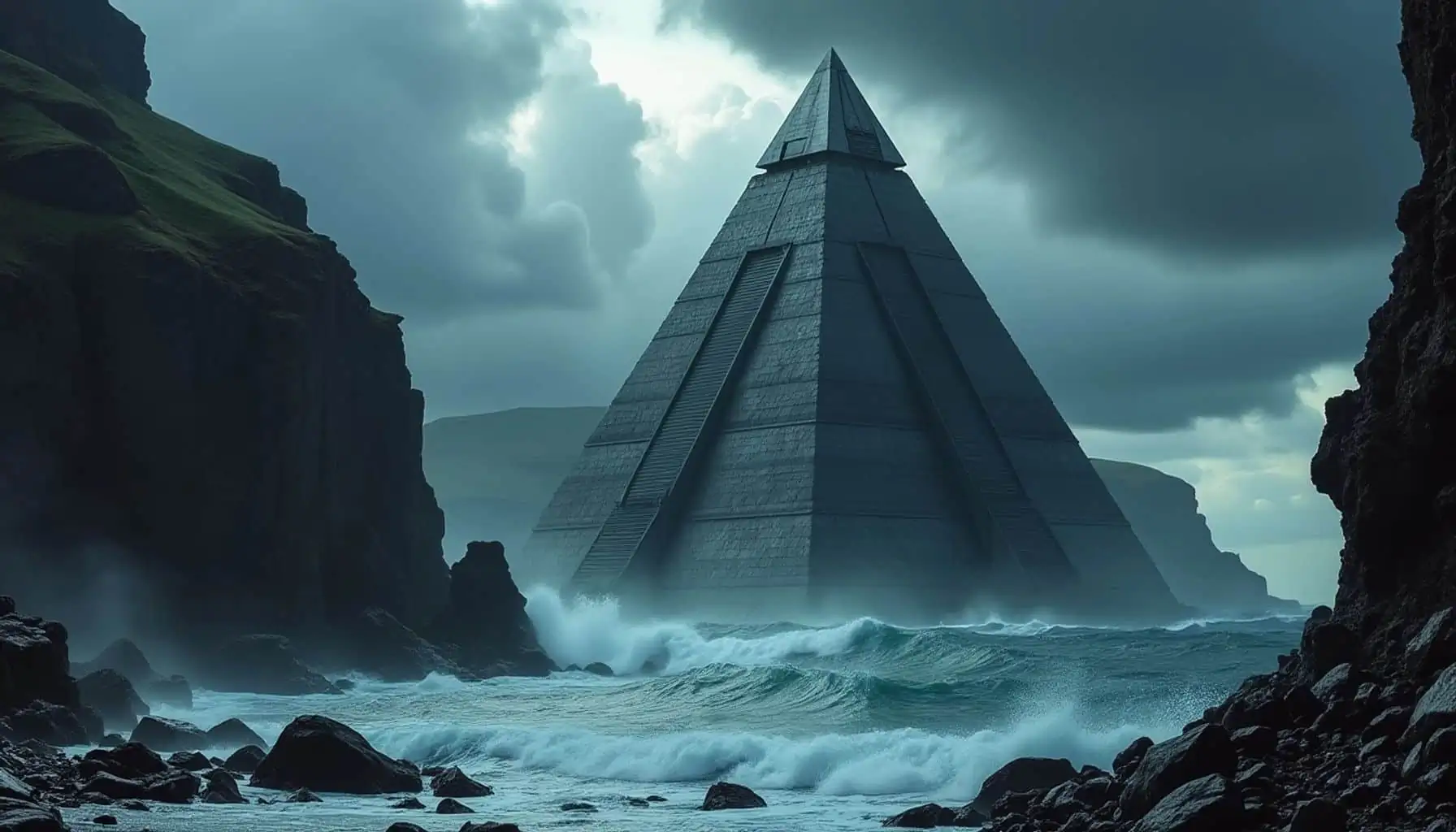
    In a fascinating exploration of ancient mysteries, the Faroe Islands have emerged as a potential site for undiscovered pyramids. This article delves into the intriguing theories surrounding these structures, their historical significance, and the implications of their existence.

    Key Takeaways

    • The Faroe Islands may harbor ancient pyramids.
    • Historical texts suggest a connection to the mythical King Kronos.
    • The Hixus priests played a significant role in the region’s ancient history.
    • Modern technology is revealing new insights into ancient structures.

    The Mysterious Faroe Islands

    The Faroe Islands, often overlooked in discussions of ancient civilizations, are now at the center of a captivating investigation. Damian Bullan from Burnley has sparked interest in a long-lost island, believed to be the resting place of King Kronos. Ancient texts, particularly those from 2,000 years ago, describe this island as uninhabited, yet it was visited by a sect of priests every 30 years.

    The Hixus Priests

    The Hixus, an ancient group, are said to have claimed these sites as their own. They believed that the pyramids were significant landmarks, possibly housing the remains of Kronos. This belief raises questions about the true nature of these structures and their historical context.

    The Search for Kronos’s Tomb

    The quest for Kronos’s tomb continues, with speculation that it lies beneath Kiri, a mountain in Suduroy. Could there be an undiscovered Egyptian tomb hidden beneath a pyramid in the Faroe Islands? The secrecy surrounding this potential discovery hints at a larger narrative that challenges mainstream archaeology.

    Erosion and Ancient Structures

    Over millennia, erosion has transformed many ancient ruins into what appears to be natural formations. This phenomenon complicates the search for pyramids and other structures, as they may blend seamlessly into the landscape. Further research is essential to uncover the truth behind these ancient sites.

    The Sacred Mountains of Tibet

    Shifting focus to Tibet, the sacred mountain of Kailash is believed to be the resting place of the god Shiva. This mountain, often regarded as the axis of the world, has been the subject of intrigue for centuries. Some researchers suggest that Kailash may not be a natural formation but rather a man-made pyramid, hidden by the passage of time.

    The Enigmatic Kingdom of Shambala

    Legends speak of a secret entrance within Mount Kailash leading to the mythical Kingdom of Shambala. This adds another layer of mystery to the mountain, as explorers and researchers seek to uncover its secrets. The potential for hidden chambers and ancient knowledge fuels the imagination.

    The Discovery of Ganang Padang

    In 1914, archaeologists discovered two ancient stone mountains in Indonesia, initially dismissed as natural formations. However, modern technology has revealed evidence suggesting these mountains may be man-made pyramids. Ground-penetrating radar and other techniques have uncovered buried chambers dating back as far as 26,000 years.

    The Controversy of Ancient Discoveries

    The archaeological community is in turmoil over these findings. The implications of ancient pyramids in Indonesia challenge established timelines and narratives. Despite pushback from mainstream archaeologists, the evidence continues to mount, suggesting a rich history of advanced civilizations.

    The Legacy of Ancient Civilizations

    Across the globe, remnants of ancient civilizations are being re-evaluated. The idea that these structures are the work of multiple civilizations over time is gaining traction. This perspective challenges the notion of a linear progression of human history and suggests a cyclical pattern of rise and fall.

    Conclusion

    The exploration of the Faroe Islands and other ancient sites reveals a complex tapestry of history waiting to be unraveled. As technology advances, the potential for discovering lost civilizations and their monumental achievements grows. The quest for knowledge continues, inviting us to reconsider our understanding of the past and the mysteries that lie beneath our feet.

  • Nazca Lines Depicting the Plasma Manifestation Event of the Squatter-Man ⚡They Saw It In The Sky⚡

    Nazca Lines Depicting the Plasma Manifestation Event of the Squatter-Man ⚡They Saw It In The Sky⚡

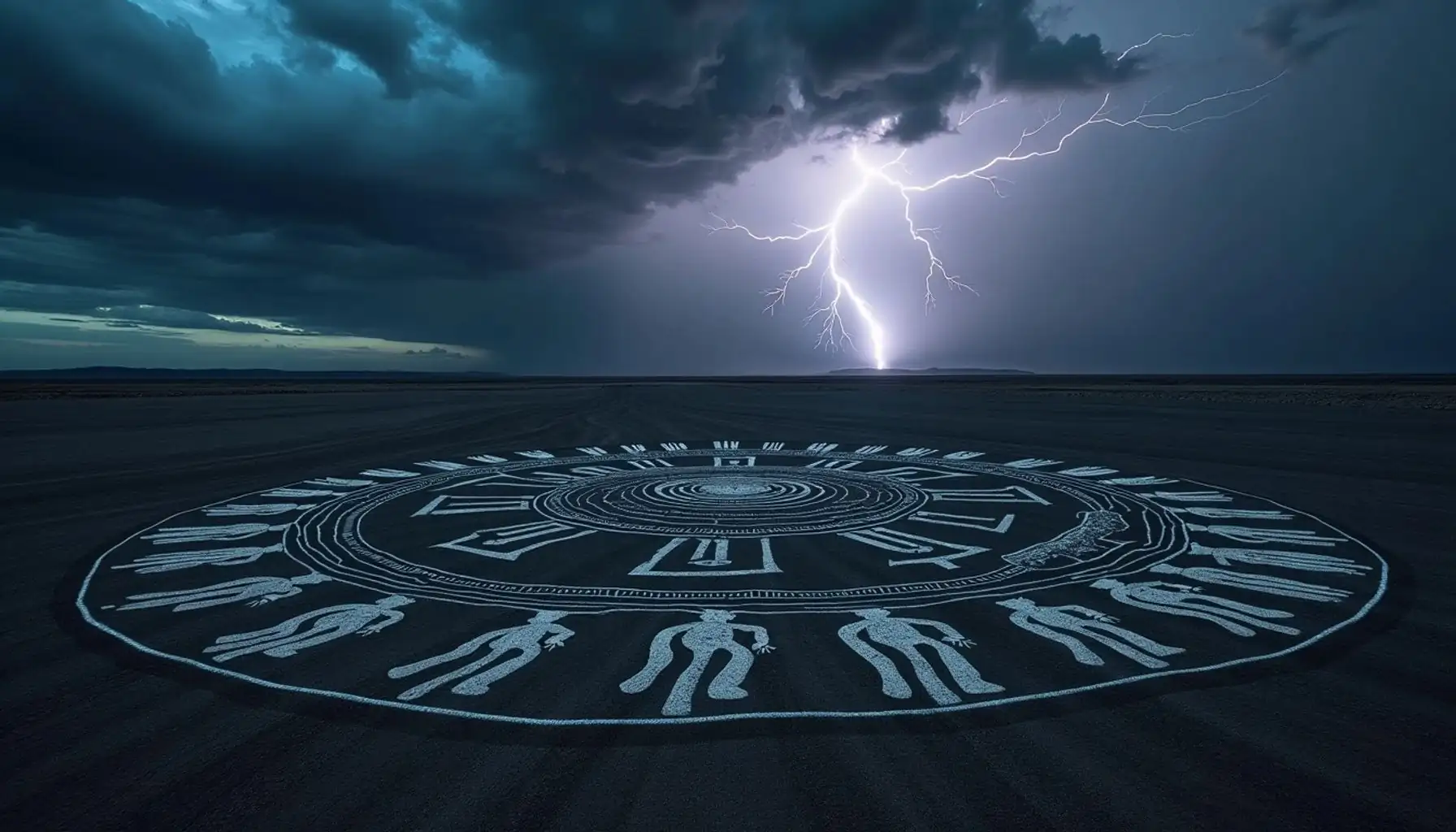
    The Nazca Lines, etched into the arid landscape of Peru, have long fascinated historians and archaeologists. Recent discoveries suggest these ancient geoglyphs may represent a cosmic event—the manifestation of the Squatter-Man. This article explores the implications of this theory and its connection to ancient civilizations.

    Key Takeaways

    • The Nazca Lines may depict cosmic events rather than human sacrifices.
    • The Squatter-Man represents a plasma phenomenon linked to ancient solar configurations.
    • Ancient cultures might have recorded intense auroral events in their petroglyphs.

    The Nazca Lines: A Cosmic Interpretation

    The Nazca Lines are not just artistic expressions; they may be a record of significant cosmic events. The concentric circles and other formations could symbolize the planets in an ancient solar configuration. This interpretation challenges the traditional view that these lines depict human sacrifices or animals.

    The Squatter-Man: A Plasma Phenomenon

    The Squatter-Man is theorized to represent a Z-pinch, a type of plasma confinement system. This phenomenon occurs when an electric current generates a magnetic field that compresses plasma. When the current is high enough, it can create intricate and symmetrical patterns, similar to those found in ancient petroglyphs.

    Ancient Solar Events and Their Impact

    According to plasma physicist Anthony Peratt, many ancient symbols are records of intense auroral events. These events could have been visible to ancient peoples, leaving a lasting impression on their cultural artifacts. The implications are profound: if ancient civilizations witnessed the Squatter-Man event, it suggests a more dynamic and electrically active sky than previously thought.

    The Connection to Ancient Myths

    Theories suggest that the Nazca Lines may also relate to ancient myths, such as those from Hindu and Greek traditions, where old gods warred with new ones. The imagery of planets and cosmic events could symbolize these mythological battles, reflecting humanity’s attempts to understand their place in the universe.

    The Role of the Earthlings

    As the ancient solar system fell apart, Earthlings may have sought refuge in mountainous areas and underground cities. These locations served as bunkers during cataclysmic events, preserving the remnants of their civilization. The Nazca Lines could be a testament to their experiences and observations during these tumultuous times.

    A New Lens on Ancient History

    By linking the Nazca Lines to intense auroral events, we gain a new perspective on ancient history. This connection provides insights into the beliefs and experiences of early human societies, suggesting they were not merely passive observers but active participants in a dynamic cosmic environment.

    Conclusion

    The Nazca Lines may hold secrets that challenge our understanding of ancient civilizations. As we explore the possibility that these geoglyphs represent cosmic events rather than mere artistic expressions, we open the door to a deeper understanding of humanity’s past. What do you think about this theory? Share your thoughts in the comments below!

  • James Webb Telescope Just Captured First Ever, Real Image Of Big Bang Theory!

    James Webb Telescope Just Captured First Ever, Real Image Of Big Bang Theory!

    The James Webb Space Telescope (JWST) has made a groundbreaking discovery by capturing the first real image linked to the origins of the universe. This monumental achievement not only enhances our understanding of the Big Bang Theory but also opens new avenues for research into the cosmos.

    Key Takeaways

    • The JWST has revolutionized our understanding of the universe.
    • It captured the first real image related to the Big Bang.
    • The image provides insights into the early universe’s chaotic environment.
    • This discovery enhances our understanding of dark matter and dark energy.
    • The JWST’s capabilities allow for unprecedented exploration of cosmic history.

    The Big Bang Theory: A Brief Overview

    The Big Bang Theory is the most widely accepted model explaining the universe’s origin. It posits that the universe began as a hot, dense singularity approximately 13.8 billion years ago, rapidly expanding to form the cosmos we observe today. While supported by various lines of evidence, direct visual evidence of the initial moments of this cosmic birth had never been captured—until now.

    The James Webb Space Telescope: A Technological Marvel

    Launched in 2021, the JWST orbits nearly a million miles from Earth, free from atmospheric disturbances. Equipped with cutting-edge infrared technology, it can detect light that has traveled billions of years across the cosmos. This capability allows the telescope to peer into the past, capturing images from just moments after the Big Bang.

    A Glimpse Into the Early Universe

    The image captured by the JWST showcases a swirling mass of gas and energy, revealing the universe when it was less than a few hundred million years old. This snapshot illustrates the chaotic environment where galaxies were forming in clusters, hinting at the violence and intensity of this early period.

    Validation of Cosmological Models

    The colors and patterns in the image represent light that has been redshifted, a phenomenon predicted by the Big Bang Theory. Observing this process provides strong validation for existing cosmological models and helps scientists refine their understanding of how galaxies, stars, and other cosmic structures formed.

    Implications for Dark Matter and Dark Energy

    This discovery extends beyond confirming theoretical models. The image opens new avenues for research into dark matter and dark energy, which together make up roughly 95% of the universe. By studying the early universe in detail, scientists hope to unlock clues about the role these mysterious components played in shaping the cosmos.

    The Future of Cosmic Exploration

    The JWST’s capabilities represent a leap forward in astronomical research. Each pixel of the captured image contains data that scientists will analyze for decades, helping to fill in the blanks about how the universe transformed from a hot, dense state to the vast, structured cosmos we observe today.

    Philosophical Implications

    This discovery also challenges us to rethink our place in the universe. The knowledge that we can now see back to the very dawn of time adds a profound dimension to our understanding of existence. The image serves as a reminder of the interconnectedness of all things, reinforcing the poetic reality that we are made of stardust.

    A New Era in Cosmology

    The image of the early universe is just one chapter in the ongoing story of the JWST. As scientists plan further observations, each new discovery has the potential to reshape our understanding of the universe, challenging old paradigms and leading to the development of new theories.

    Conclusion

    The first image associated with the Big Bang captured by the JWST provides the most direct evidence yet of the universe’s infancy. Its implications ripple across multiple fields of study, opening new questions about the universe’s rate of expansion and the processes that led to the formation of the first stars and galaxies. As we continue to explore the cosmos, the JWST stands as a testament to human curiosity and ingenuity, reminding us that the universe is full of mysteries waiting to be uncovered.

  • Unveiling the Mysteries of Ancient Civilizations: The Most Mind-Blowing OOPART Ever Discovered?

    Unveiling the Mysteries of Ancient Civilizations: The Most Mind-Blowing OOPART Ever Discovered?

    The ancient Mega Metropolis of Guatemala is one of the largest and most incredible ancient ruins ever found. With a past population believed to have reached 10 million, this site has revealed astonishing discoveries that challenge our understanding of ancient civilizations.

    Key Takeaways

    • The ancient ruins in Guatemala were once part of a super settlement.
    • A giant freeze depicting a mythological setting was discovered.
    • The artwork suggests political conflicts among ancient rulers.
    • Similar mysteries exist in other ancient sites worldwide.

    The Discovery of the Mega Metropolis

    Recent archaeological findings in Guatemala have reshaped our understanding of ancient settlements. Long thought to be separate, many ruins are now believed to be interconnected, forming a vast super settlement. This revelation opens new avenues for research and understanding of ancient urban planning.

    The Giant Freeze: A Window into the Past

    Among the most remarkable discoveries is a giant freeze, measuring 8 meters wide and 2 meters tall, found within a pyramid. This artwork, created in a style attributed to the Maya, depicts human figures in a mythological context. The central figure, identified as O Chan Yoot, translates to “the storm God enters the sky.” This suggests a rich tapestry of beliefs and possibly a political narrative among the rulers of the region.

    Political Clashes Among Rulers

    The freeze’s intricate details hint at a political clash between the Kings of the Snake Kingdom and the Kings of Takal. This artwork may provide crucial insights into the reasons behind the decline of this once-great civilization. The connection between these settlements and their rulers could be indicative of larger societal issues that led to their eventual downfall.

    The Enigma of Easter Island

    Similar mysteries are found on Easter Island, where ancient ruins and moai statues raise questions about the civilization that created them. Theories suggest that much of the island’s history remains buried beneath landslides, waiting to be uncovered. The construction techniques used for these massive statues remain a mystery, with evidence pointing to advanced knowledge and skills that seem to surpass what is commonly accepted.

    The Sarcophagus of Khufu: An Ancient Puzzle

    In Egypt, the sarcophagus of Khufu presents another enigma. Its construction from a single block of diorite raises questions about how ancient builders transported such heavy materials. The missing lid of the sarcophagus adds to the mystery, leaving historians puzzled about its original purpose and contents. This artifact may hold secrets that could reshape our understanding of ancient Egyptian civilization.

    The Lost City of Anor

    The Lost City of Anor, once the capital of the CH Empire, is another site shrouded in mystery. Hidden beneath tree roots for centuries, its discovery has led to speculation about the advanced techniques used in its construction. The precision and artistry involved in creating such structures suggest a level of sophistication that challenges conventional historical narratives.

    Ancient Water Management Techniques

    Water management was crucial for the survival of ancient civilizations. Techniques like the qanat, an underground water system, showcase the ingenuity of these societies. Such systems allowed for the efficient transportation of water, enabling large populations to thrive in otherwise inhospitable environments.

    The Judaa Rock: A Baffling Artifact

    In North Carolina, the Judaa Rock presents yet another mystery. Covered in petroglyphs that remain undeciphered, this ancient stone raises questions about the people who created it. Theories suggest it may have been made by an advanced civilization with knowledge of microscopic life long before it was discovered by modern science.

    Conclusion

    The discoveries in Guatemala and other ancient sites worldwide challenge our understanding of history. As we uncover more artifacts and evidence, we must reconsider the capabilities and knowledge of ancient civilizations. The mysteries of the past continue to intrigue and inspire, reminding us that history is often more complex than it appears.

  • The Study No One Talks About

    The Study No One Talks About

    Did you know that the nucleotide sequence of DNA can be converted into music? In 1986, Japanese geneticist Susumu Ohno made a groundbreaking discovery by translating DNA sequences into musical notes. This revelation raises intriguing questions about the reciprocal relationship between DNA and music, particularly whether music can influence or even change our DNA.

    Key Takeaways

    • DNA and Music Connection: DNA can be converted into musical notes, revealing a hidden musicality within our genetic code.
    • Cymatics and Sound: The study of cymatics shows how sound vibrations can create intricate patterns, hinting at their potential impact on our bodies.
    • Healing Power of Music: Music may serve as a therapeutic tool, influencing gene expression and promoting overall well-being.
    • Specific Frequencies: Frequencies like 432 Hz and Solfeggio frequencies may resonate with our DNA, potentially facilitating healing.

    The DNA-Music Connection

    In 1986, Susumu Ohno discovered that the nucleotide bases G, T, C, and A could be translated into musical notes A, C, G, and D. This connection between DNA and music opens a door to unexplored possibilities. If DNA can be transformed into music, what influence might music have on our genetic code?

    DNA consists of four nucleotide bases: adenine (A), cytosine (C), guanine (G), and thymine (T). Each base plays a distinct role in shaping an organism’s genetic instructions. By associating musical notes with these bases, Ohno highlighted the interplay between science and art, igniting curiosity about how music might impact our genetic makeup.

    Sound, Cymatics, and the Influence of Music on DNA

    Music is a powerful medium that evokes emotions and physiological responses. It can ignite joy, calmness, or introspection. Given that music affects our emotions, could it also impact our DNA? Preliminary studies suggest that music may influence genetic expression and cellular processes.

    The field of epigenetics explores how external factors can modify gene expression. Sound, as a form of stimulus, may trigger epigenetic changes. Recent research indicates that specific sound frequencies can stimulate or inhibit cell growth, influence protein synthesis, and modulate neurotransmitter release. This suggests that music, as a collection of harmonious frequencies, could interact with cellular processes, including those related to DNA.

    The Fascinating World of Cymatics

    Cymatics studies the relationship between sound vibrations and the formation of geometric patterns in various substances. By observing how sound waves create intricate shapes in materials like sand or water, researchers have uncovered the vibrational energy emitted by sound. This raises questions about how music, composed of complex sound waves, might influence our bodies, including our DNA.

    When sound waves travel through a medium, they cause particles to vibrate, forming mesmerizing patterns. This notion leads us to consider that music could influence not only our physical surroundings but also our very essence—our DNA. Each musical note corresponds to a specific frequency, creating a complex tapestry of sound that may interact with our bodies at a fundamental level.

    The Healing Power of Music

    The exploration of sound and vibration on the human body has been the subject of numerous studies. Sound therapy has demonstrated its ability to promote relaxation, reduce stress, and enhance overall well-being. The resonant frequencies emitted by various musical instruments can stimulate different physiological responses, highlighting the profound influence of sound on our bodies.

    DNA is not just an inert molecule; it possesses inherent vibrational frequencies crucial for its functioning. Disruptions to these frequencies can lead to genetic mutations, affecting our health. Given this, it is plausible that music, as a source of vibrations, could interact with our genetic material, potentially restoring balance and promoting healing.

    Specific Frequencies and Their Impact

    One frequency that has gained attention is 432 Hz. Advocates argue that it resonates uniquely with the human body and the natural world, promoting harmony within our DNA. Listening to music tuned to 432 Hz may induce a profound sense of well-being and facilitate cellular healing.

    Other sound-based therapies, such as isochronic tones and binaural beats, offer opportunities to experience specific frequencies. Isochronic tones pulse on and off at specific intervals, while binaural beats involve presenting two slightly different frequencies to each ear, creating a perceived third frequency. These techniques can target specific brainwave states, inducing relaxation or enhanced creativity.

    Conclusion

    The potential for specific frequencies to alter our DNA and enhance our holistic well-being is immense. By immersing ourselves in these frequencies, we open the door to the transformative power of sound, potentially unlocking the ability to positively influence our DNA and experience profound well-being. As research continues, the intersection of music, sound, and genetics may reveal even more about the healing potential of music in our lives.

  • Japan Is Rebuilding Its Ancient Capital

    Japan Is Rebuilding Its Ancient Capital

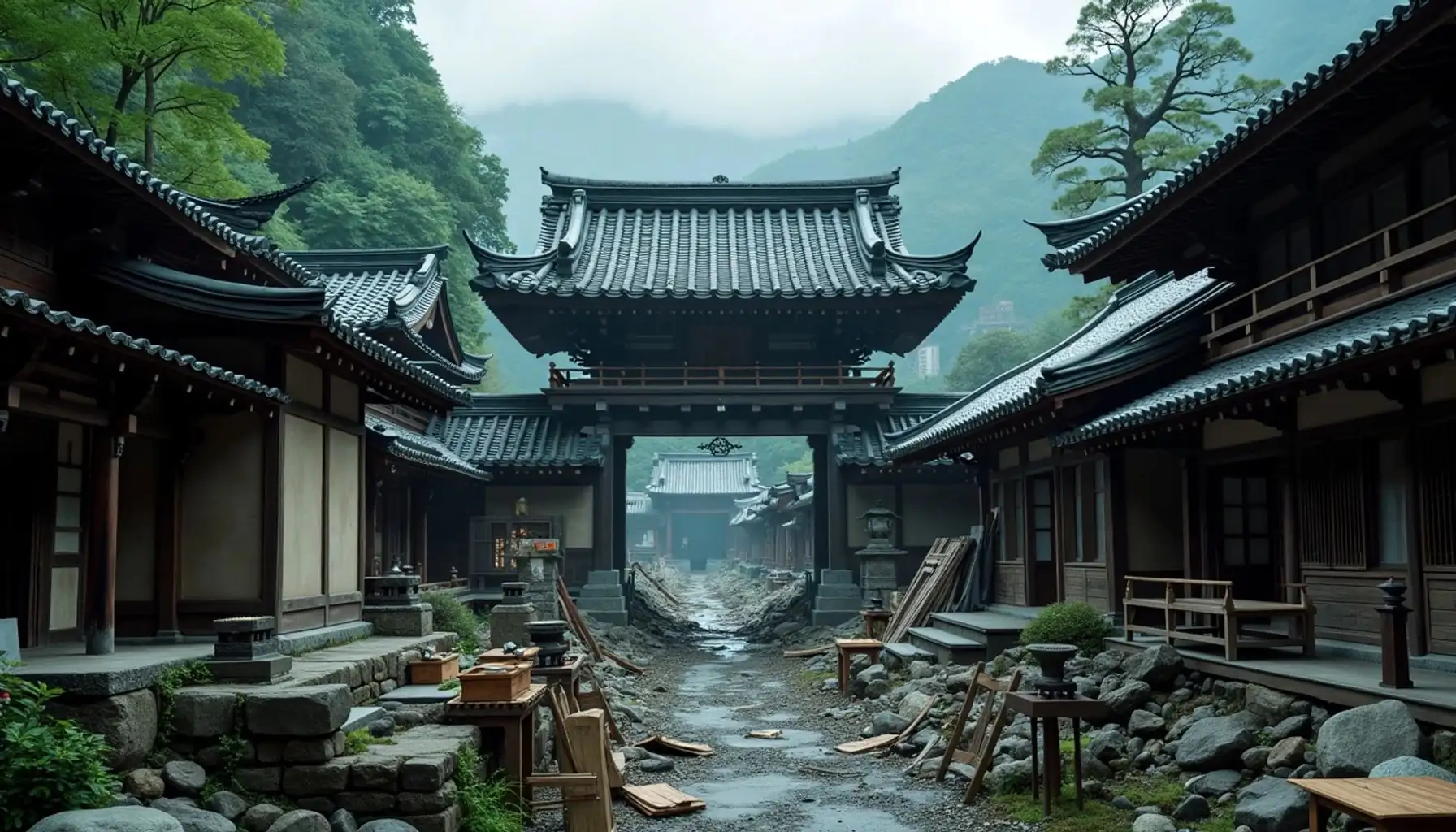
    Nara, once the heart of Japan’s first permanent capital, is undergoing a remarkable revival. After being buried under farmland for over a millennium, significant efforts are underway to reconstruct its ancient structures, offering a glimpse into its glorious past.

    Key Takeaways

    • Nara was Japan’s first permanent capital, founded in 710 AD.
    • The city was modeled after Tang Dynasty China, featuring a grid layout.
    • Many ancient structures are being meticulously restored using traditional methods.
    • The reconstruction projects aim to bridge the gap between past and present.

    The Historical Significance of Nara

    Nara, located east of Osaka and south of Kyoto, emerged as a thriving center of commerce and manufacturing in the 17th century. However, its roots trace back to the 8th century when it served as Japan’s first permanent capital, known as Heijō-kyō. This city was a massive planned urban center, housing between 100,000 to 200,000 inhabitants.

    The city was designed based on the Tang Dynasty’s capital, Chang’an, featuring a rectangular layout with the Imperial Palace at its northern center. A grand avenue divided the city into two equal parts, known as the right and left capitals, from the emperor’s perspective.

    The Rise and Fall of Nara

    Despite its grandeur, Nara’s prominence was short-lived. By the end of the 8th century, the court moved to Kyoto, leading to Nara’s decline. The once-bustling city fell into disrepair, with its palaces and markets replaced by rice fields. The temples, however, remained as isolated landmarks, preserving a part of Nara’s rich history.

    Restoration Efforts

    In recent decades, extensive restoration efforts have been initiated to revive Nara’s ancient glory. These projects began about 50 years ago and continue to this day, focusing on reconstructing significant buildings that have not been seen for over a millennium. The goal is to provide insights into this long-lost capital.

    Notable Reconstruction Projects

    1. Susu Gate: The main gate of the Imperial Palace, reconstructed using traditional materials, stands as a powerful display of authority.
    2. Imperial Audience Hall (Dōdan): This was the largest and most important building in the palace, restored to its former glory in 2010, marking the 1300th anniversary of Nara’s founding.
    3. East Palace Garden: Discovered in 1967, this garden has been recreated, showcasing the naturalistic features of Nara’s ancient landscape.

    The Future of Nara

    The restoration of Nara is not just about rebuilding; it’s about reconnecting with history. The ongoing projects aim to create a national park that encompasses the ancient capital’s essence while integrating modern facilities for education and research.

    Conclusion

    Nara’s revival is a testament to the enduring legacy of Japan’s ancient capital. As reconstruction efforts continue, the city is poised to reclaim its place in history, offering future generations a chance to experience the splendor of its past. The journey of rebuilding Nara is not just about structures; it’s about preserving a vital part of Japan’s cultural heritage.