Category: Ancient Civilizations

  • The Dark Side of Ancient Mesopotamia’s Magic and Demonology

    The Dark Side of Ancient Mesopotamia’s Magic and Demonology

    In the ancient civilizations of Babylonia and Assyria, magic and religion were deeply intertwined. The people of Chala viewed magic as a powerful tool, wielded by priests and sorcerers alike, to navigate the complexities of life, death, and the supernatural. This article explores the fascinating yet dark aspects of their magical practices and beliefs.

    Key Takeaways

    • Magic and religion were indistinguishable in ancient Mesopotamia.
    • Priests held significant power as both religious leaders and practitioners of magic.
    • Various rituals and spells were used to combat demons and diseases.
    • The concept of vampires and evil spirits was prevalent in Babylonian culture.
    • The legacy of Babylonian magic can be seen in modern practices.

    The Intertwining of Magic and Religion

    In ancient Mesopotamia, the lines between magic and religion were blurred. The asipu, a title for sorcerers, was part of the priesthood, indicating that magic was often employed for religious purposes. The priests, known as shangu maku, acted as gatekeepers between the human and divine realms.

    The literature of Chala is rich with references to magic, showcasing spells and incantations that resemble those used by medieval European magicians. This suggests that the magical practices of ancient Mesopotamia laid the groundwork for later magical traditions.

    The Role of Priests and Sorcerers

    The priesthood in Babylon was multifaceted, with various titles indicating different roles:

    • Asipu: Sorcerer or exorcist.
    • Shangu Maku: High priest.
    • Ishibu: Wizard or magician.
    • Mushu: Diviner.

    These priests performed rituals to invoke the gods and combat evil spirits. They were seen as powerful figures, capable of influencing the forces of nature and the supernatural.

    The Dark Side of Magic

    Magic in Babylon was not without its dangers. The baru, or seers, practiced divination, while the ishipu dealt with taboos and performed atonement rituals. However, the unprofessional sorcerers, often viewed with suspicion, faced dire consequences if accused of wrongdoing. The Code of Hammurabi even dictated harsh penalties for those found guilty of sorcery.

    Babylonian Vampires and Evil Spirits

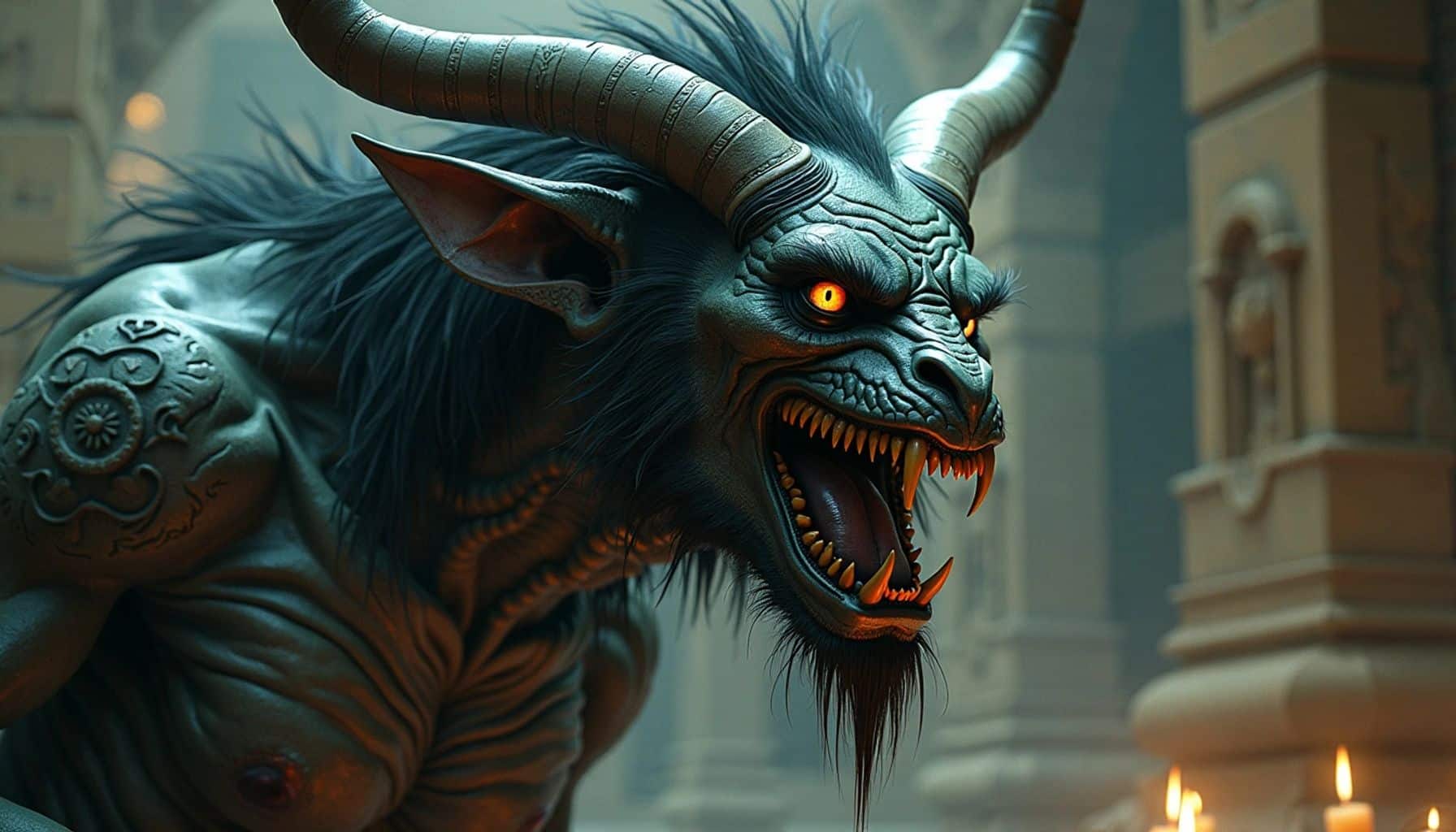
    The concept of vampires was not foreign to the Babylonians. They believed in various malevolent spirits, including the seven evil spirits that tormented humanity. These spirits were often depicted as vampires, draining the life force from their victims. The ancient texts describe them as relentless and merciless, embodying the fears of the people.

    The Influence of Babylonian Magic on Modern Practices

    The magical practices of ancient Mesopotamia have left a lasting legacy. Many modern magical traditions can trace their roots back to Babylonian rituals. The use of names and incantations, believed to hold power, is a common thread that connects ancient and contemporary practices.

    Rituals and Spells

    Babylonian magic involved a variety of rituals and spells aimed at healing, protection, and divination. Some notable practices included:

    • Hepatoscopy: Divination through the examination of animal livers.
    • Exorcism: Rituals to cast out evil spirits.
    • Purification: Water rituals to cleanse individuals of curses.

    These rituals often involved intricate preparations and the use of specific ingredients believed to enhance their effectiveness.

    The Legacy of the Anunnaki

    The Anunnaki, a group of deities in Babylonian mythology, were often associated with magic and the supernatural. Their influence can be seen in various aspects of Babylonian life, from medicine to rituals. The belief in their power shaped the way people approached magic and the divine.

    Conclusion

    The magic and demonology of ancient Mesopotamia reveal a complex interplay between belief, power, and the supernatural. The legacy of these practices continues to resonate in modern magical traditions, reminding us of the enduring fascination with the mystical and the unknown. As we explore the dark side of ancient Mesopotamian magic, we uncover not only the fears and beliefs of a bygone era but also the roots of our contemporary understanding of magic and the supernatural.
  • Cannibal Island: The Dark History of Nazino Island

    Cannibal Island: The Dark History of Nazino Island

    In the early 1930s, the Soviet Union’s brutal policies led to one of the most horrific chapters in its history. Nazino Island, often referred to as Cannibal Island, became the site of unimaginable tragedy as thousands were forcibly relocated, leading to starvation, violence, and cannibalism. This dark tale serves as a chilling reminder of the human cost of totalitarian regimes.

    Key Takeaways

    • Nazino Island was the site of forced resettlement under Stalin’s regime.
    • The deportees faced starvation, violence, and cannibalism.
    • The tragedy highlights the consequences of authoritarian policies.

    The Context of Forced Relocation

    In the early 1930s, the Soviet Union embarked on a massive social engineering project. The goal was to spread the population and utilize the vast farmland across the country. In February 1933, Genri Yagoda, head of the OGPU secret police, and Mve Burman, head of the Gulag labor camp system, proposed a plan to Joseph Stalin to resettle up to 2 million people in remote areas of Siberia and Kazakhstan.

    This plan was not just about agricultural development; it also aimed to cover up the ongoing famine in Ukraine and other regions. The targeted groups included:

    • Kulaks: Wealthier peasants who owned more than 3 hectares of land.
    • Peasants allegedly working against the state.
    • Urban undesirables deemed unnecessary for production.

    The Implementation of the Plan

    To facilitate this massive resettlement, the Soviet government reinstated a system of internal passports. This allowed authorities to identify and control the population. Those without passports became easy targets for arrest and deportation. Between March and July 1933, 85,300 people were deported from Moscow alone.

    The journey to their new homes was harrowing. Deportees were crammed into train carriages with meager rations of just 300 grams of bread per day. Many arrived at Tomsk, a transit camp, in a state of utter despair, with reports of 500 deaths in just a few weeks.

    Arrival at Nazino Island

    On May 18, 1933, a flotilla of barges arrived at Nazino Island, bringing 4,556 men and 322 women to a swampy strip of land with no shelter or facilities. The Soviet authorities provided only 20 tons of raw flour for nearly 5,000 people. The conditions were dire, with many deportees too weak to stand.

    The first night saw 295 deaths, and by May 21, 70 more had perished, with disturbing signs of cannibalism emerging. The lack of food and clean water led to chaos, riots, and further deaths as guards struggled to maintain order.

    The Descent into Cannibalism

    As starvation set in, desperation grew. The first reports of cannibalism appeared just days after the deportees’ arrival. Health officers documented cases of bodies being mutilated, and some individuals were caught with blood on their hands. The situation escalated from scavenging the dead to outright murder for food.

    Survivors recounted horrific scenes, with bodies often looted for valuables. The guards, poorly equipped and overwhelmed, could do little to stop the violence. By late May, cannibalism had become a grim reality on the island.

    The Aftermath and Cover-Up

    By June, reports of the tragedy reached Soviet leadership, prompting an inspection team to visit the island. They found that nearly 1,970 people had died, but the authorities downplayed the numbers to avoid political fallout. Eventually, the settlement was dissolved, and the surviving deportees were transferred to smaller settlements.

    However, the trauma of their experiences lingered. Of the 6,000 initially deported, between 1,500 and 2,000 died due to starvation, disease, and violence. Another 2,000 vanished without a trace.

    The Legacy of Nazino Island

    The horrors of Nazino Island remained hidden for decades, only coming to light in the late 1980s during the glasnost period. Today, a wooden cross commemorates the victims, and a church was built in 2018 to honor their memory. The tragedy serves as a stark reminder of the human cost of totalitarian regimes and the devastating consequences of forced resettlement.

    The story of Cannibal Island is not just a tale of survival; it is a chilling account of how ideology can lead to unimaginable suffering. The events that unfolded on this remote Siberian island continue to resonate, reminding us of the lengths to which authoritarian governments can go to enforce their will.

  • Exploring Portland’s City Of The Dead: A Unique Memorial Experience

    Exploring Portland’s City Of The Dead: A Unique Memorial Experience

    In the heart of Southeast Portland, Oregon, lies a hidden gem known as Wilhelm’s Portland Memorial. This remarkable site, often referred to as the City of the Dead, is the largest mausoleum on the West Coast, housing the remains of over 90,000 individuals. Open to the public just once a year on Memorial Day, it offers a fascinating glimpse into a world of history, art, and the stories of those who have passed.

    Key Takeaways

    • Location: Southeast Portland, Oregon.
    • Size: Covers over 2.5 city blocks with room for 40,000 more.
    • Unique Features: Largest outdoor mural in the Western U.S., stunning stained glass, and a replica of Michelangelo’s Pietà.
    • Annual Event: Open to the public only on Memorial Day with tours, refreshments, and entertainment.
    • Ghost Stories: Legends of apparitions and eerie experiences abound.

    A Brief History

    Wilhelm’s Portland Memorial began as a family business in 1901. It has grown into a full-service facility, including the oldest crematory west of the Mississippi River. The mausoleum itself is a labyrinth of hallways, rooms, and nooks, making it a unique architectural marvel.

    Architectural Wonders

    The mausoleum features:

    • Stained Glass Windows: Some from the renowned Tiffany Studios.
    • Statues: A full-size replica of Michelangelo’s Pietà, weighing over 7,000 pounds, made from the same marble as the original.
    • Outdoor Mural: The largest in the Western United States, adding a vibrant touch to the somber surroundings.

    Memorial Day Experience

    On Memorial Day, the mausoleum transforms into a lively event space:

    • Guided and Self-Guided Tours: Explore the intricate design and history.
    • Vintage Car Show: A nod to the past, showcasing classic vehicles.
    • Scottish Bagpipe Band: Adding a unique cultural flair.
    • Refreshments: Enjoy snacks while strolling through the memorial.

    Visitors often describe the experience as surreal, with families enjoying the day while surrounded by history. The juxtaposition of life and death creates a unique atmosphere, enhanced by the sounds of nearby Oaks Amusement Park.

    The Labyrinth Within

    Inside the mausoleum, the layout can be disorienting. Visitors are encouraged to wear comfortable shoes, as exploring can lead to long walks through the extensive corridors. On one visit, a guest logged over four miles on their pedometer, yet still missed sections of the mausoleum.

    Ghostly Legends

    Wilhelm’s is not just a resting place; it is steeped in legend. Visitors have reported:

    • Ghostly Sightings: Including a mysterious cat and a wisp-like figure.
    • Eerie Atmosphere: Certain areas evoke a sense of melancholy, particularly in the children’s section.

    The Ray Crypt

    A highlight of the Memorial Day event is the opening of the Ray Crypt. This exclusive area features:

    • Bronze Coffins: Housing the remains of lumber baron George Ray and his wife.
    • Ornate Design: The tomb is filled with hand-hammered copper and carved marble, reflecting a bygone era of opulence.
    • Historical Significance: The story of the Rays is filled with scandal and intrigue, detailed in the book "Whispers from the Ray Room."

    Conclusion

    Visiting Wilhelm’s Portland Memorial on Memorial Day is a unique experience that blends history, art, and a touch of the supernatural. As you walk through the City of the Dead, you are reminded of the lives that once were and the stories that continue to resonate.

    In the words of William Cullen Bryant from his poem "Thanatopsis":
    "So live that when thy summons comes to join the innumerable Caravan, which moves to that mysterious realm… thou go not like the Cory Slave at night, scourged to his dungeon, but sustained and soothed by an unfaltering trust…"
    This sentiment captures the essence of what it means to reflect on life and death in such a profound setting.

  • Mind-Blowing Pre-Flood Ruins?

    Mind-Blowing Pre-Flood Ruins?

    The Dian Rock, a 40-ton boulder in Massachusetts, USA, is a mysterious relic that challenges our understanding of ancient civilizations. With ancient inscriptions that could reveal controversial truths, this rock has sparked debates and inspired countless theories about humanity’s past.

    Key Takeaways

    • The Dian Rock’s inscriptions may indicate a lost civilization.
    • The rock’s origins and the identity of its creators remain a mystery.
    • Theories range from Native American origins to ancient seafarers like the Phoenicians.

    The Enigma of Dian Rock

    The Dian Rock stands at an impressive 5 feet high, 9.5 feet wide, and 11 feet long. Composed of gray-brown crystal and sandstone, it was deposited by glacial activity at the end of the last Ice Age. Despite its massive size, the true significance of the inscriptions etched upon it remains elusive.

    Many believe these markings could be remnants of a lost civilization or a group that mainstream academia claims could not have traveled such vast distances. The antiquity of the writings is undeniable, as scientific investigations confirm their age, yet the origins and meanings of these glyphs are hotly debated.

    Historical Context

    In 1680, Reverend John Danforth visited the rock and suggested that the carvings were made by the Wampanoag Indians. He documented symbols that he interpreted as representing a ship and a landmass, hinting at a historical encounter between locals and newcomers. His findings were later preserved in the British Museum, but the true identity of the creators remains a mystery.

    Competing Theories

    Various theories have emerged regarding the rock’s inscriptions:

    1. Native American Origins: Some scholars argue that the Wampanoag Indians created the carvings.
    2. Phoenician Influence: Others, like Isra Styles in 1767, proposed that the Phoenicians reached North America and left their mark.
    3. Advanced Civilizations: Some suggest that the inscriptions point to a now-lost advanced civilization capable of such feats.

    The Ongoing Debate

    The debate surrounding the Dian Rock continues, with over 1,000 books and articles written about it. The fact that the glyphs remain undeciphered adds to the intrigue. Many believe that the mystery is maintained to protect established academic theories about human history.

    Global Implications

    The implications of the Dian Rock extend beyond Massachusetts. Similar ancient structures and inscriptions have been found worldwide, suggesting that advanced civilizations may have existed long before recorded history. This raises questions about the global flood theories and the potential for a global amnesia that severed connections between continents.

    Ancient Ruins and Their Mysteries

    The exploration of ancient ruins, such as the Basda Caves in Turkey and the Casta Tomb in Greece, reveals advanced stone-cutting techniques that defy current understanding. These sites, often attributed to known civilizations, may actually be remnants of a more advanced society that has been overlooked by mainstream academia.

    The Role of Academia

    Mainstream academia often dismisses these theories, focusing instead on well-documented civilizations. However, the evidence of advanced stone masonry and construction techniques suggests that there may have been civilizations far more capable than previously acknowledged.

    Conclusion

    The Dian Rock and similar ancient artifacts challenge our understanding of history. They invite us to reconsider the narratives we have been taught and explore the possibility of lost civilizations that once thrived on our planet. As we continue to investigate these mysteries, we may uncover truths that reshape our understanding of human history and our place within it.

  • Plasma Bubbles Discovered Forming Above The Great Pyramids of Giza by Researchers in China

    Plasma Bubbles Discovered Forming Above The Great Pyramids of Giza by Researchers in China

    Researchers at the Chinese Academy of Sciences have made a groundbreaking discovery: plasma bubbles forming above the Great Pyramids of Giza. This phenomenon, thought to be superheated material, typically occurs at low latitudes after sunset. The implications of this finding could reshape our understanding of ancient technologies and their connection to natural forces.

    Key Takeaways

    • Plasma bubbles are superheated materials forming in the atmosphere.
    • Their occurrence above the Great Pyramids raises questions about ancient technologies.
    • Theories suggest the pyramids may have been energy sources.
    • Ongoing research could revolutionize our understanding of energy generation.

    What Are Plasma Bubbles?

    Plasma is often referred to as the fourth state of matter. It consists of highly charged particles and is commonly found in stars, including our sun. The formation of plasma bubbles in the Earth’s atmosphere is usually linked to geomagnetic storms or solar activity. However, the appearance of these bubbles directly above the Great Pyramids has sparked curiosity among researchers.

    The Mystery Above The Pyramids

    The exact cause of these plasma bubbles remains a mystery. Some scientists propose that the unique shape and materials of the Great Pyramids might interact with the Earth’s electromagnetic field, facilitating the formation of these bubbles. This discovery has reignited interest in the pyramids as potential energy sources or focal points for natural electromagnetic phenomena.

    Chris Dunn’s Controversial Theory

    Chris Dunn, an engineering author, has put forth a fascinating theory regarding the Great Pyramid of Giza. He argues that the pyramid was not merely a tomb but a highly sophisticated power plant designed to harness and generate energy. In his book, "The Giza Power Plant: Technologies of Ancient Egypt," Dunn suggests:

    1. The pyramid’s internal structure and materials were specifically chosen to create a resonant energy device.
    2. It utilized the Earth’s natural vibrations and chemical reactions to produce hydrogen gas.
    3. This hydrogen gas could be converted into microwave energy for various purposes, including powering advanced machinery or transmitting energy wirelessly.

    The Electric Universe Theory

    The Electric Universe Theory offers a radical departure from conventional astrophysics. It emphasizes the role of electricity and plasma in shaping the cosmos. Proponents argue that electromagnetic forces, rather than gravity alone, are the primary drivers of cosmic phenomena. This theory posits that the universe is interconnected by vast networks of electrically charged plasma, influencing the formation and behavior of celestial bodies.

    Connecting The Dots

    In the context of the Great Pyramid, the Electric Universe Theory provides a framework for understanding the observed plasma bubbles. If the pyramid indeed functioned as a resonant energy device, it could interact with the Earth’s electromagnetic field in a way that aligns with this theory. The formation of plasma bubbles might be a visible manifestation of these interactions, highlighting the pyramid’s potential role in harnessing and manipulating natural electromagnetic forces.

    Implications of These Discoveries

    The convergence of these theories—the discovery of plasma bubbles, Chris Dunn’s Pyramid Power Plant Theory, and the Electric Universe Theory—paints a compelling picture of the Great Pyramid of Giza as a focal point of ancient and cosmic energy. While mainstream science remains skeptical, ongoing research continues to challenge our understanding of ancient technologies and the forces that shape our universe.

    If proven true, these theories could revolutionize our understanding of energy generation and transmission, offering new possibilities for sustainable and advanced technologies. This invites us to reconsider the capabilities and knowledge of ancient civilizations, suggesting they may have possessed a deeper understanding of natural forces than previously acknowledged.

    Conclusion

    The discovery of plasma bubbles above the Great Pyramid of Giza opens exciting avenues for exploration and further understanding. As researchers delve deeper into this phenomenon, we may uncover more about the ancient world and its connection to the cosmos. The mysteries of the pyramids continue to captivate our imagination, urging us to look beyond the surface and explore the profound implications of these findings.

  • Giant Red Haired Cannibals of Lovelock Nevada

    Giant Red Haired Cannibals of Lovelock Nevada

    In the heart of Nevada lies Lovelock, a site steeped in legend and mystery. The Northern Paiute people recount tales of a barbarous tribe known for their striking red hair, towering stature, and cannibalistic practices. This blog post delves into the history, archaeological findings, and the ongoing debate surrounding these enigmatic figures.

    Key Takeaways

    • The legend of red-haired giants originates from the Northern Paiute oral tradition.
    • Archaeological expeditions have uncovered artifacts but not definitive evidence of giant cannibals.
    • Skepticism surrounds the claims of giant skeletons and cannibalism.

    The Legend Of The Red Haired Giants

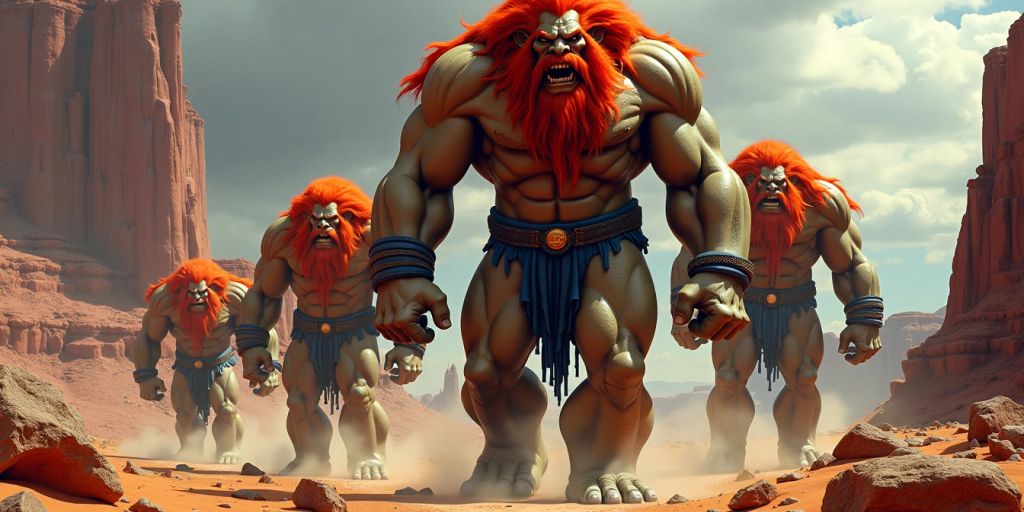
    Legend has it that a race of people once inhabited the Great Basin, characterized by their red hair and towering heights, reportedly between 8.5 to 10 feet tall. These giants were said to be cannibals, preying on the Northern Paiute people. The Paiute engaged in a prolonged conflict with these tribes, ultimately leading to a climactic confrontation at a cave where the remaining giants met their end.

    Historical Accounts

    The earliest account comes from Sarah Wamaka, daughter of a Paiute chief, who published her story in 1883. Her narrative describes a tribe of cannibals that would ambush and consume her people, even resorting to digging up the dead to feast on them. She claimed that this tribe numbered around 2,600 and that the Paiute fought them for three years before finally driving them into a cave, which was then set ablaze.

    John T. Reed’s Discovery

    In 1911, John T. Reed, a childhood friend of Wamaka’s brother, explored the cave and reported seeing no evidence of giants, only bat guano and Native American artifacts. Reed’s accounts, however, fueled interest in the cave’s archaeological potential.

    Archaeological Expeditions

    The cave attracted attention from miners and archaeologists alike:

    1. 1899: Reed attempted to promote the cave’s archaeological potential but found little interest.
    2. 1911: Miners extracted bat guano and discovered numerous Native American artifacts, prompting further archaeological digs.
    3. 1912: Led by Llewellyn Loud, an untrained archaeologist, the first significant excavation took place, uncovering various artifacts but no definitive evidence of giants.
    4. 1924: A second dig, led by Mark Raymond Harrington, continued to explore the cave’s depths.

    Findings And Skepticism

    Loud and Harrington published their findings in 1929, noting the discovery of well-preserved artifacts like baskets and sandals. However, they only mentioned a single account of a giant, which was not corroborated by their findings. The only evidence of cannibalism was speculative, suggesting it occurred during times of famine rather than as a regular practice.

    The Myth Of The Giants

    Despite the intriguing stories, skepticism grew over the years. In 1977, anthropologist Dr. Chalet Brooks analyzed bones from the cave and concluded that they belonged to cows and Native Americans, with no evidence of giants. Similarly, Adrien Mayor in 2005 suggested that legends of giants might stem from misidentified large animal bones.

    The Ongoing Debate

    The tales of the red-haired giants continue to captivate imaginations, but the lack of concrete evidence raises questions. Many claims about giant skeletons have been traced back to unverified sources, and the infamous San Diego Giant photo often misattributed to Lovelock is actually from California.

    Conclusion

    The stories of the red-haired giant cannibals of Lovelock remain a blend of history, legend, and speculation. While archaeological expeditions have unearthed artifacts and bones, the existence of these giants remains unproven. Are they merely tall tales, or is there a kernel of truth hidden in the sands of time? The debate continues, inviting further exploration and discussion.

  • 1 of America’s Darkest WW2 Secrets Exposed

    1 of America’s Darkest WW2 Secrets Exposed

    On March 27, 1945, a dramatic rescue operation unfolded at OFLAG XIII-B in Hammelburg, Germany. American and Serbian prisoners of war awaited liberation as American tanks charged through the camp’s defenses. However, the mission, led by Captain Abraham Baum, quickly spiraled into chaos, revealing the harsh realities of war and the complexities of military decisions.

    Key Takeaways

    • Task Force Baum was a daring but ill-fated mission to rescue POWs.
    • The operation faced overwhelming odds and unexpected challenges.
    • The aftermath highlighted the costs of military decisions in wartime.

    The Daring Mission Begins

    On the evening of March 25, 1945, Lieutenant General George Patton met with Major General Manton S. Eddy to discuss a bold plan. Patton ordered an immediate armored raid to liberate 300 prisoners from OFLAG XIII-B, a camp near Hammelburg. This camp held American soldiers captured during the Battle of the Bulge and was surrounded by barbed wire and heavily armed German guards.

    Patton’s motivation was personal; among the prisoners was his son-in-law, Lieutenant Colonel John Waters. Despite the camp’s perilous location, Patton was determined to act, inspired by recent successful rescue missions in the Philippines.

    The Reluctant Leader

    Captain Abraham Baum, a 23-year-old officer known for his scrappy leadership, was summoned to lead the mission. He felt out of place among the high-ranking officers but was chosen for his battle-tested abilities. The mission was hastily organized, with only a day to prepare. Baum’s task force consisted of 300 men and 50 vehicles, but crucial details about the camp’s defenses and the number of POWs remained unknown.

    The Journey Into Enemy Territory

    Task Force Baum set off on March 26, 1945, from Aschaffenburg, Germany. Their arsenal included light tanks, Shermans, and half-tracks. However, they faced immediate challenges: they were out of range for artillery support and lacked detailed maps. The element of surprise was essential, and they needed to navigate 50 miles behind enemy lines.

    As they advanced, they encountered fierce resistance. A planned attack on a nearby town turned into a slow, house-to-house battle, delaying their progress. Baum learned that the mission was personal for Patton, which fueled his determination to succeed despite the odds.

    The Assault on Hammelburg

    By dawn on March 27, Task Force Baum was still 35 miles from Hammelburg. They faced a new challenge: crossing the Saale River. As they approached the bridge, they were ambushed by German forces, resulting in casualties and the loss of tanks. Baum was wounded, and the situation grew dire.

    Despite the setbacks, they pressed on, capturing civilians for intel. Just 10 miles from their objective, a German reconnaissance plane spotted them, and the element of surprise was lost. They reached Hammelburg’s outskirts, only to face a powerful enemy unit waiting for them.

    The Failed Rescue

    After 12 hours of combat, Task Force Baum finally reached Oflag XIII-B. However, they were met with a shocking reality: instead of 300 prisoners, there were over 1,500. Baum, low on fuel and manpower, could only evacuate a small fraction of the POWs. Most were too malnourished or injured to leave, including Waters.

    Despite the grim situation, about 200 men chose to attempt the return to American lines. As they began their journey back, they were ambushed again, leading to further chaos and loss.

    The Aftermath

    The remnants of Task Force Baum faced relentless German fire, leading to a brutal battle. Baum’s final order, "Every man for himself!" signaled the collapse of the unit. Many were captured, while others, including Baum, managed to escape.

    In the aftermath, the operation was deemed a failure. Task Force Baum suffered severe casualties: 32 men lost their lives, and only 35 soldiers made it back to friendly lines. The motivations behind Patton’s decision to send an ill-equipped task force remain debated, with some believing it was to rescue Waters, while others think it was to outdo General MacArthur.

    A Complex Legacy

    Captain Baum received a Distinguished Service Cross instead of the promised Medal of Honor, a decision that likely spared Patton from scrutiny. For Baum, the focus was on healing and rejoining his troops, which he eventually did, continuing to fight until the war’s end.

    The story of Task Force Baum serves as a poignant reminder of the complexities and costs of military decisions during wartime. It highlights the bravery of those involved and the harsh realities faced by soldiers in the line of duty.

  • The Legend of Chornobyl “Wolf-Dogs”

    The Legend of Chornobyl “Wolf-Dogs”

    In 1986, the Chornobyl disaster marked a turning point in human history, leaving behind a haunting legacy. This event not only reshaped the landscape of Ukraine but also sparked countless myths and stories, including the chilling tale of the wolf-dogs that roamed the exclusion zone. This article delves into that eerie narrative, exploring the aftermath of the disaster and the strange creatures that emerged from it.

    Key Takeaways

    • The Chornobyl disaster led to the evacuation of thousands, leaving behind pets and livestock.
    • Surviving dogs may have interbred with wolves, creating a new breed known as wolf-dogs.
    • The exclusion zone has transformed into a wildlife reserve, thriving despite its dark past.

    The Chornobyl Disaster: A Brief Overview

    The Chornobyl nuclear disaster was one of the most catastrophic events in history. On April 26, 1986, a reactor at the Chornobyl Nuclear Power Plant exploded, releasing massive amounts of radioactive material into the atmosphere. The nearby city of Pripyat, once a bustling hub, was evacuated 35 hours later, leaving behind a ghost town filled with abandoned homes and pets.

    The Evacuation and Its Consequences

    When the evacuation order was given, residents were told they would return in three days. They packed only essentials, leaving behind pets and livestock. This decision had dire consequences:

    • Abandoned Pets: Many dogs were left tied up or confined, leading to starvation.
    • Survival Instincts: A few dogs managed to escape into the surrounding forests, where they faced new challenges.

    The Rise of the Wolf-Dogs

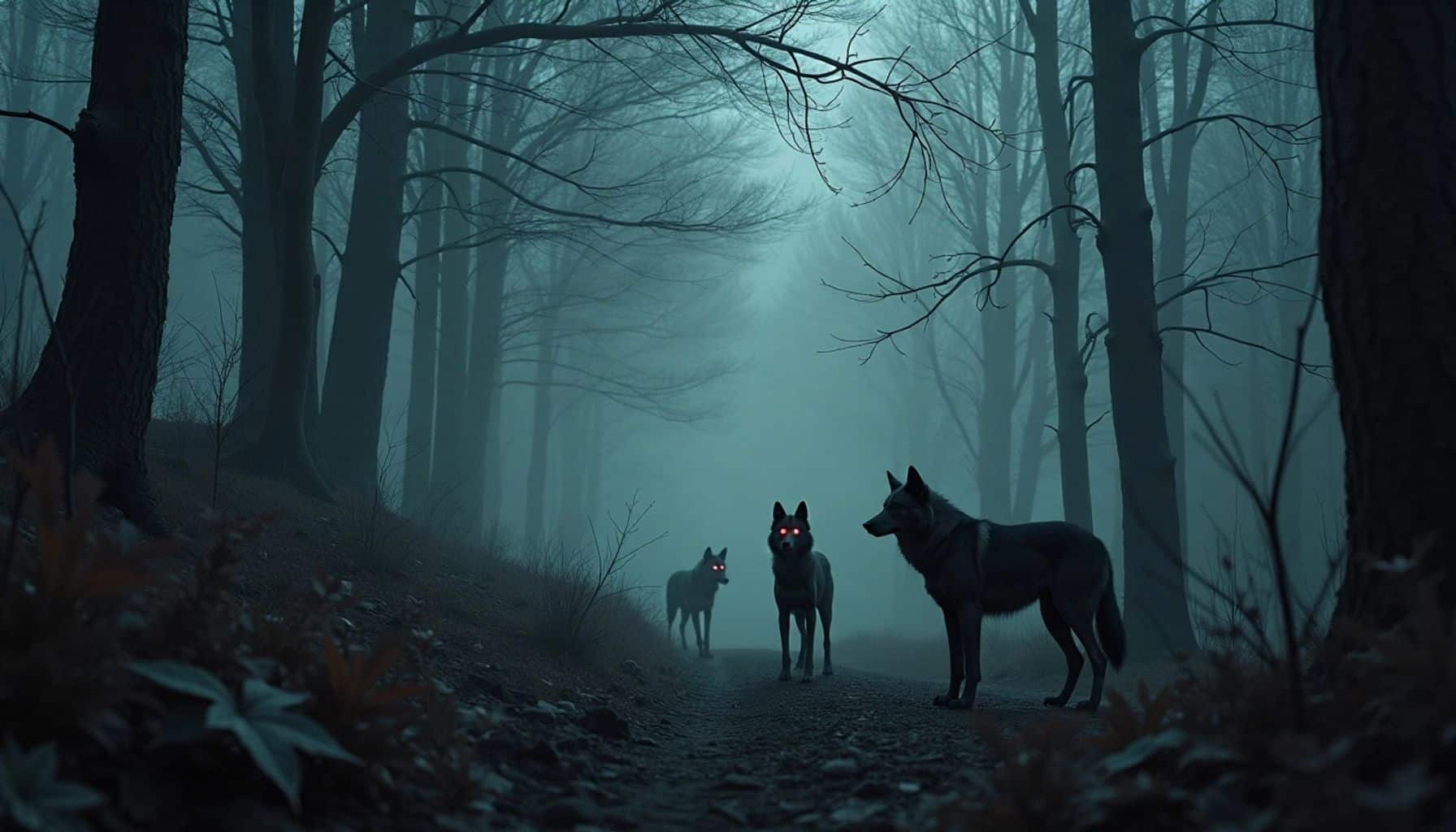
    As time passed, the abandoned dogs began to adapt to their new environment. Some theories suggest that these dogs interbred with local wolves, giving rise to a new breed known as wolf-dogs. This breed exhibited two notable characteristics:

    1. Fearlessness: Unlike typical wolves, these wolf-dogs showed no fear of humans, vehicles, or fire.
    2. Pack Behavior: They formed large packs, sometimes numbering in the hundreds, hunting anything they could find, including livestock and potentially humans.

    The Soviet Response

    The emergence of these wolf-dogs prompted a response from the Soviet authorities. They organized hunting squads to eliminate this new threat. However, the timeline and effectiveness of these efforts remain unclear. Eventually, reports of wolf-dogs faded, and they seemed to vanish from the area.

    Nature’s Resilience in the Exclusion Zone

    Despite the disaster’s aftermath, nature began to reclaim the land. The exclusion zone transformed into a wildlife sanctuary, home to various species:

    • Flourishing Wildlife: Birds nested in abandoned buildings, and wild boars roamed freely.
    • Rare Species: The area became a refuge for nearly 70 rare species, including the Przewalski’s horse and different bear species.

    The Impact of Radiation on Wildlife

    While wildlife thrived, the effects of radiation were still evident. Studies revealed:

    • Health Issues: Many animals suffered from diseases linked to radiation exposure, including tumors and low fertility.
    • Adaptation: Some species, like wolves, developed genetic adaptations to survive in the contaminated environment.

    The Myth of the Wolf-Dogs Today

    Despite the intriguing stories, there is little evidence to support the existence of wolf-dogs in the exclusion zone today. Biologists have not documented any sightings, and the supposed hunting squads targeting them remain unverified. However, the growing population of wild wolves in the area can be explained by their search for food in abandoned settlements.

    Conclusion: A Legacy of Survival

    The tale of the wolf-dogs of Chornobyl serves as a haunting reminder of the disaster’s impact. While the area has transformed into a sanctuary for wildlife, the shadows of its past linger. The story of survival, adaptation, and the resilience of nature continues to unfold in the exclusion zone, where the echoes of tragedy and hope coexist.

  • 11,000-Year-Old Mega-Site: The Mystery of Tell ‘Abr 3

    11,000-Year-Old Mega-Site: The Mystery of Tell ‘Abr 3

    The discovery of Tell ‘Abr 3 has opened a fascinating window into the Pre-Pottery Neolithic A period, a time characterized by unique architectural styles and cultural practices. Located near the Euphrates River in Syria, this site has revealed remarkable insights into ancient human life, dating back approximately 11,000 years.

    Key Takeaways

    • Tell ‘Abr 3 is a significant archaeological site from the Pre-Pottery Neolithic A period.
    • The site features sophisticated architecture and a variety of artifacts.
    • Communal buildings indicate social and ritual functions.
    • The aurochs played a vital role in the culture of the inhabitants.

    Understanding The Pre-Pottery Neolithic A

    The Pre-Pottery Neolithic A (PPNA) spanned from 9,600 to 8,700 BC and was first defined by Kathleen Kenyon through her work at Jericho. This period is marked by:

    • Circular-based architecture
    • Distinctive chipped stone artifacts
    • Cup-hole mortars
    • Shallow burials beneath structures

    The PPNA was succeeded by the Pre-Pottery Neolithic B (PPNB), where rectangular structures became prevalent, and evidence of domesticated plants and animals began to emerge. While Göbekli Tepe is the most renowned site from this era, Tell ‘Abr 3 is equally compelling yet lesser-known.

    The Discovery of Tell ‘Abr 3

    Excavations at Tell ‘Abr 3 began over 20 years ago after rising waters of the Euphrates revealed ancient architectural remains. Key findings include:

    • Sophisticated construction techniques
    • A variety of tools and decorated objects
    • Rich ornamentation

    The site is strategically located about 15 km from the Turkish border, making it a crucial link between various archaeological sites in the region.

    Architectural Marvels

    The architecture at Tell ‘Abr 3 showcases advanced building techniques:

    • Materials Used: Stone, wood, and mud
    • Building Types: Circular and oval structures, with some being subterranean

    One notable structure is a circular dwelling with a 3-meter diameter, featuring an exterior wall of stone rubble and an earthen floor, indicating careful architectural planning.

    Communal Building B2

    Among the most intriguing structures is Building B2, a communal space with:

    • Circular plan: 10 to 12 meters in diameter
    • Pit-like floor: Dug 1.5 meters into the soil
    • Decorated walls: Coated with mud and adorned with ancient fingerprints

    Inside, a perimeter bench and evidence of grain storage suggest it served both social and ritual functions. The artistic elements include:

    • Sculpted slabs depicting leopards and geometric motifs
    • Wooden post holes indicating a roof structure

    Communal Building M1

    Another significant structure, Building M1, features:

    • Diameter: 7.9 meters, sunken by 1.1 meters
    • Fire damage: Similar to Building B2, indicating a catastrophic event
    • Artifacts: Including limestone basins and a decorated vase

    The presence of aurochs skulls and bones within the building hints at their ritual significance, further emphasizing the cultural importance of these animals.

    The Role of Aurochs

    The aurochs, a wild ancestor of domestic cattle, played a crucial role in the lives of the inhabitants:

    • Symbolic significance: Represented in art and architecture
    • Ritual practices: Evidence of bones hidden within structures suggests they held a special place in the community’s beliefs

    Conclusion

    Tell ‘Abr 3 is a remarkable site that sheds light on the complexities of early human societies during the Pre-Pottery Neolithic A. Its architectural sophistication and rich array of artifacts highlight the cultural practices of the time. As research continues, it becomes increasingly clear that this site, along with others like Göbekli Tepe, is essential for understanding the broader narrative of human history. Exploring these ancient sites not only enriches our knowledge but also deepens our appreciation for the ingenuity of our ancestors.

  • Death Valley: Mysteries, Disappearances, High Strangeness

    Death Valley: Mysteries, Disappearances, High Strangeness

    Death Valley National Park, located in Eastern California, is a land of extremes. Known for its breathtaking landscapes and harsh conditions, it has also become infamous for the numerous mysteries and disappearances that have occurred within its borders. This article delves into some of the most intriguing tales that surround this enigmatic region.

    Key Takeaways

    • Death Valley is home to numerous unexplained disappearances and strange phenomena.
    • The park’s extreme environment poses significant dangers to visitors.
    • Legends and ghost stories add to the allure and mystery of the area.

    The Allure of Death Valley

    Despite its ominous name, Death Valley attracts approximately 1 million visitors annually. The park’s stunning natural beauty, combined with its eerie reputation, captivates adventurers and mystery seekers alike. However, the rugged terrain and extreme temperatures—often reaching 120°F—serve as a stark reminder of nature’s unpredictability.

    The Sailing Stones

    One of the most fascinating phenomena in Death Valley is the sailing stones found in Racetrack Playa. These stones, which can weigh several hundred pounds, mysteriously move across the dry lake bed, leaving trails behind them. Scientists have studied this phenomenon for over a century, proposing various theories, but no one has ever witnessed the stones in motion.

    The Legend of the Subterranean City

    Among the Paiute Indians, there are tales of an underground city of giants beneath Death Valley. In the 1920s, a trapper discovered mummies and artifacts in a cave system, leading to speculation about an ancient civilization. Despite numerous reports of these tunnels, many who sought them have vanished without a trace.

    The Manson Family Connection

    Death Valley also has a dark history linked to Charles Manson and his followers. In 1968, Manson and his group occupied Parker Ranch, where they planned the infamous Tate-LaBianca murders. Rumors persist about potential victims who disappeared in the area, adding another layer of mystery to the park’s history.

    The Dangers of GPS

    In a modern twist, GPS technology has led to tragic outcomes in Death Valley. Poor reception can mislead travelers onto dangerous paths, resulting in dire consequences. In 2009, a mother and her child became lost, highlighting the risks of relying solely on technology in such a treacherous environment.

    Unexplained Disappearances

    Death Valley is notorious for its unexplained disappearances. Some notable cases include:

    1. First Lieutenant Paul Whipkey: Disappeared in 1958 under mysterious circumstances, with his vehicle found abandoned in the park.
    2. Cornelia Meyer and Family: A German family vanished in 1996, leaving behind only a locked van and a cryptic note.
    3. Ryan Singleton: A model who went missing in 2013, his body was found weeks later, missing internal organs, raising suspicions of foul play.

    Ghosts and Hauntings

    The park is also home to ghost stories and haunted locations. The Amargosa Hotel is said to be haunted by the spirit of its former owner, Marta Beckett. Visitors have reported strange occurrences, including ghostly laughter and unexplained noises.

    Preparing for Your Visit

    If you plan to explore Death Valley, preparation is key. Here are some essential tips:

    • Stay Hydrated: Always carry extra water, especially during hot weather.
    • Know Your Route: Stick to designated paths and avoid unpaved roads.
    • Travel with Companions: It’s safer to explore with others, especially in remote areas.
    • Emergency Supplies: Bring a GPS device, a radio, and a backup plan in case of emergencies.

    Conclusion

    Death Valley is a land of beauty and danger, steeped in mystery and legend. While many have ventured into its vast terrain, some have never returned, leaving behind tales that continue to intrigue and haunt. Whether you believe in the supernatural or simply the unpredictability of nature, one thing is certain: Death Valley is a place where the unknown reigns supreme.

    As you consider a visit to this captivating yet perilous destination, remember to tread carefully and respect the land. Who knows what mysteries you might uncover?