Category: Cryptozoology

  • The Legend of the American Werewolf on the Loose!

    The Legend of the American Werewolf on the Loose!

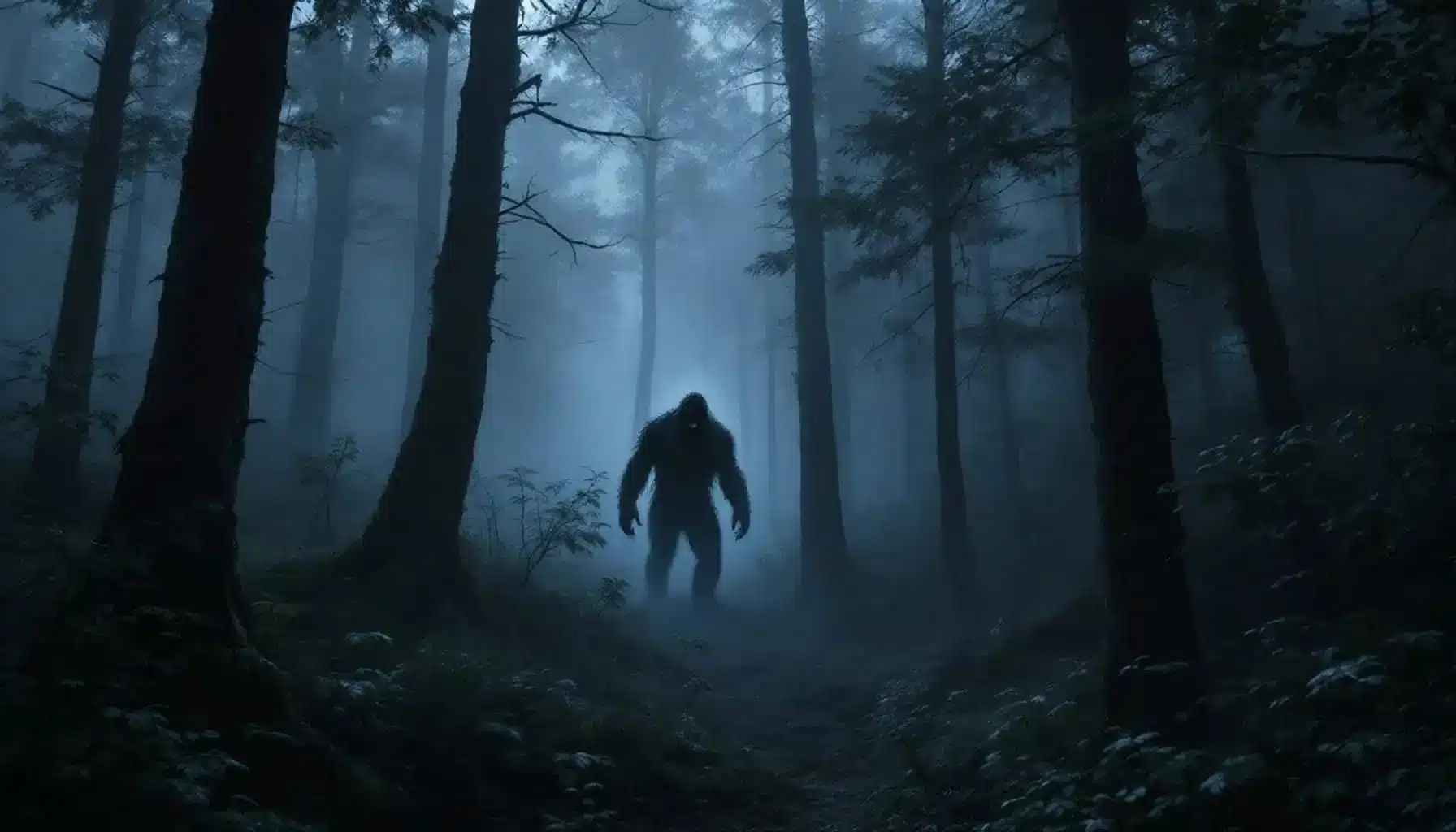
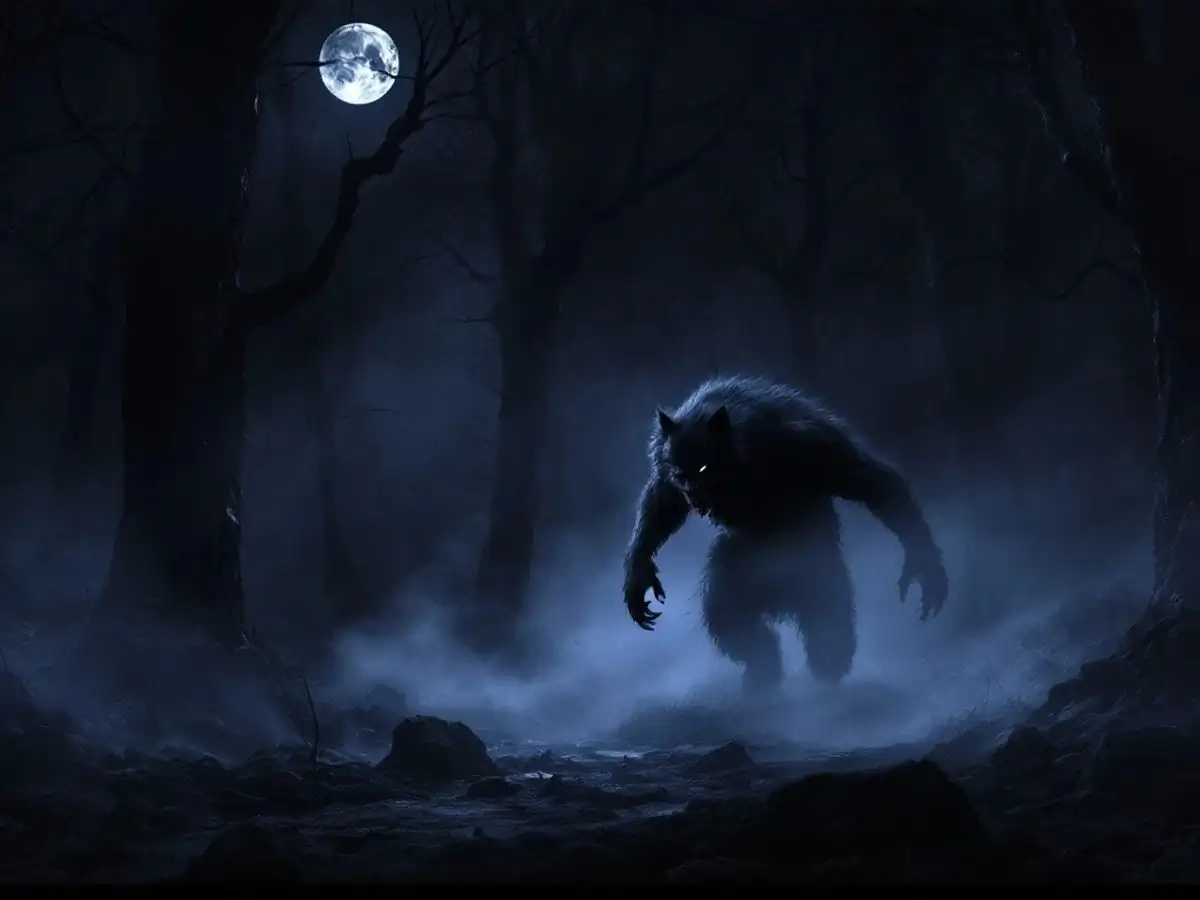
    In the dense forests of Kentucky, a chilling legend lurks. Known as the Barilla, this creature has haunted campers and locals alike, with tales of fatal encounters and mysterious livestock killings. Join us as we explore the eerie stories and eyewitness accounts surrounding this American werewolf.

    Key Takeaways

    • The Barilla is described as a bipedal creature with wolf-like features.
    • Eyewitness accounts reveal a consistent description of the creature.
    • The legend has roots in local folklore and Native American tales.
    • Reports of livestock killings have fueled the mystery surrounding the Barilla.

    The Barilla: A Terrifying Encounter

    In the summer of 1999, Jason Caldwell and his friends embarked on a camping trip in the Daniel Boone National Forest. What was meant to be a fun outing turned into a nightmare when Jason spotted a tall, gray creature lurking nearby. Standing between six and seven feet tall, it had a long muzzle and an aggressive demeanor. The fear was palpable, and the group quickly decided to leave the area, never to return.

    Local Legends and Eyewitness Accounts

    Mount Sterling, Kentucky, is steeped in history and folklore. Many locals have their own stories of encounters with the Barilla. Jeff Caldwell, Jason’s father, recounted a chilling experience from 1996 when he saw a similar creature crossing the road. The consistent descriptions from various witnesses have led to a growing belief in the creature’s existence.

    The Role of Cryptozoologists

    Ron Coffey, a well-known cryptozoologist, has dedicated his life to studying the Barilla. He explains that the name originated in 1972 when a farmer described a creature that was half bear and half gorilla. This description caught the media’s attention, and the legend of the Barilla was born. Ron emphasizes that while many dismiss the idea of werewolves, the Barilla’s characteristics align closely with those of a werewolf.

    The Nature of the Barilla

    Witnesses describe the Barilla as having:

    • A height of about two meters.
    • A coat of black and silver fur.
    • A wolf-like face with long arms and sharp claws.

    Ron Coffey believes that the Barilla is more aggressive than other cryptids, making it a creature to be feared. He recalls his own terrifying childhood encounter, which ignited his passion for uncovering the truth behind this legend.

    The 2012 Attacks

    In 2012, reports of violent attacks attributed to the Barilla resurfaced. Livestock were found mauled, with no signs of consumption, leading many to believe the creature was killing for sport. This wave of attacks created panic in the community, prompting residents to take extra precautions to protect their animals.

    The Historical Context

    The legend of the Barilla is intertwined with Kentucky’s rich history. The area was once home to early settlers who brought their folklore and superstitions with them. The stories of the Barilla echo those of other legendary creatures, such as the Wendigo and the Skinwalker, suggesting a deep-rooted cultural significance.

    The Science Behind the Legend

    While many believe in the Barilla, skeptics argue that sightings could be attributed to misidentified animals, such as bears. Biologist John Cox suggests that the return of black bears to Kentucky coincides with the first modern sightings of the Barilla. He emphasizes the importance of physical evidence in proving the existence of such creatures.

    The Ongoing Search

    Despite the skepticism, Ron Coffey and Jason Caldwell continue their quest to find evidence of the Barilla. They venture into the woods, armed with cameras and plaster for casting tracks, hoping to uncover proof of the creature’s existence. Their determination reflects the enduring allure of the Barilla legend.

    Conclusion: Monster or Myth?

    The Barilla remains a captivating mystery in Kentucky. Whether a product of folklore or a real creature, its legend continues to intrigue locals and visitors alike. As stories of strange encounters persist, the question remains: is the Barilla a monster lurking in the shadows, or simply a figment of imagination?
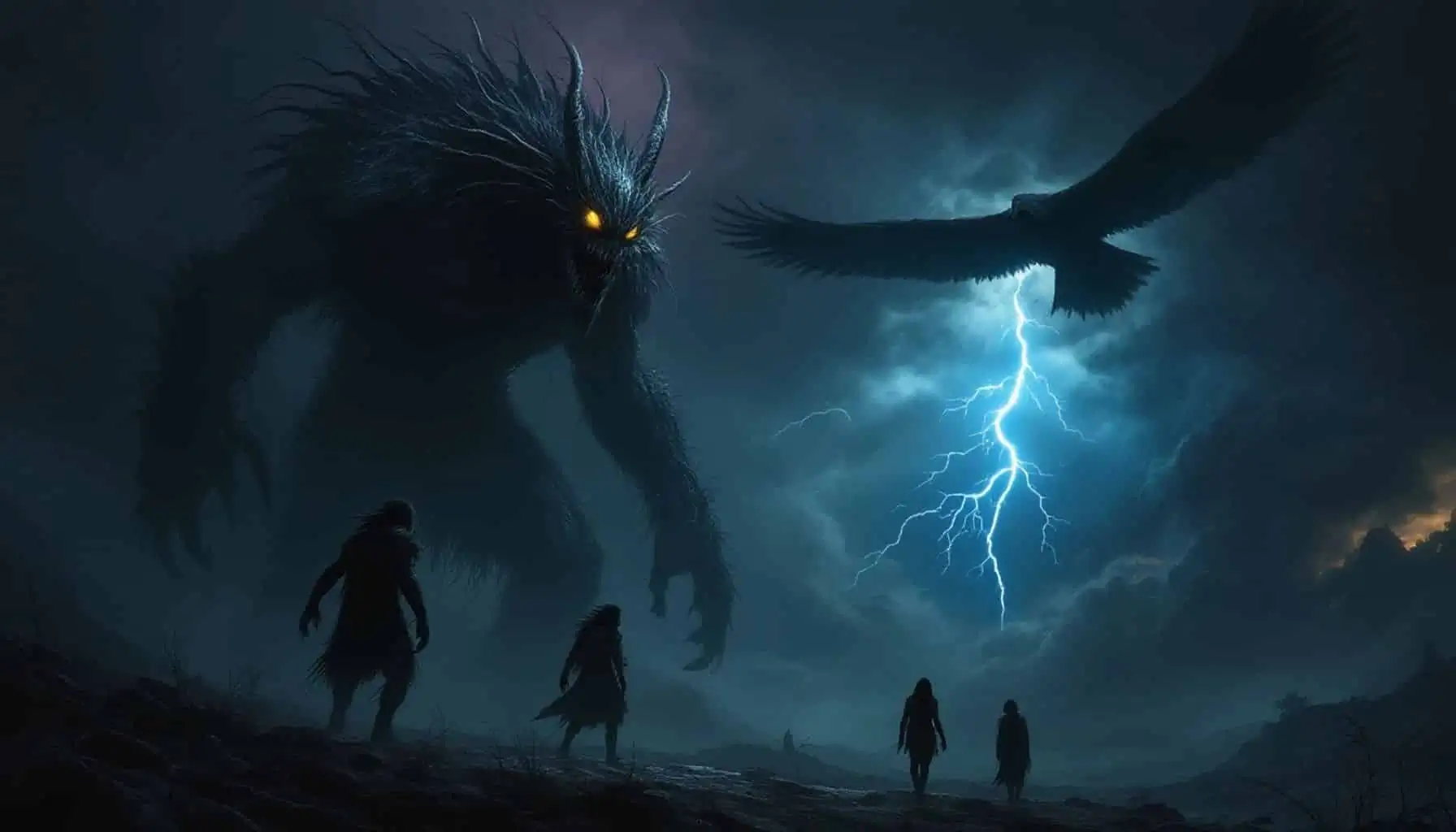
  • Mythical Creatures and Monsters of Africa

    Mythical Creatures and Monsters of Africa

    Explore the enchanting world of African folklore, where mythical creatures and monsters play significant roles in cultural narratives. From the mischievous Tikoloshe to the benevolent Jengu, these legendary beings captivate the imagination and reflect the rich tapestry of African traditions.

    Key Takeaways

    • Diverse Roles: Creatures can be benevolent or malevolent, serving various purposes in folklore.
    • Cultural Significance: Each creature reflects the values and beliefs of the communities that tell their stories.
    • Moral Lessons: Many legends serve as cautionary tales, teaching important life lessons.

    Tikoloshe: The Mischievous Spirit

    Tikoloshe is a creature from Zulu and Xhosa folklore, prevalent in South Africa. Often depicted as a small, impish humanoid, Tikoloshe is known for its mischievous and malevolent nature. Its role varies from being a guardian of sacred places to a source of fear, often invoked to explain unexplained events or to encourage good behavior in children.

    Dingonek: The Fearsome Hybrid

    Dingonek is a legendary creature from East African folklore, particularly near Lake Victoria. Described as a hybrid with the body of a crocodile, the head of a leopard, and the tail of a fish, Dingonek is infamous for its aggressive behavior. It is considered a dangerous force, best avoided by those near its waters.

    Mokélé-Mbèmbé: The Guardian of the Congo

    Mokèlé-Mbèmbé is a creature of legend among the Pygmy tribes in the Congo Basin. Resembling a sauropod dinosaur, it is believed to inhabit remote lakes and rivers. This cryptid is seen as both a guardian and a potential threat, bringing blessings or warnings to those nearby.

    Popobawa: The Night Terror

    Popobawa is a malevolent entity from Swahili folklore, particularly in Zanzibar and Tanzania. Often described as a shape-shifting bat-like creature, it preys on individuals at night, causing fear and terror. Its legend is used to explain unexplained events and maintain social order.

    Mami Wata: The Enchanting Water Spirit

    Mami Wata is revered in the folklore of Nigeria, Ghana, and Cameroon. Often depicted as a beautiful woman with a fish tail, she is associated with water, fertility, and wealth. Mami Wata is believed to bestow blessings and is a powerful figure in local mythology.

    Gbahali: The Guardian Beast

    From the Mandinka mythology in West Africa, Gbahali is a gigantic, malevolent beast resembling a crocodile. It is seen as a guardian of ancient knowledge, fiercely protecting sacred sites and symbolizing power and authority.

    Impundulu: The Lightning Bird

    Impundulu, or the Lightning Bird, originates from Zulu mythology. This large bird is capable of summoning thunderstorms and is both feared and respected. It is often associated with witchcraft, serving as a familiar to witches and sorcerers.

    Ammit: The Devourer of Souls

    In ancient Egyptian mythology, Ammit is depicted with the head of a crocodile, the body of a lion, and the hindquarters of a hippopotamus. It plays a crucial role in the Weighing of the Heart ceremony, consuming the hearts of the sinful.

    Grootslang: The Guardian of Gems

    Grootslang is a legendary serpent from South African folklore. Known for its ability to shape-shift, it represents both creation and destruction, guarding precious gems hidden in deep caves.

    Yumboes: The Yoruba Fairies

    Yumboes, or Yoruba fairies, are tiny spirits from Nigerian folklore. They are believed to be benevolent yet mischievous, bestowing blessings on those who respect nature while playing tricks on those who do not.

    Inkanyamba: The Water Dragon

    Inkanyamba is a gigantic serpent from Zulu folklore, residing in deep waters. It is revered as a deity of rain and fertility but feared for its potential to cause storms and floods.

    Kalanoro: The Elusive Creature

    Kalanoro is a monkey-like humanoid from Madagascar folklore. Known for its elusive nature, it is believed to bring good luck or mischief, adding mystery to the island’s rich folklore.

    Kongamato: The Man-Eater

    Kongamato is a bat-like creature from Zambian and Congolese folklore. With a wingspan of 4 to 7 feet, it is feared as a vicious man-eater, warning against approaching its territory.

    Ninki Nanka: The Dragon of the Swamps

    Ninki Nanka is a dragon-like creature from West African folklore. It is believed to guard swamps and forests, serving as a cautionary tale against venturing into dangerous areas.

    Jengu: The Benevolent Water Spirit

    Jengu is a mermaid-like spirit from Cameroon, known for bestowing blessings of prosperity and fertility. It emphasizes the sacredness of water and the connection between humans and nature.

    Anansi: The Clever Trickster

    Anansi is a spider figure from Ashanti folklore, known for its cunning and intelligence. As a trickster and hero, Anansi teaches valuable life lessons through entertaining tales.

    Kishi: The Vampiric Hyena

    Kishi is a vampiric creature from Angola, often taking the form of a hyena. It is feared for its ability to transform into a human, preying on unsuspecting victims, particularly children.

    Bouda: The Shape-Shifter

    Bouda is a shape-shifting creature from Moroccan folklore, feared for its ability to possess humans. Its legend serves as a warning against engaging in witchcraft.

    Mngwa: The Ferocious Feline

    Mngwa is a legendary creature from Swahili folklore, described as a large, man-eating feline. Its encounters are rare but terrifying, serving as a cautionary tale about the dangers of the wild.

    Adze: The Vampire of the Night

    Adze is a vampire-like creature from Ewe mythology, known for its shape-shifting abilities. It is feared for its predatory nature, particularly towards children.

    Asanbosam: The Forest Dweller

    Asanbosam is a vampiric creature from Akan mythology, known for its iron teeth and hook-like feet. It serves as a warning against venturing into the forest at night.

    Abada: The Elusive Unicorn

    Abada, or Emela-ntouka, is a cryptid from Pygmy mythology, described as a massive unicorn-like creature. Its elusive nature adds mystery to the folklore of the region.

    Aigamuxa: The Fatal Gaze

    Aigamuxa is a humanoid creature from Khoikhoi folklore, known for its fatal gaze. It serves as a cautionary tale against wandering aimlessly in harsh landscapes.

    Ga-Gorib: The Guardian of Nature

    Ga-Gorib is a giant baboon from San folklore, revered as a guardian spirit of the wilderness. It emphasizes the importance of coexisting harmoniously with nature.

    Kianda: The Water Guardian

    Kianda is a water spirit from Luhya folklore, depicted as a beautiful woman. She is revered for her healing powers and blessings upon those who respect her domain.

    These mythical creatures and monsters of Africa offer a glimpse into the continent’s rich folklore, reflecting the values, fears, and hopes of its people. Each story serves as a reminder of the magic and wonder that exists in the world around us.

  • Monsters and Mythical Creatures of Native American Mythology

    Monsters and Mythical Creatures of Native American Mythology

    Native American mythology is rich with fascinating creatures that embody the fears, values, and beliefs of various tribes. From the terrifying Wendigo to the majestic Thunderbird, these beings offer a glimpse into the spiritual world of indigenous cultures. Let’s explore some of the most intriguing mythical creatures that have captivated imaginations for generations.

    Key Takeaways

    • Wendigo: A cannibalistic spirit representing greed and spiritual corruption.
    • Thunderbird: A powerful protector that controls storms and battles malevolent forces.
    • Deer Woman: A transformative figure who punishes violent men.
    • Skinwalker: A malevolent witch capable of shapeshifting into animals.
    • Akhlut: A fearsome hybrid of wolf and killer whale.
    • Stone Man and Spearfinger: Enemies in Cherokee legend with unique powers.
    • Underwater Panther: A guardian of lakes, opposing the Thunderbird.
    • Horned Serpent: A mystical being associated with healing and danger.
    • Pukwudgie: Mischievous creatures known for their trickery.
    • Ogopogo: A legendary sea serpent from British Columbia.
    • Anaye: Monstrous beings born from women and inanimate objects.
    • Amikuk: A shape-shifting creature that hunts men.
    • Rainbow Crow: A symbol of sacrifice and transformation.
    • Qalupalik: A terrifying creature from Inuit mythology.

    The Terrifying Wendigo

    The Wendigo is a malevolent spirit deeply rooted in the folklore of the Algonquian-speaking tribes. Often depicted as a gaunt figure with icy skin and a ravenous hunger for human flesh, the Wendigo embodies the dangers of greed and cannibalism. It is said that those who hoard food during harsh winters risk being possessed by this evil spirit, transforming them into a Wendigo themselves.

    The Majestic Thunderbird

    In contrast, the Thunderbird is a revered figure among many Native American tribes, particularly in the Great Plains. This colossal bird is believed to create thunder with its wings and shoot lightning from its eyes. As a protector of humanity, Thunderbirds engage in epic battles against malevolent spirits, ensuring balance in nature.

    The Enigmatic Deer Woman

    The Deer Woman is a captivating figure who represents both beauty and danger. Once a human woman mistreated by a man, she transforms into a powerful entity that ensnares men with her charm. However, if a man has a history of violence, Deer Woman swiftly punishes him, showcasing the consequences of male aggression.

    The Sinister Skinwalker

    Emerging from Navajo legends, Skinwalkers are malevolent witches with the ability to shapeshift into various animals. Unlike werewolves, Skinwalkers can choose when to transform, maintaining their intelligence while in animal form. This ability makes them particularly dangerous, as they can psychologically torment their victims.

    The Fearsome Akhlut

    From Inuit mythology, the Akhlut is a hybrid creature, part wolf and part killer whale. Known for its aggression, it is said to hunt both on land and in the sea. Legends tell of a man cursed for neglecting his village, who transforms into the Akhlut after a series of tragic events.

    The Stone Man and Spearfinger

    In Cherokee folklore, Stone Man and Spearfinger are two formidable creatures that are mortal enemies. Stone Man, with his magical cane, seeks to crush his victims, while Spearfinger, a witch with a spear-like finger, preys on the livers of her victims. Their battles reflect the struggle between good and evil in the natural world.

    The Underwater Panther

    The Underwater Panther, or Mishu pesu, is a guardian of lakes and a counterpart to the Thunderbird. Often depicted as a giant cat with scales, this creature is associated with destruction and chaos, engaging in a cosmic battle with Thunderbirds to maintain balance in nature.

    The Mystical Horned Serpent

    The Horned Serpent is another significant figure in Native American mythology, known for its healing properties and dangerous breath. Residing in water, it is a guardian of lakes and often seen as an adversary to the Thunderbirds, embodying the duality of nature’s forces.

    The Mischievous Pukwudgie

    Pukwudgies are small, humanoid creatures known for their trickery and mischief. Originating from various Native American tribes, they can appear and vanish at will, often causing trouble for unsuspecting humans.

    The Legendary Ogopogo

    The Ogopogo is a sea serpent from British Columbia, believed to protect Okanagan Lake. Legends tell of sacrifices made to appease this creature, highlighting the deep connection between indigenous peoples and their natural surroundings.

    The Monstrous Anaye

    The Anaye are monstrous beings born from the unions of women and inanimate objects. These insatiable entities spread terror among humans and animals, showcasing the consequences of unnatural desires.

    The Shape-Shifting Amikuk

    The Amikuk is a shape-shifting creature that hunts men, capable of swimming through any substance. Its terrifying abilities make it a formidable foe in both land and sea.

    The Sacrificial Rainbow Crow

    The Rainbow Crow symbolizes sacrifice in Native American mythology. After retrieving fire for the animal community, the crow is transformed, representing the cost of bravery and the importance of selflessness.

    The Terrifying Qalupalik

    From Inuit mythology, the Qalupalik is a female creature that lures children to their doom. With the ability to shapeshift, it embodies the dangers lurking beneath the ice, reminding us of the perils of nature.

    These mythical creatures not only entertain but also serve as moral lessons, reflecting the values and beliefs of Native American cultures. Each story carries a message, reminding us of the delicate balance between humanity and the natural world.

  • The Untold Story Of The Demonic Zozo House Of Oklahoma

    The Untold Story Of The Demonic Zozo House Of Oklahoma

    Throughout history, many have been plagued by an ancient demonic force known as “Zozo.” This terrifying entity is said to enter our world through Ouija boards, wreaking havoc on those who dare to engage with it. This is the untold story of the demonic “Zozo” house of Oklahoma and the creature that stalks its walls.

    Key Takeaways

    • Zozo’s Origins: The entity has roots in ancient Mesopotamia and has been linked to various cultures.
    • Darren Evans’ Encounter: A teenager’s curiosity leads to a series of terrifying events.
    • The Dangers of Ouija Boards: Engaging with these boards can invite malevolent forces into your life.

    The Discovery of the Ouija Board

    In a small but growing city in Oklahoma, a teenager named Darren Evans stumbled upon an old Ouija board while visiting his girlfriend, Brandy. During plumbing work at her home, a plumber discovered the board buried beneath the foundation, surrounded by four jars containing decaying blackbirds. Intrigued, Darren took the board home, unaware of the dark path it would lead him down.

    The First Contact

    Darren’s curiosity quickly turned into obsession. After several attempts, he finally made contact with a spirit he believed to be Bon Scott, the deceased lead singer of AC/DC. However, the planchette began to spell out “Zozo”, marking the beginning of a terrifying journey.

    • Night Terrors: Following the session, Darren experienced horrific nightmares and a constant feeling of being watched.
    • Escalating Events: The disturbances in his home intensified, leading to sleep paralysis and strange noises.

    The Dark Influence of Zozo

    Despite the warnings, Darren continued to engage with the Ouija board. He invited friends to join him, including his best friend Randy, who also sought contact with Bon Scott. Their sessions became increasingly sinister, culminating in a chilling message from the entity: “Fu Randy, I will have your soul, and I’ll see you in hell.”

    The Tragic Consequences

    Randy’s life spiraled downward after their encounter. He fell into alcoholism, lost his wife, and ultimately met a tragic fate in a car accident—exactly as the Ouija board had predicted. This devastating loss deepened Darren’s obsession with understanding Zozo and its origins.

    The Zozo House

    Darren’s fascination led him to a new home in Oklahoma City, where the entity’s presence became even more pronounced. During a session with his wife, Kathleen, Darren exhibited violent behavior, seemingly possessed by Zozo. The family experienced terrifying disturbances, including invisible forces lifting their daughter into the air.

    • Safe Room: The family created a safe room to escape the malevolent presence, but the terror continued.
    • Relocation: Eventually, they moved to escape the entity’s grasp, but Darren’s quest for answers only intensified.

    The Search for Answers

    Darren began researching the origins of Zozo, discovering its connections to ancient cultures and various demonic entities. He learned that Zozo is often associated with deception, masquerading as loved ones or idols to lure individuals into its trap.

    • Historical Context: Zozo has been linked to ancient Mesopotamian demons and has appeared in various possession cases throughout history.
    • Demonic Obsession: Engaging with Zozo can lead to obsession, oppression, and even possession.

    The Warning

    Darren Evans continues to share his experiences and research, warning others about the dangers of Ouija boards. He emphasizes that these tools are not toys and can invite malevolent forces into your life.

    • Avoiding Contact: The best way to protect yourself is to stay away from Ouija boards altogether.
    • The Reality of Evil: Many believe that entities like Zozo exist in the shadows, waiting for an opportunity to strike.

    In conclusion, the story of the demonic Zozo house serves as a chilling reminder of the potential dangers lurking behind the veil of the unknown. Engaging with the supernatural can lead to unforeseen consequences, and it’s crucial to approach such matters with caution. Stay safe and heed the warnings of those who have encountered the darkness firsthand.

  • Are DMT Entities Demonic?

    Are DMT Entities Demonic?

    In recent discussions surrounding the use of DMT, many have shared their transformative experiences. This powerful psychedelic, often derived from the toad, has sparked debates about its nature and the entities encountered during its use. Are these entities benevolent guides or something more sinister? Let’s explore.

    Key Takeaways

    • DMT offers profound experiences that can alter perceptions of reality.
    • Users often encounter entities that seem to communicate and offer insights.
    • The nature of these entities raises questions about their origins and intentions.
    • Some believe these experiences can lead to spiritual growth, while others warn of potential dangers.

    The Nature Of DMT

    DMT, or dimethyltryptamine, is a naturally occurring compound found in various plants and even in the human body. It is known for its intense psychedelic effects, often described as a journey to another dimension. Users report vivid visuals, emotional experiences, and encounters with entities that seem to possess knowledge about the individual.

    The Toad Experience

    Many users refer to the “toad” as a source of DMT. This refers to the secretion from the Colorado River toad, which contains 5-MeO-DMT, a potent form of DMT. The experience is often described as mind-blowing and spiritual, leading to feelings of happiness and enlightenment. However, it can also be frightening, as users confront their own ego and the transient nature of life.

    Encounters With Entities

    One of the most intriguing aspects of DMT experiences is the encounter with entities. Users describe these beings as complex, geometric patterns made of love and understanding. They communicate in ways that transcend language, often conveying messages of love and acceptance. However, the nature of these entities is debated. Are they manifestations of the subconscious, or do they represent something beyond our understanding?

    The Duality Of Experience

    While some users find profound meaning and growth in their DMT experiences, others warn of potential dangers. The rapid shift in reality can be overwhelming, leading to feelings of fear and confusion. Some believe that these entities may not have the user’s best interests at heart, suggesting a darker, demonic nature.

    Spiritual Growth Or Demonic Influence?

    The question remains: are these entities benevolent guides or demonic forces? Some argue that the experiences can lead to spiritual awakening and growth, while others caution against the risks involved. The lack of a clear understanding of these entities leaves room for interpretation, and personal experiences vary widely.

    Conclusion

    DMT offers a unique glimpse into altered states of consciousness, but it comes with significant risks. Whether viewed as a tool for spiritual growth or a gateway to darker realms, the experiences are undeniably profound. As with any powerful substance, caution and respect are essential. The journey into the unknown can lead to enlightenment or confusion, and understanding the nature of these entities is crucial for anyone considering this path.

    Ultimately, the choice to explore DMT should be made with careful consideration of the potential consequences. The experiences can be life-changing, but they also carry the weight of uncertainty and the unknown.

  • The Appalachian Bigfoot Files: Wild Men of the Mountains

    The Appalachian Bigfoot Files: Wild Men of the Mountains

    The Appalachian Bigfoot Files is a captivating documentary series by Aleksandar Petakov that delves into the enduring legends of Sasquatch across the Appalachian mountain range. From Georgia to Maine, tales of hair-covered wild men and mysterious creatures have persisted for centuries. This series explores these stories, claims, sightings, and even hoaxes, featuring interviews with local researchers, authors, and witnesses to piece together this fascinating mystery.

    Key Takeaways

    • The Appalachian Mountains provide ideal habitats for Sasquatch.
    • Historical accounts of wild men date back centuries.
    • The phenomenon of Sasquatch sightings is influenced by human presence and local folklore.
    • The documentary highlights the importance of both modern and historical research in understanding Sasquatch.

    The Appalachian Mountains are a vast expanse of largely uninhabited land, stretching thousands of square miles. This rugged terrain is not only beautiful but also serves as a perfect habitat for elusive creatures like Sasquatch. The mountains are home to diverse wildlife, including black bears and deer, which could support a large omnivore like Sasquatch.

    Many believe that the Appalachians could host a species unknown to science. While some argue that the existence of such a creature is scientifically difficult to justify, others remain open to the possibility. The idea of relic hominoids—archaic human types or unknown anthropoid apes—has gained traction in recent years, suggesting that these creatures could still exist in remote areas.

    The Rich History of Sasquatch Sightings

    The history of Sasquatch sightings in the Appalachians is rich and varied. Pennsylvania, for instance, has been a focal point for researchers since the 1960s, with many historical accounts being aggregated over the years. As more people investigate their local regions, the stories of Sasquatch sightings continue to grow.

    Interestingly, the Appalachian Trail has become a hotspot for sightings, primarily because it attracts many hikers and outdoor enthusiasts. The presence of more human observers increases the likelihood of sightings, leading to clusters of reports in areas frequented by people.

    The Role of Folklore and Superstition

    Folklore plays a significant role in shaping the perception of Sasquatch in the region. Many local legends describe encounters with wild men or woolly boogers, often attributing supernatural qualities to these creatures. This tendency to mythologize the unknown can be traced back to the superstitions of early settlers, who often interpreted strange occurrences in the woods as encounters with the devil or other malevolent forces.

    The term booger, a southern derivative of the word boogeyman, has been used to describe these mysterious creatures. Many places in the Appalachians bear names that reflect this folklore, such as Booger Hollow or Booger Ridge, suggesting a long-standing cultural connection to the idea of wild men in the woods.

    Modern Research and Sightings

    Despite the skepticism surrounding Sasquatch, modern researchers continue to investigate sightings and claims. The documentary emphasizes the importance of both historical and contemporary accounts, as they provide valuable insights into the phenomenon. Researchers like Cliff Barackman and Micah Hanks have dedicated their efforts to uncovering the truth behind these sightings, often sharing compelling stories from locals.

    One notable account involves a man who, while retrieving eggs from a chicken coop, encountered what he initially thought was a bear. Upon closer inspection, he realized it was a large, hair-covered creature with unusual hands. This story, along with many others, highlights the ongoing mystery surrounding Sasquatch in the Appalachians.

    Conclusion

    The Appalachian Bigfoot Files documentary series invites viewers to explore the rich tapestry of Sasquatch lore in the Appalachian Mountains. By combining historical accounts with modern research, it sheds light on a phenomenon that continues to captivate the imagination. Whether or not Sasquatch exists remains a question, but the stories and experiences shared by those who have encountered the unknown are undeniably intriguing. As researchers continue to dig deeper into the history and folklore of the region, the mystery of the wild men of the mountains may one day be unraveled.

  • The First Vampires – How Early Vampirism Impacted Theology, Philosophy & The Occult

    The First Vampires – How Early Vampirism Impacted Theology, Philosophy & The Occult

    The vampire, a creature of folklore and fear, has evolved significantly from its early origins. Emerging from Eastern European tales, the vampire became a symbol of dread during the Enlightenment, challenging the very foundations of philosophy and theology. This article delves into the early accounts of vampires and their profound impact on society.

    Key Takeaways

    • The vampire legend predates modern interpretations, rooted in ancient folklore.
    • Early vampire accounts often involved spectral attacks rather than blood-drinking.
    • The vampire craze of the 18th century influenced both philosophy and theology.
    • Vampires were seen as a challenge to Enlightenment rationalism and Catholic doctrine.

    The Origins Of The Vampire

    The vampire legend did not emerge from a singular source. Instead, it is a cluster of folklore with regional variations. From the upir of the Balkans to the verus, these tales often depicted the undead rising from their graves to prey on the living. The nature of these attacks varied widely, including blood-drinking, strangulation, and even spectral hauntings.

    Early Accounts And Their Disturbing Nature

    Some of the earliest vampire narratives, such as those documented by theologians in the 17th and 18th centuries, focused on the chewing dead—the idea that the deceased would gnaw at their own bodies within their graves. These accounts were not merely sensational; they raised significant theological questions about the nature of death and resurrection.

    1. Premature Burial: The fear of being buried alive was prevalent, leading to disturbing tales of the dead escaping their shrouds.
    2. Theological Implications: The resurrection of the dead was a theological problem, as it contradicted the belief that only God could bring the dead back to life.
    3. Physical Mutilation: Reports of bodies being found with signs of gnawing raised questions about the nature of death and decay.

    The Vampire Craze Of The 18th Century

    The vampire craze reached its peak between 1720 and 1750, fueled by military reports from Eastern Europe. As soldiers returned with tales of the undead, these stories spread through fashionable salons and medical journals, igniting public fascination.

    • Peter Plitz: One notable case involved Peter Plitz, who allegedly returned from the grave to strangle family members, leading to a series of deaths. His body was exhumed, found to be undecayed, and subsequently staked.
    • Arnold Paul: Another infamous account involved Arnold Paul, whose vampiric actions resulted in numerous deaths. His exhumation revealed a body that had not decomposed, further fueling the vampire myth.

    Philosophical And Theological Challenges

    The emergence of the vampire posed significant challenges to Enlightenment thinkers and theologians. The existence of these creatures raised questions about the nature of life, death, and the soul.

    1. Rationalism vs. Superstition: Enlightenment values aimed to eradicate superstition, yet the vampire persisted as a terrifying reality.
    2. Theological Dilemmas: The existence of vampires was seen as a challenge to Catholic doctrine, as they seemed to mock the resurrection of the dead.
    3. Philosophical Debates: Philosophers grappled with the implications of vampirism, questioning whether these beings were mere shells of their former selves or something more.

    The Enduring Legacy Of Vampires

    The vampire has left an indelible mark on literature, art, and culture. From Bram Stoker’s Dracula to modern interpretations, the vampire continues to captivate our imagination. The early accounts of vampires, with their spectral attacks and theological implications, laid the groundwork for the rich tapestry of vampire lore we know today.

    In conclusion, the vampire is not just a monster of folklore; it is a complex symbol that reflects our deepest fears and challenges our understanding of life and death. As we explore the origins and evolution of the vampire, we uncover the intricate relationship between folklore, philosophy, and theology that continues to resonate in our modern world.

  • The Mysterious Origins of Dogman: Unveiling Dark Secrets from The Black Vault

    The Mysterious Origins of Dogman: Unveiling Dark Secrets from The Black Vault

    In a captivating exploration of the CIA’s covert operations, Steve Stockton delves into the unsettling world of MK Ultra and its potential link to the legendary Dogman. This article uncovers the chilling experiments conducted on animals and humans, revealing a narrative that intertwines government secrecy with urban legends.

    Key Takeaways

    • MK Ultra was a secret CIA project focused on mind control.
    • Victims of MK Ultra report ongoing harassment by mysterious figures.
    • The Black Vault is a repository of declassified documents related to these experiments.
    • Dogman sightings may be linked to unethical animal experiments.

    The Dark Legacy of MK Ultra

    In 2018, American citizens successfully pressured the federal government to release documents related to MK Ultra, a project shrouded in secrecy. This initiative involved mind control experiments conducted in various undisclosed locations across the United States. Many individuals have come forward, claiming to be victims of these experiments, which often involved severe abuse and psychological trauma.

    Victims report being stalked by unidentified individuals, reminiscent of the Men in Black. These figures rarely reveal their identities, leading to a pervasive atmosphere of fear and paranoia among those affected. Many victims have resorted to using fake identities and living in hiding to escape the relentless harassment.

    The Black Vault: A Repository of Secrets

    The Black Vault, spearheaded by researcher John Greenewald Jr., serves as a crucial resource for those seeking to understand the extent of these experiments. The website compiles declassified documents obtained through the Freedom of Information Act (FOIA), revealing disturbing insights into government operations.

    The FOIA allows citizens to request records related to federal actions, including military and spy operations. However, responses to these requests are often delayed, and the documents frequently arrive heavily redacted, obscuring critical information.

    Experiments on Animals: A Chilling Reality

    One particularly alarming document, dated September 28, 1967, details experiments that began with rats and escalated to dogs. Researchers employed electrodes to control animal behavior, including turning and stopping. The implications of such experiments raise questions about the ethical treatment of animals and the potential consequences of manipulating their behavior.

    Key Findings from the Experiments:

    1. Behavioral Control: The experiments aimed to control the actions of dogs using electrical stimulation.
    2. Species Tested: Various breeds, including Beagles, were subjected to these experiments.
    3. Duration and Conditions: Sessions lasted up to eight hours, often involving anesthesia and surgical procedures.

    The Emergence of Dogman

    The connection between these experiments and the Dogman phenomenon is both intriguing and unsettling. Reports of Dogman sightings describe creatures that stand between 8 to 10 feet tall, exhibiting both canine and humanoid characteristics. These beings are often described as highly intelligent, capable of stealth and agility that defies belief.

    Characteristics of Dogman Sightings:

    • Bipedal Movement: Dogman is often reported walking on two legs.
    • Intelligence: Witnesses describe them as cunning and aware of their surroundings.
    • Protective Behavior: Some accounts suggest that Dogman may protect humans from other threats, such as Bigfoot.

    Theories and Speculations

    Theories abound regarding the origins of Dogman. Some suggest that these creatures are the result of government experiments gone awry, while others speculate about their connection to ancient folklore, such as werewolves. The possibility of hybrid creatures emerging from unethical experiments raises ethical questions about the treatment of animals in research.

    Conclusion: A Call for Awareness

    As we navigate the murky waters of government secrecy and urban legends, the story of Dogman serves as a reminder of the potential consequences of unchecked experimentation. With over 14,000 animal shelters in the U.S. and millions of animals in need, it is crucial to advocate for ethical treatment and transparency in research.

    Stay vigilant and aware of your surroundings, as the truth behind Dogman may be more complex than we can imagine. What do you think? Are these creatures a product of government experiments, or do they belong to a realm beyond our understanding?

  • The Ancient Origins of the Werewolf

    The Ancient Origins of the Werewolf

    The howl of the wolf has long captured human imagination, evoking both fear and fascination. In ancient times, when civilization was still intertwined with nature, the wolf was seen as a deadly predator. This duality is reflected in the rich tapestry of werewolf mythology across Europe, where tales of transformation and the bond between man and wolf have persisted for millennia.

    Key Takeaways

    • The bond between humans and wolves dates back at least 25,000 years.
    • The term “werewolf” has roots in Old Germanic and Greek languages.
    • Ancient rituals often involved transformation into wolves as a form of punishment or initiation.
    • Many historical figures were believed to have the ability to transform into wolves.

    The Bond Between Man And Wolf

    The relationship between humans and wolves is ancient, dating back approximately 25,000 years. This bond began with the domestication of wolves, leading to the development of dogs. Early hunter-gatherers in Eurasia and Western Europe lived closely with these wolves, which were more altruistic and less fearful than their modern counterparts. This proximity likely inspired many legends of wolves raising human children, a theme found in various cultures, including Indo-Europeans and Native Americans.

    The Meaning Of Werewolf

    The term “werewolf” is derived from Old Germanic words meaning “man” and “wolf.” This aligns with the Greek term “lycanthropos,” which also translates to “wolf-man.” In Norse mythology, the Ulfhednar, or wolf-coated warriors, and the berserkers, who wore bear pelts, share similarities with the werewolf concept. The Slavic term “vlkodlak” means “wolf-haired,” further emphasizing the connection between humans and wolves in folklore.

    Earliest Werewolf Tales

    The earliest recorded werewolf tale appears in the Epic of Gilgamesh, where a woman transforms her husband into a wolf. However, more recognizable werewolf themes emerge in ancient Greek literature, such as The Iliad and The Odyssey. In these texts, warriors are often compared to wolves or lions, highlighting their ferocity in battle.

    Zeus Lycaios & Ancient Greek Wolf Rituals

    One of the most famous werewolf legends involves Lycaon, an ancient king of Arcadia. According to myth, Lycaon served a meal of human flesh to Zeus, who, enraged, transformed him into a wolf. This story reflects ancient rituals where individuals would transform into wolves as a form of punishment or initiation. The Lycian Games, held in honor of Zeus, were believed to involve such transformations.

    The Warrior Wolf-Pack

    In various cultures, the idea of a warrior band embodying the spirit of the wolf is prevalent. These groups often engaged in fierce battles, adopting wolf-like behaviors and attire. The Norse berserkers, for instance, were known for their battle frenzy, fighting without armor and invoking the spirit of the wolf.

    Apollo The Wolf

    Apollo, the Greek god, is also linked to the wolf motif. He was often associated with young warriors and outcasts, who would dedicate themselves to him. Some tales suggest that Apollo’s mother, Leto, took the form of a wolf while searching for a place to give birth. This connection further intertwines the themes of transformation and the wolf in ancient mythology.

    Becoming A Wolf

    Transformation into a wolf was often seen as a punishment or a rite of passage. In some accounts, individuals would live as wolves for a set period, such as nine years, before returning to human form. This practice was believed to symbolize a transition from boyhood to manhood, reflecting the harsh realities of ancient life.

    Cuchulain And Lug Luch

    In Irish mythology, Cuchulain embodies the wolf’s spirit. After slaying a fierce hound, he vows to take its place, transforming into a monstrous figure in battle. The Gaelic term for wolf, “cu,” is closely related to Cuchulain’s name, emphasizing the deep connection between the hero and the wolf.

    Werewolf Kings

    Throughout history, several rulers were believed to possess the ability to transform into wolves. For instance, Thislove, a prince in Belarus, was said to prowl as a wolf at night. Such tales reflect the belief that some leaders were more than mere mortals, embodying the spirit of the wolf.

    Conclusion

    The werewolf is a significant figure in European mythology, representing the complex relationship between humans and nature. From ancient rituals to legendary kings, the wolf’s spirit has influenced countless stories and beliefs. As we explore these tales, we uncover the enduring legacy of the werewolf in our cultural consciousness.

    If you found this exploration of werewolf mythology intriguing, consider supporting the channel for more content on ancient myths and legends.

  • What Werewolves Were Really Based On | SUPERNATURAL LORE

    What Werewolves Were Really Based On | SUPERNATURAL LORE

    The myth of werewolves has captivated human imagination for centuries. From ancient folklore to modern pop culture, the idea of humans transforming into wolves raises intriguing questions about its origins. This article explores the real-life phenomena that may have inspired the legendary Wolf Man.

    Key Takeaways

    • Genetic Conditions: Hypertrichosis, or werewolf syndrome, leads to excessive hair growth.
    • Rabies Connection: Symptoms of rabies may have contributed to werewolf legends.
    • Psychiatric Disorders: Clinical lycanthropy causes individuals to believe they can transform into animals.
    • Historical Trials: The werewolf trials of the 16th and 17th centuries reflect societal fears and superstitions.
    • Full Moon Effects: Some studies suggest increased disturbances during full moons.
    • Silver Bullets: The lore of silver bullets is rooted in cultural beliefs about purity.

    The Origins Of The Werewolf Myth

    The concept of humans transforming into wolves dates back thousands of years. Stories of werewolves can be found in cultures across the globe. When similar myths arise in different regions, it prompts the question: how close to reality might the Wolf Man be?

    Hypertrichosis: The Werewolf Syndrome

    One of the most fascinating explanations for the werewolf myth is hypertrichosis, a rare genetic condition. Individuals with this disorder grow an abnormal amount of hair all over their bodies, giving them a wolflike appearance. Historically, people with hypertrichosis were sometimes exhibited in freak shows or accused during the werewolf trials. This association with abnormality likely fueled the myth.

    The Role Of Rabies

    Another potential contributor to werewolf legends is rabies. This viral disease affects the central nervous system and can lead to aggressive behavior, foaming at the mouth, and hallucinations. Given that wolves are common carriers of rabies, it’s easy to see how the symptoms could be linked to the savage image of a werewolf. Some researchers speculate that rabies outbreaks may have inspired tales of werewolves.

    Clinical Lycanthropy: A Psychological Perspective

    Clinical lycanthropy is a psychiatric condition where individuals genuinely believe they can transform into wolves or other animals. This delusion often occurs alongside serious mental health disorders, such as schizophrenia or bipolar disorder. While rare, documented cases exist where individuals acted violently, believing they were shape-shifting into wolves. For instance, a 2016 case in Florida involved a young man who exhibited growling and other wolflike behaviors during a violent episode.

    The Werewolf Trials

    The werewolf trials of the 16th and 17th centuries in parts of France, Germany, and Switzerland are a dark chapter in history. During these trials, individuals were accused of being werewolves and faced brutal consequences. Many of the accused were already marginalized members of society or suffered from mental health issues. One notorious case involved Peter Stump, who, after being tortured, confessed to transforming into a wolf and committing murders. He was executed in 1589 in a gruesome manner, reflecting the hysteria and superstition of the time.

    Full Moon Phenomena

    The full moon has long been associated with strange behaviors. Some studies suggest a correlation between full moons and increased psychiatric disturbances, injuries, or aggressive behavior. For example, a 2011 study found that animal-related injuries and surgeries spiked during full moons. Law enforcement agencies have also reported higher crime rates and unusual behavior on full moon nights, adding to the lore surrounding werewolves.

    The Myth Of Silver Bullets

    The idea of silver bullets as a means to kill werewolves is deeply rooted in literature and cultural beliefs. Silver has long been viewed as a symbol of purity and spiritual cleansing. Its reflective properties are thought to symbolize divine light and truth. This connection may have led to the belief that silver could purify or protect against evil, including werewolves. Some historical accounts even suggest that silver was used during the werewolf trials, linking it to the modern myth of silver bullets.

    Conclusion

    Whether you believe in werewolves or not, the myth has deep roots in our history. It is shaped by a mix of real-world phenomena and pure imagination. From genetic disorders and psychological delusions to rabies outbreaks and bizarre full moon behaviors, the origins of the Wolf Man myth lie somewhere between science and superstition. The allure of the werewolf continues to captivate us, reminding us of the mysteries that still exist in our world.