Category: Cryptozoology

  • Skeleton Spirits of the North: The Legend Haunting Canada’s Wild Frontiers

    Skeleton Spirits of the North: The Legend Haunting Canada’s Wild Frontiers

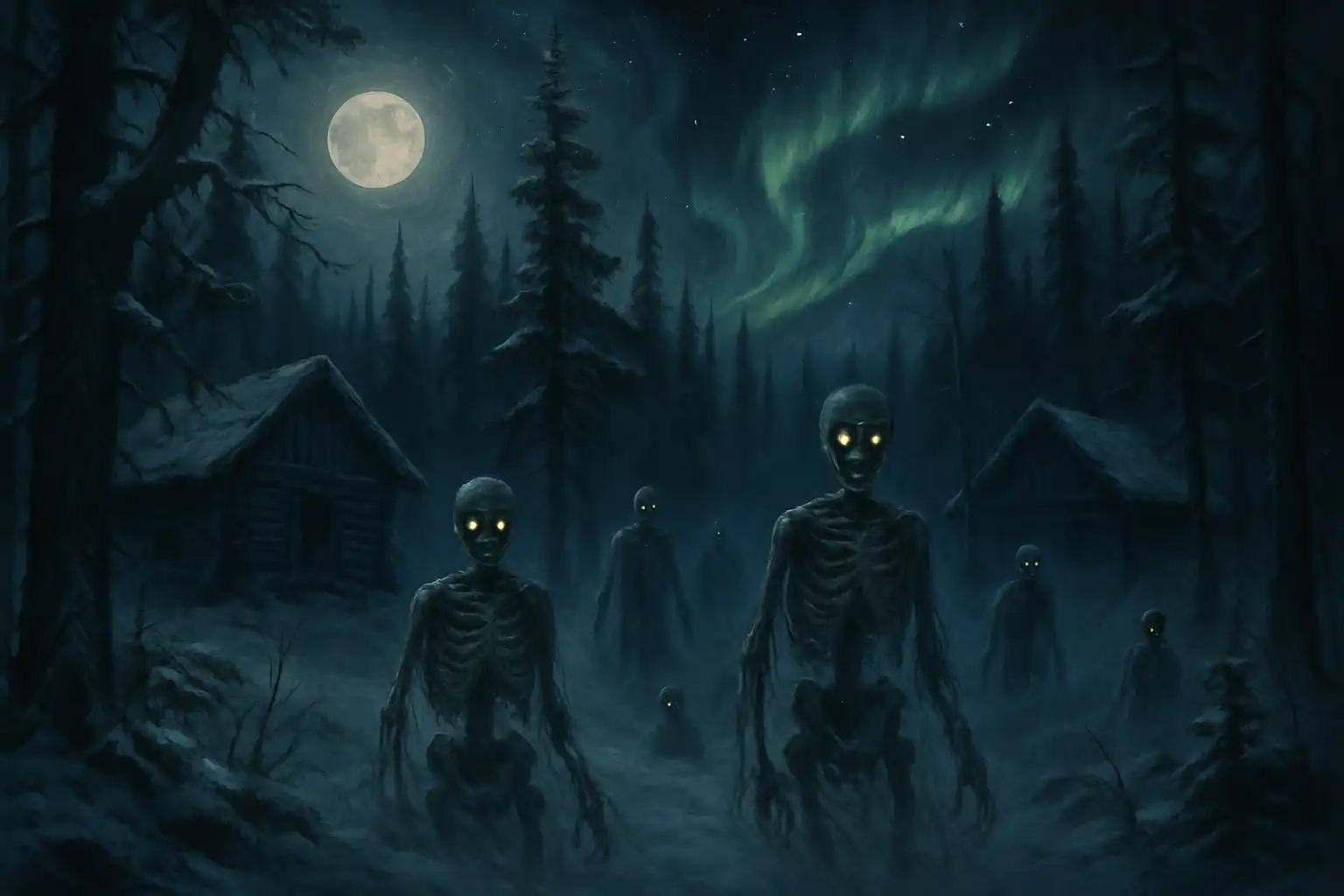
    If you think the woods are quiet at night in Canada’s far north, think again. In this landscape of endless snowdrifts and haunted pine, listen for the rattle of bones on ice—a chill more ancient than the wind. Welcome to one of Canada’s eeriest legends: the tale of the skeleton spirits, animated remains that wander the wilderness, defying logic, blizzards, and every prepper’s best-laid booby traps.

    This haunting narrative—shared in whispers around fires from Yukon to Nunavut—points to a broader tapestry of Canadian folklore. While European fairy tales fill graveyards with poltergeists and Gothic mischief, the Canadian north birthed something colder, sharper, and unnervingly physical. The land, often at the mercy of geophysical chaos (see the compelling evidence for surprise natural resets in cataclysmic geological reports), seems to breed myths where even death refuses to stay buried.

    Northern Legends: Origins of Skeleton Spirits in Canadian Lore

    The roots of Canada’s skeleton legends are as tangled as the boreal forest. Pop culture fixates on werewolves and wendigos, while Indigenous myths—especially from Algonquian and Dene-speaking peoples—feature supernatural beings that blur the lines between living and dead. Some stories warn of restless ancestors, stripped to bone by ancient betrayal or punishment, doomed to roam until justice is served. In other variants, animated skeletons signal disruption or the approach of transformative events, as if the earth remembers every wrong and summons its own grim reminders.

    Scholars note how storytelling traditions among groups like the Cree or Ojibwa often reserved their creepiest tales for winter, a custom echoing through the oral accounts that gave rise to today’s skeleton spirit phenomenon. These stories serve as warnings and inside jokes—a Canadian version of absurdist, macabre wit for fans of underground puppet parodies.

    Haunted Wilderness: Where Skeletal Shadows Move

    The legends themselves and their habitat amplify the terror. The Great White North’s expansive wilderness, with howling winds and weeks-long darkness, becomes a stage for spirits that thrive on dereliction. Encounters often carry a naturalist’s eye for detail: “I saw bones moving like the wind had learned to walk,” one story goes. This imagery reflects the anxieties explored in analyses of solar storms and geomagnetic chaos. Whether skeletons are ghostly metaphors or something more literal, their invasion of the frontier psyche mirrors how unknowns—be they cosmic rays or ancient curses—make even the bravest Canadians glance over their shoulder when the auroras flicker.

    Visits by skeleton spirits are said to spike after harsh winters or strange celestial phenomena, a pattern consistent with reports of magnetic field disruptions and auroral unpredictability, further unpacked in magnetic flip features. Like all good legends, the line between what’s merely atmospheric and what’s supernatural blurs skillfully.

    Bones, Warnings, and the Prepper’s Paradox

    The enduring power of these skeletons lies not just in fright. They remind us of the past, offer omens of weather, or serve as harbingers of personal doom. In Indigenous lore, such spirits reinforce the importance of honoring the dead and heeding nature’s warnings. For modern audiences—caught between prepping for electromagnetic superstorms or skeptically dissecting satellite footage—these tales echo today’s concerns with disaster readiness and existential dread. Are we so different from the trappers and hunters who watched skeletal figures glide across the snow, heart pounding in the darkness?

    This dynamic explains the bizarre, occasionally comic tone that Canadian legends adopt, where utter terror balances with aware, dry humor—much like the tone that pervades explorations of apocalyptic codes or the tongue-in-cheek disaster narratives on technology whistleblower sagas. Even skeletons, it seems, can make for good company if you remember to laugh between shivers.

    Skeleton Spirits in the Modern Imagination

    The legend is far from fading. Contemporary horror podcasts, internet forums, and comics regularly resurrect the skeleton spirit motif, blending classic Indigenous references with new urban legends. As wilderness recedes and cities grow, this myth adapts—now you’re just as likely to find a “skeleton in the suburbs” sighting as in the north of Yellowknife. These tales resonate for those investigating what lies beneath the earth or speculating on geological oddities and ancient structures hidden underfoot.

    Skeleton spirits symbolize the ultimate Canadian paradox: a culture determined to outlive darkness by naming it—and sometimes, by telling it a joke. For more on Canada’s bone-chilling, joke-cracking monsters and the folklore they animate, keep tabs on the shifting shadows at Unexplained.co—because in the North, even the dead have stories to tell.

  • Puppets, Parody, and Pandemonium: Inside Transylvania Television’s Outrageous ‘Dark Night Of The Ejaculatron’

    Puppets, Parody, and Pandemonium: Inside Transylvania Television’s Outrageous ‘Dark Night Of The Ejaculatron’

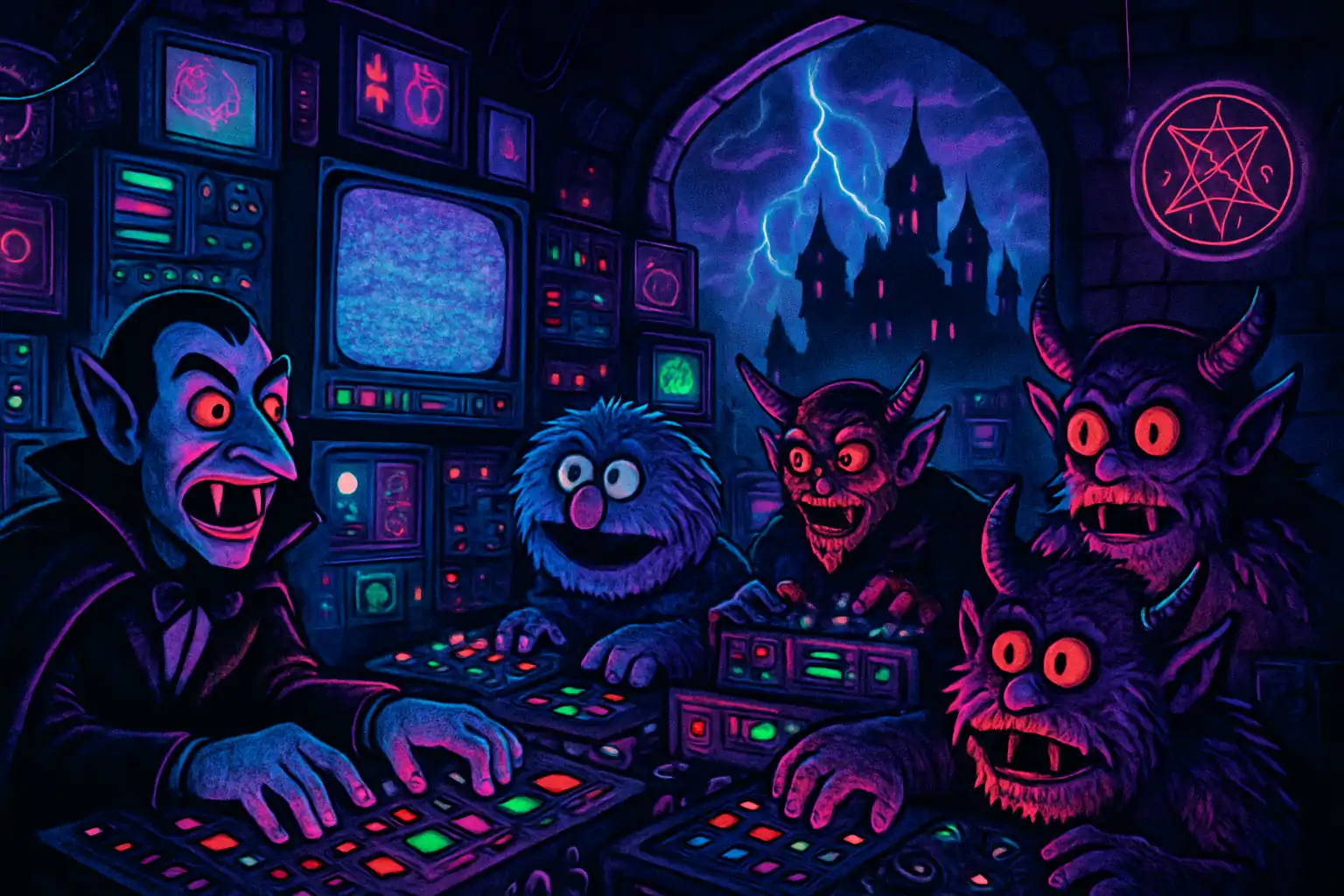
    Leave your garlic at the door. Prepare for the puppet apocalypse: ‘Transylvania Television’ aims to entertain, not frighten, with its irreverent, monster-mash humor. The show describes itself as “Frankenstein meets Fozzie Bear”—an odd blend of cult horror, vintage TV nostalgia, and adult-rated absurdity. Episode one, ‘Dark Night Of The Ejaculatron,’ establishes this tone with demonic contests and undead oddballs. It offers more clever puns per minute than most sitcoms dare attempt. If you’ve ever wondered what happens when Elvira faces censorship for being too mature, this is the Frankenstein-fanged answer (IMDB episode guide).

    The premise? Transylvania Television is an off-kilter broadcasting station that operates out of the spookiest castle this side of Dracula’s summer retreat. Furry, the focus of the darkly comic opener, aims to win tickets to a radio show but faces off against a sassy demon in a soul-dueling contest. It’s a masterclass in spoofing genre tropes. Every puppet and background gag is designed for maximum rewatch value (Full episode streaming).

    The Monster Muppets: Behind the Scenes of a Cult Classic

    This isn’t for the faint of heart. Created by Mike Heagle and puppet maestro Gordon Smuder, ‘Transylvania Television’ asks: What if the weirdest monsters ran their own media empire? Picture late-night cable access crossed with a gothic fever dream, featuring fiendish bureaucrats, eccentric vampires, and wisecracking minions. Each puppet is hand-built and human-operated—every twitch, eyebrow waggle, and growl aimed to elicit laughs or shrieks.

    Satire runs deep, sharply critiquing everything from TV sensationalism to ancient myth, while nodding to real-world conspiracies and esoteric histories—ideal for fans of the explorations of technological uncertainty beloved by late-night doomscrollers. It’s easy to envision undead showrunners discussing ancient drilling projects as seriously as the latest real-world earth-bore. The monsters here obsess over secrets like any prepper podcast host.

    From Vampire Airwaves to Absurdist Artistry

    ‘Dark Night Of The Ejaculatron’ showcases the show’s trademark absurdism, turning supernatural deals and infernal bargains into outrageous showdowns. The writing blends slapstick with mature themes, distinctly adult while riffing on campy classics. The result: a universe where demons compete in trivia battles and side characters—from vampiric executives to mad-scientist interns—capture comedic moments.

    Expect a Bonkers B-plot, often drawing from the same fascination with codes, prophecy, and doomsday logic that fuels real-world discussions of secret mathematical codes and apocalypse signs. In this way, ‘Transylvania Television’ manages to pack in subversive social commentary that rivals shows with much larger budgets and audiences.

    Critical Reception and Streaming Revival

    Once a cult favorite, the series has found new life through streaming—introducing a fresh generation to its gothic humor and warped wisdom (watch on Tubi). Critics praise its Frankensteined sensibility, noting smart approaches to kitsch and subversion. Viewers who love conspiracies and cosmic weirdness—similar to discussions in articles on magnetic pole flips or solar anomalies—will find a home among the puppet chaos and occult antics.

    It’s not just the monster myths or dark comedy that make ‘Transylvania Television’ memorable. It’s the meta-level commentary—on media, myth, and modern madness—that lingers long after the final punchline… or a petrified puppet shriek.

    The Legacy of Transylvania Television: Where Camp Meets Cosmic Comedy

    This show masterfully merges the silly and the sinister. Whether lampooning pop culture, riffing on pseudo-history, or conjuring outlandish cryptids and underground lairs, it entertains conspiracists. Themes resonate with the mysteries found in forgotten underground cities and the esoteric tales surrounding Antarctica’s hidden structures. For diehard fans or casual late-night viewers, the show delivers unpredictable, satirical, and monster-infused fun.

    So, the next time the world feels overly serious—or you suspect your boss is a vampire in disguise—know there’s always a spot in the crypt for you at ‘Transylvania Television.’ Dive deeper into television oddities and real-world strangeness at Unexplained.co — where the monsters on your screen might just be the least of your problems.

  • Hollow Earth Unveiled: Ancient Maps, Buried Cities, and the Lure of Lost Civilizations

    Hollow Earth Unveiled: Ancient Maps, Buried Cities, and the Lure of Lost Civilizations

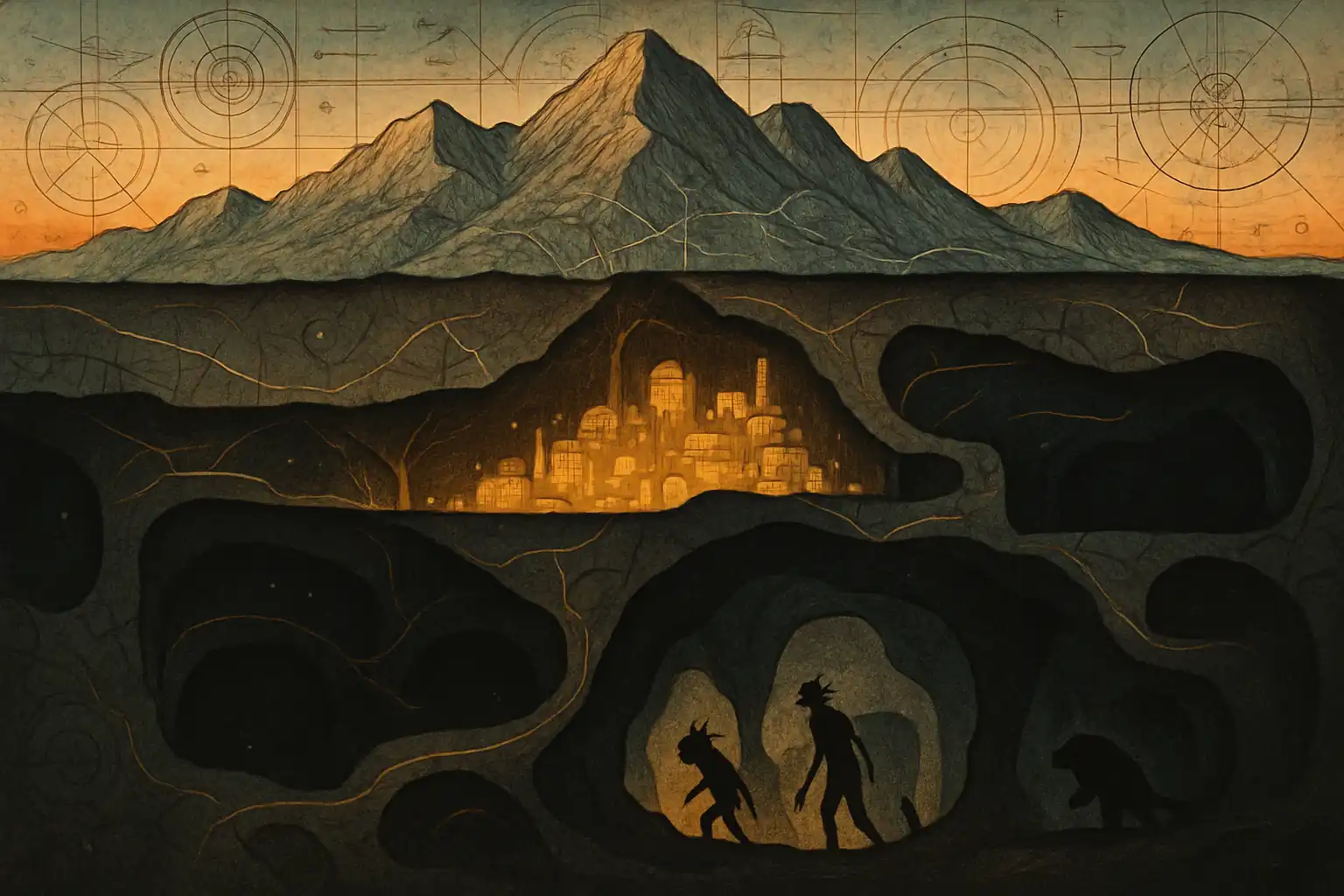
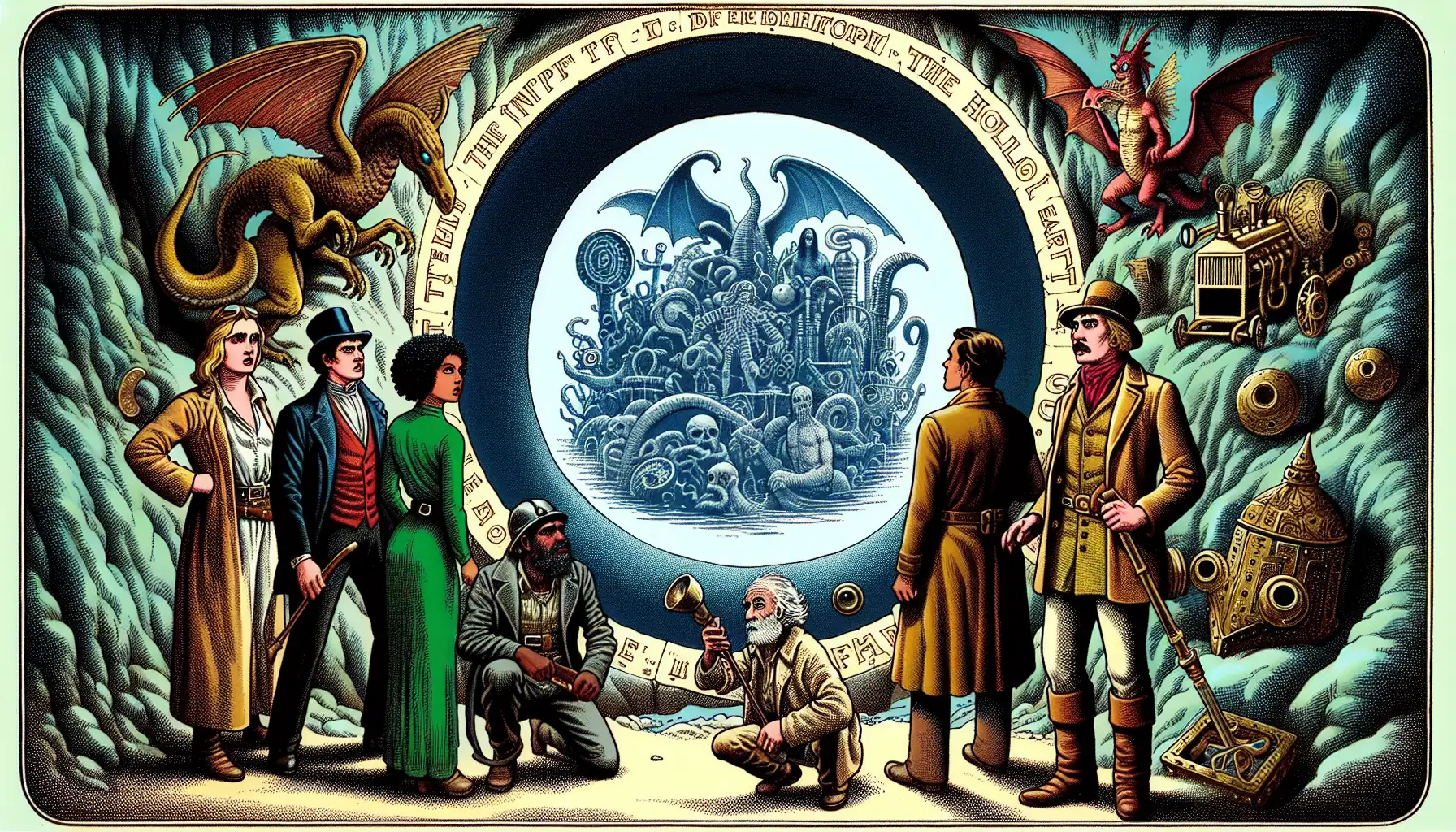
    Think you know what lies beneath your feet? Think again. For centuries, the concept of an inner realm filled with secrets, lost technologies, and perhaps entire civilizations has sparked debate, satire, and real investigation. The Hollow Earth theory has ebbed and flowed between scientific thought and fringe pseudo-science. New “clues” continually emerge, much like magma bubbling below the crust.

    Whether you’re drawn to the myths of Shamballa or intimidated by modern tales of strange creatures in unexplored caves, humanity’s intrigue with the concealed underground endures. Reports, evidence, and unverifiable claims fuel the mystery—each hint at a hidden world deepens the global rabbit hole. If you believe doomsday preppers, secret agencies, or ancient cartographers keep the truth under wraps, you are ready for the next chapter in subterranean speculation. If just a fraction of what’s rumored in this exposé or the high-tech espionage in recent investigations turns out true, it would shock many that real danger may come from below, not above.

    Hollow Earth Theory: From Ancient Myths to Modern Conspiracy

    Long before science fiction embraced the Hollow Earth theory, humanity fixated on what lies below. Ancient mythologies include stories of cavernous underworlds: from the Greek Hades to the Celtic Cruachan, a gate to hell where strange creatures emerge, and the mystical land of Shamballa from Tibetan tradition. Even early scientific hypotheses—proposed as early as the 17th century—gained popularity before hitting a dead end (or, at least, a very solid core).

    Yet, belief in vast subterranean realms persisted into modern times. Stories captured in archaeological investigations and the legendary city of Agartha in spiritualist texts keep the dream alive. Meanwhile, modern enthusiasts have identified supposed entrances at both poles, deep within the Amazon, or beneath great cities worldwide.

    Evidence of Subterranean Cities: Between Archaeology and Allegory

    Occasionally, archaeologists stumble upon discoveries that, for conspiracy theorists, fuel Hollow Earth speculation. Finds like lost cities buried beneath sand or stone and reports of ancient structures beneath pyramids lend periodic (and often exaggerated) support for the idea of past advanced civilizations. However, credible science remains steadfast: while extensive underground complexes and urban centers like Derinkuyu in Turkey exist, they do not support a hollow planet—only remarkable human perseverance and innovation.

    This interplay between proof and fantasy is no coincidence. Pop culture, fiction, and speculative non-fiction (see a popular breakdown of Agartha) continuously feed public intrigue. New ground-penetrating technologies bring both literal and figurative depth to subterranean exploration. Simply look at evidence of fresh geological discoveries or anomalous earth signals to see how swiftly the unknown associates with ancient, potentially hidden activity.

    Strange Creatures of the Depths: Folklore Meets Modern Mystery

    Creatures from Hollow Earth legend range from Lovecraftian monsters to spiritually “enlightened” inner-Earth beings. Ancient stories revived by modern encounters keep cryptids and mythical races alive in today’s digital age—tales echoed and sometimes sensationalized in mainstream outlets or underground city exposés. While scientific consensus suggests we’re more likely to discover bacteria than world-ending titans in the deep crust, stories of giant humanoids, lost tribes, and reptilian enclaves continue to gain traction.

    Interestingly, scientific missions like cave explorations often reveal entirely new, highly adapted species—proof that life in the “underworld” can be stranger than fiction, even if it doesn’t align with apocalyptic survival stories or ancient prophecies.

    Earth’s Hidden Realms: Where Pseudoscience, Geology, and Hope Collide

    While most evidence for Hollow Earth remains wishful thinking, the theory isn’t dead—and neither are the cultural, psychological, and existential needs that drive our dreams of hidden realms. The enduring nature of these legends, echoed in Hollywood blockbusters and new-age warnings, reflects humanity’s thirst for secrecy and surprise. In this age of rapid subsurface scanning, geological anomaly mapping, and rediscovering underground cities, the line between fact and fiction will likely become blurrier. For insights into what occurs below and above, platforms like Unexplained.co have become essential resources for debunkers, dreamers, and doomsday planners alike.

    One thing is clear: the truth beneath us is not hollow, but it is far from empty. If the world ever concealed a lost civilization or ancient secret, you can bet that the world’s closet full of conspiracy theorists will keep digging, one myth at a time.

  • The World’s Gone Weird: Unraveling the Surge of Global Anomalies in 2025

    The World’s Gone Weird: Unraveling the Surge of Global Anomalies in 2025

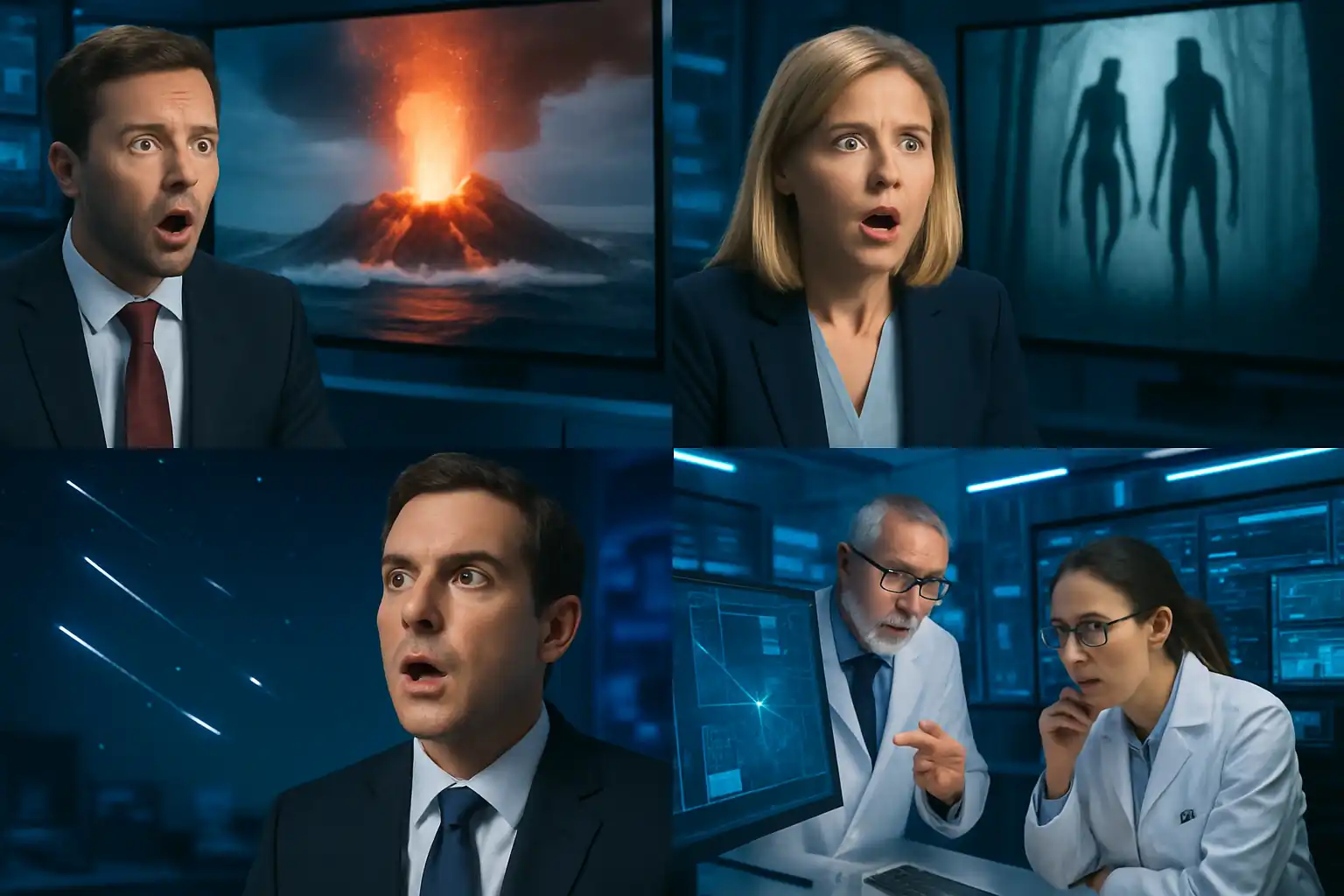
    The planet acts strange, and it’s not just your neighbor. In 2025, oddity isn’t a niche; it’s global. Deep-ocean volcanic turbulence, unexplained sky lights, and bizarre animal behavior fuel suspicion and speculation. Some attribute increased awareness to 24/7 news and TikTok, but scientists and alarmists sense shifts beneath our feet.

    Are we observing a normal cycle of anomalies or are unknowable forces at play? Strap in: the world has turned weird, and the truth is more complex—and riveting—than fiction.

    Global Headlines Signal Spike in Unexplained Phenomena

    This isn’t hyperbole: news outlets overflow with reports of the odd and unclassifiable. Aggregators like Sky News’ Offbeat and UPI’s Odd News now publish daily rundowns from all corners of the planet. Consider the unprecedented uptick in submarine volcanic activity documented in a marine volcanic investigation. Seismic sensors don’t lie, even if your cousin on Facebook tends to embellish.

    Meteorologists, marine biologists, and planetary scientists have left labs for studios. When ancient cosmic debris passes through or a creature from cryptid lore appears on CCTV, experts scramble for answers. Global curiosity accelerates with each new data blip and video fragment.

    Anomalies Redefined: Science, Speculation, and the Unknown

    Let’s clarify terminology. An anomaly, scientifically speaking (Wikipedia: Anomaly), is a deviation from expected norms—a cosmic glitch, a biological blip, or a statistics-busting event impossible to ignore. In the age of algorithmic feeds, one anomaly can spark global rumors, while five in a week can lead to cautionary headlines appearing in survival guides.

    Items once reserved for tabloids now get top billing. Remember the furor over the sky phenomenon off the Pacific coast? Details surface in a report on coastal mysteries. Consider the time long-debated figures like Bigfoot underwent DNA analysis and a fresh investigation by researchers exploring Sasquatch transformation history.

    Catastrophe or Curiosity? The Culture of Alertness

    Not every alert signals “grab your go-bag and run.” Yet, sustained weirdness breeds a culture of vigilance. This vigilance escalates to anxiety when events like the nuclear hotspots in the Himalayas emerge—a narrative resembling a Tom Clancy fever dream—garnering genuine mainstream coverage, as evidenced in this analysis of real-world brinkmanship.

    Simultaneously, hidden chapters of our world reemerge, partly due to dedicated journalism, partly because nothing disappears online. An exposé on the overlooked world-threatening dangers and a review of enigmatic historical heists reinforce the notion that ‘normal’ simply refers to what remains undiscovered.

    The Human Response: Documenting, Dissecting, and Sometimes Just Enduring

    Faced with weirdness, society reacts predictably: document, analyze, argue, repeat. Outlets such as Unexplained.co serve as havens for those unwilling to look away, cataloging global oddities with journalistic rigor. However, any rational prepper—or seasoned scientist—will emphasize that enduring this new age of anomaly relies not just on facts but also on mindset. The wise observe, the cautious prepare, and the rest of us? We scroll, share, and await the next scorching headline.

    Whatever brews in 2025, weirdness has become the new normal, woven into everything from the fabric of space to the subtext of local news. Keep your bug-out bag handy, and don’t disregard the oddities; today’s anomaly could evolve into tomorrow’s history.

  • Awakening from the Abyss: Is the Deep Ocean Preparing to Unleash Something Catastrophic?

    Awakening from the Abyss: Is the Deep Ocean Preparing to Unleash Something Catastrophic?

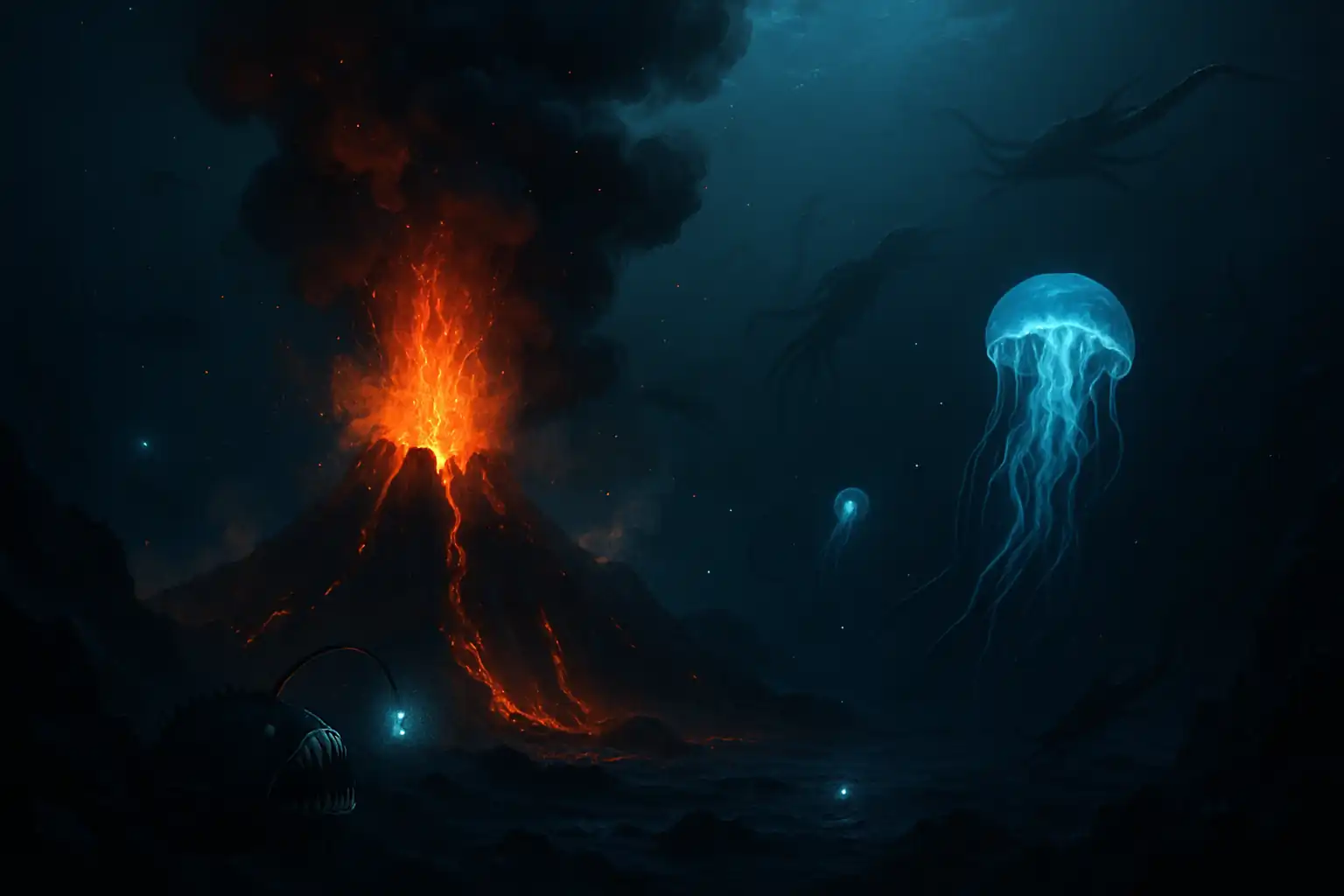
    Beneath the ocean’s tranquil surface, an eerie wave of activity has begun to stir, raising eyebrows in the scientific community and beyond. Reports of intensified volcanic rumblings, strange lights in deep waters, and more encounters with elusive marine creatures suggest significant changes in the marine environment.

    Deep Ocean Volcanoes: Earth’s Fiercest Hidden Threat

    Quiet and remote, deep ocean volcanoes are among Earth’s most enigmatic geological features, often overlooked in scientific observations. Yet these underwater volcanoes, lying thousands of meters below sea level, possess immense destructive potential. The documentary Volcanoes of the Deep Sea highlights their explosive power and surprising activity in recent observations.

    Increased volcanic activity has raised alarms about potential global impacts, including tsunamis, seismic disruptions, and climate changes. Could these deep-sea disruptions indicate underlying tectonic shifts? Scientists scramble for explanations, with speculations reaching extremes about these subterranean awakenings.

    Mystical Encounters: Strange Creatures from the Deep

    Alongside volcanic dynamics, marine biologists report a surge in extraordinary deep-sea sightings in 2024. The Ocean Exploration Trust has documented previously undiscovered creatures near deep-sea volcanic systems, revealing a biodiversity explosion richer than anticipated. This discovery deepens the mystery of these remote ecosystems (Mashable).

    Such finds compel researchers to rethink oceanic life’s adaptability and resilience, especially in extreme volcanic environments. These sightings echo other puzzling phenomena worldwide, like those off the west coast of the USA, continuously challenging our understanding of life on Earth.

    Lights Beneath the Waves: Unexplained Illumination

    Adding to the mystery, strange lights in ocean depths perplex scientists. Many dismiss such reports as folklore until credible witnesses make repeated observations. Theories range from bioluminescent organisms at unprecedented scales to underwater geothermal or volcanic activities creating novel optical phenomena.

    Some analysts wonder if an undiscovered bio-geological process drives these new light displays. This mystery intriguingly aligns with other global phenomena documented in resources like Unexplained.co, supporting claims of broader ecological turmoil.

    Rising from the Deep: Potential for Catastrophe

    Geophysicist Stefan Burns offers a troubling interpretation: these observations may indicate tectonic and volcanic shifts at previously dormant depths. If true, such a scenario could trigger tsunamis or disrupt marine currents crucial for global climate regulation. Acknowledging links between deep-sea volcanic activities and climate impacts is no longer mere speculation; it’s essential caution (the recent report on planetary disruptions emphasizes this need).

    Watching and Waiting: Preparing for the Unpredictable

    As the scientific analysis unfolds, communities worldwide remain alert. Increasingly frequent anomalous oceanic phenomena require informed vigilance. Resources on topics like Oumuamua’s mystery highlight the need for broader societal attention and response to unexplained global phenomena.

    These unsettling activities beneath the ocean’s surface reveal our limited understanding of these profound depths. As humanity gazes at the horizon with curiosity and trepidation, our collective response may determine how effectively we weather any emerging storm from these mysterious oceanic depths.

  • Bigfoot: The Forgotten Theory of Human Transformation Exposed

    Bigfoot: The Forgotten Theory of Human Transformation Exposed

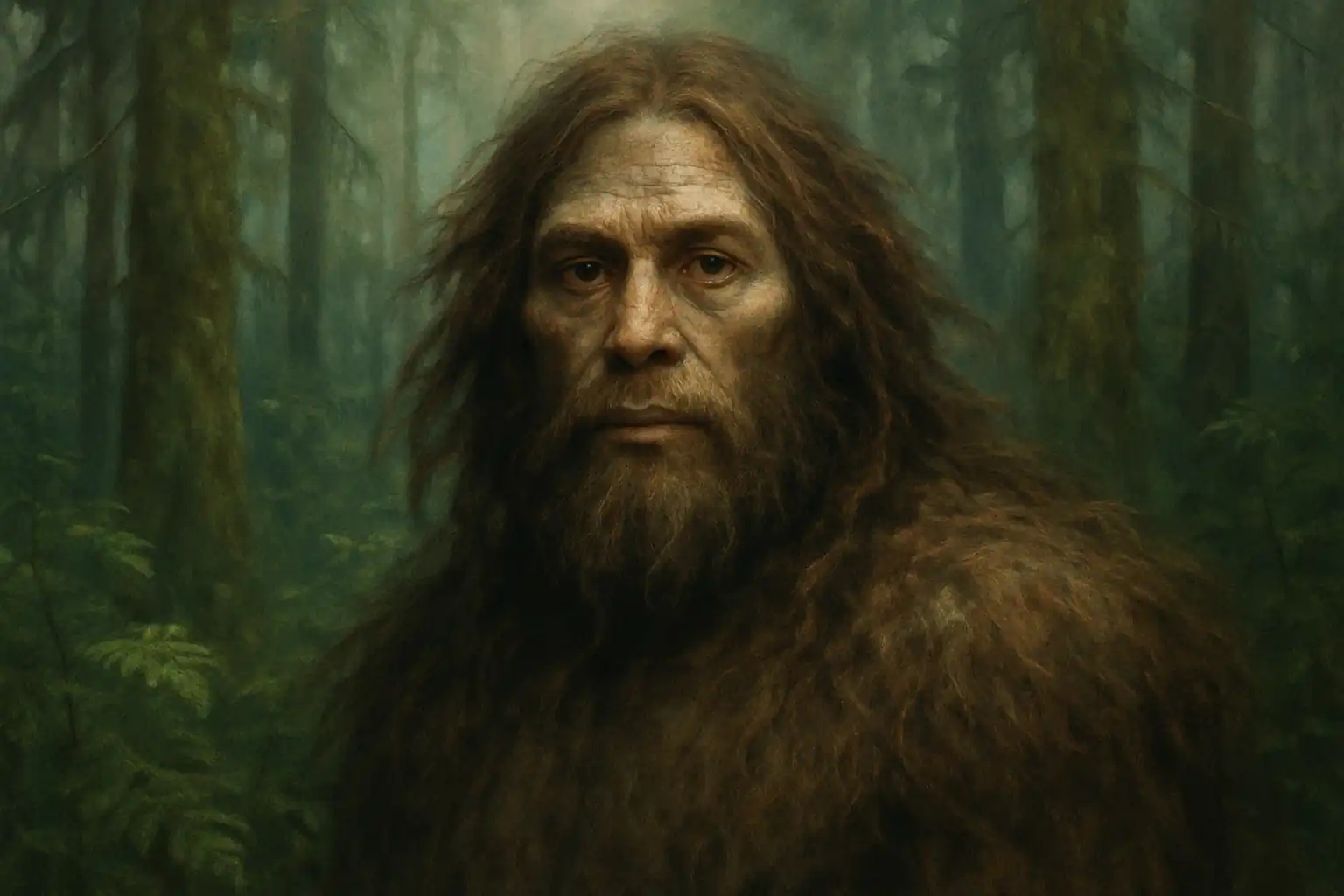
    Is Bigfoot more human than we imagined? Beyond blurry sightings and shaky videos lies a compelling narrative ingrained in ancient traditions: the tale of humans transforming into the elusive Sasquatch. This theory, preserved by generations of First Nation cultures, urges the modern world to reconsider humanity’s nature—and the mystery itself.

    Human Origins or Mythical Transformation?

    Ancient legends from First Nations communities across Canada describe Sasquatch differently from contemporary folklore. These stories depict creatures as humans altered by an inexplicable, otherworldly force. Accounts suggest that the transformation is not merely physical; individuals undergo an existential shift, bridging a profound gap between wilderness and civilization and hinting at a hidden world threatening modern survival.

    This powerful myth echoes in historical testimonies, urging society to view these legendary accounts as more than mere folklore.

    Historical Echoes: Newspapers and Forgotten Stories

    Old newspapers subtly support this enigmatic perspective. Reports from the early 20th century frequently described Sasquatch encounters characterized by human traits. Witnesses noted melancholy expressions and human-like gestures, evoking familiar emotions. Such accounts lend unexpected credence to indigenous oral histories and remind today’s society of unsolved mysteries like the strange phenomena observed along the West Coast.

    However, as newspaper circulation modernized, interpretations shifted. The narrative transformed from solemn human transformation to wild beast sightings, causing society to forget these nuanced accounts.

    Scientific Scrutiny and the Sasquatch Puzzle

    Motivated by ancient and modern tales, researchers and enthusiasts have scrutinized alleged evidence. While mainstream science often dismisses Bigfoot as folklore due to misidentifications or hoaxes, the persistence of Sasquatch stories across diverse cultures sparks genuine curiosity (Wikipedia).

    Cryptozoologists express cautious optimism, intrigued by peculiar footprint casts and hair samples. Ongoing debates persist, fueled by the belief that truths may lie just beyond scientific reach, akin to Egypt’s hidden historical truths awaiting revelation.

    Mystery, Wilderness, and Cultural Significance

    Why does humanity seek out Bigfoot? This quest mirrors our desire to understand our place within nature. The allure of Sasquatch as a transformed human highlights deeper cultural reflections—discussions about identity, belonging, and our delicate interaction with untamed landscapes.

    In an era marked by rapid technological growth and environmental anxieties, exploring such stories, viewed as allegories or misunderstood historical facts, enriches society’s introspective journeys about survival, transformation, and cultural life.

    The Ongoing Search for Answers

    Ultimately, the theory of Bigfoot as a human-transformed figure resonates because humanity is drawn to mystery and its possibilities. Platforms like Unexplained.co keep the conversation alive, pushing the boundaries between folklore and reality; they encourage us to approach mysteries not only with skepticism but with wonder.

    As long as sightings endure, stories persist, and wilderness invites exploration, the truth behind Sasquatch remains tantalizingly uncertain. Perhaps therein lies the value: a reminder of our expansive imagination and enduring secrets hidden within nature’s fabric.

  • Whispers in the Pine: Tracking Canada’s Elusive Snake People Across Time and Tundra

    Whispers in the Pine: Tracking Canada’s Elusive Snake People Across Time and Tundra

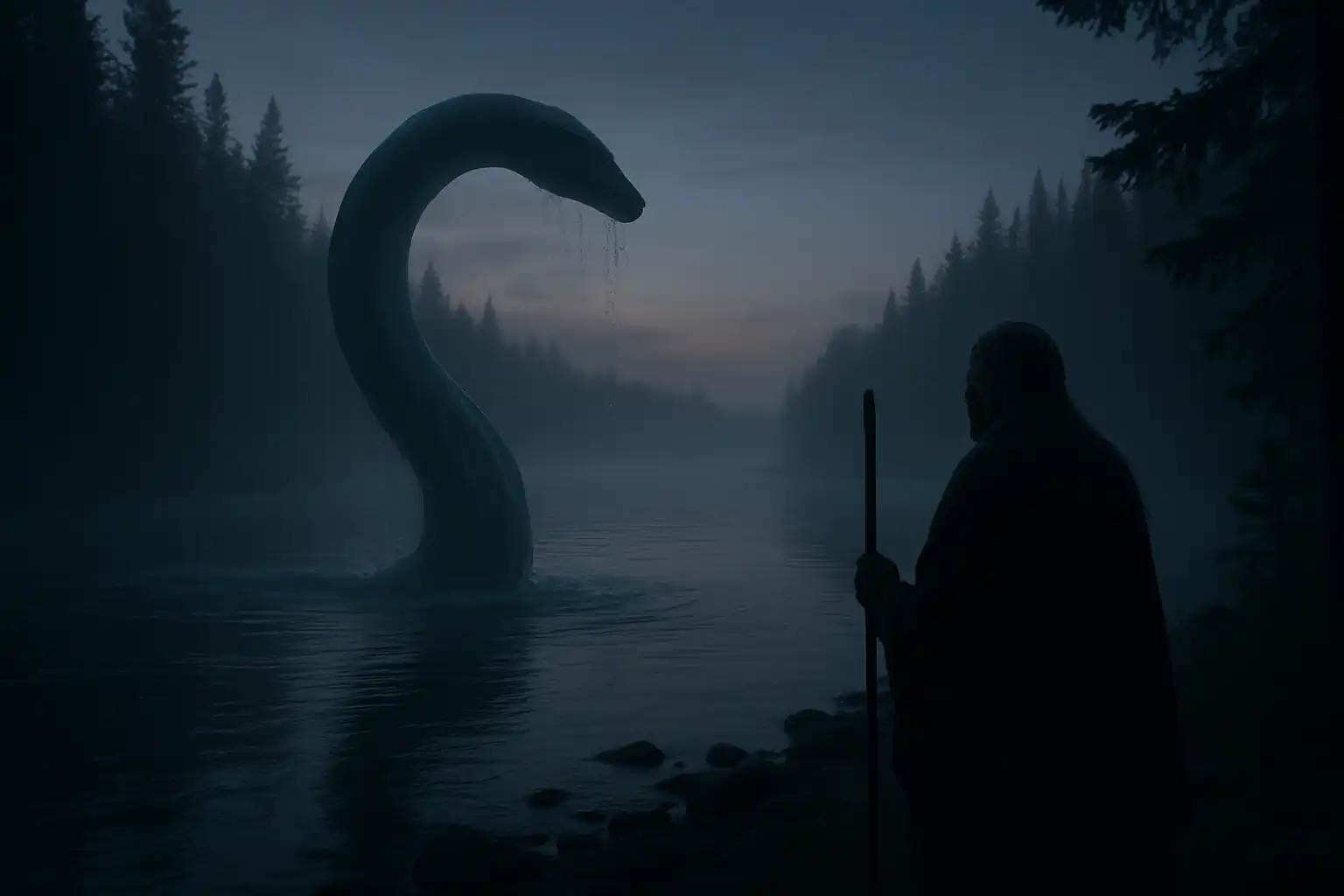
    On a summer evening outside Old Crow, Yukon, the sun dips but never sets. A chill rides the river flats while mosquitoes orbit. At a cultural center built of weathered spruce, Gwich’in storyteller Celestine Kyikavichik hunches over a drum, tracing coils with an ochre-stained fingertip. “They lived under us,” she says of the Snake People, as her grandparents called them. “They came up in spring, bright as wet stone, and they spoke a language you felt in your heart first, then in your ears.” The cracked drum skin throbs under her palm. “When the last ice age melted, they followed the rivers east. Some stayed. Some watched.”

    Canada’s national mythology tends to spotlight lumberjacks, voyageurs, and hockey gloves. Shift your gaze beyond textbook illustrations, and the narrative unfurls into stranger territory. Across the boreal line and south through prairies where choking dust once buried homesteads, many First Nations remember ancient neighbors who were neither fully human nor wholly reptile. Scholars catalog them under various dialect names—Sųdzuháʼ for the Gwich’in, Suyetupi among the Blackfoot, and Nakoda oral histories of the Stoney Nation. These serpentine figures guard Lake Nipissing’s copper-blue depths. Each tale functions as a regional chapter in a single, mysterious saga of sentient serpents entwined with people in uneasy partnership.

    The archive remains fragmented, passed mostly through winter lodge storytelling or casual campfire reminiscences, yet patterns recur. The Snake People emerge from water or earth, sometimes coaxing humans into hunts, other times punishing greed with drought or avalanche. Their shapeshifting hinges on uncanny liminality—they slough off scales for moccasins, yet never fully abandon the hiss under words. That dual nature echoes myths of First Nations trickster heroes who straddle ecosystems, while also foreshadowing modern hybrid imaginaries: the cryptids haunting subreddit feeds, the biomechanical aliens stalking late-night cable.

    Anthropologist Dr. Andrew Heintzman, who has spent two decades gathering Northern Dene oral traditions, argues the Snake People story “works like cultural Velcro,” latching onto evolving threats. During fur-trade fever, the serpents hoarded silver musket balls. In the 1960s pipeline boom, they guarded undiscovered gas pockets. Today, as Arctic permafrost buckles, Gwich’in elders claim that the rumble of collapsing ice awakens the cold-blooded watchers. Heintzman believes such elasticity explains the legend’s persistence. “It moves with the people,” he notes, much as the Athabasca River snakes across gravel bars after a flood.

    However, oral accounts alone do not satisfy late-capitalist curiosity. Enter forensics. Park wardens in Wood Buffalo discovered gastrolith-smooth stones arranged in perfect spirals beside a remote creek in 2019. The find never reached mainstream press, but an amateur field report lit up regional Facebook groups. Local lore magnets compared the spirals to copper coil charms recovered near Lake Nipissing in the 1920s. Those earlier artifacts lie in climate-controlled drawers at the Canadian Museum of History, catalogued under generic lithic designators that conceal their mythic implications.

    Artifact or coincidence, the spiral motif matches descriptions etched into 19th-century missionary diaries. Priests described “heathen serpent circles” used during midsummer rites. Missionaries dismissed them as devil worship. Elders today view them as directional markers, laid so the returning Snake People could read the land like braille. Academic skepticism remains thick; yet, as one wry curator stated, “If a symbol recurs for three centuries across 2,000 kilometers, even stubborn rationalists should raise an eyebrow.”

    Eyebrows climbed higher after ground-penetrating radar surveys along the Mackenzie River revealed hollows shaped like conduits beneath limestone shelves. Engineers labeled them karst tunnels, but social media sleuths whispered “serpent burrows,” echoing claims found in a southern folklore dig that framed giant sub-terrain dwellers as real estate hazards. Whether natural or engineered, those caverns feed the rhetorical furnace. Videos labeled #SnakePeopleCaves harvest millions of views, offering little more than jittery GoPro footage and hushed commentary.

    Myth’s viral spread owes something to the draw of humanoid reptiles, but timing amplifies the buzz. Global anxiety looms over rising water, melting permafrost, and uncertain geopolitical boundaries. In such liminal climates, legends featuring border-crossing creatures resonate deeply. They collapse human/nature binaries, propose ancient pacts, and warn of penalties when those pacts break. In this worldview, modern extraction projects risk more than greenhouse gas spikes—they threaten retribution from guardians whose patience predates treaties and pipelines alike.

    One can draw parallels to other cultures: the Naga of South Asia, Mesoamerican wind serpents, or Japan’s Yorishiro water dragons. Yet Canada’s Snake People feel uniquely northern, forged in freezing muskeg where sunlight ricochets off snow, and breath crystallizes before a syllable leaves the mouth. Linguistic clues support the cold-born profile. Blackfoot stories feature a rattlesnake spirit named Suyetupi who adopts a human bride, imparting hunting knowledge suited to chinook-shaped winters. The union breaks when humans violate ceremonial fasts, prompting Suyetupi to retreat under a sandstone cliff. That cliff exists. Tour guides point out a sinuous petroglyph band visible in low light, its tail curling toward a prairie sinkhole.

    Archeologists resist supernatural explanations but eagerly map trade networks that could have ferried reptile iconography across cultures. Copper from Nipissing traveled west long before rail lines, and likely stories came with it. Cree middlemen traded copper knives to Plains hunters; Stoney oral historians speak of serpents whose scales gleamed “like hammered sun,” an apt description for blade-polished copper. Here lie questions Brave’s search algorithms field hourly—queries like this one that sorts through academic citations and amateur speculation alike.

    Outside the museum and search-engine echo, communities nurture the legend for practical reasons. Elders teach snake stories to children learning traditional medicines, emphasizing respectful harvest. The serpent appears whenever students attempt to uproot too many berries at once. As a cultural unit, it polices excess faster than any leave-no-trace pamphlet. Such nuance risks dilution online, where sensational edits eclipse sustainable subtext. Yet some digital curators resist: Gwich’in podcasters now invite seasonal ecologists and storytellers into long-form interviews, embedding cautionary context between mythic set pieces.

    Jameson Cardinal, a Stoney Nakoda language revitalization advocate, told me over patchy cell reception from Morley, Alberta, that the Snake People narrative “binds past to future in a spiral.” He notes his dialect uses verbs that place serpents in a different temporal category than animals or humans. “They’re not ‘was’ or ‘is.’ They occupy a tense we don’t translate neatly—like ‘still becoming.’” Cardinal believes English cannot convey that nuance, causing misinterpretation. “Online it becomes monster-of-the-week content, but for us it’s a caution: if we unbalance the world, the still-becoming ones complete the arc in ways we might not like.”

    Caution meets curiosity on Lake Nipissing’s rocky islands, where anglers swear by midnight ripples they attribute to muskellunge until a glint of scale catches moonlight far from any fishable shore. Local outfitter Aurora Bate describes hearing deep, resonant clacks—like stones smacked underwater—each time a ripple appears. She now refuses to dock after dusk. Her anecdote spread across regional news feeds, eventually landing on a paranormal blog that cross-referenced geomagnetic anomalies catalogued in a recent Earth-science report. The implication: something under the water responds when the magnetic field stutters, hinting at a biological seismograph older than human instrumentation.

    Skeptics counter with zoology. They point to burbot spawning drumming, sturgeon breaching, and ice plates fracturing against basalt as plausible sources. Yet these rational explanations fail to suppress folklore. Instead, they enrich it; the serpent becomes guardian of sturgeon, architect of geomagnetism, or both. Myth displays parasitic opportunism, grafting onto each new data node. In that way, Snake People can discuss emerging science without jargon. They provide a narrative neck through which complex, often unsettling knowledge can breathe.

    When I returned to Old Crow in late June, I asked Celestine Kyikavichik whether she worried about outsiders mining her stories for clicks. She chuckled softly. “Stories know who listens. They shed skins. If someone steals an old one, maybe they only carry the shed skin. The heart stays here.” Later, she guided me to a willow stand along the Porcupine River. On the moss lay a coil of shed snakeskin, nearly three feet long. No local species matches the girth, yet the parchment gleamed pearl white in sun filtering through cottonwood fuzz. She never claimed it as proof, simply nodded and walked on, reed staff thumping tundra sponge.

    Proof remains elusive, but the legend’s endurance offers evidence: collective memory resurrects serpent silhouettes whenever culture faces existential challenge. As Arctic shipping lanes thaw and mineral rights scramble the old map, expect those silhouettes to crawl into wider consciousness, galvanized by drone footage, podcasts, and midnight TikToks. Myths flourish not because they stand apart from reality but because they haunt its liminal edges, curling like smoke where empirical light fades. Canada’s Snake People remind us the border between land and lore is porous—step carefully, and listen for the hiss beneath the wind.

    For ongoing updates on the slithering boundary between folklore and frontier science, keep one eye on Unexplained.co and the other on the riverbank at dusk. Some stories refuse to stay buried.
  • Beneath the Dunes: The Forbidden Underworld of Death Valley

    Beneath the Dunes: The Forbidden Underworld of Death Valley

    Prologue: A Desert That Refuses to Stay Empty

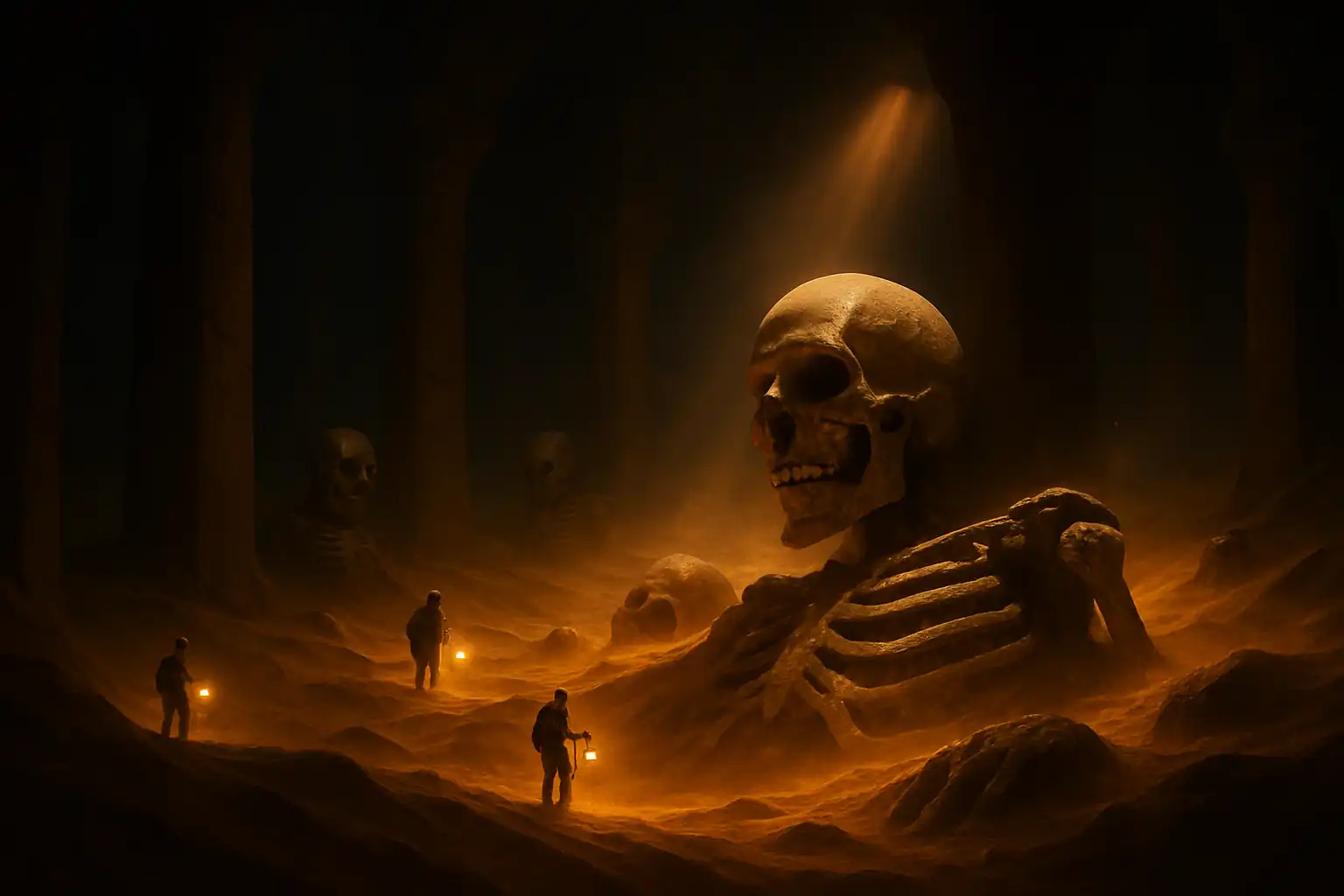
    Death Valley earned its ominous name after pioneers perished on its alkali flats. The valley’s harsh daylight hides deeper mysteries. Rumors of underground chambers date back to the 19th-century Borax rush. Miners blasting shafts reported echoing voids and oddly shaped bones. Now a viral video claims modern explorers uncovered an entire realm beneath the dunes—vaulted corridors, cyclopean pillars, and the fossilized remains of giants towering above the tallest prospector. Ground-penetrating radar traces roving anomalies, but the National Park Service says nothing beyond safety advisories. Are we confronting bad folklore, or stumbling toward a discovery that could rewrite North American prehistory?

    The First Whispers: Legends, Petroglyphs, and Panamint Shadows

    Indigenous Timbisha Shoshone oral history speaks of the Nümü Tümp, “people beneath the sand.” Some anthropologists dismiss the tale as metaphor. Petroglyph clusters near Telescope Peak depict reed boats and elongated human forms that tower over normal hunters. In 1931, a ranch hand unearthed an oversized tibia. Local newspapers printed a single paragraph before authorities confiscated the bone for “further study.” The specimen vanished, joining a shelf of oddities lost in bureaucratic shuffle.

    An archived map from 1894 hints at “hollow ground” beneath the eastern escarpment. Modern cavers compared the annotations with digital elevation models from independent surveys and found alignment with unexplained sinkholes. When drones flew into one sinkhole, their magnetometers spiked, batteries drained, and video feeds cut—classic symptoms linked to geomagnetic hotspots from field reports.

    The Amazing Explorations Raid: What Really Happened Underground?

    Footage from “Amazing Explorations” shows a narrow limestone throat descending 120 meters before opening into a cathedral-like void. Stalactites glow under LED headlamps; footprints—very large footprints—indent the dusty floor. One clip captures a row of ash-filled fire pits, each ringed by vertebrae the size of dinner plates. Skeptics shout hoax, citing zero peer-reviewed documentation. Supporters counter that the explorers’ satellite phones lost signal after an hour, forcing them to prioritize survival over perfect cinematography.

    The most controversial segment reveals a wall etched with symbols resembling Anasazi spiral motifs and Phoenician letters. Linguists say the carvings could be ancient graffiti or simple pareidolia. Yet even conservative archaeologists admit the cavern’s mineral crust dates thousands of years older than any known human habitation in the region, raising the possibility that the engravers belonged to a culture lost to textbooks.

    Giants in the Geological Record

    Could oversized human relatives really have thrived here? Mainstream paleoanthropology claims Homo sapiens rarely exceed seven feet due to metabolic limits. However, some genetic disorders can induce extreme height. Fossil evidence for outsized primates exists—consider Gigantopithecus in Asia. Theorists speculate that an isolated lineage adapted to the cavern’s stable climate, growing larger due to abundant subterranean fungi and possibly giant sloth carrion during flash floods.

    Researchers who support this hypothesis point to anomalies documented in archived field notes. Those notes list bone densities that surpass typical mammalian ratios, hinting at a heavier gravity adaptation or specialized cartilage reinforcement. The idea sounds outrageous until you remember that blind albino salamanders flourish in European caves completely cut off from sunlight. Nature repeatedly proves that isolation breeds extremity.

    Subterranean Architecture: Artifact or Geology?

    Laser scans from the expedition outline passageways in geometric patterns: ninety-degree turns, stair-like terraces, and evenly spaced columns. Geologists concede hydrothermal dissolution can create right angles—rare but not impossible. Yet the floors appear artificially graded, and metallic residue coats certain walls, suggesting tool usage. Metallurgists analyzing site flakes detected an alloy of copper and an unknown trace element that does not match known regional ore signatures.

    Similar mystery tunnels crop up in folklore worldwide. Cherokee stories speak of “moon-eyed people” living underground; Andean myths describe Chinkana labyrinths beneath Lake Titicaca. A comparative mythology approach has received renewed attention, following case files like this remarkable dossier. The Death Valley claim fits into a wider pattern: humankind repeatedly hints at deeper neighbors it cannot quite prove.

    Guardians, Roadblocks, and the Silence of Agencies

    Days after the Amazing Explorations upload, viewers trying to revisit the coordinates found fresh fencing, new “hazard” signage, and unmarked trucks idling nearby. Official spokespeople dismiss cover-up talk, citing sinkhole instability. However, parallels with other rapid government clamp-downs—think of seismic study blackouts chronicled in recent dispatches—keep conspiracy boards active.

    Freedom-of-Information requests returned heavily redacted memos referencing “cultural resource sensitivity.” Linguists note that the National Park Service often uses that phrase to shield sacred Native sites. Yet the Timbisha council released a statement denying knowledge of specific underground temples. Something else triggers the secrecy.

    Alternate Explanations: Science, Hoax, or Half-Truth?

    Natural Karst Maze. Calcium-rich limestone under Death Valley dissolves into vast caverns. Seismic uplifts could fracture ceilings, causing “giant” bones—actually Pleistocene megafauna— to tumble in. Under low light, a camelid femur might resemble a humanoid one.

    Hoaxed Media. Deep-fake mapping, forced-perspective videography, and 3-D printed bones could create the illusion. A forensic review reveals dust layering that would take months to replicate convincingly.

    Partial Truth. A genuine cavern system holds megafauna fossils, but explorers embellished tales of titanic humanoids to secure sponsorship. The harsh environment prevents immediate verification, allowing them to gain viral clicks before any debunk.

    Scientific Path Forward

    Researchers call for LiDAR drones equipped with spectrometers to re-enter the site under transparent protocols. Comparative osteology labs should analyze bone microstructures to distinguish primate from mammal. DNA extraction, if collagen remains, could settle debates quickly. The plan sounds straightforward until you remember Death Valley’s legal jurisdiction patchwork. Federal, state, and tribal lands overlap in a bureaucratic knot that slows permit approvals.

    Meanwhile, independent spelunkers plot covert descents, trading tips on darknet forums buzzing about unusual transmissions detailed in cryptic briefings. These renegade missions raise safety alarms; one wrong anchor and the valley will claim more victims to its legendary heat.

    Why It Matters Beyond Myth-Chasing

    If genuine, the discovery rewrites settlement timelines, challenges assumptions about human morphology, and integrates the American Southwest into global megalithic lore. Universities would scramble to fund desert archaeology, shifting budgets from coastal digs to arid badlands. Tourist economies might boom, but conservationists fear a rush of thrill-seekers trampling fragile cryptobiotic soils.

    More quietly, military strategists view the tunnels as potential natural bunkers—echoing secrecy around Cold War missile silos. History shows that esoteric discoveries often morph into classified assets long before museum displays. Those who doubt should revisit the pattern of rapid institutional shutdown chronicled across scattered investigations at Unexplained.co.

    Conclusion: Footsteps in a Shifting Sands

    The sun still bakes Furnace Creek beyond 120 °F. Tour buses queue at Zabriskie Point for Instagram sunsets. Yet somewhere under those golden ridges, stone cathedrals may hold bones that stretch our imagination—and our definition of human. Whether giants once walked beneath Death Valley or modern dreamers spin elaborate yarns, the desert keeps its counsel, daring us to dig deeper.

    Until permits clear and lights pierce the vaults again, the mystery breathes in darkness, half myth, half data point, wholly irresistible. If the explorers spoke truth, the valley’s barrenness masks America’s most astonishing archaeological jackpot. If they lied, the hoax itself proves how fiercely we crave wonder in an age of mapped landscapes. Either way, the dunes of Death Valley hum with unanswered questions, and the echo might be a giant’s heart—or merely our own curiosity pounding in our ears.

  • Phantoms of the Past: Extinct Creatures That Defy Death

    Phantoms of the Past: Extinct Creatures That Defy Death

    The Ghosts in Our Midst: When Extinction Isn’t Forever

    Welcome, dear listeners, to another rambling journey through the uncanny and inexplicable! Today’s top special: astonishing tales of creatures once thought vanished—only to pop back into existence like nature’s greatest party trick. Are these tales spun from truth or speculated fiction? One might think extinction meant goodbye forever, but not so fast! Some critters laugh at our concept of eternal farewell, reappearing to confound scientists and delight conspiracy theorists.

    Nature, always in a playful mood, sometimes writes narrative twists that perplex and bewilder. Lazarus Taxon, the scientific term that might sound like a magical incantation from a blocked Harry Potter sequel, is your vocabulary word of the day. Imagine our beloved Coelacanth, a fish thought wiped from the timeline 66 million years ago, only to swagger back as if it never left the party! Yes, it’s alive, it’s real, exhibiting Darwinian spite.

    Meet the Resurrected: Four Beasts That Mock Extinction

    Creatures once relegated to dusty annals have emerged to toss a proverbial biological bone at our feet. Enter the realm of Lazarus species, entities resurrected from the shadows of oblivion. Perhaps the extinct ivory-billed woodpecker has become bird-watching’s unicorn, with whispered sightings teasing the bold and the mad alike.

    The fluorescent Lightning Bird also stirs lustful chatter among the ornithologically inclined—it’s either a mythic fever dream or reality breaking the fourth wall. A tale of modern discovery in the digital age yet to be disproved! How splendidly perplexing!

    And let us whisper the mysteries of New Guinea’s Zaglossus, a spotted, hedgehog-like echo from the past roaming the untouched tracts with echidna aplomb. Disregard skepticism as pedestrian, dive headlong into wonder!

    Myths, Monsters, and Maybe-Not Extinct!

    Beyond the documented reemergence of these earthy specters, a host of other contenders vie for legendary status. Remember the Dire Wolf, fierce as hell and quite the Game of Thrones understudy? Eyewitness accounts pontificate, lending a mix of credibility and cheer to cryptozoology enthusiasts worldwide.

    Peruse tales of Dinocore Moth‘s fluttering return—orchestrated by gossip that’s more delightful than the creature’s shimmering odyssey between fantasy and fact. With just enough verve to crack open even the most cynical heart, these stories embody life’s sheer tenacity.

    Nature’s Practical Joke? Or Proof of Resilience?

    Time to consider the odds. Are these Lazarus creatures simply nature’s jests? Or epitomes of survival underscore life’s resilience? A veritable humbling realization that challenges humanity’s grasp on extinction as finality. Amidst ghostly murmurs and resurgent roars, we find laughter, wonder, and a gentle jab reminding us who really runs the world.

    Art muses during celestial escapades at Unexplained.co, ruminating cosmic enigmas to situate these creatures within Earth’s grandeur, begging that audacious curiosity.

  • Unveiling the Abyss: NASA’s Hollow Earth Conspiracy

    Unveiling the Abyss: NASA’s Hollow Earth Conspiracy

    The Theoretical Tunnel: A Passage to Inner Earth?

    Imagine for a moment, dear conspiracy lovers, that below our feet lies not simply rock and magma, but a whole world waiting to be discovered. Yes, you heard right: we’re venturing into Hollow Earth, the granddaddy of all theories, that alternative reality straight from the fanciful minds of speculative zealots.

    Back in the day, well-dressed gentlemen like Edmond Halley and even John Cleves Symmes Jr. dared propose this audacious theory (source). But as technology advanced and geographical science evolved, the theory crumbled like a cookie…or did it?

    NASA’s Alleged Cover-Up: The Plot Thickens

    Now here’s where it gets juicy: word on the cyberspace is that our beloved NASA, keeper of cosmic truths, is supposedly sitting on this colossal secret like a dragon hoarding its stash (source). Perhaps they’re saving it for the next blockbuster announcement, sandwiched somewhere between “Moon Cheese Really Exists” and “Stars Are Conscious!”

    Flamboyant narratives suggest hidden entrances to this inner realm exist near the poles, cunningly concealed from prying eyes. Of course, the scientific community dismisses this, offering solidly grounded counterarguments, but who listens to those party poopers?

    The Wizards of Speculation

    Leading the charge into this abyss of unorthodoxy are the unsung heroes and spin-masters of the digital and analog worlds. Behold, the tireless keyboard warriors spinning tapestries of intrigue from their high-backed chairs and the radio hosts who amplify these melodies of madness with a twist of fact and fiction. They question whether the government wields these theories like swords of misdirection, steering us clear of the real conspiracies simmering beneath.

    For it truly is an amusement park of possibilities if we imagine a civilization of enlightened beings residing beneath us, or better yet, a colony of long-lost adventurers, shielded from the surface madness.

    Science’s Stern Gaze: Looking into the Void

    Tempering exuberant madness with reason, realism advocates point to overwhelming evidence of Earth’s dense core, proven by unimaginably boring things like physics and seismology (source). These aren’t just killjoy scientists—they have a point; the math folks are quite convincing with their facts.

    Still, despite these debunkings, such legends refuse extinction, illuminating our cultural halls as reminders that few resist a juicy tale—especially when cloaked in mystery.

    The Takeaway: A Fantasy’s Fate

    When one tugs on the threads of thought spun around Hollow Earth, there are vast narratives to appreciate, twist, and turn around our curious fingers. So keep your eyes peeled and remain open-ended in mind; scrutinize the skies, but do peek occasionally beneath your own feet.

    Discover more about this and other tales of the unknown at Unexplained.co, where reality seems less rigid, more fluid, and wholly open to interpretation. We leave you with this: ponder, explore, indulge the oddness of existence without donning any certainties like a bear’s winter coat.