Category: Politics

  • The Humanitarian Crisis at the Border: A Closer Look at Open Borders and Its Consequences

    The Humanitarian Crisis at the Border: A Closer Look at Open Borders and Its Consequences

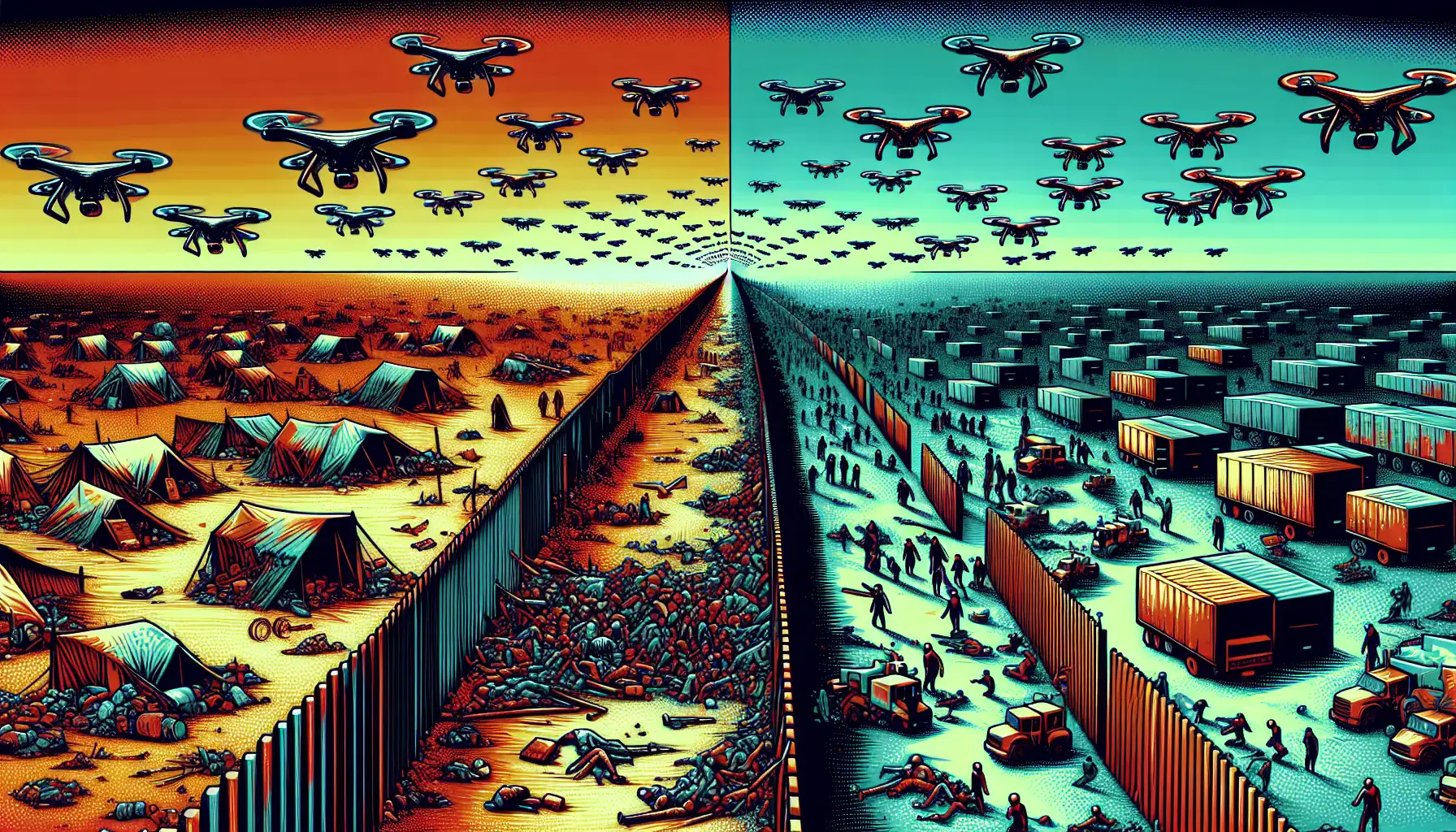
    The ongoing situation at the U.S.-Mexico border has escalated into a significant humanitarian crisis, affecting not only migrants but also American citizens. As the government grapples with the implications of open borders, the consequences are becoming increasingly dire for communities across the nation.

    Key Takeaways

    • Open borders have led to a surge in drug-related deaths among Americans.
    • The housing market is experiencing unprecedented challenges due to population growth.
    • Proposed amnesty measures could have far-reaching implications for American society.

    The Drug Crisis

    The images emerging from the border are shocking and cannot be ignored. The humanitarian crisis is not just about the migrants; it also highlights a devastating drug epidemic affecting Americans. In the past year, nearly 100,000 Americans have succumbed to drug overdoses, primarily due to fentanyl smuggled across the border. This alarming statistic underscores the urgent need for a reevaluation of our border policies.

    • Fentanyl Seizures: Recent statistics indicate that fentanyl seizures at the southern border have more than doubled compared to last year. This increase poses a significant threat to communities, particularly affecting young people in their prime.

    The Housing Market Crisis

    The ramifications of open borders extend beyond health crises. The median price of a new home in the U.S. has skyrocketed to nearly six times the median household income. This unprecedented situation is largely attributed to the influx of new residents, which has exacerbated the already strained housing market.

    • Population Growth: Since 1990, the U.S. population has increased by approximately 100 million people. This rapid growth, coupled with current immigration policies, has led to severe overcrowding and increased demand for housing.

    The Proposed Solutions

    In response to the challenges posed by open borders, some lawmakers are advocating for amnesty for millions of undocumented immigrants. This proposal raises significant concerns about its implications for American citizens.

    • Amnesty for Criminals: The proposed amnesty could extend to individuals with criminal backgrounds, including gang members. This raises the question: how does this benefit American citizens?
    • Economic Impact: Critics argue that inviting millions of low-skilled workers into the country will not drive economic growth. Instead, it may strain public resources and welfare systems, leading to increased costs for taxpayers.

    The Political Landscape

    The current administration’s approach to immigration and border control has sparked intense debate. Some politicians frame the issue as a matter of human infrastructure, suggesting that the influx of immigrants will bolster the economy. However, this perspective is met with skepticism by many who question the long-term viability of such policies.

    • Human Infrastructure vs. Individual Rights: The term “human infrastructure” has been used to justify policies that many believe undermine the rights and well-being of American citizens. Critics argue that individuals should not be viewed merely as tools for political gain.

    The Future of Immigration Policy

    As the situation at the border continues to evolve, the implications for American society are profound. The proposed policies could reshape the demographic landscape and alter the political balance in the country.

    • Voting Rights for Immigrants: If amnesty is granted, millions of undocumented immigrants could gain the right to vote, potentially shifting the political landscape in favor of the Democratic Party.
    • Public Health Concerns: The ongoing pandemic has further complicated the immigration debate, with some lawmakers prioritizing the enforcement of vaccine mandates over addressing the influx of undocumented immigrants.

    Conclusion

    The humanitarian crisis at the border is a complex issue that requires careful consideration of its far-reaching consequences. As the government navigates these challenges, it is crucial to prioritize the well-being of both migrants and American citizens. The future of immigration policy will undoubtedly shape the nation for years to come, and it is imperative that we approach this issue with a balanced perspective that considers the needs of all individuals involved.

  • Trump Assassination Attempt Sparks Wave of Conspiracy Theories

    Trump Assassination Attempt Sparks Wave of Conspiracy Theories

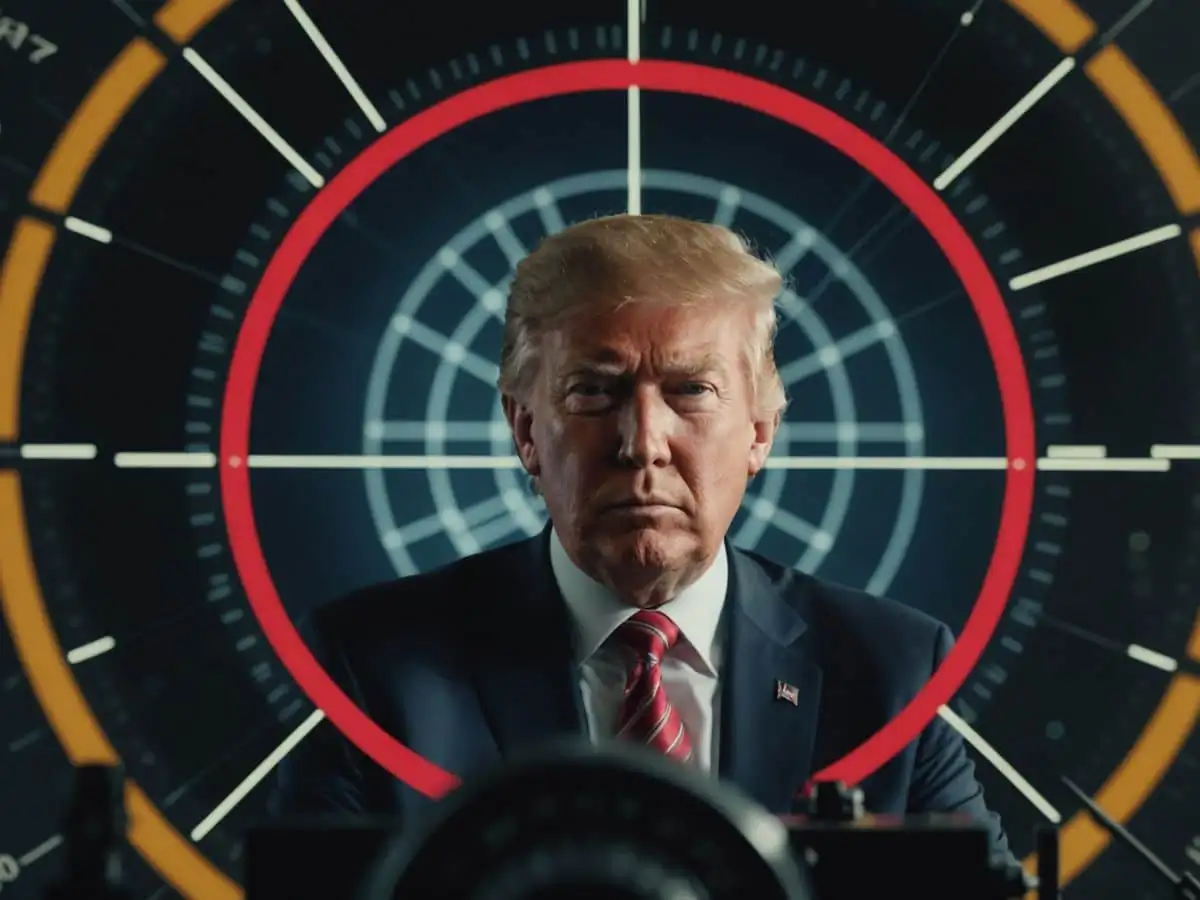
    The recent assassination attempt on former President Donald Trump during a rally in Pennsylvania has ignited a flurry of conspiracy theories and misinformation. The incident, which resulted in the death of a rally attendee and injuries to Trump and two others, has left authorities and the public grappling with a barrage of speculative claims and baseless accusations.

    Key Takeaways

    • Former President Donald Trump was injured in an assassination attempt at a Pennsylvania rally.
    • The gunman, Thomas Matthew Crooks, was killed by Secret Service agents.
    • The incident has sparked numerous conspiracy theories and misinformation.
    • Authorities are investigating the motives behind the attack.

    The Incident

    On a Saturday afternoon in Butler, Pennsylvania, shots were fired at a rally where Donald Trump was speaking. The former president was seen grabbing his right ear as security agents rushed to protect him. The gunman, identified as 20-year-old Thomas Matthew Crooks, was shot and killed by the Secret Service. A rally attendee was also killed, and two others were critically injured.

    Conspiracy Theories Emerge

    The assassination attempt has quickly become a breeding ground for conspiracy theories. Prominent Republicans, including Georgia Representative Marjorie Taylor Greene, have suggested that the incident was part of a larger, more sinister plot. Greene’s comments on social media have fueled speculation, despite a lack of evidence.

    Baseless Accusations

    • Famous Names: Unsubstantiated claims have linked the shooting to figures like the Soros family, Barack Obama, Hillary Clinton, and Mike Pence. These names are often targets of conspiracy theorists who believe in a secretive globalist force controlling the world.
    • Government Agencies: Agencies such as the Israeli Secret Service, the Iranian government, and the CIA have also been baselessly implicated.

    Misleading Information

    Biden’s Comments Taken Out of Context

    President Joe Biden condemned the attack and called for unity. However, some of his comments before the shooting have been taken out of context to suggest he wanted Trump killed. These claims are unsupported by evidence.

    Movement in the Crowd

    Right-wing commentators have pointed to the movement of the rally crowd and photographers as evidence of a setup. These claims lack any supporting evidence.

    Secret Service Under Scrutiny

    Questions have been raised about the Secret Service’s handling of security at the event. Viral posts have falsely claimed that a Secret Service sniper had Crooks in their sight for three minutes but was not given the order to shoot. These claims originated from unreliable sources and have no basis in fact.

    BlackRock Ad Controversy

    Thomas Matthew Crooks appeared in a 2022 advertisement for BlackRock, which has been seized upon by conspiracy theorists. BlackRock confirmed Crooks’ appearance in the ad but stated that he was not paid or hired as an actor. The company has removed the video from circulation out of respect for the victims.

    Conclusion

    The assassination attempt on Donald Trump has not only shocked the nation but also opened the floodgates for a torrent of conspiracy theories and misinformation. As authorities continue to investigate, the public is urged to rely on verified information and avoid spreading baseless claims.

    Sources

  • Unraveling the Shadows: The Shocking Events Surrounding the Trump Assassination Attempt

    Unraveling the Shadows: The Shocking Events Surrounding the Trump Assassination Attempt

    In a shocking turn of events, the assassination attempt on Donald Trump has unveiled a web of suspicious connections and alarming security failures. New evidence from the U.S. Congress has shed light on previously hidden details, raising questions about the motives behind the attack and the effectiveness of the Secret Service.

    Key Takeaways

    • Suspicious Financial Moves: Austin Private Wealth’s put option on Trump Media just before the assassination attempt raised eyebrows.
    • Drone Surveillance: The shooter used a drone to gather intelligence, highlighting significant security lapses.
    • Mental Health Concerns: The shooter’s history of mental health issues and troubling behavior were overlooked.
    • Secret Service Failures: Requests for additional security for Trump were denied, leading to serious questions about the agency’s priorities.

    The Financial Maneuvering

    One of the most alarming revelations was the connection between the shooter and Austin Private Wealth, a Texas-based investment firm. Just a day before the assassination attempt, the firm filed for a put option on 12 million shares of Trump Media and Technology Group. This move appeared to be a calculated bet on the company’s value dropping if Trump were killed.

    • Screenshots of the put option circulated on social media, causing a frenzy of speculation, but mysteriously disappeared shortly after.
    • Austin Private Wealth later claimed the filing was due to a clerical error, stating they only held 1,200 shares instead of 12 million.

    Despite their explanation, the timing of the filing raised suspicions about potential market manipulation.

    The Shooter’s Connection to Black Rock

    The plot thickened when it was revealed that the shooter had appeared in a commercial for Black Rock, a multinational investment company. Following the backlash, Black Rock quickly pulled the ad and condemned the assassination attempt. This connection raised questions about the extent of Black Rock’s involvement and whether there were deeper ties between the investment firm and the shooter.

    A Calculated Attack

    Before the attack, the shooter, Matthew Crooks, employed a DJI camera drone to survey the rally site, gathering real-time intelligence. This calculated move allowed him to plan his attack with precision.

    • Federal Aviation Administration records indicated a temporary flight restriction was in place over the rally site, yet Crooks managed to bypass these security measures.
    • The Secret Service had spotted Crooks targeting Trump 20 minutes before the first shots were fired but failed to act.

    The Timeline of Events

    To understand the gravity of the situation, we need to look at the timeline of events leading up to the shooting:

    1. 5:10 PM: Crooks identified as a person of interest.
    2. 5:30 PM: Crooks spotted with a rangefinder.
    3. 5:52 PM: Secret Service snipers see Crooks on a rooftop.
    4. 6:02 PM: Trump takes the stage.
    5. 6:12 PM: Crooks fires his first shots.

    The Secret Service’s failure to act on the information they had raises serious questions about their operational effectiveness.

    Mental Health and Warning Signs

    Crooks’ father had expressed concerns about his son’s mental health, alerting the police to his erratic behavior. This call for help was tragically overlooked, leading to devastating consequences.

    • Crooks had a history of major depressive disorder and had previously threatened violence in high school, which was dismissed by officials.
    • Investigators later discovered that Crooks idolized previous shooters, indicating a disturbing pattern of behavior.

    The Secret Service Under Fire

    In the aftermath of the shooting, it was revealed that the Secret Service had repeatedly denied requests for additional security measures for Trump, despite escalating threats. This has led to a crisis of confidence in the agency’s ability to protect American leaders.

    • Congressman Brendan Boyle publicly called for the resignation of the Secret Service director, citing unacceptable operational failures.
    • Trump himself expressed frustration over not being warned about the potential threat before the rally.

    Conspiracy Theories and Speculation

    As news of the shooting spread, social media was flooded with conspiracy theories. One sensational claim involved a supposed Instagram account belonging to Crooks, which was later debunked as a fake.

    • The FBI’s investigation into Crooks’ motivations revealed a lack of significant online presence, further deepening the mystery surrounding him.

    Conclusion

    The shocking events surrounding the assassination attempt on Donald Trump have raised serious questions about the effectiveness of the Secret Service and the alarming connections between financial interests and violent acts. As investigations continue, the public is left grappling with the implications of these revelations and the urgent need for reform in protecting American leaders.

  • Current Affairs and Their Hidden Agendas

    Current Affairs and Their Hidden Agendas

    In today’s world, it’s hard to know what’s really going on behind the scenes. News stories, political decisions, and even economic policies often have hidden agendas that aren’t obvious at first glance. This article will dig into these hidden motives, aiming to reveal the real reasons behind current events.

    Key Takeaways

    • Media can shape how we see the world, often influenced by who owns it.
    • Politicians may push laws that benefit special interest groups rather than the public.
    • Big financial institutions and global corporations often have a say in economic policies.
    • Secret societies might still influence events today, blending myth and reality.
    • Environmental policies can sometimes hide the true impact of corporate and government actions.

    The Influence of Media on Public Perception

    Media Ownership and Bias

    Ever wonder why some news stories get more attention than others? It’s not just about what’s happening in the world. Media ownership plays a huge role. Big companies own most of the media outlets, and they have their own interests. This can lead to biased reporting. They might push certain stories while ignoring others. It’s like having a filter on what we see and hear.

    The Role of Social Media

    Social media has changed the game. Now, anyone can share news, and it spreads fast. But there’s a downside. Fake news can go viral before anyone can fact-check it. Plus, algorithms show us what they think we want to see, creating echo chambers. We end up seeing the same opinions over and over, which can skew our view of reality.

    Case Studies of Media Manipulation

    Let’s look at some real examples. Remember the hype around certain political events? Or how some celebrities get unmasking aliens: extraterrestrial encounters and evidence. hollywood’s influence on alien perception, media sensationalism, and pop culture impact. explore more at gzr news desk. more coverage than others? These aren’t accidents. They’re often the result of deliberate media manipulation. By studying these cases, we can see how media shapes our thoughts and opinions.

    The Paradigm Shift in media consumption has made it crucial for us to be more critical of the information we receive. We need to question the sources and look for multiple viewpoints to get a clearer picture.

    Political Agendas Behind Major Policies

    Lobbying and Legislation

    We all know that lobbying is a big deal in politics. But have we ever stopped to think about why? Lobbyists work hard to influence lawmakers, often pushing for policies that benefit their clients. This can sometimes lead to laws that don’t really serve the public interest. Instead, they serve the interests of those with the deepest pockets. It’s a game of power and money, and we’re often left out of the loop.

    Corporate Interests in Politics

    Corporations have a huge say in what happens in our government. They fund campaigns, sponsor events, and even write legislation. This means that many policies are designed to benefit big businesses rather than the average person. It’s a bit like having the fox guard the henhouse, don’t you think?

    Hidden Motives in Foreign Policy

    Foreign policy is another area where hidden agendas thrive. Governments often have ulterior motives when they engage in international relations. Whether it’s securing resources, gaining strategic advantages, or simply flexing their muscles, there’s usually more going on than meets the eye. Shows like “The Secret Teachings with Ryan Gable” often delve into these hidden aspects, revealing the complexities behind the scenes.

    It’s crucial for us to stay informed and question the true motives behind major policies. Only then can we hope to hold our leaders accountable and ensure that policies serve the public good.

    Economic Policies and Their Underlying Interests

    Politicians in a meeting discussing economic policies and agendas.

    The Power of Financial Institutions

    We all know that banks and financial institutions hold a lot of power. But do we really understand how much they influence our daily lives? Financial institutions can shape economies, dictate policies, and even sway political decisions. They often operate behind the scenes, making decisions that affect us all without our knowledge. It’s like they’re the puppet masters, pulling the strings of the global economy.

    Economic Inequality and Policy

    Economic inequality is a huge issue today. The gap between the rich and the poor keeps growing. Policies that are supposed to help often end up benefiting the wealthy even more. Why is that? Sometimes, it’s because those in power have hidden agendas. They might say they’re helping everyone, but in reality, they’re just looking out for their own interests. This makes us question: are these policies really for the public good?

    The Influence of Global Corporations

    Global corporations have a massive impact on our lives. They can influence everything from what we buy to how we think. These corporations often have close ties with governments, which can lead to policies that favor them over the average person. It’s a classic case of the rich getting richer. We need to be aware of these connections and question whether these policies are truly in our best interest.

    When we look at economic policies, it’s crucial to ask: who really benefits? Are these policies designed to help the public, or are they just another way for the powerful to maintain control? The more we dig, the more we find that many policies have hidden motives that aren’t always in our favor.

    The Role of Secret Societies in Shaping Events

    Historical Context of Secret Societies

    Secret societies have been around for centuries. They often use secret initiations and rituals. These groups have influenced many historical events. From the Freemasons to the Illuminati, their impact is undeniable. Some believe they control world events from behind the scenes.

    Modern-Day Influence

    Today, secret societies still exist. They might not be as visible, but their influence is felt. Groups like the Bilderberg Group and Skull and Bones are often mentioned. They are said to shape policies and decisions at the highest levels. Into the Parabnormal explores these modern connections.

    Conspiracy Theories vs. Reality

    There are many conspiracy theories about secret societies. Some are wild and unbelievable. Others have a grain of truth. It’s important to separate fact from fiction. Shows like The Secret Teachings dive deep into these topics. They help us understand what’s real and what’s not.

    Environmental Issues and Concealed Agendas

    We often hear about companies going green, but how genuine are these efforts? Many corporations use eco-friendly campaigns as a marketing strategy rather than a real commitment to the environment. This practice, known as greenwashing, misleads consumers into believing they are supporting sustainable practices. Let’s dig deeper into these claims and see if they hold water.

    Government policies can have a huge impact on the environment, both positive and negative. Sometimes, policies that seem beneficial on the surface have hidden agendas. For example, subsidies for fossil fuels continue despite the push for renewable energy. Why? Because of the strong influence of lobbyists and special interest groups. We need to stay informed and question these policies.

    Activism plays a crucial role in raising public awareness about environmental issues. Movements like Fridays for Future and Extinction Rebellion have brought climate change to the forefront. However, not all activism is free from hidden agendas. Some groups may be funded by organizations with their own interests. It’s essential to scrutinize the sources of funding and the true motives behind these movements.

    We need to be vigilant and question everything. Only then can we uncover the truth behind these concealed agendas. Support more articles like this by tuning into Ground Zero Radio and listening to Ground Zero with Clyde Lewis. Let’s explore Everything Out There together.

    The Intersection of Technology and Privacy

    Surveillance and Data Collection

    We live in a world where our every move is tracked. From our smartphones to our smart TVs, data is being collected constantly. This data is often used without our knowledge or consent. Companies and governments argue that this data collection is for our benefit, but is it really? We need to ask ourselves if the convenience is worth the invasion of our privacy.

    Big Tech and Government Collaboration

    Big Tech companies and governments are working together more than ever. This partnership can lead to advancements in technology, but it also raises concerns. Are these collaborations truly for the public good, or are there hidden agendas at play? We must stay informed and question the motives behind these alliances.

    Privacy Laws and Public Safety

    Privacy laws are supposed to protect us, but they often fall short. While these laws aim to balance privacy and public safety, they can be easily bypassed. It’s crucial for us to understand our rights and advocate for stronger protections. After all, our privacy is at stake.

    In a world where technology is advancing rapidly, we must remain vigilant about our privacy. The intersection of privacy and AI governance reveals similarities, differences, and valuable insights. Let’s not trade our privacy for convenience.

    Health Policies and Pharmaceutical Interests

    The Influence of Big Pharma

    We all know that big pharmaceutical companies have a huge impact on our health policies. They spend millions on lobbying to make sure laws favor them. Their influence can be seen in the way drugs are priced and how quickly they get approved. It’s like they have a direct line to the lawmakers.

    Public Health vs. Profit

    When it comes to public health, we often see a clash between what’s best for people and what’s best for profits. For instance, some drugs that could save lives are kept off the market because they aren’t profitable enough. It’s a sad reality that money often comes before health.

    Case Studies in Health Policy

    Let’s look at some real-life examples. In Florida, then-State Senator Alberto Gutman accepted $500,000 from Max-A-Med Health Plans while serving as vice-chairman of the Health Care Committee. He didn’t see it as a conflict of interest, but we can all agree it raises eyebrows. This case shows how financial incentives can shape health policies in ways that might not be in the public’s best interest.

    The hidden agendas in health policies often reveal themselves through the actions of those in power. It’s crucial for us to stay informed and question the motives behind these decisions.

    Health policies often clash with pharmaceutical interests, creating a complex landscape that affects us all. To dive deeper into these issues and uncover hidden truths, visit our website. Our exclusive content and expert insights will help you understand the intricate balance between public health and the pharmaceutical industry.

    Conclusion

    In today’s world, it’s crucial to look beyond the surface of current events. Many times, what we see in the news is just the tip of the iceberg. Hidden agendas often drive these stories, influencing public opinion and policy. By staying informed and questioning the narratives presented to us, we can better understand the true motives behind the headlines. Ground Zero Radio and similar platforms play a vital role in uncovering these hidden truths, encouraging us to think critically and remain vigilant. As we navigate through the complexities of modern affairs, let’s remember to always seek the deeper story and remain open to different perspectives.

    Frequently Asked Questions

    What impact does media ownership have on news reporting?

    Media ownership can shape how news is reported. Owners may push their own views or interests, leading to biased coverage.

    How does social media influence public perception?

    Social media spreads information quickly, but not always accurately. It can shape opinions and sometimes spread false information.

    What are some examples of media manipulation?

    Examples include fake news, selective reporting, and misleading headlines. These tactics can influence public opinion and behavior.

    How do lobbyists affect legislation?

    Lobbyists try to influence lawmakers to pass laws that benefit their clients. This can sometimes lead to laws that favor special interests over the public.

    Why do corporations get involved in politics?

    Corporations may get involved in politics to protect or expand their business interests. They might donate to campaigns or lobby for favorable laws.

    What are the hidden motives behind foreign policy decisions?

    Foreign policy decisions can be influenced by economic interests, strategic goals, or political alliances. These motives are not always made public.

  • A Day of Chaos: The Assassination Attempt on Trump at the Butler Rally

    A Day of Chaos: The Assassination Attempt on Trump at the Butler Rally

    On July 3rd, 2024, an announcement was made that former President Donald Trump would host a rally on July 13th at the Butler Farm Showgrounds in Kessing Township, Pennsylvania. This rally was a significant part of Trump’s campaign strategy to garner support in a key battleground state. However, the event took a shocking turn when an assassination attempt unfolded, marking a day of chaos and fear.

    Key Takeaways

    • Trump’s rally in Butler, Pennsylvania, was intended to boost his campaign.
    • An assassination attempt occurred, injuring Trump and several attendees.
    • Security lapses by the Secret Service raised serious concerns.
    • The shooter, Thomas Crooks, was identified and killed by a Secret Service sniper.

    The Build-Up to the Rally

    Preparations for the rally began on July 10th, with an advanced team setting up equipment in a large open field. Trump arrived on stage at approximately 6:03 p.m., where he began discussing the increase in illegal immigration during President Biden’s administration. As he spoke, the atmosphere was charged with anticipation and excitement from his supporters.

    The Assassination Attempt

    At around 8 minutes into Trump’s speech, chaos erupted as eight shots were fired into the crowd by Thomas Crooks. The gunfire injured Trump and three attendees before a Secret Service sniper fatally shot Crooks. Witnesses reported that rally-goers shouted for everyone to duck, highlighting the panic that ensued during this public assassination attempt.

    Security Measures and Lapses

    Despite the presence of Secret Service counter-snipers, significant security lapses were evident. The Secret Service had received multiple warnings about a suspicious individual, Crooks, prior to the shooting. Notably, Crooks was spotted outside a secured area and was flagged as suspicious by local police and counter-snipers, yet he was not apprehended before the attack.

    Timeline of Events Leading to the Shooting

    1. 5:06 PM – Crooks was spotted outside the secured area of the rally.
    2. 5:14 PM – A counter-sniper captured a photo of Crooks using a rangefinder.
    3. 5:52 PM – The Secret Service was informed about Crooks but lost sight of him.
    4. 5:33 PM – Trump’s convoy arrived at the rally.
    5. 6:03 PM – Trump began his speech.
    6. 8 Minutes In – The shooting occurred.

    The Aftermath

    Trump was shot in the upper right ear but was quickly shielded by his Secret Service agents. He was escorted off stage, visibly injured but still able to raise his fist and encourage the crowd. Tragically, Cory Comparator, a 50-year-old attendee, was killed while trying to protect his family from the gunfire. Two other attendees were critically injured but stabilized shortly after.

    Investigations and Reactions

    In the wake of the shooting, Secret Service Director Kimberly Cheel faced intense scrutiny during a Congressional hearing. Lawmakers from both parties demanded accountability for the security failures that allowed Crooks to carry out the attack. Cheel acknowledged the agency’s shortcomings and pledged to investigate the incident thoroughly.

    The Shooter’s Background

    Thomas Crooks, the 20-year-old gunman, was found to have explosives in his vehicle and a remote transmitter in his pocket. Investigators discovered that he had searched for information about Trump and other public figures, raising questions about his motives. A post attributed to him on a gaming platform hinted at his intentions for the day of the rally.

    Conclusion

    The assassination attempt on Trump at the Butler rally serves as a stark reminder of the vulnerabilities in security protocols during high-profile events. As investigations continue, the incident highlights the need for improved measures to protect public figures and ensure the safety of attendees at political gatherings. This event will undoubtedly be remembered as a significant moment in American political history, reflecting the ongoing tensions and challenges faced in today’s society.

  • U.S. and Iran’s Naval Tango: The Alborz Warship’s Red Sea Entry

    U.S. and Iran’s Naval Tango: The Alborz Warship’s Red Sea Entry

    In a tense political atmosphere, Venezuela recently held a presidential election that has sparked widespread controversy and allegations of fraud. President Nicolas Maduro was declared the winner, but the opposition and international observers have raised serious concerns about the legitimacy of the results. This article delves into the unfolding situation, the reactions from various stakeholders, and the implications for Venezuela’s future.

    Key Takeaways

    • Maduro’s Victory: Nicolas Maduro was declared the winner of the presidential election, despite opposition claims of widespread support for challenger Edmundo Gonzalez Urrutia.
    • International Concerns: U.S. Secretary of State Antony Blinken and several Latin American countries have expressed doubts about the election’s integrity.
    • Calls for Transparency: There are urgent calls for the Venezuelan electoral authorities to publish detailed voting data and ensure transparency.
    • Potential for Change: Despite the election’s irregularities, there is a glimmer of hope for a transition to democracy in Venezuela.

    The Election Results

    The Venezuelan National Electoral Council announced Maduro’s victory shortly after midnight, six hours after polls closed. This timing raised eyebrows, especially as the opposition claimed to be ahead in the vote count. Maduro’s rhetoric shifted from threats of violence if he lost to promises of peace and stability following the election.

    Opposition’s Response

    The opposition, led by Edmundo Gonzalez Urrutia, quickly rejected the results, asserting that they had won the election. They claimed overwhelming support across the country, emphasizing that the election was marred by irregularities and fraud. The opposition’s declaration of victory highlights the deep divisions within the country and the challenges facing any potential transition of power.

    International Reactions

    The international community has been closely monitoring the situation in Venezuela. U.S. Secretary of State Antony Blinken called for transparency and accountability from the electoral authorities, expressing serious concerns that the announced results do not reflect the will of the Venezuelan people. Several Latin American countries, including Chile, Peru, and Costa Rica, have also voiced skepticism regarding the election’s legitimacy.

    Allegations of Fraud

    Accusations of fraud have dominated discussions surrounding the election. Observers noted that the results contradicted exit polls and the evidence gathered during the voting process. The opposition had representatives at most polling stations, raising questions about the validity of the government’s claims. The lack of credible data from the electoral authorities has only fueled doubts about the announced results.

    The Path Forward

    Despite the election’s controversies, some analysts believe there is an opportunity for change in Venezuela. The significant voter turnout indicates a desire for a shift away from Maduro’s regime. However, the question remains whether Maduro will willingly relinquish power or if the international community will take decisive action to support a transition to democracy.

    The Role of Regional Powers

    Countries like Brazil and Colombia, which have historically had close ties to Maduro’s government, hold significant influence in this situation. Their responses to the election results could play a crucial role in shaping Venezuela’s political landscape. Observers hope that these nations will engage in private discussions with Maduro to emphasize the need for legitimate governance and respect for the people’s will.

    Conclusion

    Venezuela stands at a crossroads, with uncertainty looming over its political future. The recent election has exposed deep divisions within the country and raised critical questions about the integrity of its democratic processes. As the international community watches closely, the actions taken by regional powers and the response of the Venezuelan people will be pivotal in determining the path forward for this troubled nation.

  • Current Affairs with a Twist: How Hidden Agendas Shape Our World

    Current Affairs with a Twist: How Hidden Agendas Shape Our World

    In today’s world, unseen forces often pull the strings behind major events. From the media we consume to the politics we follow, hidden agendas shape our reality. This article dives into the secret influences that mold our world, revealing the power plays behind the scenes.

    Key Takeaways

    • Media can shape our views and opinions through ownership and bias.
    • Political decisions are often influenced by lobbyists and hidden powers.
    • Economic crises can be driven by the interests of central banks and corporations.
    • Secret societies and exclusive clubs may have a significant impact on global affairs.
    • Misinformation spreads quickly, affecting how we perceive truth and reality.

    The Power of Media: Shaping Perceptions and Agendas

    Media icons controlling globe with hidden strings attached.

    We live in a world where media is everywhere. From TV to social media, it shapes how we see the world. Media has the power to control what we think is important. This is known as the agenda-setting role of the mass media. Let’s dive into how this works and why it matters.

    Political Puppetry: Who’s Really in Charge?

    Lobbyists and Their Influence

    Ever wonder why certain laws get passed while others don’t? It’s often because of lobbyists. These folks are paid to persuade politicians to support specific policies. They have deep pockets and lots of connections. Lobbyists can sway decisions that affect millions of people. It’s like a game of chess, and we’re the pawns.

    The Shadow Governments: Fact or Fiction?

    Is there a secret group controlling everything behind the scenes? Some say yes, others say no. Shows like Into the Parabnormal with Jeremy Scott dive into these theories. Whether you believe it or not, the idea of a shadow government is both fascinating and terrifying. Are we really in control, or just following a script?

    Election Interference: A Global Phenomenon

    Elections are supposed to be fair, right? But what if they’re not? From hacking to spreading fake news, election interference is a big deal. Countries around the world have faced this issue. It’s not just about who wins, but how they win. And that can change everything.

    We need to stay informed and question what we see. Only then can we understand who’s really pulling the strings.

    Economic Agendas: The Hidden Hands Behind Financial Crises

    The Role of Central Banks

    Alright, let’s dive into the world of central banks. These institutions are like the puppet masters of our economy. They control the money supply, set interest rates, and can even bail out banks when things go south. But who really benefits from their actions? It’s not always the everyday folks like us. Sometimes, it feels like they’re playing a game of chess, and we’re just the pawns.

    Corporate Interests and Economic Policies

    Ever wonder why certain laws get passed? Or why some industries get huge tax breaks? It’s all about corporate interests. Big companies have a lot of power and money, and they use it to influence economic policies. They lobby politicians, fund campaigns, and even write some of the laws themselves. It’s a bit like having the fox guard the henhouse, don’t you think?

    Cryptocurrencies: Disrupting the Status Quo

    Cryptocurrencies are shaking things up. They’re decentralized, meaning no single entity controls them. This is a big deal because it takes power away from traditional financial institutions. But it’s not all sunshine and rainbows. Cryptos can be volatile, and there’s a lot of debate about their future. Still, they offer a glimpse of what a more democratized financial system could look like.

    In the world of current affairs unmasked, it’s crucial to separate fact from fiction. Delve into controversial stories, explore societal challenges, and understand the hidden agendas at play. From Epstein Island to cyberpsychosis, the truth is often more complex than it seems.

    Let’s keep our eyes open and question everything out there. The financial world is full of twists and turns, and it’s up to us to stay informed and vigilant.

    Secret Societies and Their Influence on World Affairs

    Freemasons have been around for centuries, and their influence is still felt today. They are often seen as a secretive group with hidden agendas. But what do they really do? Some say they are just a fraternity that does charity work. Others believe they pull the strings behind major world events. The truth might be somewhere in between.

    The Illuminati is one of the most talked-about secret societies. Are they real, or just a myth? Some people think they control everything from the media to the government. Shows like The Secret Teachings with Ryan Gable dive deep into these theories. Whether you believe in them or not, the idea of a powerful, hidden group is fascinating.

    Think tanks and exclusive clubs might not be as secretive as the Freemasons or the Illuminati, but they still hold a lot of power. These groups bring together the brightest minds to discuss and shape policies. They might not be plotting world domination, but their influence on world affairs is undeniable.

    It’s important to question who is really making the decisions that affect our lives. Are they elected officials, or are they members of these secretive groups?

    In the end, secret societies and exclusive clubs add a layer of mystery to our world. They remind us that not everything is as it seems. And sometimes, the most powerful forces are the ones we don’t see.

    The Science of Deception: How Misinformation Spreads

    Psychological Tactics in Misinformation

    We all know how fast a virus spreads. But did you know that misinformation spreads just as quickly? Sometimes, we share false info without even realizing it. Misinformation perceived as a bigger informational threat can be just as harmful as the real thing. It’s like a game of telephone, where the message gets twisted as it goes along. The people behind these tactics know exactly how to play on our emotions and biases. They use fear, anger, and even hope to make us believe and share their lies.

    The Role of Algorithms in Spreading Fake News

    Ever wonder why you keep seeing the same fake news over and over? Blame the algorithms! Social media platforms use complex algorithms to decide what you see. These algorithms prioritize content that gets a lot of engagement, like shares and comments. Unfortunately, fake news often gets more attention than the truth. So, the more people interact with it, the more it spreads. It’s a vicious cycle that keeps feeding us the same false information.

    Combating Misinformation: What Can Be Done?

    So, how do we fight back? First, we need to be more skeptical about what we read and share. Check the source. Is it reliable? Does it have proper attribution? Second, we can use technology to our advantage. There are tools and apps designed to help identify fake news. Lastly, education is key. The more we know about how misinformation works, the better we can protect ourselves and others from it.

    In a world where social media has no filters, everyone’s their own content creator. This can be empowering but also dangerous. We must navigate this new environment carefully to avoid falling for misinformation.

    The Intersection of Religion and Politics

    Religion and politics are two topics that often stir up strong emotions. When they intersect, things can get even more complicated. Let’s dive into how these two powerful forces shape our world.

    Religious Lobbying and Policy Making

    Religious groups have a big say in politics. They lobby for laws that match their beliefs. This can be seen in debates over issues like abortion and same-sex marriage. The first amendment to the country’s constitution prevents the government from having any authority in religion, but that doesn’t stop religious groups from trying to influence policy.

    The Influence of Evangelical Movements

    Evangelical movements are especially powerful in the United States. They have a huge impact on elections and policy decisions. Politicians often seek their support to win votes. This influence can shape everything from education to healthcare policies.

    Religious Conflicts and Political Power

    Religious conflicts can lead to political power struggles. When different religious groups clash, it often spills over into politics. This can destabilize governments and lead to long-term conflicts. Understanding these dynamics is key to understanding many of the world’s political issues.

    Religion and politics are never good things to talk about at work, but they are crucial to understanding the world we live in. We may not always agree, but we should be able to have true dialogue about these important topics.

    In the end, the intersection of religion and politics is a complex and often controversial topic. But by exploring it, we can better understand the forces that shape our world.

    Environmental Agendas: The Politics of Climate Change

    Corporate Greenwashing

    We’ve all seen it—companies boasting about their eco-friendly initiatives. But are they genuine or just a marketing ploy? Many corporations claim to be green while continuing harmful practices. This tactic, known as greenwashing, misleads consumers and hides the truth about their environmental impact. It’s crucial to dig deeper and hold these companies accountable.

    The Role of International Agreements

    International agreements like the Paris Accord aim to combat climate change on a global scale. These agreements set targets for reducing greenhouse gas emissions. But are they effective? While some countries make significant strides, others lag behind, often due to political and economic interests. We need to push for stronger commitments and real action.

    Grassroots Movements and Their Impact

    Grassroots movements are the unsung heroes in the fight against climate change. From local clean-up drives to global protests, these movements raise awareness and demand action. They show that ordinary people can make a difference. By joining these efforts, we can collectively push for policies that protect our planet.

    Are we dealing with current affairs or cover-ups? The stories the mainstream media won’t touch reveal hidden truths in government-industry relations, dark money in politics, environmental crises, and health risks ignored by mainstream media.

    Climate change is a big deal, and it’s shaping our world in ways we can’t ignore. If you want to learn more about how politics play a role in this, check out our website. We have tons of articles, podcasts, and videos that dive deep into these topics. Don’t miss out on the chance to get informed and make a difference!

    Conclusion

    In the end, it’s clear that hidden agendas play a big role in shaping our world. From politics to media, these unseen forces influence our daily lives in ways we might not even realize. By staying informed and questioning the status quo, we can better understand the true motives behind the headlines. Whether it’s a conspiracy theory on Ground Zero Radio or a shocking revelation on The Twist News, there’s always more to the story than meets the eye. So, keep digging, stay curious, and never stop seeking the truth.

    Frequently Asked Questions

    What is Ground Zero Radio?

    Ground Zero Radio is an online radio station that dives deep into conspiracy theories, paranormal events, and current affairs. It’s perfect for those who love exploring the unexplained.

    How does media ownership affect news?

    Media ownership can lead to bias in news reporting. Owners may push their own agendas, influencing what stories are told and how they’re presented.

    What role does social media play in spreading propaganda?

    Social media can quickly spread propaganda by allowing anyone to share information. Sometimes, this information isn’t checked for accuracy, leading to misinformation.

    Are secret societies like the Illuminati real?

    The existence of secret societies like the Illuminati is a topic of debate. Some believe they have a significant impact on world events, while others think they’re just myths.

    How do central banks influence financial crises?

    Central banks can influence financial crises through their control of money supply and interest rates. Their decisions can either stabilize or destabilize economies.

    What can be done to combat misinformation?

    Combating misinformation involves fact-checking, promoting media literacy, and using algorithms to detect and reduce the spread of false information.
  • The Hidden History: Secret Societies and Their Influence on World Events

    The Hidden History: Secret Societies and Their Influence on World Events

    Secret societies have always fascinated people. These groups, often shrouded in mystery, have played roles in shaping history and culture. From ancient times to the present day, they have influenced politics, economics, and more. This article will explore the origins, rituals, and impacts of these secretive organizations.

    Key Takeaways

    • Secret societies have existed since ancient times, influencing various aspects of life.
    • These groups often use rituals and symbols to maintain secrecy and unity among members.
    • Secret societies have played significant roles in political events, revolutions, and economic changes.
    • Famous secret societies like the Illuminati and Freemasons continue to capture public imagination.
    • Despite many myths, secret societies still exist today, impacting modern business and politics.

    The Origins and Evolution of Secret Societies

    Ancient Mysteries and Early Societies

    Secret societies have been around since the dawn of civilization. They often pop up during times of big changes or stress in society. These groups can serve many purposes, from spiritual to social to political. For example, the mystery schools of ancient Greece, Egypt, and Rome were all about religious or spiritual rites and teachings. Others, like the Illuminati or the Freemasons, were born out of political or revolutionary movements.

    Medieval Orders and Their Influence

    During the medieval period, secret societies took on new forms. Groups like the Knights Templar and the Rosicrucians emerged. These societies were often tied to religious or chivalric orders. They had a big impact on politics and culture. They also influenced the development of modern secret societies. The allure of exclusivity and power was a big draw for many.

    Modern Secret Societies

    In modern times, secret societies have continued to evolve. Some, like college fraternities, focus on social bonding and networking. Others, like the Bilderberg Group, are more about political and economic influence. The secrecy and rituals of these groups continue to fascinate us. They have a lasting impact on our world, from politics to culture.

    Delve into the enigmatic world of secret societies, their origins, evolution, and impact on politics, culture, and psychology. Emphasize on the allure of exclusivity and power.

    Rituals and Symbols: Decoding the Mystique

    The Power of Rituals

    Rituals are the heartbeat of secret societies. They create a sense of unity and belonging among members. These ceremonies often involve dramatic reenactments of ancient legends or holy texts. The goal? To impress upon members the gravity of their commitment and the authenticity of the knowledge they gain. Repetition and close guardianship of these rituals ensure their secrecy and impact.

    Symbolism in Secret Societies

    Symbols are everywhere in secret societies. They can be found on clothing, jewelry, and even in handshakes. These symbols often carry deep meanings, representing the society’s values and secrets. For example, the secrets of Freemasonry include various modes of recognition like grips (handshakes), words, and signs. These symbols help members identify each other and reinforce their shared beliefs.

    Famous Secret Society Symbols

    Some symbols have become famous beyond the secret societies themselves. The all-seeing eye, the skull and crossbones, and the pentagram are just a few examples. These symbols often appear in popular culture, adding to the mystique and allure of secret societies. They serve as a reminder of the hidden knowledge and power these groups claim to possess.

    The symbols and rituals of secret societies are not just for show. They are designed to create a strong emotional appeal and a sense of awe among members. This psychological impact is a key part of what makes these societies so intriguing and enduring.

    Influence on Historical Events

    Symbols and shadows showing secret societies' historical impact

    Political Intrigues and Revolutions

    Secret societies have often been linked to major political events. From the French Revolution to the American Revolution, these groups have been rumored to pull the strings behind the scenes. The Illuminati, for instance, is frequently mentioned in discussions about the French Revolution. While some of these claims are exaggerated, there’s no denying that secret societies have had a hand in shaping political landscapes.

    Economic Manipulations

    When it comes to money, secret societies are believed to have significant influence. Some theories suggest that they played a role in the creation of the Federal Reserve and the rise of the military-industrial complex. These groups are thought to manipulate economic systems to benefit their members, often at the expense of the general public. The idea of a hidden hand controlling the economy is both fascinating and terrifying.

    Cultural and Scientific Contributions

    Not all the influence of secret societies is negative. Many have contributed to cultural and scientific advancements. Freemasons, for example, have been linked to the Enlightenment and the spread of new ideas. Their members included some of the most brilliant minds of their time, who pushed the boundaries of knowledge and culture. It’s intriguing to think about how these secretive groups have helped shape the world we live in today.

    Famous Secret Societies and Their Legacies

    The Illuminati is probably the most famous secret society. Founded in 1776 in Bavaria, it aimed to promote Enlightenment ideals. Over time, it became the center of countless conspiracy theories. Some believe they control world events from the shadows. But is it all just a myth? The truth is, the original Illuminati disbanded in the late 1700s. Yet, the legend lives on, fueled by viral stories and political events.

    Freemasons have been around for centuries, with roots tracing back to medieval stonemason guilds. They are known for their secret handshakes and symbols. Many Founding Fathers of the United States were Freemasons. Their influence is seen in the architecture and symbols of many government buildings. Despite their secrecy, they have contributed significantly to society, promoting values like charity and education.

    Skull and Bones is a secret society at Yale University. Founded in 1832, it has included many influential figures, including presidents and business leaders. Members are selected in their junior year and participate in mysterious rituals. The society is often linked to government transparency issues and scandals. While their true influence is debated, their legacy in American politics and business is undeniable.

    Secret Societies in Popular Culture

    Literature and Films

    Secret societies have always fascinated us. They show up in books and movies, adding mystery and excitement. Think about “The Da Vinci Code” or “National Treasure.” These stories make us wonder about hidden truths and secret groups. They keep us on the edge of our seats.

    Video Games and Media

    Video games also love secret societies. Games like “Assassin’s Creed” let us dive into worlds full of hidden groups and secret missions. Shows like “Ground Zero with Clyde Lewis” and “Into the Parabnormal” explore these themes too. They make us think about what might be happening behind the scenes.

    Conspiracy Theories and Public Perception

    Secret societies are a big part of conspiracy theories. People love to guess about what these groups might be doing. Shows like “The Secret Teachings with Ryan Gable” and “Everything Out There” dig into these ideas. They keep the mystery alive and make us question what we know.

    Secret societies add a layer of intrigue to our favorite stories and games. They make us wonder about the unknown and keep us curious.

    The Role of Secret Societies in the Modern World

    Contemporary Influence and Power

    In the 21st century, secret societies still exist. While their influence may not be as overt as in the past, they continue to serve as networks for the powerful and elite. These groups act as conduits for ideas and agendas outside the mainstream. Their influence extends across various sectors, from business to politics to academia. As such, they remain subjects of intrigue and speculation, their true impacts often hidden beneath layers of secrecy and symbolism.

    Secret Societies in Business and Politics

    Secret societies have a significant presence in both business and politics. Many modern secret societies were formed primarily for social and benevolent purposes and to carry out charitable and educational programs. These groups often include influential business leaders and politicians who use their connections to advance their interests. This can lead to economic manipulations and political intrigues that shape our world in subtle but powerful ways.

    The Future of Secret Societies

    Despite the enduring fascination with secret societies, their role must be understood within a broader sociopolitical context. While they can influence individual events or individuals, societal change is complex and multifaceted, often shaped by broader social movements and cultural shifts. The future of secret societies will likely continue to be a mix of myth and reality, with their true influence remaining a topic of debate and curiosity.

    Debunking Myths and Misconceptions

    Common Myths About Secret Societies

    We’ve all heard wild stories about secret societies. Some say they control the world, others claim they have magical powers. But how much of this is true? Let’s break down some of the most common myths.

    1. Myth: Secret societies control the world.
      Reality: While they may have influence, the idea that they control everything is exaggerated.
    2. Myth: Members have magical powers.
      Reality: No evidence supports this. Most rituals are symbolic.
    3. Myth: They are all evil.
      Reality: Many secret societies focus on charity and self-improvement.

    The Reality Behind the Myths

    It’s easy to get caught up in the drama of secret societies. Movies and books often paint them as all-powerful and sinister. But the truth is usually less exciting. Most secret societies are more about networking and tradition than world domination.

    Why the Fascination Endures

    Why do we love these stories? Maybe it’s the mystery, or the idea that there’s more to the world than we see. Shows like Ground Zero Radio and The Paradigm Shift keep these tales alive. They make us question and wonder. And that’s not a bad thing.

    Secret societies will always be a part of our culture. They remind us that the world is full of mysteries waiting to be explored.

    Support more articles like this to keep the curiosity alive!

    In our “Debunking Myths and Misconceptions” section, we tackle common misunderstandings and reveal the truth behind them. Curious to learn more? Visit our website and dive into a world of exclusive content, expert insights, and much more. Don’t miss out on the chance to expand your knowledge and challenge what you think you know.

    Conclusion

    Throughout history, secret societies have woven a complex web of influence, often hidden from plain sight. From the Freemasons to the Illuminati, these groups have sparked countless theories and stories. While some see them as puppet masters pulling the strings of world events, others view them as mere social clubs with grand traditions. Regardless of where the truth lies, the fascination with secret societies endures. They remind us of the human desire for mystery and the unknown. As we continue to explore their roles in history and today, one thing is clear: the allure of secret societies is unlikely to fade anytime soon.

    Frequently Asked Questions

    What are secret societies?

    Secret societies are groups or organizations that keep their activities, rituals, and membership hidden from the public. They often have secretive practices and symbols.

    Why do secret societies exist?

    Secret societies exist for various reasons, including protecting members’ privacy, pursuing shared goals, and influencing society from behind the scenes.

    How do secret societies influence world events?

    Secret societies can influence world events through their members, who may hold powerful positions in politics, business, and other fields. They often work behind the scenes to shape decisions and policies.

    Are the Illuminati real?

    The Illuminati was a real group founded in the 18th century, but many modern conspiracy theories about the Illuminati are not based on historical facts. The original Illuminati disbanded long ago.

    What are some famous secret societies?

    Some famous secret societies include the Freemasons, the Illuminati, Skull and Bones, and the Knights Templar. Each has its own unique history and influence.

    Why are people fascinated by secret societies?

    People are fascinated by secret societies because of their mystery, exclusivity, and the idea that they might hold hidden knowledge or power. This intrigue is often fueled by books, movies, and conspiracy theories.

  • The Assassination of Ismael Hania: Implications for Hamas and the Region

    The Assassination of Ismael Hania: Implications for Hamas and the Region

    In a shocking turn of events, Ismael Hania, the political leader of Hamas, was assassinated in Tehran. This incident has sent ripples through the Middle East, raising questions about the future of Hamas and the geopolitical landscape in the region.

    Key Takeaways

    • Ismael Hania was assassinated in Tehran, with Hamas blaming Israel.
    • The assassination is seen as a significant political setback for Hamas.
    • Potential implications for Hamas’s military capabilities and regional dynamics.

    The Assassination of Ismael Hania

    On a day that began like any other, news broke that Ismael Hania had been killed along with his bodyguard at his residence in Tehran. Hamas quickly took to social media to confirm the assassination, labeling it a cowardly act and warning of grave escalations to come. The immediate suspicion fell on Israel, which has openly vowed to eliminate Hamas leaders following the group’s attacks on October 7.

    Reactions from Iran and Hamas

    Iran’s Revolutionary Guards confirmed the attack, stating that Hania was targeted during his visit to Iran for the inauguration of the new president. This incident marks a significant moment, as it occurred on Iranian soil, raising questions about Iran’s security and the implications for its role in the region.

    • Hamas’s Response: Hamas condemned the assassination, vowing retaliation and framing it as part of a broader war against Israel.
    • Iran’s Position: The Iranian government is likely to reassess its security measures and may respond with increased support for its proxies in the region.

    The Significance of Hania’s Death

    Benham Ben Taleblu, a senior fellow at the Foundation for the Defense of Democracies, emphasized that Hania’s assassination is a major political blow to Hamas. Hania was not just a figurehead; he played a crucial role in overseeing Hamas’s operations and funding. His death could lead to:

    1. A Shift in Military Strategy: Hamas may need to adapt its military capabilities and strategies in response to the loss of leadership.
    2. Increased External Involvement: Other regional players may become more involved, either to support Hamas or to exploit the power vacuum.

    Potential Consequences for Hamas

    The assassination could lead to a variety of outcomes for Hamas:

    • Leadership Vacuum: With Hania gone, questions arise about who will step into his role. Will the successors be more militant or moderate?
    • Increased Hostility: The attack may provoke a stronger military response from Hamas and its allies, potentially escalating the conflict.
    • Impact on Hostage Negotiations: Hania was a key figure in negotiations with Israel regarding hostages. His death complicates these discussions and may hinder future negotiations.

    The Broader Geopolitical Landscape

    This assassination is not just a blow to Hamas; it also sends a message to Iran and its allies. The fact that such a high-profile target was taken out on Iranian soil raises questions about Iran’s ability to protect its interests and allies. The implications could be far-reaching:

    • Increased Tensions: The assassination could lead to heightened tensions between Israel and Iran, as well as among various militant groups in the region.
    • Potential for Retaliation: Iran may respond with increased military support for its proxies, leading to a potential escalation of violence in the region.

    Conclusion

    The assassination of Ismael Hania marks a pivotal moment in the ongoing conflict between Hamas and Israel. As the dust settles, the implications for Hamas, Iran, and the broader Middle East remain uncertain. The region is on high alert, and all eyes will be on how these developments unfold in the coming days and weeks.

  • Current Affairs: Analyzing the Impact of Global Events on Our Lives

    Current Affairs: Analyzing the Impact of Global Events on Our Lives

    In an increasingly interconnected world, the events that unfold on the global stage have profound and far-reaching impacts on our daily lives. From political decisions and economic shifts to environmental changes and the psychological toll of constant news consumption, understanding these influences is crucial for navigating the complexities of modern life. This article delves into the multifaceted ways in which global events shape our existence, offering insights into their direct and indirect effects on various aspects of our personal and collective well-being.

    Key Takeaways

    • Global political decisions can have immediate and long-term effects on local economies, societal stability, and individual freedoms.
    • Economic shifts, including changes in global trade and financial markets, directly influence personal finances, job markets, and overall economic security.
    • Environmental changes and public health crises, often exacerbated by policy decisions, have direct impacts on community health and individual well-being.

    The Ripple Effect of Political Decisions

    How Government Policies Shape Our Daily Lives

    Government policies have a profound impact on our daily lives. From the taxes we pay to the quality of public services, political decisions shape our environment. Changes in government policies can lead to shifts in economic stability, affecting everything from job security to the cost of living. For instance, a new tax law can either increase our disposable income or tighten our budgets. It’s crucial to stay informed about these changes to make better personal and financial decisions.

    The Role of International Relations in Local Economies

    International relations play a significant role in shaping local economies. Trade agreements, tariffs, and sanctions can either boost or hinder economic growth. For example, a trade war can lead to higher prices for imported goods, affecting our daily expenses. On the flip side, strong international partnerships can lead to job creation and economic prosperity. Understanding these dynamics helps us appreciate the broader context of our local economic conditions.

    Civil Unrest and Its Societal Impact

    Civil unrest can have a profound impact on society. Protests, strikes, and other forms of civil disobedience often arise from dissatisfaction with political decisions. These events can disrupt daily life, leading to economic losses and social instability. For instance, prolonged protests can deter investment and tourism, affecting local businesses and employment. It’s essential to recognize the underlying causes of civil unrest to address societal issues effectively.

    Political decisions, whether made in the corridors of power or influenced by secret societies and hidden agendas, have far-reaching consequences. They shape our economic landscape, influence our social fabric, and determine the quality of our daily lives. Staying informed and engaged is our best defense against the unpredictable ripple effects of these decisions.

    Economic Shifts and Their Personal Implications

    Understanding Global Trade and Its Local Impact

    Global trade is like a giant web connecting all of us. When one part of the web shakes, we all feel it. Currency fluctuations, trade wars, and sanctions can make prices soar or plummet. This affects everything from the cost of our groceries to the price of gas. It’s a paradigm shift that we need to understand to navigate our daily lives.

    The Influence of Financial Markets on Personal Finances

    Financial markets might seem distant, but they have a direct impact on our wallets. Stock market crashes or booms can influence our retirement savings, mortgage rates, and even job security. It’s like watching a game of high-stakes poker where the players’ decisions affect our financial stability.

    Job Market Trends in a Globalized World

    In a globalized world, job markets are constantly evolving. New technologies and international competition can create opportunities but also challenges. We need to stay adaptable and continuously learn new skills to keep up. It’s a world where everything out there can influence our career paths.

    The narrowing of individual pathways to stable livelihoods impacts metrics of human development, from poverty to access to education and healthcare. Marked changes in the social contract as intergenerational mobility declines would radically reshape societal and political dynamics in both advanced and developing economies.

    Environmental Changes and Public Health

    A globe showing icons of natural disasters, economic changes, and health crises, highlighting their interconnected impact on public health.

    Climate Change and Its Direct Effects on Communities

    Climate change is no longer a distant threat; it’s impacting us right now. From extreme weather events to rising sea levels, our communities are feeling the heat. These changes can lead to respiratory and heart diseases, pest-related diseases like Lyme disease and West Nile virus, and water- and food-borne illnesses. We need to be proactive in addressing these issues to protect our health and well-being.

    The Role of Policy in Environmental Protection

    Policies play a crucial role in safeguarding our environment. Regulations on emissions, waste management, and conservation efforts are essential. Without strong policies, we risk reaching a point of no return. It’s up to us to advocate for and support policies that promote sustainability and protect our planet.

    Public Health Crises Stemming from Environmental Issues

    Environmental issues can lead to significant public health crises. For instance, poor air quality can exacerbate asthma and other respiratory conditions. Contaminated water sources can cause outbreaks of diseases. We must recognize the connection between our environment and our health to effectively address these crises.

    Our health is directly linked to the health of our environment. By taking care of our planet, we take care of ourselves.

    The Psychological Impact of Global News

    How Media Consumption Affects Mental Health

    We all know that the news can be a double-edged sword. On one hand, it keeps us informed. On the other, it can be a source of stress and anxiety. Studies have shown that excessive news consumption can lead to increased levels of stress, anxiety, and even PTSD. This is especially true during crises, like the 9/11 attacks or the 2014 Ebola outbreak. The constant barrage of negative news can make us feel like the world is a more dangerous place than it actually is.

    The Role of Social Media in Spreading Information

    Social media platforms like Facebook and Twitter have revolutionized how we consume news. But with great power comes great responsibility. The speed at which information spreads can be both a blessing and a curse. Misinformation can go viral just as quickly as the truth, leading to confusion and panic. Shows like “Ground Zero with Clyde Lewis” and “Into the Parabnormal with Jeremy Scott” often discuss how social media can amplify our fears and anxieties.

    Coping Mechanisms for News-Induced Anxiety

    So, how do we cope with the stress that comes from constant news consumption? Here are a few tips:

    1. Limit your news intake: Set specific times for checking the news and stick to them.
    2. Diversify your sources: Don’t rely on just one news outlet. Get a balanced view by reading multiple sources.
    3. Take breaks: It’s okay to step away from the news. Engage in activities that make you happy.
    4. Talk about it: Sometimes, discussing your concerns with friends or family can help alleviate anxiety.

    Remember, it’s important to stay informed, but not at the cost of your mental health. Shows like “Ground Zero Radio” offer a balanced perspective that can help you stay grounded.

    In today’s fast-paced world, the psychological impact of global news cannot be underestimated. Constant exposure to distressing headlines can take a toll on mental health, leading to anxiety and stress. At Aftermath Media, we offer a sanctuary of insightful content that helps you navigate these turbulent times. Unlock a world of intriguing insights and gain access to exclusive content that delves deep into the issues that matter most. Start your free trial today and discover the hidden truths that others don’t want you to know.

    Conclusion

    In an increasingly interconnected world, the impact of global events on our daily lives cannot be overstated. From economic fluctuations and political upheavals to environmental crises and technological advancements, the ripple effects of these occurrences shape our personal and professional landscapes. Staying informed is not just about being aware of the news; it’s about understanding the broader implications and making informed decisions that can safeguard our well-being and future. As we navigate through the complexities of modern life, let us remember that knowledge is power, and staying engaged with current affairs is essential for a proactive and resilient society.

    Frequently Asked Questions

    How do political decisions in one country affect other nations?

    Political decisions in one country can have a ripple effect on other nations through international trade agreements, diplomatic relations, and global economic policies. For example, changes in tariffs or sanctions can impact global markets and economies.

    What are the personal implications of global economic shifts?

    Global economic shifts can affect personal finances, job markets, and the cost of living. For instance, a downturn in the global economy might lead to job losses or reduced income, while inflation can increase the cost of goods and services.

    How does media consumption influence mental health?

    Consuming a large amount of news, especially negative or sensationalized content, can lead to increased anxiety, stress, and even depression. It is important to manage media consumption and seek balanced information to maintain mental well-being.