Category: Politics

  • Tensions Rise: The Impact of Recent Events in the Middle East and Canada

    Tensions Rise: The Impact of Recent Events in the Middle East and Canada

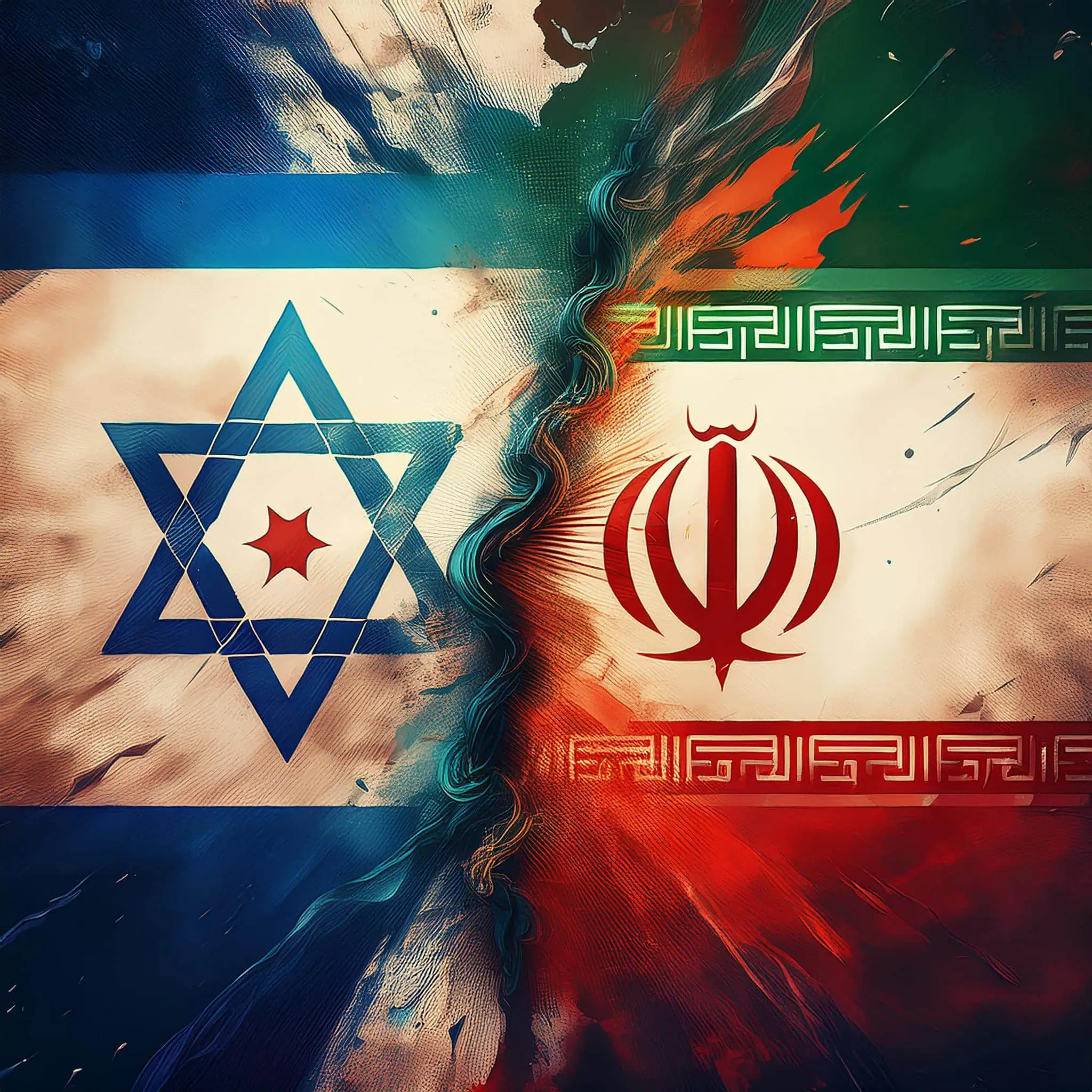
    In a week marked by escalating tensions in the Middle East and alarming developments in Canada, the world is witnessing a series of events that could reshape geopolitical dynamics and national security. From the assassination of a key Hamas leader to a thwarted terror plot in Toronto, the implications are profound and far-reaching.

    Key Takeaways

    • Israel’s assassination of Hamas leader Ismael Hania raises concerns of regional conflict.
    • A father-son duo in Canada was arrested for plotting a terror attack inspired by ISIS.
    • The Canadian women’s soccer team faces challenges amid a spying scandal at the Olympics.

    The Assassination of Ismael Hania

    The recent assassination of Ismael Hania, the political leader of Hamas, in Iran has sent shockwaves through the Middle East. Hania was a pivotal figure in ceasefire negotiations, and his death could lead to a significant escalation of violence in the region.

    • Iran’s Response: Iran’s Supreme Leader has vowed revenge, indicating that Israel has set the stage for severe repercussions.
    • Israel’s Stance: Prime Minister Benjamin Netanyahu has stated that Israel is prepared for all scenarios, emphasizing that any aggression against Israel will be met with a heavy price.
    • International Reactions: Major airlines have suspended flights to Israel and Lebanon, reflecting the growing concern over safety in the region.

    The assassination has heightened tensions, with fears that it could lead to a broader conflict involving various factions in the Middle East. The U.S. has distanced itself from the incident, stating it had no prior knowledge of the strike, complicating ongoing ceasefire discussions.

    Terror Plot in Canada

    In a disturbing turn of events, a father and son duo in Canada were arrested for allegedly plotting a violent attack inspired by ISIS. The RCMP reported that the two were in the advanced stages of planning a mass casualty attack in Toronto.

    • Details of the Plot: The suspects, identified as Ahmed LD and his son Mustafa LD, were found with weapons including an axe and a machete. They had also made a video featuring ISIS propaganda.
    • National Security Concerns: This incident highlights a worrying trend of low-tech attacks that are difficult to detect, raising alarms about the resurgence of ISIS-inspired violence in Canada.
    • Background of the Suspects: Ahmed LD has a history of violence, having been involved in an aggravated assault in another country in 2015, and was previously linked to ISIS propaganda.

    The Canadian Women’s Soccer Team and the Spying Scandal

    As the Canadian women’s soccer team advances in the Olympics, they are overshadowed by a scandal involving illegal spying. The Court of Arbitration for Sport recently dismissed an appeal from the Canadian Olympic Committee regarding a six-point penalty imposed by FIFA.

    • Details of the Scandal: The spying allegations surfaced after New Zealand reported a drone hovering over the Canadian team’s practice. Emails revealed a systematic operation to gather intelligence on the team, raising ethical concerns.
    • Impact on Performance: Despite the turmoil, the team has shown resilience, winning crucial matches and advancing to the elimination rounds. However, the pressure of the scandal looms large over their performance.
    • Cultural Implications: Experts suggest that this incident reflects a broader issue within sports culture, where the pressure to succeed can lead to unethical practices.

    Conclusion

    The events unfolding in the Middle East and Canada serve as a stark reminder of the complexities of global politics and national security. As tensions rise and threats emerge, the need for dialogue and restraint becomes increasingly critical. The world watches closely, hoping for stability and peace in a time of uncertainty.


  • New Whistleblower Revelations: A Looming Threat Against Trump

    New Whistleblower Revelations: A Looming Threat Against Trump

    In a shocking turn of events, a Secret Service whistleblower has come forward with alarming claims regarding a potential assassination plot against former President Donald Trump. This revelation, coupled with newly surfaced footage, raises serious questions about the security measures in place to protect political leaders.

    Key Takeaways

    • A Secret Service counter sniper warns of a potential assassination attempt on Trump before November.
    • The whistleblower claims that leadership within the Secret Service is corrupt and ineffective.
    • New footage shows a suspicious figure on a rooftop during a recent Trump rally, raising concerns about security lapses.

    The Whistleblower’s Claims

    A Secret Service counter sniper, with two decades of experience, has stated that he will blow the whistle on the agency’s leadership, which he claims is corrupt. In an email obtained by Real Clear Politics, he expressed his concerns about the agency’s ability to protect Trump, stating, “We should all expect another attempt to happen before November.” This alarming prediction comes after a recent incident where a shooter was able to get dangerously close to Trump, highlighting significant security failures.

    The Incident That Sparked Outrage

    The whistleblower’s email detailed how the Secret Service’s leadership has failed to take the necessary precautions to prevent a potential tragedy. He emphasized that the only reason a JFK-style incident has not occurred is due to sheer luck. The agent’s frustration is palpable as he notes, “We’ve exposed our inability to protect our leaders due to our leadership.”

    Congressional Fallout

    Following the whistleblower’s revelations, there has been a significant backlash, leading to congressional inquiries. The former head of the Secret Service resigned in disgrace, and her successor testified that the agency’s failures were largely due to local police not following instructions. This has led to a blame game, with the Secret Service attempting to deflect responsibility onto local law enforcement.

    Security Lapses and New Footage

    New footage has emerged showing a figure on a rooftop during a Trump rally, raising further questions about the Secret Service’s effectiveness. The video, captured by a bystander, shows the individual moving around on the roof, seemingly unnoticed by the numerous agents present. This has led to speculation that the security measures in place were either grossly inadequate or intentionally compromised.

    The Implications of Incompetence

    The implications of these revelations are profound. If the Secret Service is indeed as incompetent as suggested, it raises serious concerns about the safety of not just Trump, but all political leaders. The whistleblower’s assertion that “failure is not an option” underscores the gravity of the situation.

    Conclusion

    As the situation unfolds, it is crucial for the public to remain informed about the potential threats facing political figures. The whistleblower’s claims and the newly surfaced footage serve as a stark reminder of the vulnerabilities in our security systems. With the potential for another assassination attempt looming, the need for accountability and reform within the Secret Service has never been more urgent.

    If you found this information valuable, please consider sharing it and staying updated on this developing story.

  • China’s Water Weapon: The Mekong River Crisis and Its Impact on Southeast Asia

    China’s Water Weapon: The Mekong River Crisis and Its Impact on Southeast Asia

    In recent years, China has increasingly wielded water as a geopolitical weapon, impacting the lives of millions across Southeast Asia. The Mekong River, a vital water source for countries like Vietnam, Cambodia, Laos, Thailand, and India, has become a focal point of this struggle, with China’s dam-building activities threatening the livelihoods of those who depend on it.

    Key Takeaways

    • China has turned water into a geopolitical weapon, impacting Southeast Asian countries.
    • The Mekong River is crucial for the livelihoods of over 60 million people.
    • China’s dam construction has led to severe ecological and economic consequences for downstream nations.
    • Countries like Laos and Cambodia are caught in a cycle of dependency on Chinese investments, exacerbating their vulnerabilities.

    The Importance of the Mekong River

    The Mekong River, stretching nearly 5,000 kilometers, is the lifeblood for over 60 million people in Southeast Asia. It contributes significantly to the economies of the countries it flows through, particularly Vietnam, where it supports nearly 20% of the annual GDP and is crucial for rice production and aquaculture. The river’s seasonal floods play a vital role in replenishing the Tonle Sap Lake, which is the world’s largest inland fishery.

    • Economic Contributions:
      • Vietnam: 20% of GDP, half of rice production, and significant aquaculture.
      • Cambodia: 70% of protein intake comes from fish, with fisheries contributing 7% of GDP.
      • Laos: Over 70% of rural households depend on fishing and agriculture.

    China’s Dam Building Strategy

    China’s control over the Mekong River has been solidified through an aggressive dam-building strategy. Since the 1990s, China has constructed 11 major dams on the Mekong, significantly altering the river’s flow and impacting downstream countries. The construction of these dams has transformed the once free-flowing river into a series of reservoirs, leading to a drastic reduction in water flow.

    • Dams and Their Impact:
      • From 2019 to 2021, the Mekong experienced its lowest water flow in 60 years.
      • Droughts and altered water flow have led to fish die-offs and reduced agricultural yields in countries like Vietnam and Cambodia.

    The Consequences for Downstream Countries

    The repercussions of China’s dam-building spree are dire for downstream nations. Countries like Vietnam, Thailand, and Cambodia have faced severe droughts, leading to economic losses and food insecurity. For instance, in 2020, 60% of the lower Mekong Basin experienced a severe dry spell, resulting in economic losses of around $650 million and affecting 17 million people.

    • Specific Impacts:
      • Vietnam: Reduced access to fresh water and agricultural losses.
      • Thailand: Sugar production fell by 28% in 2019 due to water shortages.
      • Cambodia: Thousands displaced due to dam construction, with fisheries and agriculture severely impacted.

    The Role of Laos and Cambodia

    Laos has positioned itself as a key player in the Mekong River’s future, aiming to become the battery of Southeast Asia through hydroelectric projects. However, this ambition has led to increased dependency on Chinese investments, which often come with strings attached. The construction of dams in Laos has not only displaced communities but also disrupted local ecosystems.

    • Economic Dependency:
      • Laos exports 80% of its hydroelectricity, primarily to Thailand and Vietnam, but remains heavily indebted to China.
      • The Nam Ou River Cascade project exemplifies the challenges faced by Laos, where Chinese companies dominate the operation and profits from hydroelectric projects.

    The Broader Geopolitical Context

    China’s strategy extends beyond the Mekong River, impacting its relations with other countries, including India. The construction of massive dams on the Brahmaputra River poses a significant threat to India’s water security, with potential consequences for millions in northeastern India. The geopolitical tensions surrounding water resources highlight the urgent need for cooperation and dialogue among affected nations.

    • India’s Response:
      • India is investing in its own hydroelectric projects to mitigate the risks posed by Chinese dams, including a 11,000 megawatt project in Arunachal Pradesh.

    Conclusion

    China’s manipulation of water resources through dam construction has far-reaching implications for Southeast Asia. The Mekong River, once a source of life and prosperity, is now a battleground for geopolitical power. As countries grapple with the consequences of China’s actions, the need for regional cooperation and sustainable management of shared water resources has never been more critical. The future of millions hangs in the balance, and the stakes are higher than ever.

  • The Controversial Clash: A Boxer’s Battle in the Olympics

    The Controversial Clash: A Boxer’s Battle in the Olympics

    In a highly publicized event, the world witnessed a contentious boxing match at the Olympics that has sparked intense debate about gender identity in sports. The match featured a biological woman facing off against a transgender athlete, raising questions about fairness and safety in women’s sports.

    Key Takeaways

    • The match ended in just 46 seconds, with the female boxer withdrawing in tears.
    • The International Olympic Committee (IOC) allowed a transgender athlete to compete despite previous bans.
    • The media’s portrayal of the event has been criticized for lacking clarity on the athlete’s biological sex.
    • Female athletes are increasingly voicing concerns about safety and fairness in their sports.

    The Match That Shocked the World

    The boxing match between Algerian athlete Aain Khif and Italian boxer Angela Karini was not just a sporting event; it was a flashpoint in the ongoing debate over transgender athletes in women’s sports. Khif, who has been previously banned from competing in international tournaments, was allowed to participate in the Olympics, leading to an uproar among fans and athletes alike.

    In a mere 46 seconds, the match concluded with Karini retreating to her corner, visibly shaken and in tears. She expressed her feelings of injustice, stating, “This is unjust as my Olympic dream came crashing down.” This moment highlighted the physical and emotional toll that such matchups can have on female athletes.

    The Role of the IOC

    The IOC’s decision to permit Khif to compete has been met with widespread criticism. Many argue that allowing a biological male to compete against women undermines the integrity of women’s sports. The IOC defended its decision by stating that the athletes are recognized as female in their passports, thus allowing them to compete in the women’s category. This reasoning has left many questioning the fairness of such policies.

    Media Representation and Public Perception

    The media’s portrayal of the event has also come under scrutiny. Outlets like USA Today and The New York Times have been accused of using vague language, referring to Khif simply as a “woman” without acknowledging the transgender aspect. This has led to confusion among readers and a lack of clarity about the implications of such classifications in sports.

    Voices of Concern

    Prominent figures in sports, including Charlie Kirk, have voiced their outrage over the situation. Kirk emphasized that the current trajectory of allowing transgender athletes to compete in women’s sports could lead to severe consequences for female athletes, including potential physical harm. He stated, “This is the next logical step of America’s influence in the world,” suggesting that the U.S. is setting a precedent that could affect global sports policies.

    The Need for Female Advocacy

    One of the most pressing issues raised by this incident is the need for female athletes to advocate for their rights and safety. Many female athletes feel pressured to remain silent on the issue, fearing backlash or ostracism. The Italian boxer, Angela Karini, despite her traumatic experience, expressed a sense of resignation, stating, “Who am I to say it’s illegal?” This highlights the struggle many women face in standing up against policies that they believe jeopardize their safety and fairness in competition.

    Conclusion: A Call for Change

    The boxing match between Khif and Karini serves as a stark reminder of the complexities surrounding gender identity in sports. As the debate continues, it is crucial for female athletes to find their voices and advocate for policies that protect their rights and safety. The conversation surrounding transgender athletes in women’s sports is far from over, and it is imperative that all stakeholders engage in a dialogue that prioritizes fairness and respect for all athletes.

    This incident is not just about one match; it is about the future of women’s sports and the need for a balanced approach that considers the rights and safety of all competitors. As we move forward, the hope is that the voices of female athletes will be heard loud and clear, leading to meaningful change in the world of sports.

  • “You Will Be KILLED!” – Dominik Tarczyński WARNS Migrants: Poland Will SHOOT Illegal Immigrants

    “You Will Be KILLED!” – Dominik Tarczyński WARNS Migrants: Poland Will SHOOT Illegal Immigrants

    In a recent discussion, Dominik Tarczyński, a Polish politician, expressed his firm stance on illegal immigration in Poland. He emphasized the country’s strict policies and the measures taken to protect its borders, particularly in light of the ongoing migration crisis in Europe.

    Key Takeaways

    • Poland has not accepted any illegal Muslim immigrants.
    • The country has a low Muslim population, around 0.1%.
    • Tarczyński advocates for strong border security, including the use of live ammunition.
    • The migration crisis began in 2015, largely influenced by Germany’s policies.

    Poland’s Immigration Policy

    Tarczyński highlighted the differences between the immigration systems in the U.S. and Poland. While the U.S. has Congress and Senate, Poland operates under a similar parliamentary system. He pointed out that Poland has been resistant to accepting illegal immigrants, particularly from Muslim countries.

    The 2015 Migration Crisis

    The migration crisis, which began in 2015, was largely driven by Germany’s booming economy. Tarczyński criticized former Chancellor Angela Merkel’s decision to bring in migrants from Africa and the Middle East, arguing that it led to significant social issues in Germany. He stated that Poland has taken in over 2 million Ukrainians, who are peaceful and contribute positively to society, but has refused to accept any illegal Muslim immigrants.

    Accusations of Racism

    When questioned about Poland’s refusal to accept refugees, Tarczyński faced accusations of racism. He defended his position by stating that the Polish government was elected to prioritize the safety and expectations of its citizens. He emphasized that Poland has not experienced any terrorist attacks, attributing this to the country’s strict immigration policies.

    The Muslim Population in Poland

    Tarczyński noted that Poland has one of the lowest Muslim populations in Europe, at just 0.1%. He explained that the country has historically not accepted illegal migration, which has contributed to its current demographic makeup. He acknowledged the presence of the Tatars, a Muslim group in Poland, who have integrated well into society without causing issues.

    The Hybrid War

    Tarczyński described the current migration situation as a hybrid war orchestrated by external forces, particularly mentioning Russia’s involvement. He argued that the influx of migrants is not just a humanitarian issue but a strategic maneuver against Poland and other European nations.

    Border Security Measures

    In response to the escalating situation, Poland has taken significant steps to secure its borders. Tarczyński mentioned the construction of a $1.9 billion wall along the border with Belarus, inspired by similar measures in the U.S. He also revealed that Polish forces are now authorized to use live ammunition against illegal border crossers, a drastic measure aimed at deterring potential threats.

    A Call to Action

    Tarczyński’s message was clear: anyone attempting to cross into Poland illegally should reconsider their actions. He warned that those who do not heed this advice risk facing lethal consequences. His strong rhetoric reflects a broader sentiment in Poland regarding national security and immigration.

    Conclusion

    Dominik Tarczyński’s statements underscore Poland’s unwavering stance on immigration. His commitment to protecting Polish borders and prioritizing the safety of its citizens resonates with many who share his views. As Europe continues to grapple with migration challenges, Poland’s approach remains a topic of intense debate and scrutiny.

  • This Crisis is DESTROYING Our Cities and It’s About to Get Worse

    This Crisis is DESTROYING Our Cities and It’s About to Get Worse

    The affordable housing crisis is escalating rapidly, particularly in major cities like New York. With skyrocketing rents and stagnant wages, many residents are being pushed out of their homes. This article explores the alarming statistics and the broader implications of this crisis on American society.

    Key Takeaways

    • Less than 5% of rental units in NYC are affordable for the average salary.
    • Vacancy rates in NYC have dropped to 1.4%, the lowest since 1968.
    • By 2032, NYC is projected to be short nearly 500,000 housing units.
    • Essential workers are disproportionately affected, qualifying for less than 1% of available apartments.

    The Alarming Statistics

    The affordable housing crisis is not just a New York issue; it’s a nationwide problem. According to recent reports, New York City rents have soared to a point where fewer than 5% of rental units are affordable for the average salary. In 2023, the average New Yorker earned just under $89,000. If they adhere to the guideline of spending less than 30% of their income on housing, that translates to a monthly rent of just over $2,200.

    However, when factoring in upfront costs like first month’s rent and security deposits, the average worker can afford only 4.4% of rentals on the market without exceeding the affordability threshold. This means many are likely spending well over 30% of their income on housing.

    The Growing Gap

    The median rents in New York City increased by 88.6% last year, while average wages only rose by 1.2%. This disparity is pushing many residents into financial distress, forcing them to rely on credit cards just to meet daily expenses.

    The housing shortage is severe, with New York City facing a deficit of over 380,000 units, surpassing cities like San Francisco, Chicago, and Boston combined. Essential workers, including those in healthcare and food services, are particularly hard-hit, qualifying for less than 1% of available apartments.

    The Impact on Society

    The implications of this crisis extend beyond just housing. Many Americans are making significant life decisions based on their financial situations, including whether to have children. The economic strain is palpable, and the situation is exacerbated by the influx of illegal immigrants, who are often provided with housing and resources while many locals struggle.

    Government Inaction

    City, state, and federal governments appear to be failing in their duty to protect citizens from these crumbling systems. During election years, promises abound, but real change is lacking. The New York City Housing and Vacancy Study reported a vacancy rate of just 1.4%, the lowest since 1968. Without significant public investment in new construction and housing preservation, the wealth gap and racial disparities will only widen.

    A Call to Action

    The affordable housing crisis is not just a New York issue; it reflects a broader trend affecting cities across the United States. From Denver to Boston, the story remains the same. If you want to create a better future for yourself and your family, you must take initiative. Waiting for government intervention may not yield results.

    Investing in Real Estate

    One potential solution is investing in real estate. Real estate consistently outperforms other asset classes and can be a way to build and protect wealth. The build-to-rent model offers numerous benefits, including lower risk and higher returns compared to traditional methods.

    Investing in single-family rentals can provide steady cash flow and appreciation over time. By purchasing properties through reputable companies, you can access discounted pricing and ongoing support.

    Conclusion

    The affordable housing crisis is a pressing issue that requires immediate attention. As cities continue to grapple with rising rents and stagnant wages, individuals must take proactive steps to secure their financial futures. Whether through investing in real estate or seeking alternative income streams, the time to act is now.

    For more insights and resources on navigating this crisis, explore the various tools available to help you achieve financial freedom.

  • Unity in Division: How Protestants and Catholics in Northern Ireland Stand Together Against Immigration Policies

    Unity in Division: How Protestants and Catholics in Northern Ireland Stand Together Against Immigration Policies

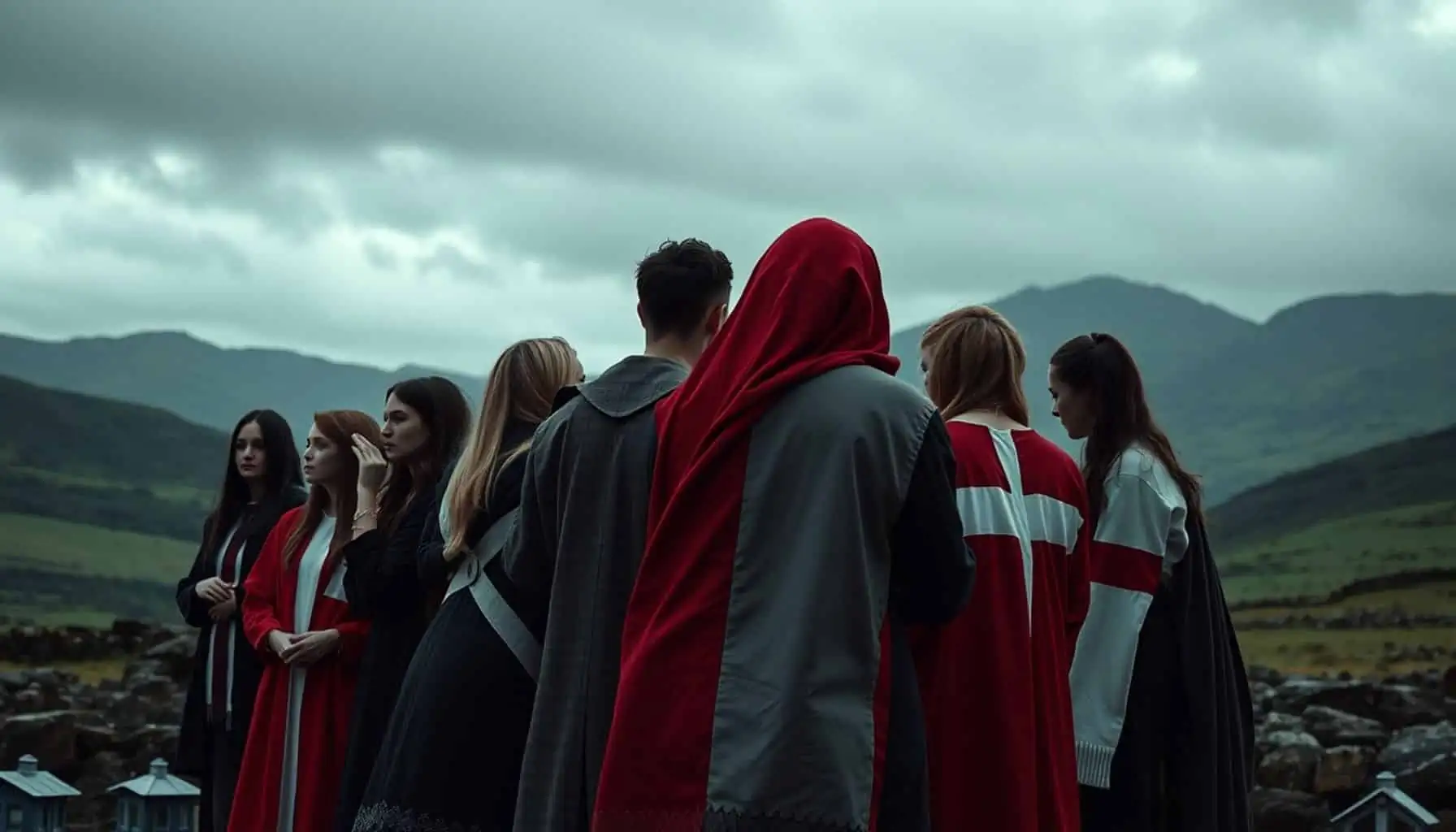
    In a surprising turn of events, Catholic nationalists and Protestant unionists in Northern Ireland have found common ground in their opposition to the UK government’s immigration policies. This unlikely alliance showcases a rare moment of unity between two groups historically divided by deep-rooted animosities.

    Key Takeaways

    • Historical Context: Centuries of conflict rooted in political, religious, and cultural divisions.
    • Recent Protests: Grassroots movements uniting communities against government policies on Muslim asylum seekers.
    • Community Concerns: Issues of safety, resource allocation, and lack of consultation from authorities.
    • Police Response: Accusations of brutality and heavy-handed tactics against protesters.
    • Future Implications: Potential for change in government policy and community relations.

    A Long History of Division

    For centuries, Catholics and Protestants in Northern Ireland have been locked in a bitter conflict. This animosity can be traced back to the early 17th century, when British colonization efforts displaced Irish Catholics and installed Protestant settlers loyal to the British crown. The partition of Ireland in 1921 further entrenched these divisions, leaving Northern Ireland predominantly Protestant and the newly formed Irish Free State overwhelmingly Catholic.

    The conflict escalated into a period known as The Troubles, marked by intense violence from the late 1960s to the 1990s. Over 3,600 lives were lost during this time, leaving a legacy of mistrust and division.

    The Unlikely Alliance

    Despite the historical animosities, recent events have led to an extraordinary moment of solidarity. Catholic nationalists and Protestant unionists have united against the UK government’s policies regarding Muslim asylum seekers. This grassroots movement, known as “Kulok Says No”, has gained momentum across various neighborhoods, advocating against what they perceive as unfair governmental policies.

    Key Factors Behind the Movement

    • Grassroots Campaigns: Local groups have emerged, voicing concerns about the government’s handling of the asylum seeker crisis.
    • Community Frustration: Residents feel blindsided by decisions made without consultation, particularly regarding the repurposing of buildings for asylum seekers.
    • Safety Concerns: The sudden influx of refugees, especially single men, has raised fears about local safety and resource adequacy.

    Tensions with Authorities

    The protests have not been without conflict. Many demonstrators have accused the Irish police of using excessive force during protests. Incidents of pepper spray and aggressive crowd control tactics have fueled accusations of police brutality, further alienating the protesters and deepening their resolve.

    The Broader Context

    The protests are not just about immigration policies; they reflect a deeper sense of frustration with how the government is handling both the refugee crisis and domestic issues like housing. The movement highlights the discontent among working-class communities, who feel neglected by policies that do not consider their needs.

    Implications for Community Relations

    As these protests grow, they may push the government to reconsider how asylum centers are planned and communicated to communities. The unity between Catholic and Protestant groups over shared concerns challenges long-standing sectarian divisions and could set a precedent for future cooperation on social issues.

    However, if the government continues to dismiss these protests, it risks deepening societal divides. The interplay between socioeconomic factors, media portrayal, and government response will shape Ireland’s approach to immigration and community relations in the coming years.

    Conclusion

    The alliance between Catholic nationalists and Protestant unionists in Northern Ireland is a powerful reminder of how shared concerns can transcend historical divides. As these groups continue to rally against perceived injustices, they highlight the need for a more inclusive dialogue between the government and local communities. The future of community relations in Northern Ireland may very well depend on how these issues are addressed moving forward.

  • Canada’s Hidden Crisis: The Dark Side of Temporary Foreign Worker Programs

    Canada’s Hidden Crisis: The Dark Side of Temporary Foreign Worker Programs

    In a shocking revelation, a recent UN report has exposed the troubling realities of Canada’s temporary foreign worker programs. This report highlights how these programs may inadvertently perpetuate modern-day slavery, trapping vulnerable individuals in exploitative situations that ultimately benefit corporations. The implications of these findings are profound, affecting not just the workers involved but also the broader Canadian society.

    Key Takeaways

    • The UN report reveals serious human rights abuses linked to Canada’s temporary foreign worker programs.
    • Many foreign workers face exploitation, including low wages and poor living conditions.
    • The burden of proof for hiring foreign workers is alarmingly low, leading to wage suppression for Canadians.
    • Economic tensions are rising, with blame often misdirected towards marginalized groups.

    The Temporary Foreign Worker Program: An Overview

    The Temporary Foreign Worker Program (TFWP) was designed to help Canadian businesses fill labor shortages. Initially, it aimed to support industries struggling to find local talent. However, the program has become a breeding ground for exploitation.

    1. Low Burden of Proof: Employers can easily justify hiring foreign workers, often without demonstrating a genuine need.
    2. Wage Suppression: The influx of temporary workers keeps wages low, making it harder for Canadians to secure decent-paying jobs.
    3. Debt Bondage: Many foreign workers incur significant debts to secure their positions, creating a cycle of dependency and exploitation.

    Shocking Findings from the UN Report

    The UN report outlines several alarming issues:

    • Power Imbalance: Workers are tied to specific employers through closed work permits, creating a precarious situation where job loss can lead to deportation.
    • Debt Issues: Many workers go into debt to cover costs associated with their employment, often relying on their Canadian wages to repay these debts.
    • Substandard Living Conditions: Housing provided by employers is frequently overcrowded and poorly maintained, raising serious health and safety concerns.

    The Housing Crisis

    The housing situation for temporary foreign workers is dire. Employers are responsible for providing housing, but this often results in:

    • Overcrowding: Multiple workers sharing inadequate facilities, such as bathrooms and kitchens.
    • Poor Conditions: Lack of basic amenities, including climate control and proper sanitation.

    This situation not only affects the workers but also exacerbates the housing crisis in Canada, as it limits available housing for local residents.

    Economic Implications

    The exploitation of temporary foreign workers has broader economic consequences:

    • Stagnant Wages: The reliance on low-wage foreign labor suppresses wage growth for all Canadians.
    • Increased Tensions: Economic frustrations can lead to social unrest, with marginalized groups often bearing the brunt of public anger.

    Misplaced Blame and Rising Tensions

    As frustrations grow, many Canadians misdirect their anger towards foreign workers and students, rather than addressing the systemic issues at play. This misdirection can lead to:

    • Increased Racism: Blaming specific racial or ethnic groups for economic woes.
    • Divided Communities: Instead of uniting against common challenges, communities may fracture along racial lines.

    The Role of Government and Corporations

    The real culprits behind these issues are often the government and corporate entities that benefit from these exploitative practices. By failing to address the root causes of economic inequality, they allow the cycle of exploitation to continue.

    Conclusion: A Call for Awareness

    The findings of the UN report serve as a wake-up call for Canadians. It’s crucial to recognize the interconnectedness of these issues and to advocate for policies that protect all workers, regardless of their immigration status.

    By focusing on the true sources of exploitation and inequality, Canadians can work towards a more equitable society. It’s time to shift the narrative and hold those in power accountable for their role in perpetuating these injustices.

    What are your thoughts on the situation? How can we better support both Canadian citizens and temporary foreign workers in this complex landscape?

  • The Biggest Food Scandal in History: How Data Manipulation is Costing You at the Grocery Store

    The Biggest Food Scandal in History: How Data Manipulation is Costing You at the Grocery Store

    In a shocking revelation, America’s largest meat producers are allegedly involved in a price-fixing scheme that could reshape the food industry. Utilizing a little-known data company, Agri Stats, these corporations are accused of manipulating market prices, ultimately costing consumers billions. This blog post delves into the details of this scandal and the ongoing legal battle to restore fairness in the market.

    Key Takeaways

    • Agri Stats is at the center of a price-fixing scandal involving major meat producers.
    • The Biden administration and several state attorneys general are taking action against these practices.
    • The Sherman Act is being invoked to challenge the alleged collusion.

    The Heart of the Scandal

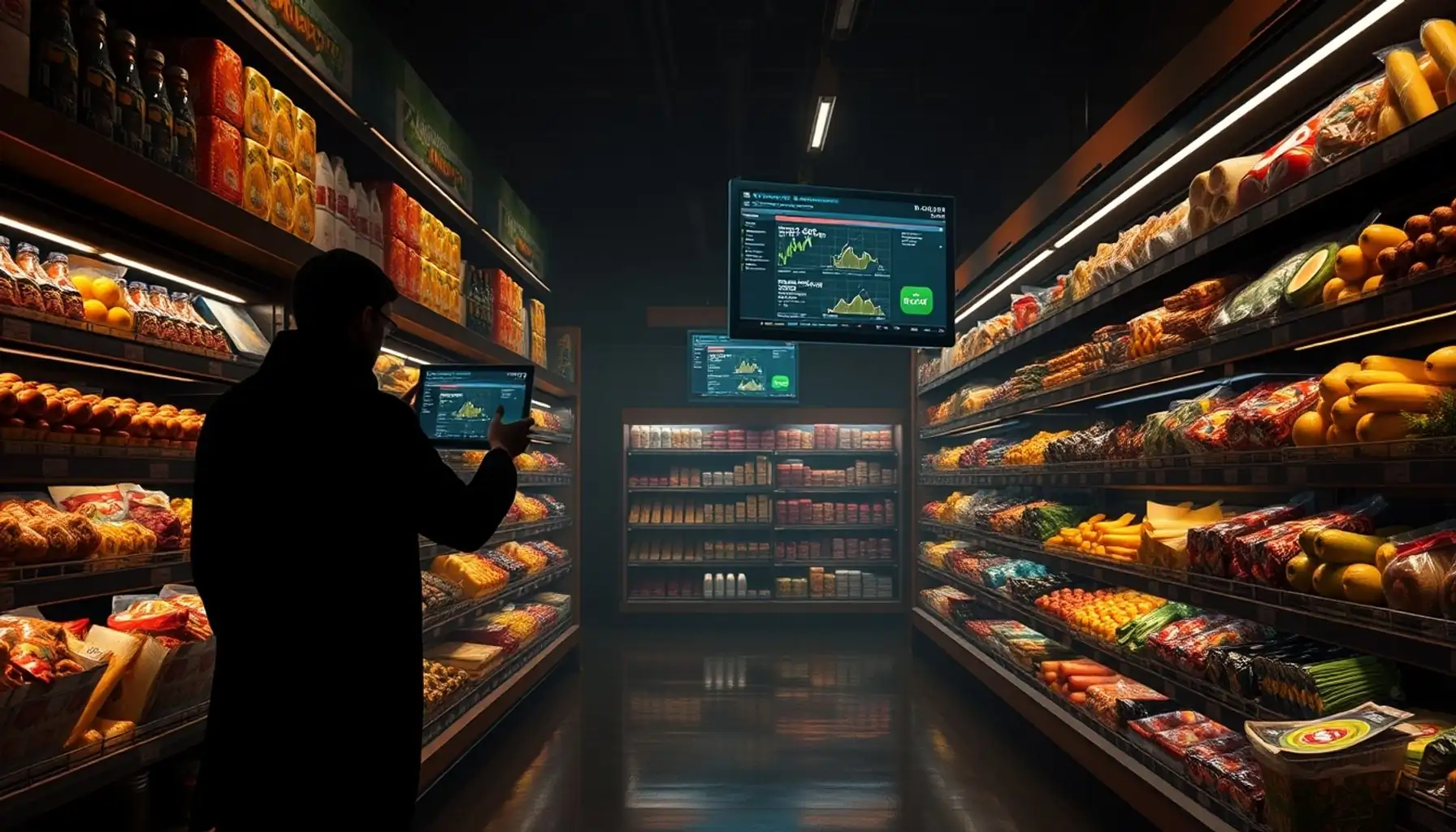
    Nestled in a nondescript office building, Agri Stats operates as a data company that connects the nation’s largest meat companies. This network allows these companies to share sensitive information, which is then allegedly used to manipulate market prices. The result? Higher grocery bills for consumers.

    How It Works

    Agri Stats compiles data on various aspects of the meat industry, including:

    • Product prices
    • Costs to raise animals
    • Worker wages
    • Market projections

    This information is sold to companies like Tyson, Hormel, and Cargill, who use it to adjust their prices and limit supply. The outcome is a significant increase in profits for these companies, while consumers bear the brunt of inflated prices.

    The Allegations

    Attorney General Keith Ellison of Minnesota is leading the charge against Agri Stats. The lawsuit alleges that the company’s practices violate the Sherman Act, which prohibits conspiracies and collusion that reduce competition. The core of the complaint is that sharing critical information among competitors undermines market competitiveness.

    The Data Game

    Agri Stats provides detailed reports that allow meat processors to see:

    1. Their prices compared to national averages.
    2. The gap between their prices and those of the top competitors.
    3. Economic impact dollars, showing how much money they could potentially gain by raising prices.

    This data creates an environment where companies feel pressured to increase their prices to match or exceed their competitors, effectively forming a de facto cartel.

    Real-World Impact

    The implications of this scandal are far-reaching. As prices rise, consumers are forced to buy less food, leading to a food access crisis. The increased costs have made it difficult for many families to afford the same amount of groceries they once could.

    The Legal Battle

    Agri Stats claims it merely provides anonymized data, but evidence suggests otherwise. Emails reveal that the company actively helped clients interpret data to boost prices. The lawsuit aims to restore competitive pricing in the meat industry, making groceries more affordable for everyone.

    The Future of Antitrust Enforcement

    The current legal landscape is complex. While a federal judge previously ruled in favor of Agri Stats, the Minnesota case presents new facts that could lead to a different outcome. The Biden administration has reignited antitrust enforcement, targeting monopolies across various sectors, including the meat industry.

    Conclusion

    This scandal highlights the urgent need for updated regulations to address modern market practices. The Sherman Act, while still relevant, may require revisions to effectively combat the sophisticated tactics employed by companies today. As the legal battle unfolds, the hope is for a fairer economy where consumers are no longer victims of corporate greed.

  • Freedom Convoy Protester Wins Case: Charges Dropped After Charter Rights Violated

    Freedom Convoy Protester Wins Case: Charges Dropped After Charter Rights Violated

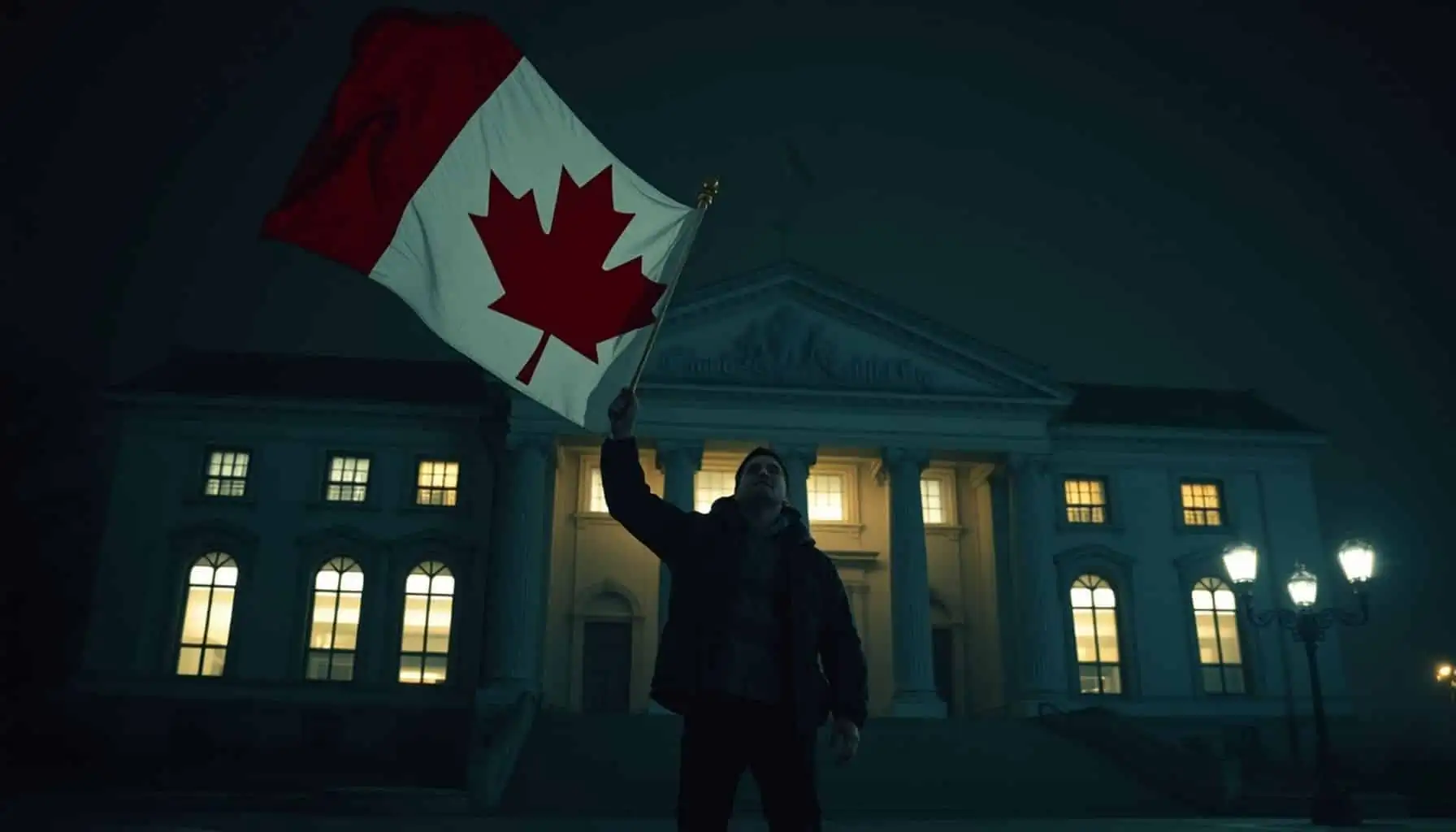
    In a significant legal victory, a protester from the 2022 Freedom Convoy had all charges against him dropped after a judge ruled that his Charter rights were violated. This case highlights the ongoing legal battles stemming from the protests and the importance of civil liberties in Canada.

    Key Takeaways

    • Charges against Ben Spicer were dropped due to unlawful arrest and search.
    • The court found a breach of Section 8 of the Charter regarding privacy rights.
    • The Justice Centre for Constitutional Freedoms played a crucial role in the defense.

    Background of the Freedom Convoy

    The Freedom Convoy, which took place in February 2022, saw thousands of Canadians gather in Ottawa to protest against COVID-19 mandates. While many were there to express their views, others simply wanted to witness the event, likening it to a “Woodstock for Freedom.”

    The Case of Ben Spicer

    Ben Spicer was arrested on February 19, 2022, during the peak of the protests. His arrest raised serious questions about police conduct. According to the evidence presented, Spicer was unlawfully arrested without grounds, and the subsequent search of his person was also deemed illegal.

    Police Misconduct and Privacy Violations

    The police not only arrested Spicer but also conducted an unlawful search. After his arrest, they recorded his conversations without his knowledge. This was a clear violation of his expectation of privacy under Section 8 of the Charter. The court found that there was no signage indicating he was being recorded, which contributed to the ruling in his favor.

    The Role of the Justice Centre for Constitutional Freedoms

    The Justice Centre for Constitutional Freedoms has been a key player in defending individuals’ rights during the Freedom Convoy trials. Monik Grenier, the lawyer representing Spicer, emphasized the importance of legal support in such cases. Without the Justice Centre’s assistance, many individuals would struggle to navigate the complexities of the legal system.

    The Importance of Legal Representation

    Navigating the legal landscape can be daunting, especially for those without legal training. Spicer’s case illustrates how crucial it is to have knowledgeable representation. The arguments made in court were sophisticated and required a deep understanding of the Charter of Rights.

    Conclusion

    The dropping of charges against Ben Spicer is a landmark decision that underscores the importance of civil liberties in Canada. It serves as a reminder that individuals have rights, even in the face of law enforcement actions. The Justice Centre for Constitutional Freedoms continues to advocate for those whose rights have been infringed upon, ensuring that justice prevails in the face of adversity.