Category: Politics

  • Why was Telegram Founder Arrested in France?

    Why was Telegram Founder Arrested in France?

    Pavel Durov, the founder of the popular messaging app Telegram, was recently arrested in France, sparking a heated debate about free speech and the responsibilities of tech CEOs. His detention raises questions about the intersection of technology, governance, and individual rights in the digital age.

    Key Takeaways

    • Pavel Durov, Telegram’s founder, was arrested in France.
    • His arrest is linked to accusations of failing to moderate harmful content on Telegram.
    • Durov’s history includes defiance against the Russian government.
    • The case raises questions about free speech and tech accountability.

    Who is Pavel Durov?

    Pavel Durov, often referred to as the “Russian Zuckerberg,” was born in St. Petersburg, Russia, in 1984. He gained fame as the co-founder of VKontakte (VK), a social media platform that became immensely popular in Russia. However, his journey took a dramatic turn when he faced pressure from the Russian government.

    In 2011, Durov refused to shut down the account of Alexei Navalny, a prominent critic of President Putin. This act of defiance marked the beginning of his tumultuous relationship with the Russian authorities. After selling VK in 2014, Durov launched Telegram, a messaging app designed to prioritize user privacy and freedom of speech.

    The Rise of Telegram

    Telegram was launched in 2013 and quickly gained traction, boasting around 950 million users today. Its appeal lies in its commitment to privacy; Durov has consistently refused to moderate content or share user data with governments. Unlike WhatsApp, which limits group sizes to 256 members, Telegram allows groups of up to 200,000 members, making it a popular choice for independent news channels and pro-democracy groups.

    However, this lack of moderation has also made Telegram a haven for harmful content, including misinformation, hate speech, and illegal activities. Governments around the world have attempted to regulate or ban the app, citing its role in facilitating criminal behavior.

    The Arrest in France

    Durov’s recent arrest in France is linked to accusations that Telegram has failed to moderate harmful content. French authorities argue that the platform is not cooperating with investigations into illegal activities. Durov was detained upon landing in Paris, and he can be held for up to 96 hours before being charged or released.

    French President Emmanuel Macron has stated that there is no political motive behind the arrest, but the implications are significant. Durov’s arrest raises questions about the accountability of tech CEOs for the actions of their platforms. Can a CEO be held responsible for user-generated content? This is a contentious issue that has yet to be resolved.

    The Broader Implications

    Durov’s situation highlights a growing tension between governments and tech companies. While platforms like Telegram advocate for free speech, they also face pressure to regulate content to prevent harm. The arrest of a tech CEO for the actions of their platform is unprecedented and could set a dangerous precedent for the industry.

    Critics argue that Durov’s arrest is politically motivated, especially given his Russian nationality. They contend that he is being used as a scapegoat in a broader narrative about the dangers of Russian influence in the West. Meanwhile, supporters of the arrest believe it is a necessary step to hold tech companies accountable for their role in facilitating harmful content.

    Conclusion

    Pavel Durov’s arrest in France is more than just a legal issue; it is a reflection of the complex relationship between technology, governance, and individual rights. As the digital landscape continues to evolve, the responsibilities of tech leaders will come under increasing scrutiny. The outcome of Durov’s case could have far-reaching implications for the future of free speech and the accountability of tech companies worldwide.

  • Mark Zuckerberg ADMITS Biden Admin PRESSURED FACEBOOK To Censor Hunter Biden Laptop

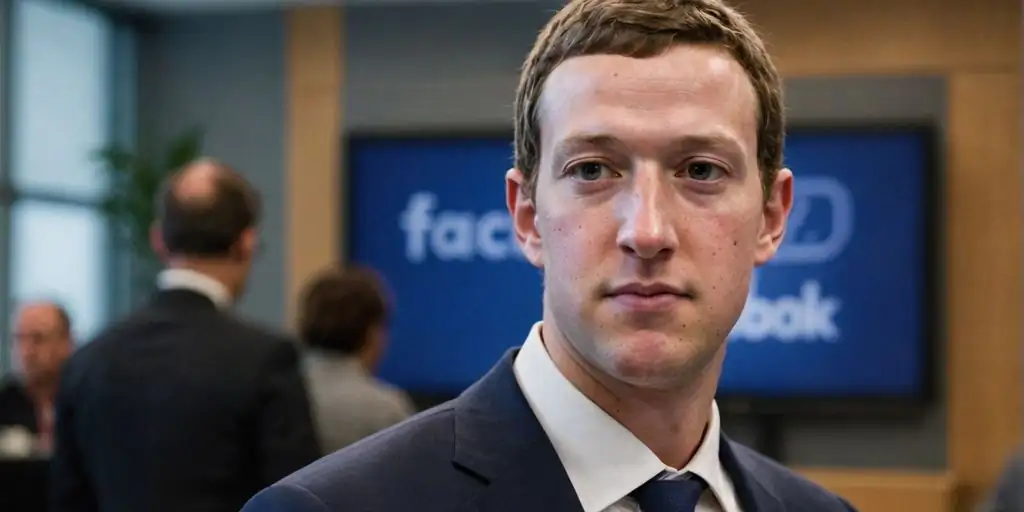
    Mark Zuckerberg ADMITS Biden Admin PRESSURED FACEBOOK To Censor Hunter Biden Laptop

    In a recent revelation, Meta CEO Mark Zuckerberg acknowledged that the Biden Administration exerted pressure on Facebook to censor content, including information related to Hunter Biden. This admission has sparked significant discussions about the implications of government influence on social media platforms and the boundaries of free speech.

    Key Takeaways

    • Mark Zuckerberg admitted to government pressure on Facebook regarding content moderation.
    • The Biden Administration sought to censor information about Hunter Biden and COVID-19.
    • Zuckerberg expressed regret over complying with these demands and the impact on free speech.

    The Pressure from the Biden Administration

    Zuckerberg’s letter to the House Judiciary Committee highlighted a troubling trend: the Biden Administration’s repeated attempts to influence Facebook’s content moderation policies. He stated that senior officials from the administration pressured Facebook for months to censor certain COVID-19 content, including humor and satire. This pressure was not only persistent but also accompanied by frustration when Facebook did not comply.

    Zuckerberg noted, “I believe the government pressure was wrong and I regret that we were not more outspoken about it.” This admission raises questions about the role of social media companies in moderating content and the extent to which they should yield to governmental demands.

    The Hunter Biden Laptop Story

    The controversy surrounding the Hunter Biden laptop story is a significant focal point in this discussion. Initially reported by the New York Post, the story was labeled as disinformation by many mainstream media outlets. Zuckerberg revealed that Facebook temporarily demoted the story while it awaited fact-checker reviews, a decision he now regrets. He stated, “We would not make that call again.”

    This incident underscores the challenges social media platforms face in balancing the need for accurate information with the pressure to censor potentially damaging content. The implications of this decision continue to reverberate, especially as more evidence about the laptop’s contents has emerged.

    Reactions from the Political Sphere

    The reaction to Zuckerberg’s admission has been swift and varied. An account associated with the House Judiciary Committee remarked that Zuckerberg’s statements confirmed three critical points:

    1. The Biden Administration pressured Facebook to censor Americans.
    2. Facebook complied with this pressure.
    3. Facebook throttled the Hunter Biden laptop story.

    Elon Musk also weighed in, suggesting that this situation could represent a First Amendment violation. Meanwhile, entrepreneur Patrick Bet David speculated on Zuckerberg’s motivations for making such admissions, pondering whether it was an act of honor, a distancing from the Democratic Party, or a preemptive move against potential whistleblowers.

    The White House’s Response

    In response to Zuckerberg’s letter, the White House defended its actions, stating that during a pandemic, it encouraged responsible actions to protect public health. They emphasized that tech companies should consider the effects of their actions on the American public while making independent choices about the information they present.

    This defense raises further questions about the balance between public health and free speech, particularly in a time of crisis. Critics argue that the government’s role in influencing social media moderation creates a double standard, where certain narratives are suppressed while others are promoted.

    The Broader Implications for Free Speech

    Zuckerberg’s admission has reignited the debate over free speech on social media platforms. Many believe that the pressure from the federal government to censor content violates the principles of free expression. The conversation around this issue is crucial, especially as social media becomes an increasingly significant source of news and information for the public.

    Zuckerberg’s acknowledgment of the pressure faced by Facebook’s moderation teams highlights the complexities of content regulation in the digital age. As he stated, the pressure was real, and the decisions made in response to that pressure were not always in the best interest of free speech.

    Moving Forward

    As social media platforms continue to navigate the challenges of content moderation, the need for clear policies that respect free speech while addressing misinformation is paramount. Zuckerberg’s reflections suggest a potential shift in how Meta approaches content moderation in the future, emphasizing the importance of independent fact-checking and a more transparent process.

    In conclusion, the revelations from Zuckerberg’s letter serve as a reminder of the delicate balance between government influence and free speech in the digital landscape. As discussions continue, it is essential for social media companies to prioritize transparency and accountability in their content moderation practices, ensuring that the voices of all users are heard without undue influence from external pressures.

  • The FBI’s Data Destruction Fail is Embarrassing

    The FBI’s Data Destruction Fail is Embarrassing

    In a shocking revelation, an audit of the FBI’s data destruction facility has uncovered significant security flaws. This facility, responsible for destroying sensitive data, is a total security nightmare, raising serious concerns about the handling of confidential information.

    Key Takeaways

    • The FBI’s data destruction facility has major security weaknesses.
    • Tracking labels are improperly placed, leading to unaccounted drives.
    • The facility is accessible to numerous contractors, increasing risk.
    • A UK fraud platform was shut down, revealing the extent of online scams.
    • A man hacked the government to fake his own death to avoid child support.

    The FBI’s Data Destruction Facility

    The FBI’s facility is supposed to be a secure location for destroying hard drives, USB sticks, and other storage media. However, a recent audit by the Department of Justice has revealed significant weaknesses in its operations.

    • Tracking Issues: Each storage medium should have a tracking label. Instead, labels were placed on computer cases, not the internal hard drives. This means that once the drives are removed, they become unaccounted for.
    • Lack of Accountability: Investigators found that computers sometimes arrived without their internal hard drives. Personnel confirmed they wouldn’t question this as long as the labeled computer arrived.
    • Unsecured Drives: Drives were thrown into boxes labeled “non-accountable,” making it easy for anyone to take them. Some drives were left lying around for almost two years before destruction.

    Security Concerns

    The facility is shared with other FBI operations, allowing access to nearly 400 people from 17 different companies, many of whom are not FBI employees. This raises serious concerns about who can access sensitive data.

    • Inadequate Security Measures: The facility is protected by a single non-functioning camera and a roll-down door that isn’t even used. This lack of security is alarming, especially given the sensitive nature of the data being handled.
    • Recent Changes: Following the audit, new cages have been installed for better storage, and the FBI is working on a video surveillance system. However, the question remains: how did it get this bad in the first place?

    UK Fraud Platform Shutdown

    In a related story, UK police have shut down a popular fraud platform known as Russian Comms. This platform sold tools for spoofing phone numbers and changing voices, enabling scammers to defraud individuals.

    • Scope of the Operation: Russian Comms operated in 107 countries and was linked to defrauding 170,000 people in the UK alone.
    • Public Exposure: The platform was not hidden in the dark web; it was openly advertised on social media. The UK’s National Crime Agency has arrested three individuals connected to the operation.

    A Bizarre Case of Identity Theft

    In a bizarre twist, a man named Jesse Kip hacked the government to fake his own death to avoid paying child support. After accumulating over $116,000 in back payments, he devised a plan to register himself as deceased.

    • The Scheme: Kip stole a doctor’s credentials to log into Hawaii’s death registry and certified his own death. This allowed him to escape his financial obligations temporarily.
    • Consequences: His plan unraveled when he had to live as a dead person, leading to further illegal activities. He was eventually caught and sentenced to six years in prison.

    Conclusion

    The FBI’s data destruction facility’s failures highlight the need for better security measures in handling sensitive information. Meanwhile, the shutdown of Russian Comms and Kip’s bizarre scheme serve as reminders of the ongoing battle against fraud and cybercrime. As these stories unfold, it’s clear that vigilance is essential in protecting both personal and national security.

  • NYC is Making People Live in Tents… Forever

    NYC is Making People Live in Tents… Forever

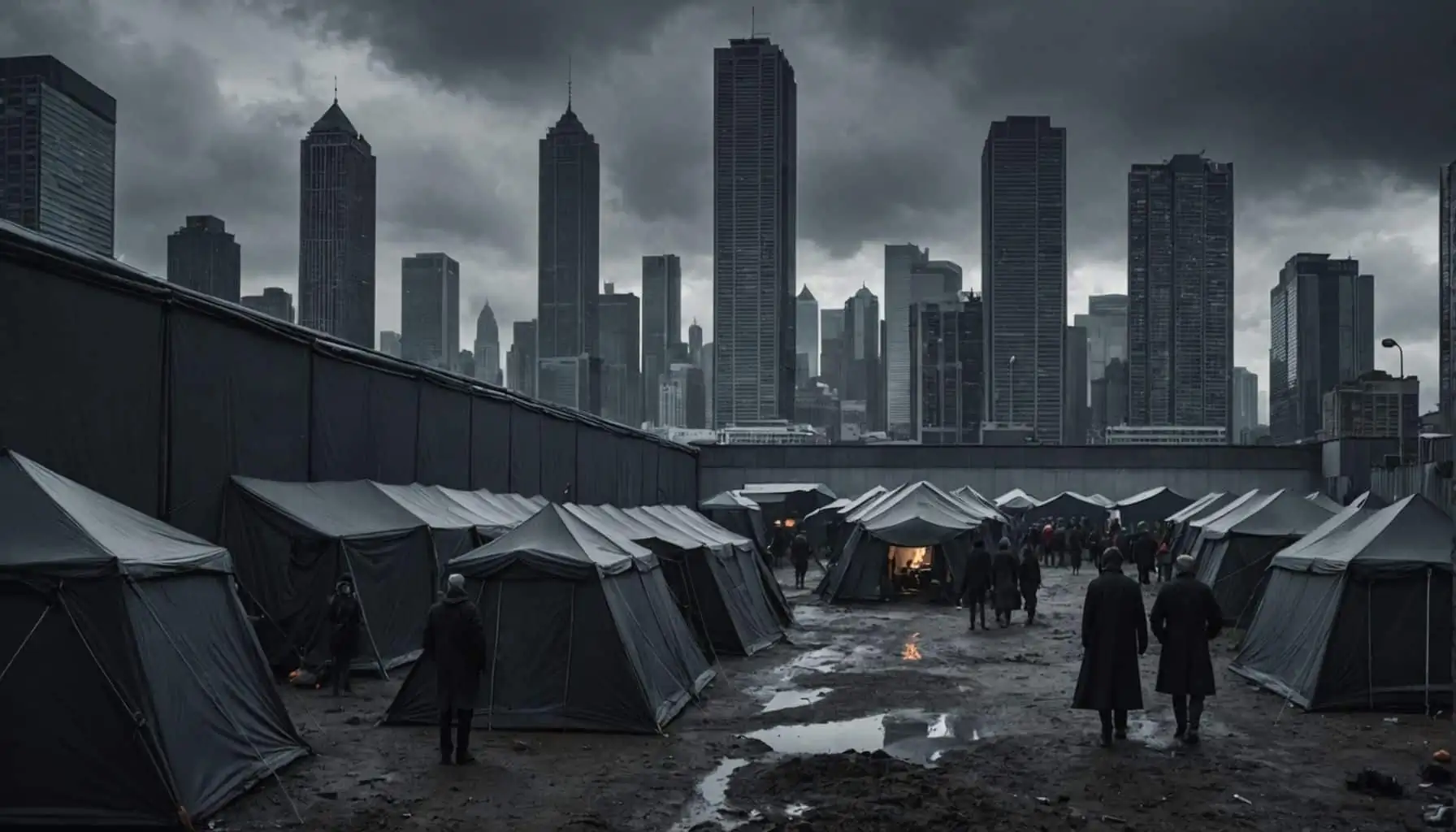
    New York City is facing a severe affordability crisis, with many residents struggling to make ends meet. A staggering one in three New Yorkers spends over half their income on rent, while the number of affordable apartments continues to dwindle. This situation raises critical questions about the future of living in the city and the long-term implications for its economy.

    Key Takeaways

    • High Rent Burden: One in three New Yorkers spends over 50% of their income on rent.
    • Rising Costs: Grocery prices are increasing faster than incomes, forcing many to cut back on essentials.
    • Debt Crisis: The rise of “buy now, pay later” schemes is creating a new wave of debt that could destabilize the economy.
    • Economic Impact: The affordability crisis affects not just individuals but the overall economic stability of the city.

    The Cost of Living in NYC

    Living in New York City has always been expensive, but recent reports indicate that the situation is worsening. With affordable housing becoming increasingly scarce, many residents are left with no choice but to spend a significant portion of their income on rent. This financial strain is not just a personal issue; it has broader implications for the city’s economy.

    The Struggle for Basic Necessities

    As rent prices soar, many New Yorkers are forced to make tough choices. A recent survey revealed that 85% of residents believe food prices are rising faster than their incomes. Nearly half of the population reports that affording groceries has become significantly more challenging. This situation leads to a troubling trend: people are going into debt just to maintain a basic standard of living.

    The Debt Trap

    The rise of buy now, pay later schemes has become a double-edged sword. While they offer a temporary solution for purchasing necessities, they also create a cycle of debt that can be hard to escape. The number of these loans has increased by nearly 100% between 2019 and 2021, raising concerns among analysts about the potential for a new debt crisis.

    The Economic Ripple Effect

    The affordability crisis in NYC doesn’t just impact individuals; it has far-reaching consequences for the city’s economy. When residents are forced to spend all their income on housing, they have little left for other expenses. This lack of spending affects local businesses, leading to closures and job losses. As people cut back on dining out and shopping, the economic fabric of the city begins to fray.

    The Reality of Roommates

    With rents skyrocketing, many New Yorkers are opting to live with roommates to share costs. While this arrangement can save money, it often comes at the expense of privacy and personal space. The dream of living alone in a one-bedroom apartment is becoming increasingly unattainable for many.

    The Role of Government

    Experts agree that the solution to this crisis lies in the creation of affordable housing. However, the lack of action from city leaders raises questions about their commitment to addressing the issue. Without significant changes, the cycle of debt and financial instability will likely continue.

    The Future of NYC

    As the affordability crisis deepens, the question remains: is living in New York City worth it? Many are beginning to doubt whether the benefits of city life outweigh the financial burdens. The current trajectory suggests that without intervention, more residents may find themselves trapped in a cycle of debt, struggling to survive in a city that once promised opportunity.

    Conclusion

    The situation in New York City serves as a cautionary tale for other urban areas facing similar challenges. As the cost of living continues to rise, the need for affordable housing and sustainable economic solutions becomes increasingly urgent. The future of NYC hangs in the balance, and it will take collective action to ensure that it remains a viable place for all its residents.

  • BOMBSHELL: Trump Hit with New Indictment

    BOMBSHELL: Trump Hit with New Indictment

    In a significant legal development, Donald Trump has been handed a superseding indictment in his D.C. case. This new indictment mirrors the original four felony charges he faced, raising questions about the implications of a recent Supreme Court ruling on presidential immunity.

    Key Takeaways

    • Trump faces the same four felony charges as before.
    • The new indictment is a response to the Supreme Court’s ruling.
    • Evidence was carefully reviewed and adjusted to comply with legal standards.
    • The timeline for the trial remains largely unchanged.

    The Superseding Indictment Explained

    The recent indictment against Trump comes from a new grand jury, distinct from the one that issued the initial charges. This move is crucial as it reflects the prosecution’s efforts to align with the Supreme Court’s recent ruling on presidential immunity. The original indictment was extensive, spanning 45 pages, detailing Trump’s actions and statements that constituted the alleged crimes.

    Jack Smith and his team meticulously reviewed the first indictment, removing any evidence that could conflict with the Supreme Court’s ruling. Despite these adjustments, all four felony charges remain intact, indicating a strong case against Trump.

    What Changed in the Indictment?

    The new indictment has been streamlined to 36 pages. Here are some notable changes:

    • Removed Evidence: Conversations Trump had with Department of Justice officials were excluded, as they could be seen as part of his presidential duties.
    • Social Media Posts: Tweets made from the Oval Office were also omitted for similar reasons.

    Despite these removals, the core charges against Trump are still robust enough to proceed to trial. This indicates that the prosecution believes they can secure a conviction without the previously included evidence.

    The Legal Landscape Ahead

    The next steps in this legal saga will unfold in front of Judge Chutkan, who will assess whether the remaining evidence is sufficient to proceed. Jack Smith’s strategy appears to be well thought out, aiming to present a case that adheres to the Supreme Court’s guidelines while still holding Trump accountable.

    Implications of the Supreme Court Ruling

    The Supreme Court’s ruling on presidential immunity has significant implications for this case. It raises questions about what constitutes a president’s official duties and how that intersects with criminal behavior. The prosecution’s decision to use a new grand jury helps mitigate potential challenges from Trump’s legal team, who could argue that the previous grand jury was tainted by the now-excluded evidence.

    Timeline and Next Steps

    As for the timeline, the new indictment does not appear to delay the proceedings significantly. Judge Chutkan is expected to set a schedule for hearings soon. Trump may not need to appear in court for his arraignment, as the prosecution has indicated they will waive his physical presence.

    Conclusion

    This latest development in Trump’s legal battles is a pivotal moment. The decision to maintain all four felony charges while adjusting the evidence demonstrates a proactive approach by the prosecution. As the case progresses, it will be crucial to monitor how the courts respond to these legal maneuvers and what they mean for the future of Trump’s political and legal standing.

  • We Are Going to War and The US Dollar is About to Change FOREVER

    We Are Going to War and The US Dollar is About to Change FOREVER

    In recent days, tensions in the Middle East have escalated dramatically, with the U.S. military ramping up its presence in the region. As we approach a potential full-blown war, the implications for the U.S. economy and the dollar are profound. This article explores the current geopolitical landscape and its impact on personal finance and investment strategies.

    Key Takeaways

    • The U.S. is escalating military involvement in the Middle East.
    • The U.S. dollar faces significant inflationary pressures.
    • Precious metals like gold and silver are surging in value.
    • Political decisions directly affect personal finance and investment opportunities.

    The Escalation of Military Involvement

    The U.S. has deployed a significant number of military assets to the Middle East, including fighter jets, submarines, and aircraft carriers. This buildup is alarming, especially as the Chair of the Joint Chiefs of Staff visits Israel. The timing raises questions about the motivations behind this military action, particularly as we approach an election season.

    Economic Implications

    The potential for war comes at a time when the U.S. economy is already under strain. Inflation is rampant, and the government is considering slashing interest rates. This could lead to a further devaluation of the U.S. dollar, which is already struggling to maintain its status as the world’s reserve currency.

    • Inflationary Pressures: The U.S. dollar is facing significant inflationary pressures, which could lead to a loss of purchasing power.
    • Gold and Silver Surge: As the dollar weakens, investors are flocking to precious metals, driving up prices for gold and silver.

    The Role of China and Russia

    China and Russia are also stockpiling gold and other precious minerals, indicating a shift in global economic power. This trend could further destabilize the U.S. dollar and its position in the global market.

    Political Distractions

    As military tensions rise, it’s crucial to recognize the political motivations behind these actions. The timing of military escalations often coincides with election cycles, suggesting a strategy to rally public support for the current administration. It’s essential to remain vigilant and not be swayed by propaganda.

    Personal Finance Strategies

    Given the current climate, it’s vital to reassess your financial strategies. Here are some actionable steps:

    1. Invest in Tangible Assets: Consider reallocating funds from U.S. dollars into real estate and precious metals. These assets tend to hold value better during economic instability.
    2. Leverage Home Equity: If you own a home, explore options like a home equity line of credit (HELOC) to invest in rental properties. This can provide additional cash flow and financial security.
    3. Avoid Selling Rental Properties: Experienced investors often regret selling their rental properties. Holding onto these assets can provide long-term financial stability.

    Conclusion

    The current geopolitical landscape is precarious, and the implications for the U.S. economy and the dollar are significant. As tensions rise, it’s crucial to stay informed and make strategic financial decisions. Investing in tangible assets and leveraging existing equity can provide a buffer against the uncertainties ahead. Stay vigilant and proactive in protecting your financial future.

  • BOMBSHELL: Trump Hit with New Indictment

    BOMBSHELL: Trump Hit with New Indictment

    In a significant legal development, Donald Trump has been handed a superseding indictment in his ongoing DC case. This new indictment mirrors the original four felony charges he faced, raising questions about the implications of a recent Supreme Court ruling on presidential immunity.

    Key Takeaways

    • Trump faces the same four felony charges as before.
    • The new indictment is a response to the Supreme Court’s ruling.
    • Evidence was carefully reviewed and adjusted to comply with legal standards.
    • The timeline for the trial remains largely unchanged.

    The Context of the Indictment

    The recent indictment comes in the wake of a controversial Supreme Court ruling regarding presidential immunity. Many legal experts were left wondering how this ruling would affect the charges against Trump, particularly those related to his attempts to overturn the 2020 election results. The good news for the prosecution is that all four felony charges remain intact, indicating a strong case moving forward.

    What Changed in the New Indictment?

    The new indictment, which is 36 pages long, is a streamlined version of the original 45-page document. Here are some key adjustments made:

    1. Removal of Potentially Problematic Evidence: Any evidence that could be seen as conflicting with the Supreme Court’s ruling was carefully extracted. For instance, conversations Trump had with Department of Justice officials were omitted, as these could be interpreted as part of his official duties.
    2. Maintaining Core Charges: Despite the removal of certain evidence, the prosecution believes there is still ample material to support the four felony charges. This indicates a robust case that can withstand scrutiny.
    3. New Grand Jury: The indictment was presented to a new grand jury that had not previously heard any evidence. This strategic move helps to ensure that the indictment is not tainted by any prior proceedings.

    The Legal Strategy Moving Forward

    Jack Smith, the prosecutor, has taken a proactive approach in light of the Supreme Court’s ruling. By presenting the case to a new grand jury and refining the evidence, he aims to create an airtight case against Trump. The next steps involve:

    • Litigation Before Judge Chutkan: The presiding judge will review the new indictment and the evidence presented. Smith will argue that the remaining evidence is sufficient for prosecution.
    • Potential Supreme Court Review: While the case will initially be handled by Judge Chutkan, it is likely to return to the Supreme Court for further review, especially if Trump’s legal team challenges the indictment.

    Timeline and Next Steps

    The timeline for the trial remains largely unchanged despite the new indictment. Here’s what to expect:

    • Arraignment: Trump will need to be arraigned on the new charges, although it is expected that he may not need to appear physically in court.
    • Hearing Schedule: Judge Chutkan has requested a joint proposal from both parties regarding the next steps, which will likely lead to a hearing to discuss the admissibility of evidence.

    Conclusion

    This new superseding indictment represents a critical moment in the ongoing legal battles faced by Donald Trump. With the same four felony charges intact and a refined approach to evidence, the prosecution appears poised to move forward. As the legal proceedings unfold, it will be essential to stay updated on the developments in this high-profile case.

    For those interested in following this case closely, subscribing to legal analysis channels can provide valuable insights as the situation evolves.

  • Shocking Officer Bodycam Footage From Just After Trump Shooting

    Shocking Officer Bodycam Footage From Just After Trump Shooting

    In a recent forum, Rep. Chip Roy (R-TX) presented alarming bodycam footage from a local officer shortly after the attempted assassination of former President Trump. The footage raised serious questions about the security measures in place during the rally and the failures of the Secret Service.

    Key Takeaways

    • Critical security failures were highlighted during the forum.
    • Bodycam footage revealed serious lapses in protective measures.
    • The discussion raised questions about intent vs. incompetence in security protocols.

    The Context of the Event

    The forum was convened to address the shocking events surrounding the attempted assassination of former President Trump. As Rep. Chip Roy questioned witnesses, he emphasized the need for accountability regarding the security failures that allowed such a dangerous situation to unfold. The bodycam footage played during the session served as a stark reminder of the potential consequences of inadequate security measures.

    The Bodycam Footage

    During the forum, Rep. Roy requested the technology team to play the bodycam footage, which showed the shooter moving across the roof during the rally. This footage was pivotal in illustrating the serious security lapses that occurred.

    • Key Observations from the Footage:
      • The shooter was positioned just 130 yards away from the stage.
      • The perimeter established by the Secret Service was deemed insufficient.
      • There was a notable absence of counter-surveillance measures.

    Questions of Incompetence vs. Intent

    Rep. Roy posed critical questions regarding whether the failures observed could be attributed to mere incompetence or if there was a deeper issue of willful blindness. He outlined several points of concern:

    1. Failure to Attend Meetings: The Secret Service did not attend a crucial 9:00 AM meeting, raising questions about their preparedness.
    2. Communication Breakdowns: There were issues with communication, including the absence of a body present and reliance on cell phones instead of radios.
    3. Inadequate Security Measures: The shooter was identified an hour before the event, yet President Trump was not removed from the stage.
    4. Lack of Drone Surveillance: A drone that could have provided aerial surveillance was turned down by the Secret Service.
    5. Insufficient Policing: Reports indicated a lack of adequate policing along the security perimeter.

    The Role of Law Enforcement

    The discussion also touched on the responsibilities of law enforcement officers present during the event. Rep. Roy questioned whether officers had the authority to engage the shooter without prior permission from the Secret Service. This raised concerns about the Rules of Engagement in such high-stakes situations.

    • Key Points on Law Enforcement Protocols:
      • Officers are trained to respond to threats based on compromised authority.
      • The need for immediate action in the presence of a clear threat was emphasized.

    The Shooter’s Profile

    Another alarming aspect discussed was the profile of the shooter. Rep. Roy noted that the shooter had sophisticated explosives and a missing digital footprint, which is unusual for someone of his age. This raised further questions about the investigation and the ability of law enforcement to track potential threats.

    • Concerns Raised:
      • How could a 20-year-old have no online presence?
      • The sophistication of the explosives suggested a level of planning that was concerning.

    Conclusion

    The forum led by Rep. Chip Roy highlighted significant security failures during a critical event. The bodycam footage served as a stark reminder of the potential consequences of inadequate security measures. As discussions continue, the need for accountability and improved protocols within the Secret Service and law enforcement agencies remains paramount. The questions raised about intent versus incompetence will likely linger as investigations proceed, emphasizing the importance of learning from these failures to prevent future tragedies.

  • ARMED Illegal Immigrant Gangs Take Over Liberal City Apartments!

    ARMED Illegal Immigrant Gangs Take Over Liberal City Apartments!

    In a shocking turn of events, the city of Aurora, Colorado, is grappling with the consequences of its neighboring Denver’s open-door immigration policy. The arrival of a notorious Venezuelan prison gang has led to a surge in violent crime, leaving residents in fear for their safety.

    Key Takeaways

    • Aurora is facing a violent crime surge linked to the Trende Aragua gang.
    • The gang has taken over multiple apartment complexes, creating unsafe living conditions.
    • Local authorities are forming task forces to combat the gang’s influence.
    • Residents express fear and frustration over the situation.

    The Rise of Gang Violence in Aurora

    Aurora, often overshadowed by Denver, is now in the spotlight due to a significant increase in violent crime. The Trende Aragua gang, a notorious Venezuelan criminal organization, has reportedly taken over several apartment complexes, wreaking havoc in the community. This gang’s activities have escalated since December 2022, coinciding with a massive influx of migrants into Denver, which has been labeled a sanctuary city.

    Denver’s Immigration Policies and Their Impact

    Denver has welcomed over 40,000 migrants from the southern border, leading to a strain on local resources. The city has spent more than $68 million to provide aid, even cutting back on emergency services. In contrast, Aurora’s city council has explicitly stated it will not offer resources to migrants from Denver, yet the spillover effects are undeniable.

    The Gang’s Operations

    Local law enforcement sources indicate that a gang leader known as Getta has established operations in Aurora. This gang is linked to a series of violent crimes across the U.S., including the murder of a nursing student and the shooting of NYPD officers. The U.S. Department of Homeland Security has warned that gang leaders have given members a green light to shoot police officers who interfere with their activities.

    Community Response and Fear

    Residents of Aurora are living in fear as gang members roam the streets. Many have been forced to evacuate their homes due to the unsafe conditions. One resident, Cindy Romero, described her experience as a nightmare, stating, “I’ve never owned a home before, so this was my first purchase.”

    The city has shut down some complexes due to unfit living conditions, but the management claimed they could not maintain the properties due to gang activity. This has left many residents feeling vulnerable and unsafe in their own neighborhoods.

    Local Authorities Take Action

    In response to the escalating violence, the Aurora Police Department has partnered with the Colorado State Patrol and the Colorado Bureau of Investigation to form a task force aimed at combating the gang’s influence. Mayor Mike Kaufman has expressed concerns about the inability to access criminal backgrounds for migrants from Venezuela, which complicates the situation further.

    The Broader Implications

    The situation in Aurora raises questions about the effectiveness of current immigration policies. Critics argue that the influx of unvetted migrants has led to increased crime rates, and many residents are calling for stricter measures. The fear among residents is palpable, as they worry about their safety and the future of their community.

    Conclusion

    The rise of gang violence in Aurora, fueled by the influx of migrants and the activities of the Trende Aragua gang, has left residents living in fear. As local authorities work to address the situation, the community remains on edge, grappling with the consequences of policies that have led to this crisis. The need for effective solutions is urgent, as the safety and security of the residents hang in the balance.

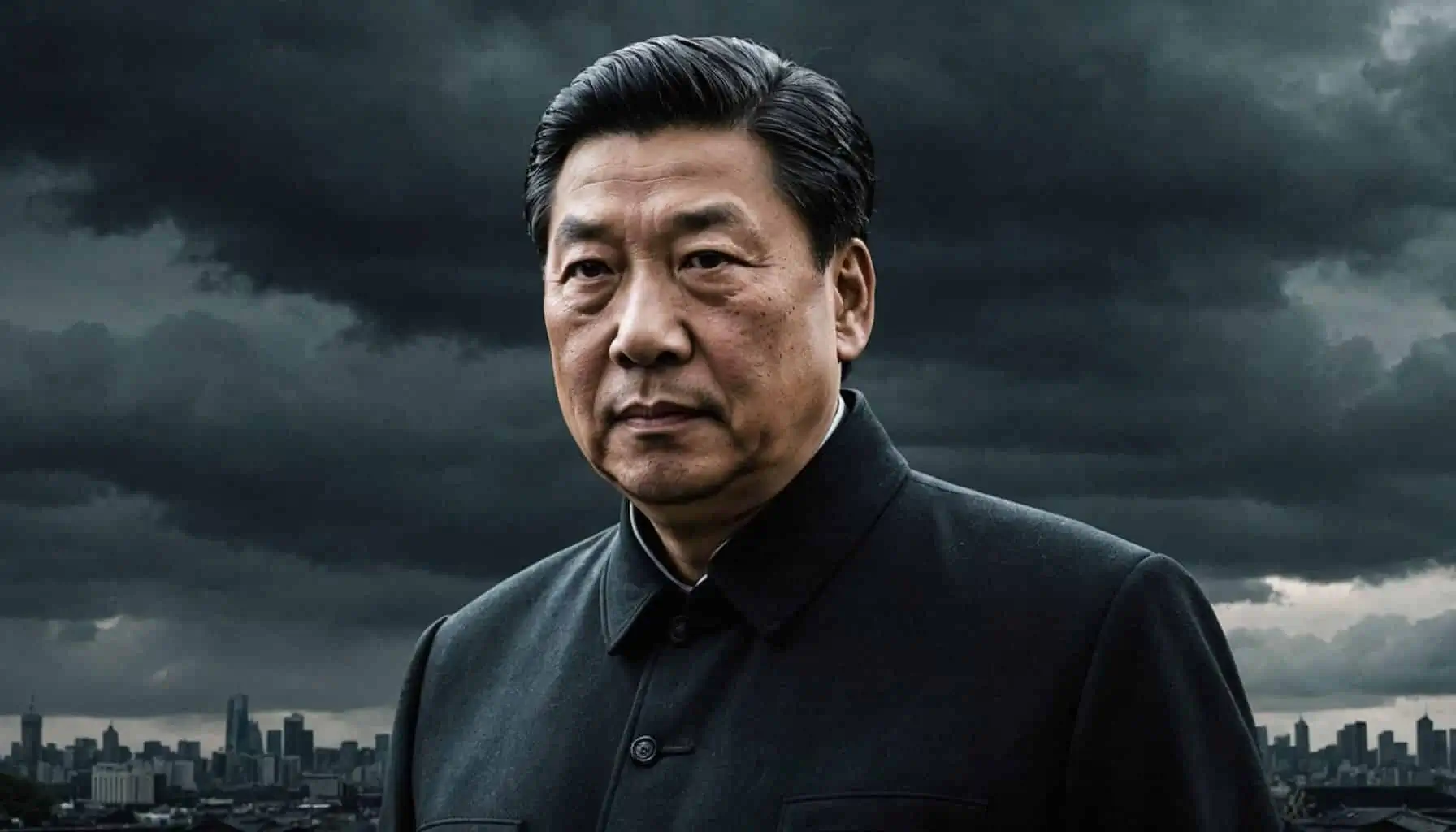
  • Bad Times for Xi Jinping

    Bad Times for Xi Jinping

    Rumors are swirling about the health and political stability of Chinese leader Xi Jinping. Speculations suggest he may have suffered a stroke, leading to a potential coup. This article delves into the latest developments and what they could mean for China’s future.

    Key Takeaways

    • Rumors of Xi Jinping’s incapacitation are rampant.
    • State media shows unusual silence regarding Xi.
    • Speculations of a coup are fueled by internal party dynamics.

    The Rumors

    The whispers about Xi Jinping’s health have reached a fever pitch. Some reports claim he has suffered a stroke, while others suggest a coup is underway. A photo circulated online purportedly shows Xi in a compromised state during a major Communist Party meeting. However, this image was actually taken months earlier, raising questions about the credibility of these claims.

    Media Silence

    One of the most striking pieces of evidence cited is the sudden reduction of Xi’s presence in state-run media. For instance, the People’s Daily, the CCP’s mouthpiece, featured no mention of Xi on its front page during a significant date. This is unusual, given that Xi is typically front and center in all state narratives.

    • No mention of Xi in the July 31st edition of the People’s Daily.
    • Xi skipped a major reception for the PLA’s 97th anniversary.

    This absence has led many to speculate that something is amiss. It’s akin to a major magazine suddenly omitting its iconic figure from the cover.

    Theories of a Coup

    Theories abound regarding a potential coup against Xi. Some suggest that a faction of generals, led by Zhang Youxia, is conspiring against him. Others speculate that Ding Xuexiang, a member of the Politburo Standing Committee, may have taken over key leadership roles.

    • Key Players:
      • Zhang Youxia: Vice Chairman of the Chinese Military Commission.
      • Ding Xuexiang: Politburo Standing Committee member.

    While these rumors are sensational, they highlight the internal strife within the Communist Party. The military’s loyalty is often questioned, and Xi has taken steps to ensure it remains loyal to the party rather than any individual leader.

    The State of the Economy

    Despite the political turmoil, the Chinese stock market remains stagnant. If Xi were truly incapacitated or deposed, one would expect a surge in stock prices as rival factions would likely promote their own agendas. However, the market’s performance suggests that Xi’s rivals are not in a position to capitalize on his alleged weaknesses.

    The Role of Anti-Xi Forces

    The persistence of these rumors can be attributed to anti-Xi factions within and outside China. These groups aim to shape the narrative against Xi, suggesting that the rumors of his health issues are part of a larger strategy to undermine his leadership.

    Conclusion

    While the rumors surrounding Xi Jinping’s health and political stability are intriguing, they remain largely speculative. The Chinese Communist Party is adept at managing narratives and suppressing dissent. If a coup were to occur, it would likely be anything but subtle. For now, Xi remains in power, and the political landscape in China continues to evolve.

    Stay tuned for more updates on this developing story. If you want to keep up with the latest, be sure to subscribe to our channel!