Category: Politics

  • Twitter’s Ban in Brazil: A Clash of Free Speech and Censorship

    Twitter’s Ban in Brazil: A Clash of Free Speech and Censorship

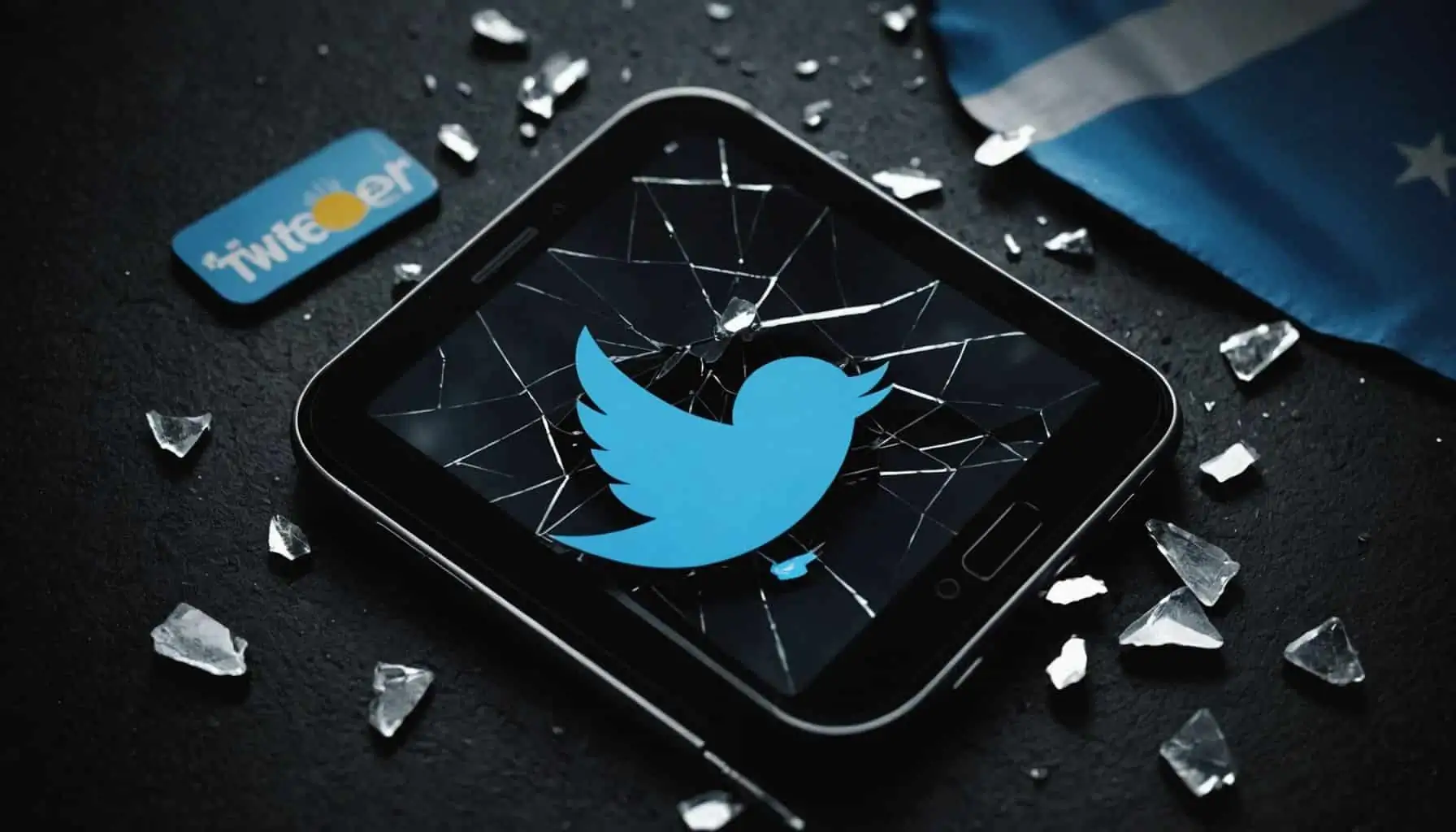
    The social media platform X, formerly known as Twitter, is facing a significant ban in Brazil due to legal disputes over censorship and representation. This clash has escalated into a heated feud between Elon Musk and the Brazilian Supreme Court, raising questions about free speech and the future of social media in the country.

    Key Takeaways

    • Brazil has banned Twitter due to non-compliance with local laws.
    • Elon Musk’s ownership has intensified the conflict over censorship.
    • The situation reflects broader issues of free speech and government oversight.

    The Background of the Ban

    In April, the Brazilian Supreme Court, led by Justice Alexandre Moray, threatened to arrest Twitter’s legal representative for failing to comply with the country’s censorship laws. This ultimatum set the stage for a dramatic showdown between Musk and the Brazilian government.

    Musk, known for his controversial statements, labeled the move an attack on free speech. However, the Brazilian government has a history of taking a hard stance against platforms that do not adhere to their regulations.

    The Nature of Twitter

    Twitter has often been described as a chaotic space where opinions clash. Unlike other platforms that can create echo chambers, Twitter brings together a diverse range of voices, often leading to heated debates. This environment is fueled by rage bait content, which keeps users engaged but can also lead to toxic interactions.

    • Rage Bait Content: Content designed to provoke anger and engagement.
    • Echo Chambers: Other platforms often create spaces where only similar opinions are shared.

    The Role of Elon Musk

    Since Musk’s acquisition of Twitter, the platform has seen a shift in its policies and user dynamics. Musk’s controversial tweets and decisions have drawn both support and criticism. For instance, he reinstated accounts that the Brazilian government had requested to be banned, further aggravating the situation.

    The Impact on Users

    Many users, including prominent YouTubers, have distanced themselves from Twitter due to its toxic environment. Notable figures like PewDiePie and Jacksepticeye have either quit or significantly reduced their presence on the platform. This trend highlights a growing awareness of the negative effects of social media on mental health.

    Brazil’s History with Social Media Bans

    Brazil is not new to banning social media platforms. The country has previously banned WhatsApp multiple times for failing to comply with local laws. This history indicates a willingness to take drastic measures against platforms that do not align with their regulations.

    • Past Bans: WhatsApp has faced bans in 2015, 2016, and 2018 for various reasons, including misinformation.
    • Telegram and Rumble: Other platforms like Telegram and Rumble have also faced scrutiny and bans for similar reasons.

    The Future of Twitter in Brazil

    As of now, Twitter remains banned in Brazil, and the future is uncertain. The platform has the option to appoint a new legal representative, but Musk’s approach has raised questions about whether he will comply with Brazilian laws.

    Conclusion

    The ban of Twitter in Brazil is a complex issue that intertwines free speech, government oversight, and the responsibilities of social media platforms. As the situation unfolds, it serves as a reminder of the delicate balance between maintaining open communication and adhering to local laws. The outcome could set a precedent for how social media operates in other countries facing similar challenges.
  • Dr. Phil Exposes Trump to Shocking Truths About China

    Dr. Phil Exposes Trump to Shocking Truths About China

    In a recent episode of Dr. Phil, the host presented Donald Trump with a startling map that revealed the extent of Chinese land purchases near U.S. military bases. This eye-opening moment highlighted the serious implications of foreign ownership of land in strategic areas, raising questions about national security and sovereignty.

    Key Takeaways

    • Trump’s receptiveness to new information sets him apart from typical politicians.
    • Chinese land purchases near military bases pose potential security risks.
    • Democrats’ approach to China is often criticized as lenient.
    • Trump’s willingness to change and adapt is a key strength.

    The Context of the Discussion

    The conversation began with a critique of how the left often frames support for Trump. Many believe that supporters are merely selfish or racist, but this perspective overlooks the deeper reasons behind their loyalty. Supporters appreciate Trump for his receptiveness and willingness to engage with pressing issues.

    The Shocking Map

    During the show, Dr. Phil presented a map illustrating Chinese investments in farmland surrounding key military installations. This revelation raised immediate concerns:

    • Espionage Risks: The proximity of Chinese-owned land to military bases could allow for intelligence gathering on U.S. operations.
    • National Security: Allowing foreign adversaries to own land near critical infrastructure is alarming and could undermine military readiness.

    Trump’s Unique Position

    Trump’s approach to these issues is markedly different from that of many politicians. He has consistently taken a hardline stance against China, recognizing the geopolitical threats posed by their growing influence. Unlike Democrats, who often seem to defend Chinese interests, Trump prioritizes American sovereignty.

    The Democrats’ Dilemma

    Critics argue that Democrats focus more on virtue signaling than on genuine national security. Their policies often appear to favor globalist agendas over protecting American interests. This has led to a perception that they are more concerned with inclusivity than with safeguarding the nation.

    A Call for Change

    Trump’s promise to fire “woke” military generals and restore traditional values within the armed forces resonates with many who feel that the military has strayed from its core mission. His commitment to addressing these issues reflects a desire for reform and a return to a more focused defense strategy.

    The Importance of Receptiveness

    One of Trump’s most significant strengths is his receptiveness to new ideas and information. Unlike many politicians who are rigid in their beliefs, Trump has shown a willingness to adapt and change course when necessary. This quality is rare in Washington and is a key reason why many view him as a leader.

    Conclusion

    The discussion on Dr. Phil’s show underscores the importance of addressing foreign influence in America. Trump’s ability to engage with these critical issues sets him apart from his peers. As the political landscape continues to evolve, the need for leaders who prioritize national security and are willing to listen to the concerns of the American people has never been more crucial.

    If you found this analysis insightful, consider sharing it with others who may benefit from understanding the complexities of these issues.

  • When Saddam Hussein Held A Public Purge

    When Saddam Hussein Held A Public Purge

    In 1979, Saddam Hussein orchestrated a chilling public purge, accusing 68 of his own party members of treason. This event was not just a display of power but a calculated move to eliminate rivals and instill fear among his followers.

    Key Takeaways

    • Saddam Hussein’s rise to power involved brutal tactics.
    • The public purge was a strategic move to eliminate perceived threats.
    • Fear and manipulation were key tools in Saddam’s regime.

    The Setting

    In July 1979, the newly appointed president of Iraq, Saddam Hussein, called a meeting in a local theater hall in Baghdad. The atmosphere was tense, with the temperature soaring to 40°C. Saddam had been in power for less than a week, but he was determined to assert his authority.

    The Accusation

    As the meeting commenced, a member of Saddam’s inner circle announced a terrible plot against the president. He claimed that a group of high-ranking party members was conspiring to remove Saddam from power. The shocking revelation left the audience in stunned silence.

    The Confession

    Saddam then summoned Mhi ADC Hussein, a powerful member of the Revolutionary Command Council. Mhi, who had previously opposed Saddam, was coerced into confessing to crimes he did not commit. Under extreme duress, he admitted to plotting against Saddam, fearing for the safety of his family.

    • Torture and Coercion: Mhi was tortured and threatened with the rape of his wife and daughter if he did not comply.
    • Forced Confession: His confession was a desperate attempt to save his loved ones, not a reflection of reality.

    The Execution Order

    After Mhi’s confession, Saddam took control of the room. He coolly lit a cigar and asked the audience how to deal with the so-called traitors. The answer was clear: the sword. The terrified party members clapped, knowing they had no choice.

    Saddam then began reading names from a list. Each person called had to stand, recite the party’s slogan, and leave the room. They were unaware of their grim fate awaiting them outside.

    The Aftermath

    Saddam called out 68 names. Those who remained in the hall expressed relief, some even shedding tears. Meanwhile, the condemned were gathered and transported to prison.

    In the following days, trials were held, resulting in the execution of 22 men, including five members of the Revolutionary Command Council. Saddam appointed executioners from his own party, ensuring loyalty through fear.

    The Public Demonstration

    Saddam wanted to make a statement. As the executions took place, a large crowd gathered outside, chanting praises for their new president. This was a calculated display to show the consequences of disobedience.

    • Execution Scene: The condemned were blindfolded and forced to kneel.
    • Public Spectacle: Thousands of Iraqis cheered, reinforcing Saddam’s grip on power.

    Conclusion

    The public purge marked a brutal beginning to Saddam Hussein’s presidency. It was a chilling reminder of the lengths he would go to eliminate threats and maintain control. This event set the tone for his regime, characterized by fear, manipulation, and violence. Saddam’s actions in 1979 were just the beginning of a dark chapter in Iraq’s history, foreshadowing the conflicts that would follow in the years to come.

  • BlackRock: The Conspiracies You Don’t Know

    BlackRock: The Conspiracies You Don’t Know

    In a world where financial giants hold unprecedented power, BlackRock stands out as a key player. With over $10 trillion in assets under management, this asset manager influences nearly every aspect of the economy. But how much do we really know about their operations and impact?

    Key Takeaways

    • BlackRock manages more wealth than many countries.
    • They are often seen as passive investors, but their influence is significant.
    • The structure of universal ownership allows them to control vast portions of the market.
    • Their voting power shapes corporate decisions, often prioritizing profits over worker welfare.
    • The intertwining of politics and finance raises concerns about accountability.

    Understanding Asset Management

    BlackRock is an asset manager, meaning they take money from clients and invest it to generate returns. Their primary products are index funds and ETFs (Exchange-Traded Funds). These allow investors to buy a small piece of many companies, reducing risk and providing steady returns.

    • Index Funds: Invest in a broad market index, spreading risk across many stocks.
    • ETFs: Similar to index funds but traded like stocks on exchanges.

    This model is appealing because it minimizes the need for active trading, which can be costly and risky. Instead, BlackRock and similar firms hold onto shares for the long term, benefiting from overall market growth.

    The Power of Passive Investing

    BlackRock claims to be a passive investor, which means they don’t actively buy and sell stocks. However, this passivity grants them significant legal leeway. They own shares in nearly every publicly traded company, making them a major player in corporate governance.

    • Universal Ownership: This concept means holding shares in a wide array of companies, which can lead to conflicts of interest. For example, if BlackRock owns shares in both Nike and Adidas, they benefit regardless of which company performs better.

    Voting Power and Corporate Influence

    The amount of stock owned determines voting power. BlackRock often holds 5% or more of shares in major corporations, making them one of the largest shareholders. This gives them substantial influence over corporate decisions, including executive compensation and company policies.

    • Voting Trends: Studies show that asset managers like BlackRock typically vote in line with company management, often prioritizing short-term profits over long-term sustainability.

    The Wealth Gap and Worker Impact

    The concentration of wealth in the hands of a few asset managers has significant implications for the economy. While they manage funds for pensions and insurance, the actual returns often do not benefit the average worker.

    • Wage Stagnation: By prioritizing shareholder returns, companies may cut costs by suppressing wages, contributing to economic inequality.
    • Market Control: The top 1% owns a staggering 50% of corporate equity, while the bottom 50% holds virtually none.

    The Interplay of Politics and Business

    BlackRock’s influence extends beyond the corporate world into politics. The firm has a revolving door with government officials, which raises questions about accountability and regulation.

    • Political Lobbying: After the 2008 financial crisis, BlackRock increased its lobbying efforts to avoid stricter regulations, highlighting the challenges of oversight in the financial sector.

    Conclusion: A Call for Change

    While BlackRock does not own everything, its control over vast amounts of wealth allows it to shape the economy significantly. The current system resembles a shareholder oligarchy, where a few powerful entities dictate the flow of capital and influence corporate governance.

    We need a system that empowers those who create wealth to have a say in its distribution. As we navigate this complex landscape, understanding the role of asset managers like BlackRock is crucial for advocating for a more equitable economy.

  • Georgia Guidestones Mystery Finally Solved And Isn’t Good

    Georgia Guidestones Mystery Finally Solved And Isn’t Good

    On July 6, 2022, a bomb exploded on a five-acre farm in Elberton, Georgia, obliterating the Georgia Guidestones. This monument, standing for over 40 years, was composed of four massive granite slabs, weighing more than 230,000 pounds, and contained controversial guidelines for a new world order. The identity of its creator remained a mystery until now.

    Key Takeaways

    • The Georgia Guidestones were built to promote a controversial vision for humanity.
    • The identity of the creator, RC Christian, has been linked to Dr. Herbert Hinsey Kirsten.
    • The destruction of the Guidestones raises questions about societal values and the future of global governance.

    The Mysterious Origins of the Guidestones

    In June 1979, a well-dressed man named Robert C. Christian approached Joe Finley, the president of Elberton Granite Finishing Company. Christian wanted to create a monument that would rival Stonehenge, but with a message. He claimed to represent a small group of dedicated Americans who had spent 20 years planning this project.

    Christian’s vision was grand. He provided a scale model and detailed specifications for a structure that would stand 16 feet tall and consist of four stones arranged in a cross, topped with a central stone. The inscriptions would be in the eight most spoken languages in the world, including English, Spanish, and Chinese, as well as four ancient languages.

    The Construction Process

    Initially, Finley was skeptical. However, when Christian described the monument’s astronomical features, Finley became intrigued. The Guidestones were designed to function as a giant astronomical instrument, with features that would track the moon’s movement and align with the sun during solstices.

    Despite the monumental task ahead, Christian was undeterred by the high costs and logistical challenges. He secured funding through a local bank, but under the condition that his identity would remain a secret. After the construction began, Christian vanished, never to be seen again.

    The Guidestones’ Inscriptions

    Unveiled on March 22, 1980, the Georgia Guidestones featured ten guidelines, often referred to as the new Ten Commandments. These included:

    1. Maintain humanity under 500 million in perpetual balance with nature.
    2. Guide reproduction wisely, improving fitness and diversity.
    3. Unite humanity with a new, living language.
    4. Rule passion, faith, tradition, and all things with tempered reason.
    5. Protect people and nations with fair laws.
    6. Let all nations rule internally, resolving external disputes in a world court.
    7. Avoid petty laws and useless officials.
    8. Balance personal rights with social duties.
    9. Prize truth, beauty, love, seeking harmony with the infinite.
    10. Be not a cancer on the earth—leave room for nature.

    At first glance, these rules may seem benign. However, deeper analysis reveals troubling implications, particularly the first guideline advocating for a drastic reduction in the global population.

    Controversial Interpretations

    Many view the Guidestones as a call for a new world order, with some even associating them with eugenics and genocide. Critics argue that the first rule implies the elimination of 94% of the current population, which raises ethical concerns.

    Groups like the Club of Rome have echoed similar sentiments, advocating for population control measures. The Bilderberg Group, another secretive organization, has also been linked to discussions about population sustainability, further fueling conspiracy theories.

    The Identity of RC Christian

    After years of speculation, the identity of RC Christian has been traced to Dr. Herbert Hinsey Kirsten, a surgeon from Iowa. Kirsten’s background in environmentalism and population issues aligns with the Guidestones’ controversial messages. His connections to figures with troubling ideologies raise further questions about the true intent behind the monument.

    The Destruction of the Guidestones

    On July 6, 2022, the Guidestones were destroyed in a bomb explosion. The rapid cleanup of the site raised suspicions. Why was the area not treated as a crime scene? The quick removal of evidence has led to speculation about who was behind the attack and their motivations.

    Some believe the destruction was a statement against perceived elitist control, while others mourn the loss of a significant piece of public art. The incident has sparked debates about how society handles controversial symbols and the importance of open dialogue on global issues.

    Conclusion

    The Georgia Guidestones, with their mysterious origins and controversial messages, have left a lasting impact on public discourse. Their destruction has ignited discussions about the future of humanity and the values we hold dear. As we navigate these complex issues, it’s crucial to engage in meaningful dialogue about the direction we want to take as a global community. The Guidestones serve as a reminder of the importance of balancing different viewpoints while addressing the challenges we face together.

  • The Sinister Reason Companies Are Going Woke (It’s Not What You Think!)

    The Sinister Reason Companies Are Going Woke (It’s Not What You Think!)

    In recent years, many companies have made headlines for their controversial decisions that seem to alienate their core customer base. This article explores the underlying motivations behind these corporate shifts, revealing that it’s not just about profits but a deeper agenda at play.

    Key Takeaways

    • Companies prioritize social credit scores over profits.
    • The Corporate Equality Index (CEI) influences corporate behavior.
    • Major shareholders like BlackRock and Vanguard wield significant power.
    • Boycotts may not be effective in changing corporate policies.
    • Creating parallel systems is essential for change.

    The Corporate Shift: A New Era

    When Bud Light faced backlash for alienating its primary customers, many viewed it as a marketing blunder. However, this was not an isolated incident. Other companies, including Target and North Face, followed suit, raising questions about the motivations behind these decisions.

    The Corporate Equality Index (CEI)

    The Corporate Equality Index is a tool used by the Human Rights Campaign (HRC) to evaluate companies based on their commitment to diversity and inclusion, particularly regarding LGBTQ+ issues. While this may seem like a noble initiative, it often prioritizes a company’s social credit score over its core mission.

    • How the CEI Works:
      • Companies are evaluated annually.
      • They must implement specific policies to maintain or improve their scores.
      • A lower score can lead to backlash from investors and activists.

    The Power of Major Shareholders

    Companies like Budweiser and Target are often influenced by their major shareholders, such as BlackRock, Vanguard, and State Street. These firms have significant control over corporate policies and can pressure companies to adopt certain agendas.

    • Influence Mechanisms:
      1. Proxy Voting: Major shareholders can influence decisions during shareholder meetings.
      2. Strategic Alliances: They can form alliances to increase their voting power.
      3. Shareholder Activism: They can propose resolutions or engage in public campaigns to push for changes.
      4. Lobbying: They can influence government policies that affect corporate operations.

    The Consequences of Wokeness

    The push for a high CEI score can create a toxic work environment. For instance, companies like Silicon Valley Bank implemented extreme diversity training, reminiscent of oppressive regimes. This focus on social credit can lead to significant repercussions for companies that fail to comply.

    • Case Study: Netflix
      Netflix faced backlash after airing a controversial special, resulting in a significant drop in its CEI score. This led to leadership changes, highlighting the risks of not adhering to the demands of organizations like the HRC.

    The Myth of Choice: Celia and Charybdis

    The ancient myth of Celia and Charybdis serves as a metaphor for the current corporate landscape. Companies are often caught between two dangerous choices: alienating their customer base or risking their social credit score. This dilemma illustrates the precarious position many corporations find themselves in today.

    The Path Forward: Building Parallel Systems

    While boycotts may seem like a solution, they often fall short. Companies are more concerned with their social credit scores than profits. To effect real change, we need to create parallel systems that operate outside of these corporate agendas.

    • Examples of Alternative Solutions:
      • RedBalloon.org: A platform that values freedom and merit.
      • Bitcoin: A tool for financial independence and freedom of transaction.

    Conclusion

    The current corporate landscape is complex, driven by social agendas rather than traditional profit motives. To reclaim our power as consumers, we must support businesses that align with our values and create alternatives that challenge the status quo. The future is in our hands, and it’s time to take action.

  • The Disappearance of Oscar Zeta Acosta (Dr Gonzo)

    The Disappearance of Oscar Zeta Acosta (Dr Gonzo)

    Oscar Zeta Acosta, a prominent Chicano activist, attorney, and author, is often overshadowed by his association with Hunter S. Thompson’s Fear and Loathing in Las Vegas. This blog post delves into Acosta’s life, his contributions to the Chicano movement, and the mystery surrounding his disappearance in 1974.

    Key Takeaways

    • Oscar Zeta Acosta was a significant figure in the Chicano movement.
    • He was known as “Dr. Gonzo” in Thompson’s Fear and Loathing in Las Vegas.
    • Acosta’s sudden disappearance in 1974 remains a mystery.
    • His literary contributions have gained recognition over time.

    Chicano Roots

    Oscar Zeta Acosta was born on April 8, 1935, in El Paso, Texas. His family moved to California during his early years. After his father was drafted in World War II, Acosta took on family responsibilities. He joined the United States Air Force but later pursued a degree in creative writing at San Francisco State University, becoming the first in his family to earn a college education.

    After graduating, Acosta attended San Francisco Law School, passing the bar exam in 1966. He began his career as an anti-poverty attorney in East Oakland, where he met Hunter S. Thompson in 1967. This meeting would change the course of both their lives.

    Fear And Loathing On The Libel Lawsuit

    Acosta’s relationship with Thompson blossomed during their collaboration on an article about Ruben Salazar, a Mexican-American journalist who died under suspicious circumstances. Their investigative work led them to the Chicano community in East L.A., where they uncovered troubling truths about Salazar’s death.

    In a twist of fate, their trip to Las Vegas for the Mint 400 motorcycle race resulted in the creation of Fear and Loathing in Las Vegas. Acosta, referred to as “Dr. Gonzo,” became a key figure in the narrative. However, he was unaware of the book’s publication until shortly before it hit the shelves, leading to legal complications over his portrayal.

    Acosta was offended by the depiction of his ethnicity and the label of “300-pound Samoan” but ultimately agreed to let the book go to print with the condition that his identity be acknowledged on the cover.

    Disappearance Of A Brown Buffalo

    Despite the success of Fear and Loathing, Acosta’s life took a dark turn. In 1974, he vanished without a trace. The last known sighting was in Zatlin, where he was reportedly boarding a boat. His son was the last person to speak with him, and the details surrounding his disappearance remain murky.

    Speculation arose about the state of his relationship with Thompson, especially as Acosta had begun asking for a share of the profits from Fear and Loathing. Thompson even hired a private investigator to locate Acosta, but no concrete leads emerged.

    Legacy

    Acosta’s legacy has evolved over the years. Initially known primarily as Dr. Gonzo, his contributions as a writer and activist have gained recognition. His works, Autobiography of a Brown Buffalo and The Revolt of the Cockroach People, were republished in the late 1980s, thanks to his son, Manuel, who sought to honor his father’s legacy.

    In 2017, a documentary titled The Rise and Fall of the Brown Buffalo shed light on Acosta’s life, revealing lesser-known aspects of his story. Despite the insights provided, the documentary concluded with the same unanswered questions surrounding his disappearance.

    Oscar Zeta Acosta was described by Thompson as “one of God’s own prototypes, a high-powered mutant of some kind who was never even considered for mass production.” His life remains a testament to the complexities of identity, activism, and the enduring mystery of his fate. Acosta was too unique to be forgotten, and his story continues to resonate within the Chicano community and beyond.

  • Dangerously Honest Advice from History’s Most Controversial Philosopher

    Dangerously Honest Advice from History’s Most Controversial Philosopher

    In this exploration of Niccolò Machiavelli, we delve into the life and philosophy of a man whose ideas have sparked debate for centuries. His work, particularly “The Prince,” challenges conventional notions of morality and leadership, offering a stark view of power dynamics that remains relevant today.

    Key Takeaways

    • Machiavelli’s philosophy emphasizes effectiveness over morality.
    • Fear is a more reliable tool for leadership than love.
    • His work serves as both a guide for rulers and a warning for the ruled.
    • Understanding human psychology is crucial for effective leadership.

    The Life Of Niccolò Machiavelli

    Machiavelli was born in Florence, Italy, in 1469. His father, a doctor of law, instilled in him a love for reading, particularly Greek literature. This early exposure laid the groundwork for his later philosophical insights.

    The political landscape of Renaissance Florence was tumultuous, marked by chaos, violence, and power struggles. These experiences shaped Machiavelli’s views on leadership and morality.

    The Rise And Fall Of A Political Career

    In 1494, Machiavelli was appointed to the second Chancery, where he advanced quickly, eventually becoming the secretary responsible for foreign affairs. However, in 1512, the Medici family regained control of Florence, leading to Machiavelli’s exile and torture, which prompted him to write his most famous works.

    The Prince: A Manual For Rulers

    Written around 1513 and published posthumously in 1532, “The Prince” serves as an instruction manual for effective ruling. Machiavelli argues that effectiveness should take precedence over traditional virtues like goodness and honesty. He presents a pragmatic approach to leadership, suggesting that rulers should view their enemies as mere obstacles to be overcome.

    The Dark Side Of Leadership

    Machiavelli’s ideas are often seen as dark and cynical. He famously stated that it is safer for a ruler to be feared than loved. This perspective highlights the volatility of love and the stability that fear can provide. He believed that a ruler’s appearance must always be favorable, achieved through a balance of reward and punishment.

    Critiques Of Machiavelli’s Philosophy

    While Machiavelli’s insights are compelling, they are not without criticism. Philosophers like Immanuel Kant argue that moral actions should be based on universal principles rather than individual outcomes. The danger of Machiavelli’s approach lies in its potential to justify immoral actions for the sake of power.

    The Relevance Of Machiavelli Today

    Machiavelli’s work can be interpreted as a warning for the ruled, offering a realistic portrayal of human nature. His insights extend beyond governance, encouraging individuals to navigate their own lives with an understanding of power dynamics.

    Balancing Goodness And Effectiveness

    Machiavelli acknowledges that while goodness and love are ideals, they are not always achievable. Striving for niceness can lead to self-neglect and miscommunication. Instead, he advocates for a pragmatic approach to ethics, recognizing that life is a series of trade-offs.

    The Legacy Of Machiavelli

    After his death in 1527, Machiavelli’s work gained notoriety, giving rise to the term “Machiavellianism.” His ideas have influenced countless leaders and thinkers throughout history, from the founding fathers of America to modern political figures.

    Conclusion: The Human Condition

    Machiavelli’s insights remind us that understanding human psychology is essential for effective leadership. His work challenges us to consider the balance between power and morality, urging us to navigate the complexities of human relationships with both caution and insight. As we reflect on his teachings, we must ask ourselves: what kind of leaders do we want to be, and what kind of world do we wish to create?

  • The Sound the CIA Doesn’t Want You to Know About

    The Sound the CIA Doesn’t Want You to Know About

    In recent years, a mysterious phenomenon known as Havana Syndrome has captivated the attention of the public and government alike. With over 1,500 reported cases worldwide, this strange ailment has raised questions about its origins and the potential cover-up by intelligence agencies. This article delves into the details surrounding this enigmatic sound and its implications.

    Key Takeaways

    • Havana Syndrome has affected over 1,500 individuals globally since 2014.
    • The CIA and other agencies have been accused of covering up the true nature of the syndrome.
    • Symptoms include headaches, vision problems, and memory issues, often resembling brain injuries.
    • Theories range from mass hysteria to directed energy attacks.

    The Origins Of Havana Syndrome

    In the fall of 2016, U.S. Embassy workers in Havana, Cuba, began reporting a peculiar sound. Described as an intense, high-pitched noise, it seemed to emanate from a specific direction. Those who experienced it reported immediate physical effects, including pressure in the head, blurred vision, and loss of balance. After the sound faded, many victims faced lingering symptoms like chronic headaches and memory issues.

    Government Response

    The U.S. government reacted swiftly, removing staff from the Cuban Embassy and expelling some Cuban diplomats. However, the details of these incidents remained largely confidential. The State Department sought expert opinions but instructed them to look for causes without identifying potential perpetrators.

    The Media’s Role

    By August 2017, the story broke to the public, revealing that the sound might originate from an advanced device operating outside the range of audible sound. This revelation led to a flurry of speculation and concern regarding the health and safety of U.S. diplomats.

    Theories and Investigations

    As investigations unfolded, various theories emerged:

    1. Mass Hysteria: Some experts suggested that the symptoms could be attributed to mass psychogenic illness, where psychological factors lead to physical symptoms.
    2. Microwave Weapons: Others pointed to the possibility of directed energy attacks, with some studies indicating that victims showed signs of brain injuries without any prior head trauma.
    3. Environmental Causes: The CIA later suggested that undiagnosed medical conditions and stress could explain the symptoms, contradicting earlier findings.

    The Cover-Up Allegations

    Whistleblower documents allege that the CIA has misled Congress and the public about the nature of Havana Syndrome. Many believe that the intelligence community is hiding the truth to avoid geopolitical tensions. The inconsistencies in public statements and classified records have fueled speculation about a cover-up.

    The Ongoing Mystery

    Despite extensive investigations, the true cause of Havana Syndrome remains elusive. Reports indicate that the number of victims has grown, with cases now reported in various countries, including China. The lack of a definitive explanation has led to frustration among victims and their families, many of whom continue to suffer from debilitating symptoms.

    Conclusion

    Havana Syndrome represents a complex intersection of health, politics, and secrecy. As investigations continue, the need for transparency and accountability becomes increasingly urgent. The victims deserve answers, and the public deserves to know the truth about the sound that the CIA allegedly doesn’t want you to know about.

    For those interested in the deeper implications of this phenomenon, further research and investigation are essential to uncover the reality behind Havana Syndrome and its impact on international relations.

  • The Unbreakable Kryptos Code

    The Unbreakable Kryptos Code

    Right outside the United States Capitol lies the headquarters of the Central Intelligence Agency. Completed in 1961, the building underwent a major overhaul in the late 1980s, leading to the creation of a courtyard adorned with a mysterious sculpture. This artwork, created by artist Jim Sanborn, features a code that has baffled cryptanalysts for decades.

    Key Takeaways

    • Kryptos is a sculpture located at the CIA headquarters, containing a complex code.
    • The code has four segments, known as K1, K2, K3, and K4.
    • K1, K2, and K3 have been partially deciphered, but K4 remains unsolved.
    • Various methods, including frequency analysis and Vigenère ciphers, were used to crack the code.
    • The artist has provided clues, but the final segment continues to elude solvers.

    The Birth Of Kryptos

    In early 1990, the first glimpse of the Kryptos sculpture appeared in the Washington Post. The installation features a large sheet of metal perforated with letters, concealing a secret message encoded with at least two different ciphers. The CIA cryptanalysts were intrigued and even organized a sweepstake to crack the code, but their efforts were in vain.

    The Vigenère Table

    The sculpture includes a Vigenère table, which is crucial for deciphering the code. This table is constructed using a keyed alphabet based on the keyword “KRYPTOS.” The process involves shifting letters to create a grid that helps in encoding and decoding messages. The left side of the sculpture contains the ciphertext, while the right side features the Vigenère table.

    The Challenge Of Decipherment

    For nearly a decade, both professional and amateur cryptanalysts attempted to solve Kryptos without success. The only person who knew the keyword was Jim Sanborn, the artist. However, in June 1999, Jim Gillogly announced he had cracked the first three segments, known as K1, K2, and K3, but K4 remained unsolved.

    The NSA’s Involvement

    Interestingly, members of the National Security Agency (NSA) had secretly solved K1 through K3 back in 1992. They used frequency analysis to identify patterns in the ciphertext, which led them to believe that the code was divided into three segments. They also discovered that the ciphertext had been encoded using different methods, including transposition and substitution ciphers.

    The Mystery Of K4

    K4, the final segment, consists of 97 characters and has proven to be particularly challenging. Despite various attempts, it has resisted all efforts at decipherment. The length of K4, combined with its complexity, has led many to speculate about its nature. Some believe it may have been encoded multiple times or even contain random letters to prolong the mystery.

    Clues From The Artist

    Sanborn has provided several clues over the years, including fragments of the K4 plaintext. In 2010, he revealed the word “BERLIN,” and subsequent clues included “CLOCK” and “NORTHEAST.” Despite these hints, the final segment remains unsolved, leading to ongoing speculation and theories about its content.

    The Future Of Kryptos

    The quest to solve Kryptos continues, with many enthusiasts dedicating their time to cracking the code. Sanborn has stated that the solution will not be lost to time, as it will either be auctioned or passed on to someone else. The hope is that one day, someone will finally break the unbreakable code, securing their place in history.

    In conclusion, Kryptos stands as a testament to the intersection of art and cryptography. Its allure lies not only in its aesthetic appeal but also in the intellectual challenge it presents. As the search for K4 continues, the legacy of Kryptos endures, inviting new generations to engage with its enigma.