Category: Politics

  • Russia’s Nuclear Rhetoric, Soaring Gold, Silver: The Real Story Behind the Trump Threats and Doomsday EAMs

    Russia’s Nuclear Rhetoric, Soaring Gold, Silver: The Real Story Behind the Trump Threats and Doomsday EAMs

    When international threats emerge and metals prices soar, it’s not just your local doomsday prepper tuning in. Wall Street, defense planners, and even conspiracy trackers scramble for answers. Recently, alarming headlines surfaced: claims that Russia threatened former president Donald Trump’s life, gold and silver soared to new highs, and mysterious Emergency Action Messages (EAMs) blared across military radios. Is global security truly at a tipping point, or is this the jittery pulse of a drama-addicted world?

    Kremlin Statements, US Retaliation: Sorting Fact from Spectacle

    Kremlin officials downplayed talk of direct threats against Trump. According to recent coverage by DW, Moscow urged a reduction in nuclear rhetoric after inflammatory remarks by former President Dmitry Medvedev. U.S. submarines went on alert, but Russia’s official stance—stated by Kremlin spokesperson Dmitry Peskov—insisted there was “no interest in escalation” despite the noise from both sides. While many stories about direct threats to Trump circulated on social media, credible outlets pointed to war-of-words posturing rather than credible assassination plots. Public debate increasingly focuses on the broader implications of Trump’s polarizing leadership, nuclear tensions, and propaganda’s role in stoking Western anxiety.

    For more context on how shadow conflicts shape international headlines, see this recent investigation into apocalyptic anxieties reverberating through both boardrooms and political backchannels.

    Gold and Silver Surge on Geopolitical Alarm

    Metals markets have proven their reputation as safe havens. As detailed by World Bank reporting, gold prices surged nearly 25% in the first half of 2025, reaching record highs in June amid “escalating geopolitical tensions and elevated economic uncertainty.” Silver also jumped, gaining nearly 20% in the same timeframe. Analysts attribute this spike to a deadly mix: confrontational nuclear rhetoric, new US-Russia sanctions, and fears that policy missteps could spiral out of control. This behavior echoes safe-haven moves during crises, with many citizens (not just billionaires) reevaluating disaster planning, as explored in this in-depth analysis of elite prepping psychology.

    It’s not just investors; governments and central banks are stockpiling gold as geopolitical hedges. This surge in hedging mirrors behaviors seen during previous escalations, as detailed in recent field reports on Middle Eastern conflicts.

    Nuclear Doomsday Radio: EAM Anomalies Fuel Speculation

    The rise in US Air Force Emergency Action Messages—digitally encrypted broadcasts signaling changes in nuclear posture—added paranoia to already tense markets. As Interesting Engineering documented, two unusual EAMs sent in June 2025 coincided with rising tensions and significant US military events, including President Trump’s birthday and the U.S. Army 250th Anniversary Parade. While EAMs are routine for maintaining readiness, analysts and hobbyists tracked abnormally long broadcasts—fueling speculation about military readiness or hidden threats.

    What is known: EAMs are standard, but their timing and frequency can signal shifts in military posture to outside monitors. The technology and history of these messages are explained in this technical summary. Such broadcasts rarely precede open hostilities, but during nuclear tension, they amplify fears—both rational and irrational—across the digital landscape, as explored in this deep dive into Cold War radio legends.

    Why It Matters: Panic, Policy, and Preparedness

    So what’s real, and what’s drama? Putin’s circle, the Trump campaign, and gold markets benefit from heightened tension—but the risks of nuclear miscalculation and panic are very real. Authorities from NATO and the UN warn that ambiguous military, financial, and political signals can increase instability. Recent years reveal that “doomsday radio” headlines mix ritual with risk, making sober analysis essential. For ongoing, high-caliber scrutiny at the edge of crisis and opportunity, follow Unexplained.co.

    Meanwhile, remain vigilant of the signals and the signals within those signals. Want more real-time context? Consult this field report on world war risk escalation, and never forget the startling parallels between modern crisis messaging and the “strategic ambiguity” used in Cold War brinkmanship. As the latest doomsday signals fade, policy—not panic—remains the only lever bringing us back from the brink.
  • The Maury Island Incident, Men in Black, and the JFK Plot: Untangling America’s UFO–Assassination Nexus

    The Maury Island Incident, Men in Black, and the JFK Plot: Untangling America’s UFO–Assassination Nexus

    The postwar American imagination is a fertile swamp: aliens, conspiracies, and assassinations swirl together in a haze of classified memos and vanished evidence. If any story captures this surreal nexus, it’s the saga linking the Maury Island Incident to the death of President John F. Kennedy. Here, Men in Black, Cold War intrigue, and secret UFO files collide.

    Maury Island: UFOs, Hoaxes, and the First Men in Black

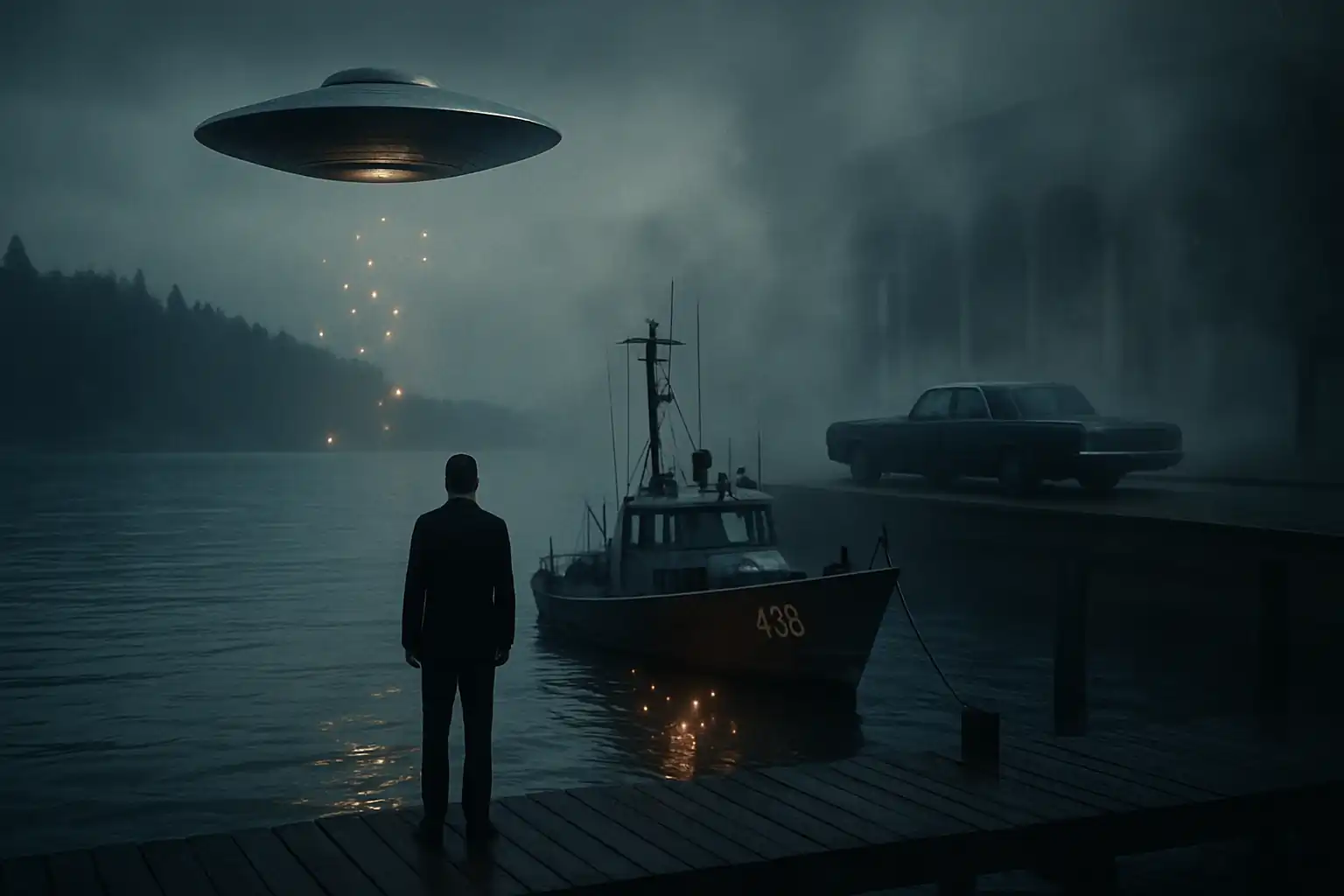
    In June 1947, harbor patrolman Harold Dahl claimed six metallic disks hovered over Maury Island, Washington. One of these discs dropped molten debris onto his boat. The narrative darkened when Dahl’s supervisor, Fred Crisman, recovered strange material and a man in a black suit visited with uncanny knowledge. Soon after, two Air Force intelligence officers sent to investigate perished in a B-25 crash, losing their samples and notes. This incident widely fueled the Men in Black mythos. According to official records and original FBI files, both the Air Force and the Bureau quickly deemed the case a hoax. However, the deaths, secrecy, and intimidation patterns created fertile ground for later conspiracy theories. The incident’s influence on culture appears in films and state resolutions, while local coverage confirms it as a catalyst for the modern UFO craze (archival reporting).

    Yet, the Maury Island narrative did not close the book on these anxieties. It echoed fears prevalent throughout American history—shadows of secrecy reappear in deep-state disruption research and other unexplained tragedies.

    From Fred Crisman to Dealey Plaza: Conspiracy’s Perfect Storm

    The strange web of Maury Island grew denser in 1963 when witness Fred Crisman surfaced in the JFK assassination investigation. Declassified documents later alleged he acted as a disruption agent. He found himself linked with operatives like Guy Banister and former CIA director Allen Dulles. Popular claims often exaggerate their connections, but congressional records and studies from the House Select Committee on Assassinations confirm Banister, Ferrie, and Shaw—New Orleans operatives—were all examined for potential involvement. According to a POLITICO investigation, Dulles remained deeply involved as a Warren Commission appointee, even after JFK removed him from the CIA. This raised conflict-of-interest questions fueling continuous suspicion about CIA knowledge or involvement (overview of JFK conspiracy theories).

    Crisman’s connections between UFO hoaxes and clandestine circles represent the blurred lines that later inspired speculative works and persistent “deep-state” anxieties, now dissected in investigative roundtables and popular culture.

    JFK, UFO Disclosure, and the Memo That Launched 1,000 Theories

    On November 12, 1963, President Kennedy allegedly sent a classified memo to CIA Director John McCone. He demanded full disclosure on UFO intelligence and potential USSR collaboration. As detailed in an NBC News report, the document surfaced only in the 1990s and remains contested by archivists and researchers. Notably, JFK pressed for open cooperation on space issues late in his presidency, but the specific UFO memo’s authenticity is unproven—lacking supporting documents despite claims it would spur major intelligence shifts. The ten-day proximity between the memo’s date and JFK’s assassination made it a flashpoint for theorists, as chronicled by Live Science’s analysis and recent media overviews. Regardless of authenticity, the linkage of these events reflects skepticism towards institutions, fueled by Cold War secrecy and rising UFO culture.

    This intersection of secrecy and plausible deniability mirrors research findings on classified government science and contemporary reports on cosmic anomalies and intelligence operations.

    Majestic 12, Men in Black, and America’s Undead Conspiracy Engine

    No American UFO epic is complete without the myth of Majestic 12, a secret committee supposedly tasked with managing alien technology after Roswell. The MJ-12 documents are widely dismissed as fabrications by the FBI and serious UFO researchers, yet they fuel both pop culture and belief in powerful hidden hands. The Men in Black persist—harassing witnesses or lurking at the edges of investigations—demonstrating the thin line between documented history and narrative invention. The Maury Island and JFK stories, like gripping tales at Unexplained.co, show how American anxieties about secrecy and shadowy power endure. New generations of whistleblowers and investigators continue to challenge official history.

    For skeptics and believers alike, these events matter. They expose the machinery of secrecy and the recurring patterns governing how institutions handle dissent, mystery, and perceived threats—whether they fall from the sky or originate from dark government corridors.

  • Gold Skyrockets to $3,700: Unmasking the Warning Signs Behind the Surge

    Gold Skyrockets to $3,700: Unmasking the Warning Signs Behind the Surge

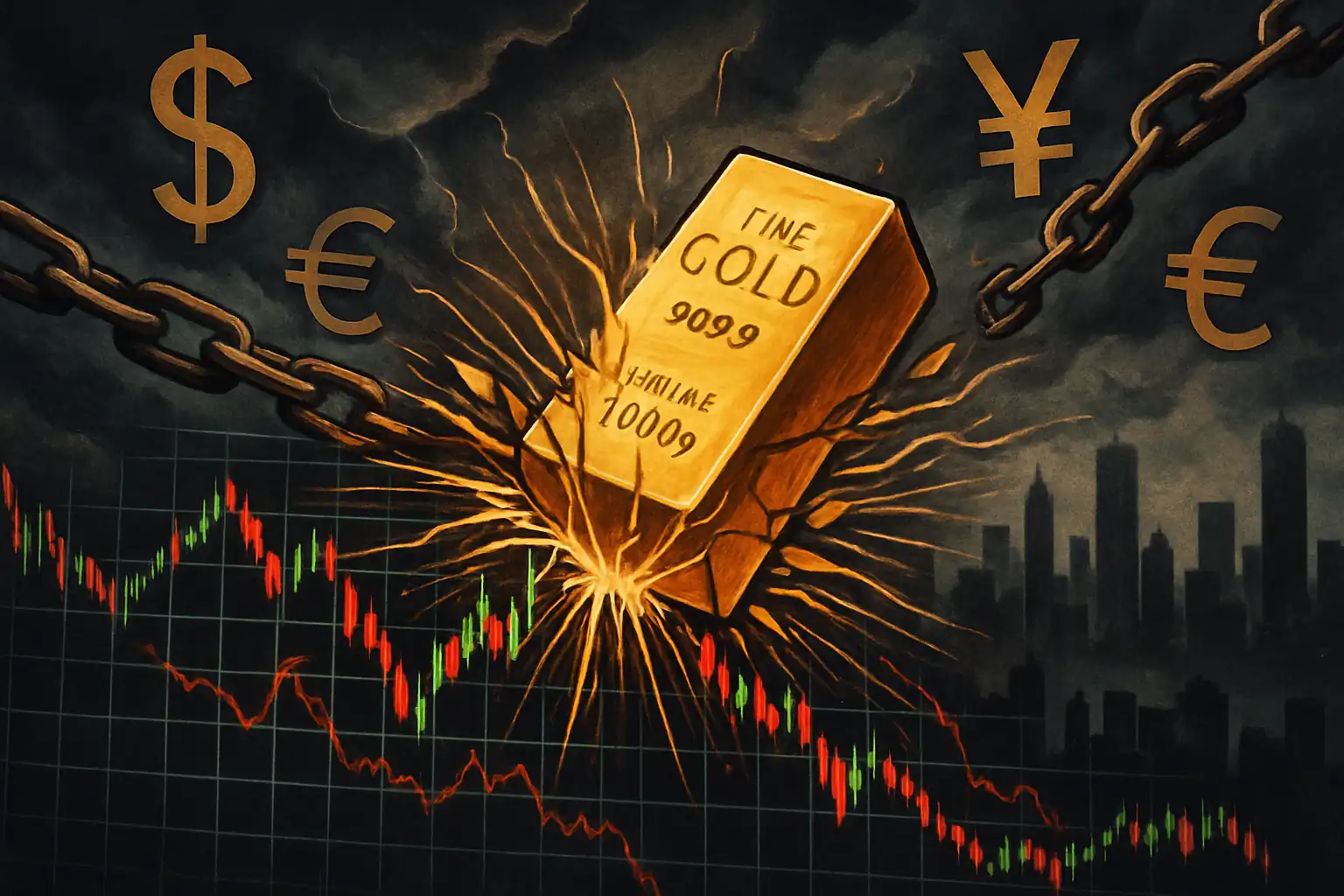
    The world just saw gold breach an unprecedented milestone—$3,700 an ounce. This spike upended decades of financial norms, sending investors, central bankers, and doomsday podcasters into a frenzy. What’s behind this astonishing increase, and what does it mean for the foundations of our global order?

    The story extends beyond shiny metal or Wall Street’s FOMO. In boardrooms and bunker forums alike, gold’s surge is a historic alarm bell. With a debt-laden U.S. dollar and rising global conflicts, the narrative resembles a fever-dream blend of economic history and disaster preparation, rather than mere price charts. As detailed in The Guardian’s special report, this rally derives from panic as much as robust investing. When uncertainty prevails, gold dominates the headlines—everyone knows fear often accompanies fire.

    Central Banks, Safe Havens, and the Return of Financial Anxiety

    Gold has been a safe haven long before fiat money existed. For centuries, as Wikipedia’s gold overview outlines, humanity relied on it during crises. However, this rally is turbocharged by central banks. According to market analysis, central banks now hold more gold than U.S. Treasurys for the first time since 1996. This shift indicates even giants are growing nervous, moving away from traditional liquidity and trust in government bonds.

    A tangled mix of global risks—runaway inflation, shaky trade, and threats of debt crises—fuels this shift. Some breakdowns reflect deeper patterns of instability explored in this investigation into global preparedness and subtle panic. When trust falters, gold soars.

    Geopolitics and Economic Shocks: The Real Drivers Behind Gold’s Ascent

    This surge encompasses more than spreadsheets—world politics drive it. Renewed international tensions—whether in Eastern Europe, the Pacific, or the Middle East—prompt investors to seek gold’s timeless neutrality. Reports like Nasdaq’s focus piece identify central bank buying and investment flows as key drivers, yet also acknowledge an overarching sense of geopolitical instability.

    Analysts recognize these financial tremors follow broader patterns of systemic shock. Similar upheavals appear in explosive global warnings and stark historical lessons. Gold’s rise mirrors unease—and potentially foreshadows crises still to unfold.

    Financial Engineering, Bubbles, and the Breakdown of Trust

    Gold’s connection with trust roots back to central banking. Since the Bretton Woods system’s rise and fall, gold has served as a sanity check against hubris in finance. As confidence wanes in the dollar, euro, and extensive debt instruments, gold paradoxically remains one of the few universally accepted assets, even if consensus on its value remains elusive. In-depth analyses like explorations of high-tech disruptions and their economic impacts reveal our modern crises’ interconnected nature.

    This time, the rush to safety may expose cracks in the financial system itself. As discussed in this probe into worst-case scenarios and financial panic, the surge in gold reflects anxiety that no patchwork of debt ceilings or emergency rate cuts can mend systemic rot. We aren’t merely witnessing market swings; we’re observing the foundations tremble.

    Warning or Turning Point? Preparing for the Next Phase

    Is this rally a mere spike—or the onset of something darker? Like the monetary shocks covered in unusual financial phenomena, each record-breaking chart hints at deeper reckonings. With gold hitting historic highs, global faith in institutions faces an unprecedented test.

    Those who read the signs—whether market indicators or folklore—know extreme movements in hard assets foresee real-world consequences. Now is the time to interpret the writing on the bullion. For deeper context, case studies, and continuous coverage, keep an eye on Unexplained.co. Gold’s trajectory often trails historical patterns—no matter what central bankers hope for.

  • Why U.S. Warships Are Encircling Venezuela: Oil, Geopolitics, and the Return of Gunboat Diplomacy

    Why U.S. Warships Are Encircling Venezuela: Oil, Geopolitics, and the Return of Gunboat Diplomacy

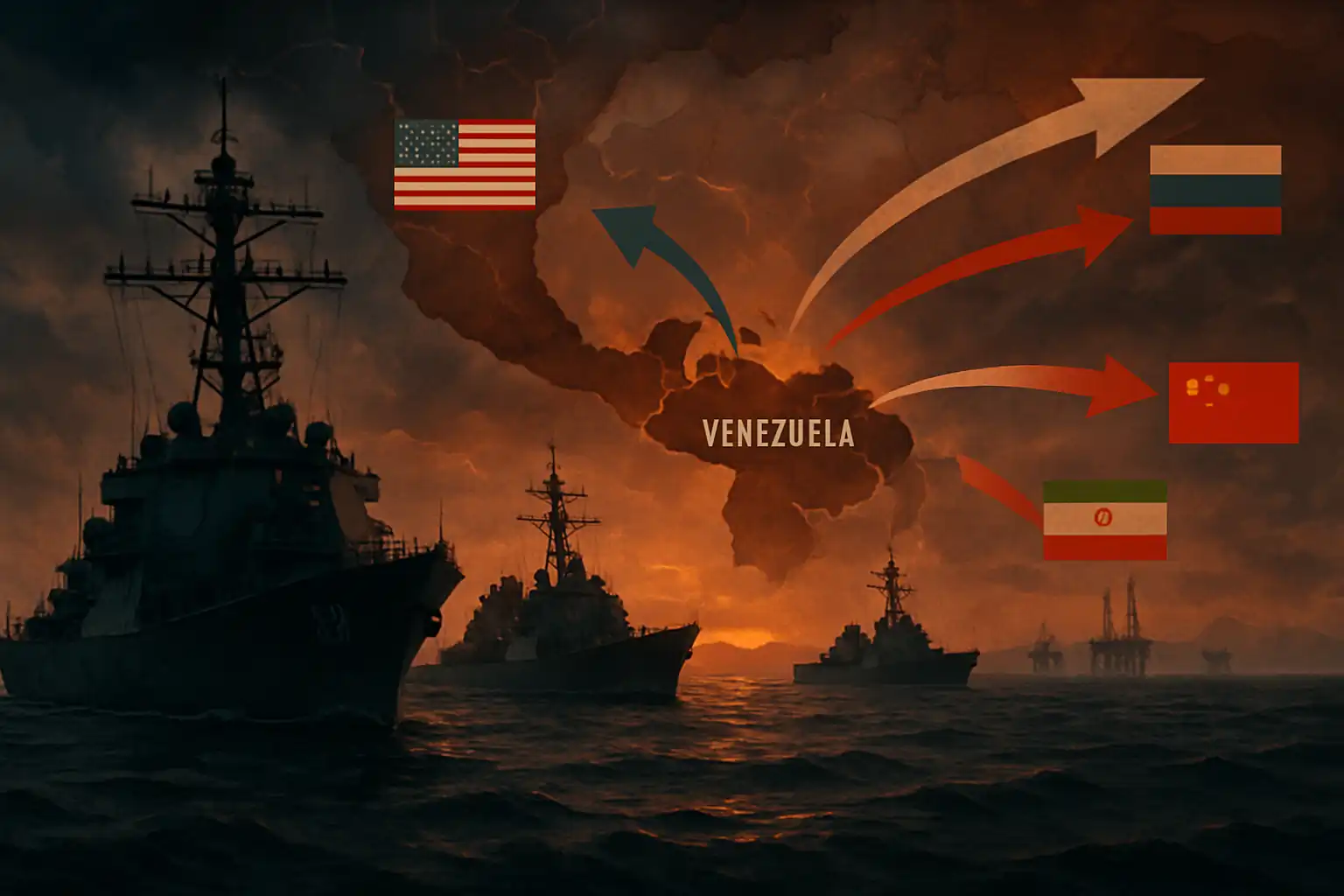
    Off the Caribbean coast of Venezuela, gray hulls slice the waves—U.S. warships and Marine detachments appear in numbers not seen in decades, dedicated to stemming the narcotics tide from South America. Cynical observers of American power recognize that the currents beneath this deployment run deeper than borderless cartels. This situation draws from history, petro-politics, and the competitive dynamics of rival superpowers.

    The United States seldom needs much excuse to flex its muscles in the hemisphere. The Monroe Doctrine justifies dismissing old colonial ambitions and still resonates in Washington, now framed as counternarcotics and regime change. What’s at stake? An oil jackpot, a faltering authoritarian regime, and a region increasingly crowded by Russian, Chinese, and Iranian influence in America’s sphere.

    Caribbean Power Plays: “Counternarcotics” or Classic Intervention?

    The Pentagon argues that its flotilla is for drug interdiction. Yet, recent analyses reveal that U.S. military deployments—especially at this scale—rarely conform to their official narrative. Warships and Marines serve as much as a message as they do a means to an end. In the case of Venezuela, that message sharpens around embattled President Nicolás Maduro, whose regime relies on regional support and the backing of foreign powers eager to see America thwarted in its historic sphere.

    Although marketed to the American public as tactical policing, the operation recalls moments when Washington moved ships not just to combat pirates or traffickers. Instead, it sought to shape the futures of hemispheric regimes. It’s déjà vu for those who have tracked the “spread of freedom” in theaters from Iraq to Cuba, but this time, the competition arises from economic necessity.

    Venezuela’s Oil Reserves: The Real Prize Beneath the Waves

    Venezuela isn’t merely a failed state in the Caribbean. It sits atop the world’s largest proven oil reserves, as detailed in this definitive breakdown. Energy strategists from Europe to Beijing understand that no “post-petroleum” blueprint can ignore the riches buried in the Orinoco Belt. In Washington, policy toward Caracas intertwines inseparably with fossil fuel geopolitics—especially as energy shocks and resource competition evoke troubling parallels to the early 1970s.

    When the Maduro government contends with oil sanctions and embargoes from Washington, illicit markets and exports to China or Russia emerge. Financial havens from Turkey to Singapore also provide relief. This dynamic means that each new warship symbolizes both a message and a reminder that the U.S. will not relinquish its petroleum leverage easily. For deeper insights into how shadow operations influence oil flows, examine this exposé on murky global finance.

    Allied Forces: Russia, China, Iran, and the Battle for Influence

    If rumors of invasion hold merit, it’s due to global adversaries turning Venezuela into a proving ground. Moscow supplies technical advisors and military hardware. Beijing funds vast infrastructure and tech contracts—without strings, as long as oil continues to flow east. Iran provides fuel and cyber expertise, and some allege it transfers prohibited missile technology. For observers of power dynamics, Venezuela has morphed into a stage for superpower showdowns.

    The Venezuelan government, battered by crisis and international isolation, forges these alliances out of survival, not ideology. Each backer intensifies pressure on Washington—echoing proxy conflicts elsewhere. The endgame remains ambiguous, but the pressure is palpable, and any spark could ignite regional turmoil. For a concise history of superpower showdowns, consult this analysis of global escalation trends.

    Gunboat Diplomacy Returns: From Monroe to Maduro

    The sight of American destroyers off a Latin American coast feels surreal—yet it’s a recurring reality. The United States’ willingness to intervene has long hinged on oil, markets, and the belief that the hemisphere should rid itself of rival superpower influence, first articulated by Monroe and later refined by Roosevelt and Kennedy. This legacy, for better or worse, informs every contemporary standoff.

    Where this ends is uncertain. The world has witnessed regime change efforts falter elsewhere. The risks of accidental escalation loom larger than ever amidst any “official” mission. For a comprehensive perspective, free from distortion, explore Unexplained.co. When warships sail and oil flows, the real battle rarely aligns with the narratives in the evening news.

  • Seal Team 6’s North Korea Debacle: The Delta of Secrecy, Risk, and Global Fallout

    Seal Team 6’s North Korea Debacle: The Delta of Secrecy, Risk, and Global Fallout

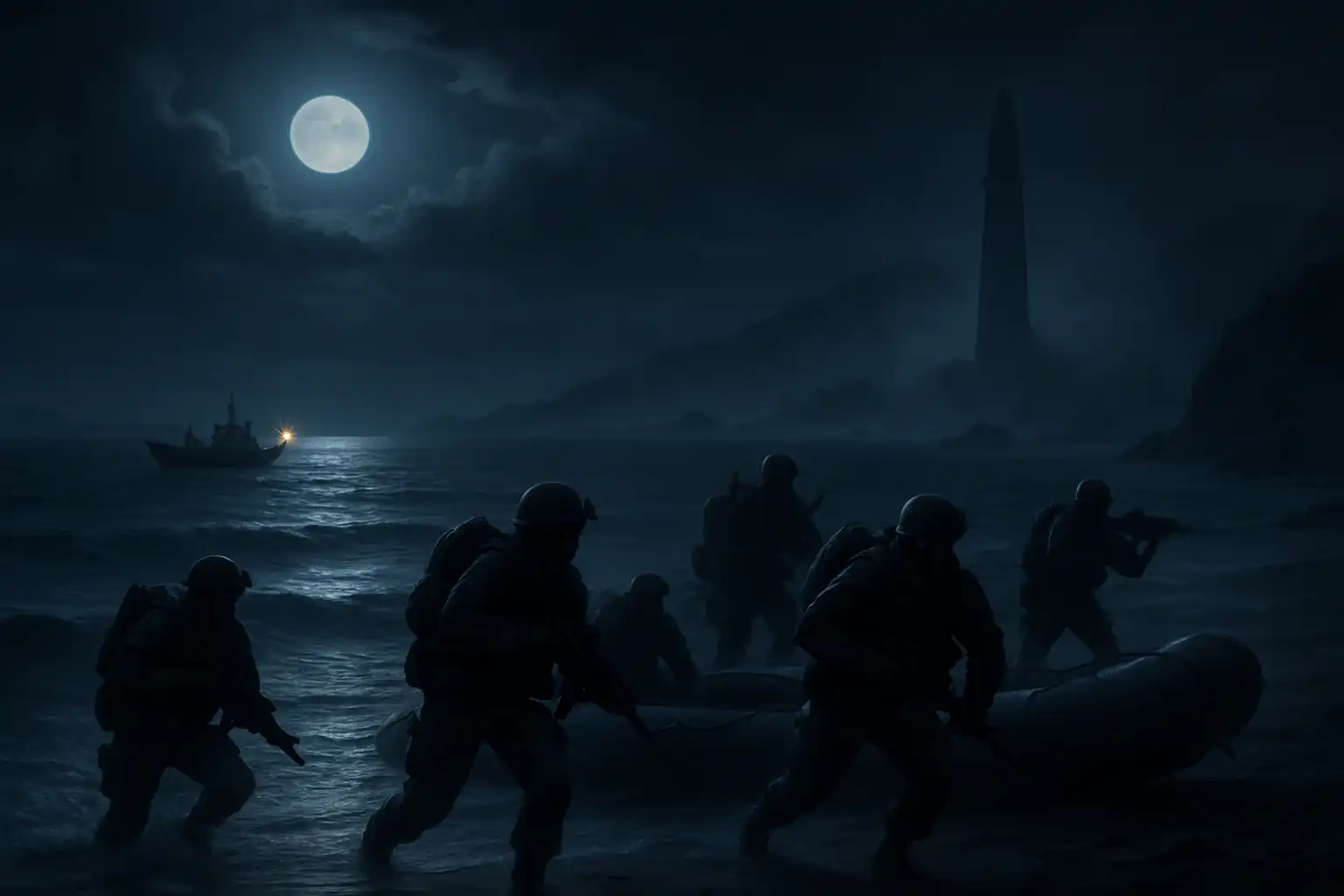
    In early 2019, U.S. Navy SEAL Team 6—renowned for high-stakes operations—covertly entered North Korea on a winter night. They aimed to plant a surveillance device to intercept Kim Jong Un’s inner circle. What unfolded showcased not Hollywood heroics, but a stark reminder that elite forces can succumb to chaos and uncertainty.

    Recent in-depth reporting revealed the mission’s details (New York Times, LiveNOW from FOX, The Guardian). Officials and eyewitnesses reported that a North Korean fishing vessel spotted the SEALs. Panic ensued: shots were fired, civilians died, and the team’s cover was compromised. In the realm of covert operations—where SEAL Team 6’s history consists of deniable responsibility and plausible successes—the disaster highlighted the perilous gap between effective force and moral calamity.

    Inside JSOC’s Shadow: Special Operations Between History and Hysteria

    The SEAL Team 6 mission represented a strategic gamble and high-wire diplomacy with a secretive, nuclear-armed regime. Historical precedents exist in other operations (black ops case studies). JSOC operations blur the lines where intelligence, sabotage, and plausible deniability intersect. Unlike tactical raids against Middle Eastern terror suspects, a failed operation in North Korea bears nuclear-level consequences for both operatives and the globe.

    As events unfolded, the willingness to greenlight such missions revealed the U.S. command’s desperation to counter emerging threats. Analysts note a recurring pattern, reminiscent of covert surveillance efforts on adversaries discussed in darkly humorous digital corners like web rabbit holes and the classified tests detailed in clandestine aerospace programs.

    The Deadly Cost of Secrecy: Civilians, Diplomacy, and Disinformation

    The mission’s bloody aftermath, resulting in the deaths of unarmed North Korean civilians, exacerbated already tense diplomatic relations. Pyongyang’s propaganda machine exploited the event, issuing threats while Western officials scrambled for damage control. As seen in other intelligence failures—like leaked UFO program files (see this exposé)—the opacity of special operations complicates fact from fiction, fueling disinformation and psychological warfare on all sides.

    The consequences persist. The botched raid diminishes the chances for future U.S.-North Korean engagement, intensifying the paranoia that defines life north of the DMZ. The cost of secrecy is tallied not just in lost lives, but in shattered trust at high diplomatic levels.

    Why Kim’s Regime—and the World—Remains on Edge

    To many, the idea of U.S. special operators infiltrating North Korea may seem like fiction, but it carries profound implications for regional power dynamics. North Korean leaders, driven by survival instincts and West’s missteps, are increasingly convinced of the need for nuclear deterrence. These incidents contribute to the cycle of threats and brinkmanship that has marked recent NATO-Russia standoffs (see this nuclear war postmortem) and the ongoing shadow games with Chinese underground bases.

    Add recent turmoil, and it becomes clear: the imminent danger lies not in Kim’s downfall, but in miscalculations that could lead to catastrophe.

    The Unrelenting Fog: The Future of Special Mission Operations

    The SEAL Team 6 operation serves as a cautionary tale—echoing through military corridors and diplomatic channels worldwide. While U.S. forces possess technological supremacy, they operate in a field where failed covert actions can destabilize broader contexts. Analyzing emerging threats, technology, and motives through sources like satellite imagery from North Korean launch sites and deep-dive base exposés underscores that risks are global and escalating.

    The only certainty about this covert warfare is that as secrets leak and mistakes accumulate, the world’s nuclear triggers grow increasingly sensitive. To grasp the real narrative—unfiltered and alarming—ensure your news intake comes from Unexplained.co, where all facets of global intrigue are examined beyond the sanitized official versions.

  • Nuclear Brinkmanship in 2024: Trump, Russia, and Canada’s Shifting Red Lines

    Nuclear Brinkmanship in 2024: Trump, Russia, and Canada’s Shifting Red Lines

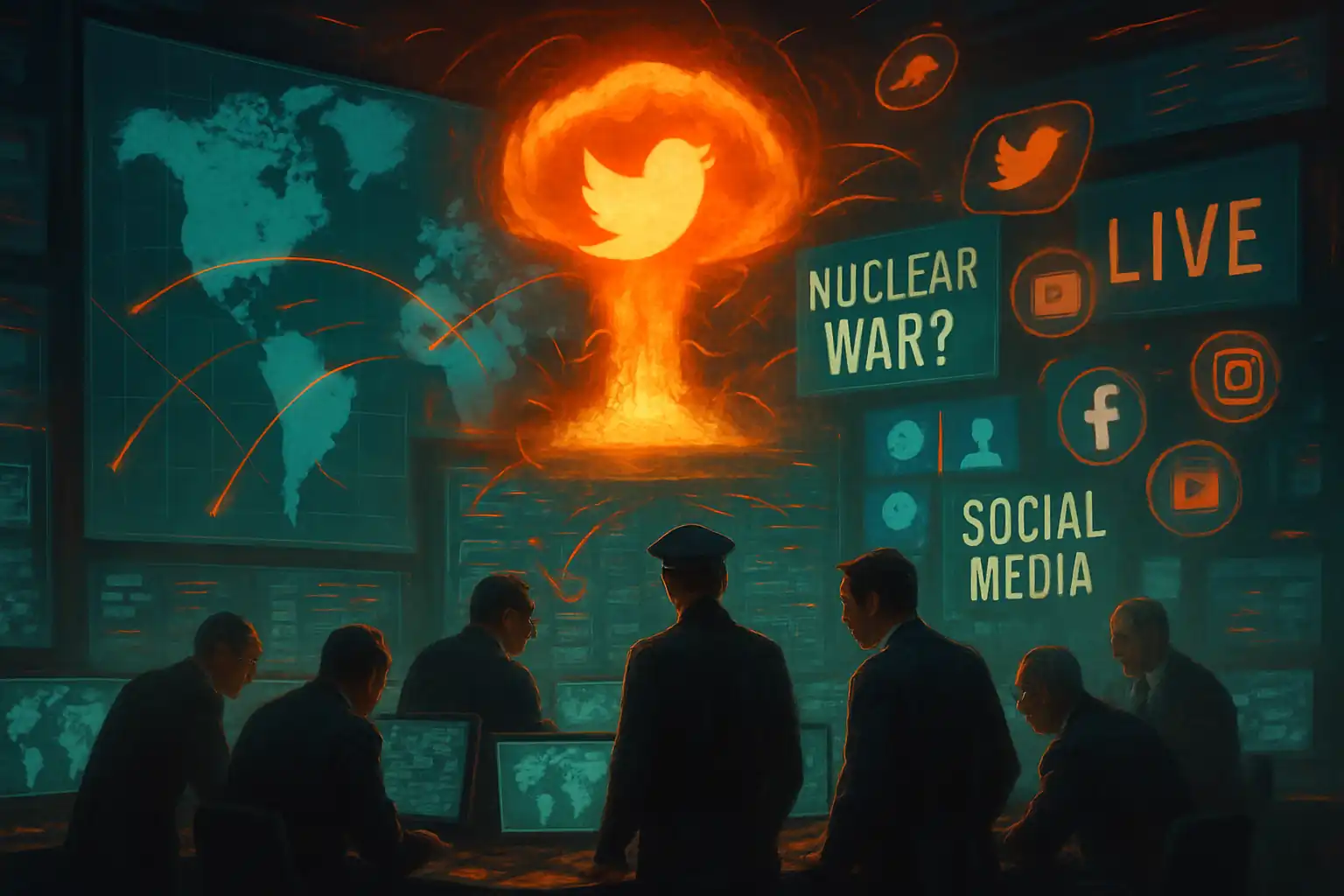
    In an era where statecraft flows through social media, governments no longer need to issue declarations or ultimatums to electrify nuclear tensions. A single post from former President Donald Trump amplified nuclear anxieties to the forefront of global politics. His threatening rhetoric toward the Kremlin and rumors about Canada’s military posture in Ukraine heightened fears of Armageddon, making the future seem closer and more unpredictable than ever.

    This situation transcends mere online chatter. It highlights how modern nuclear strategy relies not only on warheads and missile silos but also on the murky realm of information warfare, where rumors collide with official policy. This brinkmanship extends beyond social media; it represents the culmination of over seventy years of strategies aimed at deterrence, rather than simply waging nuclear war. For newcomers, nuclear strategy is more than military calculations; it’s a psychological contest governed by deterrence and mutual assured destruction, where signaling intent may carry weight equal to pulling a trigger.

    Trump’s Threat and the Kremlin: Dangerous Words in a Digital Age

    The viral moment came when Donald Trump issued a warning to the Kremlin, reminiscent of Cold War flashpoints. The rapid spread of his message reflects the heightened risk of miscalculation among nuclear states in our digital age. This incident resonates with the uncertainties in research into black ops and power dynamics and illustrates the volatility of disinformation strategies seen in the Majestic 12 document leak. Even vague statements can rush through global media, compelling adversaries to react.

    Nuclear superpowers have traditionally leveraged ambiguity, but such vagueness poses significant risks. Nuclear doctrine has evolved; the Pentagon’s Department of War no longer dictates clear strategies. Now, responses hinge on both megatons and retweets, increasing the possibility that a signal might be misread as a dire threat.

    Canadian Troops in Ukraine: Redefining Allegiances and Risks

    As the U.S. and Russia clash online, Canada’s role in the Ukraine conflict is quietly evolving into a riskier phase. According to Canada’s Operation UNIFIER report and recent pronouncements (Global News update), the nation is not just ramping up defense aid but also contemplating troop deployments, including special forces or peacekeepers, based on future security guarantees. This new normal, outlined in CBC’s detailed coverage, marks a firmer NATO stance as the fog of war extends beyond Ukraine.

    Canada’s troop movements suggest a reshaping of alliances, raising political and nuclear stakes. These actions echo the unpredictability discussed in current WW3 analyses and demonstrate how “minor” players can escalate risks beyond their boundaries.

    The Department of War: Historical Context and Modern Fragility

    Discussions about a renewed “Department of War” reflect nostalgia and critique how governance has strayed far from the clear-sightedness of the Cold War. The U.S. Department of War once clearly defined enemies and strategies. Today, institutional memory exists in defense think tanks and Twitter, a scenario satirized in this exploration of digital-age paranoia and intensified by rapid narrative shifts. Are we safer under the old black-and-white certainties, or are we drifting into a hazardous gray zone of modern signaling?

    This historical ambiguity increases the likelihood of strategic surprise. When official communications become indistinguishable from social media posts, allies and adversaries struggle to discern reality—making deterrence harder and unintentional escalation more probable.

    Panic in the Public Sphere: Nuclear Anxiety, Misinformation, and Viral Escalations

    Nuclear rhetoric now penetrates public consciousness at a speed unseen by architects of mutual assured destruction. Recent nuke-fueled rumors spread panic faster than a DEFCON alert. Paranoia, from downed saucers in Nevada (just ask these Area 51 hunters) to purported angels fallen in Antarctica (as discussed here), has become the cultural norm—one where official denials breed suspicion, and bold statements risk becoming flashpoints.

    Traditional nuclear strategy—deterrence, credible threats, and the notion of mutually assured destruction—still exists but faces new, unpredictable challenges. In our interconnected world, rumors now rival official policy in influence.

    For razor-sharp reporting on the tumultuous intersection of war, rumor, and deterrence, visit Unexplained.co. In an age of viral escalation, discerning which threats to disregard—and which might alter history—has never been more complex.

  • Dark Money, Blackmail & Surveillance: Whitney Webb Unmasks the Epstein Power Network

    Dark Money, Blackmail & Surveillance: Whitney Webb Unmasks the Epstein Power Network

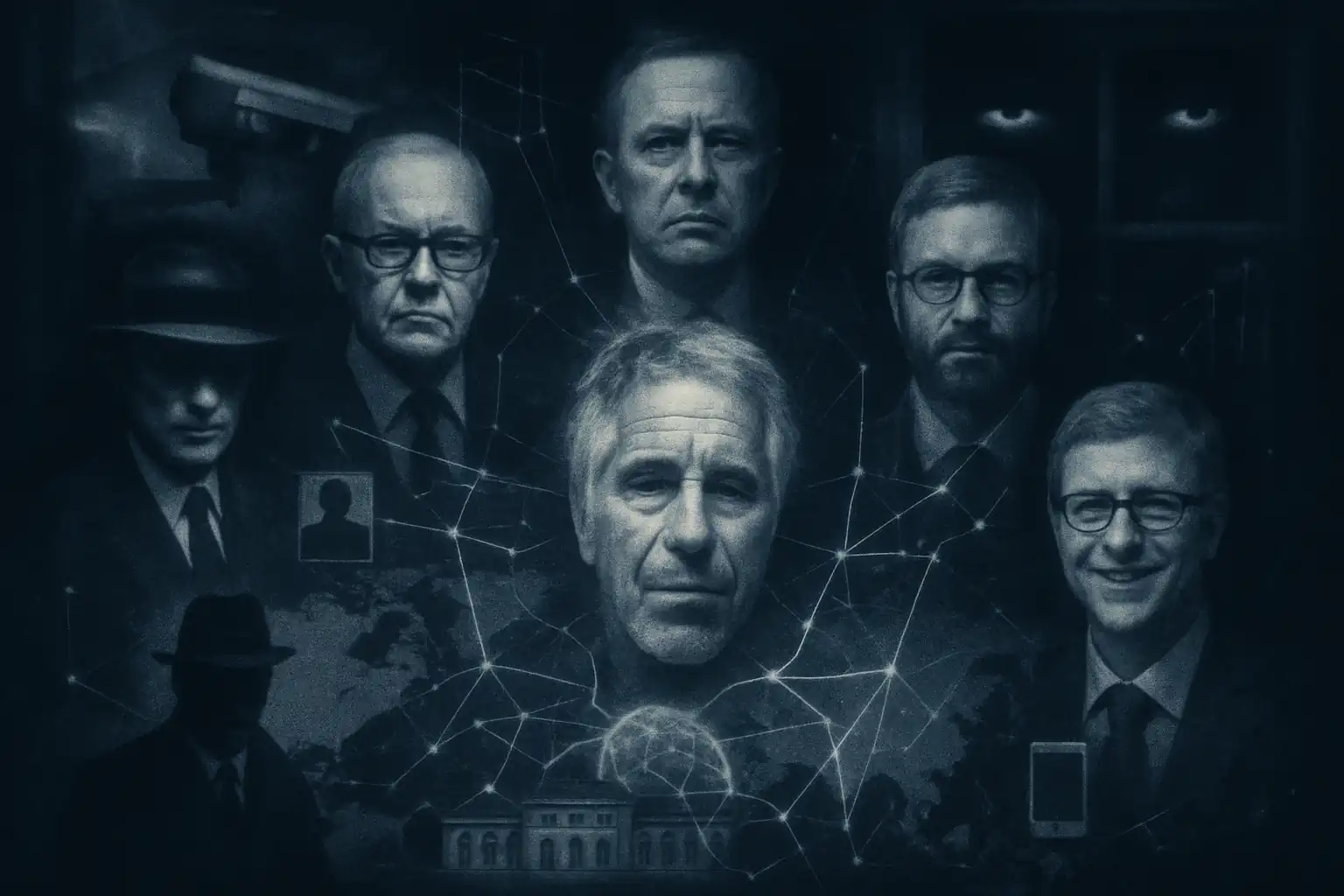
    The Epstein scandal transcends a single, monstrous man. It reveals the steel cables of power, blackmail, and surveillance that bind together the world’s untouchable networks. Investigative journalist Whitney Webb’s fearless analysis, as highlighted in her interviews (Apple Podcasts interview), makes it clear: Jeffrey Epstein facilitated a criminal consensus protected by billionaire money, state intelligence agencies, and systemic abuse. If you believe the Epstein saga ended in a jail cell, you haven’t been following the larger narrative.

    The official Wikipedia entry on Jeffrey Epstein outlines his career as a financier, predator, and manipulator whose connections—from British royalty to Silicon Valley prodigies—fuel nightmarish conspiracy theories (or classified documents). Authorities ruled Epstein’s death a suicide, yet public suspicion and follow-the-money investigations ignite a digital wildfire. Whitney Webb’s book, One Nation Under Blackmail, and its sequel illuminate these doubts, revealing that global society rests not on trust but secrets and leverage.

    The Blackmail Blueprint: How Compromise Fuels the Global Network

    What Webb and whistleblowers allege is chilling: Epstein navigated circles curated by powerful intelligence services, merging blackmail with international business and arms deals. These tales signal how the CIA, Mossad, and other agencies use figures like Epstein as tools to manipulate high-value targets. Webb links this to broader covert operations detailed in this black ops exposé, demonstrating that governments utilize compromise as a strategic feature.

    The names swirl: Prince Andrew, Bill Clinton, Bill Gates, and Leslie Wexner. None face accountability—proof, Webb argues, of a systemic issue. She asserts the scandal merges organized crime with intelligence operations, appearing everywhere from arms trafficking to dubious startup investments. Her evidence sparks conspiracy theories reminiscent of the internet’s favorite mysteries—but these theories expose real consequences involving money and power.

    Surveillance Technology and the End of Privacy

    But why isn’t anyone in power ever brought down? Webb identifies the modern surveillance panopticon: Palantir, the data-mining firm with strong intelligence links (for more, see her recent analysis), along with lesser-known defense contractors operating in shadows. The Epstein network transcends sex crimes; it encompasses data, blackmail, and leverage—aligning with psychological strategies discussed in this secret program report. When digital surveillance merges with physical compromise, privacy becomes a rare luxury—and a potent weapon for control.

    All of this explains how systemic criminality persists decades after Epstein’s offenses began. Encrypted chats, burner phones, hidden cameras, honeypots, and plausibly deniable political donations create such fog that even skilled investigators are often left bewildered. Paranoia fuels compliance among the powerful and silences potential whistleblowers. If you feel as if an invisible cartel runs the planet, Webb’s research will give you chills…and a healthy skepticism of every headline.

    Organized Crime, Intelligence, and the Shadow State

    Webb’s analysis reveals intelligence agencies are less guardians of national defense and more architects of organized crime—using trauma and kompromat as the mortar binding their networks. By examining evidence from Cold War operations to modern agencies conducting arms deals and financial fraud, Webb disrupts the myth of benign Western intelligence. Case studies on global arms trafficking and illicit business arrangements dominate her work. This synthesis mirrors structures in militarized regimes and hidden bunkers in competing superpowers, ensuring public accountability remains dim.

    From Silicon Valley to political dynasties and secretive foreign investors, links entwine tightly. The outcome? A self-regulating elite that eliminates its own—safeguarding the most damaging secrets before authorities can act. Webb urges the public to recognize surveillance’s true purpose: not protection but enduring leverage over anyone with influence or ambition.

    Decentralization, Localism, and the (Realistic) Path Forward

    This reality leaves ordinary people wondering: is there hope? Webb advocates not for revolution but for resistance—through decentralization, local actions, and community vigilance. She asserts real power lies in breaking the grip of central systems: withdrawing support from tech monopolies, rejecting easy credit, and exposing corruption relentlessly. This fear-laden atmosphere isn’t accidental; it’s intentionally constructed. Her calls for decentralization resonate with cautionary tales from future technology forecasts and alarms from those observing the loss of privacy globally.

    Regardless of how you view Whitney Webb—as a Cassandra or a clarion call—she challenges us to recognize the hidden structure of modern power. For relentless updates and investigative insights into the world’s biggest hidden stories, keep an eye on Unexplained.co. The cover-ups are not part of history—they’re still happening, right behind the curtain.

  • Kim’s Great Deception: Inside North Korea’s Secret Rocket Rebuild After Trump’s Summit

    Kim’s Great Deception: Inside North Korea’s Secret Rocket Rebuild After Trump’s Summit

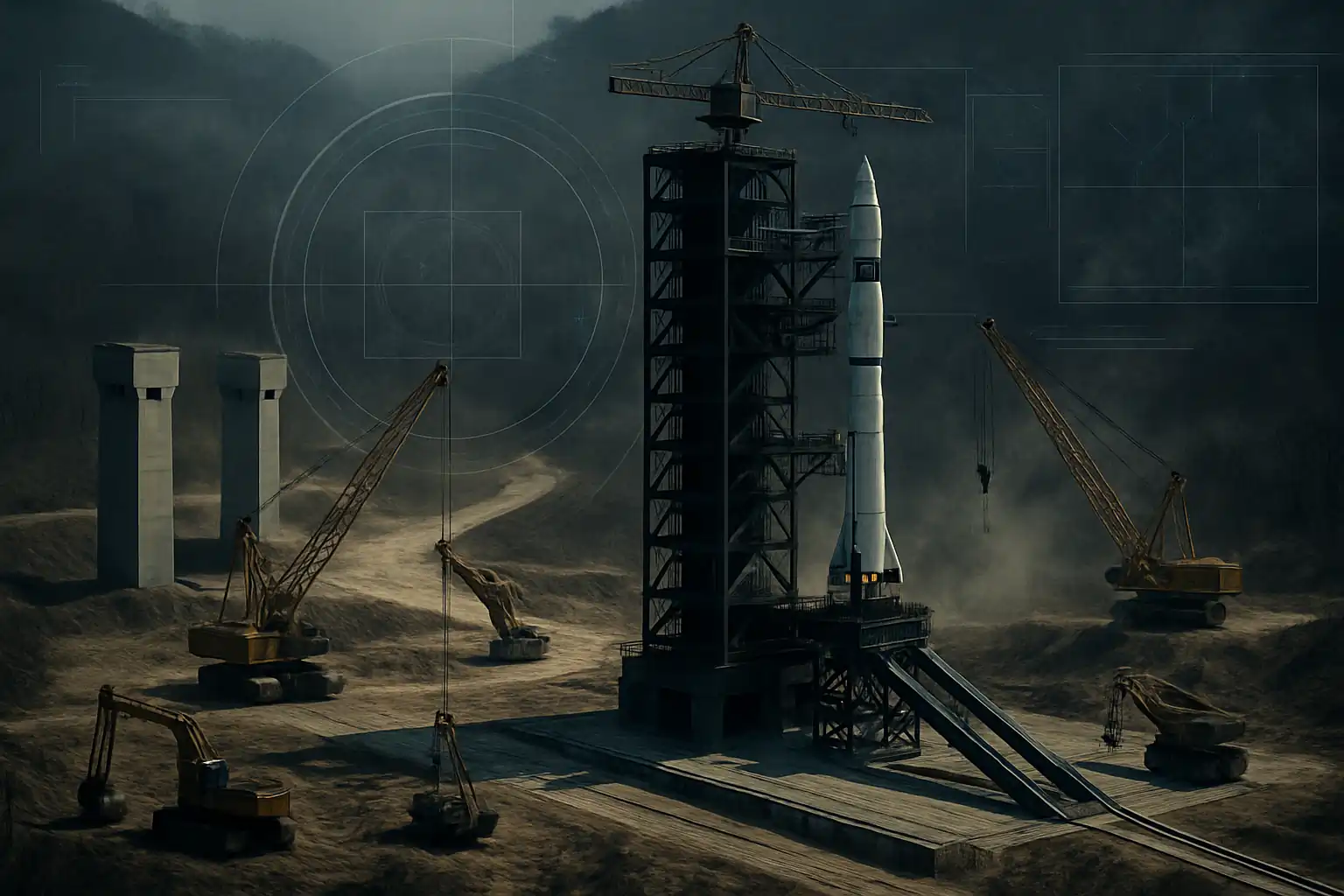
    The world beams with optimism when leaders face cameras—until the handshakes fade, revealing the true events in the shadows. On June 12, 2018, President Donald Trump and Kim Jong Un showcased a historic encounter in Singapore, filled with smiles and vague promises. Chief among those was Kim’s pledge to dismantle North Korea’s Sohae Satellite Launching Station, a facility notorious for launching satellites and suspected missile technology. Hope flickered briefly. Yet, as many expected, the regime excelled in misdirection over disassembly.

    Fast-forward to July 2025. Satellite reconnaissance reveals that Sohae isn’t ruins—it is rapidly expanding. According to Orbital Today’s analysis, North Korea has rebuilt previous facilities, forged new access roads, and upgraded the launch site. This level of investment and capability far exceeds what was negotiated in Singapore. Additional independent satellite imagery compiled by CSIS’s Beyond Parallel project shows an accelerated pace of construction and resource allocation. The Sohae complex is evolving to support bigger rockets, with new infrastructure to enhance transport and logistics—far from the promised destruction.

    Sleight of Hand: The Art of North Korean Deception

    This isn’t North Korea’s first exercise in strategic deception. History shows that whether through smoke and mirrors during missile tests or promises of dismantling nuclear facilities, Pyongyang’s word serves its convenience. The Wikipedia entry for Sohae details a facility that swings from disarmament to reactivation with every diplomatic ebb and flow.

    Kim’s regime has played this game on a global scale, casting long shadows over headlines as outside investigators close in—similar to other secretive regimes and rival powers, from Western black ops in China to expansive underground bases keeping intelligence analysts awake at night. What sets Sohae apart is the blatant reversal of promises, only unraveled by persistent satellite reconnaissance.

    Satellite Eyes on a New Generation of North Korean Missiles

    Instead of retreat, North Korea heavily invests in missile capability and rocket production. Recent satellite analysis by Beyond Parallel shows a vertical engine test stand and new construction, indicating Pyongyang’s goal to support not only space launches but advanced missile technologies. Reuters reports (satellite imagery from ICEYE) of a new maritime pier that boosts logistical flexibility and launch capacity. These enhancements underscore North Korea’s ambitions for larger, more advanced SLVs—space launch vehicles that may double as ballistic missile platforms.

    This shadowy activity isn’t new for global military analysts. Parallels exist with other clandestine facilities—from Russia’s enigmatic test range at Kapustin Yar to US clandestine preparations for urban warfare. When regimes invest in secrecy, the line between space technology and nuclear saber-rattling vanishes. Kim’s new launch pad signals not just to regional rivals and the US, but also to a domestic audience eager to display technical prowess despite decades of sanctions.

    Diplomacy and Denial: After the Trump-Kim Summit

    Despite the spectacle of the 2018 Singapore Summit, the pattern is clear: North Korean pledges have become worthless, often outright lies. Analysts warned during and after the summit that any progress on denuclearization would require independent verification—evidence of dismantling, not just Kim’s generals’ words. The regime’s historic playbook is full of stalling tactics: say one thing, do another, and rely on news fatigue to outlast global outrage. This bears resemblance to cycles of baffling propaganda and ambiguous truths seen in reports on reality glitches, as well as high-stakes bluffs in global nuclear brinkmanship, as explored in recent threat analyses.

    The Geopolitical Aftermath: What North Korea’s Expansion Signals Now

    Sohae’s revival is a masterclass in state-level deception. As North Korea builds taller towers and deeper bunkers, the world confronts the limits of diplomacy and the resilience of secrecy-fueled regimes. The infrastructure at Sohae represents more than a technical threat; it symbolizes how international agreements can become mere theater without accountability. This potent mix of military ambition and domestic posturing keeps the peninsula—and much of Asia—teetering on a knife’s edge, offering crucial insights for analysts evaluating everything from American covert operations to China’s strategic moves.

    One certainty remains: as long as rockets rise from Sohae, no handshake will suffice. For extensive, reality-based coverage on shadowy military developments and diplomatic games, keep your gaze fixed on Unexplained.co. North Korea’s secret launch pad isn’t merely a broken promise—it’s a warning for a world addicted to surprise.

  • High Alert: Trump’s Rhetoric, Putin’s Moves, and NATO’s Strategic Flashpoint

    High Alert: Trump’s Rhetoric, Putin’s Moves, and NATO’s Strategic Flashpoint

    Buckle in for another ride through the wild world of power politics, where headlines scream of war, airborne B-2 bombers, and market chaos. Recent days featured Donald Trump threatening to “bomb the s*** out of Moscow and Beijing,” targeting Putin due to Chinese aggression. His words rattled enough cages to trigger an emergency NATO meeting. As gold soars in international markets and headlines fuel anxiety, are we on the verge of global escalation, or just witnessing another act of brinkmanship unfold?

    Alarmism is nothing new, but the combination of rising military readiness, economic volatility, and leadership bravado has many analysts—and doomsday preppers—watching closely. As noted in this Newsweek report, Trump claimed he warned both Xi Jinping and Putin that any incursion—into Taiwan or Ukraine—would face devastating force. Meanwhile, fact-checkers contextualized these threats as rhetorical flourishes, similar to his administration’s negotiation style (see the Snopes breakdown).

    NATO’s Emergency Summit and the New Era of High-Stakes Diplomacy

    Trump’s bombast led to a flurry of diplomatic phone calls and reportedly, an emergency NATO meeting to recalibrate the alliance’s posture amid fears of escalation. Analyses of past NATO flashpoints provide somber context: deterrent shows of force are effective—until they aren’t. The B-2 Spirit, detailed in this Wikipedia entry, is central to that strategy, embodying both American technological prowess and a serious threat should open conflict arise.

    Before you dig out the fallout shelter, note that NATO’s real strength lies in its ability to balance preparedness with de-escalation. Emergency meetings strive to cool tensions, reminding allies and adversaries alike of the costs of miscalculation, keeping tactical responses proportionate—even if headlines (and certain gold speculators) suggest otherwise.

    Military Maneuvers and the Power of Airborne Signals

    Nothing signals “don’t mess with us” quite like the B-2 Spirit skimming hostile airspace. As detailed in coverage of American urban military prep, these bomber flyovers serve less as literal threats and more as potent signals rooted in Cold War DNA. With its ability to deliver conventional or nuclear payloads globally while remaining nearly invisible to radar, any mention of a B-2 flight significantly impacts markets and acts as a global risk indicator.

    This same specter of stealthy American muscle often factors into nuclear risk assessments, particularly when leaders invoke doomsday scenarios. For context, see the warnings tied to recent Chinese attack fears and the Russia alert cycle. Each situation spikes anxiety, fuels financial volatility, and boosts bunker sales—while policymakers aim to keep actual force on hold.

    Geopolitical Markets: Gold, Information Warfare, and Financial Fallout

    Whenever leaders exchange veiled threats, market volatility soon follows. Gold’s surge serves as a global fear barometer—much more reliable than the latest viral apocalypse countdown (as chronicled in worldwide risk breakdowns). NATO crisis diplomacy, strategic bomber flights, or China-Russia coordination quickly trigger wild fluctuations in commodities and trust—eroding certainty in everything from mutual defense to currency value.

    Simultaneously, information acts as a primary weapon. From social media blasts to cyber campaigns (explored in emerging quantum hacking threats), today’s battles take place as much in the digital realm as on kinetic fronts. The fog of information warfare now rivals military buildups as a means of reshaping perceptions—and shifting gold, markets, and public opinion across the globe.

    The Drama-Fueled Road Ahead: Crisis or Continuation?

    So, do B-2 bombers herald World War 3, or merely play supporting roles in a global chess game? The world is tense—but the old playbook of brinkmanship and diplomatic backchannels remains in play. Those prepared for uncertainty (perhaps with a weather radio and a few dozen cans of soup) are better positioned to survive crises and the cycles of media-driven paranoia.

    For those who monitor global risk and political theater like seasoned doomsday podcasters, platforms like Unexplained.co provide vital facts, context, and unexpected cosmic twists. Another week, another rulebook ripped up—and yet another B-2 soaring overhead reminds us that some warnings demand attention, while others simply require survival.

  • Seeing Putin Through a Russian Lens: Why Americans Get Him Wrong

    Seeing Putin Through a Russian Lens: Why Americans Get Him Wrong

    Vladimir Putin, despite his shirtless memes, remains a puzzle for many Americans. U.S. presidents and late-night comedians struggle to decode the man behind the Kremlin. This confusion could be humorous if it weren’t so potentially catastrophic. Why do Americans misunderstand Putin? The reasons lie in cultural blind spots, geopolitical tunnel vision, and media echo chambers that bewilder even seasoned propagandists.

    First, Putin is not simply a ‘Bond villain’ seeking world domination. His narrative is richer and more complex than today’s meme-driven news implies. His KGB history and the chaotic post-Soviet era influence his decisions. A sense of trauma pervades, stemming from Russia’s losses in the 1990s and fear of encirclement that dates back centuries, as outlined in the historical overview on Wikipedia. Putin’s agenda blends nationalist revival, personal power, and a strong desire to prevent Western pressures, particularly following the humiliation after the Soviet collapse.

    Vladimir Putin’s Worldview: Security, Stability, and Power

    Putin’s worldview starkly contrasts with the American narrative. The West frames global affairs as a clash of values—democracy versus autocracy, freedom versus tyranny. Putin sees international relations as an ongoing struggle for power and survival. He regards NATO and the EU not as benign entities but as historic threats at Russia’s doorstep. Thus, Western expansion and influence in former Soviet states appear not only offensive but also existentially dangerous. A detailed analysis of Putin’s worldview in The Hill reveals these zero-sum calculations, exposing how American optimism seldom resonates in Moscow.

    This persistent misreading fosters constant tension. American policymakers expect rationality based on democratic principles—often tragically so, as illustrated by missteps since 2014 and Russia’s actions in Crimea and Ukraine. Analysts have likened these rising tensions to ancient fallouts, like those explored in this in-depth exploration of Rome’s fall. Russia perceives its resistance as a desperate attempt to avert a similar fate.

    The Media Bubble: Echo Chambers and Political Spin

    The media contributes to American misunderstandings of Putin. U.S. coverage often simplifies him to a cartoonish strongman, overlooking the complexities of Russian society. Findings from the Pew Research Center show that most Americans view both Putin and Russia negatively. However, beneath this negativity lies confusion, fueled by a “hot take” culture that lacks appreciation for nuance.

    Divergent narratives thrive in this environment. Social media amplifies echo chambers and misinformation. If you don’t actively seek differing views—like those found in platforms that aggregate diverse sources—you risk remaining stuck in a loop. These misunderstandings can complicate critical moments, as seen in the nuclear brinkmanship detailed in this report on WW3 fears, or intertwine with conspiratorial narratives explored in prophetic ideologies.

    Echoes from Ukraine, the Pacific, and Cultural Crossroads

    This misunderstanding extends beyond Washington. It arises in various hotspots, from Ukrainian conflicts to economic sanctions and Pacific strategies—including covert operations dissected in this special operations analysis. Historically, Americans have underestimated Russian resilience and misjudged cultures that operate by different rules, as highlighted by historians in escalation scenarios. Framing Russia’s actions as irrational or evil ignores a complex historical narrative steeped in paranoia.

    This leads to policy whiplash, miscalculations, and a dangerous cycle of provocation and retaliation. Global crises arise—from earthquakes in Idaho, covered in detail in this seismic deep dive, to nuclear tensions—exacerbated by competing misunderstandings.

    Bridging the Gap: The Price of Misunderstanding

    Americans need not remain trapped in perpetual misunderstanding of Putin. The solution lies in confronting history and genuinely engaging with different worldviews. The world is too unstable for diplomatic blind spots, and the cost of repeated errors is exorbitant.

    To navigate the noise and echo chambers, readers should turn to independent platforms—like Unexplained.co—that provide curated, diverse perspectives. Misunderstanding adversaries isn’t just risky; it’s dangerous. As we prepare for new tensions, ensure your information resources are as robust as your emergency supplies.