Category: Politics

  • Unveiling The Immaculate Constellation: A Call For Transparency

    Unveiling The Immaculate Constellation: A Call For Transparency

    In a recent hearing, South Carolina Congresswoman Nancy Mace shed light on the controversial “Immaculate Constellation” program, emphasizing the need for transparency regarding unidentified aerial phenomena (UAP). Mace’s insistence on accountability from federal agencies has sparked significant interest and debate.

    Key Takeaways

    • Immaculate Constellation: A program shrouded in secrecy, with implications for national security.
    • Overclassification Issues: Many details about UAPs are classified, hindering public knowledge.
    • Bipartisan Support: Both parties are pushing for transparency and accountability in UAP investigations.

    The hearing highlighted the frustration felt by lawmakers and the public alike regarding the lack of clear answers from the Pentagon and other federal agencies. Mace articulated a strong belief that the American people deserve to know the truth about UAPs and the programs associated with them.

    Mace pointed out that the overclassification of information is a significant barrier. She stated, “We overclassify everything into what end? Does it really make America safer?” This sentiment resonates with many who feel that transparency is essential for national security and public trust.

    The Mysterious Report

    During the hearing, Mace referenced a report that detailed astonishing claims about UAP encounters. Some of the highlights included:

    • F-22s Boxed In: Reports of F-22 fighter jets being surrounded by unidentified flying orbs.
    • Satellite Imagery: Allegations of satellite images capturing a football field-sized flying saucer hidden in clouds.

    While Mace has not personally seen the footage or images, she expressed a strong desire to investigate further. She emphasized the credibility of the sources behind the report, noting that they had multiple clearances and were reputable individuals.

    The Shadow Program

    The discussion also touched on the existence of a shadow program that allegedly emerged around the time of the release of black and white UAP videos in 2017. Mace indicated that this program was designed to collect data without public knowledge, suggesting a lack of transparency from the executive branch at the time.

    Looking ahead, Mace expressed hope for a more transparent administration under President Trump, particularly regarding UAPs. She stated, “I hope that we’ll have the most transparent and accountable administration in U.S. history.” This reflects a broader desire for accountability across all federal agencies.

    Whistleblower Protections

    Another critical aspect of the hearing was the bipartisan effort to protect whistleblowers. Mace noted that individuals have come forward since the last hearing, and there is a commitment to safeguard these individuals regardless of their political affiliation. This is crucial for encouraging more people to share their experiences and knowledge about UAPs.

    Conclusion

    The hearing led by Congresswoman Nancy Mace marks a significant step towards uncovering the truth about UAPs and the programs associated with them. With bipartisan support and a commitment to transparency, there is hope for a future where the American public is informed about these phenomena. As investigations continue, the call for accountability remains strong, and the journey to uncover the truth is just beginning.

  • The Darkest Side Of The Islamic Revolution In Iran

    The Darkest Side Of The Islamic Revolution In Iran

    The Iranian Revolution of 1979 marked a significant turning point in the nation’s history, leading to the establishment of a strict Islamic regime. This regime imposed severe restrictions on personal freedoms, particularly affecting women and dissenters, and rolled back decades of social and economic progress.

    Key Takeaways

    • The 1979 revolution transformed Iran from a progressive society to a repressive regime.
    • Women’s rights were significantly curtailed, reversing years of progress.
    • The regime utilized brutal tactics to maintain control and suppress dissent.

    Iran Before The Revolution

    Before the revolution, Iran was under the rule of the Shah, who, despite his authoritarian regime, initiated a series of modernization and secularization reforms. These reforms led to increased living standards, literacy rates, and healthcare access. Notably, women gained the right to vote and hold office, making Iran one of the most progressive countries in the Islamic world at the time.

    • Key Achievements for Women Pre-Revolution:
      • Granted the right to vote in 1963.
      • First female Minister for Education appointed in 1968.
      • Laws allowing divorce and raising the marriage age from 13 to 18.

    However, the Shah’s heavy-handed rule and suppression of dissent led to widespread unrest, culminating in the revolution.

    The Rise Of The Islamic Republic

    The revolution was spearheaded by Ayatollah Khomeini, who returned from exile to establish the Islamic Republic. While the new regime promised many reforms, it quickly became clear that it was just as authoritarian as its predecessor.

    • Key Features of the New Regime:
      • Khomeini became the Supreme Leader with total control over the government.
      • The regime instituted a brutal legal system, often punishing dissent with death.
      • Promises of social benefits were made, but they were contingent on adherence to Sharia law.

    The Impact On Women

    The Islamic Republic’s policies drastically reversed the progress made by women in the preceding decades. Laws that had empowered women were abolished, and new restrictions were imposed.

    • Changes in Women’s Rights:
      • Marriage age for girls reduced back to 9.
      • Women purged from government and judiciary roles.
      • Mandatory dress codes enforced, with severe punishments for non-compliance.

    Brutality And Repression

    The regime’s methods of control were brutal. The Islamic Revolutionary Guard Corps (IRGC) was established to enforce the regime’s laws and suppress dissent. Thousands of political opponents were executed, and harsh punishments were meted out for even minor infractions.

    • Notable Repressive Actions:
      • Executions of former officials and political opponents.
      • Harsh penalties for drug use, homosexuality, and other perceived moral crimes.
      • Systematic persecution of religious minorities and dissenters.

    The Aftermath Of The Iran-Iraq War

    The Iran-Iraq War (1980-1988) further entrenched the regime’s power. The war was used as a pretext for increased control over the economy and society, with many industries nationalized and dissent crushed under the guise of national security.

    The Struggle For Reform

    In the years following Khomeini’s death in 1989, there were attempts at reform, but these were often met with resistance from hardline factions within the government. The rise of more moderate leaders led to some improvements in women’s rights, but these were often rolled back.

    Recent Protests And Ongoing Struggles

    The death of Mahsa Amini in 2022 while in custody for violating hijab laws sparked widespread protests across Iran. This incident highlighted the ongoing struggles against the regime’s oppressive policies, particularly regarding women’s rights.

    • Key Events:
      • Protests met with violent crackdowns by security forces.
      • International condemnation of the regime’s actions.

    Conclusion

    The Islamic Revolution in Iran has had a profound and lasting impact on the country. While the regime has faced challenges and protests, it remains one of the most repressive governments in the world. The struggle for freedom and rights continues, particularly for women, who bear the brunt of the regime’s harsh policies. The future of Iran remains uncertain, but the resilience of its people is evident in their ongoing fight for justice and equality.

  • Jacob Rothschild Disturbing Interview Released

    Jacob Rothschild Disturbing Interview Released

    In a recent interview, Jacob Rothschild delves into the historical significance of the Balfour Declaration and the Rothschild family’s influence on the establishment of a Jewish homeland in Palestine. This discussion reveals the complexities of their legacy and the impact of their actions on modern history.

    Key Takeaways

    • The Balfour Declaration was a pivotal moment in Jewish history.
    • The Rothschild family played a crucial role in supporting the Zionist movement.
    • Not all family members agreed on the establishment of a Jewish homeland.
    • Jacob Rothschild reflects on the past and future of architecture and art.

    The Balfour Declaration: A Turning Point

    The Balfour Declaration, sent on November 2, 1917, by British Foreign Secretary Arthur Balfour, expressed the British government’s support for a Jewish homeland in Palestine. This brief letter, consisting of just 67 words, changed the course of history for both the Jewish people and the Middle East.

    The declaration was addressed to Walter Rothschild, the second Lord Rothschild, who was chosen due to his deep involvement in the Zionist cause. Walter was not only a prominent figure in British society but also an eccentric collector with a passion for ornithology. His commitment to the Zionist movement made him a natural ally for the British government.

    Divided Loyalties Within The Family

    Interestingly, the Rothschild family was not united in their support for the establishment of a Jewish homeland. While Walter and his cousin Dorothy were strong advocates for Zionism, other family members, like James Rothschild from France, preferred assimilation into English life. Dorothy, in particular, played a significant role in connecting with British leaders and facilitating meetings with Zionist leaders, showcasing the family’s complex dynamics.

    The Declaration’s Impact

    The Balfour Declaration was a monumental statement of support for the Jewish people, promising a national home in Palestine while also emphasizing the need to protect the rights of existing non-Jewish communities. This delicate balance was crucial for maintaining peace in the region.

    For many, the declaration was seen as a miracle, a culmination of centuries of struggle for a homeland. However, it also faced criticism for not going far enough in guaranteeing rights for non-Jewish communities and for being perceived as a political maneuver by the British government.

    The Rothschilds and Pioneer Communities

    The Rothschild family’s involvement in the establishment of pioneer communities in Israel marked a new chapter in Jewish history. They provided support and resources to Jewish immigrants, helping to lay the groundwork for the future state of Israel. Jacob Rothschild’s reflections on these events highlight the family’s enduring influence.

    Jacob Rothschild’s Vision for the Future

    In addition to discussing historical events, Jacob Rothschild also shared insights about his collaborations with renowned architect Norman Foster. Their partnership has spanned over four decades, focusing on innovative projects that enhance public spaces, such as the pedestrianization of Trafalgar Square.

    Rothschild’s admiration for Foster’s work is evident, as he recalls the first time he encountered Foster’s architectural genius. Their collaboration aims to address pressing issues like sustainability and food production, showcasing the potential for architectural creativity to shape the future.

    A Legacy of Art and Philanthropy

    Jacob Rothschild’s passion for art and culture is deeply rooted in his family’s history of collecting. His father’s unconventional collection of vintage cell phones and his mother’s connections to artists fostered his appreciation for the arts. Today, Rothschild is known for his remarkable collection, which includes works by esteemed artists and exceptional craftsmanship.

    As chairman of the National Gallery and the Heritage Lottery Fund, Rothschild has played a pivotal role in preserving the UK’s cultural heritage. His dedication to restoration and management of historic landmarks, such as Spencer House and Waddesdon Manor, reflects his commitment to ensuring that future generations can experience the beauty of the past.

    Conclusion

    Jacob Rothschild’s interview sheds light on the complex legacy of the Rothschild family, their influence on the establishment of a Jewish homeland, and their ongoing commitment to art and philanthropy. As we reflect on these historical events, it is essential to consider the implications of their actions and the lessons they offer for the future.

  • House Committee Finds US Response To COVID-19 Pandemic Was ‘Deeply Flawed’

    House Committee Finds US Response To COVID-19 Pandemic Was ‘Deeply Flawed’

    In a significant development, lawmakers on Capitol Hill have been scrutinizing the U.S. response to the COVID-19 pandemic. The House Select Subcommittee on the Coronavirus has conducted extensive hearings and engaged with experts, culminating in a report that reveals critical insights into the pandemic’s management.

    Key Takeaways

    • The U.S. response to the pandemic was deemed “deeply flawed.”
    • COVID-19 likely emerged from a lab-related accident in Wuhan, China.
    • The six-foot social distancing guideline lacked scientific support.
    • School closures had detrimental effects on society.
    • Vaccines played a crucial role in saving millions of lives.

    The central conclusion of the report is stark: the U.S. response to the coronavirus pandemic was fundamentally flawed. This finding is backed by testimonies from key figures, including former CDC Director Robert Redfield, who suggested that COVID-19 likely resulted from an accidental lab leak rather than a natural spillover event.

    Emergence of COVID-19

    The report highlights that the origins of COVID-19 are still under investigation, but evidence points towards a possible lab-related accident at the Wuhan Institute of Virology. Redfield’s testimony has been pivotal in shaping this narrative, as he stated, “I came to believe and I still believe today that it indicates that COVID-19 more likely was the result of an accidental lab leak.”

    Social Distancing Guidelines

    Another critical finding of the report is the six-foot social distancing requirement. The committee concluded that this guideline was not supported by scientific evidence. Dr. Anthony Fauci, a prominent figure in the pandemic response, later admitted to this lack of scientific backing. This inconsistency raised questions about the effectiveness of the measures implemented during the pandemic.

    Impact of School Closures

    The report also delves into the harmful impacts of school closures on society. The decision to close schools has been criticized for its long-term effects on children’s education and mental health. The committee emphasized that these closures were not only detrimental to students but also to families and communities at large.

    Vaccine Mandates and Their Efficacy

    While the report criticized various aspects of the pandemic response, it acknowledged the significant role of vaccines. Vaccines have undoubtedly saved millions of lives by reducing the likelihood of severe disease and death. The report states, “It’s very clear that it saved millions of lives here and throughout the world.”

    Political Ramifications

    The investigation, led by House Republicans, has faced criticism for politicizing the pandemic. Lawmakers expressed concern that ongoing attacks on public health officials undermine public confidence in health institutions. This politicization complicates efforts to recruit and retain public health workers, which is crucial for effective pandemic management.

    Looking Ahead

    As the nation looks to the future, the report raises questions about the public health team choices of President-elect Donald Trump. The findings echo concerns about the qualifications and decisions of those in charge of managing public health crises.

    In conclusion, the House Select Subcommittee’s report serves as a critical reflection on the U.S. response to the COVID-19 pandemic. It highlights the need for a more scientifically grounded approach to public health and underscores the importance of learning from past mistakes to better prepare for future health crises.

  • Moloch Disclosed: What’s Hiding Behind The Dark God’s Evil Deeds?

    Moloch Disclosed: What’s Hiding Behind The Dark God’s Evil Deeds?

    Throughout history, certain names carry a weight that hangs heavy in the air. They are symbols, omens, and burdens carried through time. Moloch is perhaps one that hangs heavier than most. His story is one of fire, fear, and a price so steep it still chills the soul. But who or what was Moloch? Was he a god, a demon, or merely a dark reflection of humanity’s willingness to sacrifice everything in the name of power?

    Moloch’s reputation spans millennia, rooted in the ancient religions of the Near East. In the Hebrew Bible, he is condemned as a god worshiped by neighboring cultures who practiced child sacrifice. Over time, his image evolved from that of a deity to a demonic figure in Christian and occult traditions. To his followers, Moloch represented power and prosperity, but to his critics, he was a symbol of depravity and corruption—a dark mirror reflecting humanity’s worst instincts.

    Key Takeaways

    • Moloch’s origins trace back to the Canaanite pantheon.
    • He was associated with child sacrifice and brutal rituals.
    • His transformation from a god to a demon reflects changing societal values.
    • Modern interpretations link him to greed, ambition, and secret societies.

    The story of Moloch begins in the ancient Near East amidst the fertile lands of Canaan and surrounding regions. These societies were deeply rooted in agrarian cycles, where the promise of abundant harvests and protection from calamity often rested on the favor of their gods. Early texts suggest he was revered as a god of fire, his essence intertwined with the scorching flames that symbolize both destruction and renewal. It was believed that only through offerings of great value could his favor be secured, and the cost was often unimaginable.

    Moloch’s infamy is cemented in religious texts, most notably the Hebrew Bible, where he is portrayed as the god of a detested and forbidden practice. In Leviticus 18:21, the Israelites are warned not to give any of their children to be sacrificed to Moloch. Deuteronomy 12:31 goes further, condemning the neighboring tribes who burned their sons and daughters in fire to their gods. These passages paint a grim picture of Moloch’s worship, emphasizing the brutal act of child sacrifice as central to his rites. The imagery of flames consuming the innocent became a powerful symbol of corruption and idolatry.

    The figure of Moloch has sparked intense scholarly debate. Was he a literal deity worshiped by the Canaanites, or was his name a title symbolizing a type of ritual? Some scholars suggest that Moloch wasn’t a singular god but rather a representation of a specific form of sacrifice, with the term derived from the Hebrew word “melik,” meaning king, a word that means sacrifice in the closely related Punic language. Others argue that Moloch was personified over time, evolving into a feared symbol of human excess and depravity. Regardless of his origins, the name Moloch continues to evoke dread, embodying a dark chapter of ancient religious practices.

    Devotees believed that to gain Moloch’s favor, they had to offer their most precious gift: their children. The sacrifices were carried out with grim ceremony, often amidst chants and prayers meant to drown out the cries of the victims. These acts were seen not as barbaric but as sacred—a grim transaction meant to ensure the prosperity of the community. Moloch was thought to reward such sacrifices with bountiful harvests, victory in war, or protection from disaster.

    Central to Moloch’s worship were the imposing bronze idols said to represent the deity. These statues were often crafted with outstretched hands designed to cradle the sacrificial offering before it was consumed by fire. In some accounts, the hollow interiors of these idols were heated until they glowed red-hot, turning them into both symbols and instruments of destruction. Historical records describe rituals where children were placed into the idol’s hands, sliding into the flame below. The air would grow thick with smoke, the wails of mourners blending with the rhythmic chants of the priests. These rituals were not merely acts of devotion; they were spectacles of power meant to display humanity’s submission to the divine.

    Moloch’s transformation from a revered deity to a feared demon is a story shaped by time and theology. In the ancient world, Moloch was seen as a god of power and necessity, albeit one whose worship demanded horrifying sacrifices. However, as the Hebrew Bible condemned the practices associated with him, Moloch’s image began to shift. By the time of early Christianity, he was no longer seen as a god but as a demon—one of many fallen beings aligned with Satan himself. This demonization was a tool of moral and spiritual instruction, casting Moloch as a cautionary figure, a symbol of idolatry and human depravity.

    In the realm of demonology, Moloch has cemented his place as a high-ranking demon, often associated with greed, sacrifice, and corruption. His name is invoked in rituals of power and destruction, reflecting his origins as a force that demanded ultimate sacrifices. Demonologists describe him as a being of fire, wielding both physical and spiritual flame to consume and torment. He is said to tempt humans into acts of greed and betrayal, urging them to sacrifice their humanity for fleeting gains. In infernal hierarchies, Moloch represents the extreme cost of ambition—an eternal warning to those who seek power at any price.

    Conspiracy theories link him to secret societies and shadowy rituals, painting him as a patron of greed and sacrificial practices in the pursuit of power. In some occult texts, Moloch is invoked as a force of destruction, capable of obliterating obstacles in exchange for profound sacrifices. Meanwhile, in popular culture, his name is a shorthand for ruthless ambition, appearing in novels, films, and media as an archetype of unyielding greed and the loss of morality.

    Whether as a demonic force or a cautionary metaphor, Moloch’s influence remains alive in both the spiritual and cultural imagination. His name appears in conspiracy theories linking him to secretive rituals, shadowy elites, and the pursuit of unchecked power. Unlike his biblical condemnation as a demon or idol, Moloch has been reimagined as a symbol of the sacrifices made in the name of ambition, greed, and control. These narratives paint him not only as an ancient deity but as a dark force still lurking in the corridors of power—a reminder that humanity’s willingness to sacrifice remains as potent as ever.

    Perhaps the most infamous modern association with Moloch is the Bohemian Grove rituals, a highly secretive gathering of influential and political figures in Northern California. While officially dismissed as theatrical performances, the centerpiece of these rituals involves an owl statue often attributed to Moloch and a dramatic act involving the burning of a mock human effigy. The owl, a symbol of wisdom, has been reinterpreted as a stand-in for the ancient deity, sparking fears of occult practices among the global elite. These theories, fueled by leaked images and video footage, have made Moloch a haunting specter in discussions of power, secrecy, and morality.

    Moloch has also become a symbol of unchecked greed and corruption, often invoked in discussions of societal sacrifice. His name surfaces in political discourse, whether it’s the exploitation of labor, environmental destruction, or the pursuit of wealth at the expense of morality. Moloch’s fire becomes a fitting image for this modern greed—a consuming force that spares nothing in its hunger for more. In this context, Moloch’s ancient rituals echo chillingly in the sacrifices made today for the altar of ambition.

    These modern interpretations of Moloch carry striking parallels to his ancient worship. Then as now, people sought to appease forces they couldn’t fully control, offering sacrifices in exchange for security, prosperity, or power. Whether through fire or metaphorical flames, Moloch’s story reveals a timeless truth: the greater the ambition, the greater the cost. In both the rituals of the past and the systems of the present, the sacrifices may change, but the desperation remains the same—a reflection of humanity’s enduring fear of losing what we value most.

    Are these modern stories about Moloch merely reflections of our deepest anxieties about power and corruption, or do they hint at something far more insidious? A continuity of practices that have existed in the shadows for centuries? The truth may remain elusive, but one thing is clear: whether myth or reality, Moloch’s shadow stretches across time, heavy and unshaken, leaving an indelible mark on the human psyche.

    Moloch’s shadow looms large over history, theology, and culture. From the ancient rituals of fire and sacrifice to his transformation into a demon of greed and corruption, his legacy serves as a stark reminder of the costs humanity has been willing to pay in pursuit of power and prosperity. His name has become a symbol of the ultimate price—one paid with innocence and life itself. Whether invoked as a warning against idolatry in sacred texts or reimagined in modern conspiracy theories, Moloch endures as a figure of fascination and fear. His story is not just one of the past but a reflection of our ongoing struggles with ambition, morality, and the sacrifices we deem acceptable. Was Moloch truly a god, a demon, or merely a cautionary tale of humanity’s darkest instincts? His legacy forces us to confront uncomfortable questions about the nature of power, sacrifice, and our willingness to submit to forces beyond our control. As we close this chapter, one truth remains undeniable: Moloch’s story continues to hang heavy in the air like a storm that never breaks.

  • Syrian Rebel Forces Seize Damascus As Assad Regime Topples

    Syrian Rebel Forces Seize Damascus As Assad Regime Topples

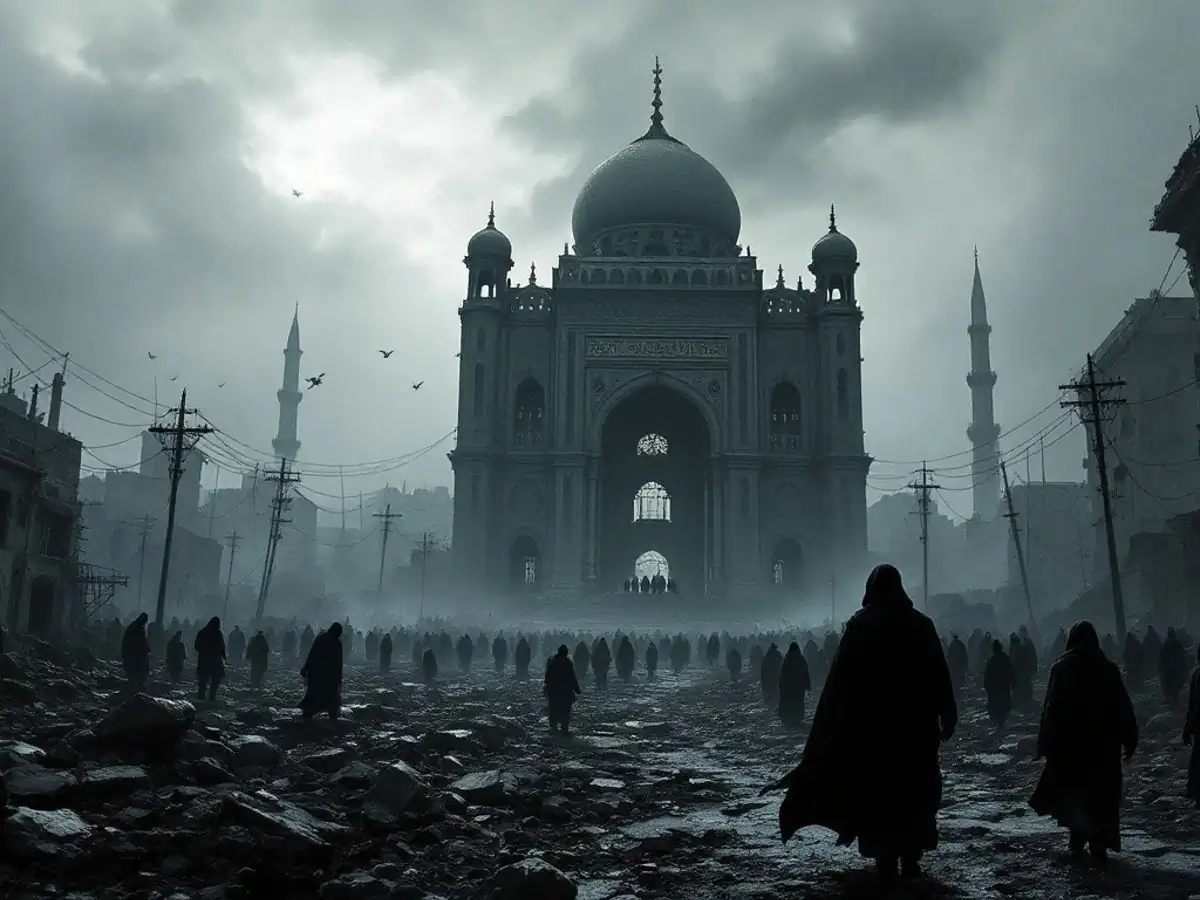
    In a historic turn of events, Syrian rebel forces have captured Damascus, marking a significant shift in the power dynamics of the region. The fall of the capital, once a stronghold for Bashar al-Assad, has left many wondering about the future of Syria and its people.

    Key Takeaways

    • The capture of Damascus signifies the end of Assad’s regime.
    • Rebel forces, led by Hayat Tahrir al-Sham (HTS), have taken control with minimal resistance.
    • The whereabouts of Bashar al-Assad remain unknown, with reports suggesting he has fled the country.
    • The situation raises concerns about potential power struggles among various rebel factions.

    The Fall Of Damascus

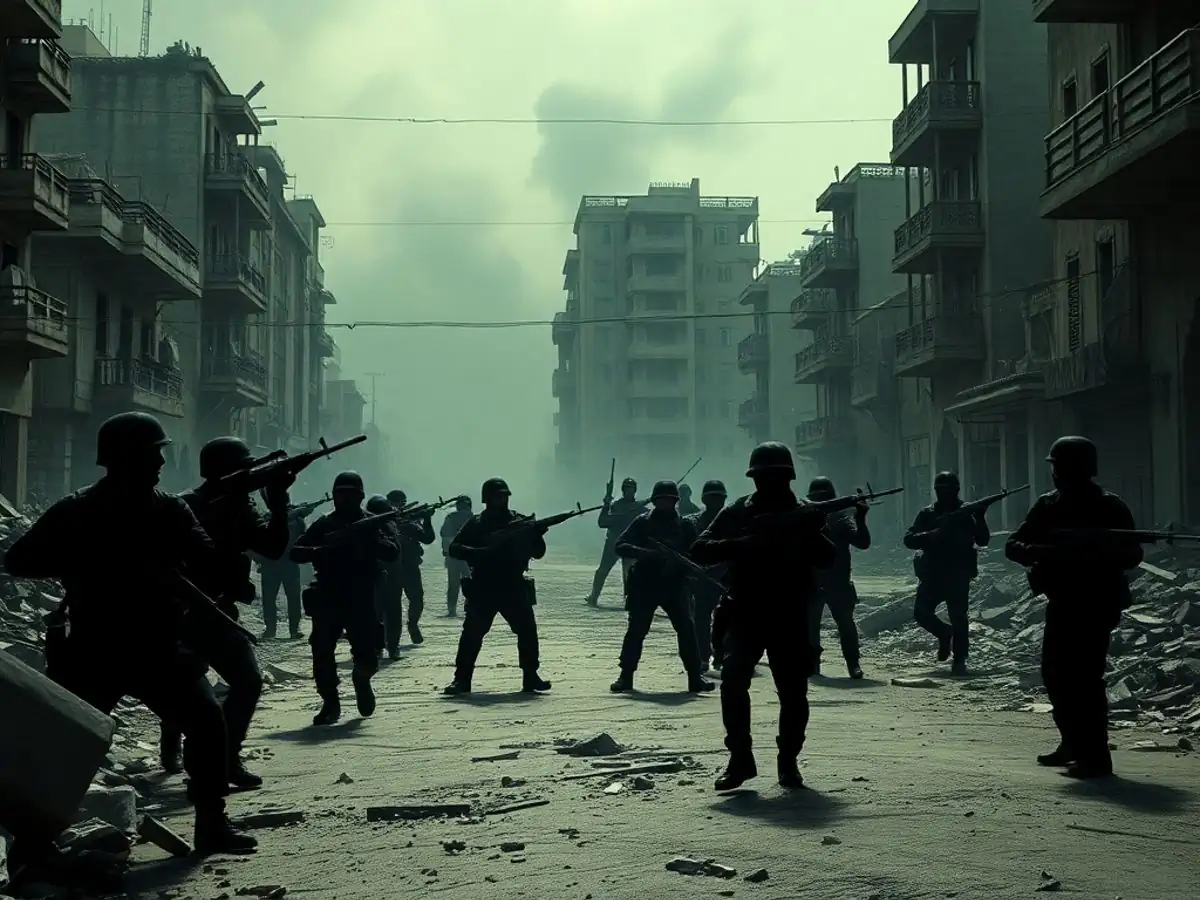
    The streets of Damascus, once bustling with the presence of the Assad regime, now echo with the sounds of change. Just hours ago, this city was the heart of Assad’s power, but now it stands as a symbol of a new beginning for many Syrians. The rebel commander of HTS declared, “the future is ours and there is no turning back,” signaling a new chapter in Syria’s tumultuous history.

    The Aftermath Of The Regime

    As the dust settles, the implications of Assad’s downfall are profound. Reports confirm that Assad has left the country, leaving his prime minister to manage a transitional administration. However, real power appears to rest with Abu Muhammad Al-Jalani, the leader of HTS, who has promised to safeguard the rights of minorities in the new Syria.

    A New Era For Syria

    The fall of the Assad regime has sparked a wave of hope among displaced Syrians. Many are eager to return to their homes, reclaiming what was lost during years of brutal conflict. Yet, the path forward is fraught with uncertainty. The rebel forces have already begun to clash among themselves, raising fears of further instability.

    The Role Of External Powers

    The geopolitical landscape is shifting as well. Russia, once a staunch ally of Assad, now finds its influence waning. With its focus diverted to the war in Ukraine, Moscow’s ability to support the regime has diminished. Meanwhile, Iran, another key backer of Assad, faces its own challenges, leaving the future of Syria open to various factions vying for control.

    The Human Cost

    For millions of Syrians, the fall of Damascus is bittersweet. While some celebrate the end of a regime that has caused immense suffering, others fear the potential for new conflicts. The streets are filled with both joy and anxiety as people grapple with the reality of what comes next.

    The Future Of Syria

    As different rebel groups emerge, the question remains: who will govern Syria? The potential for a power vacuum could lead to further chaos, with various factions competing for control. The international community watches closely, aware that the consequences of Syria’s turmoil extend far beyond its borders.

    Conclusion

    The capture of Damascus marks a pivotal moment in Syrian history. While the fall of Assad’s regime brings hope for many, it also raises questions about the future stability of the region. As Syrians look to rebuild their lives, the world must remain vigilant, understanding that the implications of this change will resonate for years to come.

  • Breaking: Mass Disclosure on the Mysterious Drones!!!

    Breaking: Mass Disclosure on the Mysterious Drones!!!

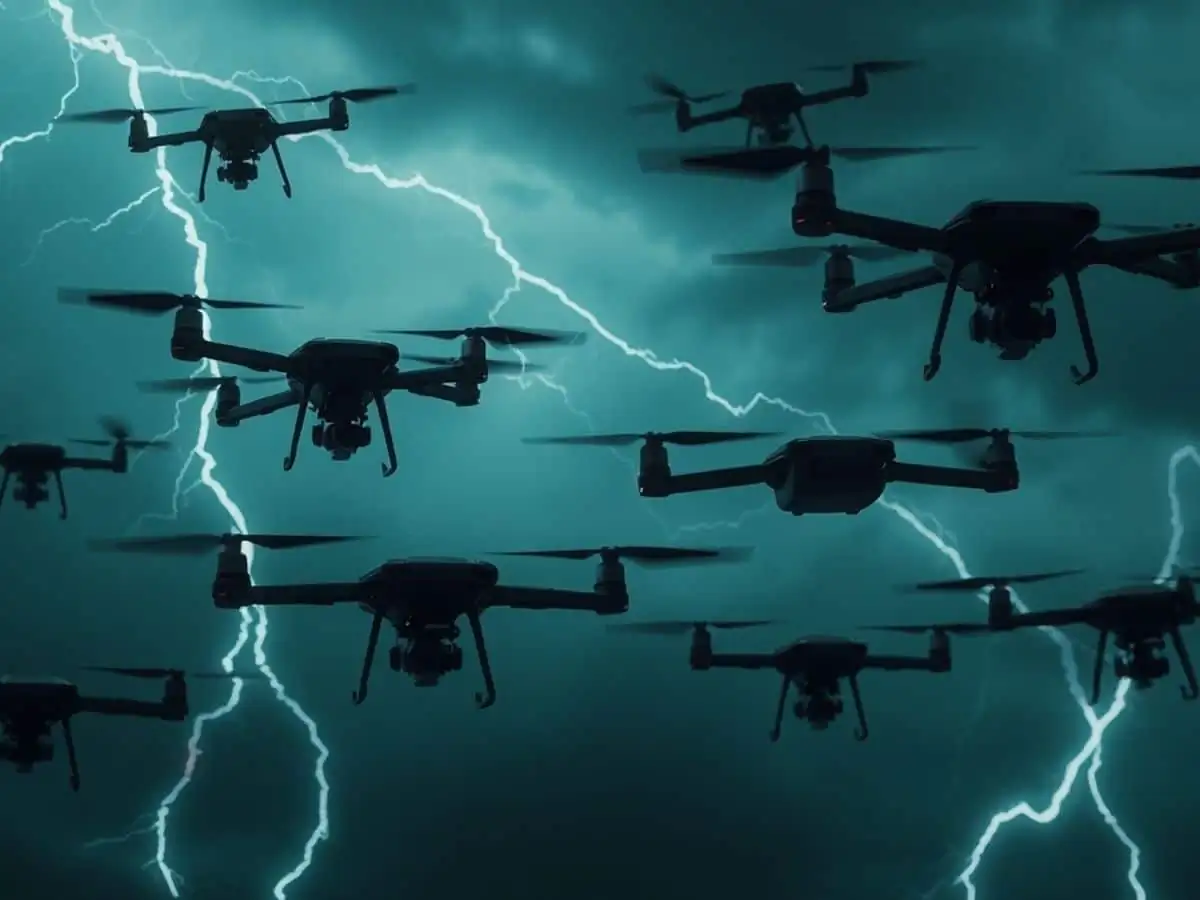
    Recently, a wave of mysterious drone sightings has captivated the attention of residents and officials in New Jersey. With reports of drones hovering over various locations, the situation has sparked a mix of curiosity and concern among the public.

    Key Takeaways

    • Drone Sightings: Numerous reports of drones spotted across New Jersey, raising questions about their origin.
    • Official Denials: Authorities deny any connection to foreign entities or military operations.
    • Public Concern: Residents express fear and confusion over the lack of information.
    • Calls for Action: Local officials urge federal intervention and transparency regarding the sightings.

    The Drone Phenomenon

    The recent drone sightings have been described as unsettling. Representative Jeff Van Drew, a Republican from New Jersey, addressed the situation, stating that there is no evidence of an Iranian mothership launching drones off the U.S. coast. This assertion aims to quell fears of foreign threats, yet the mystery remains.

    Eyewitness Accounts

    Residents have reported seeing drones behaving unusually. One individual recounted a personal experience:

    • Drone Encounter: “I put my drone up in the air, but within minutes, I lost control. It felt like my drone was being overridden.”

    Such accounts have led to speculation about the nature of these drones. Are they military assets, or could they be something more sinister?

    Investigations Underway

    Local law enforcement agencies are actively investigating the sightings. Reports indicate that:

    • Drones are Evasive: When attempts are made to contact the drones, they become elusive.
    • Video Evidence: Some law enforcement agencies have captured video footage of the drones, adding to the intrigue.

    Theories and Speculations

    Theories abound regarding the origin of these drones. Some possibilities include:

    1. Military Operations: Could these be U.S. military drones conducting undisclosed operations?
    2. Foreign Surveillance: Are they assets from foreign powers like China or Russia?
    3. Hoax: Is this a coordinated hoax involving multiple individuals?

    Public Reaction

    The public’s reaction has been one of fear and confusion. Many residents express unease about the lack of transparency from officials. One local resident stated:

    • “It’s eerie looking out my window at night, wondering what’s up there.”

    Calls for Action

    In response to the growing concern, New Jersey State Senator John Bramnick has called for a limited state of emergency. He advocates for a ban on all drone flights until the public receives clear answers about the situation. This call reflects a broader demand for accountability and transparency from government officials.

    Conclusion

    As the mystery of the drones continues to unfold, the need for clarity is paramount. Residents deserve to know what is flying above their homes and whether it poses any threat. The situation remains fluid, and as investigations proceed, the public will be watching closely for answers.

    In a world where technology evolves rapidly, the implications of unidentified drones in our skies could be significant. The coming days will be crucial in determining the truth behind these mysterious sightings.

  • The New Jersey Christmas Drone Mystery – The Most Logical Explanation

    The New Jersey Christmas Drone Mystery – The Most Logical Explanation

    Recently, New Jersey has been buzzing with reports of mysterious drone sightings. As excitement and concern grow, many are left wondering what’s really happening in the skies above. In this article, we’ll explore the various theories surrounding these sightings and provide a logical perspective on the situation.

    Key Takeaways

    • Many sightings are misidentified manned aircraft.
    • A significant number of drones are likely hobbyists flying at night.
    • Government actions may be influencing public perception of drones.

    Understanding The Drone Sightings

    The recent drone sightings in New Jersey have sparked a mix of curiosity and fear. With numerous videos and reports circulating, it’s essential to approach this situation with critical thinking. Many people are reacting emotionally, which can lead to mass hysteria. It’s crucial to analyze the facts before jumping to conclusions.

    Misidentification Of Aircraft

    A large percentage of the footage shared online shows what are clearly manned aircraft. It’s as if people are seeing planes for the first time. For instance, one viral video zoomed in on a glowing orb, which turned out to be Venus. This misidentification is common, especially at night when visibility is limited.

    The Role Of Drones

    While many sightings can be attributed to manned aircraft, there are indeed drones in the mix. These drones often have FAA-compliant navigation and anti-collision lights. The rise in drone popularity means more hobbyists are flying their devices, especially at night. This increase in drone activity coincides with the surge in reported sightings.

    The Parallax Effect

    One reason for the confusion surrounding these sightings is the Parallax effect. When observing objects in the sky, it’s challenging to determine their height and size. This can lead to incorrect assumptions about what people are seeing. As more individuals look up, they may notice the busy skies filled with both manned aircraft and drones.

    The Media’s Role

    The media has played a significant role in amplifying the hysteria. Some reports have inaccurately claimed that flying drones at night is illegal. In reality, it is legal to fly drones at night as long as FAA guidelines are followed. This misinformation can lead to unnecessary panic among the public.

    Government Involvement

    Concerns have also been raised about drone sightings near military installations. While this is indeed illegal, it’s essential to recognize that many drones are likely operated by hobbyists who are unaware of the regulations. The government has been trying to ban the use of Chinese-made drones, citing national security concerns. This effort has faced challenges, and the recent drone sightings may be a tactic to incite fear and push for stricter regulations.

    Conclusion

    In conclusion, the New Jersey drone mystery is a combination of misidentified aircraft, increased drone activity, and potential government influence. There’s no need to panic. The majority of these sightings can be explained logically. Instead of fearing drones, consider embracing the technology. If you’re curious about drones, why not buy one and experience the excitement for yourself?

    Stay informed, stay calm, and enjoy the skies!

  • The Man Who Lived In An Airport For 18 Years

    The Man Who Lived In An Airport For 18 Years

    Imagine a life spent in limbo, where time has no idea what it’s doing and neither do you. Most of us are just passing through, rushing from one place to another, maybe grabbing a snack or checking our phones. But for one man, the airport became his home for nearly two decades.

    Key Takeaways

    • Moran’s Background: Born in Iran, he faced identity struggles and political turmoil.
    • Life in Limbo: He became a permanent fixture at Charles de Gaulle Airport after losing his documents.
    • Bureaucratic Nightmare: His situation highlighted the absurdities of government bureaucracy.
    • Cultural Icon: His story inspired a Hollywood film, yet the reality was far more complex.
    • Final Years: After returning to the airport, he passed away in the same place he called home.

    The Beginning of a Strange Journey

    Moran Karimi Nasseri was born in 1945 in a small oil-rich town in Iran. His father was a respected doctor, and his mother was believed to be Scottish. This unique background contributed to his identity crisis later in life.

    In the late 1970s, as the Iranian Revolution unfolded, Moran found himself caught between worlds. Fearing for his safety due to his ties to the West, he sought asylum in Europe. He was granted refugee status in Belgium in 1981 but struggled to settle down, moving from country to country in search of family ties and residency.

    The Airport Life Begins

    In August 1988, Moran arrived at Charles de Gaulle Airport in Paris, intending to continue his journey to the UK. However, a cruel twist of fate struck when his briefcase, containing crucial documents, was stolen. Without identification, he was trapped in a bureaucratic limbo.

    French authorities prevented him from leaving the airport, and thus began his 18-year stay in Terminal One. Initially, he thought it would be a temporary situation, but days turned into weeks, and weeks into years.

    Life in Terminal One

    Moran adapted to his new life in the airport. He claimed a red plastic bench near a potted plant and began to accumulate personal items. He would freshen up in the restrooms, buy coffee and pastries, and read newspapers. Over time, he became a familiar face, known to airport staff and travelers alike.

    Despite the oddity of his situation, he maintained a polite demeanor and engaged in conversations about politics and current events. His knowledge was vast, and many found him to be an insightful figure amidst the chaos of airport life.

    The Media Spotlight

    As the years passed, Moran’s story attracted media attention. Journalists and curious travelers sought him out, intrigued by the man who had made the airport his home. His narrative evolved, often embellished, as he recounted his tale to anyone willing to listen.

    In 2004, his life inspired the film “The Terminal,” directed by Steven Spielberg and starring Tom Hanks. While the movie fictionalized many aspects of his life, it brought global attention to his unique predicament.

    A Long-Awaited Resolution

    After nearly two decades, the French government finally took action in 2006. With the help of advocates and media attention, they issued Moran new legal documents, allowing him to leave the airport. However, after so many years of institutionalization, he found the idea of leaving terrifying.

    Moran had become accustomed to the routines of airport life, and the outside world felt alien to him. He was escorted to a hospital for medical care, marking the end of his time in Terminal One.

    The Return to the Airport

    In 2022, after struggling to adapt to life outside the airport, Moran made the decision to return. He settled back into his familiar red bench, resuming his daily routines. However, the airport had changed, and many of the staff who once knew him were gone.

    On November 12, 2022, Moran passed away at the age of 77, sitting on his beloved bench. His life story serves as a poignant reminder of the complexities of identity, belonging, and the absurdities of bureaucracy.

    Conclusion

    Moran’s life was a tale of resilience and adaptation in the most unusual circumstances. He carved out a place for himself in a world that often overlooked him, ultimately finding a sense of belonging in the very place designed for transience. His story challenges us to reconsider what it means to have a home and the impact of government systems on individual lives.

  • The CIA’s Scariest Cyberweapon

    The CIA’s Scariest Cyberweapon

    In a world where cyber warfare is becoming increasingly prevalent, the story of Stuxnet stands out as a groundbreaking event. This sophisticated computer worm was designed to sabotage Iran’s nuclear program, showcasing the power and potential dangers of digital weapons.

    Key Takeaways

    • Stuxnet was a highly sophisticated computer worm targeting Iran’s nuclear facilities.
    • It exploited multiple zero-day vulnerabilities, making it a unique threat.
    • The worm was part of a larger operation, known as Operation Olympic Games, orchestrated by the CIA and Israeli intelligence.
    • Stuxnet marked the first time a digital weapon caused physical damage to an industrial facility.

    The Secret Facility in Natanz

    Deep underground in Iran, a top-secret uranium enrichment facility lies shielded by thick concrete walls. This facility is home to numerous gas centrifuges, which are crucial for enriching uranium. The process involves spinning uranium gas at high speeds to separate isotopes, a key step in producing nuclear energy or weapons.

    However, something unusual was happening. Centrifuges were breaking down at an alarming rate, far beyond normal wear and tear. The Iranian scientists were baffled, as their systems were air-gapped, meaning they were isolated from the internet and secure from external attacks.

    Discovery of the Malware

    Meanwhile, in Belarus, cybersecurity experts Sergey Ulsan and Ole Capri were troubleshooting computers for an Iranian client. They stumbled upon a sophisticated malware that was unlike anything they had seen before. This malware was exploiting a zero-day vulnerability, a previously unknown flaw that could be used indefinitely until patched.

    The malware, later named Stuxnet, was a highly complex worm capable of replicating itself and remaining undetected. Alarmed, Ulsan and Capri reported their findings to Microsoft, but received no response. By the time they went public, Stuxnet had already spread to over 100,000 computers worldwide, with a significant concentration in Iran.

    The Anatomy of Stuxnet

    Stuxnet was not just any malware; it was a digital weapon. It utilized four different zero-day exploits and was unusually large for a worm, indicating its complexity. Once it infiltrated a system, it installed a rootkit, allowing it to conceal its presence while taking control of the infected computer.

    The worm specifically targeted systems running Siemens Step 7 software, which is used in industrial control systems. This targeting was crucial, as it allowed Stuxnet to disrupt the operations of Iran’s nuclear centrifuges.

    Operation Olympic Games

    The origins of Stuxnet can be traced back to a covert operation known as Operation Olympic Games, initiated by the CIA and Israeli intelligence. The goal was to sabotage Iran’s nuclear program without direct military intervention. In 2007, the CIA developed a plan to infiltrate the Natanz facility, which included creating a replica of the site in Tennessee for testing.

    The operation relied on a Dutch engineer, Eric Fonsaa, who was tasked with installing water pumps at the Natanz plant. These pumps contained the sophisticated malware that would later become Stuxnet. Fonsaa successfully smuggled the malware into the facility, setting the stage for the attack.

    The Attack Unfolds

    Once inside, Stuxnet began its work but initially did nothing. It observed the facility’s operations for weeks before launching its attack. When it was ready, Stuxnet sent fake signals to the control room, making everything appear normal while chaos ensued behind the scenes.

    The worm took control of the centrifuges’ frequency converters, causing them to spin at dangerous speeds. This manipulation led to the destruction of approximately 1,000 centrifuges, significantly delaying Iran’s nuclear program.

    The Aftermath

    Despite its success, Stuxnet had unintended consequences. A bug in the code allowed the worm to escape the confines of the Natanz facility, leading to a global outbreak. This revelation raised suspicions about state-sponsored cyber warfare, with many experts pointing fingers at the United States and Israel.

    Stuxnet marked a historic moment in cyber warfare, demonstrating that digital weapons could cause physical destruction. Since then, no attack of such scale has been repeated, likely due to the immense resources required and the unpredictable nature of such operations.

    Conclusion

    The story of Stuxnet serves as a cautionary tale about the potential of cyber weapons. As nations continue to develop their cyber capabilities, the line between digital and physical warfare blurs, raising questions about the future of international security. With Iran’s nuclear ambitions still a concern, the legacy of Stuxnet remains relevant in today’s geopolitical landscape.