Category: Politics

  • Greenland: The Geopolitical Chessboard and Global Flashpoints Set the World on Edge

    Greenland: The Geopolitical Chessboard and Global Flashpoints Set the World on Edge

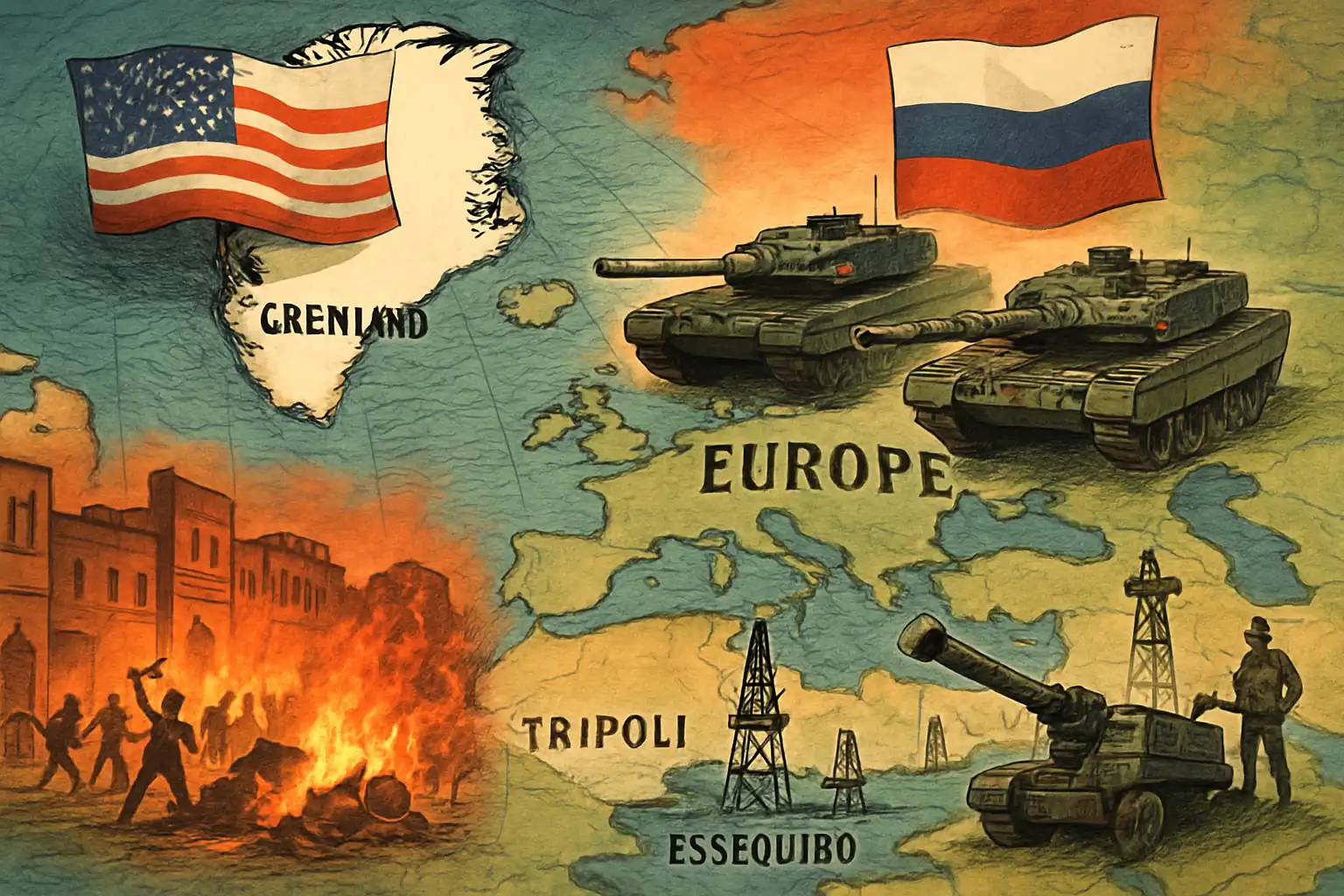
    Ice, ambition, and power moves define global politics. In a jarring week, America rekindled its interest in Greenland, France and Germany strengthened their defense collaboration, Tripoli sank deeper into chaos, and Venezuela escalated tensions over Essequibo. Every thread seemed to tighten globally, igniting old tensions and creating new ones—prompting diplomats, analysts, and survivalists to pay attention.

    The pulse of change resonates from Arctic cliffs to South American jungles, from Colorado’s granite bunkers to Tripoli’s rain-soaked streets. In such instability, every border could be a fault line, and each handshake might conceal betrayal.

    Greenland’s Strategic Role: Desire, Defense, and a Superpower Standoff

    Greenland, once merely the largest expanse of ice and tundra, now occupies a pivotal position in superpower strategy. Trump’s 2019 remarks about buying Greenland (admit it—did you foresee that?) underscored the island’s military and resource significance. Climate change is melting its ice, exposing valuable minerals and new shipping routes. Greenland has become a focal point—not just for Washington, but for Moscow and Beijing as well. The depth of U.S. fixation has revived fears of a Cold War-style resource race, paralleling conspiracy theories that suggest underground military sites hide deeper, older secrets.

    Greenland’s autonomy from Denmark, its strategic position between North America and Eurasia, and its colonial legacies complicate any external influence—echoes familiar to observers of other territorial conflicts and those concerned about hidden global histories.

    Franco-German Defense: Building a European Power Bloc

    This week, Franco-German defense cooperation advanced significantly, with leaders signing agreements for next-gen combat tanks—strengthening Europe’s security and autonomy. As detailed in this report on joint defense, France and Germany see unity as their strength amid global chaos. Their partnership not only defends against external threats but also signals Europe’s resolve to carve its own path, especially as U.S. interests shift toward the Arctic and Pacific.

    However, history reveals that genuine continental defense faces challenges akin to icy terrain, marred by political conflicts and diverging visions—reflecting the deep divides seen in reactions to threats like the Aegean seismic events and Pacific Northwest megaquake realities. Today’s Franco-German actions both reveal and influence a continent that understands the fragility of alliances during geopolitical storms.

    Tripoli’s Unraveling: The Mediterranean Meltdown

    Meanwhile, Libya stands on edge, with Tripoli engulfed in violence amid a complex web of militias, regional supporters, and global players. Each rebel gain and governmental failure offers opportunities for external actors—Russia, Turkey, and Western Europe—to further their goals. This turmoil mirrors past warnings in science-backed doomsday prophecies and unresolved post-colonial conflicts. The Mediterranean has never appeared more volatile.

    This local turmoil always threatens to spill over, affecting migration, arms transfers, and trade throughout the region. In this volatile environment, any new trigger—be it an economic crisis or international interference—could alter the geopolitical landscape drastically.

    Venezuela and Essequibo: Borders, Oil, and Brinkmanship

    Across the Atlantic, Venezuela has intensified its stance against Guyana over the Essequibo territory, rich in oil and national pride. As France24’s coverage shows, this dispute is far from a simple border issue—it entails brinkmanship with serious economic and humanitarian implications for the entire region. In a world fixating on climate anomalies, as explored in South America’s recent historic freeze, such resource disputes reveal the volatility and fragility of border conflicts.

    Global media intensely scrutinizes the risk of wider conflict, particularly as Venezuela’s internal turmoil drives increasingly dangerous actions. The interconnected nature of today’s crises—economic, climatic, and military—implies that troubles in Essequibo could reverberate beyond Venezuela or Guyana.

    From the Arctic to the Equator: Instability Is the New Normal

    This week’s barrage of flashpoints emphasizes a universal principle for the anxious, curious, and prepared: not even ice sheets or ancient jungles can shield us from big power politics. To understand the currents shaping the future—be it a standoff beneath Arctic ice, new power dynamics in Europe, or sudden upheaval in equatorial forests—observe closely who acts and who follows.

    For dedicated observers tracking every facet of this unfolding drama, Unexplained.co provides continuous updates from the frontlines of uncertainty. As the world accelerates, heed this clear warning: significant shifts might already be on the horizon—unseen on satellite maps or not.
  • Truth Bombs & Backlash: The High Price of Whistleblower Revelations

    Truth Bombs & Backlash: The High Price of Whistleblower Revelations

    It always starts with a whisper—an email, a document, or a leak that promises to disrupt everything you thought you knew. Whistleblowers have become icons of truth, wielding information like a weapon to shatter institutional secrecy. When a whistleblower reveals a major disclosure, the fallout reverberates through governments, corporations, and every cubicle in between, dividing the world into believers and deniers. The real impact? Entire eras often hinge on these leaks and how societies confront the revelations.

    Take a long view through American history: classified files dropped by Daniel Ellsberg and Edward Snowden’s global surveillance exposé forever altered our relationship with power. Famous cases chronicled by resources like NorthWhistle and the Employment Law Group show how one person’s courage (or, from another perspective, recklessness) can galvanize public debate, prompt legislative reforms, or—like in Watergate and the Pentagon Papers—topple entire presidents. The personal toll is often colossal. Many whistleblowers, as revealed in Wikipedia’s analysis, face retaliation through job loss, sabotage, and even threats to their lives. The price of disclosure rarely matches the hero’s welcome Hollywood portrays.

    The Whistleblower Dilemma: Truth Versus Survival

    Being a whistleblower resembles navigating a minefield with only your conscience for armor. Most insiders try to solve issues quietly, reporting misconduct internally. But when the rot runs deep, or leadership is part of the problem, going public often becomes the only option. This choice comes at a high price. Whistleblowers frequently become targets of smear campaigns, legal threats, or extensive retribution, as seen in grim tales surrounding sensitive disclosures—be it on clandestine intelligence empires (this exposé on covert operations) or historical coverups and disasters (devastation hidden for centuries).

    The term “whistleblower” hasn’t always carried a positive connotation. Ralph Nader tried to give it a favorable spin in the 1970s, hoping to recast informers as guardians instead of snitches. However, real-life cases, from corporate fraud to government deception, reveal that the battles whistleblowers fight can last for years, fueled by relentless resistance from those seeking to keep secrets buried. Their efforts sometimes unearth sprawling conspiracies—organized crime, shadow governments, or existential risks from runaway technology (AI running off the rails).

    The Impact of Major Disclosures on Public Policy

    Major leaks alter more than water-cooler discussions—they can reshape society’s very structure. Government reforms, new bureaucratic watchdogs, and waves of regulations have emerged from whistleblower disclosures. Occasionally, though, these bombshells trigger only minimal accountability, especially when exposed institutions mobilize their spin machines. For example, revelations about deep state activities, as in investigations like individuals exposing covert empires, inspire calls for transparency but often face resistance that redirects or diminishes real change. Still, public appetite for disclosure continues to grow—turning some whistleblowers into folk heroes who navigate the chaos and exposing a world as convoluted as secret societies, lost civilizations, and doomsday warnings found in investigative deep-dives or apocalyptic prophecies.

    Social media has transformed the whistleblower’s playbook by providing anonymity and a platform for allegations, but this instant scrutiny can escalate consequences for both accusers and the accused. As stakes rise in areas like artificial intelligence, geopolitics, and shadow finance, the revelations sometimes overshadow the spectacle itself. Is the truth genuinely on your side, or just another skirmish in the chaos of history?

    Courage and Costs: The Human Toll of Blowing the Whistle

    If whistleblowers seem like prophets or martyrs, it’s because many dedicate their lives (and sometimes lose them) for their cause. Some, like John Barnett or David Kelly, paid the ultimate price after disclosures involving national safety and war. Most lose livelihoods and endure profound isolation. The Wikipedia summary on whistleblowing outlines not just the mechanism of disclosure, but the aftermath: depression, financial stress, and even mysterious disappearances. For every high-profile media trial, countless others fade into obscurity, their sacrifices known only in niche circles or, chillingly, in urban legends surrounding silenced truth-tellers.

    Still, some countries have established robust protections—including anti-retaliation laws—to encourage transparency. Yet nothing can eliminate the threat of coordinated intimidation or the psychological toll. What endures is the power of a single voice heard at the right moment—a thread that unspools a hidden tapestry larger and stranger than fiction. The mechanics of this process can be as obscure as the scrolls buried in history’s unsolved mysteries or the cycles of disaster, survival, and revelation chronicled at Unexplained.co.

    In a World of Secrets, the Whistle Never Sleeps

    Shocking disclosures by whistleblowers will always shock society awake—even when the message is uncomfortable or the messenger suffers. Their stories, from the macrocosm of governmental indifference to the microcosm of sticky-note confessions, remind us that occasionally, all it takes is a single act of disclosure to change the rules… or to reveal how deep the rabbit hole truly goes.

  • The F-55 Fighter Jet: Internet Meme, Political Mirage, or Hidden Prototype?

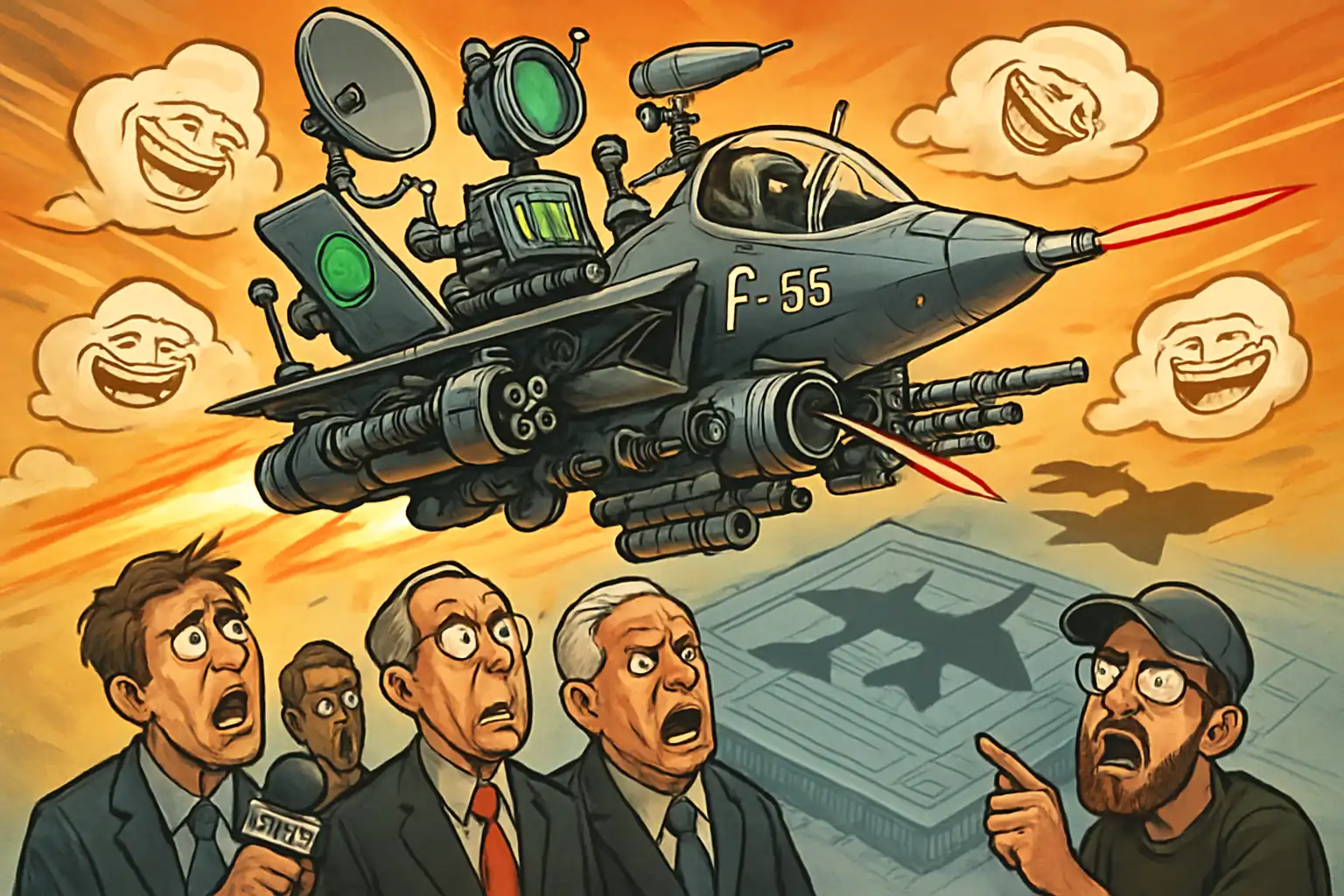
    The F-55 Fighter Jet: Internet Meme, Political Mirage, or Hidden Prototype?

    Aviation enthusiasts and defense journalists alike grapple with a specter: the elusive F-55 fighter jet. In the last year, the term ‘F-55’ cropped up everywhere—from presidential speeches to meme subreddits, TikToks, and military blogs. So, is the F-55 real? What ignited this excitement, and why does it persist? Buckle up; this story blends fact, fiction, and political trolling better than most stealth fighters.

    First, let’s dive into the origins. In May 2025, articles like this Newsweek piece and commentary on Medium showed how former President Donald Trump suggested the F-55 as a turbocharged iteration of the F-35, boasting twin engines and a mix of buzzwords. Defense insiders quickly noted no such program exists, yet meme creators and Twitter users expanded on the fantasy. Further analyses on Defense One and military forums confirmed the obvious: No official list includes the F-55 in any operational or upcoming U.S. military aircraft—something verified by fact checks and the Wikipedia list of U.S. military aircraft.

    Origins in Political Rhetoric and Meme Culture

    The F-55 legend began not with Lockheed Martin, but from the intersection of internet meme culture and political improvisation. When Trump or other politicians conjure future fighter jets in speeches (like the F-52’s notorious and fictional debut in 2018), it triggers viral content and rampant speculation. The F-55 represents a speculative leap for the U.S. Air Force, providing meme artists and ‘leak’ accounts endless material. This pattern mirrors viral conspiracies about time machines and UFO technology, reminiscent of the hysteria surrounding new physics discoveries and urban legends chronicled in this Canadian ghost exposé.

    Black Projects or Black Comedy?

    Could a secret F-55 exist beneath the Pentagon? Several defense analysts cited in Defense One’s exclusive and TikTok analyses concede the U.S. conducts covert projects (some with placeholder names even more bizarre than F-55). Yet, official records from the Department of Defense and aviation manufacturing show no such aircraft exists—regardless of how often the rumor resurfaces. Ironically, this fascination reveals how aviation fans and potential adversaries obsess over secret technology, a paranoia mirrored in headlines concerning military escalation and power grid vulnerabilities, as detailed in this critical grid review and recent international analyses.

    How Fighter Jet Myths Take Off

    The global fascination with “stealth” or “fifth-generation” technology guarantees that a mere slip of the tongue can transform into aviation lore overnight. As this longform commentary explains, the F-55 myth intertwines with political narratives and the escalating arms race of internet humor. It connects to the odd tales of megaquakes (discussed in this feature on geophysical risk), legends of Nazi UFOs, and the recent buzz about advanced Chinese or Russian military platforms—a theme revisited in in-depth studies on Chinese engineering and the ongoing wave of social media disinformation.

    The F-55 and the Real Future of Airpower

    Will the F-55 ever materialize, or will it remain the internet’s favorite imaginary aircraft? Currently, there’s no evidence in unclassified Pentagon lists or credible journalism. If a twin-engine F-35 appears, it will likely carry a more plausible name. However, the media spectacle surrounding the F-55 demonstrates how a stray quote or the hint of hidden technology can captivate the public’s imagination. And honestly—wouldn’t you prefer a little extra awareness in case something real emerges from the shadows? For deeper insights into the line between fact, fiction, and the uncanny, stay tuned to Unexplained.co. In today’s landscape, the genuine narrative often proves stranger—and more entertaining—than fiction.

  • China’s Lunar Leap: What the Far Side of the Moon Reveals

    China’s Lunar Leap: What the Far Side of the Moon Reveals

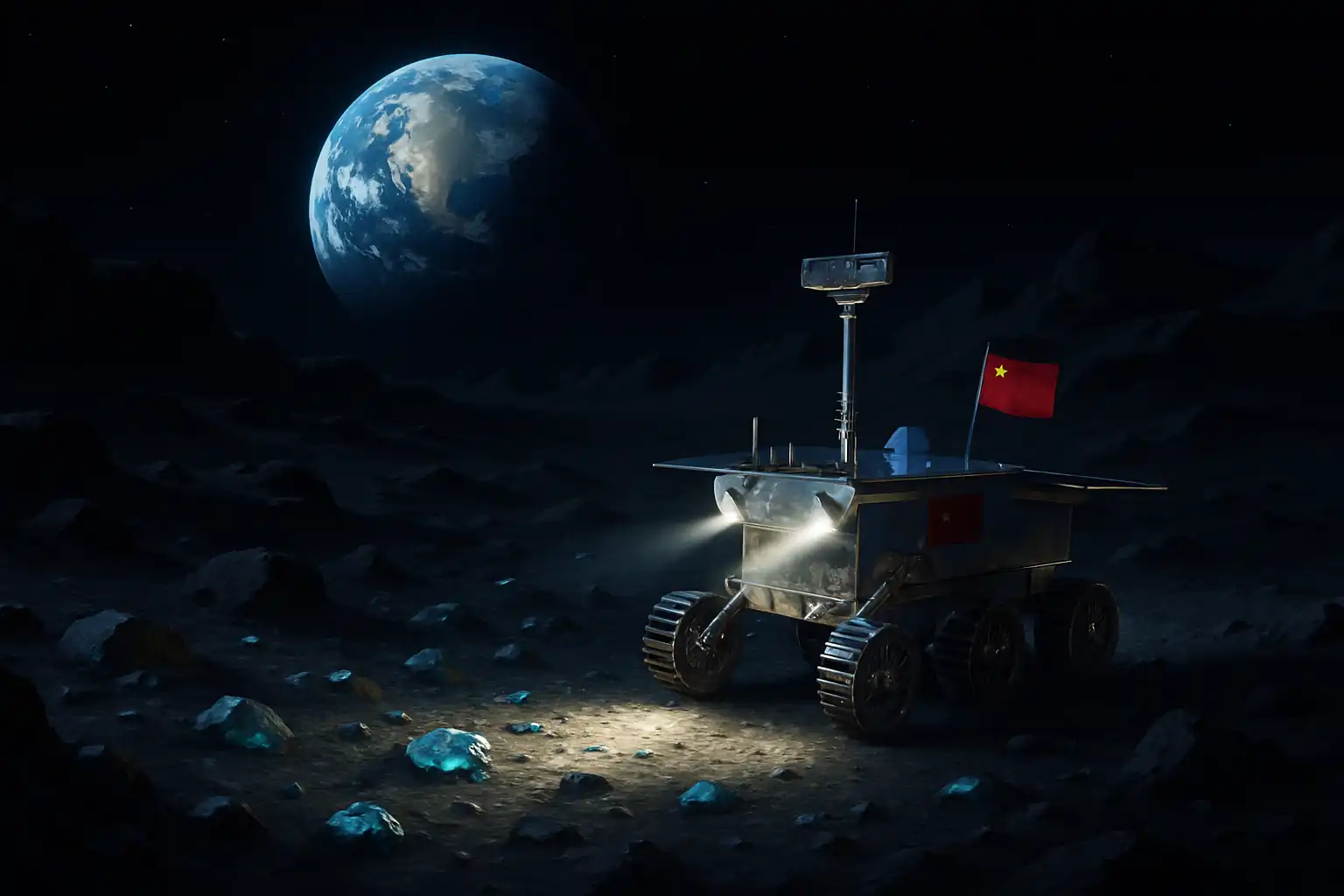
    While many gaze at the Moon’s familiar face, China’s space program opens a new frontier—deploying robotic eyes, drills, and labs on the far side’s perpetual night. Chang’e 4 and the upcoming Chang’e 6 have not merely collected rocks; they spark curiosity and serve as a challenge in the international space race.

    Chang’e 4 made history as the first craft to land softly on the Moon’s far side, according to NASA and the Wikipedia overview. Its Jade Rabbit 2 rover rolled into the Van Kármán crater, collecting data, images, and conducting a biological experiment where seeds briefly sprouted in lunar soil—before freezing in the harsh lunar night. The mission aimed to dig deep, both literally and figuratively, uncovering vital clues about the lunar crust and mantle. Chang’e 6, its follow-up, goes even further: it returns with the world’s first samples from the far side, as confirmed by this Reuters report.

    New Lunar Samples and Unprecedented Discoveries

    Chinese scientists now dissect a rare geological library with lunar soil from the far side. This analysis is crucial: the far side’s crust is thicker, older, and starkly different from the near side visited by Apollo. Studying these samples promises insights into how the Moon—and possibly Earth’s twin—formed after ancient cosmic collisions. This represents a significant technological and scientific leap, resonating with breakthroughs in particle physics, like those detailed in CERN’s most dramatic findings.

    Recent findings of olivine-rich rocks and unusual mineral signatures suggest processes not observed on the near side. The sample recovery—a feat chronicled in the New York Times’ coverage—is pivotal for understanding lunar evolution and searching for volatiles like water ice. These volatiles could one day power lunar bases or fuel rockets exploring deeper parts of the solar system.

    Technological Triumphs: Navigating the Unknown

    China’s success relies not only on discoveries but also on execution. Sending a lander to the Moon’s far side involves dealing with constant radio blackout—a challenge overcome by China’s Queqiao relay satellite orbiting the L2 Lagrange Point. The rover’s drill and radar analyzed subsurface layers, looking for water ice. This technology recalls Earth’s deep-underground exploration stories, similar to China’s efforts to dig the planet’s deepest borehole and our search for hidden resources.

    The successes and failures of lunar exploration mirror the challenges of Earth’s natural and artificial “resets.” For instance, consider the cautionary observations of geomagnetic storms in solar-terrestrial risk investigations and the vulnerabilities of global tech infrastructure as discussed in this EMP grid-down scenario review. One lesson is evident: next-generation science blends genius and risk, whether on the Moon or on Earth.

    Rising Stakes: Return of the Space Race

    China’s lunar ambitions extend well beyond scientific exploration. These missions intensify global competition, igniting perennial questions regarding sovereignty and cooperation on humanity’s newest frontier. Space agencies from Europe, the U.S., and Russia view China’s achievements as significant milestones and indicators of strategic intent. This modern version of the Cold War recalls escalating international tensions—a theme examined in in-depth negotiation analyses regarding today’s risks and in AI-driven fears of existential stakes.

    Will these discoveries expedite plans for lunar mining, habitation, or military outposts? Analysts can only speculate, but China’s commitment to infrastructure and long-term planning suggests a clear path: they are laying groundwork for a permanent presence, noted in comprehensive analyses from reputable space sources.

    Far Side Surprises: What Lies Ahead?

    Despite the revelations, the Moon’s far side remains shrouded in mystery. Future missions—both Chinese and international—will survey polar regions for ice, map subsurface “lava tubes,” and may reveal rare minerals or trace past volcanic activity. Each mission expands both technology and international law into uncharted territory.

    For those on Earth, this story provides a radically new perspective on possibilities—if one has the audacity (and bureaucracy) to pursue them. To keep updated on lunar developments, from cosmic resource wars to astonishing discoveries, visit Unexplained.co for expert analysis and bold speculation. After all, the final frontier is just beginning to unfold… and history teaches that real surprises often lie out of view, just beyond the dark horizon.

  • China’s Race to the Center: Why the World’s Deepest Drilling Project is Making Headlines

    China’s Race to the Center: Why the World’s Deepest Drilling Project is Making Headlines

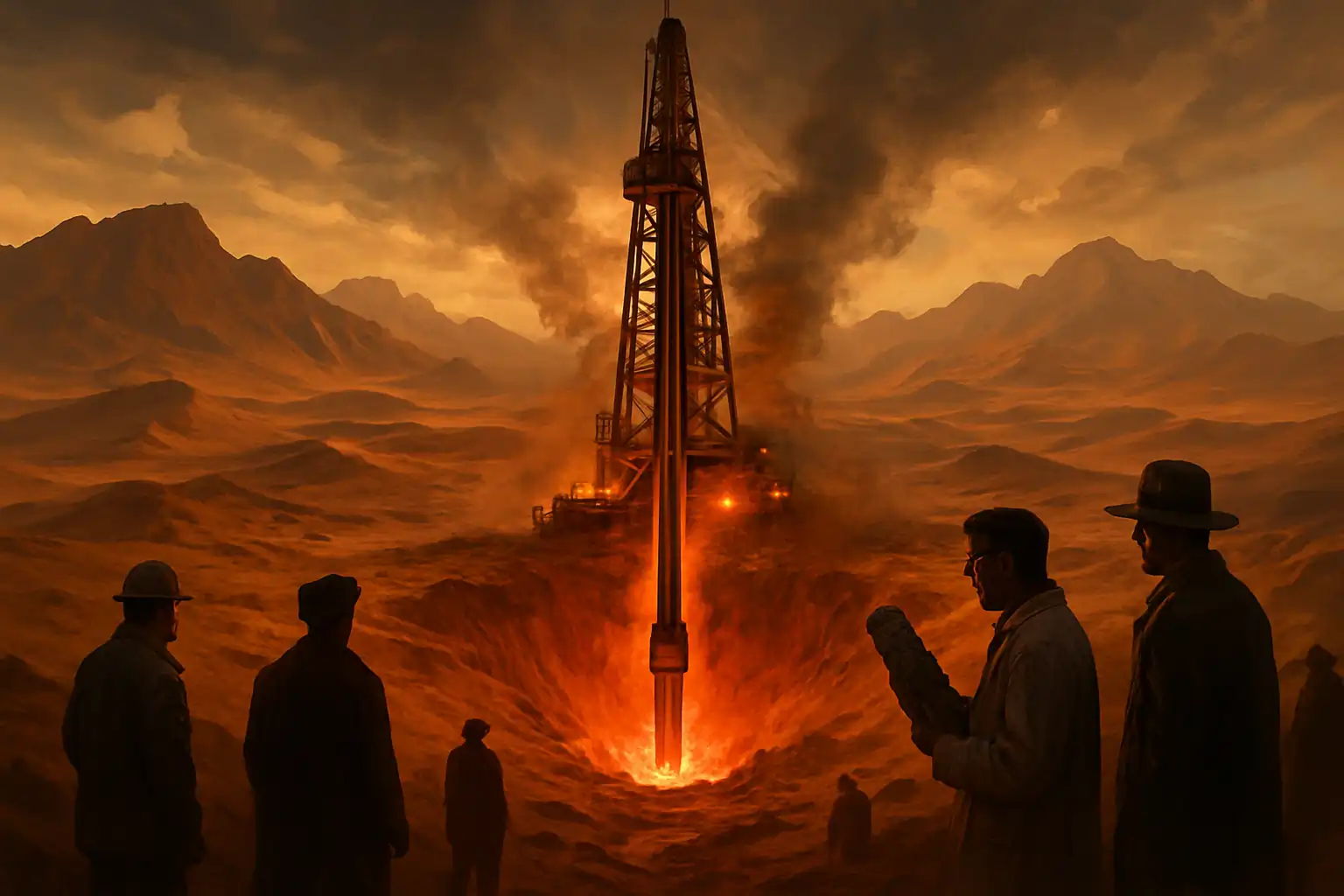
    The planet’s crust conceals more than caverns and molten rock; it holds ancient secrets, millions of years old, that beckon for exploration. Enter China, whose latest engineering marvel — a borehole plunging over 10,000 meters into the Taklimakan Desert — grabs the attention of both geologists and global strategists (Xinhua report). But why is Beijing deploying its top tools and minds to pierce the planet’s skin? The reasons are complex, spanning energy strategy, doomsday insurance, and — if you adjust your tinfoil hat just right — touch on ancient human legends about the earth’s hidden depths.

    This is no simple feat: while the Russian Kola Superdeep Borehole sits as the deepest human-made hole at 12,262 meters, China’s ambitions — as detailed by TIME Magazine and New Scientist — reach even further.

    The Science and Strategy Behind China’s Megaborehole

    Superdeep drilling in the Tarim Basin unlocks layers of untapped oil and natural gas, while also seeking geological enlightenment. Each new kilometer reveals samples from the age of dinosaurs — potentially yielding clues about ancient life or mass extinction events. With the world’s volatile energy markets and rumors of resource wars, this project serves as a strategic move — akin to the hidden ambitions and discoveries discussed in this exploration of mysterious Antarctic structures or the scramble for megaflood evidence from prehistoric America. China believes control over subterranean resources may define future events above ground.

    This initiative also represents a grand science experiment. Similar to the Soviet engineers of the Kola project, Chinese scientists aim to clarify seismic hazards threatening the expanding cities of Xinjiang and beyond — a safeguard against catastrophe in a seismically active region. Do not dismiss this effort as unnecessary; understanding seismic activities trumps the alternative of repeating history’s devastating surprises, as detailed in this deep-dig at the Giza pyramids.

    Engineering Marvels and the Limits of Human Technology

    The technical challenges border on science fiction. Temperatures exceed 200°C, drill bits crumble like toothpicks, and the risk of equipment fusing into the crust is significant (referring to the hard-learned lessons from the Russian Kola project). Despite this, China’s operation, reported by New Scientist, already stands as one of the wonders of modern engineering.

    Those imposing depths evoke ancient fears: are we awakening something best left buried? This query resonates not only in mythologies but also in serious investigations about underworld cities and the origins of the enigmatic “giants,” explored in this report on hidden human history. Gazing into the abyss tests our courage and curiosity, and for some, embodies humanity’s ultimate overreach.

    Global Implications: Resources, Seismic Data, and Doomsday Scenarios

    This borehole transcends mere oil exploration; it serves as a laboratory for global science, potentially paving the way for disaster prevention. Major governments monitor developments for insights into earthquake prediction, disaster management, and even carbon capture storage capabilities. In a world anxious about existential threats, China’s endeavors are practical and ambitious — more proactive than the reactive, whistleblower-driven warnings emerging in cases like the tragic fate of OpenAI insiders. Drilling deep into the crust could provide data essential for avoiding unexpected resets discussed in cycle catastrophe analyses and helping to reshape our entire approach to geoengineering.

    Conversely, some ponder what should remain undisturbed: ancient microbes, pockets of hazardous gas, or even, as some theories suggest, the “forbidden” realms of the underworld. While most scientists maintain a more pragmatic view, the risks involved — such as sudden seismic shifts — cannot be completely overlooked.

    Pushing Deeper: What We Learn by Drilling the Unknown

    From a skeptical perspective, the pursuit to drill deeper is more than a PR maneuver for China; it embodies a quest for knowledge, akin to the early warnings and predictions made famous by visionaries of the past. The true revelations may concern Earth’s raw physical history—uncovering climate changes, ancient ecosystems, or new physics waiting to be discovered. In an age captivated by Mars exploration, these terrestrial endeavors remind us of our limited understanding of our own planet.

    If humanity is to outsmart disasters, manage resources responsibly, or simply unravel the enigmas below, it will be through initiatives like China’s superdeep borehole. The next chapter in Earth’s story—whether triumphant or cautionary—could emerge not from the stars, but from a narrative written in rock, dust, and the unknown depths explored. For more on how these seismic endeavors influence our civilization’s trajectory, stay tuned to the discoveries at the ever-curious Unexplained.co.

  • The Hidden Hand: How the Jesuit Order Shaped America’s Secret History

    The Hidden Hand: How the Jesuit Order Shaped America’s Secret History

    American history hides a group that inspires both reverence and suspicion—the Jesuits. Officially known as the Society of Jesus, this Catholic religious order often draws comparisons to the world’s most enigmatic secret societies. Chris Pinto’s film, ‘American Jesuits,’ explores archives and conspiracy theories, revealing how the order’s blend of spiritual rigor, intellectual power, and political clout shadows the nation’s evolution.

    The Jesuits defy the typical “secret society” template—no cloak-and-dagger rituals or handshake codes exist. Nonetheless, theorists weave tales of hidden influence and ambitions of world domination. While mainstream sources like Britannica and Wikipedia document their genuine achievements in education and missionary work, a look at rare document collections explains why the notion of Jesuit secrecy endures—and remains controversial—especially when combined with historical distrust and occasional suppression by the Vatican itself.

    Founding the Order: Ignatius of Loyola and Global Ambition

    In 1540, a wounded Spanish nobleman named Ignatius of Loyola transformed from soldier to spiritual revolutionary, enlisting a group of devoted companions in Paris. Their mission called for poverty, chastity, obedience, and unique loyalty to the Pope. This “Company of Jesus” quickly spread worldwide, with members serving as “God’s marines” on the front lines of the Counter-Reformation. In America, Jesuits founded schools, shaped major universities, and engaged with colonial governors and native tribes—sometimes imparting knowledge, sometimes sparking controversy (the order’s founding day). Their reputation for secrecy, mobility, and elite education deepened suspicions and fueled rumors like the mythic ‘Monita Secreta’—an alleged secret manual for worldly power (Wikipedia’s analysis).

    The Jesuit Conspiracy: Fact, Fiction, and American Legends

    From the start, Jesuits sparked both admiration and conspiracy. Protestant authors, anti-Catholic activists, and government officials labeled them as master schemers. The internet magnified these theories; entries on Jesuit conspiracy theories track their evolution from European monarchies to the American frontier. Like stories of ancient secrets buried below or rumors of parallel universes, tales of the Jesuits’ hidden role in world events appeal to those who believe civilization’s rules develop behind the scenes. For Pinto, the focus shifts from proving cabals to posing critical questions: who shapes our beliefs, and why?

    Powers of Influence: Education, Espionage, and Spiritual Warfare

    Remove the wildest myths, and Jesuit power rests not in the occult or shadow governance. It stands on education, intellect, and adaptability. Their network of schools—from Georgetown and Fordham to smaller missions—has molded American leadership for centuries. As the digital age fuels new conspiracies about foreign interference and AI-driven upheaval, the Jesuit commitment to critical thinking remains relevant. Yet, controversies persist; accusations of political meddling and disinformation circulate online, blending genuine activism with the drama of secret society lore. Encounters with popes, expulsions from empires, and struggles for relevance in a secular world keep their true face concealed behind a mask of adaptability (crisis points in history and global flashpoints).

    The Legacy—And Future—of the Jesuit Mystique

    Despite suspicion, the Jesuits have endured official suppression, ideological witch hunts, and the frenzies of modern media. Their current superior general commands global loyalty—a living symbol of discipline and purpose that would impress any secret society. In Jesuit tradition, secrecy serves not merely as window-dressing but as a survival tactic: a skill refined over centuries of dodging expulsion and censorship by both secular and religious powers. The true secret of Jesuit influence lies in their narrative-shaping ability—of faith, science, and society—while remaining an enigma at the core. Few societies can claim the dual role of being both God’s “soldiers” and popular culture’s perennial scapegoats.

    For those seeking truth amid hidden histories, resources like Unexplained.co illuminate these evolving mysteries from a neutral perspective—because sometimes, the most powerful forces rewrite rules from behind the curtain.

  • The Fourth Turning Unfolds: Why the Rise of Strongmen Signals Crisis and Conflict

    The Fourth Turning Unfolds: Why the Rise of Strongmen Signals Crisis and Conflict

    If you feel the rumble of history beneath your feet, you aren’t imagining things: Neil Howe’s ‘Fourth Turning’ has arrived, and the sirens blare for those who pay attention. Howe and Strauss theorized that every 80 to 100 years, society faces a crisis so severe it redraws borders and belief systems, ushering in a new age—usually through hardship. Howe warns that the worst is not yet behind us. In fact, we may still be staring down the storm’s very beginning.

    Every era produces its own myths and monsters, but this turn is different. Trust in governments, courts, and media has plummeted globally. Authoritarian leaders and populist movements gain ground, rising from the rubble of once-stable institutions. Old alliances fracture, and as the collective memory of twentieth-century horrors fades, today’s newsfeeds eerily mirror those past events.

    Rise of Authoritarianism and Global Strongmen: From Democracy to Danger

    The relentless ascent of autocratic leaders is not a local trend; it’s a global mutation. Countries across Europe, Asia, and the Americas witness the steady erosion of democratic norms, replaced by executive decrees and the rhetoric of crisis. A feature by The Burning Platform shares Howe’s warning: the Fourth Turning isn’t an American anomaly—its shockwaves are global.

    The pattern is clear. Trust withers, and populist leaders—once outsiders—seize on chaos and disillusionment, consolidating control where parliaments once ruled. Recent reporting on mounting global anomalies and new esoteric threats indicates this climate allows for both predictable and unforeseen disruptions.

    Institutional Collapse and the Peril of Historical Amnesia

    The cyclic collapse of trust in institutions transcends niche scholarly discussions—it’s reality. The Stanford Democracy Project outlines how the power of the people is increasingly overridden by a single man or cabal. With checks and balances fading, social contracts unravel, echoing the chaos illuminated in investigative features on systemic risk.

    The Strauss-Howe generational theory, according to Wikipedia, describes these phases as inevitable. A crisis takes hold; systems fracture; society remakes itself through the tempest. The erosion of institutional credibility—whether in government, religion, or media—serves as both symptom and cause, feeding the cycle and hastening the pace toward open conflict.

    Populism and the Shadows of War: From Political Unrest to Civil Crisis

    Populism masquerades as grassroots democracy but often veers into outright authoritarianism. As Harvard’s Carr Center notes (see analysis), the decline of institutional faith paves the way for strongmen promising glory—and delivering crackdowns. The warning signs are evident: coups, press freedom erosion, manipulated elections. Consider the modern echoes found in the report on border standoffs between nuclear powers and the analysis of recent ceasefire tensions.

    As populism tightens its grip, nations face a stark choice — renew their democratic contract or stumble toward conflict and partition. Howe warns that, as in past Turnings, the public often doesn’t grasp the magnitude of change until history’s floodwaters stand at their doors.

    The Road to Crisis: Why the Fourth Turning Feels Different—and What to Watch

    Is the narrative for collapse and conflict already written? Not entirely, but history’s cyclical rhythm hammers home a point: eras of turmoil engender new orders amid great cost. Past Turnings followed world wars, revolutions, and long recovery periods. Neil Howe argues in his latest work (see his newest book) that this crisis is only beginning, requiring new leaders, fresh institutions, and a reckoning with our priorities.

    If Howe’s warning feels prophetic, the creaking of current systems offers ample proof. Cracks in society explored in science features on natural and technological vulnerability and alarming calls from global figures converge, reminding us that in a Fourth Turning, no one remains a spectator.

    Hubs like Unexplained.co offer context, foresight, and possibly a shred of hope. Buckle down; prep your bunker if necessary, and remember: every cycle’s storm eventually clears, but the enduring question is what—if anything—will remain standing.

  • Secrets Beneath: How a Hidden World Threatens Our Survival

    Secrets Beneath: How a Hidden World Threatens Our Survival

    Beneath the veneer of our digitally connected, socially conscious societies lies a hidden world, often dismissed as conspiracy theories. These covert undercurrents can genuinely alter our future. Whether technological, environmental, or socio-political, unspoken threats simmer beneath our civilized facade, waiting for the right catalyst.

    The Digital Underworld: Cyber Threats’ Invisible Grip

    The age of digital connectivity revolutionized humanity, but it introduced vulnerabilities. Cyber threats, once limited to savvy hackers and government agencies, now infiltrate everyday life. Authorities claim resilience, yet news headlines reveal vulnerabilities that can cripple organizations overnight. The SolarWinds breach exemplifies this; it infiltrated top security layers and exposed sensitive data (Cybersecurity and Infrastructure Security Agency). Such breaches highlight the need for vigilance in all online activities, from personal finance to electoral democracy.

    Climate Whispers: Unseen Environmental Tipping Points

    Even more insidious are the environmental threats quietly escalating around us. Experts warn of ecological tipping points; once crossed, ecosystems may spiral out of control. Arctic permafrost melt releases vast amounts of trapped methane, worsening global warming (PBS Newshour). Public attention remains fleeting, often diverted by fast-paced news snippets. Yet, beneath these distractions lies a stark reality of irreversible climate damage, turning distant forecasts into tangible near-future outcomes.

    Shadow States: Secret Influence on Global Politics

    The invisible hand of political influence weaves through nations’ internal and diplomatic affairs. Covert operations and shadow diplomacy challenge traditional governance and accountability. From systematic election interference, exemplified by Russia’s actions during recent investigations, to covert funding influencing policies worldwide, these schemes disrupt democratic integrity (Brookings). Such interferences reveal the reality of state-sponsored actions that dilute accountability and effectiveness in democracies.

    Existential Unknowns: Preparing for the Worst-Case Scenario

    Society often overlooks worst-case scenarios, dismissing them as improbable. Yet preparedness advocates emphasize the importance of planning for unseen contingencies. Societies might scoff at the idea of civil collapse, but prepper communities—once seen as fringe—now appear prudent amid ongoing uncertainties. Platforms like Unexplained.co explore events that could drastically reshape civilization overnight, despite their low statistical likelihood. Awareness and readiness are paramount when global stability hangs in the balance.

    History shows that societal upheaval often arrives unexpectedly, leaving civilizations unprepared. Responding to extraordinary threats requires proactive measures based on science, skepticism, and reason.

    Ultimately, acknowledging hidden threats and seeking realistic preparedness strategies strengthens societal resilience. Whether addressing cybersecurity, climate change, covert political practices, or unknown catastrophic scenarios, preparation today may secure tomorrow’s survival. This understanding presents humanity’s greatest challenge—facing unpleasant truths instead of retreating into denial.

  • Celluloid Secrets: How a New Documentary Pushes the UFO Debate Into Uncharted Airspace

    Celluloid Secrets: How a New Documentary Pushes the UFO Debate Into Uncharted Airspace

    Five minutes into Hidden History and Flying Saucers, the screen turns black as a typewriter clacks out three words: “History is edited.” The line hangs like a dare. For the next ninety minutes, director Raquel Velasquez offers a forensic sprint through grainy Air Force reels, declassified memos, and family-cam footage of objects that accelerate from zero to Mach 20 without a sonic boom. When the credits roll, the question isn’t whether unidentified aerial phenomena exist—it’s how much longer governments, corporations, and academia can pretend otherwise.

    Velasquez earned her reputation dissecting occult symbolism in Renaissance art; now she targets the skies. Early screenings triggered standing ovations at fringe-science festivals and incredulous snorts from traditional aerospace pundits. Both reactions stem from the same source: troves of documentation hiding in plain sight. In the director’s words, “The paper trail has always been there; the trick is to read the margin notes.”

    Cold-War Files and the Legacy of Official Secrecy

    The documentary opens with newly scanned microfilm pages stamped “Project Sign,” reminding audiences that official interest predates the better-known Blue Book. Velasquez pulls no punches. She intercuts those pages with contemporary Navy cockpit clips that leak faster than the Pentagon can classify them. To ground her thesis, she references the exhaustive case catalogue maintained after the Project Blue Book shutdown, highlighting the 701 sightings investigators never solved.

    One sequence zooms in on a 1945 incident near the Trinity nuclear site. The film fades to a modern browser tab, landing on a congressional summary of that crash story, the same link topping a Brave query tonight: this New York Times report. The article recounts lawmakers demanding answers about a purported avocado-shaped craft that hit a communications tower weeks after the first atomic blast. Velasquez frames the anecdote as the genesis of an uneasy marriage between nuclear weapons and UFO surveillance.

    Modern Hearings and the Politicization of UAP Disclosure

    If the Cold War birthed secrecy, 2024 ushered in spectacle. The movie splices C-SPAN footage of House testimony—available to anyone who clicks the Oversight Committee’s landing page—with audio of Pentagon spokespeople trying to sound reassuring. Lawmakers pound desks; whistle-blowers warn of hidden crash-retrieval programs; bored staffers scroll social media in back rows. This contrast verifies Velasquez’s mantra: transparency arrives in fits, half-buried under bureaucracy.

    The hearing sequences dovetail with an unsettling montage of magnetosphere data glitches, including the radiation spike archived at a geomagnetic field dispatch. Experts note that disrupted satellites blind missile-warning systems and scramble weather models. This reinforces the argument that UAP are not mere curiosities—they are variables influencing global security.

    Ancient Tech Clues, From Antikythera to Forbidden Scrolls

    Halfway through, Velasquez pivots from radar logs to archaeology, suggesting the phenomenon may span millennia. She visits a Greek lab where researchers 3-D print cogs from the Antikythera device, an artifact skeptics label proof of lost human genius while theorists tag it as off-world tech. Those following the director’s breadcrumb trail will hit the same top search result: the mechanism’s Wikipedia dossier.

    The film then detours to the Dead Sea basin, teasing parchment fragments that reference “chariots of fire” descending in thunderclaps. Scholars translate those lines as metaphor; Velasquez counters with metallurgic tests on pigments, echoing lab results hinted at in restricted scroll examinations. Whether viewers see evidence of paleocontact or evolutionary storytelling, the cross-disciplinary leap underscores the movie’s thesis: history stores anomalous data in every era; only the frameworks change.

    Tic-Tac Physics and the Edge of Human Engineering

    Back in the present, pilots recount “cube-in-sphere” craft pacing strike groups off California. Their infrared footage flashes across Velasquez’s editing bay, followed by an animation explaining inertia-less motion. Here, the director name-drops a Defense Advanced Research whitepaper on space-time metric engineering—an obscure PDF that rocket hobbyists discovered after running this exact Brave search.

    Engineers interviewed in the film caution that “impossible” maneuvers might exploit physics loopholes similar to negative energy densities. Skeptics push back, citing instrument error and classified drone tech. Velasquez leaves the debate open but points to recurring sensors picking up identical anomalies, including a Canadian NORAD radar sweep quietly mentioned in a cross-border data leak.

    Hidden Waterways, Ghost Ships and Transmedium Mysteries

    The documentary’s most cinematic segment follows marine biologists deploying hydrophones near Bermuda. Twenty meters below, microphones capture broadband doppler shifts accompanied by brief bursts of microwave static—signals similar to those detected when glowing orbs stalked freighters, a saga broken open at a maritime anomaly archive. Velasquez overlays sonar spectrograms with satellite AIS plots, showing cargo routes redraw in real time to avoid uncharted “no-go” zones.

    Oceanographers warn that bathymetric maps miss innumerable trenches. If craft can switch seamlessly from air to sea, the planet’s largest hiding spot becomes the deep. This possibility haunts naval strategists, who already juggle missile subs, piracy, and rogue drones. Add transmedium objects, and threat matrices balloon exponentially.

    Cultural Flashpoints and the Economics of Disclosure

    Velasquez refuses to treat UFOs solely as tech puzzles; she also follows the money. Ticket sales for guided “skywatch” tours now exceed five million dollars annually. Streaming giants bid for exclusive aerial footage. Financiers speculate in sensor-array start-ups designed to triangulate high-altitude anomalies. This frenzy mirrors commodity bubbles, here the asset class is information about the unknown.

    Yet volatility cuts both ways. When an unvetted rumor linked a black-triangle sighting to a missile launch, defense stocks tanked only to rebound after a Pentagon denial. That whiplash echoes earlier market tremors catalogued alongside speculative scenarios in a geostrategic forecast. Velasquez argues that controlled disclosure—drip-feeding facts while keeping hardware under wraps—may shield both market stability and national advantage.

    The Road Ahead: Open Data or Endless Conspiracy?

    By the time the credits roll, Velasquez has layered archival footage, Brave-mined articles, and soldier testimonies into a mosaic that feels less like conspiracy and more like overdue history. She closes on a single frame: a FOIA request form sliding into a mailbox. This gesture signals her prescription—citizen-driven transparency. “When records sit unscanned in basements, myths fill the vacuum,” she says in voice-over. “Digitize everything and let pattern-recognition bloom in daylight.”

    Such sunlight, she insists, must include unexpected corners: desert radar logs, polar ice-core anomalies, bentonite clay shards from Nevada test ranges, and the scroll archives many researchers first glimpsed through a single Brave query. Only then can historians test whether today’s sightings echo ancient visitations or unfold inside a more human, terrestrial black-budget drama.

    Conclusion: From Hidden History to Shared Future

    Hidden History and Flying Saucers arrives at a pivotal moment. Congress schedules new UAP hearings; private rockets loft sensor pods; legacy newsrooms create dedicated anomaly desks. Velasquez’s film does not claim definitive answers. Instead, it invites viewers to weigh disparate breadcrumbs—South Atlantic radiation spikes, Tic-Tac acceleration curves, forgotten Dead Sea pigments—and decide whether the sum demands a rewrite of the world’s official chronicle.

    For researchers hunting the next clue, one repository looms large: Unexplained.co. The site archives leaks, patents, and policy memos that might clarify—or complicate—the narrative Velasquez sketches. History, edited for decades, now claws its way into the open. The question is no longer if we face something extraordinary, but whether society will meet the revelation with curiosity or denial.

  • Lines of Fire and Lines of Lies: The Las Vegas Shooting Map That Won’t Sit Still

    Lines of Fire and Lines of Lies: The Las Vegas Shooting Map That Won’t Sit Still

    1. The Map in Question

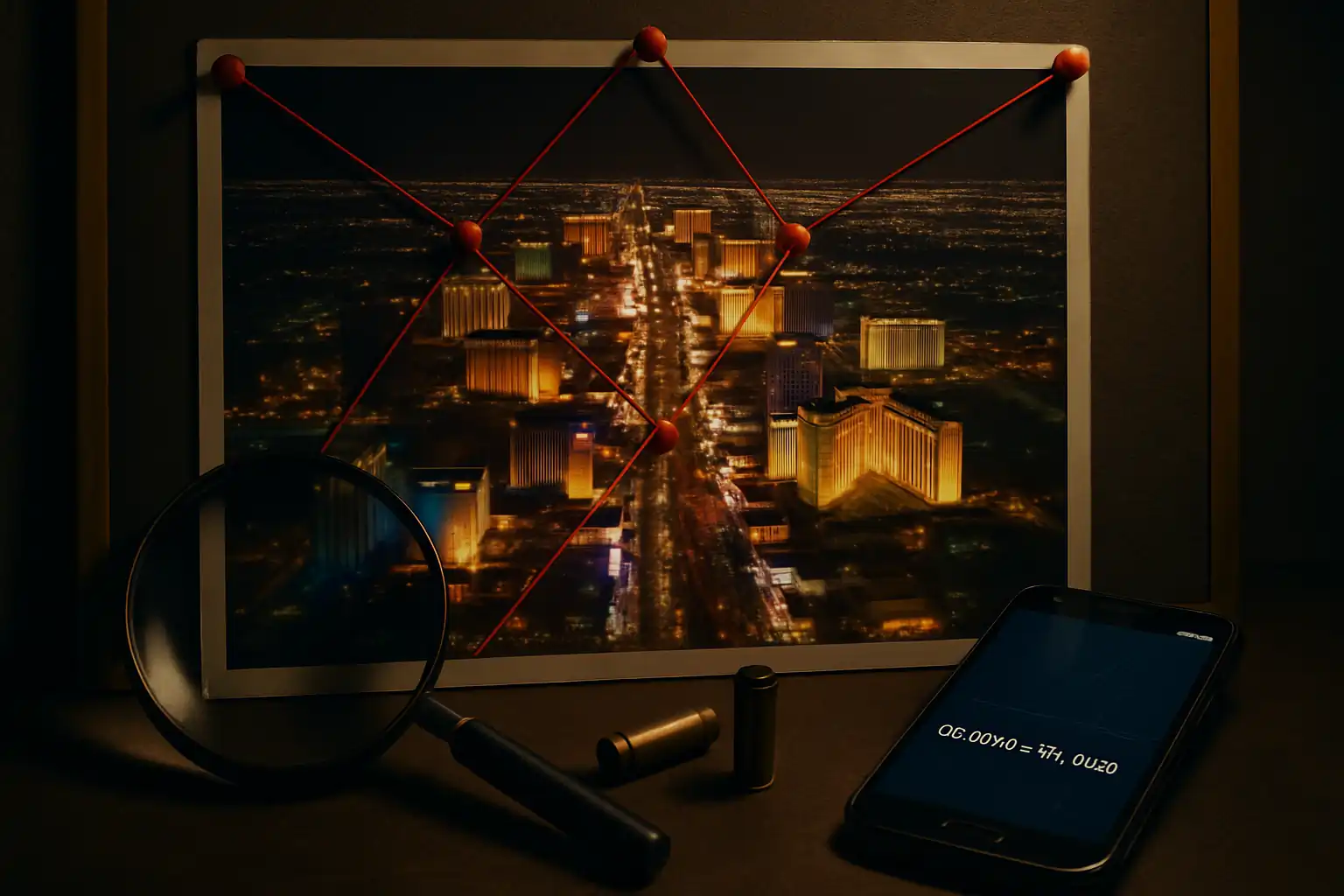
    Authorities released a detailed diagram shortly after the attack, showing every round fired from the 32nd-floor window of Mandalay Bay to the Route 91 Harvest Festival. The map illustrates bullets arcing in a perfect forty-five-degree fan, with impact points clustering uniformly. Crime-scene diagrams simplify chaos, but seasoned investigators observed an unusual precision: no ricochet arrows, no data gaps, and no alternate firing positions. Overlay that official sheet on satellite imagery, and certain angles clearly intersect concession tents that witnesses claim were untouched. This mismatch raises questions no press conference has answered.

    2. GPS Drift or Data Drift?

    Smartphones in the crowd captured timestamps and coordinates, yet several clips place impact flashes closer to Las Vegas Boulevard than the map indicates. Consumer GPS can drift ten meters on a bad night, especially beneath high-rise glare. Nonetheless, cross-referencing three devices reveals a consistent northward offset of roughly eleven meters. Explore the raw metadata yourself; independent GPS audits highlight clusters ignored by the official narrative.

    3. Line of Sight Calculations

    Ballistic experts calculated the hotel’s height, bullet velocity, and stage location. They identified blind zones—areas where lighting rigs and vendor trailers block direct shots. Yet witnesses in those zones report injuries. A retired engineer created a 3-D model that conflicts with street-level imagery, citing discrepancies of up to seven degrees in elevation. His file circulated forums and resurfaced in line-of-sight discussions. If obstacles shielded parts of the venue, how did projectiles still strike?

    4. The Moving Shooter Hypothesis

    The map confines gunfire to a single position, prompting critics to argue it ignores evidence of secondary locations. Police audio at 10:12 p.m. refers to shots “coming from the Luxor side.” Officers dismissed this as echo, but forensic mic arrays—designed to triangulate muzzle blasts—record minute timing differences. A two-millisecond delay can shift the origin by several blocks. The official release failed to graph those acoustic vectors, and requests for raw data stall in bureaucratic loops echoing dystopian manuals.

    5. Algorithmic Blind Spots

    Modern mapping relies on machine-learning smoothing. Erratic data can result in algorithms filtering out anomalies that hint at complexity. If investigators train software on range-practice tables, outliers—such as a low-angle shot fired at street level—might disappear. The sanitized schematic then permeates media, embedding public memory before human auditors can verify it. This pattern mirrors how autopilot systems concealed sensor faults until disasters occurred, as detailed in engineering digests.

    6. Missing Camera Frames, Missing Map Layers

    Casinos possess enough HD surveillance to reconstruct a gambler’s blunder, yet critical hallway footage arrives with gaps. Key frames disappear as the gunman wheels luggage past an emergency door. The map’s timeline fills these blank minutes with straight arrows from elevator to suite, evading the mystery of why other corridors reveal no evidence. For comparison, maritime investigators faced similar data voids, documented in an unrelated report found among nautical archives, where missing AIS pings distorted voyage tracks.

    7. Crowd Flow vs. Impact Clusters

    Eyewitnesses fled south toward Giles Street. However, the map’s body markers cluster closer to the main stage—where some evacuees insist they had already left before the heaviest fire. Forensic anthropologists matched trauma timing to paramedic radio logs, revealing delays that suggest bullets struck later than indicated. If you believe chaos muddles memory, remember that marathon investigators use similar timing correlations to pinpoint detonations precisely. Disparities that linger after large-sample averaging warrant scrutiny.

    8. The Helicopter Rumor Loop

    No tragedy escapes airborne conspiracy. Speculation about helicopters firing into the crowd surged on fringe boards, citing flashing muzzles above the strip. FAA radar logs indicate normal tourist traffic, but a private hangar appears in a pilot’s canceled IFR plan minutes after the shots began. The map completely excludes any aerial trajectory. While evidence supports ground-based fire, investigators must maintain transparency. Recall that military analysts dismissed automated retaliation systems until leaked documents emerged decades later, as outlined in archival investigations.

    9. Why the Diagram Matters Beyond Vegas

    Maps shape memory. Drawing a line incorrectly today can lead to its publication in textbooks tomorrow. When official graphics ignore witness contradictions, the divide between public trust and government briefings widens. This dynamic sparks social volatility, similar to what geopolitical strategists observe in Indo-Pacific flashpoints summarized at foreign-policy trackers. A flawed map from Nevada reinforces cynicism worldwide.

    10. Remedies: Open Audit Culture

    Pediatric hospitals publish error statistics; airline regulators share incident tapes. Mass-casualty investigations deserve equal transparency. Real reform should include:

    • Public release of raw ballistic trajectories with coordinate uncertainties.
    • Open-source 3-D scene files for independent verification.
    • A crowd-sourced registry of video timestamps similar to earthquake shake maps.

    Until then, the void invites rumor, and rumor festers.

    11. What the Experts Really Disagree On

    Skeptics and officials agree on physics—bullets travel in parabolic arcs, not zigzags. They disagree on initial conditions: muzzle height, barrel direction, and wind deflection. Minor shifts in those inputs create wildly different impact plots, a sensitivity shared by chaotic systems, akin to outer-space debris fields analyzed at Wikipedia’s technical appendix. Whether investigator bias or software smoothing affected the numbers, the public sees endpoints—not the probability clouds that underlie them.

    12. Staying Sane in the Conspiracy Age

    Healthy skepticism promotes honesty; pathological distrust disintegrates societies. Verify claims against primary data; trace diagrams to raw feeds. If agencies stall, file FOIAs instead of sending incendiary tweets. Diversify your sources—one outlet, one algorithmic feed, or one map cannot reveal the entire truth. Aggregators at Unexplained.co compile overlooked leaks, yet they also urge cross-checking.

    13. Final Word: Maps Are Stories We Draw

    Cartographers once sketched dragons over blank waters; modern officials depict certainty over chaotic tragedies. The Las Vegas shooting map may accurately outline events but misrepresents details—like a weather forecast that predicts sunrise yet overlooks a tornado. If auditors force data back into daylight, lines of fire could shift, altering our understanding of failures and their causes. Until then, the suspicious map of Las Vegas stands as a cautionary tableau: trust, but measure the angle yourself.