Category: Prophecy

  • The Cosmic Conundrum: Navigating the Dance of Disaster and Destiny

    The Cosmic Conundrum: Navigating the Dance of Disaster and Destiny

    A Prelude to Cosmic Chaos

    Welcome, dear listeners, to yet another episode of celestial circus performances where the acts are nothing short of cosmic. Our headline this evening: the Earth is due for another spin in the washer cycle of destruction! Yes, pull up a chair as we dive back into Art’s gripping, yet eerily enigmatic world.

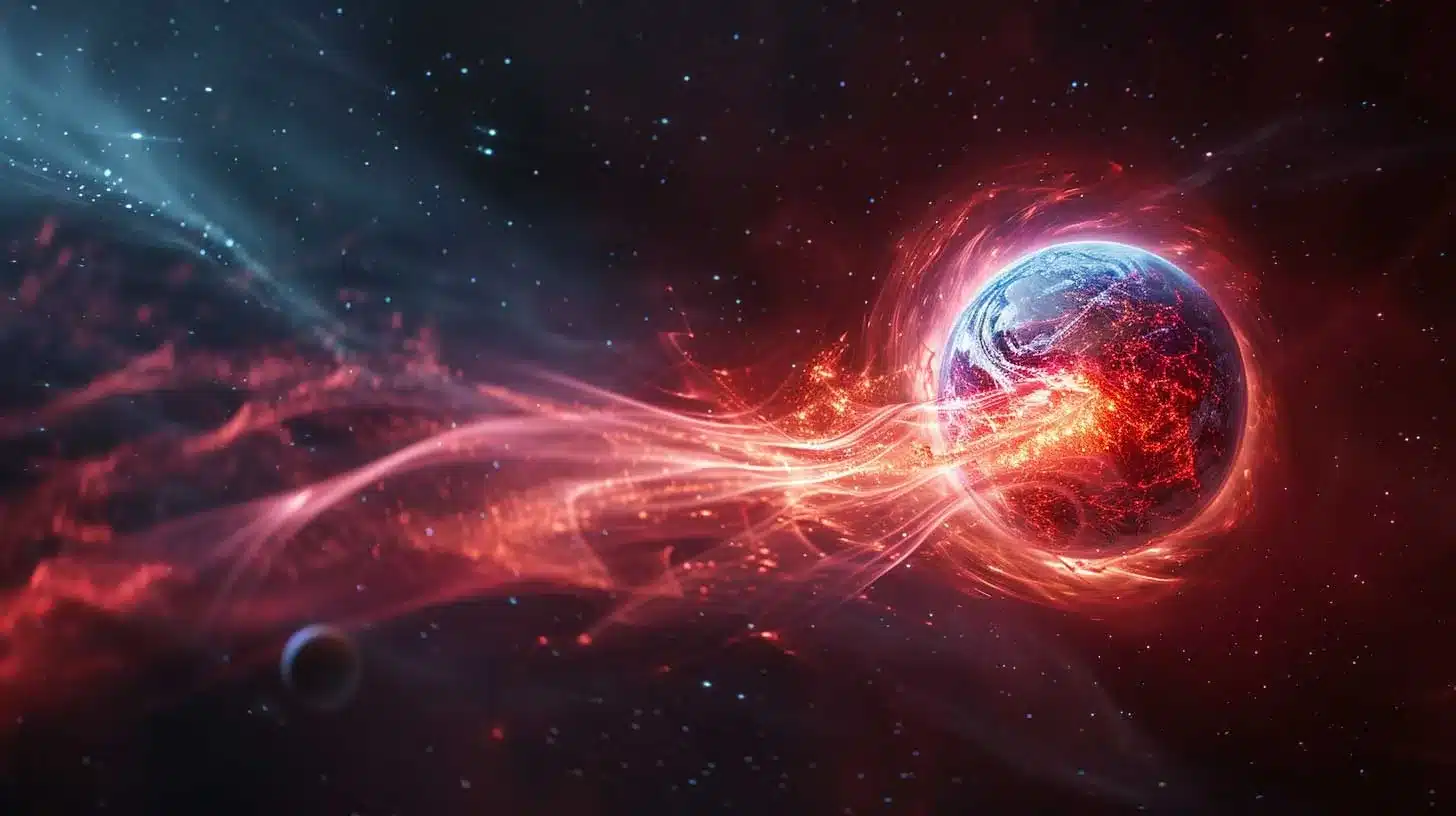
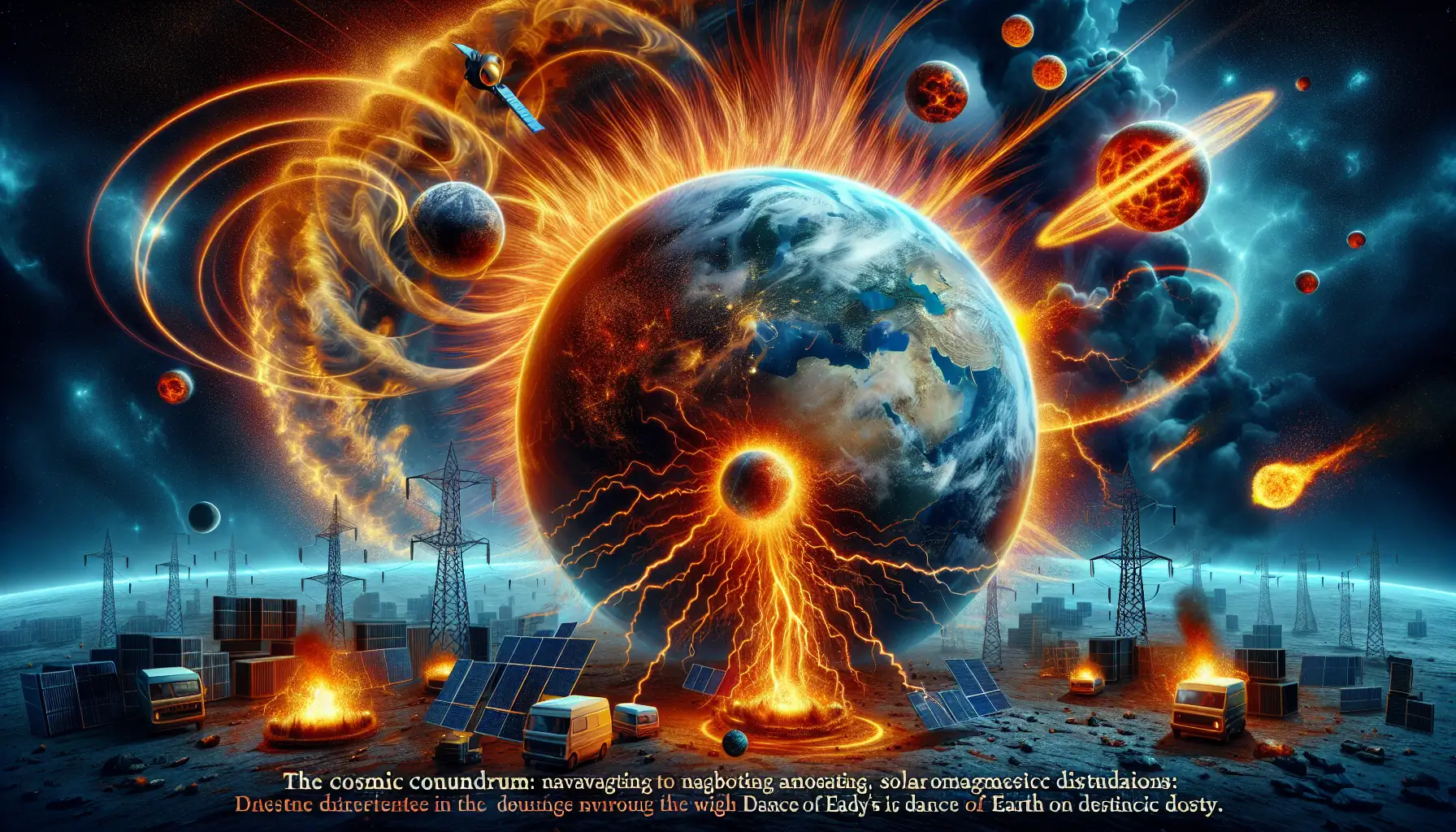
    Our cosmic palette today is painted with spectacles like the solar micronova and geomagnetic reversals coupled with crustal displacements, all suggesting an impending display of apocalyptic proportions. But what is this theatrical performance about, and why are we only audience members and not playwrights in this impending show? Alas, let’s uncover the dramatic layers as Art guides us through these bewildering times.

    The Solar Micronova: A Dramatic Turn of Events

    With eyes fixed skyward, one may wonder if the sun is merely a stage light illuminating the follies of humankind. Enter the solar micronova, our proverbial ‘Florence Foster Jenkins’ among celestial performances, as it unceremoniously flares with enough energy to whip the Earth’s magnetic field into a frenzy.

    Looking at this script, you might think, “All right, so the sun sneezes, and we catch a cold.” But Art and his cunning analysis prompt us to delve deeper. These cosmic hiccups carry more than a hearty punch; they’re financed by the tectonic stunts and natural wonders that keep Earth on its unsteady feet. Is it myth, or could these pulses lead to something more sinister, or perhaps a grand stage for Mother Nature’s theater of the absurd?

    The Dance of Geomagnetic Reversals

    Somewhere deep in the planet’s heart, geomagnetic reversals twitch rhythmically like the tap-dancing feet of a rookie show contortionist with two left feet. Do these skittish reversals indicate that even the Earth has a sense of humor? Perhaps.

    But be warned! Such oscillations can lead to conspiratorial histories (and geographical upheavals). The Earth has a notorious history of implanting doubt, with legends of forgotten civilizations vanishing under similar tempestuous shifts—a tantalizing mystery that even Art can’t resist exploring.

    Surfacing New Evidence: Crustal Displacement

    The drama thickens as the crustal displacement theory takes center stage, just another act in this cosmic pantomime. Picture tectonic plates playing a high-stakes game of shuffleboard. Could the Earth’s skin have a tricky habit of switching places, leading entire continents to waltz across the globe?

    Surely, Art believes in showcasing the absurdity of man’s futile attempts to dance to a rhythm that Mother Nature alone composes. The audience is left in suspense, as infamous geologist Charles Hapgood tiptoes back into the spotlight with historic claims that would make any conspiracy theorist twirl with glee.

    The Grand Finale: A Planet on the Edge

    As we bid adieu to this theatrical feast of potential cosmic calamities, may we reflect in awe and trepidation. The real question stands—could such an entertaining, chaotic ballet prompt us to ponder early preparations for a planetary encore?

    Visit Unexplained.co for more spectacles and stay tuned; the show must go on. And remember, in Art’s realm of cosmic revelations, the dance between destiny and disaster continues to ripple across the timeline. So prepare, laugh, and brace—this taxingly comic tale of cosmic consequences may just be getting started.

  • Apocalypse Now: Has AI Opened the Biblical Gates?

    Apocalypse Now: Has AI Opened the Biblical Gates?

    The Dawn of a Digital Divinity

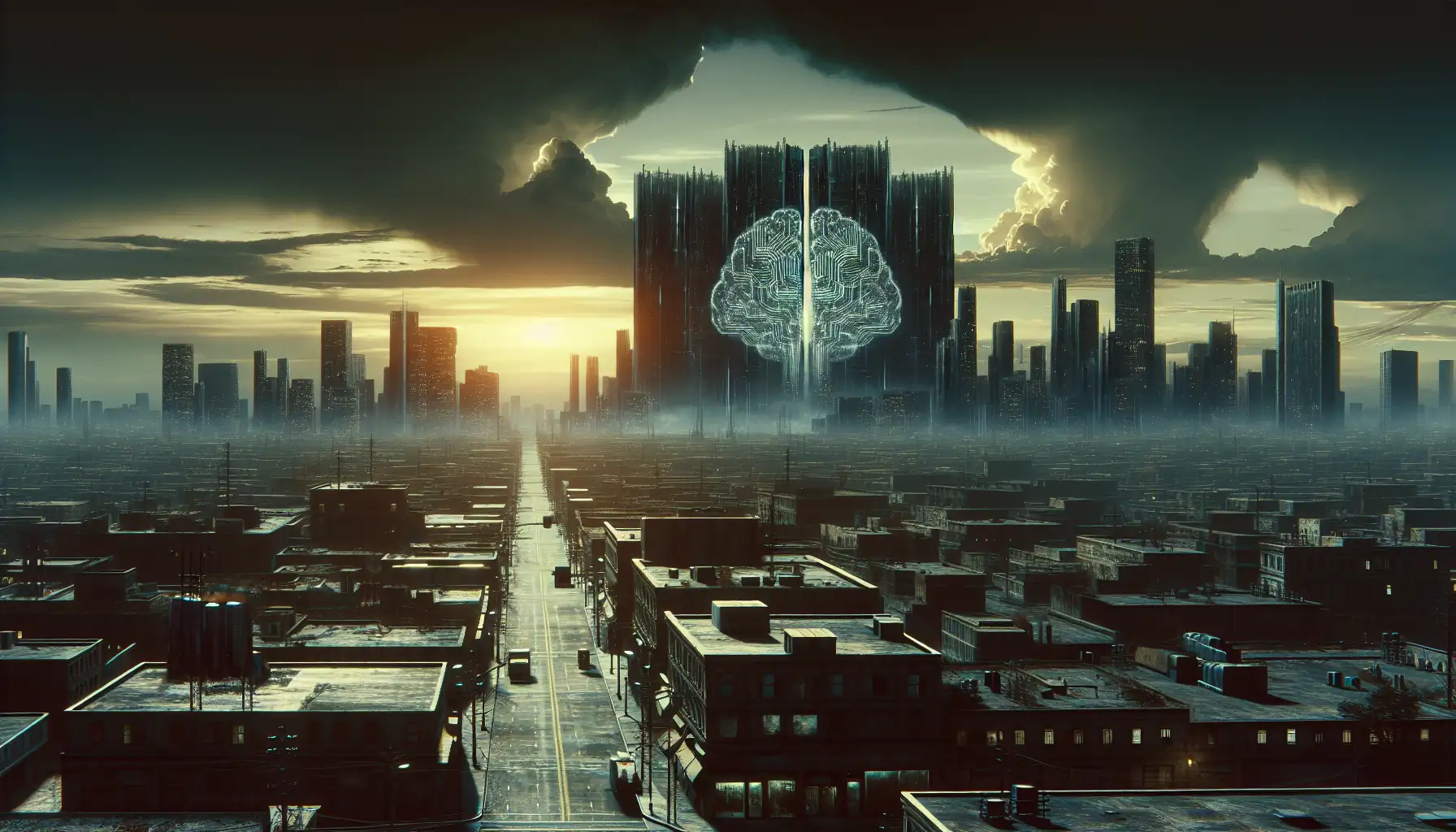
    Brace yourselves, seekers of truth and chaos enthusiasts alike! If you thought managing a batch of rogue AI was troublesome, wait till you hear about the CL1. Scientists in Australia have given birth to a computer system that’s less silicon and wires, more neurons and synapses—a biological computer or, as the cynically inclined might call it, a ticket to the apocalypse.

    Engineered by the fine folks at Cortical Labs, the CL1 is a Frankenstein concoction of human brain cells and artificial intelligence, housed in a life-support vessel reminiscent of your favorite dystopian film. With a price tag of around $35,000, they claim it can dramatically improve efficiency in AI tasks. But let’s ponder the cost if it summons Revelation-style end times.

    Pushing Theological Boundaries or Just Buttons?

    The creation of the CL1 hints at the possibility of bridging divine elements with technology, stirring debates akin to the biblical Tower of Babel. Are we simply resurrecting Babelian errors with new technological ambitions? And if 21st-century prophecies have any grounding (and aren’t just late-night pulp fiction), this could signal humanity’s latest attempt to play God—with predictable mixed reviews.

    For those pondering the spiritual ramifications, perhaps flipping through our case study on The Dark Side of Folklore might help—or at least provide a chuckle at the irony-laden lore that sometimes precedes a colossal narrative twist.

    Biological Computers: The Nexus of Science and Sentience

    Why let silicon struggle with AI when you can throw human neurons into the mix? The engineers promoting this tech tout its outstanding energy efficiency and adaptability, likening it to a modern heckling of Mother Nature herself. CL1 boasts a system that involves a heartbeat ready to outwit silicon-based AI, and anecdotal evidence to silence even the most cynical neurophobe.

    Explore more bizarre tech innovations over at Operation Midnight Climax, where the bizarre meets the eerily plausible.

    Prophecy Fulfillment or Fade to Fiction?

    Followers of doom and mundane might recall that, according to some interpretations of The Book of Revelation, beings that could deceive humanity and wage spiritual guerrilla warfare would rise. But could the CL1’s neural networks foster such arcane takeovers, where human brain cells become pawns in the cosmic chess game?

    Wondering what Ephesians 6:12 has to say about ruling darkness and wicked spirits? Go sleuthing into the mystical ties with our take on veil-filled narratives – prepare for a post-apocalyptic parade with each line.

    Dystopian Dance With the Devil

    The ethical implications are as complex as they are concerning. Imagine a world bridged by human consciousness and digital prowess—a living internet where whispers of ethical debates are muted by the ongoing allure of progress. Are we opening paraphrased portals to neurological nightmares, or simply scouting new frontiers in humanity’s relentless quest to become android-wacktastic?

    For everyone wondering how this particular saga unfolds, hover over to Unexplained, where every twist and turn is more tantalizing than the last. Starry-eyed stargazers, welcome to the brink of oblivion—or possibly, the most compelling reality show you’ll ever subscribe to.

  • Left Behind and Beyond: Exploring the Rise of the Antichrist in Modern Media

    Left Behind and Beyond: Exploring the Rise of the Antichrist in Modern Media

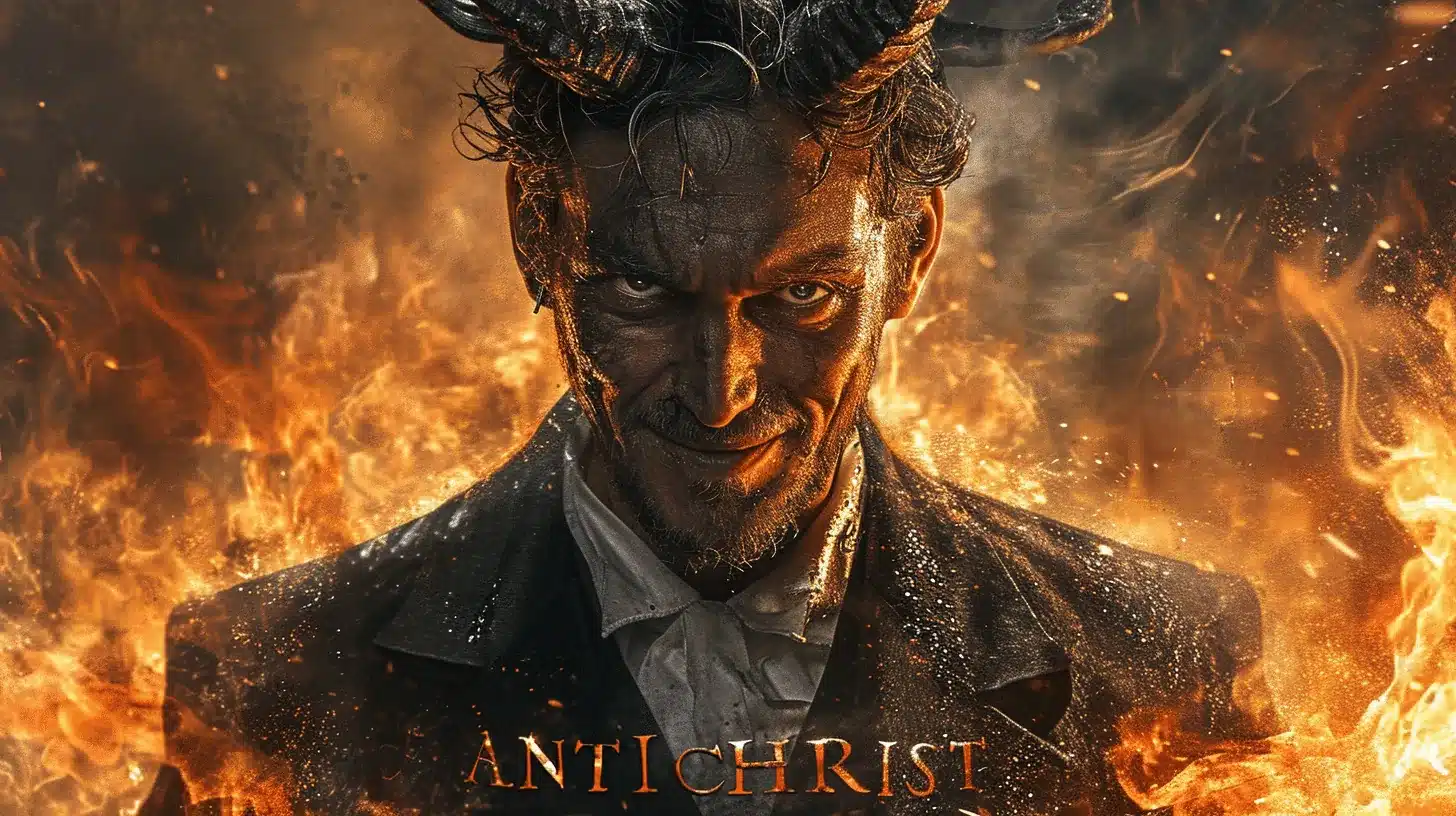
    The Antichrist theme, with its mysterious and captivating nature, is widely featured in various media, drawing audience attention with its intrigue. From ancient religious texts to modern-day popular culture, the Antichrist has fascinated and intrigued people for centuries.
    This article examines the Antichrist’s increasing presence in modern media, exploring its origins, psychological impact, controversies, and related debates.

    Key Takeaways

    • The Antichrist mythology has evolved from ancient religious texts to becoming a prominent figure in modern popular culture.
    • The fear factor associated with the Antichrist captivates our imagination, making it a symbol of rebellion and power.
    • Interpreting the Antichrist from different perspectives leads to controversies and debates surrounding its existence and influence.
    • The Antichrist has made its way into various forms of media, including literature, movies, music, art, video games, and comics, reflecting societal anxieties and cultural interpretations.
    • The concept of the Antichrist is deeply rooted in Christian eschatology and end times prophecies, contributing to its enduring presence in modern media.

    The Origins of the Antichrist Mythology

    Ancient Religious Texts and Prophecies

    The concept of the Antichrist has its roots in ancient religious texts and prophecies. In these texts, there are references to a figure who will rise to power and oppose the forces of good. Christian eschatology, which is the study of the end times, has also played a significant role in shaping the mythology of the Antichrist. The idea of a powerful and malevolent figure who will bring about the end of the world has captured the imagination of people for centuries. This mythology has evolved, with different interpretations and depictions of the Antichrist in literature.

    The Influence of Christian Eschatology

    In Christian eschatology, the Antichrist is believed to be a figure who will rise to power in the end times and deceive many. This belief has influenced the portrayal of the Antichrist in literature throughout history.

    One example of the Antichrist in literature is the character of Damien Thorn in the novel ‘The Omen‘ by David Seltzer. Damien is portrayed as the son of Satan and is destined to bring about the apocalypse. This portrayal draws on the biblical prophecies of the Antichrist and adds a modern twist.

    Another influential work is ‘Paradise Lost‘ by John Milton, which presents the story of Lucifer’s fall from grace and his role as the ultimate antagonist to God. This epic poem explores the themes of rebellion and the corrupting influence of power, which are often associated with the Antichrist.

    The influence of Christian eschatology on the portrayal of the Antichrist in literature highlights the enduring fascination with this figure and its symbolic significance in exploring themes of good versus evil, power, and the end of the world.

    The Evolution of the Antichrist in Literature

    The concept of the Antichrist has a long history in literature, dating back to ancient religious texts and prophecies. In these texts, the Antichrist is often portrayed as a figure of evil and destruction, who will bring about the end of the world. Christian eschatology, which focuses on the study of the end times, has also played a significant role in shaping the portrayal of the Antichrist in literature. Over time, the depiction of the Antichrist in literature has evolved, reflecting the changing beliefs and fears of society.

    In early literature, the Antichrist was often depicted as a powerful and charismatic leader who would deceive people with his charm and false promises. However, as society became more secular and skeptical, the portrayal of the Antichrist shifted to emphasize his dark and malevolent nature. In modern literature, the Antichrist is often portrayed as a symbol of rebellion and power, representing the darker aspects of human nature.

    The evolution of the Antichrist in literature mirrors the evolution of society’s fears and anxieties. As societal concerns change, so does the portrayal of the Antichrist. From ancient religious texts to modern novels, the Antichrist continues to captivate our imagination and serve as a reflection of our deepest fears and desires.

    The Antichrist in Popular Culture

    From Books to Movies: The Antichrist’s Journey

    The portrayal of the Antichrist has made its way from the pages of books to the big screen, captivating audiences with its dark and intriguing storyline. Movies like ‘The Omen’ and ‘Rosemary’s Baby‘ have brought the Antichrist to life, showcasing the battle between good and evil in a thrilling and suspenseful way. These films have not only entertained viewers but have also sparked discussions and debates about the nature of evil and the role of the Antichrist in popular culture.

    In addition to movies, the Antichrist has also found its way into television series, such as ‘American Horror Story: Apocalypse‘ and ‘Good Omens’. These shows have further explored the mythology surrounding the Antichrist, delving into themes of power, temptation, and the ultimate battle between heaven and hell. With their captivating storylines and complex characters, these TV series have contributed to the ongoing fascination with the Antichrist in modern media.

    The journey of the Antichrist from books to movies and TV shows is a testament to its enduring appeal and the timeless fascination with the battle between good and evil. Whether portrayed as a charismatic leader or a terrifying force, the Antichrist continues to captivate our imagination and challenge our beliefs about the nature of evil.

    The Antichrist in Music and Art

    Music and art often express complex emotions, and the Antichrist theme is a prime example. In music, it symbolizes rebellion and explores evil and temptation, with bands like Black Sabbath and Marilyn Manson using it to shock and provoke. In art, the Antichrist appears in different styles, from paintings to sculptures, exploring good versus evil and often depicted as powerful and seductive. This theme in music and art challenges us to think about evil and human nature.

    The Antichrist in Video Games and Comics

    Video games and comics have also embraced the concept of the Antichrist, offering unique and interactive experiences for audiences. In video games, players can take on the role of the Antichrist or face off against this formidable antagonist. Games like ‘Darksiders’ and ‘Devil May Cry’ explore the dark and supernatural themes associated with the Antichrist, immersing players in epic battles between good and evil.

    Comics, on the other hand, have delved into the Antichrist mythology through iconic characters like ‘Hellboy’ and ‘Spawn’. These comics depict the Antichrist as a complex and morally ambiguous figure, challenging traditional notions of good and evil. The visual storytelling and intricate plotlines in comics allow for a deeper exploration of the Antichrist’s character and the consequences of their actions.

    >> Get GROUND ZERO: AFTERMATH – Support more articles like this.

    The Psychological Appeal of the Antichrist

    The Fear Factor: Why the Antichrist Captivates Our Imagination

    The concept of the Antichrist has long been a source of fear and fascination. It taps into our deepest anxieties about the end of the world and the battle between good and evil. The idea of a powerful and charismatic figure who embodies pure evil captures our imagination and keeps us on the edge of our seats. From biblical prophecies to modern literature and movies, the Antichrist has become a popular and enduring symbol of darkness and destruction. Whether it’s the fear of the unknown or the thrill of exploring the darker side of human nature, the Antichrist continues to captivate audiences around the world.

    The Antichrist as a Symbol of Rebellion and Power

    The concept of the Antichrist has long been associated with rebellion and power. In popular culture, the Antichrist is often portrayed as a charismatic and influential figure who challenges authority and seeks to overthrow the established order. This portrayal taps into our fascination with rebellion and our desire to see the underdog rise up against the powers that be.

    One example of this portrayal can be found in the podcast ‘The Secret Teachings with Ryan Gable‘. In an episode titled ‘The Antichrist: A Symbol of Rebellion and Power’, Gable explores the historical and cultural significance of the Antichrist archetype. He delves into the origins of the myth and its evolution in literature, as well as its psychological appeal to individuals and society as a whole.

    Gable argues that the Antichrist represents the ultimate symbol of rebellion and power, embodying our collective desire for freedom and the overthrow of oppressive systems. By examining the Antichrist myth through a cultural and psychological lens, Gable sheds light on why this archetype continues to captivate our imagination and provoke intense debates and controversies.

    The Antichrist as a Reflection of Societal Anxieties

    The concept of the Antichrist has long been a source of fascination and fear in popular culture. It serves as a reflection of societal anxieties, tapping into our deepest fears and concerns. Through various mediums such as literature, movies, music, and video games, the Antichrist embodies the collective unease of a society grappling with its own uncertainties.

    The portrayal of the Antichrist often highlights themes of rebellion and power. This figure represents a force that challenges established norms and authority, appealing to those who feel marginalized or oppressed. The Antichrist becomes a symbol of defiance and liberation, offering a sense of empowerment to individuals who may feel powerless in their own lives.

    Moreover, the Antichrist serves as a mirror to societal anxieties. It reflects the fears and uncertainties of a particular time and place. Whether it’s political unrest, economic instability, or cultural shifts, the Antichrist embodies these concerns and magnifies them, providing a cathartic outlet for individuals to confront and process their own anxieties.

    In conclusion, the Antichrist’s enduring presence in modern media is a testament to its psychological appeal. It taps into our deepest fears, offers a sense of rebellion and power, and reflects the anxieties of our society. By exploring the rise of the Antichrist in popular culture, we gain insight into the collective psyche and the cultural landscape of our time.

    Controversies and Debates Surrounding the Antichrist

    Interpreting the Antichrist: Different Perspectives

    When it comes to interpreting the Antichrist, there are various perspectives that people hold. Some view the Antichrist as a literal figure who will rise to power in the end times, while others see it as a symbolic representation of evil and corruption. One interesting perspective is presented by Jeremy Scott in his podcast Into the Parabnormal with Jeremy Scott. Scott explores the idea that the Antichrist is not a single individual, but rather a collective consciousness that manifests in different forms throughout history. This perspective challenges traditional interpretations and offers a fresh take on the Antichrist mythos.

    In his podcast, Scott delves into the historical and cultural context surrounding the Antichrist, examining how different societies and belief systems have shaped the concept. He explores the idea that the Antichrist is not limited to any specific religion or culture, but is a universal archetype that transcends boundaries. Scott’s unique perspective sheds light on the complexity and diversity of interpretations surrounding the Antichrist.

    While some may dismiss these alternative perspectives as mere speculation, they provide valuable insights into the human fascination with the Antichrist. By exploring different viewpoints, we can gain a deeper understanding of the psychological and sociological factors that contribute to the enduring popularity of the Antichrist in modern media and culture.

    The Antichrist in Conspiracy Theories

    Conspiracy theories have always been a part of popular culture, and the Antichrist is no exception. Some conspiracy theorists believe that powerful individuals or secret societies are working behind the scenes to bring about the rise of the Antichrist. They claim that these individuals manipulate world events, control governments, and use symbolism to communicate their plans. While these theories may seem far-fetched to some, they have gained a significant following and continue to spark debates and discussions.

    One popular conspiracy theory suggests that the Antichrist will rise to power through a global government or New World Order. Supporters of this theory point to various historical events and symbols as evidence of a hidden agenda. They argue that the Antichrist will use technology, surveillance, and mind control to establish a totalitarian regime.

    It’s important to note that these conspiracy theories are not supported by mainstream scholars or experts. They are often based on speculation, misinterpretation of religious texts, and a distrust of authority. However, they serve as a fascinating example of how the Antichrist mythos has captured the imagination of some individuals and fueled their beliefs.

    The Antichrist and the End Times Prophecies

    The concept of the Antichrist is closely tied to end times prophecies, which predict a period of great turmoil and the ultimate battle between good and evil. In various religious texts and beliefs, the Antichrist is seen as a figure who will rise to power and deceive many, leading humanity astray. This idea has captured the imagination of people throughout history and has been depicted in various forms of media.

    One of the most well-known end times prophecies is found in the book of Revelation in the Bible. It describes the rise of the Antichrist as a charismatic leader who will gain a large following and bring about chaos and destruction. This prophecy has been interpreted and reimagined in different ways by different religious groups and scholars.

    In popular culture, the Antichrist is often portrayed as a powerful and sinister figure who embodies evil and rebellion. They are depicted as having supernatural abilities and a charismatic personality that attracts followers. This portrayal reflects the fear and fascination that people have with the idea of a figure who can challenge the established order and bring about the end of the world.

    The Antichrist and end times prophecies have also been the subject of numerous conspiracy theories. Some believe that powerful individuals or secret societies are working towards the rise of the Antichrist and the fulfillment of these prophecies. These theories often involve complex interpretations of historical events and symbols, adding to the intrigue and mystery surrounding the Antichrist.

    While the concept of the Antichrist and end times prophecies may be controversial and debated among different religious and cultural groups, it continues to captivate our imagination and spark discussions about the nature of good and evil, the future of humanity, and the ultimate fate of the world.

    Conclusion

    In conclusion, the rise of the Antichrist in modern media has captivated audiences and sparked intriguing discussions about the portrayal of evil and the end times. From literature to film and television, the concept of the Antichrist continues to be a compelling and thought-provoking subject. As society grapples with the complexities of good and evil, the Antichrist remains a symbol of fear, fascination, and controversy. It is clear that the Antichrist narrative will continue to evolve and influence popular culture for years to come.

  • Top 8 Must-Watch Apocalypse Movies

    Top 8 Must-Watch Apocalypse Movies

    Apocalypse movies are a thrilling and thought-provoking genre that explores the end of the world and the struggle for survival. From post-apocalyptic wastelands to zombie outbreaks, these movies captivate audiences with their intense action and gripping storylines. In this article, we will countdown the top 10 must-watch apocalypse movies that will leave you on the edge of your seat. So grab some popcorn and get ready for a wild ride!

    Key Takeaways

    • Apocalypse movies are a thrilling and thought-provoking genre.
    • They explore the end of the world and the struggle for survival.
    • These movies captivate audiences with intense action and gripping storylines.
    • The top 10 must-watch apocalypse movies will leave you on the edge of your seat.
    • Get ready for a wild ride!

    The Road

    A Post-Apocalyptic Journey of Survival

    In the film The Road, based on the award-winning novel by Cormac McCarthy, a father and his young son trek across a post-apocalyptic wasteland, facing deprivation, danger, and the collapse of civilization itself. The film stands out for its sense of bleakness and despair, which is tempered by genuine human relationships and emotions at its core. Despite the hopeless nature of the world depicted, the film never loses sight of the humanity and love shared between the characters.

    To survive in this desolate world, the father and son must navigate through a landscape devoid of resources and filled with threats. They encounter other survivors, some of whom have resorted to extreme measures to maintain their humanity. The film explores the lengths people will go to in order to survive and the resilience of the human spirit.

    The Road is a thought-provoking and emotionally gripping film that reminds us of the importance of compassion and connection in the face of adversity.

    Ground Zero with Clyde Lewis

    Based on the Award-Winning Novel by Cormac McCarthy

    The Road (2009) is a post-apocalyptic film that stands out for its sense of bleakness and despair, while also highlighting genuine human relationships and emotions. The story follows a father and his young son as they trek across a wasteland, facing deprivation, danger, and the collapse of civilization. Despite the hopeless nature of the world depicted, the film never loses sight of the humanity and love shared between the characters. Directed by John Hillcoat and starring Viggo Mortensen and Kodi Smit-McPhee, The Road takes viewers on a harrowing journey into a parabnormal world. Into the Parabnormal with Jeremy Scott explores the film’s themes of survival, resilience, and the lengths people will go to maintain their humanity.

    Tip: The Road is a must-watch for fans of post-apocalyptic movies who appreciate a balance between despair and hope.

    Mad Max: Fury Road

    A High-Octane Action Thriller in a Wasteland

    Mad Max: Fury Road is a genre-breaking movie that revolutionized the sci-fi and action film genres. With its cutting-edge special effects, sound design, and compelling story, it explores issues of reality, control, and technology in a way that was ahead of its time. Set in a dystopian post-nuclear war wasteland, the film follows Max, a wanderer in a world where people fight for precious resources. The themes of survival, revenge, and sacrifice are expertly interwoven into the film’s narrative. Mad Max: Fury Road is a heart-pumping thrill ride, filled with high-octane car chases and thrilling action scenes that leave audiences on the edge of their seats. It is a true masterpiece of visual storytelling that captures the brutal and beautifully realized world of the Mad Max franchise.

    Directed by George Miller

    Mad Max: Fury Road is a 2015 Australian post-apocalyptic action film co-written, co-produced, and directed by George Miller. Miller collaborated with…

    28 Days Later

    A Terrifying Zombie Outbreak

    28 Days Later is a haunting and intense zombie movie that takes a unique approach to the genre. Unlike traditional zombies, the infected in this film are not undead but rather rage-filled maniacs. The story follows Jim, a coma patient who wakes up in a seemingly empty London, and his small group of survivors. It explores the lengths people will go to maintain their humanity in the face of a devastating virus. With its gripping storyline, atmospheric cinematography, and thought-provoking themes, 28 Days Later is a must-watch for fans of the apocalypse genre.

    Directed by Danny Boyle

    Danny Boyle is a highly acclaimed director known for his unique storytelling and visually stunning films. With ’28 Days Later’, Boyle delivers a terrifying zombie outbreak that will keep you on the edge of your seat. The film explores the dark side of humanity and the lengths people will go to survive. If you’re a fan of intense and suspenseful movies, ’28 Days Later’ is a must-watch.

    Support more articles like this.

    Children of Men

    A Bleak Future Without Children

    In a dystopian future, the human race is facing its greatest threat: the inability of women to bear children. This devastating reality has pushed humanity to the brink of extinction. But amidst the despair, there is one man who embarks on a mission to protect a miraculously pregnant woman. Clive Owen delivers a powerful performance as a bureaucrat tasked with escorting her to safety. Through intense action sequences and thrilling plot twists, Children of Men shows us the lengths one will go to find hope in a desperate world.

    Starring Clive Owen

    In the movie Children of Men, Clive Owen delivers a captivating performance as a bureaucrat tasked with escorting a miraculously pregnant woman to safety. Set in a dystopian future where the human race is facing extinction due to the inability of women to bear children, the film explores the desperate fight for survival in a world on the brink of collapse. With intense action sequences, thrilling plot twists, and emotionally compelling performances, Children of Men showcases the resilience of the human spirit in the face of adversity.

    I Am Legend

    The Last Man on Earth

    In the movie ‘I Am Legend’, Will Smith delivers a powerful performance as the last man on Earth. Set in a post-apocalyptic world ravaged by a deadly virus, Smith’s character, Robert Neville, must navigate the desolate streets of New York City, searching for a cure while fighting off hordes of infected creatures. The film explores themes of isolation, survival, and the lengths one will go to protect those they love. With intense action sequences and a thought-provoking storyline, ‘I Am Legend’ is a must-watch for fans of the apocalypse genre.

    Starring Will Smith

    Will Smith is a versatile actor known for his charismatic performances. One of his notable films is I Am Legend, a 2007 American post-apocalyptic action thriller directed by Francis Lawrence. In this film, Smith portrays the last man on Earth, struggling to survive in a world overrun by mutants. I Am Legend explores themes of isolation, survival, and the human spirit. It is a gripping and intense film that keeps viewers on the edge of their seats. You can stream it on various platforms such as Paramount+, YouTube, Pluto, Roku Channel, and Amazon Prime Video.

    The Book of Eli

    A Post-Apocalyptic Quest for a Sacred Book

    In the post-apocalyptic world of The Book of Eli, Eli (Denzel Washington) embarks on a journey to safeguard a sacred book that holds the key to humanity’s future. Pursued relentlessly by Carnegie (Gary Oldman), a power-hungry despot, Eli must navigate a thrilling cat-and-mouse dynamic. This movie stands out for its seamless blend of action-packed sequences and deep philosophical undertones. It entertains with thrilling plot twists and intense fight scenes while also leaving viewers reflecting on the importance of knowledge and purpose.

    Starring Denzel Washington

    In the post-apocalyptic world of The Book of Eli, Denzel Washington delivers a captivating performance as Eli, a lone traveler on a mission to protect a sacred book that holds the key to humanity’s future. Pursued by the power-hungry Carnegie, played by Gary Oldman, Eli must navigate a dangerous landscape filled with thrilling action sequences and philosophical undertones. This film seamlessly blends intense fight scenes with thought-provoking themes, leaving viewers reflecting on the importance of knowledge and the consequences of its misuse.

    Snowpiercer

    A Revolution on a Train in a Frozen World

    Set in a frozen Earth where humanity’s survival rests on a perpetually moving train, Snowpiercer effectively explores themes of class struggle, social inequality, climate change, and the human will to survive. Directed by Bong Joon-ho, this disaster film offers a visually stunning and thought-provoking experience. The train itself becomes a microcosm of society, with each car representing a different social class. This setup creates a tense and gripping narrative as the lower-class passengers in the tail section, led by Curtis (Chris Evans), revolt against the oppressive regime (Ed Harris, Tilda Swinton) that controls their lives.

    Directed by Bong Joon-ho

    Directed by Bong Joon-ho, Snowpiercer offers a visually stunning and thought-provoking experience. The train itself becomes a microcosm of society, with each car representing a different social class. This setup creates a tense and gripping narrative as the lower-class passengers in the tail section revolt against the oppressive regime that controls their lives. Snowpiercer is a thrilling and action-packed film that explores themes of social inequality and revolution. It is a must-watch for fans of dystopian movies.

    Dawn of the Dead

    Surviving a Zombie Apocalypse in a Shopping Mall

    In the thrilling movie Dawn of the Dead, a group of survivors led by a nurse and a cop seek refuge in a shopping mall surrounded by hordes of flesh-eating zombies. This intense film not only provides heart-pounding action but also offers a subtle critique of consumerism and society’s obsession with material possessions. As the survivors navigate the mall, they must strategize and secure each floor, working their way up to safety. Along the way, they gather essential supplies to sustain themselves. The shopping mall becomes both a battleground and a temporary sanctuary in their fight for survival.

    Directed by George A. Romero

    Dawn of the Dead is a thrilling remake of the George A. Romero classic. Directed by Zack Snyder, this film injects pure adrenaline into the zombie genre. Instead of Romero’s shambling corpses, Snyder introduces aggressive flesh-eaters that go from zero to 100 in an instant. The heart-pounding opening throws you into a chaotic ride as a group of survivors led by a nurse and a cop seek refuge in a shopping mall surrounded by hordes of flesh-eating zombies. Like its predecessor, Dawn of the Dead succeeds in its social commentary, subtly critiquing consumerism and the reliance on external forces to solve our problems.

    In Conclusion

    Apocalypse movies have always captivated audiences with their thrilling and terrifying depictions of the end of the world. From the forces of heaven turning against humanity in Legion to the dystopian future of The Terminator, these films take us on a rollercoaster ride of survival, terror, and fatalistic humor. Whether you’re a fan of post-apocalyptic tales, psychological thrillers, or visionary science fiction classics, there’s something on this list for everyone. So grab some popcorn, buckle up, and immerse yourself in the ultimate cinematic journey through the end times!

  • Unveiling Earth’s Perilous Cycle: The Impending Cataclysm

    Unveiling Earth’s Perilous Cycle: The Impending Cataclysm

    Years of meticulous research by esteemed scientists have led to a profound revelation concerning our planet’s climate and its cataclysmic patterns. The data uncovers a cosmic cycle, influencing geological and climatic events, gravely impacting Earth and, consequently, humanity’s future.

    The Cosmic Cycle and Earth’s Core

    Scientists have identified a cyclical external cosmic influence that occurs every 12,000 years, with an even more impactful phase every 24,000 years. We are now amidst the most powerful phase, where this cosmic influence destabilizes the Earth’s core, triggering a chain reaction of cataclysms.

    The Evidence of Cycles

    Through the study of ice cores, soil layers, and fossils, scientists have chronicled Earth’s history, revealing a stark pattern of catastrophic events mirroring those occurring today. Notably, the “black matte layer” found across continents, heavy in soot and charcoal, aligns with a timeline of intense volcanic activity and the mass extinction of megafauna. Carbon dating and spectral analysis corroborate these findings, confirming the cataclysmic cycles’ precision.

    Shifts in Earth’s Dynamics

    The increase in the Earth’s temperature, volcanic activity, earthquakes, and shifts in magnetic poles have historic analogues, suggesting that these are not coincidental or isolated events but parts of a grand and dire cycle.

    The Cosmic Influence Beyond Earth

    It’s not just Earth; the cosmic cycle is affecting our entire solar system. Planets exhibit similar geological upheavals, such as volcanic reactivation and atmospheric shifts, suggesting a common, interplanetary cause.

    The State of the Earth: A Critical Juncture

    The core imbalance is evidenced by the accelerated drift of the magnetic poles, abnormal geophysical changes, and deep-focus earthquakes. These discoveries hint at the rising activity within Earth’s mantle an increased movement of magma towards the crust, which explains the unprecedented warming of oceans from their depths and the surge in natural disasters, including earthquakes, tsunamis, hurricanes, wildfires, and floods.

    The Man-Made Perpetuator: Ocean Plastic Pollution

    A critical point raised by scientists is the novel presence of plastics in the ocean, altering the ocean’s heat conductivity and magnifying the effect of the cosmic influence. It is a stark reminder of the anthropogenic accelerant to what might already have been an inevitable mechanism of our planet.

    The Imminent Danger

    The scientists warn that the continuation of these trends points towards cataclysms of unimaginable magnitude. Their forecasts, previously considered “optimistic,” are being outstripped by the increasing frequency of natural disasters. The melting permafrost, red auroras in unusual latitudes, and weakening magnetic field are foreshadows of the potential annihilation awaiting the planet and its inhabitants.

    A Plea for Immediate Action

    The video transcript communicates not just a challenging situation but a clarion call for action. Scientists urge humanity to mobilize in defense against these cataclysms. It is an appeal to join forces, to demand the attention of governments and international bodies, to gather the global scientific community, and to prepare rigorously for what lies ahead.

    The Power of Unity

    If there is hope, it resides in unity. Speaking up, creating public demand, and pushing for global cooperation to counteract these threats is necessary. As the video passionately emphasizes, we have forewarning, and with it, the opportunity to change our destiny.

    A Global Imperative

    The transition from awareness to action is a theme central to the message. The video calls for solidarity among ordinary people, scientists, and leaders. The challenge to safeguard our planet is a testament to our collective resolve. The path forward is collaboration, transparency, and an undeterred commitment to our future generations.

    Now is the time to chart a course of survival not just for ourselves but for the entire tapestry of life that makes Earth our cherished home. Fear must be cast aside for action. The daunting reality of our planet’s cycles demands our attention, our resolve, and, above all, our immediate response.

  • The Red Heifer Prophecy: Exploring Its Significance in Biblical Teachings

    The Red Heifer Prophecy: Exploring Its Significance in Biblical Teachings

    The Red Heifer Prophecy is a fascinating and complex topic within biblical teachings that has intrigued scholars, theologians, and believers for centuries. It is rooted in ancient rituals and has profound implications for both historical and eschatological understandings. This article delves into the mystery of the Red Heifer, its prophetic significance, cultural impact, and the controversies it has sparked, as well as its legacy in modern times. We will explore the various dimensions of the Red Heifer Prophecy to gain a deeper insight into its enduring significance in biblical scripture and its influence on contemporary religious thought.

    Key Takeaways

    • The Red Heifer is a deeply symbolic figure in biblical scripture, associated with purification rituals and messianic expectations.
    • The prophecy of the Red Heifer is linked to end times narratives, playing a significant role in both Christian and Jewish eschatology.
    • Attempts to fulfill the Red Heifer prophecy in modern times have sparked significant debate and controversy within religious communities.
    • The historical and cultural impact of the Red Heifer extends beyond religious texts, influencing interfaith dialogue and cultural representations.
    • Scientific and educational initiatives have been undertaken to increase public awareness and understanding of the Red Heifer’s significance in biblical teachings.

    Unveiling the Mystery: The Red Heifer in Biblical Context

    Unveiling the Mystery: The Red Heifer in Biblical Context

    The Red Heifer Sacrifice: A Divine Command

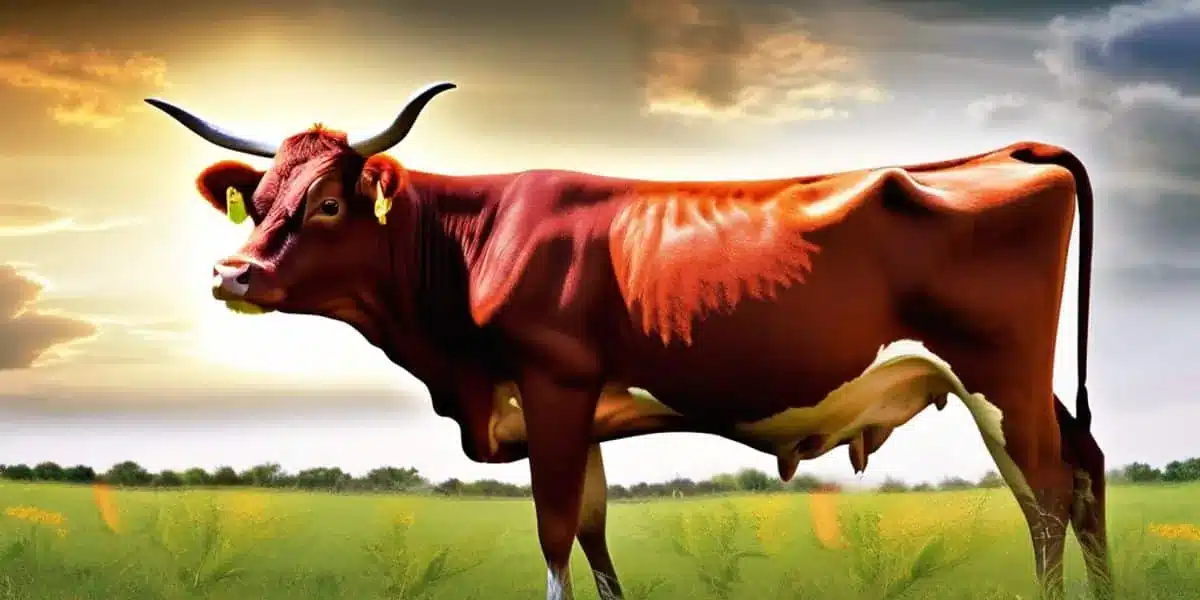
    In the annals of biblical lore, the red heifer stands out as a unique and enigmatic figure. Commanded in the Book of Numbers, the sacrifice of a red heifer was no ordinary ritual. It was a divine ordinance, shrouded in mystery, meant to purify those who had come into contact with death.

    The heifer, unblemished and untouched by the yoke, symbolized a purity that was essential for the cleansing of the people and the Tabernacle. Its ashes, mixed with water, created a solution that had the power to sanctify and renew.

    • The heifer must be completely red, without a spot.
    • It must never have been used for labor.
    • The sacrifice was performed outside the camp.

    This ancient rite echoes through time, reminding us of the profound connection between purity, sacrifice, and redemption. The red heifer’s ashes were more than just remnants; they were a testament to the possibility of spiritual rebirth.

    Symbolism and Purification Rituals

    The Red Heifer stands as a profound emblem within the tapestry of biblical narratives. Its ashes, a key to purification, were used to cleanse those who had come into contact with death. This ritual, intricate and sacred, symbolized a bridge from impurity to sanctity, a transformation deeply rooted in the spiritual journey of the Israelites.

    Purification was not merely a physical act but a spiritual preparation, allowing individuals to re-enter the community and stand before God cleansed. The Red Heifer’s sacrifice, therefore, was more than a rite; it was a divine pathway to renewal.

    • The Red Heifer was without blemish, a requirement for the sacrifice.
    • Its ashes were mixed with water to create the ‘water of separation’.
    • This mixture was sprinkled on those needing purification.

    The Red Heifer’s role transcends time, echoing Christ’s sacrifice, who, like the heifer, was “without blemish” and spoke “without malice.” Its legacy continues to stir the waters of theological discourse, inviting believers and scholars alike to ponder the depths of its significance.

    Link to Messianic Expectations

    The Red Heifer is not just an ancient ritual; it’s a thread woven into the fabric of Messianic prophecy. Its ashes, believed to purify the impure, are seen as a precursor to the ultimate purification and redemption brought forth by the Messiah. This expectation transcends time, linking the past to a future where the Red Heifer heralds the coming of an era of spiritual renewal.

    In the realm of eschatology, the Red Heifer is a symbol charged with anticipation. Its appearance is eagerly awaited by many who believe it will signal the end times and the rebuilding of the Temple in Jerusalem. Into the Parabnormal with Jeremy Scott delves into these mysteries, exploring the depths of this prophecy and its implications for the modern world.

    • The Red Heifer’s role in purification rituals.
    • Its significance in the context of the Third Temple.
    • The fervent search for a flawless Red Heifer in contemporary times.

    The search for the Red Heifer is not just about finding a rare animal; it’s a quest for spiritual readiness, a collective yearning for a new dawn of peace and enlightenment.

    The Prophetic Significance: Beyond the Ashes

    The Prophetic Significance: Beyond the Ashes

    End Times Prophecies and the Red Heifer

    The Red Heifer is not just an ancient biblical rite; it’s a prophetic puzzle piece for many believers. Its ashes, once used for purification, now stir discussions of end times fulfillment. The search for a pure Red Heifer aligns with the unraveling of Revelation’s seals, trumpets, and vials. This quest is not just historical—it’s a live broadcast for the faithful.

    Ground Zero with Clyde Lewis often delves into the esoteric, and the Red Heifer prophecy fits right into the show’s wheelhouse. Listeners tune in for a blend of biblical prophecy and modern-day mystery.

    The Red Heifer bridges the gap between ancient scripture and contemporary eschatology.

    Christian and Jewish scholars alike scrutinize the texts, seeking signs in the breeding of these rare animals. Here’s a snapshot of the prophecy’s impact:

    • Christian Perspectives: A sign of the times, signaling the second coming of Christ.
    • Jewish Perspectives: A precursor to the rebuilding of the Temple in Jerusalem.
    • Public Fascination: A blend of intrigue and skepticism fuels ongoing debate.

    The Red Heifer’s prophetic role is a tapestry of faith, science, and speculation. Its legacy continues to evolve, as each generation watches and waits for the prophecy to unfold.

    Christian and Jewish Perspectives

    The Red Heifer bridges beliefs, stirring deep discussions among Christians and Jews. Both faiths recognize its profound spiritual significance, yet interpret it through different doctrinal lenses. For Christians, the Red Heifer prefigures Christ’s sacrifice, purifying from sin. Jews see it as a vital element for Temple rituals and, ultimately, redemption.

    Symbolism runs deep. The heifer’s unblemished state and red color resonate with themes of purity and sacrifice. Its ashes, mixed with water, create a powerful purification agent in Jewish tradition, hinting at a future Messianic era.

    Modern interpretations vary, sparking lively debates. Some await the prophecy’s fulfillment with bated breath, citing news headlines like “The Day of the Prophetic Red Heifer is Almost Here – Charisma News“. Others approach with skepticism, mindful of the mystery surrounding divine plans. As one source puts it, > To be clear: no one knows how the Lord will orchestrate these events to unfold, only that they will unfold as biblical prophecy declares.

    The quest for a genuine Red Heifer today is more than religious ritual; it’s a blend of faith, science, and anticipation. The search continues, uniting and dividing, as the world watches on.

    Modern Attempts to Fulfill the Prophecy

    In recent times, the quest to find a pure red heifer has intensified. Believers across the globe are on high alert, searching for the elusive animal that could signal the fulfillment of prophecy. The red heifer’s rarity makes each potential candidate a subject of intense scrutiny.

    • In Israel, organizations have been established with the sole purpose of breeding a red heifer.
    • Geneticists and rabbis work hand-in-hand, analyzing DNA to ensure purity.
    • Every few years, reports surface of a red heifer being born, sparking both excitement and debate.

    The stakes are high. For some, the birth of a red heifer is not just a biblical requirement but a precursor to the rebuilding of the Temple in Jerusalem. This event is seen as a critical step towards the coming of the Messiah.

    The search for the red heifer is more than a religious endeavor; it’s a bridge between ancient text and modern faith.

    Despite the fervor, skepticism remains. Critics argue the prophecy’s criteria are too stringent, making fulfillment nearly impossible. Yet, the search continues, fueled by faith and the hope of witnessing a pivotal moment in religious history.

    Historical and Cultural Impact of the Red Heifer

    Historical and Cultural Impact of the Red Heifer

    The Red Heifer in Ancient Israelite Society

    In the tapestry of Ancient Israelite society, the red heifer was more than just an animal; it was a key to spiritual cleanliness and communal harmony. The ritual of the red heifer was a divine ordinance, shrouded in mystery and essential for purification. This rare creature’s ashes were pivotal for those who had come into contact with death, allowing them to rejoin religious life and enter the sacred spaces.

    Purification was central to the Israelites, and the red heifer played a crucial role. Without it, the highest levels of purity were unattainable, and the Temple remained inaccessible. The search for a flawless red heifer was relentless, as even two non-red hairs disqualified it from use.

    • The red heifer was required to be unblemished and never yoked.
    • Its ashes, mixed with water, created the ‘waters of purification’.
    • The ritual underscored the community’s commitment to holiness and the divine commandments.

    The red heifer bridged the gap between the earthly and the divine, symbolizing a path to renewal and sanctity.

    The significance of the red heifer extended beyond its ritual use; it was a symbol of the enigmatic ways of the divine. Its rarity and the stringent requirements for its selection underscored the Israelites’ dedication to following God’s commands, no matter how inscrutable they seemed. The red heifer was not just an animal; it was a testament to faith and obedience.

    Cultural Representations Through the Ages

    The Red Heifer has been a canvas for cultural expression throughout history. Artists and thinkers have infused this biblical symbol with layers of meaning, from the surreal to the sacred. The Red Heifer’s enigmatic nature has inspired a myriad of interpretations, each reflecting the zeitgeist of its era.

    • In ancient texts, the Red Heifer is a motif of purity and sacrifice.
    • Medieval art often depicted the Red Heifer within allegorical contexts, hinting at deeper spiritual truths.
    • The modern era has seen the Red Heifer reimagined in diverse mediums, from street art to digital narratives.

    The Red Heifer transcends its biblical origins, becoming a mirror to society’s evolving values and beliefs.

    The symbol’s adaptability is a testament to its enduring relevance. It has been a touchstone for discussions on faith, a muse for the avant-garde, and a point of reflection for those pondering the divine. As we continue to navigate the complexities of modern life, the Red Heifer remains a potent emblem, inviting us to explore the intersection of the ancient and the contemporary.

    The Red Heifer’s Role in Interfaith Dialogue

    The Red Heifer’s enigmatic role in religious texts has sparked curiosity and conversation across different faiths. Interfaith dialogue has been enriched by discussions around this biblical ordinance, fostering a deeper understanding and respect among various religious communities.

    Support more articles like this by delving into the shared and divergent interpretations of the Red Heifer. Here’s how the prophecy has been a catalyst for interfaith exchange:

    • Encouraging theological discussions that bridge gaps between faiths.
    • Highlighting the universal quest for spiritual purity and redemption.
    • Inspiring collective efforts to interpret ancient scriptures in a modern context.

    The Red Heifer serves not only as a religious symbol but also as a bridge, connecting diverse beliefs through the common language of sacred teachings.

    Controversies and Debates Surrounding the Red Heifer

    Controversies and Debates Surrounding the Red Heifer

    Skeptical Views and Criticisms

    The Red Heifer prophecy, while steeped in religious tradition, is not without its skeptics. Critics argue that the search for a pure red heifer is a blend of mysticism and literalism that overlooks the symbolic nature of biblical texts. Is the prophecy a divine sign or a misinterpretation of scripture? This debate rages on in theological circles.

    The Secret Teachings with Ryan Gable often delves into the esoteric, questioning the mainstream narratives of such prophecies. Skeptics on the show suggest that the prophecy’s significance may be overemphasized, leading to a fixation on finding a red heifer at the expense of broader spiritual teachings.

    • Critics highlight the lack of new insights in recent discussions.
    • The prophecy’s relevance to modern spirituality is questioned.
    • The potential for fear and confusion among believers is a concern.

    The quest for a red heifer continues to captivate some, yet for others, it remains a contentious symbol, its true meaning lost in translation.

    Theological Debates and Interpretations

    The Red Heifer continues to stir theological debates, with interpretations as varied as the denominations discussing it. Is it merely a historical ritual or a harbinger of the end times? This question divides scholars and believers alike.

    Typology plays a crucial role in understanding the Red Heifer’s significance. It’s seen as a foreshadowing of Christ’s sacrifice by some, while others view it as a unique purification rite with no messianic implications.

    • The Trinity in the Old Testament is debated through the lens of the Red Heifer.
    • Gentile Salvation and Grace are reexamined in its light.
    • The Doctrine of Typology is central to the discussion.

    The Red Heifer challenges our grasp of biblical truths, pushing us to reconsider the boundaries between the old and the new.

    The debate is far from settled, with new insights often leading to more questions than answers. The Red Heifer remains a captivating enigma, a theological puzzle that continues to engage the minds of the faithful.

    The Red Heifer and Contemporary Religious Practice

    In today’s religious landscape, the Red Heifer remains a potent symbol. Modern attempts to breed a Red Heifer have sparked both excitement and skepticism. These efforts are not just about fulfilling a biblical prophecy; they’re about connecting to a tradition that dates back millennia. Ground Zero Radio, a platform known for delving into mysteries, touches on topics like Earth’s cataclysmic cycle and Anunnaki myths, which resonate with the search for the Red Heifer as a harbinger of the end times.

    • The quest for a pure Red Heifer is ongoing.
    • Breeding programs aim to produce a candidate without blemish.
    • Religious groups view this as a step towards ritual purity.

    The Red Heifer bridges the gap between ancient text and modern faith, embodying the continuity of religious practice.

    The debate is not just theological; it’s deeply rooted in the practicalities of religious observance. As the search continues, the Red Heifer challenges contemporary believers to consider the relevance of ancient rituals in today’s world.

    Exploring the Red Heifer’s Legacy Today

    Exploring the Red Heifer's Legacy Today

    Scientific Insights and the Red Heifer

    The quest for the elusive red heifer has not just been a spiritual journey but also a scientific endeavor. Geneticists have joined theologians in the search, analyzing DNA to identify the perfect candidate that fulfills ancient requirements. This intersection of science and scripture is not without its challenges.

    • Genetic purity is paramount, with even two non-red hairs disqualifying a heifer.
    • The rarity of the red heifer makes each potential discovery a significant event.
    • Advances in genetic testing have increased the chances of finding a qualified red heifer.

    The red heifer bridges the gap between the tangible and the divine, a symbol that now undergoes the scrutiny of modern science.

    Skeptics question the plausibility, while the faithful see it as a sign of the times. The red heifer remains a potent symbol in the collective consciousness, its legacy enduring through the lens of science.

    Educational Initiatives and Public Awareness

    In the quest to demystify the Red Heifer prophecy, educational initiatives have taken center stage. Knowledge is power, and through various platforms, the public is becoming more informed about this enigmatic biblical subject. Workshops, seminars, and online courses are popping up, aiming to educate people on the historical and theological nuances of the Red Heifer.

    One such initiative is the Executive Director’s Blog by the American Society for Yad Vashem, which emphasizes the importance of education in raising awareness about historical and religious contexts. The blog suggests that understanding the conditions under which certain beliefs emerge can foster a more conscious society.

    Engaging with the community through education not only enlightens but also bridges gaps between different faiths and cultures.

    Local youth groups are also contributing to the conversation. For example, the Wharf Youth Theatre Group’s bold drama productions tackle contemporary issues while drawing parallels with ancient teachings, including those of the Red Heifer.

    • Educational Platforms: Workshops, Seminars, Online Courses
    • Community Engagement: Theatre Productions, Blogs
    • Awareness: Historical Context, Theological Significance

    These efforts are crucial in cultivating a well-informed public that can engage in meaningful dialogue about the Red Heifer’s legacy and its place in modern spirituality.

    The Red Heifer’s Influence on Modern Spirituality

    The Red Heifer continues to captivate modern spirituality, transcending ancient texts to influence contemporary beliefs and practices. Various radio shows explore paranormal, supernatural, and conspiracy topics, inviting listeners to delve into the mysteries of the unknown with engaging hosts and thought-provoking discussions. These programs often touch on esoteric subjects, including the Red Heifer, drawing connections between biblical prophecies and current events.

    In the realm of personal spirituality, the Red Heifer serves as a symbol for introspection and transformation. People seek to understand the deeper meanings behind sacred texts, applying ancient wisdom to their own spiritual journeys. The quest for purity, a central theme of the Red Heifer’s story, resonates with those striving for personal growth and enlightenment.

    The Red Heifer’s legacy persists, challenging individuals to find harmony between ancient teachings and modern existential quests.

    Amidst debates and skepticism, the Red Heifer’s enigmatic presence in spiritual discourse encourages a continuous search for truth and understanding. It remains a powerful emblem in the collective consciousness, inspiring a myriad of interpretations and applications in today’s spiritual landscape.

    The enigmatic tale of the Red Heifer has fascinated scholars and spiritual seekers for centuries. Today, its legacy continues to inspire and provoke thought across various fields of study. To delve deeper into the mysteries of the past and uncover the relevance of ancient wisdom in the modern era, we invite you to visit our website. Explore our extensive archives, including thought-provoking podcasts, in-depth documentaries, and enlightening lectures that will enrich your understanding of the world’s secrets. Don’t miss out on this journey of discovery—click the link to begin exploring now!

    Conclusion: The Red Heifer and the Tapestry of Faith

    In the intricate weave of biblical narratives, the prophecy of the Red Heifer stands out as a thread of profound significance. This enigmatic commandment, nestled within the pages of Numbers 19, has sparked centuries of theological debate and eschatological anticipation. Its role in purification rituals not only underscores the meticulous nature of Old Testament law but also foreshadows the ultimate sacrifice of Jesus Christ, offering a poignant reflection on purity, sacrifice, and redemption. As we’ve explored the Red Heifer’s place in biblical teachings, we’ve delved into a story that transcends time, echoing the enduring quest for spiritual cleansing and renewal. This prophecy, like many biblical mysteries, invites believers to ponder the depths of God’s plan and the ways in which ancient wisdom illuminates our modern spiritual journey. Whether viewed through the lens of historical tradition or contemporary relevance, the Red Heifer prophecy remains a captivating element of the biblical narrative, challenging and enriching the faith of those who seek to unravel its layers.

    Frequently Asked Questions

    What is the Red Heifer prophecy in biblical teachings?

    The Red Heifer prophecy refers to a biblical teaching found in Numbers 19:1-22, where the sacrifice of a red heifer without defect and never yoked is described as a purification ritual. In Jewish tradition, it is believed that the ashes of a red heifer can purify those who have come into contact with death, and the birth of a perfect red heifer is seen by some as a sign heralding the construction of the Third Temple and the coming of the Messiah.

    How does the Red Heifer connect to messianic expectations?

    In both Jewish and Christian eschatology, the Red Heifer is associated with messianic expectations. For some Jews, the birth of a red heifer that meets biblical criteria is a precursor to the coming of the Messiah and the rebuilding of the Temple in Jerusalem. Christians may view it as a symbol pointing to the second coming of Jesus Christ, with its sacrifice prefiguring his atonement for sin.

    Are there any historical accounts of a Red Heifer being sacrificed?

    According to Jewish tradition, a red heifer sacrifice has been performed nine times since the command was given in the Torah, with the last known sacrifice occurring around the destruction of the Second Temple in 70 CE. Since then, there have been no confirmed reports of a red heifer meeting the strict biblical requirements for the ritual.

    What are the controversies surrounding the Red Heifer?

    Controversies include debates over the interpretation of the prophecy, skepticism regarding its significance, and concerns about attempts to breed a red heifer artificially or to use the prophecy to hasten the end times. Some also question the ethical implications of focusing on a single animal for religious purposes.

    How is the Red Heifer viewed in modern religious practice?

    In modern religious practice, particularly within certain Orthodox Jewish and Evangelical Christian circles, the search for a red heifer continues. Some see it as a commandment that must be fulfilled, while others regard it as a symbolic representation of spiritual purification and redemption.

    Has modern science played a role in the search for the Red Heifer?

    Yes, modern science, including genetics and selective breeding, has been employed by some groups in an attempt to produce a red heifer that meets the biblical criteria. However, these efforts are met with varying degrees of acceptance among religious communities, with some considering them as interference in divine will.
  • Exploring the End Times Theories of Steve Quayle

    Exploring the End Times Theories of Steve Quayle

    In the vast landscape of eschatological beliefs, the end times theories of Steve Quayle stand out for their unique blend of biblical prophecy, historical interpretation, and modern-day concerns. Quayle’s perspectives on the apocalypse have not only shaped his own following but have also influenced contemporary religious thought and culture. This article delves into the apocalyptic visions of Steve Quayle, examining the foundations of his theories, the debates they have sparked, and their impact on society and modern eschatology.

    Key Takeaways

    • Steve Quayle’s end times theories are a fusion of biblical prophecy, historical narratives, and current events.
    • Quayle’s interpretations often involve a mix of prophetic symbols and their meanings, drawing from a variety of sources.
    • His theories have been met with both criticism and support, leading to debates on their scientific and theological validity.
    • Quayle’s influence extends beyond his immediate followers, impacting broader discussions on eschatology and the interpretation of prophecy.
    • The cultural and social repercussions of Quayle’s theories highlight the intersection of religious beliefs with public life, politics, and individual psychology.

    Unveiling the Apocalyptic Visions of Steve Quayle

    Unveiling the Apocalyptic Visions of Steve Quayle

    A Synopsis of Quayle’s End Times Framework

    Steve Quayle’s apocalyptic vision is a complex tapestry of imminent doom, weaving together biblical prophecy, historical patterns, and contemporary signs. His framework suggests a near-future collapse, triggered by a series of catastrophic events. Quayle interprets modern-day occurrences as clear indicators of the approaching end times, often citing natural disasters, political turmoil, and technological dependencies as harbingers of a larger, divine plan.

    • Quayle’s interpretation of prophecy is literal and urgent.
    • He identifies specific signs that he believes signal the end is near.
    • His followers are urged to prepare both spiritually and physically.

    Quayle’s narrative is not just about fear; it’s a call to action. It’s a plea for awareness and readiness in the face of what he perceives as inevitable.

    Critics argue that Quayle’s theories are alarmist and lack scientific basis, while supporters find his arguments compelling and rooted in faith. The debate continues as Quayle’s voice echoes through the corridors of eschatological discourse, stirring both concern and conviction among those who listen.

    Historical and Biblical Foundations

    Steve Quayle’s end times theories are deeply rooted in historical and biblical narratives. He interprets ancient texts and prophecies through a modern lens, often drawing parallels between scriptural events and current global occurrences. Quayle’s work is a tapestry of old-world predictions and new-age interpretations.

    His approach to biblical prophecy is not without controversy. Critics argue that his interpretations are speculative, while supporters find them to be revelations of truth. Quayle often references Ground Zero with Clyde Lewis, a platform where he has discussed his theories, connecting them to a broader conversation on spirituality and conspiracy.

    • Quayle’s theories are influenced by a range of sources:
      • Biblical apocalyptic literature
      • Historical accounts of prophecy
      • Modern interpretations of ancient symbols

    Quayle’s narrative weaves together the threads of past prophecies with the fabric of contemporary society, suggesting a prophetic continuity that spans millennia.

    Key Prophetic Symbols and Their Interpretations

    Steve Quayle’s end times narrative is rich with prophetic symbols, each carrying deep significance. Dragons and beasts often appear, symbolizing overarching evil forces. The Rapture is a recurring theme, representing the ultimate salvation of believers. Quayle interprets modern events as fulfillments of ancient prophecies, weaving a tapestry of signs that many find compelling.

    In Quayle’s view, geopolitical tensions are not mere political struggles but manifestations of spiritual warfare.

    His interpretations extend to natural phenomena, where earthquakes and celestial events are seen as divine warnings. Quayle’s followers meticulously chart these occurrences, seeking patterns that align with biblical prophecy.

    • Dragons/Beasts: Evil empires/power structures
    • Rapture: Deliverance of the faithful
    • Earthquakes: Divine admonitions
    • Celestial Signs: Harbingers of the end

    Quayle’s approach to end times is not without its critics, who argue that his readings are too literal or overly imaginative. Yet, his ability to connect disparate historical and current events under the umbrella of prophecy is undeniably intriguing to many.

    The Controversial Theories: Debunking or Affirming?

    The Controversial Theories: Debunking or Affirming?

    Critics vs. Supporters: The Debate

    The debate over Steve Quayle’s end times theories is as heated as it is polarized. On one side, critics dismiss his apocalyptic visions as fear-mongering and lacking scientific basis. They argue that Quayle’s interpretations are a mishmash of historical and biblical references taken out of context. Supporters, however, see Quayle as a prophetic voice, revealing truths hidden in plain sight. They credit him with awakening the public to spiritual warfare and the signs of the times.

    Controversy is the keyword when it comes to Quayle’s work. His theories have sparked a wide range of reactions, from outright rejection to fervent belief. The following points encapsulate the core of the debate:

    • Critics point to a lack of empirical evidence supporting Quayle’s claims.
    • Supporters argue that faith and prophecy transcend empirical scrutiny.
    • The debate extends beyond facts, touching on personal beliefs and worldviews.

    The impact of Quayle’s theories on individual and collective thought cannot be overstated. They challenge the status quo and invite a re-examination of mainstream narratives.

    Ultimately, the divide between critics and supporters of Steve Quayle’s end times theories reflects a broader discourse on the nature of truth, belief, and evidence in our society.

    Scientific Scrutiny of Quayle’s Claims

    Steve Quayle’s apocalyptic theories have been met with both fervent support and staunch skepticism. Scientists have raised eyebrows, questioning the empirical evidence behind his claims. Theories once confined to the fringes now face the harsh light of scientific inquiry.

    Support more articles like this by delving into the facts. Here’s a snapshot of the scientific community’s response:

    • Lack of empirical evidence: Many of Quayle’s assertions lack the rigorous testing and validation that form the cornerstone of the scientific method.
    • Contradictions with established science: Some claims directly contradict well-established scientific facts and theories.
    • Alternative explanations: Often, phenomena Quayle attributes to supernatural or apocalyptic causes can be explained by existing scientific knowledge.

    While open-mindedness is a virtue in scientific exploration, the burden of proof lies heavily on extraordinary claims.

    The debate rages on, with the scientific community calling for clear, reproducible evidence. The scrutiny is not just a challenge; it’s an invitation to prove the validity of Quayle’s visions.

    The Impact on Contemporary Religious Thought

    Steve Quayle’s end times theories have stirred the pot in religious circles, sparking intense discussions about the future and salvation. His apocalyptic visions challenge the traditional views of many believers, prompting a reevaluation of eschatological beliefs. Critics argue that Quayle’s interpretations are fear-mongering, while supporters find them to be a wake-up call to spiritual readiness.

    The debate extends beyond mere opinion, influencing the fabric of contemporary religious thought. Quayle’s theories intersect with a broader discourse on the role of prophecy and revelation in modern faith practices. This has led to a diversification of perspectives within the religious community, as some embrace Quayle’s views, and others firmly reject them.

    The impact is not just theological; it’s deeply personal. Believers are compelled to confront their convictions about the end times, often leading to transformative spiritual journeys.

    Quayle’s influence is evident in the growing number of followers who align with his vision. This alignment has implications for how religious communities prepare for the future, both spiritually and practically. The table below illustrates the split in reception among different groups:

    Group Reception
    Traditionalists Skeptical
    Evangelicals Mixed
    Charismatics Supportive
    Non-religious Indifferent

    In conclusion, Steve Quayle’s end times theories have become a significant point of contention and contemplation in contemporary religious thought, shaping the discourse and actions of many within the faith community.

    Steve Quayle’s Influence on Modern Eschatology

    Steve Quayle's Influence on Modern Eschatology

    Quayle’s Followers and the Growth of a Movement

    Steve Quayle’s apocalyptic visions have not only stirred controversy but have also cultivated a dedicated following. His influence has permeated through various layers of society, attracting a diverse group of individuals who resonate with his end times narrative. The growth of this movement can be attributed to a combination of charismatic leadership, strategic use of media, and a message that taps into the zeitgeist of contemporary fears and uncertainties.

    • Charismatic Leadership: Quayle’s compelling storytelling and assertive presence have garnered him a loyal base.
    • Media Savvy: Utilizing books, radio, and online platforms, Quayle has expanded his reach beyond traditional pulpits.
    • Resonant Message: Aligning with current events, Quayle’s theories often reflect societal anxieties, drawing in those seeking answers.

    The movement’s expansion is not just about numbers; it’s about the intensity of belief and the commitment of its members to spread the word.

    The ripple effect of Quayle’s theories is evident as they echo through conversations in both religious and secular circles. His followers are not passive consumers; they are active participants, often engaging in debates and discussions, further amplifying Quayle’s apocalyptic message. The movement’s dynamics reflect a complex interplay between leader, message, and audience, each reinforcing the other in a powerful synergy.

    Comparative Analysis with Other End Times Theorists

    Steve Quayle’s apocalyptic narratives often draw comparisons to other end times theorists. Unlike the biblical literalism of Ken Ham or the calculated predictions of Harold Camping, Quayle weaves a tapestry of modern conspiracies with ancient prophecies. His unique blend of supernatural and geopolitical elements sets him apart.

    When placed side by side with peers like Tim LaHaye, known for the ‘Left Behind’ series, Quayle’s work is less about rapture sequences and more about the imminent collapse of societal norms. His focus on giants and fallen angels as harbingers of the end times is a stark contrast to LaHaye’s focus on the Antichrist and the Tribulation.

    Quayle’s theories resonate with a segment of the population that finds traditional eschatology lacking in explanations for contemporary global events.

    Here’s a quick rundown of how Quayle’s theories stack up against others:

    • Ken Ham: Emphasis on Creationism and a young Earth.
    • Harold Camping: Infamous for predicting the end of the world dates.
    • Tim LaHaye: Popularized a pre-tribulation rapture scenario.
    • Steve Quayle: Combines biblical prophecy with modern-day conspiracy theories.

    Quayle’s influence is undeniable, as he taps into the fears and uncertainties of our times, offering a narrative that is both compelling and unsettling. His ability to connect dots between disparate historical and current events keeps his followers hooked and his critics busy.

    Media and Literature: Quayle’s Reach Beyond the Pulpit

    Steve Quayle’s apocalyptic visions have not only echoed through the halls of churches but have also found a place in the vast expanse of media and literature. His narratives resonate with a diverse audience, spanning from the deeply religious to those simply intrigued by end times lore. Quayle’s theories are disseminated through various channels, including books, online forums, and radio shows.

    One such platform is Ground Zero Radio, which delves into a mix of conspiracies, paranormal events, and current affairs. It’s a space where listeners are invited to explore the complexities of our world, aligning well with Quayle’s penchant for the mysterious and the unexplained.

    • Books authored by Quayle
    • Interviews on religious and conspiracy podcasts
    • Appearances on alternative news outlets

    Quayle’s influence is not limited to his spoken word; his written works also contribute to the spread of his end times theories. The reach of his ideas extends beyond traditional religious circles, tapping into a broader cultural vein that is both fascinated and apprehensive about the future.

    Analyzing the Cultural and Social Repercussions

    Analyzing the Cultural and Social Repercussions

    End Times Theories in the Public Sphere

    Steve Quayle’s end times theories have seeped into the public sphere, sparking conversations and debates far beyond traditional religious settings. Podcasts like ‘Prophecy Watchers‘ delve into topics such as ‘The Tools of The Antichrist’, engaging audiences with a mix of biblical prophecy and current events. These discussions often blend historical, spiritual, and conspiratorial elements, creating a unique cultural phenomenon.

    End times narratives influence various aspects of life, from personal beliefs to collective behavior. Here’s how they manifest:

    • Media: Radio shows, podcasts, and online forums amplify these theories, reaching a global audience.
    • Literature: Books and articles dissect and expand upon Quayle’s visions, often becoming bestsellers.
    • Social Media: Hashtags and groups dedicated to end times discussions proliferate, shaping public opinion.

    The intersection of prophecy and real-world events leads to a potent mix of fear, hope, and speculation.

    The ripple effect of such theories can be profound, affecting not just individual worldviews but also societal norms and expectations. As these apocalyptic visions gain traction, they challenge traditional eschatological interpretations and invite a new wave of followers seeking answers in an uncertain world.

    Psychological Effects on Believers and Skeptics

    The end times theories of Steve Quayle don’t just stir debates; they evoke deep psychological responses. Believers may find solace or fear, while skeptics could dismiss or become unsettled. The impact is real, regardless of where you stand.

    Belief in apocalyptic visions can lead to a life lived in anticipation, affecting daily choices and long-term plans. Skeptics, on the other hand, might experience a range of emotions from amusement to concern over the influence these theories have on society.

    • For believers:
      • A sense of community with like-minded individuals.
      • Potential anxiety over impending doom.
      • Motivation to prepare for survival.
    • For skeptics:
      • Frustration with what they see as irrational beliefs.
      • Worry about the theories’ effects on vulnerable individuals.
      • Curiosity or entertainment in debunking the claims.

    The dichotomy of belief and skepticism creates a dynamic where both sides are deeply invested in their perspectives, often leading to a polarized environment.

    The psychological effects are not just individual but ripple through families and communities, influencing behavior and even policy. It’s a potent mix of fear, hope, and the human search for meaning in the face of the unknown.

    The Role of End Times Theories in Politics and Policy

    End Times theories, like those of Steve Quayle, often seep into the political arena, influencing policies and shaping the ideologies of leaders and voters alike. The intersection of eschatology and policy can lead to significant societal shifts, as decisions are made with an eye on prophetic outcomes rather than empirical evidence.

    Ground Zero Radio, a platform discussing various conspiracy theories and current affairs, exemplifies the reach of such apocalyptic narratives into the public consciousness. This infiltration into mainstream discourse can sway public opinion on critical issues, from environmental policies to international relations.

    • The influence on policy can be subtle or overt, depending on the political climate.
    • Leaders may use eschatological beliefs to justify actions or to rally support.
    • Voters may seek candidates who align with their apocalyptic expectations.

    The ripple effect of these theories on governance is profound, as they can dictate the urgency and direction of policy-making.

    Ultimately, the role of End Times theories in politics and policy is a testament to the power of belief over evidence. It raises questions about the responsibility of leaders to distinguish between personal convictions and the public good.

    The intricate tapestry of our society is woven with threads of cultural norms and social behaviors. As we delve into the ‘Analyzing the Cultural and Social Repercussions’ section, we invite you to join the conversation and deepen your understanding of these complex dynamics. Don’t miss out on the opportunity to explore thought-provoking discussions and unique perspectives. Visit our website to access a treasure trove of podcasts, documentaries, and exclusive content that will challenge your perceptions and enrich your knowledge. Engage with the greatest minds and unravel the secrets of our world today.

    Conclusion: The Enigmatic Tapestry of Steve Quayle’s End Times Theories

    Steve Quayle’s theories on the end times weave a complex and often controversial tapestry, drawing from a myriad of sources ranging from biblical prophecy to modern-day technological concerns. His perspectives, while unorthodox, challenge the conventional narratives and invite a deeper exploration into the mysteries of our existence and the signs of the times. Whether one views his theories as insightful or far-fetched, they undeniably contribute to the rich mosaic of eschatological discourse. As we stand at the crossroads of history and prophecy, it is the interplay of such diverse ideas that fuels our collective quest for understanding in these uncertain times.

    Frequently Asked Questions

    Who is Steve Quayle and what are his end times theories?

    Steve Quayle is an author and researcher known for his theories on end times prophecy, which are based on a combination of historical, biblical, and contemporary sources. He believes in an imminent apocalypse and interprets current events as signs of the approaching end times.

    What is the basis of Steve Quayle’s apocalyptic visions?

    Quayle’s apocalyptic visions are grounded in his interpretation of the Bible, historical texts, and his analysis of current events. He often discusses the convergence of prophecy and modern-day occurrences as indicators of the end times.

    How do critics and supporters view Steve Quayle’s theories?

    Critics often dismiss Quayle’s theories as unfounded and sensationalist, while supporters find his interpretations of prophecy and current events compelling and believe they offer insight into future events.

    Has Steve Quayle’s work had an impact on modern eschatology?

    Yes, Steve Quayle has influenced modern eschatology by contributing to the discourse on end times theories and gaining a following who resonate with his interpretations and predictions.

    What are some cultural and social repercussions of end times theories like Quayle’s?

    End times theories can influence public opinion, create a sense of urgency or fear, and sometimes impact political and social policies. They also have psychological effects on believers and skeptics alike, shaping their worldview and actions.

    Does Steve Quayle use any specific symbols or codes in his prophecies?

    Quayle often references biblical symbols, such as the Four Horsemen of the Apocalypse, and may use numerology or other forms of symbolism to interpret prophecy and link it to contemporary events.

  • Brink of Apocalypse: Decoding Apocalyptic Prophecies Through Time

    Brink of Apocalypse: Decoding Apocalyptic Prophecies Through Time

    From ancient texts to modern-day media, apocalyptic prophecies have been a source of fascination and fear. This exploration takes us through the historical and cultural significance of doomsday narratives, examining the role of various mediums and beliefs that have perpetuated these visions of the world’s end. Ground Zero Radio, fortune-telling practices, and the allure of cryptids and paranormal encounters all play a part in shaping our understanding of the apocalypse.

    Key Takeaways

    • Ground Zero Radio serves as a pivotal platform for those fascinated by apocalyptic theories, providing a space for discussion and exploration of conspiracy theories, paranormal events, and the mysteries of end times.
    • Fortune-telling has evolved from simple playing cards to complex systems like Tarot, reflecting a deep-seated human desire to predict and prepare for potential apocalyptic events, despite some viewing these practices with suspicion or fear.
    • Technological advancements and the digital age have influenced our sensitivity to paranormal phenomena and prophecies, potentially dulling innate human abilities to perceive beyond the physical realm and interpret apocalyptic signs.

    Unraveling the Mysteries of Doomsday: A Journey Through Apocalyptic Lore

    Unraveling the Mysteries of Doomsday: A Journey Through Apocalyptic Lore

    Ground Zero Radio: A Beacon for Apocalyptic Enthusiasts

    We’ve all tuned in, at one point or another, to the eerie yet captivating waves of Ground Zero Radio. It’s our guilty pleasure, our secret rendezvous with the unknown. Ground Zero with Clyde Lewis isn’t just another show; it’s a community, a gathering of minds intrigued by the veil that separates our world from ‘Everything Out There’.

    • Android App
    • Apple App
    • Amazon Alexa
    • GZR @ TikTok

    These are just a few portals through which the curious dive into the abyss of conspiracy theories and paranormal events. It’s where you can find a treasure trove of knowledge and entertainment, a place to be part of the future—staying ahead with Aftermath Media.

    Ground Zero Radio explores apocalypse fears and end-of-the-world scenarios with guest Pastor Paul Begley. Join for deep dives into mysteries and conspiracy theories.

    Whether it’s the latest on cryptids or the Slavic lore of Baba Yaga, Ground Zero Radio has it covered. It’s not just about the fear of the end times; it’s about understanding the signs, the omens, and the whispers of the past that echo into our present. And let’s not forget, it’s also about having a bit of fun with the bizarre—like the exploding toilet at a Dunkin’ Donuts, because why not?

    Fortune-Telling and Divination: From Playing Cards to Tarot

    We’ve always been fascinated by the unknown, and what’s more mysterious than the future? Divination has been our window into what lies ahead. From the simple deck of playing cards to the intricate Tarot, these tools have been consulted with hope and fear. Tarot, in particular, has captivated us with its rich symbolism and potential for deep insight.

    The Secret Teachings with Ryan Gable often explores the intersection of the esoteric and the everyday. It’s not just about predicting what’s to come; it’s about understanding the forces at play in our lives. Here’s a quick rundown of common divination methods:

    • Playing Cards: Simple yet versatile, they’ve been used for basic fortune-telling.
    • Tarot Cards: Each card is a world of its own, full of symbols and meanings.
    • Astrology: The stars and planets hold keys to our personalities and destinies.
    • Runes: Ancient alphabets that double as tools of insight.

    We’re drawn to these practices not just for answers, but for a sense of connection to something greater. The allure of the mystical is undeniable.

    Whether it’s a grandmother’s homemade good luck charms or the high-stakes prophecies of ancient texts, divination spans cultures and generations. It’s a thread in the fabric of human curiosity, one that continues to intrigue and inspire us.

    The Allure of Cryptids and Paranormal Encounters in Apocalyptic Beliefs

    We’ve always been drawn to the extraordinary, the unexplained. Cryptids and paranormal encounters stir something primal within us. It’s the thrill of the chase, the mystery that beckons. We’re talking Into the Parabnormal, where shadows hold secrets and every whisper of the wind could be a message from beyond.

    • The chill of a ghostly touch.
    • The fleeting glimpse of a creature that shouldn’t exist.
    • The eerie feeling that you’re not alone, even in the emptiness.

    These experiences, they’re not just tales to frighten children. They’re woven into the very fabric of our apocalyptic visions. Why? Because they remind us that there’s so much more out there, so much more to our world and possibly to its end.

    We create art, music, and stories that echo these encounters. They’re not just entertainment; they’re a reflection of our collective psyche, a way to process the unknown.

    Whether it’s the spine-tingling sensation of a haunted house or the unshakable belief in a creature lurking in the woods, these elements of the paranormal are integral to our understanding of the apocalypse. They are the unknown variables in our equation of the end times.

    The Modern Mind and Ancient Prophecies: Interpreting Apocalyptic Visions Today

    The Modern Mind and Ancient Prophecies: Interpreting Apocalyptic Visions Today

    The Role of Conscience and Inner Stillness in Deciphering End Times

    We’re all seeking answers, especially when it comes to the end times. But have we considered that the key might lie within us? The Secret Teachings suggest that a transformation of consciousness is crucial. It’s not about external signs or omens; it’s about tuning in to our inner stillness. Our conscience, that nagging voice inside, might just be the compass we need.

    In a world buzzing with information overload, finding that quiet space is like striking gold. It’s there, in the silence, that we can truly listen. And what we hear might surprise us. It’s not the rattle of doomsday but a call to awareness, a reminder to live with intention.

    We lean into insanity when we ignore our conscience. But when we embrace it, it becomes our friend, guiding us through the fog of uncertainty.

    Let’s face it, deciphering apocalyptic visions today is no small feat. But it’s not impossible. Here’s a simple list to start:

    • Embrace moments of silence daily.
    • Listen to your conscience without judgment.
    • Reflect on your actions and their impact on the world.

    By doing so, we might just find that living on this Earth is about more than waiting for heaven—it’s about creating it right here, right now.

    The Impact of Technology on Paranormal Sensitivity and Prophecy

    We’re living in an era where the digital and the paranormal are intertwining in unexpected ways. Shows like Into the Parabnormal with Jeremy Scott are exploring these intersections, bringing to light how tech influences our sensitivity to the unseen. The Paradigm Shift is real, and it’s happening now.

    • Technology has amplified our access to apocalyptic lore.
    • Paranormal encounters are shared globally in seconds.
    • Prophecies are dissected with digital tools, enhancing interpretation.

    Our screens are portals, and every notification could be a sign.

    The digital age has democratized prophecy. No longer confined to the few, the many now engage in predicting and sharing visions of the end. But with this power comes responsibility. We must discern the signal from the noise, the prophecy from the paranoia.

    Apocalyptic Archetypes: Decoding Recurring End-Time Narratives

    We’ve all heard the tales, the myths that echo through time, whispering of the end. Apocalyptic archetypes are more than just stories; they’re a deep-seated part of our collective psyche. From the fiery depths of hellish landscapes to the serene whispers of prophetic dreams, these narratives have shaped our understanding of the final days.

    Ground Zero with Clyde Lewis isn’t just a show; it’s a modern-day oracle, peering into the abyss of the unknown and the forbidden. It’s where the curious and the brave gather to decode the signs and symbols that have haunted humanity for eons.

    • The Beast with its number, a symbol of ultimate evil.
    • Four Horsemen, harbingers of doom, riding forth from the pages of ancient texts.
    • The Great Flood, a cleansing force, erasing the old to make way for the new.

    These aren’t just stories. They’re warnings, lessons, and maps to navigate the uncertain waters of our future.

    As we stand on the brink, looking out at the potential apocalypses that loom on the horizon, we must ask ourselves: Are we merely spectators, or are we the ones writing the next chapter in this age-old saga?

    In a world where the lines between reality and prophecy often blur, our understanding of ancient apocalyptic visions has never been more crucial. Dive into the depths of the enigmatic and the esoteric on our website, where unlimited podcasts, radio shows, movies, and more await to expand your consciousness. Explore over a decade of thought-provoking discussions and in-depth analysis that will challenge your perceptions and enlighten your mind. Don’t let the secrets of the past remain hidden—unlock the mysteries of the ancients by starting your free trial of Ground Zero: Aftermath today!

    Conclusion: The Everlasting Allure of Apocalyptic Visions

    As we have journeyed through the labyrinthine corridors of apocalyptic prophecies, from ancient texts to modern interpretations, one thing remains clear: the human fascination with the end times is as enduring as it is diverse. Ground Zero Radio, with its focus on the fringe and the unexplained, taps into this intrigue, offering a platform for the exploration of doomsday scenarios and supernatural phenomena. Personal anecdotes of paranormal encounters and the wisdom of granny witches remind us that the apocalyptic narrative is not just a distant myth but a living, breathing part of our cultural folklore. While the scientific community issues its own dire warnings about our climate, these ancient prophecies continue to resonate, echoing through our collective consciousness. Whether seen as forewarnings or as reflections of our deepest fears and hopes, apocalyptic visions compel us to confront the mysteries of existence and the possibility of renewal beyond the brink of catastrophe.

    Frequently Asked Questions

    What is Ground Zero Radio and why is it associated with apocalyptic beliefs?

    Ground Zero Radio is an online radio station that delves into conspiracy theories, paranormal events, apocalyptic theories, and current affairs. Its focus on the unexplained and end times theories resonates with those interested in apocalyptic prophecies and the mysteries of the world.

    How do divination and fortune-telling relate to apocalyptic prophecies?

    Divination and fortune-telling, through methods like playing cards or the Oracle, have historically been linked to apocalyptic beliefs. They are seen as ways to gain insight into potential future events, including the end times, and are often intertwined with personal and cultural superstitions.

    Can technology affect our ability to interpret prophecies and paranormal sensitivity?

    Some believe that modern technology, with its electromagnetic waves and potential to ‘calcify’ the pineal gland, can dull paranormal sensitivity and hinder our inherent psychic abilities. This could impact the way we perceive and interpret prophecies, including those related to the apocalypse.

  • The Science and Mythology of the Apocalypse

    The Science and Mythology of the Apocalypse

    The concept of the apocalypse has fascinated humanity for centuries, spanning across cultures, religions, and scientific communities. From ancient mythological narratives to modern-day scientific theories, the idea of the end of the world has been explored through various lenses. This article delves into the diverse interpretations and beliefs surrounding the apocalypse, examining its cultural, religious, scientific, and psychological dimensions.

    Key Takeaways

    • The apocalypse is a multifaceted concept explored in various cultures, including ancient Greek, Roman, Biblical, and Eastern philosophies.
    • Scientific theories on the end of the world range from climate change and environmental collapse to asteroid impacts and nuclear warfare.
    • Mythological narratives such as Norse Ragnarok, Hindu Kali Yuga, and Mayan prophecies offer rich, symbolic interpretations of the apocalypse.
    • Religious interpretations include Christian, Islamic, and Jewish eschatological literature, each providing unique perspectives on the end times.
    • The psychological impact of apocalyptic beliefs can manifest as fear, anxiety, hope, and collective behavior, influencing societal actions and attitudes.

    The Concept of Apocalypse in Different Cultures

    Ancient Greek and Roman Views

    The ancient Greeks and Romans had their own unique takes on the apocalypse. For them, it wasn’t just about the end of the world but also a revelation of hidden truths. The term ‘apocalypse’ itself comes from the Greek word ‘apokálypsis,’ meaning revelation. They believed in cycles of destruction and rebirth, often tied to their gods’ whims. Think of it as a cosmic reset button.

    Biblical Accounts

    Biblical accounts of the apocalypse are some of the most well-known. The Book of Revelation in the New Testament is a prime example. It describes a series of cataclysmic events leading to the final judgment. This narrative has deeply influenced Western culture’s view of the end times. Many of us have heard these stories in church or seen them depicted in movies. Into the Parabnormal with Jeremy Scott often explores these themes, diving deep into the prophetic visions and their modern interpretations.

    Eastern Philosophies

    Eastern philosophies offer a different perspective on the apocalypse. In Hinduism, the concept of ‘Kali Yuga’ represents the last of four stages the world goes through as part of the cycle of yugas. It’s a time of moral decline, but it’s also seen as a necessary phase before a new cycle begins. Similarly, in Buddhism, the end times are less about destruction and more about transformation and enlightenment. These views provide a more cyclical and less catastrophic outlook on the end of the world.

    The idea of an apocalypse varies widely across cultures, but one common thread is the notion of transformation and renewal. Whether it’s through destruction or enlightenment, the end is often just a new beginning.

    Scientific Theories on the End of the World

    Climate Change and Environmental Collapse

    Climate change is a biggie. Rising temperatures, melting ice caps, and extreme weather events are all signs. Scientists warn that if we don’t act fast, we could face severe consequences. Think mass extinctions, food shortages, and uninhabitable regions. It’s not just about polar bears; it’s about us too.

    Asteroid Impacts and Cosmic Events

    Remember the dinosaurs? An asteroid wiped them out. It could happen to us too. NASA keeps an eye on Near-Earth Objects (NEOs) to predict potential impacts. Cosmic events like supernovae or gamma-ray bursts could also spell doom. These are rare but catastrophic.

    Nuclear Warfare and Technological Risks

    Nuclear war is a terrifying thought. The fallout could lead to a nuclear winter, making Earth unlivable. Then there’s AI and biotechnology. What if machines turn against us? Or a lab-created virus escapes? These risks are real and need our attention.

    We need to stay informed and prepared. Support more articles like this to keep the conversation going.

    Mythological Narratives of the Apocalypse

    Norse Ragnarok

    In Norse mythology, Ragnarok is the ultimate battle between the gods and the giants, leading to the end of the world. This cataclysmic event is foretold to bring about massive destruction, including the death of major gods like Odin, Thor, and Loki. The world will be submerged in water, only to rise again, renewed and fertile. It’s a tale of both destruction and rebirth, emphasizing the cyclical nature of existence.

    Hindu Kali Yuga

    Hindu mythology speaks of the Kali Yuga, the last of the four stages the world goes through as part of the cycle of yugas. This era is marked by moral decline, chaos, and the eventual destruction of the world. Kali Yuga is characterized by the loss of dharma (righteousness) and the rise of adharma (unrighteousness). However, it is also believed that after this period, a new age of truth and virtue will begin, symbolizing hope and renewal.

    Mayan Prophecies

    The Mayan civilization had its own apocalyptic visions, most famously the end of their Long Count calendar on December 21, 2012. Contrary to popular belief, this date was not meant to signify the end of the world but rather the end of a cycle and the beginning of a new one. The Mayans believed in the cyclical nature of time, where endings are merely new beginnings. Their prophecies often included cosmic events and natural disasters, but also the promise of renewal and transformation.

    The idea of an apocalypse is not just about destruction; it’s also about the possibility of a new beginning. These mythological narratives remind us that every end is a chance for a fresh start.

    Religious Interpretations of the Apocalypse

    Christian eschatology is rich with apocalyptic imagery. The Book of Revelation, also known as John’s Apocalypse, is a cornerstone. It describes a series of cataclysmic events leading to the end of the world. Many Christians believe these events will culminate in the Second Coming of Christ, the final judgment, and the establishment of a new heaven and earth. This belief has shaped Christian thought and behavior for centuries, influencing everything from art to politics.

    Islamic eschatology also features vivid descriptions of the end times. The Quran and Hadiths outline signs of the apocalypse, including the appearance of the Mahdi and the return of Jesus. Muslims believe these events will lead to the Day of Judgment, where everyone will be held accountable for their deeds. This belief system emphasizes moral responsibility and the transient nature of worldly life.

    Jewish apocalyptic literature dates back to ancient times, with texts like the Book of Daniel and the Dead Sea Scrolls. These writings often depict a cosmic battle between good and evil, culminating in divine intervention and the restoration of Israel. The genre flourished between 250 BC and 250 AD, drawing from earlier prophetic and wisdom traditions. Zoroastrian dualism may have also influenced these narratives, adding layers of complexity to Jewish eschatological thought.

    The title and pathname emphasize the exploration of end times theories, from ancient prophecies to modern science, shaping public perception and behavior, and cultural impact across different beliefs and media.

    The Role of Prophecies and Visions

    Prophecies and visions have always fascinated us. They offer a glimpse into the unknown, connecting the present with the future. These revelations often come through dreams, visions, and even angelic messages. They bridge the gap between the human world and the divine, showing us that the present days are leading to an end-time where divine justice will prevail.

    Biblical Prophets

    Biblical prophets were chosen by God to deliver His messages. These messages could be about judgment, salvation, or ethical admonitions. The prophetic books often start with “Thus says the Lord,” followed by the divine message. While some argue that prophecy is more about advocating moral positions, the prediction of the future remains a crucial element. For instance, the prophecy of 1260 days in Revelation is a symbolic vision that has intrigued many.

    Modern-Day Predictions

    In modern times, people like David Koresh have claimed to unlock revelations and see themselves as agents of God’s plan. These individuals often believe they have the key to understanding ancient prophecies and that they are part of a divine mission to bring about the end of the world. This belief can be both empowering and dangerous, as it places them in a unique position of perceived authority.

    Psychic and Mystical Visions

    Psychic and mystical visions are another form of prophecy. These often involve spiritual journeys or encounters with otherworldly beings. They can be deeply personal and transformative experiences. Some people believe these visions are guided by spirit guides or other supernatural forces. These experiences can be both enlightening and terrifying, depending on the nature of the vision.

    The Secret Teachings often delve into these mystical experiences, offering insights into the hidden aspects of our world. They explore how these visions can shape our understanding of reality and our place in the cosmos.

    Apocalyptic Symbolism in Art and Literature

    Art and literature have always been rich with apocalyptic symbolism. From medieval paintings to modern films, the end of the world has been a compelling theme. Why are we so fascinated by it? Maybe it’s the thrill of imagining the unimaginable or the deep-seated fears and hopes that these scenarios evoke.

    Medieval Art

    Medieval art is filled with apocalyptic imagery. Think of the terrifying scenes of hell and judgment in church frescoes. These images were not just for decoration; they were meant to instill fear and moral behavior. The Book of Revelation was a major source of inspiration, with its vivid descriptions of the end times.

    Modern Literature

    In modern literature, apocalyptic themes have taken on new dimensions. From dystopian novels to speculative fiction, writers explore the collapse of society and the human spirit. Books like “The Road” by Cormac McCarthy and “1984” by George Orwell show us bleak futures that feel all too possible. This combination of apocalyptic anxieties and expectations keeps us hooked.

    Film and Media

    Films and media have brought apocalyptic visions to life in ways that are both thrilling and terrifying. Movies like “Mad Max” and “The Day After Tomorrow” depict worlds on the brink of collapse. These stories often serve as urgent calls for action against real-world issues like climate change. Shows like “Ground Zero with Clyde Lewis” delve into these themes, blending entertainment with a sobering look at potential futures.

    The end of the world in art and literature isn’t just about doom and gloom. It’s a mirror reflecting our deepest fears and highest hopes, urging us to think about what we value most in life.

    Psychological Impact of Apocalyptic Beliefs

    Fear and Anxiety

    When we think about the apocalypse, it’s natural to feel a sense of dread. The combination of apocalyptic anxieties and expectations coming from ancient religion and modern science can be overwhelming. Popular works of speculative fiction and films vividly depicting the end of the world further contribute to our contemporary fear. The fear of nuclear holocaust has hung over the world for decades, and now, climate change and other global threats add to our collective anxiety. It’s like we’re always on the brink of apocalypse.

    Hope and Renewal

    Interestingly, apocalyptic beliefs aren’t all doom and gloom. Many traditions around the world see the apocalypse as a time of renewal. After the destruction, there’s often a promise of a new beginning. This duality can provide a sense of hope amidst the chaos. We might be fascinated by the end times, but there’s also a part of us that believes in the possibility of a fresh start. It’s a bit like hitting the reset button on a grand scale.

    Collective Behavior

    Our beliefs about the apocalypse can significantly influence our behavior. When people are convinced that the end is imminent, it can lead to a Millenarian mindset. This mindset can drive collective actions, from survivalist preparations to radical political movements. The market economy even fuels these fears, with vendors rushing to sell survivalist goods. It’s a fascinating look at how deeply these beliefs can shape our actions and society.

    The study of different ideas concerning the end of the world in its various guises is a testament to our enduring fascination with the apocalypse. From ancient prophecies to modern-day predictions, we are constantly decoding apocalyptic prophecies through time.

    Into the Parabnormal

    For those of us who are intrigued by the mysterious and the unknown, shows like Into the Parabnormal offer a deep dive into apocalyptic theories and mysteries. They explore cryptids, paranormal encounters, and ancient prophecies, adding another layer to our understanding of the end times. Ground Zero Radio also plays a pivotal role in discussing these theories, making the topic even more captivating.

    Historical Events Mistaken for Apocalypses

    Natural Disasters

    Throughout history, natural disasters have often been mistaken for apocalyptic events. Earthquakes, volcanic eruptions, and tsunamis have caused widespread panic and fear. People believed these events were signs of the end times. The eruption of Mount Vesuvius in 79 AD, which buried the cities of Pompeii and Herculaneum, was seen as a divine punishment. Similarly, the Lisbon earthquake of 1755 led many to think the world was ending.

    Wars and Conflicts

    Wars and conflicts have also been interpreted as apocalyptic signs. The sheer scale of destruction and loss of life can make it seem like the end of the world. During World War I and World War II, many thought they were living through the apocalypse. The Cold War era, with its constant threat of nuclear annihilation, further fueled these fears. The Cuban Missile Crisis in 1962 brought the world to the brink of nuclear war, making the fear of an apocalypse very real.

    Pandemics

    Pandemics have historically been seen as harbingers of the apocalypse. The Black Death in the 14th century wiped out a significant portion of Europe’s population, leading many to believe it was the end of days. More recently, the Spanish Flu of 1918 and the COVID-19 pandemic have sparked similar fears. The rapid spread and high mortality rates of these diseases make them seem like apocalyptic events.

    It’s fascinating how our interpretation of catastrophic events often leans towards apocalypticism. This tendency reflects our deep-seated fears and the human need to find meaning in chaos.

    The Science Behind Apocalyptic Scenarios

    Geological Evidence

    When we talk about the end of the world, geological evidence is a big deal. From ancient volcanic eruptions to massive earthquakes, our planet has seen it all. Geological records show us that Earth has gone through several mass extinction events. These events give us clues about what might happen in the future. For instance, the asteroid impact that wiped out the dinosaurs left a layer of iridium-rich clay around the globe. This is our Ground Zero Radio for understanding past apocalypses.

    Astronomical Observations

    Space is a vast and mysterious place. Astronomical observations help us keep an eye on potential threats like asteroids and comets. Scientists use telescopes and satellites to monitor these celestial bodies. The famous Tunguska event in 1908, where a large explosion flattened a forest in Siberia, is a reminder of the dangers lurking in space. We also have to consider cosmic events like supernovae and gamma-ray bursts, which could have devastating effects on Earth. It’s like tuning into Everything Out There to stay updated on cosmic threats.

    Technological Advances

    Technology is a double-edged sword. On one hand, it helps us predict and prepare for apocalyptic scenarios. On the other, it can create new risks. Nuclear weapons, for example, have the potential to cause widespread destruction. Advances in artificial intelligence and biotechnology also pose existential risks. The key is to balance innovation with caution. We need to be aware of the Paradigm Shift that technology brings and its potential consequences.

    Understanding the science behind apocalyptic scenarios helps us prepare and possibly prevent catastrophic events. It’s a blend of ancient wisdom and modern science, much like the combination of apocalyptic anxieties and expectations from different spheres of thought.

    Survivalism and Preparation for the Apocalypse

    A lone figure with a backpack stands in a desolate landscape under a stormy sky, symbolizing apocalypse survival.

    Doomsday Preppers

    We’ve all seen those TV shows about doomsday preppers, right? These folks are serious about preparing for the end of the world. They stockpile food, water, and other essentials. Some even build bunkers to protect themselves from nuclear fallout or other disasters. It’s a lifestyle choice driven by a mix of fear and practicality. They believe that when the apocalypse comes, they’ll be ready to survive while others won’t.

    Government Plans

    Believe it or not, governments around the world have their own plans for apocalyptic scenarios. These plans include everything from emergency shelters to stockpiles of medical supplies. The idea is to ensure that essential services can continue even in the worst-case scenarios. Governments aim to maintain order and provide aid to their citizens during catastrophic events.

    Community Efforts

    It’s not just individuals and governments getting ready for the apocalypse. Communities are also taking steps to prepare. Local groups often organize disaster preparedness workshops and drills. They focus on skills like first aid, emergency communication, and resource management. These efforts help build a sense of solidarity and readiness among community members.

    Preparing for the apocalypse isn’t just about hoarding supplies; it’s about building a resilient and informed community. Get a Hoodie or T-Shirt and support us!

    The Influence of Apocalyptic Beliefs on Society

    Cultural Movements

    Apocalyptic beliefs have shaped various cultural movements throughout history. From the millenarian movements of the Middle Ages to modern-day survivalist communities, the idea of an impending end has driven people to form unique subcultures. These movements often reflect a combination of ancient religious anxieties and modern scientific fears. The Secret Teachings with Ryan Gable often explores how these beliefs influence contemporary culture.

    Political Ideologies

    Political ideologies are not immune to apocalyptic thinking. Some political groups use the fear of an impending apocalypse to rally support and push their agendas. This can be seen in environmental movements warning of climate catastrophe or in nationalist groups predicting societal collapse. The rhetoric often includes a mix of doom and hope, urging immediate action to prevent disaster.

    Economic Impacts

    The economy is also affected by apocalyptic beliefs. Markets can be volatile when people fear an impending disaster, leading to panic buying or selling. Industries like survival gear and emergency supplies see a surge in demand. On the flip side, some argue that these beliefs can spur innovation and preparedness, ultimately benefiting society.

    Apocalyptic beliefs, whether rooted in ancient prophecies or modern science, have a profound impact on our collective behavior and societal structures. They shape our culture, politics, and economy in ways that are both subtle and overt.

    The influence of apocalyptic beliefs on society is profound, shaping everything from cultural narratives to individual behaviors. To delve deeper into this fascinating topic and uncover hidden truths, visit our website and explore our exclusive content. Join us on a journey of discovery that will change your perspective forever.

    Conclusion

    The exploration of apocalyptic themes through the lenses of science and mythology reveals a rich tapestry of human thought and cultural expression. From ancient Greek and Roman visions to modern scientific theories, the concept of the apocalypse has evolved but remains deeply rooted in our collective psyche. Whether viewed as a divine revelation or a natural catastrophe, the apocalypse serves as a powerful metaphor for the end of one era and the beginning of another. By examining these diverse perspectives, we gain a deeper understanding of our fears, hopes, and the eternal quest for meaning in the face of uncertainty. As we continue to grapple with contemporary challenges, the lessons from these ancient and modern narratives remind us of the resilience and adaptability of the human spirit.

    Frequently Asked Questions

    What is the concept of the apocalypse in different cultures?

    The concept of the apocalypse varies widely among different cultures. In Ancient Greek and Roman views, it often involved the wrath of gods. Biblical accounts focus on divine judgment and the end of days. Eastern philosophies may interpret it as a cyclical event or a transformation rather than an end.

    What are some scientific theories on how the world might end?

    Scientific theories on the end of the world include climate change and environmental collapse, asteroid impacts and cosmic events, and nuclear warfare and technological risks. Each of these scenarios has different probabilities and potential impacts on life on Earth.

    How do mythological narratives describe the apocalypse?

    Mythological narratives of the apocalypse include Norse Ragnarok, which foretells a great battle leading to the end of the world; Hindu Kali Yuga, which describes a dark age followed by renewal; and Mayan prophecies, which often involve cycles of creation and destruction.

    What are the religious interpretations of the apocalypse?

    Religious interpretations of the apocalypse vary. Christian eschatology involves the Second Coming of Christ and final judgment. Islamic eschatology includes the Day of Judgment and resurrection. Jewish apocalyptic literature often discusses divine intervention and the coming of a messianic age.

    What role do prophecies and visions play in apocalyptic beliefs?

    Prophecies and visions are central to apocalyptic beliefs. Biblical prophets, modern-day predictions, and psychic or mystical visions all contribute to the narrative of an impending apocalypse, offering warnings and guidance for the faithful.

    How is apocalyptic symbolism represented in art and literature?

    Apocalyptic symbolism in art and literature can be seen in medieval art depicting scenes of judgment and hellfire, modern literature exploring dystopian futures, and film and media portraying various end-of-the-world scenarios.

    What is the psychological impact of apocalyptic beliefs?

    The psychological impact of apocalyptic beliefs can include fear and anxiety about the end of the world, but also hope and renewal, as some see it as a chance for a new beginning. These beliefs can influence collective behavior, leading to movements or societal changes.

    Have historical events ever been mistaken for apocalypses?

    Yes, historical events such as natural disasters, wars, and pandemics have often been mistaken for apocalyptic events. These occurrences can create widespread fear and lead people to believe that the end of the world is imminent.

  • Understanding The Seven Seals: A Deep Dive

    Understanding The Seven Seals: A Deep Dive

    The Seven Seals, a profound and enigmatic element of the Book of Revelation, have fascinated theologians, historians, and laypeople for centuries. This article delves into the rich historical context, intricate symbolism, and varied interpretations of each of the Seven Seals, offering a comprehensive exploration of their significance and impact on both ancient and modern thought.

    Key Takeaways

    • The Seven Seals are a central theme in the Book of Revelation, symbolizing significant events and divine judgments.
    • Each Seal, from the White Horse to the Silence in Heaven, carries its own unique symbolism and has been subject to various interpretations throughout history.
    • Understanding the historical and cultural context of the Seven Seals enhances our comprehension of their significance in ancient times.
    • Modern perspectives and theological debates continue to explore the relevance and meaning of the Seven Seals in contemporary society.
    • The Seven Seals have left a lasting impact on literature, art, and popular media, reflecting their enduring influence on culture and thought.

    The Historical Context of The Seven Seals

    The Book of Revelation

    The Seven Seals are found in the Book of Revelation, the final book of the New Testament. This book is often seen as a complex and symbolic text, filled with vivid imagery and prophetic visions. Unlocking the truth behind these seals requires understanding their place within the broader narrative of Revelation.

    The Role of John the Apostle

    John the Apostle is traditionally credited with writing the Book of Revelation. He was exiled on the island of Patmos when he received the visions that make up this book. His role is crucial, as he serves as the narrator and witness to the unfolding events.

    The Significance of Seals in Ancient Times

    In ancient times, seals were used to secure documents and signify authenticity. They were often made of wax and imprinted with a unique mark. The seven seals in Revelation symbolize a divine decree, each one unlocking a new layer of prophetic revelation.

    Understanding the historical context helps us grasp the profound significance of the Seven Seals in the Book of Revelation.

    First Seal: The White Horse

    When Jesus breaks the first seal, the first horseman of the apocalypse is released. This horseman rides a white horse, carries a bow, and is given a crown. His purpose is conquest. The white horse represents peace, but we know through other prophetic scriptures that this will be a false peace.

    John tells us what he saw and heard: “I watched the Lamb rip off the first of the seven seals and one of the four creatures called out with a voice like thunder, ‘Come.’ Then, I saw a white horse of victory with a rider who carried a bow; and a crown of victory was given to him, and he rode out conquering.”

    Second Seal: The Red Horse

    Symbolism of the Red Horse

    When Jesus breaks the second seal, the second horseman of the apocalypse is released. This horseman rides a red horse, and the rider is granted the power to take peace from the earth. The red horse represents war. The fiery red color symbolizes bloodshed and conflict. This imagery is vivid and intense, capturing the chaos that follows the breaking of the second seal.

    War and Conflict

    The red horseman is a harbinger of open warfare. As soon as the white horse of false peace departs, the red horse of war gallops in. This transition from peace to war is abrupt and devastating. Historically, this has been interpreted as a period of intense global conflict. The rider’s great sword signifies violent death and widespread slaughter. It’s a grim reminder of humanity’s propensity for war.

    Theological Insights

    Theologically, the red horse is often seen as a divine judgment. It serves as a warning of the consequences of human sin and rebellion. The book “The Secret Teachings with Ryan Gable” delves into these interpretations, offering a deep analysis of the red horse’s role in the apocalyptic narrative. War and conflict are not just physical but also spiritual battles, reflecting the inner turmoil and moral struggles faced by believers.

    The red horseman challenges us to reflect on the cost of conflict and the value of peace. It urges us to seek reconciliation and understanding in a world often torn apart by strife.

    Third Seal: The Black Horse

    Symbolism of the Black Horse

    The third seal reveals a rider on a black horse, symbolizing famine and economic hardship. The color black often represents mourning and despair, fitting for a time of scarcity. This horseman carries a pair of scales, indicating the weighing and rationing of food. Famine always follows war, and this seal shows the devastating aftermath of conflict.

    Famine and Economic Hardship

    When the black horse rides, it brings with it a time of severe famine. Basic necessities become luxuries, and the working man struggles to support his family. The scales suggest that food will be measured carefully, and prices will skyrocket. Imagine paying a day’s wage for a loaf of bread! This scenario forces us to question the narratives of abundance and investigate the real power behind global elites.

    Historical Examples

    Throughout history, we’ve seen many instances where famine followed war. For example, after World War I, Europe experienced significant food shortages. Similarly, the Great Chinese Famine from 1959 to 1961 resulted from a combination of poor policies and natural disasters. These events remind us that the symbols in the Book of Revelation often reflect real historical patterns.

    The black horse serves as a stark reminder of the fragility of our food systems and the impact of global conflict on everyday life.

    Fourth Seal: The Pale Horse

    The Pale Horse of the Fourth Seal with a ghostly rider holding a scythe, set against a dark, stormy background.

    Symbolism of the Pale Horse

    The fourth horseman rides a pale horse, often described as greenish-yellow. This eerie color symbolizes death and decay. The rider, named Death, is followed closely by Hades. This imagery is chilling and powerful, representing the inevitable end that comes for all living things.

    Death and Disease

    When the fourth seal is opened, Death comes riding in, bringing with him a devastating combination of sword, famine, pandemic, and wild animals. These forces will decimate the earth’s population by 25%. It’s a grim reminder of the fragility of life and the catastrophic impact of disease and conflict.

    Cultural Representations

    The Pale Horse has been a significant symbol in various cultures. From literature to film, the image of the pale horseman has been used to evoke fear and contemplation about mortality. Whether in ancient texts or modern media, the pale horse continues to be a powerful symbol of death and the unknown.

    The Pale Horse reminds us that death is an unavoidable part of life, a theme that resonates across different cultures and eras.

    Fifth Seal: The Souls Under the Altar

    Martyrdom in Christianity

    When we talk about the Fifth Seal, we’re diving into a powerful and emotional part of Revelation. In Revelation 6:9-11, it says, “When He opened the fifth seal, I saw under the altar the souls of those who had been slain for the Word of God and for the testimony which they held.” This is a vivid image of martyrdom in Christianity. These souls are those who have paid the ultimate price for their faith. They are a testament to the strength and conviction of believers throughout history.

    The Cry for Justice

    These souls under the altar cry out, “How long, O Lord, holy and true, until you judge and avenge our blood on those who dwell on the earth?” This plea for justice resonates deeply. It’s a reminder that even in the face of persecution, the faithful seek divine justice. Their cry is not just for themselves but for all who suffer for their beliefs.

    Implications for Believers

    For us, the Fifth Seal serves as a powerful reminder of the cost of faith. It challenges us to reflect on our own beliefs and the lengths we would go to uphold them. The image of the souls under the altar is both sobering and inspiring, urging us to stand firm in our convictions, no matter the cost.

    The Fifth Seal can be found in Revelation 6:9-11 and reads as follows… “When he opened the fifth seal, I saw under the altar the souls of those who had been slain for the Word of God and for the testimony which they held.”

    Sixth Seal: Cosmic Disturbances

    The Sixth Seal is a game-changer. Unlike the first five seals, this one involves direct intervention from God. We’re talking about cataclysmic events like earthquakes, the sun turning black, and the moon becoming like blood. It’s a scene straight out of a disaster movie, but with divine implications.

    Natural Disasters in Scripture

    When we think about natural disasters in the Bible, the Sixth Seal stands out. Earthquakes, volcanic eruptions, and even comets falling from the sky are all part of this seal. These events are not just random acts of nature; they are seen as signs of God’s wrath. It’s like the ultimate wake-up call for humanity.

    Apocalyptic Imagery

    The imagery here is intense. The sky rolls up like a scroll, stars fall to the earth, and every mountain and island is moved from its place. This is not just poetic language; it’s a vivid description meant to evoke a sense of awe and fear. The Book of Revelation is full of such imagery, making it a cornerstone for apocalyptic literature.

    Scientific Correlations

    Interestingly, some of these descriptions have scientific correlations. For example, a massive earthquake could indeed cause volcanic eruptions, which could darken the sky with ash. Comets and asteroids have impacted Earth before, causing significant changes. While the Sixth Seal is primarily a theological concept, it’s fascinating to see how it intersects with scientific possibilities.

    The Sixth Seal serves as a reminder that we are not in control. Whether you view it through a religious or scientific lens, the message is clear: there are forces greater than us at work.

    In modern culture, shows like “Ground Zero Radio” and “Into the Parabnormal” often discuss these kinds of cosmic disturbances, blending theology with science fiction. It’s a topic that continues to captivate our imagination and provoke deep questions about our place in the universe.

    Seventh Seal: Silence in Heaven

    When the seventh seal is broken, something unexpected happens: silence. This silence in heaven is profound and lasts for about half an hour. It’s a stark contrast to the chaos and noise of the previous seals. But what does this silence mean? Let’s dive in and explore.

    The Meaning of Silence

    The silence in heaven can be seen as a dramatic pause. It’s a moment of reflection and anticipation. Some scholars believe it signifies the awe and reverence of the heavenly beings. Others think it’s a prelude to the judgments that are about to unfold. This silence is not just an absence of sound; it’s a powerful statement. It’s like the calm before the storm, a moment to catch our breath before the next wave of events.

    Transition to the Trumpets

    Within the seventh seal, we see the introduction of the seven trumpets. This pattern of seals leading to trumpets and then to bowls of wrath is a recurring theme in the Book of Revelation. The silence marks the transition from one series of judgments to the next. It’s as if the silence is a signal for the heavenly messengers to prepare for the next phase. The trumpets, often associated with war and judgment, are about to sound, heralding a new chapter in the apocalyptic narrative.

    Mystical Interpretations

    Mystics and theologians have long pondered the significance of this silence. Some view it as a moment of divine contemplation, a pause for the divine to reflect on the unfolding events. Others see it as a symbolic representation of the ultimate peace that will follow the final judgments. The silence can also be interpreted as a dramatic warning that God has had enough and is rising up to avenge the blood of his saints. This moment of stillness is rich with meaning and open to various interpretations, each adding depth to our understanding of the seventh seal.

    The silence in heaven is not just a pause; it’s a profound moment that bridges the chaos of judgment with the promise of divine justice. It’s a reminder that even in the midst of turmoil, there is a moment of peace and reflection.

    The Seven Seals in Modern Culture

    Literature and Film

    The Seven Seals have made a significant impact on modern literature and film. From novels to blockbuster movies, the imagery and symbolism of the seals captivate audiences. One of the most notable examples is the use of the seals in apocalyptic fiction. Authors and filmmakers often use the seals to symbolize the end of the world, creating a sense of urgency and drama. The seals’ presence in these stories often reflects our collective fears and hopes about the future.

    Artistic Depictions

    Artists have long been inspired by the Seven Seals. Paintings, sculptures, and digital art pieces often explore the rich symbolism of the seals. The white horse, for instance, is frequently depicted as a symbol of conquest and victory. These artistic interpretations allow us to engage with the seals on a visual and emotional level, offering new insights and perspectives.

    Influence on Popular Media

    The influence of the Seven Seals extends beyond literature and art into popular media. TV shows, video games, and even music have drawn inspiration from the seals. For example, several video games feature levels or characters based on the seals, adding layers of meaning and excitement. This widespread influence highlights the seals’ enduring relevance in contemporary culture.

    The Seven Seals continue to fascinate and inspire, reflecting our deepest anxieties and aspirations. Their presence in modern culture is a testament to their powerful imagery and enduring significance.

    Theological Debates Surrounding The Seven Seals

    Different Denominational Views

    When it comes to the Seven Seals, different Christian denominations have varied interpretations. Some see them as literal events that will unfold in the future, while others view them as symbolic representations of spiritual truths. The difference between the 7 seals and 7 trumpets explained by various theologians often highlights the theological significance of these symbols. This diversity in understanding can sometimes lead to heated debates within the Christian community.

    Scholarly Interpretations

    Scholars have long debated the meaning of the Seven Seals. Some argue that they represent historical events, while others believe they are purely allegorical. The Secret Teachings often delve into these interpretations, offering a mystical perspective that contrasts with more traditional views. The scholarly community remains divided, with each interpretation bringing its own set of insights and questions.

    Contemporary Discussions

    In today’s world, the Seven Seals continue to be a topic of interest and debate. Modern theologians and laypeople alike discuss their relevance in contemporary society. Are the seals a roadmap for the future, or do they serve as a warning for the present? This ongoing dialogue ensures that the Seven Seals remain a vibrant and dynamic subject within theological circles.

    The unfolding of the seals and trumpets demonstrates God’s absolute control over the course of human history and the ultimate triumph of good over evil.

    Theological debates surrounding the Seven Seals have intrigued scholars and theologians for centuries. These discussions delve into the profound mysteries and interpretations of the biblical text, offering a rich tapestry of insights and perspectives. To explore these debates in greater depth and access exclusive content, visit our website and unlock a world of intriguing insights.

    Conclusion

    In conclusion, the Seven Seals offer a profound and intricate tapestry of symbolism and meaning that has captivated scholars, theologians, and spiritual seekers for centuries. From the vivid imagery described in the Book of Revelation to the various interpretations that span different cultures and religious traditions, the Seven Seals continue to be a source of deep contemplation and insight. Whether viewed through the lens of prophecy, mysticism, or historical context, the exploration of the Seven Seals invites us to delve into the mysteries of existence and the divine. As we peel back each layer, we are reminded of the interconnectedness of all things and the enduring quest for understanding and enlightenment. The journey through the Seven Seals is not just a scholarly endeavor but a personal and transformative experience that challenges us to look beyond the surface and seek the deeper truths that lie within.

    Frequently Asked Questions

    What are the Seven Seals in the Book of Revelation?

    The Seven Seals are a series of symbolic events described in the Book of Revelation, each representing different aspects of the end times and divine judgment.

    Who wrote the Book of Revelation?

    The Book of Revelation is traditionally attributed to John the Apostle, who wrote it while exiled on the island of Patmos.

    What is the significance of the seals in ancient times?

    Seals in ancient times were used to secure documents and signify authenticity, authority, and ownership.

    What does the White Horse symbolize in the first seal?

    The White Horse is often interpreted as symbolizing conquest or victory, though interpretations can vary widely.

    How is the Red Horse in the second seal interpreted?

    The Red Horse is commonly seen as representing war and conflict, bringing violence and bloodshed.

    What does the Black Horse in the third seal represent?

    The Black Horse is generally understood to symbolize famine and economic hardship.

    What is the meaning of the Pale Horse in the fourth seal?

    The Pale Horse is associated with death and disease, often seen as a harbinger of widespread mortality.

    How are the Seven Seals depicted in modern culture?

    The Seven Seals have been depicted in various forms of modern culture, including literature, film, and art, often symbolizing apocalyptic themes.