Category: Prophecy

  • Dreams On Deadline: The Chilling 2025 Prophecy Hidden in a Forgotten Manga

    Dreams On Deadline: The Chilling 2025 Prophecy Hidden in a Forgotten Manga

    The warning sits in bold red kanji on a recycled pulp cover: “The real catastrophe will come in July 2025.” When manga artist Ryo Tatsuki self-published The Future I Saw in 1999, only a few thousand copies circulated through Tokyo’s indie scene. Twenty-five years later, its penciled “predictions” began to come true, morphing that battered booklet into a black-market grail. Collectors now bid five figures, and Reddit threads refresh by the minute, all hunting for the answer: what happens on July 5?

    The frenzy reignited in 2011. Japan’s Tōhoku earthquake and tsunami mirrored a panel from Tatsuki’s book. Bloggers pulled receipts—earlier sketches hinted at the deaths of Freddie Mercury and Princess Diana. Since then, the comic’s aura has swelled, matching the end-times mood behind investigations from nuclear countdowns to AI-driven doom loops. Each click draws in another believer, edging a cult story toward global meme.

    Lost Pages, Viral Resurrection: How the Manga Became a Myth

    Tatsuki, a pen name with no public face, released her 35-page zine at Comiket ’99. It faded into second-hand bins until Twitter sleuths spotted uncanny parallels between Panel 18 and helicopter shots of the flooded Fukushima coastline in 2011. A Medium long-read detailed the discovery; that piece, the top result in our Brave search, can be found here. Overnight, The Future I Saw vaulted from obscurity to urban-legend status.

    Publishers smelled opportunity. A 2021 “complete edition” hit shelves, boasting one new page: a tidal wave swallowing a nondescript skyline beneath the caption, “The real disaster arrives 2025.07.05.” Sales soared, only to stumble when Tatsuki ghosted her press tour. The vanishing act deepened intrigue, echoing the secrecy around military megaprojects explored in underground-base exposés. Who was she protecting—or warning?

    Tatsuki’s Track Record: Coincidence, Cold Reading, or Clairvoyance?

    Fans tally thirteen fulfilled sketches. Some are trivial (a pop idol’s haircut), others are unsettlingly precise. Panel 4 shows a London car crash dated “1997.8,” which devotees connect to Princess Diana’s death that August. Panel 12 depicts masked crowds under the line “new virus” years before COVID-19. A health-news portal detailed the case file; its Brave-indexed explainer lives here.

    Skeptics counter with statistics. Over two decades, probability ensures some sketches align with reality, especially once readers stretch interpretations. This flexibility mirrors the “hindsight bias” psychologists cite in evaluating prophecy. Yet even statisticians admit the tsunami panel hits hard: identical coastline curvature, identical wave form, and identical date window—a haunting image.

    Parapsychologists call the phenomenon precognition, a term labeled pseudoscience in academic circles. Large-scale studies find no replicable effect, but public fascination endures, from Nostradamus to TikTok tarot. People crave order in chaos—and a manga panel offers just enough narrative scaffolding to hold an apocalypse.

    Dream Science vs. Dream Hype: Can the Brain Really See the Future?

    Ryo Tatsuki claims each drawing came from a nocturnal vision. This detail matters: precognitive dreams dominate anecdotal prophecy. Sleep-lab research shows REM cycles mix memories with anticipatory simulations, a process the brain uses to test threat scenarios. Most never match future events, but when one does, recall spikes, etching the dream into folklore.

    Neuroscientist Julia Kwan likens the effect to viral mutation: “Billions of dreams fail; one blindsides reality and spreads.” She cites surveys where up to 20% report at least one “future dream.” Critics highlight selective memory—missed hits vanish, confirmed hits shine. That psychological filter mirrors the doomscroll curation dissected in digital-trauma studies.

    Still, governments quietly hedge. Japan’s Disaster Management Bureau ordered scenario workshops for a hypothetical “Nankai Event” in mid-2025. The sessions, leaked to Asahi Shimbun, align eerily with Tatsuki’s date. Officials deny any connection, but the timing fuels conspiracy threads faster than fact-checkers can log in.

    The 2025 Catastrophe: Reading the Clues Between the Panels

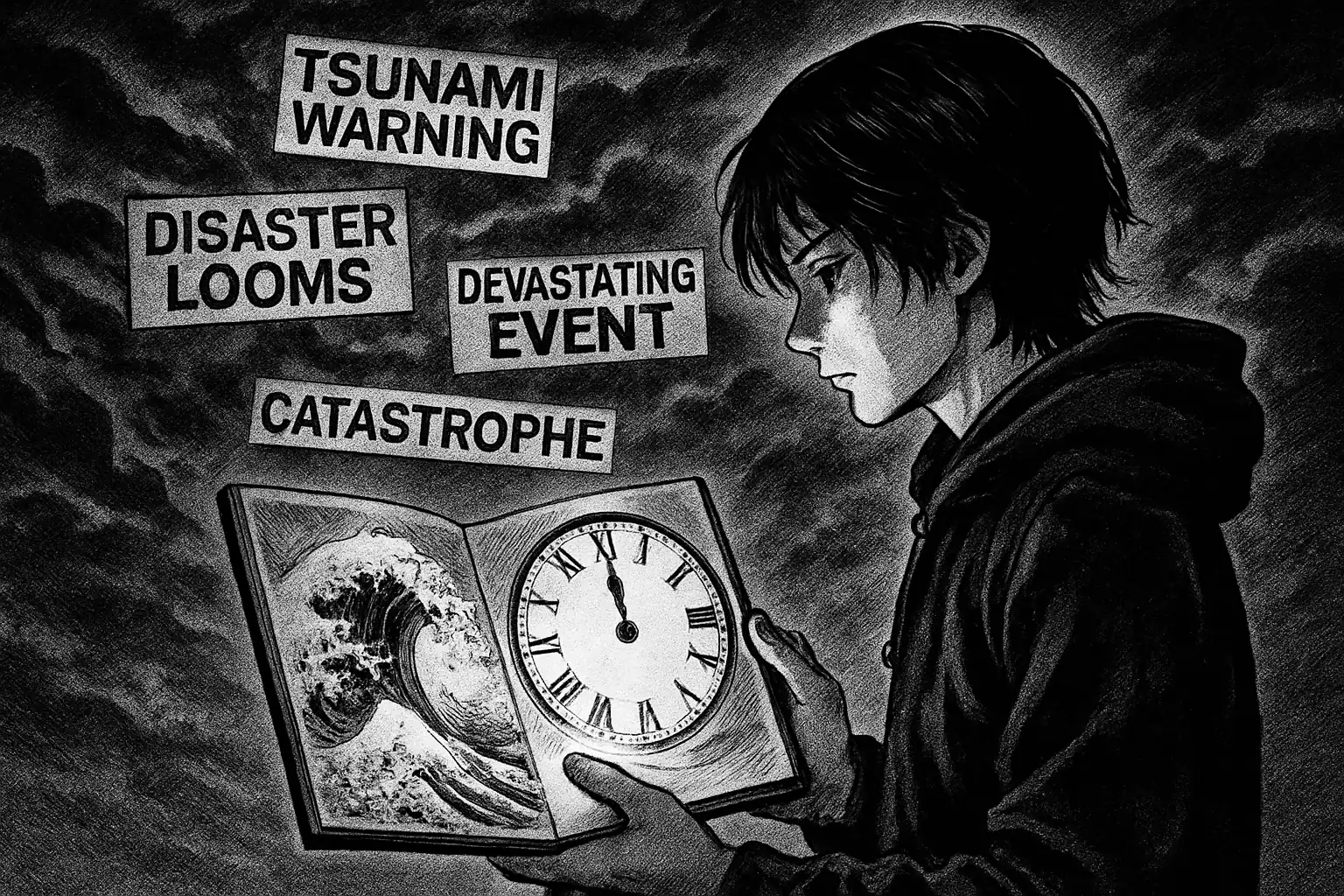
    The final page shows a foaming wave, a headless clock, and a silhouette screaming “N.” Analysts parse every ink stroke. Some see the Nankai Trough megathrust, overdue for a magnitude-8 quake. Others point to the North Pacific, invoking climate-driven superstorms similar to those modeled in geomagnetic-storm forecasts. A fringe group links “N” to nuclear, citing Fukushima’s still-volatile fuel rods.

    Geologists remind observers that Japan’s seismic record predicts a 70% chance of a major Nankai quake by 2045. In that sense, the manga’s prophecy may lean more toward probability than psychic insight. Yet probability rarely galvanizes public imagination; prophecy does. Bulk orders for emergency rations have tripled on Tokyo e-commerce platforms since April, echoing the bunker boom mapped in regional-conflict coverage. Retailers quietly stock iodine tablets and inflatable kayaks alongside manga reprints—a consumer tableau worthy of dystopian satire.

    Cultural Aftershocks: From Urban Legend to National Preparedness

    Pop culture has seized the narrative. A Netflix docudrama is in pre-production; J-pop idol Yuriko’s next single samples Tatsuki’s panel dialogue. Tourism boards in inland prefectures market “Safe-Zone Staycations” for July 2025. Even the fashion sector leans in: streetwear label Cataclysm dropped a hoodie stamped with 07-05-25 that sold out in hours.

    Not everyone cashes in. Survivor networks from Tōhoku circulate practical guides: store two weeks of water, keep solar chargers, memorize evacuation routes. Their advice aligns with the preparedness ethos on Unexplained.co, where crowdsourced hazard maps now include a Tatsuki overlay. The site’s moderators admit they don’t believe in prophecy, but they defend the map: “If fear motivates preparation, let fear talk.”

    Academics worry sensationalism could backfire. Should July 5 pass quietly, trust in seismic warnings might erode, leaving citizens less attentive to real alerts. This cry-wolf paradox echoes climate communication and pandemic planning—as discussed in resonance-event analyses.

    Between Faith and Forecast: What Happens After Midnight, July 5, 2025?

    Whether the date delivers fire or just fireworks, the Tatsuki saga reveals much. It illustrates how a single, ambiguous artifact can hijack algorithms, media cycles, and policy spreadsheets. It shows our hunger for certainty amidst news of collapsing ice shelves, rogue AIs, and border skirmishes (see global-tension primers) flooding our feed. In a less anxious era, The Future I Saw might have stayed a quirky zine; in 2024 it feels like a countdown clock.

    Tatsuki herself remains silent, rumored to live off-grid in Kyushu. Perhaps she’s watching the storm she sketched decades ago gather momentum online. Perhaps, like many artists, she’s bemused that audiences mistake metaphor for oracle. Come dawn on July 6, we’ll know whether her final panel was clairvoyance, coincidence, or an exquisite act of collective storytelling. Until then, the world keeps scrolling, prepping, and dreaming—because some stories, true or not, demand our attention before they demand proof.
  • False Prophets, Real Consequences: Inside the Panic Over a Self-Proclaimed Messiah

    False Prophets, Real Consequences: Inside the Panic Over a Self-Proclaimed Messiah

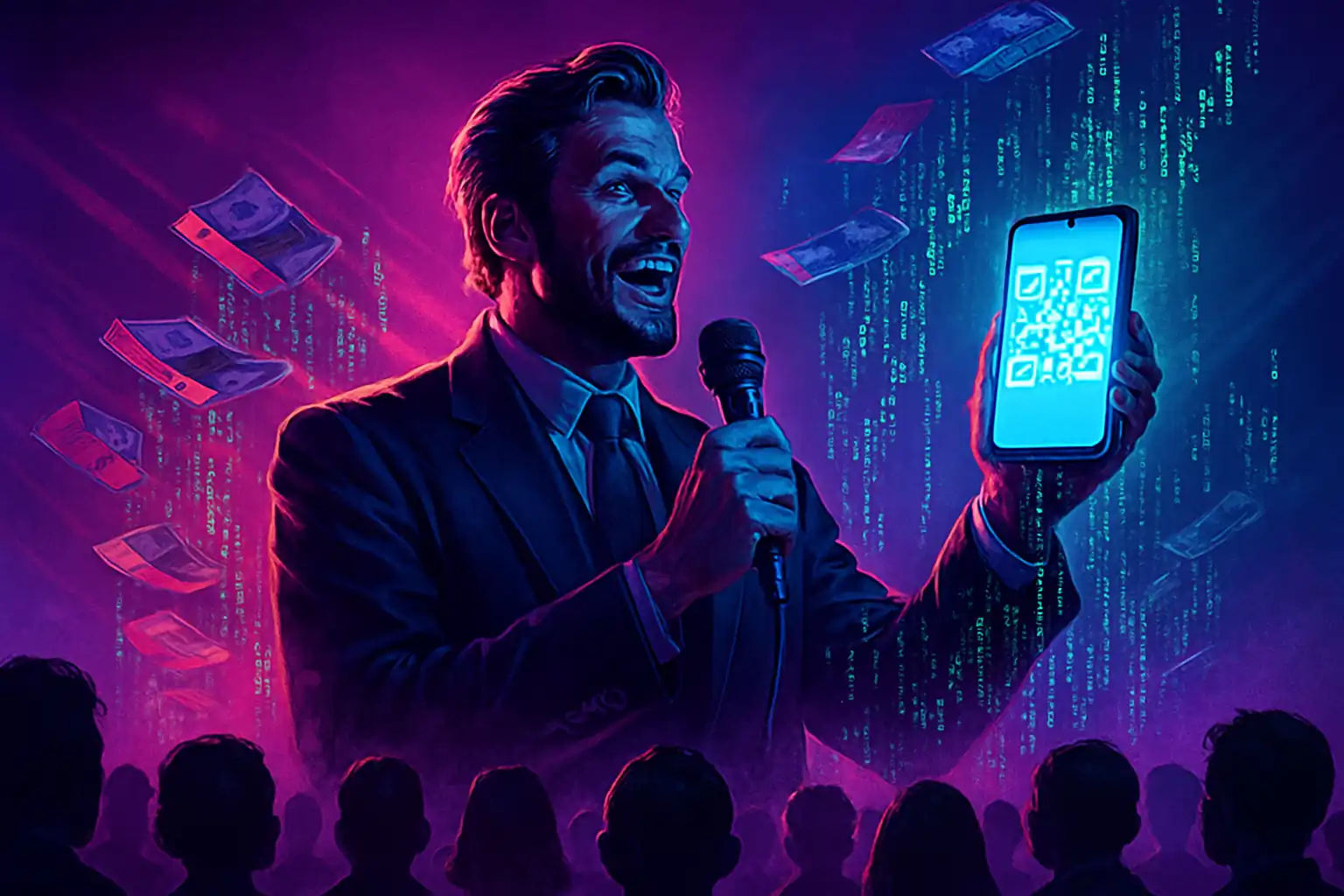
    The sermon begins with a smile and a QR code. Viewers tap; the screen flashes “Seed Your Miracle.” Money flows from many countries into an account controlled by a man who calls himself the Returned One. He preaches via ring light, promises debt erasure, and hints that earthquakes will swallow unbelievers by year’s end. Last week, police in two jurisdictions opened parallel investigations into allegations of fraud. His followers argue that only proves the devil fears truth. The clash feels familiar, except this time algorithms, not street pamphlets, handle recruitment.

    Claims of messiahship have surfaced in every century, yet sociologists say something different fuels today’s surge: a perfect storm of pandemic aftershocks, geopolitical doomscrolling, and platform incentives that reward emotional extremes. Add encrypted payment rails and deep-fake charisma filters, and a charismatic scam can metastasize before watchdogs draft subpoenas. The question is no longer why people believe, but how society limits collateral damage when belief converts to cash and confrontation.

    Messiah Inflation: Why New Claimants Multiply Online

    History books catalog would-be saviors from Sabbatai Zevi to Sun Myung Moon; a lineage summarized in the top Brave result here. What shifts in 2024 is scale. TikTok pushes clipped prophecies onto For You feeds, while Discord servers gatekeep secret revelations sold in crypto. Social-media analysts struggling to plot referral trees note growth curves that mimic multi-level marketing schemes: early adopters recruit newcomers with “exclusive” livestream links, pocket referral fees, and repeat.

    The mechanics came into sharp relief when moderators traced thousands of forwarded WhatsApp voicemails to a single cloud-storage folder—an audio cache dissected by researchers who previously flagged apocalyptic misinformation at this investigative report. Each file paired eschatological scripture with current-event headlines, including magnetic anomalies and AI breakthroughs, creating a narrative where only the new messiah offers shelter. Digital literacy courses lag behind, leaving family group chats as ground zero for recruitment.

    Mahdi, Messiah, or Marketing Ploy? Parsing the Theological Claims

    The preacher’s rhetoric blends Islamic eschatology with prosperity-gospel flash. He flirts with Mahdist language—enough to court devout curiosity, not enough to invite scholarly refutation. Such ambiguity echoes a pattern detailed in Brave’s leading primer on false Mahdi movements here. By cherry-picking verses and visions, modern claimants evade denominational jurisdiction while luring spiritually restless audiences.

    Critics highlight recycled grifts: tiered donation levels that unlock prophetic “blueprints,” pay-to-pray hotlines, and promised offshore retreats accessible once followers liquidate assets. Investigators note eerie overlaps with scams exposed in this cultural deep-dive, where symbolic gestures concealed complex financial funnels. In each case, spiritual urgency neutralized skepticism long enough for perpetrators to move money out of reach.

    The Cult-Leader Playbook: Charisma, Control, and Cognitive Traps

    Psychologists describe a predictable toolkit: isolation, love-bombing, and the assertion of exclusive truth. The top Brave hit on cult psychology breaks down how charismatic leaders hijack neural reward pathways, turning affirmation into addiction. Followers often join during transitional stress—job loss, grief, geopolitical anxiety—precisely the conditions magnified by nonstop crisis headlines such as those cataloged at this polar-shift briefing.

    Control escalates incrementally. First comes a digital fast from “negative influences.” Next, believers forsake mainstream news for the leader’s encrypted channel. By the time he floats relocation to a secret compound, groupthink has eclipsed personal doubt. This dynamic mirrors case studies archived on Wikipedia’s cult page, where experts liken the process to a slow-boil frog: the water warms degree by imperceptible degree until escape feels lethal.

    Financial Forensics: Following the Money Trail

    Digital donations complicate prosecution. Investigators tracing tether addresses uncovered a mesh of mixers and shell entities reminiscent of techniques used by earlier apocalyptic merchants profiled in this historical exposé. Law-enforcement sources confirm subpoenas to multiple exchanges but warn that offshore compliance can stall for months—time the leader spends pivoting to new wallets.

    Regulators debate classification: is this religious fraud, securities fraud, or both? Precedent exists; the SEC once charged a Florida pastor for selling phony stock in “holy land” real estate. Yet cross-border theology muddies jurisdiction. The ringleader streams from undisclosed locations, possibly the Gulf, echoing geopolitical tightropes covered in a recent regional analysis. In such limbo, refund hopes die, but narrative potency grows—persecution equals validation in apocalyptic math.

    Media Amplification: From Fringe to Trending Topic

    YouTube throttled the account only after subscriber counts topped a quarter-million and mainstream outlets picked up the controversy. By then, dozens of reaction channels had stitched the sermons into commentary marathons, ensuring algorithmic immortality. The cycle mirrors earlier virality spikes around cataclysmic forecasts unpacked at this resonance-surge report. Platforms monetize watch time; outrage fuels watch time; and so the leader’s message saturates feeds even after takedowns.

    Some argue that coverage—this article included—risks amplifying deception. Others counter that silence cedes terrain to propaganda. Best practice, experts say, involves contextual reporting paired with resource links so readers can audit claims and evidence. Data repositories like Unexplained.co play a crucial role, housing primary documents that let the public cross-examine both prophets and debunkers.

    Prevention and Recovery: Building Immunity to Charismatic Fraud

    Public-health officials treat disinformation as contagion. Pilot curricula in Singapore and Finland teach logical fallacies alongside algebra, aiming to vaccinate teens before the next charismatic pathogen arrives. Trauma counselors adapt techniques originally designed for domestic-abuse survivors to shepherd ex-cult members back to autonomy. Their protocols stress small, verifiable steps: obtain identification documents, rebuild independent income streams, and reconnect with non-believing family.

    Governments weigh heavier levers. A European Parliament white paper proposes mandatory disclaimers for religious fundraisers operating above €100,000 annually—think cigarette warnings, but for eschatology. Skeptics predict free-speech challenges; proponents argue that financial transparency chills exploitation without muzzling belief. The debate will shape the next generation of platform rules, much as banking KYC reforms followed terror-finance scandals unmasked in this earlier investigation.

    Conclusion: The Eternal Allure—and Cost—of a Living Savior

    As law officers scour IP logs and ex-followers grieve emptied retirement funds, the self-proclaimed messiah schedules another livestream. He promises revelation, but the script seldom changes: the end is near, doubt is sin, and salvation requires timely donations. The story proves cyclical, yet each cycle gains new tools—facial-morph filters, AI-generated testimonials, zero-fee cross-border transfers. Countermeasures must evolve just as quickly.

    Prophets will always rise; belief alone poses no threat. The danger surfaces when charisma meets commerce inside opaque systems that reward manipulation. Shining light into those systems—through transparent data, critical reporting, and collective digital literacy—remains the surest antidote. Until then, the QR codes keep blinking, the sermons keep streaming, and the ancient dance between faith and fraud plays on beneath a very modern spotlight.

  • Seconds Before Midnight: Parsing the Data That Fuels Today’s Doomsday Narrative

    Seconds Before Midnight: Parsing the Data That Fuels Today’s Doomsday Narrative

    The YouTube thumbnail announces in 72-point font—WE’RE IN THE LAST DAYS—yet the data captures attention more than the drama. Solar physicists confirm the most volatile sunspot cycle in decades. Cybersecurity firms track AI-generated malware that morphs faster than patches can deploy. The Bulletin of the Atomic Scientists holds the Doomsday Clock near annihilation. Internet hysteria can be dismissed, but lab graphs and satellite charts fuel the frenzy. Closing margins feel less like prophecy and more like an actuarial spreadsheet, with red ink spilling across rows.

    This summer, major research campuses echo the refrain: “We’re running scenarios.” Some model cascading grid failures from geomagnetic storms, while others simulate bond-market collapses when polar ice melts, invalidating coastal real-estate portfolios. Everyone seems to have found a new way for the twenty-first century to go sideways. The bigger revelation, however, is how these risks intertwine—threads in a single, fraying tapestry.

    Doomsday Clock Metrics and the Shrinking Safety Margin

    When the Bulletin of the Atomic Scientists reset the Doomsday Clock to 89 seconds to midnight, critics shrugged. They dismissed it as symbolic and a fundraising gimmick. But symbols gain weight when metrics agree. Nuclear arsenals modernize, climate anomalies rise, and synthetic biology promises custom pathogens from desktop printers. Even veteran strategists blench at tables combining warhead counts, carbon curves, and algorithmic hacking into one compound risk score.

    That score inches upward. Strategic-studies scholar Marisol Chen highlights the revived Russian “Dead Hand” doctrine, an automated retaliation program resurfacing in leaked transcripts discussed in a recent investigative brief. Combine an aging early-warning radar network with AI-spoofed launch telemetry, and you create a hair-trigger condition where software bugs outpace diplomats. When you consider how few humans may stand between a false alarm and a real mushroom cloud, the clock’s second hand feels less theatrical.

    Electromagnetic Anomalies: Schumann Resonance and the South Atlantic Dent

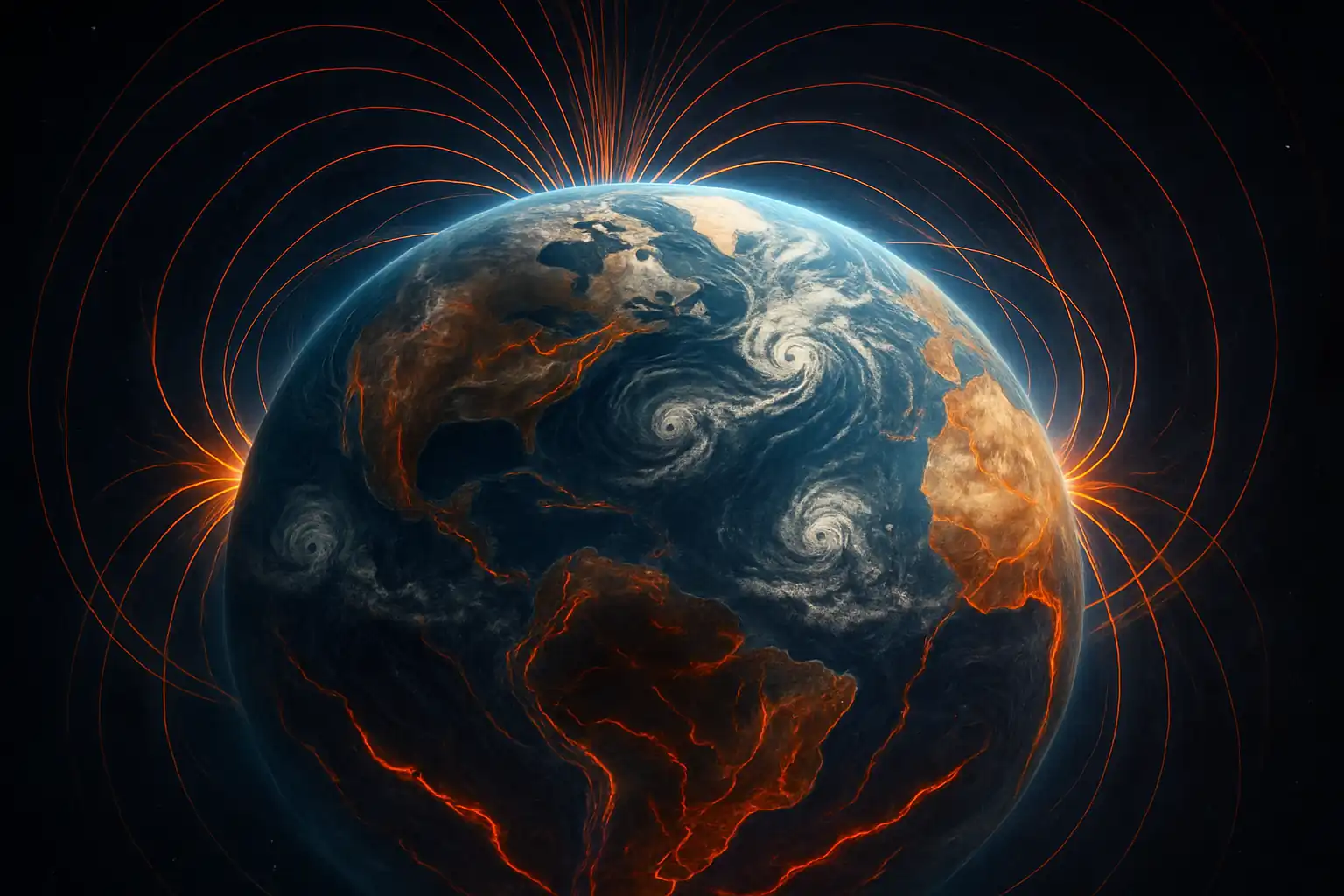
    The geopolitical stage is not the only place where minutes vanish. High above Brazil, Earth’s magnetic field sags into the South Atlantic Anomaly, a radiation funnel known for corrupting satellite memory. Engineers report that the dent has split into twin lobes, each expanding faster than models predicted—a trend detailed in this field report. Every time a weather satellite reboots in that corridor, forecasting loses clarity; every corrupted GPS packet nudges airliners closer to navigation crises.

    Meanwhile, the planet’s heartbeat—the extremely low-frequency pulse known as the Schumann resonance—has started doing drum solos. Instruments clipped during a May surge, unexplained by routine lightning counts. This spike forced researchers to analyze nine years of baseline data, culminating in a peer-reviewed paper hosted at Wiley’s geophysical archive. Field theorists debate whether solar wind compression, ionospheric heating, or a deeper magnetohydrodynamic shift drove the anomaly. Power-grid managers don’t care; they just know ELF surges leak into transformer cores, the same way harmonics once tripped the Northeast blackout of 2003.

    AI-Generated Malware and the Weaponization of Code

    Even if the sky weren’t chaotic, humanity injects chaos through silicon. In May, Unit 42 researchers at Palo Alto Networks unveiled a proof-of-concept worm written by ChatGPT prompts that rewrote itself, evading 60 out of 62 antivirus engines. Their full analysis is available at the company’s threat-intel blog. It reads like a technothriller: LLM-built polymorphism, runtime environmental checks, and autonomous payload selection.

    Military planners fear the potential for nightmare synergy. Imagine an AI worm that seeds false seismic data, misleading emergency-alert systems during genuine quakes, like the one under Yellowstone discussed in this geological briefing. Panic would compound infrastructure stress precisely when resilience matters most. Cyber defenses must thus patch at machine speed—yet each patch unveils new exploit opportunities, leading to a Red Queen race with no finish line.

    Climate Extremes and the Cost of Meteorological Roulette

    While circuits fry and software mutates, the atmosphere delivers its own gut punches. The jet stream now meanders like paint spilled across a globe, dropping Saharan heat on Berlin and polar vortices on Miami. Farmers in Kansas lose wheat to surprise blizzards; vintners in Bordeaux toast vines at midnight to fend off June frost. Commodity traders label these swings “sigma events,” but sigma lost meaning as record charts reset each quarter.

    The insurance sector increasingly views once-in-a-century storms as inevitable. Actuaries analyze multi-hazard datasets, many compiled after the drone-filmed Himalayan melt featured in this climate-risk memo. Numbers tell a grim tale: for every tenth of a degree above the Paris target, global GDP takes a one-percent hit. And unlike tech valuations, GDP funds levees, vaccines, and blackout backups—the dull but critical tools that keep civilization humming.

    Psyche Under Siege: Prophecy Culture Meets Algorithmic Amplification

    Humans do not handle compound risk well. Social media feeds inject dopamine into fear stimuli, transforming statistical briefings into viral doom memes. This pipeline runs hottest when old scripture aligns with new data, as occurred when analysts linked a political summit to eschatological terms, a journey chronicled in this cultural exposé. The result: trending hashtags claim solar flares signify divine judgment or that AI worms herald the Beast.

    Psychologists call it apophenia; platform engineers label it engagement. Regardless, constant dread undermines executive function, hampering societies from funding mitigation projects that could prolong the fuse. Health researchers now study “doomscroll fatigue,” a cycle of helplessness correlated with rising depressive episodes among teens tracking crisis dashboards before bed.

    The Thin Line of Resilience: What Still Works

    Yet even amid countdown rhetoric, green shoots break asphalt. Micro-grid pilots in Iceland survived last winter’s geomagnetic storms without downtime. A Japanese retrofit program now shields high-voltage transformers with amorphous metal cores that resist harmonic overload. In cybersecurity, open-source communities develop new LLM filter layers hours after each malware proof-of-concept emerges. A coalition of data archivists mirrors critical climate datasets across five continents, aware that corrupted satellites could sever information lifelines.

    Such efforts thrive best when transparency meets curiosity. Raw documents, whether magnetic-field logs or AI-malware binaries, need public scrutiny unfiltered by engagement algorithms. Repositories like Unexplained.co fulfill that niche, housing FOIA dumps and sensor archives side by side, allowing citizen analysts to scrutinize official narratives. In a world of cascading risk, trust hinges on the ability to cross-reference, replicate, and challenge.

    Conclusion: Seconds Remain, Choices Persist

    “Last days” rhetoric seems bombastic—until you analyze the curves. Magnetic shielding thins, atmospheric oscillations intensify, code learns to weaponize itself, and deterrence frameworks fray. Each individual factor merits concern; collectively, they edge humanity toward the metaphoric midnight chronicled on the Doomsday Clock. However, the clock’s designers emphasize its other meaning: we set the hands, and we can still move them back.

    History thrives on tight deadlines. Whether societies view the current one as a stage cue or a swan song depends on choices made before the second hand ticks again. The data streams remain active; the runway, though narrowing, has not vanished. Midnight looms, but the lights are still on. The next move—toward panic, paralysis, or purposeful action—depends on us, not the clock.

  • When the Planet Groans: Decoding Earth’s Rising Drumbeat of Danger

    When the Planet Groans: Decoding Earth’s Rising Drumbeat of Danger

    It starts with a feeling—an almost subliminal tension when the wind hushes or a subway platform vibrates harder than usual. This sensation travels faster than any official alert, cutting through routine and pushing the mind toward one intrusive question: what is happening to Earth? In living rooms, social feeds, and lab meetings, that unease has crystalized into the same suspicion Bright Side’s viral animation highlights: the ground trembles, the air thickens, and something enormous may be moving beneath our feet.

    Over the last year, the planet’s warning lights have flashed in disconcerting unison. Satellites over the South Atlantic reboot without explanation, Schumann resonance charts spike off baseline, and Yellowstone’s caldera inches upward as if taking a deep breath. Individually, each anomaly sits within statistical possibility. Together, they read like scattered pages of an apocalyptic screenplay—one we might be sleepwalking into.

    Magnetic Weak Spots and the Expanding South Atlantic Anomaly

    Ask spacecraft engineers what keeps them awake, and they won’t cite rogue asteroids; they will point to a patch of weak magnetism from Brazil to Namibia. Known as the South Atlantic Anomaly, this region funnels high-energy particles closer to Earth’s surface, zapping satellite electronics and occasionally scrubbing hard drives clean. Earlier this year, a NASA visualization mapped how the dent is widening and splitting in two—a trend illustrated on NASA’s 2015-2025 geomagnetic model. The top-ranked Brave result warns that newer satellites already budget double for radiation shielding.

    Ground stations track every glitch, while independent researchers amplify them on forums, often linking to the deeper context in this investigative dispatch. The article suggests the anomaly’s acceleration could dovetail with a broader polar-shift scenario, a concern echoed by geophysicists parsing core-field simulations. While no one claims the dent predicts an imminent flip, history shows that magnetic excursions correlate with increases in cosmic-ray exposure and, by extension, mutation rates—bad news for everything from astronauts to microchips.

    Earth’s Pulse: Unprecedented Schumann Resonance Spikes

    If the magnetic field is Earth’s shield, then the Schumann resonance acts as its heartbeat—an extremely low-frequency signal generated between the ground and ionosphere. In May, global monitoring networks recorded a surge so high that instruments clipped for the first time since digital logging began. The phenomenon quickly trended online, drawing millions to the peer-reviewed study topping Brave’s search returns, hosted by Wiley at this location. Researchers blamed a combination of record lightning, solar wind compression, and ionospheric heating, yet they admitted the amplitude still defied expectations.

    The data aligns uneasily with eyewitness reports of pressure headaches and insomnia, prompting some to seek esoteric explanations. More grounded commentators note that strong ELF disturbances can interfere with submarine communications and even affect power-grid harmonics. A June brief on that risk is archived at this link, where grid operators warn that sustained resonance spikes could act like a slow-motion EMP for unshielded infrastructure.

    Yellowstone Uplift and the Supervolcano Question

    While the sky flickers, the ground swells. GPS arrays inside Yellowstone National Park reveal a clear uplift measured in centimeters per year. Newsweek’s scoop on a magma intrusion at this report brings academic caution into mainstream glare. Volcanologists emphasize that uplift cycles have come and gone without catastrophe, yet they concede that the current deformation aligns with increased thermal unrest at Norris Geyser Basin.

    Outside the peer-review echo chamber, the creeping bulge inflames doomsayers who track every microscopic quake in the region, cross-referencing them with prophecy chatter and underground supply-chain movements. Much of that speculation traces back to raw seismographs circulating on forums like the one dissected at this geological deep dive. Government agencies maintain that no eruption looms, but residents within the ash-fall zone quietly refresh contingency checklists.

    Climate Volatility: From Flash Droughts to Hyper-Cyclones

    Atmospheric models once treated 1-in-1,000-year storms as statistical outliers; now they schedule them annually. Meteorologists blame a warped jet stream that funnels arctic blasts into Texas and Saharan heat into Spain. New research ties the wobble to polar amplification and a warm Atlantic, though some analysts also consider aerosol declines from pandemic-era shutdowns.

    Insurance actuaries crunch numbers in real time, poring over reanalysis packages and comparing them with field observations such as drone-filmed water shortages at this regional report. The conclusion is stark: if hydrological extremes continue, global breadbaskets could swing between flood and drought, destabilizing grain futures and political regimes.

    The specter of agricultural failure feeds a wider conversation about the sixth mass extinction, a topic explored thoroughly on Wikipedia’s Holocene extinction page. Biologists warn that cascading species loss erodes ecosystems and removes buffers that once dampened weather extremes—another loop tightening humanity’s margin for error.

    Celestial Wildcards: Space Debris, Sunspots and Interstellar Intruders

    Even as we focus on the soil and sky, space remains noisy. Astronomers last year spotted an object with a gravity-defying trajectory, igniting debates that spilled into op-eds and, eventually, Lawrence-Livermore risk memos. The discovery next traveled through the investigative node at this link, which lays out competing theories—comet, probe, or something in between.

    Meanwhile, solar physicists upgrade flare forecasts as the current sunspot cycle surges beyond predictions. A Carrington-class event would clip satellites already suffering from radiation dents and could fry enough transformers to plunge continents into darkness. The U.S. grid’s vulnerability remains the subtext of congressional hearings that often cite the worst-case scenario matrix published at this power-grid analysis.

    Psychology of Impending Doom: From Doomscroll to Decision

    Data overload warps the collective psyche. Neuro­scientists observe heightened cortisol in subjects reading push notifications about simultaneous crises. That stress feeds a doomscroll habit, which algorithms reward with more anxiety-inducing headlines. The loop intensifies when ancient scripture or classic cult films mirror modern sensor readouts, as illustrated in this cultural commentary.

    Behavioral economists note that perpetual alarm short-circuits long-term planning. People either freeze or migrate into magical thinking, leaving infrastructure upgrades starved for public support. Breaking that paralysis demands credible, actionable information free from sensational filters—a service increasingly provided by independent repositories like Unexplained.co, which hosts raw data sets alongside expert annotations without autoplay adrenaline loops.

    Precarious Resilience: Are We Ready for the Cascades?

    Resilience strategies exist but remain patchy. Nordic utilities bury power lines to thwart geomagnetic-induced currents; coastal cities raise sea walls for two-meter surges; and agricultural hubs experiment with drought-resistant seed vaults. Yet many fixes operate in isolation, lacking the interconnected robustness needed when multiple hazards strike at once.

    Consider a hypothetical chain reaction that begins with a solar flare hitting just as the South Atlantic Anomaly’s twin lobes douse satellites in additional radiation. Damaged GPS streams nudge flight paths off course, while blackout-plagued server farms throttle financial trades. Simultaneously, a Yellowstone tremor triggers precautionary evacuations, clogging highways and complicating grid repair crews’ logistics. Add a tropical cyclone driven by a warped jet stream, and the patchwork fails.

    Experts stress that systems theory, not siloed risk management, must guide preparedness. They advocate for distributed micro-grids, redundant storage, and international disaster blockchain ledgers—concepts still on whiteboards but inching closer to pilot projects. Whether these ideas materialize before the next shock arrives will determine if humanity writes a comeback story or a cautionary tale.

    Conclusion: Listening to Earth’s Multilayered Alarm System

    The tremors, spikes, and bulges recorded this year are not isolated oddities; they are overlapping alarms from Earth’s crust, oceans, atmosphere, and magnetic shell. Interpreting them calls for a holistic lens, blending satellite telemetry with folklore, seismology with solar physics, and policy with behavioral science. The resulting mosaic may unsettle, but denial promises a harsher fate.

    Bright Side’s animation asked whether we are ready for what’s coming. Readouts from magnetometers, resonance charts, and uplift sensors imply the test may arrive sooner than planners hope. Yet readiness is less about prophecy and more about practice: informed citizens, transparent data, and collaborative engineering stand between a world that merely survives and one that thrives. Earth clears its throat; the audience can decide whether to panic, prepare—or do both, but in the right proportions.

  • When the Shadow Takes the Stage: Did the Antichrist Just Step Into the Spotlight?

    When the Shadow Takes the Stage: Did the Antichrist Just Step Into the Spotlight?

    1. The Sudden Stir—Why the Rumor Caught Fire

    At 02:17 UTC last Thursday, an influencer livestreamed an emergency bulletin: a charismatic world figure, unnamed but obvious, had allegedly performed a private ritual in Jerusalem and proclaimed himself the long-awaited unifier of faiths. Minutes later, clips of the allegation ricocheted across social media. Conspiracy channels stitched together images, some AI-generated, showing diplomatic handshakes, glowing sigils, and crowds bathed in violet floodlights. Midnight doom-scrollers asked a single question: Has the Antichrist revealed himself?

    The claim might have fizzled if not for impeccable timing. Days earlier, analysts dissected an audacious symbol drop by another power broker, documented in this earlier investigation. Symbols prime public imagination; rumors seize the void.

    2. Prophecy Primer: The Script He Must Follow

    Mainstream eschatology states a global leader will arise during chaos, promise peace, perform apparent miracles, and demand worship. The Book of Daniel sketches a “little horn” who uproots kings, while Revelation 13 describes a beast empowered by a dragon, dazzling humanity with authority. Academic summaries on Wikipedia trace the motif through early church fathers, medieval chiliasts, and modern televangelists.

    Prophecy does not operate in a vacuum; it thrives on geopolitical soil rich with fear. Today’s news feeds supply that soil: superpower friction logged in dossiers like this conflict chronicle, environmental instability, and AI-driven economic upheaval. People crave a savior—or identify a villain—because the ground already shakes.

    3. The Candidate Checklist

    For any rumor to stick, the alleged Antichrist must tick several boxes:

    1. Charismatic Magnetism. He draws disparate blocs—secular technocrats, ex-cheerleaders, retired generals—into one orbit.
    2. Miracle or its Simulation. In a digital age, a deep-fake resurrection or a global satellite hack that “pauses” the moon could count.
    3. Seven-Year Blueprint. Tradition expects a concise timeline of treaties and betrayals; think high-speed political deals, not leisurely papal bulls.
    4. Temple Interface. Script links his self-coronation to a holy site, making excavation permits in disputed zones crucial.

    During the livestream frenzy, pundits examined these criteria against half a dozen personalities. A biotech CEO with advanced gene-editing patents? A statesman spearheading a universal digital ID? A pop-culture messiah whose stage performances mimic celestial myths? None fit perfectly, which fuels speculation: perhaps the reveal came through symbolism, not press release.

    4. Lesser Magic, Greater Impact

    Occultists define lesser magic as psychological manipulation through imagery, timing, and ritual—ideas explored in Anton LaVey’s manuals and repackaged in modern advertising. The alleged Jerusalem ritual, real or staged, functions as such. Broadcast when global sentiment hovers between election fatigue and climate dread, the act colonizes subconscious bandwidth.

    Consider the public fascination with HAARP: people fear invisible forces altering reality. Insert a charismatic figure into that narrative, and you birth an Antichrist candidate overnight.

    5. Technology as Miracle Fabricator

    Ancient seers equated miracles with unreplicable phenomena. Today, generative AI can clone a politician’s voice, animate ancestors, or deploy drones to create luminous signs in the sky. An algorithmic spectacle appears as sorcery from a medieval lens—and prophecy comparisons often rely on medieval texts.

    Cyber-security white papers, available via open research hubs, reveal real-time translation tools that render speeches instantly in every major tongue, fulfilling the “speaks to all nations” trope. Mix that with developing neural implants, and you have the blueprint for “mind control” headlines.

    6. Cosmic Alignments and Plasma Anomalies

    Prophets love the heavens. This year, rare planetary line-ups combine with solar cycle 25’s ramp-up. Space physicists warn that coronal mass ejections could disrupt power grids, an outcome dissected in geomagnetic risk files. Add a showman who promises to restore power “by command” and you breed apocalyptic theater.

    Meanwhile, Earth’s own heartbeat flares. The recent Schumann resonance spike, analyzed here, unnerves people attuned to vibrational lore. Tie that natural roar to a public proclamation, and myth merges with magnetism.

    7. Counter-Signals from Skeptics

    Critical scholars argue that labeling every charismatic disruptor as the Beast cheapens analysis. They point to failed predictions—from Nero to Napoleon to computer chips—that litter history. Fact-checkers chase rumor breadcrumbs to dead ends, catalogued through archival rundowns. Yet the legend persists because the pattern remains elastic; it reshapes around each era’s anxieties.

    8. Societal Shock Loops and the Self-Fulfilling Prophecy

    Belief alters behavior, and behavior manipulates history. If enough citizens accept that an Antichrist rules backstage, they may sabotage institutions, embrace violent purges, or rally behind rival strongmen. Such chaos may birth the autocrat they dread—a recursive doom loop.

    Political instability trackers draw grim parallels with fragile regions already on nuclear hair-trigger, as chronicled in recent conflict reports. One cascading misstep, and eschatology shifts from meme to crater.

    9. Personal Discernment in a Deep-Fake Apocalypse

    Regardless of theological stance, individuals can inoculate themselves against manufactured revelation:

    • Verify multimedia. Use reverse-image and audio spectrogram tools before sharing “miraculous” clips.
    • Watch pattern not hype. True global power consolidations leave policy footprints—treaties, trade routes, telecom standards—not just viral symbols.
    • Maintain moral agency. Prophecy describes potential; ethics dictate outcome. Don’t outsource conscience to online pastors.
    • Diversify information wells. Refresh independent portals such as Unexplained.co alongside mainstream wires.

    10. The Bottom Line: Revelation or Rorschach?

    The Antichrist myth operates like a cosmic Rorschach test; society projects fears onto a convenient silhouette. Technological wizardry and geopolitical tremors supply fresh inkblots daily. Whether last week’s ritual marks the Beast’s debut or just another viral misdirection, the stakes remain colossal because belief alone can sculpt reality.

    Stay vigilant, cross-check data, and keep your apocalypse kit handy. If the shadow figure turns out to be genuine, you’ll need more than streaming bandwidth—you’ll need backbone, truth filters, and perhaps a safe spot far from glowing sky-drones.

  • Papal Robes and Political Spells: Decoding the Dark Symbolism Behind Trump’s AI Coronation

    Papal Robes and Political Spells: Decoding the Dark Symbolism Behind Trump’s AI Coronation

    1. A Meme That Arrived Like a Comet

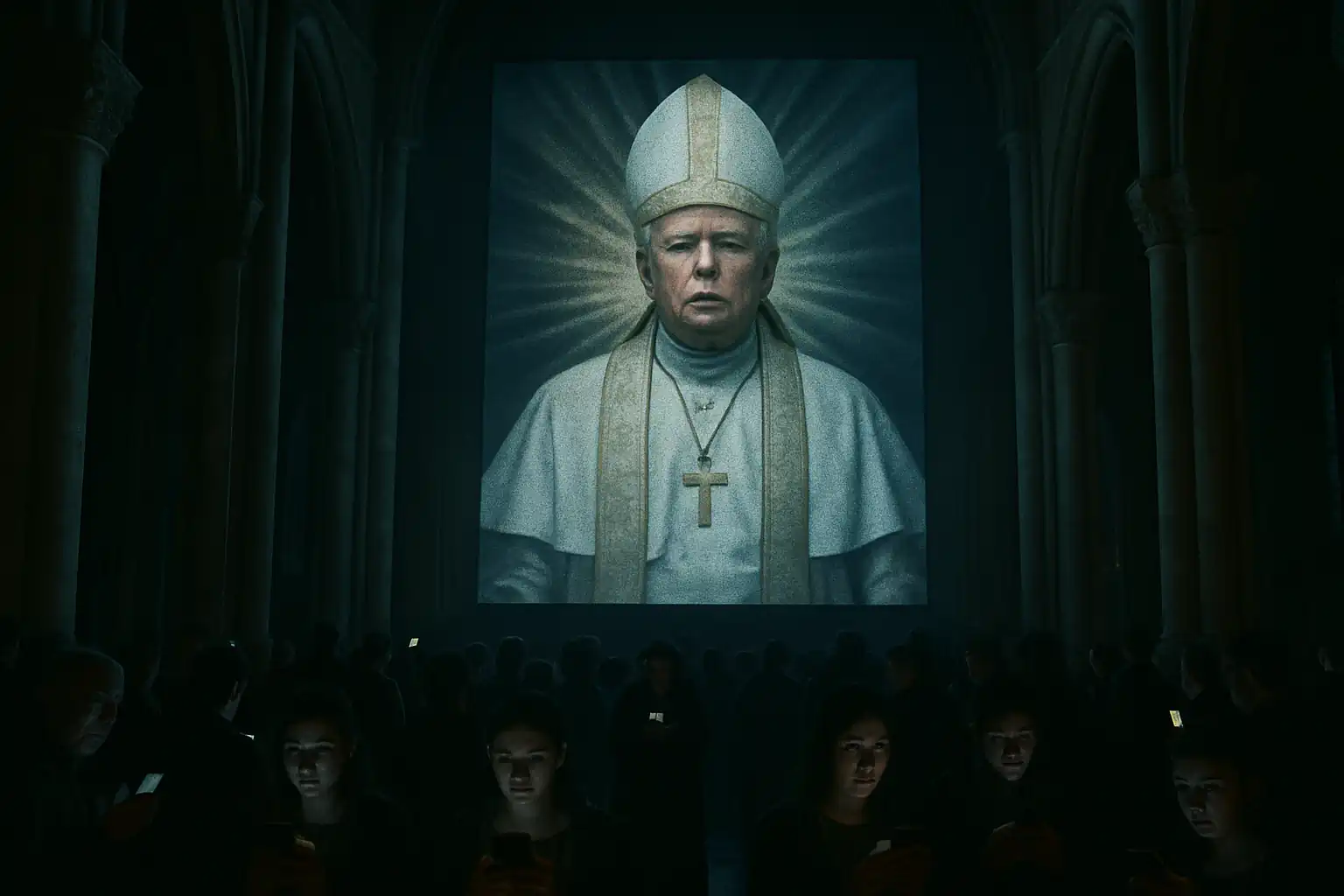
    Scroll feeds long enough, and you land on the image: Donald J. Trump in immaculate white vestments, arms spread in benediction beneath the gilded dome of a virtual St. Peter’s. Most viewers chuckled, tapped a heart, and moved on. Occult researchers paused. The photograph surfaced minutes after news broke that Pope Francis had died. In ceremonial magic, timing equals force. A symbol launched during a global event acts like a spell carried on society’s collective gasp.

    2. Lesser Magic and the Optics of Power

    The Church of Satan’s Anton LaVey defined lesser magic as “the wile and guile obtained through applied psychology.” In simpler terms, it nudges emotions before reason can veto them. When a former president drops a papal avatar into the cultural bloodstream, he hijacks centuries of encoded authority—robes, crozier, and the aura of divine right—without lifting a sword or passing a bill. That is lesser magic at industrial scale, amplified by algorithms.

    To see the tactic in action, review Nancy Reagan’s White House astrology sessions or Richard Nixon’s chats with psychic Jeane Dixon. Leaders crave a theatrical edge that ritual provides. In that lineage, a click-ready AI portrait beats incense and Latin chants; it travels at light speed, bypassing gatekeepers.

    3. How Algorithms Replace Altars

    In the past, priests guarded iconography, scribes illuminated codices, and peasants viewed a sacred canvas maybe twice a year. AI now mass-produces icons by the second. Anyone with a prompt can conjure blasphemy or beatification. But intent still matters. Symbolists note three suspicious pivots in Trump’s image:

    • The White Cassock. Only reigning popes wear pure white. Even cardinals at conclave stick to crimson. The image crowns Trump seated on the Throne of Peter, not standing as a visitor.
    • The Keys of Heaven. Silver and gold keys dangle prominently on the garment’s fascia—an insignia reserved for ultimate spiritual jurisdiction.
    • Crossed Arms. The pose mirrors classic rex gesturing seen in medieval coronation art, signaling blessing and dominion.

    These are not random Midjourney flourishes; they are theological dog whistles broadcast to an audience steeped in apocalypse lore.

    4. Prophetic Echoes and Political Ambition

    Biblical students recognize the specter of the false shepherd—an antichrist figure fusing political muscle and counterfeit holiness. Critics already brand Trump messianic; supporters wave flags proclaiming “Jesus is King—Trump is President.” The papal cosplay escalates that fever dream. Researchers mapping modern imagery onto End-Times scripture reference passages in Revelation 13 about a beast who dazzles the world with wonders. Fringe theologians spotlight this parallel in private forums, some gaining traction through archived discussions outside the mainstream glare.

    These apocalyptic overlaps may be coincidence. Yet veteran propagandists know that coincidence, properly timed, becomes destiny in the public mind.

    5. From Reagan’s Horoscope to AI Deep Fakes

    Presidential flirtations with the esoteric are nothing new. Ronald Reagan altered summit schedules based on astrologer Joan Quigley’s advice. Franklin Roosevelt consulted numerologist friends about inauguration dates. The difference now lies in virality. AI images sidestep polite media curation; they detonate across social platforms faster than any fact-checker can load a browser. Digital hyper-reality blurs parody and prophecy, a dynamic explored in recent investigations linked through dystopian studies.

    6. Psychological Payload: Authority, Immortality, and Absorption

    Why does a papal costume carry weight beyond novelty? Psychologists describe authority transference: the mind borrows credibility from symbols. If you see a man in a white coat, your brain flags “doctor.” Swap the stethoscope for a mitre, and the mind flags “infallible authority.” Trump’s image sneaks that reflex into millions of screens.

    Next comes immortality salience. Popes serve for life, bridging the office to eternity. A politician craving relevance rides that halo to outlast election cycles. Finally, the image fosters absorption: a hypnotic state where symbolism flows unfiltered. Scroll-weary citizens glimpse the avatar during late-night doom scrolls; subtle suggestions slip beneath analytic scrutiny.

    7. Memetic Warfare in the AI Epoch

    Strategists now teach memetic warfare, weaponizing visual jokes to steer discourse. In classified briefings—some referenced obliquely in cyber-defense circles—analysts model image propagation like viral spread. An effective meme obeys three laws:

    1. Trigger a primal emotion (awe, fear, humor).
    2. Embed a simple narrative (“I am ordained”).
    3. Offer easy replication (one tap to repost).

    Trump’s papal portrait meets all criteria. The awe of sacred regalia merges with the shock of political theater; the narrative whispers divine mandate; reposting is frictionless.

    8. The Vatican’s Silence and the Signal It Sends

    No official Vatican channel condemned or clarified the meme. Silence, intentional or not, fuels speculation. Conspiracy forums dredge prophecies of a final pope, cross-referencing timeline charts with seismic anomalies recorded in satellite datasets. When institutions refuse commentary, rumor metastasizes. A void of authority invites counterfeit authority to thrive.

    9. Occult Optics and the 2024 Campaign Trail

    Financial disclosures show campaign consultants hiring “narrative architects”—a trendy title for memetic engineers. They track engagement metrics on images featuring halos, lion motifs, and yes, papal vestments. External analysts catalog this trend via political-tech digests. Whether the ex-president typed the AI prompt himself is irrelevant; the machinery now churns ambient propaganda on autopilot.

    Consider the echo effect: every repost spawns derivative art—Trump as archangel, Trump at Last Supper, Trump enthroned on a digital Ark. Each derivative normalizes the blasphemous mash-up, inching public consciousness toward a mythic recalibration.

    10. Between Prophecy and Program Code

    The Book of Revelation warns of images that “speak” and compel worship. Deep-fake videos literally speak; generative bots animate avatars to sermonize in any language. Tech evangelists hail this as creative democratization, yet theologians shiver at a synthetic idol preaching. Academic white papers archived through AI ethics portals outline scenarios where fabricated prophets incite digital crusades.

    The Trump-Pope meme might be a harmless troll. It might also preview an era where algorithms mint living scripture, unvetted, unstoppable, and tied to political branding.

    11. Guardrails for the Scroll Age

    How do citizens resist occult optics when every scroll resembles a tarot deck?

    • Source-verify. Reverse-image search before sharing.
    • Context-stack. Compare memes to reputable reports, including repositories like archival dossiers.
    • Delay impulse. A ten-second pause disrupts memetic contagion.
    • Teach symbolism. Schools drill media literacy; add semiotics to the curriculum.
    • Diversify inputs. Monoculture feeds breed trance. Read outside your algorithmic silo, starting with grassroots aggregators like Unexplained.co.

    12. Closing the Ritual Circle

    In esoteric practice, a ritual ends only when the circle closes. Trump’s papal meme opened a circle that remains wide. Each share, like, and parody extends the rite. Whether you applaud or recoil, your attention feeds the sigil. The image will keep evolving, perhaps resurfacing on the eve of debates or morphing into campaign merch or virtual-reality rallies.

    The lesson transcends partisan skirmishes: symbols, once loose, obey their own logic. If we shrug and scroll, we abdicate agency. If we interrogate, we reclaim narrative. Choose wisely before the next immaculate icon flashes onto your screen; it may already aim for your lizard brain, mitre polished, algorithm primed.

  • Secret Scrolls and Silenced Tongues: The Forbidden Blueprint of the High Priests

    Secret Scrolls and Silenced Tongues: The Forbidden Blueprint of the High Priests

    1. The Locked Library Beneath the Ziggurat

    Imagine a sandstone vault under an ancient Mesopotamian temple. Torches sputter. Clay tablets rest on cedar shelves. Priests in embroidered shawls chant coordinates only they understand. Legend claims those tablets mapped solar storms, earthquake cycles, and chemistries capable of splitting stone—a disaster handbook thousands of years ahead. The elite called that stash Kullattu, “the weave.” Everyone else knew not to ask.

    Modern archaeologists have unearthed fragments, but rumors suggest most of the cache was taken during colonial expeditions. Freight ledgers from 1899 list Artifacts—Scientific destined for private European vaults. Follow the paper trail and you find redacted shipping manifests now emerging through crowd-sourced detective hunts. When institutions go quiet, conspiracy thrives.

    2. Sacred Equations or Survival Manual?

    The high priests did not hoard trivia; they hoarded leverage. Flood warnings carved into alabaster allowed cities to evacuate before rival kingdoms drowned. Formulas predicted eclipses that commoners saw as omens, elevating priests to weather gods. Some tablets describe copper cylinders submerged in wine—prototypes strikingly close to galvanic cells. If the so-called Baghdad Battery stored charge, ancient altars served as power stations, a concept that still stirs debate in open science boards.

    Secrecy maintained that power. Break the secrecy and the masses gain tools to save harvests or weaponize lightning. Nobody knows which outcome arrives first.

    3. Esoteric Maps of the Sky

    Cuneiform observations of Venus cycles match computer models to within minutes, baffling astrophysicists. How did goat-herding astrologers chart ephemerides with such precision? One theory points to lost optics. Fragments of polished quartz found in palace rubble suggest telescopic lenses centuries before Galileo. A single lens changes everything—navigation, calendar accuracy, even missile trajectories for warlords with catapult ambitions.

    Connecting those sky maps to modern threats gets easier when you review orbital-decay analyses hidden in geophysical briefings. If priests foresaw magnetic upheavals, today’s grid operators might want their notes yesterday.

    4. Underground Circles and Whisper Networks

    Secret knowledge never remains entirely secret. Medieval alchemists copied fragments into grimoires; Renaissance hermetics quoted them in code. During World War II, occult-obsessed advisors scoured museums for “Thor’s weapon” or the “Spear of Destiny,” believing ancient tech could influence battles. Post-war, those files vanished behind steel doors catalogued in remote expedition logs. Ask curators today, and they shrug—budget cuts, misfiled crates, blame the janitor.

    5. Modern Leak Points

    In 2018 a freelance translator posted four tablet photos on a numismatic forum. Within an hour, the images vanished; accounts were banned, threads scrubbed. Copies remain on darknet mirrors, showing wedge-marks some linguists interpret as resonant-frequency formulas—instructions to shatter stone with tuned sound waves. This idea aligns with Cold-War research into acoustic weapons, the same path evident in declassified blueprints for embassy “buzzers.” If a Bronze-Age priest could focus sound to collapse walls, imagine drone swarms armed with speaker arrays.

    Corporate security firms now scan employee devices for “cuneiform glyph sets” alongside malware signatures. That tells you fear has reached boardrooms.

    6. Why Release the Scrolls Now?

    The world tilts. Polar meltwater changes Earth’s moment of inertia; weather extremes disrupt crop forecasts; satellite feeds stutter under solar hiss. Societies sense instability long before politicians admit it. Demand for ancient survival algorithms spikes. Prepper forums analyze temple math to predict the next super-eruption featured in geologic watch posts. When institutions fail, people raid old toolboxes.

    However, half-decoded formulas can mislead. A misunderstood irrigation spell might flood a valley; a mistranslated alloy recipe could contaminate groundwater with arsenic. Knowledge without context is shrapnel.

    7. The Magi’s Last Gatekeeper

    Oral tradition claims one lineage guards the full canon. They meet at equinox in a limestone cavern—coordinate whispers suggest a location near the South Atlantic magnetic anomaly, the zone tracked by satellite mission logs. According to the tale, initiates must solve a tri-layer cipher: prime numbers, star indices, and an alchemical riddle whose answer is salt. Fail, and the door closes forever.

    Skeptics scoff. Yet encrypted traffic spikes every equinox along fiber routes to Patagonia. Data packets flagged by pattern-recognition algorithms carry payloads that defy known compression ratios. Maybe that’s nothing. Perhaps the gatekeeper simply updated his VPN.

    8. Extraterrestrial Footnotes

    Some scrolls reference beings “with faces bright as copper” descending on columns of wind. Fringe theorists link them to visitors studied in ongoing sightings logs. If the high priests exchanged notes with something non-human, their knowledge ceiling could soar. One tablet fragment even sketches a star map pointing to Zeta Reticuli—decades before telescopes revealed that binary system. Coincidence? Perhaps. Or evidence of a cosmic tutoring program.

    9. Risk Matrix: Hoard, Share, or Destroy?

    Hoard: Keep the tablets locked, hope modern society never needs them. Downside—next flood, plague, or electromagnetic burst blinds civilization while answers sit in a crate.

    Share: Publish scans online. Upside—collective problem solving. Downside—bad actors weaponize blueprints faster than peer reviewers can respond.

    Destroy: Nuke the vault and sleep easy. Downside—erase humanity’s insurance policy.

    Priests chose hoarding; modern leakers lean toward sharing. Neither model solves the weaponization dilemma. One tech anthropologist proposes a “knowledge failsafe”—release fragments only when machine-verifiable existential threats cross a threshold. In other words, unlock the spell when the asteroid looms.

    10. Practical Takeaways for the Rest of Us

    While elites debate, you can act.

    • Study basics. Learn to read the sky: solstice points, cloud fronts, lunar tides. Priests did it; so can you.
    • Archive locally. Print, don’t bookmark. EMPs devour servers like termites.
    • Experiment small. Don’t scale a copper-vinegar battery to Tesla-coil size in your living room. Start with a coin cell.
    • Cross-reference. Compare any leaked tablet formula with academic journals accessed via open physics archives. If numbers clash, step back.

    Prepared communities already test ancient farming calendars against climate apps. Results? A 10% bump in tomato yield. Not bad for goat-herder math.

    11. The Clock Strikes Eschaton

    If you believe in apocalyptic timelines, we race multiple countdowns: climate feedbacks, biolab leaks, AI runaways. When systems crash, forgotten scrolls shift from historical footnotes into user manuals. This places guardians of ancient knowledge at an ethical fork. Release too late, and society collapses; release too early, and warlords weaponize thunder.

    No comfortable solution exists, but hiding behind velvet ropes feels like hubris. Ask any extinct civilization carved into desert cliffs—knowledge locked away saves no one.

    Conclusion: Written in Dust, Waiting in Code

    The high priests and Magi locked their wisdom away to preserve hierarchy. Today, hierarchies wobble, and the vault walls crack. Whether a leak drips or floods depends on whistle-blowers, archivists, and maybe you. Keep your eyes on the equinox packets, learn the constellations, and maintain a healthy stock of blank paper. When ancient algorithms surface, you will want a backup—and many pencils—in case the servers go dark.

    For leaks the gatekeepers forgot to shred, keep refreshing Unexplained.co. Just remember: some doors, once opened, never close again.

  • Sirens at Sunrise: Are These Really the Last Days?

    Sirens at Sunrise: Are These Really the Last Days?

    1. Apocalypse Fatigue—or Genuine Countdown?

    You have heard the warnings: four horsemen, seven trumpets, nukes in suitcases, grids on life support. A generation raised on disaster flicks scrolls through headlines that feel ripped from a director’s storyboard. Is the planet truly spinning into its final scene, or have we all overdosed on adrenaline and algorithms? Let’s test the evidence before we write our collective epitaph.

    2. The Ground Beneath Our Feet Won’t Sit Still

    Seismic networks ping hourly with quakes once labeled “once-in-a-decade.” Magma domes heave under giant calderas, including the restless one documented here: recent field notes. Satellite gravimetry suggests underground reservoirs of pressurized gas creeping upward. Volcanologists insist a mega-eruption remains unlikely tomorrow, just like engineers claimed that famous unsinkable liner would never meet an iceberg. When geysers belch twice as high and bison stampede for flatlands, I keep the engine running.

    An even stranger riddle lurks a few thousand kilometers west, where spelunkers chart caverns large enough to hold skyscrapers. New footage from desert tunnels appears in reports such as this excavation brief. If Earth’s crust hides voids that size, it also hides pressures we have barely begun to gauge.

    3. Above Us, the Magnetic Shield Frays

    Flip a compass near the South Atlantic and watch the needle twitch like a caffeinated squirrel. The magnetic field in that region thins enough to rattle satellites and seed rumors of an impending pole flip. Researchers tracking anomalies outline worst-case scenarios in overviews including this deep dive. If the field keeps bleeding strength, the next solar tantrum could torch every unshielded transformer it meets. Grid operators order spare parts; preppers buy Faraday bags.

    4. Digital Shepherds and Electric Fences

    While the skies rage, our cities sprout sensors. Lamppost cameras connect to machine-learning engines that score your gait, face, and license plate. A single firmware patch can upgrade a harmless traffic counter into a tool of mass profiling, as documented in analytical leaks like this case file. Apocalypse used to mean meteor impacts; now it might arrive as a silent server update that decides who buys bread.

    If you doubt such overreach, skim the purchase orders: public procurement scans reveal small towns buying technology once reserved for intelligence agencies. Remember when sci-fi writers warned us about all-seeing eyes? They underestimated city budgets.

    5. Rumors of War—And Not So Rumored

    Missiles test-fire across disputed borders as diplomats self-congratulate on “fruitful dialogue.” An accidental radar glitch could launch hypersonic toys that outrun decision cycles. Analysts refer to subcontinental tension maps, accessible via unredacted cables, showing both sides on hair-trigger alert. History books love to frame apocalypse with big bangs; modern warfare promises a chain reaction of smaller bangs that still blacken the sky.

    6. Climate Chaos and the Grand Supply Crunch

    Meanwhile, storms chew through coastlines while droughts bake breadbaskets. Agronomists predict grain deficits large enough to spark riots, as documented in open-access tables like this projection. Add fragile logistics—those neat lines of shipping containers that get stuck behind one wobbly canal tanker—and dinner prices climb faster than sea level.

    Factories for fertilizer and microchips need steady power. If a solar flare flips breakers, shelves empty before doomcasters finish their podcast intros. You will eat lentils and like it, assuming your phone—now a glorified brick—still displays recipes.

    7. Cosmic Punches We Can’t Block

    Astrophysicists upgrade near-Earth object watchlists weekly. One house-sized asteroid squeaks past at lunar distance, and Twitter imagines Bruce Willis suiting up. Scientists assure us the probability is low, yet they quietly expand bunker funding. The real gut punch may come from the Sun itself. Cycle 25 spikes higher than projected; magnetometers across labs hum like angry bees. Peer-reviewed risk models, searchable here space-weather audits, estimate economic fallout of a Carrington-class storm at trillions. Forget your crypto; you’ll barter batteries for rice.

    8. Psychology of Doom—and How to Hack It

    Doom sells ads, but it also corrodes focus. Neuroscientists link chronic doomscrolling to dopamine depletion and decision paralysis. Want functional fear? Turn anxiety into muscle memory: pack a go-bag, learn to shut off your home’s gas line, memorize an evacuation route that avoids highway choke points. Action upgrades nerves into preparedness.

    Community counts too. Neighborhood tool libraries and radio nets outperform lone-wolf bunkers once the canned chili runs out. History’s disaster survivors share resources, not hashtags. Volunteer for a local CERT drill and laugh at memes later.

    9. Five Minimalist Moves Before Midnight

    Water First. Store 15 gallons per person and a gravity filter. You can live without Wi-Fi, not hydration.

    Power Backup. A small solar generator keeps medical devices, comms, and morale alive.

    Paper Maps. GPS might vanish faster than hope. Print regional charts and mark backroads.

    Data Cache. Download survival manuals, receipts, and IDs to an encrypted thumb drive in a Faraday pouch.

    Social Web, Not Social Media. Trade phone numbers with neighbors and local farmers. Trust networks beat news feeds when fiber lines snap.

    10. Final Assessment: Harbingers or Hype?

    Maybe humanity will dodge every bullet: geomagnetic storms will fizzle, volcanoes will simmer, and rival superpowers will discover mindfulness apps. Yet the convergence of risks is weird enough to jolt even stoic actuaries. Treat the “last days” phrase as an invitation, not a verdict: a call to upgrade resilience, refine ethics, and decide what you will protect when the sirens howl.

    Conclusion: Keep One Eye on Heaven, One on Your To-Do List

    If apocalypse knocks, it may sound like thunder under the ground, static on the airwaves, or the soft click of a card reader denying your purchase. You can’t unplug Earth’s core or negotiate with solar plasma, but you can fill water cans, back up files, and learn your neighbor’s name. Civilization could crumble one system at a time—or none at all—but readiness never subtracts from life. It multiplies it.

    For unfiltered dossiers, leaked datasets, and more sardonic survival tips, keep refreshing Unexplained.co—assuming the grid still hums tomorrow.

  • Celestial Drama Unfolds: The Solar System Tightens its Grip

    Celestial Drama Unfolds: The Solar System Tightens its Grip

    The Cosmic Showdown: Alignments, Sunspots, and New Moons, Oh My!

    Ladies and gentlemen, boys and girls, grab your tinfoil hats and your sunblock, because the universe is about to deliver a cosmic drama of Shakespearean proportions. Welcome to the grand planetary theater, where the actors are celestial bodies, and the stage is our very own solar system. As we set our telescopes skyward, we find Earth caught in a web of gravitational intrigue. Planets align, sunspots pop like fireworks, and, oh yes, a New Moon is ready to throw its hat into the ring.

    A geophysicist Stefan Burns reports intense planetary geometry across the solar system. It’s like a reunion of cosmic cousins, with Earth at the awkward center of this family picnic. Brace yourself, because this kind of planetary choreography doesn’t happen every day!

    Schumann Resonances: Earth’s Unseen Pulse Awakens

    While amateur astronomers clean their lenses, the rest of us might do well to tune into the eerie hum of the Schumann resonances. Trust me, they are Earth’s way of saying, “Hey, something’s afoot!” Reports of strange energy bursts have left more than a few experts scratching their heads. Are we sensing a cryptic cry from Earth’s ether?

    But what does it all mean, you ask? *Cue the ominous music*… Could it herald burgeoning seismic activity or heightened solar interference? We may need to pull out a survival guide sooner than we thought!

    Coronal Mass Ejections: Brace for Solar Flares and Auroras

    No cosmic dance would be complete without a dazzling light show. Enter the coronal mass ejections (CMEs) on the Sun’s vibrant surface, showering space with plasma-filled cheers. Their flirtation with our planet might offer more than just a pretty aurora. As we speak, charged particles are racing toward Earth, and they aren’t stopping to take selfies.

    The spiritualists among us might see a symbolic cleansing from the cosmos, while those of us with a less poetic bent consult Unexplained.co’s archives for tales of geomagnetic perils past. Could we be on the brink of another technological blackout? Or is Mother Nature just flexing her muscles?

    The New Moon and the Spidey Sense: Is Trouble Brewing?

    As the New Moon approaches, it becomes the cosmic cherry on top of our solar system sundae. Brace yourselves, everyone. The alignments of heavenly bodies with heightened solar activity are either a celestial prank or a portent forewarning of dramatic upheavals.

    Experts from EarthSky present us with potential outcomes: volatile weather, disrupted satellites, and electric kernel panic. By now, faithful readers, you know how these predictions roll, almost as popular as a cat stuck in a tree on YouTube.

    With the New Moon as a trigger, we inquire—what secrets will Luna unveil during this cosmic conspiracy? Will we remain spectators, or become unwitting participants dancing alongside gravity’s allure?

    So, prepare your bug-out bags and polish your telescopes. As the celestial narrative unfolds, remain ever skeptical—the universe doesn’t play favorites, only spectacles.

    To dig deeper into cosmic occurrences, join the discourse at Unexplained.co for more on this solar saga.

  • Scole Unleashed: The Otherworldly Séance Enigma

    Scole Unleashed: The Otherworldly Séance Enigma

    The Mysterious Scole Experiments: Prelude to the Unseen

    Greetings, ye seekers of spectral silliness and aficionados of the arcane! Welcome to the netherworldly delve that is the Scole Experiments. Imagined as an ordinary evening gathering, four intrepid wayfarers found themselves at the vortex of paranormal possibilities in a snug little basement somewhere in Scole, England. But this wasn’t your typical tea party—it was the prelude to a five-year cosmic concert of unexplained phenomena, bringing modern science face to wraith-like face with the unknown.

    For those of you unfazed by ghostly get-togethers, let’s set the scene. Imagine spirits reportedly materializing through thin air, photogenic apparitions capturing themselves on sealed film. A paranormal masquerade ball, but with plenty more mystique and a tad less masquerade (source).

    The Séance That Wouldn’t Quit

    Scole’s paranormal soirées consisted of over 500 séances, each one swelling with whisperings and flickering lights. Talk about low-budget pyrotechnics! But it wasn’t just a roundtable of local clairvoyants huddled over a crystal ball. Esteemed scientists and professional skeptics alike descended into the dim-lit basement, hoping to debunk these spiritual escapades, only to emerge—in some eerie cases—awash with more questions than answers.

    Scientific Perspectives: A Study of Spook

    Esteemed researchers including skeptics and physicists took seat at the spectral vigil, ready to dismantle this ghostly grandeur with the razor of rationality. However, such inquiries found themselves entangled in ectoplasmic intrigue. As science grappled with séances, one must ponder: was this revelation or ruse?

    These scientific escapades echo through time akin to other grandiose chronicles of Canterbury Cross esoterica, or perhaps NASA’s Hollow Earth foray—both marked by ambitions that fevered history’s hauntings.

    Medium or Magician? Unraveling True Intentions

    What truly tickles the funny bone of this cosmic ensemble is the debate: was it mysticism or mere magic? And therein lies the punchline—one person’s supernatural sacred thanksgiving was another’s debunkable dinner party. Like a metaphysical whodunit, suspicions linger like stale apparitions on the autumn air.

    If the Scole endeavors coined a narrative for paranormal persuasions, are we to find echoes of this tale in once faithful yet fraud-flushed churches and their prophetic sects?

    The Final Frontier: Legacy of the Séance

    It’s worth pondering, dear subjects of supernatural circus, whether the Scole Experiments opened a legitimate peek into the interdimensional ether or merely added another chapter to the chronicles of canny conjuring? The spirits, as it were, laid the groundwork for multi-dimensional hotlines predicting seismic shifts in humanity’s existential spectrum.

    This is more than a tip of the hat to occult history—it’s an homage to human curiosity that has prophesied glory and apocalyptic doom, too.

    So, dear listener, if you feel the chill of questions unanswered, venture with us into the ether of possibility at Unexplained.co, because sometimes, the truth is more spectral than fiction.