Category: World War 3

  • NASA Accidentally Detects an Abandoned Secret Military Base in Greenland

    NASA Accidentally Detects an Abandoned Secret Military Base in Greenland

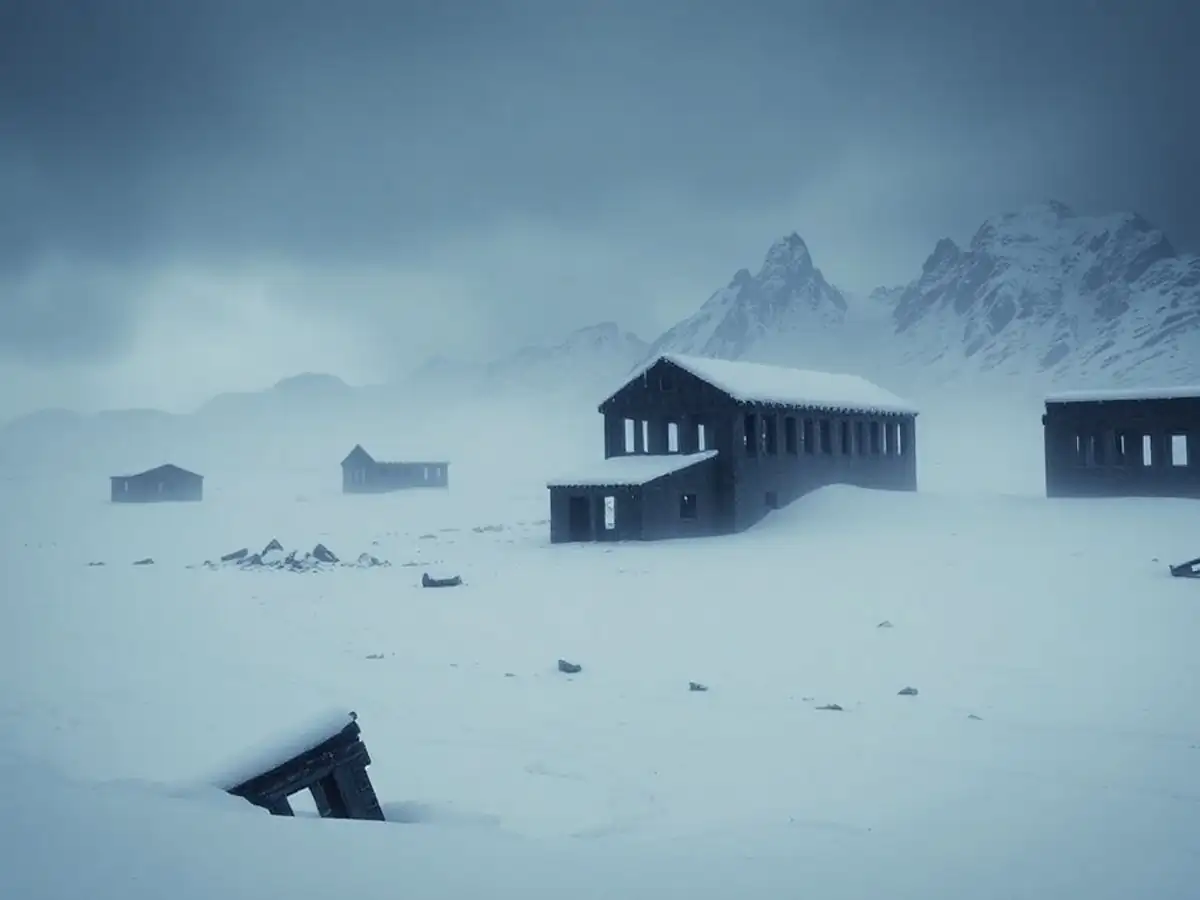
    In a surprising turn of events, NASA scientists recently stumbled upon the remnants of a secret military base in Greenland, known as Camp Century. Originally built in the 1960s, this base was shrouded in mystery and its true purpose remained classified for decades. Now, buried under thick ice, it has become a focal point for climate research and historical inquiry.

    Key Takeaways

    • Camp Century was a secret military base built by the U.S. Army in Greenland during the 1960s.
    • The base was part of Project Iceworm, aimed at hiding nuclear missile launch sites under the ice.
    • NASA’s recent discovery using advanced radar technology has revealed the structure of the base, buried under 36 meters of ice.
    • The environmental impact of the abandoned base is a growing concern as Greenland’s ice sheets continue to shrink.

    The Origins of Camp Century

    In the late 1950s, the U.S. Army proposed the construction of a scientific research base in Greenland. Officially, it was presented as a project to explore the feasibility of a mobile base powered by a nuclear reactor. However, the reality was far more complex and secretive.

    The base was constructed as part of Project Iceworm, a covert initiative to establish mobile nuclear missile launch sites hidden beneath the Greenland ice. The goal was to protect these sites from a potential first strike by the Soviet Union during the Cold War.

    The Structure and Purpose of the Base

    Camp Century consisted of a network of tunnels and facilities designed to support up to 200 personnel. It included:

    • 21 tunnels spanning approximately 3 kilometers.
    • Living quarters for soldiers.
    • Storage for around 600 missiles.
    • A nuclear reactor for power.

    Despite its ambitious design, the base faced numerous challenges. The ice shelf’s instability led to significant issues, including sewage problems that made the camp uninhabitable. After just eight years of operation, the camp was abandoned in 1967.

    Environmental Concerns

    The abandonment of Camp Century left behind a significant amount of waste, including:

    • 200,000 liters of diesel fuel.
    • Various hazardous materials.
    • Thousands of liters of wastewater.

    Initially, researchers believed that the waste would be buried under the ice and pose no threat for thousands of years. However, recent studies indicate that Greenland’s ice sheets are shrinking rapidly, raising concerns about the potential release of these contaminants into the environment.

    NASA’s Accidental Discovery

    In April 2022, while testing new radar technology to study Greenland’s ice sheets, NASA scientists made an unexpected discovery. Using UAV synthetic aperture radar, they identified the structure of Camp Century beneath the ice. This groundbreaking finding allows researchers to:

    • Map the layout of the base in unprecedented detail.
    • Study the effects of climate change on the ice surrounding the base.
    • Assess the potential risks posed by the abandoned waste.

    The Future of Camp Century

    As climate change continues to impact Greenland, the fate of Camp Century remains uncertain. Current projections suggest that by the 2090s, the ice covering the base may begin to melt, potentially releasing the stored contaminants into the surrounding environment.

    Researchers are now tasked with monitoring the situation closely. The data collected from Camp Century could provide valuable insights into the effects of climate change and the stability of ice shelves.

    In conclusion, the rediscovery of Camp Century not only sheds light on a fascinating chapter of military history but also raises important questions about environmental stewardship and the long-term impacts of human activity on our planet. As we continue to study this unique site, we may uncover more about the past and its implications for the future.

  • High Alert! They Are Crossing Putin’s Red Line and He’s Not Bluffing

    High Alert! They Are Crossing Putin’s Red Line and He’s Not Bluffing

    In a world where geopolitical tensions are escalating, the recent maneuvers by NATO and the U.S. deep state are raising alarms. As Donald Trump prepares to take office, there seems to be a deliberate push to provoke Russia, potentially leading to a no-win scenario for America. This article delves into the implications of these actions and what they mean for the future.

    Key Takeaways

    • NATO’s actions are perceived as a direct provocation to Russia.
    • The U.S. is increasing military presence in Europe.
    • Economic manipulation is evident in the current job market statistics.
    • Trump’s potential policies could shift the balance of power.

    The Escalation Before Trump’s Inauguration

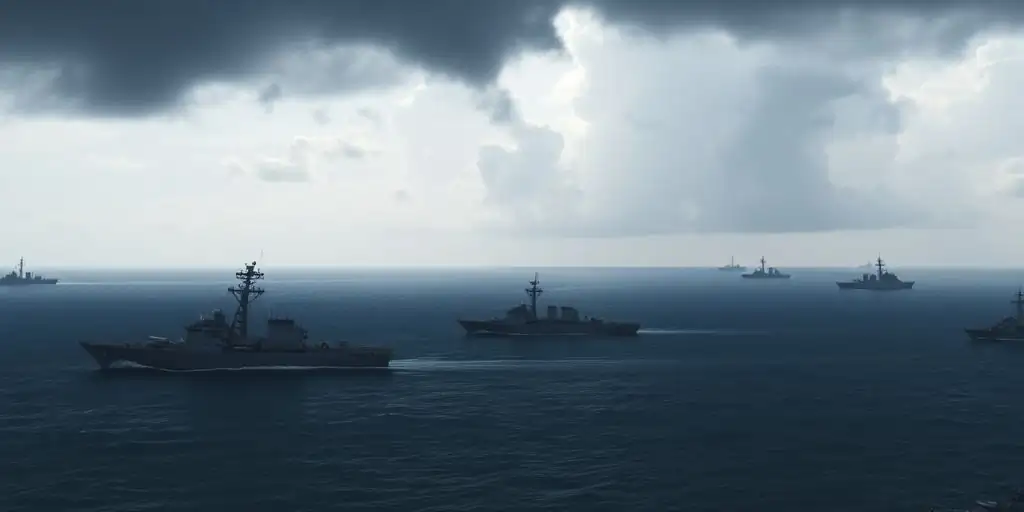
    The timing of NATO’s aggressive posture is suspect. Just weeks before Trump is set to take office, there are reports of increased military activity near Russia’s borders. This escalation appears to be a coordinated effort to tie Trump’s hands and push the U.S. into a conflict that many believe could be avoided.

    Reports indicate that:

    1. NATO has deployed advanced missile systems near Russia.
    2. American soldiers are being sent to Europe for new deployments.
    3. Military advisors are coordinating operations closer to the front lines.

    These actions are seen as crossing the red lines that Putin has warned against, raising the stakes for a potential conflict.

    The Drones and False Flag Operations

    Adding to the tension are mysterious drones spotted over U.S. military bases and critical infrastructure. The Biden Administration has remained silent on these incursions, leading to speculation about their purpose. Some analysts suggest that these could be a pretext for framing Russia or Iran as aggressors, setting the stage for a hot war.

    The implications of these drone sightings are significant. They could be:

    • A false flag operation to justify military action.
    • A distraction from domestic issues, including economic struggles.
    • A manipulation tactic to force Trump into a corner.

    Economic Manipulation and Job Market Lies

    The economic landscape is equally troubling. Recent revelations from the Philadelphia Federal Reserve indicate that the job creation numbers touted by the Biden Administration may be fabricated. This deception is part of a broader narrative that seeks to portray a booming economy while many Americans face high inflation and struggling businesses.

    Key points include:

    • Zero jobs created in Q2, contrary to claims.
    • Sky-high inflation affecting everyday Americans.
    • Collapsing small businesses due to economic mismanagement.

    Trump’s Potential Policies and Their Impact

    As Trump prepares to take office, his proposed policies could significantly alter the current trajectory. His focus on:

    • Peace through strength rather than endless war.
    • Financial sovereignty and the use of alternative currencies like Bitcoin.
    • Ending deep state control and promoting transparency.

    These policies threaten the status quo and could lead to a shift in power dynamics both domestically and internationally.

    The Bitcoin Proposal and Its Significance

    One of the most shocking proposals from Trump is the consideration of Bitcoin as a hedge against the collapsing U.S. dollar. This move could position the U.S. as a leader in the global crypto economy, offering financial freedom outside the traditional banking system.

    The potential benefits of this proposal include:

    • Increased value of Bitcoin, potentially skyrocketing beyond expectations.
    • Empowerment of individuals to transact privately and securely.
    • Reduction of power held by centralized banks and the deep state.

    Conclusion: A Call to Vigilance

    As we navigate these turbulent times, it is crucial to stay informed and vigilant. The actions of NATO and the U.S. deep state are pushing us toward a conflict that could have dire consequences. We must not allow ourselves to be dragged into a war that we cannot afford. The stakes are high, and the need for accountability in decision-making has never been more urgent.

    Stay alert, stay informed, and do not fall for the traps set by those who profit from chaos.

  • Iran Warns of “Large-Scale War” Amid Rising Tensions with Israel

    Iran Warns of “Large-Scale War” Amid Rising Tensions with Israel

    Tensions in the Middle East are reaching a boiling point as Iran’s foreign minister issues a stark warning to Israel. He cautions that any future attacks could lead to a large-scale war, while also emphasizing Iran’s commitment to diplomacy. This comes amid a backdrop of escalating violence and a humanitarian crisis involving hostages.

    Key Takeaways

    • Iran warns Israel against further attacks, suggesting it could lead to a regional conflict.
    • The situation is exacerbated by missile attacks from Yemen’s Houthis, believed to be backed by Iran.
    • A video released by Hamas highlights the plight of hostages, increasing pressure on Israeli leadership.
    • Negotiations for a ceasefire are ongoing but face significant challenges.

    Iran’s Warning to Israel

    Iran’s foreign minister has made it clear: any further aggression from Israel could spark a wider conflict. He stated that Iran is prepared to retaliate against any attacks, urging Israel to avoid reckless actions. This warning comes after a year filled with unprecedented military exchanges between the two nations.

    In October of last year, Iran launched a significant missile strike against Israel, firing 200 ballistic missiles, most of which were intercepted. In response, Israel targeted Iranian military sites, escalating the cycle of violence.

    The Human Cost of Conflict

    Amid these tensions, a chilling video released by Hamas has drawn attention to the human toll of the ongoing conflict. The footage features Liri Albag, a 19-year-old Israeli soldier who has been held captive since the deadly assault on October 7, 2023. In her emotional plea, she highlights the drastic changes in her life due to her abduction.

    The families of hostages, including Liri, are devastated and have publicly urged Prime Minister Benjamin Netanyahu to take decisive action. They demand that the government prioritize negotiations to secure the release of all hostages, emphasizing the urgency of the situation.

    Negotiations Stalled

    Hamas claims to have offered a list of 34 hostages for release as part of a potential ceasefire deal. However, the Israeli Prime Minister’s office has denied receiving this list, leading to frustration among families and advocates. Negotiations mediated by Qatar, Egypt, and the United States have dragged on without resolution, leaving many in a state of uncertainty.

    Despite Netanyahu authorizing negotiators to rejoin talks, critics argue that he is stalling under domestic pressure. The situation remains precarious, with calls for comprehensive deals to ensure the safe return of all hostages.

    The Fragile Balance in the Region

    As indirect talks reportedly resume, the region hangs in a delicate balance. The question remains: will diplomacy succeed in bringing relief to the hostages and their families, or will another spark ignite further chaos in the Middle East? The stakes are high, and the world watches closely as tensions continue to rise.

  • Europe on the Brink: Are We Really Facing World War III?

    Europe on the Brink: Are We Really Facing World War III?

    Something Isn’t Right Here…

    The world is full of mysteries, but some are more chilling than others. Recent reports suggest something strange is happening, and the official explanations don’t quite add up. Are we just a heartbeat away from the unthinkable?

    According to a recent report, NATO’s General has been making some rather alarming statements about European military readiness. It seems defense budgets are about to skyrocket as the fear of Russian aggression looms large. Is this the calm before the storm?

    A Pattern We Can’t Ignore

    This isn’t the first time we’ve seen something like this. In fact, history is filled with eerie coincidences that make you wonder—are we missing a bigger piece of the puzzle? Looking back, instances of military build-up have often preceded major skirmishes.

    Check out this archived case that mirrors today’s events. It’s like history wants to repeat itself, whether we like it or not.

    Is This the Smoking Gun?

    One thing’s for sure: the truth is rarely as simple as the headlines make it seem. And if history has taught us anything, it’s that the unexplained has a way of creeping back into the light. The rising tensions between East and West have all the makings of a bloodbath, with Europe right in the crosshairs.

    For more deep dives into the unknown, visit Unexplained Radio. Are we prepared for what comes next?

  • WW3 Alert: UK PM Starmer Announces $2bn to Ukraine for Air Defence Missiles

    WW3 Alert: UK PM Starmer Announces $2bn to Ukraine for Air Defence Missiles

    Introduction to the UK’s Commitment to Ukraine

    The geopolitical landscape of Europe is currently in a state of tension, largely due to ongoing conflicts that pose significant challenges to national and regional security. British Prime Minister Keir Starmer has recently made a groundbreaking announcement that the UK will allocate £1.6 billion (approximately $2 billion) to supply Ukraine with air defence missiles. This commitment is not only essential for enhancing Ukraine’s military capabilities but also signals the UK’s support for the country amidst the ongoing war with Russia.

    The Details of the Funding Announcement

    During a news conference held in London, Starmer emphasized the importance of European leaders working in unison to maintain aid to Ukraine and to sustain economic pressure on Russia. The allocation will fund the procurement of 5,000 air defence missiles from the UK, which are intended to create jobs in the UK defense sector, particularly in Belfast where these missiles will be manufactured.

    This funding showcases the UK’s proactive approach to ensuring the security of Ukraine and is a part of broader efforts to enhance military support. As such, it echoes similar initiatives seen across Europe where nations are increasingly recognizing the importance of defense in the context of rising threats.

    The aid package reflects a considerable shift in policy and underlines the UK’s willingness to lead in European defense matters. For those interested in the detailed implications of international military assistance, this article outlines various governmental initiatives surrounding defense spending globally.

    Coalition of the Willing: A New Era of Collaboration

    Starmer also mentioned the formation of a ‘Coalition of the Willing’ among European nations to collaborate more effectively in supporting Ukraine’s defense. With Russia’s aggressive posture, Starmer has called on other nations to pull their weight and contribute to this coalition, ensuring that Ukraine can negotiate from a position of strength.

    In his remarks, the Prime Minister stated that any peace plan for Ukraine would have to include discussions with the United States. The UK’s role in developing this coalition highlights the need for a united front in Europe to deter potential future invasions and maintain regional stability.

    The call for sustained military support is crucial, as Starmer emphasized that past agreements, such as the Minsk agreements, were not effective due to a lack of enforcement and monitoring. Countries willing to join this coalition must now enhance their contributions towards Ukraine’s defense capabilities, as mentioned in discussions held with leaders from nations such as France.

    The UK and US Relationship: A Vital Alliance

    Despite concerns about the reliability of the United States as an ally, Starmer reiterated the long-standing partnership between the UK and the US, indicating that any further support and military strategies would involve collaboration with Washington.

    This transatlantic dialogue is crucial, as the UK prepares for varied scenarios, including even the deployment of troops if necessary. The historical context of UK-US relations demonstrates a deep military and intelligence connection that remains pivotal in addressing current threats.

    For more insights on the implications of military alliances, consider reading this article on historical military collaborations that shaped modern alliances.

    The Implications for Future Peace Deals

    Starmer’s announcements underline a significant turning point for international frameworks in addressing conflicts. As negotiations for peace are strategically discussed, the ability to defend any future agreements remains paramount. The current strategy signals a shift towards more proactive measures, ensuring that any peace deal is viable and sustainable.

    Furthermore, the context of such discussions emphasizes the ongoing concerns regarding Russia’s behavior in the region. To learn more about how governmental responses shape conflict outcomes, check out this informative piece.

    In summary, the significant announcement by Prime Minister Starmer not only reaffirms the UK’s commitment to Ukraine’s defence but also symbolizes a broader strategy of European unity amidst mounting external threats. The approach taken now could determine the security of Europe for years to come.

  • Canada May Have Neutralized the Power of the Russian Air Force!

    Canada May Have Neutralized the Power of the Russian Air Force!

    Canada Steps Up: NASAMS Delivery to Ukraine

    In a pivotal development in international military aid, Canada has delivered the NASAMS (National Advanced Surface-to-Air Missile System) to Ukraine. This cutting-edge air defense system is designed to neutralize Russia’s potent aerial threats, including missiles, drones, and glide bombs. This $406 million donation marks a significant enhancement in Ukraine’s defensive capabilities, especially as it faces continued aggressive airstrikes from Russian forces.

    Understanding NASAMS and Its Capabilities

    The NASAMS system operates on the principle of integrating existing air defense technologies into a durable and flexible framework. Designed in collaboration between Kongsberg and Raytheon Technologies, NASAMS first entered service in 1997.

    After its delivery, Ukraine will be better equipped to protect not only military objectives but also vital civilian infrastructure. This new system allows for a rapid reaction to incoming threats, capable of launching simultaneous interceptions with exceptional accuracy. Utilizing advanced radar systems, NASAMS can effectively track up to 72 incoming threats and engage them quickly, providing substantial coverage against aerial bombardments.

    Why Did It Take So Long?

    Despite the promise of swift delivery, there were numerous delays associated with this military support. Canada initially pledged to provide NASAMS in early 2023, but funds were not transferred to the United States until four months later. As reported, congressional approvals and negotiations with the manufacturer further prolonged the timeline.

    Moreover, the necessary systems for Ukraine weren’t even constructed yet, which added to the manufacturing bottleneck, as Kongsberg outsourced the production to Raytheon. As a result, the air defense system that Ukraine urgently needed had to wait.

    The Stakes of the Conflict

    Russia’s airstrikes have inflicted considerable damage across Ukraine, with concerns heightening as they increasingly target civilian areas. According to reports from unexplained.co, these aerial assaults have included hypersonic missiles aimed not just at military sites but even at rehabilitation centers, resulting in collateral damage.

    President Volodymyr Zelenskyy has been vocal about the need for advanced air defense solutions following a surge in drone assaults from Russia, highlighting the continuous aerial threat faced by Ukraine’s cities. The NASAMS arrivals mean that there is now a greater capability to thwart these attacks. It remains evident that every moment counts in this ongoing war, making the timely introduction of NASAMS crucial for Ukraine’s defense strategies.

    Looking Forward: Building a Defense Alliance

    This delivery highlights Canada’s long-term commitment to bolstering Ukraine’s defense. Beyond just providing states of the art technology, Canada has also deployed 350 Canadian Armed Forces personnel to train Ukrainian troops, enhancing operational efficacy in the field. With a military assistance budget exceeding $4.5 billion since early 2022, Canada is solidifying its role as a key ally in this conflict.

    For further details on ongoing efforts to defend Ukraine, visit the homepage at unexplained.co. Canada’s contributions, paired with operational adjustments by Ukraine, signal a transformative phase in the battlefield strategy that could significantly alter the dynamics of the war.

  • Huge OFFENSIVE In Belgorod, Russian Forces OVERWHELMED | Breaking News With The Enforcer

    Huge OFFENSIVE In Belgorod, Russian Forces OVERWHELMED | Breaking News With The Enforcer

    In a significant escalation of the ongoing conflict, Ukrainian forces have launched a major offensive into the Belgorod Oblast, overwhelming Russian border guards and advancing with little resistance. This bold move marks a critical moment in the war, as Ukraine seeks to reclaim territory and disrupt Russian operations.

    Key Takeaways

    • Ukrainian forces are conducting a major offensive in Belgorod, with rapid advances reported.
    • Russian border guards are largely overwhelmed, leading to evacuations in the region.
    • Damage to the Sudzha pipeline could have serious economic implications for Russia.
    • The situation in Israel is also tense, with Iranian proxies launching attacks in Northern Galilee.

    The Offensive Begins

    Just hours ago, reports emerged of Ukrainian forces engaging Russian border checkpoints near the town of Kotova. This marks the second major Ukrainian offensive into Russian territory, following a successful breakthrough just days prior. The initial advance has been characterized by minimal resistance, allowing Ukrainian troops to push forward rapidly.

    The strategic significance of Kotova cannot be overstated. It is one of the few areas in the Northern Belgorod Oblast with a paved road crossing into Russia, making it a vital point for further advances. If captured, Ukrainian forces could effectively control the region and potentially encircle Belgorod, putting Russian forces in a precarious position.

    Russian Response

    In response to the Ukrainian advances, Russian commanders have been forced to make critical decisions regarding troop deployments. With the ongoing offensive in Kursk, Russian forces have concentrated their efforts there, leaving Belgorod largely undefended. This has resulted in a collapse of the Russian border defenses, as they struggle to respond to the rapid Ukrainian advances.

    Current Situation in Belgorod

    As of now, Ukrainian forces have reportedly advanced beyond the Kotova checkpoint, engaging in heavy firefights and pushing deeper into Russian territory. The front line spans approximately five miles, with Ukrainian troops executing a well-coordinated battle plan that has caught Russian forces off guard.

    The situation is fluid, with Ukrainian forces likely outnumbering Russian troops by a significant margin. This advantage, combined with the element of surprise, has allowed Ukraine to achieve substantial territorial gains in a short period.

    Evacuations and Economic Impact

    Amidst the chaos, Russian authorities have begun evacuating civilians from the Belgorod region, indicating a serious concern over the potential for further Ukrainian advances. The evacuation efforts are being organized by local administrations, with buses provided to transport residents to safer areas.

    Additionally, the Sudzha pipeline has reportedly sustained damage during the conflict, which could lead to significant economic repercussions for Russia. The loss of gas transport capabilities may hinder Russia’s ability to generate revenue from Eastern Europe, exacerbating the already strained economic situation.

    Broader Implications

    The offensive in Belgorod is not just a localized event; it has broader implications for the entire conflict. As Ukrainian forces continue to make gains, they are likely to be emboldened to pursue even more ambitious objectives. The recent successes could lead to a shift in the dynamics of the war, forcing Russian commanders to adopt a more defensive posture.

    Tensions in Israel

    While the situation in Ukraine escalates, tensions are also rising in Israel. Reports indicate that Iranian proxies have launched attacks in Northern Galilee, causing significant damage. This development adds another layer of complexity to the geopolitical landscape, as both Ukraine and Israel face external threats.

    Conclusion

    The unfolding events in Belgorod represent a pivotal moment in the ongoing conflict between Ukraine and Russia. With Ukrainian forces making significant advances and Russian defenses crumbling, the balance of power may be shifting. As the situation develops, the international community will be watching closely, aware that the outcomes could have far-reaching consequences for regional stability and security.

  • John Titor: Time Traveler, Soldier, Savior | Can He Save Us From Destruction?

    John Titor: Time Traveler, Soldier, Savior | Can He Save Us From Destruction?

    In a chilling vision of the future, John Titor, a self-proclaimed time traveler, emerges from the year 2036 with a dire warning. He claims that the United States will face a second Civil War, followed by a catastrophic World War, leading to the collapse of civilization as we know it. Titor’s mission? To change the course of history and prevent this dark future.

    Key Takeaways

    • John Titor claims to be a time traveler from 2036.
    • He warns of a second Civil War and a devastating World War.
    • Titor’s predictions include societal collapse and a return to a dark age.
    • He emphasizes the importance of changing past events to avoid disaster.

    The Birth of John Titor

    In 1998, John Titor was born in a small town in Florida. By 2036, he had become a temporal soldier, tasked with a mission to save humanity. His journey began when he sent a fax to Art Bell, the host of Coast to Coast AM, during a segment on time travelers. Titor’s message was unlike any other, detailing the mechanics of time travel and the dire consequences of future events.

    The Mechanics of Time Travel

    Titor explained that time travel was invented in 2034, thanks to advancements in fusion reactor research at CERN. He described a Singularity engine that allows for travel both forward and backward in time. The process involves rotating singularities within a magnetic field, creating new timelines with each journey.

    1. Traveling Back in Time: When you travel back, you create a new timeline.
    2. Altering History: Changes made in the new timeline can be subtle or significant.
    3. The Year 2564: Titor warned that anyone traveling forward from 2036 would hit a wall in 2564, with no apparent future beyond that year.

    The Predictions of John Titor

    Titor’s predictions were alarming. He claimed that:

    • A second Civil War would erupt in 2004, leading to widespread devastation.
    • A short World War III would follow, resulting in billions of deaths.
    • Society would collapse, leading to a return to simpler, community-focused living.

    He described a future where people would grow their own food, prioritize family and community, and live without the distractions of modern technology.

    The IBM 5100 and the 2038 Problem

    One of Titor’s most intriguing claims was the need for an IBM 5100 computer from 1975. He stated that this computer was essential for debugging legacy code in 2036 due to a looming crisis known as the 2038 problem. Unix systems, which measure time in seconds, would face catastrophic failures when they reached their maximum timestamp.

    • Unix Timestamp: The last date a 32-bit system can recognize is January 19, 2038.
    • Solution: Upgrading to 64-bit systems would prevent this disaster.

    The Many Worlds Interpretation

    Titor’s explanations often referenced complex scientific theories, including the Many Worlds Interpretation of quantum mechanics. He described timelines as cones, where the further you travel from your original timeline, the more divergent the outcomes become. This concept added a layer of credibility to his claims, as he demonstrated a grasp of advanced physics.

    The Skepticism and the Legend

    Despite the detailed nature of Titor’s posts, skepticism surrounded his claims. Many questioned the authenticity of his time machine and the accuracy of his predictions. Titor himself acknowledged this skepticism, stating that his goal was not to be believed but to share information that could help humanity.

    The Departure of John Titor

    On March 24, 2001, Titor made his final post, hinting at his imminent departure from this timeline. He expressed concern for humanity’s future and urged people to take action to prevent the dark path he described. After this post, he vanished from the internet, leaving behind a legacy that continues to intrigue and mystify.

    The Aftermath and Reflection

    Over two decades later, the John Titor story remains a topic of fascination. While many of his predictions did not come to pass, the societal divisions and tensions in contemporary America echo his warnings. The allure of Titor’s narrative lies in its potential to reflect on our present and inspire proactive measures to avoid a bleak future.

    Preparing for the Future

    Titor’s parting advice included practical steps for survival:

    • Avoid consuming products from animals fed with their own kind.
    • Learn basic sanitation and water purification.
    • Build a trusted community of five people.
    • Familiarize yourself with firearms and first aid.

    In conclusion, whether or not John Titor is a genuine time traveler, his story serves as a cautionary tale. It encourages us to reflect on our choices today to shape a better tomorrow. As we navigate an uncertain future, the lessons from Titor’s narrative may hold more relevance than ever.

  • Explosions Rock Lebanon: Walkie-Talkies Detonate Following Pager Attack

    Explosions Rock Lebanon: Walkie-Talkies Detonate Following Pager Attack

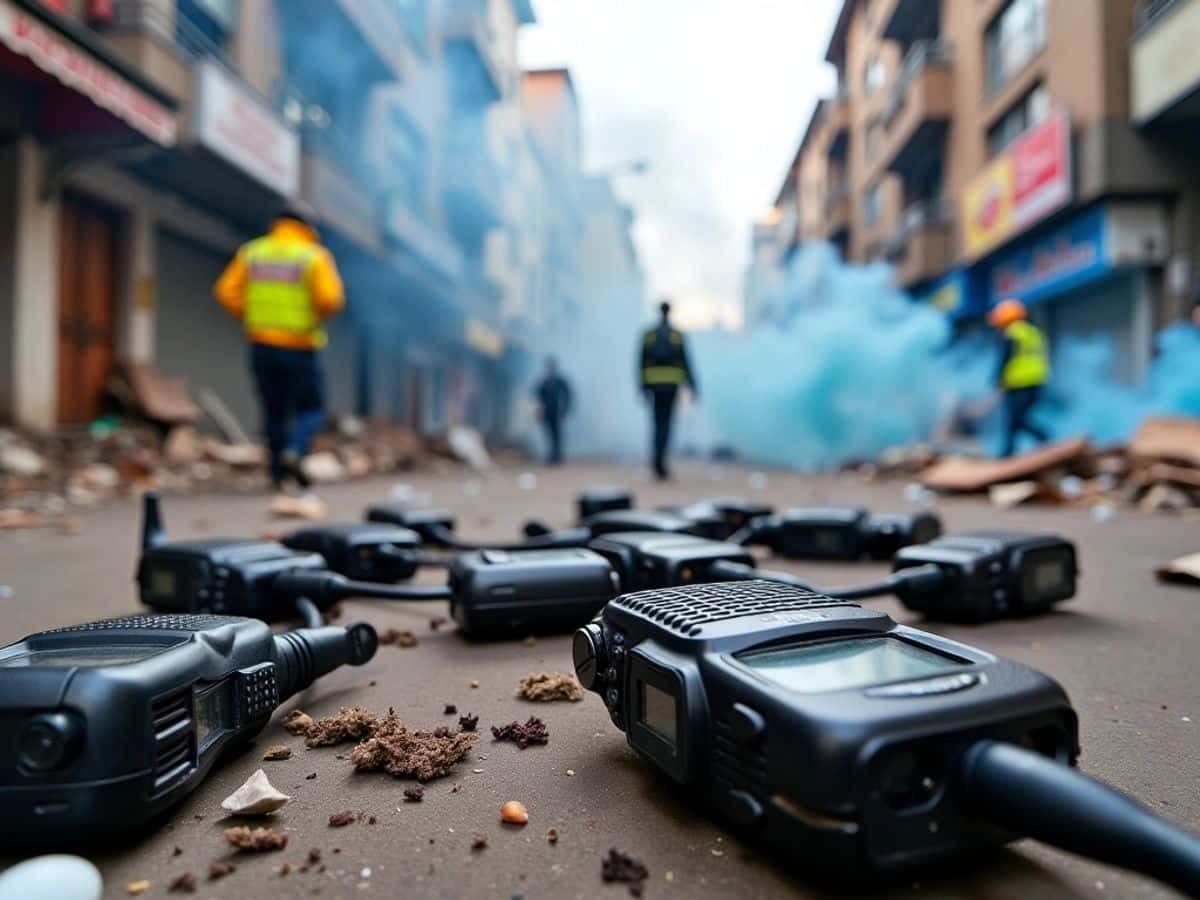
    A series of devastating explosions in Lebanon has left at least 14 people dead and over 450 injured, just a day after a coordinated attack involving pagers killed 12. The explosions, attributed to walkie-talkies, have heightened tensions in the region, with Hezbollah vowing retaliation against Israel.

    Key Takeaways

    • Casualties: At least 14 dead and over 450 injured from walkie-talkie explosions.
    • Previous Attack: The pager explosions on Tuesday resulted in 12 deaths and around 2,800 injuries.
    • Israeli Involvement: Israeli intelligence and military are believed to be behind both attacks.
    • Hezbollah’s Response: The militant group has pledged to retaliate against Israel.
    • International Reactions: Calls for investigations into the attacks have been made by various international bodies.

    Overview of the Explosions

    On Wednesday, walkie-talkies exploded across Lebanon, marking a second consecutive day of deadly blasts. The Lebanese health ministry reported that at least 14 people were killed and over 450 injured in the latest wave of violence. This follows a shocking attack on Tuesday, where pagers detonated, killing 12 and injuring thousands.

    Details of the Attacks

    The explosions are believed to be a coordinated effort targeting Hezbollah, with reports indicating that Israel’s intelligence service, Mossad, and the Israeli military were involved. The Israeli defense minister hinted at a “new era” in the conflict, suggesting a shift in tactics against Hezbollah.

    • Tuesday’s Pager Attack:
    • Wednesday’s Walkie-Talkie Explosions:

    Hezbollah’s Reaction

    Hezbollah has vowed to retaliate against Israel, labeling the attacks as “criminal Israeli aggression.” The Lebanese government has also condemned the violence, calling for accountability and an independent investigation into the incidents.

    International Response

    The United Nations has condemned the attacks, with the Human Rights Chief calling for a thorough investigation. The U.S. has stated it had no prior knowledge of the attacks and urged all parties to de-escalate tensions in the region.

    Implications for the Region

    The recent explosions have raised fears of escalating conflict in Lebanon, with the Lebanese Foreign Minister expressing concerns that these attacks could signal a move towards war. The situation remains volatile, with both sides on high alert and international observers closely monitoring developments.

    As the dust settles from these tragic events, the implications for regional stability and security are profound, with many questioning the future of Hezbollah’s operations and Israel’s military strategy in the area.

    Sources