Category: World War 3

  • Tensions between NATO and Russia heat up as Nuclear weapons are being positioned

    Tensions between NATO and Russia heat up as Nuclear weapons are being positioned

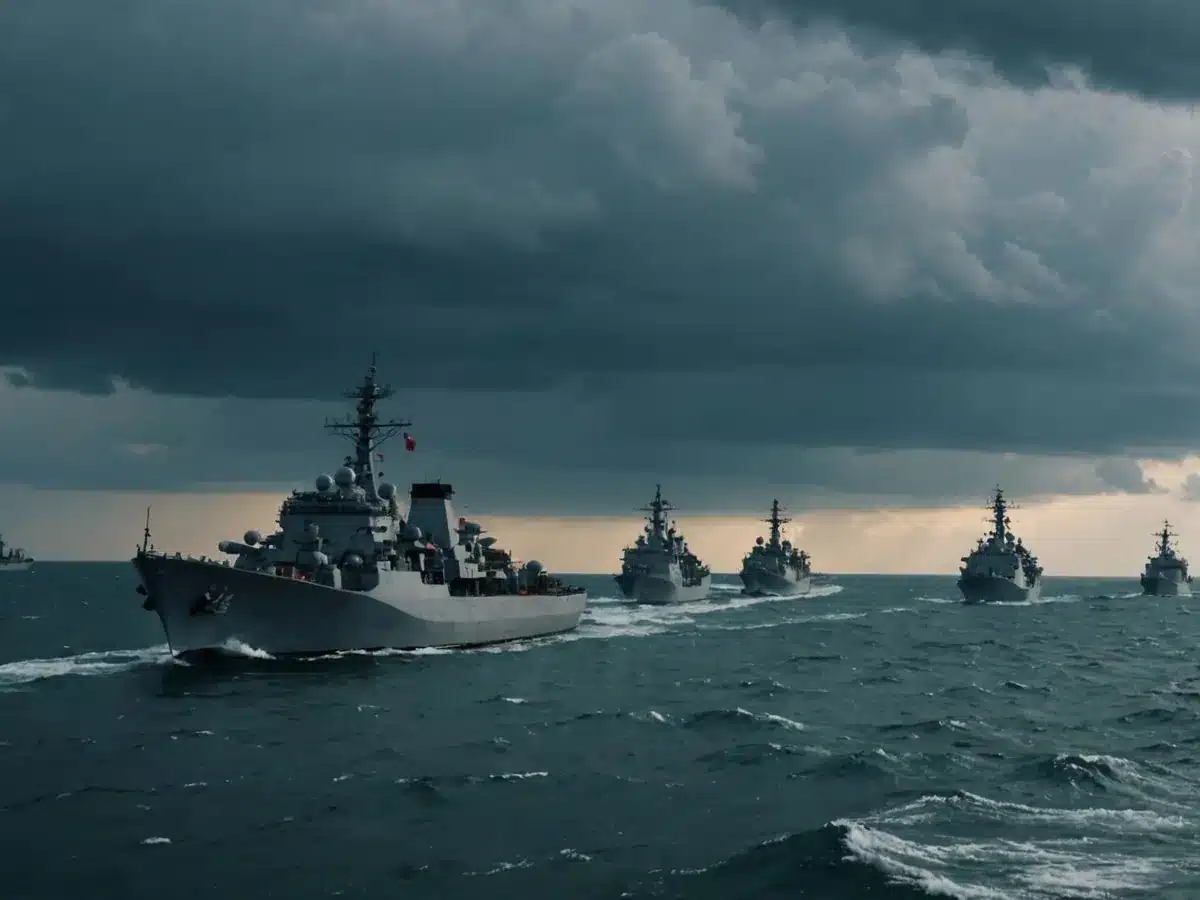
    In recent developments that have sent ripples through the international community, Russia has reportedly been moving its nuclear assets, an unsettling move amidst already high tensions with NATO.

    As Western powers prepare to show a unified front, with potential deployment of troops in Ukraine on the table, the world is watching closely to understand the implications of this precarious chess game.

    Renowned YouTuber and survival expert, known as Canadian Prepper, has been parsing through the deluge of information to offer a closer examination of what this could mean for global security.

    The Movement of Nuclear Assets:

    Canadian Prepper reports that Russia is currently engaging in the movement of nuclear weapons, which signals a stark escalation in the ongoing standoff with NATO. While the reasons behind this remain officially unconfirmed, analysts suggest that it could either be a demonstration of strength, an ominously defensive posture, or preparation for something more consequential. The relocation of such devastating weapons conjures memories of the Cold War and compels the world to revisit the reality of a nuclear threat.

    NATO’s Response:

    In reaction to Russia’s activities, NATO has been galvanizing its member states to counteract any potential aggression. Reports indicate that talks are underway to place troops on the ground in Ukraine possibly. This would not only be a demonstrative act of solidarity with Ukraine, providing a new level of deterrent against Russian advances but also a bold step closer to a confrontation between NATO and Russian forces.

    Potential Implications:

    The ramifications of these developments cannot be overstated. The blog unpacks the situation, outlining possible scenarios:

    1. Deterrence or Provocation? – NATO’s troop deployment could act as a deterrence, ensuring that Russia remains at bay. However, there’s a fine line between deterrence and provocation; crossing it could have dire consequences.

    2. The Risk of Misunderstanding – With military assets on high alert and geopolitical tensions at a knife-edge, even a minor misinterpretation or accident could spiral into full-blown conflict.

    3. Economic and Political Fallout – The saber-rattling has already started affecting global markets and diplomatic relations. If this continues, we may see a return to not just Cold War politics, but also its economics.

    4. Humanitarian Crisis – Military escalation in the region could displace thousands, creating a humanitarian crisis that could spread well beyond the borders of Ukraine.

    As the situation between Russia and NATO evolves, the international community holds its breath, hoping for a resolution that avoids conflict. The actions of these global powerhouses could shape the geopolitical landscape for years to come. Canadian Prepper’s discussion serves as a poignant reminder that while governments and military organizations move pieces on the global chessboard, it is the people who feel the impact of these moves most acutely. Now, more than ever, it’s essential for individuals to remain informed and prepared for any eventuality.
  • Leaked German Documents Reveal Preparations for Potential Russian Escalation: Reports

    Leaked German Documents Reveal Preparations for Potential Russian Escalation: Reports

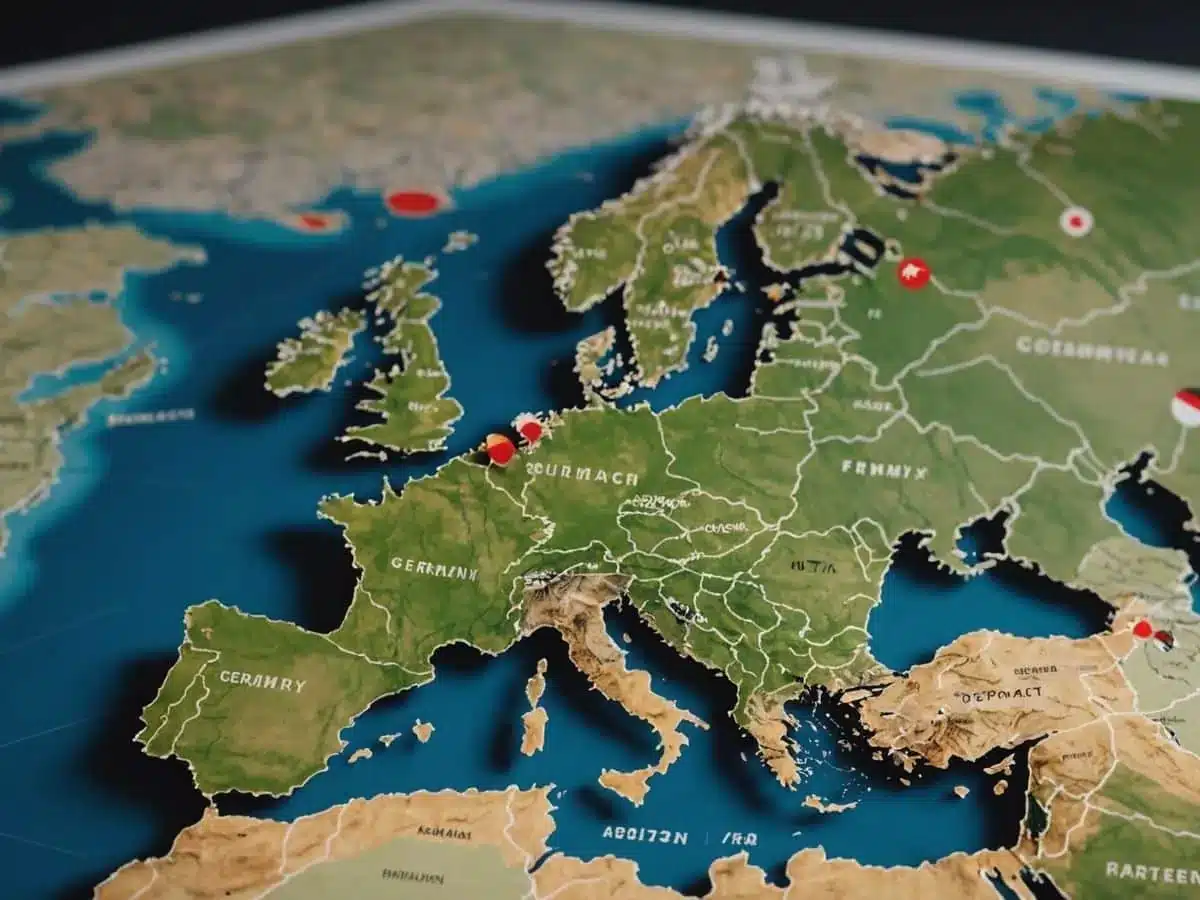
    Leaked documents from the German Ministry of Defense suggest that European leaders are preparing for a potential escalation of the conflict in Ukraine, with fears that Russian President Vladimir Putin could extend hostilities to NATO member states. The documents outline various scenarios, including a large-scale mobilization of Russian troops and cyberattacks in Eastern Europe.

    Key Takeaways

    • Leaked German documents indicate preparations for a potential Russian escalation.
    • Scenarios include mobilization of 200,000 Russian troops and cyberattacks.
    • NATO and European allies are taking the threat seriously.

    Potential Scenarios Outlined in the Leaked Documents

    The leaked documents, published by German newspaper BILD, outline several alarming scenarios that European leaders are preparing for. One of the key scenarios, named “Alliance Defense 2024,” could begin as early as February with Russia mobilizing an additional 200,000 troops. This mobilization could follow a decrease in Western financial support for Ukraine, leading to a significant Russian offensive in the spring.

    Cyberattacks and Military Exercises

    The documents also speculate on Russia initiating conflict in the Baltic states around July, employing severe cyberattacks and exploiting the discontent of Russian nationals in Estonia, Latvia, and Lithuania. By September, Russia might conduct a large-scale military exercise, “Zapad 2024,” involving around 50,000 troops in western Russia and Belarus.

    Strategic Movements and Propaganda

    A key part of the strategy could involve Russia moving troops and mid-range missiles to Kaliningrad, a small Russian territory between Lithuania and Poland, both NATO members. The plan might include a propaganda campaign to create the illusion of an imminent NATO attack, aiming to seize the Suwalki Gap, a strategic corridor between Belarus and Kaliningrad.

    Exploiting Political Transitions

    By the end of the year, Russia could exploit the U.S. presidential transition period to stir unrest in the Suwalki Gap area, using propaganda to fabricate border conflicts or riots. In response to these developments, the scenario suggests that 30,000 German troops would be deployed for defense against an estimated 70,000 Russian forces in Belarus. By May 2025, NATO might take action to deter further Russian advances, potentially leading to direct combat between Western and Russian forces.

    European Allies’ Response

    Despite these scenarios, Putin and Russian officials have consistently denied intentions to expand the Ukraine conflict beyond its borders. However, European allies are taking the threat seriously and are preparing for various possibilities. The German Defense Ministry, while not commenting on specific scenarios, acknowledged that considering various potential situations, even unlikely ones, is a routine part of military operations and training.

    Ongoing Conflict and Casualties

    In the ongoing war between Russia and Ukraine, which started in February 2022, there have been significant casualties, with an estimated half a million Ukrainian and Russian troops killed or injured. Recently, Sweden’s Civil Defense Minister Carl-Oskar Bohlin and the country’s military Commander-in-Chief Micael Bydén have expressed concerns about the possibility of war in Sweden, underscoring the need for comprehensive preparedness.

    Sources

  • Putin Warns the West: Russia-NATO Conflict Just One Step from World War III

    Putin Warns the West: Russia-NATO Conflict Just One Step from World War III

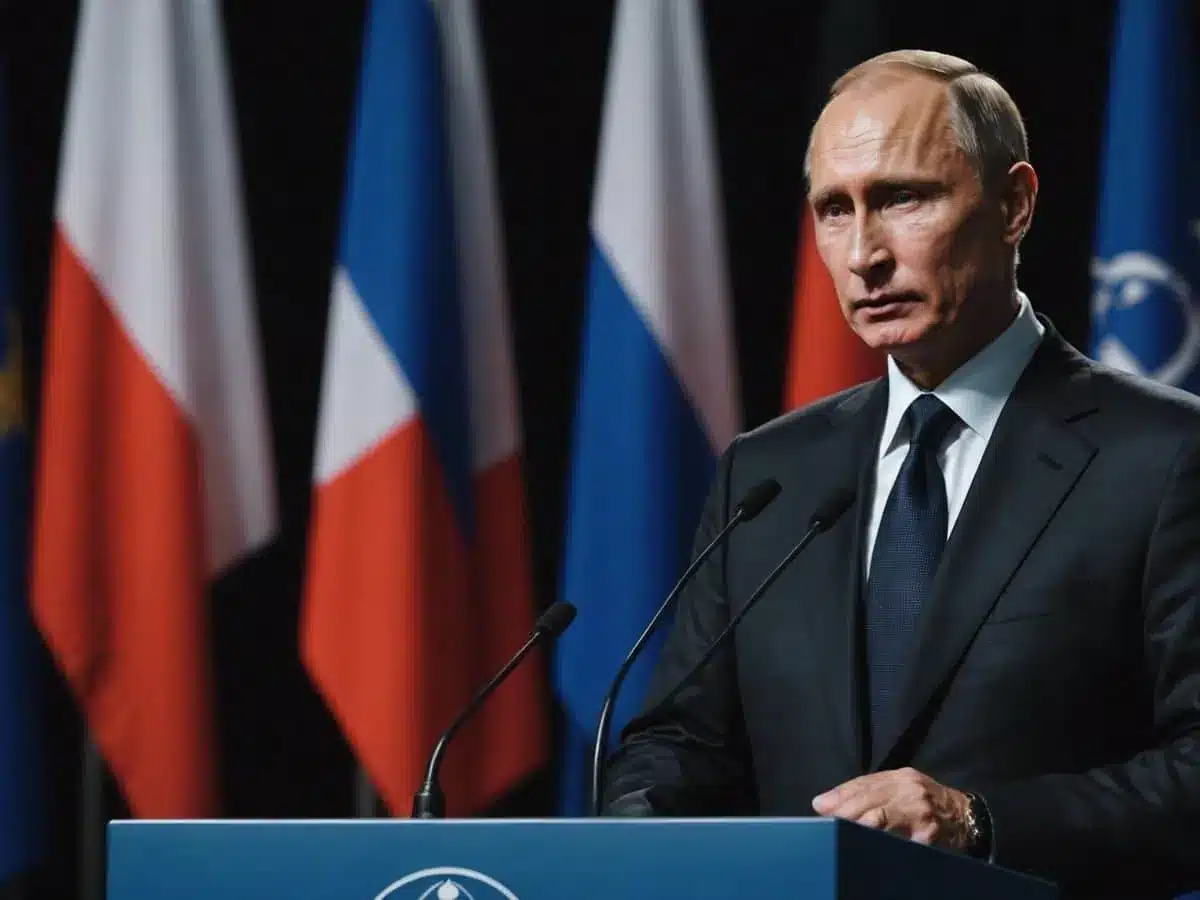
    Russian President Vladimir Putin has issued a stark warning to Western nations, suggesting that a conflict between Russia and NATO could easily escalate into World War III. This comes amid rising tensions over the ongoing war in Ukraine and the West’s military support for Kyiv.

    Key Takeaways

    • Putin warns that a Russia-NATO conflict could lead to World War III.
    • Western military support for Ukraine is a significant point of contention.
    • NATO is preparing for its largest war games since the Cold War.
    • Experts and Kremlin allies have differing views on the likelihood of a global conflict.

    Putin’s Warning

    In a recent statement, Putin emphasized the precarious nature of the current geopolitical landscape. He warned that any direct conflict between Russia and NATO could quickly spiral into a global war. This warning comes as NATO countries continue to supply Ukraine with advanced weaponry, including F-16 fighter jets, which Putin has identified as a potential trigger for broader conflict.

    Western Military Support for Ukraine

    The West’s support for Ukraine has been a major point of contention. Admiral Sir Tony Radakin, head of the UK armed forces, has stated that Russia is keen to avoid direct conflict with NATO due to the alliance’s overwhelming strength. However, the situation remains tense, especially with the U.S. and other NATO countries backing Ukraine’s right to use Western-supplied weapons against Russian targets.

    NATO’s Preparations

    NATO is gearing up for its largest war games since the Cold War, involving 90,000 troops from all member nations. This massive military exercise is seen as a show of strength and a deterrent against Russian aggression. General Sir Richard Barrons has stressed the importance of NATO’s role in deterring Russia, describing the current moment as the “most dangerous” in history.

    Expert Opinions

    Experts have varied opinions on the likelihood of World War III. Swedish Lieutenant Colonel Joakim Paasikivi has warned that providing Ukraine with F-16 jets could provoke a Russian response, potentially leading to a larger conflict. On the other hand, Admiral Radakin believes that Russia is unlikely to engage in a direct war with NATO due to the alliance’s superior capabilities.

    Kremlin Allies’ Views

    Kremlin allies have also weighed in on the issue. Margarita Simonyan, editor-in-chief of the Russian-state-owned broadcaster RT, has predicted that World War III will “definitely” break out in the Middle East, although she claims Russia will not be involved. Dmitry Medvedev, a key Kremlin official, has accused Western powers of ignoring Russia’s warnings and pushing the world closer to a new global conflict.

    Conclusion

    The warnings from Putin and his allies highlight the fragile state of international relations. While some experts believe that a direct conflict between Russia and NATO is unlikely, the ongoing war in Ukraine and the West’s military support for Kyiv continue to fuel tensions. As NATO prepares for its largest military exercise in decades, the world watches closely, hoping to avoid a catastrophic escalation.

    Sources

  • Rising Tensions in the South China Sea: Could a Dispute Over the Philippines Spark WWIII?

    Rising Tensions in the South China Sea: Could a Dispute Over the Philippines Spark WWIII?

    The South China Sea, a region known for its strategic importance and rich resources, is becoming a flashpoint for potential global conflict. Experts warn that escalating tensions between China and the Philippines could lead to a larger confrontation involving the United States and its allies, potentially igniting World War III.

    Key Takeaways

    • The South China Sea is a critical area for global commerce, fishing, and energy resources.
    • China’s aggressive territorial claims and military actions are heightening tensions with neighboring countries, particularly the Philippines.
    • The U.S. has a mutual defense treaty with the Philippines, which could draw it into a conflict with China.
    • Experts believe that a conflict in the South China Sea could escalate into a global war.

    The Strategic Importance of the South China Sea

    The South China Sea spans 1.35 million square miles and is bordered by several countries, including China, the Philippines, Vietnam, Malaysia, Brunei, and Taiwan. This region is not only a vital maritime route for global trade but also rich in fishing grounds and potential oil and natural gas reserves. The overlapping territorial claims have made it a hotbed of geopolitical tension.

    China has been particularly assertive in its claims, building artificial islands and militarizing them, despite international rulings against its expansive claims. This has led to frequent standoffs with other claimant countries, especially the Philippines.

    U.S.-Philippines Mutual Defense Treaty

    The United States and the Philippines have a longstanding mutual defense treaty, which obligates the U.S. to come to the aid of the Philippines in the event of an armed attack. Recently, the U.S. State Department issued warnings to China, emphasizing its readiness to fulfill its treaty obligations. This has raised the stakes, as any military confrontation between China and the Philippines could quickly involve the United States.

    Recent Incidents and Escalations

    In recent months, there have been several incidents that have heightened tensions. Chinese coast guard ships have been accused of harassing Filipino fishermen and using aggressive tactics against Philippine vessels. These actions have led to diplomatic protests and increased military readiness on both sides.

    China’s state-owned media has also published inflammatory articles, warning the Philippines against provoking a conflict. These articles draw historical parallels to pre-World War I Europe, suggesting that a small incident could trigger a larger war.

    Potential for Global Conflict

    Experts warn that the situation in the South China Sea has all the elements of a potential global conflict. The U.S., along with allies like Japan and Australia, has conducted joint naval exercises in the region to demonstrate their commitment to maintaining freedom of navigation and supporting their allies. However, these actions also risk further escalating tensions with China.

    China’s strategy appears to involve probing its neighbors and shifting its focus between different flashpoints, including Taiwan and Japan. This approach keeps the region on edge and increases the risk of miscalculation.

    Conclusion

    The South China Sea dispute, particularly involving the Philippines, is a complex and volatile situation with far-reaching implications. The combination of strategic interests, military alliances, and aggressive posturing by China creates a precarious balance that could easily tip into open conflict. As the world watches, the hope remains that diplomatic efforts can prevent a catastrophic escalation.

    Sources

  • NATO’s New Front: Confronting the Dual Threat of Russia and China

    NATO’s New Front: Confronting the Dual Threat of Russia and China

    NATO has more than one enemy to worry about, and it’s beginning to see that. Last week, NATO celebrated its 75th anniversary, marking a significant milestone in its history. Originally formed to protect Western European democracies against the threat of communism from the Soviet Union, NATO now faces new challenges from both Russia and China. The recent summit in Washington, DC, highlighted these concerns, emphasizing the need for NATO to up its game against these emerging threats.

    Key Takeaways

    • NATO is increasingly concerned about China’s support for Russia in the Ukraine conflict.
    • The alliance is also wary of China’s cyber activities, space capabilities, and expanding nuclear arsenal.
    • NATO’s strategic documents have been evolving to address the growing influence and assertive behavior of China.

    NATO’s 75th Anniversary: A New Era of Challenges

    NATO was formed to protect Western European democracies against the threat of communism from the Soviet Union. While the Soviet Union is long gone, Russia’s ongoing invasion of Ukraine has made it clear that NATO needs to up its game. But it’s not just Russia that NATO is worried about; China has also become a significant concern.

    During the summit in Washington, DC, NATO called out China in its Washington Summit Declaration. The declaration stated, “The [People’s Republic of China] has become a decisive enabler of Russia’s war against Ukraine through its so-called ‘no limits’ partnership and its large-scale support for Russia’s defense industrial base.”

    China’s Support for Russia: A Growing Concern

    Among the many things China has been caught sending to Russia are:

    • Flak jackets and helmets
    • Drones
    • Body armor
    • Rifles
    • Satellite imaging

    Ukrainians have also found Chinese components in Russian weapons, navigation systems in aerial drones, fire control systems in Russian tanks, and even fighter jet parts. This extensive support has led NATO’s Secretary-General Jens Stoltenberg to state, “Beijing continues to fuel the largest armed conflict in Europe since World War Two.”

    Cyber and Hybrid Threats from China

    The Washington Summit Declaration also highlighted the systemic challenges posed by China to Euro-Atlantic security. NATO has observed sustained malicious cyber and hybrid activities, including disinformation, stemming from China. Chinese hackers have been involved in stealing intellectual property from the US and targeting European government entities.

    The Stratcom division of the European External Action Service, the EU’s anti-disinformation unit, noted that even Chinese diplomatic channels are involved in spreading disinformation. This makes it crucial for NATO to remain vigilant against these cyber threats.

    Space and Nuclear Capabilities: A New Frontier

    NATO expressed concern about developments in China’s space capabilities and activities. Despite China’s claims that its space programs are peaceful, the reality is quite different. China has been placing a significant number of satellites in space, many of which are designed for surveillance and reconnaissance.

    China’s rapidly expanding nuclear arsenal is another area of concern for NATO. The Washington Summit Declaration noted that NATO might face something unprecedented: two nuclear-powered potential adversaries—China and Russia. This has led NATO to consider putting nuclear weapons out of storage and on standby.

    The Evolving NATO Strategy

    NATO has been aware of the growing threat from China for years. In 2019, NATO’s London Declaration acknowledged that “China’s growing influence and international policies present both opportunities and challenges.” By 2021, the Brussels Summit Communiqué stated that “China’s stated ambitions and assertive behavior present systemic challenges to the rules-based international order and to areas relevant to Alliance security.”

    The 2022 Strategic Concept further elaborated on how China seeks control over key technological and industrial sectors, critical infrastructures, and strategic materials and supply chains. NATO Secretary General Stoltenberg emphasized, “We must not repeat that mistake with China. Depending on its money, its raw materials, its technologies – dependencies make us vulnerable.”

    Conclusion: A Call to Action

    NATO’s evolving strategy reflects a growing recognition of the dual threats posed by Russia and China. The alliance must remain vigilant and adapt to these new challenges to ensure the security of its member states. As NATO continues to navigate this complex landscape, it is crucial for European and American businesses to reconsider their engagements with China to avoid strategic dependencies that could compromise security.


  • Rising Tensions: The Implications of Chinese and Russian Military Cooperation Near Alaska

    Rising Tensions: The Implications of Chinese and Russian Military Cooperation Near Alaska

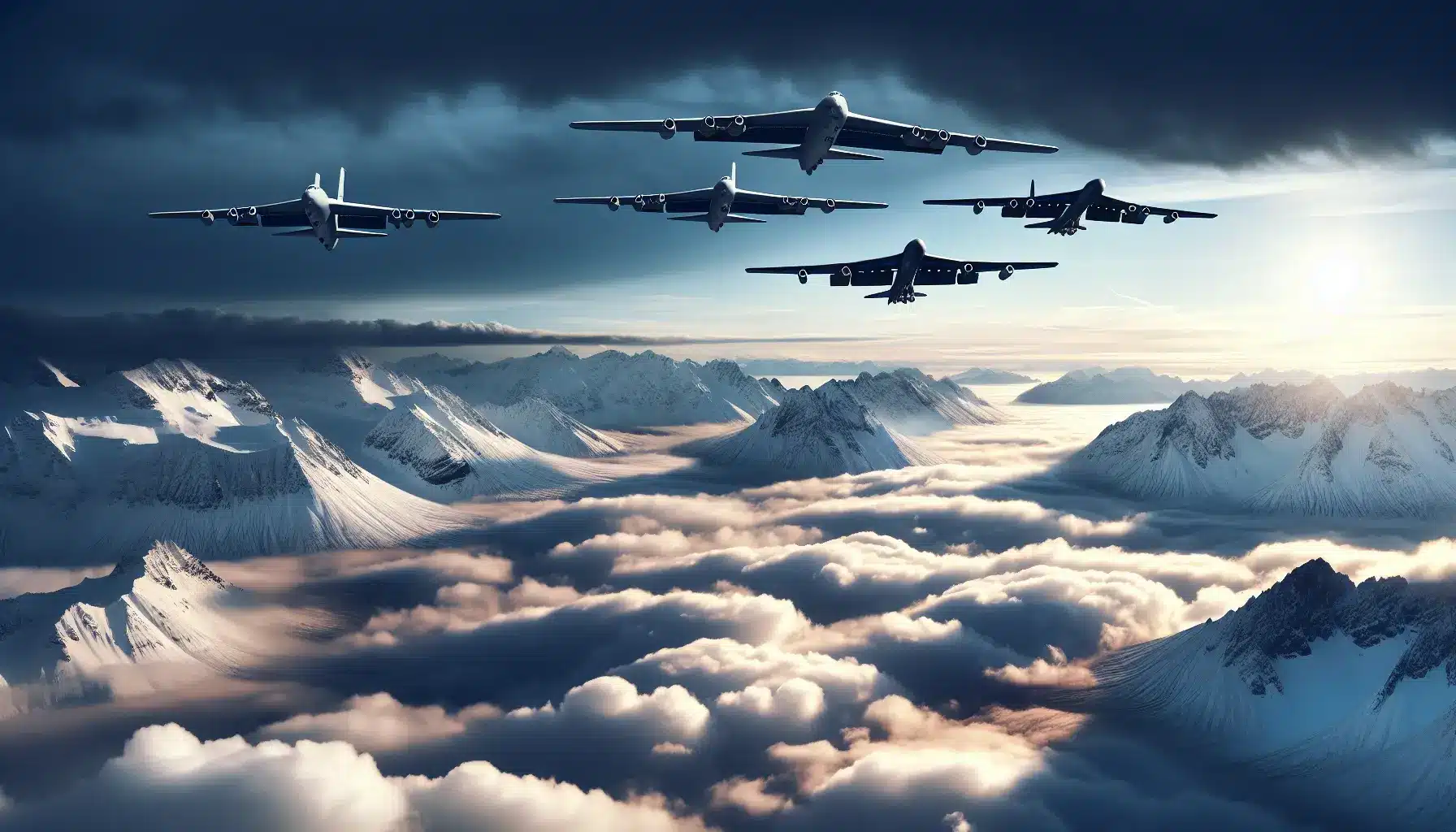
    In a significant development for North American security, the North American Aerospace Defense Command (NORAD) intercepted two Chinese and two Russian bombers near Alaska. This unprecedented event coincided with President Joe Biden’s address to the nation, raising alarms about the growing military collaboration between these two nations.

    Key Takeaways

    • First Joint Operation: This marks the first time Russian and Chinese bombers operated together near Alaska.
    • Military Response: U.S. and Canadian jets were deployed to intercept the bombers.
    • Increased Activity: Officials anticipate more Chinese aircraft activity in the Arctic region.
    • Strategic Concerns: The collaboration between China and Russia poses a significant threat to North American security.

    The Incident

    On the day of President Biden’s speech, NORAD detected and intercepted two Chinese H-6 long-range nuclear-capable bombers and two Russian T-95 bombers. While these aircraft remained in international airspace, their presence was alarming, marking a new chapter in military dynamics in the Arctic region. The intercept was executed by U.S. Air Force F-16 and F-35 jets, alongside Canadian F-18 jets, showcasing a coordinated defense response.

    Implications of the Joint Operation

    The joint operation of Russian and Chinese bombers is not merely a coincidence. U.S. Northern Command officials have indicated that this collaboration is indicative of a broader strategy by Beijing to leverage Moscow’s military capabilities to gain access to airspace and waters near Alaska and the Arctic Circle. This partnership is particularly concerning given the increasing military presence of both nations in the region.

    Historical Context

    Historically, Russian military aircraft have been spotted near Alaska, but the recent appearance of Chinese bombers is a new and troubling development. Earlier this month, four Chinese warships were also reported in international waters near Alaska, further highlighting the growing military activity in the region.

    The Arctic’s Strategic Importance

    The Arctic is becoming increasingly significant due to the melting ice caps, which are opening new shipping lanes and attracting interest from global powers. Although China is not an Arctic state, it has declared itself a near-Arctic state and is actively seeking greater influence in the region. This ambition raises concerns about governance and control over these vital areas.

    National Security Concerns

    In light of these developments, both the United States and Canada have heightened their military alertness. The collaboration between China and Russia in the Arctic is viewed as a direct challenge to the existing international order, with both nations seeking to reshape the geopolitical landscape to their advantage.

    Conclusion

    The interception of Chinese and Russian bombers near Alaska is a stark reminder of the evolving security landscape in the Arctic. As military cooperation between these two nations intensifies, it poses significant challenges for North American defense strategies. The situation calls for increased vigilance and a reassessment of military readiness in the face of these emerging threats.

  • Escalation in the Middle East: The Tipping Point of Conflict

    Escalation in the Middle East: The Tipping Point of Conflict

    In recent developments from Beirut, tensions between Israel and Hezbollah have reached a critical juncture following a tragic rocket strike that resulted in numerous civilian casualties. This incident marks a significant escalation in the ongoing conflict, raising concerns about the potential for further violence in the region.

    Key Takeaways

    • Hezbollah denies responsibility for the recent rocket strike on a soccer field.
    • The incident is the most serious since confrontations began nearly 10 months ago.
    • Israel’s response could determine the trajectory of the conflict.
    • Both sides have been focusing attacks on military targets, but civilian casualties are rising.
    • The situation is precarious, with potential for an all-out war.

    The Incident and Its Implications

    The recent rocket strike targeted a soccer field where children were playing, leading to a mass casualty event. Hezbollah has claimed responsibility for attacks in the Syrian-occupied Golan Heights but has distanced itself from this particular incident. The denial is significant, as it suggests a desire to maintain the unwritten rules of engagement that have governed the conflict for months, where both sides have primarily targeted military installations.

    The implications of this incident are profound. With civilian casualties at an all-time high in a single strike, the question arises: How will Israel respond? The potential for escalation looms large, as many analysts believe this could be a tipping point in the ongoing conflict.

    Recent Trends in Violence

    In the weeks leading up to this incident, there has been a noticeable uptick in violence along the Israel-Lebanon border. The conflict has seen sporadic escalations, with both sides engaging in cross-border fire. Israel has indicated a willingness to widen the conflict if Hezbollah does not retreat from the border.

    Hezbollah officials have warned that if negotiations to end the Gaza war stall, they will escalate their actions not just from Lebanon but also from other fronts, including Iraq and Yemen. This interconnectedness of conflicts in the region underscores the complexity of the situation.

    Israel’s Response and Military Strategy

    Following the rocket strike, Israeli military officials convened to assess the situation. Reports indicate that there have been approximately 30 casualties, including children. Israeli Foreign Minister Israel Katz stated that Hezbollah has “crossed all red lines,” signaling a potential shift in Israel’s military strategy.

    Israel has been operating under a strategy of restraint in Southern Lebanon, but the current situation may force a reevaluation. The Israeli military is reportedly overstretched, managing ongoing operations in Gaza while also addressing threats from the north. This dual-front conflict complicates Israel’s military response and strategy.

    The Path Forward

    As the situation develops, both sides are bracing for potential escalations. The Israeli government has indicated that it is prepared for an all-out war, a sentiment echoed by Hezbollah’s recent actions. The coming days will be crucial in determining the trajectory of this conflict.

    • Will Israel target Hezbollah positions deeper within Lebanon?
    • How will Hezbollah respond to Israeli military actions?
    • Can diplomatic efforts to cease hostilities be revived?

    The answers to these questions will shape the future of the region and the lives of countless civilians caught in the crossfire. As tensions rise, the international community watches closely, hoping for a resolution that can bring lasting peace to a region long plagued by conflict.

  • The Rimac 2024: A Show of Military Might in the Pacific

    The Rimac 2024: A Show of Military Might in the Pacific

    In a stunning display of military power, the Rimac 2024 exercise has brought together the United States and 28 allied nations, including Australia, to showcase their capabilities in the Pacific. This unprecedented event serves as a reminder of the geopolitical tensions in the region, particularly with the rising assertiveness of China.

    Key Takeaways

    • Rimac 2024 is the largest military exercise in history, involving 29 nations.
    • The exercise aims to deter aggression and prepare for potential conflict in the Indo-Pacific region.
    • The U.S. Navy’s USS Carl Vinson plays a central role, showcasing advanced military technology and tactics.
    • The exercise highlights the importance of international alliances in maintaining peace and stability.

    A Show of Force

    The Rimac 2024 exercise, taking place around the Hawaiian Islands, is not just a routine military drill; it is a spectacular display of the world’s most lethal weaponry. The event is designed to send a clear message to potential adversaries: mess with us, and you will face dire consequences. Vice Admiral John Wade, who oversees the operation, emphasizes the need for readiness in a region fraught with challenges from nations like China, Russia, and North Korea.

    The Stakes in the Indo-Pacific

    The Indo-Pacific region is critical, with 50% of the world’s population and 80% of global trade passing through its waters. The U.S. and its allies are committed to preserving the integrity of this area, especially as China continues to assert its military presence. The exercise serves as a reminder of the potential for conflict and the importance of being prepared.

    Life Aboard the USS Carl Vinson

    Aboard the USS Carl Vinson, one of the U.S. Navy’s nuclear-powered supercarriers, life is a whirlwind of activity. With 5,000 sailors and around 80 aircraft, the ship operates 24/7. Captain Matthew Thomas, who commands the Vinson, reflects on his journey from aspiring pilot to leading one of the most formidable warships in the world. The ship’s capabilities allow it to operate anywhere international law permits, making it a vital asset in the Pacific.

    The Thrill of Flight

    The excitement of flying from the Vinson is palpable. Pilots like Lieutenant Hunter Culus, known by his call sign “Sugar Lips,” experience a mix of exhilaration and fear as they launch from the moving deck. The F-35C Lightning II, the most advanced stealth fighter, is a key player in this exercise, showcasing the U.S. military’s technological edge.

    Training for Real-World Scenarios

    Every flight during Rimac 2024 is purposeful, preparing pilots for potential real-world conflicts. The stakes are high, and the pilots are acutely aware that their training could one day translate into life-or-death situations. The Vinson is armed with a variety of weapons, including air-to-air missiles and smart bombs, ensuring it is ready for any mission.

    The Role of Allies

    The exercise also underscores the importance of international partnerships. Admiral Lisa Franchetti, the U.S. Chief of Naval Operations, emphasizes that the freedom of the seas is under threat and that maintaining strong alliances is crucial. As China continues to expand its military reach, the U.S. and its allies must work together to ensure stability in the region.

    The Response from China

    China’s response to the Rimac 2024 exercise has been one of skepticism. Retired Chinese Colonel Jabo downplays the significance of the U.S. military’s show of force, asserting that China is not intimidated. He argues that the U.S. may not have the unwavering support of its allies in a potential conflict, highlighting the complexities of international relations.

    Preparing for the Future

    As the Rimac 2024 exercise unfolds, the focus remains on deterring aggression and preparing for any eventualities. Vice Admiral Wade notes that the exercise is about building muscle memory and ensuring that the U.S. and its allies are ready to respond to threats. The stakes are high, and the need for cooperation among nations has never been more critical.

    Conclusion

    The Rimac 2024 exercise serves as a powerful reminder of the geopolitical tensions in the Indo-Pacific region. As nations navigate the complexities of international relations, the importance of military readiness and strong alliances cannot be overstated. The world watches closely as the U.S. and its allies demonstrate their commitment to maintaining peace and stability in a region that is increasingly under threat.

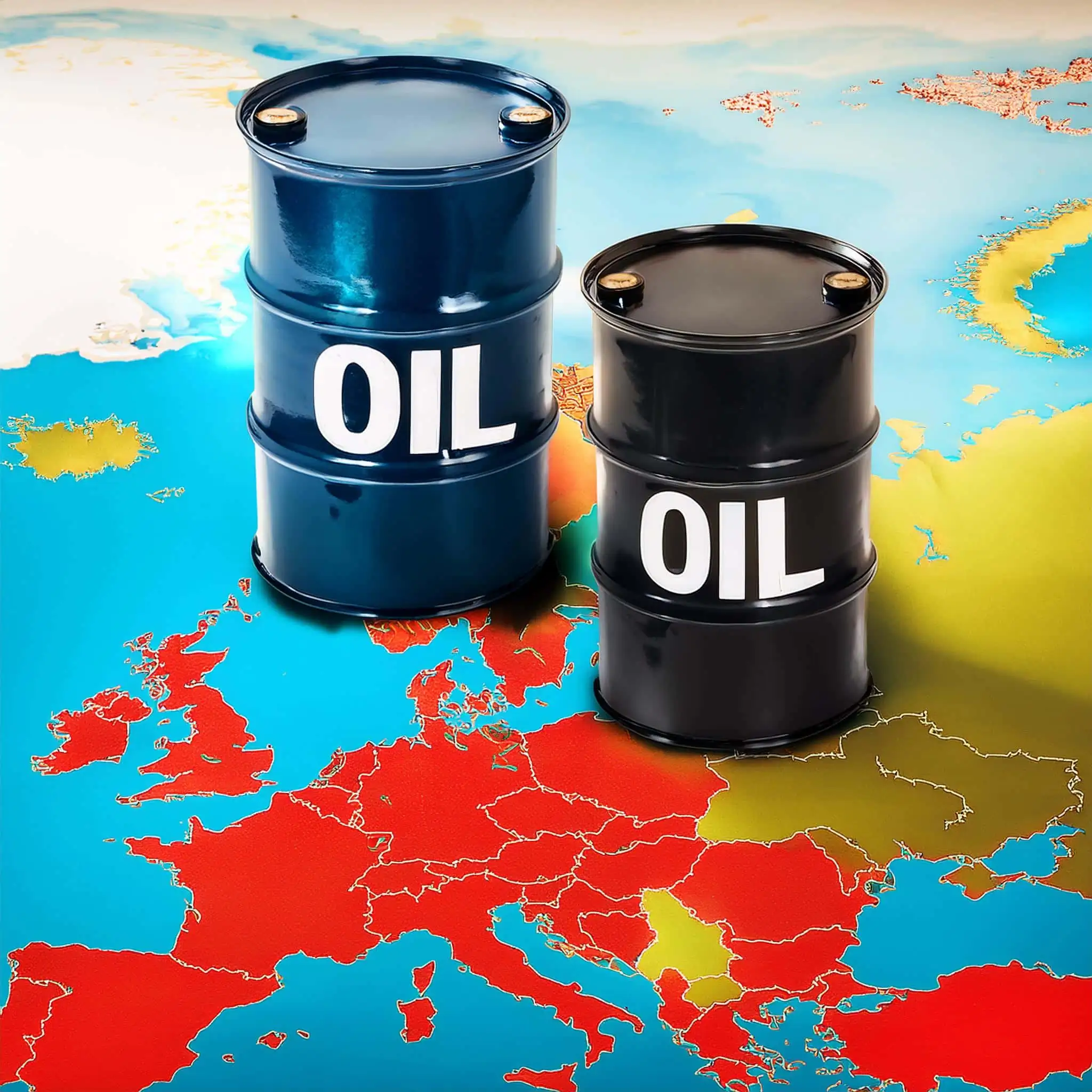
  • The Hidden Loopholes: How Russia Continues to Profit from Fossil Fuels Amid Sanctions

    The Hidden Loopholes: How Russia Continues to Profit from Fossil Fuels Amid Sanctions

    The ongoing conflict in Ukraine has led to a complex web of sanctions against Russia, particularly targeting its fossil fuel exports. Despite these efforts, Russia has managed to generate substantial revenue, raising questions about the effectiveness of these sanctions and the loopholes that allow this to happen.

    Key Takeaways

    • Russia has earned approximately 700 billion euros from fossil fuel sales since the start of the Ukraine war.
    • Current sanctions have reduced Russia’s fossil fuel export revenues by about 12%, but further measures could increase this to 32%.
    • Loopholes in sanctions allow Russia to sell crude oil to countries like India, China, and Turkey, which then refine it into products sold to sanctioning nations.
    • The EU’s fear of rising energy prices has hindered more aggressive sanctions.

    The Financial Backbone of Russia’s War

    Russia’s economy is heavily reliant on fossil fuel exports, with nearly 50% of its tax revenues coming from oil, gas, and coal sales. Since the invasion of Ukraine, the country has reportedly made around 700 billion euros from these exports. While sanctions have had some impact, they have not sufficiently crippled Russia’s ability to finance its military operations.

    The Impact of Sanctions

    The sanctions imposed by Western nations have led to a 12% reduction in Russia’s fossil fuel export revenues, equating to about 3.4 billion euros per month. However, experts suggest that with more stringent sanctions, this figure could potentially drop by 32%, amounting to nearly 7 billion euros monthly.

    Despite these reductions, the sanctions have not fully addressed the loopholes that allow Russia to continue profiting from its oil sales. For instance, countries like India, China, and Turkey legally purchase Russian crude oil, refine it, and then sell the refined products to sanctioning countries, effectively circumventing the intended impact of the sanctions.

    The Role of Political Will

    One of the significant challenges in enforcing effective sanctions is the political will of Western nations. Concerns about rising energy prices have led to a reluctance to impose stricter measures. For example, the EU has refrained from capping natural gas imports from Russia, which has allowed gas flows to continue unabated.

    Case Studies: Bulgaria and Beyond

    Bulgaria serves as a notable example of how exemptions in sanctions can lead to increased reliance on Russian oil. Initially, Bulgaria’s dependence on Russian oil rose from 70% to 90% due to an exemption, but this has since changed, and the country is now at 0% reliance. This case illustrates that with the right policies, countries can reduce their dependence on Russian fossil fuels without significant economic repercussions.

    The Pain Threshold for Western Nations

    Western nations must confront the pain threshold associated with reducing reliance on Russian fossil fuels. The fear of price spikes has led to a cautious approach, but experts argue that these fears are often unfounded. Without a concerted effort to reduce dependence, countries will continue to purchase Russian fossil fuels, increasing their vulnerability to price manipulation by the Kremlin.

    Addressing the Loopholes

    To effectively combat the loopholes in the current sanctions, experts recommend banning the importation of oil products from refineries that use Russian crude. For instance, a refinery in India, part-owned by a sanctioned Russian company, could be targeted to prevent the flow of Russian oil products into the UK.

    The Shadow Fleet Dilemma

    The emergence of a shadow fleet—a collection of aging tankers used to transport Russian oil—poses another challenge. These vessels often lack proper safety measures and insurance, raising environmental concerns. Recent sanctions against these tankers have shown promise, with a significant reduction in the amount of Russian oil transported by sanctioned vessels.

    Conclusion

    The ongoing conflict in Ukraine and the associated sanctions against Russia highlight the complexities of global energy politics. While sanctions have had some success in reducing Russia’s fossil fuel revenues, significant loopholes remain. A more aggressive and coordinated approach is necessary to close these gaps and diminish Russia’s ability to finance its military operations through fossil fuel sales. The urgency of this issue cannot be overstated, as each day that passes allows Russia to continue profiting from its energy exports, further prolonging the conflict in Ukraine.

  • Who’s Really in Charge? Unpacking the Current State of the U.S. Presidency

    Who’s Really in Charge? Unpacking the Current State of the U.S. Presidency

    In recent discussions surrounding the U.S. presidency, concerns have emerged about the true power dynamics at play within the executive branch. With a series of executive orders signed and escalating tensions with Russia, many are questioning whether President Biden is truly in control or if a deeper agenda is at work.

    Key Takeaways

    • The legitimacy of President Biden’s control over the executive branch is under scrutiny.
    • Historical parallels drawn with past presidents who were incapacitated.
    • The influence of the so-called “Deep State” and external actors on U.S. policy.
    • Escalating tensions with Russia and implications for global security.

    The Question of Control

    The current state of the U.S. presidency raises significant questions about who is really in charge. Colonel Douglas McGregor argues that President Biden may not be fully in control of his faculties, drawing parallels to historical figures like Woodrow Wilson and Franklin D. Roosevelt, who were similarly incapacitated during their presidencies.

    • Historical Precedents:
      • Woodrow Wilson: Suffered a stroke, with his wife effectively running the government.
      • Franklin D. Roosevelt: Elected while gravely ill, leading to significant policy decisions made by others.

    McGregor suggests that Biden’s recent actions, including signing numerous executive orders, indicate he may be a puppet for a larger agenda orchestrated by powerful figures within Washington.

    The Role of the Deep State

    The term “Deep State” refers to a network of influential members within the government and military who operate independently of elected officials. McGregor points to individuals like Jake Sullivan and Tony Blinken as key players in this network, suggesting they may be pushing a Marxist agenda that undermines traditional American values.

    • Key Figures:
      • Jake Sullivan: Alleged architect of current policies.
      • Tony Blinken: Secretary of State, involved in shaping foreign policy.

    This network, according to McGregor, is using executive orders to bypass Congress and implement policies that many Americans would not support if they were fully aware of the implications.

    Escalation with Russia

    Recent events have heightened concerns about U.S. involvement in a potential conflict with Russia. McGregor highlights a significant escalation over the weekend, where drones reportedly launched attacks from NATO territory, crossing previously established red lines set by President Biden himself.

    • Recent Developments:
      • Drones destroyed a Russian bomber, allegedly launched from Finnish soil.
      • This action could be interpreted as a direct act of war against Russia, raising the stakes significantly.

    McGregor emphasizes that such military actions typically require the president’s approval, raising further questions about Biden’s awareness and control over military operations.

    The Implications of Inaction

    As tensions rise, the lack of clear communication from the White House regarding these military actions is alarming. McGregor argues that the American public deserves to know whether their government is leading them toward a hot war with Russia.

    • Public Sentiment:
      • Many Americans are unaware of the potential consequences of escalating military actions.
      • The absence of public debate on these issues is concerning, especially as Congress appears to be disengaged.

    Conclusion

    The current state of the U.S. presidency is marked by uncertainty and concern over who is truly in charge. With historical precedents of incapacitated leaders and the influence of a powerful Deep State, the implications for American democracy and global security are profound. As tensions with Russia escalate, it is crucial for the American public to engage in discussions about the direction of U.S. foreign policy and the true nature of executive power.

    In a time of such uncertainty, the question remains: Who is really running the show in Washington?