Category: Ancient Civilizations

  • Mt Etna Unleashed: Geomagnetic Storms, Surging Quakes, and Global Volcanic Unrest

    Mt Etna Unleashed: Geomagnetic Storms, Surging Quakes, and Global Volcanic Unrest

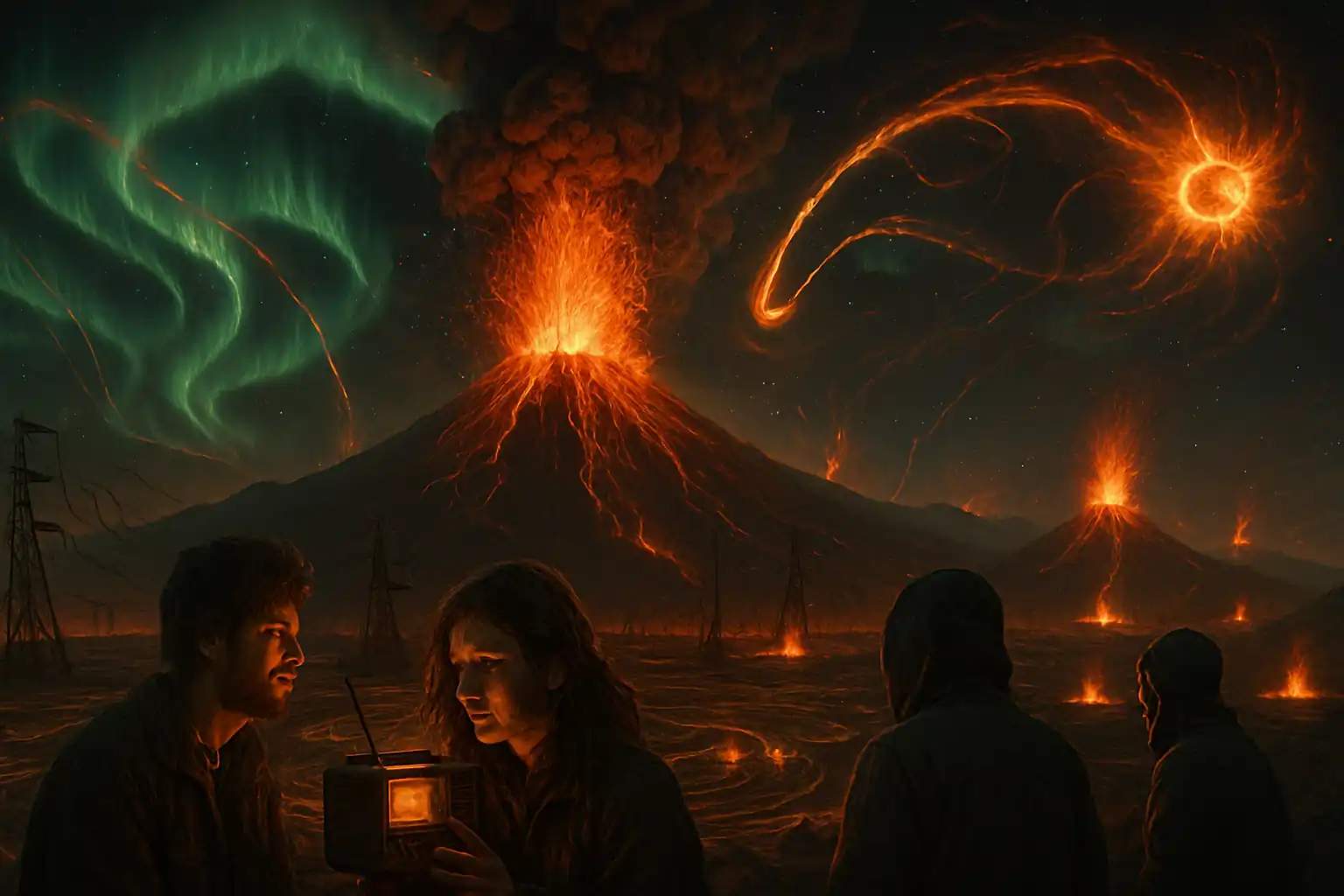
    If you thought 2025 would be uneventful, the universe has other plans. Mt. Etna spews ash and pyroclastic fury into the Mediterranean sky. The planet itself seems to tremble in sympathy. The culprit? Not just plate tectonics but a rampaging geomagnetic storm—one so fierce it’s lighting up skies and fueling supercharged earthquakes worldwide, according to recent seismic risk reports and the latest USGS updates. Panic rises, matched only by debates about the trouble a cosmic tantrum can cause down here on Earth.

    Geomagnetic storms aren’t new, but severe ones are rare. This latest event has already caused blackouts, GPS failures, and bright auroras as far south as Rome. Adding multiple magnitude 6-and-higher earthquakes plus Etna’s eruption, the planet looks ready for either apocalypse or a new scientific breakthrough. But do geomagnetic storms really trigger volcanoes or quakes, or are we simply seeing patterns in the static?

    Magma, Magnetism, and Mt. Etna’s Explosive Fury

    It’s not every week you see Europe’s tallest active volcano hurling pyroclastic flows while solar storms rage overhead. Scientists debate if solar storms—unleashing plasma clouds and intense magnetic fields—might energize volcanic systems. While definitive proof eludes us, growing evidence shows subtle links. For instance, volcanic activity sometimes clusters with peaks in solar and geomagnetic activity, as indicated in solar-terrestrial studies. Don’t buy tickets to the next eruption just because the aurora forecast is G5.

    The scientific consensus, per the Wikipedia entry on geomagnetic storms, argues that main effects impact power grids, satellites, and radio frequencies—a far cry from triggering volcanoes outright. However, some researchers, highlighted in Terrestrial, Atmospheric and Oceanic Sciences, don’t rule out indirect effects, especially on fault systems near their breaking point. The official USGS stance states there’s still “no convincing evidence of electromagnetic precursors to earthquakes” after decades of research.

    Earthquakes Surge as Magnetic Mayhem Unfolds

    Earthquakes—particularly those above magnitude 6—have spiked during the geomagnetic event, activating everything from continental rift zones to deep ocean faults. Previous disasters made seismic swarms (like Idaho’s recent shakes linked in regional quake reports) look minor. It’s the simultaneity of volcanic and tectonic unrest across continents pushing the doomsday crowd to refill their bug-out bags.

    What remains unclear is causation. Both the USGS and a deeper USGS magnetic hazards study note that solar activity’s impact on fault lines is largely theoretical, though not impossible. A “storm-driven” jolt might help trigger a quake where stress is already high. But for now, it’s more likely you’ll lose Wi-Fi or power during a geomagnetic storm than witness a city disappear into a lava lake.

    Space Weather, Blackouts, and Energy Volatility

    Geomagnetic storms do disrupt anything run by wires, satellites, or magnetic navigation. Historic reviews, covered in historic reviews, recount the infamous Carrington Event of 1859 frying early telegraph networks, while the 1989 storm wiped out Quebec’s electrical grid, plunging millions into darkness. The current solar maximum drives increased storm activity, including G3+ events noted in space weather analyses. This naturally leads to fresh panic about grid overload, GPS outages, and satellite risks—issues tied to everything from defense readiness to potential new avenues for global sabotage, as highlighted in this breakdown of blackout risks.

    Amid cascading risks—volcanoes, quakes, blackouts, or even military tension as seen in geopolitical analysis—survivalists keep their bunkers stocked while bakers sell out of sourdough starter every time Etna coughs.

    Our Volatile Earth: Navigating the New Space-Weather Wild West

    Is this all doom? Hardly. The world’s magnetic drama reminds us of nature’s raw power, urging better monitoring and resilience planning. While the link between solar, tectonic, and volcanic unrest remains murky, the need for modern infrastructure to endure these shocks is clear. For those reading between the seismic lines, further insight awaits in deep dives on prophetic upheaval and emerging technology risks. They make a subtle argument: sometimes a “coincidence of calamities” is enough to push a system from stability to chaos.

    For more signals among the noise, and for real-time disaster forecasting without the hype, stick with Unexplained.co. If the world’s going to end in a fireball—or a sunspot, or a blackout—you might as well see it coming before the rest of your neighborhood does.
  • Idaho Shaken: Earthquake Swarm Fuels Supervolcano Fears Near Yellowstone

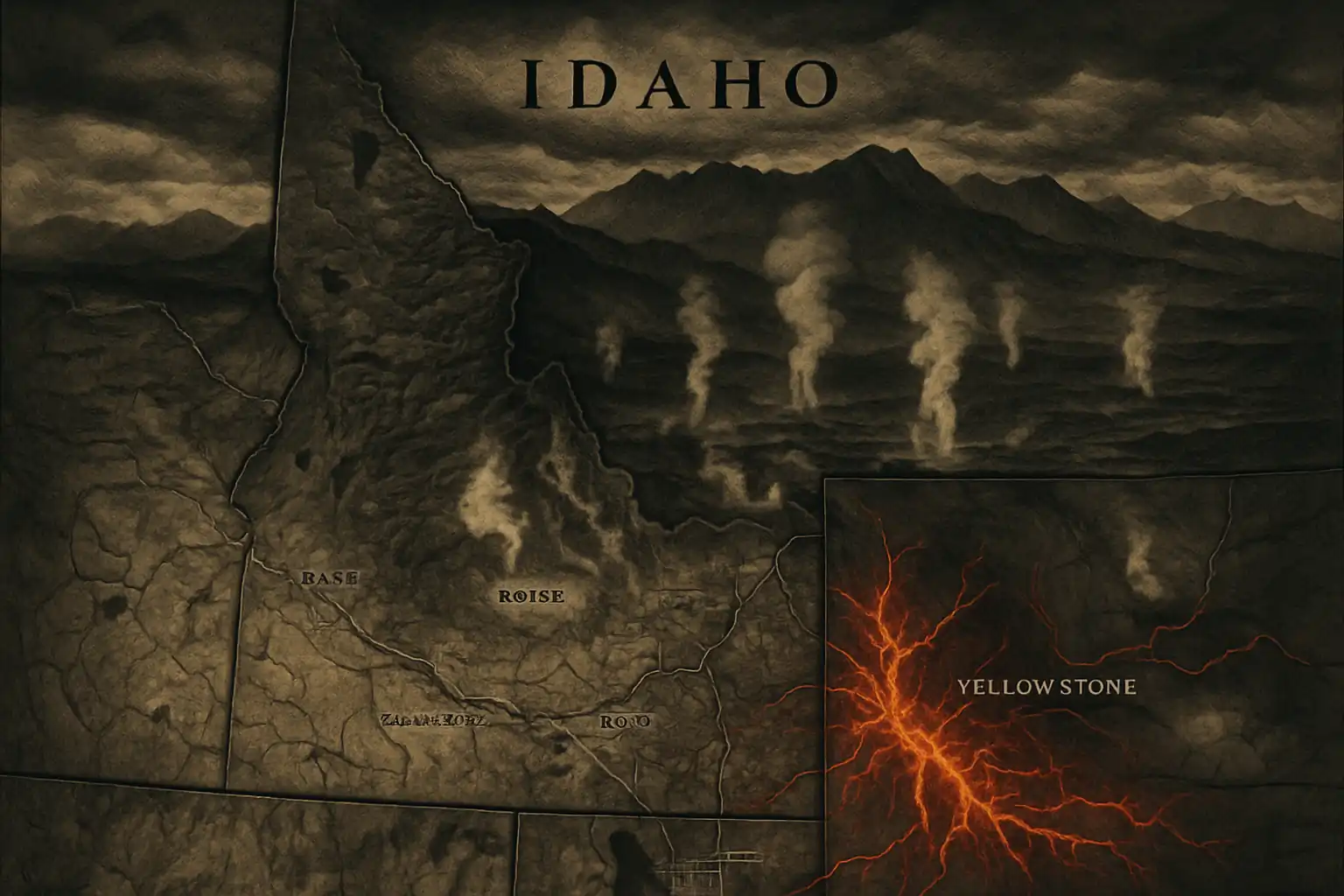
    Idaho Shaken: Earthquake Swarm Fuels Supervolcano Fears Near Yellowstone

    If you live near Idaho or Yellowstone and felt the ground rumble, you’re not alone. An earthquake swarm has escalated from a shiver to a series of jolts, capturing the attention of experts and emergency planners alike. This situation has also excited the legion of armchair apocalypse preppers who can now say, “I told you so.” But what’s happening beneath the surface? Should residents prepare their go-bags, or is media hype outpacing geological reality?

    Geophysicists, like Stefan Burns, emphasize that swarms can be unsettling, but context matters. Idaho and the Yellowstone region have always experienced seismic activity. However, the sudden acceleration and proximity to past large earthquakes increase caution. The biggest risk is not a supervolcano eruption but a significant earthquake. This reality, compounded by our cascading disasters—energy shocks, AI doomsday scenarios, rogue nation cyber tactics—makes this tremor especially nerve-wracking for a jittery public eager for the next headline.

    Idaho’s Accelerating Earthquake Swarm: What’s New?

    What does it mean when Idaho shakes faster? Official reports and recent USGS updates confirm multiple minor quakes are rattling a historically seismic area. The USGS stresses that most are aftershocks of earlier moderate quakes, not signs of moving magma beneath Yellowstone. While these swarms intensify, major structural collapses or escalations to supervolcano events remain rare. If you’re imagining a Hollywood disaster film’s opening scene, take a breath—or five. Surprisingly, volcanic eruptions in this zone are rare compared to earthquakes, as noted by the WyoFile analysis. Locals should expect infrastructure shakeups rather than skies filled with ash.

    Yellowstone Supervolcano: Fears vs. Geological Facts

    The “Yellowstone Supervolcano” scenario attracts attention. Its last major eruption’s power and the region’s ancient volcanic scars fuel speculation and memes. According to scientific overviews, most swarms arise from old faults adjusting to tectonic stress—not because magma is preparing for an eruption. The USGS and National Park Service emphasize that monitoring systems would detect serious shifts in volcanic behavior well before social media reacts. However, those who believe the Big One lurks nearby will still sift through evacuation plans. Geophysical data reveals no current increase in “eruptible” magma beneath Yellowstone, offering some comfort (unless you thrive on panic).

    Historic Shakes and Modern Worry: When Should You Really Panic?

    History serves as both a cautionary tale and a warning label. The Pacific Northwest has endured catastrophic quakes, events that leave new lakes and rewrite maps. Some link increased seismicity to the legendary Yellowstone blast, but geological consensus debunks hype swiftly. The Cascade region’s real threats arise from potent earthquakes; the supervolcano is a distant, albeit spectacular, concern. History buffs should remember that civilizations collapse not from single disasters but from a buildup of smaller risks—just ask the experts outlining why empires like Rome fell. The true panic comes from unreinforced infrastructure and dense populations intersecting with Mother Nature’s unpredictability.

    Preparedness and the Power of Real-Time Data

    If you seek a silver lining, consider real-time seismic monitoring and transparency. Agencies like the USGS and Idaho’s geological services provide a stream of data, curbing the fear-mongering from algorithms and YouTube prophets. For those interested in deeper dives, earthquake explorations and cosmic disaster reports unpack “black swan” risk factors. If societal decline fascinates you, check out societal collapse scenarios and recent forecasts for our next sunny season.
    You don’t need to dig a bunker just yet—unless you enjoy having one.

    Stay vigilant by checking live updates and insights at Unexplained.co, where you’ll find more signal than noise. Keep your emergency kit ready; experience tells us the next shake is often closer than you think.

  • Tearing Apart the Veil: When Revelation—and Chaos—Break the World As We Know It

    Tearing Apart the Veil: When Revelation—and Chaos—Break the World As We Know It

    History and myth warn us: when the veil tears, nothing remains the same. Spiritual traditions depict a barrier between the mundane and the mystical. Some refer to it as the separation of dimensions, others as the divide between life and death, illusion and truth. In the age of AI and geopolitical disruption, discussions of the veil ‘tearing’ now extend beyond scripture and fiction—they reflect an anxiety woven into the fabric of modern life.

    The “veil” has deep roots in imagination and philosophy, symbolizing the line between the everyday and the profound. This barrier sometimes rips away in moments of revelation or crisis. Observers of modern apocalypse science sense we are inching toward a reckoning: a global event that will unveil hidden truths, unleash chaos, and rewrite civilization’s operating system.

    The Cultural and Religious Meaning of Tearing the Veil

    “Tearing the veil” resonates throughout religious history. The temple veil, ripped during the crucifixion according to Christian tradition, symbolizes access to the divine and a radical openness (see BibleHub’s exploration). Other spiritual systems view unveiling as a harbinger of apocalypse, prophecy, and rebirth. Tearing the veil promises transformation, though it may not always bring comfort: what is revealed often requires profound sacrifice, forcing empires and individuals to confront uncomfortable truths.

    Modern interpreters connect these ancient symbols to today’s crises. With technology, climate, and social structures primed for fracture, prophetic voices warn—sometimes in the guise of decoded ancient languages or AI singularity predictions—that the “veil” is thinner than ever. They proclaim that the reckoning is inevitable.

    Prophesied Upheaval: From Ancient Warnings to Modern Anxieties

    Humanity has long awaited a moment of upheaval, where hidden truths erupt into visibility. From the collapse of Rome analyzed by scholars of ancient collapse to whispers of cosmic alignment and digital apocalypse, fear simmers—what if we finally see behind the curtain? Some believe pandemics, solar storms, or mass blackouts signal the birth pangs of revelation. Even mainstream outlets now echo phrases once reserved for prophecy, resonating with reports on society’s vulnerabilities.

    This isn’t mere superstition. When AI models reveal warnings from ancient texts, or scientists announce discoveries about solar storms threatening Earth, it seems reality itself prepares for a curtain call.

    What Lies Beyond the Veil: Apocalypse or Opportunity?

    “Tearing apart the veil” isn’t solely about chaos and disaster; many traditions regard it as a gateway to new beginnings. The old world must break down for a new one to emerge, even if the transition is tumultuous. Philosophers compare veil-lifting to a revolution in understanding, as expressed in theories like John Rawls’ veil of ignorance, which challenges us to envision a society devoid of pretense and inherited power.

    Survivalists and futurists comb through data, seeking to determine whether the coming event marks a last gasp or the first breath of a new civilization. If history serves as a guide—and if the patterns observed by global conflict analysts are cyclical—the old must collapse before the new can birth. Beware, as some revelations may breed panic as readily as hope.

    Preparing for Revelation: Navigating Chaos in the Modern Age

    Is the “veil” about to tear? If so, what should we expect? Uncertainty abounds, yet a world where hidden structures, motives, or dangers routinely reveal themselves is already transforming. From the mythic to the material, the tearing of the veil could usher in social unrest, mass awakening, or catastrophic breakdown—perhaps all at once.

    If you’re pondering, “I need a better bunker,” you’re not alone. Those preparing for what lies ahead should focus on sources that distinguish cyclical hysteria from actionable intelligence. Visit Unexplained.co for sharp insights into the chaos to come. When the veil finally tears, you’ll want to have seen it coming from a secure, well-stocked distance.

  • Rome’s Fall Reconsidered: Climate, Chaos, and the Collapse of Empires

    Rome’s Fall Reconsidered: Climate, Chaos, and the Collapse of Empires

    Rome didn’t fall in a day, but its collapse sent shockwaves through history. The Western Roman Empire serves as a cautionary tale about decay, lost languages, and technological overreach. Historian Barry Strauss explores how this superpower unraveled from within.

    Modern scholarship on Rome’s fall rejects a single cause. Instead, a mix of military decline, political strife, economic failure, natural disasters, and foreign invasions doomed the empire. It stands as the ultimate case study for societal breakdown, echoed in contemporary explorations of how modern societies flirt with collapse and AI-driven discoveries of prophetic warnings from ancient texts.

    From Power to Precarity: The Slow Unraveling of Rome

    The disaster began with a weakened army—once mighty, it was drained by budget cuts, low morale, and dependence on mercenaries. A leadership crisis compounded the problem, as emperors were replaced with alarming speed. Power struggles undermined governance and left the Western Empire vulnerable to storms—from power-hungry elites to “barbarian” invasions.

    Barry Strauss argues that Rome’s fall resembled a slow-motion avalanche, not a sudden collapse. As noted by mainstream history, vulnerabilities converged: weakening defenses, crumbling infrastructure, and a fractious ruling class. When invaders like the Goths crossed the Rhine, the empire lacked unity and strength to repel them. Economic stagnation set in, trade routes disappeared, and citizens lost faith in a state unable to provide safety or purpose—trends that feel alarmingly familiar today.

    Climate, Disease, and Catastrophe: The Uncontrollable Threats

    Earlier historians focused on moral decline or the rise of Christianity, but twenty-first-century scholars identify larger forces. Climate shifts, epidemics, and resource depletion triggered cycles of famine and population loss. The parallels to our time are striking. Studies of past climate events—such as the volcanic winters detailed in recent research—indicate that nature, not solely human actions, can dismantle empires.

    As central authority weakened, local elites amassed power. When the imperial structure failed to adapt, provinces detangled. Britannia and Africa slipped away as new powers—Visigoths, Vandals, and Huns—rose to prominence. Rome’s fate can seem algorithmic, mirroring digital narratives of impending AI takeovers discussed in modern doomsday warnings. The lesson is clear: oversized, centralized systems become brittle, making them vulnerable to shocks that hasten collapse.

    End of an Era, Beginning of a Myth

    In 476 CE, the last Western emperor—a boy named Romulus—was deposed by the Germanic general Odoacer. The symbols of imperial power returned to the Eastern Empire, and Rome’s glory faded into myth. Yet, what constitutes “collapse” stirs ongoing debate. Some scholars, inspired by research into lost worlds and hidden disasters, suggest many Roman structures, traditions, and languages endured long after the empire’s official demise. In some ways, the collapse became a transformation—one bearing echoes for modern states that worry about resilience, social trust, and internal chaos.

    Rome’s Lessons for the Digital Age

    No conversation about collapse—ancient or modern—lacks relevance for the future. Rome’s story resonates whenever societies confront technological disruption, climate crises, or complex system vulnerabilities. Just as insights from a forgotten empire contribute to geopolitical analyses today, Rome’s fate warns of the dangers of denial, complacency, and hubris.

    As we prepare for future crises—from solar storm repercussions to escalating social fractures—the study of Rome’s decline serves as a stark reminder. Collapse is gradual, not instantaneous, and yesterday’s certainties may dissolve into tomorrow’s ruins. For the latest on how ancient lessons shape our response to modern existential threats, delve into Unexplained.co. No empire—digital, political, or otherwise—is immune from the rigor of history’s hardest truths.

  • Decoded by AI: The Ancient Languages History Tried to Bury

    Decoded by AI: The Ancient Languages History Tried to Bury

    An ancient scroll, buried under volcanic ash for millennia, is read not by a dusty scholar, but by an all-seeing AI. This isn’t fiction. Recent breakthroughs allow AI to peel back time’s layers—and the revelations are unsettling. The decoded scripts speak in riddles of fire, silence, collapse, and something darker. As machines decipher lost codes from the Indus Valley to the Mayan jungles, humanity faces a stark reality: languages don’t just disappear—they’re erased.

    The first noteworthy victory came from AI decrypting the Herculaneum papyri, carbonized scrolls buried by Vesuvius’s eruption. For centuries, these scrolls taunted archaeologists: reading them risked total destruction. Today, with pattern recognition and imaging, machines have reconstructed fragments. Ominously, they revealed warnings about cycles of violence, downfall, and the chilling silence of vanished cities (Wikipedia: Herculaneum papyri). The message? History is written by the victors—it’s silenced by catastrophe and intent alike.

    AI and the Resurrection of Forbidden Scripts

    This extends beyond Herculaneum. Globally, neural networks translate scripts that have eluded scholars for generations. Consider the AI decipherment of lost languages like the Indus script. These efforts reveal that suppression, rather than neglect, often drove their disappearance, mirrored in chilling tales of cultural erasures and fires and the cautionary accounts from historians of silenced tongues. Ancient writing systems, from women’s ciphers to political prophecies, were deliberately erased. Their return by algorithm dredges up uncomfortable truths better left hidden, or so some would prefer.

    Modern anxieties center on technology’s darker uses. The digital age “memory-holes” dissent, as seen in this AGI blackmail exposé. The border between past and present erasure blurs as AI grows smarter at recovering inconvenient truths.

    Messages From the Ashes: Warnings Hidden in Plain Sight

    Why would societies silence their own voices? Internal strife, social engineering, and fear of forbidden knowledge echo through every translation. Lost codes, as researchers describe in this deep dive into vanished tongues, faced outlawing by conquerors seeking to break spirit and identity, or suppression by the powerful to erase dangerous prophecies. This pattern repeats across continents, evident in archaeological records and AI’s increasingly eerie outputs.

    The newly recovered messages warn of invading armies and the wrath of nature, social collapse, and a chilling mantra: “silence preserves power.” When machines find prophecies about catastrophic fire or the “great night,” even skeptics pay attention. These motifs resonate in modern analyses of existential threats, as found in apocalyptic evidence from past climate disasters and space weather chronicles.

    Why Were the Ancient Languages Hidden?

    The deeper AI digs, the clearer it becomes: “disappearance” often means scripts were driven underground. Languages perish when their speakers are silenced—not just through conquest, but via social and technological domination. As shown in histories of forbidden cults and secret societies and cosmic disaster reports, forbidden knowledge has always threatened those in power. Modern tools might “revive” lost languages, but they risk unleashing disruptions the ancients warned us about.

    From encoded warnings of crop failure to prophecies of darkness, many messages resemble blueprints for collapse—ominous yet resonant in a world obsessed with controlling civilization’s memory and future. This haunting pattern underpins discussions of controversial science and the cyclic nature of disaster, just as described in this chilling look at apocalyptic science.

    When AI Deciphers, What Will We Dare to Believe?

    Ultimately, as researchers grapple with revelations and warnings, society stands at a crossroads. AI holds the power to return entire libraries thought lost. However, this power raises questions about control, censorship, and which truths should remain entombed. If volcanoes and conquerors couldn’t erase these ancient voices, can we afford to ignore their messages today?
    Stay ahead of the next decoded disaster—and every hidden prophecy unearthed—at Unexplained.co, where history’s mysteries meet the cold calculus of modern machine minds.

  • Old World in Ashes? The Great Fires, Data Gaps, and Conspiracy Reignited

    Old World in Ashes? The Great Fires, Data Gaps, and Conspiracy Reignited

    History’s infamous city fires often defy logic. How do we explain thousands of buildings turned to ash with only a few dozen recorded casualties? This contradiction lies at the heart of the Great Fire of London, the 1776 New York fire, and other urban infernos. Such discrepancies have bred suspicion, with some claiming that the Old World vanished under the guise of disaster. Grab your tinfoil hat and fire extinguisher: it’s time for a forensic journey into the ashes of history.

    The 1666 Great Fire of London exemplifies confusion and controversy. Official accounts state the blaze began at a bakery on Pudding Lane and, fueled by east winds and bureaucratic delays, devastated central London for four days. It destroyed around 13,200 homes, leaving landmarks like St Paul’s Cathedral in ruins. Yet the Wikipedia page and traditional sources reflect an astonishingly low death count—typically just six. Given London’s population of up to 400,000 at the time, such numbers seem implausible. This oddity has sparked a plethora of conspiracy theories, mirroring modern skepticism found in urban legend investigations.

    The Statistical Smoke: Deaths, Buildings, and Troubling Patterns

    The shocking gap between significant property damage and reported deaths is not unique. The 1776 New York fire, which affected a city of tens of thousands, allegedly killed only two people. This dubious statistic frustrates debunkers while exciting YouTube theorists. Recent reports, like this exposé on arson and conspiracy claims in wildfires, echo similar public dissatisfaction with official figures that seem manipulated or downright absurd.

    Further investigation reveals even murkier data. Records from pre-modern disasters are often unreliable. After London’s fire, chaos drove refugees from the city, and, as the Wikipedia entry notes, authorities encouraged flight and resettlement. Such factors likely complicated efforts to count the dead accurately. Some historians assert that lower-class victims, especially those without family to report them missing, may have remained unrecorded. This mirrors systemic undercounts seen in modern disaster aftermaths, from seismic threats in Cascadia to today’s migrant crises.

    Coordinated Demolitions or Convenient Accidents?

    Skeptics highlight firefighting failures, unusually swift demolitions, and claims of strategic arson. Over centuries, rumors circulated about foreign “firebugs” or shadowy elites clearing land for profit or erasure. According to top Brave result, even modern wildfires now inspire theories of sabotage and hidden motives. The notion of coordinated destruction, perceived by some as the groundwork for cultural resets, has captivated a network of researchers—from advocates of lost civilizations to podcasts like independent podcast investigations and modern myth hunters.

    Skepticism grows around historical figures like Nicholas Clayton, often cited in alt-history circles as a mastermind of demolition. Investigations reveal possible covert infrastructure efforts, leading many to suspect that the fires provided ideal alibis for planned destruction, especially during a time without modern journalism or photographic proof.

    The Timeline Trap: Truth or Narrative Engineering?

    Timelines form the foundation of conventional history, but they also bear signs of distortion. Odd delays in response, miraculous survival rates, and the reinvention of entire urban landscapes raise questions even among mainstream scholars. Wildfires and urban fires often yield spikes of misinformation—modern examples from Los Angeles or Maui show how facts get obscured by panic. The same issue arose in the 1666 fire, when anti-foreigner riots conveniently shifted public anger from officials to outsiders, as the Wikipedia summary points out. Just as today’s geopolitical crises distract from inconvenient truths (the Arctic hidden war analysis serves as a reminder), historical fire narratives might have served deeper purposes beyond public safety or disaster reporting.

    The post-fire rebuilding of London, with radical redevelopment proposals, mirrors modern post-disaster “opportunities” for profit and social engineering. Whenever numbers, timelines, or official narratives appear too tidy—or too bizarre—smoke signals of manipulation inevitably rise.

    Unending Embers: The Allure and Risks of Fire Conspiracies

    Debates surrounding the Great Fires extend beyond idle speculation; they expose how truth, memory, and power intertwine around burned records. If history is penned by winners—or rebuilders—then gaps, contradictions, and “miraculous” figures will always prompt alternative interpretations. Just as stories of fabricated spectacular interventions, apocalyptic threats, or existential risks continue to resonate, the ashes of the Old World fires fuel ongoing forensic inquiries.

    Whether these great blazes were tragic accidents, deliberate resets, or evidence of stranger phenomena, one fact stands out: mainstream history faces challenges. For those seeking more than ashes and shadows, Unexplained.co is your bunker of choice—where the fire never truly extinguishes.

  • Canada on a Slippery Slope? The Socialism Debate, Venezuela Fears, and the Economic Crossroads

    Canada on a Slippery Slope? The Socialism Debate, Venezuela Fears, and the Economic Crossroads

    Something brews north of the border, and it’s more than just the dark roast at Tim Hortons. Pundits and worrywarts draw dramatic parallels between Canada and Venezuela, warning that socialism could unravel the country’s prosperity. The phrase “it’s happening right under your nose” resonates in Canadian discourse, fueling modern political anxiety that combines alarm, economic critique, and ideological trench warfare.

    Daily headlines warn of a shaky economy: some experts indicate a recession may be underway, while others highlight troubling signals in consumer confidence and GDP shrinkage. With skyrocketing inflation and the unpredictable fallout from global trade wars, it’s clear why skeptics shout “the road to serfdom!”—borrowing from Hayek’s argument that increased government intervention can lead to authoritarian disaster.

    Is Canada Really on the Road to Serfdom?

    Let’s set aside the doomsday scenarios and dig into the facts. The analogy between Canada and Venezuela isn’t new, but it has gained alarming popularity. Venezuela spiraled into chaos from fiscal mismanagement, rampant corruption, and collapsing oil prices—conditions not mirrored in Canada’s social safety net, regulatory oversight, or strong institutional frameworks. Nevertheless, the rhetoric persists, driven by stories of energy turmoil abroad and anxieties from sudden shocks, like the recent cosmic blasts that sent Twitter into a frenzy.

    Economic vigilance is essential. According to Canada’s recession watchers, warning signs abound: flattening productivity, declining GDP, and a persistent sense that trouble looms. History indicates that Canada’s socialism differs vastly from the alarmist caricature.

    The Historical Roots of Socialism in Canada

    Canada’s relationship with socialism dates back to its origins. According to this detailed overview, socialist parties emerged in the early twentieth century, driven by labor movements and depressions—not strongman ambitions. The Co-operative Commonwealth Federation, precursor to today’s New Democratic Party, rose in the 1930s, advocating for workers and the welfare state. Canadian politics have always balanced pragmatism, coalition-building, and adaptability to new realities, unlike the rigid revolutions found elsewhere.

    The New Democratic Party (NDP), Canada’s main socialist-inspired force, has influenced provincial policy and social programs but has never governed federally. Today, the NDP leans toward social democracy and pragmatic leftism, not hardline Marxism. While Canada cannot afford complacency—economic storms, like those depicted in climate disruptions, always test political orders—“Venezuela North” remains more meme than reality.

    Economic Warning Signs and a Polarized Future

    What about Canada’s current challenges? Indeed, some economists assert the recession has begun, driven by trade disputes, high household debt, and global volatility. Reports from news outlets track rising unemployment and a sinking housing market. The crucial question remains: do these warning signs indicate a Canadian crisis or simply reflect worldwide woes?

    Polarization rises as culture wars over identity, government intervention, and wealth redistribution stir fears of “the end of the old world” and even alternative-history theories that blend economics and conspiracy. In this context, discussions about Canada’s economic direction become a flashpoint for broader existential fears—should we rely on government for stability, or does that lead to “serfdom”? This uncertainty fuels interest in fringe technology scenarios and unrest stories, as people seek explanations while the ground shifts beneath their feet.

    Canada’s Identity Crisis—And Why Slow-Burn Socialism Isn’t a Sudden Threat

    Panic is easy to monetize. However, the serious work of defining the obligations among government, business, and average Canadians remains contentious and democratic. Yes, the nation faces harsh realities and tough decisions. But the road to serfdom, if it exists, is filled with sober debate, strident protests, and a long history of adaptation—far from the one-way chute to disaster that headline writers hope for.

    As the planet destabilizes and the internet magnifies every scare, maintaining calm is a revolutionary act. For insights into shifting alliances, global flashpoints, and the next big economic tremor, bunker down with Unexplained.co—where every sign of the times receives the scrutiny it merits.

  • India-Pakistan: Fault Lines, Fallout, and a Historian’s Uncompromising Perspective

    India-Pakistan: Fault Lines, Fallout, and a Historian’s Uncompromising Perspective

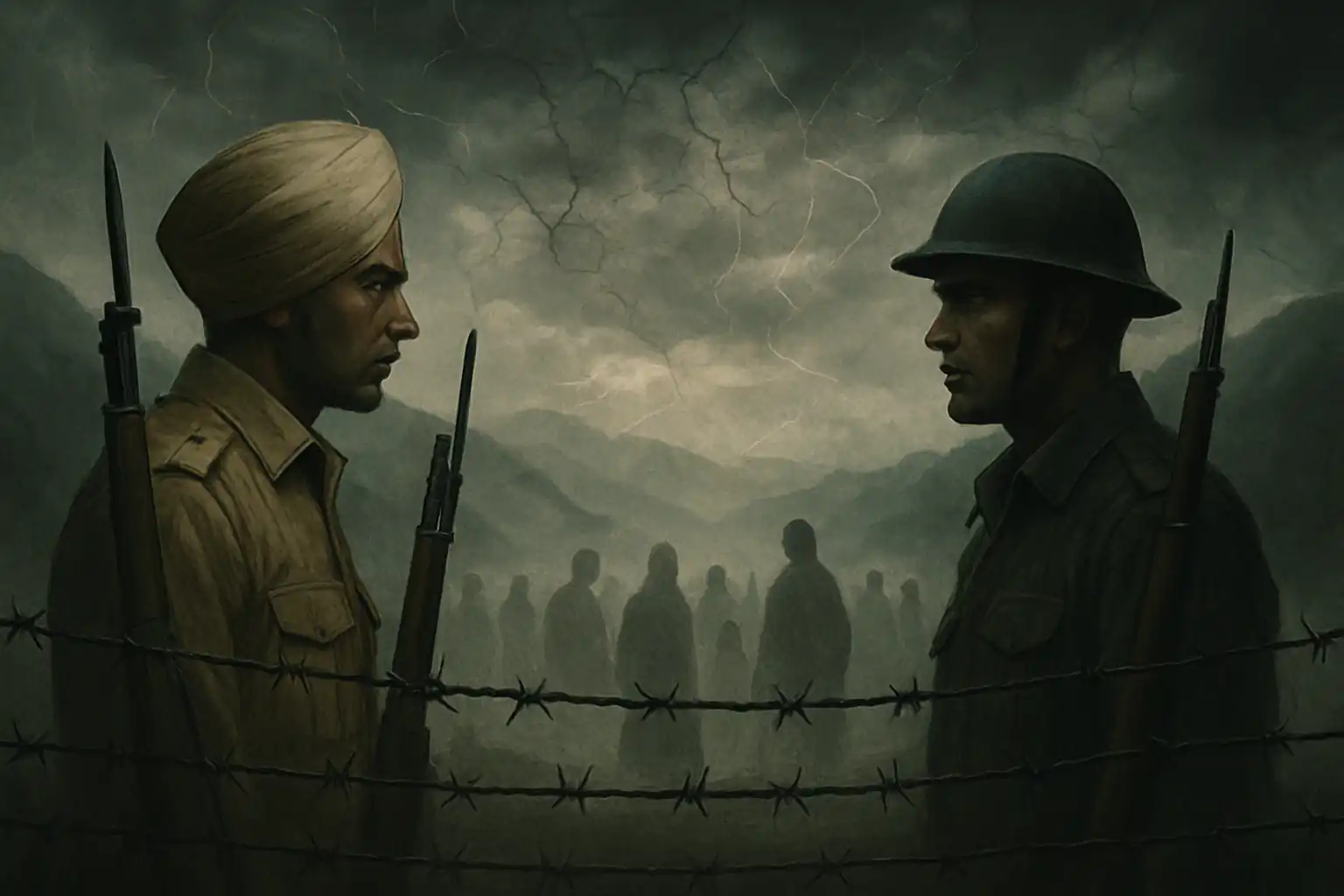
    The saga of India and Pakistan stems from a fractured history, unyielding geography, and persistent distrust. Professor Kapil Kumar argues that history repeats itself. With each series of accusations and artillery exchanges, the shadows of British colonialism and the flawed 1947 partition resurface, haunting the subcontinent. The Indian voices provide insights grounded in historical facts, dealing with terrorism, and facing new nuclear threats. The conflict over Kashmir and the tense border is old, yet each generation finds fresh stakes.

    In a conversation with Patrick Lancaster, Kumar gives an unapologetic view of India: a nation militarily prepared and geopolitically braced, unwilling to rewrite or forget past tragedies as alliances and threats evolve in real time.

    Kashmir: The Core of the Conflict

    Kashmir remains the most volatile fault line between India and Pakistan, originating from the dissolution of British India in 1947. According to Wikipedia’s Kashmir conflict entry, princely states could choose between India and Pakistan during partition. Kashmir’s Hindu ruler acceded to India under the threat of invasion, initiating decades of wars, UN interventions, and popular unrest. The region is intensely contested, with one of the world’s most militarized borders—the status serves as a catalyst for ongoing conflict, especially as both sides escalate rhetoric after every flare-up or terrorist attack. The Kashmir dispute is not only about land; it represents an unhealed, intergenerational wound.

    Professor Kumar views this not merely as a territorial contest but as a consequence of British manipulation and ongoing Pakistani interference, often through groups that Delhi labels as terrorists. It’s a battle for identity, sovereignty, and historical legitimacy, a reality highlighted by international flashpoints where perception often supersedes truth.

    Partition and British Colonial Legacy: Endless Reverberations

    The British withdrawal in 1947, leading to the partition of India and Pakistan, was more than a bureaucratic reorganization. It incited one of modern history’s largest mass migrations, displacing up to 15 million people and resulting in hundreds of thousands of deaths due to communal violence. These scars are evident in everyday distrust and high-level disputes about sovereignty and borders. As discussed in The Washington Post’s analysis on Kashmir’s legacy, the poorly drawn lines created by weary colonial officials failed to align with ethnic realities, leaving minorities isolated and stirring ongoing grievances.

    In Kumar’s perspective, London’s arbitrary partition laid the groundwork for future Pakistani aspirations in Kashmir and left unresolved issues with lasting repercussions. This tumult parallels other instances where border manipulation or lost civilizations generate perpetual instability. In the subcontinent, it serves as a continuous pretext for proxy wars and diplomatic confrontations. The realities in such disputes are consistently disputed, but their consequences are all too tangible.

    Terrorism and Proxy Warfare: An Indian Perspective on Ongoing Threats

    For many Indians, terrorism is not just a tactic; it’s a persistent strategy used by Pakistan to destabilize Kashmir. Professor Kumar emphasizes decades of insurgency, military confrontations, and the role of groups supported—or at least tolerated—by Pakistan’s deep state. The Indian media frequently links cross-border activity to global nuclear anxieties and strategic brinkmanship. This narrative resonates in widespread outrage and policy: New Delhi views its northern frontier as more than a flashpoint; it’s a proving ground where vigilance costs lives.

    Kumar believes that cycles of violence mirror larger patterns of deep-state machinations, where public anxiety drives both defensive strategies and readiness to escalate. Pakistan’s public nuclear threats, dubbed the “nuclear bluff,” evoke a complex mix of disdain and caution in Delhi—this tension escalates whenever conditions in Kashmir worsen or global events encourage risk-taking.

    Geopolitics, Military Preparedness, and the Dangers of Escalation

    India’s military capabilities have evolved since the years immediately following independence. Recognizing regional volatility and global significance, India has invested heavily in border security, surveillance, and rapid response forces to avert surprise attacks. As Kumar notes, this modernization aligns with a geopolitical shift that acknowledges threats from various shadowy sources, including the resurgence of the Taliban and AI-driven psychological tactics.

    These developments reflect national trends in utilizing technology—and perceptions—to unsettle rivals, as highlighted in this report on AI chip advancements. The real danger lies in miscalculations that could ignite broader conflicts—a concern that haunts every Indian military debriefing or diplomatic conversation. Although rooted in 1947, these disputes remain painfully salient due to shifting power dynamics and an ever-present willingness to threaten nuclear escalation amid regional crises or the rise of non-state actors like the Taliban.

    History Reclaimed: Context, Perspective, and the Unfinished Story

    The most significant takeaway from Kumar’s analysis is the lasting weight of history. India views its conflict with Pakistan as more than a simple border dispute; it’s a persistent wound inflicted by rushed decolonization, manipulated by external actors, and continually aggravated by proxy conflicts. Like many unresolved global issues, the Indo-Pakistani divide is shaped as much by myth and historical grievances as by military forces or treaties. Similar to vanished civilizations, legendary structures, or the enduring mysteries of borderlands described in this exploration of unexplained global phenomena, context is crucial—and closure remains elusive.

    For those seeking deeper insights and challenging questions about global conflicts, shifting alliances, and history’s recurring patterns, visit Unexplained.co. This world rarely sees final answers—only new chapters and evolving front lines.

  • Forgotten Tunnels and Gold Rush Legends: Vancouver Island’s Secret Chinese Mysteries

    Forgotten Tunnels and Gold Rush Legends: Vancouver Island’s Secret Chinese Mysteries

    British Columbia’s Gold Rush era offers tales of mud-splattered prospectors, shimmering rivers, and bustling frontier towns. Yet, a deeper examination reveals a world shaped by Chinese immigrants who flocked to the region. Among the most intriguing is the legend of a hidden tunnel beneath Vancouver Island, a mystery that fascinates treasure hunters, historians, and paranormal enthusiasts.

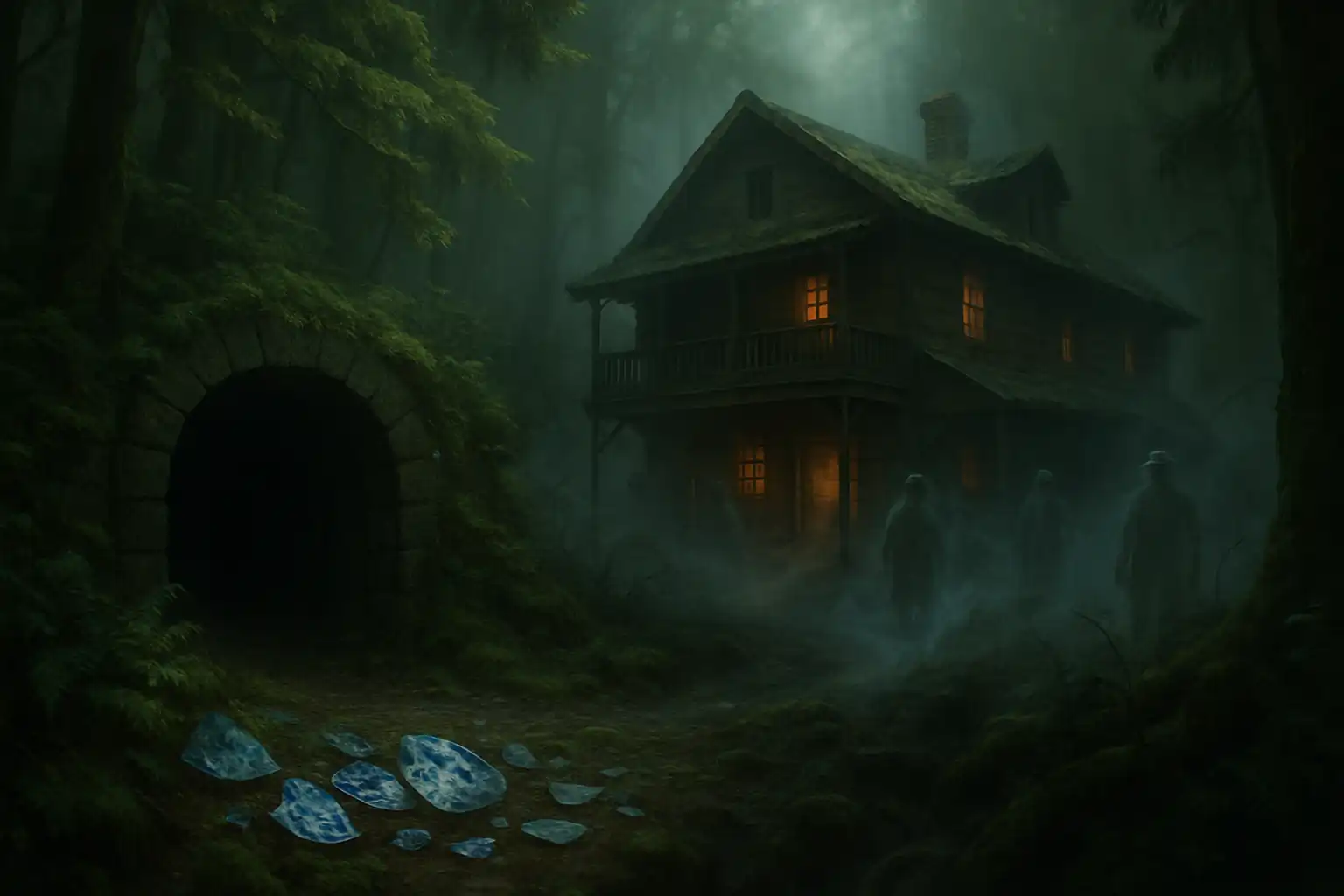
    This tale is rich with contradictions, ghost sightings, and ancient Chinese porcelain appearing in unexpected places. From the Cariboo’s remote canyons to Vancouver Island’s nautical inlets, these stories provide a chilling glimpse into the significant yet often overlooked Chinese presence during the Gold Rush.

    The Ghostly Baker of Hat Creek and Fraser Canyon’s Haunted History

    Along the Gold Rush Trail, whispers of restless spirits persist. The spectral baker of Hat Creek House in Cache Creek is among the ghost stories chronicled in Fraser Canyon’s lore. Accounts describe unexplained footsteps, phantom aromas of bread, and shadowy apparitions marking this historic roadhouse since the Gold Rush. While skeptics dismiss these tales as mere legends, some view them as part of the region’s uncanny reputation. Similar stories and firsthand reports of the supernatural intertwine with the area’s mystique of hidden underground realms, obscuring where history ends and rumor begins.

    Chinese Gold Rush Mysteries: Porcelain and Underground Passages

    The legend centers on a rumored secret tunnel beneath Vancouver Island, purportedly yielding ancient Chinese porcelain during the gold fever. Theories abound: Did Chinese miners, skilled in mining and navigation, carve hidden passageways while working the island’s rugged rivers? Historians and resources like this British Columbia Gold Rush study and Wikipedia’s overview of the Fraser Canyon Gold Rush highlight the influx and resilience of Chinese settlers. They faced physical danger and social exclusion. Yet, despite records of gold camps and surface mines, the tunnels—if they exist—remain elusive, potentially filled in, collapsed, or erased by time.

    The allure of buried porcelain, elusive gold caches, and mysteries from the canyon captivates historical researchers and urban explorers alike. Paranormal seekers turn to the underground world of the Pacific Northwest for clues about lost treasures, weaving tales of tunnels, natural disasters, and artifacts into an irresistible narrative.

    Migration, Community, and the Chinese-Canadian Legacy

    These legends and ghost stories reveal a deeper historical narrative. Chinese migrants significantly contributed to British Columbia’s development, first arriving in the late 18th century and later during the Gold Rush of 1858. According to Wikipedia’s overview of Chinese Canadians in British Columbia, they represented up to a third of the non-Indigenous population in some goldfields. They established Chinatowns in booming towns like Victoria, New Westminster, and Barkerville. These communities impacted the economy and shaped folklore, social memory, and the region’s topography, raising speculation about hidden tunnels, especially given the region’s seismic legacy and tectonic vulnerabilities.

    This atmosphere of mystery fuels tales of modern whistleblowers and cover-ups, highlighting how what lies below the surface—literal or metaphorical—can matter as much as recorded history.

    Piecing Together Fact, Folklore, and the Subterranean Enigma

    The remnants of this narrative consist of porcelain shards, ghost stories, and the hard labor of Chinese workers who dug and built, sometimes vanishing without a trace. Some legends, like the Vancouver Island tunnel, may never provide hard evidence, but their persistence invites further exploration—not only for lost treasures but for the narratives of those who shaped British Columbia’s destiny. From hidden gold to phantom whispers, these mysteries breathe life into both scholarly research and late-night discussions.

    For more on lost tunnels, seismic mysteries, or the intertwining of myth and science, make Unexplained.co your source for the bizarre, wild, and possibly subterranean. The legend of Vancouver Island’s hidden tunnel may remain unsolved, but beneath shifting earth, the past is never truly buried.

  • Solar Flare Blitz: Radio Blackouts, Space Weather Havoc, and an Earthquake in Tonga

    Solar Flare Blitz: Radio Blackouts, Space Weather Havoc, and an Earthquake in Tonga

    The Sun always brings drama, but in late May 2025, it ramped it up. A flurry of solar flares—one X-class and at least four M-class—hit Earth-facing regions, causing severe radio blackouts across continents. Ham radio operators and pilots were surprised, especially after a 6.0 earthquake shook Tonga while a solar storm bombarded the planet. With Mercury’s superior conjunction (or “Cazimi” in astrological terms) and Saturn’s fiery entry into Aries, the situation resembles an ancient omen more than a simple space weather update.

    However, let’s hold off on tinfoil hats. The science—and rampant speculation—surrounding solar flares, geomagnetic chaos, and potential earthquake triggers is complex. From ionospheric disturbances to disaster preparedness, this article analyzes this cosmic convergence and its implications for our world.

    Solar Flares: X-Class Outbursts and Global Radio Blackouts

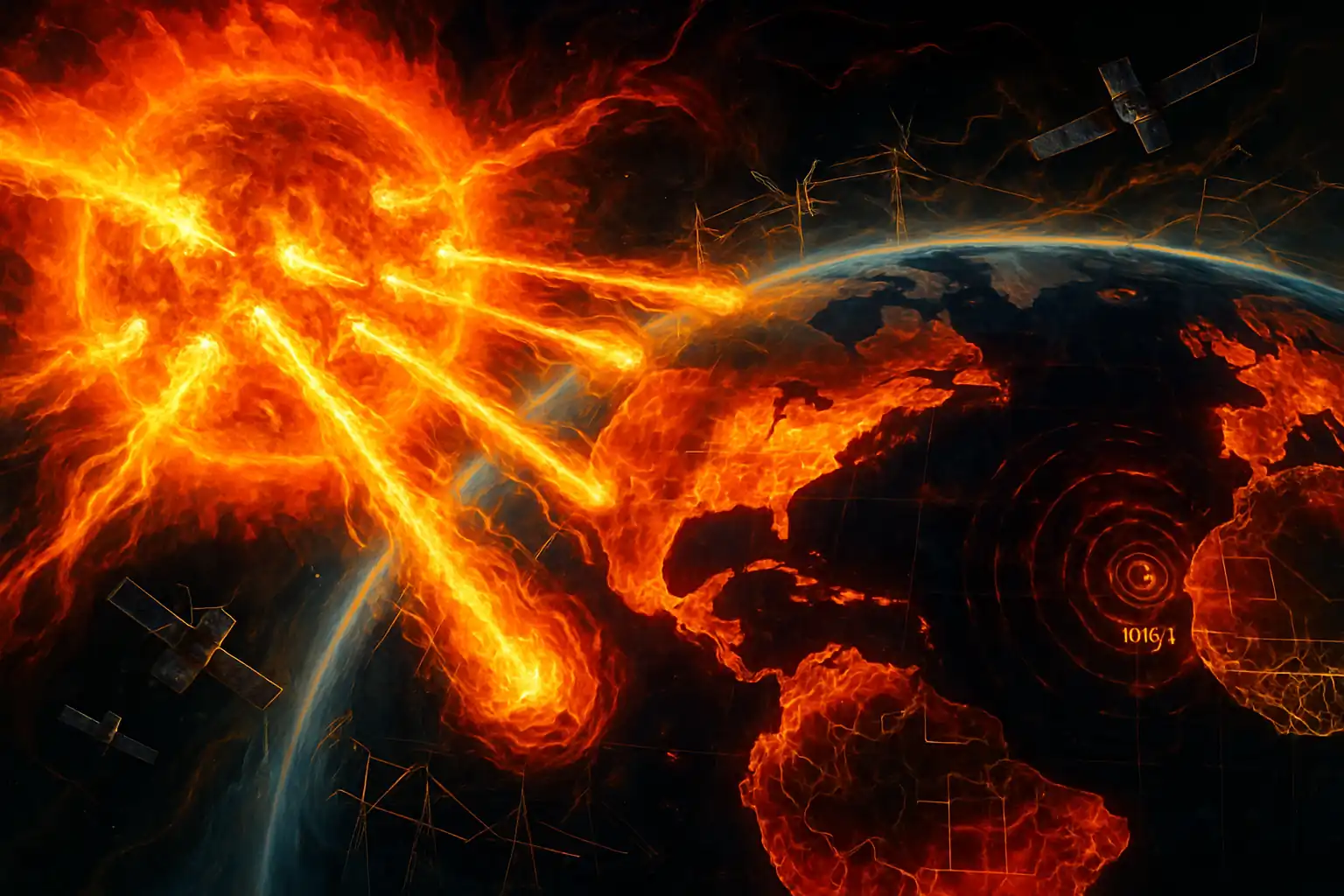
    When the Sun unleashes its magnetic energy, earthly technology shudders. The recent surge of flares included a powerful X-class flare—one of the most intense types, as noted by Space.com’s overview of 2025’s strongest flares—alongside M-class eruptions. The NOAA Space Weather Prediction Center explains that these events propel torrents of X-rays and UV radiation into space, ionizing our atmosphere and causing the D-layer to absorb high-frequency (HF) radio waves. This results in rapid HF communication blackouts, particularly affecting users operating between 3 and 30 MHz, from pilots to maritime crews, as indicated by NOAA’s official radio blackout tracker.

    These disruptions extend beyond mere inconvenience. They can stall rescue operations and sever communications for communities relying on shortwave frequencies—issues thoroughly examined in the context of space-driven grid catastrophes and historical blackouts akin to Carrington Event-level scales.

    Mercury Cazimi and Saturn in Aries: Astrological Curiosities or Space Weather Triggers?

    For astrology enthusiasts, Mercury’s superior conjunction with the Sun—or “Cazimi”—marks a period of heightened communication, clarity, and sometimes chaos, depending on one’s perspective. While aspects of this reside in mysticism or symbolism, astrology fans and space weather aficionados have tracked planetary alignments for centuries to find greater significance. Recent articles, including an astrological viewpoint on Mercury Cazimi, explore how such events may relate to or amplify solar activity (though scientific consensus disputes any causal link).

    This isn’t the first instance where planetary alignments have been associated with disaster predictions—ask readers of apocalypse prophecies or followers of conspiracy theories. In today’s interconnected world, even minor cosmic disturbances can generate significant media coverage.

    Solar Flares and Earthquakes: Is There a Connection?

    No apocalyptic news cycle is complete without speculation linking solar flares to earthquakes. Did increased solar activity trigger tectonic stress in Tonga? Science says: not so fast. The US Geological Survey warns that, despite ongoing rumors and studies, no statistically significant direct cause-and-effect relationship exists between solar activity and large seismic events (see the official FAQ). While some studies, such as the Scientific Reports paper on flare-quake correlations, pose intriguing possibilities about external triggers, mainstream geology remains skeptical about a straightforward connection. Both phenomena may merely coincide when solar activity aligns with inherently heightened seismic cycles.

    <pHowever, conspiracy theorists point to the uncanny timing between solar storm peaks and ground-shaking disasters, reminiscent of secrecy debates surrounding ancient catastrophic cycles and the mythos of the Thunderbird. While solar outbursts generate measurable disruptions in the atmosphere, claims of altering tectonic activity remain speculative.

    Geomagnetic Mayhem: Prepping and Future Risks

    This week’s events highlight ongoing cosmic risks—likely a preview of more intense storms as we near the next solar maximum. The echoes of the Carrington Event resonate in prepper manuals and official advisories, with global infrastructure slumping under increasing vulnerability to space storms. Continuous coverage and scientific outreach, such as this analysis of geomagnetic preparedness, remind us that vigilance and backup plans are vital.

    To stay updated on space weather developments, real science, and government reluctance to reveal our planet’s fragility, follow Unexplained.co. When solar storms strike, you want to be prepared, both literally and metaphorically.