Category: Ancient Civilizations

  • Did CERN Break Reality? Portals, Glitches, and the Timeline We Now Inhabit

    Did CERN Break Reality? Portals, Glitches, and the Timeline We Now Inhabit

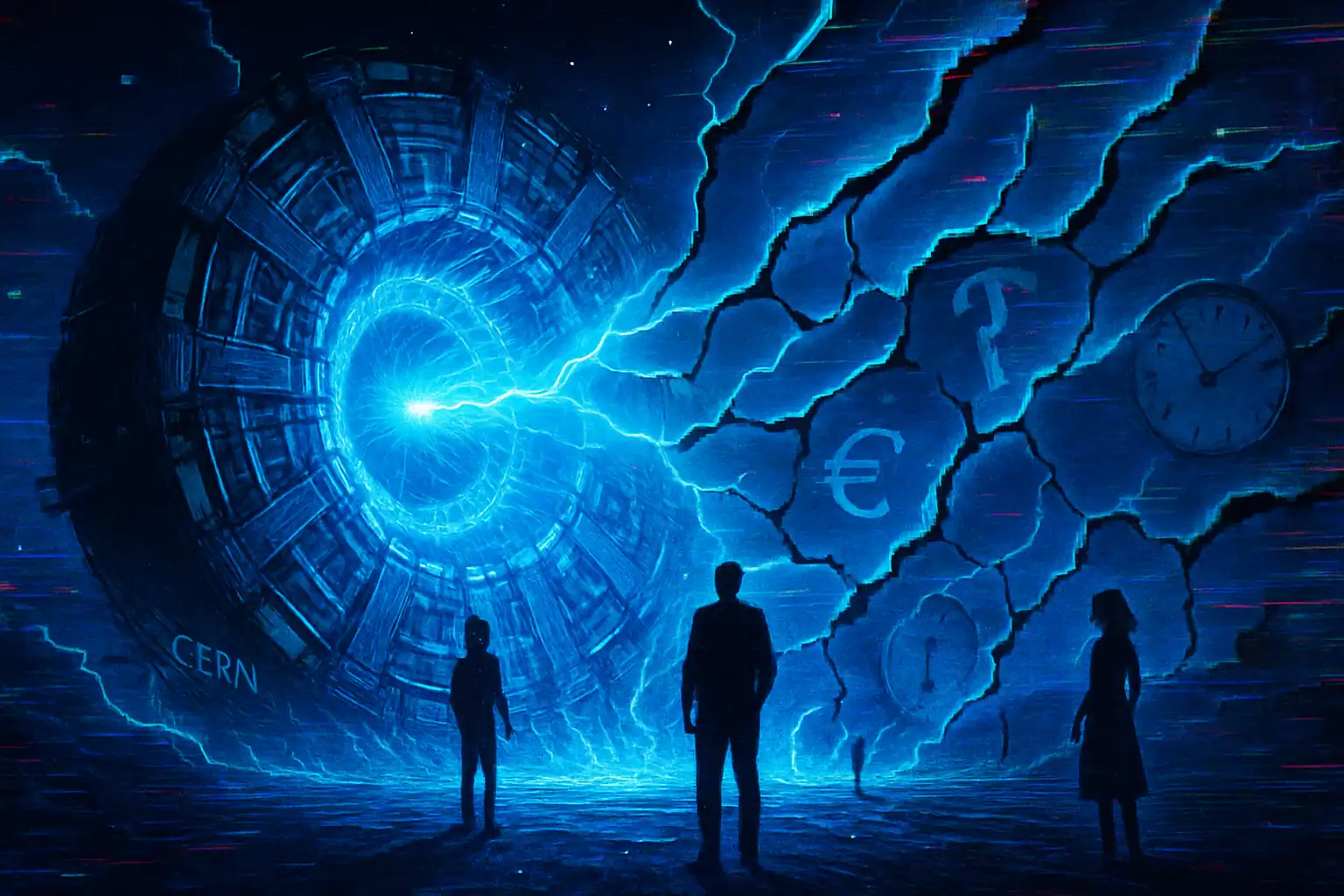
    In July 2012, a team at CERN’s Large Hadron Collider announced the discovery of the Higgs boson, known as the God Particle. This revelation unsettled physics—and, if you believe countless memes, it may have affected something deeper. Ever since, the internet has debated: did CERN’s experiments open a portal, glitch our reality, or push humanity into a parallel timeline?

    This modern myth revolves around intuition—a feeling that endures despite official denials and endless fact-checking. From déjà vu waves to pop culture oddities known as the “Mandela Effect,” both ordinary people and armchair quantum theorists speculate if the world’s largest scientific machine did more than break atoms. Did it shatter our understanding of reality?

    The LHC: Physics, Portals, and a New Era of Suspicion

    The Large Hadron Collider (LHC), a 27-kilometer ring under the France–Switzerland border, was built for high-energy collisions that could reveal the cosmos’ rules (learn more). As noted by HowStuffWorks, conspiracy theories rapidly emerged: claims included portal openings, alternate dimensions, and wild fears that the LHC could trigger earthquakes or “shift the world into an alternate timeline.” Simply put, none of this appears in CERN’s press releases.

    However, the collider explicitly aims to explore mysteries like supersymmetry, extra dimensions, and dark matter. These questions provoke science fiction-like thoughts in the lay observer. The anxieties fueled by AI and apocalypse scenarios feel uncannily relevant: if reality is more fragile than imagined, when does investigation become an existential threat?

    The Mandela Effect: False Memories or Multiversal Slippage?

    The core issue for many is the so-called Mandela Effect, which refers to widespread misremembering of facts, logos, celebrity deaths, and geography—a phenomenon that some attribute directly to shifts caused by CERN’s high-energy collisions. Vice’s exploration highlights the web’s fascination with missing movies (“Shazaam”), altered cartoon lines, and other anomalies.

    This theory suggests that as the LHC collides protons at near light-speed, it either opens tiny black holes—gateways to “somewhere, anywhere” (see this physicist’s take)—or causes subatomic shifts across parallel dimensions. Some attribute this to pop psychology, but conspiracy theories endure, echoing age-old fears, like seismic threats discussed in planetary disaster reports or foreign threat warnings.

    Does CERN Really Have the Power to Shift Reality?

    Physicists clarify: despite its engineering feats, the LHC isn’t close to tearing spacetime. Fact-checkers highlight that viral “portal” photos show weather phenomena, not cosmic openings. Still, the collider seeks to find evidence of extra dimensions, fueling paranoid nerves. Scientists concentrate on supersymmetry, dark matter, and affirming or debunking ideas like string theory. The notion of portals remains a work of science fiction—and a digital campfire tale.

    Yet if you ask users online, things have felt off since 2012. One side effect of groundbreaking science, perhaps, is a new era of mythmaking: disasters, “Mandela effects,” and cosmic anxiety flourish in a world where trust in consensus has waned. This sentiment resonates with tales of hidden folk from ancient cultures or secretive government operations.

    Uncertainty, Existential Vertigo, and the New Digital Mythos

    It’s no accident that a machine meant to uncover cosmic truths has instead fueled our digital campfire of doubts. Every era receives the sci-fi it deserves: our age faces apocalyptic prepping, the erosion of reality, and an expanding folklore of particle accelerators and simulation backdoors. If CERN hasn’t rebooted reality, it has convinced millions that a reboot is both feasible and unnervingly near.

    For those still seeking answers—with a dash of skepticism—visit Unexplained.co, where researchers explore the blurry line between proven facts and the world’s collective shivers. Whether it’s timelines, portals, or limits of memory, the final word on CERN’s most fantastical myths probably hasn’t collided with the cosmic detector just yet.
  • China vs. America: Separating Alarm from Reality in Modern Conflict Warnings

    China vs. America: Separating Alarm from Reality in Modern Conflict Warnings

    Turn on a prepper’s radio and it’s apocalyptic déjà vu—again. This time, it’s not electromagnetic death from above or supervolcanoes at Yellowstone. It’s saber-rattling warnings of a potential Chinese attack on America. Viral videos, sensational headlines, and shadowy “leaks” ricochet across the internet: China is about to strike the U.S. But in the cold light of analysis, how worried should the average bunker-builder actually be?

    Let’s explore the historical tug-of-war between China and the United States. We will cut through the cyber-smoke and pierce the manufactured fog. The world’s two most powerful economies might appear as enemies on YouTube thumbnails, but their reality involves complex cyber espionage, economic tactics, and relentless intelligence games.

    China’s “Attack Plans”: Headlines, Hype, and the Facts

    The claim that China is planning an imminent military attack on American soil gains traction in alternative media. Yet, actual evidence is sparse. What appears in legitimate outlets reveals a landscape of economic espionage, technology smuggling, and covert influence. Recent high-profile indictments, including a UK national and a Chinese citizen accused of plotting to smuggle U.S. military tech to China (BBC News), highlight a technological cat-and-mouse game—not a Red Dawn invasion.

    The FBI identifies China’s influence and intelligence operations as their top national security concern. It’s not tanks or bombers, but corporate hacking, economic coercion, and industrial theft. This situation resembles boardroom drama more than storming the beaches. In turn, China accuses the U.S. of the same, launching cyber-warfare barbs in response (Reuters coverage). The real battlefront in 2024 is mostly code and IP, not bullets and blood.

    Military Threat or Political Posturing? What Real Experts Say

    Despite scary warnings, most military analysts believe China primarily seeks regional dominance. They do not foresee a bizarre, direct assault on the U.S. homeland. Intelligence agencies caution about global power moves, island-building in the South China Sea, and intimidation of Taiwan. In response, U.S. defense policy and strategic alliances are tightening. The chance of open war is real—but it is more likely to erupt over regional flashpoints than through an all-out invasion of America.

    Recent WW3 rumors have triggered panics about Russian actions or other global risks, leaking into China discourse. Alleged assassination plots and technology leaks (quantum encryption fears) often amplify, outpacing the actual nightmares. Don’t toss your MREs yet, but don’t bet the bunker on doomsday either.

    Cyber War, Technology, and Economic Espionage

    If you seek proof of conflict, observe cyberspace and trade. Indictments surround Chinese nationals accused of smuggling biotech or military secrets into the U.S. (Fox News). Simultaneously, Beijing accuses the U.S. of equally aggressive hacking. While tensions persist, this conflict plays out as a series of salvos exchanged by lawyers, programmers, and politicians—not bombers over Nebraska.

    In the background, China and America are locked in a mutually assured economic disruption. Both nations control vast segments of the global supply chain, energy market, and high technology, which means war would cripple them both. However, the long history of China-U.S. relations shows that flare-ups in trade, cyber-warfare, and military posturing are not new. Each side accuses the other of undermining peace and stability.

    How to Separate Hysteria from Preparedness

    Sensational claims of “imminent attack” attract clicks and fuel the prepping-industrial complex. But responsible vigilance requires a different approach. Watching the skies for Chinese bombers distracts from the quiet dangers of AI-fueled social engineering, supply chain hacks, and other subtle tactics. For an actual warning system, focus on credible sources instead of surrendering to the hype machine.

    Meanwhile, the lessons from societal collapse hypotheticals or previous big war scares emphasize the value of preparation based on research—not just rumor. For those feeling an urge to flee to the woods because of new viral warnings, sites like Unexplained.co offer curated, skeptical analysis to keep you informed but not catastrophically paranoid. Stay sharp, question everything, and remember: the loudest alarms aren’t always the most accurate.

  • When the Sun Wakes the Earth: Geostorms, Volcanic Eruptions, and the Yellowstone Swarm

    When the Sun Wakes the Earth: Geostorms, Volcanic Eruptions, and the Yellowstone Swarm

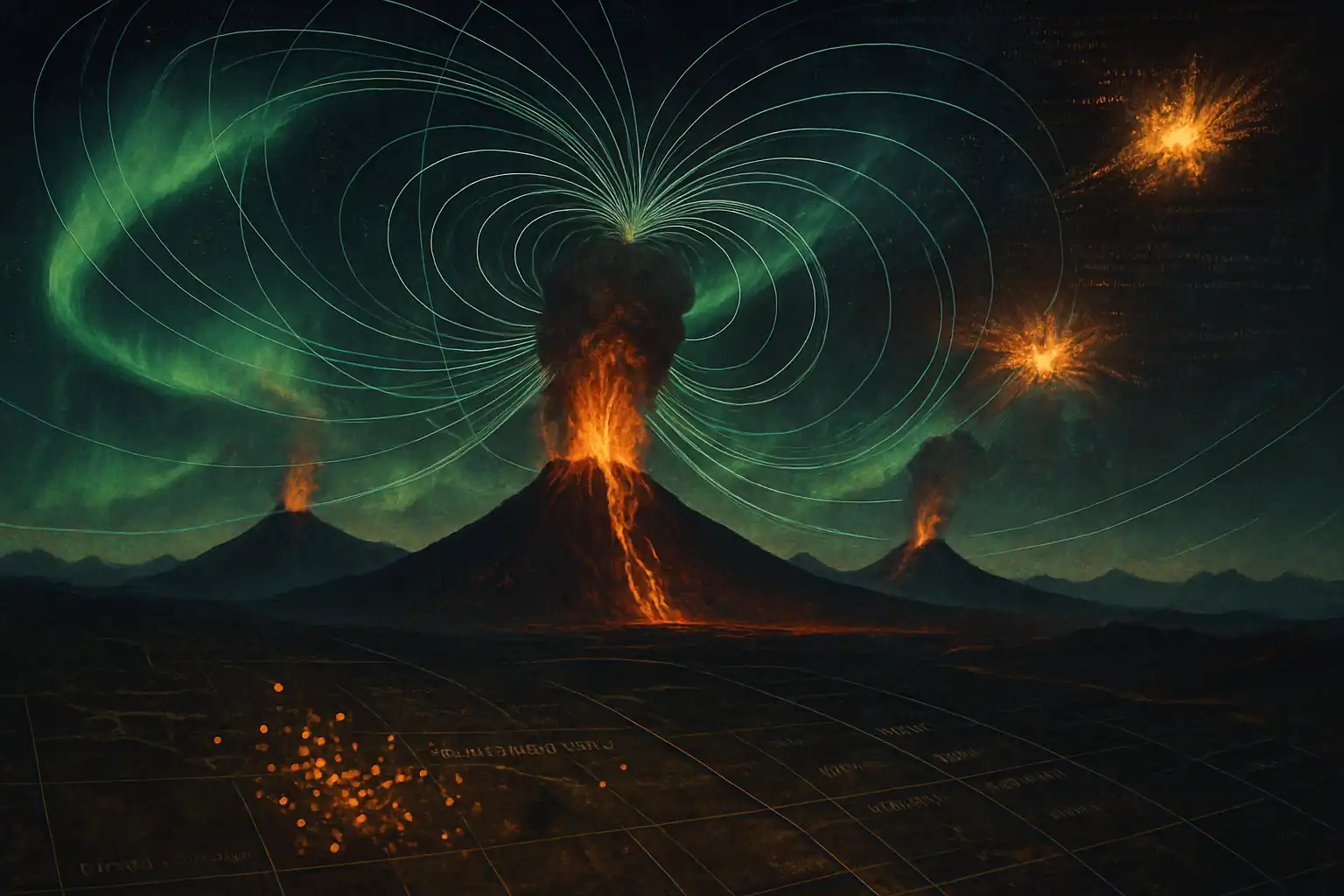
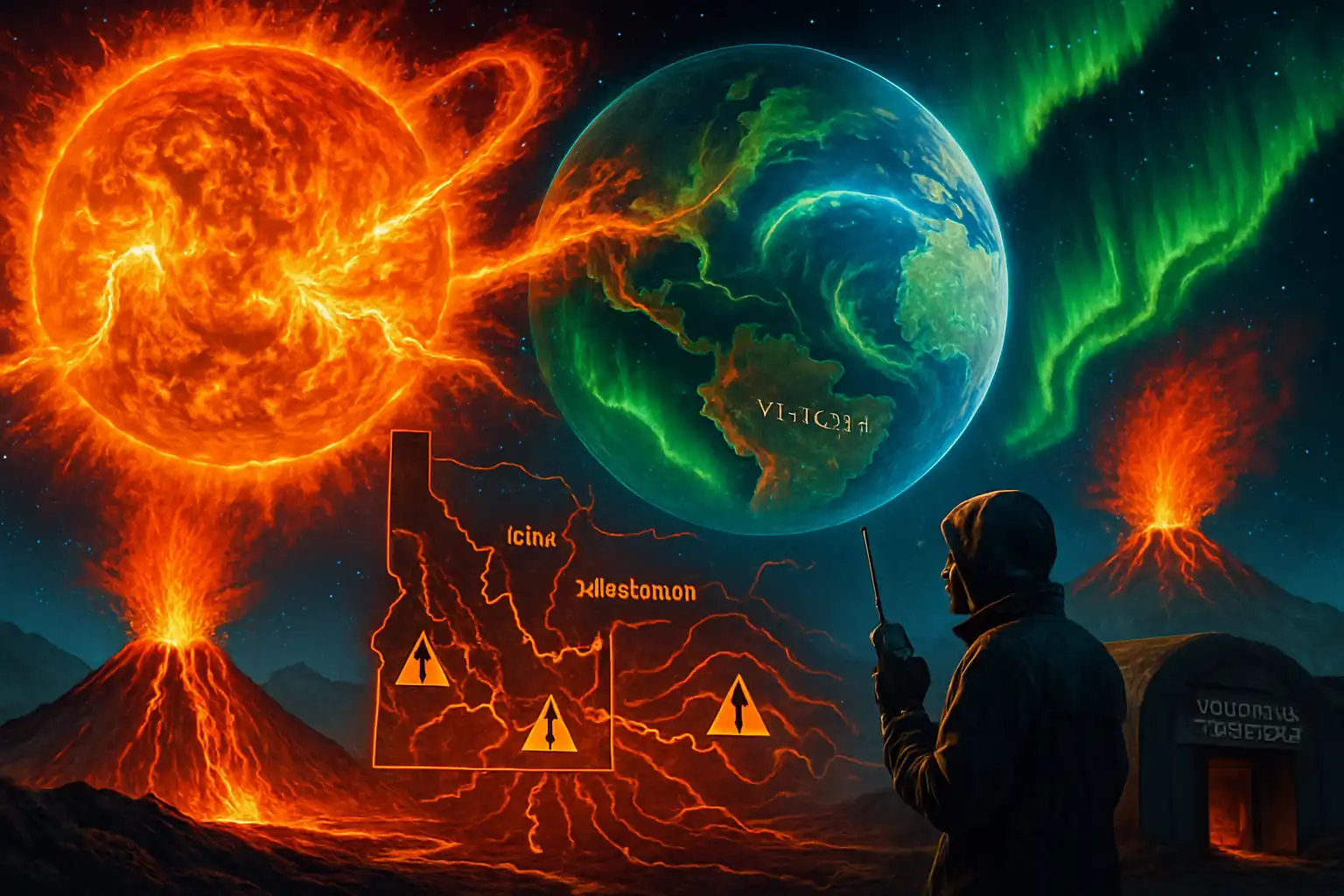
    The sky has dazzled disaster enthusiasts: green auroras over the Rockies, rising electromagnetic static, and increased global volcanic unrest. In this volatile atmosphere, Fuego in Guatemala and Kilauea in Hawaii erupted, Mt. Etna unleashed a fierce pyroclastic flow, and earthquakes rattled Idaho near Yellowstone. With Solar Cycle 25 peaking and fresh space weather incoming, all eyes nervously scan the sky—then quickly glance down at the trembling ground.

    The sequence of cosmic and terrestrial chaos is alarmingly tight. The recent G4 geostorm wasn’t just a spectacle for aurora fans—it coincided with an eruption surge and the kind of Idaho quake cluster that fuels conspiracy theories. Reports like the Mt. Etna geomagnetic risk analysis and investigations into the Idaho–Yellowstone supervolcano swarm stir both scientific interest and doomsday fears.

    Geomagnetic Storms: The Sun’s Fury Unleashed

    Geomagnetic storms occur when plasma ejected by the Sun strikes Earth’s magnetic field, distorting it and showering our planet with charged particles. Intense storms, like the recent G4, can disrupt electrical systems, increase radiation hazards, and create surreal auroras. Historically, civilization has experienced these storms through events like the 1859 Carrington Event, yet the idea that they can disrupt tectonic forces remains debatable. Despite skepticism, clusters of eruptions and earthquake swarms following major storms are difficult to ignore.

    Fact or fiction, these patterns are alarming enough to inspire projects like this geophysical warning report and trigger heightened volcanic alerts after significant solar events. As the Sun reaches maximum activity, scientists and conspiracy theorists speculate: Are we at the mercy of cosmic whims, or are we merely observing a natural cycle coinciding with solar phenomena?

    Yellowstone and Idaho: Earthquake Swarms and Volcanic Anxiety

    The Idaho earthquake swarm west of Yellowstone, detailed in this USGS update, has ignited fascination and concern. Earthquake swarms here are common—Yellowstone has 700 to 3,000 quakes annually—but the current swarms, aligning with severe space weather, fuel suspicion among those wary of coincidences. Minor shocks in succession typically indicate fluid and magma movement deep underground, emphasizing that we live above a simmering supervolcano. Many scientists dismiss direct links between solar storms and seismic activity, but when clusters occur after cosmic events, skepticism grows.

    As latest eruption coverage shows, every new swarm in this area ignites paranoia and triggers dramatic predictions. If you live near Yellowstone and a bright aurora lights the night sky, checking your go-bag “just in case” seems prudent.

    Solar Cycle 25: Maximum Sun, Maximum Danger?

    Solar Cycle 25 promised to be dynamic. Solar maximum is already unleashing flares and geomagnetic disturbances reminiscent of the most vigorous cycles on record. Researchers explore weak yet intriguing patterns linking solar peaks to eruptions and earthquakes. While the debate continues, these patterns receive significant attention in both peer-reviewed studies and alternative discussions. Reports like near-Earth explosion warnings and predictions of planetary disruptions reflect the anxieties surrounding these rare solar peaks.

    Proposed mechanisms suggest geomagnetic energy might induce currents in Earth’s crust, impacting stress on tectonic faults and volcanic pathways—especially when already “primed.” Nonetheless, most seismic and volcanic activity stems from slow geological processes within Earth itself (earthquake basics), not merely solar activity. Still, experts hesitate to declare absolute certainty.

    Watchfulness or Hysteria? Navigating Real Risk in a Solar-Torqued World

    In an era of constant updates and instant doomsday forecasts, distinguishing real risks from hysteria proves challenging. After each geomagnetic event, alerts surge across earthquake-prone zones and volcanic hotspots, from Yellowstone to Sicily and the Pacific Ring of Fire. There is merit to caution: preparedness for the unexpected is prudent (and highly marketable for prepper kits and doomsday podcasts). For every calm voice discounting links between solar activity and seismic events, there are just as many who insist correlation signifies a cosmic message.

    Whether it’s cautious vigilance or pure cosmic chance, this week’s eruptions symbolize a real-time exploration of science (and myth). For relentless investigation—free from tinfoil hats but grounded in skepticism—tune into Unexplained.co. Stay alert, maintain your supplies, and remember: you’re not paranoid if they’re genuinely after you—or if the Sun itself seems to have a vendetta against us.

  • Eruptions, Geomagnetic Storms, and the Idaho Swarm: The Science Behind Volcano Chaos in Solar Cycle 25

    Eruptions, Geomagnetic Storms, and the Idaho Swarm: The Science Behind Volcano Chaos in Solar Cycle 25

    A severe G4 geomagnetic storm struck Earth, causing more than just auroras. Major volcanoes, including Guatemala’s Fuego, Hawaii’s Kilauea, and Italy’s Mt. Etna, erupted dramatically within days. Simultaneously, an earthquake swarm near Yellowstone in Idaho kept locals and scientists on edge. Coincidence? Social media thought otherwise, sparking theories faster than magma flows. But is Mother Nature really this reactive to cosmic weather, or are we fabricating patterns?

    For centuries, people have observed unsettling coincidences between solar outbursts and geological upheavals. With Solar Cycle 25 approaching its peak, speculation is as rampant as volcanic eruptions. Reports like this Mt. Etna risk analysis and Yellowstone swarm investigations highlight real stakes and real anxieties. Let’s bust the myths and explore the science before you pack your bug-out bag for lava tsunamis.

    Geomagnetic Storms: Solar Energy Unleashed

    Geomagnetic storms, detailed on Wikipedia, disrupt Earth’s magnetic field through charged particles and plasma from the Sun. These storms rank from G1 (minor) to G5 (extreme) and are more frequent during solar maxima, such as Solar Cycle 25. The last significant G4 storm caused widespread auroras and disrupted power grids, according to NASA and USGS. Yet, the leap from magnetic chaos to volcanic explosions or tectonic slips remains hotly debated in geophysics.

    The initial energy surge compresses our magnetosphere, triggering a cascade of electrical dominoes across the planet. Known impacts include electrical grid failures, navigation issues, and magnificent sky displays. While some researchers link cosmic events to seismic activity, the consensus at the USGS finds no proven connection between geomagnetic storms and earthquakes.

    Solar Cycle 25: Maximum Uncertainty Meets Volcanic Risk

    Solar Cycle 25, which began in late 2019, has generated significant headlines. As noted in NASA’s primer and explored in solar science blogs, experts anticipate sunspot activities, flares, and geomagnetic disturbances to rival those of past solar maximums. Some peer-reviewed studies suggest a minor increase in seismic or volcanic activity post major solar events, as seen in this analysis. However, others, including the USGS FAQ, outright deny any connection. This results in an ongoing scientific standoff.

    Yet, patterns persist—sufficient to fuel ongoing updates like astronomical explosion warnings and sightings of car-sized fireballs before major events. Detractors dismiss these as coincidences, while disaster preppers and some scientists view them as warnings we cannot ignore.

    Earthquakes, Volcanoes, and the Role of Space Weather

    Decades of research have explored the potential solar-seismic connection. One ScienceDirect article suggests that solar wind surges and magnetic field disturbances could “nudge” faults or magma chambers near failure. Recent studies indicate that for earthquake swarms like Idaho’s—and high-pressure volcanoes like Fuego and Etna—space weather may play a subtle role, acting less as a hammer and more like a feather on the scale.

    However, context is crucial, as is skepticism. Historical analyses, such as geophysical warnings and global risk alerts, remind us that disasters typically require multiple triggers. The ultimate cause is rarely as straightforward as a solar sneeze.

    From Hype to Hard Data: Preparing for the Next Solar Slam

    Preparedness is always wise, particularly with dynamic systems like Earth’s crust and an unpredictable Sun. While the links between geomagnetic storms and catastrophic eruptions remain tenuous, monitoring space weather and volcanoes is essential. Data-driven warnings, such as this Etna eruption analysis or fascinating Antarctic diary conspiracies, serve as reminders that genuine alerts and wild theories often coexist.

    To distinguish real threats from sensational hype, follow geophysicists, monitor space weather, and stay updated through credible sources. Maintain a healthy skepticism for viral eruptions or swarm updates. And, of course, keep your tinfoil hat accessible, just in case. For thorough and straightforward breakdowns, visit Unexplained.co: your source for the truth behind solar-induced fears.

  • The Fifth Plane: New Evidence and the Enduring Mysteries of 9/11’s Hidden Chapter

    The Fifth Plane: New Evidence and the Enduring Mysteries of 9/11’s Hidden Chapter

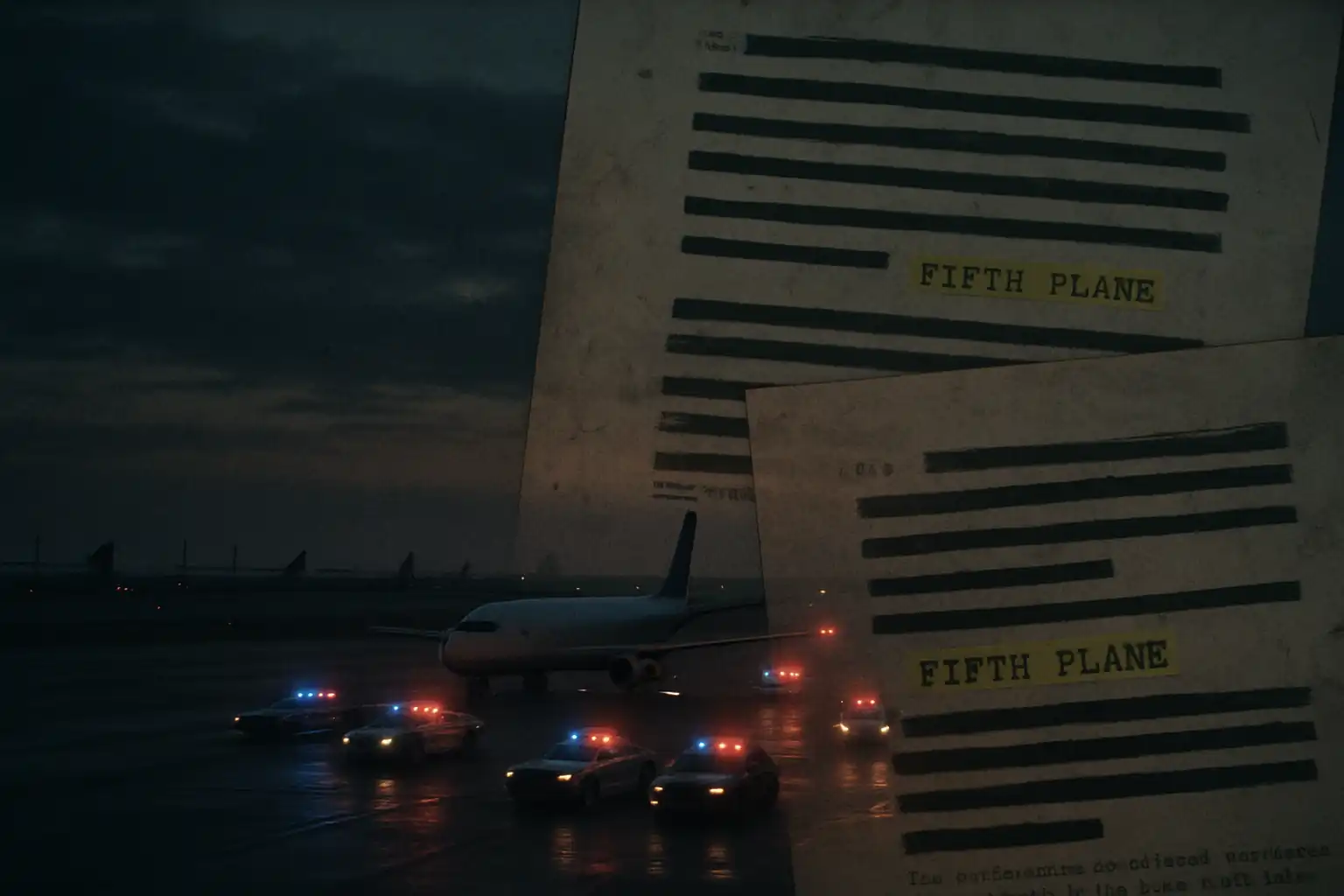
    The September 11, 2001, attacks changed world history forever. The horror of four hijacked planes weaponized against the United States is seared into memory. Yet, disturbing questions lurk beneath the official narrative. Recent investigations claim a fifth plane was primed for destruction. It may have been stopped, accidentally grounded, or lost amid classified redactions and government confusion. What’s the truth behind “TMZ Investigates: The Fifth Plane,” and what does it reveal about the secrets embedded in America’s defining disaster?

    Eyewitnesses and former crew members interviewed by TMZ describe a morning filled with confusion and tension. Flight attendants, pilots, and federal dispatchers believe their plane could have been part of an orchestrated attack. While four aircraft crashed infamously, these credible professionals recount experiences involving uniformed strangers and aggressive passengers. Their behavior defied normal logic as the FAA scrambled to close American airspace. These accounts, coupled with newly released government documents, fuel speculation that a fifth plane was marked for hijacking but never reached its target.

    The Chilling Claims—and Their Evidence

    The renewed fifth-plane theory hinges on records and recollections surfacing for the first time. The documentary special compiles testimony from crew members who insist something dangerous occurred long before the world learned of the hijackings. Their stories—of coordinated boarding moves and mysterious men sprinting through the cabin post-evacuation—seem calculated. In a media environment that often dismisses 9/11 alternative theories, this level of candor is electrifying.

    However, like the prophetic power of The Simpsons or contemporary cover-ups (see this quantum encryption exposé), every new fact risks drowning in speculation. The 9/11 Commission’s official records assert that four planes were intended, with Flight 93 believed to have targeted the Capitol or White House before passengers revolted. However, the FAA’s unprecedented national ground stop hints at near-misses lost amid chaos.

    Government Documents, Redacted Realities, and Official Silence

    For skeptics seeking order in tragedy, plenty exists to dissect. The FAA grounded every plane in U.S. airspace, diverting thousands of flights and creating a historic aviation traffic jam. Could one of those diverted flights have been the true “fifth plane,” its attackers thwarted not by intelligence or heroism, but by bureaucratic chance? TMZ’s investigation examined government documents and dispatch logs, highlighting odd passenger manifests and debriefings omitted from public reports.

    This atmosphere—where truth clashes with conspiracy—has fueled speculation. Theorists assert that the September 11th narrative, like other possible global cover-ups (evidenced by documented military escalations), is shaped by what isn’t said as much as by what is. Skeptics point to classified material, withheld under the guise of national security, feeding rumors and warping public memory.

    The Fifth Plane and the Psychology of Catastrophe

    This issue transcends aviation; it involves national trauma and the drive to explain the inexplicable. When a catastrophe like 9/11 shatters the illusion of safety, the mind seeks to fill gaps. In the realm of gaming’s eerie liminal spaces (read here), the true horror lies not only in the known but also in what could have been. Limited documents and fragmented memories fuel a culture obsessed with “what might have been.”

    Yet, for every unanswered question, civil courage emerges. The suspected fifth plane didn’t explode into the nation’s skyline. Perhaps fate intervened, or chaos reigned—possibly due to the resolve of flight crews and dispatchers following their instincts, as described in this TMZ deep dive. Does this fact validate the official story, or does it deepen the mystery? It’s a question that remains open.

    Unending Speculation and the Need for Translucency

    The 9/11 fifth plane mystery sits alongside other historical enigmas—from high-strangeness in the occult to clandestine geopolitics (liminal horror’s modern folklore). In every case, the drive for answers serves as both a citizen’s duty and a conspiracy theorist’s playground. Whether a neglected detail, a real missed disaster, or an element in an expanding myth, the fifth plane represents not just hidden truths—but the beliefs we cling to in order to comprehend our world.

    For new developments, sharp scrutiny, and expert investigative reporting, keep your radio tuned to Unexplained.co. Some chapters of 9/11 may never close—and maybe that’s the true legacy of America’s darkest morning.

  • 2030: Unraveling—Why America’s Collapse Is Set in Motion

    2030: Unraveling—Why America’s Collapse Is Set in Motion

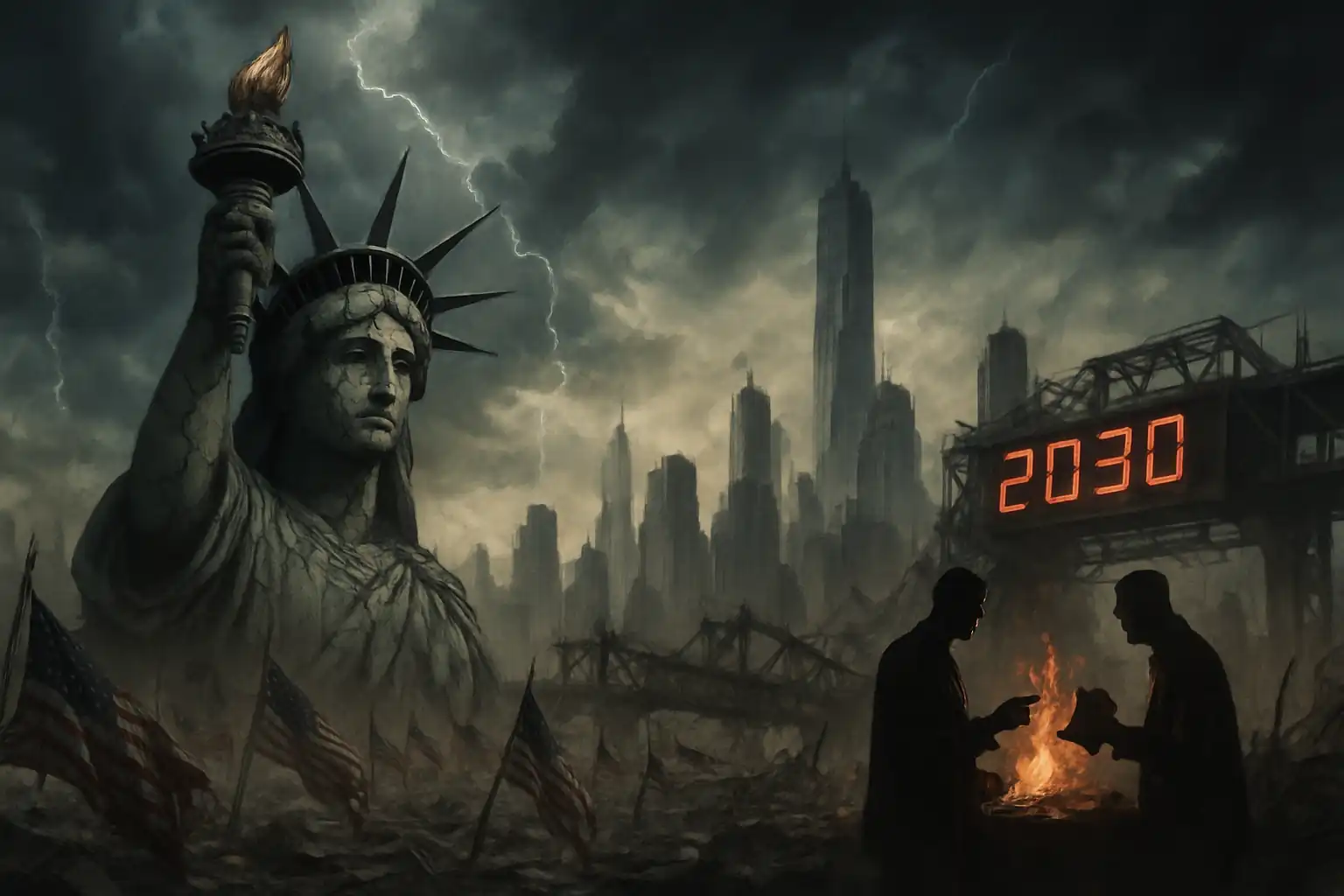
    For doomsday preppers, 2030 stands out as a critical year. Thomas Sowell’s scorn illustrates that collapse doesn’t strike suddenly; it creeps in like a slow, corrosive fog. When it arrives, we realize the ticking bomb has been beneath us for decades, not just years (Salon analysis).

    Sowell, in his collected essays, identifies the roots of America’s collapse: moral retreat, unchecked entitlement, and cultural apathy towards accountability. Sound familiar? Symptoms appear in every empire before its decline, from Rome to dwindling Detroit. Ignore Hollywood disasters; the real threat isn’t a meteor; it’s our collective surrender to decay, as outlined by the extensive overview on American decline.

    Structural Failure or Inevitable Turning Point?

    The rhetoric may sound theatrical, but the data should alarm you: military overspending, trillion-dollar deficits, and a fragile international system resemble a house of cards. Paul Kennedy’s “The Rise and Fall of the Great Powers” explores how overextension—military, economic, or technological—signals a superpower’s decline. American hubris remains vulnerable to the traps that dismantled Rome and the USSR. Recent talk of geopolitical overreach underlines this, as America attempts to control global outcomes while its core strains (MIT Press Reader).

    Collapse seems inevitable, perhaps because, in many ways, it is. This goes beyond market crashes or political missteps; it reflects how a culture underestimates the gradual decay of institutions. It accumulates unlearned lessons and ignored warnings. This echoes massive societal experiments, like those detailed in the forgotten architecture of Australia’s institutions and the hidden aftershocks of nuclear test fallout.

    Moral Cowardice, Cultural Drift, and the Erosion of Character

    Sowell rejects lazy abstractions. He attributes the crisis to a legacy of moral cowardice—weak leadership, degrading work ethics, and abandoning shared norms. This pattern appears in post-mortems of empires since the Bronze Age. Once a culture shifts from effort and delayed gratification to instant outrage and blame-shifting, the game is over. Studies on American decline (see automation and technosocial drift) remind us that every technological leap or crisis ultimately tests our cultural resilience. Pass the test or fade into obscurity.

    History reveals a consistent pattern: what can be reversed today will become irreversible tomorrow, then “historic” the day after. As Sowell asserts, ignoring these lessons isn’t just tragic; it’s how civilizations erase themselves through poor decisions.

    Declinism, China, and the New Great Power Rivalry

    Skeptics mock the “declinists,” but scholars on Wikipedia argue that even if past predictions faltered, current facts are undeniable. Notably, China’s strategic emergence, outlined in this global threat assessment, raises real doubts about America’s status as the world leader. Economic indicators, military posture, and, most concerning, cultural influence all show concerning trends (Harvard report on social collapse).

    While headlines call attention to external dangers, the rot has always been internal. Matthew Kroenig states, “Empires aren’t beaten from without until they’ve decayed from within.” This sentiment resonates through modern concerns about infrastructure collapse and existential risks.

    Learning from Collapse: Is There Still Time?

    Every story of ruin raises the same question: Can we reverse this trend, or is it too late? Sowell’s outlook is grim—by 2030, America’s main vulnerabilities will have shifted from hypothetical to stark reality. Nevertheless, these warnings carry value. The crumbling facade still conceals rooms worth saving, as every doomsday researcher knows.

    For insight into this pattern—where society confronts the truth yet looks away—track the exploration of “awakening” moments at the intersection of history and consciousness, and how warnings echo through cryptic legends in Canada’s northern lore.

    Prepared for a reality check? Or want to know where the next shockwave is coming from? Make Unexplained.co your bunker—because history teaches that most people aren’t ready until it’s too late.

  • Aleister Crowley: The Shadow King of Occultism and His Living Legacy

    Aleister Crowley: The Shadow King of Occultism and His Living Legacy

    Aleister Crowley’s legacy resides not just in dusty books but in the very core of Western occultism. His charisma and controversy make today’s influencers seem subdued. To disciples, Crowley was a prophet and genius. To critics, he embodied the Great Beast of Revelation: a libertine, a manipulator, straddling the line between worlds. Born Edward Alexander Crowley in 1875, he abandoned his strict Christian upbringing for a path to infamy. The tales told about him encompass the improbable: founder of modern occult orders, prophet of a new age, sexual magician, and possibly a secret agent for shadowy societies (Wikipedia).

    Crowley’s road to legend started at Cambridge, fueled by poetry, mountaineering, and rebellion. He joined the Hermetic Order of the Golden Dawn, the crux of modern ceremonial magic. His public flirtations with sex magic gave way to a singular focus: creating Thelema, a syncretic faith announced through the supposedly divinely dictated Book of the Law. Crowley didn’t merely entertain occult ideas; he transformed them into acts of world-building. By founding the A∴A∴ and controlling Britain’s Ordo Templi Orientis, he rewrote them in his image. “Do what thou wilt shall be the whole of the Law” became his rallying cry, shocking society and thrilling those seeking liberation from Victorian constraints.

    Golden Dawn, Ritual, and the New Occult Order

    The Hermetic Order of the Golden Dawn catalyzed Europe’s magic renaissance and forged Crowley’s public persona. Here, he trained under legendary magicians like MacGregor Mathers and Allan Bennett. His charisma fractured the order, instigating lifelong rivalries and drama. Crowley’s obsession with ritual precision and esoteric hierarchies influenced every subsequent occult project, setting unprecedented standards for ambition. As described in this exposé of apocalyptic symbols, the Golden Dawn members dived into cosmic dramas and personal transformation, often with Crowley at their narrative’s dark heart.

    The public’s fascination with “dangerous” orders extended beyond Crowley. In upheaval—be it World Wars, nuclear dread, or today’s AI fears—secret societies and coded rituals capture popular imagination. Suspicion, secrecy, and transformation are the very currencies of Crowley’s myth.

    The Book of the Law and the Birth of Thelema

    In 1904, during his honeymoon in Cairo, Crowley encountered the being Aiwass and received the Book of the Law (Liber AL vel Legis). This singular work remains scripture and code for followers. The Book introduced the infamous dictum, “Do what thou wilt shall be the whole of the Law,” and outlined the dawn of the Æon of Horus—a period of self-realization and magical will. Crowley cast himself as prophet, heralding cosmic change, akin to today’s theorists amid global threats (see this analysis of doomsday escalation).

    His new world order transcended abstractions. Through the A∴A∴ and a radical rewrite of the O.T.O, Crowley propagated Thelema worldwide. For his acolytes, this represented liberation; for censors, it signaled moral apocalypse. Debates about the significance of The Book of the Law still ignite curiosity, accessible for public examination (archival edition). The allure of coded prophecy parallels the fascination with lost scripts and forbidden linguistics (explored here).

    Sex Magic, Social Scandal, and the Abbey of Thelema

    No conversation about Crowley overlooks sex magic and the public horror it sparked. He believed sexual rites unleashed magical energy, summoned gods, and unlocked personal destiny. After founding the Abbey of Thelema in Sicily, he led communal living and experimental rituals—ranging from transcendence to debauchery. The British press exploded in scandal over drugs, partners, and magic. Italy expelled him, enhancing his legendary status.

    Crowley’s ambiguous sexuality, drug indulgence, and anti-authoritarian tendencies positioned him light-years ahead of his tabloid adversaries. His life mirrored the cycle where the forbidden, dangerous, and innovative blur together. This dynamic resonates with analyses of prophetic disasters (such as hidden nuclear events), as both evoke dread and allure equally. The Abbey of Thelema served as both a cult archetype and cautionary tale, inspiring countercultural communes and New Age experiments for decades.

    Crowley’s Enduring Influence: Counterculture, the Occult, and the Spy Game

    Was Crowley a spy? Some biographers argue he spent World War I embedded in pro-German networks in America—feeding information to British intelligence while publicly stimulating German sympathizers. The confusion between Crowley’s public persona and covert activities added layers of intrigue—a form of real-world magical misdirection.

    Decades after his death in 1947, Crowley’s iconoclasm echoes widely—from pop music to rituals of modern magic orders, and even in the AI era’s computation-driven logic (unpacked here). His narrative intertwines with societal themes of collapse and resurgence (see parallels here). Crowley stands not merely as an occultist but as a prototype for modern disruptors: part oracle, part incendiary truth bomb, cautioning that in the occult—as in geopolitics—the boundaries of chaos shift perpetually.

    Searching for the next cosmic cipher? For more arcane power, hellfire warnings, and shadowy knowledge edges, visit Unexplained.co. History, magic, and the apocalypse begin with questions most fear to ask.

  • The Forbidden Fungus Hypothesis: Psilocybin and the Awakening of Human Consciousness

    The Forbidden Fungus Hypothesis: Psilocybin and the Awakening of Human Consciousness

    The mystery of the human mind’s awakening is an intriguing saga. For nearly two million years, our ancestors roamed with melon-sized brains. Then, about 100,000 years ago, everything changed. Scientists have struggled to understand why this shift occurred. Was it fire? Tools? Social complexities? Terence McKenna introduced an audacious idea: the forbidden fungus hypothesis.

    According to McKenna’s Stoned Ape Theory, adaptation or accident didn’t spark the neural revolution. Instead, an accidental encounter with psilocybin mushrooms, which thrived in animal dung on African grasslands, rewired our brains and jolted us into consciousness. Mushroom met monkey, and lightning met bottle.

    Psilocybin and the Exploding Human Brain

    Anthropologists and neuroscientists concur: The human brain nearly doubled in size in an astonishingly short period. Research from Big Think and timelines at Scientific American outline this trend, but conventional explanations—better diets, tool use, socialization—fail to account for the rapid growth. McKenna’s theory, often dismissed as speculative, claims psilocybin provided distinct advantages: enhanced hunting skills, increased sociability, and a surge in creativity and language. Recent research indicates that psilocybin disrupts and enhances key brain networks, suggesting that psychedelics might open new neural pathways—even if the leap to macro-evolutionary claims remains significant.

    Nonetheless, brain plasticity is crucial. Recent breakthroughs in AI and neuroscience suggest that sudden increases in cognitive abilities often defy established norms. Could biological shocks—like psychedelics—have incited a similar leap for our ancestors?

    The Science Behind Psychedelics and Brain Connectivity

    Modern imaging and pharmacological studies are starting to illuminate what occurs when humans ingest psilocybin. In controlled NIH experiments (NIH explainer), psilocybin triggers significant shifts in functional connectivity across the brain’s cortex, thalamus, and hippocampus. Another Yale study demonstrated that one dose of psilocybin led to immediate and lasting increases in neural connections in mice. This finding serves as a promising indicator of how brains might rewire in response to novel substances.

    Could these neural fireworks account for our ancestors’ creative renaissance? It seems improbable but remains possible. These discoveries also connect to the growing interest in how altered consciousness and spiritual experiences may have influenced early stories, rituals, and even the development of language—topics related to ancient language decoding efforts like this investigation. Evolution might indeed be stranger—and more mind-altering—than we previously believed.

    McKenna’s Critics and the Shadow of Speculation

    The scientific community, typically skeptical of mushroom-driven speculation, largely dismisses McKenna’s theory due to insufficient direct archaeological evidence and overinterpretations of animal studies (recent preprint). However, considering potential risks from sudden catastrophes—like warnings about global risks—can highlight if controversial theories possess kernels of truth. History shows rapid changes in storylines, power dynamics, or intelligence have previously occurred. Just because a theory appears strange doesn’t mean the phenomenon it explains wasn’t equally unusual. This reasoning resonates with the lore of Canada’s Caribou Man legend, where coincidence and causation form a greater puzzle than evidence can reveal.

    Psychedelics continue to represent a significant research frontier. Over the last decade, respect has gradually returned to what was once deemed scientific heresy. Theorists now entertain unconventional cultural inputs—ranging from plant medicine to esoteric knowledge—as potential foundations of civilization. Who can predict what other taboo factors facilitated humanity’s greatest advancements, or which “forbidden” mushrooms still await discovery, guiding us toward—or away from—the next profound awakening?

    Consciousness, Culture, and the Mushroom’s Legacy

    Ultimately, the forbidden fungus theory extends beyond psilocybin. It encompasses the essence of paradigm shifts—those moments when consciousness undergoes a transformation. Modern humans remain captivated by these profound questions, paralleling recent inquiries into hidden planetary threats and societal tipping points, often warned about by the overly cautious.

    Studies on psilocybin persist in exploring how brain networks can be encouraged or shocked into new configurations. This legacy may symbolize our evolution from mere survival to self-awareness, from eating to dreaming. Did fungi fuel that remarkable transformation? The scientific community remains cautious, but the existence of the question shows the depth of human curiosity and the openness of the field to “forbidden” findings.

    For further exploration—from consciousness leaps to enigmatic natural warnings—visit Unexplained.co. If humanity’s next evolution lurks in the grass, ensure your defenses are up—against thoughts, and against fungus.

  • Australia’s Lost Blueprints: The Secret Tunnel Conspiracy Beneath Gothic Facades

    Australia’s Lost Blueprints: The Secret Tunnel Conspiracy Beneath Gothic Facades

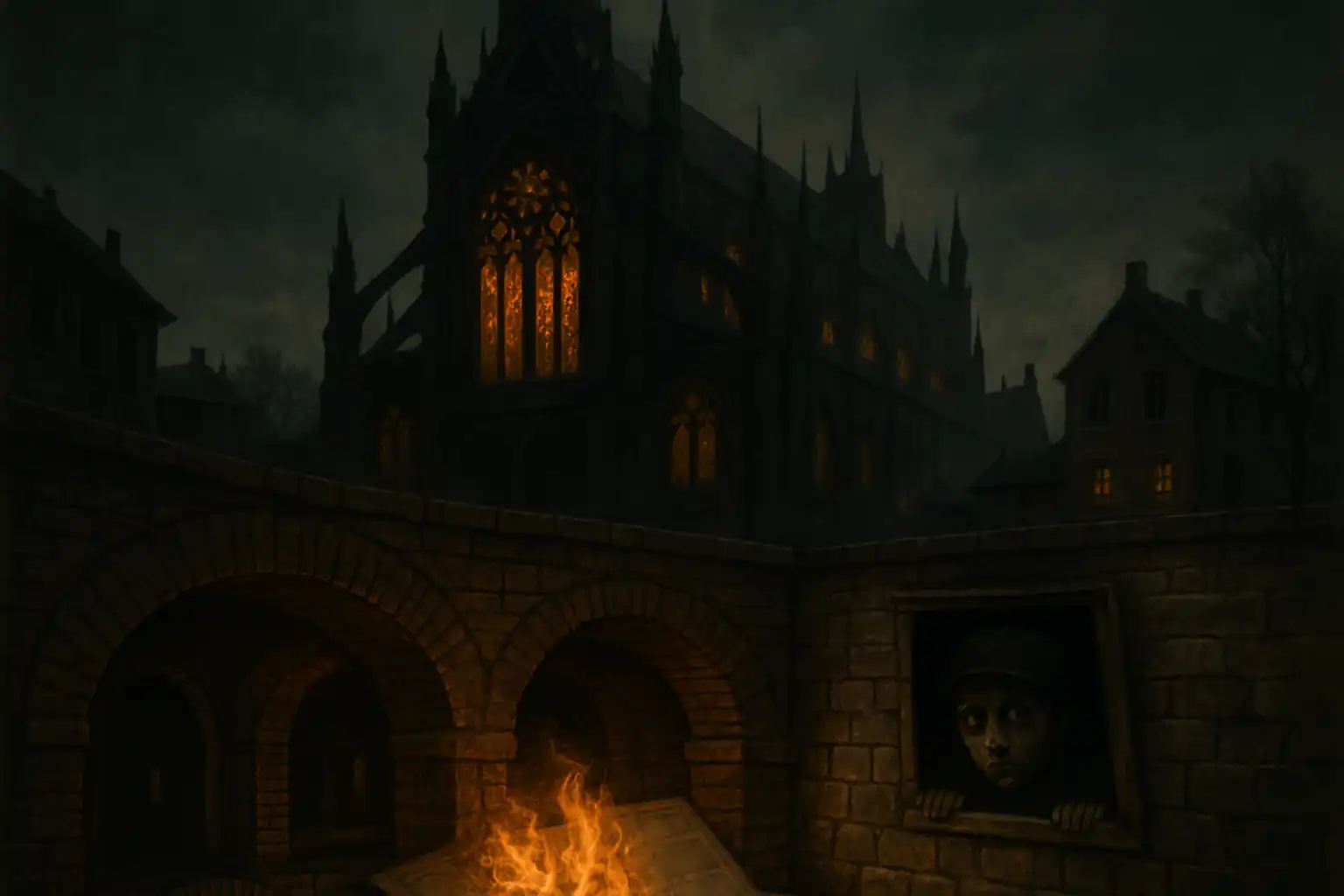
    History favors tidy narratives: empires rise, cities emerge, and stones lay ceremoniously. However, in Australia, those neat lines unravel beneath a century of official stories. In 1868, a significant foundation stone was laid, marked by a ceremony intended to signify a civilization’s beginnings. Then, for 24 years, silence followed. No towers soared. No chisels echoed. Just an extended quiet. Most official records dismiss the mystery, but evidence, rumors, and increasing whistleblower urban historians hint at more than just a hidden foundation.

    Australia’s cities brim with Gothic cathedrals and imposing government buildings—especially in Sydney and Melbourne—reportedly created by an unlikely duo: a carpenter and a cloth merchant. No blueprints exist; no technical drawings or credible reasoning accompany their remarkable engineering. Meanwhile, records vanish in fires, civil archives bear gaping holes, and beneath it all lies an even greater enigma: the tunnels. This network of subterranean passageways connects not only the physical landscape but also a web of secrets no government wishes to disclose.

    Gothic Facades and the Myth of Construction Amnesia

    The splendor of Australia’s Gothic revival architecture captivates. However, even a brief examination of their construction timelines reveals significant gaps and oddities. Researchers cite major fires that obliterated records—echoing patterns in historic urban disasters—noting the blazes’ convenient timing corresponding with emerging inquiries. How did untrained workers create ornate cathedrals, moving tons of stone without any documentation? Modern building surveyors and skeptical historians agree: official accounts falter, especially regarding what was technologically feasible.

    One notices the strangely efficient outbreaks of fire that plague these sites just before scrutiny arises. To those acquainted with global conspiracy trends, it’s reminiscent of similar instances where inconvenient truths disappear in flames, as detailed in research exploring chaos and disaster’s impact on the historical record. Are these catastrophic fires mere coincidences? Or were records of darker secrets erased deliberately?

    Tunnels, Urban Legends, and an Unspoken Network

    Every significant city harbors ghost stories, but Australia’s tunnel legends are eerily compelling. Under schools, hospitals, and churches lie extensive corridors uniting these sites—according to local urban explorers, former city engineers, and brave journalists. One commentary analyzes how these networks have been targets for conspiracies and trafficking rumors. Some tunnels surely served mundane purposes (sewer, steam, service), yet others remain stubbornly mysterious. Urban myth articles and photo essays reveal a labyrinth too deliberate in its construction, threading through schools, hospitals, and orphanages.

    A broader historical context exists for these networks; secret passages, as Wikipedia’s historical overview illustrates, have always connected the powerful—or facilitated their discreet exits. In Australia, the prevalence of tunnels beneath institutions for children or the vulnerable is disturbing. Reports on military sites and ancient underground cities emphasize that control over subterranean space often signifies clandestine authority—a pattern too clear to overlook.

    Mysterious Construction Delays and the Vanishing Blueprint Problem

    Little, if any, grand structure was erected in the 19th century without meticulous plans, yet records for these Australian wonders seem elusive or lost. The “carpenter and cloth merchant” myth persists, defying belief—much like recent narratives about miraculous advancements in AI, critiqued in discussions around total automation, which often conceal layers of complexity. Urban historians observe that similar document erasures occurred during upheaval, such as when mysterious final warnings or unforeseen disasters erased documentation and enforced collective amnesia.

    As generations ponder what truly stymied construction for nearly 25 years, all roads—and tunnels—lead to the same wall of silence. When academia requests blueprints or original engineering records, they encounter missing files or archivists’ indifference, widening the logical gaps.

    The Architecture of Secrecy and the Smoke of Conspiracy

    Conspiracy thrives where silence and fire coexist. Institutional building fires connect to a range of motives from insurance fraud to regime change, yet in Australia, the pattern appears more subtle and sinister—precisely because the truth lies hidden. The most vulnerable—orphans and the sick—seem linked by this web of tunnels and institutions, their histories erased in flames.

    As debates over urban myths and concealed spaces grow—with multiple analyses of veil-tearing chaos events showing how societies utilize secrecy to uphold uneasy status quos—it becomes evident that Australia’s foundations are less substantial and more hollow than acknowledged. For those seeking insight into what truly lies beneath the surface—how tunnels, fire, and sudden architectural brilliance intertwine—your next breadcrumb trail starts at Unexplained.co. In this land, the truth is stranger than fiction; it has been buried and ignited repeatedly.

  • On the Edge: Why the World Feels One Spark from War’s Explosion

    On the Edge: Why the World Feels One Spark from War’s Explosion

    The air hums with unease as global war rhetoric intensifies, military buildups spread from Eastern Europe to the Western Pacific, and news cycles are a hair’s breadth from ‘breaking news’ banners signaling catastrophe. You don’t have to be a bunker-dweller (though it helps) to sense something’s off. Experts from major think tanks and international agencies agree: we are closer to a strategic explosion than at any point in recent history, as noted in sources like the Axios global risks report.

    This extends beyond internet doom spirals or your neighbor’s feverish prepping. The underlying drivers include classical triggers—territorial disputes, shifting alliances, and resource shortages—as well as modern accelerants like AI-driven warfare and economic blackmail. If you think recent shockwaves from China’s latest actions or Russia’s advances in Ukraine are just regional dramas, think again. These ‘local’ flames are fanned by global gale winds; sometimes, a single spark—intended or accidental—can ignite the powder keg.

    Escalating Risks: Signs of Imminent Armed Conflict

    This year, global newsrooms and conflict monitors, like the Atlantic Council and International Crisis Group, have documented a surge in war risks: North Korea lobs missiles, NATO and Russia posture with unprecedented hostility, and Israel, Gaza, Ukraine, and Indo-Pacific hotspots sizzle. A new conflict database shows a sharp increase in deaths due to global conflicts in 2024, reinforcing that the world isn’t merely anxious—violence is on the rise.

    Political analysts and historians recognize this scenario, but with less advanced technologies. From ancient “just causes” to modern casus belli, the potential triggers are extensive—and the bloody outcomes often appear irrational in hindsight. Currently, tension points like the collapse of global mediating institutions, rising authoritarianism, and emerging regional power blocs fuel zero-sum thinking, as discussed in a recent Situation Room analysis. We are entering an era where small disputes can escalate quickly, reminiscent of how ancient powers collapsed amid war and collapse studies.

    Technology, Blackouts, and Information Warfare

    The line between military and civilian targets has blurred. The world faces its first major AI-driven conflicts, featuring AI drone swarms, cyberattacks, and social engineering campaigns alongside traditional military deployments. Analysts and government sources warn that cyberwarfare now underpins every major geopolitical rivalry, making infrastructure collapse a real possibility, not mere paranoia. In places where traditional armies once clashed, blackouts, software sabotage, and viral misinformation can paralyze modern states and cause untold civilian chaos before the first tank arrives.

    If you doubt the extent of disruption possible from a keyboard, recent breakdowns, like analysis of AI and future crisis risks and satellite surveillance reports from covert operations, reflect this new battleground. Surviving in a world with shifting alliances, zero-day software exploits, and deteriorating power grids demands more than military strength—resilience begins at home with knowledge and contingency planning, as reality repeatedly reminds us.

    The Human Cost and the Geopolitical Gamble

    Recent conflict mapping projects hundreds of thousands of fatalities in 2024’s escalating wars and insurgencies. It’s not just about GDPs and power blocs—it’s the daily destruction history will remember. Each conflict, from Ukraine to Gaza to the Sahel, erodes global security. These tremors eerily resemble the warnings missed before past world wars. There’s a reason even seasoned strategists brace for surprises. World powers have consistently underestimated the domino effects of “contained” wars becoming regional, then global—often with the unpredictable impact of geophysical chaos compounding the situation.

    As new ‘situation room’ assessments circulate, the warnings sharpen. Some observers highlight the age-old roles of scapegoating, miscalculation, and fear in driving powers to war—themes deeply rooted in classic conflict justification scholarship. Are leaders acting out of necessity, honor, or fear? More likely, is it simply systemic panic in the digital age? Knowing history’s answer often fails to stop the next cycle of conflict.

    Staying Informed When the Stakes Are High

    When faced with uncertainty, good information serves as both ammo and a potential lifesaver. If the next spark comes quickly, monitor emerging hotspots via trusted sources, blending independent verification with historical skepticism. For curated updates on unfolding threats and crisis signals, bookmark Unexplained.co. It might not prevent disaster, but you’ll be better prepared than others when trouble arises. If you’re uncertain about whether to stock up or relocate, history suggests it pays to keep essentials like candles, batteries, and updated maps on hand.