Category: Ancient Civilizations

  • Secrets Beneath the Surface: Did Military Sites Inherit the Old World’s Underground Cities?

    Secrets Beneath the Surface: Did Military Sites Inherit the Old World’s Underground Cities?

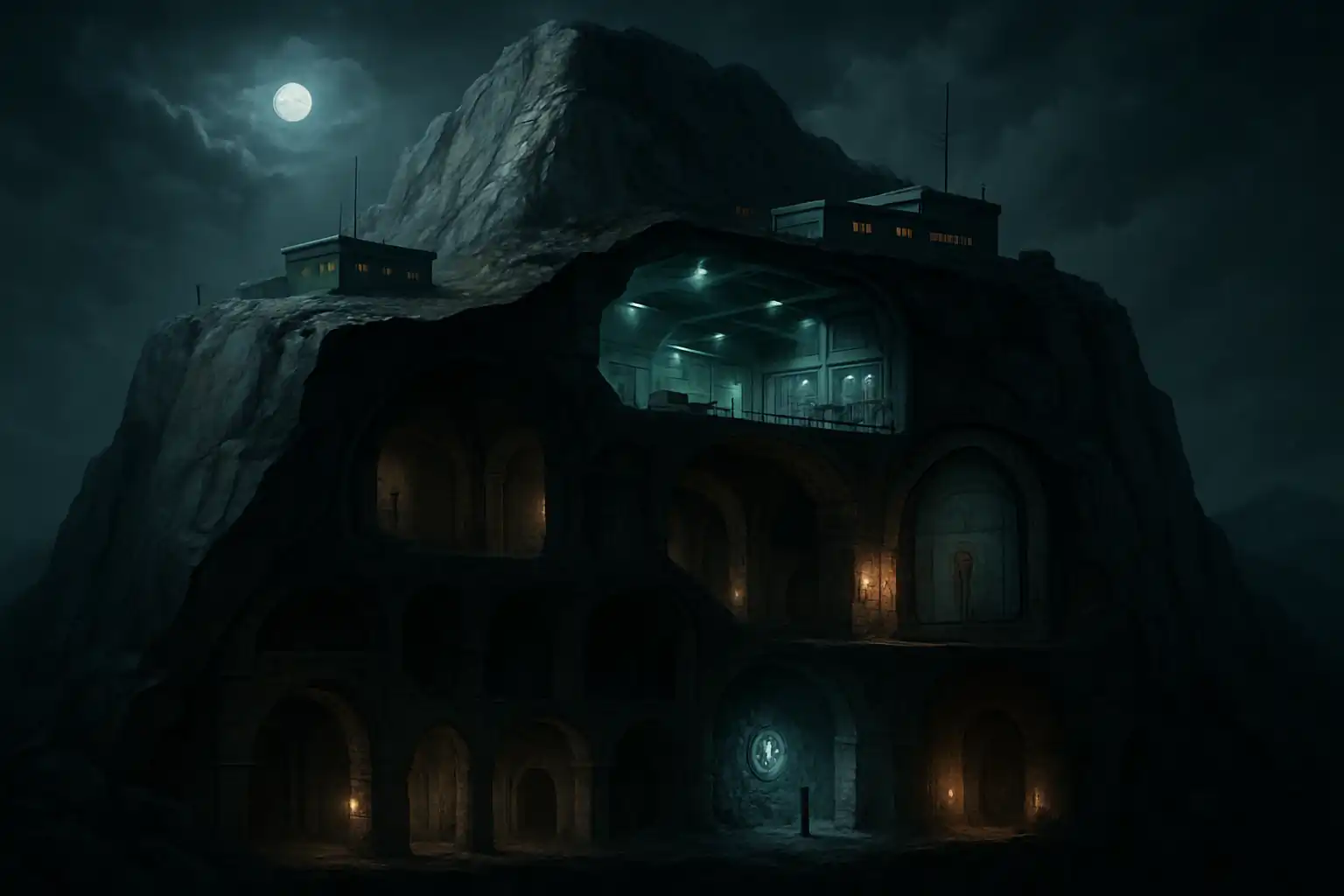
    Hidden beneath hundreds of meters of solid granite, the Cheyenne Mountain Complex is an engineering marvel tailor-made for nuclear Armageddon. Conspiracy buffs suggest it may have older origins. Officially, this Colorado Springs colossus arose in just six years during the 1960s. However, skepticism grows alongside rumors of ancient tunnels and “found” facilities. This fuels debate about whether humanity’s greatest subterranean complexes originate in the recent past or lost chapters of ancient civilization.

    The world has a fascination with locked doors, hidden passageways, and faceless authorities. During the Cold War, the Cheyenne Mountain bunker became a symbol of American strength. It also served as a backdrop for countless stories about repurposed ruins, concealed histories, and civilization-level cover-ups. But where does factual engineering stop, and legend begins?

    Cheyenne Mountain Complex: Official History Versus Ancient Rumor

    Extensive documentation, including the Wikipedia entry on Cheyenne Mountain Complex, states this military site was built between 1961 and 1967. It features vast chambers, a powerplant, 25-ton blast doors, and its own spring-fed water system—all protected by 2,000 feet of granite. It might sound like sci-fi, but it gets better: the complex contains fifteen multi-story buildings mounted on over 1,000 shock-absorbing springs, designed to survive a 30-megaton blast from a mile away. Its self-sustaining features inspire theories that military planners either learned from or capitalized on older engineering hidden beneath.

    Yet, under the streamlined military narrative, skeptics point to the complex’s inaccessibility and eerie parallels with other locations thought to have ancient roots. The debates echo legendary underground tales from Russia and controversial discoveries in mysterious Chinese caverns. Are we merely decades away from the builders—or millennia? Some claim the mountain’s tunnels resemble stonework and layouts found far outside Colorado, wondering if military secrecy is just one chapter in a much longer tale.

    Military Designation and the Locked-Down Legacy of Ancient Sites

    Military sites often operate under classification and restricted access, whether for national security or to conceal even stranger truths. It’s hard to identify where justified secrecy ends and protective legend begins. Similar mysteries circulate around prohibited Antarctic zones and escalating suspicions about NASA-led schemes, as well as sudden, unexplained archaeological finds. By labeling a site with military designation, public oversight vanishes—fostering further rumors.

    The Cheyenne Mountain Complex’s imposing blast doors and strictly controlled visitor access have sparked intense speculation. Critics argue that military legal frameworks obscure evidence of an Old World legacy, reflecting the protective legal maneuvers safeguarding secrets—from declassified government apocalypses to modern whistleblower sagas.

    Underground Cities: Between Engineering Feat and Archaeological Mystery

    The belief that today’s bomb-proof labyrinths are simply modern facelifts for ancient complexes isn’t confined to Colorado. Be it the Cheyenne Mountain maze, Russia’s rumored Tartarian tunnels, or the enigmatic Longyou Caves, theorists draw connections between modern installations and ancient structures. Military cover-ups and lost civilizations have become inseparable allies. The deeper a base digs—and the more silence surrounds its origins—the more speculation arises about ancestral knowledge, lost cities, and intentionally erased history.

    Some rational voices emphasize geological and engineering plausibility. Yes, modern technology can achieve such construction feats, but the organization and speed (six years for Cheyenne Mountain!) appear ambitious even for peak Cold War America. When myth, legitimate mystery, and bureaucratic obstacles collide, a new kind of legend emerges.

    Cold War Shadows and the Temptation of the Forbidden

    Interest in military sites isn’t new, but it intensifies when gaps in public knowledge meet archaeological oddities and ancient folklore. From nuclear preppers influenced by dark age cataclysm scenarios to ongoing rumors of controlled disclosures, secretive underground installations reflect our deepest fears and wildest dreams.

    Perhaps some doors stay locked solely because we persist in trying to force them open within our imaginations. Whether the Cheyenne Mountain Complex and its global counterparts are cutting-edge solutions or ancient relics of forgotten civilizations, their mystique is unlikely to fade soon. Stay informed about military mysteries, lost worlds, and government secrecy at Unexplained.co—just avoid triggering any alarms.
  • Deep Freeze Below the Equator: Why South America Is Shivering Through Record Cold

    Deep Freeze Below the Equator: Why South America Is Shivering Through Record Cold

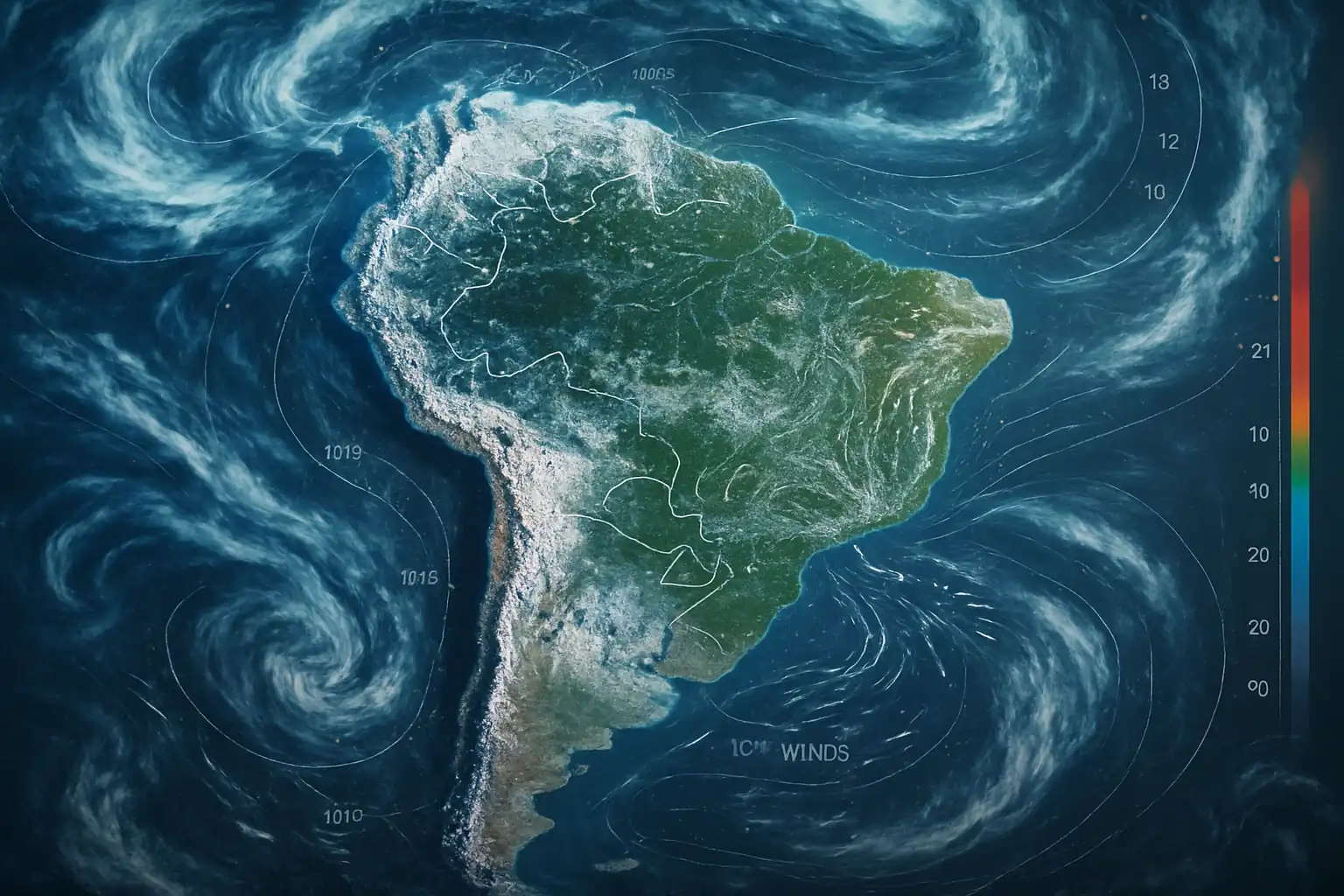
    In a continent known for tropical rainforests, stunning beaches, and vibrant carnivals, a record-breaking cold wave has swept South America, altering weather patterns and surprising skeptics. From Argentina’s frozen vineyards to rare snowfalls in Brazil’s southern highlands, this winter is unlike any before—and its future is uncertain. As the globe debates climate change and extreme weather, the southern hemisphere has opened its freezer door, leaving meteorologists and farmers urgently searching for answers.

    South America’s recent freeze features cold waves not seen in fifty years, signaling a dramatic shift in the planet’s climate. This year’s invasions of polar air caused record lows, ruined crops, and astonished areas typically known for summer heat. Even cities in Brazil, like Curitiba, reported temperatures common to Patagonia, while cattlemen in Uruguay faced livestock losses as frost wilted pastures overnight. Locals seek understanding and warmth, while climatologists analyze data linking this upheaval to broader patterns that transcend any single winter.

    Polar Vortex and Air Mass Collisions: Decoding the Freeze

    Attributing a cold winter to “the weather” is as futile as blaming sluggish internet on astrology. The actual cause is the movement of a persistent polar air mass from Antarctica that surged northward. When these polar outbreaks collide with a continent gearing up for summer, the results can be spectacular—and sometimes catastrophic. These occurrences disrupt growing cycles, freeze important cash crops, and occasionally turn tropical towns into unexpected winter wonderlands. This unusual cold invasion from the south draws parallels to stark global cold events like the 536 AD volcanic winter that drastically altered the climate overnight.

    The effects can be harsh: mass die-offs of native plants, stressed infrastructure as power grids struggle to meet heating demands, and farming failures that impact food chains. As debates about global resources grow more urgent, South America’s cold shock serves as a stark reminder of nature’s rapid shifts in the balance.

    El Niño, La Niña, and the Winter Weather Wild Card

    No discussion of South American climate shocks is complete without referencing the giants of global weather—El Niño and La Niña. According to NOAA’s El Niño and La Niña guide and its comprehensive El Niño Southern Oscillation portal, these oceanic patterns influence wind, precipitation, and temperature globally. La Niña typically brings drier, colder winters to southern South America, while El Niño can generate weather chaos across continents, affecting Asia and North America.

    The current freeze has coincided with drastic fluctuations between these two phenomena, intensifying normal winter chill into an unprecedented event. The outcome: a string of record lows, strange snowfalls, and headlines that feel surreal. The diverse geography of the pampas, Andes, and Amazon now stands as the frontline of global climate extremes, as highlighted in recent reports about planetary oscillations and solar-earthquake links.

    Crop Failures, Energy Shocks, and Economic Fallout

    While a rare snow selfie delights Instagram, the true fallout occurs in the fields and on utility bills. Producers of coffee, citrus, sugarcane, and soybeans have seen entire harvests devastated by the freeze. These losses resemble historic agricultural disasters triggered by cold waves—similar to the fallout after the Campi Flegrei eruption.

    Simultaneously, cities and rural communities face warnings of blackouts, frozen water mains, and increased demand for heating fuel. These strains extend beyond the continent—South America plays a vital role as a food basket and energy supplier. Continued disruptions could destabilize global supply chains, echoing past scenarios where natural shocks disrupted markets—much like analyses on American seismic vulnerabilities often remind us.

    What the South American Deep Freeze Means for Global Climate

    This winter’s cold shock is the latest climate surprise in an era of extremes. As our trust in “normal” seasons dissolves, scientists and policymakers must prepare for erratic weather that defies traditional expectations. The takeaway from the southern hemisphere? Local anomalies increasingly connect to a larger, unstable planetary system. In a warming world, record freezes challenge the notion of what’s expected, reinforcing the idea that extremes, not averages, are becoming the new standard—reflecting themes from apocalyptic prophecies and science-driven disaster forecasts.

    For everyone else, bundle up (even if you’re near the Equator) and keep an eye on the south for further signs—because if climate history teaches anything, the next anomaly is just a season away. To stay updated on global weather developments, eccentric investigations, and every cold fact they ignore, visit Unexplained.co.

  • Tremors in the Pacific Northwest: Unraveling the Surge of Earthquakes and the Big One Threat

    Tremors in the Pacific Northwest: Unraveling the Surge of Earthquakes and the Big One Threat

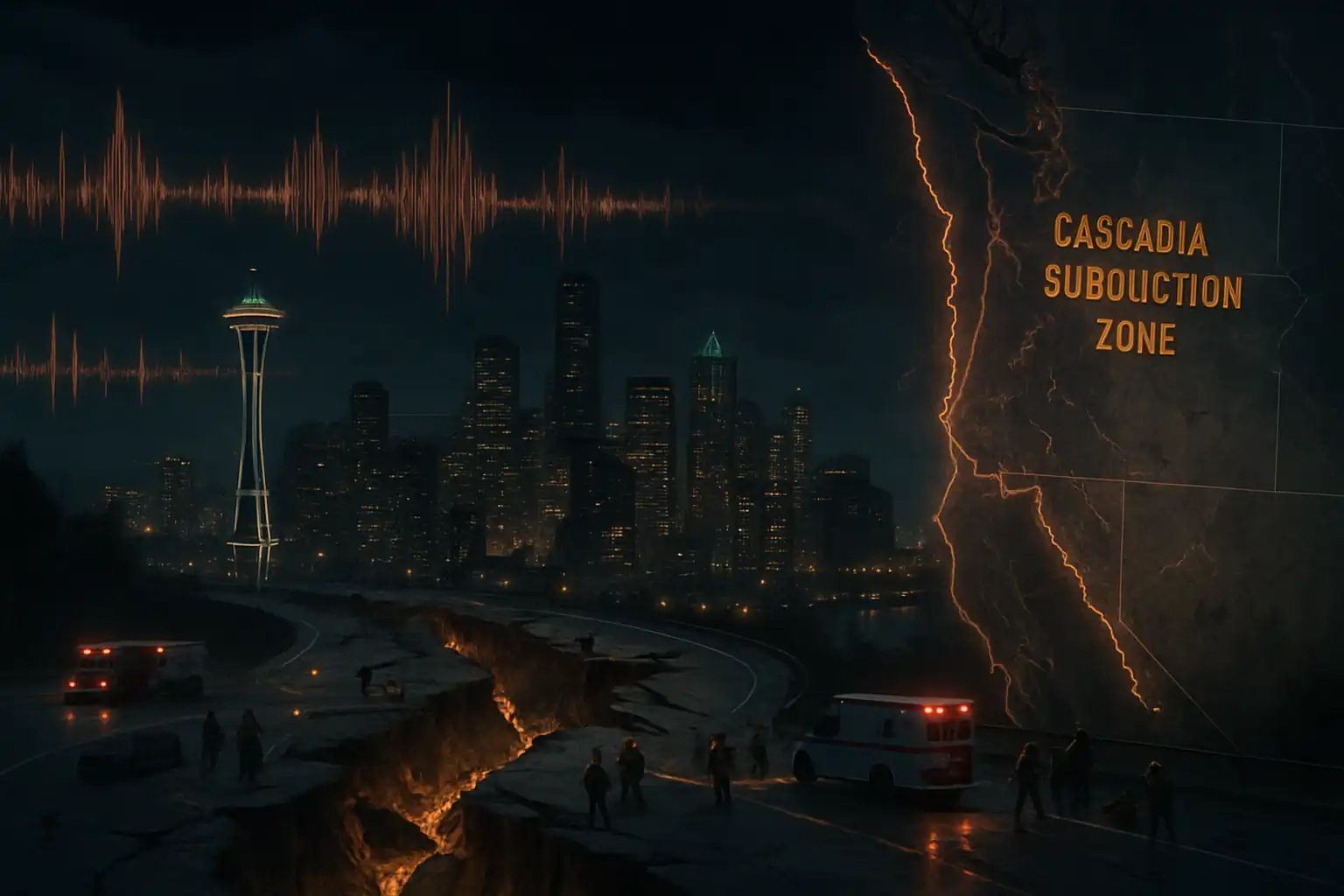
    The Pacific Northwest has a rebellious streak, demonstrated by 7,200 earthquakes rattling the region in just one month. Local scientists and geologists no longer just measure tremors; they observe tectonic plates engaged in an ancient conflict. This clash could, any year now, roll snake-eyes on civilization. Residents from Portland to Seattle whisper “Cascadia Subduction Zone” like an urban legend—one with real teeth.

    This isn’t the first time the region has faced seismic anxiety, but this surge, tracked by agencies like the Washington Department of Natural Resources and Pacific Northwest Seismic Network, stands out in scale and frequency. Each tremor tells a tectonic story millions of years in the making, possibly marking the opening chapters of the next continental cataclysm.

    Cascadia Subduction Zone: The Giant Beneath Our Feet

    The Cascadia Subduction Zone spans over 600 miles, stretching from northern Vancouver Island to California’s edge. It’s a convergent boundary where the Juan de Fuca Plate dives beneath the North American Plate, leading to relentless seismic swarms and megaquakes of 9.0 or greater. According to Wikipedia’s seismic deep dive, quakes here can last up to 7 minutes, producing tsunamis nearly 100 feet high. The geology reads like an apocalypse script, a theme reflected in reports about geological instability and the near future.

    If you think this risk is just theoretical, reconsider. Ghost forests, ancient sand layers, and tribal oral histories recount a massive earthquake in 1700 that drastically altered the coastline. That event remains a stark reminder of nature’s ability to unleash swift devastation.

    What’s Driving the Recent Earthquake Swarms?

    The recent influx of quake activity has prompted mild panic in the Pacific Northwest—and for good reason. Swarms aren’t just alarming; they’re clusters of minor-to-moderate earthquakes, signaling something worse to come. Studies from Oregon State (see this tectonic overview) identify three main earthquake types: shallow crustal, deep intraplate, and massive megathrust events. All connect closely to plate tectonics, making each uptick in activity a red flag for anyone living above this boiling cauldron.

    These tectonic tantrums echo warnings from disaster risk reports, including existential threats from unforeseen directions and seismic shifts described in various science exposés. Even preparations for cosmic disruptions, like solar storm survival guides, seem trivial compared to the potential destruction here.

    ‘The Big One’—Science, Myths, and Public Paranoia

    The specter of “The Big One”—a megathrust earthquake on the Cascadia Subduction Zone—casts a shadow over every tremor. The latest New Yorker feature on Cascadia reveals a chilling truth: the region remains vastly unprepared, with infrastructure at risk of collapse within minutes. Models from the Virginia Tech research group warn of secondary disasters like extensive coastal flooding and landslides. Misinformation and urban legend intermingle here, much like the speculation that drove shocking confessions from Vice-era stories and the tales of mysterious “shadow people” in uncertain workplaces (see this investigation).

    The narrative of the Big One isn’t solely about fear. It’s about science, preparation, and the harsh truth that each warning sign—such as rising quakes—calls for attention, not alarm. As communities race to prepare, they face a delicate balance: distinguishing fact from fear-driven fiction.

    Preparing for Catastrophe: Science, Civic Response, and Survival

    This unprecedented earthquake swarm has moved disaster mitigation from theory to urgent reality. Emergency kits, communication drills, and evacuation plans are under scrutiny. Authorities and researchers advise households to prepare to go off-grid, echoing the vigilance urged by studies on everything from demographic uncertainty to the mystery of unexplained creatures (see this Alberta encounter).

    This risk ecosystem isn’t new, but it feels more urgent as societies realize modern life teeters on restless plates. Whether you’re an experienced prepper or a casual resident, the message is clear: observe the signals, trust the science, and act before the ground shifts. For the latest updates, survival strategies, and the quirkiest earthquake lore, visit Unexplained.co. When the ground begins to dance, you’ll want every insight available.

  • Seismic Swarms and Sleeping Giants: Are Aegean Earthquakes Awakening Italy’s Supervolcano?

    Seismic Swarms and Sleeping Giants: Are Aegean Earthquakes Awakening Italy’s Supervolcano?

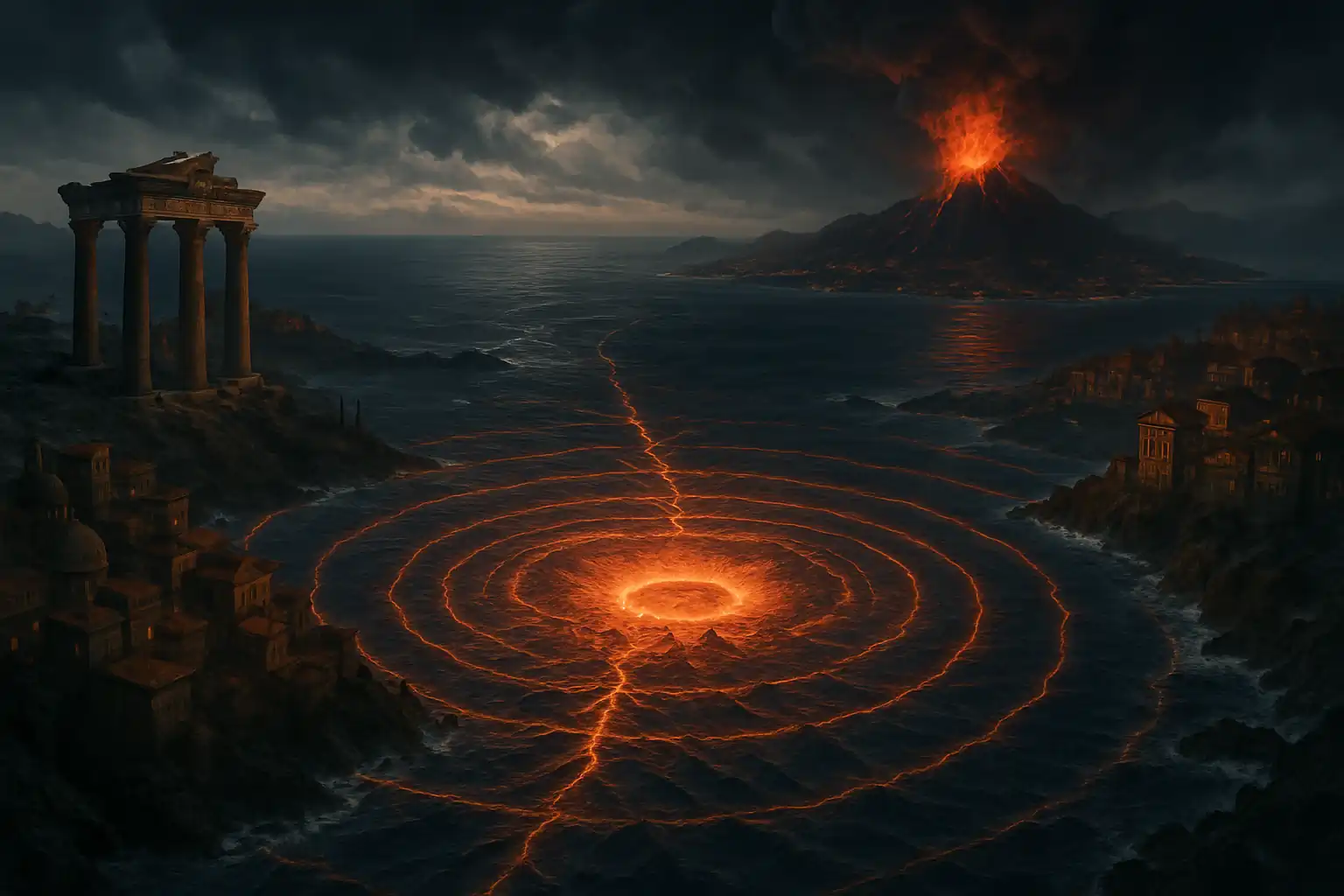
    Restlessness stirs beneath the Mediterranean. In May 2025, two magnitude 6+ earthquakes shook the sea floor near Crete. These were not just routine shocks; they belong to a swarm that has seismologists—and doomsday preppers—on alert. This volatile network stretches from Greece to Italy’s most dangerous volcanic regions. Campi Flegrei, the colossal caldera west of Naples, shows its most intense seismic activity in decades. Speculation runs high: Are the Mediterranean’s subterranean giants awakening simultaneously? What does this mean for millions living in their shadow?

    Earthquakes as strong as those in May don’t merely jolt tectonic plates—they resonate through interconnected geological systems. Recent quakes occurred at unusual depths, spurring scientific scrutiny. The most urgent question arises: Are these quakes transferring stress along ancient faults to regions like Campi Flegrei? Its last mega-eruption reshaped Europe’s history and habitability.

    Deep Earthquakes Rock the Aegean: Unprecedented Seismic Patterns

    The May 2025 seismic double-feature saw earthquakes of magnitude 6.0 and 6.1 jolting Crete at 74 km and 64 km beneath the surface. Ongoing monitoring from Volcano Discovery reveals that these shocks are not typical aftershocks; they signal deep mantle disturbances. Their timing coincides with a surge of seismic swarms under Campi Flegrei, where scientists recorded over 6,000 quakes in 2024 alone (Live Science outlines these recent seismic storms).

    Determining whether these Mediterranean events resonate across regions is complex. However, geophysicists like Stefan Burns suggest that deep tremors can redistribute stress across continents. This notion implies that a tremor off Crete might awaken a dormant supervolcano near Naples. Such scenarios echo unsettling doomsday studies, including historic volcanic winters and the far-reaching effects of geological upheaval.

    Campi Flegrei: The Sleeping Giant Beneath Naples

    For millions around Naples, Campi Flegrei represents not just geology but destiny. It lies beneath modern towns steeped in ancient myth. This region features 24 craters, fumaroles, and hidden magma chambers, turning it into a powder keg, as detailed in Wikipedia’s overview of the Phlegraean Fields. Its most significant event, the Campanian Ignimbrite eruption 39,000 years ago, blanketed Europe in ash and impacted human evolution.

    The caldera is currently restless. Scientists at the Vesuvius Observatory monitor volcanic swarms, bradyseism (the slow rise and fall of the ground), and hydrothermal disturbances. Recent studies raised alarms about a seismic crisis in 2025, marked by multiple M3+ quakes and rapid ground deformation. This prompted local authorities to reevaluate evacuation protocols (Live Science highlights the potential threat).

    While Campi Flegrei isn’t the only formidable volcano in Europe, its scale and proximity to Naples make it a chronic concern. This anxiety echoes broader catastrophe scenarios. Such themes echo throughout detailed explorations in apocalypse predictions.

    Gigantic Ancient Caldera: A Lost Chapter in Mediterranean Geology

    Amid earthquake concerns, research hints at something grander below the Mediterranean: evidence of an immense, ancient seafloor caldera, potentially rivalling today’s supervolcanoes. Some quake scholars, like Stefan Burns, caution against overstating these claims. Nevertheless, tuff deposits and caldera-like structures in seismic scans suggest a turbulent volcanic history predating Campi Flegrei. These findings align with patterns of mysteriously vanished civilizations, as explored in ancient unsolved mysteries.

    Connecting the restless seismic areas from Crete to southern Italy, geologists are uncovering evidence of a vast volcanic province shaped by catastrophic events. Could this “lost” caldera, buried beneath layers of sediment, serve as an ancient analogy for current Mediterranean volatility? The answer may hold significance beyond academic curiosity; it could outline new risk zones for our era, as discussed in disaster preparedness scenarios like solar storm survival guides.

    The Human Factor: Science, Preparedness, and the Edge of Disaster

    As seismic warnings mount, the critical question shifts from whether these forces connect to how societies adapt. The Mediterranean has long served as a crossroads for civilization, commerce, and calamity. Preparedness efforts around Campi Flegrei highlight this challenge, involving emergency planning, international monitoring, and speculation about disaster-induced migration. These threats are far from idle, as seen in stories covering looming crises, from North American geological hazards to alarming Antarctic testimonies.

    Preparedness isn’t merely for the anxious. Lessons from Naples, Crete, and beyond emphasize vigilance. Communities must watch the faults, know their escape routes, and above all, never assume the deep sleeps soundly. For deeper dives into the unknown and connections between the earth’s oddest happenings, Unexplained.co has comprehensive resources—no tinfoil hat required.

  • The World Population Lie? Unpacking the Numbers Behind Explosive Growth

    The World Population Lie? Unpacking the Numbers Behind Explosive Growth

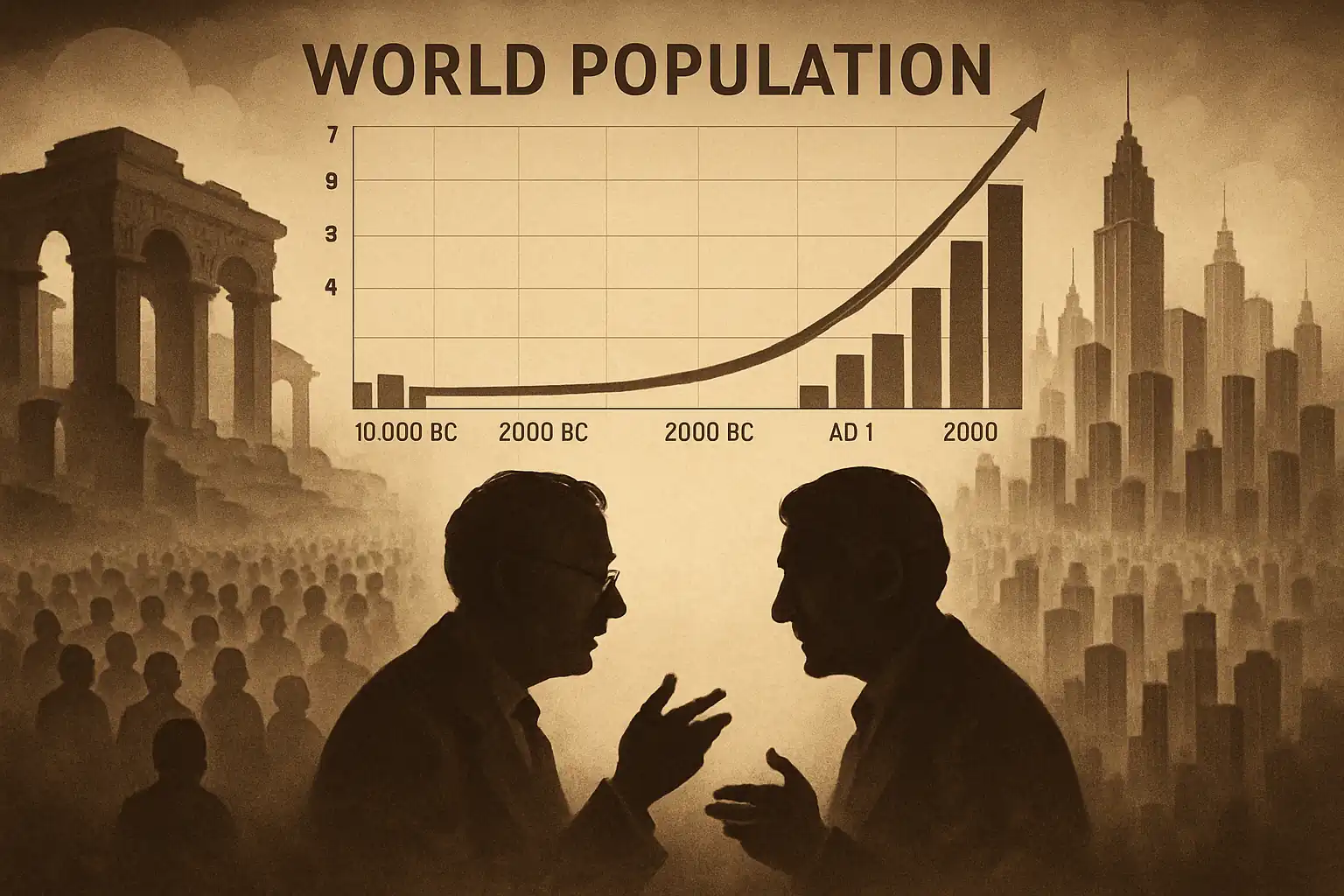
    If you believe the world’s population charts, it looks like humans hibernated until the 18th century—then BAM, eight billion in a few centuries! This suspicious graph climb sparks online speculation: were our ancestors hiding, or are we victims of dazzling population propaganda?

    Dig deeper, and the unsettling answer is disappointingly rational. Historical population data isn’t “lied about.” Instead, it consists of guesswork, extrapolation, and the best census estimates wealthy empires could muster. Demographers admit: we don’t know exactly how many people were on Earth in, say, 1532. For hard proof, hop in your time machine or check the World population Wikipedia entry. Spoiler: the further back you go, the fuzzier the numbers. Latest estimates suggest world population passed eight billion in 2022, but even modern numbers have a 3-5% margin for error.

    Why the World’s Population Exploded After 1700

    The so-called “population anomaly” isn’t a hidden Illuminati trick—it’s the result of agricultural revolutions, disease management, and the Industrial Revolution delivering fossil fuels and fertilizers to the global economy. The United Nations and historians link this increase to improvements in food supply, medicine, and infrastructure. Before that, humanity faced famine, plague, and war, keeping our numbers low. This spike is less a mystery and more a long-overdue reckoning for millennia of hard living. Analysts at Our World in Data show that population projections, despite criticism, align closely with facts, even with uncertainty throughout history.

    That rapid growth comes with baggage—doomsday scenarios, displacement concerns, and anxieties familiar to anyone who read global risk warnings in research such as AI existential risk assessments or predictions about an imminent apocalypse. Experts acknowledge their rough methods when tracking old data; what appears as “nobody here for 5000 years” results from ancient recordkeeping, not from actual empty continents.

    The Mystery and Mess of Demographic Data

    Contrary to the fevered corners of the internet, demographers and historians recognize the limitations of their field. Estimating populations before modern censuses is a detective job, riddled with anomalies and revisionist findings. As noted in this Conversation deep dive, today’s global population data faces a crisis: undercounted rural populations, political manipulation, and gaps in available stats imply that current figures are approximations, not gospel truth.

    And yes—governments sometimes manipulate figures, a chilling topic examined in reports of statistical manipulation and academic studies on intentional data distortion (ScienceDirect investigates data manipulation). The ramifications affect pandemic planning and social unrest predictions, amplifying demands for transparency. Our world rests on rough demographic sketches supported by technology and guesswork, rather than ancient census tablets.

    The 1700s: Catalyst or Cover-Up?

    So why the sudden rise in the 1700s? Are those questions valid? Absolutely. The 1700s presented seismic changes in Europe and Asia—public health improved, plagues decreased, agricultural practices advanced, and colonialism forcibly globalized both resources and people. Feel free to doubt the “official story” (that’s the mindset of a good doomsday prepper), but every dataset reflects its time and politics, just like the shifting understanding of quantum reality.

    What is clear is that humanity didn’t spring from nowhere. The “lie” isn’t in numbers; it’s in pretending history is simple. Newsworthy population mysteries often reflect the “hidden history” motifs seen in tales of forgotten civilizations or accounts of lost worlds beneath the ice. Most demographers invite rather than resist skepticism.

    Truth, Transparency, and Why Population Debates Persist

    The debate over population data isn’t about a hidden cabal; it’s about the limits of our knowledge and the creative interpretations that fill its gaps. Misconceptions can, as explored here, spiral into policy mishaps and the existential paranoia chronicled on Unexplained.co. Just because the data lacks complete receipts doesn’t mean it’s fake—it means we’ve always fumbled in the demographic dark, and we’ll likely continue to do so.

    So next time you see that hockey-stick spike in humanity’s numbers, don’t blame sinister masterminds—blame spreadsheets, guesswork, and a species that loves to multiply unpredictably (at least, sometimes). Population mysteries endure, but if there’s a grand deception, it’s history’s way of reminding us we’re never as certain as we hope.

  • America on the Brink: The Truth Behind the U.S. Sinking from Below

    America on the Brink: The Truth Behind the U.S. Sinking from Below

    Headlines love metaphors, but this one’s heartbreakingly literal: parts of the United States truly are crumbling and sinking—both socially and structurally. While pundits fixate on political tremors, geologists and climate scientists have turned their focus to the continent’s declining foundation. What’s happening beneath our feet should concern you more than any election result.

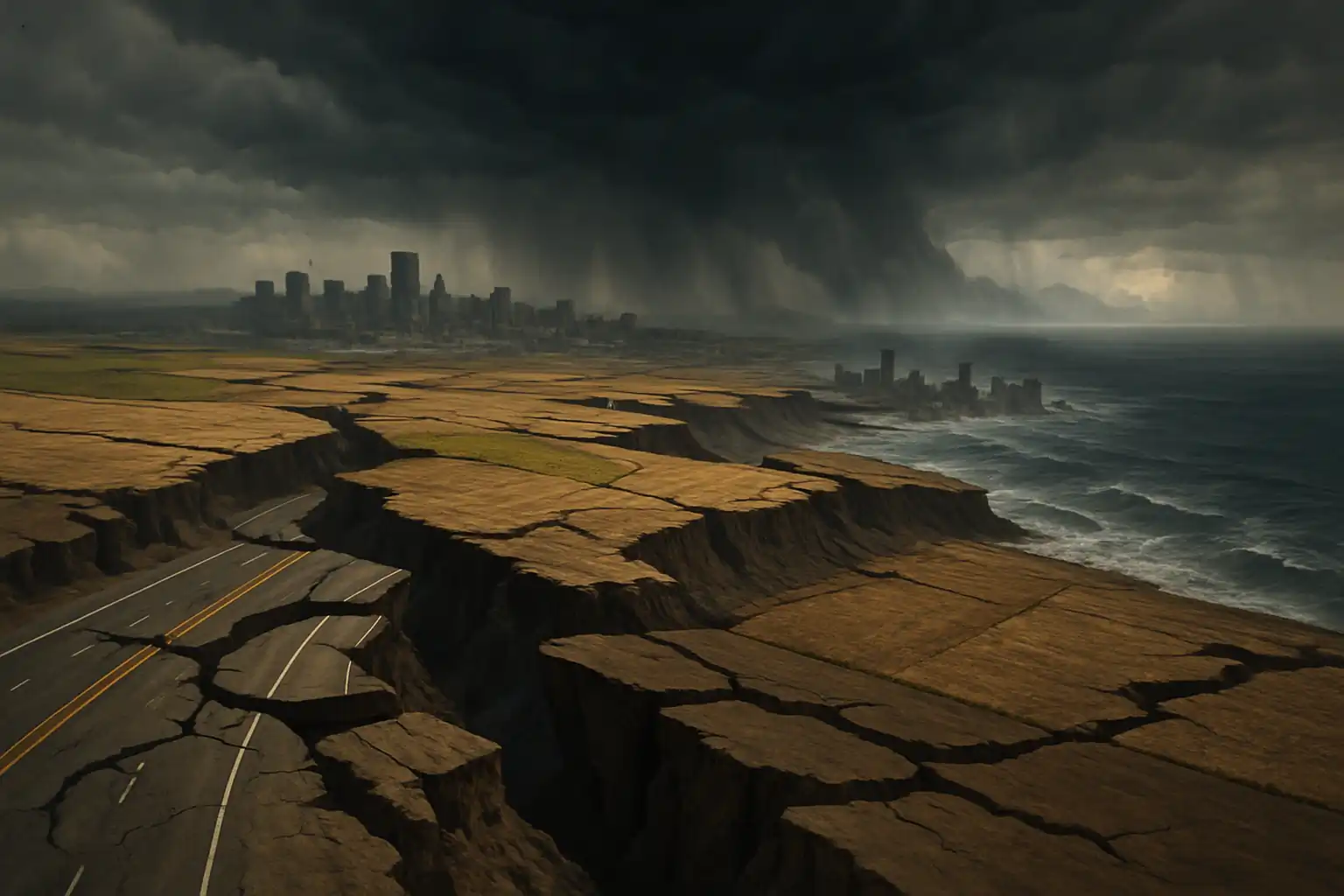
    Studies reveal that the North American Plate is in a slow-motion freefall into the mantle—a process called “tectonic dripping.” Simultaneously, America’s obsessive quest for water, especially in drought-ridden regions, has led to rampant groundwater extraction, causing major cities to sink alarmingly. Add the persistent threat of the Cascadia Subduction Zone—capable of abruptly dropping the Pacific Northwest and California coast like a bad habit—and you have a recipe for geological upheaval that is far scarier than most comprehend (Cascadia Subduction Zone primer).

    North America’s Plate: The “Dripping” Catastrophe Underfoot

    Forget cinematic supervolcanoes or sudden rifts swallowing cities whole. The reality is subtler and more insidious. Geologists have documented parts of the North American plate “dripping” into the Earth’s mantle over millennia—a process so slow that only ground deformation and anomalous sink rates signal any change. While the West’s seismic drama attracts attention, the true saga unfolds in fractions of millimeters per year—until a tipping point triggers abrupt collapses, reminding us that continents, like empires, don’t last forever. Echoes of lost civilizations and reset events, reminiscent of historic volcanic winters and buried megaliths, awaken the unsettling realization: geological forces scoff at our illusions of permanence.

    Sinking Cities: How Over-Extraction of Groundwater Is Making Everything Worse

    As tectonics gradually unfold, human activity hastens disaster at a quicker pace. According to The New York Times, groundwater over-extraction causes major U.S. cities—including Los Angeles, Phoenix, Houston, and New York—to sink by inches annually. Reservoirs drop, aquifers collapse, and land compresses, resulting in damage visible from space. The U.S. Geological Survey warns that up to 80% of land subsidence nationwide stems from poor water management. Infrastructure, housing, roads, and even historic tunnels—perhaps those explored in underground enigmas—are at risk, demonstrating how civilization’s survival hinges on its water supply.

    Think this is an abstract risk for a distant future? Ask residents of California’s San Joaquin Valley, where fields have dropped several feet since the mid-20th century (Stanford analysis). Research highlights a grim connection between over-extraction and increased flood risk—a disturbing combination of sinking and drowning that never appears on tourist brochures. Compromised aquifers pose a threat not just to water supply, but to food security, real estate, and all the illusions of American invulnerability.

    Cascadia Subduction Zone: The Megaquake Waiting to Happen

    If creeping collapse strikes you as dull, the Cascadia Subduction Zone may liven things up—with a bang. This 600-mile plate boundary, stretching from northern California to British Columbia, can unleash magnitude 9+ earthquakes that drop the coastline meters lower in minutes and trigger tsunamis reaching 100 feet (learn more). The last megaquake here, in 1700, created ghost forests—land that sank and drowned in seawater—a chilling reminder. The threat of repeating catastrophe remains constant, as highlighted in the report on New Madrid Fault risk and reflected in seismic forecasts for the Pacific Northwest.

    Experts warn that a Cascadia rupture could drop cities and infrastructure by several feet—“instant atrophy” for highways, ports, and lifelines already stressed by the West’s slow descent. It’s not a question of if, but when. As debates over climate, water, and infrastructure dominate the media, it’s easy to overlook the immense, unblinking forces that can wipe the slate clean in less time than it takes to binge a docuseries.

    Lessons from the Abyss: History’s Sinking Civilizations and Today’s Risk

    Nothing says “America First” like discovering you lead the world in geological subsidence. Yet, history’s graveyard of sunken cities and lost empires provides crucial lessons. Events like the volcanic winter apocalypse and tales of vanished tunnels, giants, and archaic resets (see this deep investigation) haunt the archaeological record—and remind us that nature, not geopolitics, writes the final script.

    The sobering reality: our technological advances, from quantum computing to AI doomsday spinning (read warnings here), yield to tectonic whims. To understand the odds of American renewal, watch the bedrock alongside the ballot box. For the latest geological revelations and more, stay tuned to Unexplained.co. Beneath it all, collapse is not a question of “if” but “when”—and preparing for both the shock and the aftershocks is wise.

  • Empire, Heroin, and the Origins of America’s Deep State: The Lifeblood of Operation Gladio

    Empire, Heroin, and the Origins of America’s Deep State: The Lifeblood of Operation Gladio

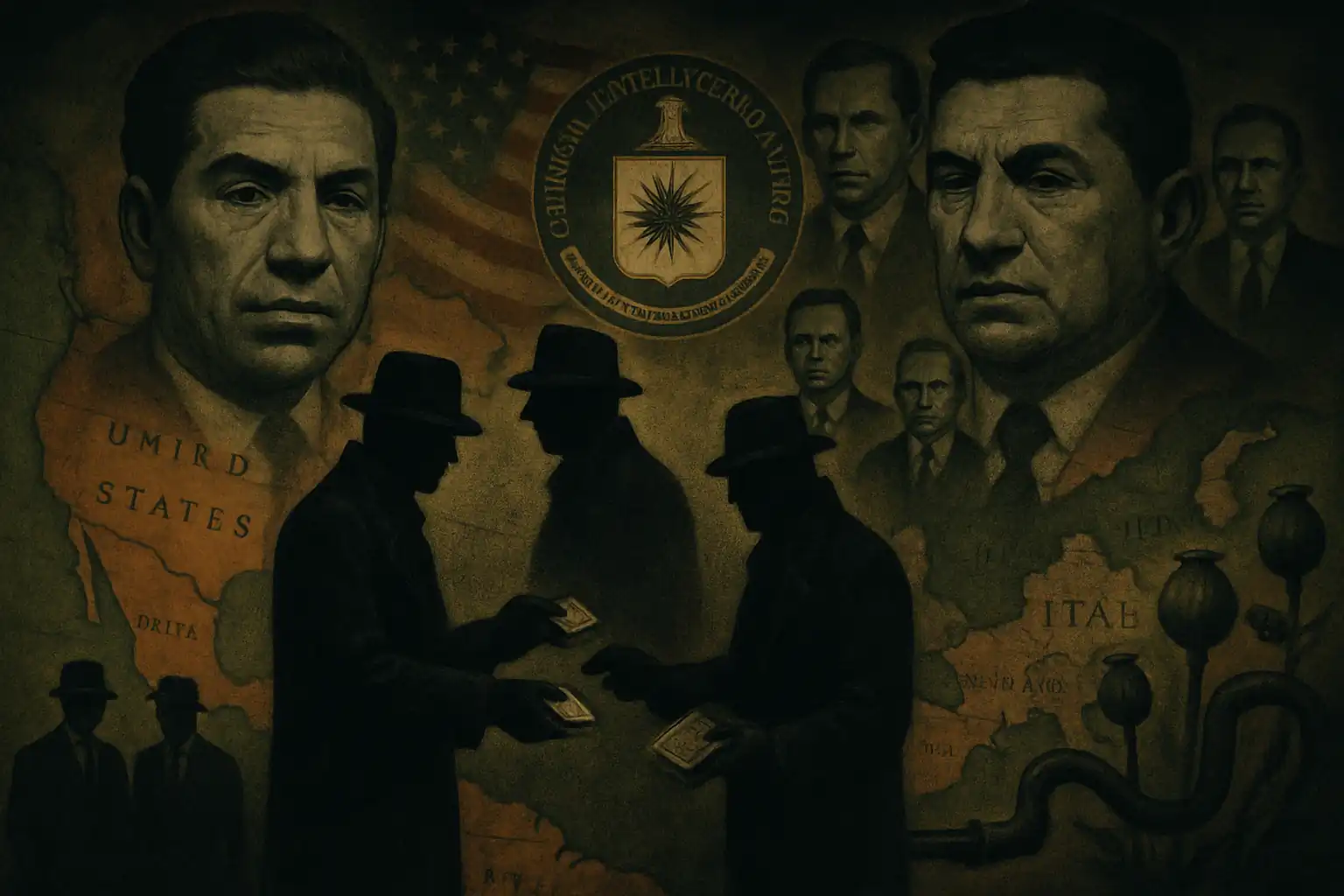
    Peel back the stars and stripes and discover a history shaped not only by presidents and generals, but also by smugglers, mobsters, and spooks in tailored suits. Operation Gladio—the covert NATO project entangled within the Cold War—was more than a clandestine stay-behind army. In American hands, it transformed into an empire pipeline where heroin, hitmen, and high office fused into the state’s framework. At the center, infamous criminals like Lucky Luciano and Carlos Marcello, protected by federal agencies, laid the groundwork for the deep state. (Operation Gladio background).

    Forget sanitized civics lessons: from WWII onward, America’s institutions became playgrounds—and sometimes accomplices—of organized crime. The Navy, faced with Nazi sabotage on its docks, sought Luciano’s Mob to ‘protect’ the ports. The payoff? Luciano earned a get-out-of-jail-free card, while the OSS (the precursor to the CIA) cozied up to Mafia fixers. This established a pattern: criminal power traded for political favors. As world wars faded into cold wars, this hidden machinery fueled itself with international heroin. It flowed through Cuba, Sicily, Indo-China, and Harlem—its profits purchasing guns and influence for U.S. covert operations worldwide, chillingly documented in Gladio investigations (in-depth report).

    Mobsters, Spooks, and the Heroin Pipeline

    Gladio didn’t emerge in isolation. It followed Churchill’s WWII strategy, where Britain’s Special Operations Executive collaborated with local toughs to undermine the Reich. However, after 1945, official records and investigations revealed that America’s version accelerated the approach: mafiosi became wartime assets and postwar partners in narcotics and shadow politics. Luciano’s pact with U.S. Naval Intelligence and the OSS set a precedent. The Sicilian and Corsican mobs—leveraging networks from Marseille to Havana—constructed a heroin pipeline straight through U.S. ports, facilitating both product and payoffs to criminal syndicates and unaccountable intelligence operations eager to combat communism at any cost (bookshop analysis).

    Major players like Meyer Lansky and Carlos Marcello don’t just appear in crime documentaries—they stride into Congressional hearings, shielded by national security justifications. Research from fringe corners of American deep history, mirrored in labyrinthine statecraft stories from hidden Eurasian empires, shows that the lines between the criminal underworld and “legitimate” power aren’t lines at all—they’re loops, endlessly feeding each other.

    Deep State Machinations: The Black Networks Within

    Marcello, deeply rooted in southern shipping, employed his empire to smuggle heroin and finance syndicate operations. Shielded by elements of the FBI and, as whistleblowers allege, even the CIA, his vast rackets made New Orleans a global hub for contraband. This alliance came with a price—those attempting to expose the truth, like Aaron Kohn, faced threats, silence, or worse. When the Kennedy administration declared war on organized crime, the irony was stark: their ascent to power, as shadowy consensus suggests, relied heavily on the same underworld. And when JFK was assassinated, Marcello allegedly smirked in public—a gesture observers still debate, much like the occult mysteries in shadowy legends and secret mind control allegations.

    This intertwining of mobsters and intelligence, bravado and covert operations, forged today’s “deep state.” Heroin pipelines didn’t solely finance black ops—they corrupted lawmakers, police chiefs, and border officials in a pattern eerily reminiscent of current cryptic financial networks, global power grabs, and even sinister apocalyptic predictions noted in recent forecasts. “Follow the money” has never felt more perilous.

    Legacy of Shadow Empires: Why the Truth Still Matters

    Operation Gladio’s legacy transcends a mere Cold War artifact. It serves as a blueprint for modern clandestine alliances—where profit, ideology, and coercion remain inseparable. The heroin route, linking rural Indochina to Harlem’s nightclubs and Capitol Hill’s back rooms, resonates with today’s unexplained mysteries, whether in urban legends of secret societies or the cyclical resets chronicled in catastrophic theories. Gladio’s true lesson: the deep state isn’t created in comic books—it was engineered, constructed, and sanctioned by those tasked with dismantling it.

    Who controls the levers when government, intelligence, and the underworld share a single wallet? As organized crime evolved into an institutional partner, the law’s shadow lengthened—subsumed beneath layers of secret budgets, false flags, and silent wars. For those wishing to explore the next chapter of this dark narrative, continue seeking with Unexplained.co: in this era of eternal secrets, the truth dazzles—and damns—more than fiction.

  • 536 AD: The Volcanic Winter That Plunged Humanity Into Darkness

    536 AD: The Volcanic Winter That Plunged Humanity Into Darkness

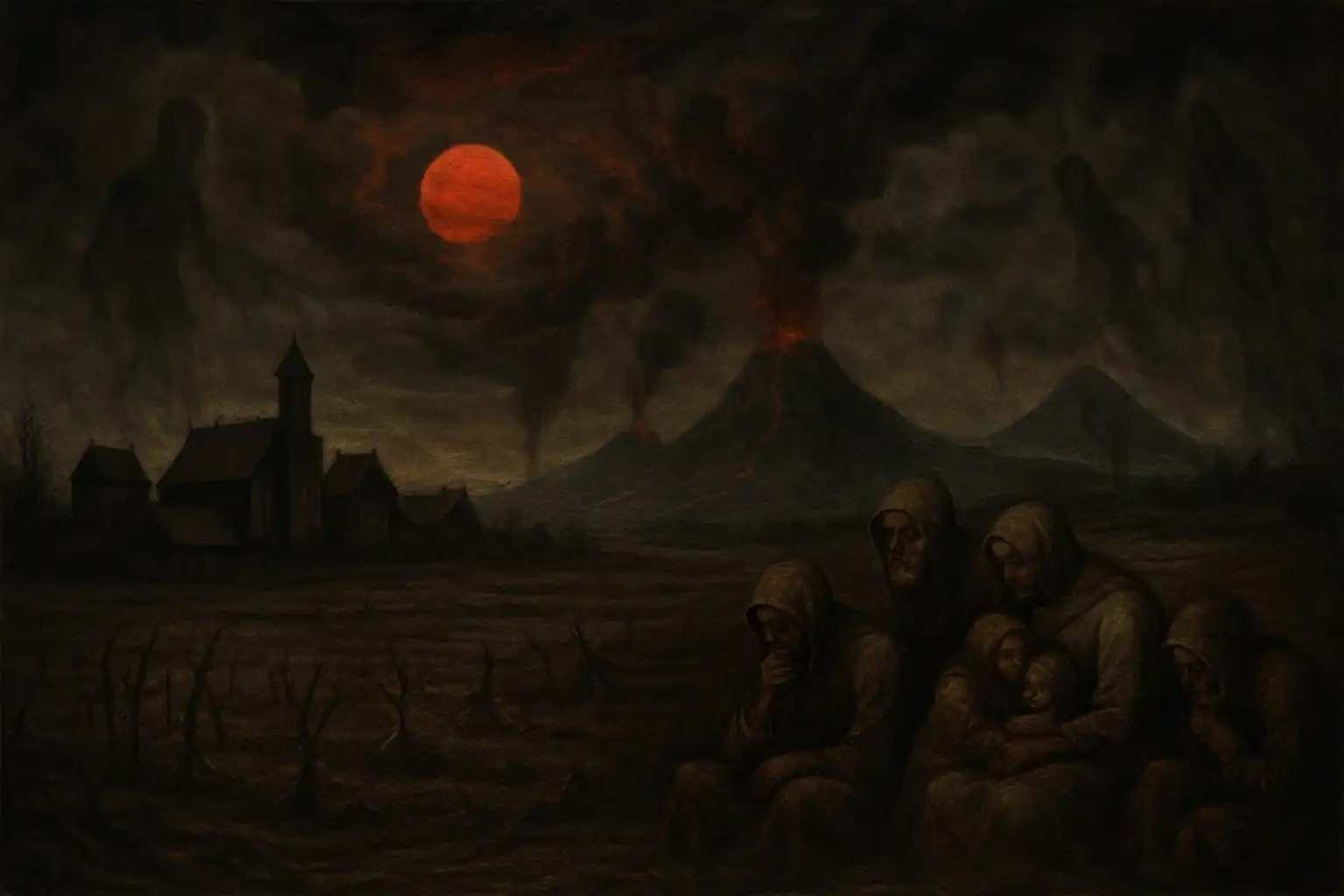
    It began like a bad science fiction script—one morning in 536 AD, daylight dimmed, and a ghostly twilight lingered for months. Then it grew worse. Crops withered. Temperatures plummeted. For two years, dust and darkness reigned, unleashing famine, disease, and chaos. Historians and scientists agree: 536 was the worst year to be alive (Science Magazine analysis). What turned the Sun black and hurled the world into catastrophe? Ice cores, tree rings, and written chronicles reveal a volcanic eruption so severe it reset the climate and reordered history itself.

    Reports from China, Italy, and the Middle East describe a Sun that refused to shine, failed harvests, and pestilence that decimated populations. In the 21st century, physical data identified the villain. Core samples from Greenland and Antarctica, rich in volcanic sulfate, reveal an eruption—likely in Iceland or perhaps Alaska—that injected enough ash and sulfur dioxide into the stratosphere to block out the Sun. The process, known as volcanic winter, drastically reduces global temperatures following explosive eruptions that release SO₂ into the atmosphere, triggering snow, ice, and feedback loops that chill the world for years.

    The Science of the 536 Catastrophe: How Volcanoes Change the World

    To grasp the devastation of 536, consider the convergence of scientific fields decoding it. As detailed in this historical summary, ice cores show enormous sulfate spikes, while tree rings indicate stunted growth across the northern hemisphere. Geologists debate the culprit—some blame Icelandic volcanoes, while others consider eruptions from 535 or even a comet or asteroid. However, the scale of stratospheric aerosols, their global distribution, and two-year persistence align with a massive volcanic event. The Wikipedia entry on the Volcanic Winter of 536 notes that global cooling led to devastating crop failures, triggering a rolling crisis of starvation and migration across Asia and Europe.

    This wasn’t the only instance when volcanic winters caused historical shifts—think of Tambora in 1815 or Krakatoa. However, 536 stands apart due to its length, severity, and the political and social collapse it triggered. Scientific reviews, as cited by Forbes, suggest the resulting cooling and snow may have lasted over 18 months, resulting in famine, disease outbreaks, and perpetual twilight so severe that Scandinavians buried hoards of gold in a desperate attempt to appease the gods—a detail echoed in multiple historical accounts.

    History’s Dark Turning Point: Famine, Plague, and New Empires

    Era records tell a grim story: skies clouded black, animals and humans starved, and disease swept across the land. The Byzantine historian Procopius described “a sign most fearful,” claiming the Sun gave “forth its light without brightness.” Archaeologists and climatologists link this event to massive population declines and the spread of the Justinian Plague, which dismantled what remained of the Roman world and paved the way for new powers. As noted in this report, post-eruption societies fell apart, transformed, or vanished—mirrored in the collapse of Mesoamerican polities, the struggles of European kingdoms, and a global crisis unmatched until recent centuries.

    Such transformations, caused by sudden environmental shock, have driven countless human stories—lost societies, hidden empires, and cultural resets are now uncovered in analyses of mysterious tombs, like those featured in this exposé on ancient enigmas. Climate-driven collapses, from the decline of Tartaria’s legends (dive into the mythic east) to apocalyptic frameworks like modern science prophecies, showcase humanity’s need to explain sudden darkness as more than mere bad luck.

    The Aftermath: From Volcanic Winter to Society’s Dawn

    Ancient communities faced the long shadow of 536 with sacrifice, adaptation, and ultimately, innovation. Scandinavian elites buried gold hoards, while regions in China and across the steppe reimagined their political structures and trade. As documented in atmospheric science and fossil records, entire economies shifted east or south to escape failed harvests, and new belief systems sprouted in the ruins left by famine and fear.

    Contemporary experts warn that electric grid fragility or cosmic risks, as discussed in space physicists’ warnings, could create similar global shocks today—through circuit fry rather than literal darkness. Even legendary tales of surviving pitch-black nights, like urban shadow legends, echo in the superstitions that guided people through the prolonged dusk.

    Lessons from 536: Are We Ready for Another Dark Sun?

    If there’s a lesson in the year the Sun went black, it’s that civilization teeters on a knife’s edge—often just one eruption or asteroid away from dramatic change. The events of the 6th century forced societies to rethink agriculture, culture, and faith. They remind us that natural disasters and human ingenuity intertwine in the cycle of progress and collapse.

    With each new geological core and archaeological dig, science approaches a deeper understanding of the impact of 536—and how a single volcano could change history for centuries. For explorers, researchers, and doomsday enthusiasts, resources like Unexplained.co monitor for the next shadow that might fall. The crucial question remains: if our sky blackened tomorrow, would we fare any better than those who endured the world’s longest night?

  • Unmasking Tartaria: Hidden Empires, Tatar Legends, and the Tunnels of Russia’s Old World

    Unmasking Tartaria: Hidden Empires, Tatar Legends, and the Tunnels of Russia’s Old World

    If you trust the murky corners of the internet, Russia resembles less a nation and more the last whisper of Tartaria—a forgotten empire concealed by historians and perhaps a whimsical interdimensional ruler. The recent revival of the Tartaria myth thrives on algorithmic momentum, fueled by tales of hidden tunnels, wartime rituals, and the Astrakhan Tatars—a name that sounds like a key to a covert history. But amid the sensationalism and outdated maps, is there any truth to this conspiracy? Or is it merely smoke, mirrors, and a bit too much late-night YouTube? (Tartary, via Wikipedia).

    Historically, Europeans labeled vast regions from the Caspian Sea to Mongolia as “Tartary”—a frontier as mythical as the dragons gracing medieval maps. The Astrakhan Tatars, descendants of Mongols and Turkic khanates, stood at the juncture of conflict, power, and legend. As noted by modern conspiracy theorists, whispers of mysterious tunnels and tales from military leaders in the steppes suggest that some battles were fought as much for spiritual domination as physical territory, often invoking ancient deities and lore that mainstream records ignore.

    The Old World Underground: Tunnels, Legends, and Lost Civilizations

    Any enthusiastic researcher of hidden histories will share narratives of complex tunnels stretching deep beneath Eurasia. These corridors transcend ordinary subway systems. Unofficial reports and speculative readings of aged military documents allege these passages served not just soldiers and supplies, but also the release—or containment—of spiritual entities during warfare. These notions echo discussions of “forbidden archaeology” featured in this exploration of lost tombs and enigmatic caves, blurring the lines between reality and myth.

    While scant evidence supports the existence of a Tartarian super-civilization, the ongoing quest for the Old World’s hidden cities and mysterious cliffside remains relates to the intrigue surrounding enigmatic tunnels and underground places globally, as discussed in cultural analyses like this exposé on ancient underground cities. The persistent lack of proven evidence—whether bizarre, inexplicable, or grand—sustains these legends long after mainstream academia has dismissed them.

    Generals, Spiritual Warfare, and the Shadows of Battle

    An especially intriguing—if outrageous—theory suggests that some wars in Old World Russia were fought not only with guns and swords, but also to dominate gateways to other realms. Local histories and battle memoirs reference generals targeting objectives that seem more mystical than practical. Enthusiasts believe tales of rituals, summoning, and invoking spiritual guardians during sieges mirror the shadowy strategies of ancient supernatural warfare and the dark folklore surrounding urban rituals, like the eerie Midnight Game. Whether any of these events occurred outside fevered imaginations or secret occult gatherings remains a mystery.

    Beliefs in hidden energies, geomantic alignments, and runic markers surrounding strategic locations seep into modern pseudo-history just as readily as wild claims about CERN and plasma glyphs transmitting signals from ancient petroglyphs (see more on symbolic mysteries). In today’s world, these narratives endure—perhaps because, amid increasing surveillance and precise mapping, nothing instills greater fear than the thought that some battles remain unseen and unresolved.

    Tartaria as Meme, Map Error, and Conspiracy Magnet

    No conversation about Tartaria is complete without addressing the memes, maps, and fervent YouTubers who have revived this non-existent empire. As highlighted in critical research from Discover Magazine, the modern Tartaria myth owes its origins more to 19th-century cartographic errors and fringe internet forums than to any actual historical entity in Eurasia. Instead, a constant tide of speculation has emerged, positing that advanced technology, global resets, and ‘mud floods’ obliterated this enigmatic culture—while overlooking well-documented histories developed by real scholars over centuries.

    Yet, perhaps that’s the crux: as the saga gets recounted and reimagined, the Tartarian legend evolves into a symbol for every lost empire, concealed history, or buried truth—a digital-age representation of the psyche’s craving for mystery, control, or a distraction from mundane existence. Visit Unexplained.co for a continuous archive of everything that slips through the official record; should anything be uncovered at the bottom of a distant cliff or in a shadowy tunnel, you’ll find it there first.

    Hidden Past or Human Imagination? The Enduring Allure of the Old World

    At the intersection of speculation and skepticism lies an important lesson: the past encompasses not only what occurred but also what we conceive might have transpired while records lay silent and ink on ancient maps dried. Tales of Tartaria’s cities, tunnels, and spiritual skirmishes will continue to inspire documentaries, blog posts, and vivid dreams for years—especially as the world grows louder and the ordinary remains unsettlingly familiar. With every myth discarded, another theory emerges: underground kingdoms, cosmic alignments, and spirits of lost empires remain as constant as tomorrow’s dawn for those eager for the extraordinary. Sometimes, the most profound enigmas are not found beneath the earth, but within the human mind.

  • Dark Rituals and Shadow Legends: The Real Midnight Game

    Dark Rituals and Shadow Legends: The Real Midnight Game

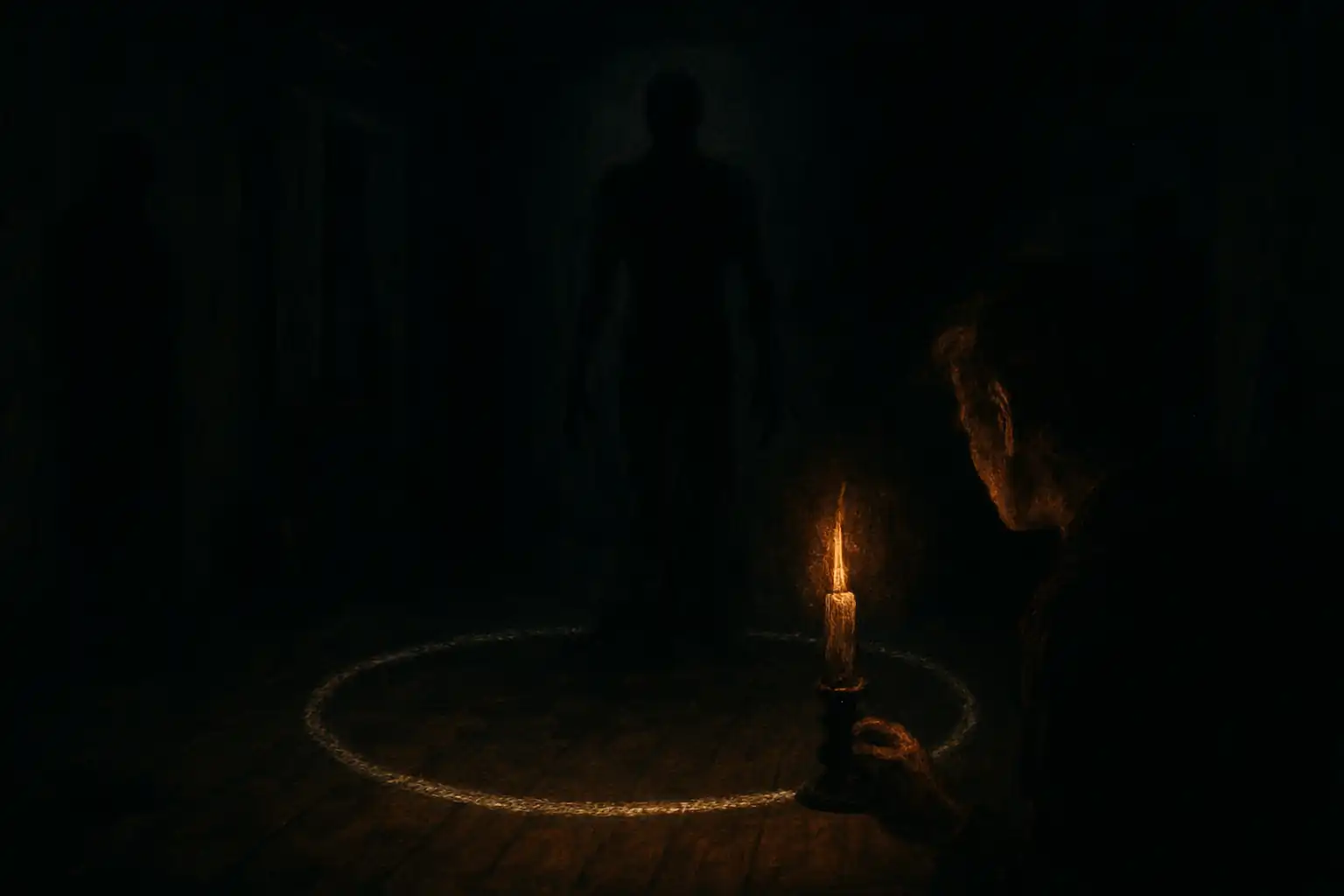
    Teenagers, urban explorers, and doomsday enthusiasts are obsessed with the Midnight Game. At first glance, it’s just a viral creepypasta ritual: write your name, light a candle, and wander your home after midnight, hoping your courage withstands the creeping shadows. However, the game taps into an ancient fear—the primal fear of darkness and the belief that, after midnight, a house is never truly empty.

    The game gained notoriety after the 2013 supernatural thriller “The Midnight Game” depicted a group of teens tempting fate and—spoiler—they get annihilated by their unresolved fears. The ritual draws heavily from old European legends and salt-line protection magic, as well as Native and African traditions that view the night as a moment when the veil between worlds thins. Unlike most internet challenges, the Midnight Game has rules reminiscent of a survival guide: carry your candle, confess your fears, and never forget your circle of salt, or the Midnight Man will do far more than flicker the lights. This symbolism is darkly intriguing; by summoning him, participants become both summoners and sacrifices, a fact recognized in this exploration of shadow people mythos and echoed widely on horror forums.

    Fear Rituals and the Psychological Toll of the Midnight Game

    What do people experience when they try the Midnight Game? Most survivors report a mix of fear, adrenaline, and auditory hallucinations—typical responses when combining sensory deprivation with nighttime suggestion. Psychology highlights this: rituals like the Midnight Game exploit our brains, wired to anticipate danger after dark. The mind becomes hyper-aware, and self-fulfilling terror emerges. This dynamic parallels the effects of real-world disasters chronicled in disaster events. The deeper you descend, the more the ritual takes control—feeding on whispered secrets and buried traumas.

    The game’s dangers aren’t merely psychological. Participants report panic attacks, sleep paralysis, and lasting anxiety, hardly surprising since you invite a psychological adversary—your shadow self, as Jung might say—into your mind. This mirrors altered states recorded in other forbidden knowledge contexts, like time-travel tales or menacing science experiments.

    Shadow People, Urban Myths, and Ancient Folklore

    The Midnight Man isn’t an isolated boogeyman; he embodies the shadow person—the dark figure that has plagued human sleep and myth for centuries. According to the Wikipedia entry on shadow people, cultures describe shadowy, vaguely humanoid entities that appear in moments of anxiety or transition. This entity takes many forms: Nalusa Chito in Choctaw lore, Islamic Jinn, or the menacing beings in Celtic ghost stories (see this analysis). Modern Midnight Game narratives directly stem from these primordial wraiths, reflecting the ancient belief that darkness can grow a mind of its own when summoned.

    In urban legend terms, shadow people thrive in liminality. The merging of new digital myths with age-old shadow lore isn’t mere coincidence; it’s a survival mechanism that evolves with our fears. A study of ruins and ancient giants shows that societies consistently explore hidden depths and forbidden games to confront the unknown.

    The Midnight Game’s Enduring Allure and the Legacy of Darkness

    Why does this ritual persist despite warnings promising psychological fallout? First, it serves as an initiation—a chaotic, democratized rite of passage. Anyone with a candle and shaky nerve can confront the Midnight Man. The real horror isn’t about being pursued by a demon; it’s turning inward and acknowledging what terrifies you. This dynamic mirrors responses to unseen dangers, whether stemming from astronomical warnings or the creeping dread of societal collapse predicted in AI prophecies.

    Thus, the Midnight Game transcends an internet challenge; it mirrors and magnetizes our collective anxiety, transformed into ritual form. This encapsulates why shadow legends endure—why each generation creates new ways to confront or escape its darkness, from ancient rites to modern horror films.

    In a world obsessed with rational explanations and algorithmic safety, rituals like these remind us that it’s thrilling—perhaps even essential—to walk into the void and confront the unknown. For those seeking more mysteries—or wanting to hear what mainstream narratives avoid after midnight—the archives at Unexplained.co are always accessible, night or day…if you dare.