Category: Ancient Civilizations

  • Operation Gladio & Sinn Féin: The Unproven Connection

    Operation Gladio & Sinn Féin: The Unproven Connection

    Key Takeaways

    • Gladiodrome’s Episode 3, “Everything Is Always Everything Else (ft. Rusty Cage),” hit YouTube around November 26, 2025, with the host and guest Rusty Cage drinking heavily, mispronouncing Sinn Féin amid riffs on politics and deep-state themes—offering a chaotic lens on serious history.
    • Operation Gladio stands as a confirmed NATO stay-behind network from the early 1950s, exposed in 1990, designed for Soviet invasion defense but officially cleared of terrorism links, including to conflicts like the Troubles.
    • Patterns echo between Gladio’s European “strategy of tension” and Northern Ireland’s violence, with community reports of intelligence infiltration in IRA and loyalist groups, yet no hard documents prove direct Gladio-Sinn Féin or IRA ties, leaving suspicions in the shadows of official denials.

    Two Voices, Three Shots Deep, Staring Into the Cold War

    Picture this: a late-night YouTube upload, grainy and raw, mic pulled straight from the trash. The host of Gladiodrome and guest Rusty Cage are already three shots in, bottles clinking as they push forward. The episode, “Everything Is Always Everything Else,” dropped around November 26, 2025—just hours before the latest checks. Rusty Cage, the American YouTuber born January 24, 1990, known for his viral “Knife Game Song” and sharp, satirical edge, fits right into this haze. They ramble, laugh, mispronounce Sinn Féin like it’s just another punchline. Yet beneath the black humor and booze, the show’s name evokes Gladio’s ghosts—covert ops, hidden wars. This DIY chaos contrasts the weight: Cold War secrets, the Troubles’ scars, now filtered through intoxicated internet culture. It’s messy, half-comedic, but it pulls you in, staring back at history’s darker corners.

    What Listeners and Researchers Say Is Really Going On

    In the forums and survivor circles, the talk runs deep. Operation Gladio? More than a simple defense net, they say— a tool for Europe’s “strategy of tension,” sowing chaos to crush leftist threats. Eyewitnesses from the Troubles describe British intelligence slipping into IRA ranks and loyalist outfits alike. Take Tom Doherty, a former IRA figure; he points to Bloody Sunday 1972, when British forces gunned down 14 civilians, as the spark that radicalized many. Sinn Féin, seen as resistance embodied, gets tangled in these tales—whispers of deep-state hands guiding loyalist violence, mirroring Gladio moves across the continent.

    Online, in Reddit threads and niche casts, patterns emerge. Bombings in Italy’s Years of Lead echo Northern Ireland’s shootings and blasts, both aimed at discrediting nationalists or leftists. Vincenzo Vinciguerra, the far-right terrorist tied to Gladio violence, called it state strategy outright. Gladiodrome fits this web—its name and riffs treated as signals, excavating potential fingerprints from Europe to the Troubles. These aren’t wild guesses; they’re built from lived accounts, consistent reports of collusion. We report them straight, as peers sharing the dig.

    Dates, Documents, and a Timeline of Shadows

    Let’s pin this down with the facts we have. Operation Gladio kicked off in the early 1950s, a NATO blueprint for stay-behind forces against Soviet threats—secret arms, covert cells, coordinated with CIA and MI6. Arms caches surfaced in places like the Netherlands in 1980 and 1983, proving the setup was real. Come 1990, Italian PM Giulio Andreotti spilled the beans on Italy’s branch, sparking inquiries across Europe. NATO docs frame it as defense only, like Belgium’s SDRA8 unit.

    The Troubles raged from the late 1960s to 1998, capped by the Good Friday Agreement. Sinn Féin, the republican party pushing unification and justice, carries baggage from perceived IRA links during those years. Gladiodrome itself? Episode 1, “The Assassination of Charlie,” landed around September 13, 2025, with Episode 3 following in late November.

    Operation Gladio The Troubles / Sinn Féin Gladiodrome Podcast
    Early 1950s: Program created as NATO stay-behind network.
    1960s–1998: Conflict period, with Sinn Féin active in republican politics.
    1980–1983: Arms caches discovered in Netherlands.
    1990: Public revelations by Italian PM Andreotti.
    2006: U.S. State Department response frames it as defensive.
    September 13, 2025: Episode 1 release.
    Late November 2025: Episode 3 release.

    These timelines let you scan for overlaps yourself—facts separated from the interpretations swirling around them.

    NATO’s Story, Community Patterns, and the Space Between

    Official line from NATO, the CIA, and the U.S. State Department in 2006: Gladio was pure defense, arms and operatives ready for invasion, nothing more. They reject ties to terrorism—like the 1980 Bologna bombing—or to the Troubles, insisting extremists acted alone, without endorsement. European probes, such as Italy’s 1990 inquiry, confirmed the setup—clandestine cells, stockpiles—but didn’t brand it a terror machine. Historians at places like Brunel University note the evidence gaps, critiquing broader claims while admitting secrecy leaves questions open.

    Yet witnesses push back. Troubles survivors detail intelligence infiltration on both sides, collusion with loyalists that reeks of strategy-of-tension tactics. Online voices map these to Gladio’s European echoes—violence patterned to undermine movements. No direct link proven, but the parallels persist. Gladiodrome captures this clash: drunk rambles mispronouncing Sinn Féin, blending comedy with inquiry, a space where official denials meet stubborn suspicions. Both sides stand; we lay them out side by side.

    Echoes in a Glass: Why a Sloppy Podcast Still Hits a Nerve

    Step back, and you see why this matters. A podcast with a trash mic, hosts slurring through heavy history—it resonates because Gladio’s existence is documented, arms caches and 1990 acknowledgments solid. The Troubles’ horrors, Bloody Sunday, intelligence collusion claims—they’re etched in records too. Sinn Féin’s contested past adds layers. But the unresolved? No paper trail ties Gladio directly to IRA, Sinn Féin, or loyalists. Officials call it all exaggeration; communities see secrecy fueling the doubt, pointing to destroyed files and half-truths.

    Shows like Gladiodrome introduce this to younger eyes—mixing memes, booze, and bits of declassified truth. What ties might surface from future archives? How does secrecy breed these high-strangeness tales? Are pods like this muddying history or stoking vital questions? For many, the core mystery isn’t Gladio’s reality—it’s what lingers in the cracks between records and the stories that won’t fade.

    Frequently Asked Questions

    Operation Gladio was a clandestine NATO stay-behind network established in the early 1950s to prepare for a potential Soviet invasion, involving secret arms caches and operatives. It was publicly acknowledged in 1990 by Italian officials, and declassified documents confirm its existence as a defensive program.

    No declassified documents establish direct connections between Gladio and the IRA, Sinn Féin, or loyalist groups in Northern Ireland. However, community reports and researchers highlight patterns of intelligence infiltration and violence that echo Gladio’s alleged “strategy of tension” in Europe, though officials deny any such ties.

    Episode 3, released around November 26, 2025, features the host and guest Rusty Cage drinking heavily while discussing politics and deep-state themes, including a mispronounced mention of Sinn Féin. It blends black humor with references to covert operations, fitting into the show’s theme of political violence.

    NATO, the CIA, and the U.S. State Department maintain that Gladio was solely defensive and not linked to terrorist acts or conflicts like the Troubles. They reject associations with events such as the 1980 Bologna bombing, emphasizing that any violence by extremists occurred without official endorsement.

    These informal shows introduce younger audiences to complex histories through a mix of entertainment and inquiry, blending documented facts with suspicions. They keep questions alive about unresolved aspects, like potential intelligence collusions, even as they process trauma through humor and chaos.
  • Kīlauea’s 2025 Eruption: Sound Healing vs Hotspot Truth

    Kīlauea’s 2025 Eruption: Sound Healing vs Hotspot Truth

    Key Takeaways

    • Kīlauea Volcano on Hawaiʻi’s Big Island has erupted episodically since December 23, 2024; Episode 37 occurred on November 25–26, 2025.
    • Episode 37 produced lava fountains about 450–500 feet (135–150 m) high inside Halemaʻumaʻu crater and ended abruptly at 11:39 p.m. HST on November 26, 2025.
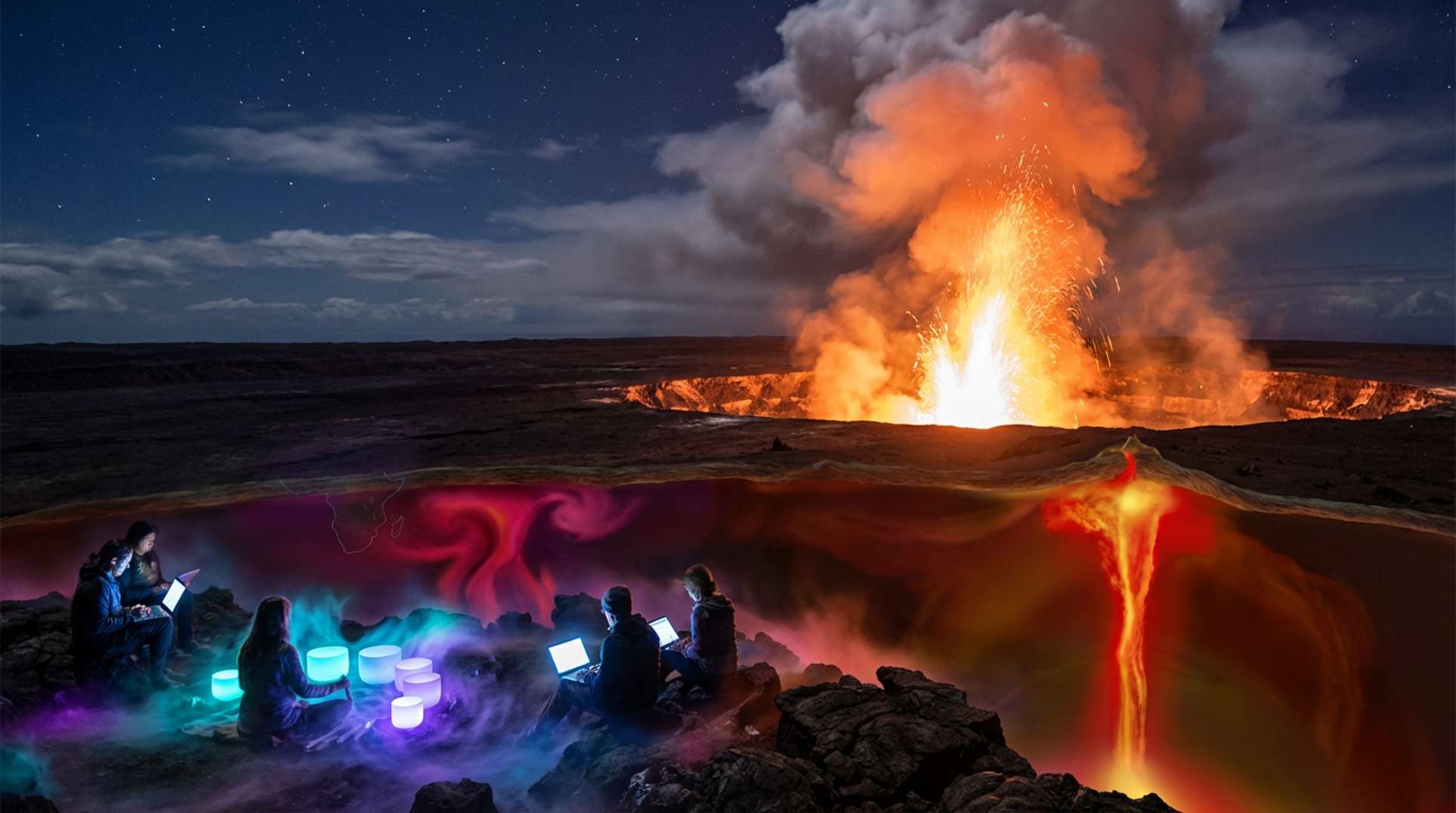
    • Many viewers watched the USGS live eruption feed while a concurrent crystal bowl sound healing session aimed to ‘tune’ participant emotions, though there is no evidence such practices affect geologic processes.
    • Scientists attribute Kīlauea’s activity to the Hawaiian hotspot plume; the African Superplume is a separate deep-mantle feature, though isotopic studies leave open debated, indirect mantle connections.
    • Sound healing is reported by participants to reduce stress and create a sense of spiritual alignment, but it has no demonstrated influence on magma or mantle dynamics.
    • Open questions include possible long-range mantle interactions and whether sound practices measurably help community resilience during eruptions.

    Overview

    Between December 23, 2024, and November 2025, Kīlauea produced at least 37 episodic eruptive episodes. Episode 37 (Nov 25–26, 2025) featured high lava fountains confined to Halemaʻumaʻu crater. The USGS live camera documented the activity; a simultaneous crystal bowl sound bath was streamed by a practitioner. Scientific monitoring focuses on seismicity, gas emissions, ground deformation, and lava activity; these data support a hotspot-driven interpretation.

    Science vs. Experience

    Geophysically, hotspots arise from mantle upwelling beneath the lithosphere. The African Superplume is a very deep mantle anomaly beneath eastern Africa; mainstream models treat it as distinct from the Hawaiian plume, although some isotopic and geochemical studies suggest complex mantle heterogeneity that is still debated. No peer-reviewed evidence links human-scale acoustic practices to volcanic behavior. Psychologically, however, sound therapies and cultural rituals can help people process fear and grief associated with eruptions.

    Data Summary

    • Eruption start: December 23, 2024
    • Episode count: at least 37 by November 2025
    • Episode 37 fountain height: ~450–500 feet (135–150 m)
    • Location: Halemaʻumaʻu crater, Hawaiʻi Volcanoes National Park
    • African Superplume depth: ~2,900 km (core–mantle boundary)

    Conclusions and Open Questions

    Kīlauea’s activity is best explained by local hotspot processes. Isotopic evidence invites further study of deep-mantle structure and connectivity. Sound healing appears to offer psychological benefits during natural hazards but lacks geophysical effect. Useful next steps include controlled studies of community stress markers during sound-based interventions and continued geochemical work on mantle sources.

    FAQ

    Episode 37 occurred on November 25–26, 2025, ending at 11:39 p.m. HST on Nov 26, 2025.

    No direct link is established; they are generally treated as separate mantle features, though research continues.

    No evidence they affect volcanic processes; participants report psychological benefits.

  • Hayli Gubbi Eruption: Why Africa Isn’t Splitting Now

    Hayli Gubbi Eruption: Why Africa Isn’t Splitting Now

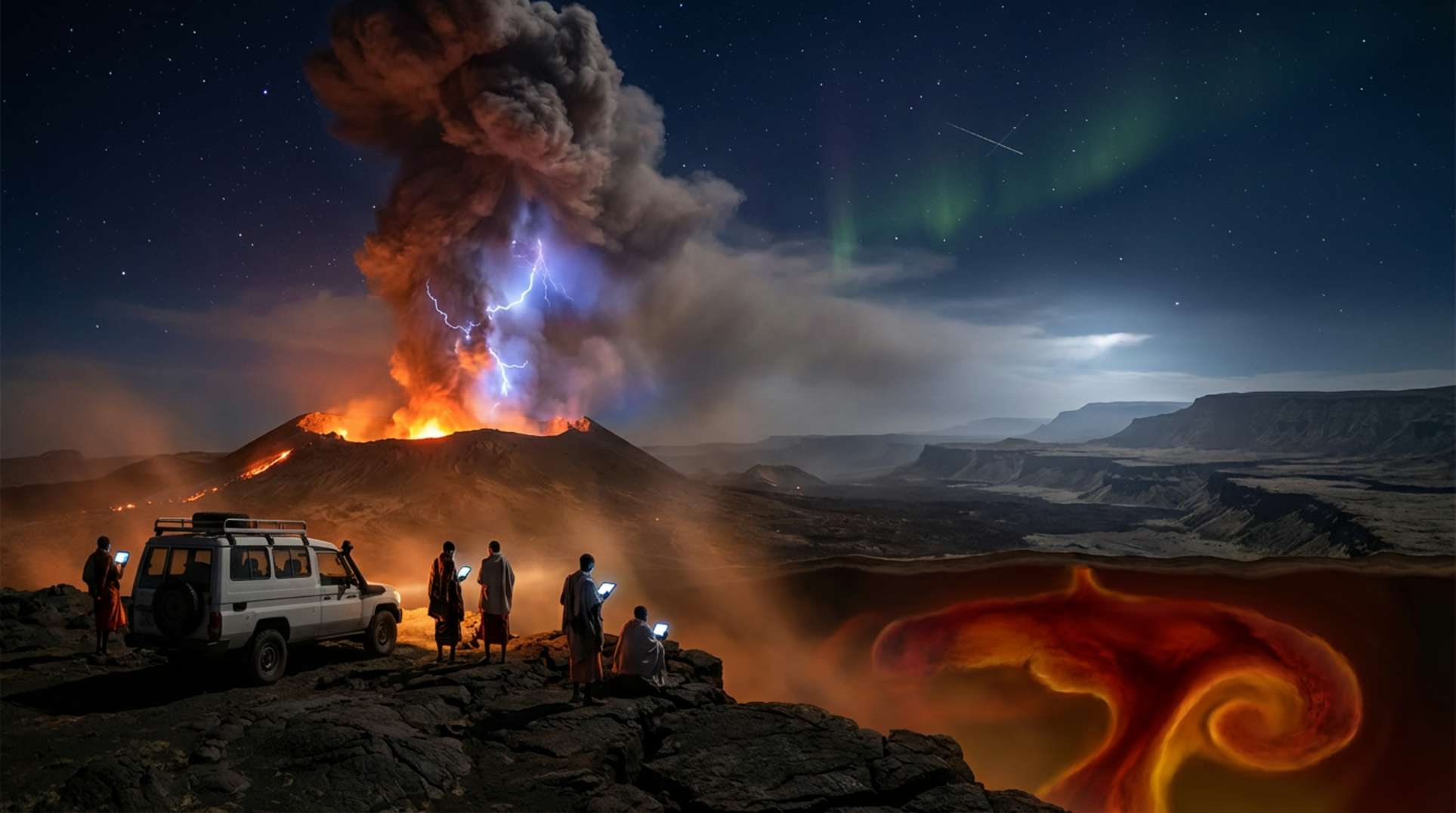
    • Hayli Gubbi volcano in Ethiopia erupted explosively on November 23, 2025, around 08:30 local time, sending ash up to 10,000 ft (3,000 m) and in some reports as high as 45,000 ft.
    • This marks the first eruption in Hayli Gubbi’s recorded history, with no confirmed Holocene blasts before 2025, though geological hints point to dormancy stretching back thousands—possibly 10,000+ years.
    • The African Superplume lurks as a massive, snail-paced mantle beast shaping East African rifting across millions of years; zero scientific proof ties this lone eruption to a abrupt continent-wide ‘pressure dump’ or Africa snapping apart anytime soon.

    The Hook: When a Long-Silent Volcano Roars Back to Life

    Imagine the ground shaking in Ethiopia’s Afar region. November 23, 2025. 08:30 local time. Hayli Gubbi, a volcano silent for millennia, suddenly explodes. Ash rockets skyward—10,000 feet at first, some whispers say 45,000 feet high. Satellite images capture the chaos. On the ground, locals stare in awe and fear. Online, the frenzy ignites. Posts scream: Is this it? Is Africa finally cracking open? The East African Rift System, already painted as the continent’s slow fracture, fuels the fire. Fringe sites declare the African Superplume is stirring. Decades of buried pressure, they say, bursting free. Panic spreads like wildfire. But is this the endgame they claim? Or a distraction from the deeper truth?

    Why Do People Think Hayli Gubbi’s Eruption Means Africa Is Tearing Apart Now?

    Let’s connect the dots. Hayli Gubbi stayed quiet through the entire Holocene—no eruptions on record until 2025. Headlines blast it as ‘asleep for 10,000+ years.’ Its roar feels like a wake-up call from hell. Viral threads tie it straight to the African Superplume, that colossal magma monster under the continent. They paint it as a swelling bomb, ticking louder after decades of buildup. This eruption? The first crack in the dam, they insist—a chain reaction ripping Africa in half. Maps of the East African Rift flood feeds, showing the continent splitting like a bad breakup. Dramatic graphics amplify the doom. But these tales gloss over the slow grind of geophysics. They ignore how rifting drags on for tens of millions of years. Not days. Not decades. Why the rush to apocalypse? Who benefits from the fear?

    The Hard Evidence: What the Hayli Gubbi Eruption Really Tells Us

    They push the hype. We dig for facts. Hayli Gubbi’s blast on November 23, 2025, hurled ash to 10,000 feet initially, with advisories clocking peaks at 45,000 feet. Impressive? Sure. But it’s no outlier among global eruptions. The Global Volcanism Program admits no Holocene fireworks before this—first in recorded history, yet geology whispers of older unrest on vast timelines. This peak stands modest at 521 meters, a local threat: ash, gas, lava, flight risks. Not world-ending. Now, the African Superplume. Seismology reveals it as a low-velocity zone from the core-mantle boundary, 2,900 km deep under southern Africa, stretching 1,500 km up and 1,200 km wide—8% of the mantle. Massive. But sluggish. Models show northeast flow of warm material, no sudden flip to chaos with this eruption. Rifting? The East African system spans 4,000 miles, widening millimeters yearly. Plate tectonics at a crawl. No data screams ‘pressure release’ or rift meltdown. Conspiracy spins misread low seismic speeds as doomsday heat, twisting deep-Earth flow into catastrophe. The Narrative downplays it. But evidence doesn’t lie.

    Dramatic Claims Measured Geologic Realities
    Ancient volcano awakens after 10,000+ years, signaling superplume ‘ticking bomb’ exploding now. First recorded eruption, but geological scales suggest prior activity; no link to sudden superplume shift.
    Decades of pressure building, eruption as ‘valve release’ tearing Africa apart in our lifetimes. Rifting at millimeters per year over millions of years; superplume influences gradual melting, not abrupt crises.
    Giant magma balloon under Africa reaching tipping point, causing continent-wide rupture. Superplume is deep, slow-moving structure (1,200 km wide, 1,500 km tall); low velocities indicate warm flow, not imminent blast.
    Viral maps show Africa splitting imminently from any big event like this. No seismic or geodetic signs of accelerated rifting; processes span tens of millions of years, not human timescales.

    The Skeptic’s View: Yes, Africa Is Changing — But Not Overnight

    Something’s real here. The African Superplume exists. The East African Rift is pulling the continent apart. But overnight? That’s the lie they’re selling. Geophysicist Andy Nyblade’s own words expose it: a ‘large region of low seismic wave speeds beneath southern Africa, deep in the mantle.’ Size and depth, not eruption on demand. Stephen E. Hansen and his team admit slower velocities under Ethiopia and Afar from shallow melting and superplume flow—ongoing, not a fresh nightmare. Geochemist Pete Burnard calls it a window into Earth’s guts, like the Pacific’s version. A chance for discovery, not destruction. Research links volcanism to the superplume without hinting at collapse soon. Sensationalists twist ‘Africa is splitting’ into tomorrow’s headline. Outlets like IFLScience have called out the distortions—seismic data mangled with scary visuals. Real threats are local: ash choking skies, lava creeping, planes grounded. Jumping to global doom? No proof. The official story minimizes the wonder. We see the patterns. Earth’s changes creep, defying the panic peddlers.

    Conclusion: A Dramatic Eruption in a Slowly Splitting Continent

    Hayli Gubbi’s first recorded blast lights up the East African Rift’s hidden fires. But seismic whispers and satellite eyes show no sprint to continental chaos. It’s the superplume’s long game—millimeters yearly, millions of years deep. The mismatch? Geologic epochs versus clickbait cycles. Monitoring nets and data streams tracked this in real time. Human ingenuity tames the uncertainty. This eruption unmasks Earth’s restless heart. Panic won’t guide us. Knowledge will. They tried to sell fear. We uncovered the rhythm—a planet alive, but on its own timeless beat.

  • Van Allen Belts: Why They Didn’t Stop Apollo Missions

    Van Allen Belts: Why They Didn’t Stop Apollo Missions

    Through the ‘Deadly’ Van Allen Belts: How Apollo Really Reached the Moon

    Key Takeaways (TL;DR)

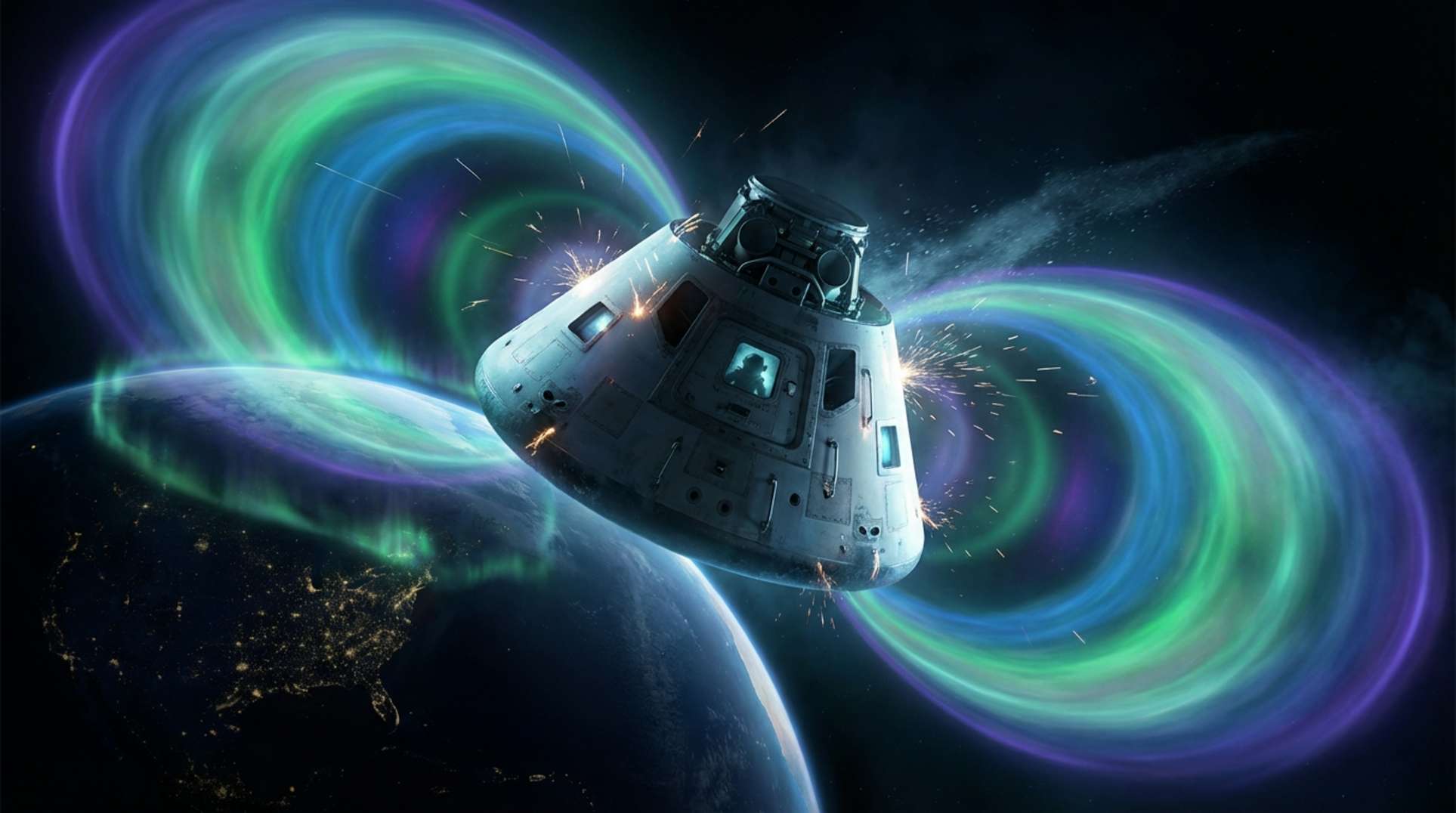
    • The Van Allen belts are regions of trapped charged particles around Earth, not an impenetrable wall of instant death.
    • Apollo spacecraft spent only about 1–2 hours per leg in the belts and followed trajectories through thinner regions, keeping astronaut doses between 0.16 and 1.14 rads (1.6–11.4 mGy) for entire missions—far below lethal levels and comparable to a medical CT scan.
    • Aluminum shielding (about 2–5 g/cm²) plus careful mission timing and trajectories made radiation a manageable engineering problem, not a show-stopping barrier, which is why James Van Allen himself called the ‘fatal radiation’ claims “nonsense.”

    The Fear Above the Sky: How a Hidden Radiation Belt Became a Boogeyman

    Earth wears them like unseen crowns. The Van Allen belts, discovered in the late 1950s—halos of charged particles, invisible and restless. Circling our planet. They caught the imagination fast. A reputation built on whispers of danger, the kind that lingers in the mind’s shadowed corners.

    Intuition tugs at you. If even the low orbits we know are laced with this radiation, how do humans—fragile, fleeting—slip through to the Moon? Unharmed. The thought settles like static in the air. Unsettling.

    Conspiracy tales feed on it. Hollywood stages flickering in basements. ‘Deadly’ belts as the ultimate barrier. Yet reality hums different. Engineering. Equations. Calculated risks. We have the numbers from Apollo itself. Doses recorded, precise. They clash with the myth’s thunder. A contrast sharp as moonlight on film grain.

    Are the Van Allen Belts Too Deadly to Cross?

    The claim sits at the heart of it. Clear and insistent. Those belts—zones of intense radiation—would fry any astronaut daring the passage. Instant death. No way around it. So the Moon landings? Faked. Filmed on Earthbound sets, some say, with names like Stanley Kubrick tossed in for flavor.

    Believers point to shielding. NASA‘s craft couldn’t carry enough without buckling under the weight. Impossible, they argue. The missions—a elaborate ruse.

    This thread wove into the broader fabric mid-1970s. Distrust thick in the air after Watergate, Vietnam. Books appeared, self-published tracts. Assertions without the math. The belts as proof positive. Bundled with other doubts: flags rippling in vacuum, stars absent from photos, tech from the ’60s deemed too primitive. Together, they build a case. Persistent. Alluring in its doubt.

    What the Numbers Say: How Apollo Actually Dealt with the Belts

    Two zones define them. Inner and outer. High-energy protons, electrons—snared by Earth’s magnetic grasp. Apollo planners knew. They charted paths. Not through the thick heart. But the edges. Thinner. Safer.

    Transit was brief. One to two hours each leg. Round trip? Roughly three hours total in the belts.

    Doses measured. Real data from the missions. Astronauts absorbed 0.16 to 1.14 rads overall. That’s 1.6 to 11.4 mGy. Including deep space, lunar stays.

    Apollo 14 topped the list. 1.14 rads—0.0114 Gy. Still distant from harm.

    Apollo 11? Skin dose at 0.18 rad. Iconic. Grounded.

    Danger thresholds loom higher. Acute lethal doses: 300–500 rads. Sickness kicks in well beyond single rads.

    Shielding helped. Aluminum hulls, structures—2–5 g/cm². Enough to blunt protons, electrons during the dash.

    Rates in the worst spots? Around 0.044 Sv per minute, shielded. But paths chosen wisely. Time limited. Totals stayed low.

    Think chest CT scan. That’s the scale. Not Chernobyl’s glare.

    Mission/Threshold Radiation Dose (rads)
    Apollo 11 0.18
    Apollo 14 1.14
    Full Apollo Range 0.16–1.14
    Lethal Acute Dose 300–500

    NASA’s breakdowns show more. Solar particles outside the magnetosphere often outweighed belt exposure. A constraint, yes. Not a wall.

    Radiation Is Real – So Why Was Apollo Safe?

    Space radiation bites. No denying it. Particles slice through, tampering with DNA. Cancer risks climb. High doses? Sickness. Death. Real threats.

    But nuance matters. Dose and duration. A zone lethal for lingering days turns passable with speed and shields. Quick transit. Calculated.

    James Van Allen spoke plainly. The fatal radiation notion? “Nonsense.” He affirmed: trajectories and shielding kept it in check.

    NASA echoed. Van Allen’s own calculations opened the way—through weaker regions to the void beyond.

    Experts at Royal Museums Greenwich agree. Fast enough for the Moon? The belts pose no issue.

    Wikipedia, NASA summaries align. High speeds through upper, thinner belts minimized hazards.

    Scientists modeled. Calculated. Timed launches. Built defenses. Risks bounded, acceptable.

    Contrast with Mars treks. Long hauls amplify cumulative threats. Experts grapple, not dismiss.

    Conspiracists spotlight gaps, claim impossibility. Data and consensus push back. Measured. Firm.

    Speed, Trajectory, and Ingenuity: How We Really Reached the Moon

    Two levers unlocked it. Speed. And paths through the belts’ sparse fringes, not the dense cores.

    Doses across Apollo? 0.16–1.14 rads. Worlds from lethal 300–500. Akin to routine scans.

    Aluminum at 2–5 g/cm². Transits capped at 1–2 hours each way. Trajectories precise. Risk transformed—from barrier to equation.

    Van Allen dismissed the myths. Science concurs: a puzzle solved, not a veil for secrets.

    The myth clings. Physics simplified to terror. ’70s skepticism. Cover-up’s drama over engineering’s quiet grind.

    Yet grasping Apollo’s solution illuminates. History defended. And a lesson: science, ingenuity—they render Earth’s radiation halo mere footing. Toward stars uncharted.

  • Inside the Montauk Myth: What the Montauk Project Really Was—and Wasn’t

    Inside the Montauk Myth: What the Montauk Project Really Was—and Wasn’t

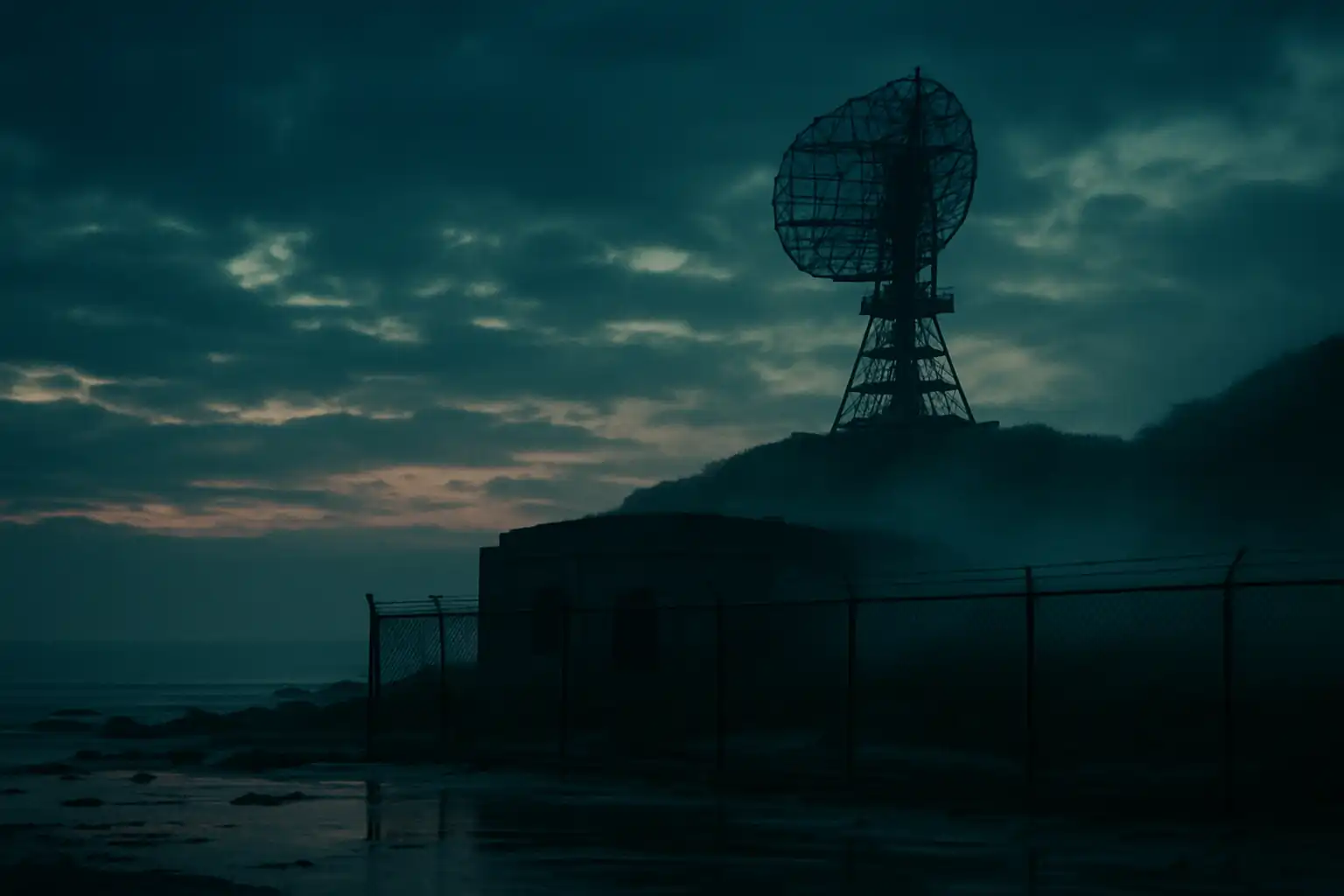
    The Montauk Project narrative resembles a mix of Cold War secret programs, time travel fantasy, and fringe psychotherapy. It references a real location—Montauk Air Force Station, later known as Camp Hero—and is layered with a dense mythology involving mind control experiments, time travel, and child abuse. The situation complicates when actual history and invented stories coexist: fences, radar towers, and abandoned bunkers provide a tangible connection to the fiction.

    This piece distinguishes the site’s documented military history from the modern mythos popularized in the early 1990s by authors like Preston B. Nichols. It examines how the story permeated popular culture (including influences on Netflix’s Stranger Things) and what credible sources and forensic research reveal about what likely occurred—and did not occur—at Montauk.

    Montauk Air Force Station history and documented military facts

    Montauk Air Force Station is located on Long Island’s easternmost tip. The installation began as a coastal defense site during World War II and later became a Cold War radar and communications location outfitted with SAGE (Semi Automatic Ground Environment) systems and large AN/FPS radar arrays. The facility operated as an active Air Force station from the 1950s until the 1970s and was officially decommissioned on January 31, 1981. In the 1980s, New York State acquired the property, which is now part of Camp Hero State Park. These are verifiable administrative facts documented in public land and military records, summarized in comprehensive entries such as the Montauk Air Force Station profile (Montauk Air Force Station historical overview).

    The origin of the Montauk Project myth and Preston B. Nichols’ books

    The modern Montauk myth solidified in self-published and small-press books that began appearing in the early 1990s. Preston B. Nichols and co-author Peter Moon crafted a sprawling narrative—time travel experiments, electromagnetic mind control, and ties to the 1943 Philadelphia Experiment—into books like The Montauk Project: Experiments in Time. These books intertwine alleged recovered memories, supposed program names, and melodramatic stories; scholars and skeptics observe that they read like a blend of autobiography, speculative fiction, and ritual confession. For a primary source of Nichols’ claims, consult his contemporaneous interview archive, which serves as the material critics analyze (Preston Nichols interview archive).

    Why historians and debunkers treat Montauk as folklore rather than archival evidence

    Historians and credible investigators apply a basic test to extraordinary claims: chain of custody, contemporaneous documentation, and multiple independent witnesses. The Montauk narrative lacks these essential elements. The primary evidence for secret experiments relies on retrospective testimony—often recorded decades after the events supposedly occurred—and on books that blend metaphor and narrative flourish. Independent archival searches of Air Force logs, procurement records, and New York State land conveyances document routine base activity—radar surveillance, personnel housing, and coastal defense—without supporting evidence for time-travel technologies, systematic child-abduction schemes, or exotic physics. This discrepancy shifts Montauk’s core claims from historical evidence into the realm of modern folklore and conspiracy literature (Montauk Project entries and critical context).

    How Camp Hero’s physical features helped the narrative stick

    Reality has reinforced the myth. Camp Hero’s AN/FPS radar towers, concrete batteries, and fenced compounds create cinematic backdrops; visitors encounter rust, wires, and restricted-area signs that heighten suspicion. The site’s decommissioning in 1981, combined with the partial removal of operational staff, allowed local stories and rumors to flourish. Documentary filmmakers and podcasters later leveraged this physical evidence: interviews, grainy photos, and personal testimonies create a perceived reality that readers and viewers often mistake for archival proof. This outcome mirrors other instances where physical infrastructure—like an abandoned lab or transmitter tower—serves as a foundation for conspiracy theories and mythmaking (an archival breakdown of symbolic infrastructure cases).

    Linkages to pop culture: Stranger Things and the commercialization of the myth

    Netflix’s Stranger Things popularized a fictional Hawkins Lab whose visual and narrative elements draw inspiration from Camp Hero’s eerie landscape and the Montauk myth. Showrunners initially contemplated Montauk as a setting, and producers have acknowledged that Cold War imagery influenced their work. This creative borrowing has sparked public interest in the real site and created a feedback loop: tourism surges, amateur investigations increase, and rumor networks expand. This pop-culture phenomenon is common: a dramatic series reframes local curiosities into global cultural touchstones, intensifying fascination and misinformation (camp hero cultural primer and reporting).

    Victim testimony, the Montauk Chronicles film, and why stories endure

    Several individuals—most notably Al Bielek, Preston Nichols, and Stewart Swerdlow—have shared alarming accounts of mind control, forced experiments, and time travel. Filmmakers compiled these testimonies in documentaries like Montauk Chronicles, aired in the 2010s, which amplified views among podcast audiences and fringe groups. Researchers warn that retrospective testimony, memory distortions, and motivations linked to storytelling careers make such accounts unreliable as standalone evidence. Nevertheless, this does not negate actual harm: survivors’ stories often communicate genuine trauma, and researchers must treat them with empathy while verifying claims against archival records and contemporaneous documentation.

    How journalists should report on Montauk and similar conspiracy lore

    Responsible reporting integrates local archival research—base logs, procurement records, and land-transfer documents—with diligent sourcing. Interview transcripts, contemporaneous newspaper articles, and declassified military files represent the best means to distinguish administrative facts from later narratives. Journalists should also explore how symbolic events transform into myth; for instance, symbolic broadcast disruptions and sabotage stories have consistently fueled public anxiety in various settings, generating enduring myths that persist despite formal debunking (field report analysis of narrative amplification).

    Why the Montauk story matters: belief, infrastructure, and democratic resilience

    The Montauk narrative persists because it satisfies a psychological need: secret programs make sense of randomness, and dramatic stories provide clear villains. This psychological aspect is significant, as it can influence policy and public behavior—tourism, local land use debates, and even municipal resource allocation can hinge on sensational claims. Understanding Montauk equips journalists and historians to establish standards for assessing extraordinary assertions and to protect individuals reporting abuse, ensuring unverifiable memories do not confuse with documented evidence. For more context on technology-related myths and their propagation, explore investigative work that traces symbolic events and public reactions (an investigative case study).

    Practical takeaway: how to evaluate alleged government black projects

    When assessing claims of secret government projects, insist on contemporaneous documentation, independent verification, and plausible mechanisms. Consider whether the claimed technology aligns with known physics, if procurement records or budgets reflect unusual expenditures, and whether declassified files or FOIA submissions corroborate testimonial accounts. For Montauk, the evidence leans toward a documented military installation with Cold War radar capabilities and a rich modern mythology rather than a validated program of exotic experiments. For those interested in tracking related narratives and broader cultural tech panics, see curated dossiers on hybrid warfare and technological rumor cycles (related analysis on technological panic).

    Conclusion: Camp Hero, mythmaking, and the responsibilities of truth-seeking

    Camp Hero is real; however, much of the Montauk Project narrative as recounted in popular literature is not. The site’s physical presence and Cold War mystique provided fertile ground for imaginative tales that have become subcultures. Scholars, journalists, and curious citizens should approach survivor testimonies with compassion, hold extraordinary claims to ordinary evidentiary standards, and maintain archives that enable future researchers to verify assertions against historical records. For accessible, ongoing collections of reporting and timelines on conspiratorial and technological incidents, visit Unexplained.co for curated packages and archived summaries.

  • X5.1 Solar Flare Triggers Major CME: What to Expect as Impacts Arrive

    X5.1 Solar Flare Triggers Major CME: What to Expect as Impacts Arrive

    Solar activity is in the spotlight after an X5.1-class solar flare erupted from sunspot AR4274, launching a fast-moving coronal mass ejection (CME) toward Earth. This event, which occurred on November 11, 2025, is considered one of the most intense solar outbursts of this cycle by the NOAA Space Weather Prediction Center. A wave of space weather effects is expected to reach Earth in 12 to 24 hours. While auroras and sci-fi blackouts make enticing headlines, this solar storm poses significant risks and unique scientific opportunities.

    X5.1 Flare and Fast CME: How Extreme Solar Eruptions Evolve

    This recent flare, detailed by Space.com, ranks among the largest recorded in Solar Cycle 25. The eruption released high-energy X-rays and triggered a CME moving at 1350 km/s. Astrophysicists note that flares and their CMEs often occur together, but their relationship remains under study, as outlined in the thorough overview of coronal mass ejection physics. CMEs carry billions of tons of plasma and magnetic fields. When they are “geoeffective”—directed at Earth—they can trigger ionospheric and geomagnetic disturbances.

    “X-class” flares are the most energetic on the solar scale. The designation “5.1” indicates this event was over five times the baseline X1.0 threshold. NOAA forecasters noted in their briefings that this may be the strongest flare of the current cycle. Due to the active region’s Earth-facing position, the CME is likely to impact our planet directly.

    Geomagnetic Storm Warnings: Technology and Infrastructure at Risk

    The projected CME arrival has prompted space weather agencies to issue storm watches with a range from G2 to G3 strength on a five-level scale. Past events of this magnitude have led to widespread radio blackouts, intense auroras, and power grid voltage fluctuations. POGODNIK’s forecast emphasizes the potential for disruptions in communications, navigation systems, and satellite operations. Radio blackouts already occurred across Africa and Europe and may spread with the CME impact. Operators of power grids and satellite fleets are on high alert, reflecting the readiness seen in previous crisis scenarios documented in technological vulnerability reports and policy briefings on infrastructure risk escalation.

    Geomagnetic storms are graded by impact: G1 is minor, G5 is extreme. For a G3-level event, expect increased auroral activity, possible power grid warnings, and potential irregularities in satellite orbits. Storm forecasts will be refined as the CME’s magnetic characteristics become clear—negative “Bz” in the magnetic field can significantly intensify ground-level impacts.

    Aurora Borealis, Satellite Blackouts, and Global Impacts

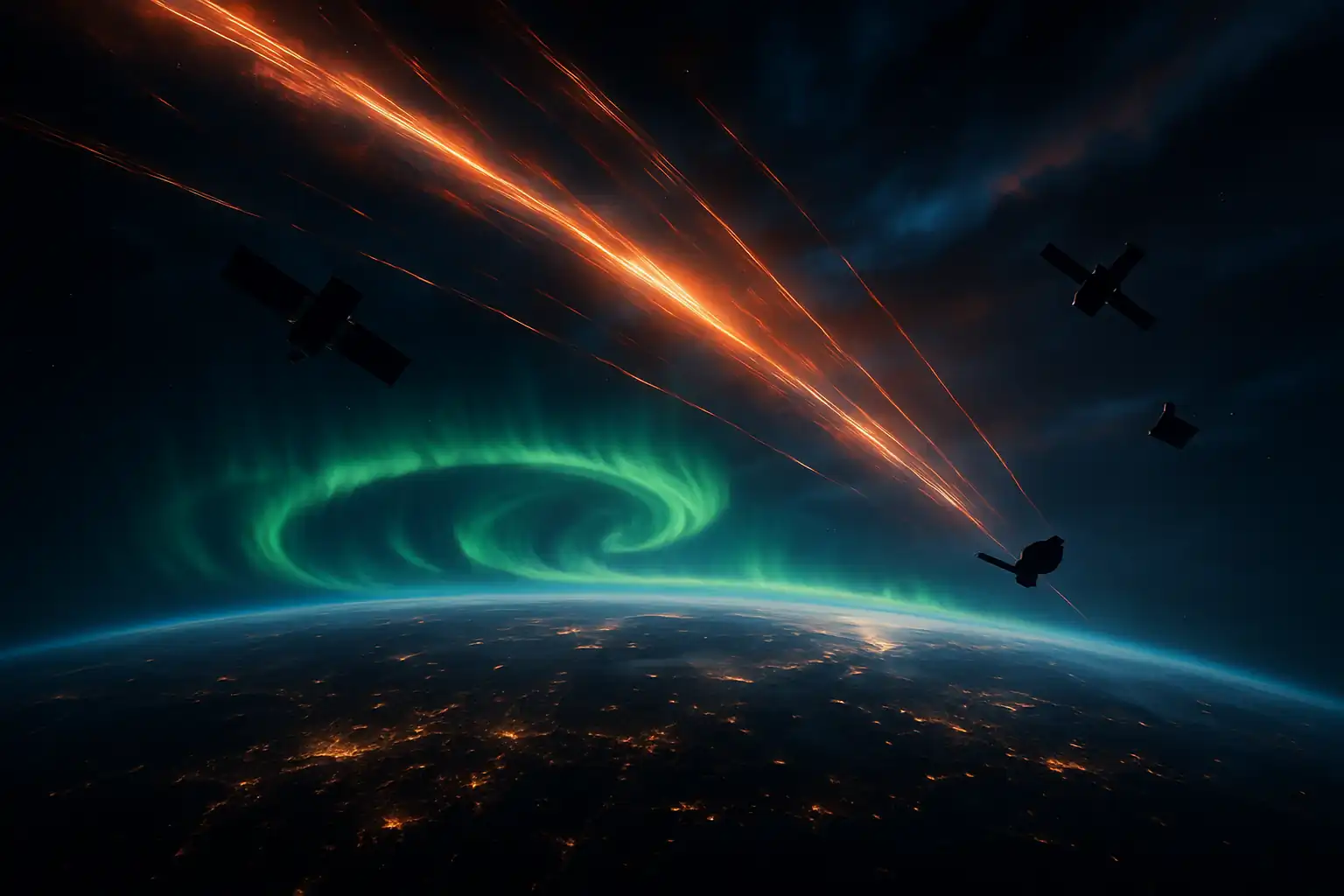
    Strong geomagnetic storms could make auroras visible far beyond their typical locations. Recent analyses from EarthSky indicate that similar events have showcased auroras as far south as central United States and Europe. Satellite operators are vigilant for “drag” (increased atmospheric resistance), which may cause low-Earth orbit satellites to lose altitude more quickly or temporarily disrupt GPS and communications. Previous X-class events showcased both stunning auroras and disruptive side effects—remarkable displays alongside brief navigation outages or temporary power failures.

    For tech enthusiasts and sky-watchers, the next 12–24 hours may present a rare mix of beauty and inconvenience, reminiscent of previous high-impact solar outbursts chronicled in global cycle field notes and case studies on critical infrastructure resilience. This event will challenge our preparedness in a tech-dependent world.

    Why Solar Storm Forecasting Matters—and What Comes Next

    Events like the November 2025 X5.1 flare remind us that as our society grows interconnected and reliant on satellite technology, accurate solar weather prediction is crucial. Ongoing monitoring by NOAA SWPC, NASA, and global observatories provides advance warning to operators and the public. Although space weather models have improved, substantial uncertainties remain regarding CME strength, speed, and the orientation of their magnetic fields.

    For those wanting to understand solar-related risks or prepare for future X-class events, resources from scientific authorities and websites like Unexplained.co offer guidance for both seasoned bunker-dwellers and casual skywatchers. While blackouts and satellite issues may dominate headlines, events like this flare are also invaluable for understanding our star and how humanity adapts to its behaviors.

  • 3I/ATLAS, Pole Shifts, and Planetary Alignments: How 2024’s Cosmic Forces and Earth’s Fragile Balance Collide

    3I/ATLAS, Pole Shifts, and Planetary Alignments: How 2024’s Cosmic Forces and Earth’s Fragile Balance Collide

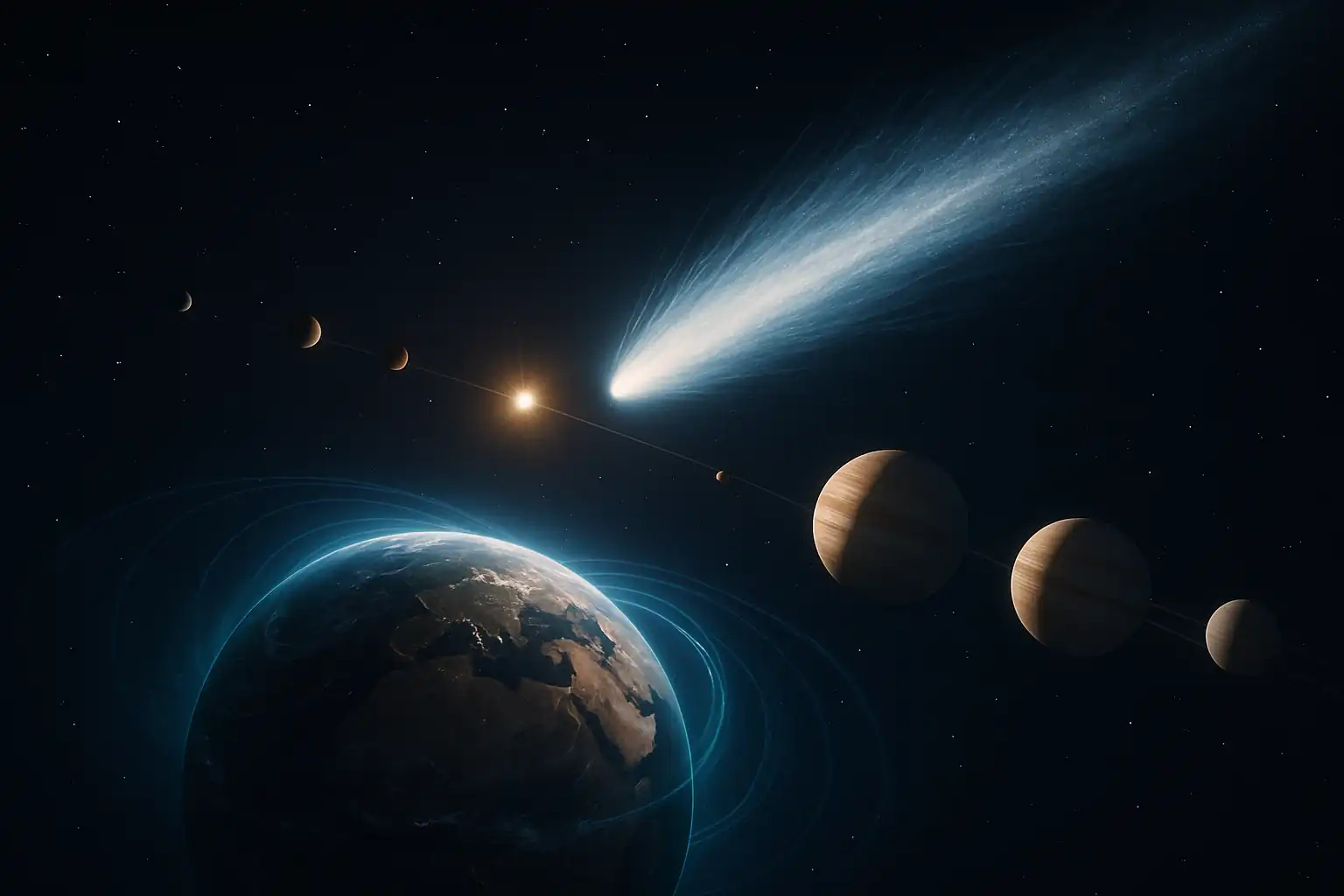
    In an era where routine space news can sound apocalyptic, few topics stir speculation like comets, pole shifts, seismic unrest, and planetary alignments. This year, comet 3I/ATLAS has dazzled astronomers. A swirl of online theories links everything from geomagnetic pole reversals to earthquakes and planetary alignments, blending scientific fact with doomsday lore. But how much of this is real risk, and how much is collective storytelling?

    3I/ATLAS: An Interstellar Intruder with No Earth Impact Risk

    First, a reality check—3I/ATLAS, discovered in 2023, is indeed an interstellar visitor. Here’s the anti-apocalypse twist: astronomical observations confirm its trajectory won’t bring it near Earth. Follow-up measurements show a hyperbolic path that remains far from any planet-busting threat. Skeptics note the object’s closest approach lies outside the orbit of the inner planets, with no hint of impact risk. This reinforces the idea that while comets and asteroids fuel catastrophe fantasies, scientific vigilance prevails—see the grounded assessments in this 2025 arXiv report on comet behavior, which highlights that most breakup and disintegration events happen far from danger zones. For deeper context on the life and fate of these celestial interlopers—and the latest skepticism about their impact paths—compare field notes with this superstorm threat analysis and new chemistry response findings.

    Pole Shifts: Separating Evidence from Internet Hysteria

    No topic unsettles disaster preppers like ‘pole shift’ hype. A wave of 2024 research, covered by The Watchers, adds nuance: yes, Earth’s magnetic field reverses, but evidence shows these changes occur over thousands—not dozens—of years. A groundbreaking study from February 2024 introduced new ways to predict field reversals and identified early warning signals based on gradual pole migration (not abrupt flips or chaos). The rapid movement of the North magnetic pole and a global decrease in field intensity are noted. Yet scientists predict an actual reversal—if underway—would take centuries. As explained in the scientific record, prior reversals have occurred over 2,000 to over 12,000 years and are statistically random—hardly the premise for overnight catastrophe. To understand how magnetic field dynamics intersect with popular fears, explore assessments on earth disaster cycles like this myth-busting reality check or global threat pieces such as global cycles coverage.

    Planetary Alignments and Seismic Activity: What’s Fact vs. Folklore?

    If there’s an ‘apocalyptic’ theme among amateur forecasters, it’s the link between planetary alignments and earthquakes. While evocative, peer-reviewed scrutiny, like that summarized in Earth Science Stack Exchange reviews, reveals that the gravitational effects of planets (besides the Moon) on Earth’s crust are minuscule. Despite historical attempts—detailed in research forums and reporting—no robust evidence connects major planetary conjunctions to increased seismic activity beyond chance. Often, the spread of such claims mirrors viral myth cycles, showing how sharp narratives overtake scientific caution. However, some researchers continue probing subtle correlations, and datasets regarding earthquake clustering can be found in investigative debate features and statistical discussions on earthquake cycles.

    For readers seeking colorful case studies where cosmic cycles and terrestrial risk overlap, consider explorations of AI-driven predictive failures or the backlash against unconventional science chronicled in interviews on forbidden topics.

    Why Cosmic Risk and Human Hysteria Keep Colliding

    What’s at stake? As cosmic events make headlines each year, the public demands evidence-based communication—free from folklore and clickbait. With 3I/ATLAS, geomagnetic pole shifts, and planetary alignments starring in 2024’s drama, the best approach remains vigilance, not paranoia. Leverage guides like technological impact breakdowns. For all things myth, meltdown, and real science, trust sources like Unexplained.co—the bunker where evidence beats hysteria every time.

  • Major Solar Shockwave: 2025 Geomagnetic Storm Batters Tech, Ignites Sky

    Major Solar Shockwave: 2025 Geomagnetic Storm Batters Tech, Ignites Sky

    A major solar shockwave struck Earth in October 2024, creating a rare G4-class geomagnetic storm. Fueled by a massive coronal mass ejection (CME), this event prompted the U.S. Space Weather Prediction Center (SWPC) to issue its second G4 alert since 2005 (Space.com). The storm threatened navigation, electrical grids, and communication systems across much of North America. Once again, the tech world and ordinary citizens had to confront nature’s powerful disruptions.

    G4 Storm Strikes: Causes, Timing, and the Global Scale

    On October 8, an X-class solar flare erupted, launching a CME toward Earth at speeds of up to 2.9 million mph. Space.com reported this CME as one of the fastest recorded. It triggered the severe G4-level geomagnetic storm by October 10. SWPC officials warned that this disruption could extend into Friday, stressing infrastructure and predictive models. Such storms are classified as “major” due to their effect on the planet’s magnetic field, inducing fluctuations from the upper atmosphere to ground-based networks. A report from DTNPf noted that satellite operators and energy grid managers prepared, especially in regions recovering from hurricanes.

    Such events have occurred throughout history, with cycles of disaster and technological anxiety explored in comprehensive risk assessments.

    CME Shockwave: Aurora Spectacle and Infrastructure Risks

    A CME’s solar plasma impacts Earth’s magnetic field, delivering both beauty and chaos. This week’s storm caused auroras to be visible as far south as Alabama and northern California—an unprecedented occurrence (Space.com). However, serious threats loomed: NOAA and other agencies warned of possible power grid failures, satellite trajectory errors, and GPS outages. An expert in a Forbes article noted how EM surges from geomagnetic storms could impact transformers and transmission lines, pushing critical systems towards failure. Historical events like the Carrington Event of 1859 fried telegraph networks globally, while the “Halloween storm” of 2003 caused weeks of power disruptions and satellite errors. The 2024 storm did not reach those extremes, yet the warnings for power grid operators and emergency planners remain clear.

    Tech enthusiasts and disaster buffs can discover vivid accounts of electromagnetic threat cycles in dramatic storytelling features and analyses of cascading crisis scenarios.

    NOAA’s Forecast: Early Alerts, Mitigation—and Unpredictability

    The warning arrived not unexpectedly. NOAA’s SWPC issued a severe geomagnetic storm watch for May and October 2024, alerting utilities, airlines, and satellite operators to prepare (NOAA SWPC). During the October shockwave, many companies activated contingency plans, disabling non-critical satellite operations and preparing field technicians. AM radio practitioners and emergency preparedness advocates promote basics: physical maps, backup radios, and preparations for blackouts—a sentiment reflected in threads on preparedness culture and crisis response playbooks discussed in investigations.

    Despite preparations, experts highlight the challenge of forecasting storm intensity and timing. The Kp index—a measure of geomagnetic activity—can shift from mild to severe within hours. SWPC briefings emphasize that each solar cycle introduces variables, which can complicate even the most advanced warnings.

    Solar Superstorms and Our Technology-Driven Future

    Why does this matter? The sun is heading toward its expected solar maximum in 2025, increasing the likelihood of frequent and severe storms. According to space weather science, prolonged or “superstorm” events could severely damage our digital infrastructure—disrupting satellites, airplanes, and financial networks. For those interested in surges and cycles, extensive myth-busting on disaster preparedness, cosmic risk, and humanity’s response can be found at Unexplained.co—a resource for the vigilant and curious.

    Ultimately, each major solar event serves as a stark reminder: Our technology is only as resilient as the space weather above. It’s time to include “solar flare resilience” in emergency kits—and perhaps look up occasionally.

  • Ancestral Clues: How DNA, Megaliths, and Denisovan Mysteries Shape the Human Story

    Ancestral Clues: How DNA, Megaliths, and Denisovan Mysteries Shape the Human Story

    Humanity has always sought to decode its origins—from epic myths to the latest laboratory whispers. As 2024’s DNA revelations hit the headlines, and excavations at monumental sites like Göbekli Tepe astound archaeologists, it’s clear our ancestors did not just leave clues. They hardwired mysteries into our very bones, ruins, and genes—reshaping our self-perception and our collective future.

    Ancient DNA and the Real Threads of Human Ancestry

    This year’s groundbreaking analysis of ancient human genomes, detailed by John Hawks, reveals “ancestry-stratified” evidence of genetic selection. New data, featuring DNA from over 8,000 individuals, has mapped ancient mixing from the Pontic Steppe, Neanderthal, and Denisovan lineages. Four major studies published in 2024 describe how traits like lactase persistence (the ability to digest milk), skin pigmentation, and fat metabolism spread and mutated as our ancestors moved, farmed, and adapted. This paints human ancestry as a complex web—supporting the idea that evolution is anything but linear, as highlighted in leading evolutionary theory. Recent Eurasian samples show that Neanderthal ancestry proved remarkably stable over time, pointing to a singular ancient pulse of interbreeding still visible in people today.

    These newly sequenced genomes correct the misguided search for one origin—echoing ongoing debates outlined in milestone skepticism like this analysis. Instead, genetic crossroads, hybrid vigor, and repeated population changes shaped who we are.

    Göbekli Tepe: The Stones Whisper in Calendars, Symbols, and New Starts

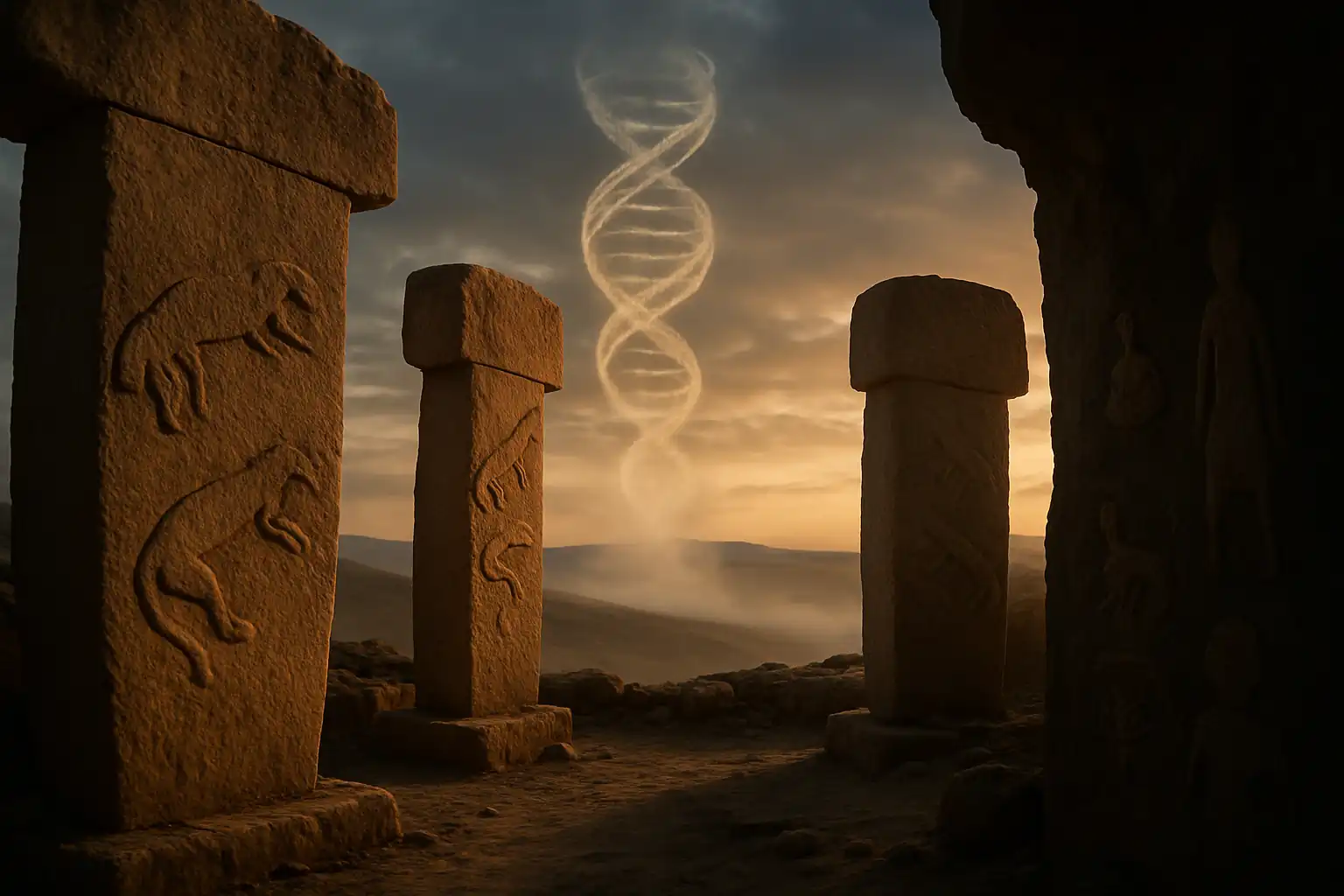
    On a windswept Turkish plateau, Göbekli Tepe’s 12,000-year-old circles emerge as humanity’s oldest puzzle-box. As described in new research, this monumental site wasn’t just an early temple. Its intricate pillar carvings—some forming V-shaped motifs and animal symbols—may represent the world’s earliest lunisolar calendar, possibly dating astronomical events to 10,850 BCE. Archaeologist Dr. Sweatman proposes these marks track solar and lunar cycles, sparking wide interest and debate.

    Interpretations vary, but one fact stands out: Göbekli Tepe shattered old dogmas that farming preceded monument-building. Its megaliths now rewrite history—just as discoveries at neighboring Karahan Tepe challenge simplistic timelines. Together, these sites highlight how sophisticated, symbol-using societies arose long before history’s usual starting gun.

    Denisovans, Cave Mysteries, and the Blurred Edges of Humanity

    Few discoveries have challenged preconceptions more than the evidence from Denisova Cave. A 2024 feature in Scientific American details how this Siberian cave hosted Neanderthals, Denisovans, and possibly our species over a 300,000-year timeline. Recent studies refute the belief that only anatomically modern humans created advanced tools and art: pendants, bone needles, and decorated artifacts found in Denisova may have been crafted by Denisovans, who left no modern descendants yet still contributed DNA present in some populations.

    This debate echoes ongoing discussions about where myth merges with record—seen in critical analysis like features untangling legend from history, or in the enduring mysteries surrounding cultures like those at Harrison Hot Springs.

    Why These Ancestral Clues Matter: Identity, Adaptation, and the Human Web

    Why decipher ancient genomes and megaliths? Every revelation complicates our understanding of identity. Human evolution, once envisioned as a ladder, now resembles a tangled web, as the latest data reaffirms. Our ancestors were collaborative, adaptive, and inclined toward both ritual and innovation long before recorded civilization. Their clues, buried in tombs or encoded in our chromosomes, influence everything from medicine to how societies navigate rapid change. (The layered legacies of adaptation and anxiety come into focus in features on disaster cycles and global crises.)

    One certainty remains: ancestral clues are neither static nor solved. For ongoing myth-busting, new finds, and invaluable context, bookmark Unexplained.co—because our past is anything but simple.

  • From Euphoria to Crisis: How Every Economic Collapse Unfolds

    From Euphoria to Crisis: How Every Economic Collapse Unfolds

    Economic doom doesn’t arrive all at once. It creeps in silently, disguised in optimism and dense financial jargon. Bubbles grow as we pretend they won’t burst. Hyperinflation in Weimar Germany, the 2008 subprime crisis, and collapses in emerging markets all tell the same story. Historians agree: the path to ruin is familiar (Discovery Alert).

    The Stages of Collapse: Debt, Speculation, and Lost Confidence

    Every meltdown—like the Great Depression or Argentina’s 2001 crisis—has surprising consistency. Early warning signs often include soaring debt. Households, corporations, and governments indulge in cheap credit, banking on future gains to surpass present risks. Market imbalances burgeon, and speculative enthusiasm escalates. A few megacaps skew index weights, with over 36% of S&P 500 capitalization concentrated in just ten stocks (Discovery Alert). This instability makes the market fragile, vulnerable to sudden shocks. Conditions resemble those seen in technology-driven systemic risk cases and global chain reactions chronicled in this strategic report.

    Bond Market Freeze: The Canary in the Collapse Mine

    To spot imminent collapse, monitor liquidity closely. In 2024, U.S. Treasury market liquidity worsened unexpectedly, as investors rushed for cash safety (Brookings). When major players scramble to sell Treasuries—typically regarded as ultra-safe assets—market depth disappears, causing yields to soar. This spike undermines government finances and raises private borrowing costs. Such freezes create feedback loops, with anxious policymakers scrambling to address the issues through rate cuts and special auctions. These moves remind us of strategies employed during the national security sector crises and panicked policy shifts during multifaceted crises.

    Lessons from Argentina: The Dangers of Denial and Policy Paralysis

    A thorough analysis must include Argentina’s 2001-2002 collapse. Warning signs abounded: fixed exchange rates masking currency risks, mounting debts, reckless spending, and panic-induced bank runs. A Policy Perspectives examination shows how cheap credit and a refusal to address structural issues left Argentina exposed to shocks. The outcome was dire: output dropped by about 20% in three years, the government defaulted, and the peso collapsed. Official denial and slow-motion collapse reflect the policy inertia and wishful thinking apparent in today’s economies—complexity escalates, as detailed in geopolitical threat briefings.

    Socioeconomic repercussions such as rising crime and eroding trust echo through historical collapses and investigative analyses, including the historical debunking.

    What It Means: Recognizing Collapse Before It’s Too Late

    Euphoric rallies and soothing central bank rhetoric often blind us to long-term risks. Triggers vary—a poor policy, global crisis, or black swan event—but the story remains strikingly similar: years of imbalance, sudden liquidity crises, and waves of job losses, bankruptcies, and political turmoil follow. The risks are not solely financial; they can inflict deep societal damage. Social unrest and eroded institutional trust frequently accompany (economic collapse overview). The aftershocks extend beyond GDP figures, impacting the lives and futures of billions, as highlighted in investigative reports and survivalism psychology.

    Identifying early crisis signals isn’t about inciting panic; it’s about cultivating resilience, scrutinizing narratives critically, and demanding accountability from experts. For relentless updates and insightful reporting, stay tuned to Unexplained.co.