Category: Politics

  • Las Vegas Cybertruck Bomber’s SHOCKING Claims — What’s the TRUTH?

    Las Vegas Cybertruck Bomber’s SHOCKING Claims — What’s the TRUTH?

    In a bizarre incident outside the Trump International Hotel in Las Vegas, a man detonated explosives in a Tesla Cybertruck, claiming to be a whistleblower. His manifesto raised alarming allegations about advanced military technology and government secrecy, leaving many to wonder: is he a madman or a truth-teller?

    Key Takeaways

    • A man detonated explosives in a Tesla Cybertruck, claiming government deception.
    • He alleged the existence of silent, undetectable aircraft using gravitic propulsion.
    • Claims of war crimes and cover-ups by U.S. military officials were made.
    • The need for transparency and accountability in government actions was emphasized.

    The Incident That Shocked Las Vegas

    The event unfolded dramatically, with a man blowing himself up in a Tesla Cybertruck. This shocking act was not just a stunt; it was a desperate plea for attention to what he claimed were serious issues regarding government secrecy and advanced military technology. The manifesto he left behind is filled with claims that sound like they belong in a science fiction novel.

    Gravitic Propulsion: Fact or Fiction?

    One of the most startling claims in the manifesto is about gravitic propulsion systems. This technology supposedly allows aircraft to manipulate gravity, enabling silent, fast, and undetectable flight. Imagine aircraft that don’t rely on traditional engines or fuel, making them invisible to radar and missile defense systems. If true, this could change everything we know about air defense.

    • Key Features of Gravitic Propulsion:
      • No combustion engines.
      • Silent operation.
      • Capable of unimaginable speeds.
      • Potentially undetectable by current defense systems.

    The Allegations Against China

    The whistleblower claimed that both the U.S. and China are deploying these advanced aircraft. He suggested that China is launching these systems from submarines off the U.S. East Coast. This raises serious national security concerns. If these aircraft can operate undetected, they could pose a significant threat to American safety.

    War Crimes and Cover-Ups

    The manifesto also delves into darker allegations, including claims of war crimes committed by the U.S. military. The whistleblower described a 2019 airstrike in Afghanistan that resulted in numerous civilian casualties, suggesting a cover-up involving high-ranking officials. This paints a troubling picture of accountability within the military and government.

    The Call for Transparency

    At the heart of this manifesto is a call for transparency. The whistleblower argues that secrecy only leads to more significant risks and potential conflicts. He believes that the American public deserves to know the truth about these advanced technologies and the implications they carry.

    • Why Transparency Matters:
      • It holds the government accountable.
      • It prevents the escalation of conflicts.
      • It ensures that citizens are informed about national security threats.

    The Bigger Picture

    Whether or not the claims made in the manifesto are true, they highlight a critical issue: the need for accountability in government actions. The whistleblower’s story serves as a reminder that we must question what we are told and demand answers from those in power.

    Conclusion

    As we reflect on these shocking claims, it’s essential to consider the implications of advanced military technology and the importance of transparency. The call for accountability is more crucial than ever. We must remain vigilant and ensure that our leaders are held responsible for their actions. The future of our national security may depend on it.

  • Cuba’s Economic Collapse: A Deepening Crisis

    Cuba’s Economic Collapse: A Deepening Crisis

    Cuba is facing a severe economic crisis, marked by widespread blackouts and fuel shortages. The situation has escalated recently, affecting daily life and the tourism industry, which is vital for the country’s economy. This article explores the current state of affairs in Cuba and the implications for its future.

    Key Takeaways

    • Cuba is experiencing nationwide blackouts due to aging infrastructure.
    • Fuel shortages are exacerbating the economic situation.
    • Tourism, a key economic driver, is under threat, especially from Canadian travelers.

    The Current State Of Cuba’s Economy

    Cuba’s economy has been struggling for years, but recent months have seen a significant acceleration in problems. The electricity generation infrastructure is outdated, with many plants built over 50 years ago. These plants were expected to last around 25 to 30 years but have not been well-maintained. As a result, failures in the infrastructure are becoming more common.

    Additionally, Cuba’s imports of crude oil from Venezuela have dropped by over 44% between January and November. This decline is critical because Cuba lacks the funds to purchase replacement oil on the international market. The country relies heavily on friendly gestures from nations like Venezuela, Russia, and Mexico, which provide oil on credit or for free.

    Fuel Shortages And Their Impact

    The fuel shortages in Cuba are causing major disruptions. Public transportation, which relies on buses and taxis, is severely affected. Without fuel, these services cannot operate, making it difficult for people to get around. This situation is particularly damaging for the tourism sector, which is crucial for the economy.

    The Importance Of Tourism

    Cuba’s beautiful climate and rich culture have historically attracted millions of tourists. From 2000 to 2018, the number of international visitors grew from 1.8 million to over 4.7 million. However, the COVID-19 pandemic hit the tourism industry hard, dropping visitor numbers to less than 500,000 in 2021. Although there was a rebound in 2022 and 2023, the numbers are still far from pre-pandemic levels.

    In 2023, tourism contributed about 8% to Cuba’s GDP, with expectations to rise to 9% in 2024. However, recent issues have put this growth at risk. The following table shows the monthly breakdown of tourist arrivals in 2023 and 2024:

    Month 2023 Tourist Arrivals 2024 Tourist Arrivals Change (%)
    January 4.3% increase
    February 12% increase
    March 6.7% increase
    April -7% decrease
    May -6% decrease
    June -13% decrease
    July -20% decrease
    August -25% decrease
    September -21% decrease
    October

    The Role Of Canadian Tourists

    Canada is the largest source of tourists for Cuba, accounting for over 39% of all visitors. However, the Canadian government has recently issued a travel advisory, urging citizens to exercise caution when considering trips to Cuba. This warning is likely to deter potential travelers, further impacting the tourism sector.

    One prominent Canadian travel agency has even removed 26 Cuban hotels from its offerings, promoting alternative destinations like the Dominican Republic and Colombia instead. This shift could have long-lasting effects on Cuba’s economy, especially during the winter months when many Canadians seek warmer climates.

    Conclusion

    Cuba’s economic situation is dire, with ongoing issues in electricity generation and fuel shortages. The tourism industry, once a stronghold of the economy, is now facing significant challenges. The recent travel advisories from Canada and the removal of hotels from travel agency lists are likely to worsen the situation.

    As Cuba continues to grapple with these problems, the future looks uncertain. The country needs substantial investment and support to repair its infrastructure and revive its economy. Without these changes, the cycle of decline may continue, leaving many Cubans in a precarious position.

    Hopefully, this overview has shed some light on the current situation in Cuba. It’s a complex issue that requires attention and understanding as the country navigates these turbulent times.

  • Southern California Wildfires: A Community in Crisis

    Southern California Wildfires: A Community in Crisis

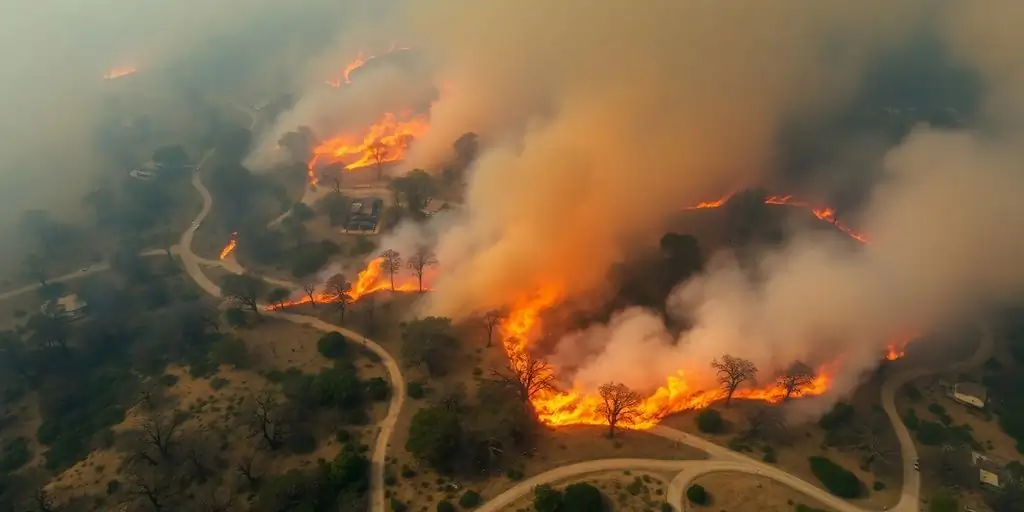
    In Southern California, wildfires have wreaked havoc, forcing mass evacuations and leaving destruction in their wake. The combination of severe drought and fierce Santa Ana winds has turned parts of Los Angeles County into a disaster zone, impacting countless lives and homes.

    Key Takeaways

    • Multiple wildfires are burning across Los Angeles, with severe impacts on communities.
    • Thousands of residents have been evacuated, and many homes and businesses have been destroyed.
    • Emergency services are stretched thin, facing extraordinary challenges in battling the blazes.

    The situation in Pacific Palisades is dire. Firefighters are battling flames that have engulfed entire neighborhoods. Just 24 hours ago, this area was a bustling community with shops and restaurants. Now, it resembles a war zone, with fire trucks racing by and smoke filling the air. The Palisades fire has already consumed over 15,000 acres, and the destruction is visible from space.

    Residents are in shock. Many have lost everything, with only chimneys left standing where homes once were. The emotional toll is immense, as families are forced to evacuate, leaving behind their memories and belongings.

    The Scale of Destruction

    • Casualties: At least five people have died due to the fires.
    • Evacuations: Tens of thousands of residents are under evacuation orders.
    • Property Damage: Over a thousand homes and businesses have been destroyed.

    In Altadena, the scene is equally heartbreaking. Homes have been reduced to rubble, and firefighters are stretched thin, trying to contain the flames. The winds, at times reaching 100 mph, have only fueled the fires, making it nearly impossible to control the situation.

    Community Response

    Despite the chaos, the community is coming together. Neighbors are helping each other, using garden hoses to protect homes from the encroaching flames. Some residents have defied evacuation orders, determined to protect their properties.

    One resident, Ivan Perez, was seen covered in ash, desperately trying to save his mother’s childhood home. “This house is everything to us,” he said, reflecting the sentiment of many who are fighting to protect their homes.

    Impact on Local Institutions

    The fires have also affected local institutions. Palisades High School, a prestigious school known for its beautiful campus, has sustained significant damage. This school has been a part of the community for generations, and its loss is felt deeply by students and alumni alike.

    Jonathan Galon, a recent graduate, expressed his sadness over the potential loss of important milestones for current students. “It’s really sad that they might lose out on graduation and other events because of this fire,” he said.

    Government Response

    In response to the crisis, state and local officials are urging residents to obey evacuation orders. The California National Guard has been called in to assist firefighters, and President Biden has signed a major disaster declaration for the state.

    Officials are committed to helping those affected rebuild their lives. “For those of you who lost your homes, property, or loved ones, we are going to help you rebuild,” they stated, emphasizing the importance of community support during this challenging time.

    Conclusion

    As the fires continue to rage, the community of Southern California stands resilient. The road to recovery will be long, but the spirit of togetherness and support shines through the darkness. For now, the focus remains on safety, recovery, and rebuilding the lives that have been so drastically altered by these devastating wildfires.

  • Germany Disarms An Entire Political Party

    Germany Disarms An Entire Political Party

    In a surprising turn of events, Germany has taken a bold step by disarming an entire political party. This unprecedented action raises questions about political freedom and the implications of government power in a democratic society.

    Key Takeaways

    • Germany’s government has begun revoking gun licenses of members from the Alternative for Germany (AfD) party.
    • The AfD has gained significant popularity, becoming the second most popular party in Germany.
    • The current government views the AfD as a threat, leading to increased surveillance and disarmament measures.
    • The situation reflects a broader trend of political suppression against right-wing parties in various countries.

    Background Context

    The political landscape in Germany has been tumultuous. Chancellor Olaf Scholz faced a confidence vote in December, leading to the dissolution of the existing government. This turmoil stemmed from a fractured coalition, primarily due to disagreements over economic policies. The Free Democratic Party (FDP) moved to the opposition, leaving a minority government formed by the Social Democratic Party (SPD) and the Greens.

    As the political climate shifted, the AfD began to rise in popularity, positioning itself as a significant opposition force. Their platform, which includes anti-immigration stances and criticism of former Chancellor Angela Merkel, has resonated with many voters. In fact, recent polls indicate that the AfD is now the second most popular party in Germany.

    Disarming Political Opponents

    In July of last year, the German courts ruled that members of the AfD could be barred from gun ownership. This decision was based on the government’s perception of the party as a suspected threat to democracy. The agency responsible for this ruling is known to be highly politicized, raising concerns about the fairness of the decision.

    The disarmament process began with a couple who owned 200 guns. Their permits were revoked solely because of their affiliation with the AfD. Despite attempts to challenge this ruling in court, they were unsuccessful. Other states in Germany have followed suit, with reports of AfD members receiving notices to revoke their gun licenses.

    The Numbers Behind Disarmament

    In Saxony, five AfD members have already had their gun licenses revoked, while another 51 are under review. Here’s a breakdown of the situation:

    Status Number of Members
    Total AfD Members 74
    Registered as Sports Shooters 49
    Registered as Hunters 25
    Under Review 51
    Already Disarmed 5

    This situation is alarming, especially considering that these individuals are not criminals. They are simply exercising their rights as registered hunters and sport shooters. The government’s justification for disarming them is based on their political affiliation, which raises serious ethical questions.

    The Broader Implications

    The actions taken by the German government reflect a growing trend of political suppression against right-wing parties across the globe. Similar patterns can be observed in countries like Canada and New Zealand, where governments have enacted measures that infringe upon the rights of certain political groups.

    Critics argue that the government’s actions are a direct attack on democracy. By labeling the AfD as extremists and revoking their rights, the government is effectively silencing dissenting voices. This circular logic—where the government claims that disarming the AfD proves they are a threat—creates a dangerous precedent.

    Conclusion

    The disarmament of an entire political party in Germany is a significant event that should not be overlooked. It serves as a warning about the potential consequences of allowing governments to infringe upon individual rights in the name of security. As political landscapes shift and tensions rise, it’s crucial for citizens to remain vigilant and protect their freedoms. The situation in Germany is a stark reminder that the fight for democracy is ongoing, and complacency can lead to the erosion of rights for all.

  • Israel and Hamas Reach Ceasefire Agreement: What You Need to Know

    Israel and Hamas Reach Ceasefire Agreement: What You Need to Know

    In a significant development, Israel and Hamas have reportedly agreed in principle to a ceasefire and hostage deal. This agreement, if finalized, could pave the way for a much-needed humanitarian pause in the ongoing conflict, which has resulted in a staggering death toll and widespread suffering in Gaza.

    Key Takeaways

    • Ceasefire Agreement: Israel and Hamas have agreed in principle to a ceasefire and hostage deal.
    • Phase 1 Details: Hamas will release 33 hostages, including women, children, and the elderly, in exchange for Palestinian detainees.
    • Military Presence: Israeli military assets will remain in Gaza, with a security buffer zone established.
    • Humanitarian Aid: Increased humanitarian aid is expected to flow into Gaza, addressing urgent needs.
    • Future Phases: Talks for a second phase will begin during the first phase, focusing on younger hostages and Israeli soldiers.

    The draft for this ceasefire and hostage deal has been agreed upon by U.S., Israeli, and Arab officials. If everything goes smoothly, the finalization could happen this week. An anonymous Israeli government official shared that in the first phase, Hamas would release 33 hostages, which include women, the elderly, and some children. In return, a higher number of Palestinian detainees held in Israeli prisons would be released.

    As for Israel’s military presence in Gaza, the official indicated that military assets would remain, and the Israel Defense Forces (IDF) would create a security buffer zone between southern Gaza and Israel. This is crucial as the humanitarian situation in Gaza is dire, especially with winter approaching. The latest reports indicate that the death toll has surpassed 46,000, a grim milestone reached just last week.

    The Two-Phase Approach

    The negotiations are structured in two phases. Phase 1 focuses on the immediate release of hostages and the introduction of humanitarian aid. If Phase 1 is successfully implemented, discussions for Phase 2 will commence, which aims to secure the release of younger hostages and Israeli soldiers. However, the success of these negotiations hinges on the agreement of Phase 1.

    Historically, there have been many attempts to reach a ceasefire, and while there is a sense of hope now, the situation remains fragile. The involvement of the U.S. has been significant, with both the outgoing Biden administration and the incoming Trump administration playing roles in facilitating these discussions.

    Factors Influencing the Negotiations

    Several factors have contributed to the current state of negotiations. Prime Minister Benjamin Netanyahu has had more time to pursue military objectives in Gaza, which has shifted the dynamics. Previously, Netanyahu insisted on the complete dismantling of Hamas, but now there seems to be a recognition that some military goals have been achieved.

    Additionally, the pressure from Donald Trump, who has been advocating for a deal, cannot be overlooked. While Netanyahu’s decisions are not solely based on Trump’s influence, the pressure from both administrations has created a conducive environment for negotiations.

    Potential Challenges Ahead

    Despite the progress, there are still potential pitfalls that could derail the agreement. The ceasefire is intended to last for six weeks, and any actions by Hamas or other militant groups against Israel during this period could jeopardize the deal. Similarly, if Israel were to launch military incursions into Gaza or if humanitarian assistance is obstructed, it could lead to a breakdown in negotiations.

    In conclusion, while the agreement between Israel and Hamas represents a hopeful step towards peace, the path ahead is fraught with challenges. The international community will be watching closely as the situation unfolds, hoping for a resolution that brings relief to those suffering in Gaza and a lasting peace in the region.

  • TikTok Faces Shutdown: What You Need To Know Before Sunday

    TikTok Faces Shutdown: What You Need To Know Before Sunday

    This weekend, TikTok users in the U.S. are bracing for a potential shutdown of the app. With the Supreme Court set to make a crucial decision, the future of this popular platform hangs in the balance. Here’s what you need to know.

    Key Takeaways

    • The Supreme Court is expected to rule on TikTok’s future before Sunday.
    • If the ruling goes against TikTok, the app will be removed from app stores and may cease operations for U.S. users.
    • The Biden Administration and some lawmakers are advocating for a delay in the ban’s implementation.

    What Happens On Sunday?

    As the deadline approaches, many are left wondering what will happen to TikTok. The Supreme Court’s involvement is crucial. If they do not intervene, the law passed by Congress will take effect, which means:

    1. No New Downloads: TikTok will not be available for download on the Apple App Store or Google Play Store.
    2. Existing Users: There are speculations that existing users may still access the app, but this is uncertain.
    3. Data Concerns: TikTok’s user data is currently hosted on Oracle services, an American company, but there are concerns about whether this will continue.

    The Speculation Around TikTok’s Future

    Recent reports suggest that TikTok might go dark for all American users, not just new ones. This could be a strategic move to show users what they would lose if the app is banned. With around 170 million active users in the U.S., this decision could have significant implications.

    Political Dynamics

    The political landscape surrounding TikTok is complex. The Biden Administration, along with some lawmakers, has expressed a preference for delaying the ban. This raises questions about the motivations behind the push for a delay:

    • National Security vs. Free Speech: The debate centers around national security concerns versus the rights of users to express themselves freely.
    • Potential for a Buyer: There’s a possibility that TikTok’s parent company, ByteDance, could find an American buyer, but there’s been little indication of this happening.

    The Role of the Supreme Court

    The Supreme Court’s decision is pivotal. Observers believe the court is leaning towards upholding the law, which would mean:

    • Immediate Shutdown: If the law is upheld, TikTok could be forced to shut down operations in the U.S. immediately.
    • Implications for Users: Users may lose access to their accounts and content, leading to a significant backlash.

    What’s Next?

    As we approach Sunday, the uncertainty looms large. If TikTok does go dark, it could serve as a powerful statement about the ongoing tensions between the U.S. and China. The app has been a significant platform for many, and its absence would be felt across the social media landscape.

    In conclusion, whether TikTok will continue to operate in the U.S. is still up in the air. The Supreme Court’s ruling will be crucial, and users should stay informed about the developments leading up to Sunday. Whatever happens, it’s clear that the situation is evolving rapidly, and the implications will be far-reaching.

  • Donald Trump Pardons January 6 Capitol Rioters: A Bold Move

    Donald Trump Pardons January 6 Capitol Rioters: A Bold Move

    In a surprising turn of events, President Donald Trump has signed a decree granting pardons and commutations to approximately 1,500 individuals involved in the January 6th Capitol riots. This decision marks a significant moment in his presidency, showcasing a stark contrast to the previous administration’s approach.

    Key Takeaways

    • Pardons Granted: Approximately 1,500 individuals involved in the January 6th riots received pardons.
    • Immediate Action: The Bureau of Prisons is required to act on these pardons immediately.
    • Controversial Decision: This move has sparked debate even among Republican supporters.
    • Focus on Immigration: Trump is expected to take significant actions regarding immigration soon.

    The announcement came during a news conference where Trump appeared in a freewheeling mood, engaging with journalists and discussing a wide range of topics. It was a notable shift from the more reserved style of his predecessor, Joe Biden. Trump’s eagerness to interact with the press highlighted his desire to take swift action on various issues.

    During the conference, Trump mentioned that the pardons would apply to about 1,500 people, with six additional commutations under further review. This decision is seen as a way to address the fallout from the January 6th events, where a mob stormed the Capitol in an attempt to overturn the election results.

    The Impact of Pardons

    The pardons granted by Trump are significant for several reasons:

    1. Legal Relief: Those pardoned will be released from prison, which could have a profound impact on their lives and families.
    2. Political Ramifications: This decision is likely to stir controversy, even within Trump’s own party, as opinions on the January 6th events remain divided.
    3. Public Reaction: While Trump’s base may support this move, many Americans are likely to feel disillusioned by the decision, reflecting the polarized nature of current politics.

    Looking Ahead

    As Trump moves forward with his presidency, attention will also be on his cabinet appointments and upcoming policies. The Senate has already confirmed the first member of his cabinet, Secretary of State Marco Rubio, which is a step towards solidifying his administration.

    In addition to the pardons, Trump is expected to take a hard stance on immigration, with reports suggesting potential raids targeting individuals with criminal records. This aligns with his campaign promises to secure the border and enforce stricter immigration policies.

    Conclusion

    Trump’s decision to pardon those involved in the January 6th Capitol riots is a bold and controversial move that will undoubtedly shape his presidency. As he continues to implement his agenda, the reactions from both supporters and opponents will be closely watched. The coming days will reveal how these decisions impact his administration and the broader political landscape.

  • Federal Judge Rescued After Teens Discover Abandoned Car in Woods

    Federal Judge Rescued After Teens Discover Abandoned Car in Woods

    In a remarkable turn of events, a federal judge went missing in the woods of Pennsylvania, only to be found thanks to the keen instincts of two teenagers. Judge Edwin Kosik, who had been missing for nearly two days, was located in fair condition after a frantic search. This story highlights the importance of intuition and community involvement in times of crisis.

    Key Takeaways

    • Two teens discovered an abandoned car in the woods.
    • The car belonged to a missing federal judge, Edwin Kosik.
    • The boys’ quick thinking led to a successful rescue operation.
    • Community support played a crucial role in the search efforts.

    The Discovery

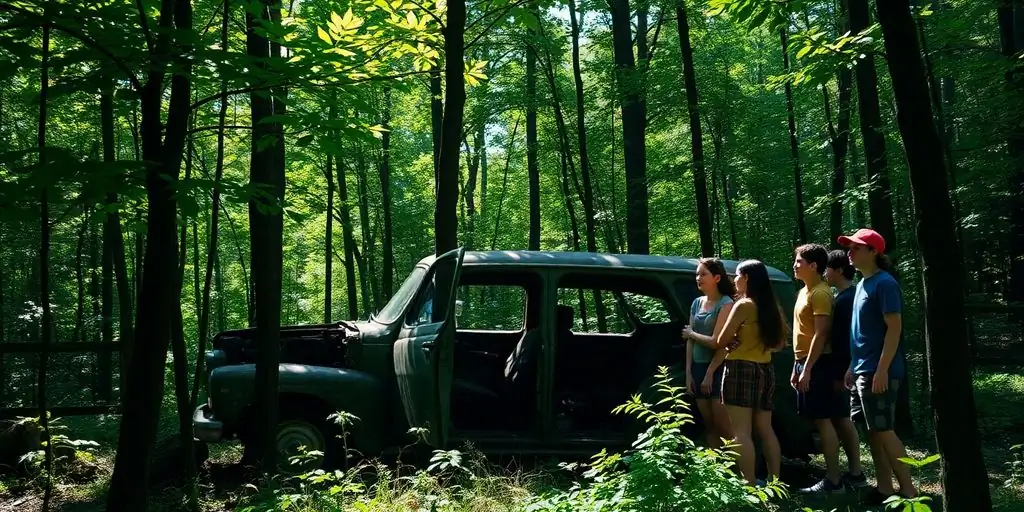
    It all started when 15-year-old Alec Yanco and his 18-year-old friend Joe Delio decided to take their ATVs for a ride in the familiar back trails of Lacana County. What began as a typical evening quickly turned into an extraordinary adventure. As they rode deeper into the woods, they stumbled upon an abandoned car, which immediately piqued their curiosity.

    The car was about a quarter of a mile off the main road, and something about it felt off. The boys sensed that this was not just any abandoned vehicle. They noticed the windows were smashed, and the car appeared to be stuck on a log. It was clear to them that someone had driven it there, but where was the driver?

    The Investigation

    Despite the darkness closing in, Alec and Joe felt compelled to investigate further. They searched around the vehicle, looking for any signs of the driver. Their instincts told them that someone might be in trouble. After finding nothing outside, they decided to open the unlocked doors and check inside.

    While rummaging through the car, they found a Sam’s Club card with the name Edwin Kosik. This discovery led them to a shocking realization: Edwin Kosik was a 92-year-old federal judge who had been missing for two days. The boys quickly understood the gravity of the situation and rushed home to inform their parents.

    The Search Efforts

    Once the boys shared their findings, their parents contacted the authorities. The police arrived promptly and began searching the area around the abandoned car. As the search intensified, the community rallied together, posting missing person flyers and sharing information online. The FBI even got involved, given the judge’s status and the circumstances surrounding his disappearance.

    Alec and Joe were nervous but felt a sense of responsibility. They had stumbled upon something significant, and they wanted to help. The search included canine units and helicopters, but time was of the essence. The community was anxious, fearing for the judge’s safety.

    The Rescue

    Fortunately, the search efforts paid off. Canine units picked up Judge Kosik’s scent, leading authorities to him just 100 yards from where the car was found. He had been lying on the ground for two days, but remarkably, he was in fair condition when discovered. The community breathed a sigh of relief, grateful that he was alive.

    Judge Kosik was taken to the hospital for evaluation. Despite his ordeal, he was coherent and even joked with the rescue personnel. However, the questions remained: How did he end up there? Why didn’t he seek help?

    Community Impact

    The story of the two teenagers and the missing judge resonated throughout the community. They were hailed as heroes for their quick thinking and determination. The boys later visited Judge Kosik in the hospital, where they were able to meet him and share their experience.

    In a ceremony held at Dunmore High School, Alec and Joe received a proclamation from the county commissioners, recognizing their bravery and contribution to the community. Judge Kosik himself attended the ceremony, expressing his gratitude and acknowledging that he was alive because of their actions.

    Conclusion

    This incredible story serves as a reminder of the power of intuition and the importance of community. Alec and Joe’s decision to investigate the abandoned car not only led to the rescue of a respected federal judge but also brought the community together in a time of crisis. Their actions highlight how ordinary individuals can make a significant impact when they trust their instincts and work together.

    What do you think about this remarkable story? Share your thoughts in the comments below!

  • Once You Know This, Every PSYOP Becomes Obvious

    Once You Know This, Every PSYOP Becomes Obvious

    In a world where information is constantly bombarding us, understanding how manipulation works is crucial. This article explores the Manipulation Playbook, revealing the tactics used by media, corporations, and governments to shape our thoughts and actions. By recognizing these strategies, we can better protect ourselves from being misled.

    Key Takeaways

    • Understand the F.A.T.E. model: Focus, Authority, Tribe, and Emotion.
    • Recognize emotional scripts and cognitive dissonance.
    • Analyze the context and timing of information.
    • Spot logical fallacies to resist manipulation.

    The F.A.T.E. Model

    The F.A.T.E. model is a framework that helps us understand how manipulation works. It stands for Focus, Authority, Tribe, and Emotion. Each element plays a significant role in how information is presented and perceived.

    1. Focus: Manipulators often hijack our attention through repetition and shocking visuals. For example, constant media coverage of a crisis can create a sense of urgency. Always ask yourself, “Why is this message being pushed so aggressively?”
    2. Authority: Trusted figures may shift their positions to support a narrative. Be cautious of expert endorsements that seem out of place. Pay attention to who is speaking and their expertise.
    3. Tribe: Messages that polarize opinions can exploit our tribal instincts. Watch for language that divides groups into ‘us’ versus ‘them’. This can create a sense of belonging but also lead to manipulation.
    4. Emotion: Strong emotional responses can suppress critical thinking. If a message triggers fear or outrage without evidence, be skeptical. Analyze the facts presented and question the emotional appeal.

    Recognizing Emotional Scripts

    Our brains are wired with emotional scripts from our ancestors. These scripts can be triggered by narratives that evoke fear of loss or social rejection. For instance, stories about food shortages can lead to panic buying. To counter this, focus on the facts and assess the likelihood of the scenario.

    The Importance Of Context

    Context shapes our understanding of events. Manipulators often shift context to normalize extreme behavior. For example, during emergencies, people may accept surveillance that they would normally resist. Always compare similar events to see if responses seem disproportionate.

    Identifying Cognitive Dissonance

    Cognitive dissonance occurs when new information conflicts with our beliefs. Manipulators exploit this by introducing small agreements that gradually align our behavior with their agenda. Be wary of campaigns that ask for minor commitments, as they may lead to larger demands later.

    Spotting Logical Fallacies

    Understanding logical fallacies is key to resisting manipulation. Here are ten common fallacies to watch for:

    1. Appeal to Emotion: Using fear or anger to bypass logic.
    2. Straw Man Argument: Misrepresenting an argument to attack it.
    3. Bandwagon Policy: Claiming something is true because many support it.
    4. False Dilemma: Presenting only two extreme options.
    5. Ad Hominem Attacks: Attacking the person instead of the argument.
    6. Appeal to Authority: Claiming something is true because an authority said so.
    7. Slippery Slope: Suggesting one action will lead to extreme outcomes.
    8. Hasty Generalizations: Making broad claims with little evidence.
    9. Red Herring: Distracting with irrelevant information.
    10. False Equivalence: Comparing two unequal things as if they are equal.

    Conclusion

    By understanding these manipulation tactics, we can better navigate the complex landscape of information. Remember, the key to resisting manipulation is to ask the right questions and remain calm amidst the noise. Stay informed, stay curious, and stay free.

  • Whispers of War: Trump’s Ominous WW3 Warning Unveiled!

    Whispers of War: Trump’s Ominous WW3 Warning Unveiled!

    The Dark Shadows Looming Over Us

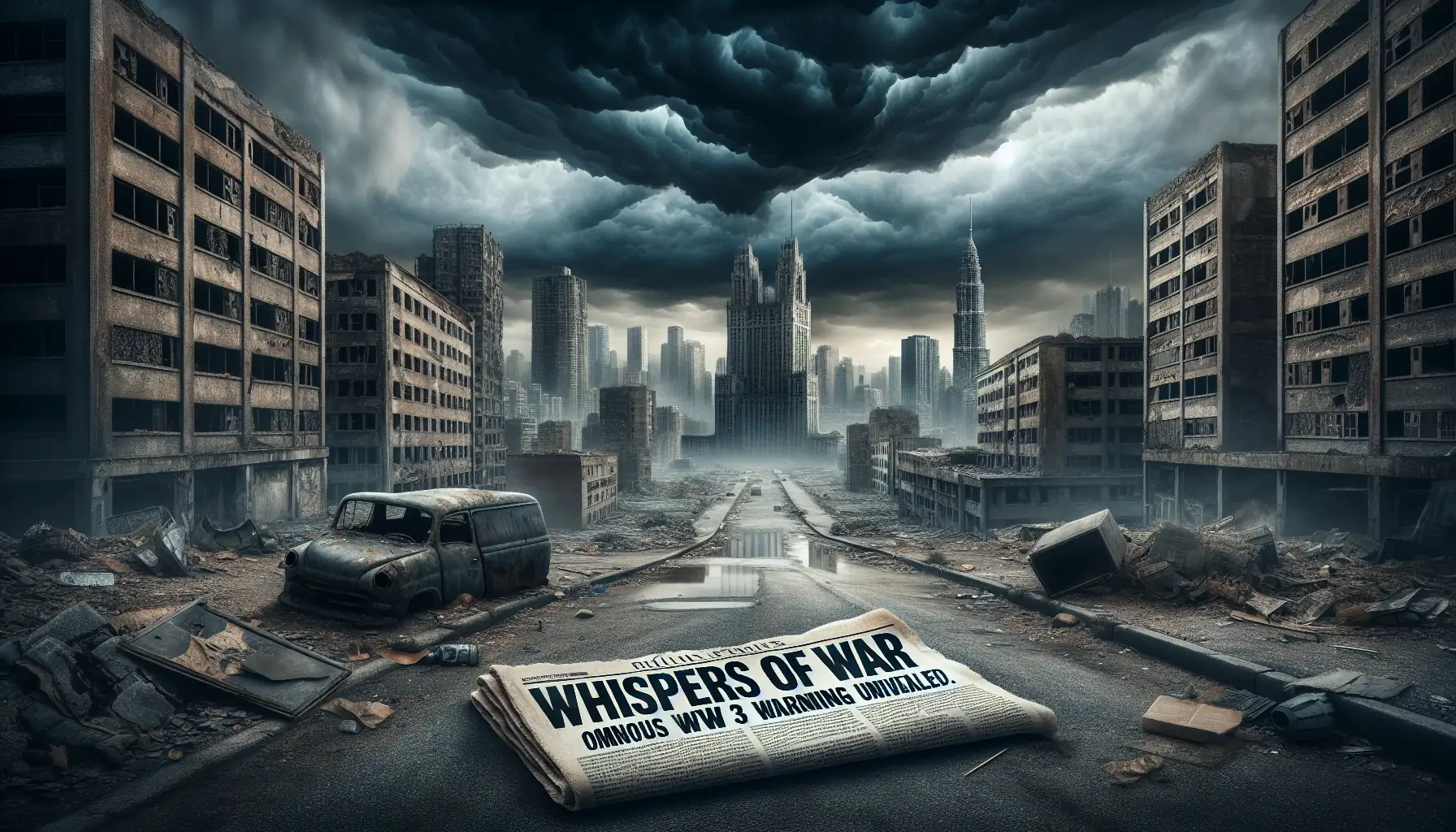
    As the world spins precariously on the edge of chaos, Trump’s latest warnings echo through the corridors of power and into our living rooms. The specter of World War III hovers like a dark cloud, urging us all to consider—are we heading towards an apocalypse?

    In the latest news, Trump emphatically states, “I refuse to bend the knee to their next endless war in Ukraine… we’re on the brink of a disastrous international conflict.” Is he merely playing politics, or does he have insights into a more sinister game? For those who believe in conspiracies, the truth behind the scenes can often be more gripping than the headlines.

    The Man Behind the Curtain

    But let’s not just take his word for it. Trump’s assertions come with a colorful background of his past dealings and questionable alliances. While many dismiss his warnings as bluster, government cover-ups have characterized much of recent history. Was his presidency merely a prelude to something much larger?

    In a twist of fate, European nations are reportedly gearing up for conflict, and what’s more alarming? They look to the US for leadership. Should we trust international powers to act in our best interests, or are they inadvertently leading us to our doom?

    Beneath the Surface

    For those unacquainted with the cyclical nature of global conflicts, history teaches us that military strategies often come with hidden agendas designed to benefit the few at the expense of the many. Consequently, paranormal phenomena and bizarre coincidences thrive during times of desperation. With whispers of conflict in the air, so too do whispers of a deeper conspiracy designed to distract and control the masses.

    As we peel back the layers, we might find answers to our unasked questions—why now? Why this warning? Could the powers that be be staging yet another elaborate charade to keep us in line?

    Are We At a Crossroads?

    Trump’s declaration that we are at a crossroads in history begs the question: which path will we choose? The stormy seas of war, or the slippery slopes of deceptive peace? His insistence that “this is not a moment for more talk; it’s time to act” serves only to fuel our paranoia. Are these just casual words, or have they been planted in our minds?

    What if everything we’ve known crumbles in the face of this impending conflict? Wrapping our heads around these grim possibilities might just be the key to understanding the machinations behind the international chess game.

    For those wanting to dive deeper, don’t miss out on these chilling narratives on history’s darkest secrets.

    The Call for Peace: A Deceptive Illusion?

    In the climax of Trump’s rhetoric, we find promises of peace layered with skepticism. While he advocates for a coalition aimed at resolving the conflict, where is the sincerity? Can we trust that the diplomacy being promoted is anything but a ploy to cover deeper ambitions?

    Reviewing past attempts at peace, one must wonder if any genuine effort exists or if we are merely participants in a larger game. The irony of calling for a truce while simultaneously fueling military might is not lost on us. Here lies the paradox—how can we fight for peace in a world dominated by financial interests and power struggles?

    And for a chilling reminder of how history can repeat itself, consider looking into the previous conflicts triggered by misguided intentions and severe misunderstandings.

    Final Thoughts: Do You Feel the Heat?

    As we sit at the precipice of potential global turmoil, the urge to panic or prepare is palpable. The doomsday prepper mentality rages within, asking: are we truly ready for what’s to come? Prepare for the worst while hoping for the best, they say.

    In the end, we find ourselves asking both the philosophical and the practical: What does this mean for you? As we navigate these treacherous waters, the message is clear: **Stay informed, stay vigilant**, and perhaps above all—remember that knowledge is power. Head over to Unexplained for more riveting and eye-opening insights.