Category: Politics

  • Former FBI Agent REVEALS Epstein as Israeli Intelligence?!

    Former FBI Agent REVEALS Epstein as Israeli Intelligence?!

    Understanding the Allegations Against Epstein

    Jeffrey Epstein, once a well-connected financier, has been at the center of global controversy due to his connections to powerful figures. Recent assertions by former FBI officials suggest that Epstein’s operations were potentially linked to Israeli intelligence activities. This revelation, if proven, raises profound implications about political influence and the orchestration of covert operations.

    Historically, Epstein was involved in various illicit dealings that served a multitude of interests, including accusations of human trafficking. Reports suggest his ability to cultivate relationships with some of the world’s elites allowed him to navigate severe legal ramifications, fueling speculation about external protections he may have received.

    The Role of the FBI in Investigating Epstein

    The FBI’s involvement in investigating Epstein spanning years suggests a bureaucratic labyrinth rife with challenges. The agency has often faced criticism for its handling of high-profile investigations. As noted in various cover-ups over the years, public trust has been severely eroded, especially regarding how investigations are executed.

    Moreover, there are theories stating that Epstein served as a pawn orchestrated by larger political forces. This reflects a troubling pattern within institutions, where accountability and transparency clash with internal cultural norms. The FBI historically shies away from disclosing sensitive information—suggesting that there might be deeper narratives behind their operations related to Epstein.

    Israeli Intelligence and Epstein

    Many have raised the question of whether Epstein’s connections to certain powerful figures extended beyond mere advisory roles into the realm of intelligence operations. Sources have hinted that Epstein may have facilitated operations for Israeli intelligence, acting as a conduit for sensitive information.

    While the evidence remains circumstantial, it is crucial to consider the operational methods often employed by intelligence agencies, including covert psychological manipulation and the use of compromising material for geopolitical advantage.

    The FBI’s Cultural Challenges

    As discussed by numerous former agents, there exists a cultural aversion within the FBI towards confronting systemic problems. The ongoing crisis manifests as agents struggle against the organizational pressures to conform, often at the cost of ethical integrity. This phenomenon has left many questioning the motivations behind key decisions within the bureau.

    Cases like Epstein’s showcase the complicated intersection of power, politics, and the law, suggesting that more systemic reforms are needed. Disentangling the layers of the FBI’s involvement is paramount for restoring public trust and accountability.

    While some agents are undoubtedly serving the public good, institutional culture has its grip on the organization, further complicating matters like sensitive investigations into Epstein. This calls for a more transparent approach, allowing for the examination of the past without political repercussions.

    Seeking Justice: What Comes Next?

    The public’s burning desire for transparency and accountability in Epstein’s case cannot be ignored. Investigators and lawmakers alike face immense pressure to unveil the many secrets that have long been shielded from the public eye. A holistic reevaluation of the FBI’s practices and increased external oversight may be essential in moving forward.

    Furthermore, the consequences of Epstein’s actions reverberate through society, seeping into discourse around human rights violations and the exploitation of power. The intersections of powerful individuals and the institutions that protect them must be scrutinized to prevent further encroachments on justice.

    Conclusion

    As investigations continue into Jeffrey Epstein’s connections and actions, the relationship between intelligence operations and law enforcement will remain a critical focus. The implications of Epstein’s case extend far beyond the headlines, compelling a discussion about accountability in both political and judicial realms.

    While questions about Israeli intelligence remain open-ended, the hope is for unfettered access to the truth. Through the unfolding inquiries and investigations, the objective remains clear: achieve justice and transparency for the countless victims of Epstein’s heinous acts.

  • BREAKING:  The CIA offers to buy out entire workforce

    BREAKING: The CIA offers to buy out entire workforce

    The CIA’s Groundbreaking Buyout Offer

    On a Tuesday that caught many off guard, the Central Intelligence Agency (CIA) made headlines by announcing a buyout initiative for its entire workforce. As per reports from The Wall Street Journal, this unprecedented decision aligns with the administration of former President Donald Trump, suggesting a new direction for the agency.

    This move allows CIA employees to voluntarily resign with the promise of receiving eight months’ pay alongside their benefits. This offer marks a significant moment in federal employment history, particularly as it positions the CIA to potentially reshape its workforce in alignment with the Trump’s strategic agenda.

    Political Implications of the Buyouts

    The backdrop of this decision is vital to understanding its implications. The Trump administration recently extended buyout options to about two million federal employees, a strategy intended to reshape federal bureaucracies ahead of the upcoming political transitions. As CTV News reported, the window for accepting these buyouts expires on Thursday, making it imperative for impacted employees to act swiftly.

    This bold initiative raises questions about the potential motivations behind the CIA’s decision. It seems to be driven by a strategy to streamline operations and potentially adjust its workforce to prevent any dissent against the newly installed governmental policies. Understanding the psychological impact on CIA staff can be explored further in the psychology behind significant agency changes.

    Reaction from the Intelligence Community

    Reactions within the intelligence community have been mixed, as some see opportunity in this buyout offer while others question the morale and long-term implications for the agency. As more details continue to emerge, it will be crucial to examine how these changes affect the overall efficacy of national security.

    This trend seems to parallel global political shifts, similar to the changes seen in countries like India under Prime Minister Modi, who also pursued strategic changes within national administration. Such transformations can redefine how various governments approach intelligence and public service operations.

    Conclusion: A New Era for the CIA?

    The CIA’s sweeping initiative brings significant attention, hinting at a potential ‘Trump makeover’ for the agency that could change its operational dynamics entirely. As we move forward, it will be essential to monitor how these buyouts affect the national security landscape and the broader implications for federal agencies.

    For further insights into unexplained phenomena and national security, visit unexplained.co. The complexities of such decisions resonate beyond the realm of the CIA and reflect ongoing tensions in the governmental structure.

  • UFO Disclosure or Con:  Will Trump Disclose Aliens among us?

    UFO Disclosure or Con: Will Trump Disclose Aliens among us?

    Is UFO Disclosure on the Horizon?

    The mystery surrounding UFOs and alien life has been a topic of fascination and debate for decades. With recent claims and sightings gaining traction, many wonders if the truth will finally see the light of day. Speculations have intensified as whistleblowers step forward with accounts of secret government programs involving alien technology.

    The anticipation heightens when names like Donald Trump enter the conversation. Will he be the one to disclose the long-held secrets of aliens among us?

    Recent Whistleblower Revelations

    In recent developments, several whistleblowers have emerged, claiming to have worked on government projects centered around UFO retrievals. These individuals provide testimonies, backed by authenticated credentials and colleagues, about the existence of alien crafts and technologies.

    Among these revelations, David Grush’s interview has made waves. His insider knowledge purports a hidden reality where the government possesses non-human technology. This bold assertion aligns with the accounts of several other witnesses, further fueling public curiosity.

    For those interested in unexplained phenomena and government secrecy, these unfolding stories are both thrilling and horrifying. The era of mystery might be evolving into one of revelation.

    The Role of Political Figures

    Donald Trump, with his penchant for breaking norms and unraveling secrets, is seen by many as a potential figure to bring the truth about UFOs to the forefront. His supporters hope he will prioritize transparency on this issue. During his previous administration, Trump made cryptic remarks about UFOs, leaving a door open for speculation.

    Once again, questions about alien contact and America’s preparedness for potential extraterrestrial encounters rise to prominence. Is the former president withholding significant disclosures, or is he as kept in the dark as the general populace?

    The Public’s Demand for Truth

    The public’s demand for answers is growing louder. Many Americans express frustration at being gaslit into disbelief. Historical secrecy surrounding UFOs has only compounded public skepticism and thirst for truth.

    According to reports on extraterrestrial life, the pressure on government bodies, including former top officials like Trump, to shed light on these mysteries is mounting. The call for transparency spans beyond mere curiosity, touching upon national security and scientific discovery.

    What’s Next?

    The future of UFO disclosure lies in intricate and unpredictable geopolitical dynamics. As whistleblowers continue to provide evidence, the debate will likely intensify. Unexplained.co remains committed to exploring these topics and delivering in-depth insights into the mysteries that lie beyond our world.

    While Trump’s potential role in UFO disclosure remains speculative, the undeniable momentum toward uncovering extraterrestrial truths suggests a significant shift in public perception and policy may be on the horizon.

  • Did Elon Musk give a fascist salute during the Trump inauguration?

    Did Elon Musk give a fascist salute during the Trump inauguration?

    Introduction: Controversy During the Inauguration

    During Donald Trump’s inauguration, a moment that should have been filled with political optimism was overshadowed by controversy. As Elon Musk appeared on stage, a gesture quickly caught the attention of viewers worldwide.

    Some interpreted it as a fascist salute, leading to a flurry of analysis and debate. Was it an intentional political statement or merely a misinterpreted motion?

    The Gesture That Sparked Debate

    The footage shows Elon Musk, seemingly giving a gesture akin to the notorious Nazi salute. Supporters argue that it was benign, with Musk’s hand merely extended in an unusual motion.

    Critics, however, were quick to raise concerns, calling it a deeply offensive gesture that should not be overlooked. The reaction from media outlets further fueled the growing debate.

    An Innocuous Motion or a Significant Blunder?

    Proponents of the notion that Musk is ‘misunderstood’ point out his history of unusual behavior and eccentric presentations. They advocate that the gesture was simply a result of his unique personality.

    Others, however, insist on accountability, arguing that public figures must be vigilant about their actions during such prominent events. The perceptions of the international community, especially in sensitive contexts, can cause far-reaching implications.

    For more insights on Musk’s eccentricity, visit Unexplained History.

    Impact of Perception: A Global Issue

    Given the media’s influence, any action at such high-profile events is quickly broadcasted globally. The potential for global misinterpretation is significant. Within hours, the gesture was debated worldwide, including in well-respected publications.

    The situation underscores a broader issue within political and media landscapes. Regardless of intent, gestures that resemble historically significant symbols can have a global impact, influencing perceptions of political entities and countries.

    Conclusion: Lessons Learned

    This incident is a vivid reminder of the power of symbolism, especially when perpetuated by influential individuals. Whether intentional or accidental, Musk’s gesture during Trump’s inauguration is an example of how actions can quickly ripple outwards, affecting diplomatic relations and public opinion.

    For deeper exploration of unexplained phenomena and historical controversies, visit the homepage of unexplained.co.

  • President Trump starts his second term.  Here’s what we know…

    President Trump starts his second term. Here’s what we know…

    President Trump’s Return: What It Means for America

    The inauguration of Donald Trump as the 47th President of the United States marks the beginning of a new era in American politics. Having won the 2024 election, Trump is set to apply his philosophy of governance with an ambitious set of agenda through executive orders.

    Trump’s second term has already sparked debate among political analysts. The administration’s plans to sign over 50 executive orders immediately after the inauguration point toward a strategic effort to consolidate power and steer policy directions for the country. Experts speculate that these orders could significantly impact climate policy, federal employment, and national security, keeping the spotlight on the administration’s capacity to balance power and responsibility.

    A Focus on Orders: Reclassifying the Federal Workforce

    Among the many executive orders, a controversial one seeks to reclassify thousands of federal workforce positions as political appointments. This move aims to ensure loyalty to the administration but raises concerns about the impact on the impartiality and expertise of government functions.

    Critics argue that such reclassification could threaten the very essence of civil service. According to one political analyst, this strategy may undermine professional integrity and lead to a more transactional form of governance, echoing sentiments explored in other administrations.

    Immigration Policies: A Return to Trump’s Past

    Trump is also expected to declare a state of emergency at the southern border, demonstrating his commitment to strict immigration controls. His previous term saw similar measures, but this time, questions loom large over their execution and effectiveness.

    The anticipated use of military might at the border stirs anxieties in cities with large immigrant populations. Advocacy groups have voiced concerns about the potential for mass deportations, emphasizing the human cost of such policies. As highlighted in earlier studies, immigration has always been a complex issue that transcends political borders, urging a nuanced approach.

    Climate and Economic Policies: Balancing National Interests

    Further scrutiny is anticipated on Trump’s looming actions to curtail climate funding, a decision that may undo key stipulations under the Inflation Reduction Act. Environmentalists warn that reversing invested resources into climate resilience can have long-term adverse effects, as seen in past global case studies.

    Economically, Trump’s agenda seems focused on boosting American self-reliance, with plans to diminish international aid and reroute funds into domestic industries. The risks and benefits of this approach are extensively debated, with Unexplained.co offering insights into historical parallels and outcomes.

    Trump’s second term promises substantial policy shifts that could redefine America’s domestic and international landscape. His strategies, at their core, challenge existing paradigms, requiring both supporters and critics to navigate the complexities of political transformation.

  • Telegram Sells Out

    Telegram Sells Out

    The Fall of Telegram’s Privacy Stance

    The once-vaunted privacy bastion, Telegram, founded by Pavel Durov, finds itself embroiled in controversy following his arrest in Paris. The messaging app, acclaimed for its robust privacy features, has now made a significant policy shift post-Durov’s arrest, which was related to the app’s control over criminal content. This incident marks a pivotal change in Telegram’s history, raising eyebrows among privacy advocates and users worldwide.

    Telegram rose to fame with its promise of privacy, largely shielding user data even in the face of mounting pressures from global governments. This strategy resonated with a user base wary of surveillance. However, the arrest of Durov has forced Telegram to comply more substantially with legal requests for user data. For more about how this shift impacts global privacy trends, explore this article.

    Data Sharing: A New Era for Telegram

    According to reports from Le Monde, Telegram has increased its compliance with French law enforcement requests significantly. In the latter half of 2024, the platform responded to nearly 900 data requests—way higher than the mere ten requests in early 2024. These data-sharing exercises have not only exposed IP addresses but also phone numbers, directly affecting over 2,000 accounts. Such a development has stirred a debate over privacy and digital rights.

    While Telegram maintained that earlier response failures were procedural missteps, the evolved cooperation hints at a dramatic turn in its privacy ethos. This shift is part and parcel of broader moves by governments worldwide to tighten internet regulations and enhance control over digital platforms. Explore our analysis of state surveillance and privacy concerns.

    The Fallout from Compliance

    The drastic increase in data sharing, particularly in the wake of legal challenges, has become a critical concern. Privacy advocates note that while combating criminal activities like child exploitation is crucial, there must be strict measures to protect ordinary users’ privacy. The lack of default end-to-end encryption in Telegram had already made it susceptible to criticisms, although its secret chat feature remained a stronghold.

    Users are now in a quandary about the app’s previous assurances of privacy. Some, particularly those engaged in questionable activities, have already started migrating to other platforms perceived as offering better privacy safeguards. Meanwhile, Telegram plans to roll out more comprehensive transparency reports to assuage user concerns. Delving into this emerging issue, our latest report investigates the implications for user trust.

    The Wider Implications for Digital Privacy

    Telegram’s shift highlights a broader trend among tech companies: the balance between privacy and legal compliance. For Telegram, a company that purportedly attracted privacy-conscious users, this change marks a significant turning point. The tech world is closely watching how this “sellout” impacts its user base and business model.

    Moreover, the fallout exposes larger ethical and operational challenges that tech companies face globally. With rapid advancements in technology, regulations, and societal norms, maintaining a balance between privacy and compliance remains a volatile issue. To dive deeper into these implications, check out how regulatory dynamics affect tech firms.

    For more insightful stories about the unfolding developments in the tech sector, visit our homepage. Stay with Unexplained for the latest updates on privacy, technology, and more.

  • ‘Terrifying’ L.A. fires at 0% containment, 2 deaths reported

    ‘Terrifying’ L.A. fires at 0% containment, 2 deaths reported

    An Unprecedented Crisis: Wildfires Devastate Los Angeles

    The city of Los Angeles is currently facing a significant crisis as a series of wildfires storm through the region with 0% containment. Spanning over 16,000 acres, the Palisades Fire is the largest and most destructive, placing it in stark contrast to the 2008 Sayre Fire, which previously held the record for the number of structures destroyed.

    These fires have prompted mass evacuations affecting over 30,000 residents, leaving the city grappling with widespread destruction and the aftermath of strong winds that exacerbate the situation. Efforts to contain the fires are underway as local and federal agencies collaborate to combat the crisis. For further updates, visit Unexplained.co’s homepage.

    Reactions and Support from the Celebrities

    As the fires burn across celebrity-populated areas like Pacific Palisades, Hollywood stars have taken to social media to share their support for the affected community. Stars like Halle Berry and Josh Gad have shared dramatic footage, while Mandy Moore speaks on the safety of her family. Celebrities continue to highlight the urgency of the situation, extending gratitude to the firefighters and first responders for their tireless efforts.

    Social media has become a platform for expressing concern and solidarity, as figures like Jamie Lee Curtis urge others to evacuate and ensure their safety. For more insights, read about how Hollywood personalities are engaging with emergency evacuation efforts.

    Challenge of Fighting the Flames

    Firefighting efforts are significantly complicated by the prevailing environmental conditions, with strong winds grounding aircraft and further spreading the flames. Emergency services, including over 1,400 firefighters, continue to battle under challenging circumstances, underscoring the issue of climate change and drought as factors exacerbating fire conditions.

    Efforts are supported by resources such as Quebec water bombers and inter-agency collaboration, as mentioned in our detailed analysis. However, the combination of high winds and dry conditions remains a hurdle to containment.

    Community Impact and Government Response

    The ongoing disaster has led to significant impacts on local infrastructure and community living. With widespread power outages affecting millions, local hospitals are overwhelmed with patients suffering from smoke inhalation. This has strained medical resources during an already intense flu season.

    President Biden has declared a state of emergency, unlocking federal assistance as discussions with LA Mayor Karen Bass continue. The situation has drawn national and international attention as firefighting teams rally to stabilize the crisis. To learn more about strategic responses to similar natural disasters, head to our expert commentary page.

    The Role of Climate Change in Increasing Wildfires’ Intensity

    The extreme wildfires underscore an alarming pattern attributed to climate change, with the prolonged drought conditions in California exacerbating fire risks. The frequency and intensity of such events are heightening concerns over environmental policies and climate action, driving discourse among policymakers and the public alike.

    As climate change continues to influence weather patterns, it is critical to explore comprehensive strategies for disaster management and response. Our article on hidden climate influences provides deeper insight into potential long-term solutions.

    The fires’ devastation reminds us of the urgent need to address both immediate relief and broader ecological strategies to prevent further tragedies of this magnitude. As the crisis unfolds, the community stands united in engaging with solutions and rebuilding efforts ahead.

  • Inside the World of Secret Societies: Fact or Fiction?

    Inside the World of Secret Societies: Fact or Fiction?

    Secret societies have always fascinated people. These groups, often hidden and mysterious, have sparked countless stories and conspiracy theories. From ancient times to the modern day, secret societies have played various roles in history, sometimes influencing major events and other times remaining in the shadows. This article explores the origins, purposes, and impacts of these elusive groups.

    Key Takeaways

    • Secret societies have existed since ancient times, often emerging during periods of social change or stress.
    • The Illuminati, founded in 1776, aimed to challenge religious and state power but was disbanded in the late 1780s.
    • Freemasonry, with roots in medieval stonemason guilds, has influenced many historical figures and events.
    • Secret societies have played roles in political movements like the American and French Revolutions.
    • Modern secret societies continue to intrigue and inspire conspiracy theories, reflecting their enduring mystery.

    The Origins and Purits of Secret Societies

    Secret societies have been around for a long time, with their roots stretching back to ancient times. These groups often keep their activities, events, and membership hidden from the public. The allure of secrecy has always been a key part of their mystique.

    The Illuminati: Separating Fact from Fiction

    The Illuminati was founded by Adam Weishaupt in Bavaria on May 1, 1776. Weishaupt, a professor, was frustrated with the power of the conservative Catholic Church and the Bavarian monarchy. He wanted to replace organized religion with a new form of "illumination" through reason. Inspired by the Enlightenment, he drew ideas from the Jesuits, the Mysteries of the Seven Sages of Memphis, the Kabbalah, and the Freemasons. He recruited heavily from the Freemasons, infiltrating their lodges to enlist some of the wealthiest and most influential men in Europe.

    Members of the Bavarian Illuminati, known as "Perfectibilists," were divided into three tiers of increasing power. They included societal elites like noblemen and writers. All communication was in cipher, and members were given classical nicknames. The organization flourished before being stamped out by Karl Theodor of Bavaria, who issued an edict making membership punishable by death in 1787. Despite its short existence, the Illuminati has been linked to various historical events, from the French Revolution to the assassination of JFK.

    The Illuminati continues to captivate the public imagination. Conspiracy theories suggest they are behind many global events, aiming to create a "new world order." These theories have been fueled by popular culture, including books like Dan Brown’s "Angels & Demons." While the original Illuminati was suppressed, the idea of a secret group controlling world affairs persists, blending fact and fiction in the minds of many.

    The allure of secret societies is part mystery, part legend. Separating fact from fiction is crucial to understanding their true impact on history.

    Freemasons: The Builders of Secrecy

    Freemasonry has its roots in the guilds of stonemasons and cathedral builders of the Middle Ages. These craftsmen traveled from city to city, identifying each other through unique signs and symbols. The first Grand Lodge was established in London in 1717, marking the formal beginning of modern Freemasonry.

    Freemasons are known for their secretive rituals and symbols. The most recognizable symbol is the Square and Compasses, often accompanied by the letter ‘G,’ which some interpret as representing God or Geometry. These symbols and rituals have fascinated and mystified outsiders for centuries.

    Freemasonry has had a significant impact on society, particularly in the United States. Many of the Founding Fathers, including George Washington and Benjamin Franklin, were Freemasons. Their influence extended to the framing of the U.S. Constitution and the design of the nation’s capital.

    Freemasonry’s blend of mystery and tradition continues to captivate the public imagination, making it one of the most enduring secret societies in history.

    The Role of Secret Societies in Political Movements

    American Revolution

    Secret societies played a significant role in the American Revolution. Groups like the Sons of Liberty were instrumental in organizing resistance against British rule. They used covert meetings and secret codes to plan actions such as the Boston Tea Party. These societies provided a way for revolutionaries to communicate and coordinate without detection. Their influence extended to key figures like Samuel Adams and Paul Revere, who were members of these clandestine groups.

    French Revolution

    In France, secret societies like the Jacobins and the Grand Orient Lodge were pivotal during the French Revolution. These groups fostered revolutionary ideas and provided a network for like-minded individuals. They held secret meetings to discuss strategies and disseminate revolutionary propaganda. The Jacobins, in particular, were known for their radical views and played a crucial role in the Reign of Terror.

    Russian Revolution

    The Russian Revolution also saw the involvement of secret societies. The Bolsheviks, led by figures like Lenin and Trotsky, operated in secrecy to avoid detection by the Tsarist regime. They used underground networks to spread their message and recruit members. The Bolsheviks’ clandestine activities were essential in their eventual success in overthrowing the government and establishing a communist state.

    Secret societies have often been the hidden hands behind major political movements, providing a means for revolutionaries to organize and execute their plans without interference.

    The Thule Society and Hitler’s Rise to Power

    The Thule Society began as a small secret group in Germany at the end of the 19th century. It was one of many smaller secret societies that emerged during this period. The society was named after Thule, a mythical land in the far north, which they believed to be the origin of the Aryan race. Members of the Thule Society were deeply interested in Germanic mythology and the occult. They believed in the superiority of the Aryan race and were strongly nationalistic.

    The Thule Society played a significant role in shaping the beliefs of the early Nazi Party. Many of its members, including Rudolf Hess and Alfred Rosenberg, became prominent figures in the Nazi movement. The society’s emphasis on Aryan superiority and its anti-Semitic views were adopted by the Nazis. The Thule Society also introduced Hitler to the idea of using secret-society methods to achieve political goals, such as using symbols and rituals to create a sense of unity and purpose among members.

    The Thule Society’s influence on Nazi ideology and methods had a lasting impact on history. While the society itself faded into obscurity, its ideas lived on through the actions of the Nazi Party. The use of symbols, rituals, and the promotion of Aryan superiority became central to Nazi propaganda. The Thule Society’s legacy is a reminder of how secret societies can shape political movements and leave a lasting mark on history.

    The Thule Society’s blend of mythology, nationalism, and occultism created a powerful and dangerous ideology that contributed to one of the darkest chapters in human history.

    Synarchy and Vichy France: Hidden Hands in History

    Economic Crisis and Political Turmoil

    The 1930s were marked by economic crisis and political instability. This period saw the rise of authoritarian regimes and the decline of democratic institutions. Many wondered if these events were mere coincidences or if there was a hidden hand at work. The concept of Synarchy, which suggests that a secret elite was manipulating political events, gained traction during this time.

    Synarchy’s Influence

    Synarchy’s influence was particularly noted in Vichy France. The idea was that a group of powerful individuals were working behind the scenes to control the government and society. This theory suggested that these elites were orchestrating events to maintain their power and influence, often at the expense of democratic principles.

    The Business Plot of 1934

    In the United States, the idea of Synarchy also appeared in the form of the Business Plot of 1934. This alleged conspiracy involved wealthy businessmen plotting to overthrow President Franklin D. Roosevelt and establish a fascist regime. While the plot was never proven, it added to the aura of mystery and suspicion surrounding secret societies and their potential impact on political events.

    The notion of a hidden hand manipulating political events continues to captivate the imagination, raising questions about the true extent of secret societies’ influence on history.

    The Rosicrucians: Mysticism and Modernity

    Origins and Beliefs

    The Rosicrucians, an early modern period mystical order in Europe, have long fascinated those interested in secret societies. Their origins are shrouded in mystery, with tales of ancient wisdom and hidden knowledge. The Rosicrucians claimed to possess esoteric truths that could transform individuals and society. Their beliefs combined elements of alchemy, mysticism, and spiritual enlightenment. Central to their practice was the idea of personal transformation and the pursuit of hidden knowledge.

    Cultural Impact

    The Rosicrucians influenced many aspects of culture, from literature to art. Their ideas inspired numerous works, including the famous "Fama Fraternitatis," which called for a reformation of mankind. The Rosicrucian practice of the backward review, a nightly reflection on one’s day, examining actions and thoughts, is one of their notable contributions to personal development. This practice aimed to foster self-awareness and spiritual growth.

    Modern Interpretations

    Today, the Rosicrucians continue to captivate the imagination. Modern groups claiming Rosicrucian heritage often focus on spiritual development and esoteric studies. They offer courses and materials on topics ranging from meditation to ancient wisdom. While some view these modern interpretations as a continuation of the original order, others see them as a commercialized version of the mystical tradition. Regardless, the Rosicrucians’ legacy of seeking hidden truths and personal transformation endures.

    The Mafia: Criminal Secret Societies

    Origins and Structure

    The Mafia, often romanticized in movies and TV shows, is a real and dangerous criminal organization. It began in Italy, particularly in Sicily, and later spread to other parts of the world, including the United States. The Mafia is known for its strict hierarchy and code of silence, known as omertà. Members are often bound by blood ties and loyalty, making it difficult for outsiders to infiltrate.

    Notable Figures and Events

    Throughout history, the Mafia has been associated with numerous notorious figures and events. Al Capone, one of the most infamous mobsters, ruled Chicago’s underworld during the Prohibition era. Another key figure was Lucky Luciano, who helped establish the modern American Mafia. The Mafia’s involvement in the St. Valentine’s Day Massacre and the assassination of anti-Mafia crusader Judge Giovanni Falcone are just a few examples of their violent history.

    Modern-Day Influence

    Today, the Italian-American Mafia cooperates in various criminal activities with Italian organized crime groups, such as the Sicilian Mafia and the Camorra. Despite law enforcement efforts, the Mafia continues to have a significant impact on society. They are involved in illegal activities like drug trafficking, extortion, and money laundering. The Mafia’s influence extends beyond crime, affecting politics and business in subtle but powerful ways.

    The Mafia’s ability to adapt and survive through decades of law enforcement crackdowns is a testament to their deep-rooted influence and organizational skills.

    Debunking Myths: The Protocols of the Elders of Zion

    Origins and Fabrication

    The Protocols of the Elders of Zion is a fraudulent document that served as a pretext and rationale for anti-Semitism mainly in the early 20th century. It was first published in Russia in 1903 and falsely claimed to be a record of a secret Jewish plan for global domination. The document was quickly debunked, but its impact was already widespread.

    Impact on Society

    Despite being exposed as a hoax, the Protocols had a significant impact on society. They were used to justify anti-Semitic policies and actions, particularly in Nazi Germany. The document fueled hatred and violence, leading to tragic consequences for Jewish communities around the world.

    Modern Repercussions

    Even today, the Protocols continue to be cited by conspiracy theorists and hate groups. They have been translated into multiple languages and are still used to spread anti-Semitic propaganda. The persistence of this myth highlights the ongoing challenge of combating misinformation and prejudice.

    The Protocols of the Elders of Zion remain a powerful example of how false information can be weaponized to incite hatred and violence. It is a stark reminder of the importance of critical thinking and media literacy in today’s world.

    Aleister Crowley: Occultism and Espionage

    Aleister Crowley, often dubbed "the wickedest man in the world," was born in 1875 in England. From a young age, he showed a keen interest in mysticism and the occult. Crowley was a prolific writer and founded the religion of Thelema, which emphasized the pursuit of one’s true will. His early life was marked by rebellion against his strict religious upbringing, leading him to explore various esoteric traditions.

    Crowley’s involvement in secret societies began with his initiation into the Hermetic Order of the Golden Dawn. He later joined the Ordo Templi Orientis (O.T.O.), where he rose to a high rank. Crowley’s influence extended beyond these groups, as he founded his own order, the A∴A∴, which focused on spiritual enlightenment through rigorous training and rituals. His work in these societies often blurred the lines between mysticism and espionage.

    Aleister Crowley’s legacy is a complex tapestry of occultism, literature, and espionage. He was rumored to have worked as a spy for British intelligence during World War I, using his travels and connections to gather information. Crowley’s writings on magic and mysticism have left a lasting impact on modern occult practices. His life and work continue to fascinate and inspire those interested in the esoteric and the mysterious.

    Crowley’s enigmatic life, filled with both occult practices and alleged espionage activities, makes him a figure of enduring intrigue and speculation.

    Japan’s Black and Green Dragons: Nationalism and Crime

    Origins and Activities

    The Black Dragons, also known as the Black Dragon Society, were a nationalistic organization in Japan. They aimed to inform the Japanese people of their rights to dominate the world. This group had close ties with the Japanese crime syndicate, the yakuza. The Black Dragons were involved in various activities, including espionage and political manipulation, to push Japan towards militarism and fanaticism.

    Impact on Japanese Society

    The influence of the Black Dragons on Japanese society was significant. They played a crucial role in promoting extreme nationalism and militarism, which eventually led to Japan’s involvement in World War II. Their activities were not limited to Japan; they also had a presence in other countries, spreading their ideology and engaging in covert operations.

    Connections to the Yakuza

    The Black Dragons had a strong connection with the yakuza, Japan’s notorious organized crime syndicate. This relationship allowed them to carry out their activities with a level of impunity. The yakuza provided the muscle and resources needed for the Black Dragons to achieve their goals. This collaboration between a nationalistic group and a criminal organization created a powerful and dangerous alliance.

    The Black Dragons’ influence in pushing Japan into fanaticism, militarism, and a devastating war cannot be overstated. Their legacy is a stark reminder of how secret societies can shape the course of history.

    Bohemian Grove, Bilderbergers, and Modern Elites

    Origins and Membership

    Bohemian Grove is a secluded campground in California where some of the world’s most powerful men gather annually. The club, founded in 1872, includes past attendees like U.S. presidents and business magnates. Membership is highly exclusive, and the activities are shrouded in secrecy.

    The Bilderberg Group, established in 1954, aims to foster cooperation between Europe and North America. Meetings are by invitation only, with around 120-140 attendees, including politicians, academics, and business leaders. The group’s name comes from the Hotel de Bilderberg in the Netherlands, where the first meeting was held.

    Activities and Influence

    At Bohemian Grove, members engage in various activities, from theatrical performances to policy discussions. The most famous event is the "Cremation of Care," a ceremony meant to symbolize the casting off of worldly concerns.

    The Bilderberg Group’s meetings are equally secretive, with discussions held under the Chatham House Rule, meaning participants can use the information but not reveal the identity of the speakers. Topics often include global issues like cybersecurity and climate change.

    Conspiracy Theories

    Both Bohemian Grove and the Bilderberg Group have been the subject of numerous conspiracy theories. Some believe these gatherings are where global policies are secretly decided. The Trilateral Commission, another elite group, is often mentioned in the same breath, adding to the aura of mystery and suspicion.

    The secrecy surrounding these groups fuels public curiosity and speculation, making them a focal point for conspiracy theories.

    While the true extent of their influence remains debated, what is clear is that these gatherings continue to captivate the public imagination. The blend of secrecy, power, and exclusivity ensures that Bohemian Grove and the Bilderberg Group remain subjects of fascination and speculation.

    Conclusion

    Secret societies have always sparked curiosity and debate. From the ancient mystery cults to modern-day organizations, their influence on history and culture is undeniable. While some see them as shadowy groups pulling the strings behind the scenes, others view them as harmless clubs with unique traditions. Whether fact or fiction, the allure of secret societies continues to captivate our imaginations. As we peel back the layers of secrecy, we find that these groups often reflect the hopes, fears, and complexities of the societies they emerge from. In the end, the true power of secret societies may lie not in their hidden agendas, but in the stories and myths they inspire.

    Frequently Asked Questions

    What is a secret society?

    A secret society is a group or organization that keeps its activities, membership, and sometimes even its existence hidden from non-members.

    Are secret societies real?

    Yes, secret societies are real and have existed throughout history. Some well-known ones include the Freemasons, the Illuminati, and the Knights Templar.

    What is the Illuminati?

    The Illuminati was a secret society founded in 1776 in Bavaria by Adam Weishaupt. It aimed to promote Enlightenment ideals and reduce the influence of religion in public life.

    Do secret societies control the world?

    While secret societies have had influence in various historical events, there is no concrete evidence to support the claim that they control the world.

    How do you join a secret society?

    Joining a secret society typically involves a selective process, including recommendations from current members, and an initiation ceremony.

    What are the Freemasons?

    The Freemasons are a fraternal organization that traces its origins to the local fraternities of stonemasons in the late 16th and early 17th centuries. They are known for their secret rituals and symbols.

    Did secret societies influence political movements?

    Yes, secret societies have been linked to various political movements, including the American Revolution and the French Revolution.

    Are there secret societies today?

    Yes, secret societies still exist today. While their influence may not be as overt as in the past, they continue to operate in various fields such as business, politics, and academia.
  • Simpsons SCARY Prediction for 2024!

    Simpsons SCARY Prediction for 2024!

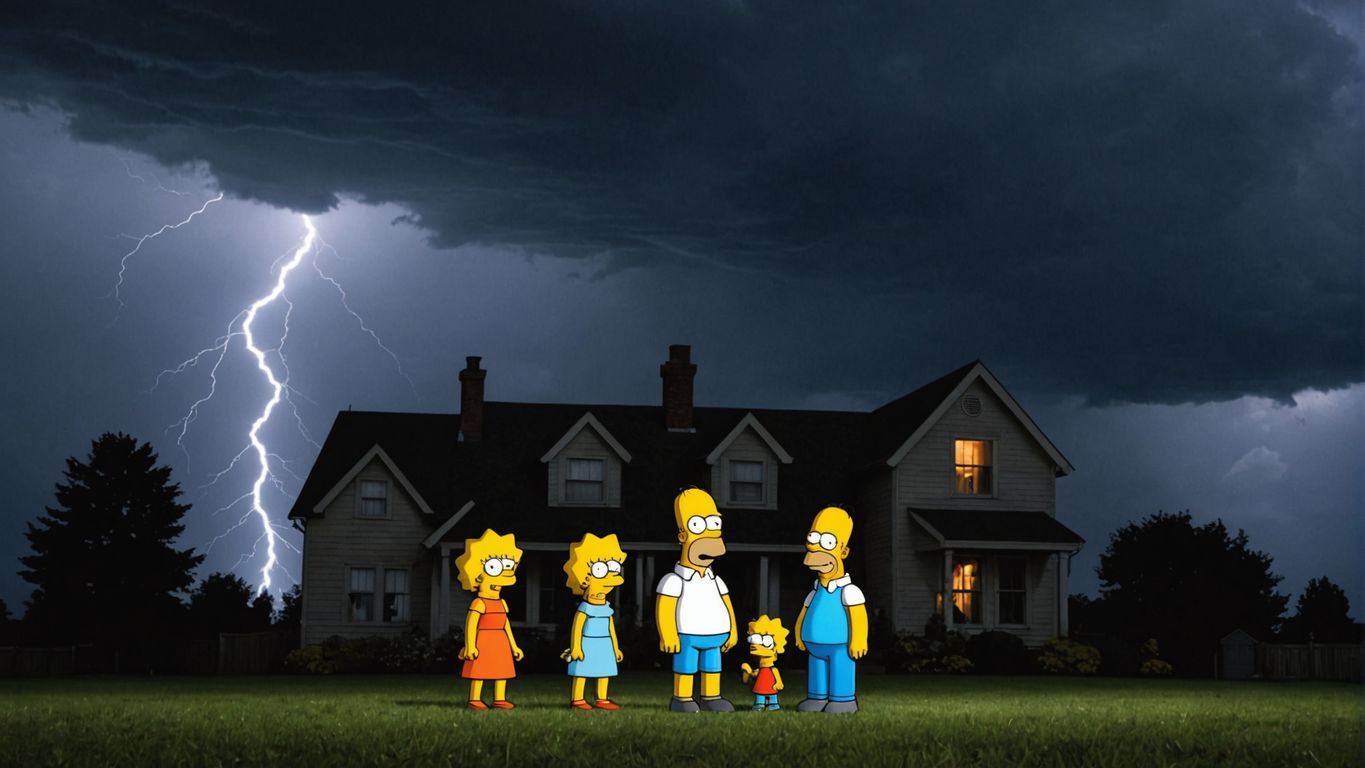
    In a world where fiction often mirrors reality, The Simpsons has become notorious for its uncanny ability to predict future events. From political outcomes to cultural phenomena, the animated series has left fans both amused and bewildered. As we approach the 2024 elections, many are once again looking to the show for clues about what might come next.

    Key Takeaways

    • The Simpsons has a history of predicting real-life events.
    • Recent episodes have drawn parallels to current political figures.
    • The show’s predictions span various domains, including politics and sports.

    The Simpsons and Political Predictions

    For years, fans have pointed out how The Simpsons seems to have a crystal ball when it comes to politics. One of the most notable predictions was when the show foresaw Donald Trump’s presidency. In a 2000 episode, Lisa Simpson becomes the first female president, taking office after Trump. This episode has resurfaced in discussions, especially after the recent inauguration, where Lisa’s outfit closely resembled that of Vice President Kamala Harris.

    The Coincidences Keep Coming

    The show’s knack for predicting events doesn’t stop at politics. In 2016, just hours after the death of legendary golfer Arnold Palmer, The Simpsons mentioned him multiple times in an episode. Social media erupted with comments about the eerie coincidence, with many users claiming, "The Simpsons know all."

    Sports Predictions

    The Simpsons has also made its mark in the sports world. In a 1993 episode, the show predicted the Dallas Cowboys would win the Super Bowl, which they did. Similarly, a 1999 episode featured a team resembling the 49ers winning the Super Bowl in Miami, a prediction that has gained traction as the event approaches.

    The Disney Acquisition

    Another striking prediction came in 1998 when the show depicted the entrance to 20th Century Fox, noting it as a division of the Walt Disney Company. Fast forward to 2017, and Disney announced its acquisition of 20th Century Fox, leaving fans in awe of the show’s foresight.

    The Future Awaits

    As we look ahead to 2024, many are left wondering what The Simpsons might reveal next. With a track record of uncanny predictions, it’s hard not to speculate. Will the show continue to reflect our reality, or is it merely a coincidence? One thing is for sure: fans will be watching closely.

    Conclusion

    Whether you believe in the predictive power of The Simpsons or not, it’s undeniable that the show has sparked conversations about the intersection of fiction and reality. As we gear up for the next election cycle, perhaps it’s time to revisit those classic episodes and see what other predictions might be lurking within the animated antics of Springfield. Who knows? The next big event could be just a season away!

  • Kamala Harris Chooses Tim Walz: A Strategic Running Mate

    Kamala Harris Chooses Tim Walz: A Strategic Running Mate

    In a significant political move, Kamala Harris has reportedly selected Minnesota Governor Tim Walz as her running mate for the upcoming election. This choice is seen as a strategic effort to balance the ticket and appeal to a broader voter base.

    Key Takeaways

    • Tim Walz brings extensive political experience and a relatable persona.
    • His background as a teacher and military officer enhances his appeal.
    • The choice aims to strengthen support in key battleground states.

    Who Is Tim Walz?

    Tim Walz, the 41st governor of Minnesota, has a rich background that makes him a compelling choice for Harris. Here are some highlights of his career:

    1. Political Experience:
    2. Education Background:
    3. Military Service:
    4. Progressive Record:

    Balancing the Ticket

    Kamala Harris, hailing from San Francisco, needed a running mate who could balance her ticket regionally. Walz’s Midwestern roots are crucial for appealing to rural voters, particularly in battleground states like Michigan, Wisconsin, and Pennsylvania.

    • Relatable Persona: Walz is described as having "big dad energy," making him approachable to voters.
    • Strategic Choice: His selection is viewed as a safe pick, likely to unify the party and attract undecided voters.

    The Importance of Pennsylvania

    While many speculated that Pennsylvania’s Josh Shapiro would be the ideal choice, Walz’s selection does not detract from Harris’s chances in this critical state. Recent polls indicate that Harris’s momentum is growing, making Pennsylvania competitive.

    • Key Battleground: Pennsylvania is essential for any candidate aiming for the White House.
    • Voter Sentiment: Harris’s choice reflects her responsiveness to voter preferences, which could enhance her campaign’s appeal.

    Upcoming Campaign Strategies

    As the campaign heats up, Harris and Walz are expected to embark on a seven-state rally blitz. This will be their first appearance together, and it’s crucial for establishing their dynamic as a team.

    • Momentum Boost: Historically, selecting a running mate can provide a significant boost in campaign momentum.
    • Trump’s Challenge: The Trump campaign is already attempting to counter Harris’s rising popularity, making this choice even more pivotal.

    Conclusion

    Kamala Harris’s decision to choose Tim Walz as her running mate is a calculated move aimed at strengthening her campaign. With his extensive experience and relatable persona, Walz is poised to help Harris connect with a wider range of voters. As they prepare for the upcoming election, all eyes will be on how this partnership unfolds and its impact on the race ahead.