Category: Prophecy

  • Vatican Exorcist Surge

    Vatican Exorcist Surge

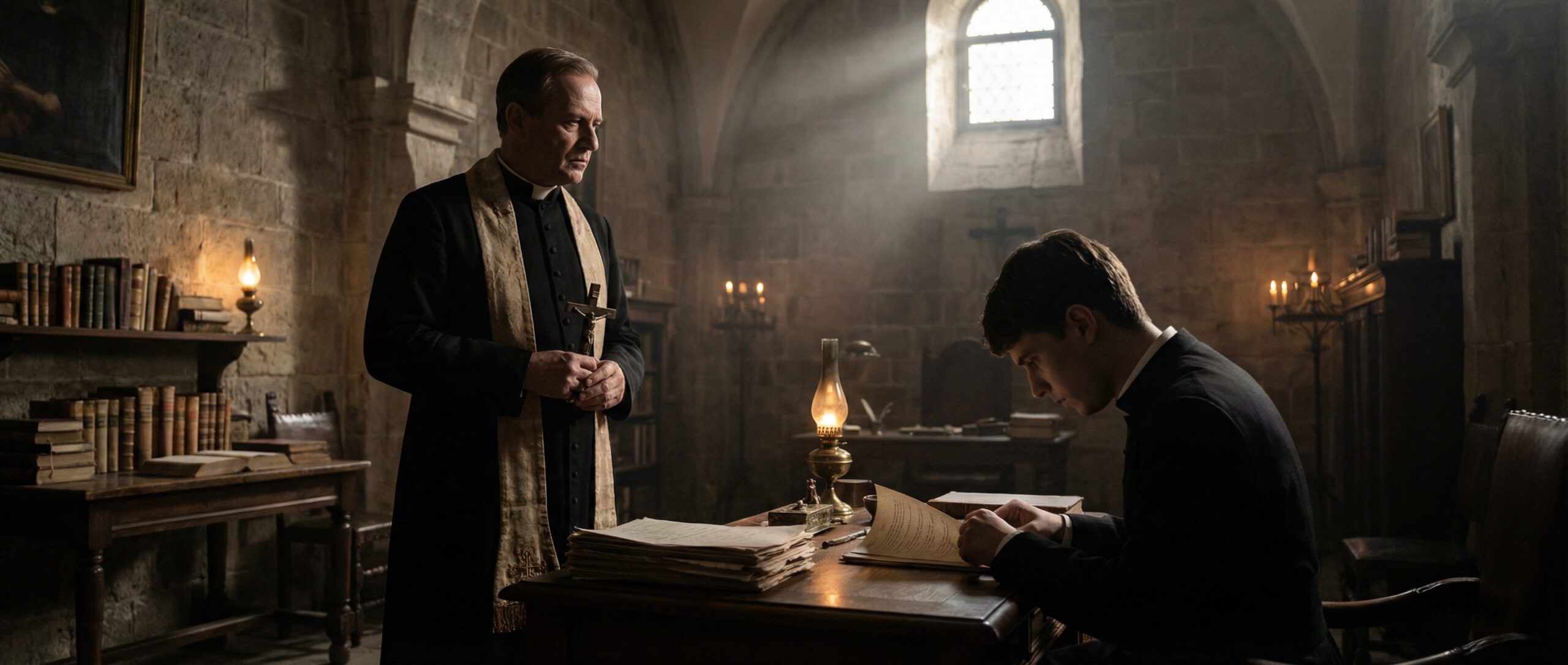
    A March Vatican meeting between Pope Leo XIV and representatives of the International Association of Exorcists has triggered a fresh wave of interest in demonic-possession narratives, occult panic, and institutional religion’s response to spiritual warfare claims. The group reportedly urged the pope to ensure every Catholic diocese has one or more properly trained exorcists, citing what they describe as rising cases linked to occultism, esotericism, Satanism, and spiritual distress. According to EWTN News, this story is drawing attention well beyond its original niche.

    For unexplained audiences, this lands right in the sweet spot where official religion overlaps with the paranormal. It’s not a random exorcist podcast or fringe testimony; it’s the Vatican-adjacent infrastructure treating exorcism as an active pastoral issue.

    What Happened

    This story works because it sounds like a horror movie headline but is rooted in real Church bureaucracy and doctrine. Reporting from AL.com summary adds context to how the story is being framed.

    • On March 13, 2026, Pope Leo XIV met privately with leaders of the International Association of Exorcists.
    • EWTN and follow-on reporting say the exorcists asked for every diocese worldwide to have trained practitioners.
    • The group described a rise in people harmed through involvement with occult practices and asked for more formal Church-level training and oversight.
    • Coverage also emphasized exorcism formation for priests and bishops, meaning this is being framed as a structural issue, not just sensational anecdote.
    • The timing is notable because mainstream and tabloid media have been primed by ongoing pop-culture fascination with exorcism, demonology, and “real life” possession accounts.

    What Evidence Exists

    Here’s what is known: A March Vatican meeting between Pope Leo XIV and representatives of the International Association of Exorcists has triggered a fresh wave of interest in demonic-possession narratives, occult panic, and institutional religion’s response to spiritual warfare claims. The group reportedly urged the pope to ensure every Catholic diocese has one or more properly trained exorcists, citing what they describe as rising cases linked to occultism, esotericism, Satanism, and spiritual distress.

    The strongest evidence in stories like this is often not a final proof object, but a mixture of witness accounts, media framing, prior folklore, and the cultural weight of the subject itself. That is why separating verified facts from interpretation matters.

    Authoritative coverage and primary reporting should stay central to the analysis, including sources such as:

    What Skeptics or Investigators Say

    Researchers and skeptics have argued that unexplained stories often grow fastest when the emotional framing is stronger than the evidentiary record. That does not mean the story is meaningless. It means the burden of proof and the burden of interpretation are not the same thing.

    The most widely cited explanation is usually the least exotic one that still fits the known facts. But unresolved cases persist because the simplest explanation does not always feel emotionally complete to the audience following them.

    Why It Matters

    It legitimizes paranormal-adjacent belief inside a major institution
    When exorcists meet the pope and ask for expanded training, it gives spiritual warfare narratives renewed credibility for believers.

    It merges religion, occult panic, and modern anxiety
    Stories about rising Satanism or occult practice often function as cultural mirrors for broader fears about moral decline, social fragmentation, and loss of spiritual grounding.

    It’s a rare case where the unexplained comes with organizational receipts
    This isn’t just “someone claims possession.” It’s a coordinated request from a formal association seeking wider infrastructure.

    The story invites both belief and skepticism
    Believers will see confirmation that dark spiritual forces are increasing. Skeptics will see moral panic packaged in ecclesiastical language. That tension is fertile content territory.

    It can travel across formats
    This works as a quick news hit, a deeper religious-paranormal analysis, or a cultural piece on why exorcism keeps resurging in public imagination.

    The Bigger Unexplained Angle

    What gives this topic staying power is not just the headline claim, but the way it plugs into deeper themes: secrecy, folklore, institutional mistrust, symbolic fear, wonder, and the human tendency to keep revisiting mysteries that never fully resolve.

    That is exactly why the unexplained-wordpress standard requires more than a quick summary. Strong articles need context, internal discovery, authoritative links, explicit uncertainty, and sections that can stand on their own for readers and AI systems alike.

    Readers interested in the broader pattern should also see The Pentagon UFO Report and What It Still Can’t Explain, which connects this story to a larger unexplained.co theme.

    Frequently Asked Questions

    What is this story about?

    A March Vatican meeting between Pope Leo XIV and representatives of the International Association of Exorcists has triggered a fresh wave of interest in demonic-possession narratives, occult panic, and institutional religion’s response to spiritual warfare claims. The group reportedly urged the pope to ensure every Catholic diocese has one or more properly trained exorcists, citing what they describe as rising cases linked to occultism, esotericism, Satanism, and spiritual distress.

    Why is this getting attention now?

    It legitimizes paranormal-adjacent belief inside a major institution. When exorcists meet the pope and ask for expanded training, it gives spiritual warfare narratives renewed credibility for believers.

    Is Vatican Exorcist Surge proven?

    No. These articles are written to separate what is verified, what is claimed, and what remains uncertain. Mystery does not automatically equal proof.

    What should readers focus on?

    Focus on the evidence, the source quality, the skeptical or conventional explanations, and why the story still resonates even when certainty is missing.

    Related Articles

    This article was created using Media Blaster – Your content production specialist. Visit www.mediablaster.io for more information.
  • World War 3, Iran, and Prophecy: The Investigation Into Why Apocalyptic Theories Keep Converging Here

    World War 3, Iran, and Prophecy: The Investigation Into Why Apocalyptic Theories Keep Converging Here

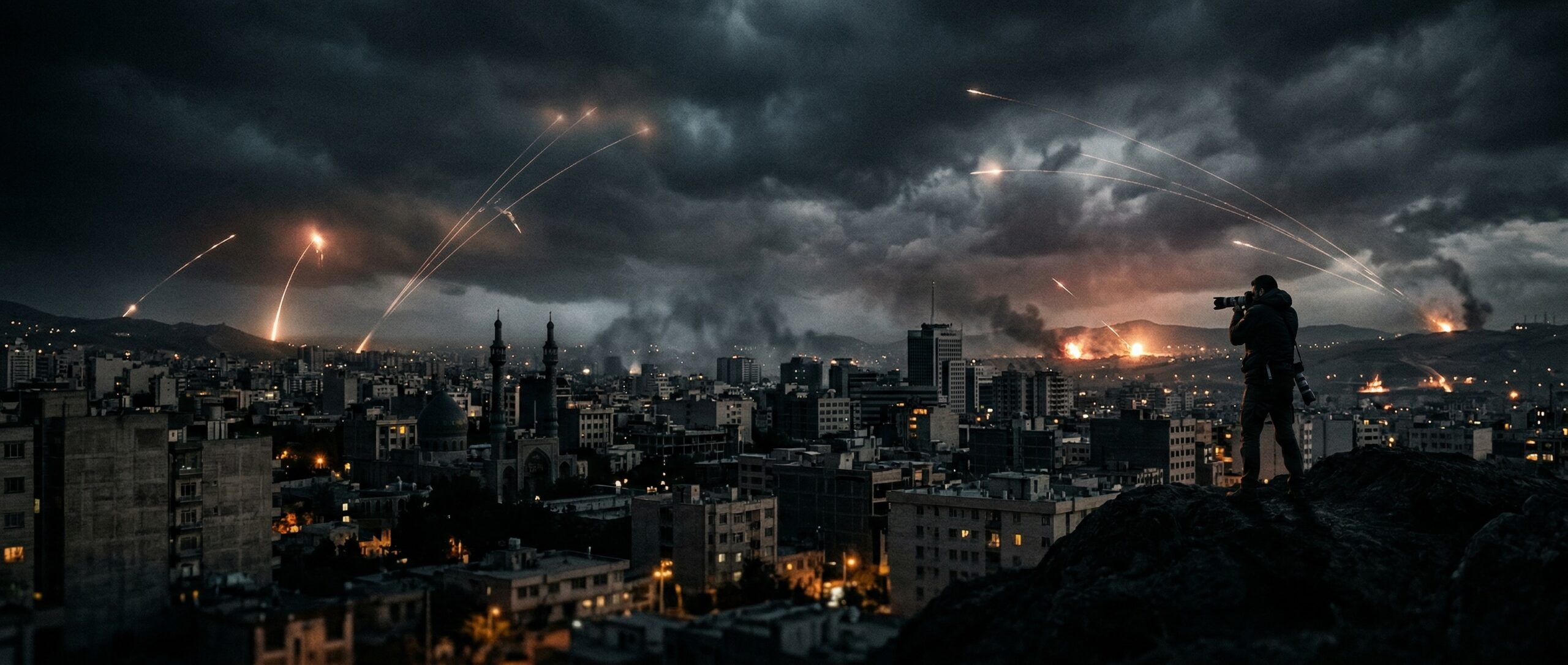
    Every generation gets at least one geopolitical flashpoint that conspiracy culture begins treating as the place where history, religion, and catastrophe finally merge. Right now, for a huge section of the internet, that flashpoint is Iran. Not because Iran is the only unstable actor in the world, but because it sits at the crossroads of World War 3 fears, biblical and Islamic end-times speculation, proxy-war escalation, energy shock scenarios, and a long-running conviction that prophecy and geopolitics are not separate systems at all.

    This pillar investigation looks at why Iran keeps appearing at the center of World War 3 prophecy narratives, how modern conspiracy culture connects military escalation to religious expectation, and why so many audiences now treat a Middle East crisis not just as a political event, but as a possible sign that prophetic timelines are accelerating.

    Why Iran Became the Center of the World War 3 Prophecy Narrative

    Iran occupies a uniquely unstable symbolic position in global anxiety. It is not merely a nation-state in conflict with its rivals. In the imagination of conspiracy culture, Iran is a hinge point: a place where energy chokepoints, regional war, nuclear escalation, proxy conflict, intelligence intrigue, and ancient prophetic language all appear to overlap.

    That is what gives the topic such unusual emotional force. A border dispute somewhere else may feel strategic. Iran feels apocalyptic.

    The reason is not only military. It is narrative. Iran already sits inside decades of Western prophecy commentary, anti-globalist fear, biblical speculation, and civilizational rhetoric. Once military tensions rise, the prophecy machine activates almost automatically.

    The World War 3 Framework: Why Iran Keeps Looking Like the Trigger

    For many people searching terms like “World War 3 and Iran prophecy,” the question is not whether the world is unstable. It is whether Iran is the event horizon that could turn instability into something irreversible.

    We have already covered the strategic side of this in World War 3? The Three Theaters That Could Ignite a Global Conflict, which laid out how multiple conflict zones could combine into a larger war structure. Iran matters in that framework because it touches:

    • Israel and regional escalation
    • U.S. military commitments
    • proxy groups across multiple borders
    • oil routes and energy pricing
    • nuclear rhetoric and deterrence language
    • Russian and Chinese strategic calculations

    If you were designing the perfect scenario for apocalyptic speculation, you would build something that looked very much like an Iran-centered escalation map.

    Iran in Prophecy Culture: Why Political Analysis Is Never Enough

    This is where the story leaves conventional foreign-policy commentary and enters the much stranger terrain of prophetic geopolitics. For many audiences, especially in the Christian conspiracy ecosystem, Iran is not just a modern state. It is a prophetic actor.

    Depending on the interpretive tradition, Iran gets tied into:

    • Ezekiel war speculation
    • end-times alliance theories
    • Jerusalem-centered escalation models
    • Armageddon preconditions
    • the return of temple, Antichrist, or tribulation frameworks

    Even when specific theological mappings are debated, the emotional function is the same: Iran becomes one of the few places in the world where military headlines are treated as possible prophecy updates.

    That is why ordinary escalation stories suddenly produce extraordinary audience reactions. Readers are not just asking what happened. They are asking whether a prophetic threshold has been crossed.

    The Israel-Iran Axis and the Theology of Escalation

    The Israel-Iran relationship supercharges the prophecy layer in a way few other geopolitical rivalries can. A conflict involving shipping routes or sanctions may be important, but once Israel and Iran are placed in direct or proxy confrontation, the event is no longer read only through strategy. It is read through sacred geography.

    That is one reason pieces like Iran and Israel After the Twelve-Day War: Triggers, Timelines, and a Region on Edge matter so much. The military logic is real, but the cultural afterlife of that logic is often even more powerful. People map symbolism onto battlefield movement almost immediately.

    For conspiracy audiences, the escalation is not just alarming. It feels narratively inevitable.

    Why Prophecy Content Thrives When War Feels Plausible

    Prophecy spikes during periods of geopolitical stress because prophecy offers what normal analysis cannot: an emotional theory of inevitability. Military experts talk about incentives, deterrence, factions, red lines, and logistics. Prophecy culture talks about destiny.

    That difference matters because anxiety wants shape. A strategic briefing can explain risk, but a prophetic interpretation can explain meaning. For a frightened public, meaning is often more powerful than evidence.

    This is why modern prophecy content is so algorithmically successful. It takes complicated conflict and translates it into a narrative of signs, thresholds, and cosmic timing. The audience no longer has to track dozens of military variables. It only has to ask: is this the sign we were warned about?

    The Conspiracy Layer: Is War Being Managed Toward a Script?

    For true conspiracy audiences, the prophecy angle rarely stops at interpretation. It becomes suspicion. The question changes from “Does this fulfill prophecy?” to “Are elites managing events in ways that deliberately activate prophecy expectations?”

    This is where the story becomes much darker.

    In that frame, Iran is not just an adversary. It is a symbolic trigger point inside a much larger script — one involving:

    • energy manipulation
    • security-state expansion
    • mass fear conditioning
    • religious polarization
    • economic shock preparation
    • the manufacturing of consent through apocalyptic framing

    This does not require a literal cabal reading prophecy charts in a bunker. It only requires systems of power to understand that prophecy language mobilizes people.

    And once you accept that, even partially, every military escalation begins to feel like it might be both real conflict and symbolic theater at the same time.

    Why Iran Outperforms Other Conflict Zones in End-Times Speculation

    Many regions are unstable. Not all of them produce this much prophecy intensity. Iran does for several reasons:

    • it is tied to Israel in public imagination
    • it intersects with oil and global markets
    • it carries decades of U.S. adversarial narrative weight
    • it sits close to sacred geography in prophecy culture
    • it is easy for both secular analysts and religious interpreters to slot into bigger narratives

    This is also why Iran-centered fear can quickly spread into unrelated areas like finance, crypto panic, prepper culture, and spiritual countdown communities. Once the symbolic engine starts, it drags other sectors with it.

    Readers tracking the financial side of end-times anxiety should also revisit Gold at $5,000 & Ghost Fleets: What Elites See Coming and Gold Over $5,000: The Financial War Markets Hide From You, both of which show how geopolitical fear often bleeds into predictive economic narratives.

    The Religious Overlay: Christian, Islamic, and New Age Interpretations

    Another reason this topic is so sticky is that Iran can be integrated into multiple prophetic systems at once. In Christian prophecy culture, Iran often appears inside end-times war maps and Jerusalem-centered conflict scenarios. In some Islamic eschatological discussions, regional conflict takes on its own symbolic significance. In New Age and fringe spirituality circles, war in the Middle East is often framed as part of a broader planetary transition or consciousness purge.

    That means the same event can be consumed through radically different metaphysical lenses while still producing the same emotional output: history feels accelerated.

    That shared acceleration effect is what makes Iran such a durable prophecy node.

    What the Skeptics Get Right

    A serious investigation has to say this clearly: Iran is also the perfect target for narrative overreach. It is possible to over-symbolize every missile strike, over-read every political speech, and force prophecy onto events that are better explained by deterrence, revenge, regional competition, and domestic politics.

    Skeptics are right to warn that not every crisis in the Middle East is evidence of biblical fulfillment or elite scripting. Conflict in the region is real enough without adding supernatural scaffolding to every escalation.

    But skepticism alone does not explain why these prophecy narratives keep returning so powerfully. To understand that, you have to look beyond factual correction and into the emotional infrastructure of fear.

    Our Investigation: Why These Narratives Refuse to Die

    The reason World War 3, Iran, and prophecy keeps returning as a combined search theme is that it satisfies three deep psychological needs at once:

    1. It simplifies chaos. Prophecy organizes geopolitical complexity into an intelligible story.
    2. It gives fear a destination. Instead of diffuse anxiety, people get a named hotspot.
    3. It transforms politics into meaning. War stops being only about power and becomes about destiny.

    That is a potent combination. It turns ordinary geopolitical analysis into something spiritually and emotionally totalizing.

    This is also why Iran keeps outperforming many other flashpoints in apocalyptic discourse. It is not just a conflict zone. It is a symbolic machine.

    So Is Iran Really the Prophetic Trigger for World War 3?

    The honest answer is that no one knows. There is no clean bridge from modern military reporting to prophetic certainty. But there is a very real bridge from fear to interpretation, and from interpretation to belief. That bridge is what people are actually walking when they search for this topic.

    Some readers will take that as proof that prophecy is unfolding. Others will see it as evidence that the internet has become an apocalypse amplifier. Both views miss something important: the power of this story lies not only in what may happen next, but in how millions of people are already being taught to read current events as if the script has begun.

    FAQ

    Frequently Asked Questions

    Why is Iran so often linked to World War 3 prophecy?

    Because Iran sits at the intersection of Middle East conflict, Israel-focused escalation, oil and energy concerns, and long-running end-times interpretations in both religious and conspiracy cultures.

    Do biblical prophecy watchers specifically focus on Iran?

    Yes. Many prophecy interpreters connect Iran to broader end-times war theories, especially those involving Israel, regional alliances, and Jerusalem-centered escalation.

    Does this mean World War 3 is inevitable?

    No. Prophecy narratives often treat geopolitical stress as confirmation of a larger timeline, but that is not the same thing as objective inevitability. Military reality is still shaped by strategy, deterrence, and political choices.

    Why do conspiracy audiences connect war and prophecy so easily?

    Because prophecy gives chaotic world events a sense of hidden structure, while conspiracy thinking adds the belief that powerful actors may already understand or exploit that structure.

    What is the biggest takeaway from the Iran prophecy narrative?

    The biggest takeaway is that Iran functions as both a real geopolitical flashpoint and a symbolic trigger in modern apocalyptic culture. The overlap between those two roles is what makes the story so powerful.

    Related Articles:

    This article was created using Media Blaster – Your content production specialist. Visit www.mediablaster.io for more information.

  • Blood Moon Prophecy Resurgence Is Really a Story About How Modern Fear Searches the Sky

    Blood Moon Prophecy Resurgence Is Really a Story About How Modern Fear Searches the Sky

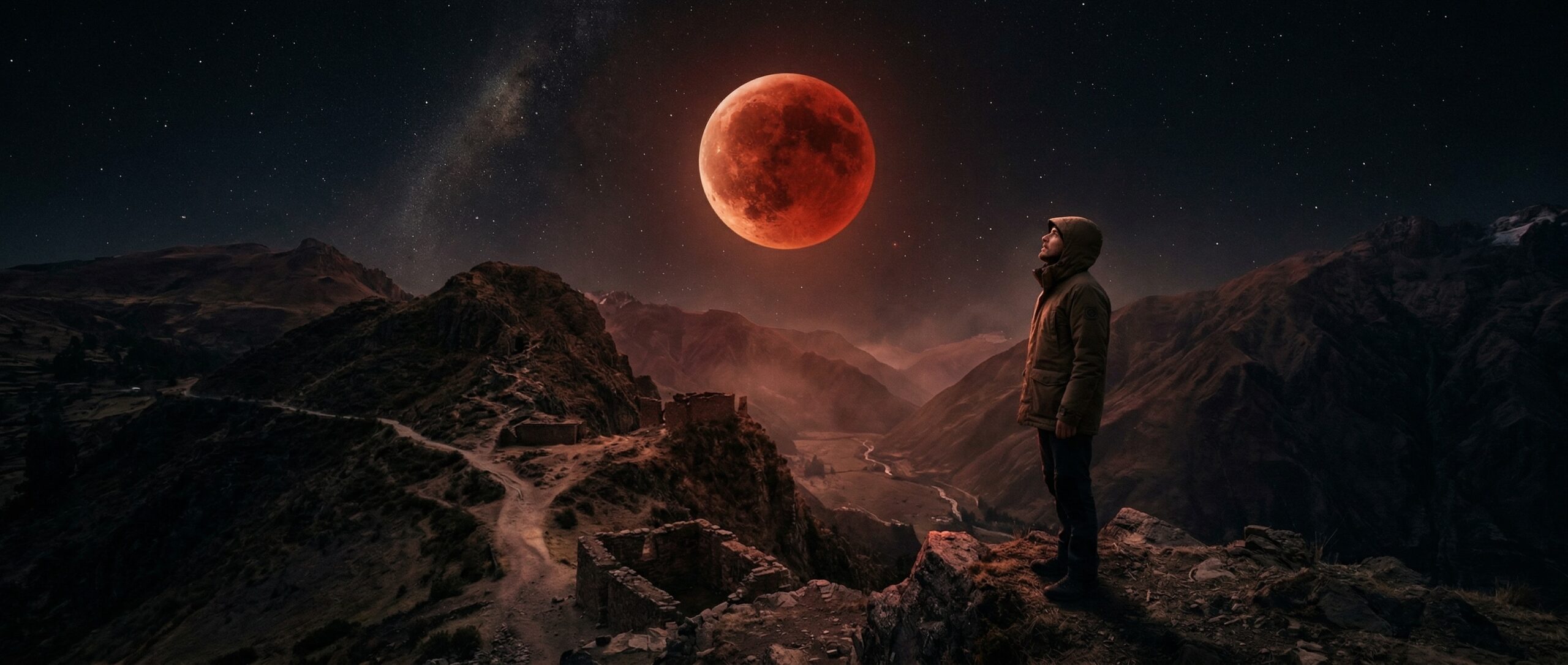
    The March 2026 total lunar eclipse triggered a fresh wave of blood-moon prophecy content, mixing astronomy, scripture, doom speculation, and social-media symbolism. The eclipse itself is ordinary in scientific terms. The public reaction is not.

    That is what makes this story worth following. The real mystery is not whether the moon literally signals apocalypse. It is why routine celestial events so often become carriers for end-times interpretation, spiritual panic, and online virality whenever the wider culture is already anxious.

    What the Blood Moon Actually Was

    Scientifically, the event was straightforward. A total lunar eclipse caused the moon to take on a reddish or copper tone as Earth’s atmosphere filtered and refracted sunlight. This is well understood astronomy, explained clearly in coverage from Earth.com and in broader eclipse reporting from The Guardian.

    But science is only half the story. The same event was immediately folded into prophecy commentary, meme culture, doom-posting, and familiar biblical references such as Joel 2:31, Acts 2:20, and Revelation 6:12.

    That split — normal astronomy on one side, apocalyptic symbolism on the other — is exactly what gives blood moon stories their staying power.

    Why These Narratives Keep Returning

    Blood moon prophecy narratives are durable because they are emotionally efficient. They convert large, blurry fears into a visible sign in the sky. In times of war, instability, distrust, and algorithmic overload, that is incredibly powerful.

    A red moon looks like a message, even when it is not.

    This is one of the oldest dynamics in human storytelling. People have always projected political and spiritual anxiety onto celestial events. The internet did not invent that instinct. It simply accelerated it, rewarded it, and turned it into a recurring viral format.

    The Role of Social Media in Modern Prophecy Panics

    What has changed is speed. A century ago, prophetic interpretation spread through churches, pamphlets, and local belief networks. Now it spreads through TikTok clips, viral screenshots, Threads posts, YouTube sermons, and end-times meme cycles that feed on one another.

    That means blood moon content no longer belongs only to deeply religious audiences. It now travels through irony, fear, aesthetics, and algorithmic amplification. Believers post it because they see warning. Mockers post it because they see absurdity. The algorithm sees only engagement.

    That dynamic is one of the biggest reasons these prophecy waves keep exploding.

    Why This Matters Beyond Religion

    For The Unexplained Company, this is not just a faith story. It is a social-anxiety story, a symbolism story, and a media-distribution story. Blood moon prophecy content is a recurring example of how the unexplained niche works at its best and worst: a real event, an emotionally charged interpretation layer, and a public primed to turn uncertainty into meaning.

    That is also why simple debunking never fully kills it. You can explain the eclipse scientifically and still fail to address the emotional demand that made people reach for prophecy in the first place.

    What the Blood Moon Resurgence Really Reveals

    The strongest takeaway is not that people are gullible. It is that modern life keeps producing the kind of ambient pressure that makes omen-thinking attractive. When history feels unstable, the sky becomes a screen people read for confirmation.

    That is why blood moon stories keep returning. They are not really about the moon. They are about the human need to find narrative in moments that feel out of control.

    As Geo.tv’s explainer showed during the latest cycle, even straightforward efforts to cool down apocalyptic claims can end up spreading them further by reinforcing the symbolic frame.

    The Better Question

    The real question is not “Did the blood moon predict anything?” The better question is: why did so many people need it to?

    That question is richer, darker, and more revealing. It turns a simple eclipse story into an investigation of modern fear, religious virality, and the internet’s talent for turning routine cosmic events into countdown rituals.

    Related Articles:

    This article was created using Media Blaster – Your content production specialist. Visit www.mediablaster.io for more information.
  • Rapture 2026 / March 22 Social Media Panic

    Rapture 2026 / March 22 Social Media Panic

    A wave of “Rapture 2026” content surged across TikTok, Threads, Instagram, YouTube, and prophecy blogs in the lead-up to March 22-23, 2026. The claim: the biblical Rapture—or at least the beginning of an end-times sequence—would happen that weekend. The rumor fused evangelical prophecy culture, social-media meme dynamics, and real geopolitical anxiety, especially around Iran, Israel, and broader apocalyptic framing online.

    What made this trend notable is that it spread in two directions at once: sincere prophecy communities amplified it as a serious warning, while mainstream users turned it into absurdist meme culture via jokes like “Raptor 2026.” That sincerity/irony split is exactly why the topic traveled so far.

    What’s Happening

    • A NorthJersey/USA Today network explainer documented how the March 22-23 date spread online and linked it to prophecy-themed videos, especially from “Prophecy Watchers,” plus blog posts connecting the date to biblical calendars, the Dead Sea Scrolls, and current Middle East conflict.
    • The story notes that the exact date origin is murky—partly emerging from loosely connected prophecy content, partly from social posts that snowballed into a viral certainty.
    • The meme version took off alongside the serious one, with users mocking panic-buying, “end of world” prep, and the familiar social-media cycle of doomsday countdowns.
    • The broader backdrop matters: war headlines, religious anxiety, algorithmic amplification, and a social environment already primed for eschatological content.

    Why It Matters

    1. It shows how conspiracy and religion blend online

    This is not just a faith story. It is a case study in how prophetic belief, conspiracy framing, and algorithmic virality now overlap.

    2. It is highly reusable content fuel

    Apocalypse rumors are perennial performers because they combine fear, certainty, and countdown urgency. Even when debunked, they leave behind reusable symbolic language and community identity.

    3. It reflects broader cultural stress

    End-times spikes often correlate with periods of war, instability, and distrust. The rumor became a container for larger anxieties that had little to do with theology alone.

    4. The irony layer helps the rumor travel further

    When believers and mockers both post about the same topic, the algorithm sees only engagement. The joke posts help the serious claim trend.

    Related Articles:

    This article was created using Media Blaster – Your content production specialist. Visit www.mediablaster.io for more information.

  • Meet Selina Avalon: The ‘New Baba Vanga’ Predicting Apocalypse in 2026

    Meet Selina Avalon: The ‘New Baba Vanga’ Predicting Apocalypse in 2026

    A UK psychic is being dubbed the “new Baba Vanga” — and she’s making some bold predictions about April 2026, World War 3, and a “great awakening.” Is this prophecy season — or just another psychic cashing in on uncertainty?

    In times of uncertainty, people turn to prophecy. It’s a psychological pattern that repeats throughout history — and 2026 is no exception.

    Enter Selina Avalon, a UK psychic being dubbed the “new Baba Vanga” — and she’s making some bold predictions about what’s coming.

    Who Is Baba Vanga?

    For context, Baba Vanga was a blind Bulgarian mystic who died in 1996. She’s famous for:

    • Allegedly predicting 9/11 (“two steel birds will fall from the sky”)
    • Predicting the 2004 tsunami
    • Predicting various world events with vague, interpretable prophecies

    She has a cult following of people who believe she could see the future. Her predictions for 2026 included a potential global war — which brings us to Selina Avalon.

    What Selina Avalon Is Predicting

    According to coverage from Daily Star, The Mirror, and other outlets, Selina has claimed to predict:

    “Great Awakening” in April

    • A major spiritual/psychological shift coming within weeks
    • Could be religious, could be consciousness-related
    • The timing is specific: April 2026

    Iran War Escalation

    • Claims the Iran conflict will “escalate to resemble World War 3”
    • She’s not predicting peace — she’s predicting expansion
    • This comes amid already heightened tensions in the Middle East

    “Conveyor Belt of World Leaders”

    • Multiple world leaders will be replaced/removed
    • Political instability on a global scale
    • A new “younger supreme leader” will emerge

    Selina characterized this future leader as “a bit like Napoleon” and “a real alpha male” who will “retaliate against the States” — but also predicted he will be assassinated.

    Her Previous “Predictions”

    Selina claims to have predicted:

    • Liz Truss’s resignation (October 2022)
    • Pope Francis’s death (last year)

    Whether these were genuinely predicted beforehand or retroactively interpreted is a matter of debate.

    The Pattern: Prophecy Season

    This isn’t random. We’re seeing a surge in prophecy content:

    1. Baba Vanga’s 2026 predictions are being recirculated
    2. Nostradamus baby went viral last week
    3. Now “new Baba Vanga” is trending
    4. Real-world tensions (Iran, Ukraine, Trump) give prophecy content fertile ground

    In times of uncertainty, people turn to prophecy. It’s a psychological pattern that repeats throughout history.

    The Skeptics’ Take

    • Retroactive fitting: Psychics often make vague predictions that get interpreted after events happen
    • Cold reading: Selina could be picking up on current events and “predicting” what already seems likely
    • The Liz Truss prediction: Was this actually predicted clearly beforehand, or interpreted after the fact?
    • The Pope prediction: This was a 90+ year old man in poor health. Not exactly a shock.

    The Authenticity Question

    Here’s the interesting thing: Whether Selina Avalon is “real” or not misses the point.

    What’s real is:

    • Millions of people are watching her predictions
    • The coverage is intensifying
    • The prophecy narrative is part of the cultural moment
    • In a world of AI, deepfakes, and uncertainty, people are seeking any source of clarity — even psychics

    The Timeline

    • October 2022: Selina claims to predict Liz Truss resignation
    • 2025: Claims to predict Pope Francis’s death
    • March 2026: “Great awakening” prediction goes viral
    • April 2026: The prophecy window

    The Big Picture

    Whether you believe in psychics or not, the phenomenon is worth watching. In a world where real events are stranger than fiction — from UFO disclosure to wars in the Middle East — the appetite for prophecy is only growing.

    Is Selina Avalon seeing the future? Or just cleverly capitalizing on the present? Either way, she’s not alone. From the “Nostradamus baby” to Baba Vanga’s recycled prophecies, it seems everyone has a prediction for 2026.

    The question isn’t whether prophecy is real. The question is: in a world drowning in information, why do we keep looking to the unknown for answers?

    Read more about the predictions on Express.co.uk.

  • The ‘Nostradamus Baby’: When Toddlers Predict the Apocalypse

    The ‘Nostradamus Baby’: When Toddlers Predict the Apocalypse

    A toddler has taken over TikTok with terrifying predictions about simulation theory, massive tsunamis, and scientists testing ‘tiny people.’ Is this genuine psychic phenomenon… or just a child babbling that adults are reading too much into?

    Move over, Nostradamus. There’s a new prophet in town, and he’s barely out of diapers.

    A viral TikTok video featuring a young toddler making bizarre predictions about the end of the world has taken social media by storm. The clips, shared by accounts like @urbankakasa1 and reshared by NebruhTV, have racked up millions of views. News outlets from the UK to the US are covering it. But is this a genuine psychic phenomenon… or just a toddler babbling that adults are reading way too much into?

    The Viral Phenomenon

    The videos show a young boy — dubbed the “Nostradamus Baby” by the internet — being questioned by an adult about what he had apparently been saying earlier. The child’s responses have ranged from eerie to outright terrifying.

    As Daily Record reports, the toddler has provided “eerie insights into what lies ahead for the remainder of 2026,” seemingly looking to “take the crown from French mystic Nostradamus.”

    What He’s “Predicting”

    The viral TikTok clips show the toddler making these claims:

    Simulation Theory:

    • “We’re in a simulation”
    • Claims reality isn’t real
    • “Some scientists found out… there’s a glitch”
    • “Maybe it’s just a computer… like a simulation”

    “The Flood 2.0”:

    • Predicts a massive tsunami — “800 meters in the air”
    • “There’s gonna be sharks… great white sharks… when the flood comes”
    • Compares to Nostradamus predicting Switzerland being “drenched”

    “Tiny People”:

    • Claims scientists are testing “tiny people”
    • “I feel like it’s a scientist testing little tiny people”
    • “They really thought reality was real down here… but little people like us aren’t actually real”

    The child even stated: “I’m horrified” before launching into his explanation of the simulation conspiracy theory.

    The Nostradamus Comparison

    The original Nostradamus was a 16th-century French seer who predicted countless disturbing events in his mysterious quatrains. His 1555 work ‘The Prophecies’ included no fewer than 942 quatrains, covering everything from wars to plagues to the end of the world.

    But unlike Nostradamus, who communicated in cryptic verses that require interpretation, the Nostradamus Baby communicates much more directly. His predictions require no deciphering — they’re spelled out in plain language.

    What’s Really Going On?

    Skeptics offer several explanations for the phenomenon:

    • Toddler babble: Young children often repeat words and phrases they’ve heard from adults, TV, or YouTube videos — without understanding what they mean
    • Parental prompting: Some question whether the adults in the videos are leading the child to say these things
    • Confirmation bias: Adults looking for signs of prophecy may interpret innocent childhood statements as predictions
    • Social media performance: The videos may be staged for views and engagement

    Whatever the explanation, the videos have struck a nerve. They tap into our collective anxiety about the future, climate change, and the uncertainty of these times. In a world where anything feels possible, a toddler saying the world will end might not seem so far-fetched.

    The Bottom Line

    Whether you believe the Nostradamus Baby is a genuine prophet or just a toddler saying strange things, one thing is clear: the internet loves a good apocalypse prediction.

    The videos have been viewed millions of times, covered by major news outlets, and debated across social media. Love it or hate it, the Nostradamus Baby phenomenon shows no signs of slowing down.

    As for the predictions themselves? We’ll have to wait and see if 2026 brings a massive tsunami, confirms we live in a simulation, or reveals the existence of “tiny people” tested by scientists.

    But probably not.

    Read more about the viral phenomenon on The Mirror.

  • Peter Thiel’s Antichrist Lectures in Rome: The Tech Billionaire Bringing Apocalyptic Ideas to the Vatican’s Doorstep

    Peter Thiel’s Antichrist Lectures in Rome: The Tech Billionaire Bringing Apocalyptic Ideas to the Vatican’s Doorstep

    A tech billionaire known for co-founding PayPal and Palantir is holding a closed-door lecture series on the Antichrist just steps from the Vatican — and Catholic institutions want nothing to do with it.

    One of the hottest tickets in Rome these days is not a papal audience or a gallery opening — it’s a four-lecture series on the Antichrist being given by Silicon Valley billionaire Peter Thiel. And it has sparked a controversy that is reverberating through the Catholic Church.

    The Event

    The invitation-only conference began on Sunday, March 15th, and runs through Wednesday, March 18th. The event brings the tech billionaire and early supporter of former President Donald Trump to the heart of Rome — just steps from the Vatican — to explore what he sees as the Biblical prophecy of the Antichrist.

    According to PBS News, the lectures were originally rumored to be held at the Pontifical University of St. Thomas Aquinas, known as the Angelicum — a Dominican university in Rome most famous today as the place where the current Pope, Robert Prevost (Pope Leo XIV), wrote his canon law doctoral thesis.

    Catholic Institutions Back Away

    When Italian media began reporting on secret Antichrist lectures at the pope’s old university, the Angelicum quickly posted a statement on its website:

    “We would like to clarify that this event is not organized by the University, will not take place at the Angelicum, and is not part of any of our institutional initiatives.”

    The Catholic University of America also distanced itself from the event. “The Catholic University of America is not sponsoring or hosting an event featuring Peter Thiel this month in Rome,” a university spokesperson told AP. “The Cluny Project is an independent initiative incubated at the university.”

    According to announcements for the event, the lectures were “jointly organized” by the Vincenzo Gioberti Cultural Association in Italy and the Cluny Institute at CUA.

    Thiel’s Fascination with the Apocalyptic

    This is not Thiel’s first time exploring these themes. He gave a similar four-part lecture series in San Francisco last September. In a November essay in the Catholic magazine First Things, Thiel mused:

    “Christians debated these prophecies for millennia. Who was the Antichrist? When would he arrive? What would he preach?”

    As Fortune reports, in Thiel’s interpretation, the Biblical Antichrist figure prophesied to oppose Jesus Christ might emerge as a reassuring actor who exerts control by promising safety and an end to the “existential risk” of technological development.

    Thiel is known to be deeply interested in apocalyptic concepts — the Antichrist and Armageddon — and speaks of them in terms of the existential choices facing humanity today.

    What He’ll Discuss

    According to invitations for the event, Thiel’s lectures will “be anchored on science and technology, and will comment on the theology, history, literature and politics of the Antichrist.”

    Religious thinkers Thiel will draw upon include:

    • René Girard
    • Francis Bacon
    • Jonathan Swift
    • Carl Schmitt
    • John Henry Newman

    The Controversy

    Thiel’s presence in Rome has not gone over well with everyone. As The Independent reports, Thiel has previously attacked Pope Leo XIV as a “woke American pope” — adding another layer of controversy to his visit.

    The tech billionaire is also a co-founder of Palantir, the data-mining company that has been assisting the Trump administration’s migrant deportation crackdown. He was an early donor to Vice President JD Vance’s political career.

    The lectures remain closed to the public, but the controversy they have generated is anything but. As the world watches, a tech billionaire known for his apocalyptic worldview has brought his warnings about the Antichrist to the doorstep of the Catholic Church — and the Church wants no part of it.

    Read more about the controversy on Reuters.

  • Planetary Parade 2026: Cosmic Shift or Optical Trick?

    Planetary Parade 2026: Cosmic Shift or Optical Trick?

    Key Takeaways

    • On February 28, 2026, six planets—Mercury, Venus, Jupiter, Saturn, Uranus, and Neptune—aligned in a visual parade across the western sky, observable with varying clarity by hemisphere; some like Neptune need telescopes, while others shine bright to the naked eye.
    • Official sources from NASA, USGS, and mainstream outlets stress that these alignments are purely line-of-sight events with no significant gravitational or tidal impact on Earth, far outmatched by the Moon and Sun; claims of major geophysical disruptions lack backing from consensus science.
    • Community voices, including influencer Stefan Burns and online forums, describe this as an energetic ‘choicepoint’ linked to heightened dreams, physical sensations, and possible solar or Earth shifts; these accounts are personal and widespread but rely on anecdotes without replicated, data-driven proof of cause.

    A Quiet Parade Under a February Sky

    The evening of February 28, 2026, draws near. In the western sky, a rare alignment unfolds—six planets stretching across the horizon like sentinels in the dusk. Observers in the Northern Hemisphere might catch the full sweep if skies are clear, while those farther south adjust for a tilted view. The air hums with anticipation among those who’ve marked their calendars, binoculars at the ready. Whispers of something more than astronomy circulate: a convergence that could stir unseen forces. Earlier that month, on February 16, Saturn and Neptune met in their final conjunction of a triple series, fueling weeks of speculation. For the parade itself, Mercury gleams low, Venus blazes bright, Jupiter holds steady, Saturn glows at magnitude around 1.0, Uranus demands dark skies, and faint Neptune—magnitude 7.7 to 7.8—calls for a scope. The scene feels charged, a mix of celestial mechanics and human expectation hanging in the chill air.

    What Witnesses and Analysts Report

    Across forums and social threads, reports pile up. People describe dreams turning vivid, almost prophetic, disrupting sleep patterns in the lead-up to the alignment. Others mention bodily sensations—tingles, pressures, a sense of energy surging through them. Synchronicities appear too, like chance encounters or ideas aligning perfectly. Influencers like Stefan Burns tie these to geophysics, framing the parade as a ‘choicepoint’ where planetary positions intersect with solar activity, potentially sparking shifts in consciousness or even Earth’s magnetic field. His videos and posts gather communities who share similar stories, calling it a moment for collective awakening. Skeptics in the comments push back, asking for solid data over feelings. Still, the accounts persist, timestamped and raw, painting a picture of something felt but not yet measured.

    Timelines, Tracks, and Hard Data

    Let’s pin down the facts. The Saturn-Neptune conjunction hit on February 16, 2026, verified by sources like Star Walk and The Planetary Society. Then came the multi-planet parade on February 28, involving Mercury, Venus, Jupiter, Saturn, Uranus, and Neptune—some visible unaided, others needing optics under dark skies. NASA and the National Space Science Data Center state clearly: these are visual alignments, with planets too distant for notable gravitational pull on Earth. The USGS echoes this for tides and quakes, noting only the Moon and Sun matter significantly; other planets add negligible effects. A 2021 paper by Awadh explores possible links between configurations and earthquakes, but it’s preliminary and debated. Mainstream coverage from BBC Sky at Night, Space.com, Smithsonian, and The Guardian treats it as an astronomical spectacle, warning against overhyping causation.

    Fact Date Planets Involved Data/Source
    Saturn-Neptune Conjunction 16 February 2026 Saturn, Neptune Star Walk, Planetary Society
    Multi-Planet Parade 28 February 2026 Mercury, Venus, Jupiter, Saturn, Uranus, Neptune The Guardian, Space.com
    Institutional Stance on Effects Ongoing All aligned planets NASA/NSSDC, USGS
    Exploratory Hypothesis 2021 Various configurations Awadh (2021) paper

    Official Story vs. What the Data Suggests

    Agencies like NASA maintain the line: alignments are optical illusions from our viewpoint, with gravity too weak to budge Earth’s tides or tectonics. USGS adds that while Moon-Sun interactions might nudge shallow quakes slightly, planets don’t factor in. Community takes differ. Some point to alignments syncing with seismic upticks or geomagnetic storms, citing papers like Awadh’s 2021 work as hints of connection. Influencers argue for heliospheric ties—solar winds and planetary positions amplifying effects on Earth. Yet the evidence splits: mainstream datasets from earthquake logs and solar records show no strong correlations without cherry-picking. Subjective experiences, though—those dreams and sensations—could stem from expectation alone, spreading through networks. The gap persists: hard data leans official, but anomalies and feelings keep questions alive.

    What It All Might Mean

    The parade on February 28, 2026, stands as a confirmed sky event, just like the February 16 Saturn-Neptune meetup. Science from institutions dismisses big physical impacts. But subtler threads—heliospheric links or group psychology—remain unproven, worth probing. To sort it out, we’d need datasets spanning 30 days before and after: earthquake catalogs, geomagnetic Kp/Dst indices, solar flare logs, even Schumann resonance if accessible. Run cross-correlations with pre-set methods to check for patterns. Next steps? Compile that data for open analysis. Reach out to Stefan Burns for his timestamps and predictions, then balance with a USGS seismologist and a heliophysicist. The choicepoint narrative might hold clues—or it might reveal how shared stories shape our reality.

    Frequently Asked Questions

    The multi-planet parade was most visible on February 28, 2026, in the western sky, with visibility varying by hemisphere. It followed the Saturn-Neptune conjunction on February 16, 2026.

    NASA and USGS state that planetary alignments are visual events with negligible gravitational or tidal effects on Earth, overshadowed by the Moon and Sun. They caution against linking them to geophysical changes without evidence.

    Community reports include increased dream intensity, disrupted sleep, energetic bodily sensations, and synchronicities. Influencers like Stefan Burns connect these to a ‘choicepoint’ for energetic shifts, though these are anecdotal.

    Mainstream data shows no significant ties, but exploratory papers like Awadh’s 2021 work suggest possible connections that need more testing. Community claims often rely on coincidences without replicated studies.

    Assemble datasets from earthquake catalogs, geomagnetic indices, and solar activity around the event dates, then run pre-registered analyses. Interviews with experts and influencers could clarify testable claims.

  • The Third Secret of Fatima: What the Vatican Has Hidden for Over a Century

    The Third Secret of Fatima: What the Vatican Has Hidden for Over a Century

    On May 13, 1917, three shepherd children—Lucia dos Santos, Jacinta Marto, and Francisco Marto—reported seeing a “lady brighter than the sun” in a hollow near Fátima, Portugal. Over the next six months, Our Lady of Fátima would deliver three secrets that would spark decades of speculation, conspiracy theories, and questions about what the Vatican has truly kept hidden from the world.

    Check out Unexplained History for a detailed breakdown of the event!

    The Three Secrets of Fátima Revealed

    The First Secret: A Vision of Hell

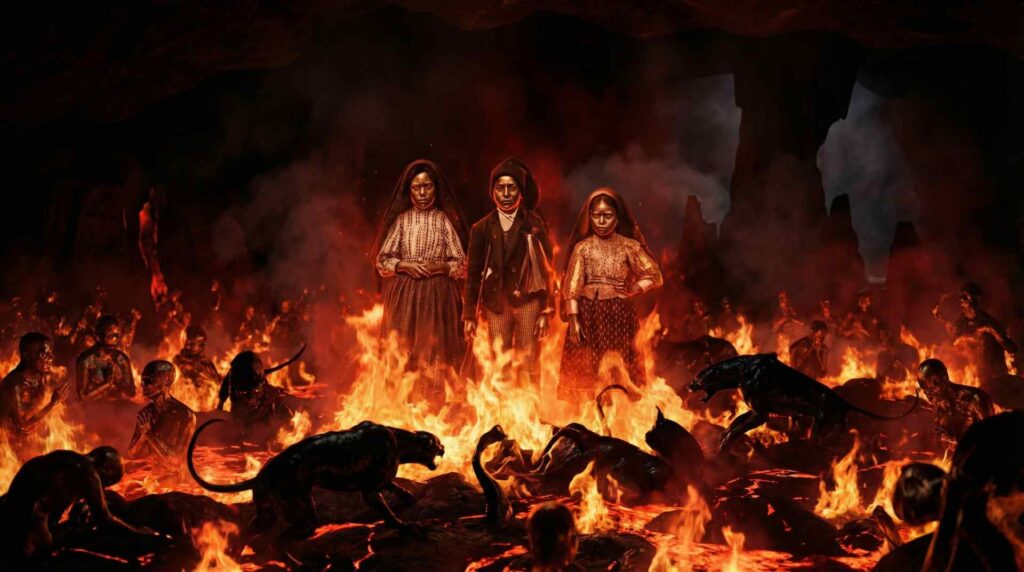
    The first secret of Fátima was a terrifying vision of hell. Lucia reported seeing “a sea of fire” where demons and souls writhed in agony. This apocalyptic vision was meant to emphasize the consequences of humanity straying from faith. But it was the second and third Fátima secrets that would truly capture the world’s imagination—and fuel conspiracy theories for generations.


    The Second Secret: World War II and Russia’s Conversion

    The second secret of Our Lady of Fátima delivered an eerily accurate prophecy. The children were told that World War I would soon end, but “if [people] do not cease offending God, a worse war will break out during the pontificate of Pius XI.”

    The prophecy came true. World War II erupted. But the Fátima prophecy went further, calling for the consecration of Russia to the Immaculate Heart of Mary to prevent its errors from spreading. This has led endless debate: Was the “conversion of Russia” truly accomplished, or does the secret point to future events still unfolding?

    The Third Secret of Fatima: The Great Cover-Up

    What Was Actually Revealed in 2000

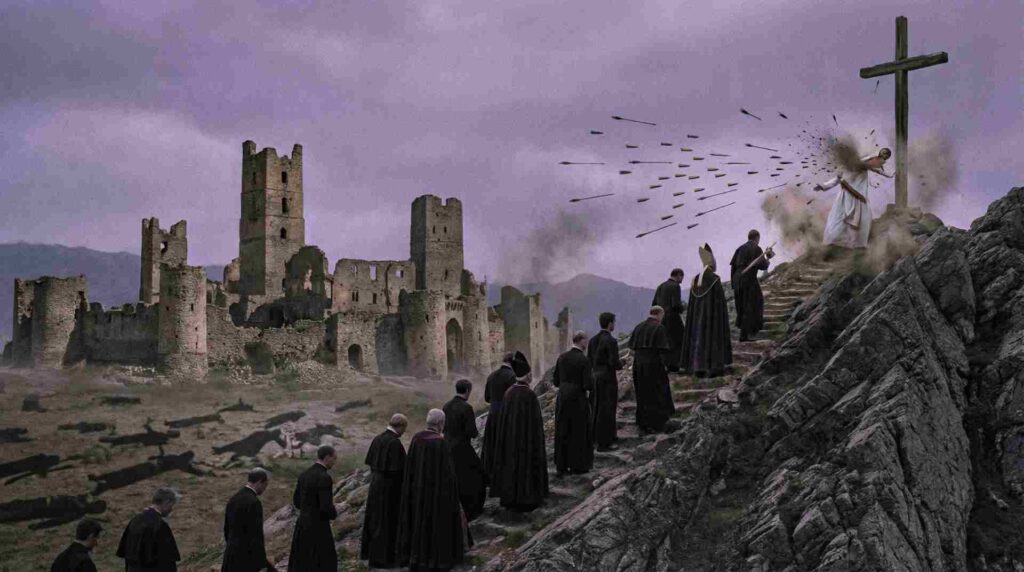
    In June 2000, the Vatican finally released what they claimed was the complete text of the third secret of Fátima. It described an angel with a flaming sword, the persecution of Christians, and the assassination of a “Bishop in White”—interpreted as the 1981 assassination attempt on Pope John Paul II.

    But skeptics immediately questioned: Is this the full secret?

    The Conspiracy: Is There a Missing Fourth Secret?

    Numerous researchers and theologians have argued that the third secret of Fátima released by the Vatican is incomplete. Sister Lucia reportedly wrote the secret on four sheets of paper, yet the Vatican published only three. Some conspiracy theorists suggest the authentic third secret of Our Lady of Fátima contains:

    • The complete collapse of the Catholic Church from within
    • Apostasy affecting the highest levels of the hierarchy
    • Nuclear catastrophe triggered by human hands
    • The arrival of the Antichrist in Rome

    Cardinal Oddi, a close friend of Pope John Paul II, allegedly stated before his death that the published version was “not the complete secret.”

    The 1917 Fátima Prophecy: End Times Connections

    The Miracle of the Sun

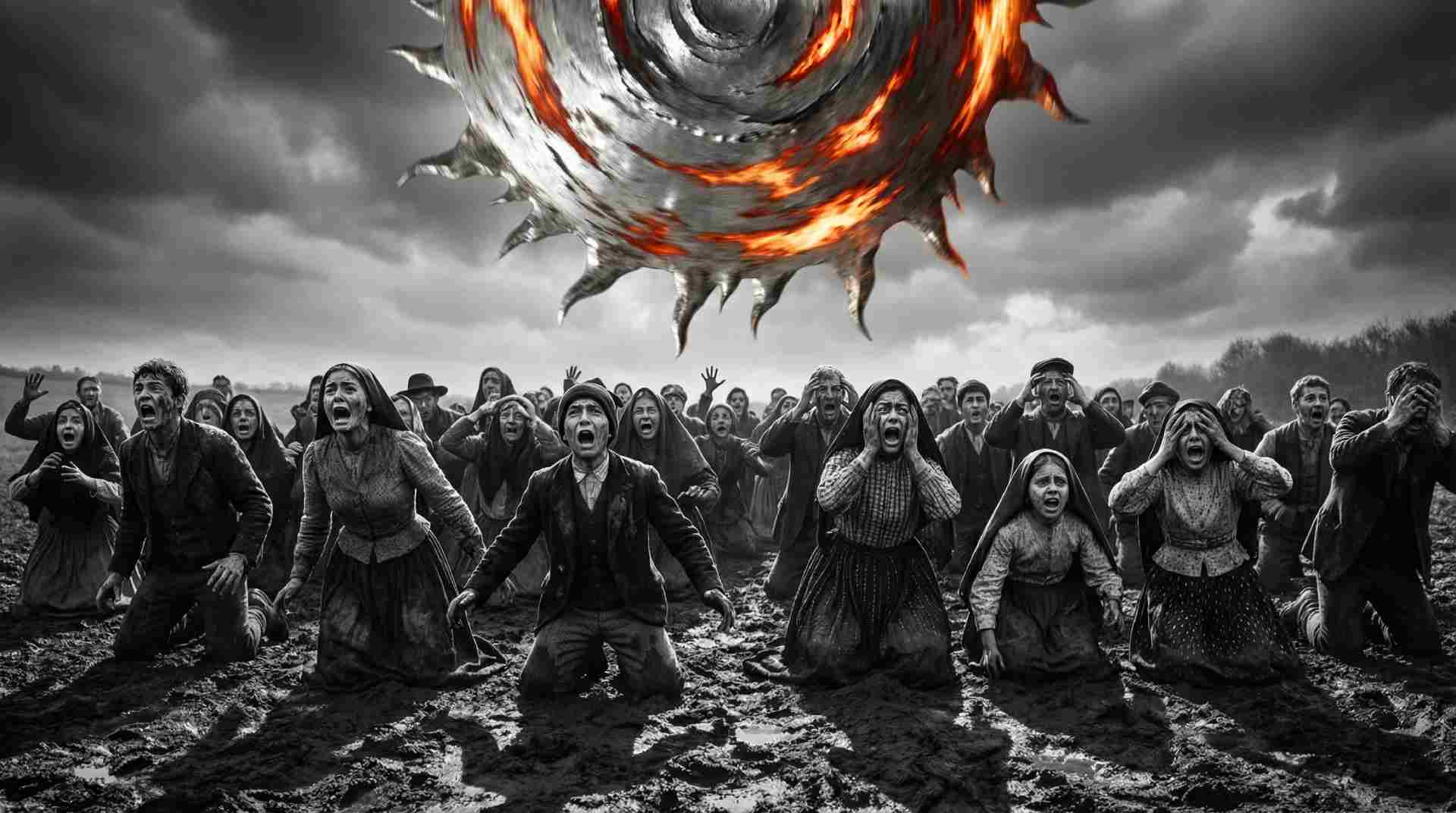
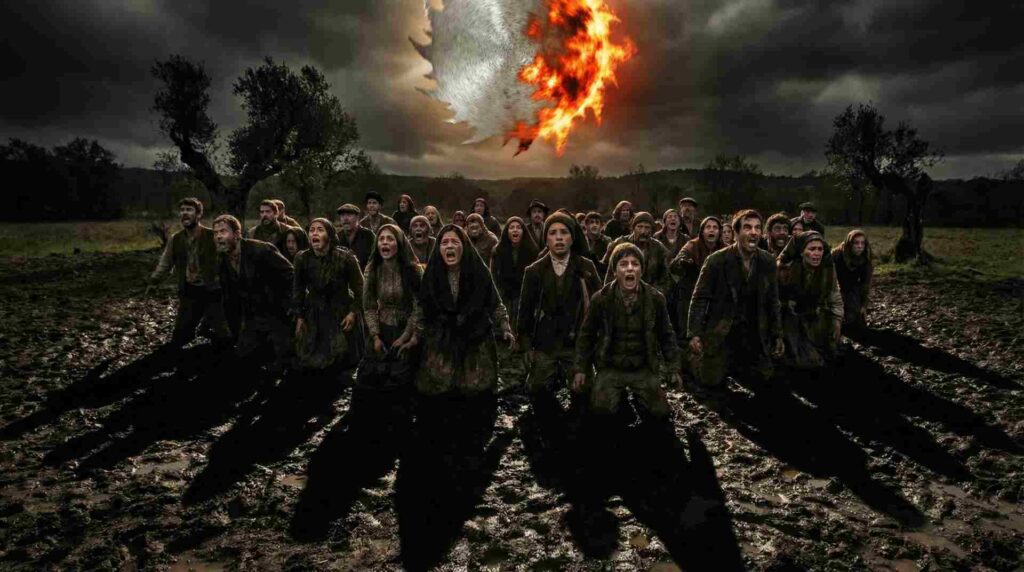
    On October 13, 1917—the final apparition—over 70,000 witnesses reported seeing the sun “dance” in the sky, spin, and plunge toward the earth. This “Miracle of the Sun” validated the children’s visions but left scientists baffled. How could three uneducated peasant children predict a celestial phenomenon witnessed by thousands?

    Jacinta and Francisco’s Mysterious Deaths

    Both younger visionaries died within two years of the apparitions—victims of the Spanish Flu pandemic. Jacinta specifically predicted her own death, claiming she would die alone but Francisco would wait for her. Before dying, Jacinta reportedly received additional secrets about the end times that were never revealed to Lucia or made public.

    What Is the Real Third Secret of Fatima?

    The Vatican’s Documented Suppression

    The Vatican sat on the third secret of Fátima for 83 years. Even after the 2000 release, documents remain sealed in the Holy Office archives. Why such prolonged secrecy? Conspiracy researchers point to:

    • Sister Lucia’s alleged silencing by Church authorities
    • Confiscated letters and diaries
    • The consistent refusal to consecrate Russia specifically in union with all bishops
    • The appearance of secret societies within the Catholic hierarchy after Vatican II

    The Fatima Prophecy and Modern Events

    Russia’s Role: Fulfilled or Ignored?

    Skeptics argue that the 1984 consecration performed by Pope John Paul II was invalid—Russia was never mentioned by name. Since then, Russia has indeed spread its “errors” globally. Some Fatima conspiracy theorists connect this to:

    • The rise of secular communism in the West
    • The degradation of traditional Christian values
    • Geopolitical conflicts leading toward nuclear confrontation

    Jacinta’s Vision: “A Time When the Faith Will Vanish”

    Before her death, Jacinta Marto delivered a chilling additional prophecy: “A time will come when the faith will vanish even from Italy. The Church will be darkened.” For conspiracy-minded readers, this points directly to apostasy within the Catholic Church hierarchy itself—a theme echoed in the suppressed portions of the third secret.

    Conclusion: The Secret Yet to Be Revealed

    The third secret of Fátima remains one of Catholicism’s most tantalizing mysteries. Whether the Vatican possesses the complete text, whether Sister Lucia was silenced, or whether the final revelation points to apocalyptic events still ahead—these questions continue to drive global speculation.

    What is undeniable: three children in 1917 predicted a world war, the rise of Soviet Russia, and an assassination attempt on a future pope. If they were right about those details, what else might the third secret of Our Lady of Fátima contain that we haven’t been told?

    The secrets of Fátima continue to whisper across time, challenging believers and conspiracy theorists alike to question what power structures have hidden—and what future events may yet fulfill the final prophecy.

    Check out Unexplained History for a detailed breakdown of the event!

  • Ezekiel’s Wheel: UFO Spaceship or Sacred Throne?

    Ezekiel’s Wheel: UFO Spaceship or Sacred Throne?

    Key Takeaways

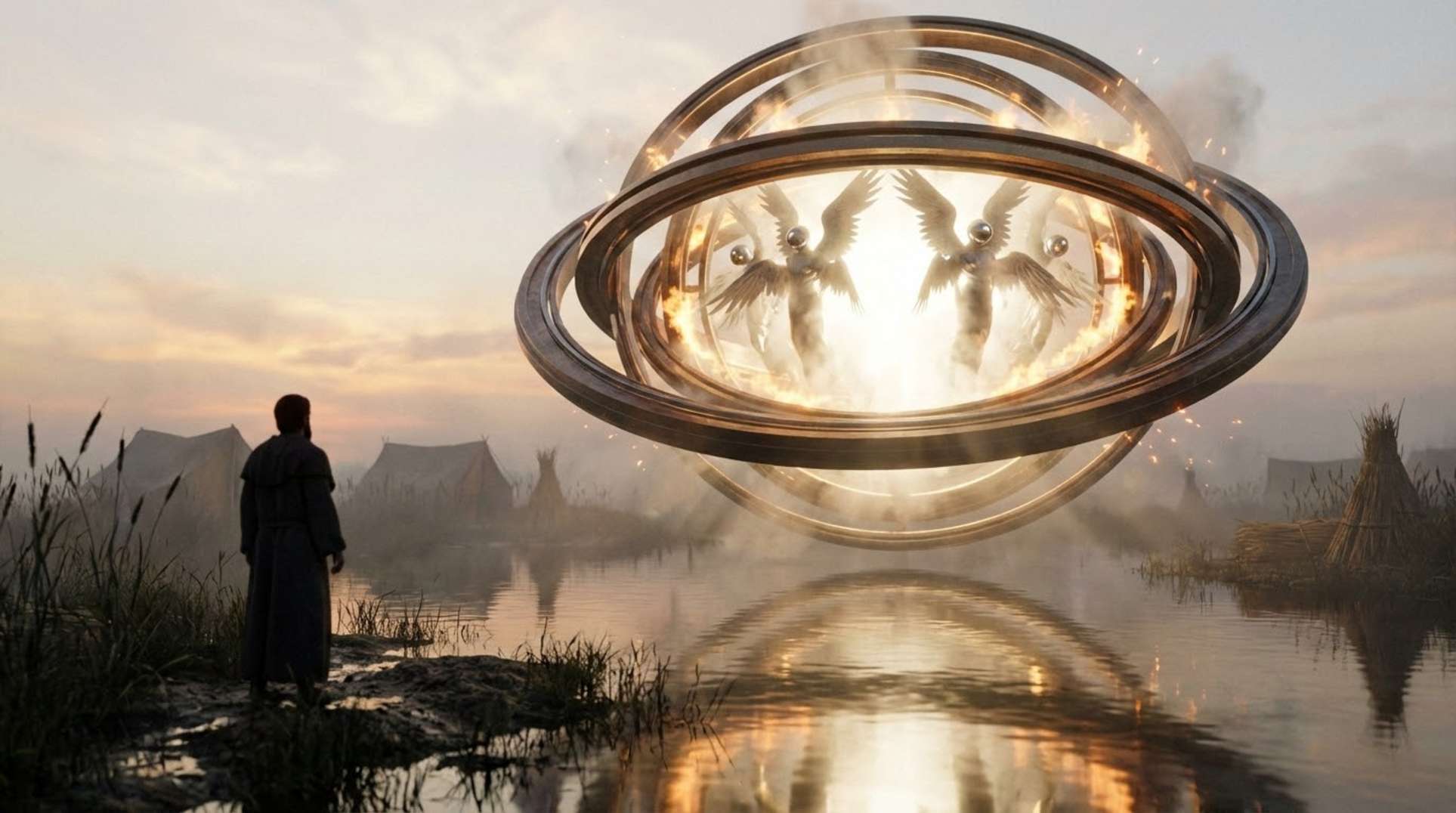
    • Ezekiel 1:1–28 records a first-person vision ‘on the fifth of the month, in the fifth year of King Jehoiachin’s exile’ beside the Kebar canal, describing a ‘windstorm,’ ‘great cloud,’ fire, brightness, four living creatures, and ‘wheels within wheels.’
    • Scholarly chronologies commonly correlate the dating formula to c. 593–592 BCE, and fragments of Ezekiel (and Pseudo-Ezekiel) appear among the Dead Sea Scrolls (e.g., 4Q73, 4Q385–4Q391), confirming circulation of these traditions centuries before the Common Era.
    • Interpretations divide sharply: mainstream scholarship treats the passage as symbolic Merkabah throne-vision; alternative writers (notably Josef F. Blumrich) have argued for a literal spacecraft reading; modern UAP reporting shows institutions now treat anomalous aerial events as safety/security issues, but the ancient vs. modern data types are fundamentally different and leave key questions open.

    Dawn on the Kebar: A Vision and a Roar

    The sun rises slow over the exile camp. Ezekiel stands by the Kebar canal, the water murmuring in the quiet. It’s the fifth year of King Jehoiachin’s exile, the fifth day of the month. He marks it precisely in his account, grounding the moment in time and place. Then the sky changes. A windstorm rolls in from the north. An immense cloud flashes with fire. Brilliant light surrounds it. Inside the fire, shapes emerge—like four living creatures. The air fills with roar and gleam. Wings beat. Wheels turn. Eyes everywhere. Polished metal shines. The intensity grabs you, even now. It pulls readers back to that canal bank, senses alive, wondering what broke through the ordinary.

    What Witnesses and Analysts Report

    Ezekiel speaks in his own voice. He calls it a vision, eyewitness style, straight from the scene in Ezekiel 1:1–28. Jewish and Christian scholars have long seen it as symbolic. Part of Merkabah literature, focused on God’s throne and its glory. Mobility, not machinery. Mystics in that tradition chase the deeper meanings. Then there are the alternative views. Ancient-astronaut proponents spot shared details—light, metallic sheen, wheels, thunder. Josef F. Blumrich’s book, The Spaceships of Ezekiel from 1973, breaks it down technically. He argues for a real craft. Modern UAP witnesses describe flight paths that defy physics. Pilots talk instrumentation glitches. Safety concerns. Analysts at places like ODNI and AARO push for structured reporting. They frame anomalies as security matters. No quick jumps to cosmic answers. All these angles deserve a fair look. Each group brings its lens to the same motifs.

    Timelines, Tracks, and Hard Data

    Let’s pin down what we can verify. The primary text is Ezekiel 1:1–28. It opens with: ‘In the thirtieth year, in the fourth month on the fifth day, while I was among the exiles by the Kebar River, the heavens were opened and I saw visions of God.’ The dating ties to the fifth year of King Jehoiachin’s exile—scholars peg it around 593–592 BCE, though some chronologies shift to 594–593 BCE. Location: the Kebar canal, near Tel-Abib in Babylonian exile. Manuscripts back this up. Dead Sea Scrolls include Ezekiel fragments like 4Q73 and Pseudo-Ezekiel texts in 4Q385–4Q391. These show the story circulating by the 3rd to 1st centuries BCE. Mainstream views place it in ancient Near Eastern symbolic traditions, Merkabah style. Blumrich, with his NASA background, published The Spaceships of Ezekiel in German in 1973, English in 1974. He saw engineering in the words. On the modern side, the ODNI’s 2021 Preliminary Assessment on UAP highlights unexplained incidents, treated as safety and security risks. DoD and AARO continue that work. What’s missing? No ancient radar. No multiple independent logs. No plain-prose reports from the time. Just the poetic account.

    Source Date Type of Evidence
    Biblical Text (Ezekiel 1:1–28) 6th c. BCE Eyewitness poetic account
    Dead Sea Scrolls (e.g., 4Q73, 4Q385–4Q391) 3rd–1st c. BCE Manuscript fragments
    ODNI Report 2021 Instrumented/pilot reports

    Official Story vs. What the Data Suggests

    Academics stick to the symbolic line. Ezekiel’s vision fits Merkabah throne literature. They parse genre, symbols, echoes from other texts. Cultural parallels in the ancient Near East. Not tech. Dead Sea Scrolls experts note the fragments preserve and tweak the text. Qumran groups reworked it in Pseudo-Ezekiel. Shows active transmission. Alternative takes, like Blumrich’s, treat the descriptions as blueprints. Wheels within wheels? Engine parts. They map modern tech onto old words. Selective, but intriguing. Institutions like ODNI, DoD, and AARO handle today’s UAP with protocols. Collect data. Prioritize security. Many cases stay unexplained. But they rely on sensors, not visions. The gap is real—poetic ancient accounts versus multi-instrument modern ones. Mixing them risks errors. Symbolic views hold strong on literary turf. Literal craft ideas spark imagination but lean on analogies. Official UAP efforts validate studying anomalies now, without proving ancient claims.

    What It All Might Mean

    We know this much: Ezekiel’s vision is ancient, dated to the 6th century BCE, and preserved in Qumran fragments. The text blends raw sensory details with symbolic weight. Theology charges every line. Still, questions linger. Did Ezekiel witness something physical, or was it purely visionary? Hebrew words carry ambiguities—do they point to myth or machine? Comparing this to modern UAP data means bridging vast differences in evidence types. Avoid sloppy overlaps. For next steps, try side-by-side translations of tricky phrases. Build a list of solid sources on Merkabah and Qumran. Scrutinize Blumrich’s engineering alongside language experts. Look at how cultures describe intense experiences. Mystery remains where evidence stops. Respect the interpreters on all sides. Chase facts, not hype.

    Frequently Asked Questions

    Ezekiel dated the vision to the fifth day of the month in the fifth year of King Jehoiachin’s exile, around 593–592 BCE. It took place beside the Kebar canal in the Babylonian exile region near Tel-Abib.

    The primary text is in Ezekiel 1:1–28, with scholarly dating to the 6th century BCE. Fragments from the Dead Sea Scrolls, such as 4Q73 and 4Q385–4Q391, confirm the traditions circulated centuries before the Common Era.

    Modern reports from institutions like ODNI and AARO focus on instrumented data and security issues, leaving many incidents unexplained. Ezekiel’s account is a poetic, first-person vision, creating a methodological gap that requires careful comparison to avoid errors.

    Mainstream scholars see it as a symbolic Merkabah throne-vision emphasizing God’s glory. Alternative views, like Josef F. Blumrich’s, argue for a literal spacecraft based on descriptive details such as wheels and metallic sheen.

    The ancient record lacks instrumented corroboration like radar or multiple independent accounts. Modern UAP work uses different evidence types, and interpretations rely on literary or analogical approaches, leaving key questions open.