Category: Prophecy

  • Earth Unrecognizable: Pam Gregory’s Vision, the New Age Zeitgeist, and Humanity’s Cosmic Leap

    Earth Unrecognizable: Pam Gregory’s Vision, the New Age Zeitgeist, and Humanity’s Cosmic Leap

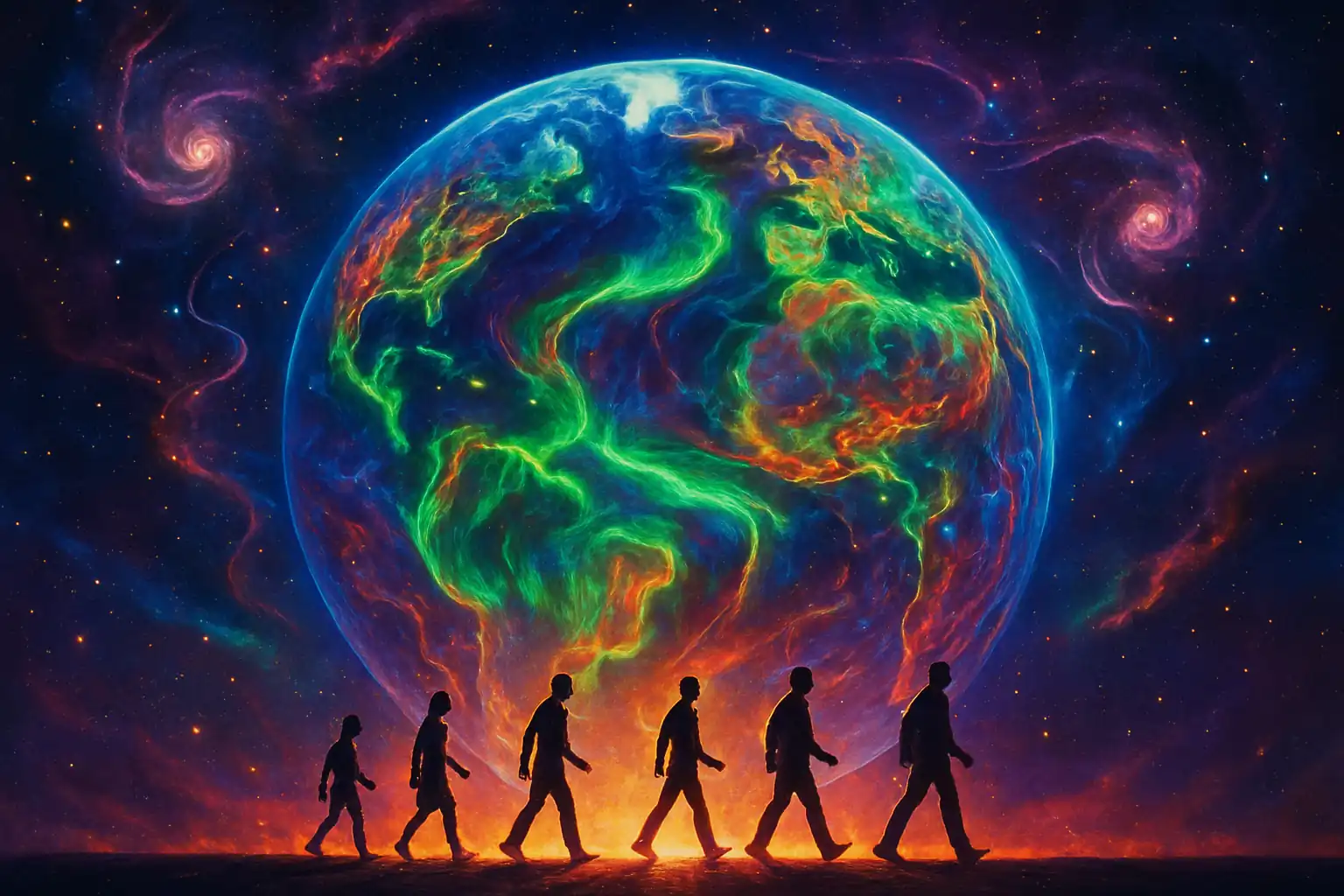
    If you thought AI or the next billionaire’s joyride to space would transform Earth this year, think again. Astrologer Pam Gregory has sounded the cosmic alarm: within 12 months, Earth may become “unrecognizable,” caught in a galactic wave of evolution blending astrology, channeled guidance, and New Age prophecy. She isn’t alone. A digital generation hungry for deeper meaning seeks guidance during uncertain times. Astrology and esoteric predictions are making a comeback.

    Let’s look beyond memes and moonwater rituals. What does it mean when prominent voices claim that a cosmic leap is inevitable? Is there any historical or scientific basis for such sweeping transformation?

    Galactic Astrology and Pam Gregory’s Prophetic Timeline

    Gregory’s vision isn’t ordinary finger-wagging about Mercury in retrograde. In interviews and videos like her latest broadcast, she claims humanity will undergo a profound galactic recalibration—a reboot of our collective consciousness and global systems. Astrological forces, new planetary alignments, and “downloads” from cosmic entities will supposedly catalyze sudden evolution usually reserved for science fiction (or disaster prepping—just ask those bracing for post-apocalypse Canada).

    Proponents blend quantum physics, shamanism, and ancient myth, often referencing an imminent “Age of Aquarius.” This is as much pop culture as it is historical astrology (see New Age history). Gregory’s timelines are short, apocalyptic, and relentlessly optimistic—think less Mad Max, more cosmic group therapy session. She insists worldwide upheaval is not just possible but inevitable.

    The New Age Movement’s Influence on Modern Prophecy

    The popularity of these claims stems from social media’s virality and ancient stargazing. The New Age movement—propelled by the spiritual supermarket of the 1970s, UFO fever, and global counterculture—encouraged an eclectic view of human destiny. As government secrecy revelations, existential crises, and climate threats dominate headlines, audiences turn away from institutional answers to influencers like Gregory.

    Skeptics note a cyclical pattern of apocalyptic anxieties during upheaval (the 1970s occult boom, the Y2K scare, and the surge in comet apocalypse scenarios). However, true believers argue that this time is different. We are not just predicting change; we are manifesting it on energetic, quantum, and planetary levels.

    Science, Skepticism, and “Energy Shifts”: Are We Facing Real Change?

    Gregory’s rise and the viral popularity of “Earth will be unrecognizable” astrology partly reflect a backlash against scientific institutions. Modern astrophysicists dismiss planetary alignments as irrelevant to geopolitics or psychological trends, while the New Age public views “energy” and “vibrations” as valid means of guiding reality. The internet is awash with explanations of how shifting geomagnetic patterns or rare celestial events could lead to everything from epileptic spikes to mass enlightenment. (Ahem, if only surviving solar storms was as easy as “raising your vibration”—real blackout risks are discussed in reports about chaotic geomagnetic events.)

    Even if this perspective isn’t strictly scientific, it undeniably shapes public consciousness and preparedness—sometimes dangerously, sometimes serving as communal therapy when established institutions feel shaky.

    What Happens If the Prophecy Comes True?

    If the next 12 months truly render Earth “unrecognizable,” don’t expect credit-card debt to vanish because Jupiter squares Uranus. The dramatic power of collective myth—New Age and otherwise—shouldn’t be dismissed. Social-media-fueled prophecies draw millions, reshaping everything from self-help guides to investment strategies (and let’s not forget the doomsday prepping cottage industry, as exposed in this deep dive into AI-day futures).

    Even if Earth remains distinctly recognizable 12 months from now, the impact of these visions is genuine: communities form, people enact real-world changes, and the line between inspiration and cult readiness blurs. This pattern mirrors Unexplained.co’s ongoing investigation of the mysteries shaping our present—and our constantly reimagined future.
  • Three Days of Darkness: Prophecy, Panic, and the Real Science of Global Blackouts

    Three Days of Darkness: Prophecy, Panic, and the Real Science of Global Blackouts

    Picture it: one moment, the world hums along with its usual threats; the next, total darkness descends. For those who follow prophecy blogs or prepper channels, the story is familiar—three days of darkness, a supernatural blackout when the sun vanishes, technology fails, and only the forewarned survive. Urgent tales of this blackout fill the feeds, with warnings flooding the internet. Is the world genuinely on the brink of an apocalyptic blackout, or does science provide a more rational explanation?

    The legend has deep roots. It weaves together visions from mystics like Blessed Anna Maria Taigi and Marie-Julie Jahenny, biblical parallels to the Plagues of Egypt, and contemporary internet chain letters. The core claim: an intense darkness will cover the earth for three days and nights, causing terror and chaos for those not sheltered indoors (preferably with blessed candles). As these stories gain traction, researchers point to fascinating—if sobering—natural explanations for historical “dark days” and why some remain obsessed with blackout prep.

    The Prophetic Origins of Three Days of Darkness

    The most widely cited vision of the three days comes from the Roman Catholic tradition. Anna Maria Taigi’s prophecy predicts a pestilence-ridden darkness claiming “the enemies of religion,” leaving the faithful, sheltered by their beeswax candles, unharmed. The 19th-century mystic Marie-Julie Jahenny raised the stakes: outside awaited certain death, plagued by demonic forms and apocalyptic terror. As rumors spread online, the myth crossed from medieval eschatology into conspiracy theories, post-nuclear fears, and survivalist circles fixated on “EMP storms” rather than the Book of Revelation.

    This idea persists because it feeds primal uncertainty: what happens to society when the lights literally go out? In an era shaped by technological fragility, these prophecies feel less like scripture and more like warnings for an anxious world. People draw connections between these ancient prophecies and modern fears about geomagnetic storms and electrical surges shutting down the grid, or celestial disasters like asteroid waves and comets blotting out the sun.

    Science, Skepticism, and Historical Dark Days

    Before hoarding beeswax or boarding up windows, let’s consider the scientific record. Periods of unnatural darkness are rare but not unheard of. Modern historians cite the New England’s Dark Day of 1780, when smoke from large wildfires plunged entire regions into midday darkness. This confused citizens, disrupted routines, and fueled speculation about the world’s end. More chilling, the year 536 CE has been called the worst year to be alive, when volcanic eruptions injected ash into the atmosphere, causing worldwide crop failures, famines, and civilizational crises.

    While no one expects three full days without light without truly extreme triggers (supervolcanoes, global wildfires, or major asteroid impacts), smaller-scale events have happened, leaving societies spooked but ultimately more resilient. This isn’t just doomsaying; it’s an invitation to rethink how we defend against planetary disruptions—a theme echoed in modern survival guides and public discussions about grid vulnerability.

    Blackout Threats: Solar Storms, EMPs, and Cosmic Close Calls

    If any modern event could mimic ancient prophecies of darkness, it’s cosmic threats. Geomagnetic storms, like the infamous Carrington Event, can disable electrical grids, disrupt satellites, and plunge society into digital shadow. Recent advisories and electrical surges have brought this risk uncomfortably close to home, as Geophysicist Stefan Burns and others have warned. For a primer on our vulnerability, check this exploration of geomagnetic threats.

    Then there are the lurking menaces overhead: asteroids and comets. While asteroid 2025 FA22’s flyby and interstellar objects like 3I/ATLAS pose little immediate threat, a significant impact could throw enough dust into the sky to darken the world for weeks. Historical accounts of “years without a summer” remind us not of prophecy, but of the blunt force of astronomical misfortune. This era’s “asteroid wave”—chronicled with nervous humor in this recent event summary—keeps the risk in public discussion.

    Survival, Psychology, and the Myth’s Power in Modern Times

    Why does the three days of darkness trope endure, even as science uncovers the mechanics behind the myth? Social scientists identify a mix of apocalyptic anxiety, shared narratives, and the urge to prepare for worst-case scenarios—even when the worst case is literally biblical. In uncertain times, the psychological blueprint for survival can be as crucial as any technical fix. Communities that game out these scenarios—sometimes drawing on unlikely sources like the Defense Department’s “zombie apocalypse” plan—tend to fare better in real crises, whether or not daylight disappears.

    Ultimately, amid the swirl of real data, ancient mythology, and modern paranoia, one truth remains: if the world faced three days of darkness, the most dangerous element wouldn’t be what’s outside your window—it would be the chaos inside society when fear and uncertainty reign. For the best analyses of supernatural and mundane blackouts, keep an eye on Unexplained.co—and perhaps keep a candle handy (just in case).

  • 3I/Atlas Exposed: The Top 10 Interstellar Mysteries of 2025’s Strangest Visitor

    3I/Atlas Exposed: The Top 10 Interstellar Mysteries of 2025’s Strangest Visitor

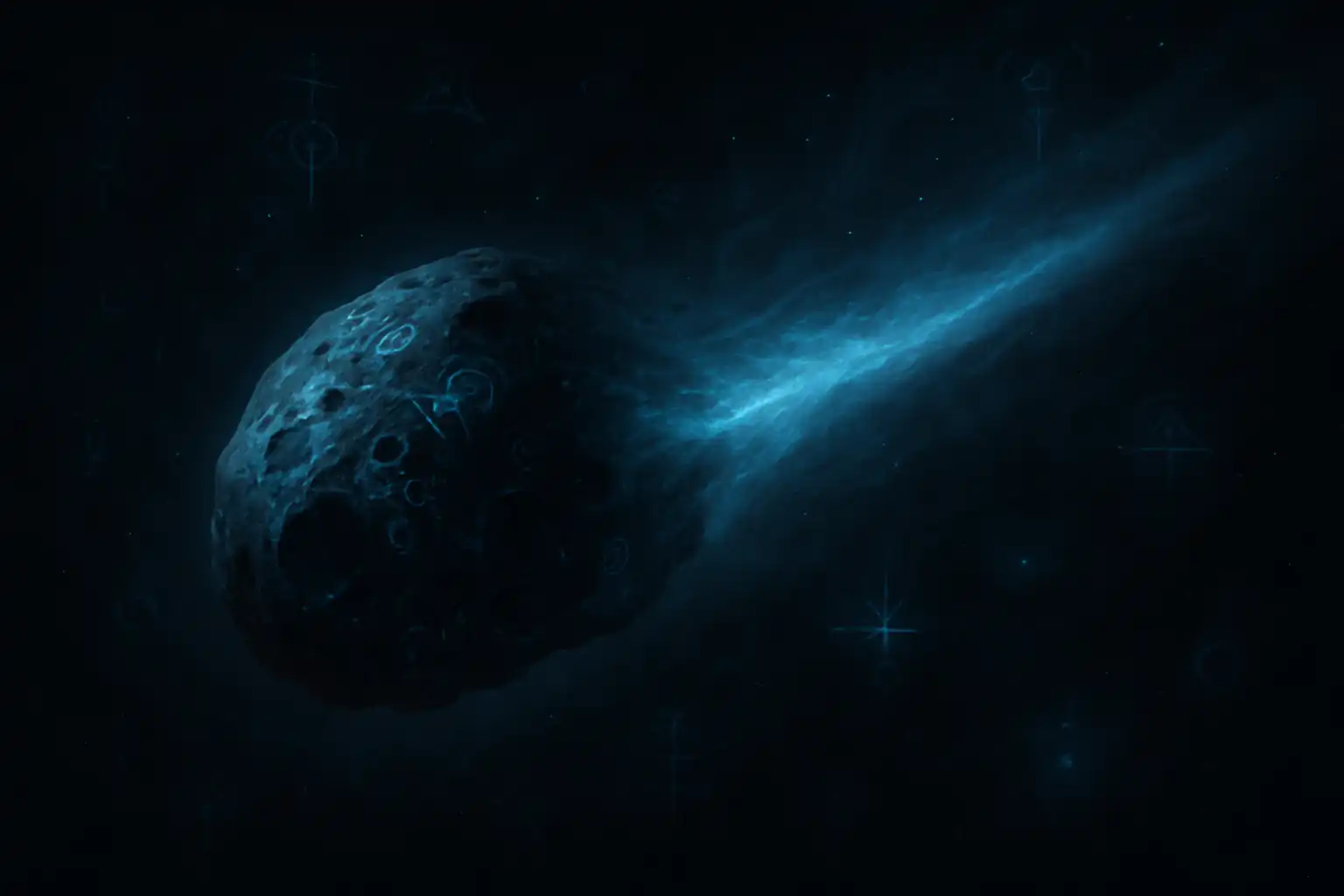
    The first interstellar object, ʻOumuamua, surprised astronomers. Now, in 2025, we meet 3I/Atlas—a cosmic visitor that challenges our understanding. Shrouded in scientific mystery and internet speculation, the comet ignites intense debate: What is it? Where did it come from? What secrets hide in its icy core?

    With each update from space agencies and viral discussions, the legend of 3I/Atlas grows. Its journey captivates academic journals and speculative YouTubers, merging precise calculations with dramatic tension typical of doomsday thrillers. For those intrigued by astrophysics and the unknown, this is the deep-dive awaited.

    The Origin Story: What Makes 3I/Atlas Interstellar?

    3I/Atlas is the third confirmed interstellar object—highlighted in Scientific American. Like rogue elements from distant star systems, these objects escape our Sun’s gravity. According to Wikipedia, cosmic collisions often expel them from their home systems, allowing them to wander through interstellar space for billions of years, until they pass solar neighborhoods like ours.

    Excitement surged when 3I/Atlas appeared, potentially over seven billion years old—predating the Solar System itself. For more on its stunning origins and implications linked to Hopi prophecy, see this feature on cosmic omens and alien invasion speculation.

    Strange Orbits and the Bizarre Path of 3I/Atlas

    Forget predictable planetary orbits. 3I/Atlas’s hyperbolic trajectory screams “visitor.” According to ScienceAlert, 3I/Atlas is neither returning nor staying. Its erratic path has astronomers rethinking models of the Oort cloud and interstellar debris fields. Even the most seasoned astrophiles struggle to keep up. In an era where sky-watcher apps track strange objects, interest in these cosmic anomalies has hit a cultural peak, oscillating between awe and panic.

    This cosmic unease mirrors rising anxiety around phenomena like the “Black Cube UFO” sightings at military bases. When objects defy expectations, speculation runs wild.

    Bizarre Composition: Alien Clues or Natural Oddities?

    3I/Atlas isn’t just another dirty snowball. NASA has flagged its chemical signature as highly unusual. Analysis of its coma reveals abnormally high carbon dioxide levels for a typical comet, as detailed in Scientific American. The comet also emits light in strange ways, fueling every “alien artifact” theory online. Some researchers speculate it may be a relic of older star systems, its unique signature acting as a cosmic time capsule, or potentially an engineered object on an interstellar reconnaissance mission.

    For those tracking possible interstellar signals, this speculation isn’t far-fetched. Our trust in reality wobbles with each cosmic revelation, echoing the market tremors seen when gold shatters historical records. We navigate an anxious landscape, alert to every unexplained phenomenon.

    Theories Abound: Is 3I/Atlas Alien Technology?

    Not everyone accepts a natural explanation. Dark ambient YouTube rabbit holes and serious papers by Harvard’s Avi Loeb keep the “alien probe” theory alive. Though evidence is scarce, unresolved questions around 3I/Atlas blend science with legend—drawing parallels to predictions like the rise of self-improving AI and humanity’s fear of world-ending anomalies. This fusion of fact and fiction ensures the debate surrounding 3I/Atlas is impossible to ignore.

    One certainty remains: whether it’s a chilling relic from a dying sun or a messenger from unknown civilizations, 3I/Atlas fuels our curiosity. Its presence catalyzes scientific innovation, existential reflection, and just enough late-night panic to keep forums buzzing for years.

    Interstellar Visitors and the Expanding Universe of Cosmic Mysteries

    3I/Atlas represents more than just an astronomical curiosity. As we analyze new data, the line between natural explanation and cosmic myth diminishes. Experienced doomsday-spotters and astrophiles unite, marveling at something vast, old, and unanswerable. As Unexplained.co tracks the wildest cosmic revelations, we learn a key lesson: sometimes the truth races past the sun, older than the planets, and unapologetically perplexing.

  • The Hopi Elder’s Prophecy, 3I/Atlas, and the Alien Invasion Warnings of 2025

    The Hopi Elder’s Prophecy, 3I/Atlas, and the Alien Invasion Warnings of 2025

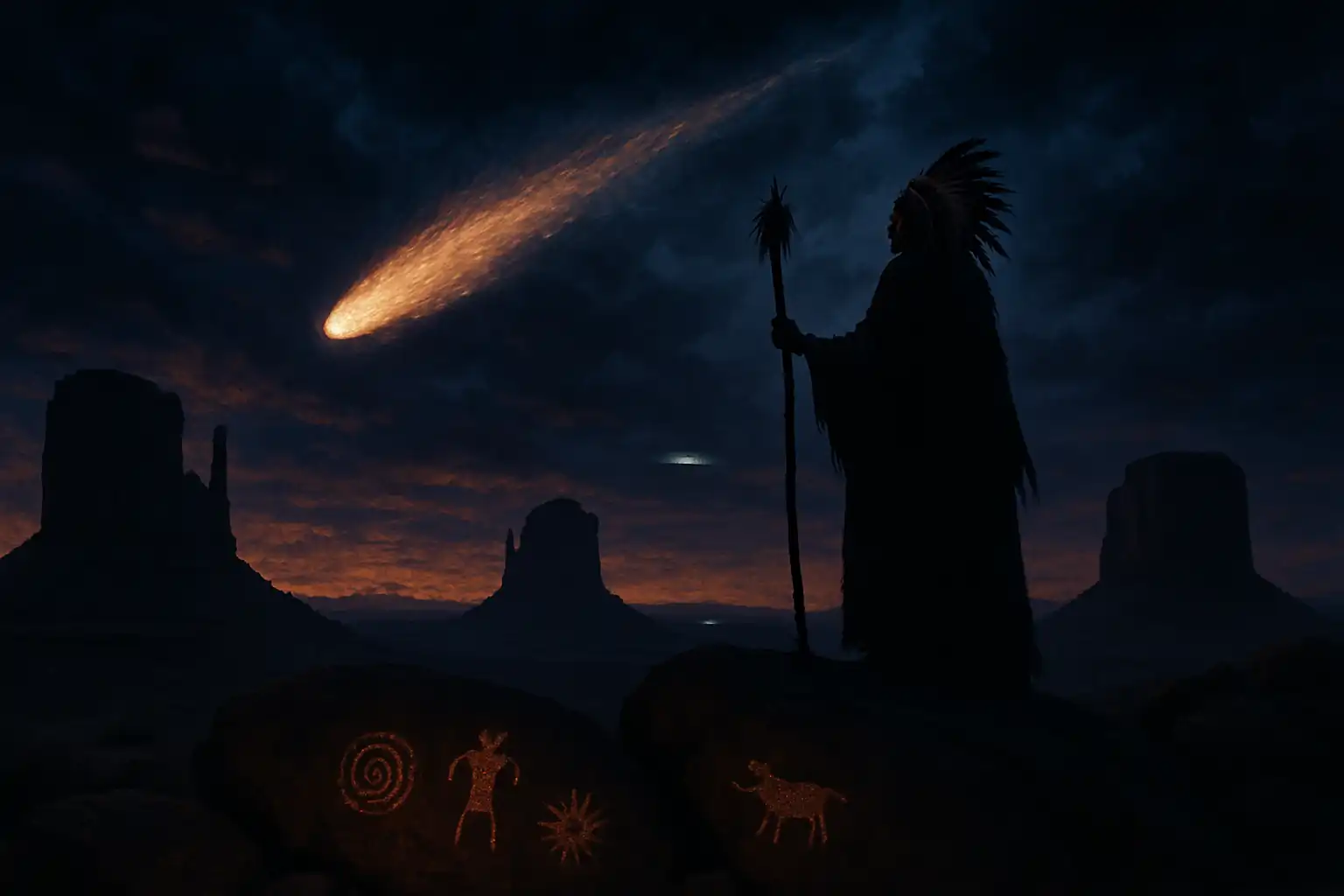
    An unsettling wind blows across the American Southwest—a warning as old as the mesas: heed the elders, because something significant is coming. Amid turbo-charged conspiracy forums, YouTube prophecies, and a world bracing for black-swan events, the Hopi warnings gain urgent relevance. Some call the arrival of 3I/Atlas an omen or even a harbinger of alien contact. No one scoffs. They prepare.

    Mix timeless Hopi anxiety with the interstellar news of 3I/Atlas, and you create a doomsday stew wilder than any cable thriller. Internet culture has now mashed legends, astrobiology, and New Age mysticism into an electrifying narrative: the comet signals the end of an age or the beginning of an “invasion”—depending on your chosen campfire.

    Hopi Prophecy and the Omens in the Sky

    The Hopi prophecies have long drawn seekers and skeptics alike, their layered stories often echoing current events. Key threads—cataclysms, cycles, and world-ending signs—resurface with every eclipse or comet, as outlined in this breakdown of traditional beliefs. Major celestial events, especially comets, frequently mark turning points. The prophecy of the Blue Star Kachina, for instance, describes a “blue star” heralding the Day of Purification and a world reset.

    The Hopi outlook varies, but the recurring symbolism is impossible to ignore. Oral accounts discuss cycles and transitions—three worlds behind, one we inhabit, and a possible fifth. As noted in analyses connecting comets to prophecy, large objects in the heavens rarely go unnoticed in this worldview. They’re cosmic exclamation points, but the full message isn’t always clear (see nuances in the Wikipedia deep dive).

    3I/Atlas: Alien Messenger or Purifier Comet?

    Enter 3I/Atlas: an interstellar object with a unique chemical composition and a disruptive orbit that rattles astronomers (“comet” seems far too simple, as detailed investigations reveal). Its arrival coincides with escalating apocalyptic chatter, capturing the attention of those attuned to Hopi warnings or the broader cosmic unease. For some, this rare traveler from outside the solar system promises transformation, healing, or the dreaded “Purification Day.” For others, it serves as a literal invasion warning. If you doubt that, notice how quickly doom-laden financial news and UAP sightings—like the chilling account of the Black Cube UFO revelation—weave into a tapestry of existential dread.

    The deeper you dig, the clearer it becomes: our obsessions with AI apocalypse, geopolitics, and economic collapse keep folding inward. AI advances surge, gold shatters records, and UAPs hover over missile silos. Is this convergence the “final warning”? Or simply the mind’s instinct to connect the dots?

    Cycles, Catastrophe, and Humanity’s Role in the Hopi Worldview

    Hopi teachings, thoroughly explored in the Ancient-Origins profile, position humanity in an endless cycle of worlds—each one destroyed when people forsake spiritual responsibility. Cataclysm is not just possible; to the Hopi, it’s cyclical. Whether “purification” arrives by fire, flood, or alien visitors, the core message remains: failure to live in balance invites a reset.

    This perspective echoes (sometimes sensationalized) in modern preparedness reports and “red alert” warnings that resonate with bunker-builders and mainstream markets. It’s no coincidence that the Hopi voice surfaces as the world’s headlines fill with everything from rogue comets to crypto crashes. Ancient wisdom and deep paranoia collide across the web faster than you can say “sectarian prepping.”

    2025 and the Fusion of Prophecy, Disclosure, and Modern Fear

    Is 2025 truly the endpoint? For true believers, we’ve reached the end of the road—each sign, from economic turbulence (like gold hitting record highs) to the latest defense asset deployments, is evidence of a world veering toward the “final warning.” Add the swell of UAP disclosures and AI doomsayers, and you create a perfect storm of ancient doom and modern meltdown. Yet, the uncomfortable truth is this: the power of prophecy doesn’t lie in predicting tomorrow’s headlines, but in crystallizing our collective anxiety about them.

    If there’s one lesson from the Hopi elders—whether or not you believe in an incoming starship or that Atlas represents destiny—it’s that warnings aim to snap us out of denial, not paralyze us with fear. For ongoing insights into this intersection of myth, science, and paranoia, sources at Unexplained.co continue to connect the dots that others overlook.

  • Admiral Byrd’s Secret Diary: Fallen Angels, Antarctica, and the Ultimate Conspiracy Concern

    Admiral Byrd’s Secret Diary: Fallen Angels, Antarctica, and the Ultimate Conspiracy Concern

    Does a frozen wasteland at the southern edge of our planet hide a cosmic secret? This mystery involves lost civilizations, Nazis with secret bases, and even fallen angels from ancient apocalyptic texts. Welcome to the expedition of the Admiral Byrd Antarctic diary conspiracy, a tale more layered than an arctic storm. This story refuses to melt under scrutiny, regardless of what skeptics claim.

    The legend began with Admiral Richard E. Byrd, America’s premier polar explorer and a naval hero. After leading the massive postwar mission, Operation Highjump, Byrd became immortalized not just in textbooks, but as the focal point of a decades-long global mystery. Believers claim Byrd secretly chronicled encounters with a mysterious advanced civilization. More remarkably, he purportedly met beings reminiscent of biblically recorded fallen angels.

    Operation Highjump and the Origins of a Modern Legend

    Let’s clarify before diving into the depths. Operation Highjump, officially the largest U.S. Navy mission in Antarctica from 1946 to 1947, had practical and public aims. The goals included creating military bases, studying polar logistics, and showcasing American power. Byrd led 4,700 men, 70 ships, and 33 aircraft during this icy venture. While the U.S. press reported on the mission’s science and logistics, rumors centered on one line from a Chilean interview: Byrd’s warning of military threats from “the polar regions.” That quote snowballed into speculation that Byrd discovered more than glaciers beneath the ice.

    Like any enduring conspiracy, truth and legend melded together with surgical precision. Some online debunkers argue that the notorious “secret diary” was fabricated long after Byrd’s death. Mainstream media outlets, forensic analyses like this Reuters report, and academic explorations of Byrd’s archives debunk photographic “evidence” as AI-generated. Still, the diary’s legend flourished, particularly due to tantalizing hints of lost civilizations and secret knowledge beneath the ice.

    Byrd’s Antarctica, the Book of Enoch, and Fallen Angel Lore

    The most viral aspect of the Byrd conspiracy claims his diary describes meetings with advanced, possibly otherworldly beings. Some theorists link this to the ancient apocryphal Book of Enoch, a Jewish text that describes fallen angels (“Watchers”) who shared forbidden knowledge and were imprisoned in “the far reaches of the earth.” In this light, Antarctica transforms from Earth’s freezer into a supernatural prison. It’s an irresistibly cinematic narrative that connects occult figures, elite cover-ups, and echoes of pop culture prophecy machines like The Simpsons.

    Keen-eyed readers note odd overlaps between the technology in Byrd’s alleged diary and contemporary sci-fi or future warfare concerns. Others combine it with the ancient alien narratives emerging in discussions about enigmatic languages and AI-prophecy decoding. Here, the diary serves as a Rosetta stone for those convinced the “official story” conceals a much larger truth.

    Conspiracy, Cover-Up, and Cold War Collisions

    The most chilling aspect of the Byrd saga isn’t the idea of angelic jailers under the ice, but the secrecy surrounding high-profile explorations. Operation Highjump’s sudden withdrawal, reportedly due to “bad weather,” fuels conspiracy theories—especially when contrasted with analyses of modern superpower tensions.

    Consider the playbooks from the Navy SEALs’ global threat assessments or the cyclical warnings from risk experts. The icy silence of the South Pole begins to appear as the ultimate unknown—the last refuge where elites could hide evidence of forbidden history or apocalyptic technology without scrutiny.

    The Antarctic Diary—Hoax, Hidden History, or Modern Myth?

    Skeptics claim that Byrd’s “secret diary” is pulpy fiction—one that flourished in forums, chain emails, and conspiracy YouTube channels eager for dark rabbit holes. Mainstream historians remain unconvinced, while official archives, even digitized contents at Ohio State, never confirm the sensational claims of fallen angels or ancient megatech. Yet in an era where even wild predictions like those lampooned by cartoon satirists sometimes come true, it’s no surprise that many find comfort in alternate histories and chilling “what ifs.”

    Ultimately, whether Admiral Byrd’s diary is revelation, ruse, or cold fanfiction, it reflects humanity’s urge for myth, mystery, and one last forbidden frontier. Think you’ve got the story figured out? For every explorer probing beneath the surface, there’s an institution eager to keep the lid frozen shut. That’s why you keep a radio tuned to Unexplained.co—because the deepest mysteries aren’t always buried in the past; sometimes, they’re just one plausible secret away from reshaping the future.

  • The Simpsons Conspiracy: Decoding the Show’s Bizarre Power to Predict the Future

    The Simpsons Conspiracy: Decoding the Show’s Bizarre Power to Predict the Future

    It started as satire. Now, “The Simpsons” serves as a harbinger of dark secrets, a running joke for math geeks, or—if you listen to the internet—a coded oracle from the heart of Fox’s cartoon suburbia. How did a series known for donut jokes and jabs at American suburbia acquire a reputation for uncanny predictions? Explore conspiracy corridors, and you’ll find plausible psychological theories alongside wild speculation about subliminal messaging.

    Fascination isn’t limited to tin-foil hat types. Across numerous viral lists and government-baiting Reddit threads, fans showcase “predictions” The Simpsons allegedly made—from Donald Trump’s presidency to smartwatches. Some predictions even appear so significant they shake global order. As explained here, much of the conspiracy magic relies on the writers’ educated guesses, sharp social satire, and a knack for extrapolating from modern chaos—elements detailed in the show’s seldom-told history on Wikipedia.

    Inside The Simpsons’ Most Unnerving Predictions

    From Trump’s shot at the Oval Office to bizarre technological reveals, The Simpsons excels at predictive satire. This timeline of shocking moments shows numerous world events mirrored with eerie accuracy—often years before their occurrence. The simple, recurring premise: writers satirize contemporary trends, heightening them just enough to seem absurd until they become reality. Just think of the episode that “predicted” the Disney-Fox merger or scenes eerily resembling images from the flood of political and tech upheaval in the 2020s.

    This isn’t the only pop culture nexus attracting conspiracy theorists. The urge to find patterns amidst chaos drives attention to everything from quantum encryption feats out of China to AI’s march past human intuition. When society feels less predictable than fiction, boundaries blur—Springfield’s oddball logic suddenly appears disturbingly plausible.

    Mathematical Minds and Storyboarding Seers: Why It Keeps Happening

    According to researchers and the show’s veteran writers, it isn’t dark magic—it’s data and creativity. The series employs writers with backgrounds in advanced mathematics and science, as outlined in this analysis here. When staffers anticipate future satire, they riff on numbers, trends, and butterfly effects—elements that, over time, align with reality. It’s statistics, not sorcery—echoed in studies of predictive programming, along with the accidental echo chamber of long-running franchises.

    The compulsion to foresee the future—whether in the stars or in syndication—isn’t new. History brims with accusations of “prophecy” in unlikely places, just as audiences scan military analysis or political forecasts for uncanny foresight. The difference is, The Simpsons packages it in neon jokes and familiar voices, making even the strangest prediction digestible.

    Conspiracies, The Occult, and the Pop Culture Zeitgeist

    Still, Springfield’s “prophecies” feed a global appetite for conspiracy. High-profile personalities suggest the show delivers veiled messages—QAnon partisans and pop theorists twist screenshots into forewarnings, as conspiracy outlets document. Some link The Simpsons to older patterns—hidden societies, numerological games, and even occultism, evoking an exposé on esoteric figures.

    The endless search for meaning in entertainment is nothing new. As the internet’s thirst for arcane lore grows, from explorations of hidden consciousness to unusual historical foreshadowings, it’s no surprise that a pop culture juggernaut becomes a conspiracy Rosetta Stone. Who needs Nostradamus when you’ve got at least 34 seasons of clues to decode?

    The Self-Fulfilling Prophecy of Pop Culture Prediction

    “The Simpsons predicts the future” mythos is as self-perpetuating as it is irresistible. Successful satire seeps into the cultural subconscious, inspiring everything from memes to cautious business plans. Sometimes, events unfold because someone internalized the joke—and acted accordingly. This feedback loop generates increasingly wild analyses, similar to broader speculation about apocalyptic tipping points or hidden power brokers. It reflects the human brain’s craving for order—twisted, by “D’oh!” and donut glaze, into a never-ending prophecy machine.

    From satirical sideplots to uncanny coincidences, “The Simpsons” sits at the crossroads of prediction, parody, and pop culture paranoia. Want to separate prophecy from parody? Stay tuned to Unexplained.co, where every prediction garners a side of sarcasm, and no plot twist—however ludicrous—is off-limits.

  • Doomsday Oarfish, Nuclear Shadows: Geophysical Disturbances and the Planet’s Deep Alarms

    Doomsday Oarfish, Nuclear Shadows: Geophysical Disturbances and the Planet’s Deep Alarms

    When a doomsday fish drags itself onto a remote Tasmanian beach, veteran preppers check their Geiger counters. Global geophysicists sit a little straighter. That’s no ordinary tall tale—an oarfish, the legendary harbinger of deep-sea quakes, was found lifeless just as the Earth’s ionosphere shimmered with strange disturbances and the Schumann resonances began to waver. Was this ancient sea serpent a final warning or just another unsettling oddity in a world overflowing with alerts?

    From doomsday risk warnings to tsunami scares, the ties between natural anomalies and nuclear secrets run deep. In an era of engineered disasters and classified detonations, treat odd resonance spikes with as much suspicion as the guy at the end of your street building a faraday cage in his basement. The drama of June 2025 in Tasmania, investigated by geophysicist Stefan Burns, reveals more than a fish tale—it questions what nuclear tests truly do to the planet’s electromagnetic pulse.

    Schumann Resonance Disturbances and Unseen Forces

    The Schumann resonances are global electromagnetic harmonics, humming at approximately 7.83 Hz. These resonances envelop the Earth in a standing wave generated by lightning in the cavity between the ground and the ionosphere (Wikipedia summary). These background frequencies attract attention from physicists, climate researchers, conspiracy theorists, and disaster prognosticators. Perturbations in these low-frequency waves serve as proxies for significant events—global lightning storms, solar flares, and even pulse waves from secret testing.

    Scientists have tracked how lightning and geomagnetic storms disrupt the Schumann resonance, yet the debate over human causes continues. It’s no longer wild speculation that nuclear detonations, especially atmospheric ones, might leave temporary scars in these electromagnetic patterns. This topic arose during the Cold War and reemerges whenever unusual readings coincide with military activity or unexplained explosions. For a broader look at geomagnetic and volcanic risks associated with these resonances, check this multi-risk analysis—nature doesn’t obey political calendars.

    Nuclear Testing: Hidden Patterns and Lingering Geophysical Effects

    The secret history of nuclear tests hides not only in classified files but also in the scars on our planet’s skin and magnetic breath. During the 20th century’s test frenzies, both above-ground and underwater detonations sent ripples through everything—from tectonic plates to the uppermost reaches of the ionosphere. Some researchers point to statistical upticks in electromagnetic anomalies following significant blasts, though official reports often blur details and omit inconvenient spikes.

    This interplay tracks not just in restricted government archives but also via open-source geophysical data, where anomalies align with off-the-books events. Experts have tied strange resonance shifts to hypothetical collapse scenarios from nuclear and EMP risks, as detailed in this report on global infrastructure threats. When multiple warning systems trigger simultaneously—be it after a thermonuclear test or a major blackout simulation—those who know the code won’t just shrug. If you’re genuinely curious (or paranoid), tune in to space weather bulletins. They remind us that what happens above can shake what’s below.

    Interpreting Biological Harbingers: Oarfish, Earthquakes, and Folklore

    The oarfish has a legendary reputation as the “Messenger from the Sea God’s Palace” in Japan, surfacing before seismic activity. While scientists usually scoff at folklore, recent research shows surprising correlations: deep-sea creatures respond to low-frequency changes in their environment, and mass strandings often precede confirmed geophysical ruptures. With disturbances noted in both the ionosphere and Schumann background, could Tasmania’s oarfish truly be the planet’s canary in a radioactive coal mine?

    For more on disaster premonitions—both the rational and the uncanny—see this assessment of global war escalation risks and this look at geological and cosmic omens in astronomical catastrophe warnings. The intersection of myth and science shifts from campfire story to cautionary tale. Creatures (and perhaps people) sense more than scientists can always explain.

    Are We Listening to Earth’s Final Warnings?

    It’s worth repeating: “final warnings” often go ignored until they’re not. Nuclear testing, geomagnetic chaos, and unexplained animal behavior signal humanity’s struggle to pierce static. The challenge lies in separating meaningful data from background noise. If this oarfish episode and 2025’s resonance anomaly are more than a freak coincidence, how many more wake-up calls do we require?

    The secret history hiding behind Schumann’s hum reveals that everything is connected: human ambition, radioactive legacies, and biological sensors on the fringe. For insights that don’t bury the lede—and to survive what might be the next pulse—bookmark Unexplained.co. At minimum, you’ll be a step ahead when the next anomaly washes ashore.

  • Dave Mustaine’s Witchcraft Confession: Hexes, Dark Arts, and a Chilling Buried-Alive Tale

    Dave Mustaine’s Witchcraft Confession: Hexes, Dark Arts, and a Chilling Buried-Alive Tale

    Step aside, lightweight rock ‘n’ roll scandals—Dave Mustaine’s confessions about witchcraft and the occult could spook even the most seasoned doomsday prepper hunkered in a bunker with a week’s worth of holy water. The Megadeth frontman hasn’t merely flirted with the dark arts—he’s dived in headfirst. He lived to regret it and now warns others about what he calls the true cost of meddling in malevolent magic. The stuff of heavy metal legend is more than just fodder for late-1980s album artwork and occult stage shows—it’s grounded in confessions, consequences, and the clash between the fantastic and the real.

    Mustaine opened up about his occult past on The Joe Rogan Experience and various media appearances. In these interviews, he describes learning dark rituals from his older sister as a teenager. He cast hexes and experimented with “black magic” to cope with pain and alienation. In his words, black magic “ruined my life” (Blabbermouth coverage). A particularly chilling memory features a ‘buried alive’ narrative—a story that combines wild rumors circulating in occult circles and rock history (a theme explored in MusicRadar).

    Young & Cursed: The Origin of Mustaine’s Dark Fascination

    Before platinum records and sold-out tours, Dave Mustaine was a troubled teenager searching for solace in the forbidden. His fascination grew under the influence of a family member, which spurred experiments in black magic inspiring songs like Megadeth’s “The Conjuring” (Wikipedia). This wasn’t typical teenage rebellion; Mustaine claims firsthand experience with the dark side. His early rituals—hexes, sex spells, and the infamous “buried alive” tale—became legendary, blending the real with the mythic throughout his lyrics and lore. As Mustaine admits, the price was lasting spiritual torment that haunted his later life and work.

    Society’s fascination with harmful magic dates back to ancient times, as seen in historical accounts of witchcraft. Mustaine’s personal descent mirrors larger stories of hysteria, revealing a thin line between perceived enemies and creative outsiders. This motif resonates with those familiar with tales of vanished languages and decoded messages, as chronicled in this exposé on lost prophecies.

    Rituals, Hexes, and the Rock’n’Roll Occult Legacy

    The mythos of witchcraft has long haunted rock and metal. From Led Zeppelin’s rumored magical pacts to Coven’s ritualistic stage shows (Flood Magazine’s occult retrospective), Mustaine’s experiences reflect a broader cultural obsession with hexes and spells. In his case, the lines blurred between entertainment and genuine experimentation—a slippery slope mirrored in the accounts of infamous narco-satanic priests and modern occult practitioners.

    Unlike some musical dabblers, Mustaine’s regrets were public and palpable. He renounced his occult past, even avoiding playing “The Conjuring” live for decades. His warnings align with contemporary tales of technological excess, existential threats, and humanity’s quest for forbidden knowledge—see this analysis of AI’s dangers and modern fears about society’s collapse.

    Confessions and Consequences: The Shadow of Regret

    Mustaine insists: dabbling in black magic isn’t just a phase—it bears both psychological and spiritual costs. His sense of unleashing uncontrollable forces resonates with personal trauma and a recurring narrative suggesting that those who meddle in the forbidden ultimately pay a price. The motif of “burying alive”—literal or metaphorical—intertwines his experiences with centuries of cautionary tales, as noted by scholars and popularized in both rock music history and anthropology.

    According to Mustaine, only a dramatic spiritual conversion broke the spell—transforming a life overshadowed by supernatural consequences. His journey from “The Conjuring” to belief intertwines with themes of power, secrecy, and revelation found within tales of cosmic disasters and apocalyptic science reporting.

    Hexes, History, and the Enduring Temptation of the Occult

    Dave Mustaine’s story matters as it offers a cautionary tale and a personal narrative, enmeshed in the mythic cycles that shape rock lore and human history. His transformation from adolescent occultist to born-again skeptic mirrors a broader pattern: individuals grapple with the seduction of forbidden power and confront its costs. Whether conveyed in Megadeth lyrics, medieval peasant testimonies, or digital prophecies from modern AI, the urge to reach beyond the known often carries shadows of risk and regret.

    As the next wave of confessional headlines and ritual rumors floods social media (or your local doomsday bunker), keep this in mind: distinguishing legend from lived experience remains challenging, even for those who’ve peeked over the edge and returned. For those craving untold stories from where history, myth, and danger converge, bookmark Unexplained.co. The real secrets can be even chillier than legends—especially when wrapped in vinyl and played very, very loud.

  • Secrets, Pole Shifts, and Suppressed History: Inside the CIA’s ‘Adam and Eve Story’ Mystery

    Secrets, Pole Shifts, and Suppressed History: Inside the CIA’s ‘Adam and Eve Story’ Mystery

    If you think humanity’s history is set in stone, prepare for a twist: whispers of a secret CIA document and a disastrous cycle have lingered at the intersection of science and conspiracy. The core of this enigma is Chan Thomas’s The Adam and Eve Story, written in 1965. Thomas links humanity’s forgotten past and potential doom to sudden magnetic pole shifts. Claims of suppression arose—a classified CIA file, key chapters redacted, and a public caught between skepticism and doomsday fears.

    This narrative intertwines real geology, wild speculation, and humanity’s thirst for hidden truths. Is it a quest for lost knowledge or merely an ancient tradition of interpreting the end of the world through anomalies? Let’s dive into this magnetized rabbit hole, uncovering what the declassified documents, cryptic symbols, and scientific evidence say about our fate.

    The Adam and Eve Story: Origins of a Cataclysmic Theory

    Chan Thomas, a physicist and former aerospace engineer, published his notorious book in 1965. He argued that magnetic pole shifts serve as Earth’s built-in extinction mechanism. Thomas claimed that every few thousand years, Earth’s magnetic field collapses and flips, triggering massive earthquakes, floods, and civilization resets. Some ancient myths—like the Nephilim and Watchers legends—also referenced cataclysms. However, Thomas dressed his ideas in scientific terms, citing paleomagnetic reversals (see Wikipedia’s geomagnetic reversal entry).

    What propelled Thomas’s book into modern meme culture was the story that the CIA had seized it, classified key sections, and kept the public in the dark for decades. This alluring narrative fits neatly into the era of viral government coverup theories and allegations of secret NASA plots.

    The Declassified CIA Documents: Fact, Fiction, and the Missing Pages

    In 2013, the CIA declassified a copy of The Adam and Eve Story (see the declassified PDF), but some pages remain redacted, sparking heated debates online. Outlets like GreekReporter have monitored its viral spread (coverage here). Internet sleuths have scrutinized every detail, hoping the ‘NR’ (Not Relevant) tags hide world-ending secrets instead of banalities. Discussions on Quora and Reddit explore both mundane and outlandish possibilities (example discussion).

    Yet, while uncensored versions circulate on Goodreads and viral summaries appear on conspiracy forums (example post), mainstream science has never validated the core claims. Actual geomagnetic reversal events, discussed in recent seismic and volcanic research, unfold over thousands of years—not the hours or days Thomas proposes.

    Ancient Glyphs, Tablets, and the Meme-ification of Apocalypse

    Another aspect of Thomas’s theory involves ancient tablets—inscribed with glyphs from lost civilizations—that allegedly record history’s cyclical obliteration. These tales parallel archaeological mysteries, where scholars and creative theorists fill history’s gaps. However, no scholarly consensus exists that such tablets predict pole reversals. They instead capture humanity’s enduring fear of cosmic disaster, reflected in everything from recent natural disasters to apocalypse prophecies trending on social media.

    This blend of ancient symbols, pop-culture conspiracy, and doomsday prepping forms a larger pattern. As evidenced by tales of haunted workplaces (see this investigation), humans often project existential dread onto every unexplained glyph and classified file.

    How Real Is the Risk—and What’s the Science Actually Say?

    Geomagnetic reversals are real events. The last one, known as the Brunhes–Matuyama reversal, occurred 780,000 years ago. As explained in Wikipedia’s geomagnetic reversal article, these flips unfold over thousands of years, not within hours. Despite the drama, no scientific evidence links these events to mass extinction or global flooding as envisioned by Thomas. Life—and even technology—might experience effects from a weak or wandering magnetic field, but humanity persists. We have endured more than 180 reversals, and the apocalypse remains, for now, a compelling story (or a clever way to market prepping gear).

    If you crave tales of sinister government plots, ancient cataclysms, or the next cosmic flash in the pan, Unexplained.co has your interests covered. Until then, don’t take every redacted page too seriously. Sometimes, the truth isn’t locked away in some vault—it lies right in front of us, obscured by hype, fear, and storytelling.

  • Project Blue Beam: Holograms, Aliens, and the End-Times Tech Conspiracy

    Project Blue Beam: Holograms, Aliens, and the End-Times Tech Conspiracy

    Imagine a scenario where the Second Coming isn’t beamed in on a cloud but is displayed on a high-tech holograph courtesy of the deep state and NASA. Welcome to Project Blue Beam, a theory that has evolved from sci-fi obsession to late-night YouTube marathons, blending the Bible, fallen angels, and UFOs in a cinematic brew that excites and confounds. Beyond the light shows and doomsday prophecies, Project Blue Beam mirrors our cultural worries about technology, faith, and power in the 21st century.

    The man behind this wild theory? Serge Monast, a Quebecois conspiracy theorist who outlined his vision in the 1990s. Monast claimed NASA and the United Nations collaborated on a four-part, global psy-op designed to dismantle traditional religions, dazzle the world with laser-projected messiahs (or aliens), and usher in a New World Order. He argued the plan involved staging a global crisis, exploiting belief in both the divine and the extraterrestrial. Decades after his suspicious death, Monast’s claims still resonate with those distrustful of official narratives—who view every weather balloon as a sign of Revelation.

    The Blueprint of Project Blue Beam: Technology Meets Prophecy

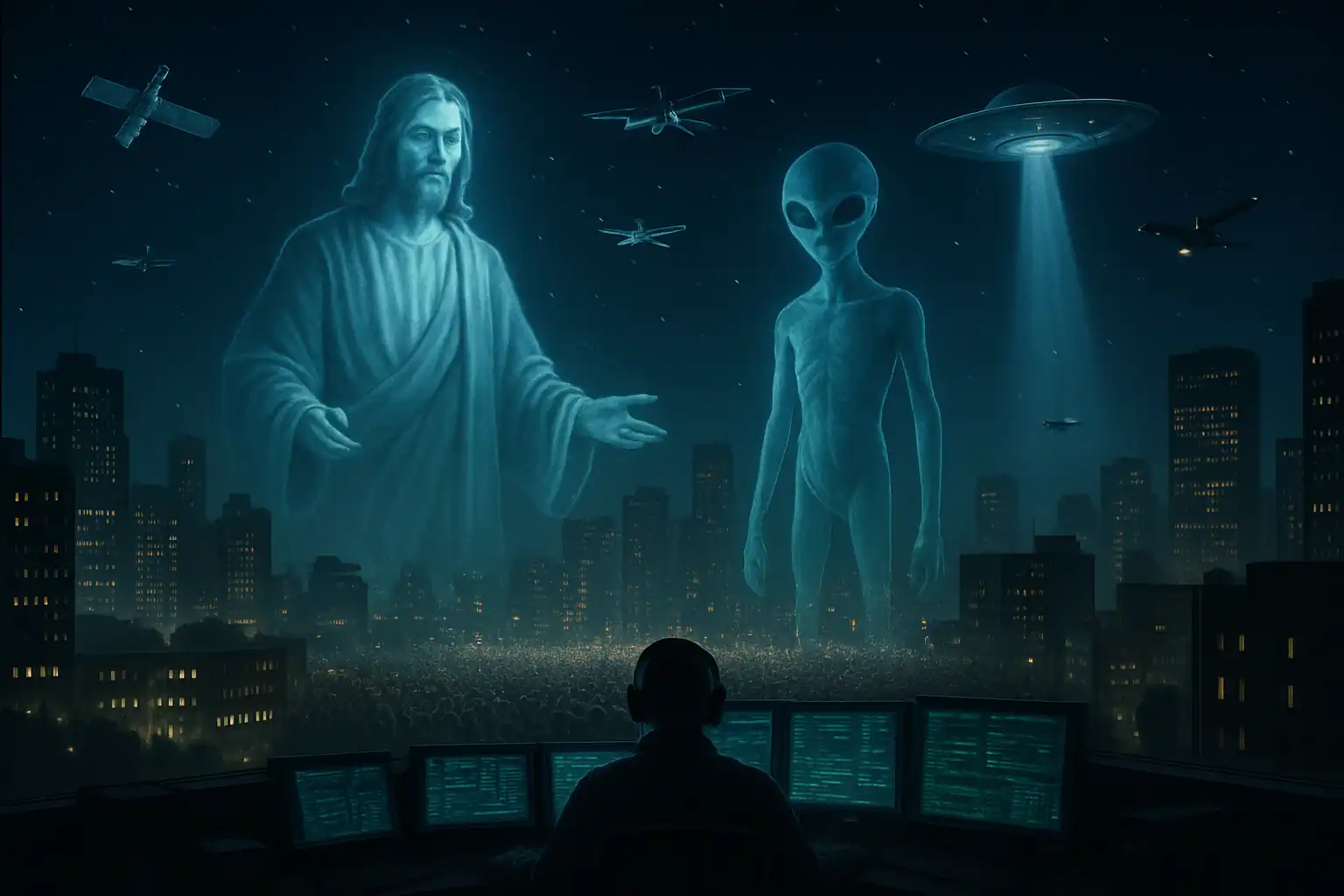
    At its core, Project Blue Beam asserts that tech-savvy individuals would use advanced holograms and frequency manipulation to simulate massive religious events. Imagine NASA’s expertise in lasers and sound wrapped in a cosmic special effects show intended to inspire awe and compliance. According to Newsweek’s analysis, supporters believe a “Second Coming” hologram could be presented above various nations, customized to each region’s dominant faith. With society already primed by viral videos and mass hysteria (just look at the hype around some apocalyptic date predictions), it’s clear why such an idea flourishes in a spectacle-addicted culture rife with suspicion.

    This theory further proposes an artificial merger between human and alien mythos—an event engineered to eliminate religious certainty and pave the way for an overbearing world government. If that seems far-fetched, consider the real-world interplay of government secrecy, crash-retrieval rumors, and whistleblower stories that heat up the discourse (see this enlightening whistleblower exposé). The ultimate goal? As one paranormal investigation site notes, the release of a fabricated messiah—perhaps linked to fallen angels and lost knowledge—would ignite social upheaval and a shift in religious alignment.

    NASA, UFOs, and Fallen Angels: The Web of Modern Conspiracy

    Project Blue Beam is all-inclusive: it intertwines extraterrestrial lore, biblical end-times, and discussions about forgotten advanced civilizations. Some variants suggest the holographic displays could also simulate an alien invasion, producing a globally disorienting event that drives Earth’s governments to unify. As RationalWiki explains, this mythology compiles every paranoia’s greatest hits: secretive NASA operations, Illuminati involvement, and the most enigmatic biblical passages, all given a modern twist. This fusion of ancient prophecy and contemporary technology feels alarmingly relevant in an era of AI-generated deepfakes (explore chilling possibilities here), quantum experiments that muddle cause and effect (as seen in quantum research), and a landscape where distrust of authority reigns.

    However, this isn’t the only theory linking Genesis to alien encounters. The notion of “fallen angels” as extraterrestrial beings or ancient astronauts runs deep, tying lost civilizations, divine revelations, and government secrecy together. The inclusion of UFOs in end-times narratives isn’t recent, but Project Blue Beam modernizes the concept: instead of simply waiting for a cosmic intervention, the public is conditioned, through leaks and memes, to anticipate an ultimate staged event. Some events—like the narrative surrounding strange occurrences on the moon—fuel speculation that technology capable of such a spectacle might be closer than we believe.

    The Real-World Impact: Fear, Skepticism, and Modern Myth

    While there’s no concrete evidence for blinking Jesuses or New World Order lasers, Project Blue Beam’s influence on pop culture and public distrust is undeniable. In the decades since Monast’s original broadcast, incidents like drone light shows, real-time holograms of celebrities, and viral UFO videos have fueled “proof” for believers. Psychologists and journalists suggest these narratives thrive where institutional trust falters—particularly as official secrecy (and whistleblowing) becomes a hot topic (see related Illuminati conspiracy).

    Ultimately, Blue Beam reveals more about us than NASA’s capabilities: the human brain instinctively seeks patterns, fears manipulation, and merges ancient anxieties with cutting-edge technology. This is why the theory resurfaces around modern crises, whether they involve climate issues, AI advancements, or warnings of unchecked scientific pursuits (AI apocalypse insights). Skeptics may scoff, but in a world where the unreal seems increasingly plausible, who’s to say the next messiah won’t appear through pixels and projections?

    To stay updated on the latest in the unexplained—be it prophecy, physics, or public paranoia—visit Unexplained.co. History shows that tomorrow’s breaking news can emerge from yesterday’s wildest ideas…or lead you down your newest late-night rabbit hole.