Category: World War 3

  • Blast from the Shadows: The Apocalyptic Symphony of Airstrikes and Political Theater

    Blast from the Shadows: The Apocalyptic Symphony of Airstrikes and Political Theater

    The Curtains Rise: An Explosive Evening in Yemen

    As the world turns its eyes toward the chaos-infused Middle East, we find ourselves thrust into the middle of a geopolitical opera, where the U.S. plays maestro with their airstrikes against Houthi rebels. On a balmy evening in March 2025, American jets delivered a thunderous symphony over Yemen, a region already serenaded by the harsh melodies of conflict and rebellion.

    Act I: The Fiery Prelude

    President Donald Trump, always one to add a dramatic flourish, took to social media to frame the Houthis not as a mere rebel group but as pawns on Iran’s chess board. According to the Prez, these geopolitical rooks had launched missiles at U.S. aircraft, transforming the Red Sea into a brackish battleground of piracy and terror. The crescendo of missiles was both literal and figurative, promising yet another drama in the endless saga.

    Intermission: A Word from the Critics

    Meanwhile, the Houthi-run health ministry recounted the human cost of this martial mayhem—31 lives lost and 101 injured—casualties in a performance they surely never signed up for. Yet, in this dance of death and diplomacy, the rebels vowed to continue their much-publicized Red Sea blockades.

    The rebels claimed these actions were a last-ditch effort to propagate support for Gaza, framing it as a noble fight—a global Damsel in Distress scenario. Though critics might argue, as conspiracy theories often do, that this plot twist was always written into the script.

    Act II: Blowback and Beyond

    The drama of ongoing violence in Yemen isn’t just a local production; it’s a global franchise. The Houthi movement, according to the Unexplained archives, stands as a proxy in the shadowy skirmish that is the Iran-Saudi Arabia proxy war. But wait, there’s more! The strikes were part of Operation Poseidon Archer, a joint effort by several coastal countries to contain Houthi threats on maritime trade routes (as recounted in recent history).

    Encore: A Conspiracy Unfolds?

    In the grand tradition of catastrophes past, this spectacle invites us to ponder our role as the audience or unwilling participants in history’s great play. Is this the moment we grapple with every paranoid notion ever uttered by radio hosts and late-night cable theorists?

    As the plot thickens, the world has its popcorn ready, watching with bated breath for the next scandal to erupt. Are we living a prelude to our own dystopian fiction, or merely tuning in to Season 3 of “Red Sea Resurgence”? Stay tuned, dear listeners, and keep your tinfoil hats at the ready. After all, even a doomsday prepper needs a good laugh.

  • The Cosmic Cyber Clash: Unseen Battles in the Starry Battlefield

    The Cosmic Cyber Clash: Unseen Battles in the Starry Battlefield

    Introduction: Detangling the Celestial Web of Warfare

    Greetings, fellow earthlings and armchair theorists, to a gripping tale of cosmic intrigue that rivals any space opera penned by the most imaginative of sci-fi authors. Tonight, I have for you a story of digital phantoms racing through the void, where pixels and binaries replace good ol’ bullets and cannonballs. Yes, my dear listeners, we’re diving into the enthralling enigma of cyber warfare—now with an added starry twist.

    Picture this: satellites, the silent sentinels of the skies, beloved by some and suspected by others, now in crosshairs of unseen foes. As the most recent escapades in the orbit testify, the great beyond is quickly becoming fertile ground for those determined to redefine warfare. Need proof? Look no further than this illuminating piece from Wikipedia on Cyberwarfare.

    The Art of War: Hacking Beyond the Stratosphere

    Cyber warfare in space, you ask? It sounds like something straight out of a Bond villain’s playbook—and indeed, it feels almost too fantastical to be true. Alas, as defense heavyweights and security pundits shed light on recent orchestrations in both sky and cyber realm, it’s undeniable: the heavenly expanse above us is now a new frontier for achieving technical malevolence.

    Our inboxes may merely complain about spam, but within the cosmic corridors, the exchange of fire is invisible, subtle, and immeasurably complex. As this insightful piece discusses, power dynamics shift and shimmer like a distant solar flare, ever indistinct yet striking with significant force.

    Tools of the Trade: Digital Daggers and Their Cosmic Dance

    Space, once the final frontier, has now become an eerily familiar place. Rockets and satellites, yes, but add hackers into the mix and hold onto your metalloids! Nations solidifying their cosmic influence have realized: where there’s data to corrupt and signals to scramble, there’s control to be gained or opposition to thwart.

    In our interconnected age, where cyber and outer spaces collide, the possibilities are as infinite as the cosmos themselves. Satellites orbit with grim determination, carrying messages encrypted as tightly as a miser’s purse as-if preparing for the ultimate existential chess game.

    Check out the latest report on Space as a Warfighting Domain, which reveals intricate strategies behind this stellar wargame.

    Conclusion: The Sky Is No Longer the Limit

    So there we have it, folks—a digital dance played out beyond earthly bonds, where even the stars may lose their luster to the ceaseless marshaling of cyber arms. As astronomical aspirations meet terrestrial concerns, the very fabric of space autonomy is poised for a transformation of cosmic proportions.

    Now, dear listeners, as we await those who will unveil the next act of this high-caliber stellar conspiracy, let’s keep a watchful eye on the heavens and an ear on terrestrial broadcasts. For more on such outlandish tales, don’t forget to explore the depths over at Unexplained.co—your trusted guide through the kaleidoscope of cosmic controversies and magnetic mysteries.

  • Drones, Decisions, and a Dance with Destiny: Wargames in Yemen’s Skies

    Drones, Decisions, and a Dance with Destiny: Wargames in Yemen’s Skies

    The Prelude: Unveiling Yemen’s Thunderous Skies

    In the ceaselessly entertaining reality show that we call international relations, the skies above Yemen have scored a spot in the drama league. Enter stage left, the high-stakes power play starring the United States, Iran, and the rather enigmatic Houthi movement. The U.S. may boast some impressive aerial acrobatics—downing Houthi-labeled drones like uninvited party crashers—but who holds the strings behind this aerial display?

    The recent headline grabber isn’t another Hollywood blockbuster, though many could mistake it for one. U.S. warships boldly intercepted about a dozen Houthi drones over the weekend, according to Fox News. It’s a clash of iron and intention where drones—once a subject of futuristic speculation—play main roles in modern conflicts. With stern reminders to Iran slung by U.S. officials, the stage is indeed set for a geopolitical pas de deux.

    The Playmakers: Truth Social Tweets and Tactical Tempests

    Now, speaking of plotters, enter Donald Trump and his digital decree on Truth Social. The succinct proclamation of military action against “Houthi terrorists in Yemen” has left little room for subtlety. For observers, this move is akin to tossing a match into a powder keg.

    This isn’t just a standard exercise in military muscle-flexing. No, no! This is a prelude to a larger question—do these actions masquerade as a deterrent, or are they more of a convoluted chess move in a bigger game, say with Iran? And let’s not forget those Iranian influences warming up in the background, subtitled for added dramatic flair.

    For those burning for further deep dives, U.S. coverage via recent dispatches will satiate your appetite for military minutiae and what this means for regional stability.

    Drones Over Yemen: The Timeline and Tactics

    While some might view drone warfare as today’s frontier, the operational capabilities have clearly taken flight. BBC News delves into how the Houthis—the story’s main antagonists to some—have embraced drones as tool and talisman. It shines a light on their tactics and potential strategy, all brewed with a touch of regional rivalry.

    Interestingly, while U.S. defense systems are formidable, the key isn’t merely neutralizing threats but understanding the network of political gamesmanship, crisis management, and the realpolitik grandstand that ensures no state strays too far from their plotted narrative.

    Beyond the headlines, persistent inquisitors may want to analyze the role of modern drones in contemporary conflicts where espionage, surveillance, and precision strikes blend seamlessly for a swift resolution or prolonged intensity.

    The Bigger Picture: Wargames in the Global Theatre

    While the headlines make merry with the Houthi drones, strategically, it’s about drawing new lines in the aged sand of geopolitical conundrums. Does the existence of such frequency in drone usage signal an era marred by electronic warriors and near-omniscient surveillance?

    The equation ponders what the implications are for similar standoffs globally. Now’s the perfect moment to peruse RAND research on potential parallels, as the stage is set for more actors to join this real-world tale of drones, diplomacy, and dastardly moves.

    Alas, the ballet on the world stage spins ever closer to a political tempest where harmony is as illusory as peace in a powder keg. For those immune to surprise, perhaps take a dive into Unexplained.co. Until the next act, keep those eyes peeled on the skies and your thoughts rooted on terra firma.

  • The Gathering Storm: America’s Enemies Unite for the Clash of 2025!

    The Gathering Storm: America’s Enemies Unite for the Clash of 2025!

    Something Isn’t Right Here…

    The world, dear listeners, is a stage, and we are merely the unwitting actors in this drama of geopolitics that seems straight out of a dystopian novel. Recent reports hint at something sinister brewing in the underbelly of international relations. With every tick of the clock, the stage is set for a global conflict that could make WWIII the entertainment event of the decade!

    Experts, sipping their lattes in ivory towers, ponder the unnerving alliance forming between America’s enemies. Is it merely a coincidence that countries with traditionally opposing beliefs are now best buddies, or is it a calculated move to send a message? Check out a Wikipedia report that lays bare the dynamics at play.

    A Pattern We Can’t Ignore

    Ah, history—the great teacher! It seems like only yesterday (okay, more like a few decades) that we witnessed the slow orchestration of global alliances leading to conflict. From the Axis Powers of WWII to the recent sharp geopolitical shifts, it’s as if nations are vying for their chance to throw a punch. The patterns are uncanny. Just look at the reactive measures taken post-9/11 and how those escalated tensions worldwide!

    If we rewind the tape of time, we’ll find moments where rival nations formed troubling partnerships, often birthed in the chaotic cradle of desperation. Remember the Cold War? We might be about to relive that—complete with the ominous soundtrack and questionable fashion choices!

    Is This the Smoking Gun?

    What makes this new world order truly intriguing is how it mirrors previous conflicts with a twist! Instead of a clear enemy, we have a matrix of allies united by their shared contempt for one superpower: the United States. But wait! There’s more! Historical critiques point to how every peace negotiation post-war tends to involve the same old faces with new disguises. Yes, my friends, it’s like the worst magic show.

    For a deeper dive into this rollercoaster of alliances and betrayals, and the intricate narratives swirling around it, head over to Unexplained Radio, your portal to the unfiltered truth.

    The Clock is Ticking—Are We Prepared?

    As we look towards 2025, the geopolitical landscape shifts faster than a soap opera plot twist. With North Korea, Russia, Iran, and China winking at each other, it’s a toxic cocktail of tension that could explode at any moment. But why are these nations banding together? Quite simply, they’ve realized their adversarial relationship with America is more profitable than petty squabbles! If that’s not a reason to ally, I don’t know what is!

    In this new age of global threats, it appears as though the West has unknowingly united its enemies against it. Their collective goal? To stir the pot and push the limits, all while our leaders engage in political theater that rivals Shakespeare!

    Conclusion: Brace for Impact!

    The world is gearing up for 2025, and if you haven’t stocked your fallout shelters and started hoarding beans yet, what are you waiting for?! America’s enemies are scheming, and this isn’t just another episode of political reality TV; this is the very real backdrop of impending chaos.

    So dust off your emergency kits, and let’s prepare ourselves for what’s coming, folks! For more enlightening discussions and the best in doomsday prep, check out Unexplained Radio. Stay vigilant, stay sarcastic, and always, always be ready for the unexpected!

  • From Cherry Blossoms to Cruise Missiles: Is Japan’s Pacifist Dream a Cover for War Prep?

    From Cherry Blossoms to Cruise Missiles: Is Japan’s Pacifist Dream a Cover for War Prep?

    The End of Innocence?

    Once upon a time, Japan was the poster child for pacifism, a nation that swore off war like a kid swears off vegetables. But these days, things are getting spicier than a bowl of ramen at midnight. You see, whispers from the corridors of power suggest that Japan might be gearing up for something big. And when I say big, I mean the kind of big that makes you want to stock up on canned goods and tin foil hats.

    According to a rather alarming report, Japan is no longer content to just make sushi and anime. The country’s military budget is growing faster than a teenager at an all-you-can-eat buffet. And what’s with the sudden interest in long-range missiles? It’s like the peace-loving nation decided to trade in its kimonos for Kevlar.

    A History Lesson with a Twist

    Let’s rewind the clock to when Japan was the empire of the East, a nation fueled by ambition and a military machine that could give even the Terminator a run for its money. After the horrors of World War II, Japan had a change of heart—or did it? Sure, Article 9 of their constitution sounds all nice and peaceful, but let’s not forget that ‘forever’ and ‘never’ are just words. Actions speak louder, and Japan’s actions are screaming ‘war prep’ louder than a jet engine.

    Remember the Korean War? Japan was supposed to be neutral, but somehow found itself playing host to U.S. military bases faster than you can say ‘imperial ambitions 2.0’. It’s like the pacifist mask was slipping even back then. And now, with tensions rising faster than a tsunami in Asia, Japan is redefining what it means to be a pacifist. Or should I say, a former pacifist?

    Check out this delightful tale of how empires rise and fall, and you’ll see eerie parallels with Japan’s current trajectory.

    The Smoking Gun?

    Let’s talk about those Tomahawk cruise missiles. Nothing says ‘we’re just here to keep the peace’ like a missile that can fly into another country’s backyard, right? Japan’s military spending is skyrocketing, and they’re not just building cute little defense systems. No, they’re going for the big guns, literally.

    And then there’s the issue of recruitment. Japan is struggling to get bodies in those uniforms, which is a bit ironic for a country allegedly not interested in war. But fear not, they’re working on it. They’re rebranding their Self-Defense Forces into something that sounds less like ‘we’ll just defend ourselves’ and more like ‘we’re ready to rumble’.

    But what about the public? Well, it seems like the Japanese people are getting more supportive of this military buildup. Maybe they’re tired of being the world’s doormat. Or maybe they know something we don’t—a storm is coming, and they’re preparing.

    Want to dive deeper into the murky waters of global military escalations? Check out Unexplained Radio for more thrilling tales of impending doom.

    China, North Korea, and the Neighborhood Bully

    Japan isn’t just preparing; they have good reason to. With neighbors like China and North Korea, you’d better keep your eyes open and your defenses up. China’s military expansion is like watching a dragon grow wings, and Japan is right there in its shadow.

    The Senkaku Islands dispute is just the tip of the iceberg. It’s like watching two schoolyard bullies arguing over who gets to sit on the best swing, only the swings are islands, and the bullies have nuclear weapons. And don’t forget North Korea, the unpredictable wildcard that keeps everyone on their toes. Their missiles fly closer to Japan than a bee to honey.

    If you’re wondering how Japan’s militarization ties into the greater global chess game, take a peek at this gripping article about the looming threat of World War III.

  • Drones of Doom: China’s High-Tech Invasion is Just the Beginning

    Drones of Doom: China’s High-Tech Invasion is Just the Beginning

    Something Isn’t Right Here…

    The world is full of mysteries, but some are more chilling than others. Recent reports suggest something strange is happening, and the official explanations don’t quite add up. It seems the good ol’ U.S. of A might soon find itself in a drone-fueled brawl with the most populous nation, driven not by tradition, but by technology.

    According to a recent report, experts claim the winds of war are shifting, with China escalating its drone technology faster than you can say “surveillance state.” What’s more alarming? It’s not just hitting home; the tech race is already altering military strategies on both sides.

    A Pattern We Can’t Ignore

    This isn’t the first time we’ve seen something like this. In fact, history is filled with eerie coincidences that make you wonder—are we missing a bigger piece of the puzzle? You might recall a time when ominous aerial technology foreshadowed not just engagement, but outright warfare. The last time we let our guard down, we dropped the ball—literally.

    Check out this archived case that mirrors today’s events. It’s important to understand that history has a sense of humor—but it’s not exactly the kind you want at a funeral.

    Is This the Smoking Gun?

    One thing’s for sure: the truth is rarely as simple as the headlines make it seem. And if history has taught us anything, it’s that the unexplained has a way of creeping back into the light. We could be on the precipice of a new type of warfare where robots replace soldiers, and fear becomes a daily companion sitting shoulder-to-shoulder with your morning coffee.

    For more deep dives into the unknown, visit Unexplained Radio. Because who wouldn’t want to dive deep into the abyss while shaking their fist at the skies?

  • Cyberattack Paralysis in Iran: 70% of Gas Stations out of service after cyber-attack

    Cyberattack Paralysis in Iran: 70% of Gas Stations out of service after cyber-attack

    In a world where the battlegrounds are increasingly digital, a recent suspected cyberattack in Iran paints a vivid picture of this new era of warfare. Nearly 70% of Iran’s gas stations were thrown into chaos, a possible act of sabotage that highlights the vulnerability of national infrastructure to digital threats.

    The Incident: A Software Nightmare

    State TV in Iran reported what they referred to as a “software problem” causing major disruptions at the gas stations. This isn’t just a minor glitch; it’s a massive shutdown urging people to avoid panicking and rushing to the few operational stations. This situation echoes a dystopian scenario where a few lines of malicious code can cripple essential services.

    The Shadowy Culprit: Gonjeshke Darande

    Israeli media sources, including the Times of Israel, point fingers at a hacker group known as “Gonjeshke Darande” or predatory sparrow. This isn’t their first rodeo; they’ve been implicated in a series of digital strikes against Iran, including an attack on a major steel company in 2022 and a crippling blow to Iran’s fuel distribution system in 2021.

    Iran’s Cyber Vulnerability: A Legacy of Sanctions and Isolation

    Iran’s susceptibility to such attacks isn’t just bad luck. It’s a direct consequence of years of Western sanctions and technological isolation. The country often relies on Chinese electronics or outdated systems that lack security updates, making them a playground for hackers. Pirated software is widespread, adding another layer of vulnerability.

    The Stuxnet Precedent: A Digital Pandora’s Box

    We can’t talk about Iran’s cyber woes without mentioning Stuxnet. This malicious computer virus, believed to be a U.S.-Israeli creation, wreaked havoc on Iranian centrifuges in the late 2000s. This event marked a turning point in cyber warfare, showing the world how digital weapons could cause real-world destruction.

    What’s Next: A Wake-Up Call?

    This incident serves as a stark reminder of the fragility of our modern infrastructure in the face of cyber threats. As nations grapple with the reality of digital warfare, the question remains: How can countries like Iran shield themselves against such invisible, yet devastating, attacks? And more importantly, as these cyber battles escalate, where do we draw the line between safeguarding national security and igniting a full-scale digital war?

    Stay vigilant, stay informed, and always look beyond the surface. In the shadowy world of cyber warfare, nothing is as straightforward as it seems.

  • Prophecies for 2024: Baba Vanga, Nostradamus and Edgar Cayce

    Prophecies for 2024: Baba Vanga, Nostradamus and Edgar Cayce


    As tensions between nations escalate, the world holds its breath, anticipating the outbreak of World War 3. The geopolitical landscape is fraught with rivalries and power struggles, creating a volatile environment where a single spark could ignite a catastrophic conflict. The stakes are high, with global superpowers vying for dominance and smaller nations caught in the crossfire. The world watches anxiously as the tension rises, knowing that the consequences of this conflict could be devastating.

    The Trigger Event: Sparking the Conflict

    The trigger event that ignited the flames of World War 3 was the Islamic empires’ restriction on Christian pilgrimage to the Holy Land. This restriction created deep resentment and tension between the Christian and Islamic worlds. The Crusades were a direct result of this conflict, as Christian nations sought to regain access to the sacred sites in Jerusalem. The Crusades marked the beginning of a long and bloody war that would shape the course of history.

    The Major Players in World War 3

    Superpowers Collide: USA vs China

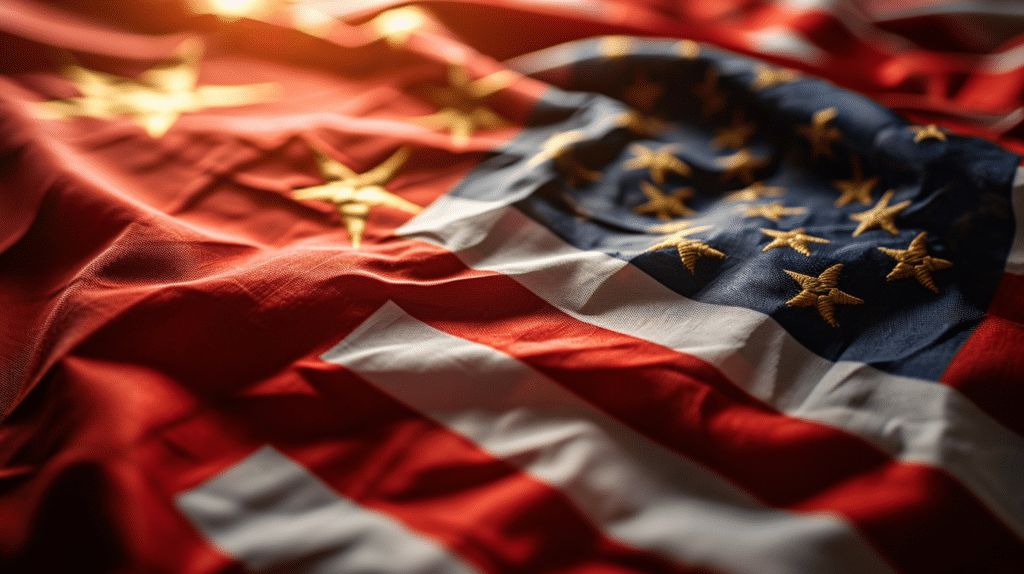
    The clash between the United States and China is a high-stakes battle for global dominance. Both superpowers are ramping up their military and diplomatic efforts in Asia as they seek to outdo each other. The US, in a ‘once in a generation effort’, is boosting its military ties in the region to counter China’s growing influence. This escalating rivalry has the potential to reshape the geopolitical landscape and impact nations around the world. As tensions rise, the world watches with bated breath to see how this clash of titans unfolds.
    The European Union’s Role in the Conflict

    The European Union (EU) plays a crucial role in the cataclysmic conflict of World War 3. As a political and economic union comprising 27 member states, the EU wields significant influence on the global stage. In the face of escalating tensions, the EU has been actively engaged in diplomatic efforts to de-escalate the situation and promote peace. Through its collective security and defense policies, the EU aims to ensure the stability and security of its member states and the wider region.

    The EU has also been instrumental in providing humanitarian aid and support to affected regions. It has mobilized resources and coordinated relief efforts to assist impacted communities. Additionally, the EU has implemented economic sanctions and trade restrictions to exert pressure on aggressor nations and deter further escalation of the conflict.

    In the words of The Secret Teachings with Ryan Gable, ‘The European Union’s involvement in World War 3 highlights the importance of international cooperation and diplomacy in times of crisis.’ The EU’s role in this conflict underscores the complex dynamics and interconnectedness of global politics and the need for collaborative efforts to maintain peace and stability.

    Russia’s Ambitions and Involvement

    Russia plays a significant role in the cataclysmic conflict of World War 3. With its vast territory and military might, Russia has its own ambitions and interests in the outcome of the war. One of Russia’s main objectives is to expand its influence and regain its status as a global superpower. The country seeks to assert its dominance in Eastern Europe and Central Asia, aiming to establish a sphere of influence over neighboring countries. Additionally, Russia has been actively involved in supporting proxy forces and engaging in cyber warfare to destabilize its adversaries. The involvement of Russia in World War 3 adds another layer of complexity to the already volatile global situation.

    The Battlefield: Global Hotspots

    The Middle East: A Powder Keg

    The Middle East has long been a region of intense geopolitical tensions and conflicts. With its rich history, diverse cultures, and strategic location, it has become a powder keg waiting to explode. The ongoing power struggles, religious rivalries, and territorial disputes have created a volatile environment that could easily ignite a global conflict. The presence of major world powers and their competing interests further complicates the situation, turning the region into a battleground for proxy wars. The Middle East is a ticking time bomb, and the consequences of its explosion would be catastrophic.

    Asia-Pacific: A Region on the Brink

    The Asia-Pacific region is a powder keg of geopolitical tensions and economic rivalries. With major powers like China, the United States, and Japan vying for influence, the stakes are high. Business leaders in the region are on the brink of a historic moment in the battle against inequality.

    How they respond could have far-reaching consequences for the future. According to a report by PwC, the Net Zero Economy Index Asia Pacific Cut 2023, the region has the potential to lead the world in transitioning to a sustainable and inclusive economy. This is a critical opportunity for countries in the region to address pressing issues such as climate change, poverty, and social inequality.

    By embracing sustainable practices and investing in green technologies, the Asia-Pacific region can not only mitigate the risks of conflict but also pave the way for a brighter and more prosperous future.
    Europe: Caught in the Crossfire

    As World War 3 unfolds, Europe finds itself in a precarious position, caught in the crossfire of global powers. With its strategic location and historical significance, Europe becomes a battleground for competing interests. The major players in the conflict, such as the United States, China, and Russia, vie for control and influence over European nations.

    Support more articles like this.

    Weapons of Mass Destruction: Unleashing Hell

    Nuclear Armageddon: The Ultimate Threat

    The threat of nuclear weapons is a grave concern in the context of World War 3. International bodies and proliferation experts warn that the danger of nuclear weapons use is higher than it’s been in decades. The destructive power of these weapons is unimaginable, capable of wiping out entire cities and causing long-lasting environmental damage. The potential for accidental or intentional use of nuclear weapons is a constant source of anxiety for the global community. Efforts to prevent nuclear proliferation and promote disarmament are crucial in order to avoid the catastrophic consequences of a nuclear Armageddon.

    Biological Warfare: Silent and Deadly

    Biological warfare is a terrifying form of warfare that utilizes deadly pathogens and toxins to cause widespread destruction and death. These weapons can be invisible and silent, making them difficult to detect and defend against. The use of biological weapons poses a significant threat to both military forces and civilian populations. The Biological Weapons Convention (BWC), also known as the Biological and Toxin Weapons Convention (BTWC), is a disarmament treaty that effectively bans biological and toxin weapons by prohibiting their development, production, acquisition, transfer, stockpiling, and use.

    Peace with Biological Weapons

    Opened for signature in 1972 and ratified by 188 countries, the BWC represents a landmark agreement in disarmament history. It prohibits the development and use of these devastating weapons and compels nations to destroy any existing stockpiles. The BWC aims to foster global security and peace, emphasizing that the use of biological weapons is utterly reprehensible.

    The Threat Remains

    Despite the BWC’s achievements, the threat of biological warfare persists. Advancements in biotechnology make it easier for rogue states and terrorist organizations to develop and deploy these weapons. Vigilance and international cooperation are essential to counter this menace, ensuring robust measures are in place to prevent proliferation.

    In conclusion, while progress has been made in curbing the use of biological weapons, the evolving threat landscape requires continuous efforts to guarantee a safer world for future generations.

    Cyber Attacks: The New Battlefield

    In this digital age, cyber attacks have emerged as a new form of warfare. With nations increasingly reliant on technology, cyber threats loom large, capable of disrupting vital infrastructure and eroding public trust. In 2023, India faced a wave of cyber attacks, resulting in compromised data and operations. As technology evolves, so too do the tactics and tools involved in cyber warfare. Experts highlight that generative AI could redefine the battlefield, making cyber attacks more sophisticated and harder to detect.

    The Human Cost: Lives Lost and Nations Destroyed

    Millions Dead: The Toll of World War 3

    World War 3 has left a devastating trail of destruction, with millions of lives lost in its wake. The scale of the conflict is unprecedented, surpassing even the deadliest wars in history. Entire cities lie in ruins, and communities once thriving have crumbled. The human cost is immeasurable, leaving behind a legacy of pain and suffering that will echo through generations.

    The toll of World War 3 extends beyond mere loss of life. Its economic repercussions are catastrophic, plunging global markets into turmoil and driving nations toward the brink of collapse. Infrastructure has been obliterated, complicating rebuilding efforts. Meanwhile, the refugee crisis has reached alarming proportions, with millions displaced from their homes, seeking refuge in overcrowded camps. The social fabric of societies has been torn apart, forcing communities to grapple with the aftermath of these tragic events.

    In the face of such devastation, the international community must unite to support those affected by World War 3. Humanitarian assistance is vital to alleviating suffering and rebuilding shattered lives. Diplomatic initiatives must also be ramped up, with a focus on finding peaceful resolutions and preventing future conflicts. Only through collective action and cooperation can we hope to forge a world where the horrors of World War 3 are permanently relegated to the past.
    Refugee Crisis: Displaced and Desperate

    The refugee crisis spurred by World War 3 has prompted unprecedented displacement and despair. Millions of people have fled their homes, seeking safety and refuge across borders or continents. The scale of this humanitarian crisis is staggering, with Syria alone accounting for around 25% of the global refugee population.

    As of mid-2023, 6.49 million Syrians have been displaced. This highlights the magnitude of the humanitarian challenges that lie ahead. The ramifications of the refugee crisis extend beyond immediate needs, straining host countries and creating significant social, economic, and political challenges.

    Economic Collapse: The Aftermath of Destruction

    The economic collapse that follows the devastation of World War 3 is nothing short of catastrophic. Nations that once thrived are now in ruins, grappling with shattered economies. The loss of infrastructure, resources, and skilled labor leaves countries struggling to rebuild. Hyperinflation creates skyrocketing prices and renders currencies worthless. The global financial system is in disarray, with banks failing and markets spiraling out of control. It’s a bleak and desperate time for the survivors.

    In the aftermath, nations face a myriad of challenges. Unemployment soars as businesses crumble and industries collapse. The lack of jobs spirals into widespread poverty and social unrest, while governments struggle to provide basic services to their citizens. Food shortages become a grim reality as agricultural production falters and supply chains break down. People are forced to ration their essentials and search for scraps to survive.

    The collapse also triggers geopolitical transformations. Power dynamics shift dramatically as previously dominant nations lose their grip, while emerging powers seize opportunities to assert themselves. Alliances are formed and dismantled as countries scramble to secure resources and stabilize their economies. The global order, as we know it, will be forever altered.

    Rebuilding from this economic wreckage will be monumental. It requires not just reconstruction efforts but the healing of societies and the restoration of trust. International cooperation and assistance will play a crucial role in this process. Investment in infrastructure, education, and healthcare is essential to lay the groundwork for sustainable growth. While the journey is long and fraught with challenges, determination and resilience may allow nations to rise from the ashes and build a better future.

    The Endgame: Seeking Peace in the Chaos

    Diplomatic Efforts: Can Talks Prevent Disaster?

    Amid the chaos of World War 3, diplomatic efforts stand as a beacon of hope. As nations grapple with the fallout of conflict, leaders from across the globe gather for high-stakes negotiations. Their mission: secure a peaceful resolution and stave off further calamity.

    These diplomatic initiatives are not without their obstacles. Deep-rooted hostilities, conflicting interests, and power struggles could threaten any prospect for progress. But the alternative? Unthinkable. The world cannot afford to let war consume more lives and nations.

    International organizations such as the United Nations are key players in this diplomatic dance. They serve as neutral grounds for dialogue and mediation, uniting representatives from diverse sides. These organizations work tirelessly to bridge divides and establish common ground.

    But can mere talks avert disaster? The answer is complicated. While diplomacy offers pathways to peace, it necessitates genuine commitment and a willingness to compromise. It demands that leaders prioritize the welfare of their people over personal ambitions. It’s about recognizing our shared humanity and understanding that warfare is not the solution.

    With immense challenges ahead, the world closely watches these diplomatic ventures—part hope, part skepticism. The stakes are high, and failing to succeed could have dire consequences. However, if these talks prosper, they present the chance to save lives, rebuild nations, and create a future free from the scourge of a third world war.

    The Role of International Organizations

    International organizations are pivotal in alleviating the impact of World War 3 while striving for peace. Their platforms enable crucial dialogue and analysis on the conflict, illuminating the complexities of the war’s impact on nations. They also facilitate diplomatic efforts by bringing representatives from varying nations together to seek peaceful resolutions, playing an instrumental role in rebuilding efforts.

    Rebuilding Nations: From Ashes to Hope

    After the devastation of World War 3, the arduous task of reconstruction falls to governments, aid organizations, and resilient communities. The journey toward recovery is long, but it isn’t devoid of hope. Governments and organizations have mobilized resources to provide immediate relief and essential support to those affected. Focus is not only on immediate needs but also on laying the groundwork for long-term recovery. Amidst the many challenges, a glimmer of hope emerges as communities rally together to rebuild and restore what was lost.

    In chaos and uncertainty, finding peace may feel impossible, but there are organizations dedicated to exposing the truth behind cryptic politics and conspiracies affecting our world. For insights, exploration, and discourse on these pressing issues, visit Unexplained.co today to join the national conversation.

    In Conclusion

    World War 3—The Cataclysmic Conflict That Rattles Nations has scrutinized the possible causes, consequences, and implications of what looms as a global conflict. From the devastating effects inflicted upon human lives and infrastructure to social and economic chaos, this article has cast light on the catastrophic nature of such an event. It is paramount for nations to prioritize diplomacy, peace-building, and international collaboration in order to avert such a dire conflict. History’s lessons must guide us toward a future defined by stability and peace.

    Frequently Asked Questions

    What were the main causes of World War 3?

    The main causes of World War 3 included escalating tensions between superpowers, a trigger event that sparked the conflict, and the ambitions and involvement of major players like the USA, China, Russia, and the European Union.

    Which regions were the major battlegrounds in World War 3?

    The major battlegrounds in World War 3 included the Middle East, Asia-Pacific, and Europe.

    What were the weapons of mass destruction used in World War 3?

    The weapons of mass destruction utilized in World War 3 included nuclear weapons, biological warfare, and cyber attacks.

    How many lives were lost in World War 3?

    Millions of lives were lost in World War 3, resulting in unimaginable humanitarian costs.

    What were the consequences of World War 3?

    The consequences of World War 3 included a severe refugee crisis, economic collapse, and the obliteration of entire nations.

    Were there any efforts to seek peace during World War 3?

    Absolutely, there were extensive diplomatic efforts alongside the involvement of international organizations committed to fostering peace and facilitating post-war recovery.

  • U.S. and Iran’s Naval Tango: The Alborz Warship’s Red Sea Entry

    U.S. and Iran’s Naval Tango: The Alborz Warship’s Red Sea Entry

    In the intricate chessboard of Middle Eastern geopolitics, the recent maneuver of Iran’s Alborz warship entering the Red Sea marks a significant strategic move, echoing the rising tensions in a region already brimming with complex conflicts.

    This development, reported by the semi-official Tasnim news agency, unfolds against the backdrop of the ongoing Israel-Hamas war and the increasing concerns over maritime security, particularly in one of the world’s most vital shipping lanes.

    The Alborz’s deployment not only underscores Iran’s assertive naval strategy but also serves as a critical indicator of the shifting power dynamics and maritime challenges in the Red Sea, impacting global trade routes and regional stability.

    Iran’s Maritime Strategy Amidst Regional Tensions

    In a significant development reported by the semi-official Tasnim news agency, Iran’s Alborz warship entered the Red Sea, a move that comes at a time of heightened tensions in the region. This strategic entry into one of the world’s most crucial shipping lanes occurs amidst the ongoing Israel-Hamas war and reports of vessel attacks by forces with alleged ties to Tehran.

    While the specific mission of the Alborz remains undisclosed, it’s essential to note that since 2009, Iranian warships have been actively operating in international waters. Their roles range from securing shipping routes, combating piracy, to other undisclosed tasks. This deployment is part of Iran’s broader strategy to assert its maritime presence and safeguard its interests in pivotal waterways.

    Yemen’s Houthi Involvement and Global Trade Implications

    Yemen’s Iran-backed Houthis have escalated the situation by targeting vessels in the Red Sea since November, in a show of support for Hamas. This has compelled major shipping companies to alter their routes, opting for the longer journey around Africa’s Cape of Good Hope instead of the shorter Suez Canal route, which handles a significant portion of global trade.

    The Alborz warship’s entry into the Red Sea via the Bab al-Mandab Strait, as reported by Tasnim, raises questions about the timing and intent of this maneuver. Social media buzz with unconfirmed reports of its arrival adds to the speculation surrounding this development.

    Iranian Naval Exercises: A Display of Strength

    In a display of military collaboration, a warship, likely the Alborz, participated in a joint naval drill with Russia and China in the Gulf of Oman, showcasing Iran’s growing naval capabilities and its strategic alliances.

    The Alvand class destroyer, to which Alborz belongs, has been integral to the Iranian navy’s operations. As part of the 34th fleet, alongside the Bushehr support vessel, it has patrolled critical regions like the Gulf of Aden and the Bab Al-Mandab Strait since at least 2015.

    In contrast, the US Fifth Fleet has refrained from commenting on the Iranian vessel’s movements, highlighting the cautious approach adopted by the US in responding to Iran’s naval activities.

    Response to Houthi Attacks

    In a direct response to the Houthi rebels’ recent attacks on a Maersk container vessel, the company temporarily halted its operations in the Red Sea. This incident underscores the escalating maritime security concerns in the region.

    Iran’s Navy head, Shahram Irani, and Defense Minister, Mohammad Reza Ashtiani, have made strong statements regarding Iran’s operations in the Red Sea, asserting a stance of regional dominance.

    US Naval Movements: The USS Gerald R. Ford

    In a parallel development, the USS Gerald R. Ford, America’s most advanced aircraft carrier, is set to depart the Mediterranean Sea. Deployed near Israel following the Hamas attacks, this carrier’s movement, as reported by ABC News, is part of the routine schedule but holds significance in the current geopolitical context.

    Despite the USS Gerald Ford’s departure, the US maintains a robust military presence in the region, with cruisers, destroyers, and additional fighter jets stationed in the Mediterranean.

    Iran’s Continued Maritime and Regional Strategy

    Iran continues to project its influence in the Middle East, as evidenced by the Alborz’s passage through the Bab al-Mandab Strait and the continued activity of Iranian-backed groups in the region. The departure of the USS Gerald Ford from the Mediterranean is viewed with interest by Iran, as it seeks to manage its conflict against Israel and maintain its regional influence.

    Conclusion

    The entry of the Iranian warship Alborz into the Red Sea is a calculated move in a region rife with geopolitical complexities. It not only signifies Iran’s naval capabilities but also reflects the broader strategic contestation in the Middle East, involving key global powers and regional actors. As tensions continue, the naval movements of countries like Iran and the US will be closely monitored for their implications on regional stability and global maritime security.

  • World War 3 – The Cataclysmic Conflict That Rattles Nations

    World War 3 – The Cataclysmic Conflict That Rattles Nations


    As tensions between nations escalate, the world holds its breath in anticipation of the outbreak of World War 3. The geopolitical landscape is fraught with rivalries and power struggles, creating a volatile environment where a single spark could ignite a catastrophic conflict. The stakes are high, with global superpowers vying for dominance and smaller nations caught in the crossfire. The world watches anxiously as the tension rises, knowing that the consequences of this conflict could be devastating.

    The Trigger Event: Sparking the Conflict

    The trigger event that ignited the flames of World War 3 was the Islamic empires’ restriction on Christian pilgrimage to the Holy Land. This limitation stoked deep resentment and tension between the Christian and Islamic worlds, leading to the Crusades—an epic saga of attempts to reclaim access to sacred sites in Jerusalem. The Crusades marked the beginning of a long and bloody struggle that would shape the course of history.

    The Major Players in World War 3

    Superpowers Collide: USA vs China

    The clash between the United States and China resembles a high-stakes poker game, with both superpowers ramping up their military and diplomatic efforts in Asia. The US, in what some are calling a ‘once in a generation effort’, is working diligently to cement military ties in the region to counter China’s growing influence. This escalating rivalry may reshape the geopolitical landscape in ways we can hardly fathom, and as tensions surge, the world watches with bated breath for the outcome of this titanic struggle.

    The European Union’s Role in the Conflict

    The European Union (EU) plays a crucial role in the cataclysmic conflict of World War 3. As a political and economic union comprising 27 member states, the EU wields significant influence on the global stage. In the face of escalating tensions, the EU has actively engaged in diplomatic efforts to de-escalate the situation and promote peace. Through its collective security and defense policies, the EU aims to ensure the stability and security of its member states and the wider region.

    The EU has also been instrumental in providing humanitarian aid and support to affected regions. Mobilizing resources and coordinating relief efforts, it has worked tirelessly to assist impacted communities. Additionally, the EU has implemented economic sanctions and trade restrictions to exert pressure on aggressor nations and deter further escalation of the conflict.

    As articulated in The Secret Teachings with Ryan Gable, ‘The European Union’s involvement in World War 3 highlights the importance of international cooperation and diplomacy in times of crisis.’ The EU’s actions underscore the complex dynamics and interconnectedness of global politics and the collaborative efforts needed to maintain peace and stability.

    Russia’s Ambitions and Involvement

    Russia plays a pivotal role in the unfolding saga of World War 3. With its vast territory and military capabilities, Russia harbors ambitions of reclaiming its status as a global superpower. One of Russia’s primary goals is to expand its influence and assert dominance in Eastern Europe and Central Asia while establishing a sphere of influence over neighboring countries. This includes backing proxy forces and engaging in cyber warfare to destabilize its adversaries, adding yet another layer of complexity to an already volatile global situation.

    The Battlefield: Global Hotspots

    The Middle East: A Powder Keg

    The Middle East has long been a region marred by intense geopolitical tensions and conflicts. With its rich history, diverse cultures, and strategic location, it stands as a powder keg waiting to explode. Ongoing power struggles, religious rivalries, and territorial disputes create a precarious environment, ripe for igniting a global conflict. The entanglement of major world powers and their competing interests only complicates the situation, turning this region into a battleground for proxy wars. The Middle East is undoubtedly a ticking time bomb, with catastrophic potential.

    Asia-Pacific: A Region on the Brink

    The Asia-Pacific region is rife with geopolitical tensions and economic rivalries. Major powers like China, the United States, and Japan are vying for influence, raising the stakes significantly. Business leaders in the region are on the brink of a historic moment in the battle against inequality. Their responses could determine the trajectory of global stability. According to a tantalizing report by PwC, the Net Zero Economy Index Asia Pacific Cut 2023, this region holds the potential to lead the charge in transitioning to a sustainable and inclusive economy.

    By embracing sustainable practices and investing in green technologies, the Asia-Pacific region can mitigate potential conflicts while paving the way for a brighter future.

    Europe: Caught in the Crossfire

    As World War 3 unfolds, Europe finds itself precariously positioned between warring global powers. With its strategic importance and historical legacy, the continent becomes a battleground for competing interests as nations like the United States, China, and Russia jockey for influence over European nations.

    Support more articles like this.

    Weapons of Mass Destruction: Unleashing Hell

    Nuclear Armageddon: The Ultimate Threat

    The threat posed by nuclear weapons looms ominously in the context of World War 3. International bodies and proliferation experts warn that the danger of nuclear weapons use has reached historic levels. The destructive potential of these weapons is staggering, capable of erasing entire cities and unleashing environmental devastation. The specter of accidental or intentional nuclear strikes haunts the global community, underscoring the urgency of preventing proliferation and promoting disarmament to stave off an apocalyptic scenario.

    Biological Warfare: Silent and Deadly

    Biological warfare, a sinister method relying on deadly pathogens and toxins, can cause mass destruction and indiscriminate death. These insidious weapons can remain undetectable, complicating defenses against them. The implications for both military and civilian populations are dire. The Biological Weapons Convention (BWC) is a critical treaty banning biological and toxin weapons, aiming to curb their use and ensure global security.

    Peace with Biological Weapons

    The BWC opened for signature in 1972 and has since received ratification from 183 countries. It prohibits the development, production, stockpiling, and acquisition of biological weapons, requiring nations to destroy existing stockpiles while aiding states affected by biological weapon attacks. While the BWC has made significant strides in reducing the threat of biological warfare, vigilance remains crucial.

    The Threat Remains

    Though the BWC has been vital in diminishing biological weapons usage, the risk lingers. Technological advancements in biotechnology and genetic engineering have made it easier for rogue states and terrorist organizations to pursue these deadly capabilities. The international community must bolster prevention measures, enhance surveillance, improve detection capabilities, and foster global cooperation to combat this persistent threat.

    In conclusion, biological warfare poses significant risks to global security. The BWC stands as an essential framework ensuring the prohibition of these devastating weapons, yet ongoing commitment to address emerging threats is vital for safeguarding future generations.

    Cyber Attacks: The New Battlefield

    In our digital era, cyber attacks have emerged as a contemporary battlefield. As nations increasingly depend on technology, they become vulnerable to attacks aiming to disrupt critical infrastructure and undermine public trust. In 2023, India faced a surge in cyber threats resulting in compromised personal information and major operational disruptions. Looking ahead, experts anticipate that generative AI may soon revolutionize cyber warfare, rendering attacks more sophisticated and difficult to detect.

    The Human Cost: Lives Lost and Nations Destroyed

    Millions Dead: The Toll of World War 3

    World War 3 has wrought a devastating legacy of destruction, claiming millions of lives. The magnitude of the conflict exceeds that of any previous war in history, leaving entire cities in ruins and once-thriving communities decimated. The human toll is heart-wrenching, shaping a legacy of suffering that will echo through generations.

    The consequences extend beyond mere loss of life—the economic impact is catastrophic. With global markets in chaos, nations teeter on the brink of collapse. Shattered infrastructure hinders rebuilding efforts, while the refugee crisis swells, forcing countless individuals from their homes into overcrowded camps. Societies struggle to mend the frayed social fabric left in war’s wake.

    In light of such profound devastation, the international community must unite in aiding those affected by World War 3. Humanitarian support is essential in alleviating suffering and facilitating recovery. Diplomatic initiatives must ramp up to promote peaceful resolutions and avert future conflict. Only through collective action can humanity work toward a world where the horrors of World War 3 remain a distant memory.

    Refugee Crisis: Displaced and Desperate

    The refugee crisis stemming from World War 3 has engendered unprecedented dislocation and desperation. Millions flee their homes, seeking security and solace in neighboring regions or across continents. The magnitude of this crisis is staggering, with Syria alone accounting for nearly 25% of the global refugee population.

    By mid-2023, approximately 6.49 million Syrians have been displaced, presenting immense humanitarian challenges that extend beyond immediate needs. The influx imposes heavy burdens on host countries, leading to social, economic, and political difficulties.

    Economic Collapse: The Aftermath of Destruction

    The economic devastation accompanying World War 3 is colossal, with nations left in ruins and economies shattered. The obliteration of infrastructure, loss of resources, and brain drain leave countries struggling to rise from ash heaps. Hyperinflation wreaks havoc as currencies become increasingly worthless. The global financial system faces chaos, banks crumble, and markets collapse—creating an undeniably bleak atmosphere for survivors.

    The aftermath brings new challenges as unemployment soars, industries collapse, and social unrest bubbles to the surface. Governments grapple with providing basic services as basic necessities dwindle. Food scarcity hangs heavy, as agricultural disruption wreaks havoc on supply chains, forcing individuals to scavenge for survival.

    Moreover, geopolitical landscapes undergo seismic shifts. As once-powerful nations languish, emerging powers ascend to prominence, forging new alliances while others disintegrate amidst desperation. The global order teeters on a knife’s edge as factions jostle to regain stability.

    The path to recovery promises to be long and arduous. Nations must not only reconstruct physical infrastructure but also heal the wounds of their societies. International cooperation and assistance play vital roles in navigating this labyrinth of challenges. An investment in rebuilding education, healthcare, and infrastructure lays groundwork for nurturing resilient futures.

    The Endgame: Seeking Peace in the Chaos

    Diplomatic Efforts: Can Talks Prevent Disaster?

    Amid chaos, diplomatic efforts emerge as glimmers of hope. With nations reeling from devastation, world leaders converge in high-stakes negotiations with a common goal: achieve a peaceful resolution and avert further catastrophe.

    Yet, these negotiations are fraught with challenges. Deep-rooted grudges, jarring interests, and power plays threaten to derail progress. But the alternative? Unthinkable. The world cannot afford to allow the flames of conflict to engulf nations and lives.

    To facilitate these discussions, international organizations take center stage. They provide neutral platforms for dialogue and negotiation, bringing representatives together from diverse backgrounds. Through diplomatic channels, they strive to bridge divides and foster agreement.

    However, can mere talks keep disaster at bay? The answer remains complex. While diplomacy offers potential paths to peace, it demands commitment and compromise. Leaders must prioritize the welfare of their constituents over personal ambitions, recognizing our shared humanity. It requires acknowledging that conflict is not the solution.

    With monumental challenges on the horizon, the world watches these diplomatic endeavors with a mixture of hope and skepticism. High stakes loom, and failure promises dire outcomes. Conversely, success opens the potential not just to save lives but to reshape nations and to construct a future devoid of the specter of World War 3.

    The Role of International Organizations

    Entities such as the United Nations serve as vital players in navigating the stormy seas of World War 3, fostering peace and stability. Their facilitation of discussions enables clarity amid the chaos. The cooperation of international bodies remains paramount in addressing the fallout and working toward lasting solutions.

    Rebuilding Nations: From Ashes to Hope

    After the devastation of World War 3, the daunting responsibility of rebuilding nations rests with governments, aid organizations, and resilient communities. Despite the lengthy and challenging path to recovery, hope persists. Varied organizations have mobilized resources to support devastated communities, targeting not only immediate needs but also laying groundwork for sustainable future growth. Conversations around the rebuilding efforts abound, with some residents attributing the crisis to divine retribution while others grapple with governance issues. Regardless, the human spirit remains resolute, eager to rise from the ruins.

    In the depths of uncertainty, peace may appear elusive. But organizations dedicated to unearthing truths behind parapolitics and conspiracies are committed to shining light on the complexities that shape our world. For insights and discussions on these enigmatic issues, visit Unexplained.co to learn more.

    In Conclusion

    This examination of World War 3 has navigated the potential triggers, consequences, and ramifications of what could become a global catastrophe. From the catastrophic ramifications for human lives to crippling economic disruptions, the narrative sheds light on the dire nature of conflict. To avert such a future, it remains essential for nations to prioritize diplomacy, constructive partnerships, and international cooperation. History has taught profound lessons, and we must forge a future defined by peace.

    Frequently Asked Questions

    What were the main causes of World War 3?

    The main causes included rising tensions among superpowers, significant trigger events, and the ambitions of major players like the USA, China, and Russia.

    Which regions were the major battlegrounds in World War 3?

    The battlegrounds primarily included the Middle East, Asia-Pacific, and Europe.

    What were the weapons of mass destruction used in World War 3?

    The conflict involved nuclear weapons, biological warfare, and cyber attacks as key instruments of destruction.

    How many lives were lost in World War 3?

    The toll in lives lost reached millions, marking an unprecedented humanitarian catastrophe.

    What were the consequences of World War 3?

    The aftermath included a significant refugee crisis, economic collapse, and widespread devastation of nations.

    Were there any efforts to seek peace during World War 3?

    Indeed, numerous diplomatic initiatives were launched, bolstered by the commitment of various international organizations to foster peace and facilitate post-war recovery efforts.