Category: World War 3

  • Trump Started WW3?: What Russian Fires Really Show

    Trump Started WW3?: What Russian Fires Really Show

    Key Takeaways

    • A YouTube video titled “⚡ALERT:Trump Just STARTED WW3! RIPS PUTIN! RUSSIA IN FLAMES!” (upload ID D9eqy7KLn3o) captures a wave of sensational posts tying political statements to real-world fires and explosions in Russia.
    • Verified reports from BBC Verify, Kyiv Post, and NASA FIRMS satellite data confirm large fires at sites like Taganrog, Saratov oil hub, and areas in Rostov and Belgorod.
    • No solid public evidence directly links a specific presidential comment to these incidents; questions linger on who or what caused them and whether they signal broader escalation.

    The Night Smoke Rose Over Taganrog

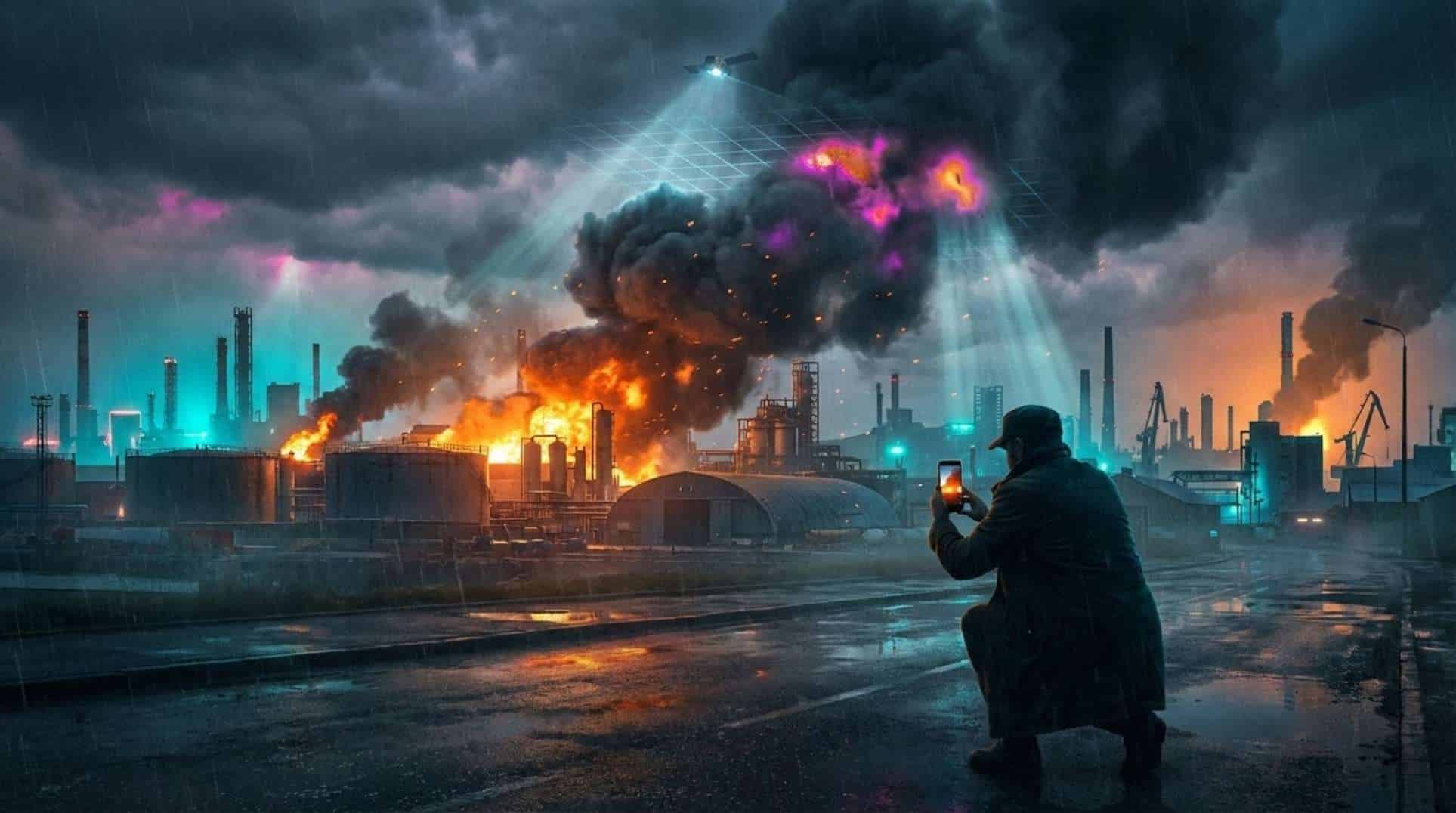
    As dusk settled over Taganrog, the air shattered with blasts that echoed like thunder. Residents described fireballs erupting skyward, thick plumes of smoke blotting out the stars. Smartphone videos captured the chaos—flames licking buildings, people rushing to windows or streets in confusion and fear. These clips spread like wildfire online, amplified by claims linking them to heated political rhetoric. One viral post screamed that a leader’s words had ignited World War III. The stakes feel immediate: a single misread event could spiral into something far larger, feeding the unease that keeps us all watching the skies.

    What Witnesses and Analysts Report

    Locals in affected areas shared raw accounts of the blasts, posting footage that showed smoke rising from key sites. OSINT groups have stepped in, geolocating these videos to match exact locations on maps, building a picture that’s hard to dismiss. On social media and YouTube, creators connect the dots differently, framing the fires as direct fallout from bold statements against Putin, with titles that pull no punches. Policy experts from groups like the Arms Control Association see it another way—they point out how rhetoric can heighten tensions, but stress that proving a direct trigger demands hard operational proof. Each perspective adds layers, reminding us why these communities dig deep for answers.

    Timelines, Tracks, and Hard Data

    The timeline kicks off with specific dates and detections that anchor the story. NASA FIRMS and MODIS satellite imagery picked up thermal anomalies at sites like the Taganrog airfield and Saratov oil hub, matching eyewitness clips. Media outlets, including Newsweek pieces from April 11, 2025, and December 13, 2025, highlighted Trump’s comments on escalation risks, while Bloomberg covered White House calls with Putin. The YouTube video in question, with ID D9eqy7KLn3o, exemplifies how these elements fuse into viral narratives. Here’s a breakdown of key metrics:

    Metric Value Source
    YouTube Video ID D9eqy7KLn3o YouTube
    Dates/Locations of Verified Fires Taganrog airfield; Saratov oil hub; Rostov/Belgorod areas BBC Verify, Kyiv Post
    FIRMS Match Timestamps Recent detections correlating with reported incidents NASA FIRMS / MODIS
    Relevant Media/Analysis Citations Newsweek (Apr 11, 2025; Dec 13, 2025); Bloomberg on White House calls Newsweek, Bloomberg

    Official Story vs. What the Data Suggests

    Official channels paint a restrained picture. The White House summarizes calls and statements without declaring wider conflict, while NATO pushes for de-escalation and avoids direct involvement. Russian sources often attribute incidents to accidents or internal issues, creating clashing accounts. Yet community OSINT, blending geolocated videos with FIRMS data, confirms the events happened—though it stops short of naming culprits. These gaps leave room for doubt, where institutional narratives meet independent scrutiny, and neither fully closes the loop on cause or blame.

    Where the Evidence Ends and the Questions Begin

    We can stand firm on this: fires and strikes hit Russian sites, backed by satellite heat signatures and ground footage. Headlines thrive on tying them to rhetoric, but proof of direct causation remains elusive. What triggered each one—state actors, irregular forces, or mishaps? How close are we to crossing lines into full-scale war? Resolving these would take public records like declassified orders or detailed timelines. Missteps in attribution fuel fear, pushing narratives that could tip the balance toward real escalation. It’s a reminder to tread carefully.

    What It All Might Mean

    Approach these viral claims with eyes wide open—check timestamps, transcripts of comments, and geolocated evidence to test the links. Reliable paths forward include NASA FIRMS updates, BBC Verify breakdowns, Kyiv Post OSINT, and Arms Control Association insights. Any official releases on calls or orders could shift the story. For now, the record shows confirmed incidents and rising rhetorical heat, but not a proven chain from words to flames. Stay vigilant; the patterns here echo broader anomalies we’ve tracked together. Share your leads—we’ll chase them down.

    Frequently Asked Questions

    Multiple explosions and large fires occurred at sites like Taganrog, Saratov oil hub, and areas in Rostov and Belgorod. Eyewitness accounts, smartphone videos, and satellite data from NASA FIRMS confirmed these events. Attribution for the causes remains contested, with no clear ties to specific triggers.

    No publicly available evidence directly connects a specific presidential remark to the initiation of these strikes. Sensational headlines suggest causation, but policy analysts emphasize that proving such links requires operational documentation. The timeline shows rhetorical escalation risks, but not confirmed triggers.

    Western officials, including the White House and NATO, urge de-escalation without claiming direct involvement. Russian statements often describe incidents as accidents or internal matters. OSINT and media verification confirm the events but highlight gaps in official narratives on responsibility.

    Look to NASA FIRMS for satellite data, BBC Verify and Kyiv Post for geolocated reports, and the Arms Control Association for analysis on escalation risks. Avoid unverified viral claims; cross-check with timestamps and official releases. Community OSINT compilations offer valuable independent insights.

  • Moscow Blackout 2025: Drone Strike Or Staged Scare?

    Moscow Blackout 2025: Drone Strike Or Staged Scare?

    Key Takeaways

    • Russian officials say dozens of long-range drones—Lavrov mentioned 91, with other accounts up to 109—targeted Russian territory and allegedly attempted to strike a presidential residence in the Novgorod/Valdai area; the Ministry of Defense published footage said to show wreckage.
    • A major blackout affected southeastern Moscow suburbs between December 28–30, 2025, with estimates of affected people ranging from about 100,000 to 600,000. Local videos show dark neighborhoods and residents reporting loud hums described as drone-like.
    • Key unknowns remain: independent geolocation and metadata verification of the MoD video, whether drones caused the blackout or a substation fire did, and whether the timing served political objectives amid negotiations.

    The night the suburbs went dark

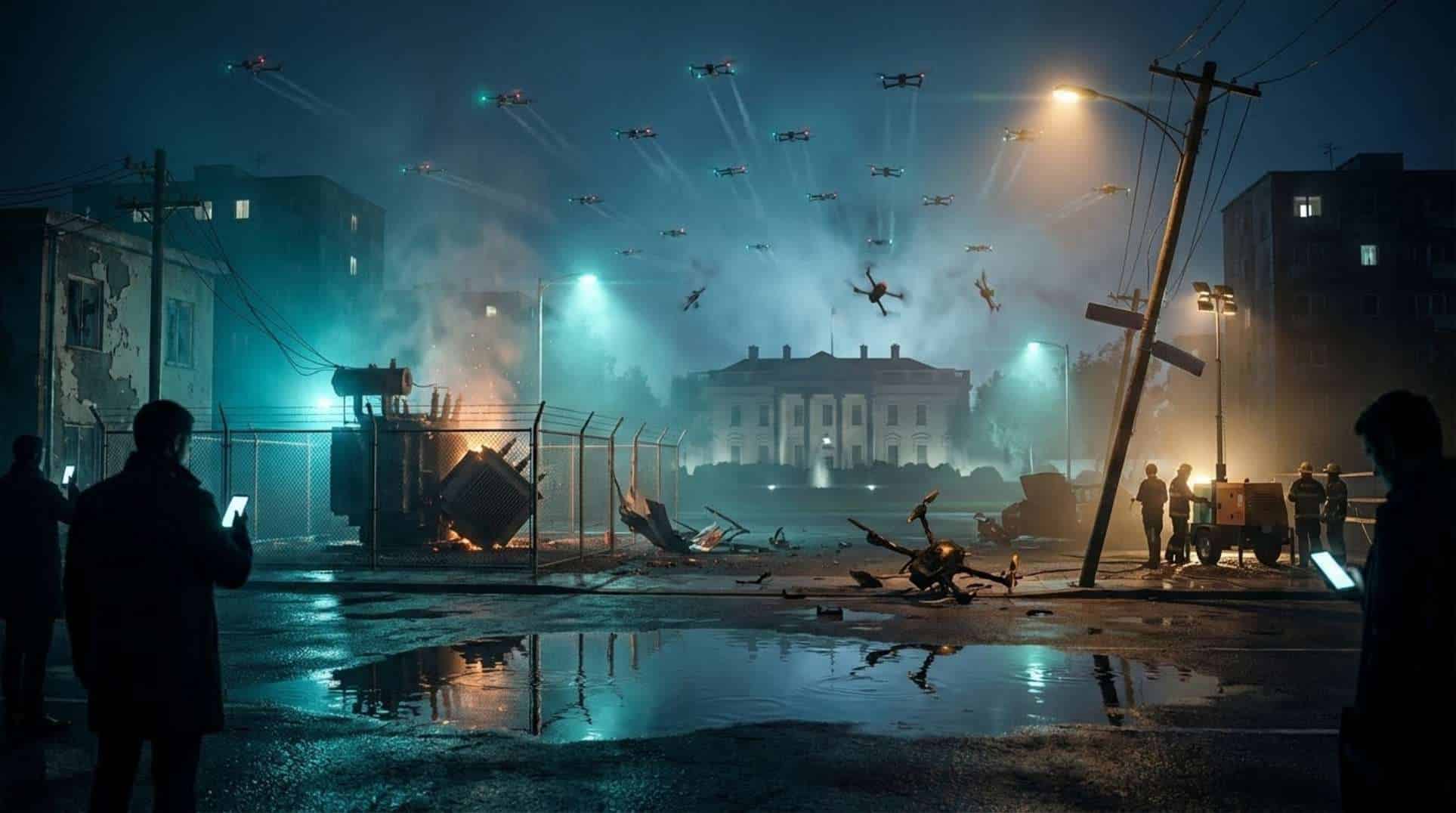
    Between December 28 and 30, 2025, parts of southeastern Moscow suburbs including Ramenskoye, Lytkarino, and Zhukovskoye experienced sudden power outages. Social channels filled with shaky videos of whole blocks in darkness, audio recordings of low mechanical hums, and reports of mobile-service disruption. Emergency crews and mobile generators were deployed; residents described a tense, confusing night as information spread rapidly online.

    Witness accounts and open-source signals

    Local Telegram channels published multiple clips showing unlit streets and people saying they heard drone-like noises overhead. Administrators and local media documented crew responses and posted statements from power authorities blaming a substation fire. The MoD posted its own material claiming drone wreckage near a presidential site.

    Independent verification is limited: no confirmed satellite thermal imagery or public radar/flight data have been published that clearly link a drone strike to the blackout. Analysts and OSINT investigators called for geolocation and metadata checks of the MoD footage and for raw telemetry from energy operators.

    Timeline and reported figures

    Event window: Dec 28–30, 2025, with official and social-media attention peaking Dec 30–31. Affected population estimates vary: some outlets cited about 100,000 people, others up to ~600,000. Russian official statements quoted dozens to a hundred-plus long-range drones; Kyiv denied involvement and urged independent checks.

    Official narrative vs available data

    Russian officials described a large-scale drone attack and provided footage they say shows downed drones near a presidential residence. Local energy companies and some authorities, however, described the incident as stemming from a substation fire, emphasizing infrastructure failure and emergency response.

    Analysts note three plausible explanations: 1) drones struck and directly or indirectly caused grid damage; 2) an unrelated substation fire caused the blackout while drone claims were exaggerated or opportunistic; or 3) a combination of an aerial event plus infrastructure failures. Current open-source material confirms the blackout occurred, but not causation.

    Implications

    Attribution matters for policy. If the blackout was caused by an attack, it could justify escalatory responses; if it was an accident, claims of an attack could be information operations intended to influence negotiations or public opinion. The event highlights the fragility of civilian infrastructure in contested environments and the difficulty of independently verifying state claims without raw data.

    Next steps for investigators

    • Obtain grid telemetry and outage logs from energy operators to map failure points and timings.
    • Search for satellite imagery (optical and thermal) from the nights in question to identify fires, explosions, or unusual heat signatures.
    • Geolocate and examine metadata of the MoD video and social-media posts to confirm time and place.
    • Request radar, ADS-B, or other flight-tracking data that might show low-altitude aerial activity.
    • Trace original Telegram posts and videos for consistent provenance and corroborating eyewitness accounts.

    Frequently Asked Questions

    Large power outages affected southeastern Moscow suburbs between Dec 28–30, 2025. Local authorities cited a substation fire; Russian officials claimed a drone attack. Independent attribution remains unresolved.

    Not yet. The MoD released footage it says shows wreckage, and social audio/video indicates aerial noise, but public geolocation, metadata validation, satellite imagery, and radar/flight data needed for robust attribution are not publicly available.

    Because state claims can serve political goals and because the available public evidence is incomplete. Analysts call for independent verification before concluding causation or intent.

    Misattribution could lead to unnecessary escalation, erode trust in public information, and obscure genuine security vulnerabilities in critical infrastructure.

  • Kremlin Drone Attack: False Flag or Real Strike?

    Kremlin Drone Attack: False Flag or Real Strike?

    Key Takeaways

    • What appears to have happened: The Kremlin reported an alleged drone strike on President Putin’s residence on December 29–30, 2025, framing it as an external provocation (sources: BBC, CNBC).
    • What verifiable evidence supports: Ukraine has denied responsibility, and no independently verifiable forensic evidence, such as imagery or fragments, has been released by Russian officials (sources: BBC, CNBC).
    • Main open questions: Who is truly responsible for the alleged incident, what forensic proof might emerge, and how this ties into separate developments like Russian tourist cancellations in Crimea and China’s encirclement drills around Taiwan?

    A Night the Headlines Tightened

    It was late December 2025, the kind of chill that seeps into bones while screens glowed with urgent updates. On December 29 and 30, terse Kremlin statements hit the wires, claiming a drone strike on President Putin’s residence. Press briefings spilled out clipped phrases about provocation and resolve. Meanwhile, a YouTube video titled “⚡ALERT: NATO TRIES TO KILL PUTIN?! False Flag!? RUSSIA CANCELS VACATIONS! CHINA SURROUNDS TAIWAN!” dropped on December 30, racking up views and shares. At the same moment, reports flooded in of China’s PLA running ‘Justice Mission 2025’ live-fire drills, encircling Taiwan from December 28 to 30. Telegram channels buzzed, YouTube comments exploded—speculation marketplaces thrived on fragments, not facts, amplifying a sense of tightening global knots.

    What Witnesses and Analysts Report

    Kremlin spokespeople like Dmitry Peskov and Yuri Ushakov described the alleged strike on Putin’s residence, linking it to external provocations or stalled negotiations. They presented it as a clear act of aggression. On the other side, Ukraine’s government and intelligence agency HUR flatly denied involvement, labeling the claims as fabrications. Local reports from summer 2024, via the Kyiv Independent, had already documented waves of Russian tourists canceling trips to Crimea amid security concerns. Social channels, including that specific YouTube video and Telegram threads, weave these into a broader narrative—suggesting NATO ties, false flags, and policy shifts like vacation cancellations. Analysts offer varied takes: some see the Kremlin’s words as signals for escalation, while others stress the need for hard forensic evidence before pinning blame. Field investigators and regional watchers argue these pieces might connect, but interpretations differ on motive—provocation, propaganda, or something else entirely.

    Timelines, Tracks, and Hard Data

    To cut through the noise, here’s a breakdown of key dates, claims, and what’s verifiable. Note the gaps: no public forensic evidence like geolocated imagery, radar logs, or munition fragments has surfaced for the alleged strike. Contextual notes include a September 2024 Kremlin order to expand forces to about 1.5 million active duty (Politico), which could influence leave policies. U.S. State Department travel advisories highlight risks in Russia, aligning with reported cancellations. Earlier, in July 2024, HUR and Kyiv Independent reported Crimea tourism drops as security spiked.

    Date Claim Primary Source Verifiable Evidence Present?
    Dec 29–30, 2025 Alleged drone strike on Putin’s residence BBC, CNBC (Kremlin statements) No (lacks forensic imagery, fragments, or logs)
    Dec 30, 2025 YouTube video posting composite narrative on strike, NATO, cancellations, and China drills YouTube platform timestamp Yes (video exists and circulates)
    Dec 28–30, 2025 PLA ‘Justice Mission 2025’ live-fire drills encircling Taiwan Reuters, BBC Yes (reported exercise zones and operations)
    July 2024 Waves of Russian tourist cancellations to Crimea Kyiv Independent, HUR statements Yes (documented reports)
    Sept 2024 Kremlin order to expand forces to ~1.5M active duty Politico Yes (reported order)

    Official Story vs. What the Data Suggests

    The Kremlin pushes a narrative of an outright strike, with Peskov and Ushakov using it to justify a harder line in negotiations. Ukraine counters with denials, and Western reporting highlights the absence of shared evidence, urging de-escalation. No direct NATO statements back the ‘assassination’ angle— that seems to stem from social amplification, like the YouTube video. One hypothesis: a real attack by an unidentified actor, but it needs forensics like imagery or radar data, which are missing. Another: a false flag to rally domestic support, fitting the quick rhetoric and evidence void, though motive alone doesn’t prove it. Or it could be misreporting, fueled by partisan outlets. On Russian leaves, cancellations in Crimea are documented, but no broad MoD order banning vacations has surfaced—plausible in context, yet unconfirmed nationally.

    What It All Might Mean

    Sticking to the firm ground: Kremlin claims of a strike on December 29–30, 2025, stand against Ukraine’s denial; China’s ‘Justice Mission 2025’ drills encircled Taiwan over those days; and Crimea saw tourism cancellations back in summer 2024, echoed in U.S. advisories. Gaps loom large—independent forensics or intelligence attributions could clarify. These threads matter: tales of attacks or setups can sway talks, public mood, and policies like troop leaves. With PLA moves in play, flashpoints might bleed into each other. Watch for Russian evidence releases, NATO documents on involvement, MoD leave orders, or assessments from Taiwan’s MND and Western intel on China’s aims. Weigh new data carefully; it could shift the picture without closing every question. The stakes are real in this web of signals and shadows.

    Frequently Asked Questions

    The Kremlin reported it on December 29–30, 2025, but Ukraine denied involvement. No independent forensic evidence has been released to verify the claims.

    Official statements from spokespeople like Peskov and Ushakov frame it as a provocation. However, verifiable forensics like imagery, radar logs, or fragments are absent from public reporting.

    The PLA’s ‘Justice Mission 2025’ live-fire exercises around Taiwan ran from December 28–30, 2025, overlapping with the strike reports. Social narratives tie them into a broader escalation picture, though direct links remain speculative.

    Reports from summer 2024 document waves of tourist cancellations to Crimea amid security concerns. No nationwide MoD order banning leaves has been confirmed, but force expansions and advisories suggest related caution.

    Look for releases of forensic evidence, official NATO statements on involvement, Russian MoD orders on leaves, and intelligence assessments of the PLA drills. New verifiable data could clarify attributions and risks.

  • Silver Surge & ‘System Crash’: What Really Happened

    Silver Surge & ‘System Crash’: What Really Happened

    Key Takeaways

    • The viral claim: A YouTube video from December 2025 titled “⚡WTF! The System CRASHED! SILVER Absolutely EXPLODES!!! EUROPE IS GOING TO WAR” links a supposed financial system crash to a silver price surge and imminent war in Europe.
    • Verified evidence: Silver hit record highs above $60 per troy ounce in December 2025 after a 102% gain that year, building on prior increases; the 2023 banking turmoil exposed real vulnerabilities, but official reports show no current “crash” and describe ongoing fragilities without alarmist language.
    • Unresolved questions: Was there any confirmed payment-system incident at the video’s timestamp? How much of silver’s rise stems from fundamentals versus speculative flows? Do multi-year security warnings truly signal immediate conflict?

    A Midnight Feed of Fears

    Picture it: 2 a.m., screens glowing in darkened rooms. Feeds scroll endlessly—market tickers flashing red, comment threads erupting. A video drops, title screaming urgency. It ties a silver spike to system failure and war drums in Europe. For many tracking financial shadows and global tensions, this isn’t just noise. It’s the emotional echo of 2023’s bank runs, when Silicon Valley Bank collapsed overnight. Amid real market highs in December 2025, with silver breaking $60 an ounce, these narratives spread like wildfire in bullion chats and alternative streams. They weave de-dollarization fears with conflict whispers, turning volatility into a sign of something breaking.

    What Witnesses and Analysts Report

    In the video, the host declares: “The system just crashed—silver is exploding, and Europe is heading straight into war.” Viewers echo this in comments: one from a bullion forum says, “This is the de-dollarization we’ve been warning about—silver’s surge proves the fiat game’s up.” Another, on a security thread: “Russia’s moves match the intel; war’s not if, but when.” Precious-metals circles see the price jump as proof of monetary cracks, with mining voices highlighting supply squeezes and solar demand. Security watchers reframe think-tank alerts on Russian risks into urgent calls, blending market data with geopolitical heat. We respect these views—they stem from patterns many have tracked for years.

    Timelines, Tracks, and Hard Data

    Let’s map the facts. The video hit YouTube in December 2025, racking up views quickly—timestamps show claims peaking around market closes. Silver prices confirm the surge: over $60 per troy ounce that month, following a 102% yearly gain on top of 21% in 2024 and 14% early 2025. Global demand hovered at 1.21 billion ounces in 2024, with low inventories and ETF inflows driving momentum. Banking history: March 2023 saw SVB and Signature fail amid liquidity runs and securities losses. Policy responses included $161.5 billion in BTFP loans by January 2024. Recent Fed updates note reduced vulnerabilities, but none report a “crash” matching the video’s timing—no verified central-bank or payment-system incidents align.

    Date Metric Value Source
    Dec 2025 Video Post Title: “⚡WTF! The System CRASHED! SILVER Absolutely EXPLODES!!! EUROPE IS GOING TO WAR” YouTube (e.g., https://www.youtube.com/watch?v=X1ZFLcPhqf0)
    Dec 2025 Silver Price >$60/oz record high; 102% gain in 2025 Washington Post, Reuters/Kitco
    2024 Silver Demand ~1.21 billion troy ounces Industry estimates
    March 2023 Banking Events SVB/Signature failures; First Republic stress IMF/Central bank analyses
    Jan 17, 2024 BTFP Loans $161.5 billion outstanding Public records
    Nov 2024 Banking Vulnerability Update Reduced but persistent fragilities New York Fed
    2024–2025 Security Warnings Elevated multi-year risk from Russia (5–8 years) Western assessments

    For deeper proof, check COMEX/LBMA daily prices and inventories—no intraday crashes match the video’s narrative.

    Official Story vs. What the Data Suggests

    Central banks and the IMF state that 2023’s failures revealed weak spots, fixed somewhat by policies, yet fragilities linger under stress—they avoid “crash” labels for today. Market analysts at Reuters and Kitco tie silver’s climb to industrial needs, low stocks, and investor bets, not a singular collapse. NATO and EU voices urge readiness against Russian threats over five to eight years, but they don’t forecast immediate war. Community takes widen these to now-or-never scenarios, bridging real data points with bolder links. The gap? It’s in interpretation: facts like price spikes and intel briefs get recast as causal chains, where officials see correlations at most.

    What It All Might Mean

    Silver’s December 2025 record stands as hard fact, demanding scrutiny amid 2023’s lingering banking scars. Open threads include: any hidden incident logs from that exact period? Silver’s drivers—fundamentals or fleeting trades? And do those security timelines compress into tomorrow’s fight? Verified ties via exchange data or leaked briefs could shift this from pattern to proof. It matters because blending events risks real-world ripples in markets and policy. Readers, stay sharp: let’s chase exchange logs, central-bank reports, COMEX intraday data, and public intel docs next.

    Frequently Asked Questions

    No verified reports confirm a “crash” at the video’s timing. Official analyses from the Fed and IMF note ongoing vulnerabilities from 2023 but describe the system as stable, not collapsed.

    Silver reached over $60 per ounce due to a mix of industrial demand, low inventories, and speculative flows, per analysts. Community views link it to broader monetary stress, but data points to fundamentals as key drivers.

    Intelligence assessments warn of elevated risks from Russia over five to eight years, calling for readiness. They don’t predict imminent large-scale conflict, though some interpretations frame it as immediate.

    The 2023 failures like SVB created a template for viewing later events as systemic threats. While policies addressed immediate issues, persistent fragilities amplify sensitivity to market moves like silver’s surge.

    Time-stamped logs of a payment-system incident, direct causal links in price data, or authenticated intel tying events together could validate it. Without that, it remains a narrative bridging separate facts.

  • World War 2026: What Jiang’s Prediction Gets Wrong

    World War 2026: What Jiang’s Prediction Gets Wrong

    Key Takeaways

    • A viral YouTube clip titled “In 2026 The World War Will EXPLODE” from a channel referencing @PredictiveHistory spreads a lecture by a Chinese academic named Professor Jiang, forecasting a major global conflict starting around March 2026.
    • Verifiable details include Norway’s Cold Response exercise set for 9–19 March 2026, NATO’s planned multi-domain drills like STEADFAST WOLF 2026, and precedents from large-scale exercises involving up to 90,000 personnel in 2024, as reported by AP and official sources.
    • Unresolved elements involve whether Jiang’s prediction stems from classified intel or pattern analysis, if the March 2026 date is a direct quote or a simplified interpretation, and whether these exercises signal offensive preparations or standard training.

    A Cold, Bright Line on Calendars

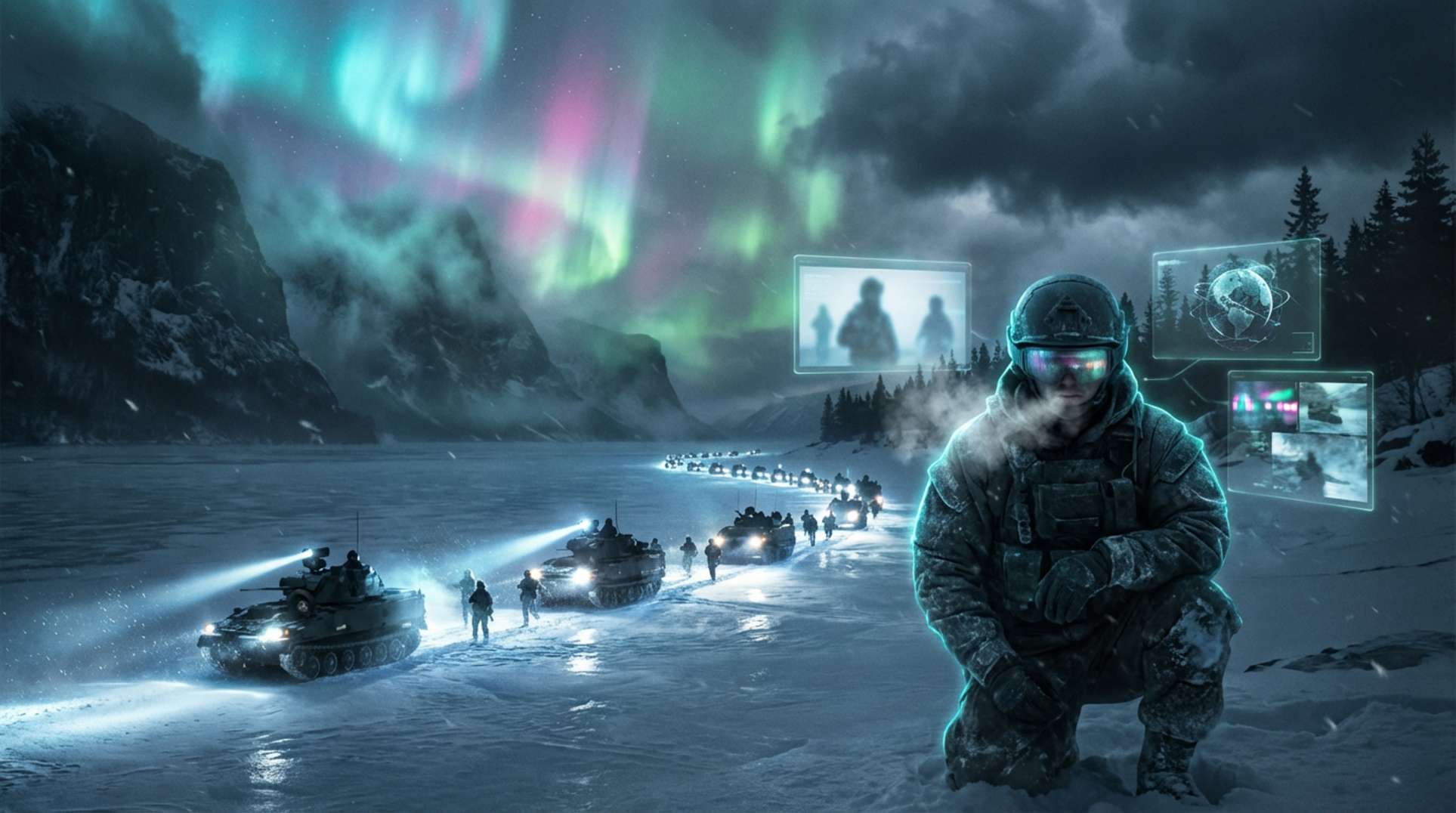
    Picture this: snow-swept fjords under a steel-gray sky, troops maneuvering in the arctic chill. Late winter in Norway, where military drills unfold like clockwork. Now, layer on the buzz from social feeds—clips flashing across screens, warnings of war exploding in 2026. That calendar slot, March 2026, starts to pulse with meaning for those tracking global tensions. It’s not just dates; it’s a rhythm building, drumbeats echoing through online discussions.

    The spark? A YouTube video titled “In 2026 The World War Will EXPLODE,” posted on a channel tied to @PredictiveHistory. It’s racked up views, reposts amplifying the message. Communities light up, pointing to Norway’s Cold Response 2026, locked in for 9–19 March by the Norwegian Armed Forces. A focal point emerges, sharp and undeniable, amid whispers of broader upheaval.

    What Witnesses and Analysts Report

    In the corners of social media where patterns get dissected, a narrative takes shape. Professor Jiang—often identified as Jiang Xueqin in clips and write-ups—lays out a stark vision. He warns of a U.S. ground move into Iran, sparking a cascade: alliances fracture, economies buckle, great powers clash. It’s not abstract; it’s pinned to timelines that communities are poring over.

    Original breakdowns suggest a 2027 invasion window, but viral clips and commentators push it earlier, eyeing March 2026 as the flashpoint. Voices in these spaces anticipate U.S.-Iran friction boiling over, supply lines snapping, unrest spreading. NATO drills? Some see rehearsals for the real thing; others, a show of strength to deter. Material circulates in fragments—snippets, translations, summaries—rarely the full lecture, leaving room for interpretation.

    Timelines, Tracks, and Hard Data

    Let’s ground this in what’s public and checkable. Start with the viral core: that YouTube clip from @PredictiveHistory, pushing the 2026 explosion narrative. Broader coverage appears in outlets like the Times of India, recapping Jiang Xueqin’s lecture. Substack pieces break down his predictions, framing them against global shifts.

    Official calendars offer anchors. Norway’s Forsvaret confirms Cold Response 2026 for 9–19 March, expecting 20,000–25,000 participants. NATO’s Joint Warfare Centre outlines a 2026 slate, including the CBRN-focused STEADFAST WOLF and other multi-domain efforts. For scale, recall AP’s coverage of 2024 exercises pulling in about 90,000 troops across series. U.S. DoD FY2026 budget docs outline preparedness for threats, but no war timetables. Intelligence assessments, like the 2025 Worldwide Threat summaries, track risks in cyber, WMD, and state rivalries—trends, not dated prophecies.

    Exercise Name Date Range Estimated Participants Source
    Cold Response 2026 9–19 March 2026 20,000–25,000 Forsvaret (Norwegian Armed Forces)
    STEADFAST WOLF 2026 2026 (specific dates TBD) Not specified NATO Joint Warfare Centre
    2024 NATO Exercise Series (Precedent) 2024 ~90,000 AP Reporting

    Official Story vs. What the Data Suggests

    Institutions paint a straightforward picture. NATO and national forces describe Cold Response and STEADFAST exercises as training grounds—building interoperability, honing deterrence. Forsvaret and NATO JWC statements emphasize routine readiness, not countdowns to conflict. U.S. DoD FY2026 docs focus on strategic competition, budgeting for contingencies without tipping operational hands. Intelligence reports map ongoing threats, avoiding fixed timelines for world wars.

    Yet communities read between those lines. Exercises become rehearsals, budgets signal hidden plans. The data fits both views to a point: public schedules align with deterrence needs, but their scale and timing fuel speculation. Where it stretches? No leaked intel or eyewitness accounts pin a March 2026 invasion. Clips and translations often strip context, turning analysis into stark warnings. It’s a gap—official calm versus amplified foreboding—that demands scrutiny.

    What It All Might Mean

    Patterns emerge clearly: Jiang Xueqin’s forecast, viral and reshaped, intersects with real March 2026 exercises, stoking widespread attention. That’s the solid ground. Questions linger, though. Who’s Professor Jiang exactly, and what’s his method for those dates? Do independent signs back a 2026 invasion timeline? How do we tell training from prelude? And how much do edits and algorithms warp the original message?

    This matters beyond the claim itself. Forecasts like this mold how we see risks, potentially swaying politics and readiness. They highlight how defense routines feed into online narratives, creating feedback loops. For those digging deeper, next moves could include chasing full lecture transcripts, vetting Jiang’s background, pressing NATO and Forsvaret on exercise goals, and querying DoD on any matching indicators. The calendar ticks; the investigation continues.

    Frequently Asked Questions

    The claim, spread via a YouTube clip, attributes to Professor Jiang a forecast of a U.S. ground intervention in Iran triggering wider collapse and potential great-power war, with timelines pointing to as early as March 2026 in some interpretations.

    Yes, Norway’s Cold Response is scheduled for 9–19 March 2026 with 20,000–25,000 participants, per Forsvaret. NATO plans include STEADFAST WOLF 2026 and other drills, building on large-scale precedents like 2024 exercises with ~90,000 personnel reported by AP.

    Official statements from NATO and national militaries frame them as training for interoperability and deterrence, not preparations for offensive operations. U.S. DoD documents emphasize preparedness without specifying war timelines.

    Key uncertainties include whether Jiang’s date comes from classified sources or analysis, if March 2026 is an exact quote or a reframing, and how to differentiate routine drills from potential rehearsals. No independent leaks corroborate a specific invasion plan.

    It demonstrates how public exercises and online predictions interact, shaping perceptions of risk and possibly influencing real-world responses. Even without proof, it highlights tensions in global information flows.

  • Russian Spy ‘Escalation’ Video: What Really Checks Out

    Russian Spy ‘Escalation’ Video: What Really Checks Out

    Key Takeaways

    • A viral YouTube video alleges that a high-ranking Russian intelligence officer warns of a major escalation within one month, claiming many recent events are ‘fake’ or staged.
    • Independent data supports public warnings in 2025, including former President Trump’s alerts to Putin about escalation and retaliation, as reported by Reuters and TIME, alongside Russian intelligence figures signaling readiness to respond, per NBC News.
    • Unresolved questions include the unidentified status of the alleged officer, lack of concrete indicators for a specific one-month escalation, and the broader contamination of the information environment by deepfakes and state-linked campaigns.

    A Viral Warning Beneath the Static

    Picture this: amid the crackle of digital feeds and the fog of war, a video surfaces. It cuts through the noise like a signal from the shadows. This clip, uploaded to YouTube, presents an unnamed high-ranking Russian intelligence officer delivering a stark warning—major escalation in the next month, with assertions that many recent events are fabricated or staged. All this unfolds against a backdrop of real-world tensions, where 2025 has brought a sharp rise in violence. The Atlantic Council, drawing from UN monitoring, reports a 27% increase in Ukrainian civilian casualties over the first ten months of the year. Platforms like YouTube have been purging coordinated propaganda channels, as noted in CNBC reports from July 2025. Yet experts keep sounding alarms about weaponized deepfakes and fabricated visuals, turning the media landscape into a minefield.

    What Witnesses and Analysts Report

    Across the spectrum, voices are piecing together the puzzle. The viral narrative centers on this alleged Russian intelligence insider, who warns of imminent escalation and labels publicized incidents as fake or staged. Pro-Russia channels push it hard, highlighting supposed insider access. Anti-war Russian exiles share it with cautions, drawing on patterns they’ve tracked. Independent OSINT groups dissect it, often demanding primary sources, metadata, geolocation, and voice analysis—checks that leave many similar claims uncorroborated. Western commentators weigh in too, pointing to historical precedents like U.S. warnings in 2022 about fabricated videos used to justify aggression. These groups emphasize different angles: some see credible signals, others potential manipulation. Witnesses and analysts alike treat these clips with a mix of urgency and scrutiny, shaped by past deceptions.

    Timelines, Tracks, and Hard Data

    To ground this, let’s map the verifiable elements. The YouTube video, titled ‘⚡ALERT! “Its All FAKE”, MAJOR Escalation in One Month- Warns Russian SPY- Trump Warns Putin!’, sits at https://www.youtube.com/watch?v=eIwGbbsuv-8, indexed on 2025-12-08. From the uploader’s channel, the description frames it as an urgent insider alert, with a transcript echoing warnings of faked events and looming escalation. Public statements add layers: Reuters covered Trump’s ‘playing with fire’ remark on 2025-05-28, published the next day. TIME reported Trump’s warning that Putin plans to retaliate ‘very strongly’ on 2025-06-04. On the Russian side, NBC News detailed Sergei Naryshkin’s statements about Russia and Belarus ready to act over European escalation, dated 2025-04-16. Battlefield trends show the Atlantic Council’s citation of UN data on a 27% rise in Ukrainian civilian casualties for the first ten months of 2025. Manipulated media has precedent, like the 2022 U.S. warning about fabricated videos for justifying aggression, tracked by the Atlantic Council and Securing Democracy. Platform actions include Google/YouTube’s removals of state-linked propaganda in July 2025, per CNBC. Open reporting notes escalatory incidents, such as a Russian ship allegedly pointing lasers at RAF pilots, via BBC.

    Date Source Description
    2025-12-08 YouTube (https://www.youtube.com/watch?v=eIwGbbsuv-8) Viral video indexed, alleging Russian spy warning of escalation and fake events.
    2025-05-28 Reuters Trump’s ‘playing with fire’ remark warning Putin.
    2025-06-04 TIME Trump warns Putin plans strong retaliation.
    2025-04-16 NBC News Sergei Naryshkin signals Russia/Belarus readiness to respond.
    2025 (first 10 months) Atlantic Council (UN data) 27% rise in Ukrainian civilian casualties.
    July 2025 CNBC Google/YouTube removes state-linked propaganda channels.
    2022 Securing Democracy/Atlantic Council Warning about fabricated videos for justifying aggression.

    Official Story vs. What the Data Suggests

    Institutional voices paint a picture of escalating risks. Mainstream outlets like Reuters and TIME document U.S. leaders’ public warnings to Russia in 2025. NATO and UN monitors, along with Western think tanks, track rising strikes and civilian harm, explicitly calling out information-war tactics. Platforms report aggressive removals of coordinated propaganda, as in CNBC’s July 2025 coverage, but admit that enforcement and tracing origins aren’t foolproof. Russian officials, through state channels and figures like Naryshkin via NBC, frame Western and Ukrainian actions as provocations, signaling readiness—these are public postures, not verified plans. Community interpretations vary: some see anonymous clips as genuine leaks or deliberate plants. OSINT trackers hunt for corroboration, aware that staged incidents and deepfakes have real precedents, just as actual escalations do. Gaps persist where incentives to shape narratives clash with incomplete evidence.

    What It All Might Mean

    The firm ground here includes the viral video’s existence and circulation, public warnings from senior figures like Trump and Naryshkin in 2025, monitored increases in civilian harm, and the established use of deepfakes in this arena. Questions linger on the alleged officer’s identity and provenance, specifics of the ‘one-month’ escalation—be it troop shifts, provoked incidents, or propaganda surges—and evidence for or against labeled ‘fake’ events. Circulation patterns raise flags: is it organic or boosted by state-linked efforts? This matters deeply. Such claims can echo real signals or spark unwarranted panic, potentially serving as pretexts. Triangulating with OSINT and monitors remains key to distinguishing warning from deceit in a high-stakes game.

    Frequently Asked Questions

    The video alleges a high-ranking Russian intelligence officer warns of a major escalation within one month and asserts that many recent events are fake or staged. It was uploaded to YouTube and indexed on 2025-12-08.

    Yes, mainstream reports document public warnings in 2025, such as Trump’s alerts to Putin via Reuters and TIME, and Russian intelligence signaling via NBC. Independent monitors also note a 27% rise in Ukrainian civilian casualties, per the Atlantic Council.

    The alleged officer remains unidentified and uncorroborated, with no concrete indicators for the one-month timeline. The information space is tainted by deepfakes, staged incidents, and platform campaigns, as tracked by experts.

    Officials have issued public warnings about escalation and information tactics. Platforms like YouTube have removed state-linked propaganda channels, as reported by CNBC in July 2025, though enforcement has limits.

    Focus on verifying the officer’s identity, signs of escalation like troop movements or provocations, and whether circulation is organic or amplified. Triangulating with OSINT and monitors helps separate signals from manipulation.

  • Île Longue Drone Swarm: What France Isn’t Saying Yet

    Île Longue Drone Swarm: What France Isn’t Saying Yet

    Key Takeaways

    • On the evening of 4 December 2025, up to five unidentified small drones were detected flying over the Île Longue naval base on the Crozon peninsula, which houses France’s SSBN fleet (AFP/Politico; Le Monde).
    • French authorities say base protection units used electronic countermeasures, described as a ‘tir de brouilleur’ or jamming, and that no drone was confirmed shot down nor any pilot identified; a military judicial investigation was opened by the Rennes prosecutor (Franceinfo / France24 / Le Monde).
    • Social and influencer posts, notably a David Hookstead YouTube clip, claim NATO or allied forces opened fire on ‘Russian aircraft’—a claim not corroborated by French official statements or major outlets. Key open questions remain about launch origin, UAV purpose, and whether any kinetic intercepts occurred.

    A Dark Tide Above a Quiet Base

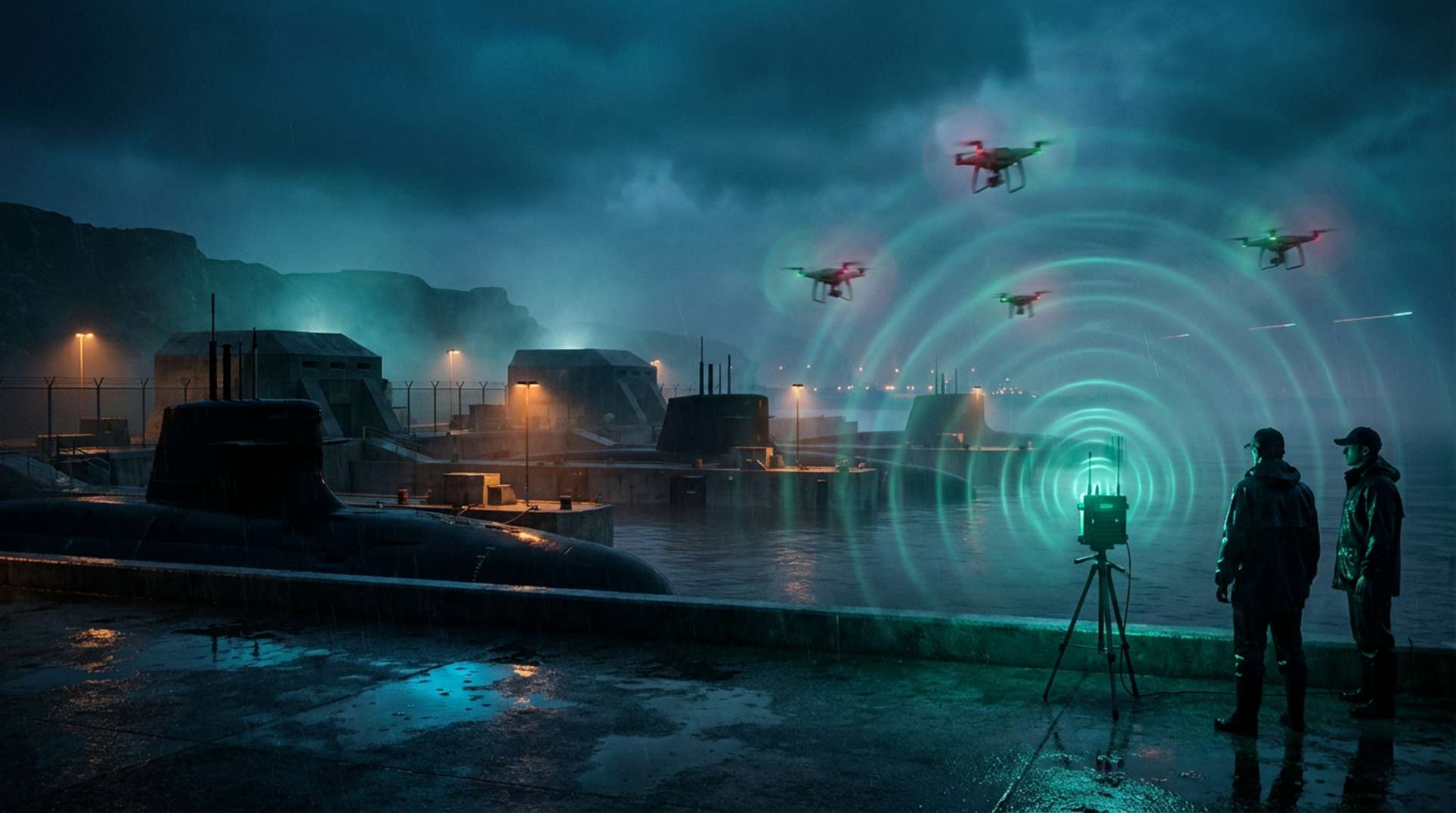
    The evening of 4 December 2025. Thursday night, around 19:30 local time. Shadows stretch over the Crozon peninsula in Finistère, Brittany. Here sits Île Longue, the fortified heart of France’s ballistic missile submarines—SSBNs that carry the weight of nuclear deterrence. Coastal guards stand vigilant. Then, lights flicker in the sky. Uninvited. Reports spread online, whispers of intrusion. The air thickens with tension, echoing recent drone sightings across Europe in 2025. Fusiliers marins and the maritime prefecture mobilize. Community nerves fray. What pierced the perimeter that night?

    What Witnesses and Analysts Report

    Accounts pour in from multiple angles. Local and national French media relay gendarmerie and maritime prefecture details: multiple small drones detected, base protection units stepping in with counter-drone measures (Le Monde / France Bleu / Liberation). Military voices, like a maritime prefect spokesman and Frigate Capt. Guillaume Le Rasle, describe the UAVs as small, non-threatening to core infrastructure, handled through standard protocols (Defense News / Liberation). Witnesses in the area speak of flashes or sounds that might suggest shots, though these remain anecdotal and sometimes at odds with each other.

    On social channels, the story amps up. Influencers like David Hookstead push videos claiming NATO fired on Russian aircraft—dramatic, but without backing from French officials or major outlets. Russian and pro-Russian sources spin it as either a bungled defense or hysterical Western response. We respect these varied perspectives; they highlight conflicts in the narrative that demand scrutiny.

    Timelines, Tracks, and Hard Data

    Let’s pin down what we can verify. The incident hit on the evening of 4 December 2025, reported as Thursday night around 19:30 local (Defense News / Politico). Location: Île Longue naval base on the Crozon peninsula in Finistère, Brittany—home to France’s SSBN force (Le Monde / The Aviationist). Reports vary on drone count, but up to five were detected by technical means (Politico / Defense News).

    Response involved electronic countermeasures, termed ‘tir de brouilleur’ or jamming; headlines sometimes blur this with ‘opened fire,’ but officials confirm no firearms-based shoot-downs (Franceinfo / France24 / Le Monde). Outcome: no downed drones confirmed, no pilot ID’d, and a military prosecutor in Rennes launched an investigation (France24 / Le Monde). This fits a 2025 trend of UAV incursions over European sensitive sites, like the Polish/NATO engagement in September (Reuters / AP).

    Date Location Reported # UAVs Claimed Response Confirmed Outcome Strategic Significance
    Evening of 4 Dec 2025 (~19:30 local) Île Longue, Crozon peninsula, Finistère Up to 5 Electronic jamming (‘tir de brouilleur’) No shoot-downs; investigation opened Houses France’s SSBN nuclear fleet

    Gaps persist—radar logs, prosecutor statements, defense press releases. These are spots for follow-up.

    Official Story vs. What the Data Suggests

    French authorities hold firm: Parquet de Rennes and the maritime prefecture report detection of several small drones, jamming deployed, no downed craft confirmed, investigation underway, no finger pointed at foreign actors (Le Figaro / France24 / Le Monde). They stress it was handled routinely.

    Yet media and public buzz shifts the language—’opened fire’ or ‘shots fired’ creeps in, mixing electronic jams with possible kinetic action (Euronews / France Bleu / Liberation). Unconfirmed assertions from influencers tie it to Russia or claim NATO shots at aircraft, but French statements and major outlets don’t support this. Analysts eye patterns like ‘shadow fleet’ launches from ships, plausible but unproven without debris or telemetry.

    We mark these divergences clearly. Official records set the baseline, while community inferences push us to question where details thin out.

    Questions That Still Need Answers

    Several threads dangle. Who sent these drones? No attribution yet—no radar logs, signal intercepts, or debris linking to anyone (open question). What was their aim? Recon, harassment, or something armed? Technical details withheld.

    On countermeasures: jamming confirmed, but ‘open fire’ phrasing lingers—will the prosecutor clarify if shots were fired or debris recovered? Intelligence angle: no ties to Russian forces or shadow fleets published; NATO stays silent on involvement.

    Broader ripples: could this reshape NATO rules for site defense? Precedents like Poland’s September 2025 case hint at evolving tactics. Checklist for pursuit: chase prosecutor findings, expert forensics, declassified logs.

    What It All Might Mean

    Boil it down: confirmed detections over Île Longue on 4 December 2025, countered electronically, no shoot-downs, probe ongoing (France24 / Le Monde / Defense News). But origins, intent, and capabilities remain shrouded—could they be scouts or worse?

    This strikes at France’s nuclear core, stirring safety and deterrence worries. If UAV probes persist, trust in military openness erodes, escalation risks climb. Watch for Rennes prosecutor updates, maritime tech releases, radar data drops, NATO policy shifts on counter-UAV engagement.

    Frequently Asked Questions

    Up to five unidentified small drones were detected over the naval base, which houses France’s SSBN fleet. Authorities responded with electronic jamming, and no drones were confirmed shot down. A military investigation is underway.

    Claims from influencers like David Hookstead suggest this, but French official statements and major outlets do not corroborate it. No NATO involvement has been confirmed, and the incident involved small drones, not aircraft.

    French authorities describe using ‘tir de brouilleur’ or jamming as the primary response. Some reports mention ‘opened fire,’ but officials confirm no kinetic shoot-downs occurred. The ongoing investigation may clarify details.

    Île Longue is central to France’s nuclear deterrent, so UAV incursions raise security and escalation concerns. It fits a 2025 pattern of similar events in Europe, testing military responses and public trust.

    No public attribution has been made, and forensic evidence like debris or signals is not yet released. Speculation exists in social media, but official sources have not connected it to any state actors.

  • Putin’s War Warning: Rhetoric or Real NATO Showdown?

    Putin’s War Warning: Rhetoric or Real NATO Showdown?

    Key Takeaways

    • Vladimir Putin’s statement on 2 December 2025, declaring Russia “ready” for war if Europe wanted one, escalated tensions amid NATO’s visible preparations like the Steadfast Defender exercise involving around 90,000 troops and forward battlegroups on the eastern flank.
    • Strongest evidence includes Reuters reporting of Putin’s remark, NATO’s public designation of Russia as the most significant direct threat, and institutional analyses from ISW and Atlantic Council highlighting Russian capability gaps despite reconstitution efforts.
    • Unresolved questions focus on whether this is genuine intent or rhetorical posturing, Russia’s capacity for sustained operations against NATO, and the origins of social media incidents—state-directed, opportunistic, or misattributed.

    A Cold Night and a War-Ready Phrase

    Picture a chill settling over Moscow on 2 December 2025, as Vladimir Putin delivers his line: Russia is “ready” for war if Europe wants one. The words hit the wires via Reuters, spreading like frost across screens in Berlin, Warsaw, and beyond. Europe woke to a split reaction—some saw it as the spark of imminent conflict, others as calculated bluff, a diplomatic shove. In our circles, those tracking security edges and anomalous events, the buzz was immediate. Telegram channels and local feeds erupted with speculation, blending fear with sharp-eyed questions about what lay beneath the surface. The mood? A tense watchfulness, like waiting for shapes to form in the fog.

    What Witnesses and Analysts Report

    From the ground up, reports have been piling in. Witnesses in the Baltic and Black Sea regions describe undersea anomalies—unexplained disturbances that some tie to sabotage. Cyber intrusions have spiked too, with local reporters noting patterns that echo state-level ops. Isolated incidents, like disrupted infrastructure, surfaced through 2024 and into 2025, shared in community forums as potential markers of bigger plays.

    Analysts point to Telegram’s role here. Open-source pieces from Euronews, SLDInfo, and MIT Technology Review detail how the platform hosts recruitment drives and influence campaigns linked to Russian interests. These aren’t just whispers; they’re documented threads pulling at the fabric of information warfare.

    Yet, context matters. Independent researchers note that Kremlin rhetoric often surges around diplomatic pivots or home-front politics. When interpreting Putin’s December 2025 comment, community voices treat these spikes as data, weighing them against firsthand accounts without rushing to judgment. It’s a mosaic—respect the pieces, question the picture.

    Timelines, Tracks, and Hard Data

    To cut through the noise, let’s anchor to what’s verifiable. Putin’s exact words came on 2 December 2025: Russia is “ready for war if Europe wants one,” as reported by Reuters. NATO’s response has been building— the Steadfast Defender exercise, announced in 2024, involved about 90,000 troops. Their posture includes eight multinational battlegroups on the eastern flank, with public statements calling Russia the most significant direct threat.

    Numbers tell part of the story. NATO’s combined active personnel sits around 3.4 million, dwarfing Russia’s 1.3 to 1.5 million, based on 2024-2025 snapshots from Statista and Visual Capitalist. Cyber fronts are active too: in July 2025, NATO publicly condemned malicious activities attributed to Russian military intelligence.

    Institutional takes from ISW and the Atlantic Council highlight Russia’s reconstitution push but flag logistics and capability gaps, with timelines shrouded in uncertainty.

    Date Event/Statement Source Why It Matters
    2024 NATO Steadfast Defender exercise announced (~90,000 troops) Reuters Signals heightened readiness and deterrence against perceived threats.
    July 2025 NATO condemns cyber activity attributed to Russian military intelligence NATO official text Highlights ongoing hybrid threats and attributes them directly.
    2 December 2025 Putin states Russia is “ready for war if Europe wants one” Reuters Escalates rhetoric, prompting questions on intent versus signaling.
    2024–2025 Russian reconstitution efforts with noted capability gaps ISW, Atlantic Council Reveals potential limits on sustaining large-scale operations.

    Official Story vs. What the Data Suggests

    Officials paint a steady picture. NATO insists it doesn’t seek confrontation but stands firm, bolstering defenses through battlegroups and exercises while labeling Russia the top threat. Government responses varied in the press—Reuters and the Guardian captured some dismissing Putin’s words as bluff, others pushing for more Ukraine aid and vigilance.

    Data backs parts of this: hard metrics on troop numbers and exercises support the deterrence claim. But analysts from ISW and the Atlantic Council add layers, noting Russia’s rebuild faces real hurdles in logistics and organization—timelines aren’t clear-cut.

    Community takes diverge. Some channels read the rhetoric as a live wire, a true threat signal. Others see it as domestic theater or bargaining chip, shaped by past patterns. Where officials downplay, these interpretations spotlight gaps—speculation fills them, but evidence sets the bounds. It’s a push-pull: trust the anchors, probe the shadows.

    What It All Might Mean

    Boil it down: Putin’s 2 December 2025 statement stands as a verifiable flashpoint, matched by NATO’s exercises, battlegroups, and documented cyber ops tied to influence campaigns. These are the solid threads.

    Questions linger. Is this intent or just words? Can Russia sustain multi-front pushes given logistics strains? What’s the line for NATO involvement? And how many of those social media incidents trace back to state actors versus lone wolves?

    Watch these signs: reserve mobilization orders, jumps in rail and transport activity, shifts in ammunition stockpiles, forward unit deployments, intelligence leaks, cyber attack patterns, and confirmed sightings of troop movements. Track them closely—they could separate bluster from buildup.

    This matters deeply. Misread rhetoric as action, and Europe faces needless panic; dismiss it, and preparations falter. For NATO, it’s about alliance strength; for eastern flank civilians, it’s daily reality. And for us tracking anomalies, it’s sorting signal from noise in a high-stakes game.

    Frequently Asked Questions

    Yes, on 2 December 2025, Vladimir Putin publicly stated that Russia was “ready” for war if Europe wanted one, as reported by Reuters. This remark amplified quickly across media, sparking debates on whether it was a genuine threat or rhetorical signaling.

    NATO’s actions include the Steadfast Defender exercise with about 90,000 troops announced in 2024, and eight multinational battlegroups on the eastern flank. They have publicly called Russia the most significant direct threat and condemned cyber activities attributed to Russian military intelligence in July 2025.

    Reports of cyber intrusions, undersea anomalies, and sabotage-style events have surfaced in 2024–2025, with some tied to Russian interests via platforms like Telegram. However, open questions remain about which are state-directed versus opportunistic or misattributed, as noted by analysts.

    Responses were mixed: some officials labeled it as rhetoric or bluff, while others called for increased vigilance and support for Ukraine, according to coverage in Reuters and the Guardian. NATO maintained it does not seek confrontation but has strengthened defenses.

    Monitor reserve mobilization notices, spikes in rail and transport logistics, changes in stockpiles, unit deployments, intelligence leaks, cyber patterns, and verified troop movements. These could indicate if rhetoric is shifting toward action.

  • Russia’s ‘Nuclear Night’: Policy Shift or Deadly Signal?

    Russia’s ‘Nuclear Night’: Policy Shift or Deadly Signal?

    Key Takeaways

      • Russia updated its nuclear-use policy on November 18–19, 2024, broadening language and increasing public signaling (Arms Control Association; NBC News).
      • Markets showed a risk-off response around these signals: global equities fell while bonds and safe-haven currencies gained, reported by The Guardian on November 19, 2024; academic work documents a “proximity penalty” for stocks near Ukraine.
      • Major uncertainties remain: whether doctrinal shifts lower actual thresholds for use; how reliable viral “mushroom cloud” videos are as evidence of radiological events; and what legal, operational, and political constraints would limit NATO responses.

    The Night the Sky Looked Nuclear

    Social media filled with dramatic clips: towering, mushroom-shaped fireballs and massive plumes after large explosions. Eyewitnesses linked the footage to strikes on depots, airfields, and industrial sites. The timing overlapped with heightened Russian nuclear signaling following policy changes in November 2024 and earlier tactical-nuclear drills in May 2024, and markets reacted with visible risk-off moves. In the fog of those hours, visual horror, rumor, and geopolitical fear amplified one another.

    Witness Accounts and Independent Analysis

    Many frontline witnesses and citizen journalists interpreted the mushroom-shaped plumes as indicative of nuclear or radiological detonations, especially when strikes hit sites thought to contain nuclear materials. Typical evidence included shaky videos, photos of large plumes, and reports of intense thermal flashes.

    However, independent analysts, monitoring groups, and the IAEA caution that large conventional explosions, fuel or munitions conflagrations, and blast-driven fireballs can mimic mushroom-like shapes without any radiation release. In several high-profile viral cases, follow-up checks found no radiological signatures or produced inconclusive results.

    Timeline, Sources, and Market Signals

    Summarizing verifiable points helps separate signal from noise. Key public items include: Russia’s May 2024 tactical-nuclear drills (reported by Al Jazeera); the November 18–19, 2024 doctrinal update (Arms Control Association; NBC News); and market coverage and analysis (The Guardian; academic studies on proximity effects).

    Date Event Source Market Signal
    May 6, 2024 Drills including tactical nuclear practice announced. Al Jazeera Baseline (pre-escalation)
    November 18–19, 2024 Russia revises and publicizes broader nuclear-use language. Arms Control Association; NBC News Global equities fall; bonds and safe-haven currencies rise (The Guardian)
    December 1–2, 2025 NATO official states the alliance is “studying everything,” including potential pre-emptive options. Reuters; The Independent Statement-driven volatility risk
    2024–2025 U.S. reports and CRS analyses document upgrades to Russia’s non-strategic nuclear posture. U.S. State Department; CRS Persistent proximity-driven risk patterns

    Primary documents (doctrinal texts, official translations) and radiation-monitoring data remain the most decisive evidence to collect for confirmation.

    Official Statements vs. Measured Data

    Moscow frames doctrinal changes as responses to perceived Western escalations (long-range weapons, force posture). NATO and allied officials have responded with public ambiguity; some leaders have discussed studying more forceful options, prompting diplomatic pushback from Moscow. Open-source and governmental monitoring bodies emphasize that visuals alone are insufficient to demonstrate a radiological incident and call for measured verification.

    Where independent follow-ups were possible, many viral claims of nuclear detonations were not corroborated by radiation readings or by forensic analysis of blast signatures.

    How Markets Reacted

    Narrative shocks and explicit signaling drove rapid financial reactions. In November 2024, heightened nuclear rhetoric coincided with risk-off trades: equity indices fell, government bonds rallied, and safe-haven currencies strengthened. Empirical research documents larger negative abnormal returns for firms and markets closer to conflict zones—termed a “proximity penalty.” The intensity and persistence of market moves depend on whether the episode resolves quickly or escalates further.

    Interpretation and Remaining Questions

    What is clear: Russia publicly broadened its nuclear-use language in November 2024, and populist visual shock events can trigger measurable market dislocations. What is uncertain: whether the doctrinal shift meaningfully lowers real-world thresholds for nuclear employment; the actual size and distribution of Russia’s non-strategic arsenal; and how reliably open-source videos indicate radiological harm.

    Practical next steps for analysts and policymakers: obtain and translate the full doctrinal text; collect and publish any available radiological monitoring data; develop a time-stamped strike-to-viral-to-market dataset; and analyze legal and operational constraints on potential NATO measures.

    Frequently Asked Questions

    Russia codified broader nuclear-use language on November 18–19, 2024, increasing public signaling, according to Arms Control Association and NBC News. This followed earlier tactical-nuclear drills in May 2024 (Al Jazeera).

    Witnesses often interpret them that way, but independent analysts and the IAEA note that large conventional explosions can produce similar plumes without radiological release. Many viral claims have been disputed or remain unverified without radiation data.

    During the November 2024 signaling, global equity indices dropped while bonds and safe-haven currencies rose (The Guardian). Academic studies find larger negative impacts for markets and firms closer to the conflict zone.

    Moscow frames its updates as defensive responses; NATO officials have publicly discussed contingency options. U.S. government reports acknowledge doctrinal changes but emphasize significant intelligence gaps about operational thresholds.

    Open questions include whether doctrinal language translates into lower real-world thresholds for nuclear use, how often viral footage aligns with radiological events, and what operational constraints would limit pre-emptive responses. Independent, verifiable radiation monitoring and classified inventory data remain the critical gaps.

  • Kyiv’s Vanishing Skyline: Blackout, Not the Paranormal

    Kyiv’s Vanishing Skyline: Blackout, Not the Paranormal

    Key Takeaways

    • A Kyiv resident wakes to an unprecedented, total blackout of the skyline, in a city already used to rolling outages and air raids.
    • Russia has systematically targeted Ukraine’s power grid since 2022, including a December 2015 cyber-attack impacting over 230,000 people and massive missile/drone strikes in August and November 2024 that triggered widespread blackouts and 10–12-hour daily outages in some periods.
    • Gaps persist around how cyber and physical attacks interact, whether any unusual environmental or electromagnetic phenomena accompany these events, and how the psychological ‘high-strangeness’ of a modern capital going fully dark shapes witness perception and folklore-like narratives.

    The Morning After a Vanished Skyline

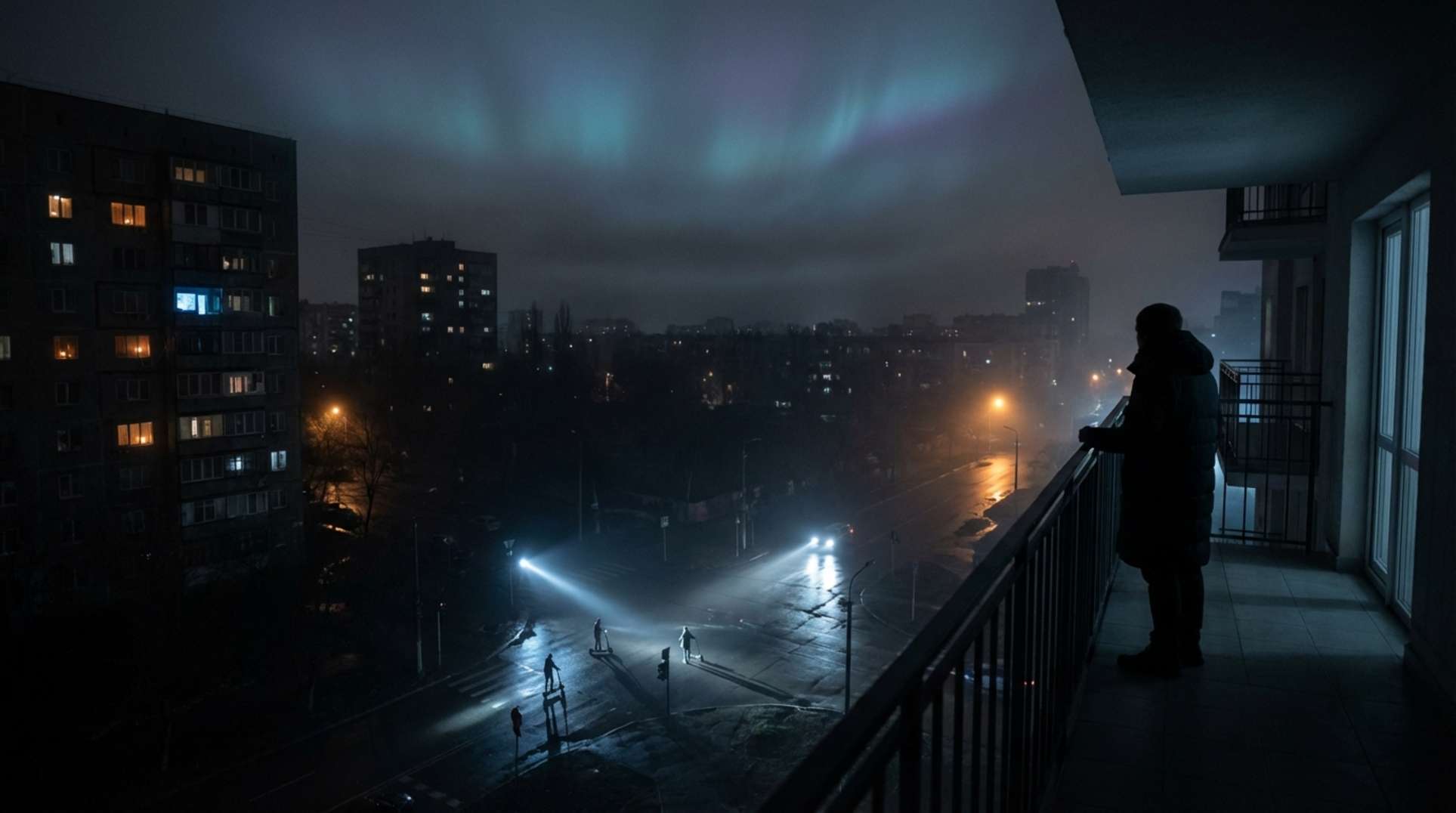
    Imagine stirring awake in Kyiv, a sprawling European capital where, even amid war, the night usually holds some flicker of life—headlights cutting through the streets, isolated windows glowing, a distant urban hum. But on this morning, nothing. The skyline is gone, swallowed by absolute black. No outlines of high-rises, no horizon glow. Streets below rely on flashlight beams and the occasional car headlight. The usual city noise? Replaced by an eerie quiet, broken only by footsteps and murmured voices.

    This isn’t new territory entirely. Rolling blackouts have hit Kyiv hard since June 2024, with some periods stretching to 10-12 hours a day. Residents adapt, timing their lives around power schedules. Yet this scale feels different. Total. The darkness presses in, mixing disorientation with a strange resilience—folks fire up generators, light candles, charge power banks. No panic, just quiet determination. Still, in that void, time seems to pause. The city feels like it’s slipped out of its normal rhythm, if only for a moment.

    What Kyiv Residents and Remote Watchers Are Describing

    From the ground in Kyiv, accounts paint a picture of entire blocks and high-rises plunged into shadow. People navigate stairwells with phone flashlights, wait for buses under the beams of idling cars. Scooters zip through unlit streets, dodging hazards by instinct. In homes, kids huddle around tablets playing cartoons—the only light piercing the gloom. Families juggle chores and showers during fleeting windows of power, adapting to the unpredictability.

    The war adds its own surreal layer. Witnesses call the missile and drone strikes ‘terrible fireworks’—flashes lighting the sky, then silence as the grid falters. Some report houses tilting or shaking from blasts near dams or key sites, heightening the sense of unreality. Terms like ‘surreal,’ ‘hellish,’ ‘time stops,’ ‘like another world’ crop up repeatedly, echoing phrases from high-strangeness reports, even though these stem from conventional events.

    So far, no overt paranormal claims from locals. But the atmosphere—the glowless skies, the silenced capital—feels uncanny, stirring echoes of old folklore about ominous darkness. Remote watchers, from YouTube analysts to OSINT groups and paranormal circles, track these as part of wider infrastructure strains and cyber patterns, piecing together global threads without locking into one theory.

    Timelines, Strikes, and the Fragile Power Grid

    Ukraine’s energy grid has faced relentless pressure for years, blending cyber incursions with physical bombardments. Damage tallies exceed $11.4 billion since 2022, per the IEA. The system, once boasting 59 GW of capacity in 2021, now grapples with sustained assaults aimed at multiple nodes for cascading failures.

    To track the pattern, here’s a summary of key events:

    Date Type of Attack Scale of Impact Kyiv-Specific Notes
    December 2015 Cyber Outages for over 230,000 residents in Ivano-Frankivsk region, lasting up to six hours N/A (regional focus)
    August 26, 2024 Kinetic (missiles and drones) Over 200 projectiles targeting energy infrastructure, triggering widespread blackouts Contributed to rolling outages in Kyiv
    June 2024 onward Ongoing grid stress from prior attacks 10–12 hour daily outages in some periods Rolling blackouts implemented in Kyiv
    November 17–18, 2024 Kinetic (drones and missiles) Nationwide blackouts affecting millions, at least seven deaths; one wave with 458 drones and 45 missiles Unscheduled outages in Kyiv, first since November 2022

    Operators like Ukrenergo release blackout schedules to manage the strain, but intense strikes can overwhelm them, leading to sudden, city-wide failures.

    Official Storylines and the View from the Dark Streets

    Agencies like CISA attribute events such as the 2015 cyber-attack to Russian state-linked actors. The IEA and Ukrainian officials describe the barrage as a calculated effort to dismantle the energy system, not random mishaps. They point to resilience efforts: published schedules, LED programs, links to European grids, and assurances that total collapse has been averted.

    On the streets, though, it hits differently. When the skyline vanishes and schedules crumble into unscheduled voids, control feels like an illusion. Residents report vulnerability, exposed in the dark. This gap breeds dissonance—official claims of managed duress clash with the lived reality of a lightless city, sparking rumors and deeper scrutiny.

    Some locals and analysts suspect understated cyber elements in recent strikes, possibly fueling glitches or unexplained cascades not detailed publicly. While no official ties to environmental anomalies exist, witnesses mention odd silences, explosion lights, and physical sensations that push beyond basic outages. Even accepting the attacks as Russian-led doesn’t cover every peculiar system quirk or perception.

    When War Edges into High-Strangeness

    What if these blackouts hide subtler layers? Unreported anomalies—unusual lights, electromagnetic quirks, device glitches—that don’t fit standard outage molds? The 2015 hack proved code can ripple into physical chaos; newer ops might blend cyber and kinetic in ways that spawn odd behaviors, undocumented in open sources.

    Ukraine’s grid serves as a hybrid warfare lab: strikes, fixes, reroutes, cross-border ties. In such chaos, side effects could surface—glitches, interference—hard to spot. Culturally, deep darkness in Ukrainian lore signals omens or trauma; a blacked-out capital revives those threads, tinting descriptions.

    Witness words mirror high-strangeness: time warps, vivid flashes in the dark, a world paused. Evidence points squarely to military action and grid wear, not unknowns. Yet the uncanny feel is real, part of the narrative. If this unfolds in a watched warzone, what slips unnoticed elsewhere in failing grids?

    What Nights Like This Might Be Telling Us

    We stand on firm facts: systematic attacks since 2015, escalating to 2022’s hybrid assaults, yielding billions in damage and outages like those in August and November 2024. The described total blackout aligns with unscheduled failures post-strike.

    The simplest read? Wartime targeting and degradation, no exotic tech or phenomena. Still, questions linger: full disclosure on cyber roles and anomalies? Overlooked electromagnetic effects? How darkness narratives influence memory?

    For those tracking unexplained patterns, Kyiv offers a window into colliding worlds—warfare, infrastructure, perception. The weirdness might stem from system failures and human response, not skies or secrets. Listening closely to these accounts, without dismissal or hype, sharpens our view for what’s next—whether from code, conflict, or beyond.

    Frequently Asked Questions

    Yes, residents described an unprecedented total blackout of the skyline, consistent with unscheduled outages following massive Russian strikes, such as those on November 17–18, 2024, which affected millions nationwide.

    Agencies like CISA attribute the 2015 cyber-attack to Russian state-linked actors, while the IEA and Ukrainian officials document ongoing missile and drone strikes since 2022 as deliberate targeting of the energy grid, causing over $11.4 billion in damage.

    No solid evidence points to paranormal causes; the events align with wartime infrastructure attacks. However, the uncanny atmosphere—described as surreal or time-stopping—echoes high-strangeness reports, shaped by psychological and cultural factors.

    Ukrenergo publishes blackout schedules and emphasizes resilience measures like LED programs and European grid connections. Officials maintain that complete collapse has been avoided, framing the situation as managed duress despite the attacks.

    They highlight hybrid warfare’s impact on infrastructure, potentially revealing patterns in system failures and human perception. For those following unexplained events, Kyiv’s blackouts show how conventional crises can produce high-strangeness experiences.