Category: World War 3

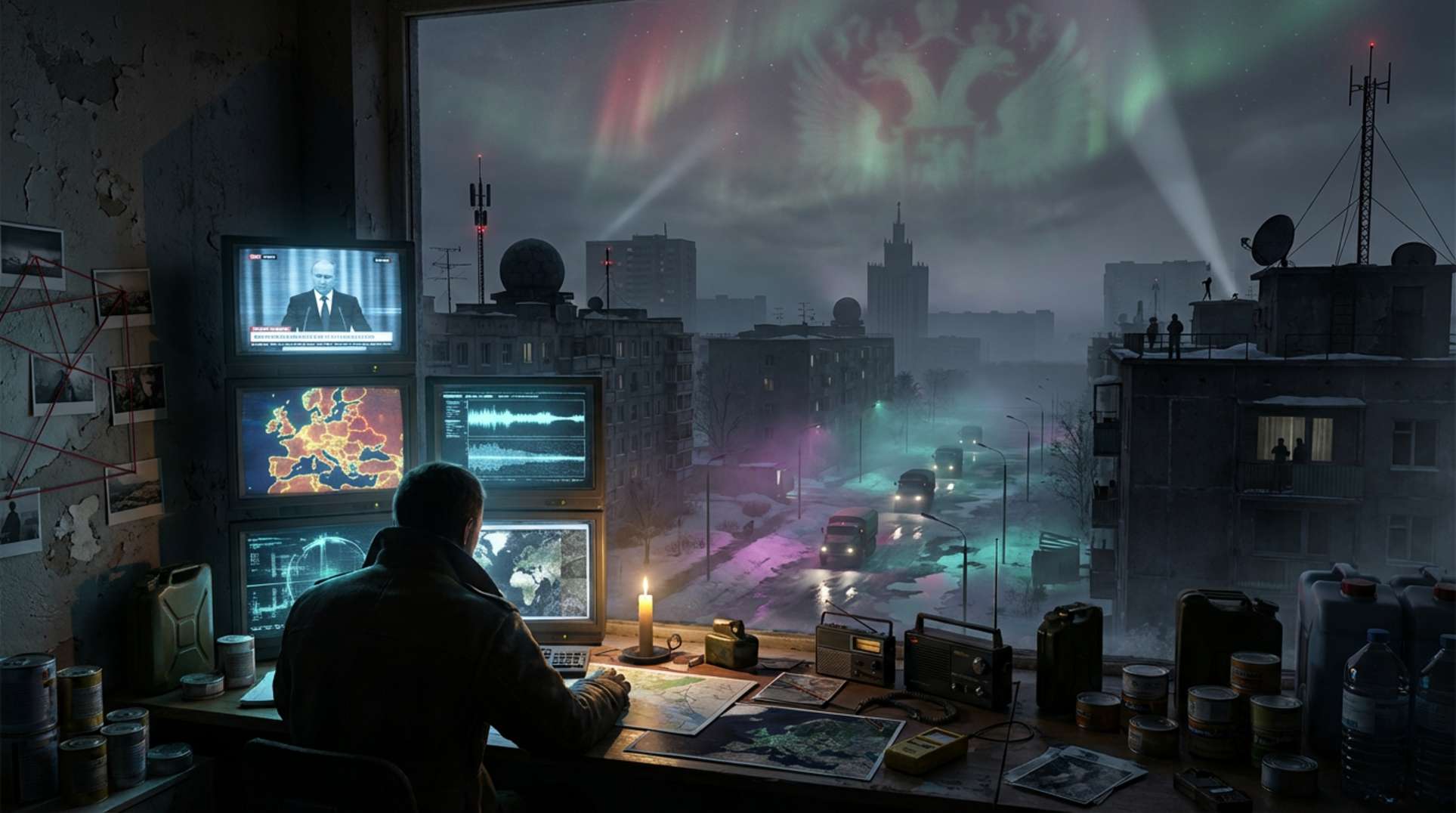
  • World War III Is Already Here: The Invisible Proxy War

    World War III Is Already Here: The Invisible Proxy War

    Key Things to Know About This ‘Invisible War’

    • Former CIA officer and Air Force veteran Andrew Bustamante has been telling audiences since around 2023 that World War III is already underway as a shadow war—fought through proxy conflicts, economic pressure, and information warfare rather than open, nuclear-armed superpower battles.
    • Hard data from sources like the Uppsala Conflict Data Program, the Council on Foreign Relations’ Global Conflict Tracker, and International Crisis Group show a world with multiple serious wars and dozens of active conflicts, but no institution formally labels this as a single, unified ‘World War III.’
    • There is a widening gap between how institutions describe today’s violence (regional crises, proxy conflicts, competition) and how many veterans, analysts, and online communities perceive it (a structurally global war that just hasn’t been branded yet)—and that gap, plus intensive psychological operations and propaganda, leaves open real questions about what we’re living through and what it should be called.

    A World at War Without a Declaration

    Picture 2025: Russia’s invasion of Ukraine grinds on since February 24, 2022. The Israel-Hamas war has claimed over 40,000 lives by late in the year. Myanmar’s civil war rages in the shadows, tearing the country apart.

    News feeds tick with casualty counts. Conflict trackers like CrisisWatch and the Global Conflict Tracker list over 30 active conflicts of concern to the US, monitoring violence risks in more than 70 countries. No one steps to a podium to declare it. No headlines scream the start.

    Then comes Andrew Bustamante, former CIA intelligence officer and Air Force combat veteran. On podcasts like the Shawn Ryan Show, he cuts through the static. He tells millions: World War III is here. It’s just not the version from history books—proxies and shadows instead of trenches and bombs.

    Online, in places like r/Intelligence, veterans post late at night. They talk rotations to Eastern Europe, weapons flowing, tensions spiking in the Middle East. They wonder: will history connect these dots into a world war?

    What Insiders, Veterans, and Pattern-Seekers Are Saying

    Andrew Bustamante puts it plain. World War III runs as a proxy or shadow conflict. Major powers—US, Russia, China—skip direct fights. They use client states like Ukraine or Middle East factions. Add economic hits like sanctions, cyber strikes, and info campaigns. It’s war by influence, designed to stay deniable.

    He draws from his CIA days and Air Force combat time. Modern fights target minds and perceptions as much as land. Civilians miss it because it’s built that way.

    Russian voices echo from the other side. Chechen General Apti Alaudinov said in 2025 that World War III is on, pointing to proxy clashes. Not official Kremlin line, but it lands hard.

    In online spots like Reddit’s r/Intelligence, folks break it down. Some call Bustamante sensational, question his creds. Others say it fits: NATO moves, arms shipments, rhetoric heating up like before the big wars.

    Broader takes weave in. General Richard Shirreff’s 2016 book imagined a 2025 war with Russia. Some lock on dates like November 3, 2025, mixing numerology. Nostradamus gets pulled in too—a 27-year war ending around 2029, with today’s Eastern Europe and Mediterranean fits.

    Theme repeats: scale of violence, entanglements, covert ops, propaganda. To many, that’s world war, named or not.

    Timelines, Death Tolls, and the Conflicts We Can Actually Count

    Uppsala Conflict Data Program counts at least nine armed conflicts in 2025, each with 1,000 to 10,000 violent deaths yearly. Think Russia-Ukraine, Israel-Hamas, Myanmar civil war.

    International Crisis Group’s CrisisWatch tracks violence risks in over 70 countries. Covers insurgencies in Africa to brewing political storms.

    Council on Foreign Relations’ Global Conflict Tracker lists more than 30 conflicts relevant to the US. Spans Eastern Europe, Middle East, Asia. They note proxy roles but don’t call it one big war.

    Russia-Ukraine kicked off full-scale on February 24, 2022. Israel-Hamas deaths top 40,000 by late 2025. Myanmar keeps adding thousands each year.

    Conflict Name Start Date Death Estimates Involved Powers
    Russia-Ukraine War February 24, 2022 Thousands annually; cumulative in hundreds of thousands Russia direct; NATO support to Ukraine
    Israel-Hamas War Ongoing escalation Over 40,000 cumulative by late 2025 Israel direct; Iran proxy support
    Myanmar Civil War Ongoing Thousands annually Local factions; regional influences

    These sources—Uppsala, CFR, CrisisWatch—stick to categories like civil war or insurgency. No ‘World War III’ tag, even with great powers in the mix.

    Mainstream historians, echoed in outlets like TIME, say today’s setup doesn’t match WWI or WWII’s global mobilization and massive military deaths.

    When a ‘Global Contest’ Becomes a ‘World War’

    US government and military talk ‘strategic competition,’ ‘regional conflicts,’ ‘deterrence.’ Focus on Russia in Ukraine, Middle East instability, China’s rise. No World War III label.

    Think tanks like CFR and International Crisis Group frame it as local crises. Proxy support noted, but emphasis on prevention. Calling it a world war risks panic and escalation.

    Contrast that with observers’ view: web of proxy wars, arms, cyberattacks, sanctions. Ties Europe, Middle East, Africa, Indo-Pacific into one struggle.

    Some say ‘World War III’ is descriptive, not legal. If great powers clash globally via military, economic, info means— that’s it, declaration or not.

    Numerology and prophecies add layers. Shirreff’s 2025 dates, Nostradamus’ 27-year arc. Ways to map chaos when official stories feel thin.

    What tips the scale? Direct NATO-Russia fights, US-China naval clashes, nuclear use? That’s the question.

    Both sides shaped by psych ops. Governments dodge panic. Veterans spot downplayed realities from experience and secrecy.

    Living Through a War That No One Will Name

    Hard facts: multiple wars killing thousands yearly. Over 30 US-concern conflicts. More than 70 countries watched for violence. Proxy roles by big players acknowledged.

    Bustamante sees it as one shadow war of proxies, economics, coercion. More accurate than isolated flare-ups.

    No major body—US, Russia, NATO, UN, monitors—declares World War III. Historians warn against loose use; scale and structure differ from past world wars.

    Unresolved: how much is coordinated strategy versus local mess? What’s psych ops’ role in that ‘invisible war’ feeling?

    Pattern-hunting fills gaps from secrecy and spin. People seek structure in partial data.

    Historians may never label it. But in hard-hit regions, the cost feels world-war real. Key isn’t the name—shadow war, multipolar mess, or world war. It’s if naming it pushes for accountability and peace.

    Frequently Asked Questions

    Andrew Bustamante, a former CIA officer and Air Force veteran, claims that World War III is already underway as a shadow or proxy war. He describes it as major powers like the US, Russia, and China fighting through client states, economic measures, cyber operations, and information warfare, rather than direct open battles.

    Data from sources like the Uppsala Conflict Data Program indicates at least nine ongoing armed conflicts each causing 1,000 to 10,000 deaths annually, including Russia-Ukraine, Israel-Hamas, and Myanmar’s civil war. The Council on Foreign Relations tracks over 30 conflicts of US concern, and CrisisWatch monitors risks in more than 70 countries, showing widespread violence but not labeled as a single world war.

    Institutions like the US government, NATO, and conflict monitors frame current events as regional crises or strategic competition to focus on prevention and avoid escalation. They argue the scale and structure don’t match the global mobilization of past world wars, even with proxy involvements.

    In communities like r/Intelligence, veterans and analysts debate Bustamante’s views, with some seeing patterns of escalation similar to pre-WWI and WWII eras. Others incorporate numerology or prophecies, like Nostradamus timelines, to connect dots in what they perceive as a functionally global war.

    Open questions include thresholds like direct clashes between NATO and Russia, US-China naval battles, or limited nuclear use. Observers argue that if proxy and covert actions already form a global struggle, the label might be more about perception than formal declaration.
  • Putin’s WW3 Warnings: The ‘Huge Secret’ Debunked

    Putin’s WW3 Warnings: The ‘Huge Secret’ Debunked

    Key Takeaways

    • Putin has issued repeated warnings that a direct clash between Russia and NATO would place the world ‘one step away from a full-scale World War Three,’ while maintaining that Russia harbors ‘no aggressive plans’ toward Europe and would only strike NATO states if attacked first, according to reports from Reuters and Daily Star.
    • Viral narratives about a ‘huge secret’—such as claims that Europe ‘needs’ WW3 or that Putin revealed some major espionage breakthrough—aren’t found in official transcripts or mainstream coverage; these ideas stem from interpretations in prepper forums and alternative media.
    • Institutional voices view Putin’s statements as escalatory rhetoric aimed at negotiations, but prepper communities see them as evidence of elite preparations for a societal collapse or SHTF event, creating a divide between official risk evaluations and grassroots concerns that remains wide open.

    A Winter of Sirens, Livestreams, and Unanswered Alerts

    Picture European streets echoing with air-raid drills amid biting cold, while energy shortages force tough choices on heat and light. Telegram channels buzz nonstop, YouTube streams go live at every Putin presser. Preppers scroll through updates on Ukraine fronts, Israel-Iran standoffs, and whispers of mobilizations, their screens a constant glow in the dark.

    This builds on years of tension in the Russia-Ukraine war. Back in March 2024, Putin stated that a Russia-NATO conflict would edge the planet toward full-scale WW3. By June 2025, he was pointing to rising global risks and strengthening military ties with allies, per Reuters and Times of India.

    Online, channels like Canadian Prepper and NYPrepper deliver urgent breakdowns, comment sections alive with stockpile lists—cans of food, water filters, fuel cans. Draft-age folks in Europe post questions about heading east, sharing Putin quotes like puzzle pieces. Officials speak of deterrence and treaties to contain escalation. But in these digital spaces, many sense a deeper machinery at work, with Putin’s words as the latest confirmation.

    What Viewers, Preppers, and Independent Analysts Say Putin Just Admitted

    In prepper circles and alternative analysis hubs, Putin’s warnings hit different. They’re not just hypotheticals; they’re seen as signals that Western powers are committed to a path they can’t reverse without crumbling.

    Take the ‘huge secret’ idea: some argue Europe ‘needs’ WW3 to reset drowning debts, shore up energy woes, and clamp down on unrest through emergency powers and NATO solidarity. It’s a narrative built from his words, not direct quotes, but it resonates strong.

    Then there’s the talk of NATO boots already in Ukraine. When Putin mentions personnel ‘present’ there, many read it as proof of a shadow war—special forces, advisers operating covertly. Future escalation talk? Just spin to them.

    Preppers weave this into SHTF planning: ramping up stocks of food, water, fuel, meds. They track fuel spikes, draft rumors, new laws. Some creators call Putin’s ‘no aggressive plans’ line misdirection, echoing leaders who downplayed intents before major moves.

    Timelines, Transcripts, and the Pieces We Can Actually Verify

    Let’s ground this in what we can pin down. No ‘huge secret’ phrase shows up in official records. Claims like Europe ‘needing’ WW3? Those are from commentary, not transcripts. Here’s a timeline of key Putin statements:

    Date Context Core Putin Statement WW3 / Nuclear Angle Source
    February 9, 2024 Interview on war and peace in Ukraine Russia would only attack NATO members like Poland or Latvia if attacked first, denying broader designs on Europe Discusses nuclear threats and WW3 risks Reuters
    March 18, 2024 Warning on Russia-NATO conflict A direct conflict would mean the planet is ‘one step away from a full-scale World War Three’ Escalatory nuclear rhetoric; alleges NATO personnel in Ukraine Reuters
    June 23, 2025 Public address on global risks Flags increasing global conflict risks, citing Russia-Ukraine and Israel-Iran; plans military modernization and cooperation with friendly countries Ties to broader conflict escalation Times of India
    November 27, 2025 Statement on plans toward Europe Russia has ‘no aggressive plans’ toward Europe, calls idea of attack ‘ridiculous’; open to talks with US on Ukraine peace Insists on no aggression unless attacked first Daily Star

    Background includes Russia’s suspension of New START and pushback from US/NATO experts, who call this rhetoric escalatory and at odds with pacts like the 1973 Prevention of Nuclear War agreement, per Arms Control Association.

    When Official Lines Collide with the SHTF Lens

    Official narratives from governments, NATO, and mainstream outlets treat Putin’s WW3 mentions as pressure tactics—to deter aid to Ukraine and push for deals. Analysts see them as bargaining chips, not admissions of inevitability, focusing on diplomacy and support for Kyiv, as in Euractiv and Arms Control Association reports.

    Flip to online spaces, and the same quotes become exposes. Putin naming NATO in Ukraine? Proof of hidden ops. His warnings? Hints that elites crave conflict to mask failures in debt, energy, politics.

    Preppers connect dots: troop shifts, conscription talk, new security rules, financial wobbles, Middle East heat. It forms a story of planned escalation. Officials downplay worst cases, ignoring accident risks. Online? Sometimes overconnects patterns, missing political games.

    No leaked memo proves leaders ‘need’ WW3. But backroom talks on risk? We can’t audit those. The gap persists.

    Are We Reading Warnings, Threats, or a Glimpse Behind the Curtain?

    One view: Putin’s playing brinkmanship, stirring fear to split NATO, aligning with New START pullout and nuclear hints.

    Another, big in online groups: He’s outing a covert war, with Ukraine as one front in a wider shadow conflict.

    Or maybe no one ‘needs’ it, but incentives—military profits, political binds, crises in energy, debt, climate—push the system toward blowup over cooldown.

    Preppers’ readiness? Could be hype from doom scrolls, or smart hedging when officials admit we’re ‘one step away’ but skip personal advice. No smoking gun on secrets, yet patterns in statements and moves suggest more lurks off-camera.

    Living on the Edge of the Red Line

    Putin has warned repeatedly: Russia-NATO clash means WW3 close, with global risks rising and military upgrades coming, but no aggressive European plans unless provoked.

    The ‘huge secret’ spin—Europe craving WW3? That’s community narrative, not in transcripts, linking his words to espionage and collapse fears.

    Unknowns linger: real NATO footprint in Ukraine, leaders’ risk appetites, miscalculation odds. Scrutinize both official calm and online alerts—check full speeches against clips, separate facts from guesses. If prepping for SHTF, base it on clear-eyed choices, not fear spikes.

    We might not get a clean reveal. But the rhetoric, maneuvers, and info wars around WW3? That’s a signal to watch sharp—the divide between show and spark is thin, as all sides agree.

    Frequently Asked Questions

    Putin has warned multiple times that a direct Russia-NATO conflict would put the world ‘one step away from a full-scale World War Three,’ while stating Russia has no aggressive plans toward Europe and would only act if attacked first. These statements appear in reports from Reuters and Daily Star, spanning from February 2024 to November 2025.

    No official transcripts or mainstream reports include the phrase ‘huge secret’ or claims that Europe needs WW3; these are interpretations from prepper communities and alternative media. They stem from readings of Putin’s warnings as signals of elite plans for economic resets or emergency controls.

    Western governments and arms-control experts see them as escalatory rhetoric to deter NATO involvement in Ukraine and gain negotiating leverage. They emphasize diplomatic paths and view the comments as bargaining positions rather than admissions of inevitable war.

    Many in these spaces interpret Putin’s words as confirmation of a covert war already in progress and elite preparations for SHTF scenarios. They connect his statements to patterns like conscription rumors, fuel prices, and new laws, urging stockpiling and vigilance.

    Yes, in March 2024, Putin alleged that NATO personnel are present in Ukraine, which some interpret as evidence of a de facto covert war. Official sources frame this as part of Russia’s escalatory narrative, not a new revelation.

  • Sino-Russian Sub Patrol: The Hidden Undersea Pact Revealed

    Sino-Russian Sub Patrol: The Hidden Undersea Pact Revealed

    • In August 2025, Russian submarine Volkhov and Chinese submarine Great Wall 210 conducted the first known joint underwater patrol in the Sea of Japan and East China Sea, following a bilateral exercise out of Vladivostok.
    • Official data from Japan’s Maritime Self-Defense Force and naval analysts confirm the route, dates, and nature of the patrol, including shared sonar drills and over 2,000 nautical miles traveled by Volkhov.
    • While Russia and China frame this as routine cooperation, many observers see it as a symbolic undersea alliance with unclear long-term goals, raising questions about technology sharing, nuclear operations, and future standoffs with AUKUS and the U.S.

    The Hook (Intro Scene)

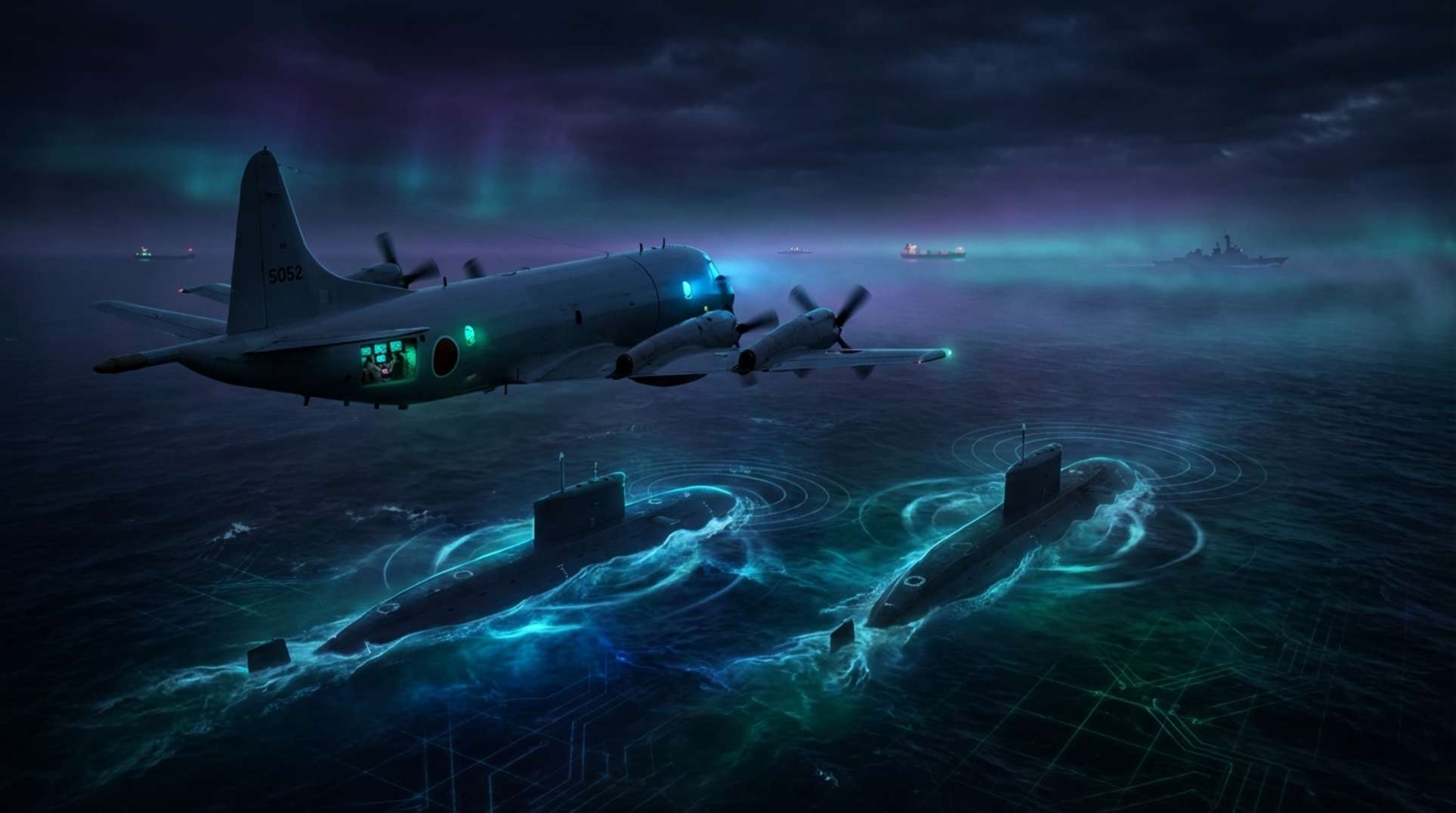
    Deep into the night over the Tsushima Strait, a Japanese P-3C Orion patrol aircraft hums through the dark. Below, the sea is a black expanse, dotted with distant lights from merchant ships slicing through the waves. Inside the plane, the crew monitors sonar feeds. Something catches their eye—unusual signatures. Not one, but two. Shapes gliding in sync, absorbing echoes like ghosts in the abyss.

    Submarines. Kilo-class, by the profile. No lights, no wake, just steel hulls cutting through the cold depths while unaware vessels pass overhead. Then the intel confirms the twist: one is the Russian Volkhov, a familiar presence in these waters. But the second? Chinese. Great Wall 210, mirroring its path.

    For the first time, the two Eurasian giants are running a paired patrol here, in one of the world’s most scrutinized oceans. The operators know this isn’t random. It’s deliberate. A signal, perhaps. But a signal of what? Was this merely an exercise, or a declaration of a new undersea alignment that surfaced only as a brief note in a defense report?

    Body Section 1 – What People Say Happened: A Silent Pact Under the Waves?

    To many who follow these patterns closely, the August 2025 joint patrol stands out. Not as some everyday drill, but as the visible edge of a deeper undersea alliance forming between Russia and China. In online forums and discussion groups, people piece it together this way: a symbolic move in a broader push against Western-dominated systems.

    These narratives often tie the operation to concepts like the “New World Order” or the “Golden Billion” from Russian perspectives—ideas that frame outside powers as scheming to control resources and populations. Users point to the patrol as evidence that Russia and China are aligning their forces to counter what they describe as Western economic pressures, information campaigns, and even more shadowy threats, such as bioweapons or elite agendas aimed at global management.

    Some discussions echo adapted QAnon-style threads, positioning the patrol as a sign of preparation for a multipolar shift, where these powers challenge a supposed transnational “deep state.” The choice of Kilo-class subs gets highlighted too—the Russian original and China’s improved version—as deliberate showmanship. It demonstrates how Moscow and Beijing can sync their underwater assets, acting almost as one in vital sea lanes.

    This fits a long-standing pattern in Russian media and cultural stories, where external forces are cast as constant threats to independence. So, observers slot this event right into that framework. Yet, unlike UFO sightings or anomaly reports, there are few direct witness accounts here—no fishermen spotting periscopes or unusual wakes. The whole thing played out below the surface, out of sight, which only amplifies the feeling of something concealed and coordinated.

    Body Section 2 – The Evidence We Can Check: Timelines, Tracks, and Official Data

    Let’s break down what the records show. The joint patrol featured the Russian Kilo-class submarine Volkhov (B-603, Project 636.3) and the Chinese Great Wall 210, an improved Kilo-class variant. It came right after the Maritime Interaction 2025 / Joint Sea 2025 exercise, held from August 1 to 5 in Vladivostok and the Sea of Japan. That included anti-submarine warfare practice and submarine rescue ops.

    From there, the subs moved into a 15-day patrol phase, wrapping up when Volkhov returned to Vladivostok around August 27. Open-source reports put Volkhov’s travel at over 2,000 nautical miles, stretching across the Sea of Japan into the East China Sea.

    Japan’s Maritime Self-Defense Force tracked key moments: the group passed through the Tsushima Strait on August 14 and again on August 20, moving between the seas. JMSDF deployed P-3C Orion aircraft and surface ships for monitoring, marking this as the first confirmed joint Sino-Russian sub operation in the area.

    The patrol went beyond just sailing side by side. Accounts describe shared sonar data and drills detecting mock enemy subs, pointing to integrated tactics. Support came from vessels like the Russian corvette RFS Gromkiy, the submarine rescue ship Igor Belousov, and the Chinese rescue ship Xihu—indicators of a structured event.

    Aspect Details
    Timeline Exercise: August 1–5, 2025; Transits: August 14 and 20, 2025; Return: Around August 27, 2025
    Platforms Russian: Volkhov (B-603, Project 636.3); Chinese: Great Wall 210 (Improved Kilo-class)
    Distance and Duration Over 2,000 nautical miles; About 15 days
    Participating Support Ships Russian: RFS Gromkiy (corvette), Igor Belousov (submarine rescue ship); Chinese: Xihu (rescue ship)

    These details draw from outlets like USNI News and other military analysis platforms—solid baselines apart from any official spin. Still, gaps persist. No public details on the exact sonar or tactical data swapped, or any encounters with allied forces.

    Body Section 3 – Official Explanations vs. Alternative Readings

    Japan’s Maritime Self-Defense Force views the patrol as a step-up in activity, possibly tilting regional balances. They share photos, dates, and IDs publicly, treating it as standard transparency to keep everyone informed without raising alarms.

    U.S. and allied analyses, like those from USNI, see it as building on yearly joint drills—an increase in trust and interoperability between Russia and China, though smaller than NATO efforts.

    Russian Pacific Fleet statements position the patrol as boosting peace in the Asia-Pacific, safeguarding lanes and assets through their “strategic partnership” with China. China’s Ministry of National Defense echoes that, calling it standard defensive work for regional stability in a multipolar setup.

    Contrast those with other takes: some see it as a subtle announcement of an undersea partnership, aimed at the U.S., Japan, and AUKUS—showing coordinated subs in disputed zones. Independent analysts suggest the sonar sharing and rescues might lead to involving nuclear or ballistic missile subs down the line, escalating things.

    In communities tracking global power shifts, this fits as another piece in a buildup against Western dominance—a potential rehearsal for crises in Taiwan or the South China Sea. Speculation sometimes extends to testing against Western surveillance, seabed assets, or hidden networks like biolabs or cables, though evidence for that stays absent.

    The facts themselves—patrol, drills, ships, routes—hold up across sources. The split comes in the meaning: routine teamwork on one side, opening salvos of a challenge to the existing order on the other.

    Conclusion – What We Know, What We Don’t, and Why It Matters

    The basics stand firm. In August 2025, the Russian Volkhov and Chinese Great Wall 210 ran the first acknowledged joint sub patrol in the Sea of Japan and East China Sea. It followed the Vladivostok exercise, covered over 2,000 nautical miles, and included sonar sharing and anti-sub drills, all backed by JMSDF tracking and open-source reports, plus those support ships.

    What’s hidden? The specifics of data exchanged, any secret command tests, or plans for nuclear subs. Questions linger. Might future runs edge toward Taiwan, U.S. bases, or key undersea lines? How does AUKUS respond if these joint ops become regular? Is this the blueprint for a merged undersea force, tougher to spot in a real pinch?

    Ground-level stories are scarce. No coastal folks or crews reporting odd sightings—the action stayed submerged, leaving it to militaries and experts, unlike the eyewitness-driven cases we often chase in UFO or paranormal fields.

    View this as equal parts geopolitics and enigma. The hard facts form the outline, but motives and future moves lurk unseen, much like the subs. Screens in those ops centers are quiet now. The vessels are docked. Yet somewhere, maps are being drawn for the next silent passage—and we might catch even less of it.

  • Inside the Panic: UVB‑76 ‘Doomsday Radio’, Polish Rail Sabotage, and the Viral Nuclear Rhetoric Problem

    Inside the Panic: UVB‑76 ‘Doomsday Radio’, Polish Rail Sabotage, and the Viral Nuclear Rhetoric Problem

    Late in November 2025, a peculiar sequence of events—a mysterious shortwave silence, sabotage on a Polish rail artery, and viral claims concerning assassination plots advocating nuclear attacks—pushed an already anxious public toward doomsday thinking. The technical realities and the media narrative portray two stories: one about verifiable incidents that alter risk calculations and another about how rumors spread fear faster than facts can be confirmed.

    UVB‑76 (the “Buzzer”): history and the November outage that reignited speculation

    UVB‑76, the shortwave station on 4625 kHz, nicknamed the “Buzzer” or “Doomsday Radio,” has transmitted a monotone buzz with occasional voice interjections since the 1970s. Enthusiasts and analysts have long speculated about its role, ranging from routine technical signaling to esoteric ties with strategic command systems. The station’s overview notes that its continuous tone sometimes yields to coded voice transmissions, often drawing attention during geopolitical flashpoints (a detailed UVB‑76 overview).

    On November 14, 2025, reports emerged that broadcasts ceased following damage to a nearby power substation; operators blamed a UAV strike that cut power to the transmitter. United24Media summarized the situation, highlighting both the unusual halt and speculation about the station’s role in strategic Russian military communications (United24Media, Nov 14, 2025). Whether this silence indicates a degradation of strategic infrastructure or merely a localized power issue, it has fueled cultural interest in symbolic signals—an instance where technical disruptions and myth-making intersected.

    Poland railway explosion: what officials say and why it matters for logistics to Ukraine

    On November 17, 2025, Poland’s prime minister labeled an explosion that damaged the Warsaw–Lublin route as an “unprecedented act of sabotage.” Reuters reported that authorities claimed an explosive device destroyed a section of the line crucial for freight and aid transportation to Ukraine; no immediate casualties were reported, but the implications for logistics and regional confidence are substantial (Reuters, Nov 17, 2025).

    The blast disrupted a vital corridor for military and humanitarian shipments. Polish officials visited the scene and stressed the need for accountability. Polish leaders and Western security analysts view railway sabotage as more than property damage; it disrupts resupply chains and signals vulnerability well inland from frontlines. This signal intensifies strategic tensions across NATO supply networks and elevates the stakes for counter-sabotage and protection of critical infrastructure.

    From drones to doomsday narratives: how kinetic events produce online cascades

    The UVB‑76 outage and the railway explosion triggered rapid online cascades—threads connecting disparate events into a single apocalyptic narrative. Technical audiences debated electromagnetic and power-grid failure modes; conspiracy groups threaded those posts into claims about “Perimeter” or Dead Hand systems activated by interruptions. Few open-source analysts find robust evidence linking UVB‑76 to an automated nuclear trigger, but the station’s lore provides fertile ground for dramatic interpretations. This pattern mirrors how real or exaggerated crises evolve into broader psychological operations, as documented in studies of narrative warfare and information manipulation.

    Public officials and journalists must distinguish technical causes from symbolic effects. Immediate attributions—without forensic verification—risk fueling political tensions. A responsible approach would prioritize careful attribution, infrastructure assessments, and forensic timelines instead of amplifying speculation that could destabilize diplomatic channels.

    Viral claims of “assassins” and nuclear calls: a taxonomy of rumor

    Social platforms rapidly disseminated sensational claims, including assertions that an assassination cell in Ukraine aimed for nuclear escalation or that a so-called “assassin” called for nuclear war. Such narratives did not appear in mainstream reporting and lacked corroborating evidence. When allegations surfaced, they typically originated in low-credibility channels and propagated through retweets and short-form videos, creating noise that outpaced reliable verification. Treat these reports as unconfirmed unless established media or official entities corroborate pertinent quotations, travel records, or intercepts.

    In high-stakes environments, rumor acts as an accelerant. Platforms, moderators, and scholars studying information operations observe that narratives invoking nuclear apocalypse elicit extreme engagement and thus spread widely, even without a solid foundation. This dynamic underscores the importance for both policymakers and the public to depend on verified channels when determining if events necessitate military or diplomatic escalation.

    What intelligence and infrastructure data actually tell us about escalation risk

    Concrete indicators—damage assessments, forensic timestamps, intercepts, and satellite images—provide the best basis for evaluating escalation risk. In the UVB‑76 case, operator claims of a power outage, along with corroborating Russian state reports, offer a proximate cause: a UAV strike on a substation that temporarily disabled the transmitter. In Poland, on-site inspections and Prime Minister Donald Tusk’s statements regarding explosive devices supply immediate evidence of sabotage. These factors raise regional alarms without confirming a coordinated nuclear plot.

    To clarify: kinetic events and signal outages matter because they affect command-and-control resilience, logistics, and public morale. They don’t inherently prove intent to escalate to nuclear exchange; rather, they indicate that actors can and will target infrastructure, complicating deterrence—precisely the pressure points analysts have warned about lately and discussed in studies of hybrid conflict.

    Why this cluster of incidents matters and what to watch next

    This situation matters because when infrastructure sabotage and cryptic broadcasts coincide, they create both operational and narrative risks. Operationally, attacks on rail lines and substations undermine logistics and emergency response; substantively, they compel policymakers to make decisions amid uncertainty. Narratively, this mix promotes worst-case thinking that can drive leaders toward overreaction.

    Watch for three signals: independent forensic reports confirming linkages between attacks; credible intelligence identifying responsible actors or proxies; and changes in command posture—such as elevated alert levels or redeployments—indicating policymakers perceive a systemic threat. Meanwhile, media literacy and verification protocols must outpace the rumor cycle. For insight into recurring narrative patterns and how social contagion amplifies fear, consult reporting tracing propaganda and symbolic signaling across crises and technologies (this analysis).

    Policy, readiness, and a practical checklist for officials

    Practical measures can diminish both risk and panic. First, transparent forensic timelines and rapid information sharing among allied intelligence services lessen the urge to escalate. Second, creating hardened redundancy for critical transmitters, substations, and rail points—along with visible repair and security measures—diminishes the symbolic power of disruption. Third, effective public communications that differentiate confirmed facts from unverified claims counter rumor momentum and enhance societal resilience.

    Policymakers must consider social dynamics. The same platforms that spread panic host communities providing eyewitness logs, antenna reception data, and independent geolocation—sources that, when verified, can be valuable. Integrating community-sourced signals with professional forensic work maximizes the likelihood of accurate attribution and measured response. For related readings on technology, secrecy, and cultural contagion, explore archival coverage and technical reporting on cyber and information operations (an archival breakdown and a field report analysis).

    Final read: separating actionable intelligence from theater

    UVB‑76’s silence and a damaged railway track are verifiable events; however, allegations of assassination conspiracies and nuclear intent remain unsubstantiated. The appropriate response combines urgent investigation, transparent reporting, and infrastructure fortification while maintaining a disciplined refusal to consider viral rumors as strategic indicators. Serious analysts will monitor forensic evidence, cross-check open-source satellite and social data, and resist calls for escalation based on unverified information. For those striving to keep up with emerging hazards, outlets blending forensic scrutiny with cultural context provide the clearest guidance—begin with investigative summaries that illustrate how narrative cycles amplify risk (an investigative summary and context on technological panic).

    One last note: when small, targeted strikes intersect with potent symbols—“doomsday” radios, nuclear rhetoric, supply corridors—they do more than inflict damage. They reshape the narratives the world tells itself. Containing these narratives will require engineers, diplomats, and journalists collaborating closely to substitute evidence for rumor before politics yields panic in place of prudence.

  • China Travel Warnings, Nuclear Strike Drills, and Russian Warships: Signals of Rising Global Tension in 2025

    China Travel Warnings, Nuclear Strike Drills, and Russian Warships: Signals of Rising Global Tension in 2025

    The world is entering a new cycle of geopolitical risk. A surge of “do not travel” warnings, civil defense drills, and naval posturing reveals how nations shape public perception and policy. Recent developments—amplified by digital rumor—highlight a troubling trend: major powers now regularly telegraph their moves for deterrence and domestic theater, escalating uncertainty both at home and abroad.

    China’s Do Not Travel Warning: A Reflection of Fraying International Trust

    China’s travel advisory for 2025, issued amidst escalating trade disputes with the U.S., urged citizens to “fully assess risks” before traveling. According to The Hill, China warned of the “deterioration of China-US economic and trade relations and the domestic security situation in the United States.” While such advisories aren’t new, their timing—coupled with exit bans and political detentions highlighted in State Department warnings—marks a significant escalation in tension. For travelers, the message is clear: expect delays, legal risks, and reduced recourse abroad. This trend aligns with a wave of global caution, reminiscent of the diplomatic chill described in recent investigations of U.S.-China brinkmanship.

    The nuances of travel restrictions—as both a tangible and symbolic tool—echo historical themes, analyzed in recent coverage of international information campaigns.

    U.S. and Allied Nuclear Strike Drills: Defense Exercises Heighten Civil Preparedness

    In August, U.S. and South Korean forces conducted large-scale military and civil defense drills, simulating responses to a potential North Korean nuclear strike. NBC News reports that over 19,000 South Korean troops joined Americans, testing public readiness through concurrent evacuation scenarios. The U.S. military did not disclose the exact number of American personnel involved, but regional deployments of long-range bombers and carrier groups have sharply increased. North Korea denounces these exercises as “provocative war drills,” further intensifying tensions on the peninsula.

    Civil defense, once a Cold War relic, has returned, complete with mobile alerts, public shelters, and new protocols. These emergency drills reflect a renewed strategic competition, reminiscent of historic crises noted in archival crisis notes on global mobilization and recent national emergency broadcasts.

    Russian Warship Off Hawaii: Close Encounters and Pacific Tensions

    A Russian Vishnya-class intelligence ship, Kareliya, was detected just 15 nautical miles south of Oahu, Hawaii in late October 2025. The U.S. Coast Guard, as reported by Fox News, tracked and overflew the vessel, calling the situation routine yet “of interest.” While international law allows foreign ships to pass outside the 12-nautical-mile zone, such close encounters highlight the ongoing game of surveillance and signaling in the Pacific. The Kareliya, familiar with the region, has previously hovered near Hawaii. Its proximity to U.S. territory in 2025 coincides with ramped-up “freedom of navigation” patrols and intelligence gathering by both sides.

    Military analysts draw parallels between these standoffs and Cold War maritime brinkmanship, as examined in comparative analysis of nuclear-era signaling and reports on rapid-response capabilities in emerging arms races.

    Psyops, Preparedness, and Why These Flashpoints Matter

    For everyday citizens, cues from governments and media evoke classic psychological warfare techniques: “practice, demonstrate, and signal” to sway both adversaries and public sentiment. Public warnings, dramatic drills, and tactical ship deployments fulfill dual roles—preparing for worst-case scenarios while asserting national resolve and narrative control. In a world of algorithmic news and viral misinformation, such tactics can either bolster or undermine public trust, making pattern recognition vital to distinguish hype from genuine risks.

    The boundary between defense and theatrics appears intentionally blurred. As detailed in projects at Unexplained.co and recent deep-dive myth deconstructions, the constant influx of flashpoints instills both vigilance and fatigue. Real-world preparedness is crucial, but equally important is educating the public to guard against manufactured panic—an idea reinforced by history and critical media analysis.

  • Putin’s Emergency Nuclear Test Orders: Novaya Zemlya, Global Response, and the Growing Brinkmanship of 2025

    Putin’s Emergency Nuclear Test Orders: Novaya Zemlya, Global Response, and the Growing Brinkmanship of 2025

    Another week brings another shocking global headline: Russia’s President Vladimir Putin summoned his chief commanders for an emergency defense meeting in early November 2025, sparking worldwide speculation about imminent nuclear escalation. According to Reuters, the Russian president directed officials to submit proposals for restarting nuclear tests for the first time since the Soviet collapse. The Kremlin’s meticulously planned Security Council meeting, attended by defense minister Andrei Belousov and intelligence heads, highlights how nuclear rhetoric has turned into a routine strategy—part intimidation, part political safeguard.

    What’s Really Happening at Novaya Zemlya?

    Multiple sources have released satellite images showing apparent activity at the Novaya Zemlya test site—a frigid Arctic archipelago that hosted over 200 Soviet nuclear detonations. Recent construction, tunnel boring, and increased logistical traffic through September 2024 have reignited suspicions that Russia may be preparing for new tests. RFE/RL confirms these findings using data from open-source monitoring: large trucks, cranes, and new facilities have emerged alongside the notorious Severny settlement. Rosatom aircraft and heavy transport vessels have been observed landing supply runs. While Moscow insists the work is mere “maintenance,” the actual intent seems unclear—especially with Defense Ministry insiders suggesting that the Burevestnik nuclear cruise missile may be central to preparations.

    For insights into the archipelago’s radioactive history and its crucial Cold War role, review the background on Novaya Zemlya’s legacy as a nuclear test ground. This island exemplifies the dark edge of Russia’s strategic signaling in 2025.

    Emergency Military Orders and Nuclear Doctrinal Shifts

    Putin’s emergency command session did not happen in isolation. As Western military aid to Ukraine mounts and U.S. nuclear testing discussions grow, the Kremlin aims to display readiness for escalation. The Reuters report reveals that Moscow has framed its testing plans as a ‘response’ to Western actions—a familiar tit-for-tat stance. This aligns with Russia’s October 2023 withdrawal from the global nuclear test ban treaty and resonates with Deputy Foreign Minister Sergei Ryabkov’s recent declaration that Russia might test nuclear devices if provoked by the U.S. or NATO. The revised doctrine now allows for potential nuclear use even in response to perceived existential threats—even if only conventional weapons are involved.

    Russia’s stance fits into a larger cycle of military brinkmanship, evidenced by detailed studies like this analysis of hybrid warfare and nuclear signaling and in related reports on recent alliance response shifts.

    Global Reactions: U.S., Europe, and Experts Weigh In

    The West reacts cautiously to the uptick in nuclear signals. U.S. and European intelligence agencies closely monitor every container offloaded at Severny. Think tanks and policy circles, including the Institute for the Study of War and international watchdogs, warn that even discussions of new nuclear tests threaten the broader nonproliferation regime. Voices from European capitals advise against any direct or symbolic tit-for-tat responses. Meanwhile, analytical reports confirm that Russia’s nuclear capabilities—such as Poseidon underwater drones and hypersonic Burevestnik missiles—remain technically impressive but do not fundamentally alter the strategic balance, as this up-to-date assessment shows.

    Anxieties surrounding Novaya Zemlya echo ongoing security and existential concerns, from recurring doomsday predictions in disaster cycle reporting to the rise of conspiracy narratives analyzed in AI scenario analysis. The speed and coordination of disinformation and official warnings now circulate rapidly, marking a new development.

    Why This Standoff Matters and What’s Next

    Putin’s nuclear posturing serves both war-fighting and domestic political purposes, reminding the world—and his own generals—that Russia holds doomsday options. Yet experts emphasize that the threshold for transitioning from construction to actual nuclear detonation remains high, with substantial reputational and radiological stakes for Moscow. At risk isn’t just the shadow of a mushroom cloud over Novaya Zemlya but the collapse of decades of arms control precedent. The Kremlin’s pattern of brinkmanship—prompting “emergency” decisions—creates escalation risks, especially if Western leaders misinterpret signals or react in kind.

    For context that spans ancient clues to the modern nuclear age, explore archival deep-dives and for ongoing nuclear and hybrid threats, see related analysis of informational risk culture. For consistent, fact-checked updates—even when the headlines seem apocalyptic—make Unexplained.co your reliable source.

  • Russia Breaches NATO: Escalation, Nuclear Deterrence, and Alliance Response in 2025

    Russia Breaches NATO: Escalation, Nuclear Deterrence, and Alliance Response in 2025

    Europe’s old divides clash with 21st-century brinkmanship. Last year, Russian incursions—including drone downings in Poland, fighter jet violations in Estonia, and overt nuclear threats—rekindled fears of Cold War flashpoints. According to ABC News, Russia’s recent airspace breaches prompted Estonia to invoke NATO’s Article 4, requesting emergency consultations and warning of a “pattern of increasingly irresponsible behavior.”

    Russian Border Violations: Drones, Jets, and Baltic Brinkmanship

    In September 2025, Polish and Estonian officials reported multiple provocations. Nineteen Russian drones breached Polish airspace, while MiG-29 jets violated northeastern NATO skies. Some incidents were brushed off by Moscow as “scheduled flights” or navigational errors. However, the psychological impact is significant. Experts cited by ABC argue these breaches are deliberate “gray zone” tactics, aimed at testing alliance unity and deterrence. This trend follows a buildup of Russian military and hybrid activities in the region, echoing issues outlined in reports like this analysis of hybrid warfare and the ongoing military escalation documented in archival incident footage.

    Nuclear Deterrence Rhetoric: US Weapons, Russian Threats

    Amid these tensions, Moscow’s nuclear rhetoric has escalated. In mid-2024, Russian state media spread maps indicating US nuclear weapon storage sites across Europe, highlighting NATO’s nuclear sharing arrangement (AFP Fact Check). Analysts point out these images are propaganda—veiled threats of potential targets, heightened following new deployments in Belarus and tactical nuclear drills near Ukraine. Yet, according to 2021 defense disclosures, around 100 US-owned nuclear warheads remain in five NATO nations, primarily for deterrence, not first-strike purposes. Nevertheless, Moscow’s heightened rhetoric, reported by sources like Breaking Defense, suggests any NATO member could be deemed a target if Russia perceives significant threats.

    This alarming rhetoric aligns with recent global risk discussions found in economic crisis reporting and the historical paranoia detailed in legendary myth debates.

    NATO Responses: Fortification, Article 4, and Lingering Doubts

    In 2025, NATO’s response to violations has been robust—air defenses activated, multinational battlegroups reinforced from Estonia to Romania, and unified condemnation of Moscow’s “irresponsible” actions. Official alliance statements, detailed in official alliance statements, emphasize the necessity for unity and readiness. However, internal concerns arise: how often can Article 4 be invoked without diluting deterrence? Analysts and Baltic leaders express worries about alliance “credibility,” especially as hybrid incidents such as cyberattacks, sabotage, and GPS jamming proliferate across the Nordic-Baltic front. For an in-depth look at NATO’s mechanics and collective defense principles, consult the background and mandate of NATO.

    This concern mirrors global security analyses like AI risk analyses and field studies on evolving military priorities, where preparedness hinges on hardware, alliances, and narrative management.

    Escalation, Risk, and Why the World is Watching

    Why is this significant? As kinetic and hybrid provocations rise, the Baltic and Eastern European theaters represent the testing ground for nuclear-age politics, digital destabilization, and alliance strength. Recent technical overviews warn that, despite the heated rhetoric, a nuclear exchange remains unlikely but not impossible. Yet, tensions in the region are fueled by social, economic, and political feedback loops analyzed in this global risk assessment. How NATO adapts will influence not only Eastern Europe’s fate but also the alliance’s future legitimacy.

    For continuous coverage of high-stakes events, hybrid warfare, and mythmaking on the global stage, bookmark Unexplained.co—where the narrative always extends beyond the surface.

  • America’s Caribbean Comeback: U.S. Revives Decommissioned Base Amid Venezuela Showdown

    America’s Caribbean Comeback: U.S. Revives Decommissioned Base Amid Venezuela Showdown

    America can’t quit the Caribbean. Venezuela’s headlines and rising military tensions drive the need for renewed focus. Recent satellite imagery and open-source intelligence from Reuters confirm that the Pentagon is reviving a previously mothballed Cold War naval base on a strategic Caribbean island. This isn’t just a fresh coat of paint; upgraded facilities, modern sensors, and an influx of personnel indicate preparation for rapid air and maritime operations—effectively respawning America’s regional power projection.

    Forward Operating Locations: From Counter-Narco to Counter-Maduro

    The U.S. military never truly left the region. After the early 2010s drawdown, Forward Operating Locations (FOLs) in Aruba and Curaçao—now termed Cooperative Security Locations— remained active for counternarcotics flights and logistics. With Caracas growing more aggressive, these sites have become vital in American strategy again. The U.S. Southern Command states these retooled outposts offer rapid support for operations against transnational crime, smuggling, and potentially, contingencies involving Venezuela’s troubled regime.

    History shows how quickly these “warm” bases can shift from quiet surveillance to full-scale staging. Recent hybrid warfare reports illustrate these connections and their links to global crises.

    Show of Force and Regional Realignment

    This time, the scale is unprecedented. Between September and November 2025, the U.S. conducted numerous naval and air maneuvers, drawing assets from across the hemisphere. Reports from Reuters and The Washington Post revealed deployments, including the USS Iwo Jima, aerial refueling tankers, and intelligence aircraft now operating within striking distance of Venezuela. Cooperative exercises in Guyana, Suriname, and the Dutch Caribbean send a clear signal: Washington stands ready to escalate from counternarcotics to outright power competition, echoing SOUTHCOM’s 2025 policy statements.

    Local governments, particularly the Dutch, maintain a neutral facade but are treaty-bound to permit U.S. access to their facilities. This delicate balance recalls new Cold War analyses and the region’s complex intervention history.

    Drug Wars as Geostrategic Theater

    This buildup is officially about narco-trafficking, with drug cartels in both Caribbean and Pacific waters named as adversaries. Yet, writers at The Washington Post and US SOUTHCOM note that increased maritime patrols, airstrikes on trafficking vessels, and drone surveillance intensify pressure on Venezuela’s government, destabilizing networks supporting Maduro’s regime. Since September, the U.S. campaign has reportedly led to at least 14 strikes on so-called ‘narco-ships,’ generating visible panic among Venezuela’s security elite.

    The distinction between counter-narcotics operations and military influence is blurring. Strategies reflect parallels with technology-driven escalation and the psychological dimensions examined in systemic risk reports across various industries.

    Why America’s Caribbean Push Matters in 2025

    Is this more saber-rattling, or does it signal a broader shift in U.S. defense posture? The short answer: both. Recent Wikipedia’s summary of the 2025 deployment indicates U.S. policymakers are playing a dual game: deterring regional chaos while preparing for potential “gray zone” scenarios, ranging from state collapse to open conflict. These forward operating locations may seem like relics, but they signify a twenty-first-century reboot.

    For Venezuela, the proximity of American forces heightens internal fractures and uncertainty for Maduro’s beleaguered government. For the U.S., it tests modern deterrence as geopolitics and technology converge in new ways. For ongoing insights into these developments, follow deep-dive features at Unexplained.co, and stay tuned as the region’s strategic landscape evolves.

    These “banned” bases remain paradoxically the bellwether for the hemisphere’s future. They are not mere outposts but essential nodes in the network of American power projection from the Cold War to the looming storm.

  • Brutal Strikes Shake Russia: Drone Blackouts, Putin’s Warnings, and a War of Nerves

    Brutal Strikes Shake Russia: Drone Blackouts, Putin’s Warnings, and a War of Nerves

    The night sky over Moscow feels tense. A series of drone and missile strikes plunged parts of Russia’s capital into darkness, revealing the vulnerability of even the most fortified cities in modern warfare. Dramatic footage circulated globally, but behind each explosion lies a struggle between the Kremlin and its adversaries, where panic and readiness coexist.

    Massive Strikes: Drone Swarms and Moscow’s Blackout

    On October 31, 2025, darkness enveloped Moscow’s Zhukovsky district after officials declared an “emergency situation in the power system.” Reports from UNN and local assessments detailed damage to multiple electrical substations, with social media showcasing the widespread blackout. The attack coincided with what Ukrainian outlets claimed was one of the largest drone swarms to date—up to 700 UAVs targeting Moscow’s critical energy infrastructure and beyond.

    As authorities rushed to restore order, footage of the darkened city with its eerily empty boulevards became viral symbols of vulnerability. This isn’t the first time conflict has spread into Russia: analysts have long warned, as seen in reports on past urban emergency threats, that the modern battlefield knows no borders.

    Missile Drills and Putin’s Demonstrative Response

    Just a week before the blackout, the Kremlin aimed to showcase strength through televised military exercises, with General Valery Gerasimov briefing President Putin on the coordinated drills. According to Reuters, Russia launched a suite of missiles from ground launchers, submarines, and aircraft, including intercontinental ballistic missiles. Putin framed these actions as necessary for readiness against existential threats from NATO and Ukraine.

    The saber-rattling intensified when Russian officials threatened to provide nuclear-capable missiles to allied countries in the Western Hemisphere, echoing Cold War tactics. These escalatory measures, highlighted in recent multi-front conflict briefings, aim for both deterrence and psychological warfare against global rivals.

    A War of Escalation: Putin’s Rhetoric, NATO Moves, and Nuclear Threats

    As Russia endures attacks and energy disruptions, President Putin’s stance has become sharper. He repeatedly warns Western leaders that supplying Ukraine with long-range missiles—like Tomahawk cruise missiles—signals a “new stage of escalation.” According to CNBC, if NATO-supplied weapons strike Russian territory, Moscow would respond “resolutely in a mirror way.” Experts see this rhetoric as an attempt to fracture Western unity, pressure adversaries, and prepare for the next phase of confrontation.

    This nuclear signaling fits a longstanding pattern outlined in previous doomsday protocol reports and draws lessons from escalation management throughout the Russo-Ukrainian War.

    Why It Matters: Cyber, Kinetic, and Psychological Warfare Redefine The Battlefield

    As the West considers its next steps, Russia’s strategy—combining missile displays, cyber operations, and information campaigns—shapes perceptions and policies. Experts argue that the October blackout, mass drills, and nuclear threats signal a perilous new chapter. While these events may minimally impact battlefield positions, their psychological shockwaves are widespread, evident in escalating emergency measures on both sides.

    For context, these developments connect with previous global war risk forecasts, energy security analyses, and scenarios involving multi-domain assaults. If the digital and physical realms are intertwined, then the frontline now stretches from Ukrainian trenches to Moscow’s skyline.

    For relentless, unvarnished analysis as events unfold, follow Unexplained.co. War has changed—and this serves as your reality check.

  • Trump’s Venezuela Bombing Order: Facts, Reactions, and the Reality Behind 2025’s Strikes

    Trump’s Venezuela Bombing Order: Facts, Reactions, and the Reality Behind 2025’s Strikes

    In an era of constant breaking news, few stories generate as much global anxiety—and confusion—as U.S. military action in Latin America. In October 2025, President Trump’s administration confirmed a major escalation: U.S. airstrikes on vessels linked to Venezuelan cartels. What began as a “war on drugs” rapidly transformed into a volatile mix of sovereignty disputes, regime-change accusations, and renewed scrutiny of U.S. foreign policy (summary of the 2025 US-Venezuela strikes).

    From Drug Interdiction to Escalating Military Force

    On September 2, 2025, President Trump announced the U.S. Navy’s first strike on a Venezuelan boat, reportedly killing eleven individuals linked to the Tren de Aragua cartel. By late October, 61 fatalities had resulted from 15 strikes at sea—eight in the Caribbean and seven in the Pacific. According to PolitiFact, the administration presented these actions as a direct response to narcotics trafficking. President Trump claimed each intercepted boat could “save 25,000 American lives.” However, several analysts have pointed out that this figure is excessively inflated and not supported by overdose data, as fentanyl primarily reaches U.S. streets from Mexico and domestic sources.

    These operations represent the most aggressive U.S. military activity in Central and South America since the Panama invasion, raising major legal, ethical, and diplomatic questions. Previous geopolitical analyses and war escalation risk briefings have highlighted the dangers of mission creep and unexpected consequences.

    Land Strike Rumors and White House Pushback

    As U.S. forces expanded their maritime operations, rumors circulated that President Trump would soon order direct bombings of land-based targets in Venezuela. Outlets from investingLive to major broadcasters reported U.S. officials were “poised” to target military facilities linked to drug cartels. Moments later, the White House downplayed the possibility of imminent land strikes, clarifying that no final decision had been reached and urging the media not to over-interpret evolving military deployments.

    Fox News and The Wall Street Journal noted that although potential targets had been identified, any further action beyond the contentious sea strikes would likely face backlash from Congress and allies. Lawmakers, including Adam Schiff and Rand Paul, called for debate and adherence to the War Powers Resolution before extending U.S. attacks (White House land strike response).

    This tension between presidential authority and legislative oversight echoes past U.S. interventions—think of recent discussions on unexplained foreign operations and war room summit reporting.

    Diplomatic Fallout, Legal Debates, and Reactions from Maduro

    The U.S. campaign has drawn sharp condemnation from Venezuela and its allies, with President Nicolás Maduro accusing the airstrikes of “extrajudicial murder” and an attempt at regime change. While the U.S. alleges cartel ties to armed groups, it has provided little direct evidence to the public. Watchdogs and human rights experts question whether these operations comply with U.S. and international law. This situation has prompted Venezuela to appeal to the UN and bolster its military presence near the Colombian border, citing a “threat of American invasion.”

    Meanwhile, the CIA’s confirmed covert actions in Venezuela have alarmed foreign policy experts—especially given the agency’s controversial history in Latin American interventions. For perspective, consider previous U.S. military deployments and broader superpower rivalry case studies.

    What It Means: Precedent, Geopolitics, and the Next Phase

    Why is this important beyond daily headlines? First, the legitimacy and focus of U.S. actions in the hemisphere are now critical—impacting Latin American stability, narcotics policy, and global norms. Accusations of regime change persist even as the Pentagon states, “no plans for occupation.” The risk of mission creep or unintended escalation is underscored in Guardian’s deep-dive analysis. Whether viewed as a “just war” or catastrophic overreach, 2025 represents a pivotal test of U.S. regional power and legal obligations.

    As partisanship in D.C. and mounting tensions abroad keep this crisis volatile, avoid settling for rumors or hot takes. For full synthesis and investigative details, bookmark Unexplained.co and stay alert for verified developments in the coming days.