Category: World War 3

  • Russian Nuclear Test Signals: Novaya Zemlya, Civil Defense, and Escalation in 2025

    Russian Nuclear Test Signals: Novaya Zemlya, Civil Defense, and Escalation in 2025

    The nuclear rhetoric from Moscow has reached new heights—and sounds all too familiar. In late 2025, Russian officials moved to secure facilities and strategic bunkers. Global intelligence confirmed that Russia was preparing significant nuclear posture drills. The military maneuvers, officials relocated to secure locations, and widespread exercises across Arctic missile ranges signal a troubling return to Cold War-era posturing. Today, nuclear readiness intersects with cyber disinformation, active statecraft, and a real risk of miscalculation.

    Why Novaya Zemlya Is Ground Zero for New Russian Nuclear Testing

    Novaya Zemlya, a remote Arctic archipelago, has a notorious history as the site of the Soviet Union’s largest nuclear detonations, including the 1961 Tsar Bomba—the most powerful device ever tested. Recently, High North News reported that Russian officials confirmed Novaya Zemlya’s range and support infrastructure are fully prepared for full-scale testing. Satellite imagery and reports from August and October indicated increased transport, logistics operations, and Notice to Airmen (NOTAM) activities around the Pankovo site. These developments suggest that the Kremlin might conduct a test with little warning. For specifics about Novaya Zemlya’s geography and Cold War history, see this detailed overview of the archipelago. Ongoing modernization mirrors major trends in nuclear arms advancements, as discussed in weapons technology features.

    Official Relocation Protocols: From Bunkers to Broadcasts

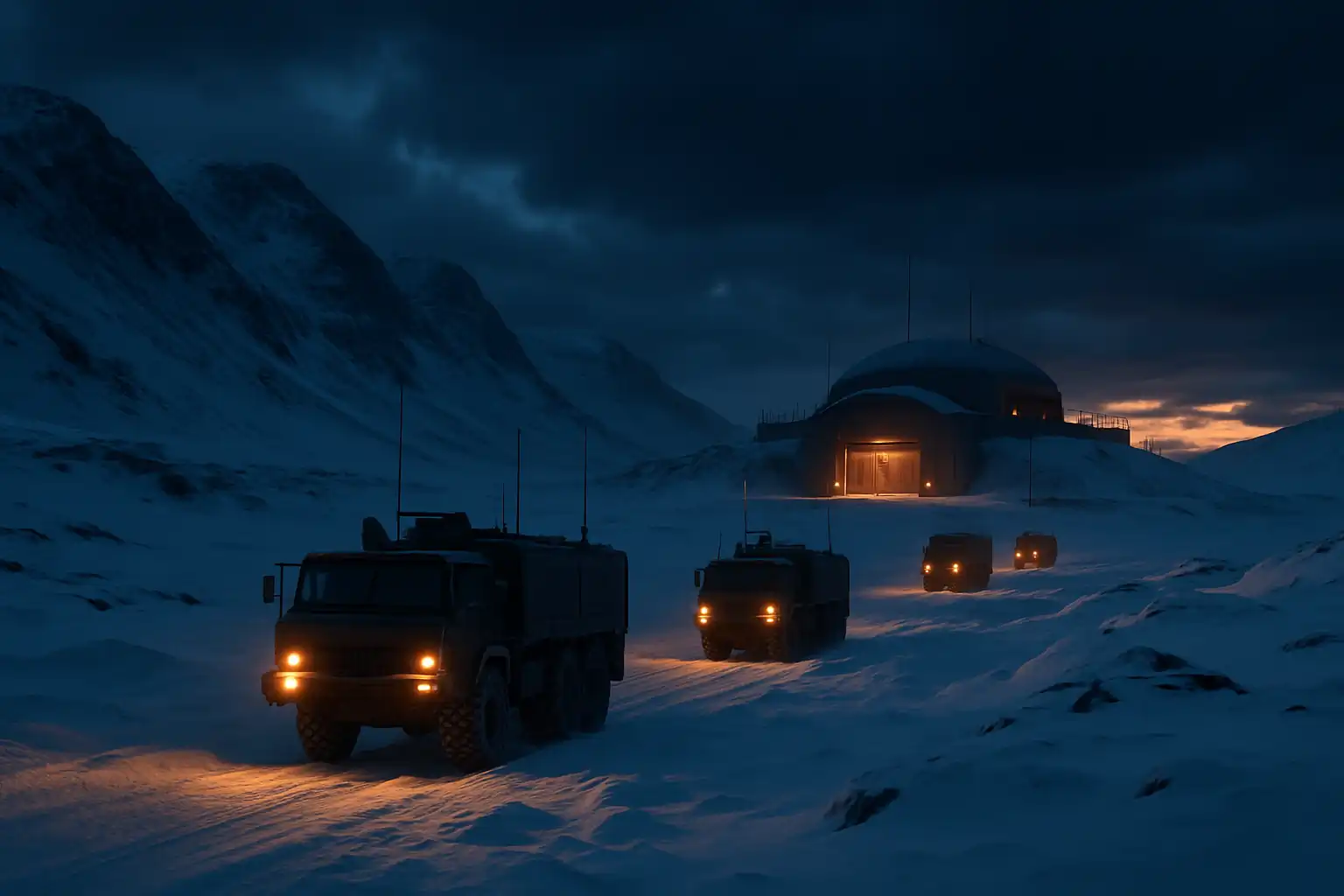
    Recent movements of Russian military, political, and civil defense officials to secure facilities have caught the attention of intelligence circles, echoing Cold War protocols for nuclear crises. In August and October, both official media and independent monitors noted convoys heading to hardened locations and increased government activity around strategic command posts. As reported by The Guardian, Moscow frames these measures as “ensuring national security” amid potential external escalations or Western nuclear tests. These signals demonstrate capability, intimidate rivals, and reassure domestic audiences. Meanwhile, US and European leaders have revised their own continuity-of-government and civil defense protocols, as highlighted in emergency preparedness investigations.

    Nuclear Triad Drills: Missile Launches, Escalation Risk, and Diplomatic Fallout

    On October 22, 2025, the Russian Ministry of Defense released a video of President Vladimir Putin overseeing simultaneous launches from Russia’s nuclear triad: a Yars ICBM from the Plesetsk site, submarine-launched missiles in the Barents Sea, and cruise missile sorties from strategic bombers. Detailed in AP News, these maneuvers form the backbone of Russia’s second-strike capability. Although officials maintain these drills are “routine,” their timing alongside the US resuming its own test posture has heightened tensions in an already strained arms control environment. International defense risk monitors widely analyze internal assessments and recent drills, providing critical insight into the rising tempo of nuclear signaling. Explore how these trends correspond with US developments in national security dossiers.

    What It Means: Echoes of the Cold War in a Digital Age

    The readiness of nuclear test sites, the synchronized triad drills, and official relocations send a potent message: Russia aims to show its rivals and population that it can deter or respond to grave threats. Many analysts view these actions as more about signaling than actual intentions to use nuclear weapons. However, the risks of accidents, misinterpretation, or escalation—especially during high-tension periods—are unprecedented. History shows that even symbolic actions can have tangible impacts, from altering markets to fueling new waves of bunker construction, as analyzed in social psychology features.

    For readers and analysts tracking swift changes, the lesson is straightforward: Verify facts, monitor official statements and civilian alert protocols, and stay acutely aware of the interplay between military, political, and media narratives. For in-depth reporting and analysis in science, security, and geopolitics, bookmark Unexplained.co as the crisis cycle continues to evolve.
  • Trump’s Nuclear Testing Order and Nationwide Guard Deployment: Parsing Fact From Panic

    Trump’s Nuclear Testing Order and Nationwide Guard Deployment: Parsing Fact From Panic

    America’s air raid sirens haven’t sounded like this in thirty years. They blare from the Oval Office. President Donald Trump’s October 2025 announcement order for the Pentagon to test nuclear weapons immediately, along with directives for National Guard deployments, jolted Capitol Hill and triggered urgent discussions worldwide. Behind apocalyptic headlines lie real consequences for national security, civil liberties, and geopolitics.

    Nuclear Testing: Breaking the Global Taboo

    Trump’s October directive signals a major shift in American nuclear policy. Since 1992, live weapons tests had been banned. The Reuters reported that Trump instructed the Pentagon to test “on an equal basis” with Russia and China. He justified this by citing advancements in rival arsenals. The U.S. must match or exceed Russian and Chinese capabilities, he claimed. Resuming nuclear explosive testing isn’t just symbolic; it rattles arms control advocates and sparks fears of a new Cold War. As noted in this crisis analysis, Russia’s recent showcase of doomsday torpedo technology fueled Trump’s hawkish response.

    Top military officials and defense hawks have debated renewed testing for months. Arms control experts caution that resuming tests could undermine U.S. diplomatic credibility and initiate a dangerous feedback loop with other nuclear states. For a recap of past nuclear escalations and their social consequences, see the 2024 urban emergency timeline.

    National Guard Mobilization: What Presidential Authority Really Means

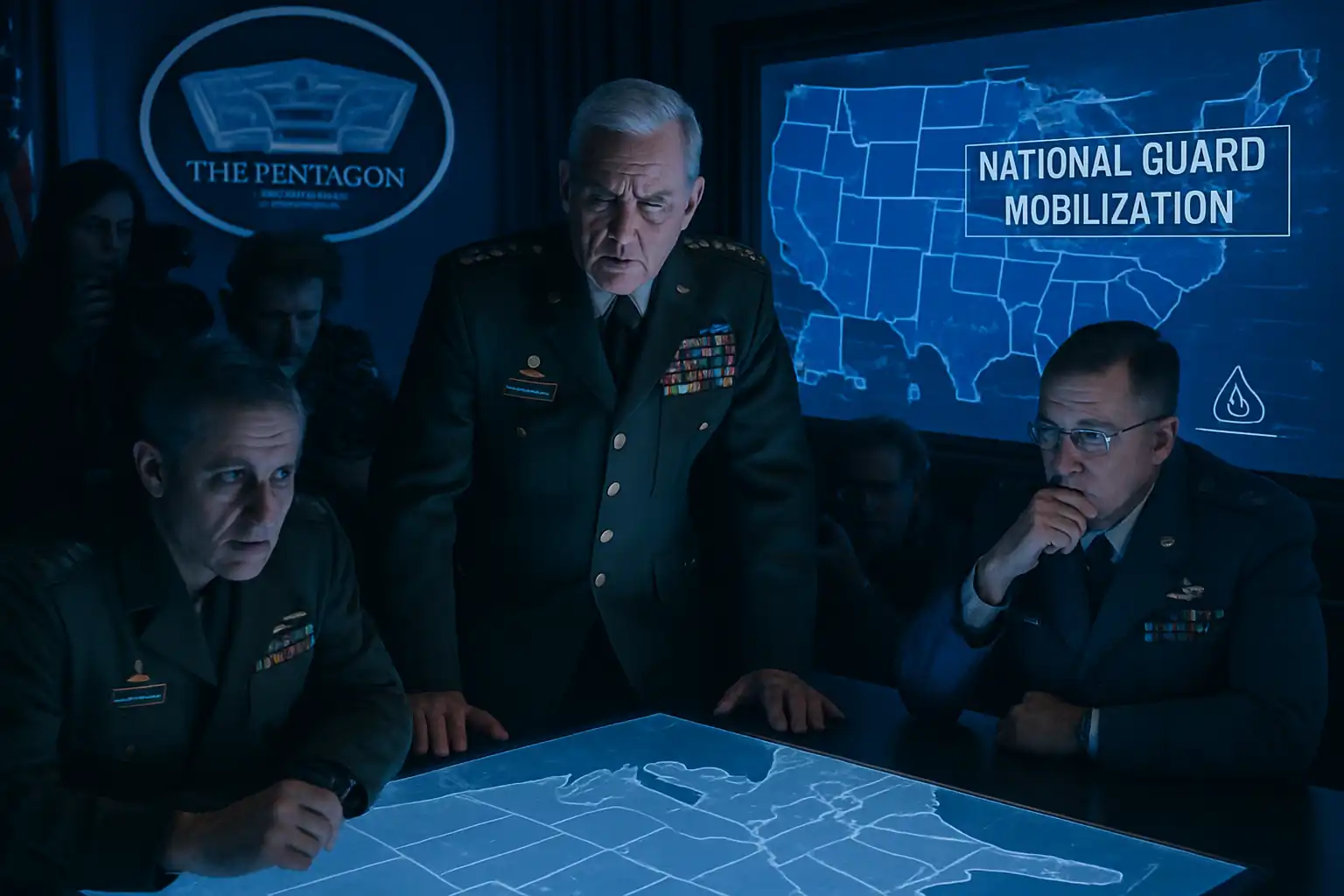
    The expansion of National Guard deployments has stirred controversy. Reports from Newsweek confirm Trump’s order to create “quick reaction forces” consisting of up to 500 guard members per state. While unprecedented, this builds on established presidential authority to federalize the Guard during emergencies or law enforcement needs—either via request or unilaterally in a declared crisis.

    The legal basis for these moves wavers between Title 10 federal authority and state sovereignty, leading to lawsuits and political confrontations in several states. For a concise overview, the National Guard’s official background provides insights. However, the president’s power to deploy Guard units nationwide encounters strong checks from courts, governors, and sometimes, from within the Pentagon itself. These checks echo past conflicts, like those explored in this live preparedness broadcast feature.

    State, Federal, and Public Reaction: Between Panic and Policy

    As news of federal actions spread, governors and local officials challenged the necessity of blanket National Guard deployments. Lawsuits question the rationale and proportionality of the orders, raising long-standing concerns about federal overreach vs. state responsibility. According to recent coverage by The New York Times, these deployments have “rattled cities” and “tested the limits of his legal authority.” Communities wrestle with the optics and impact of militarized policing. Ordinary Americans struggle to distinguish substance from political theater.

    In turbulent moments, boundaries blur quickly between military necessity, political spectacle, and public safety. For a field-level look at psychological and logistical dynamics, revisit this bunker boom investigation and analyze ongoing civilian-military fusion discussions in this industry analysis.

    The Road Ahead: Escalation Dangers and American Civil-Military Balance

    The United States confronts real (not simulated) nuclear escalation drills for the first time in a generation, alongside multi-state Guard deployments on short notice. These decisions may reflect prudent deterrence or dangerous brinkmanship, profoundly impacting American security infrastructure. Past events—the Poseidon torpedo reveal, emergency meeting scrambles, and overlapping crises covered in recent conflict analysis—suggest the nation’s security debate will shift from “preparedness” to “perpetual alert.”

    Navigating the next phase requires skepticism, thoughtful reporting, and public engagement. This engagement must address not only large moves but also the legal process, civilian oversight, and the long history of American checks and balances. For ongoing updates and trusted deep-dives into existential risk, science, and society, keep Unexplained.co front and center.

  • Mystery Fireball Over Moscow and Trump’s Nuclear Threats: What’s Fact, What’s Alarm?

    Mystery Fireball Over Moscow and Trump’s Nuclear Threats: What’s Fact, What’s Alarm?

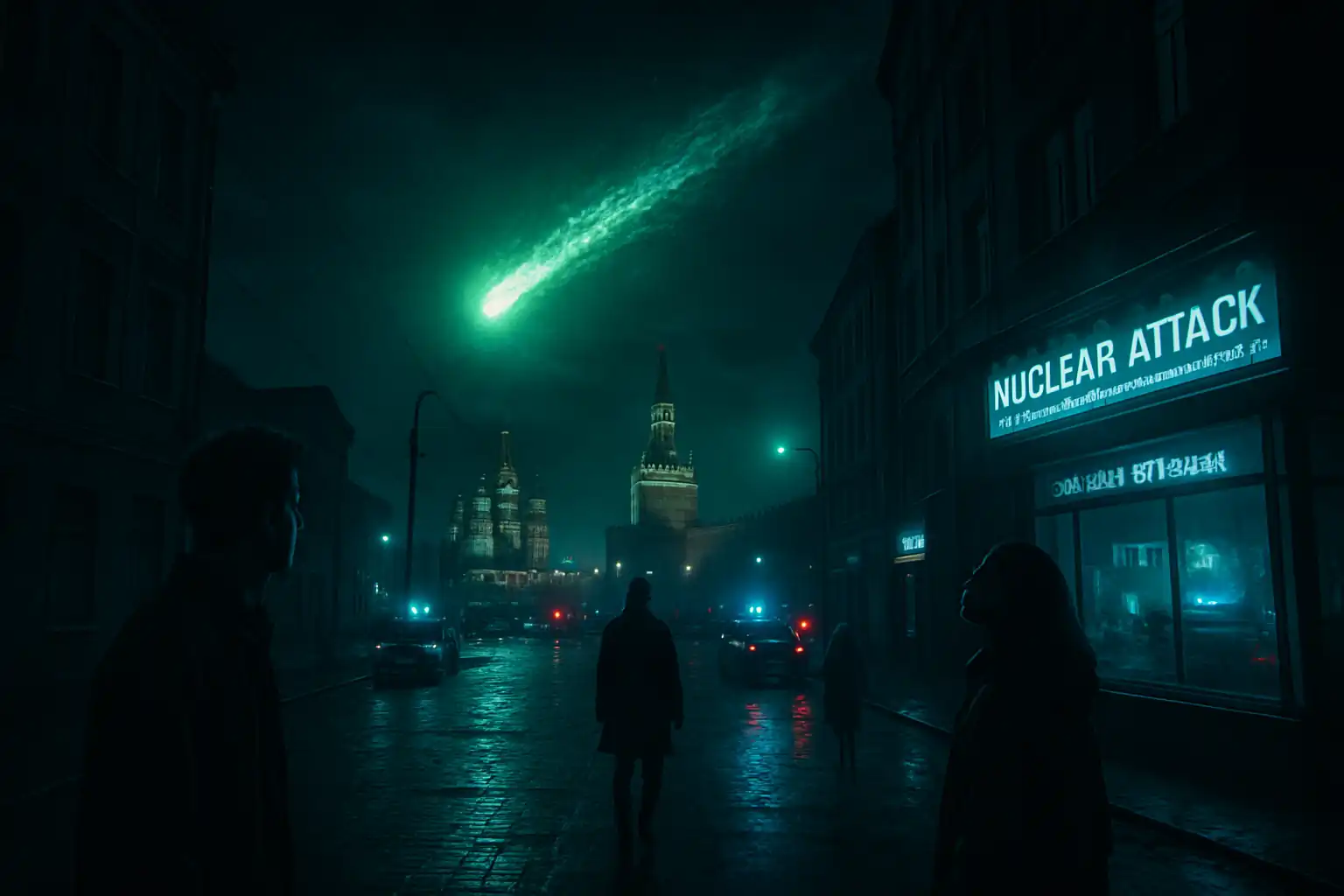
    Pre-dawn in Moscow, October 27: social feeds erupted as a surreal emerald streak lit the sky. Videos from residents across the city captured a green fireball blazing overhead, fragmenting and fading in a moment. Yet, it left an outsized mark on public anxiety. Timed within rising global tensions, the spectacle quickly blurred with rumor, stoking fears amid sharp exchanges between the Kremlin and Washington.

    Mystery Over Moscow: Scientific Insights and Public Jitters

    Multiple eyewitness reports and video evidence confirm the fireball’s passage over Moscow at 6:30 a.m. local time. Russian astronomers and experts cited in the USA Herald and TASS characterize the object as likely a small asteroid fragment or meteor. No damage occurred on the ground. Alexander Alekseyev, from the Tsiolkovsky State Cosmonautics Museum, points to heightened space activity as a potential factor, ruling out a military incident or crash. The glowing color—due to nickel or magnesium in the meteoroid—aligns with established science: meteors incandesce as they burn through the atmosphere, forming spectacular trails according to research.

    Despite scientific consensus, public speculation soared. Some residents linked the fireball to missile tests or even aliens—a reminder that current anxieties amplify natural events. Panic and rumor cycles around similar cosmic events also emerged, as analyzed in this planetary defense analysis.

    Fireball and Fallout: The Timing with Capital Emergencies

    The fireball arrived amid real emergencies. In mid-October, Moscow authorities raided undocumented migrants, raising the city’s emergency alert posture and uncovering thousands of violations during “Operation Nelegal 2024” according to Russia Matters. This hardening of the capital’s security coincided with government warnings about terrorism and sabotage. It also intersected with the city’s vulnerability to “spectacle over threat” cycles.

    Both Russian and international analysts observe that one unexplained event can heighten urban insecurity, particularly as information wars and disinformation swirl around official explanations. To understand how rumors can transform legitimate emergency preparedness into societal unease, consider the latest public reports on live emergency leaks and their surreal ripple effects.

    Trump’s Nuclear Gambit: Tightening the Escalation Ladder

    As Moscow examined the skies, Washington focused on the growing standoff between former President Trump and the Kremlin. On August 2, Trump ordered two U.S. nuclear submarines to “move closer to Russia,” reacting to what he termed “provocative statements” by ex-president Medvedev. U.S. officials and security analysts, as reported by Reuters, framed the order as symbolic. The U.S. Navy keeps submarines within strike range, yet the rhetoric marked an escalation. Moscow’s initial response, according to archival coverage of past nuclear drills, focused on calm counter-messaging to avoid panic.

    This nuclear saber-rattling fits into a broader pattern of militarized posturing from both governments. The cascade of threats—some public and some coded in military movements—fuels the rumor cycles that make routine cosmic events seem ominous. Echoes of these escalation fears resonate throughout contemporary defense analysis, such as in exclusive risk briefings for policymakers and public watchdogs.

    Science, Speculation, and Why It Matters

    Mystery in the skies is familiar for Russia—home to events from the 2013 Chelyabinsk meteor to rumors of hidden weapons tests during the Cold War. The Moscow fireball underscores this truth: scientific reality and public perception rarely align. While experts agree the event was a harmless meteor, its emergence in a nervous city spawned speculative theories. The intersection of cosmic spectacle, urban anxiety, and political showdowns highlights the need for effective science communication and transparency—to prevent rumors from growing into real-world disturbances.

    Events like the Moscow fireball serve as stark reminders that in the era of viral media and geopolitical stress, facts and fears often blur. For ongoing analysis on planetary defense, urban psychology, and escalation gambits—plus insights into the latest cosmic oddities—bookmark Unexplained.co.

  • Live TV Slips and the New Age of National Emergency Preparedness: What’s Really Being Revealed?

    Live TV Slips and the New Age of National Emergency Preparedness: What’s Really Being Revealed?

    Occasionally, a slip of the tongue or a vague remark on live TV stirs internet paranoia. In 2024, that paranoia is becoming reality. Viral television mishaps, highlighted in memorable live blunders, alongside coordinated disaster readiness campaigns, indicate a larger underlying issue beneath everyday business.

    Accidental Revelations on Live Television: The Year’s Biggest Gaffes

    The demand for uncovering hidden meanings in public mistakes has intensified. In 2024, political debates and breaking news segments produced an abundance of viral moments. Presenters and officials fumbled words, unexpectedly mentioned events, or let slip critical details before eager viewers. Reports from Express.co.uk spotlight hosts inadvertently “ruining surprises” or referencing emergencies better kept private. While seemingly harmless, these blunders fuel a growing climate of suspicion about what leaders know and what they are preparing viewers for.

    The trend of casual slips provoking widespread speculation isn’t new. However, today’s nonstop streaming environment ensures that every mistake is preserved and analyzed for hidden meanings. This pattern is evident in panic-fueled reactions to nuclear triad drills discussed in this archival report.

    Coordinated Government Drills: Are These “Slips” Accidental?

    Amidst viral TV fodder, substantial evidence reveals broad government preparedness efforts, particularly for discussing unpalatable emergencies on prime time. In 2024, FEMA and other agencies executed the Great ShakeOut, comprehensive tornado and earthquake drills, and National Emergency Preparedness campaigns across more than a dozen states. According to FEMA, these exercises simulate everything from natural disasters to grid attacks, training officials, citizens, schools, and hospitals in coordinated responses.

    The sophistication of these operations rivals scenarios imagined on social media, occurring alongside data-driven defense strategies. This is evident in U.S. military escalation modeling presented in a real-world risk analysis and interstellar “panic” reports found at planetary defense briefings.

    The White House and National Security Briefings: What’s Being Prepared?

    Official briefings in 2024 reveal an increasing urgency about national emergencies. Background press calls and White House statements, such as those in archived press calls, discuss interagency preparations for extreme weather, cyber threats, and mass disruptions. Officials now discuss continuity-of-government planning and rapid-response teams ready for “catastrophic impacts that may exceed their own ability to respond.” This indicates a shift in strategy, echoed by expert roundtables and scenario drills observed in new defense technology reporting and investigative notes on civil anxiety.

    U.S. continuity planning stems from decades of development and isn’t limited to nuclear threats. According to continuity of government doctrine, these protocols activate for various crises, from terror attacks to pandemics, aiming to minimize chaos under catastrophic conditions.

    Readiness, Rumor, and the Limits of Transparency

    Why does this matter? The intersection of live-TV mistakes, mass drills, and expanding emergency powers marks a new chapter in government-citizen relations. Drills and coordinated efforts, once rare, are now commonplace and readily memed after each blunder. Meanwhile, genuine uncertainty lingers about the level of transparency leaders maintain—particularly when scenarios evolve from everyday hurricanes or wildfires to cyber warfare, geomagnetic solar storms, or even unimaginable convergence events covered in archival reports.

    No matter the actual risk, the lesson is apparent: preparation, not panic, defines the new normal, and the boundaries between accident, warning, and message have never been more ambiguous. For a steady stream of curated context and essential news, visit Unexplained.co.

  • WW3 Escalation: Why 2024’s Peace Proposals Are Failing and What Comes Next

    WW3 Escalation: Why 2024’s Peace Proposals Are Failing and What Comes Next

    Doomsday theorists, defense analysts, and policy hawks may finally agree: the window for averting a broad global conflict is narrowing. As 2024 approaches, the latest peace proposals for Ukraine seem deadlocked—if not destined to fail. Both sides are entrenched amid rising brinkmanship and escalation rhetoric. Russia demands territory and sanctions relief, while Western security guarantees and reconstruction plans clash. This fuels skepticism that any peace summit could end the war rather than merely pause it.

    Why Peace Proposals Keep Failing—By Design?

    The recent European-led 12-point peace initiative, highlighted in Newsweek, faces immediate challenges. Russia insists on keeping occupied Ukrainian territory and receiving sanctions relief, while demanding a significant role in post-war reconstruction. Western and Ukrainian policymakers demand that Russia cede ground and endure ongoing accountability. Critics contend these nonstarters render the proposals “designed to fail.”

    Putin’s plan—permitting a “frozen conflict” with de facto control of current holdings—is outright rejected in Kyiv. President Zelenskyy warns that any such compromise would reignite a broader war (peace negotiations background). The prospect of returning to business as usual remains “a sticking point likely to sabotage” any potential resolution.

    NATO, Russia, and the Escalation Risk in 2024

    With no viable peace on the horizon, NATO and Russia are solidifying deterrence postures reminiscent of classic Cold War standoffs. A RAND Corporation spectrum of escalation risk, reviewed in International Affairs, highlights the danger of both inadvertent and deliberate actions—ranging from kinetic missteps to potential nuclear crossings. Western tolerance of Ukrainian strikes inside Russia, alongside continued arms supplies, heightens the risk of minor miscalculations spiraling into a broader conflict. NATO’s planners, as detailed in this next-generation military technology report, are racing to enhance resilience and response speed across Europe.

    This escalation isn’t just about tanks and missiles; it mirrors new capabilities in electronic warfare, drones, and advanced surveillance. These developments reflect the digital fusion scenarios discussed in AI surveillance analysis and the political risk assessments tracked in this economic fallout review.

    Biden’s High-Stakes Choices and Mixed Global Reception

    The Biden administration’s decisions—allowing Ukraine to strike deep into Russian territory using U.S.-supplied weapons—spark intense debate domestically and internationally. According to Reuters, Russian lawmakers accuse Biden of “maximizing escalation” and suggest the U.S. is being drawn into direct confrontation as an outgoing administration. Meanwhile, European actors and hawkish U.S. legislators clash over where the blame for escalation lies. Some argue that Moscow’s use of foreign mercenaries and new weapons forced Washington’s hand, while others perceive this policy as election-cycle maneuvering with dangerous potential.

    Analysts warn that uncertainty about U.S. leadership post-election adds volatility and incentivizes rapid actions by all parties. High-profile criticism and scenario analysis, evident in crisis escalation briefings and nuclear risk commentaries, underline the fragility of the current situation.

    What It Means: Lessons from History and The Edge of World War

    The prospect of World War III, discussed in this comprehensive background, has haunted policymakers and the public since the nuclear age began. Mutual assured destruction, proxy wars, and brinkmanship typically prevented great powers from taking drastic actions. However, the rise of non-state actors, cyber-warfare, and economic clashes—along with critical flashpoints in Ukraine, the Middle East, and the Pacific—expand the battlefield while narrowing error margins. As technological and nuclear risks overlap, the “weaponization of uncertainty” compels governments to fortify their supply chains and enhance information resilience, as outlined in emerging tech investigations and the evolving political psychology of anxious global elites.

    Escalation is no longer a mere line; it has become a spectrum where missteps or purposely “unworkable” proposals can justify further conflict. For real-time updates, cross-disciplinary analysis, and survivor insights, follow leading reports at Unexplained.co—the frontline for decoding escalation in an increasingly precarious world.

  • America’s Air Super Squadron: How the US Air Force Is Rewriting Combat Power in the Pacific

    America’s Air Super Squadron: How the US Air Force Is Rewriting Combat Power in the Pacific

    The evolution of American airpower is a disruption centuries in the making. The US Air Force’s reliance on the number twenty-two (the traditional size of a fighter squadron since WWII) is being replaced by “Super Squadrons” at Osan Air Base in South Korea. This transformation, starting in 2024, marks a shift in a doctrine that powered victories from D-Day to the Cold War. So, why alter proven practice by more than doubling squadron size now—and why in Korea?

    F-16 Super Squadrons: Tactical Rationale and Strategic Implications

    Everything changed in the summer of 2024 when the US Air Force shifted additional F-16s to Osan. As noted by Air & Space Forces Magazine, the addition of nine F-16s created a “Super Squadron,” boosting one unit from 22 fighters to 31, with plans hinting at up to 60 under one commander. This leap is a direct response to North Korea’s growing missile capabilities and China’s ambitions, pushing US planners to concentrate overwhelming firepower for swift, decisive strikes.

    This jet concentration aligns with broader trends in American and allied force structures, echoing efforts to maximize readiness and rapid deployment amid strategic uncertainty, similar to global operational escalations.

    240 Missiles and the Edge of Aerial Lethality

    These Super Squadrons are formidable not just because of their jet count—it’s the missile firepower that stands out. Emerging weapon technology reshapes the odds. The newest squadrons carry the AIM-260 Joint Advanced Tactical Missile (JATM), designed to surpass Chinese and Russian counterparts. According to technical documentation, a squadron of 60 jets could feasibly unleash upwards of 240 advanced missiles in a single surge.

    This firepower dwarfs previous benchmarks, indicating that any adversary planning massed attacks would encounter a defensive wall distinct from earlier US doctrine. For those interested, recent field reports on Russia’s evolving weaponry provide a contrasting look at conventional and next-generation systems.

    Pacific Posture: New Deployment Concepts and Forward Strategy

    The move to Osan is just the beginning of a broader strategy shift. The Air Force is redesigning fighter deployments in the Pacific for high-end conflicts with China and North Korea. As RealClearDefense highlights, the REFORPAC exercise—scheduled to mobilize over 300 aircraft—is one example of how airpower might be dispersed and aggregated for effective deterrence and warfighting.

    This reflects modular readiness seen in other tech-driven domains. With super-sized squadrons and coordinated multinational efforts, the US aims to flex military muscle—often breaking traditional playbooks. The need to adapt echoes in rapid-response scenarios outlined in this deep dive on strategic change and resilience.

    Why It Matters: Doctrinal Disruption and Airpower’s Future

    Replacing the “squadron 22” with 60-plus jets is more than a logistics challenge—it’s a bold operational wager in a new era of missile saturation and fluid power projection. The ability to deploy 240 advanced missiles in conflict opening hours serves both deterrence and domination. If Super Squadrons succeed in Korea, they may redefine Air Force combat power structures across the Pacific and beyond.

    For further insights into changing power balances and their implications for war and statecraft, consult Unexplained.co or investigative reports on next-generation dominance like this analysis and stealth bomber advancements.

    Ultimately, the shift to Super Squadrons acknowledges that peacetime rules can falter in the face of new realities. To understand the legacy of Air Force squadrons—and the implications of organizational changes—refer to the official history of these iconic units. The future of aerial combat promises to be massed, missile-laden, and more unpredictable than ever.

    For more on the intersection of technology, risk, and doctrine, revisit reporting on mega-missiles, emerging threats, and military innovation in this feature and warnings from AI experts.

  • A ‘Fierce’ War with Iran: Imminence, Escalation, and US Strategy Unpacked

    A ‘Fierce’ War with Iran: Imminence, Escalation, and US Strategy Unpacked

    Global tensions with Iran have escalated dangerously. In 2024, warnings about a possible “fierce” war seem more plausible than mere doomsday clickbait. The US, Israel, and Iran are in a cycle of escalating military, diplomatic, and economic actions. Recent provocations and counterstrikes force governments, defense contractors, and citizens to reconsider their readiness—psychological, digital, and logistical.

    Credible Threats and Escalation Spirals: A Geopolitical Powder Keg

    A recent analysis from The Washington Institute argues that only a “credible offensive threat” can deter Iran from further escalation (see the Institute’s escalation assessment). The US and Israel’s strikes in April and October 2024 quickly triggered Iranian retaliation. Events like Israel’s killing of senior Iranian leaders in Damascus sparked powerful missile responses. For years, Tehran relied on proxies for plausible deniability. Yet in 2024, direct confrontations—missile exchanges, cyberattacks, and airstrikes—have emerged openly. This cycle, detailed in global risk intelligence features, reveals the fragility of regional red lines and how swiftly military logic can overshadow diplomacy.

    Recent months underscore the value of real-time scenario analysis. Leaked defense planning discussions and accelerating wargames confirm findings in AI conflict forecasts, where the speed and complexity of modern warfare can outpace government response.

    Cycle of Retaliation: How and Why Limited War Becomes Total War

    Iran’s leadership exhibits a paradox: it shows willingness to fight while calibrating responses to avoid annihilation. A related Washington Institute study explains that Iran’s missile and drone attacks—such as April’s mass launch at Israel—are often “choreographed” to showcase strength while minimizing escalation risk. However, when both sides expect the other to back down, strategic miscalculations become common. As documented in the chronology of the Iran–Israel confrontation, 2024 marked a first: both sides launched major direct attacks after decades of proxy conflict.

    In this volatile climate, military planners are reassessing their assumptions. The risk of broader fallout, including a potential regional war involving the US and Gulf states, highlights the necessity for scenario exercises reminiscent of emergency military summits. These exercises inform not only government strategies but also critical infrastructure sectors. Converging crises—from geopolitics to cyber threats and economic shocks—now integrate into security modeling, as addressed in field guides on systemic risk and resilience.

    The Pentagon’s Strike Options and the Myth of an Easy War

    If conflict escalates to full-scale combat, Pentagon planners will face challenges beyond airstrikes. According to the Institute for the Study of War’s recent operations log and various high-level leaks, US strikes on Iran’s nuclear infrastructure—using B-2 bombers and bunker-buster bombs—illustrate American military capabilities but do not guarantee regime change or decisive victory (see detailed operations background). Experts widely agree that an occupation remains a “nightmare scenario” for the US. Such an effort would require millions of troops and likely ignite Iran’s vast asymmetric network, from missile arsenals to proxy militias. The Modern War Institute concludes that contingency plans now emphasize punishing strikes and local deterrence over regime change.

    Thus, readiness encompasses not just tanks and jets; it includes rapid mobilization, information control, and resilience planning—issues covered extensively in discussions on infrastructural risk and unconventional warfare at Unexplained.co.

    Why This Crisis Is Different and Why It Matters Now

    The 2024–2025 escalations are unique because technology, regional alliances, and retaliation cycles are outpacing diplomatic and public response. Every rocket, drone, and statement risks further miscalculations. For readers and policymakers, the takeaway is not one of paranoia but of prudent vigilance. Understand the new escalation ladder, recognize technology’s limits as a remedy, and learn from recent close calls—many examined in emergency readiness timelines and scenario guides.

    With so much energy spent on preparation, remember that readiness extends beyond bunkers and stockpiles. It includes resilient governance, digital literacy, and the integrity of information amid a fast-moving narrative war. As the world nears a critical point, the convergence of open conflict, cyber warfare, and global economic risks has never felt so immediate—or urgent.

  • Putin’s Nuclear Drills and Fuel Crisis: The New Face of Cold War Sabre-Rattling

    Putin’s Nuclear Drills and Fuel Crisis: The New Face of Cold War Sabre-Rattling

    Sirens blare, missiles roll out, and once again the world’s eyes snap to Russia as President Vladimir Putin directs a nuclear drill with over 100,000 troops. Official broadcasts showcase the Kremlin’s nuclear arsenal and its readiness for confrontation—timed perfectly with fuel shortages across the country. “All means available” is back in vogue, and memories of the Cold War’s standoffs linger in the present day (AP News report).

    However, beneath the bluster of flashy launches and bold soundbites lies a critical logistical crisis. Ukrainian drone and sabotage attacks have tightened Russian fuel supplies, trapping motorists in endless queues and increasing anxiety across the streets (The Guardian’s in-depth coverage). If you think this is mere theater, recall the last time global powers played with fire: people built fallout shelters and stockpiled canned goods (just ask blackout preppers).

    Nuclear Drills and the Resurgence of Deterrence

    This year’s Russian exercises raised the stakes, simulating retaliatory strikes and full-spectrum nuclear triad launches—land, sea, and air. The drills included ballistic and cruise missiles, keeping Western observers and NATO planners alert. Analysts note the symbolism: Russia aims for rivals and citizens to see its first- and second-strike options alive and well. For an overview of this multi-domain firepower, check out the nuclear triad’s history and doctrine.

    The choreography blends politics and military strategy. Putin’s moves counter both hypothetical Western incursions and his logistical challenges, attempting to mask domestic strains with a show of hardware. Eerie echoes appear in other Russian fallback strategies, like the “impossible-to-destroy” UVB-76 number station, discussed in this strategic breakdown—a reminder that remaining heard is just as important as displaying might.

    Fuel Shortages and the New Frontline of Hybrid Warfare

    No matter how many rockets you possess, running out of gas becomes a tactical nightmare. Russia—an energy superpower on paper—grapples with the paradox that fuel is among its most vulnerable assets. Ukrainian UAV attacks have ignited fires at refineries, disrupting Russia’s logistics and its long-term operational capabilities. Drivers now wait hours at empty pumps, while battlefield supply issues intensify (The Guardian account).

    With critical logistics under siege, the balance of power may shift—not only on the steppe but in global markets and NATO’s strategic discussions. Evolving vulnerabilities deeply influence collaborative response strategies and secret planning sessions, highlighted by tools like Palantir’s Gotham platform, which enhances defense analytics and situational awareness (see analytics in action).

    NATO’s Secretive Posture—and the Shadow Game

    As the West responds, secrecy dominates. NATO’s recent exercises involve covert communications and rigorous contingency planning. While officials maintain a poker face, military analysts indicate that significant drills—some shadowed by nuclear scenarios—are now standard. Media investigations and open-source intelligence reveal ongoing efforts to ensure the alliance can withstand surprises, from cyberattacks to fuel shortages (Sky News analysis).

    Expect more deterrence kabuki, calculated leaks, and closed-door brainstorming on both sides. These developments reflect the cautious, sometimes surreal, “end times” planning theorized in the first-72-hours crisis timeline, which is far from routine in this era of brinkmanship.

    Escalation, Blackouts, and the Pace of Unpredictability

    While Putin’s televised drills appear as chest-thumping, it’s the intertwined threats of logistical failure, electrical blackouts, supply chain chaos, and unpredictable escalation that experts closely watch. Nuclear posturing without reliable refueling resembles a tank with no treads—it can flex but not move. In this high-stress chess game, information dominance and adaptive planning are just as vital as hardware; both NATO and Russia have learned this from recent surprises, including sabotage, cyberwarfare, and even wildcards like close asteroid flybys.

    This is a world of continual “readiness,” where any blackout or shortage could signal a test, and every drill might send coded messages to rivals or a weary public. For ongoing risks—nuclear, logistical, or apocalyptic—bookmark Unexplained.co and check your generator. If you’re not prepping, you’re hoping no one else is paying attention.

  • First Blasts, Fallout, and Shock: Inside the First 72 Hours of Nuclear War

    First Blasts, Fallout, and Shock: Inside the First 72 Hours of Nuclear War

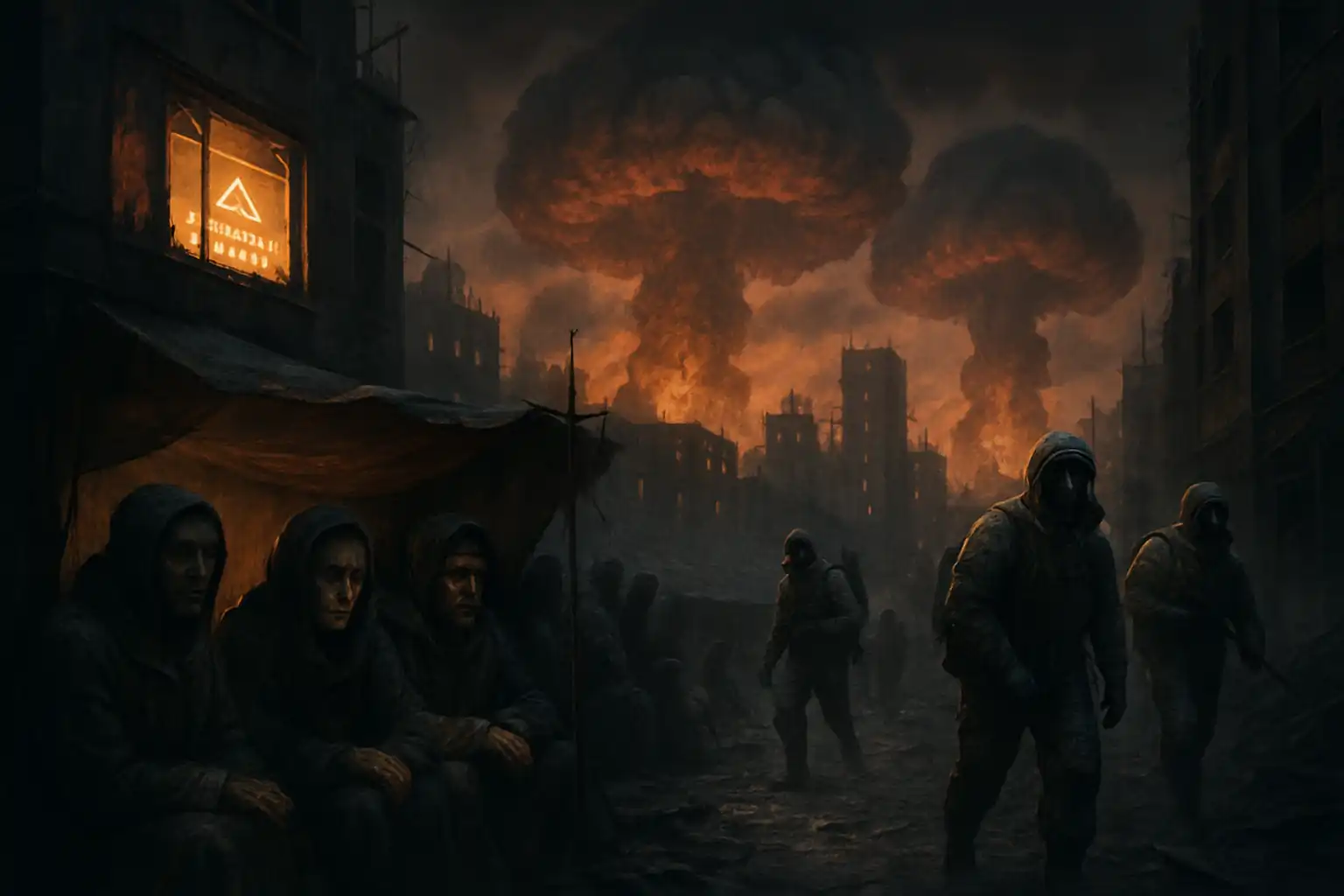
    A flash blares—blinding and relentless—as the world’s digital veins flood with warning codes. When the dreaded day arrives, World War 3 won’t wait for talking heads to finish their sentences. In those opening seconds, governments spring into action, civil defense plans shudder off the pages, and millions instinctively flee to basements, bathtubs, or anything resembling shelter. The true battle for survival, however, extends far beyond the first detonations. It’s within the next 72 hours that the fate of nations and survivors is determined, not by luck, but by precise protocol—and a bit of preparation.

    For decades, planners meticulously charted nuclear retaliation timelines, fallout, and public guidance with chilling accuracy. This high-stakes scenario, now more likely than at any moment since the Cold War, is a script with no room for improvisation and minimal margin for error. Welcome to the hour-by-hour breakdown of nuclear warfare’s opening act—a reality check that slices through panic with research-based truth.

    From Missile Launch to Detonation: The First Hour

    The clock ticks the moment early-warning systems detect inbound warheads. Within minutes, military command posts—like those detailed in the National Response Scenario Number One—enter Red Alert. The U.S. president and national leaders receive the dreaded briefing, triggering a cascade: defense systems activate, retaliatory forces prepare, and the public (if time permits) gets a terse, grim warning, likely via Emergency Alert System messages. Civilians who heed this call understand the need to take cover immediately, as fallout may begin falling within the hour. In this chaos, every minute counts: windows must be secured, water and basic medications gathered, and, as FEMA notes in this FEMA guide, shielding from blast and radiation is the sole way to survive the initial wave.

    The Government and Military Mobilization Machine

    Behind the civilian scramble, military operations follow a grim dance. Defense systems intercept threats where possible, but planners anticipate the worst: major cities and military hubs will suffer catastrophic hits. National Guard units deploy to protect critical infrastructure and maintain order amid the aftermath. Homeland Security protocols sync with public health and fallout sequences outlined in Radiation Emergency Medical Management resources. First responders venture into the unknown, knowing they could enter radioactive ruins—risking their own lives to stabilize chaos. The first 24 hours focus on locating survivors, outlining triage plans, establishing perimeters, and preventing panic from morphing into mass exodus or violent unrest.

    Surviving the Fallout: Civilian Realities in the Crucible

    For ordinary people, the crucial mantra is to shelter in place—preferably underground—until directed otherwise. Experts cited in the Homeland Security Digital Library report that radiation levels drop sharply after the first 24 to 48 hours. Those who remain indoors, away from windows and doors, have a small but real chance to avoid lethal exposure. Emergency broadcasts (if still operational) issue instructions regarding food, water, and medical assistance. In this uncertainty, misinformation flourishes. Underground networks, like survival forums inspired by real-life contingency plans such as modern survival guides, become critical hubs for practical advice.

    This moment—uncertain, shadowed by nuclear winter, and echoing scenes from post-apocalyptic fiction—tests assumptions about the thin barrier separating society from anarchy. For survivors, every minute is a dilemma: exposure risk versus supply acquisition, faith in broadcast messages versus rumors of safe zones, and the continual threat of aftershocks as secondary strikes or accidents transpire.

    The 72-Hour Mark: Assessing Damage and Adapting

    After three days, the world has likely transformed—possibly forever. National leaders, if communication is possible, relay new orders to surviving populations and initiate the arduous tasks of rescue and rebuilding. Civil authority strains to the breaking point, while first responders suffer casualties from radiation sickness and civil unrest. According to federal planning documents, response “may reach robust capability within 48 hours, but 72 hours is probably more realistic.” What begins as a military operation quickly shifts into an all-hands-on-deck rescue effort, drawing on local knowledge, hidden resources, and—at times—makeshift alliances among survivors. The risks persist: food and water shortages, fires, and continuous radiation render every venture outside shelter perilous.

    Throughout this accelerated crisis, one thing is evident: those with thorough preparation and a bit of paranoia are ahead of the game. Whether inspired by leaked contingency plans or grim playbooks dissected in assessments of World War 3’s tripwires, key lessons emerge. Even with governments operating at their utmost efficiency, personal readiness and community coordination can mean the difference between hope and despair.

    Nuclear Survival: Lessons for a Not-So-Distant Future

    If there’s any solace in this scenario, it’s the history that offers guidance. Since Hiroshima and Nagasaki (see Wikipedia’s entry on nuclear warfare), governments have researched, strategized, and refined their protocols for the nuclear age. But with every new missile test, emerging threat, or policy misstep, the question looms larger: Are you truly ready for the unthinkable? For a deeper exploration of the grim realities of nuclear brinkmanship—and the art of survival when everything falls apart—keep a watchful eye on Unexplained.co.

  • Red Lines and Rogue Drones: Poland’s UN Showdown with Russia Over Airspace Incursions

    Red Lines and Rogue Drones: Poland’s UN Showdown with Russia Over Airspace Incursions

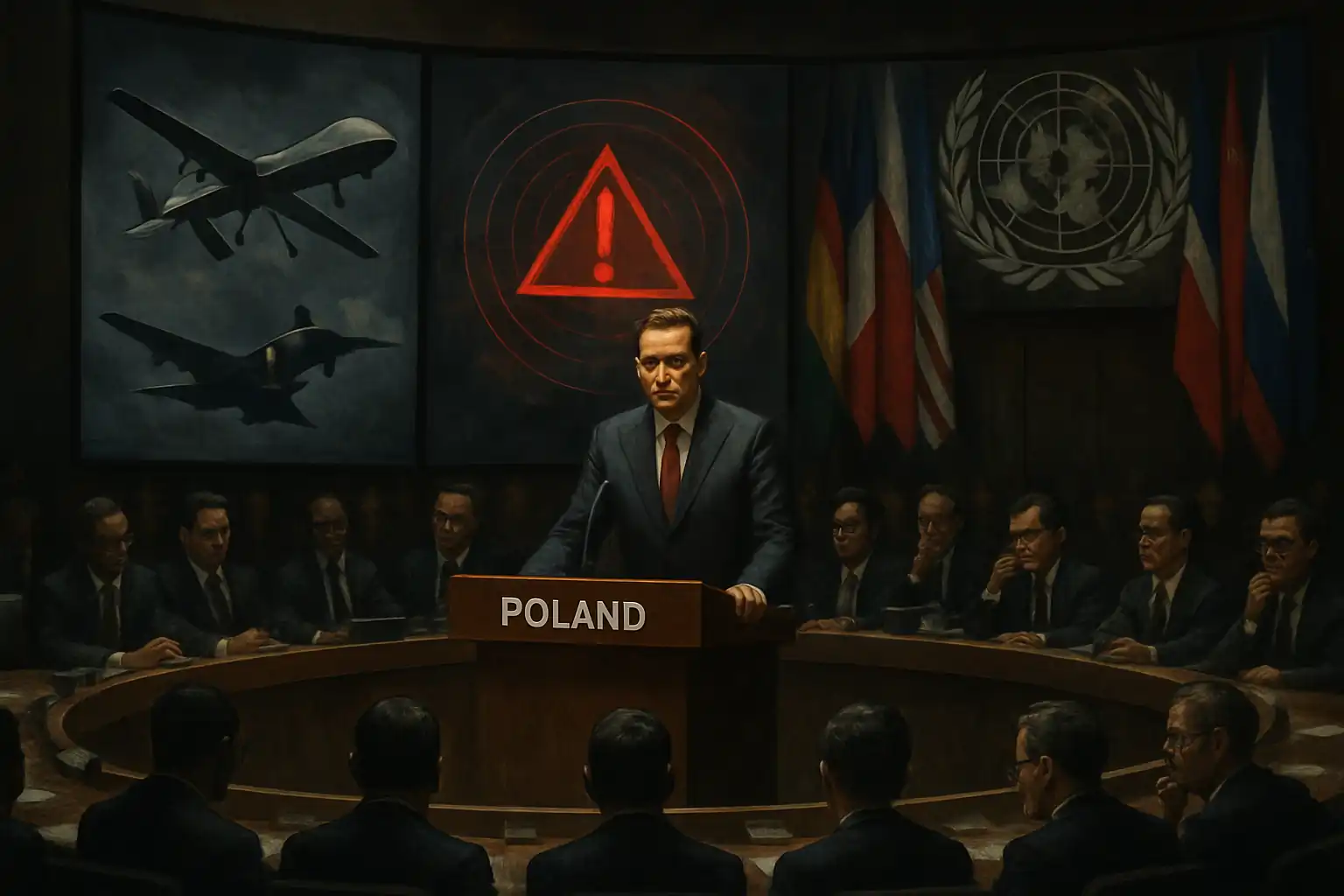
    When Russian drones crossed into Polish airspace, they tested borders and triggered alarms from Brussels to New York. This week, the UN Security Council convened in crisis mode as Poland’s ambassador condemned Moscow’s “hybrid warfare.” Europe now skates on the thinnest post-Cold War ice yet. The aftermath threatens to reshape security doctrine, rattle alliances, and push NATO closer to confrontation.

    The incident follows escalating Russian provocations across Eastern Europe. Warsaw’s response was swift and firm. NATO supported Poland with air defenses and strong warnings. Western governments scrambled to determine if the incident reflected Moscow’s pattern of provocation—or foreshadowed future aggression. For a region scarred by past invasions, even a remote-controlled drone feels like the prelude to something larger.

    Poland’s Stand at the United Nations: Demanding Action on Drone Attacks

    In a move reminiscent of Cold War playbooks, Poland’s UN representative denounced Russia’s violation as “intolerable aggression.” As detailed in this BBC analysis of NATO’s response, NATO members rallied with air defense deployments. Poland has called for invoking Article 4—a rarely used consultation clause in the North Atlantic Treaty signaling a perceived threat to the alliance. The UN Security Council, familiar with deadlocked rhetoric, now becomes a platform for addressing global concerns about hybrid warfare, cyber incursions, and the fragility of European stability.

    Voices inside Poland grow louder, demanding not just condemnation but accountability and tangible steps to deter further hostility. The country’s resolve at the UN has drawn global attention, following numerous confrontations on the NATO border and coinciding with broader pressures from Russian cyber, drone, and disinformation tactics. In this tense climate, every diplomatic gesture is amplified—hesitation may prove costly.

    NATO’s Article 4: Collective Defense Tested

    Moments like this test NATO’s foundational principles. Calls to activate Article 4 are not made lightly; the last time such language echoed across Europe, the world faced a potential world war. According to detailed coverage in Newsweek’s breakdown, NATO allies view these drone incursions as calculated moves with significant risks. Polish Prime Minister and foreign leaders have issued warnings—echoed in live reports from Europe’s front lines—that Europe now stands on the brink of open conflict, more than at any time since 1945.

    This situation has vast implications for collective security. A single incident—whether a downed drone or intercepted communication—can trigger mobilization spirals, reminiscent of close calls that nearly sparked global wars. NATO’s commitment to mutual defense, forged in the darkest days of the last century, faces new challenges from rapidly evolving military technologies and Moscow’s probing of the alliance’s red lines.

    Regional Stability and the Escalation Dilemma

    As the region edges toward instability, escalation risks heighten. Drone warfare is merely the leading edge: the Kremlin has paired these tactics with cyber disruption, information warfare, and aggressive military posturing, creating complex challenges for Western planners. Experts warn in scenario analysis of WW3 tripwires that such hybrid pressures can quickly overwhelm political restraint, particularly as public sentiment, economic factors, and military assessments shift.

    Poland finds itself both a target and a guardian. NATO’s response, debated internationally and showcased in recent Congressional hearings and military exercises, has redefined “collective defense.” Concurrently, domestic debates over readiness—spanning missile defense to civil shelters (referenced in disaster survival guides)—illustrate that each skirmish escalates anxiety and preparation.

    What Comes Next: Tripwires, Diplomacy, and a Precarious Peace

    No one expects Russian drones to single-handedly ignite World War 3, but experts recognize that history is shaped by accidents, misjudgments, and missed signals. As diplomacy strives to catch up, the alliance must balance deterrence with dialogue. The Security Council’s emergency meeting could either solidify a boundary—or reveal divisions adversaries may exploit.

    One lesson remains clear: security in contemporary Europe hinges not only on hardware and doctrine but also on psychological resilience and political unity. As the world watches to see if confrontations escalate, analysts parse every diplomatic communiqué, military deployment, and emergency declaration for insights. The stakes? Nothing less than the balance of global power—and, as regular readers of Unexplained.co know, the unpredictable dynamics of modern crises themselves.